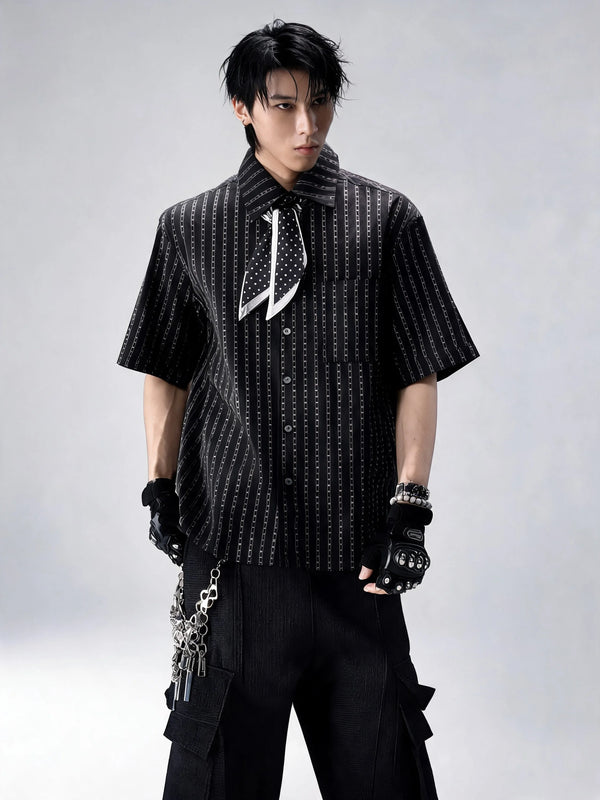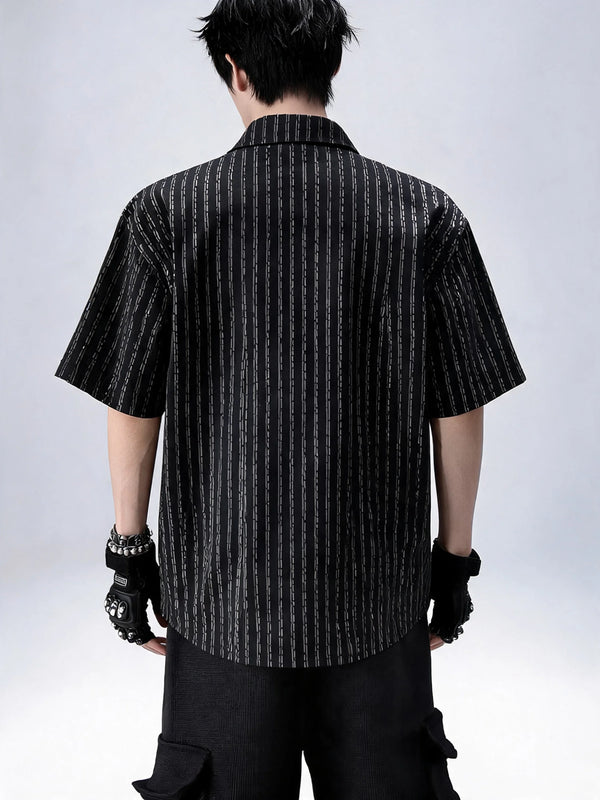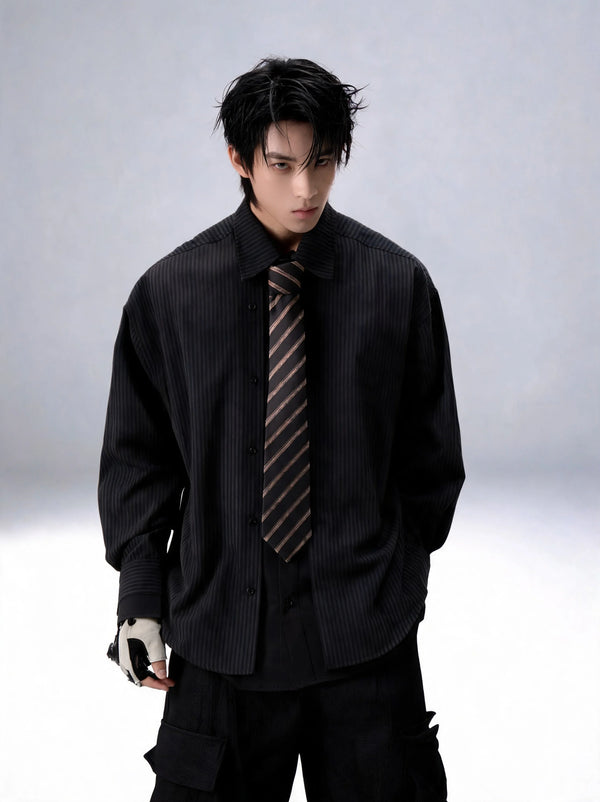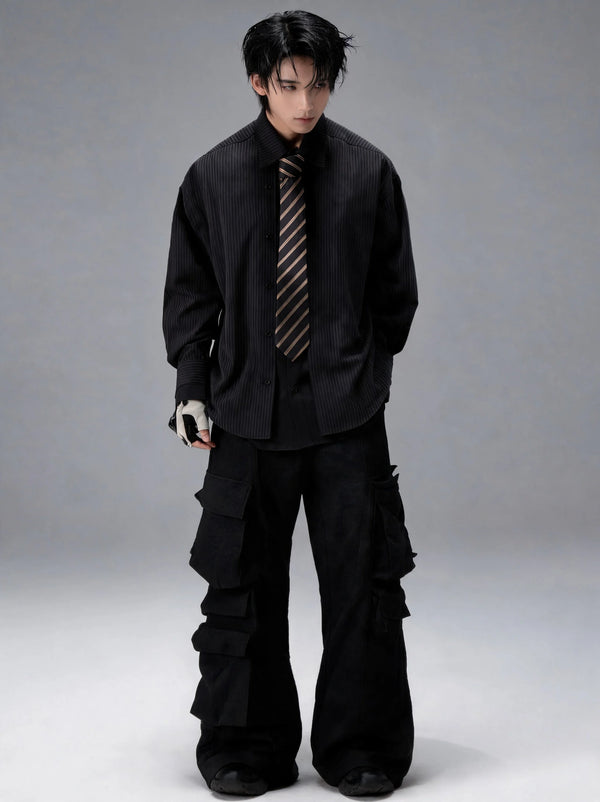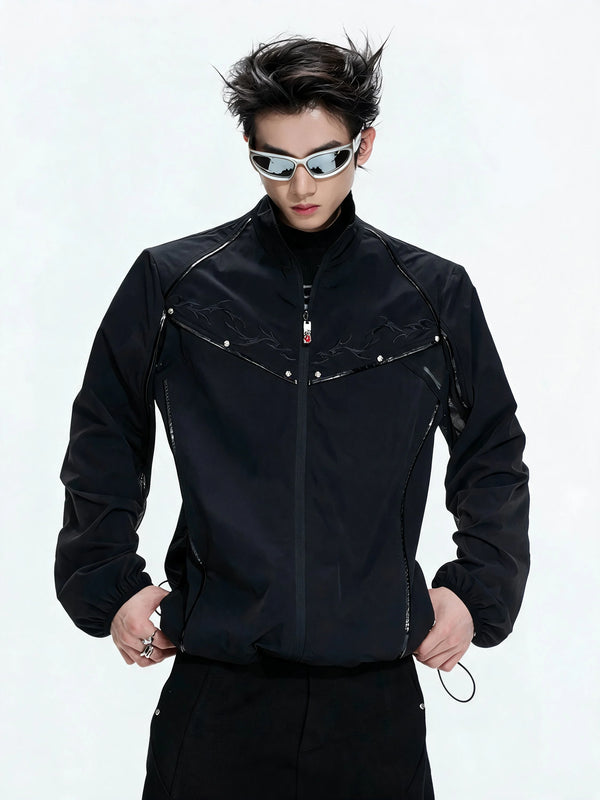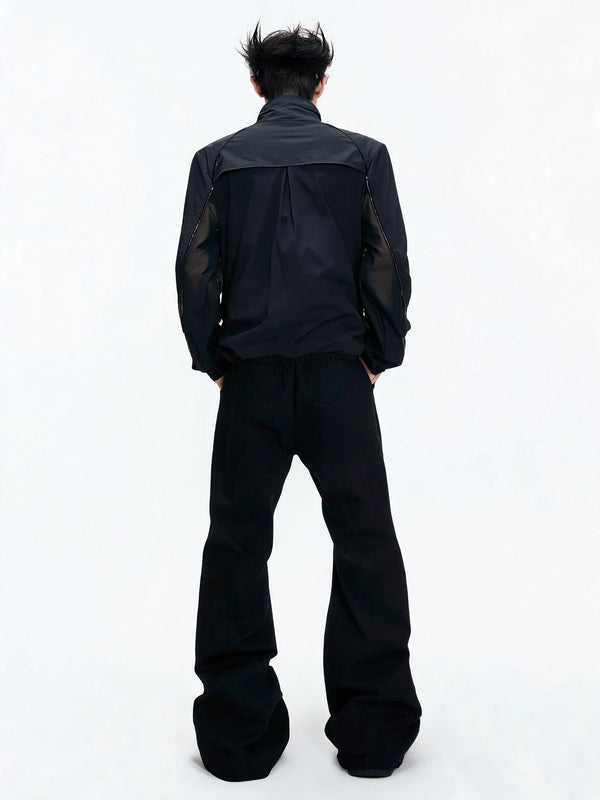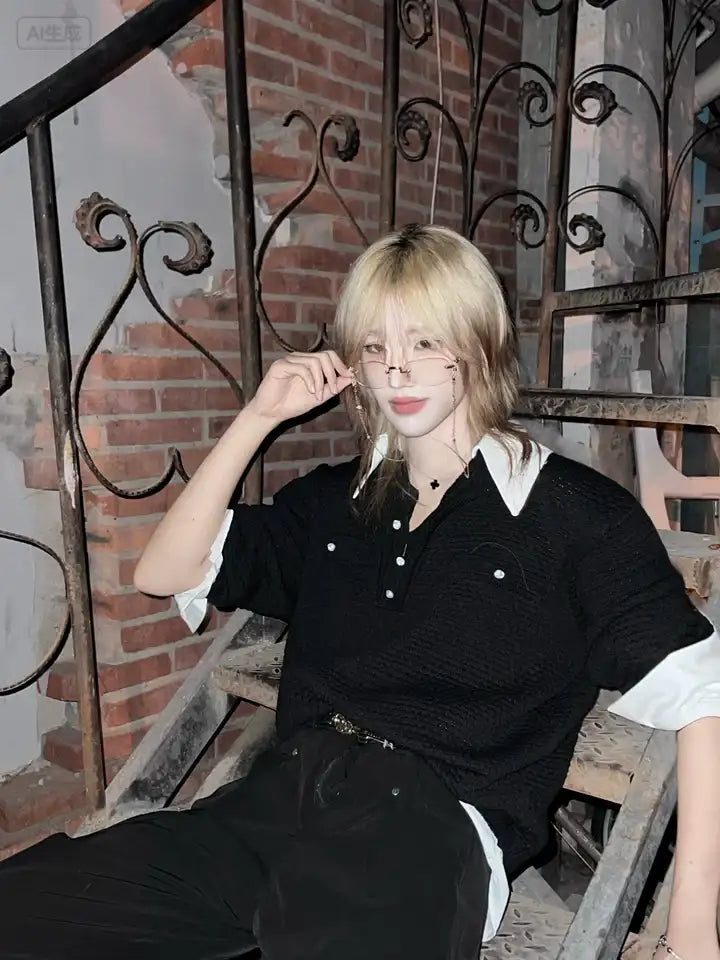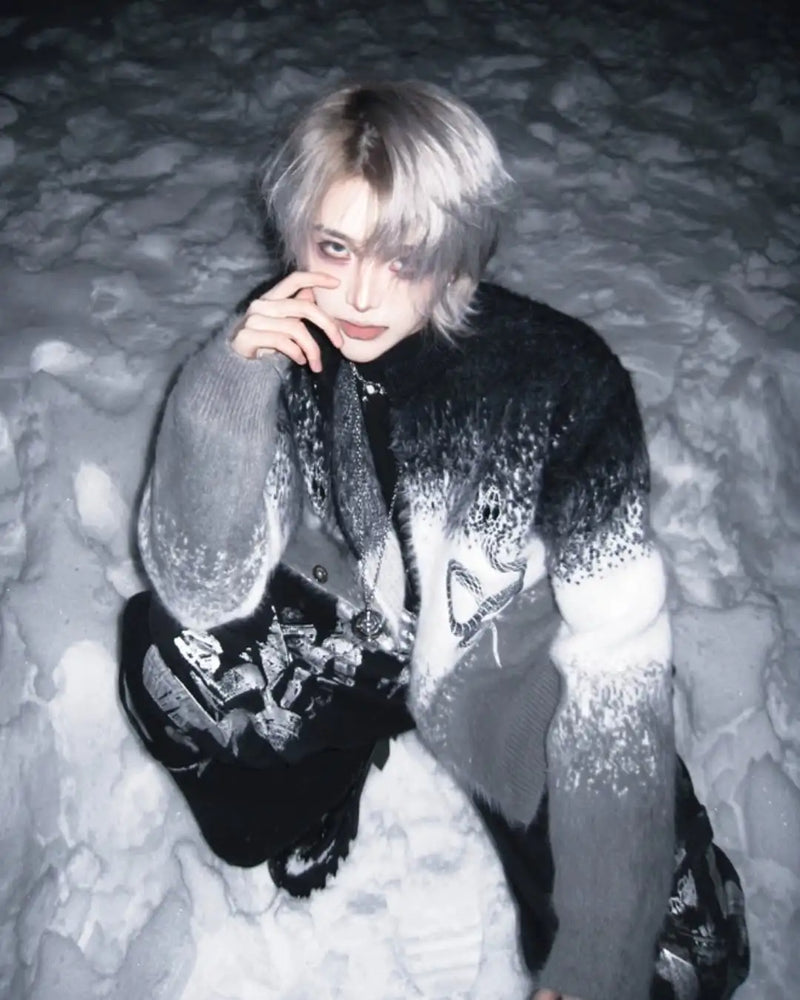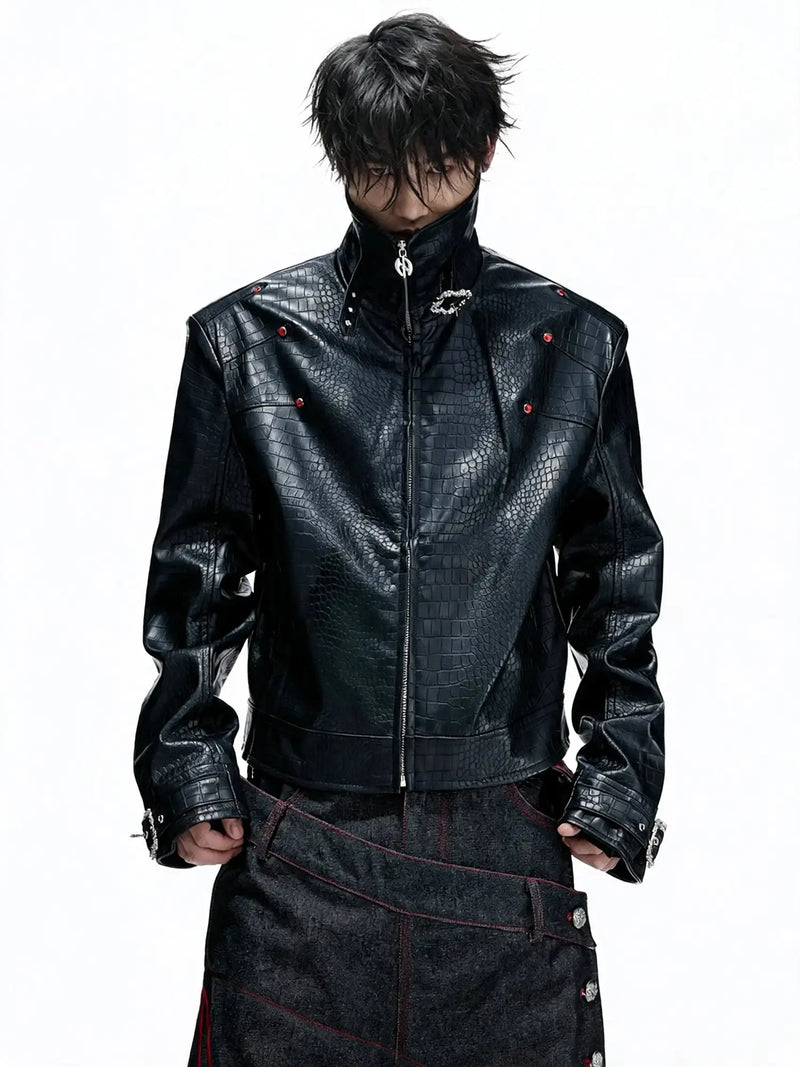
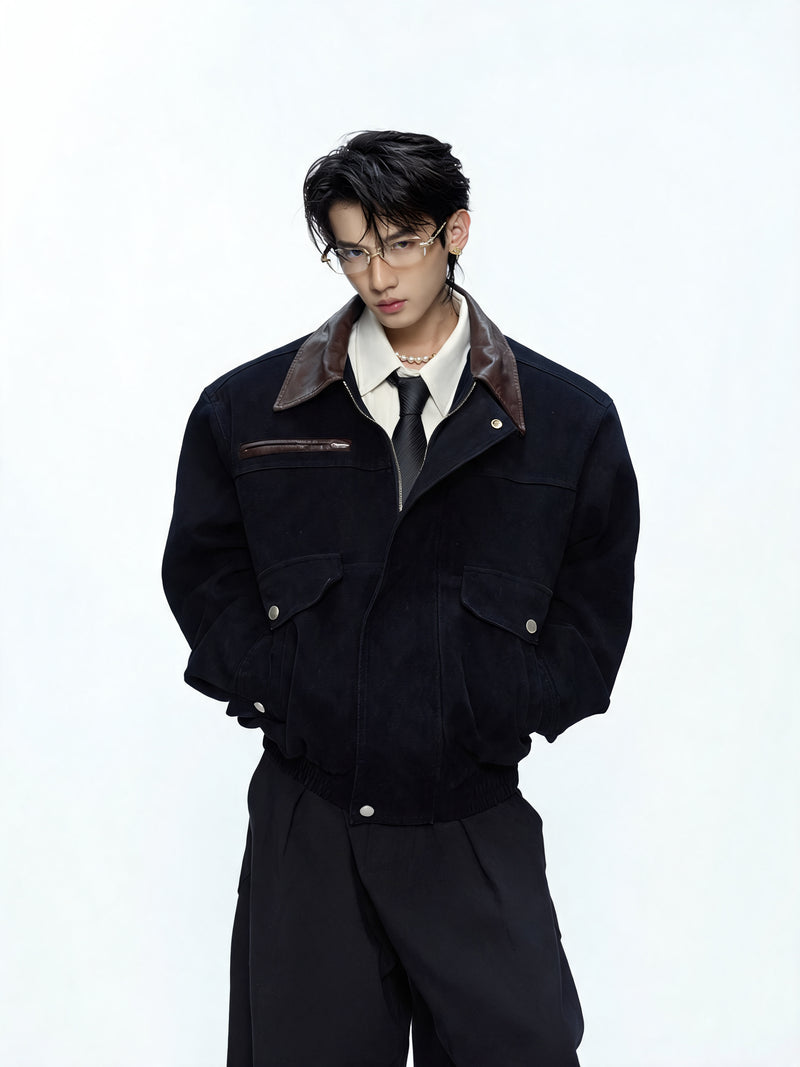
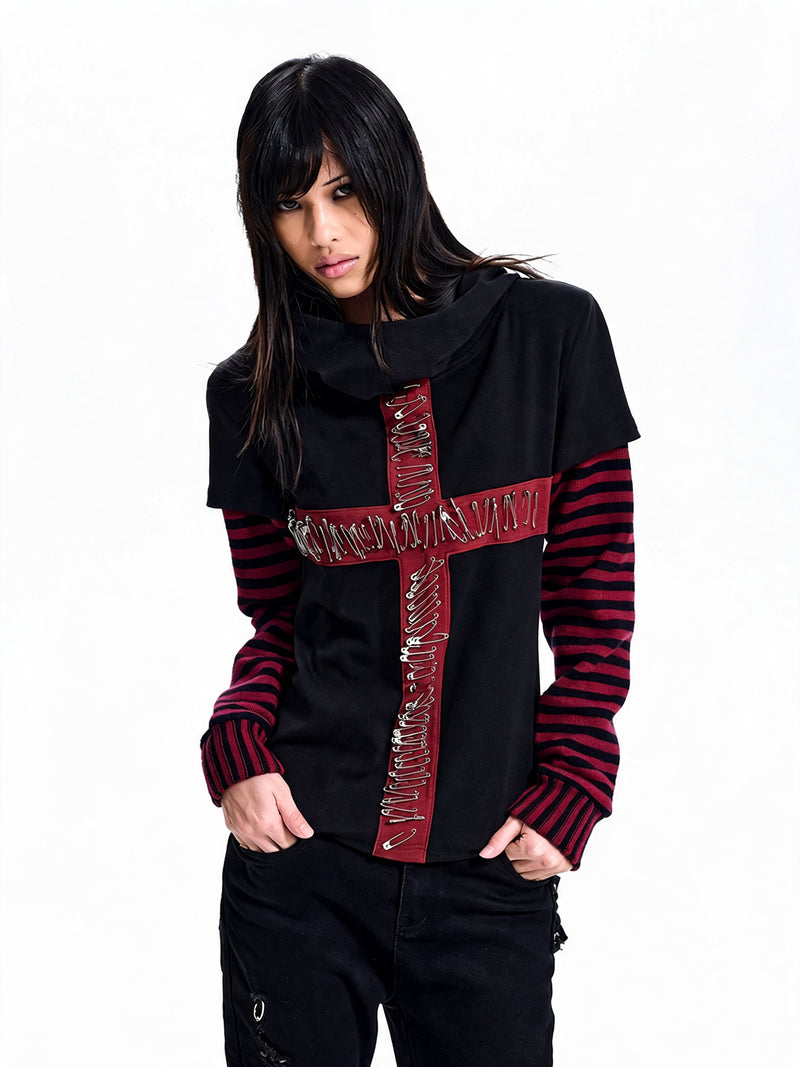
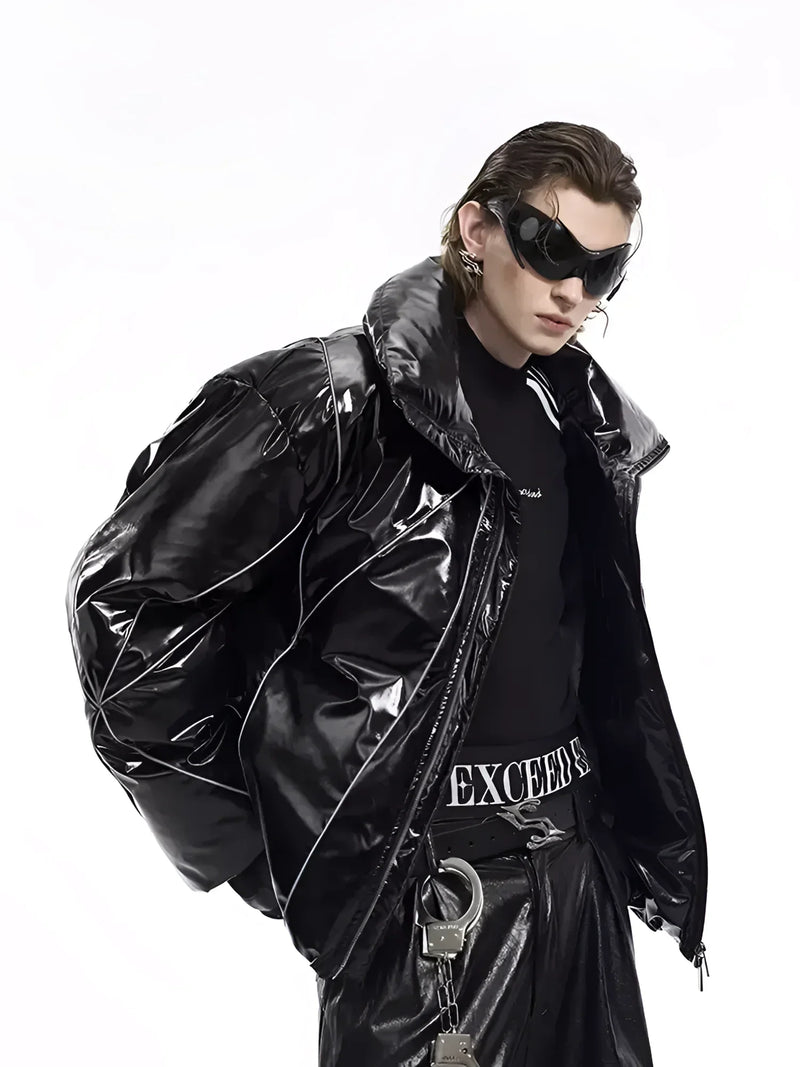
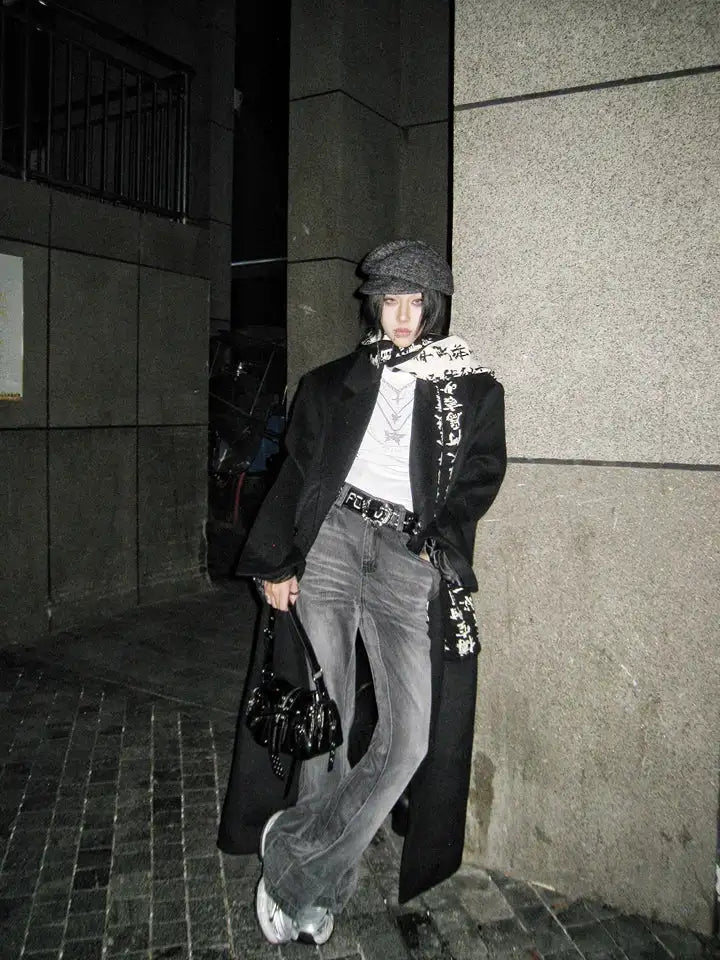

2007, webcam angled from above, flash on. The hair stands 15 centimetres high, a pink streak falls over the left eye, 30 colourful beaded bracelets stack up on the wrist. The profile picture goes live on MySpace, and within an hour three strangers comment “rawr xD”. Anyone who lived through that era does not forget it. Anyone who missed it is finding it again on TikTok right now, louder than ever.
Scene Fashion is the garish, neon-driven style of the late 2000s that grew out of the Emo movement and flipped its colour palette completely. Teased hair with coloured streaks, tight jeans, band shirts and kilos of plastic accessories define the look. Scene counts as the loud sister of Emo fashion, whose foundations we break down in full in the Emo Fashion Guide. This article shows what makes up the Scene Kid style, where it comes from and how you wear it in 2026 without looking like a throwback costume.
Definition
What is Scene Fashion? The definition
Scene Fashion is a youth style of the years 2006 to roughly 2012 that plays for maximum visibility. While classic Emo fashion sinks into black, Scene turns every dial up: neon colours on a dark base, prints with cartoon figures, hair like sculpture. The look emerged at a time when the profile picture mattered more than the school corridor. Anyone who wanted to stand out on MySpace needed an appearance that still landed at 160 pixels wide.
That is exactly why Scene Fashion works by screen logic: high contrast, a clear silhouette, one recognisable marker per body zone. That separates the style from almost every other subculture look of its time, which were built for the street. Scene was built for the camera. Three dates mark out the frame.
2006
Scene visibly breaks away from Emo
2012
End of the first wave
2020
Scenecore revival on TikTok
The fact that the style is surfacing again today comes down to the same logic. TikTok rewards, as MySpace did back then, anything that sticks immediately in the scroll. A teased crown with pink streaks stops the thumb more reliably than a clean beige outfit. Scene Fashion was social media fashion before the term existed.
Distinction
Scene vs. Emo: the difference
Scene and Emo still get mixed up today, even though the dividing line is clear. Emo comes out of the emotional hardcore of the 80s and 90s, wears black, looks inward and takes itself seriously. Scene emerged as a split from it, took over skinny jeans, the side fringe and the band shirt, but threw out the heaviness. Scene Kids wanted a party instead of world-weariness, Crunkcore instead of acoustic ballads, neon pink instead of deep black.
- Colour logic: Emo stays monochrome black, Scene puts neon colours, rainbow prints and contrast streams on the dark base.
- Attitude: Emo stages melancholy, Scene stages energy. Same hairstyle, completely different face underneath.
- Music: Emo listens to Midwest Emo and post-hardcore, Scene listens to Electronicore, Crunkcore and anything with autotune and a breakdown.
- Accessories: Emo wears little and loads it with meaning, Scene stacks Kandi bracelets, charms and cartoon merch with no upper limit.
The rule of thumb for the quick check: an outfit that would not stand out in a library is Emo. An outfit that risks being banned from the library is Scene. Both share the DNA, but Scene inherited the volume and Emo the depth.
Origin
The history: MySpace, Myspace Queens and 2006 to 2012
Scene Fashion has a birthplace, and it stands on the internet. From 2004 MySpace allowed individually designed profiles, glitter GIFs, autoplay music and Top 8 friend lists. For the first time teenagers curated their identity publicly and in real time. The currency was attention, and fashion supplied the capital. Whoever had the wildest hair and the loudest outfit collected followers long before the word was invented.
Out of this economy came the Scene Queens: girls like Audrey Kitching or Kiki Kannibal, who became internet celebrities with neon hair and raccoon streaks and influenced entire wardrobes. Brands like Hot Topic supplied the uniform, bands like Attack Attack! or brokeNCYDE the soundtrack. Around 2012 the wave tipped over, Facebook replaced MySpace, and the scene disappeared almost as fast as it had arrived.
System
Scene Kid style: the five building blocks of the look
The Scene Kid style looks chaotic but follows a fixed blueprint. Five elements turn up in practically every documented outfit of the era, and they only work together. Leave one building block out and you quickly land at Mall Goth, Y2K or a generic alternative look. The order is not a ranking, it is a checklist.
What matters is the ratio of the building blocks to each other. The hair takes the lead role, the outfit plays along. That is why the clothing base often stays surprisingly plain: black skinny, dark shirt, hoodie. The spectacle happens above the shoulders and at the wrists.
Beauty
Teased hair and makeup: the hairstyle as statement
Without the hairstyle there is no Scene look, it is that simple. The principle is called teasing: the top hair is combed against the growth direction strand by strand at the root until a stable volume cushion forms, then fixed with hairspray. Underneath sit heavily cut layers, at the front a deep side fringe falls over one eye. The combination of teased Emo Scene hair and poker-straight lengths is the trademark of the era.
Then comes colour, and unnatural colour at that. Platinum blonde with pink streaks, black with blue underlays or the famous raccoon tails, bleached and dark stripes in alternation. The makeup is dominated by thick black eyeliner on the upper and lower lid, plus a pale complexion. Unlike Goth makeup, lipstick stays out, the focus sits entirely on the eyes.
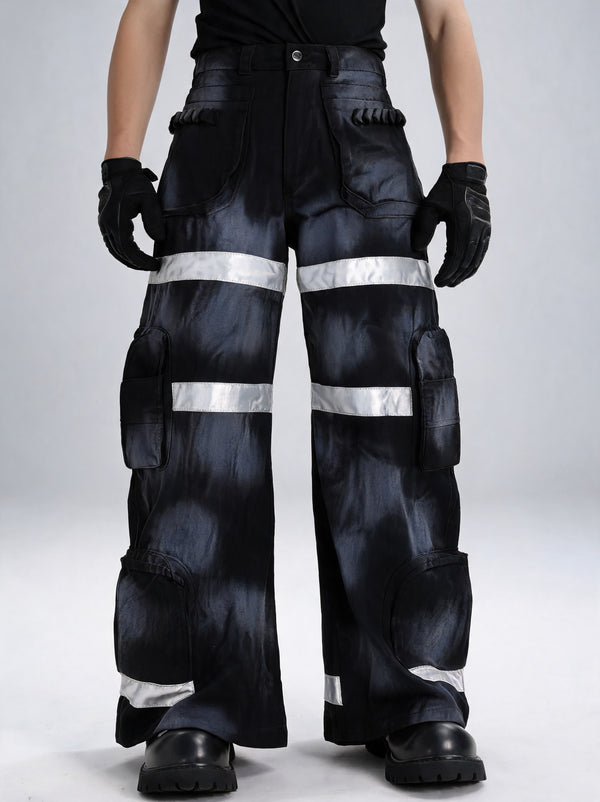
@fugastudios These pants ate and left no crumbs 🖤 walking chaos in denim form #fugastudios #darkfashion #widelegpants #fyp #distresseddenim ♬ Originalton - Fuga Studios
For 2026 the rule is: full teasing is event level, not everyday. The modern variant takes the side fringe, the layers and a single contrast colour, but keeps the volume at a wearable level. That keeps the reference readable without the hairstyle eating an hour of preparation.
Colour logic
Neon Scene: colours, prints and the dose
Neon is the signal of the Scene look, but the dose decides between style and carnival. The original worked to a clear formula: dark base, one to three neon accents. Pink, poison green, cyan and orange were the lead colours, worn as a hair streak, shirt print, belt or shoelaces. Full-body neon practically never happened, the bang needs black as its stage.
The prints were ruled by cartoon aesthetics: Hello Kitty, Gloomy Bear, Invader Zim, plus leopard patterns and little stars. This childlikeness on a dark base is still what separates Scene from every other dark style. Anyone building the look starts with two loud pieces and keeps the rest disciplined and dark.
A graphic shirt with a contrast print takes on the same function as the band shirt did back then: it supplies the visual centre around which everything else arranges itself. An open hoodie or a light jacket works over it, and the trousers stay quiet underneath.
Styling
Scene outfits girl: the complete look
The classic Scene girl outfit stacks references until the silhouette speaks. The base is almost always black skinny jeans or a tutu skirt over leggings, plus a tight band or cartoon shirt, and over that an oversized hoodie with an animal-ear hood. Flat sneakers on the feet, the Kandi wall at the wrists. The tension comes from the mix of kawaii cuteness and punk hardness, sweet and spiky in the same outfit.
The 2026 version defuses the kids-room prints and keeps the structure: tight trousers, loud top, stacked accessories, striking hair. If you want to go deeper into the female side of dark subculture fashion, the Emo girl universe holds the related codes.
Styling
Scene outfit male: how the boys wore it
The male Scene outfit was more radical than almost anything menswear allowed at the time. Jeans in sizes actually meant for a little sister, shirts in kids sizes, plus belts with pyramid studs and hair that demanded more upkeep than any girlfriend. Scene boys broke the rules of 2000s masculinity long before that became mainstream fashion, and it is exactly that attitude that makes the look connect again today.
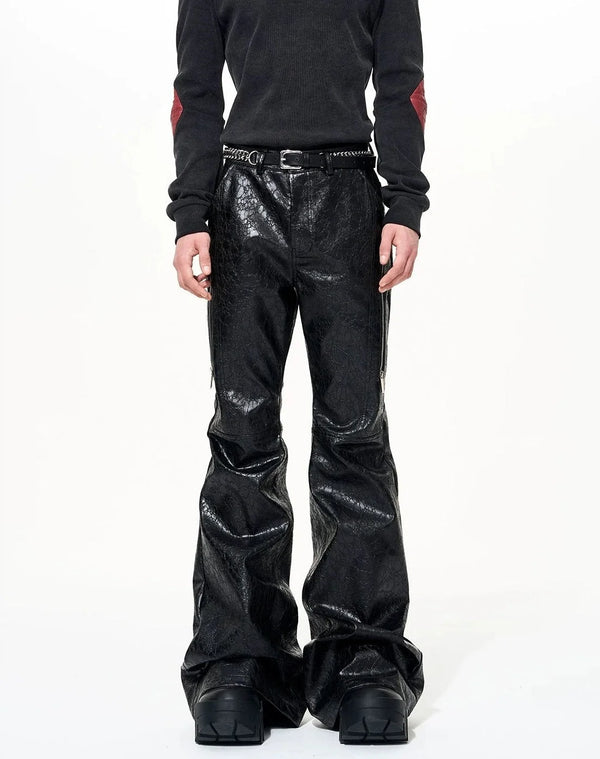
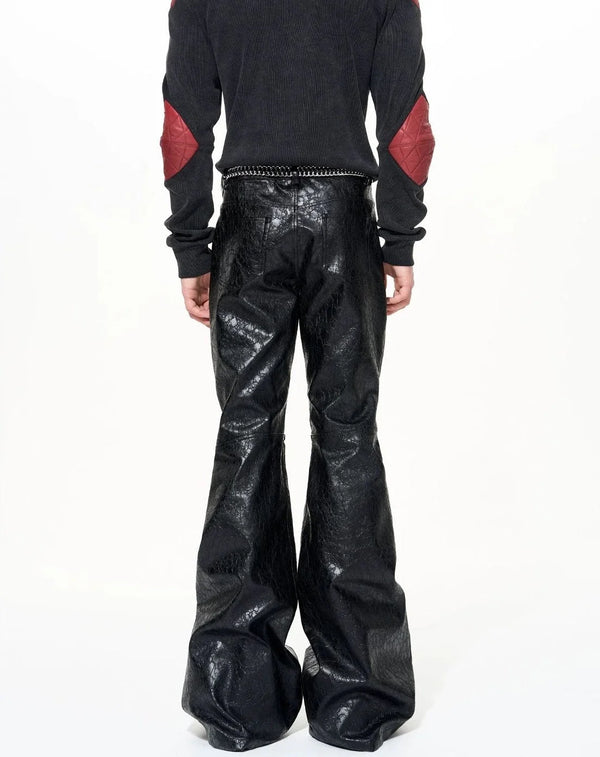
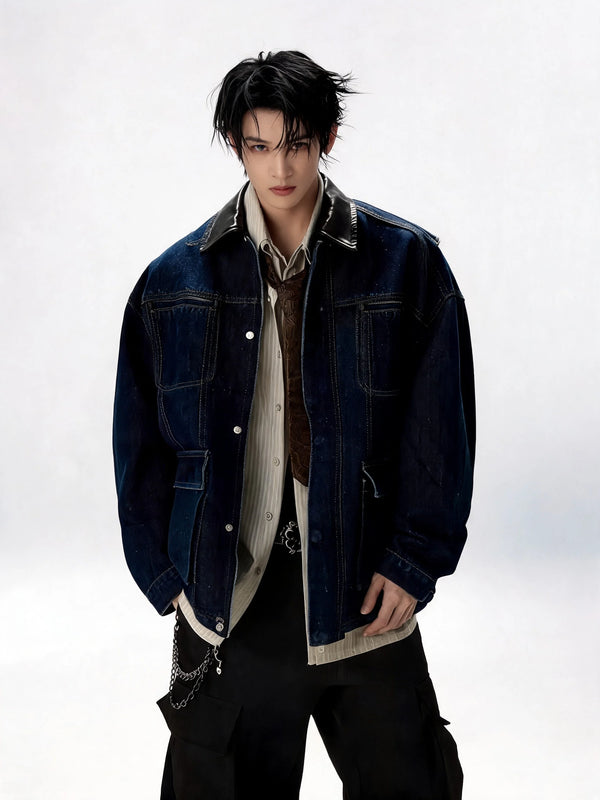
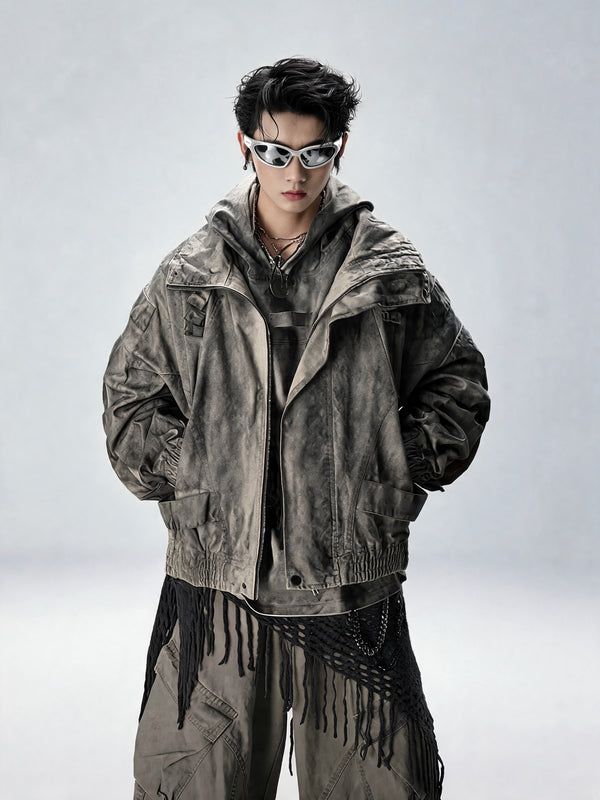
The modern translation loosens the trousers: instead of a chokehold skinny, straight and wide cuts in a dark wash work, ideally with prints or studs. Up top the principle stays the same, a graphic shirt or longsleeve, with a hoodie over it if needed. The hair still carries the recognition value, and even with shorter cuts a fringe styled into the forehead is enough as a quote.
Studded jorts over leggings or wide jeans with embroidery are the contemporary answer to the skinny era. The trick: the trousers can be loud if the top stays quiet, and the other way round. Both at once tips into costume.
Archive
2000s Scene clothes: the original pieces of the era
Anyone looking for the original lands on a surprisingly short list. Skinny jeans from cheap labels, masses of shirts from Hot Topic, checked slip-ons, tutus from the party supply shop and plastic jewellery from a vending machine. Scene was never designer fashion, it was mall fashion with maximum DIY input. The creativity sat in combining, layering and making it yourself, not in the price tag. Kandi bracelets were traded instead of bought, belts studded by hand, shirts cut up and sewn back together.
That is precisely what separates the era from today's trend cycles, where every look is buyable as a finished set. A Scene outfit from 2008 was a collection of individual decisions, and you could see the story in every piece.
For today's outfits that means: vintage finds and DIY elements beat any stack of perfectly new pieces. A worn studded belt from secondhand tells more Scene history than any new item. The mix of old, self-made and deliberately bought new hits the spirit of the era most precisely.
Everyday
Scene outfits for school and everyday
Scene Fashion in everyday life works through reduction to one statement per zone. For school or university that means: normal dark trousers, a graphic shirt, a handful of bracelets and the side fringe. The full programme with teased hair, neon overload and 40 accessories stays reserved for concerts and conventions. The look lives more off the attitude than off the volume anyway, and a single pink streak says enough.
Getting started costs little, because the base pieces are already sitting in most dark wardrobes. Black trousers and a dark shirt are there, only the signal pieces are missing. Anyone who wants to build deliberately works through the matching categories.
Shopping
Scene clothes online shop: where to buy the look in 2026
The mall shops of the Scene era are largely history, the look lives online today. The search is rarely for the word Scene itself, but for the building blocks: graphic tees, studded belts, charms, checked prints, neon accents. Anyone shopping smartly combines three sources: secondhand for original pieces with history, DIY for the Kandi layer and targeted new buys for the pieces that have to fit cleanly.
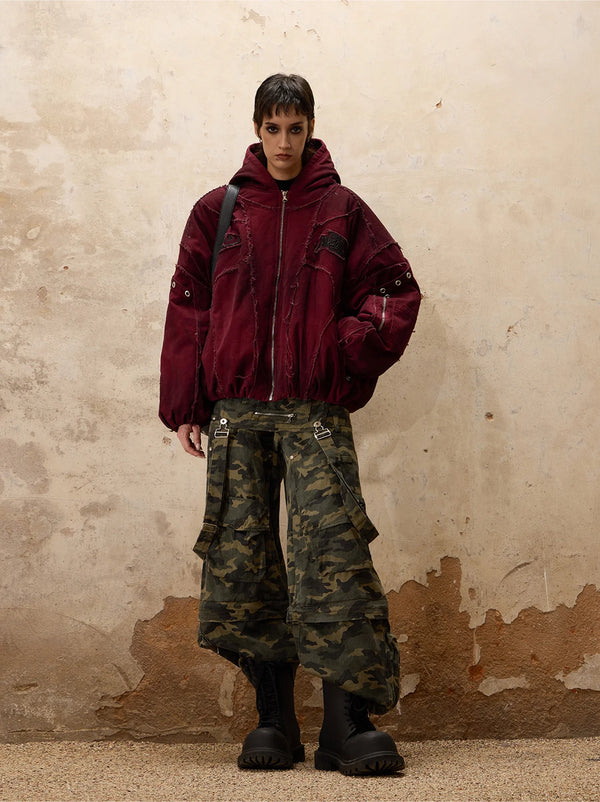
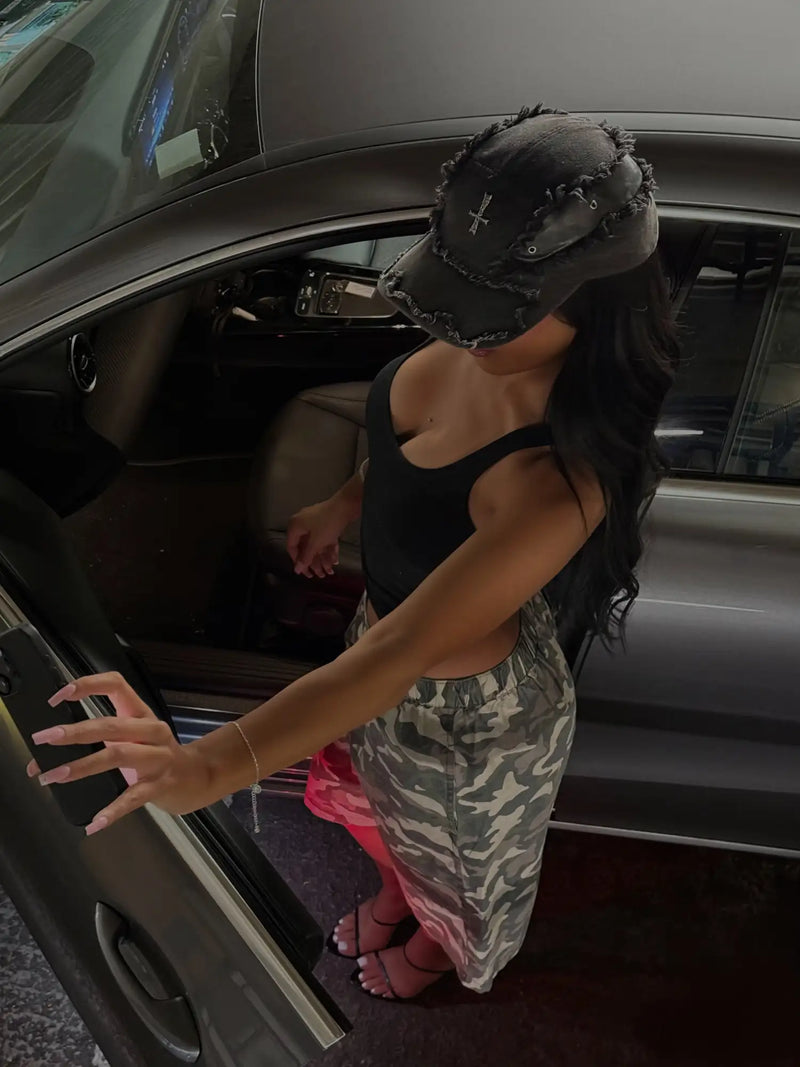
With the new buys the accessories count double, because they make the difference between a dark everyday outfit and a recognisable Scene quote. A studded belt, a cap with a distressed print and a striking keyring turn the same black base into three different looks.
Our pieces come in limited drops and do not come back, which fits the Scene idea surprisingly well. Nobody in the scene wanted to wear the same outfit as the person in the next comment. Limited drops, no restocks.
Present
Scenecore: the revival of Scene Fashion
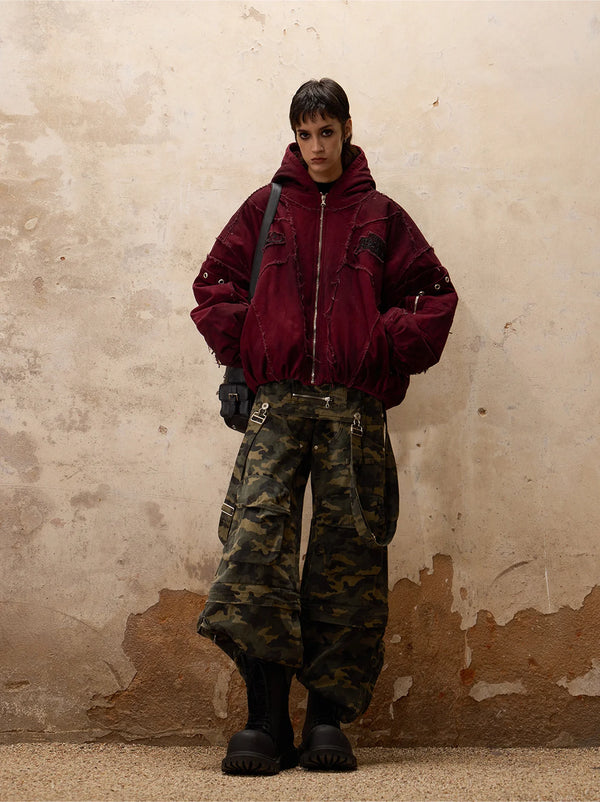
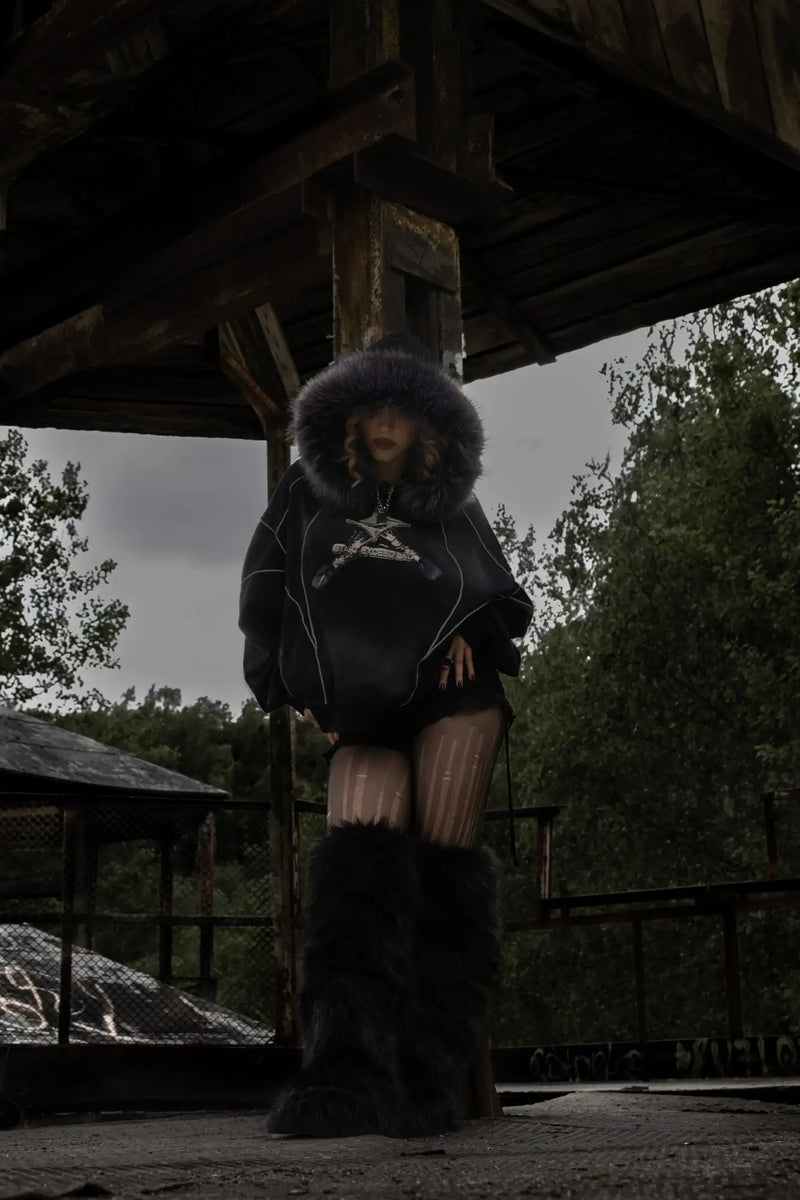
The second wave has been running since the early 2020s, and it carries a new name: Scenecore. The generation that was too young for MySpace in 2008 is discovering the aesthetic through TikTok archives, nostalgia edits and the general Y2K enthusiasm. The revival does not copy one to one, it remixes: Scene hair meets wide trousers, Kandi bracelets meet Techwear elements, neon accents meet cleaner silhouettes.
What is interesting is what the revival leaves out. The problematic sides of the old scene, from the drama cult to the size-zero fixation, stay outside. What remains is the core idea: maximum self-staging on a minimal budget, identity as a daily project. That fits a time in which nobody has to decide on a single aesthetic any more.
@fugastudios When your pants have more layers than your personality 🤎☀️ Opium Grunge Longsleeve + multi-pocket cargo pants = apocalyptic chic achieved#fugastudios #grungeaesthetic #cargopants #darkfashion #opiumcollection ♬ Originalton - Fuga Studios
For the wardrobe that means: anyone starting today needs no historical correctness. A jacket with attitude over the graphic shirt is enough as an entry point, the rest grows with the collection.
What goes wrong
Common mistakes with the Scene look
Scene Fashion is a look with a long drop. Because it is built so close to costume, details decide whether the result reads as style or as a carnival attempt. Five mistakes come up again and again, and all five are avoidable.
The common denominator of all five mistakes: they treat Scene as a uniform instead of a system. Once you understand the logic, dark base, loud accents, visible DIY input, you can swap out every single piece and still stay in the look.
Questions
FAQ: Scene Fashion
To finish, the questions that come up most often around Scene Fashion, answered compactly. From Scene Queens to Scenecore to the question of whether the look works without neon.
What is a Scene Queen?
What does Scenecore mean?
Does Scene Fashion work without neon colours?
Which hair colours suit the Scene look?
Can I mix Scene Fashion with Y2K?
Scene Fashion is therefore more than a nostalgia drawer. The look co-invented the mechanics of self-staging online, and that is exactly why it does not feel old in 2026 but logical. What remains is the invitation to build your own version.
What do you think?
Tell us on @fuga_studios
About the author
Philipp Fuge — Founder · Berlin
Founder of Fūga Studios. Writes the journal himself. Berlin · Shanghai · Tokyo · Poznań — four cities, one logic.