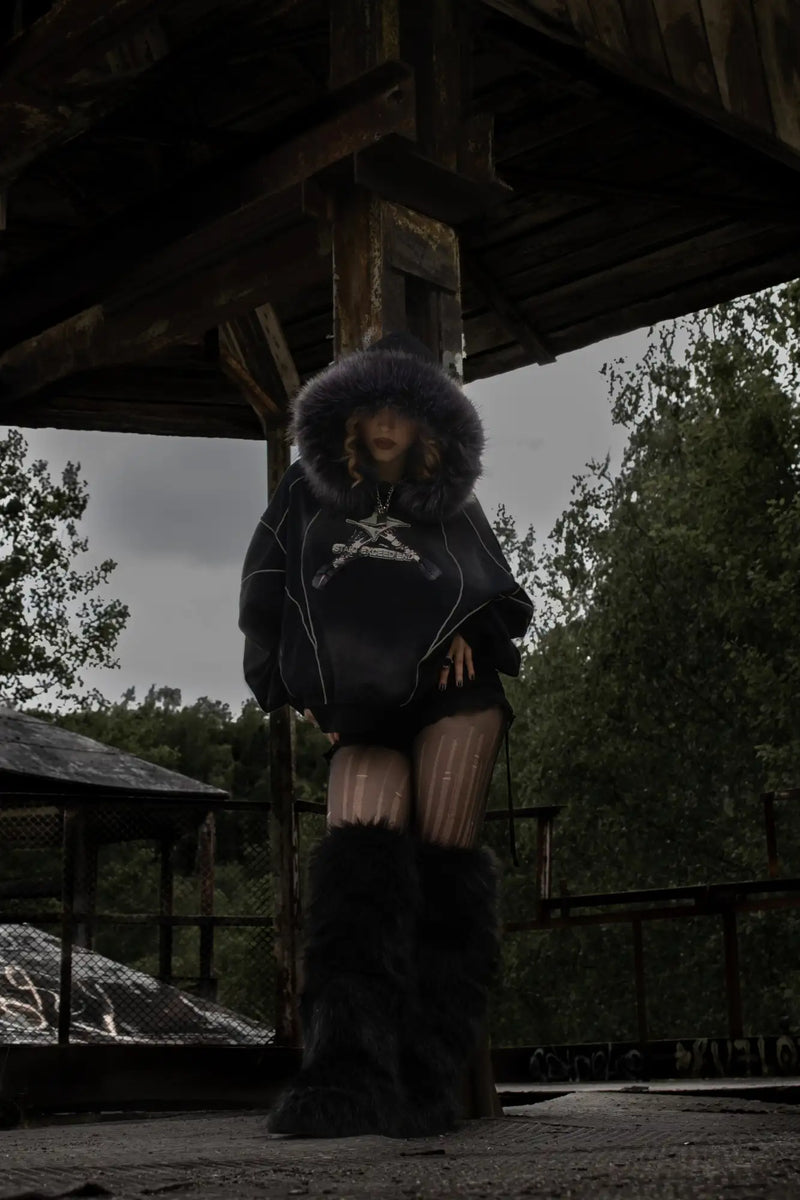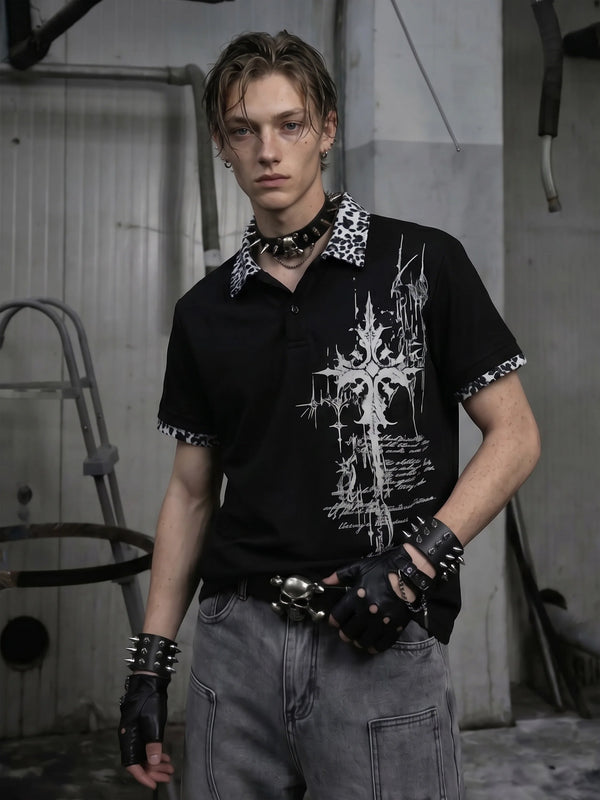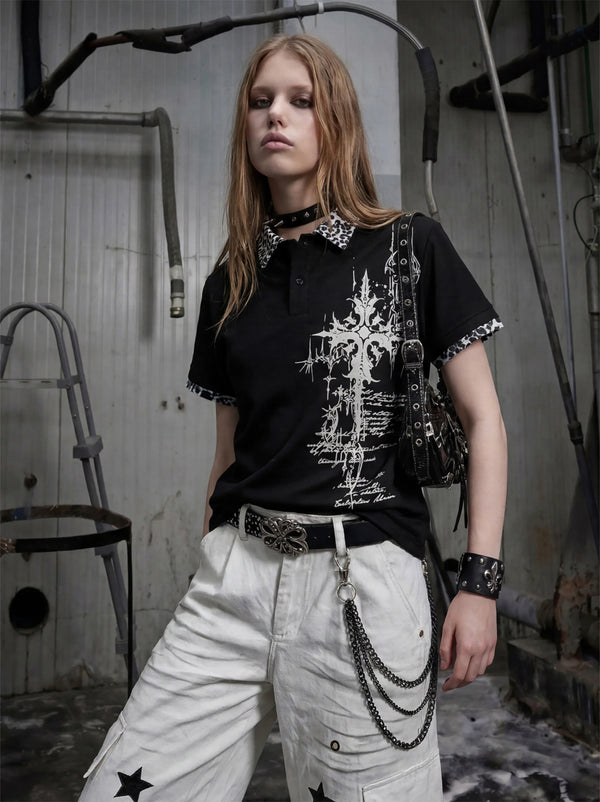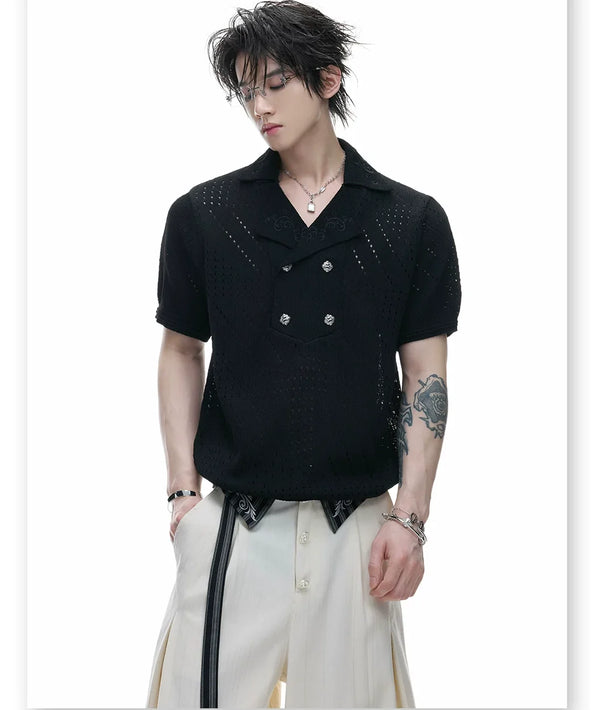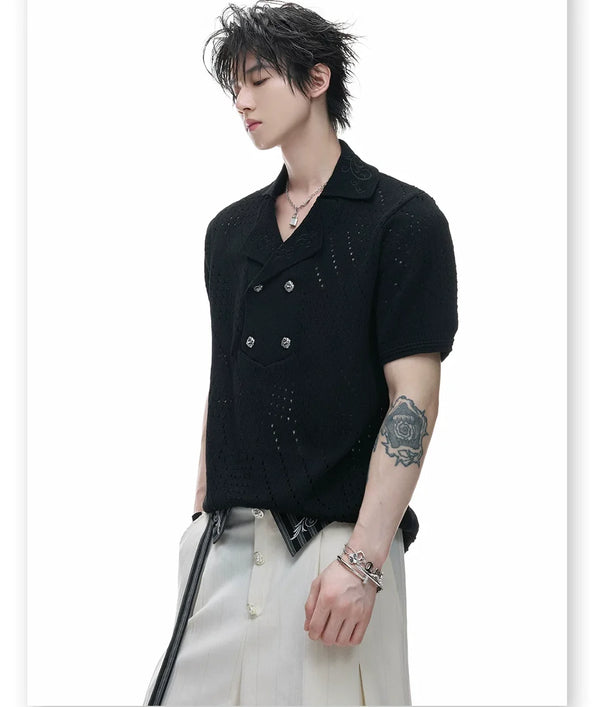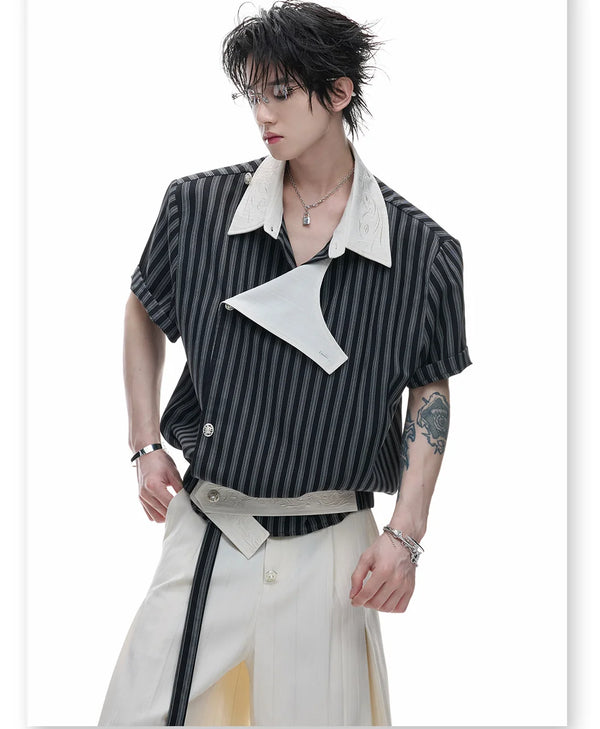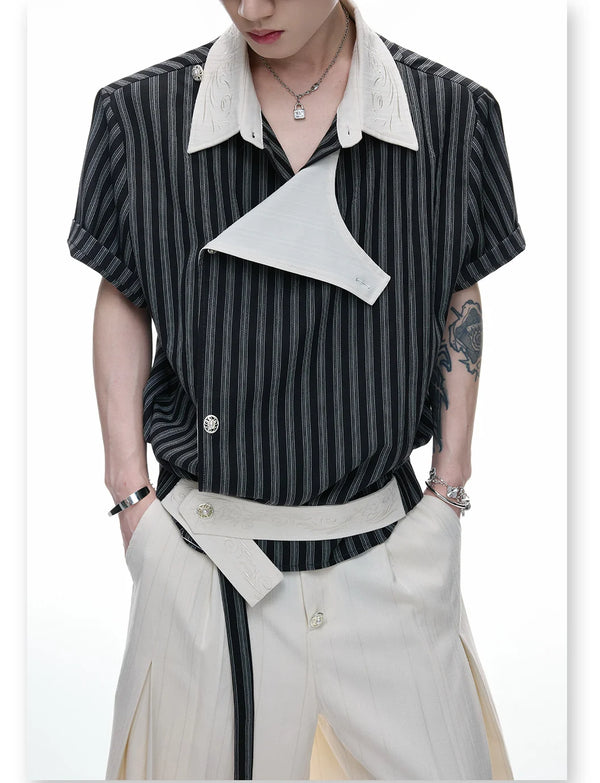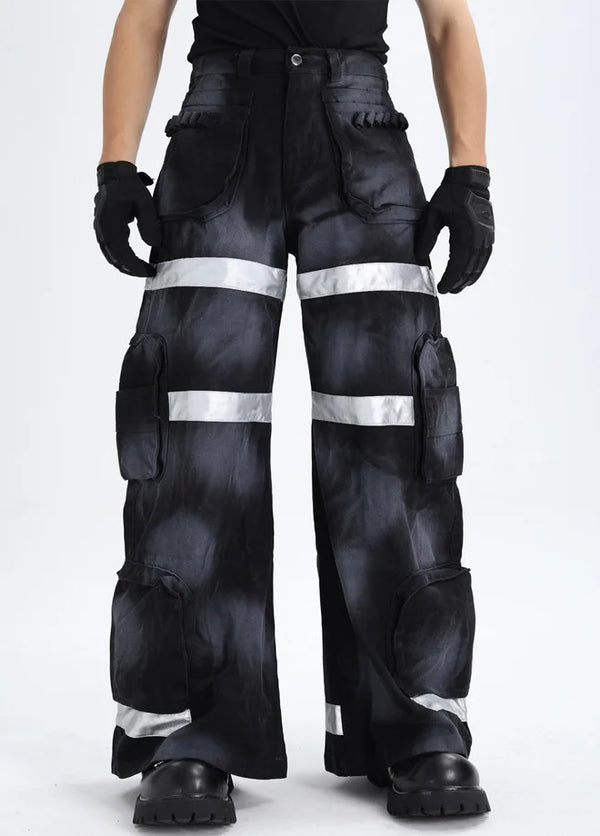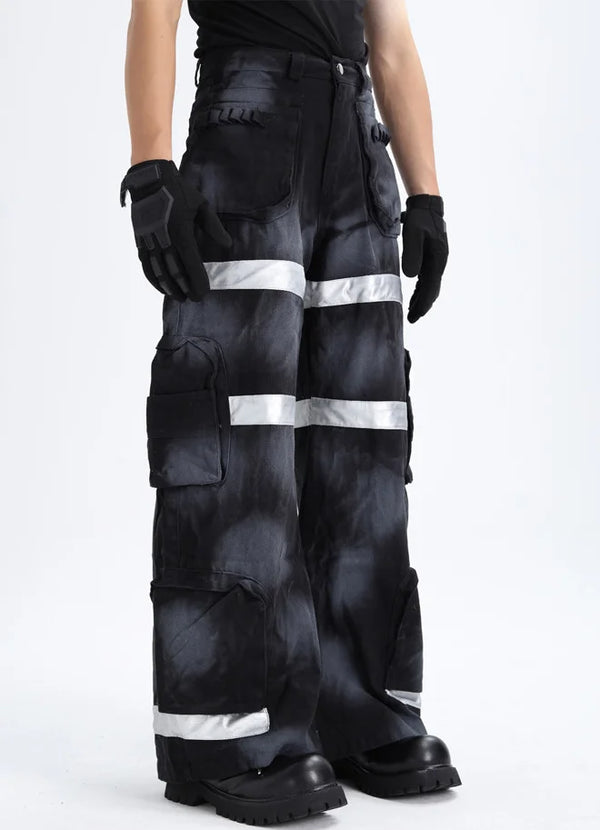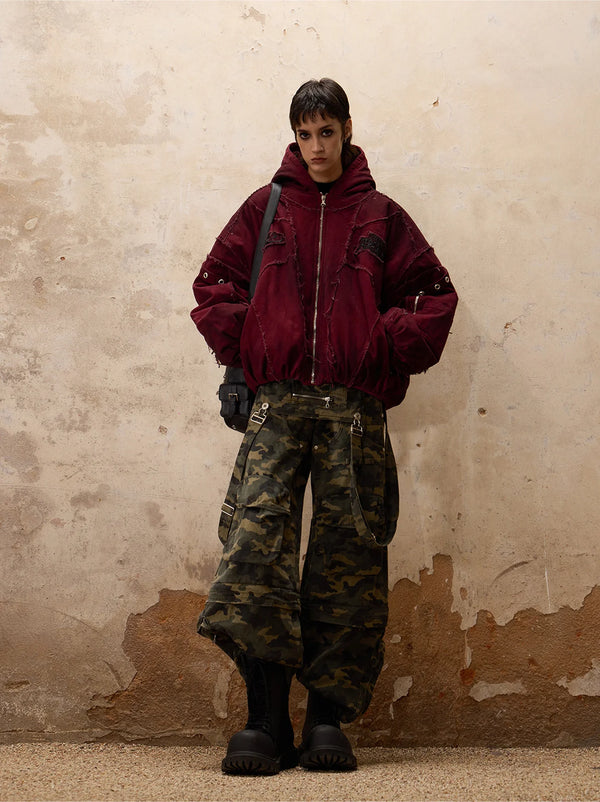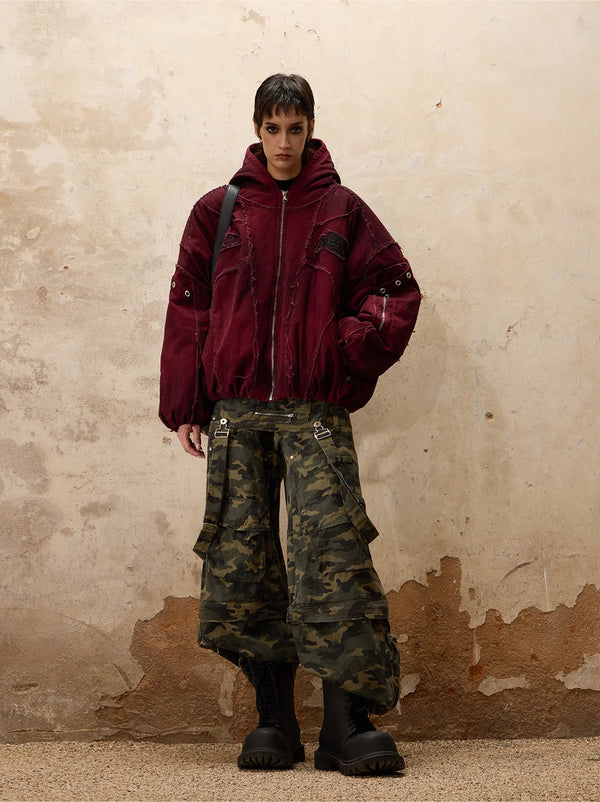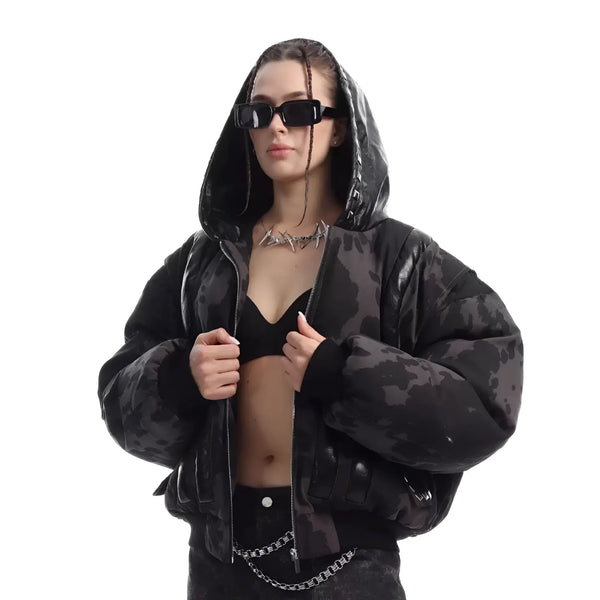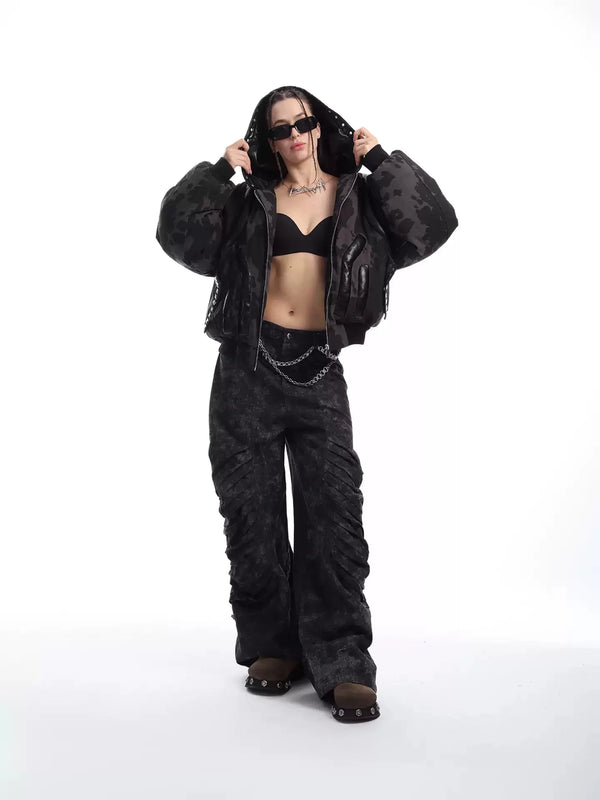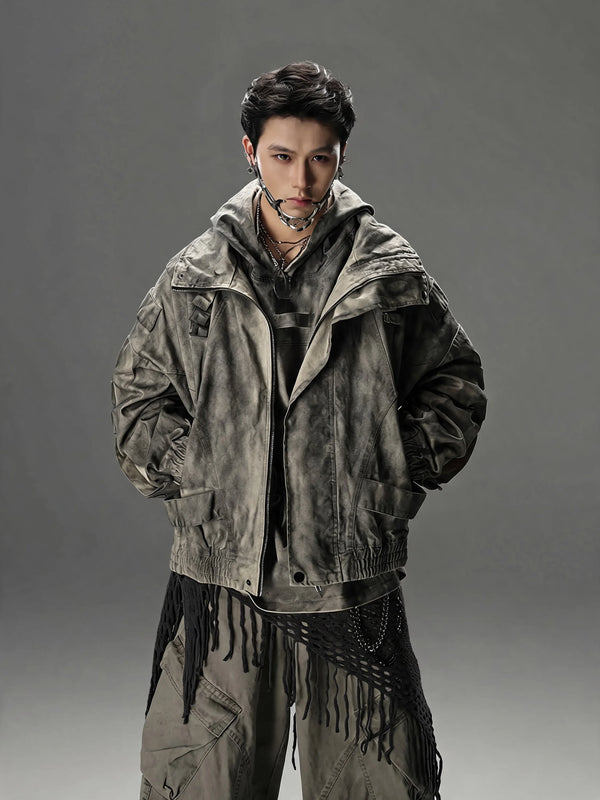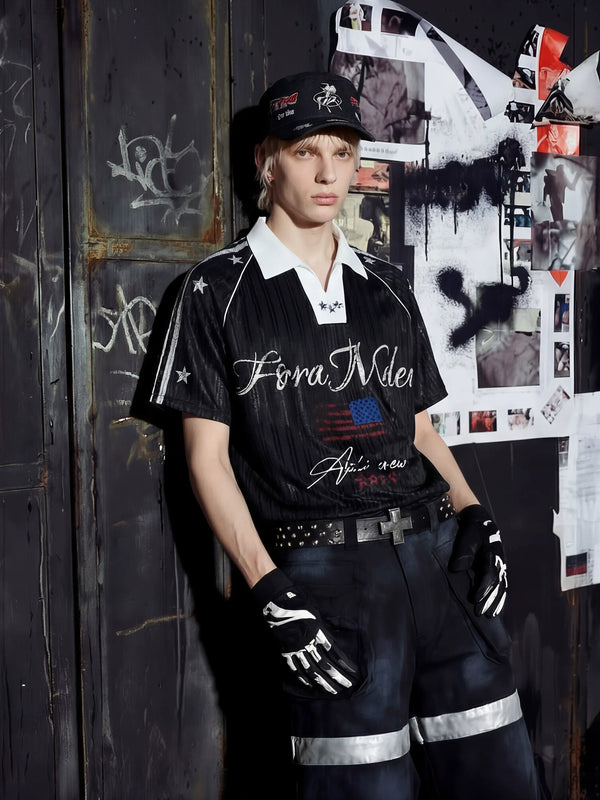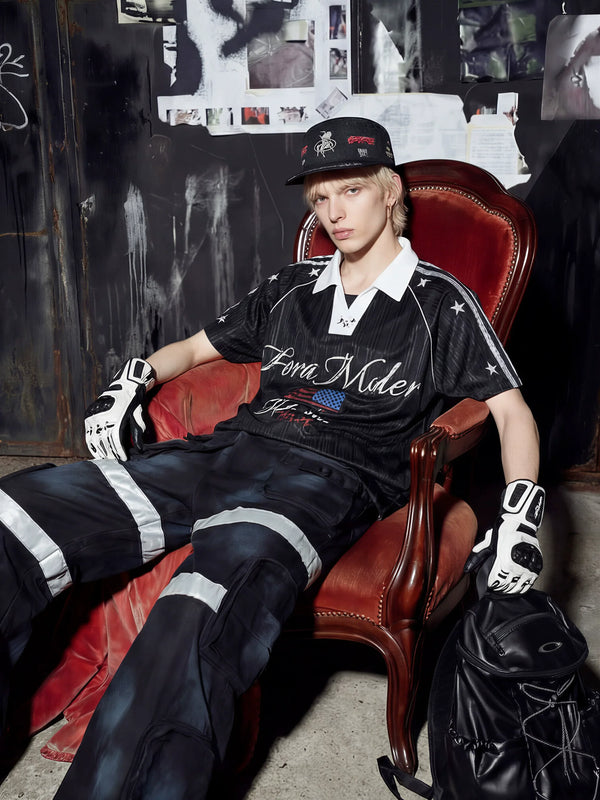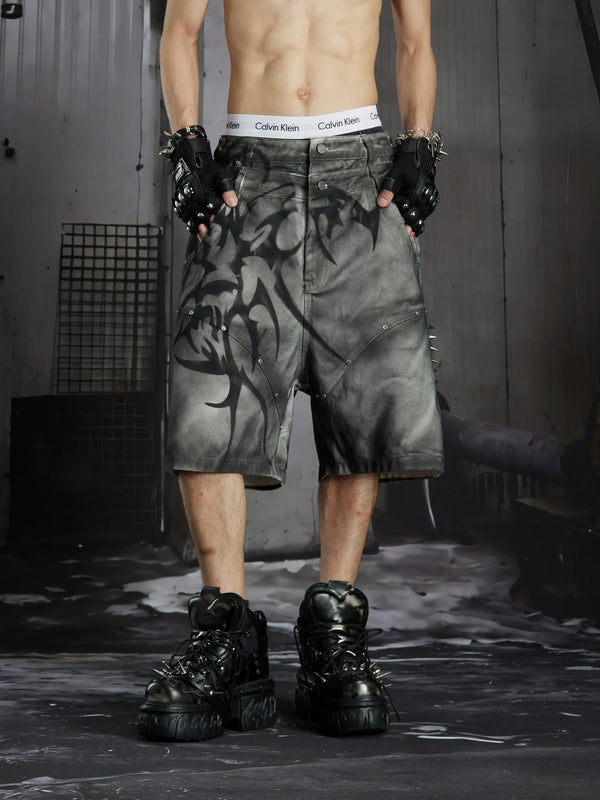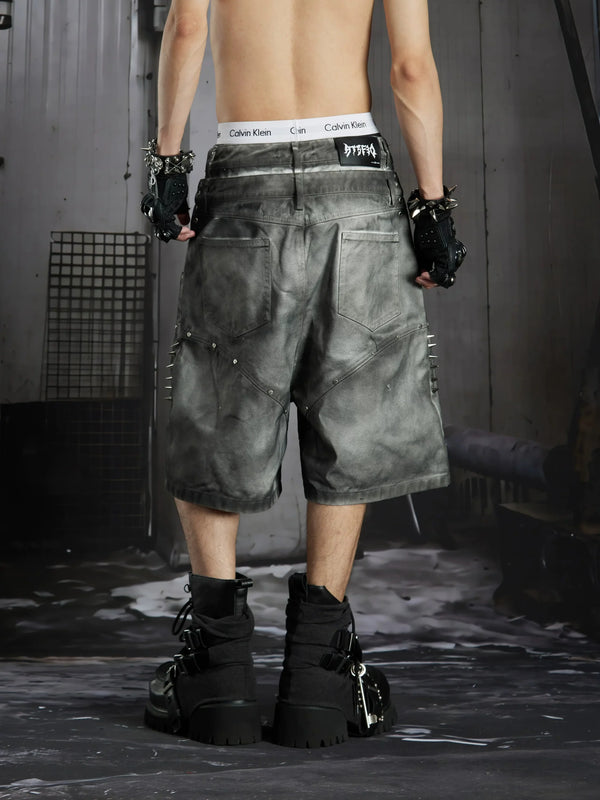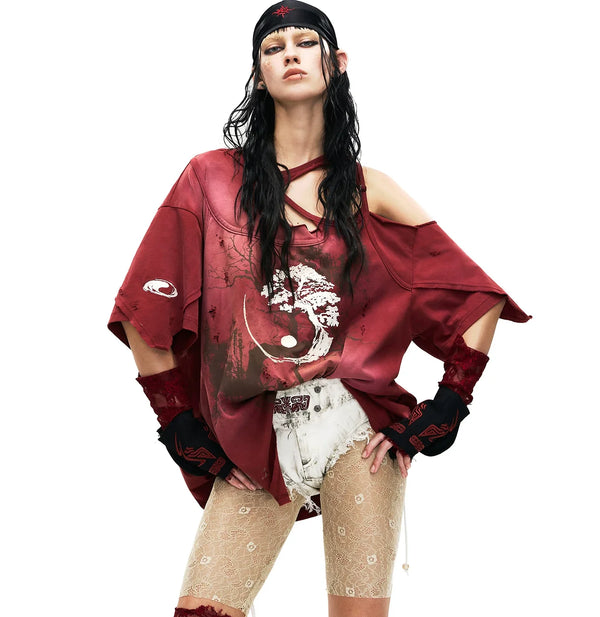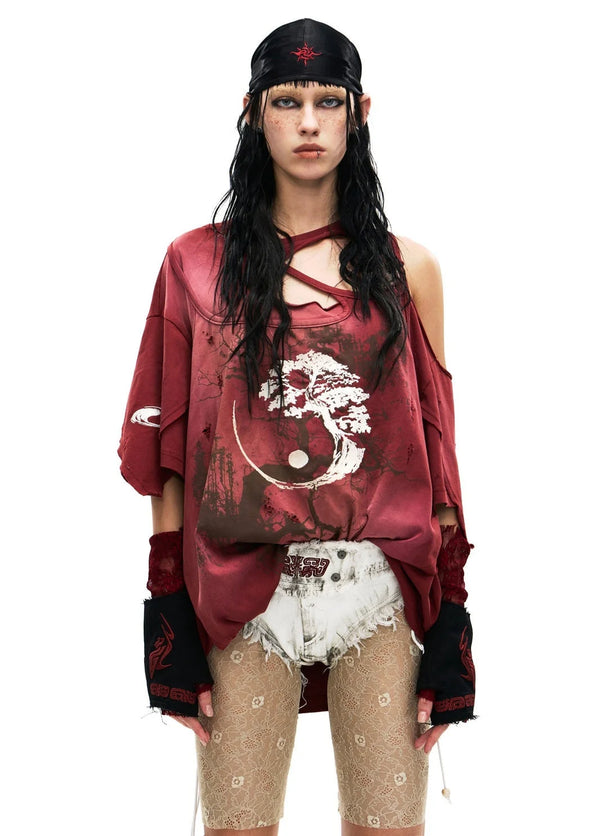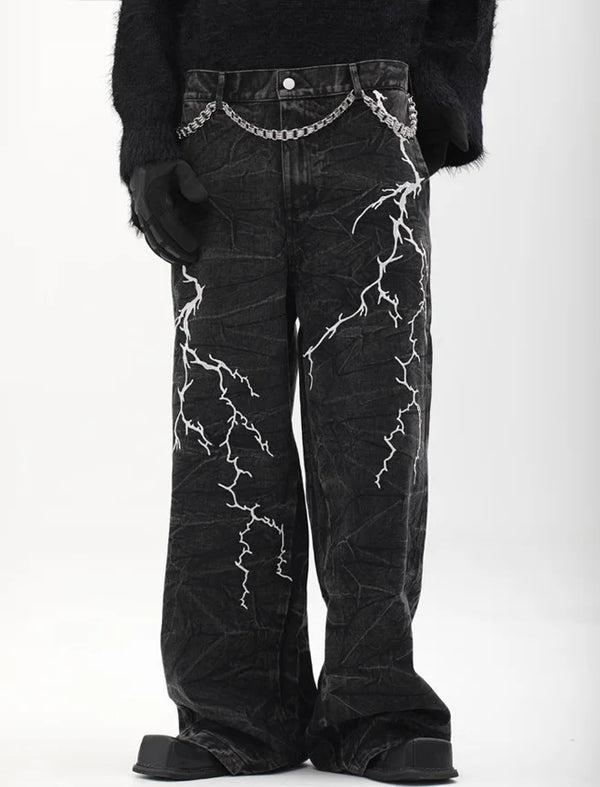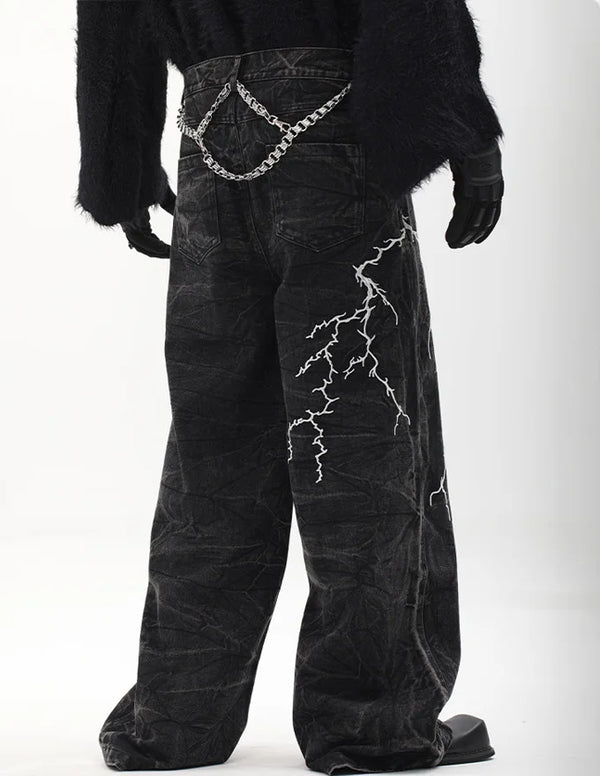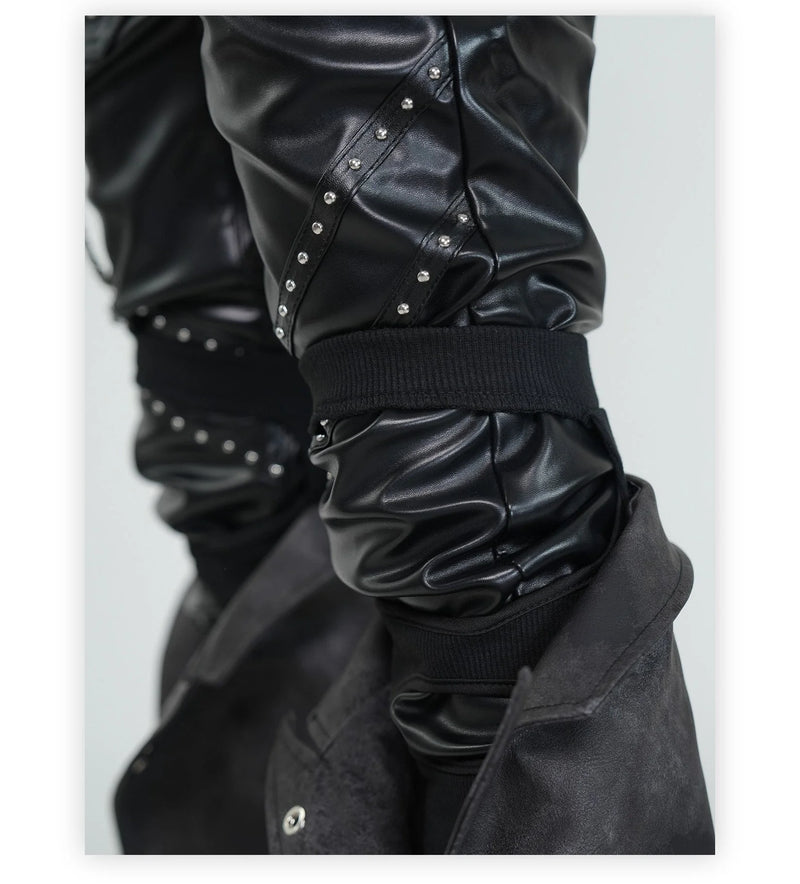
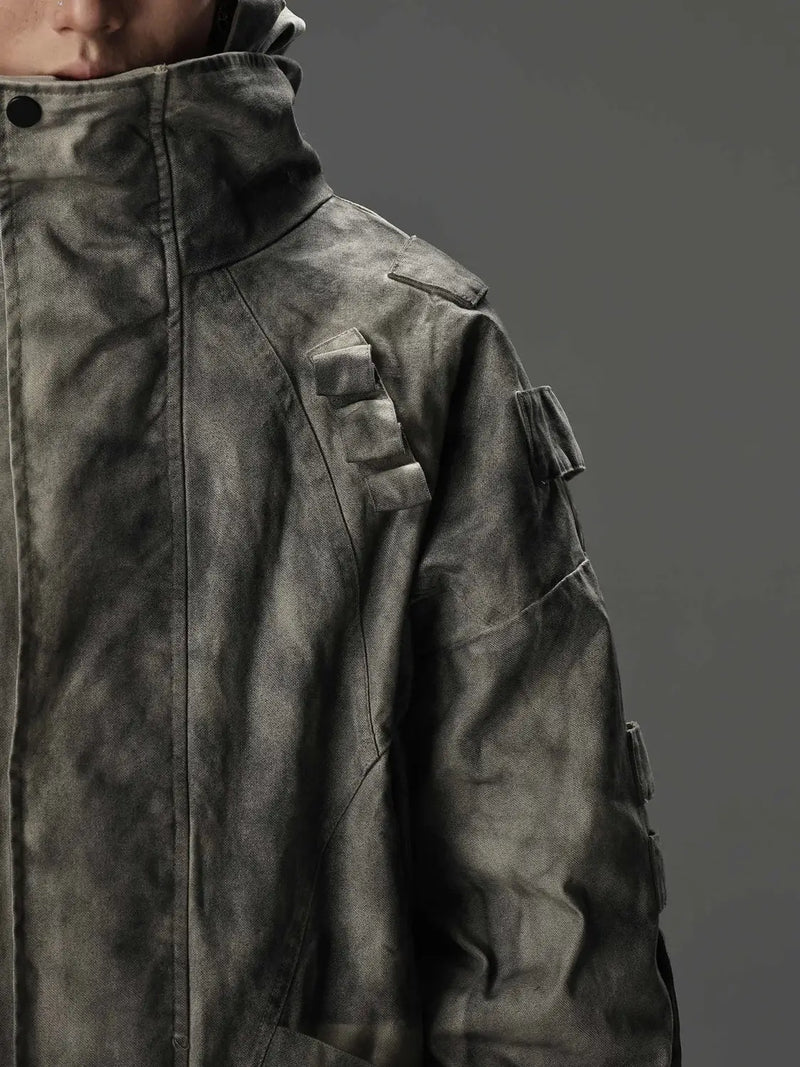

Monochrome · Heavy · Shadow
Crosses, chains, silver on black. The details that sharpen the dark.
All pieces

Rings with crosses, chains in oxidized silver, gloves that disappear under your coat. Gothic accessories aren't an add-on — they're what makes an outfit legible.
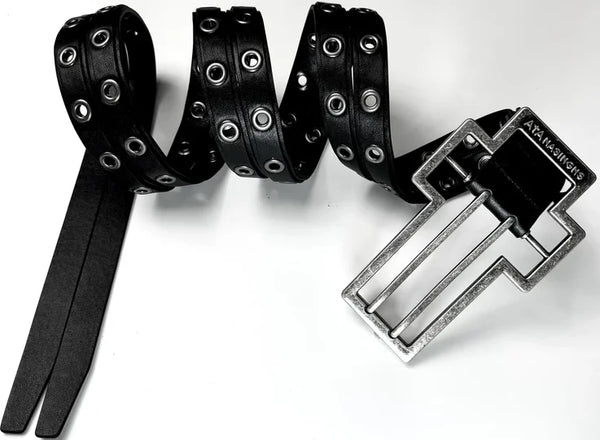
The language is reduced: black, silver, matte surfaces. Crosses, skulls and snakes appear, but never as costume. Each piece carries weight — a single chain is enough if it sits right. Material counts: stainless steel, leather, silver-plated alloys. Plastic doesn't exist here.
Less is more, but what remains must matter. A heavy ring over a plain black shirt. A layering chain over a turtleneck. Fingerless gloves with a coat. Gothic accessories work as contrast to clean silhouettes — not as addition to an outfit that's already loud. For those wanting to dig deeper into the style, the Gothic Fashion Guide has the full picture.
Chains, rings, bracelets, masks and gloves — all in the aesthetic that works between Berlin-Mitte and Tokyo-Harajuku. Pairable with pieces from the Gothic Kollektion or as accent to Gothic Tops Perfect for layering. Gothic pants.
Jewelry and accents in dark aesthetics — chains, rings, bracelets, gloves, masks. Materials like stainless steel, leather and oxidized silver dominate. The key is reduction: one strong piece instead of many weak ones.
Yes. A single ring or plain chain integrates into any outfit. Gothic accessories aren't bound to subculture events — they work anywhere intentional style matters.
Stainless steel, 925 silver, leather and matte alloys. High shine and gold don't fit the aesthetic. Surfaces are deliberately kept dark — oxidized, brushed or raw.

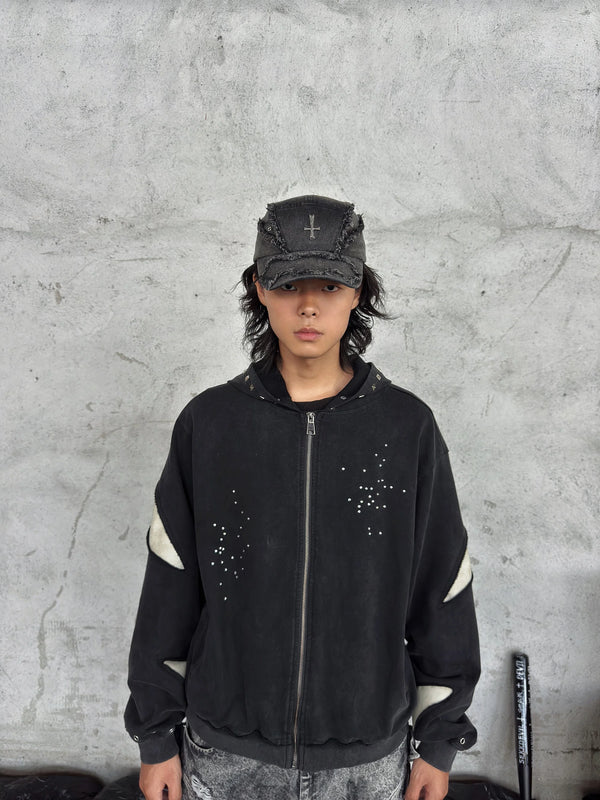
Opium Gradient Snake Cardigan
shanghai studio fit check

From Opium · 4 Pieces
All 84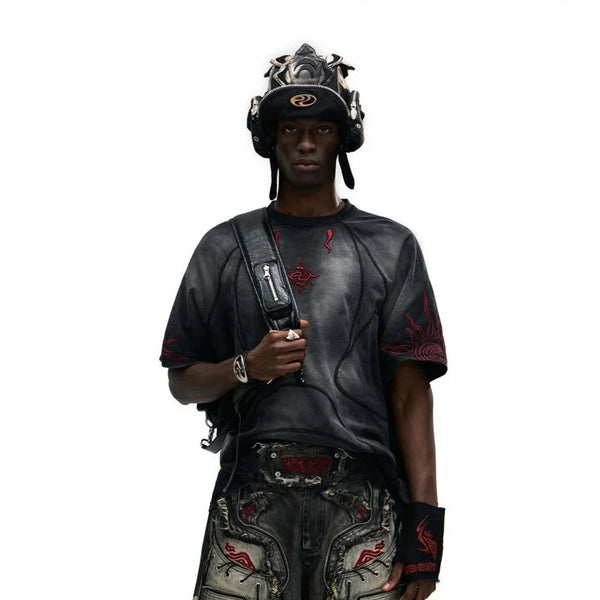
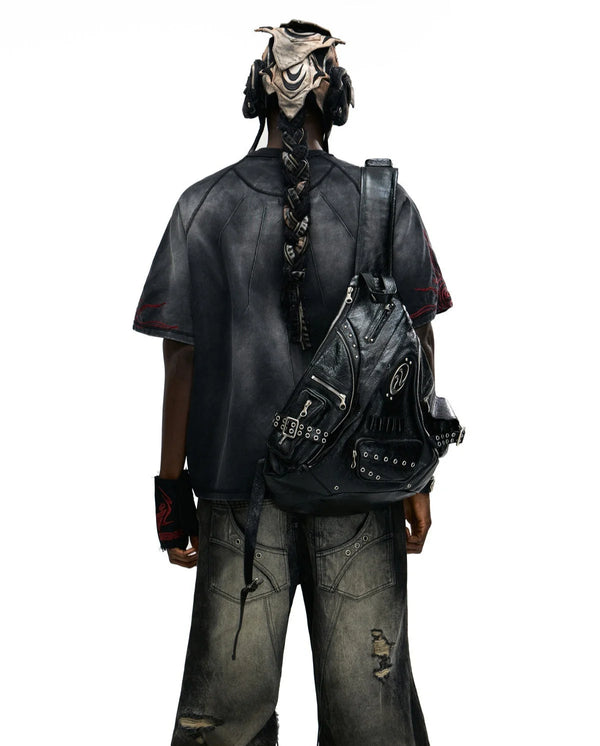
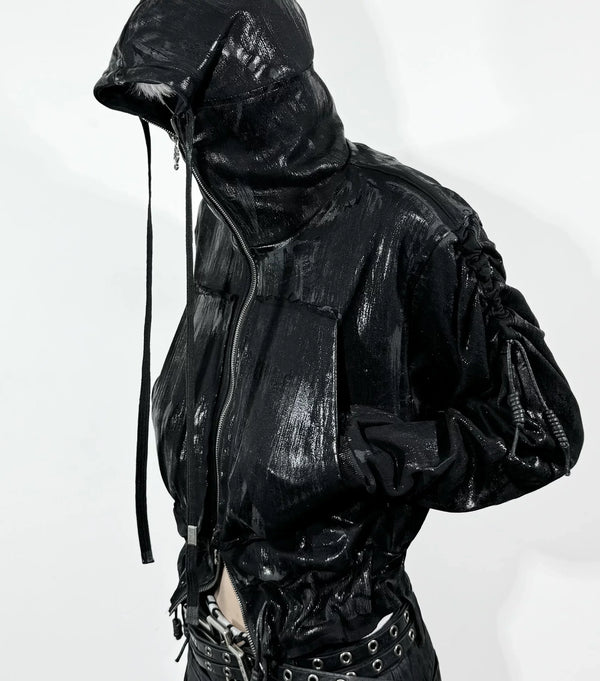
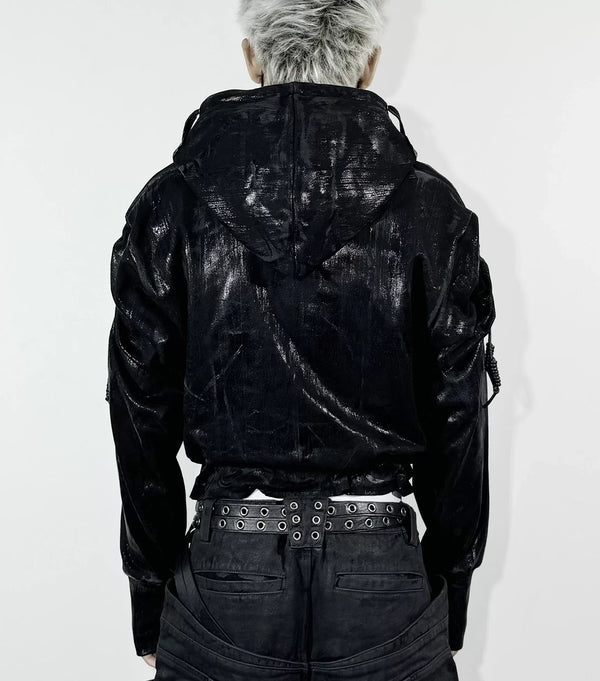
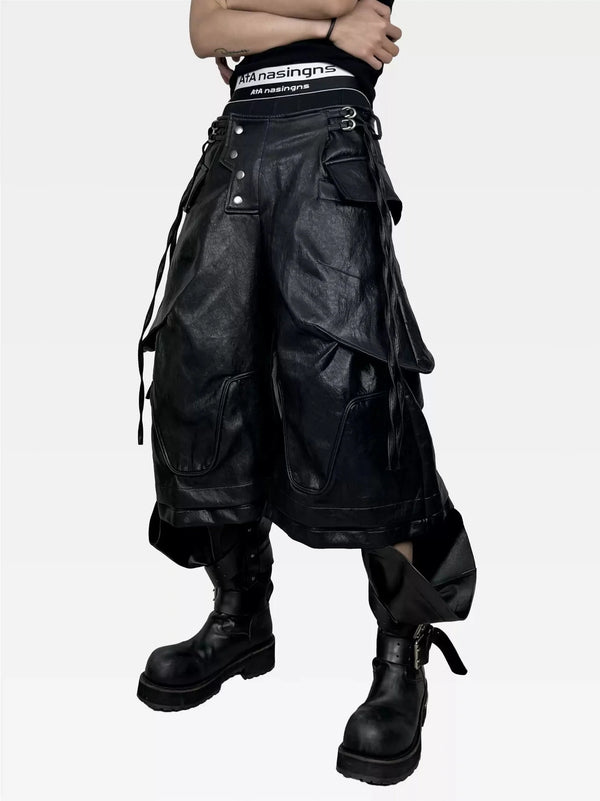


4 of 84 Pieces
All 84

Niche · 03 / 04
Techwear started here as a translation of Tokyo reduction into fabric. Errolson Hugh, Acronym, GORE-TEX, ergonomic cuts — and parallel to that, Japanese discipline: nothing superfluous, all function.
From Techwear · 4 Pieces
All 104 of 10 Pieces
All 10
Niche · 04 / 04
Streetwear is the root — the first designs out of Tokyo 2015 were Anime prints, Japanese characters, Harajuku graphics. Everything else grew from that, but the line keeps running.
From Streetwear · 4 Pieces
All 714 of 71 Pieces
All 712015 → today
Fūga
風雅
Berlin Plattenbau origins, Asia-inspired. Creative, but never fully fitting into the system. Tokyo 2015 as the starting point — six niche phases since then.
Today: Berlin · Shanghai · Tokyo · Poznań. We know our designers by name. Limited drops, no restocks.
We aren't dropouts. We know the system — went through training, worked, kept building. Both sides hold.
How Fūga evolved
What started as Streetwear in Tokyo has shifted over the years — through different phases, our own and collective.
01
The first designs. Anime prints, Harajuku characters, Tokyo connection.
02
Functional, layered, dark. Tokyo reduction translated into fabric.
03
Heavier, uncompromising, more shadow. Grew up parallel to Techwear.
04
Berghain aesthetic with street cuts. Raw, black, Berlin avant-garde meets Streetwear.
05
Cyberpunk meets the Berghain floor. Reflective, tactical, sound-system ready.
06
Tailored cuts with Streetwear logic. Growing older without going 9-to-5. Stay edgy.
What comes next, we'll write when the time comes.