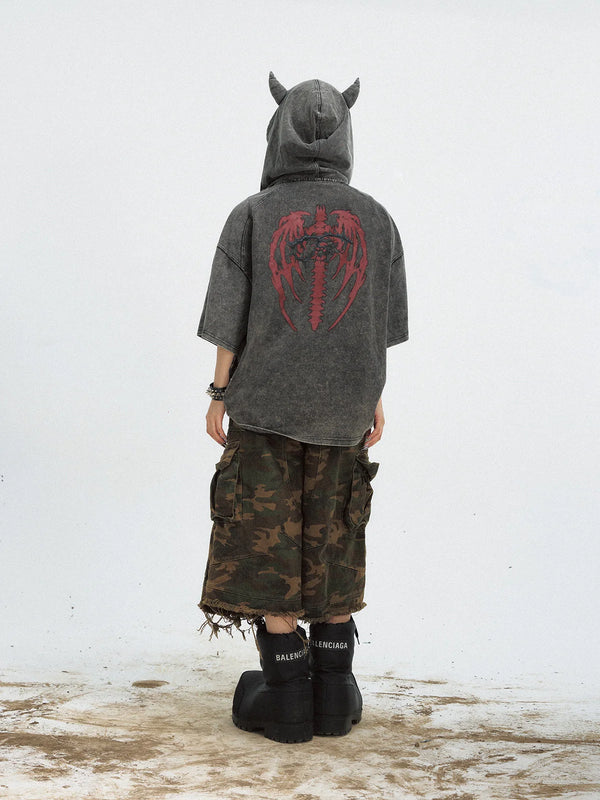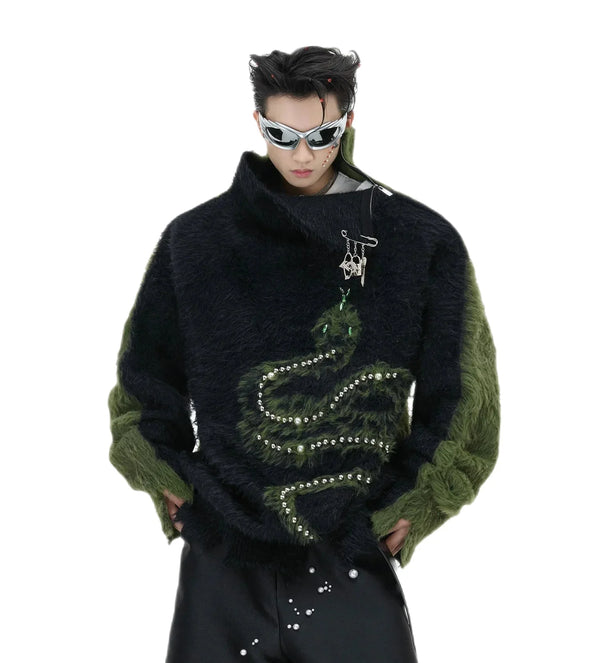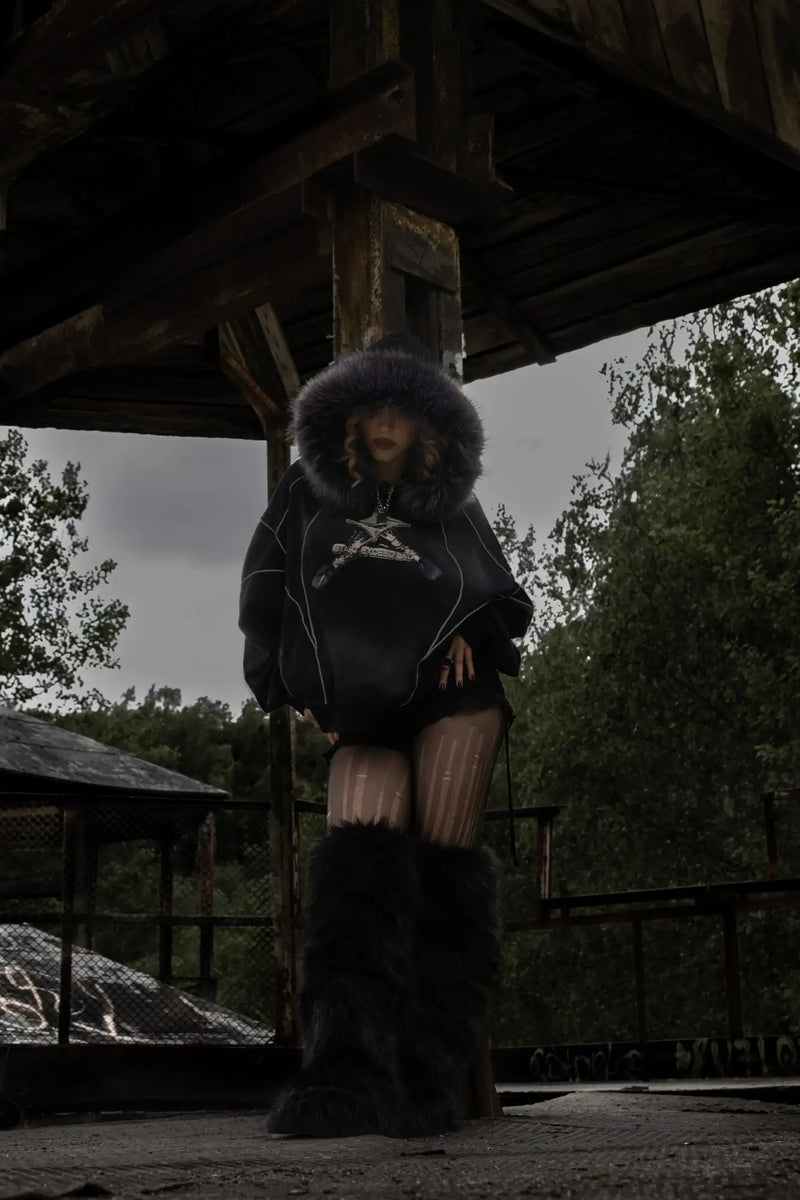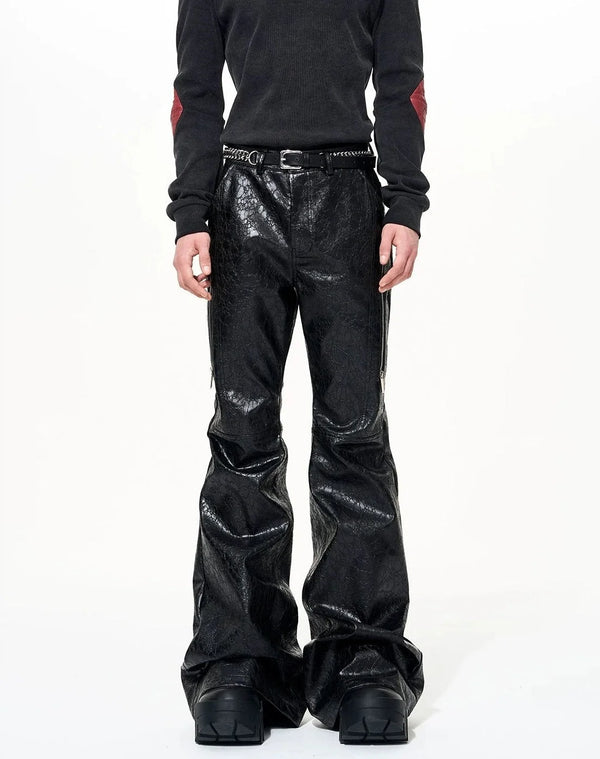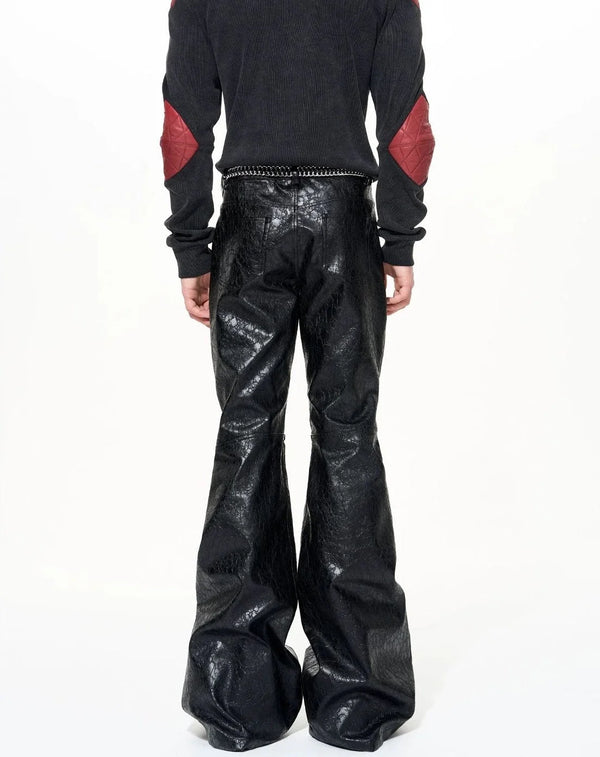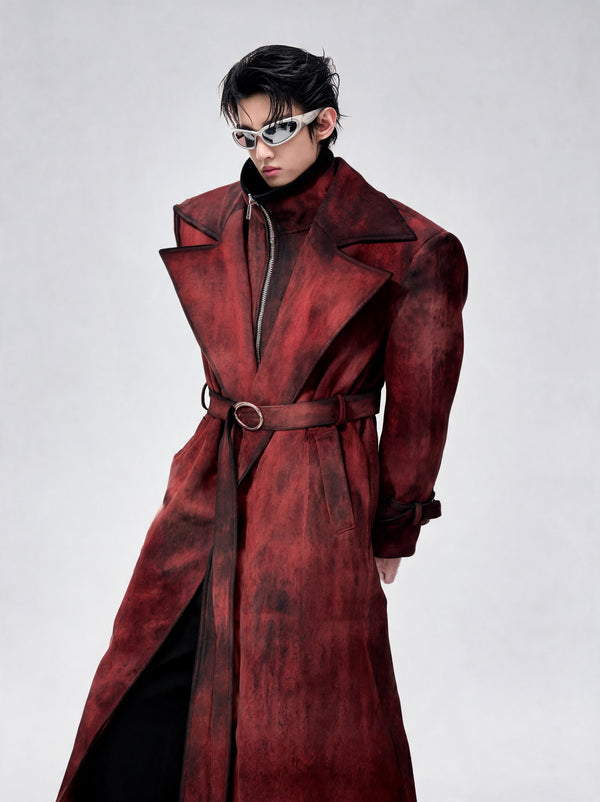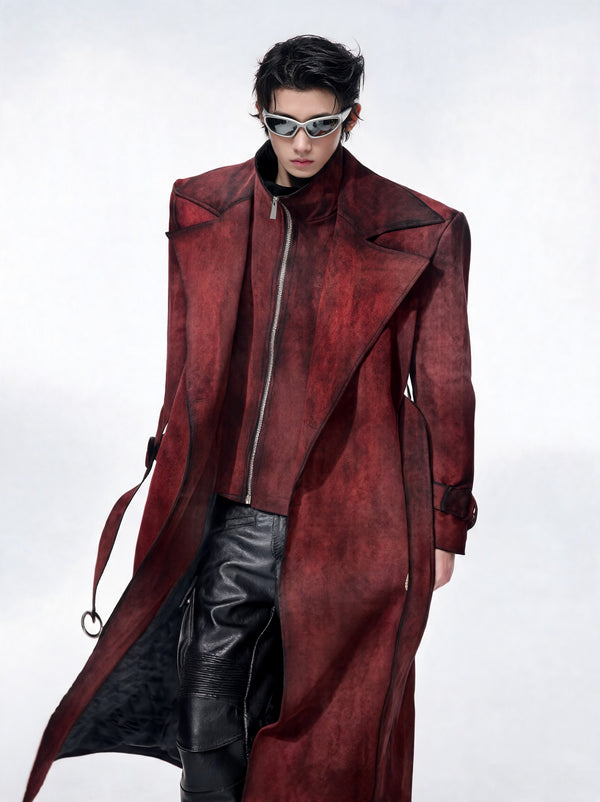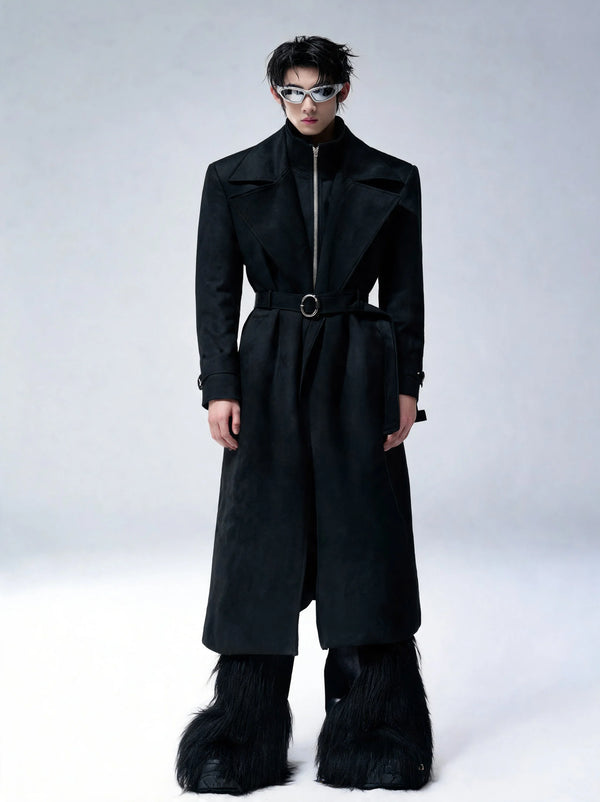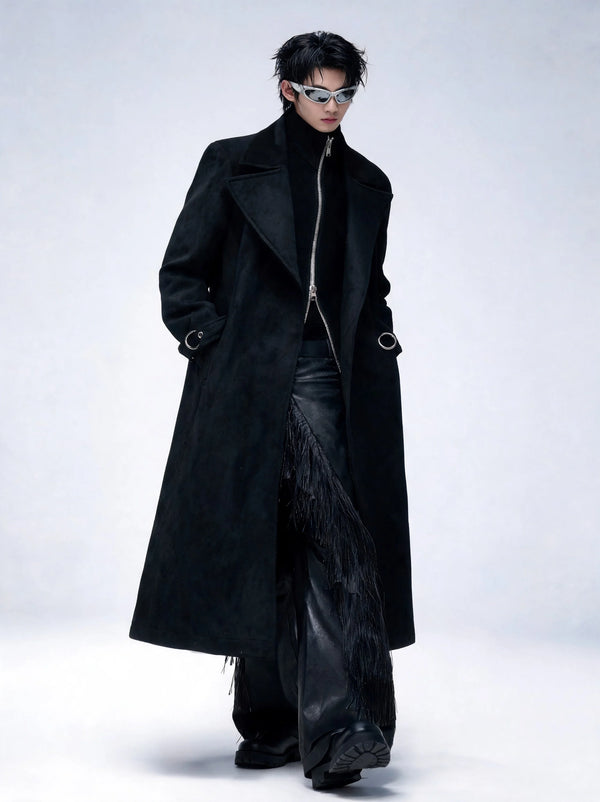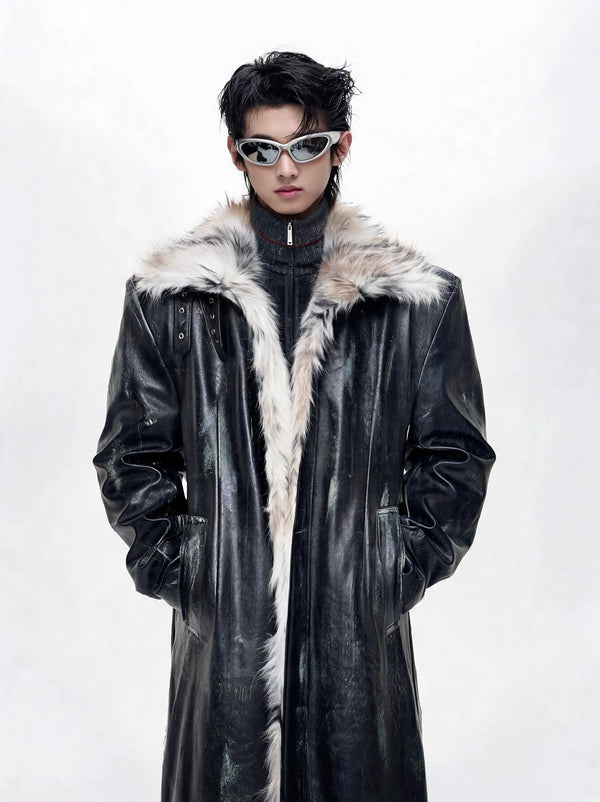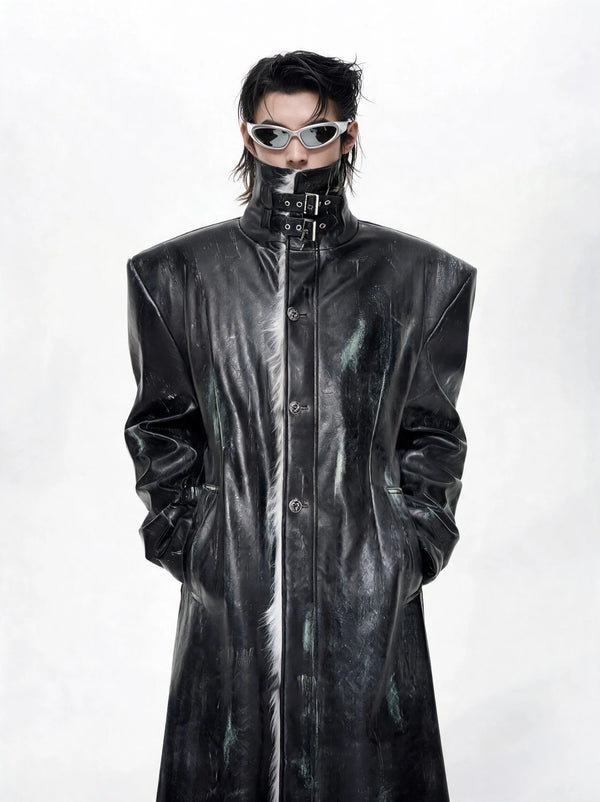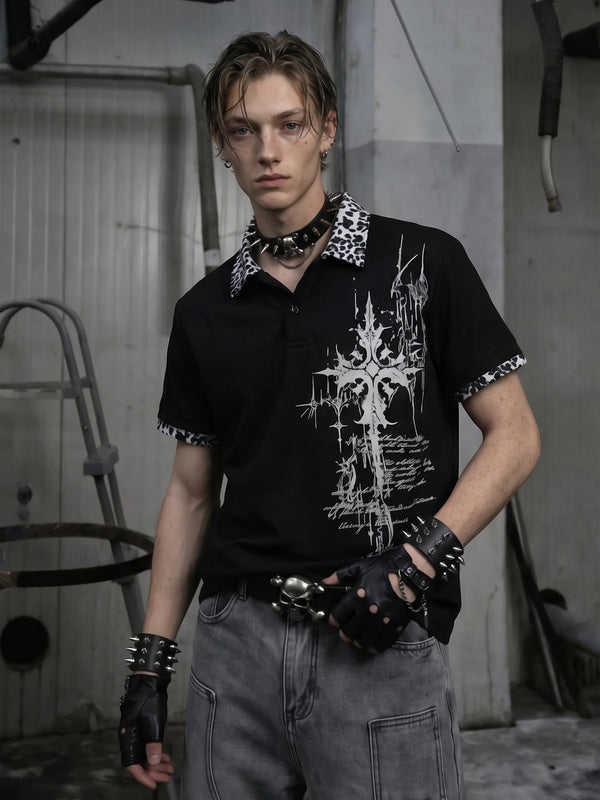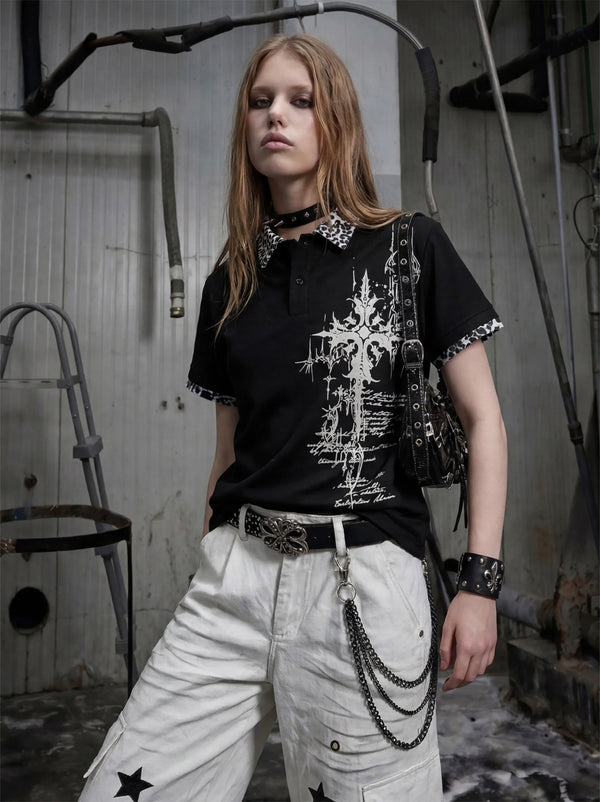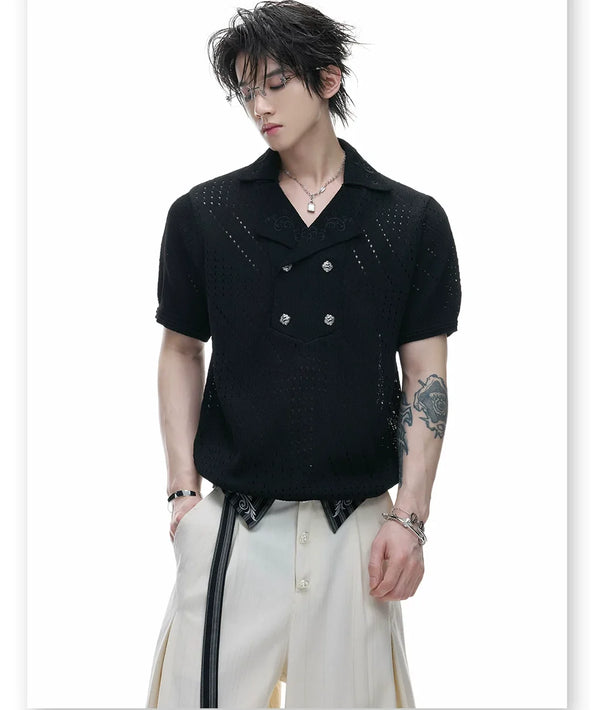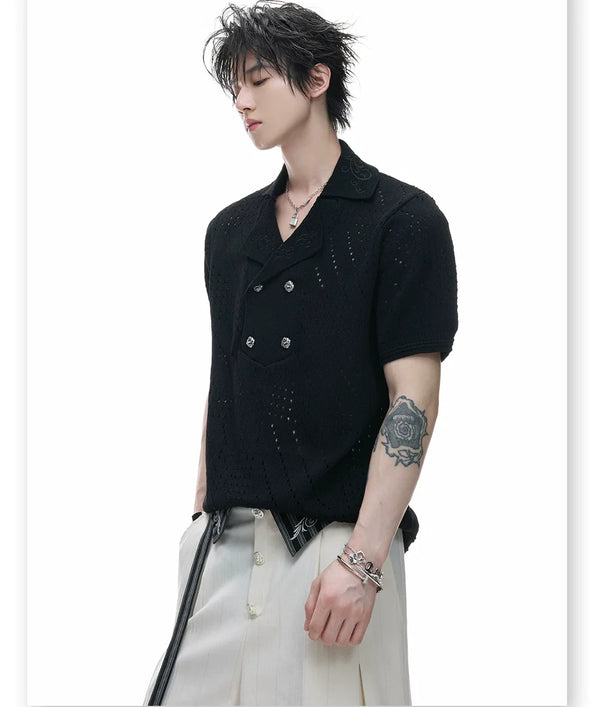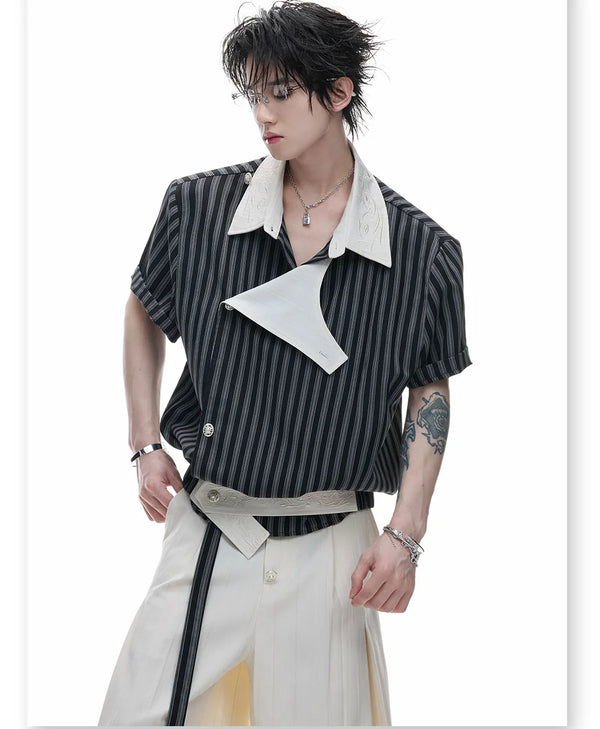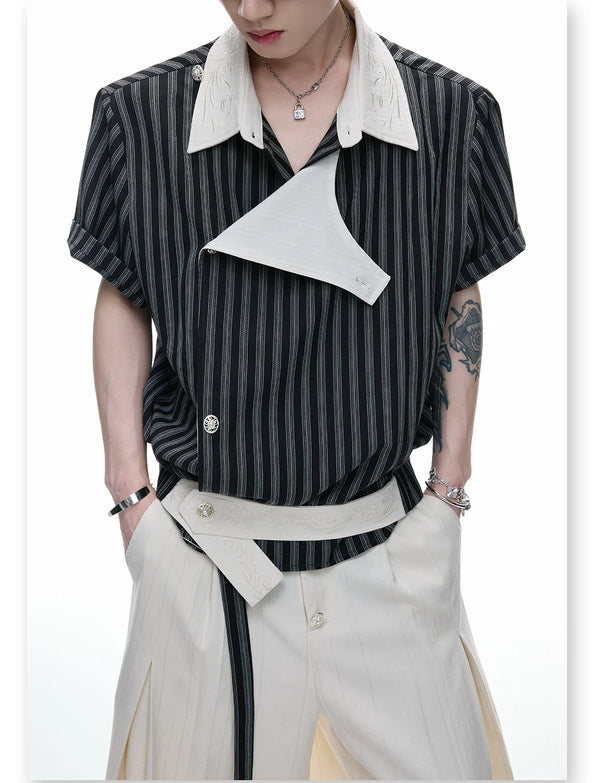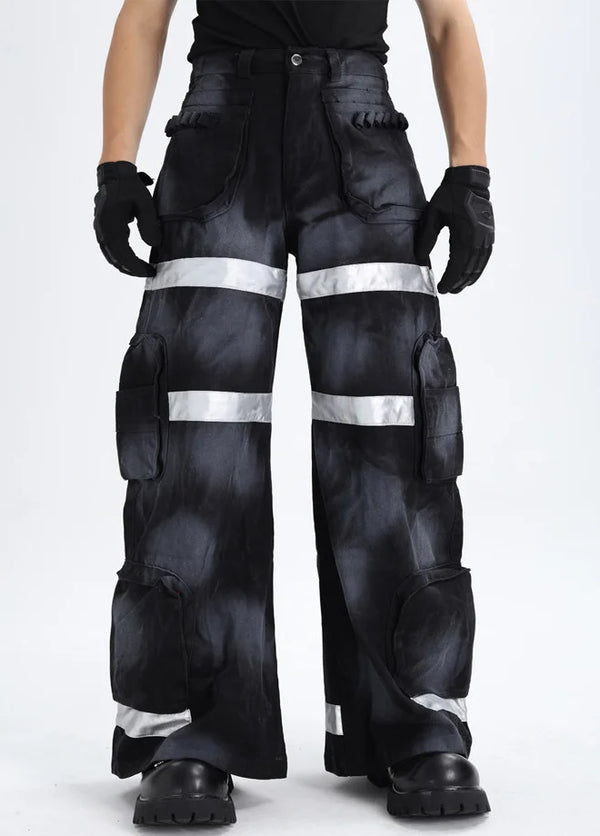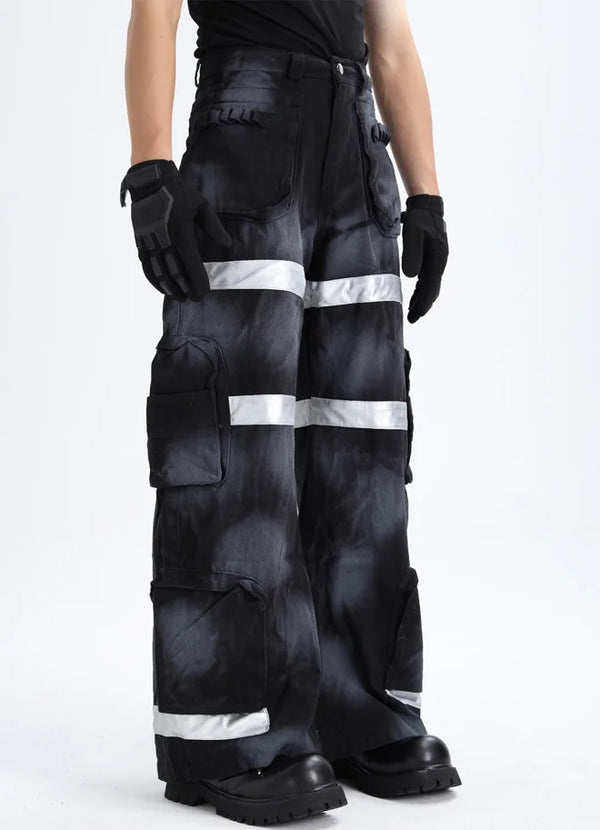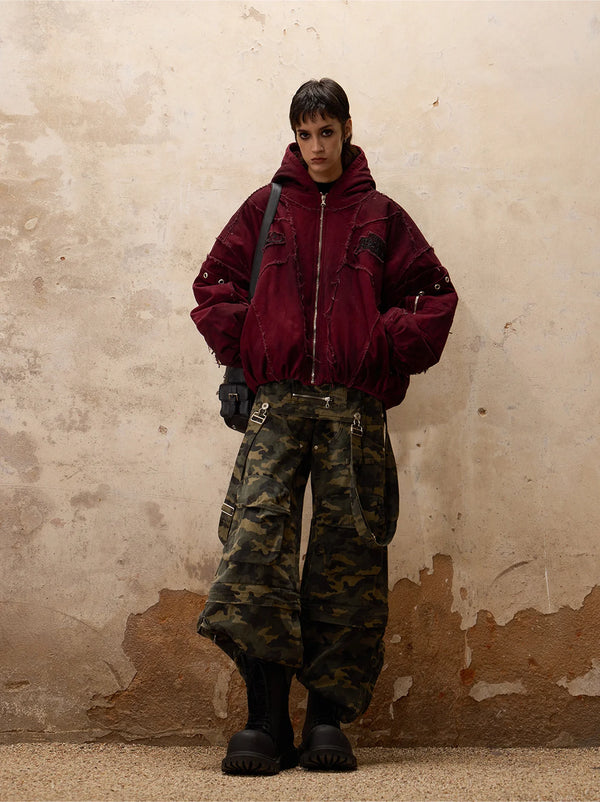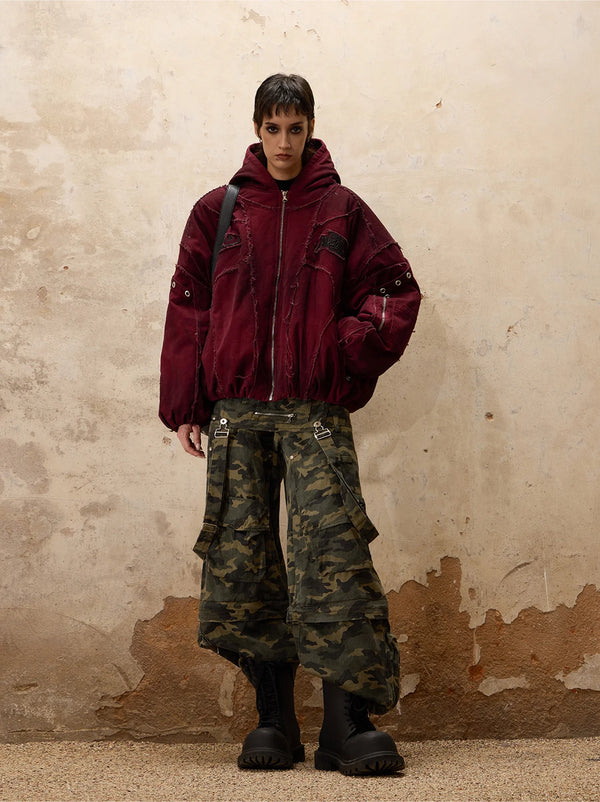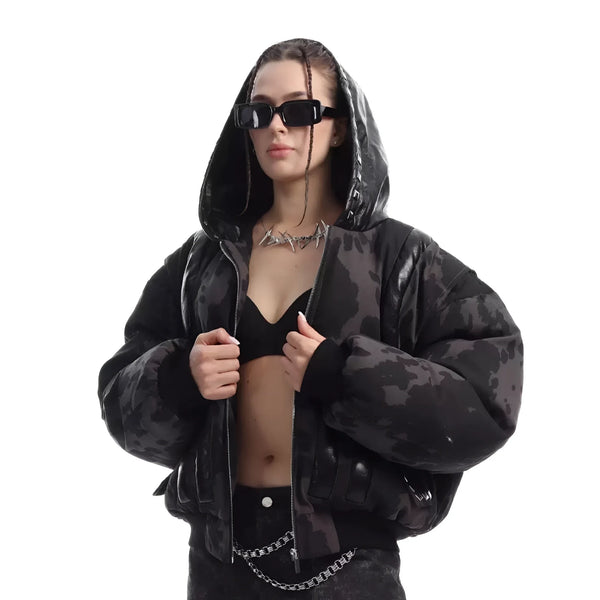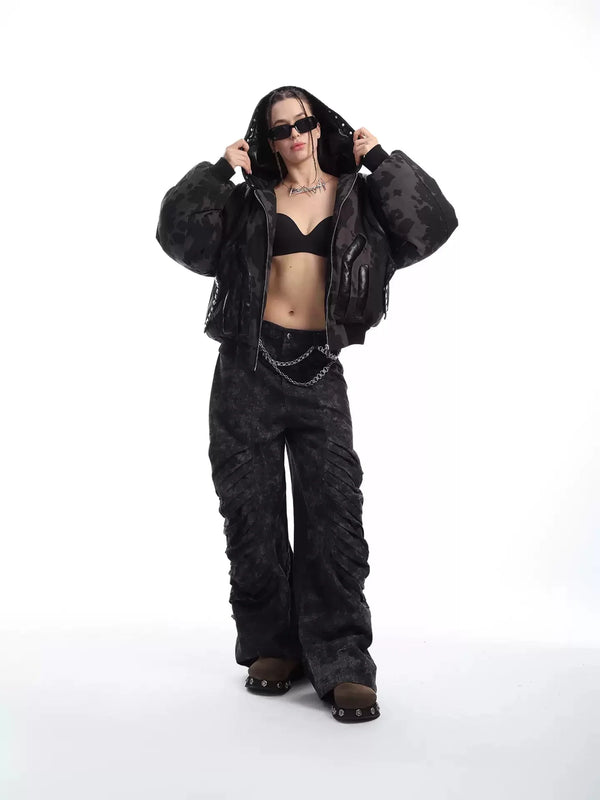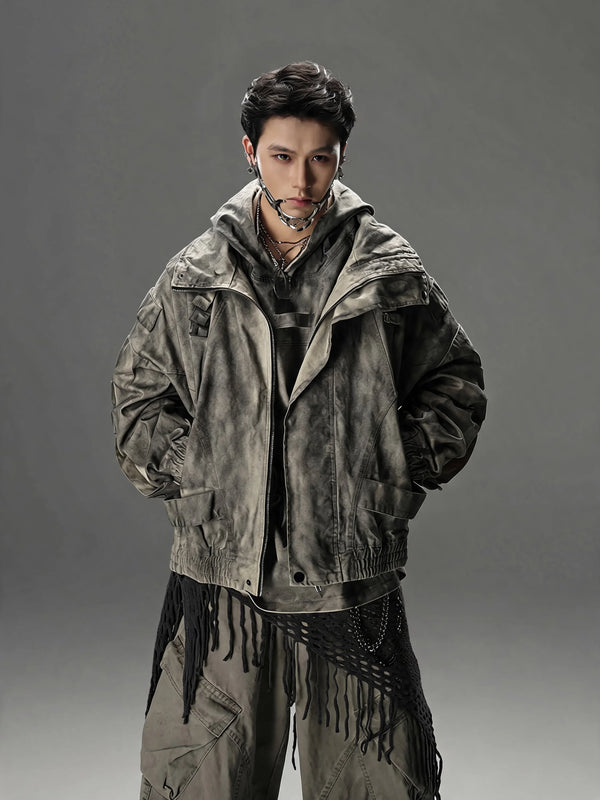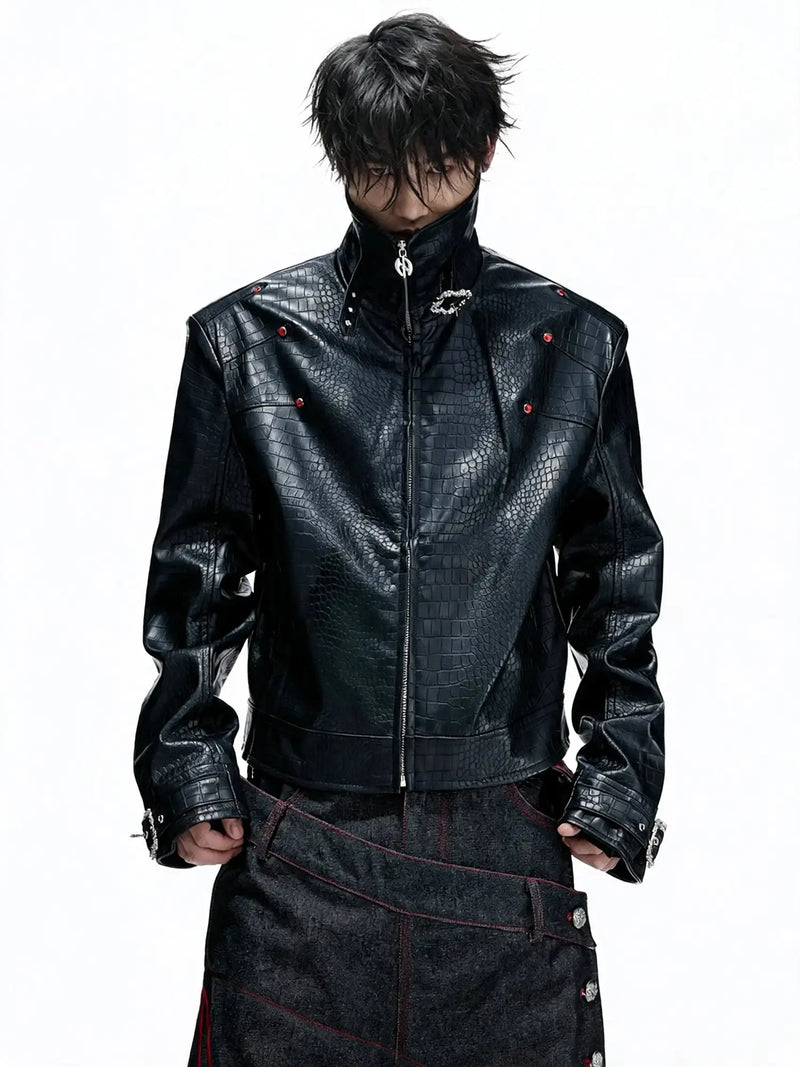
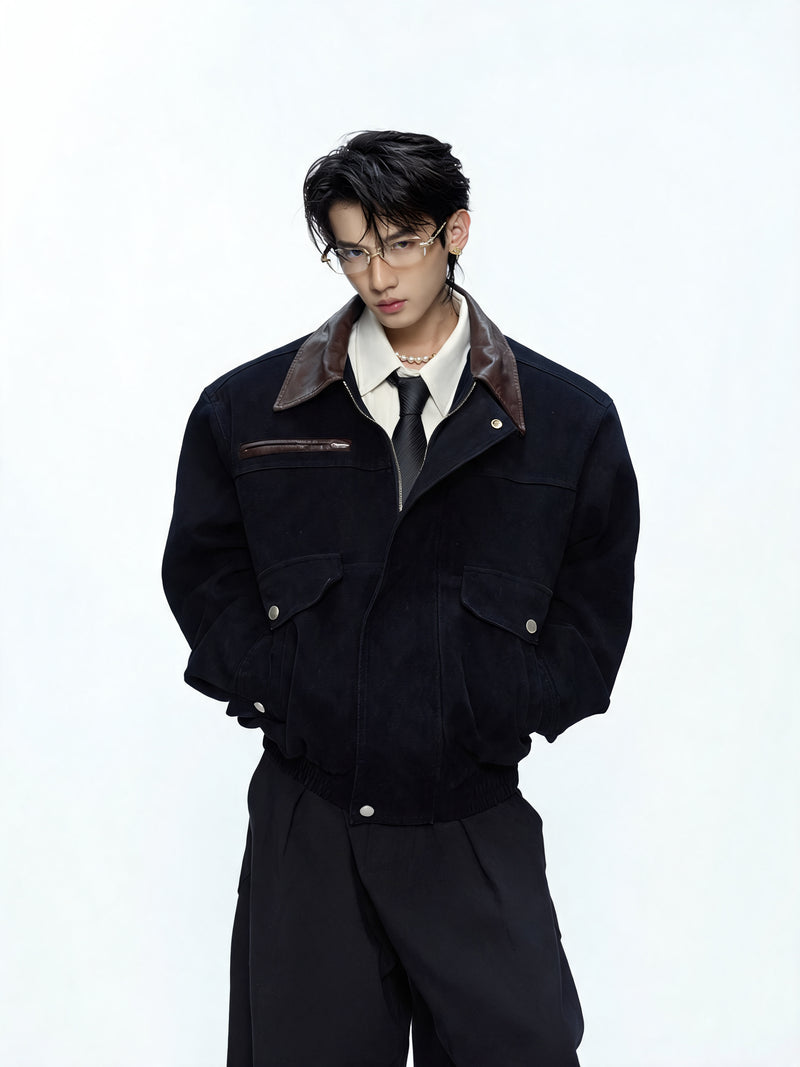
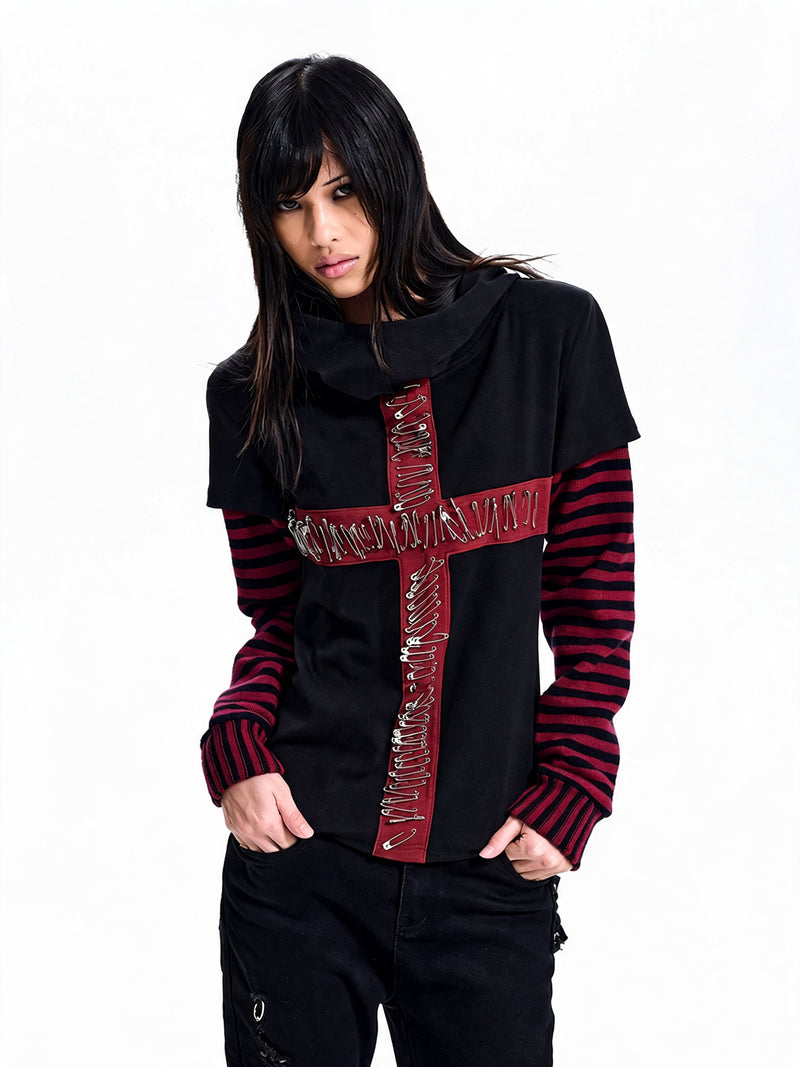
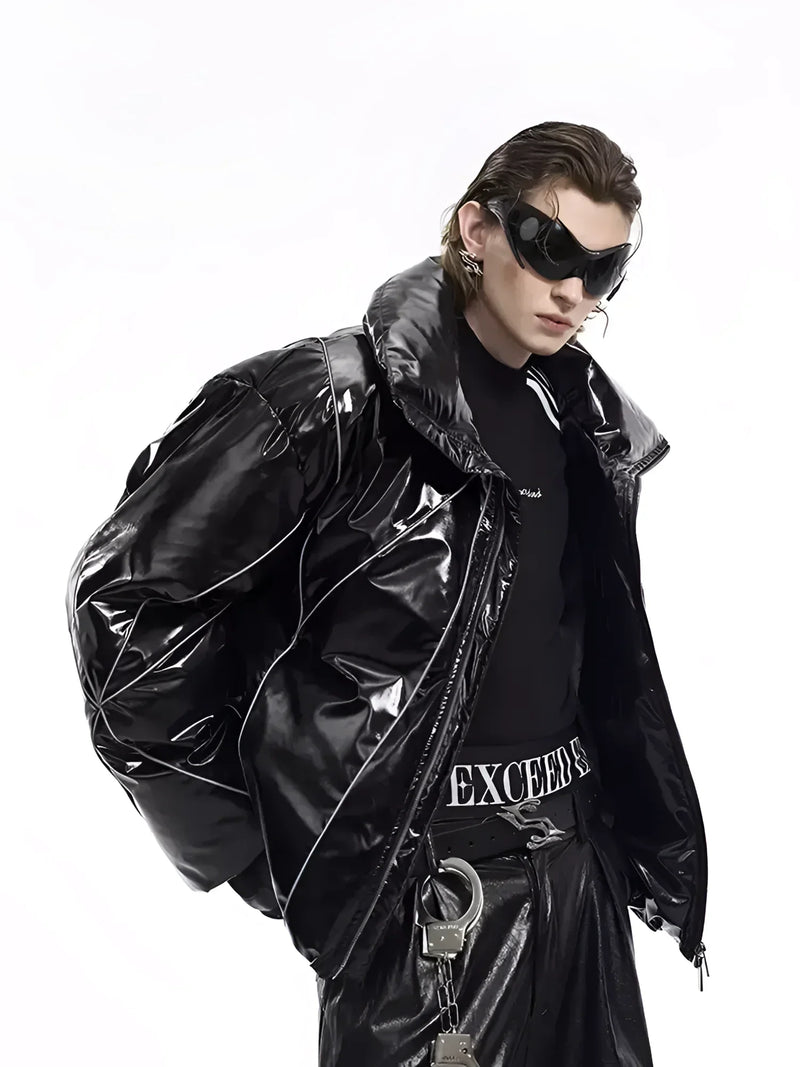
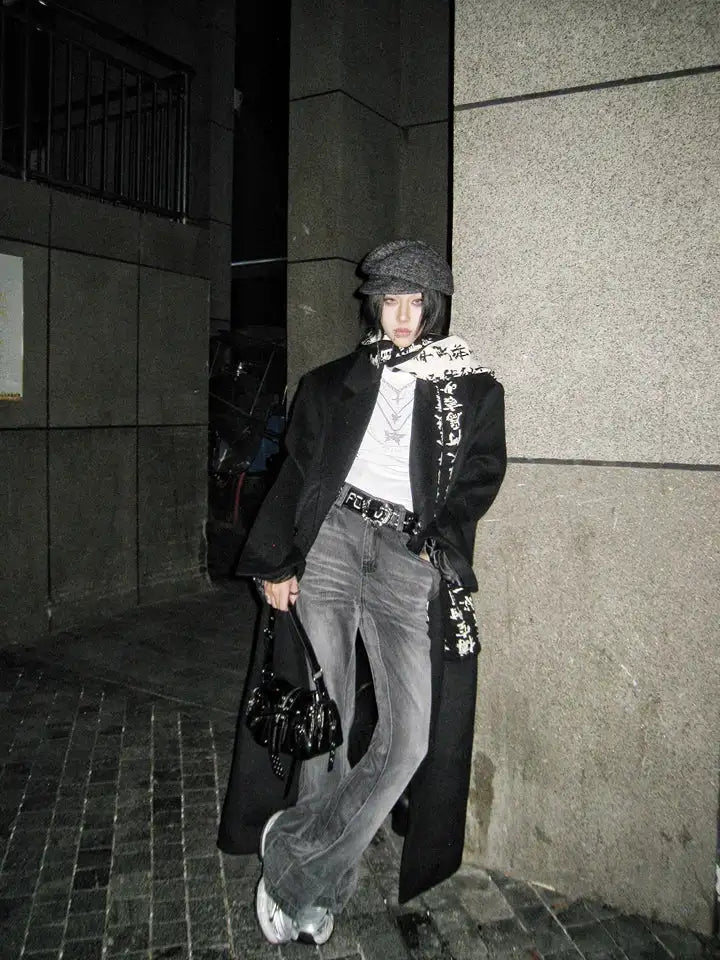


Monochrome · Heavy · Shadow
Heavy knit, black, closed high. Warmth without brightness.
All pieces
Pullovers that don't brighten. Heavy knits, high necklines, textures between ribbed and distressed — for days when black is the only option.
Dense materials, reduced silhouettes, details you notice on the second look. Eyelet knit, asymmetrical hems, oversized sleeves. The pieces in the Gothic Collection follow no season — they work when the temperature drops and everything else gets too bright.
Under a long coat with Gothic pants with zipper details. Solo over a white shirt, collar visible. Or oversized to narrow boots — proportions make the look, not the amount of black. More on the whole aesthetic in Gothic Fashion Guide.
Dark colors, heavy fabrics, references between medieval and post-punk. Not a single garment, but an attitude expressed through material and cut.
From Undercover and Rick Owens in the high-end to independent labels like Fūga Studios, offering dark streetwear pieces without the runway markup.
Are gothic sweaters suitable for everyday wear?
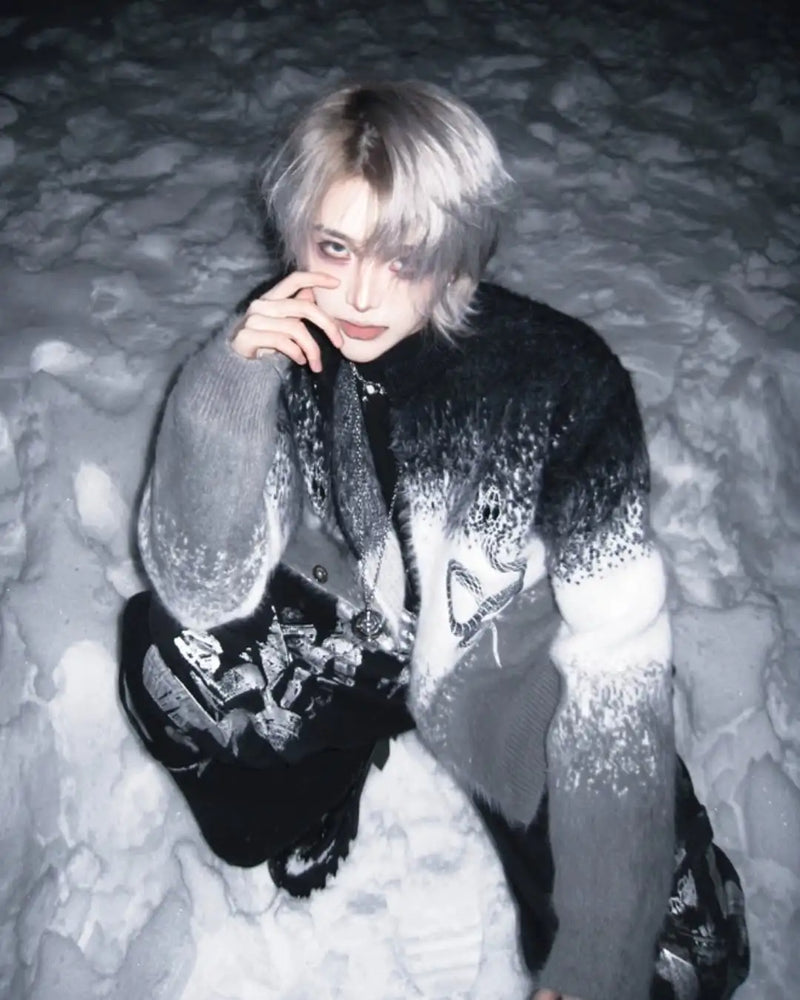
Opium Gradient Snake Cardigan
shanghai studio fit check

From Opium · 4 Pieces
All 1054 of 105 Pieces
All 105

Niche · 03 / 04
Techwear started here as a translation of Tokyo reduction into fabric. Errolson Hugh, Acronym, GORE-TEX, ergonomic cuts — and parallel to that, Japanese discipline: nothing superfluous, all function.
From Techwear · 4 Pieces
All 104 of 10 Pieces
All 10
Niche · 04 / 04
Streetwear is the root — the first designs out of Tokyo 2015 were Anime prints, Japanese characters, Harajuku graphics. Everything else grew from that, but the line keeps running.
From Streetwear · 4 Pieces
All 924 of 92 Pieces
All 922015 → today
Fūga
風雅
Berlin Plattenbau origins, Asia-inspired. Creative, but never fully fitting into the system. Tokyo 2015 as the starting point — six niche phases since then.
Today: Berlin · Shanghai · Tokyo · Poznań. We know our designers by name. Limited drops, no restocks.
We aren't dropouts. We know the system — went through training, worked, kept building. Both sides hold.
How Fūga evolved
What started as Streetwear in Tokyo has shifted over the years — through different phases, our own and collective.
01
The first designs. Anime prints, Harajuku characters, Tokyo connection.
02
Functional, layered, dark. Tokyo reduction translated into fabric.
03
Heavier, uncompromising, more shadow. Grew up parallel to Techwear.
04
Berghain aesthetic with street cuts. Raw, black, Berlin avant-garde meets Streetwear.
05
Cyberpunk meets the Berghain floor. Reflective, tactical, sound-system ready.
06
Tailored cuts with Streetwear logic. Growing older without going 9-to-5. Stay edgy.
What comes next, we'll write when the time comes.