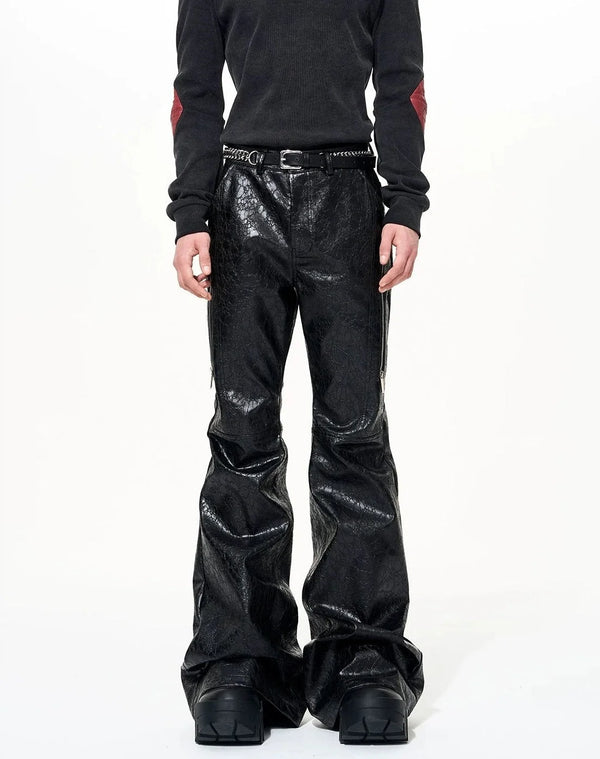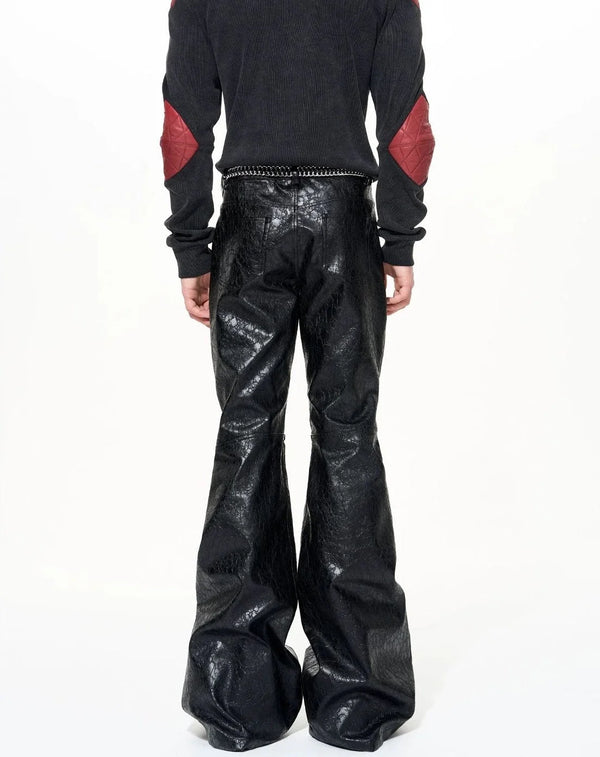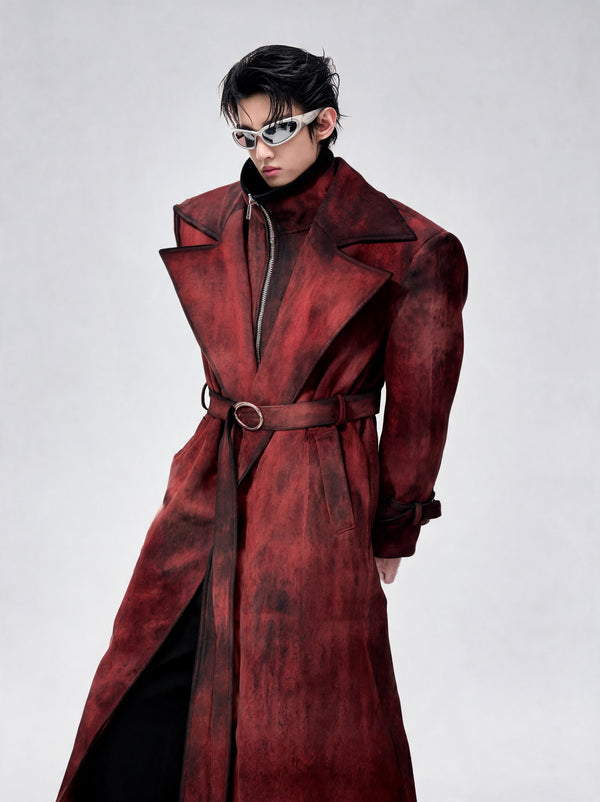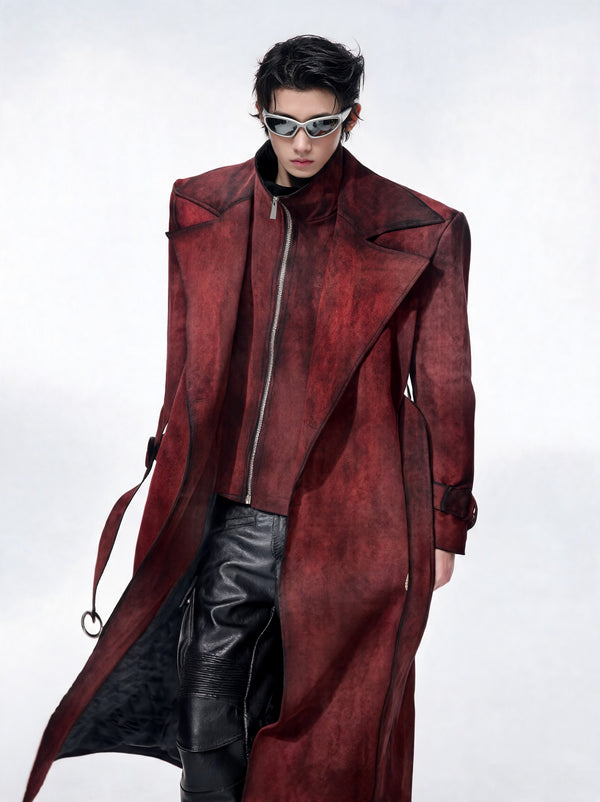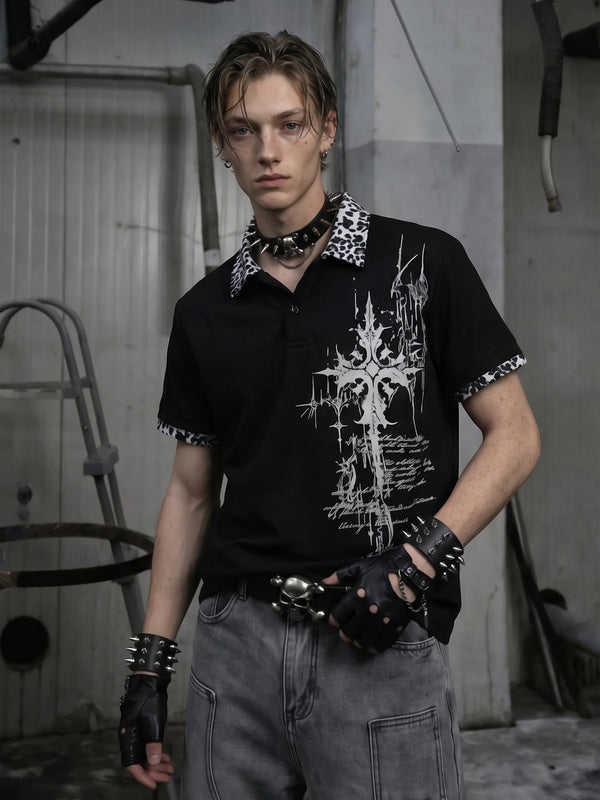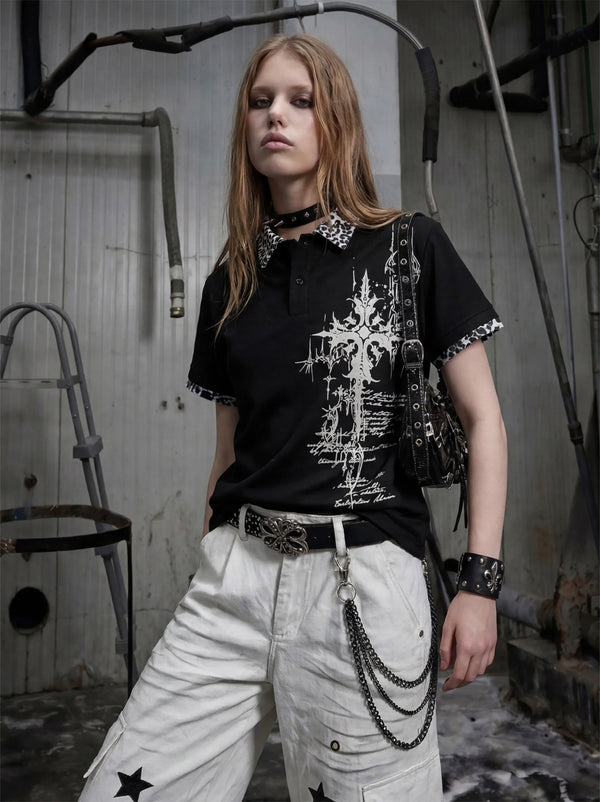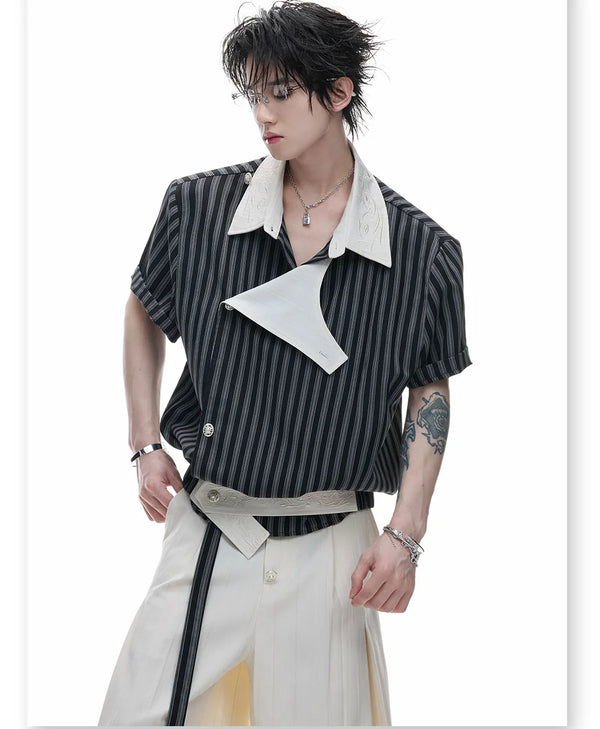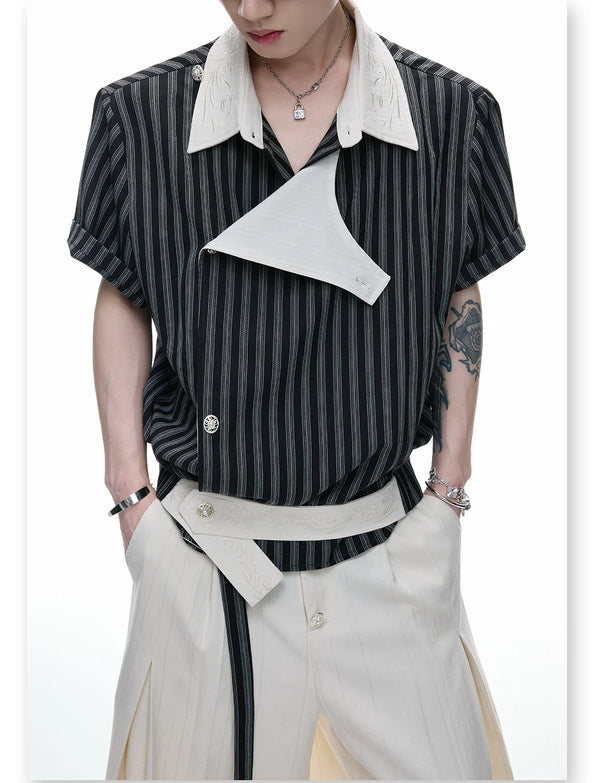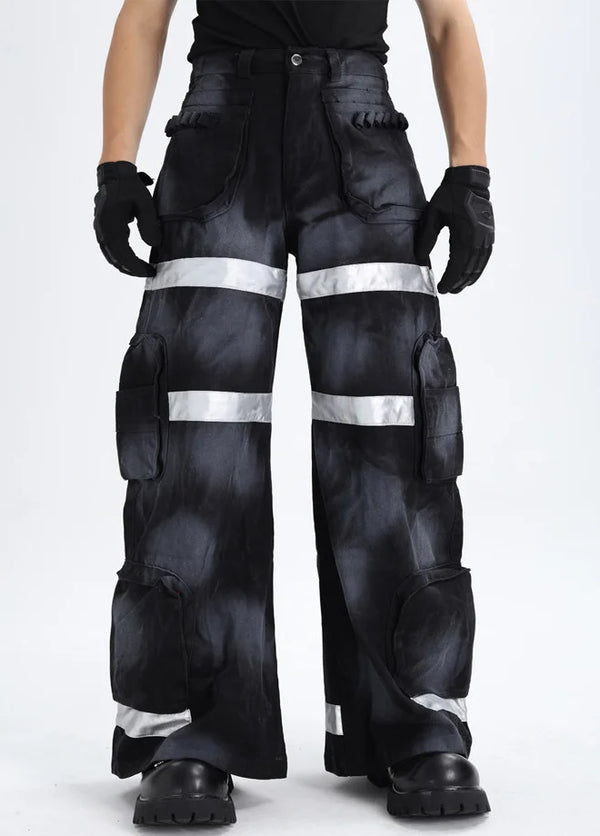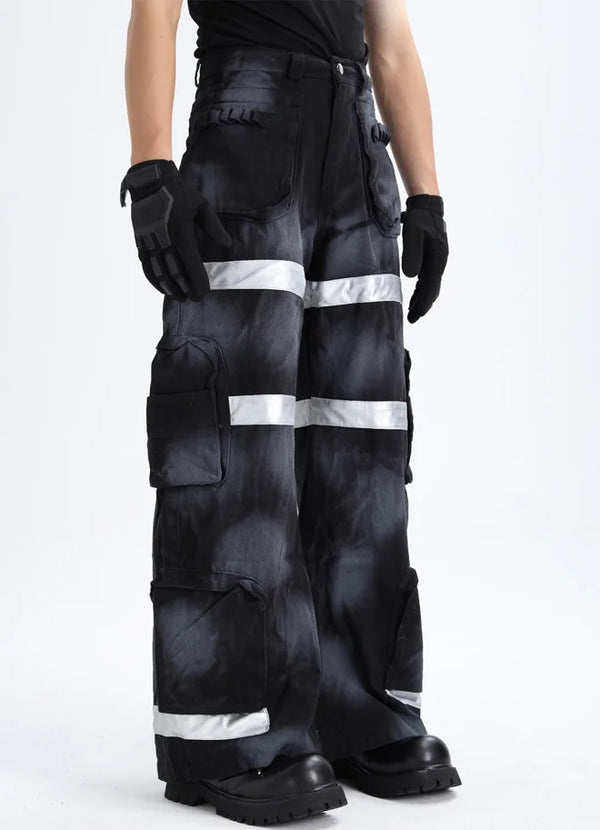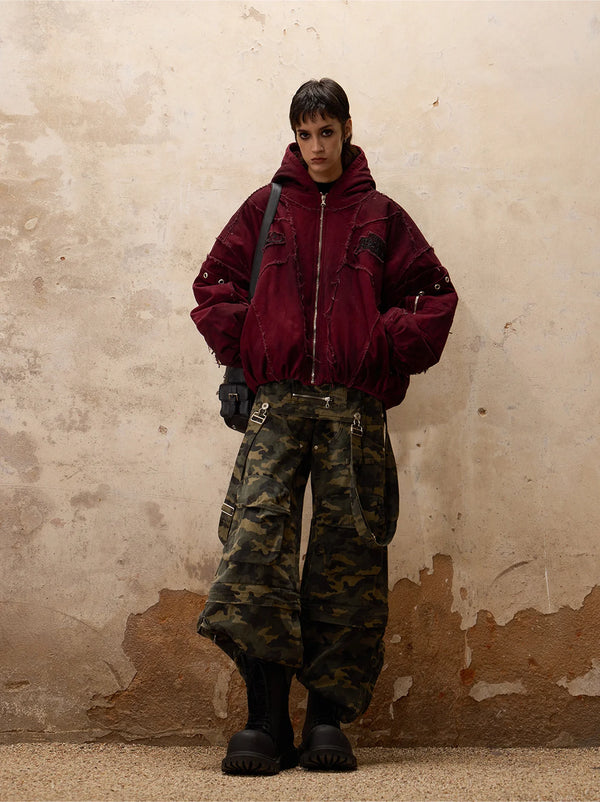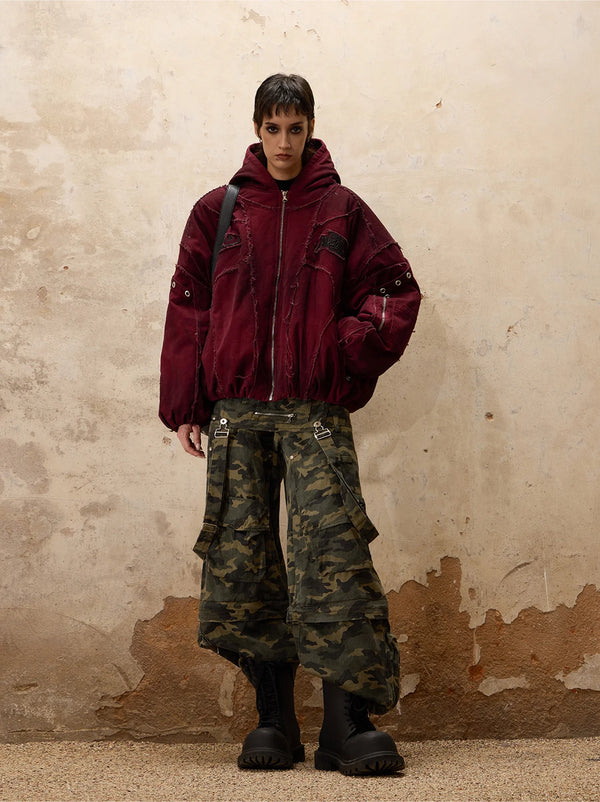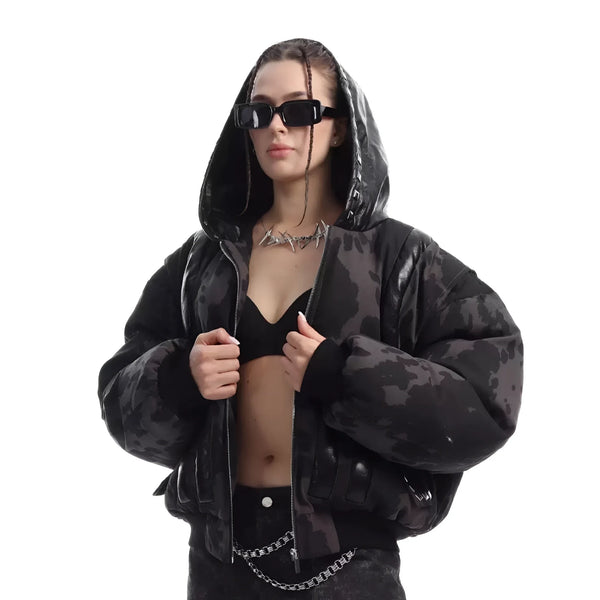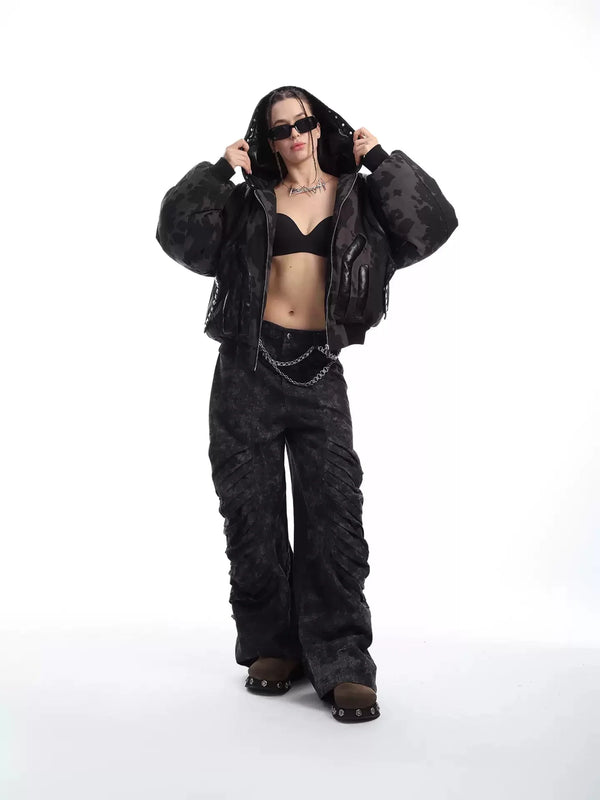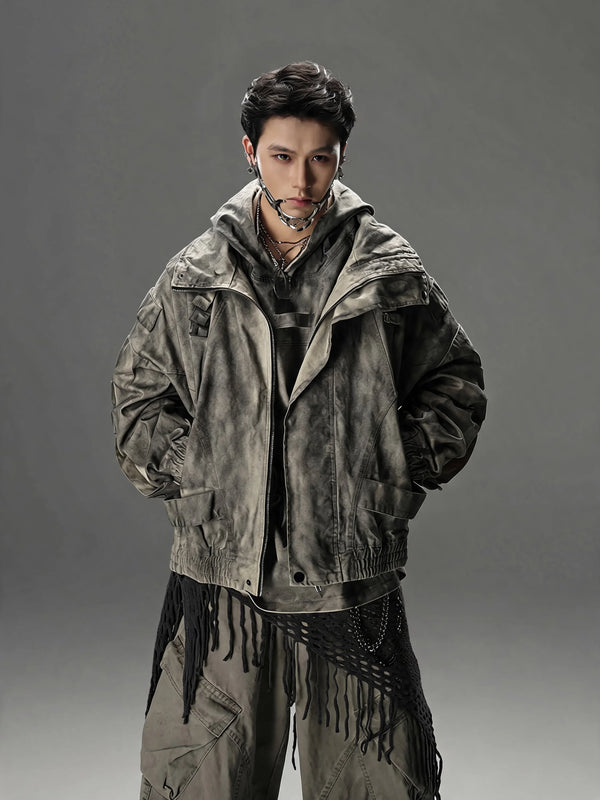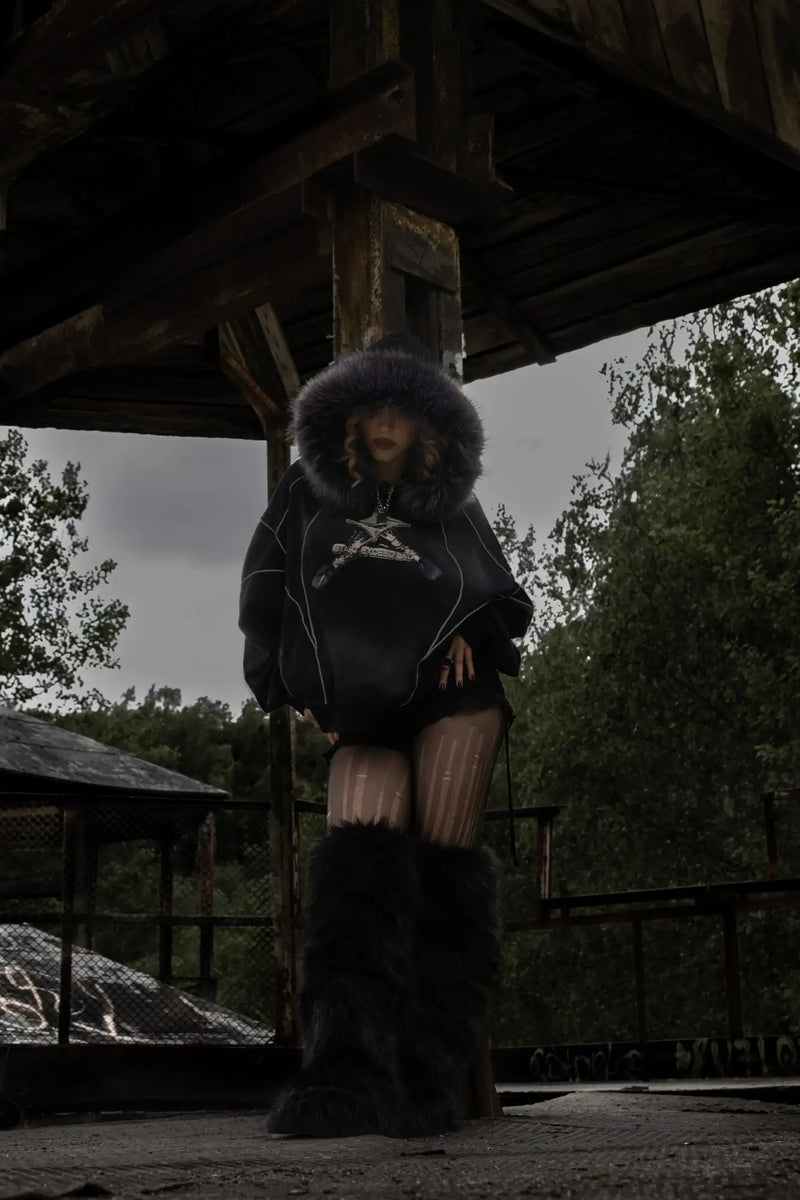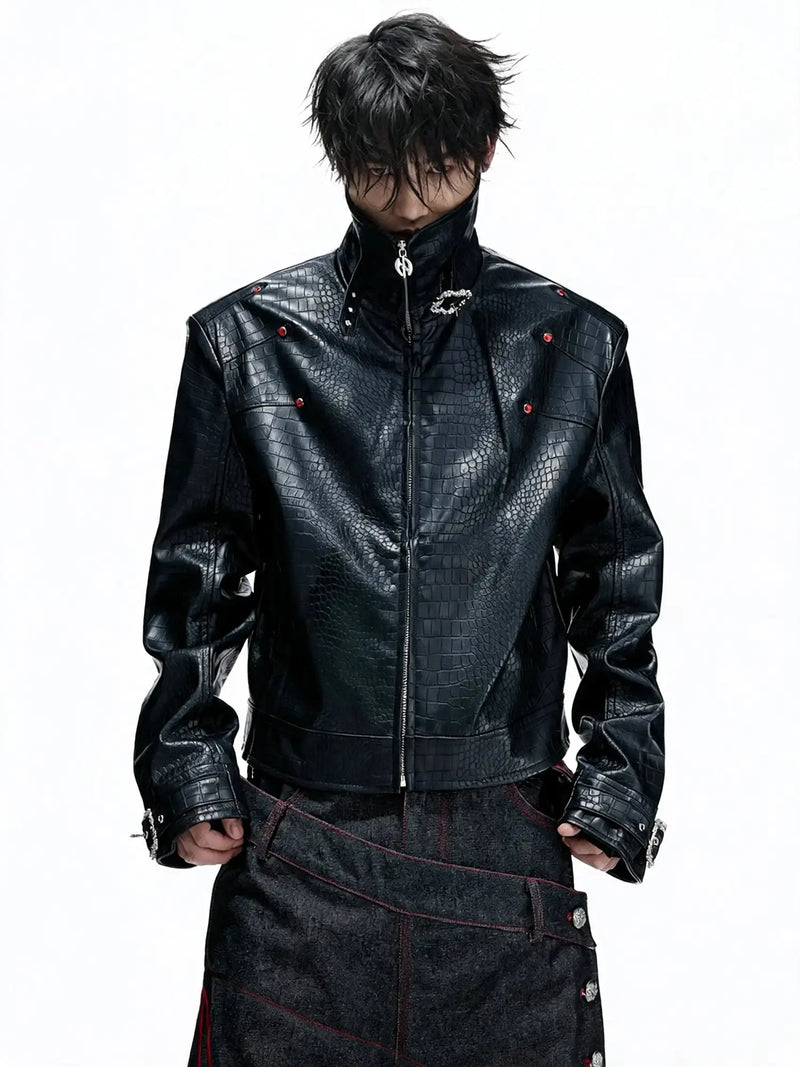
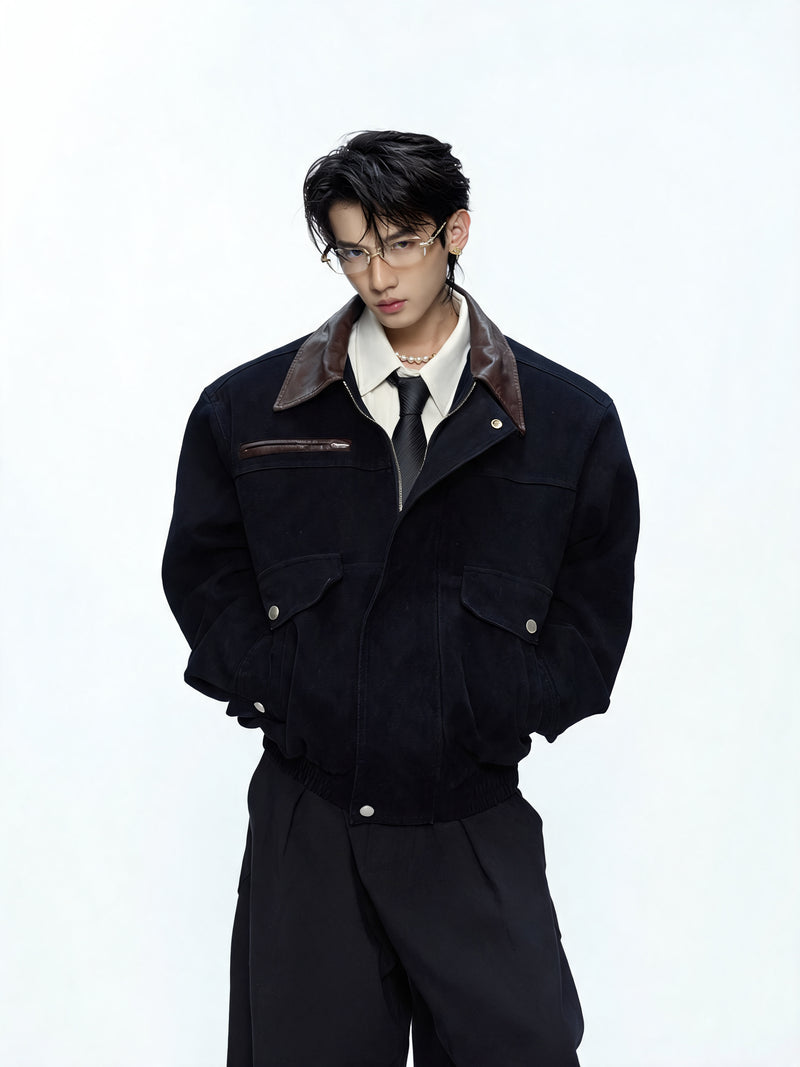
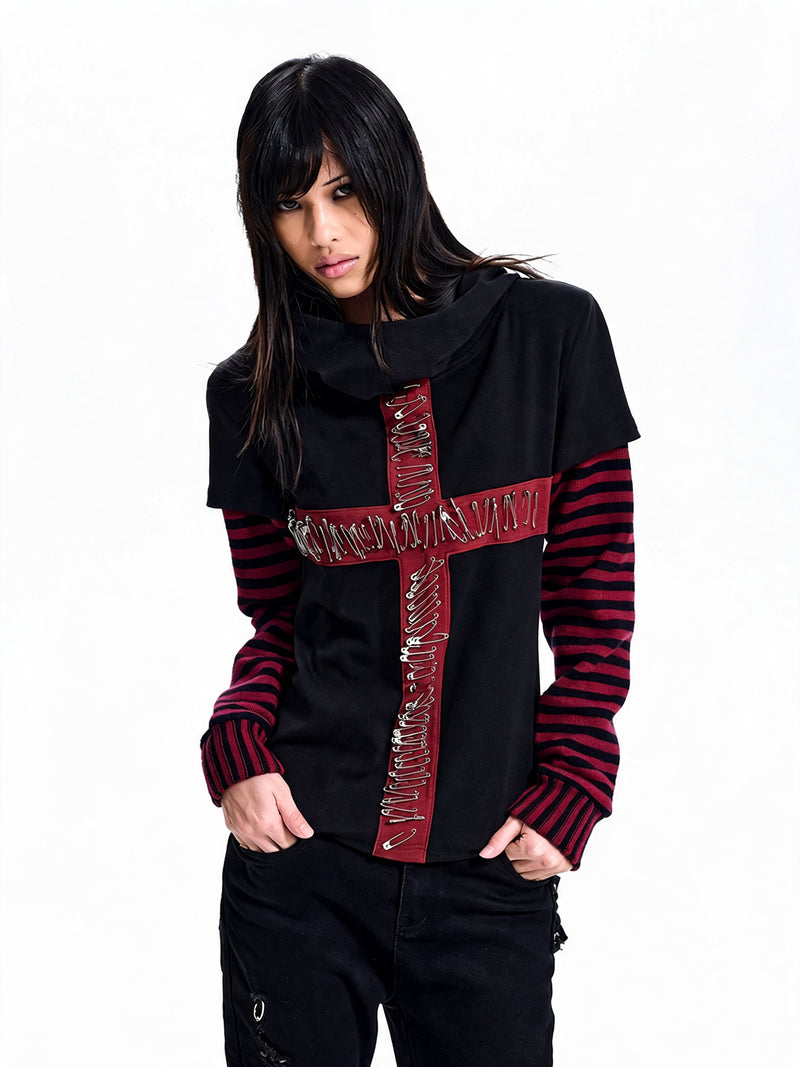
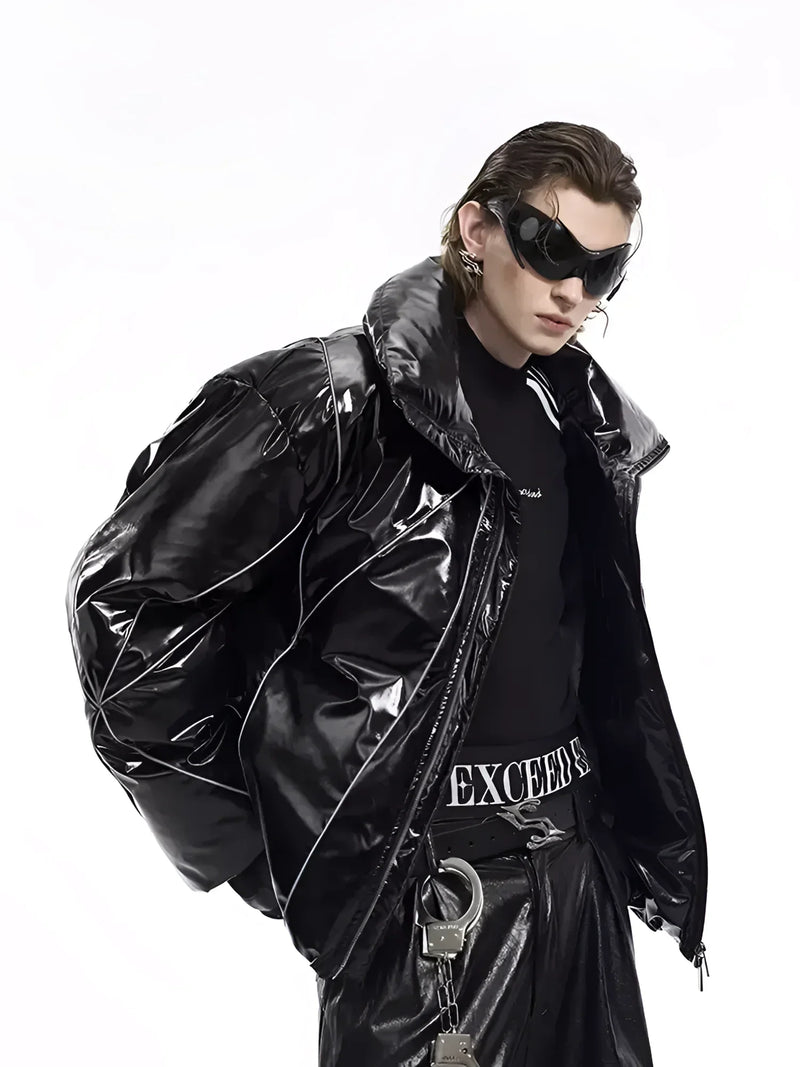
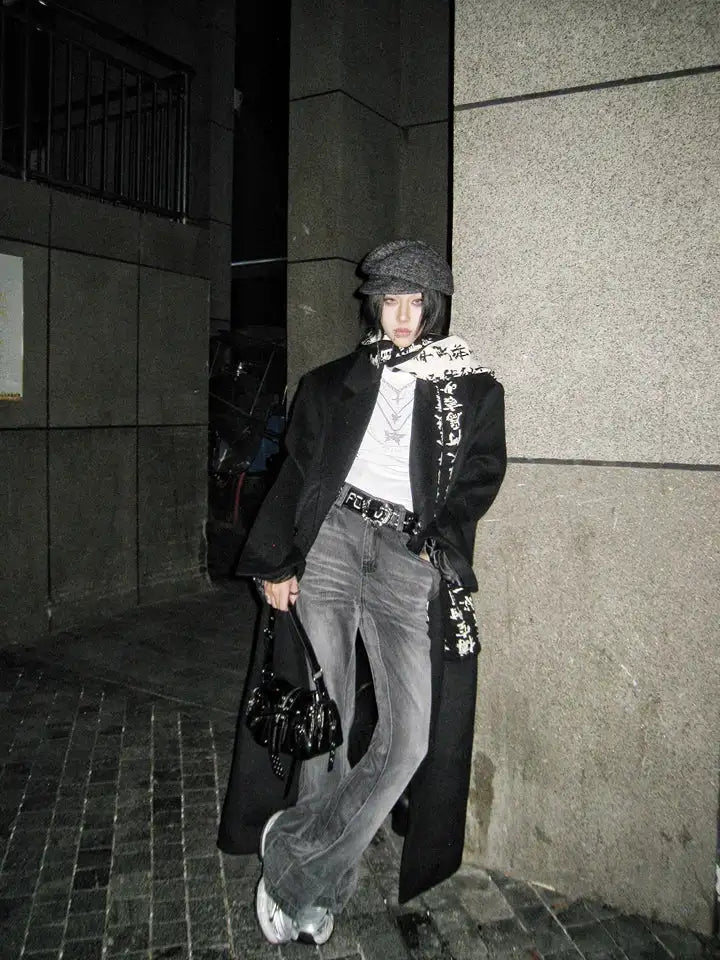

The basement is packed, the PA is clipping, and in the moshpit everyone looks the same: black, sweaty, happy. Only outside, under the streetlight, does the difference show. One wears a band shirt that has been washed for ten years, torn jeans and boots with a history. The other wears new black from head to toe and still looks like someone on the way to the office. Same color, completely different statement.
An all black punk outfit is a completely black look that draws its hardness not from the color but from texture, cut and hardware: torn denim, studs, leather, heavy silhouettes. Black is the basic condition, not the achievement. What really carries the look is in this guide. We wrote down the foundations of the scene, from 1977 to today, in the Punk Fashion Guide; this one is about the monochrome discipline.
Before we go into categories and pieces, we settle the foundation. Because the question of what turns a completely black outfit into a punk outfit has a more precise answer than most styling lists admit.
Definition
What defines an all black punk outfit?
Everyone says it is enough to pull everything black out of the closet and layer it. They are wrong. A black turtleneck, black chinos and black sneakers add up to a gallery owner, not a punk. The color only sets the stage. The playing happens with three things: destruction, hardware and weight.
Destruction means: tears, frayed hems, washed-out surfaces, visible repairs. Hardware means: studs, zips, D-rings, chains, buckles, everything that rattles and reflects. Weight means: heavy boots, thick denim, leather that holds its shape. The rule: if a piece carries none of these three markers, it has to be the quietest piece in the look, not the loudest. A clean black shirt under a destroyed vest works. A clean black shirt in the lead role does not.
1977
Year in which black became the punk uniform
3+
Textures a monochrome look needs
1
Color, nothing more
Why black of all colors became the leading color of the movement is not a matter of taste but of history. And that history is shorter and more pragmatic than the myth claims.
Origin
Why punk wears black: the short history
Early punk in London was more colorful than you think: pink hair, tartan-red trousers, yellow provocation. Black took over for two reasons. First, it was cheap and available: workwear, army surplus, secondhand leather. Whoever has no money wears what the flea market offers, and it offered black. Second, black was the refusal of the consensus world of pastel and polyester. It was the color that signaled: we are not playing your game.
Pragmatism turned into code. Leather jacket, black skinny jeans and boots became the uniform of those who wanted no uniform, a contradiction the scene still carries with humor. Every generation reinterpreted the code: hardcore made it functional, Post-Punk made it strict, the 2000s made it tight, the present makes it wide and heavy.
Anyone who wears black from head to toe quickly gets a different label attached: Gothic. The mix-up is understandable and still wrong, because both scenes use the same color for completely different statements.
Distinction
Black Punk Style vs. Gothic: where the line runs
Gothic stages black as elegance: flowing fabrics, velvet, lace, silver, romance with an abyss. Black Punk Style stages black as refusal: torn denim instead of velvet, studs instead of ornament, Doc sole instead of platform drama. Gothic wants to look sublime, punk wants to be uncomfortable. A Gothic look whispers, a punk look heckles, even though both come out of the same color pot.
In practice the line runs along the material and the attitude toward decay. Gothic keeps its pieces flawless, punk wears wear as a distinction. Anyone who likes both worlds can mix them but should know which side leads: a lace top under a studded vest stays punk with a Gothic quote. A velvet coat over clean black is Gothic, no matter how many chains hang off it.
That leaves the question of how a look stays interesting when the color palette shrinks to a single tone. The answer is the actual craft of monochrome punk.
The principle
Monochrome Punk: texture beats color
Monochrome Punk is contrast work without color contrast. What red against black handles in other looks has to be handled here by surfaces. The eye needs friction, otherwise the look blurs into a silhouette without information. The tools for it hang in every closet:
- Matte against gloss: washed-out cotton next to leather, dull canvas next to metal hardware. The oldest and most reliable trick.
- Destroyed against intact: one ripped-open piece per look is enough, two is the maximum. Three destroyed pieces layered look costumed.
- Heavy against light: thick denim or leather below, thin shirt or mesh on top, or the other way round. A change of weight makes the silhouette readable.
- Structure against surface: rib knit, coarse knit, corduroy or waffle texture as a third element between smooth surfaces.
- Washed-out against deep black: differently aged blacks are not a mistake but depth staging. Only a completely uniform tone goes flat.
Three of these five contrasts in one look, and monochrome stops being boring. Which contrasts you pick decides the variant, and in black punk there is more than one.
The variants
The five variants of the all black punk outfit
Completely black does not mean completely the same. Within the code, directions have formed that differ clearly in silhouette, degree of destruction and hardware density. Anyone who knows their variant buys more precisely and combines faster.
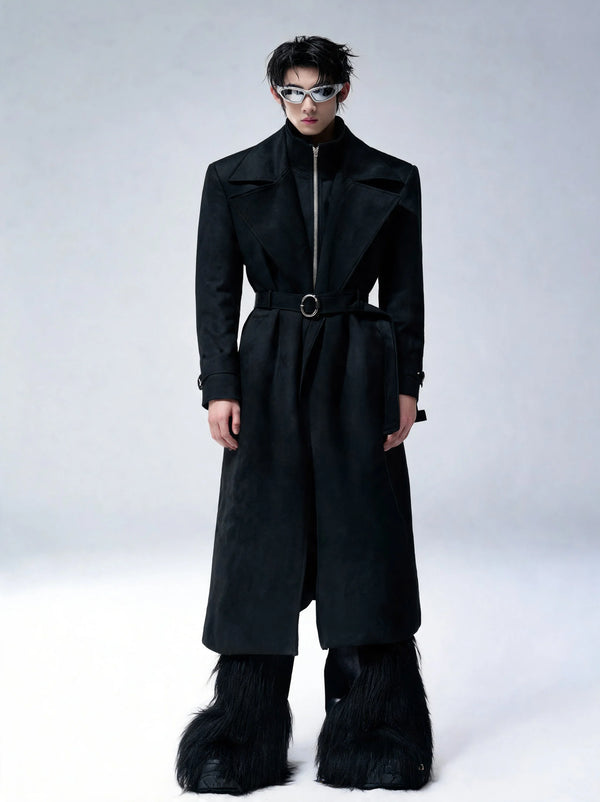
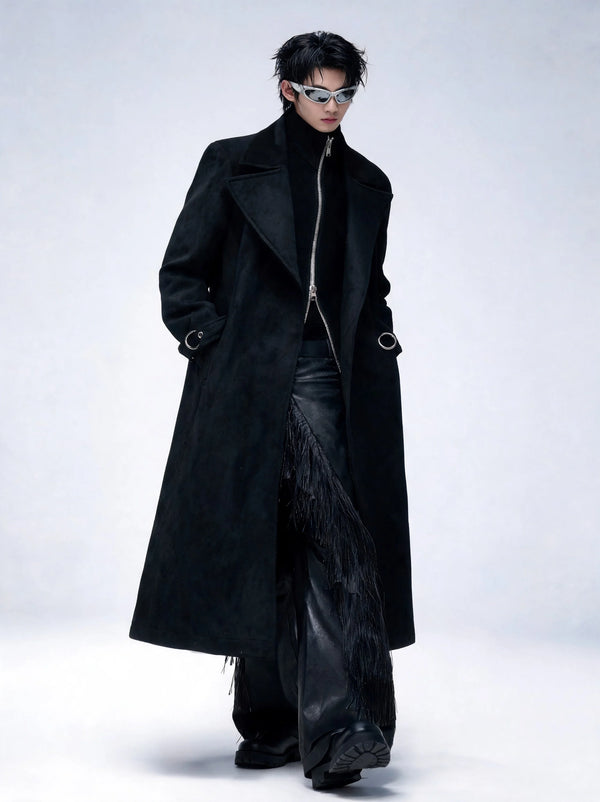
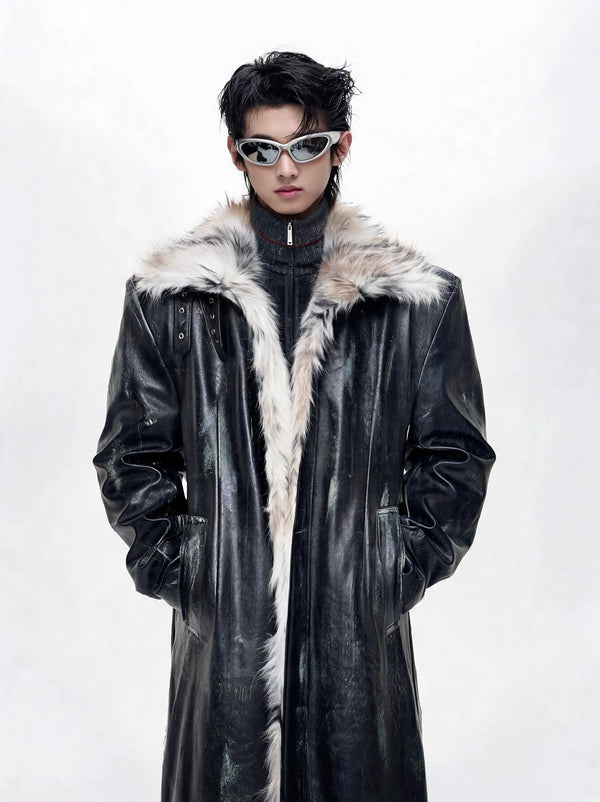
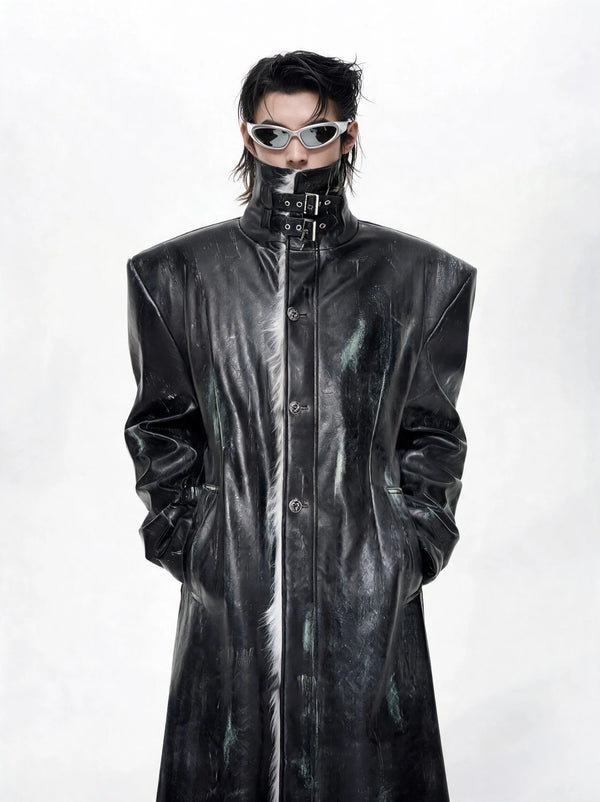
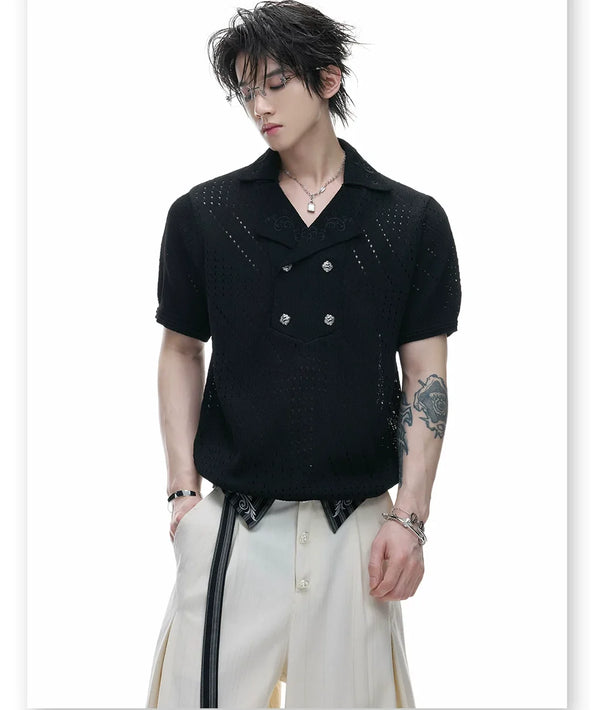
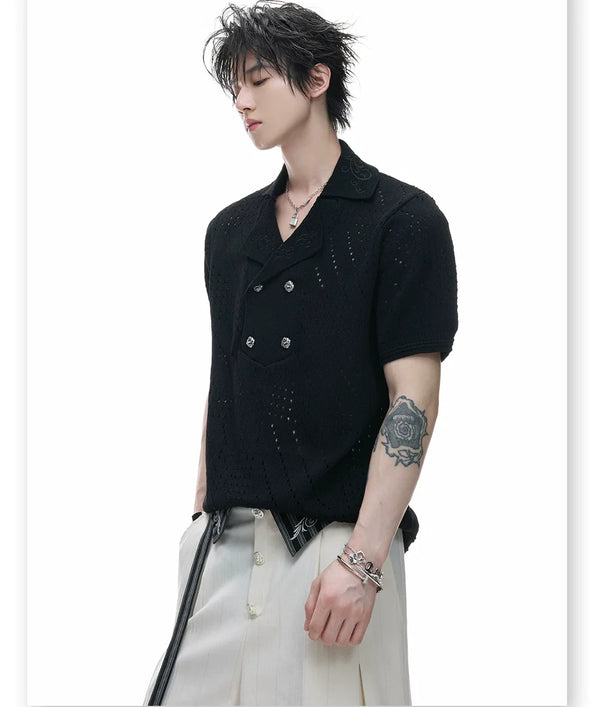
How differently the same color palette can fall shows best in movement: the same black pieces read harder on the street than in the product shot, and exactly that difference is the point of the look.
From theory into the closet. The next sections go through the look from top to bottom, with the pieces we carry for it and the criteria for choosing them.
Category 01
Black punk tops: shirts, longsleeves, vests
The top half is where the degree of destruction is decided. A washed-out graphic shirt with raw edges sets a different tone than a destroyed hooded vest over a bare arm or a thin longsleeve. The rule for the upper half: either the top carries the texture work, or it holds back and lets jacket and hardware speak. Graphics work best in black punk when washed out, as if they were already a hundred concerts old.
Layering on top means: thin under destroyed. A longsleeve under a ripped-open shirt, a mesh layer under a vest. Two layers are almost always enough, three is winter mode. What matters is the order of information: the destroyed layer belongs outside, where it is seen, the intact one inside, where it keeps you warm. Worn the other way round, you hide the work of the piece and show the most boring surface of the look.
Under the top the base begins, and in punk it is traditionally underestimated. Yet the trousers decide the variant more than any other piece: they define the silhouette before anyone looks at the details.
Category 02
Black punk trousers: the base of the look
The tight, torn skinny is the classic but long since not the only answer. Studded Jorts over layers, wide flares with leather trim, cargos with straps: the present wears considerably more volume below than the 2000s. What remains is the principle that the trousers have to bring hardware or destruction when the rest of the look is clean. Studs on the seam, zips on the leg or ripped-open knees are not decoration but the information that separates the look from single-color everyday clothing.
On fit: whoever wears volume on top takes structure below, and the other way round. Completely wide only works when boots and belt ground the look. Completely tight is the retro variant and lives on destroyed denim.
Whether the look hangs on a female or a male body changes nothing about this logic, and that is exactly what separates punk from most other style worlds: the code was never sorted by gender.
The pieces are one thing. The question of where you can wear them without rubbing people the wrong way, or exactly the right way, is the other. Because a completely black punk look reads differently on the street than in an open-plan office.
Practice
All black punk in everyday life: concert, street, office
For the concert: wear nothing you would mourn. Moshpit looks consist of the most robust pieces in the closet, boots instead of sneakers, no long coat, nothing that catches in other people's studs. For the street the full range is open, here the look may be as loud as the music. For the office the Post-Punk variant works: clean black pieces with a single hard marker, boots or a belt with hardware, while tears and patches stay at home.
Starting from zero, the closet is built fastest through the categories, not through individual pieces. First the base per category, then the loud pieces:
The top layer is still missing. In black punk, jackets are more than weather protection: they are the piece the look shows first and that stays the longest.
Category 03
Black jackets and layering in the punk outfit
The leather jacket is the archetype, but the present thinks the top layer wider: tactical sets with straps, destroyed denim jackets, heavy bombers with hardware. What matters is that the jacket carries the heaviest texture in the look. A light jacket over a heavy outfit looks the wrong way round, like a punctuation mark before the sentence.
For layering under the jacket the old order applies: thin inside, structure outside, hardware on top. A hoodie under a leather jacket is the streetwear compromise, a destroyed shirt under a tactical set the harder answer.
For the selection that means: first set the silhouette of the trousers, then place the jacket against it. Wide trousers plus a compact jacket or tight trousers plus volume on top, both work as long as one side leads.
So much for the theory of the build. In practice most black punk looks fail not on missing pieces but on avoidable mistakes, and those repeat so reliably that they deserve a list of their own.
Mistake studies
The most common mistakes with the all black punk outfit
Each of these mistakes turns a look into a costume or a uniform. The good news: all five can be corrected with what is already in the closet.
Anyone with these five points under control is technically through. What the look then still lacks is the level that separates good from memorable: the small pieces with a large effect.
In a monochrome look, accessories are not a side issue but the place where the hardware calculation adds up or bursts. That is why they get the last product category here, before we come to the open questions.
Category 04
Black punk accessories: studs, chains, belts
The studded belt is the entry accessory and still the most efficient one: it places hardware exactly in the middle of the look, where the eye lands first. After that come chains, at the neck or on the trousers, caps with destruction, cuffs and key hardware. The rule from the mistake section applies here too: two hardware zones per look. Whoever wears a belt and a necklace leaves the wallet chain at home.
With bags and caps the same logic counts as with the clothing: washed out beats flawless, metal beats print. A destroyed denim cap works in the look, a clean logo cap works against it. And because accessories are the cheapest adjustment in the whole system, it pays to experiment here first: changing a belt costs less than a new jacket and changes the look almost as much.
That leaves the questions that stayed open between the chapters. We answer the most common ones compactly here.
Open questions
FAQ: all black punk outfit
Short answers to the questions about completely black punk looks that reach us most often.
Is a completely black outfit automatically punk?
Can an all black punk outfit have color accents?
Which materials make black punk instead of elegant?
How do I keep black pieces from fading?
Is All Black Punk the same as Opium or Darkwear?
What remains in the end is a simple measure: a good black punk look needs no explanation, but it withstands any. When every piece has a reason to be there, the calculation adds up.
And anyone who wants to keep building after the monochrome entry finds enough directions in the scene that sit on the same base, from the club hybrid to the rave variant in complete black.
What do you think?
Tell us on @fuga_studios
About the author
Philipp Fuge — Founder · Berlin
Founder of Fūga Studios. Writes the journal himself. Berlin · Shanghai · Tokyo · Poznań — four cities, one logic.