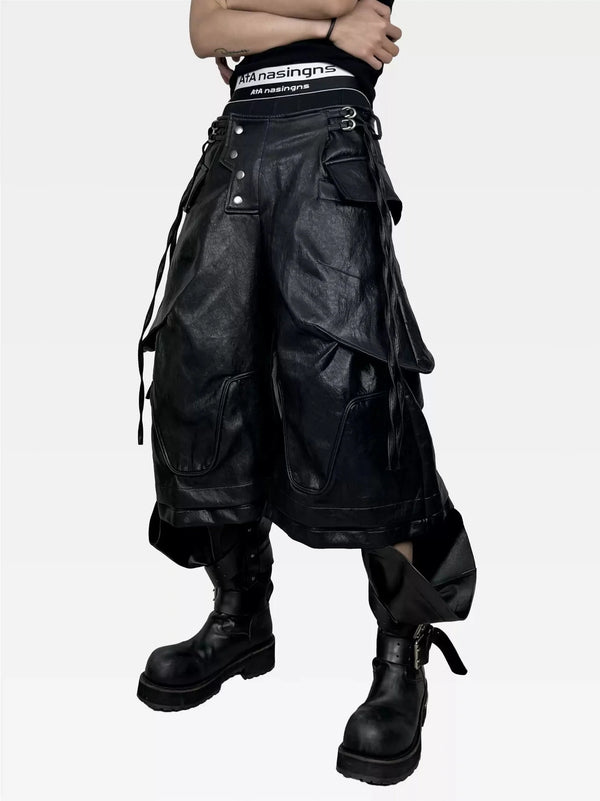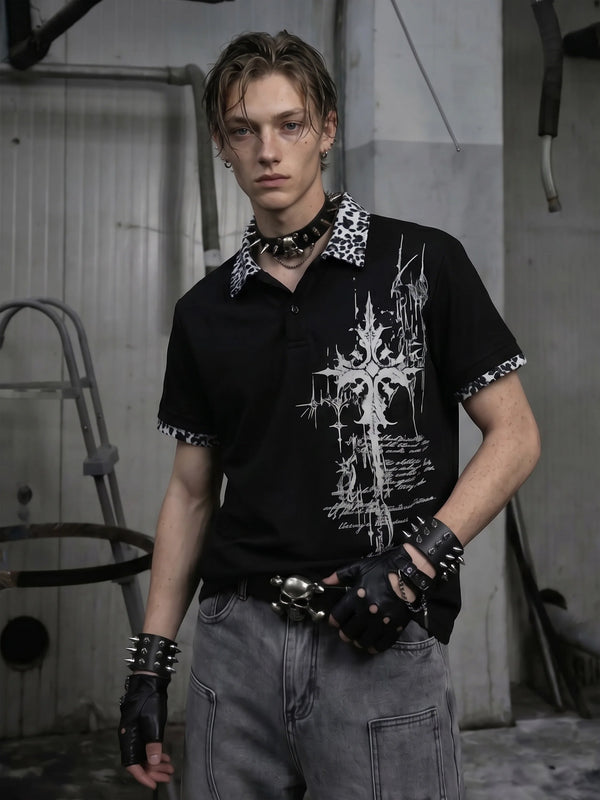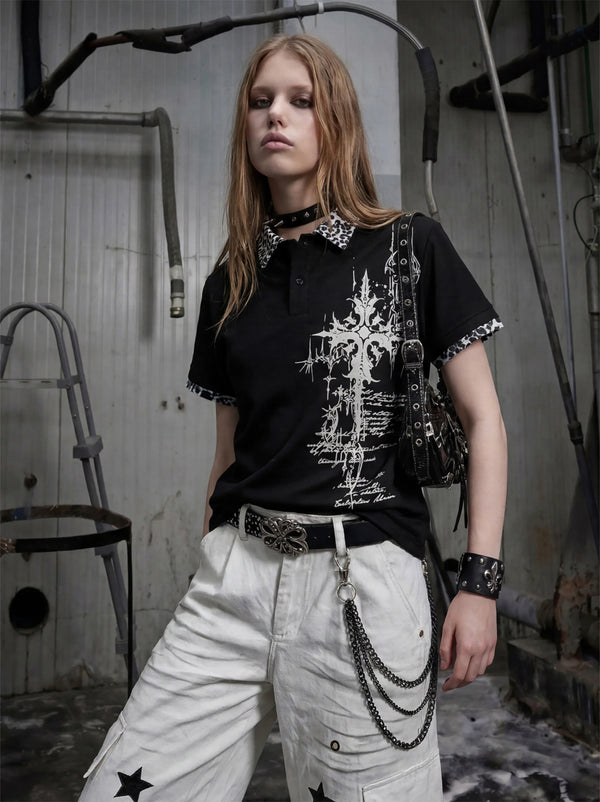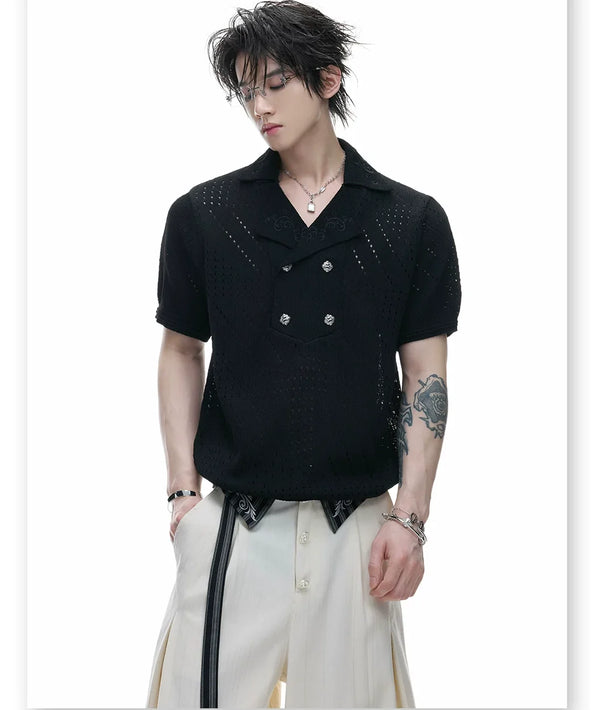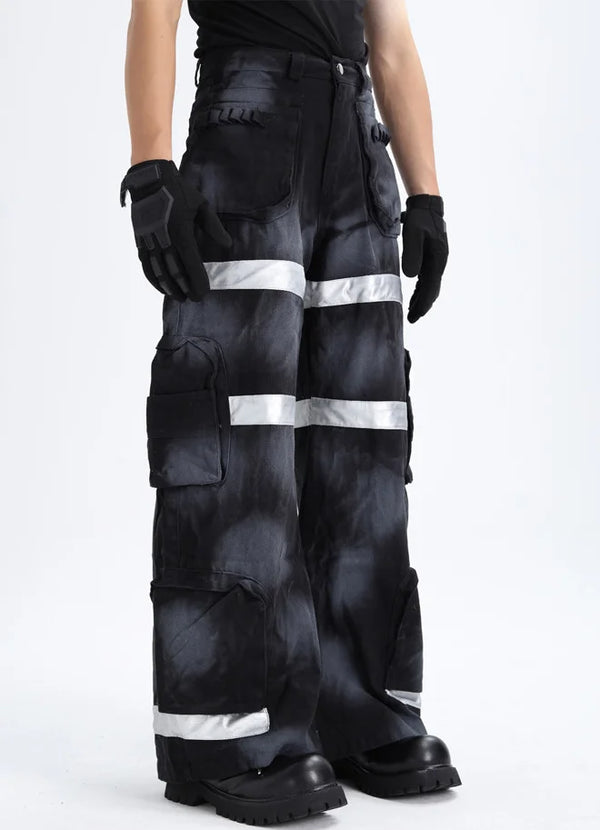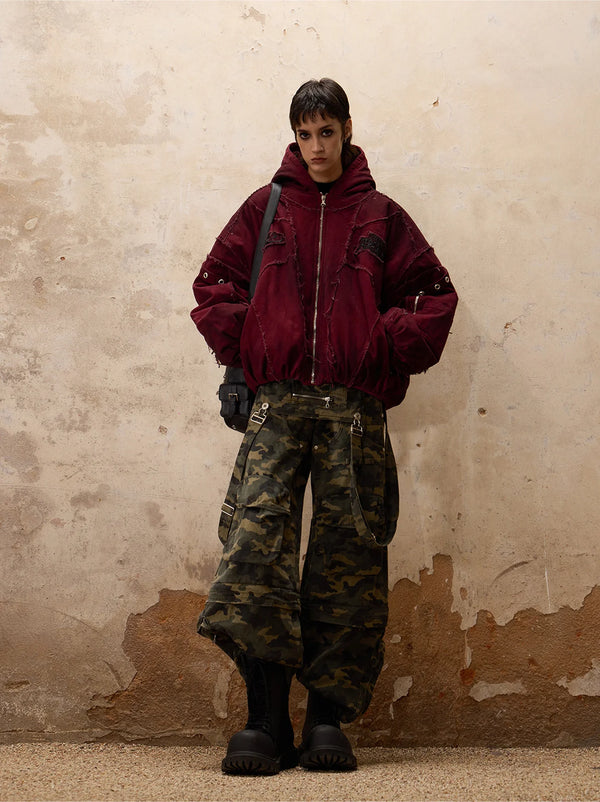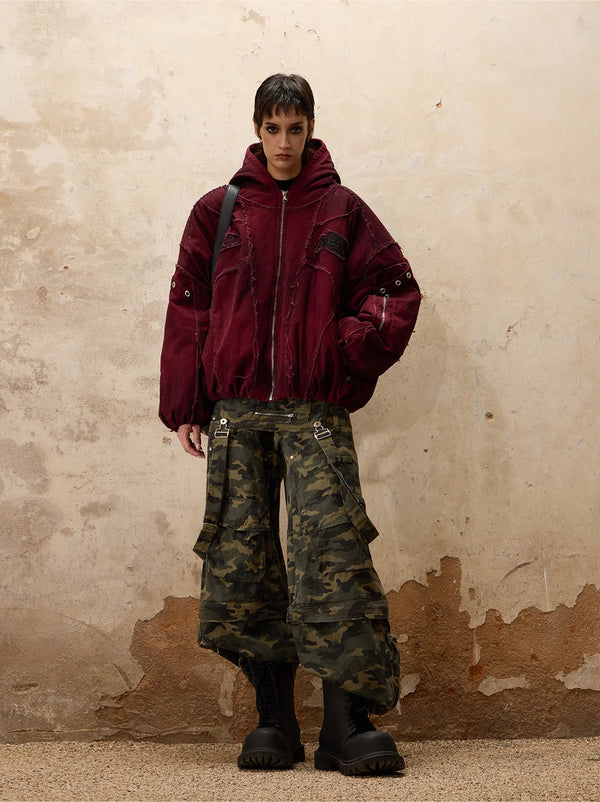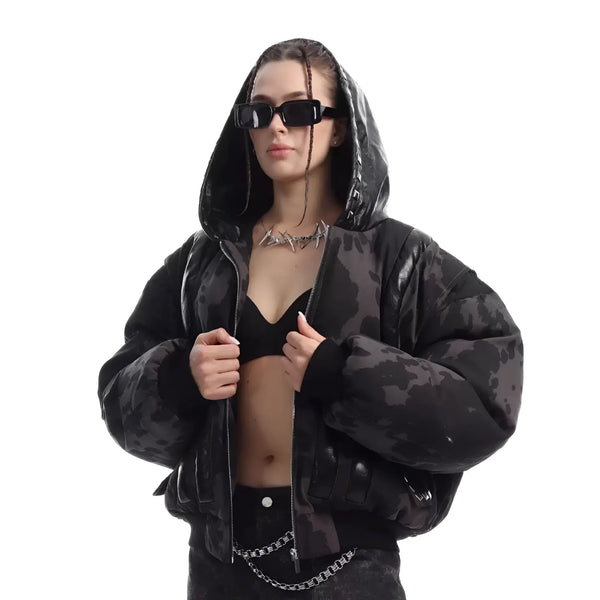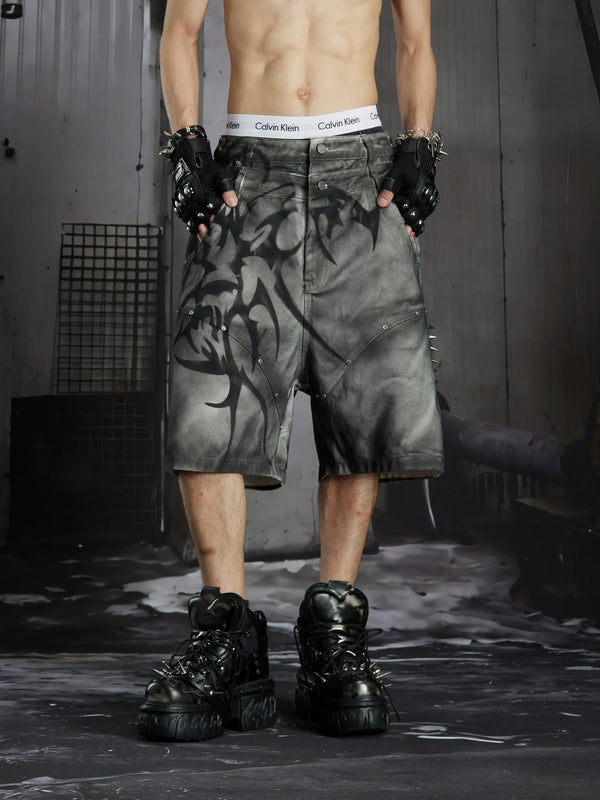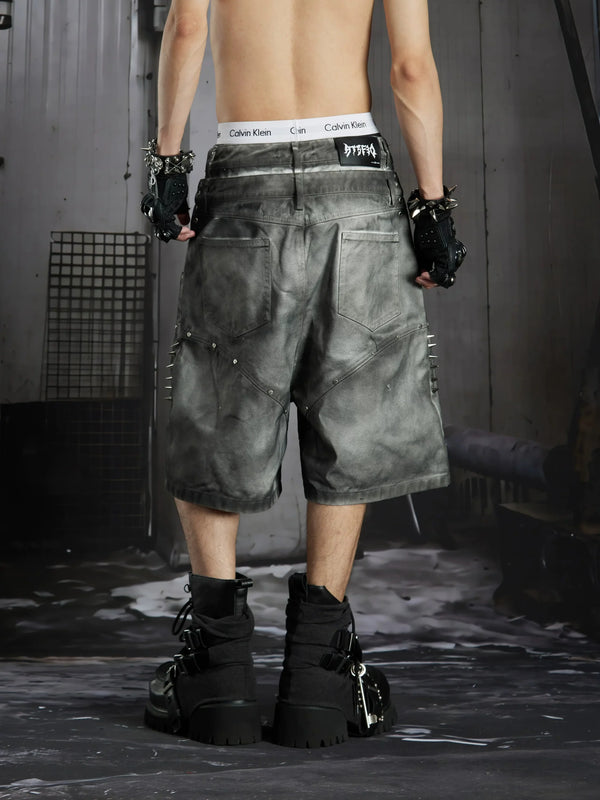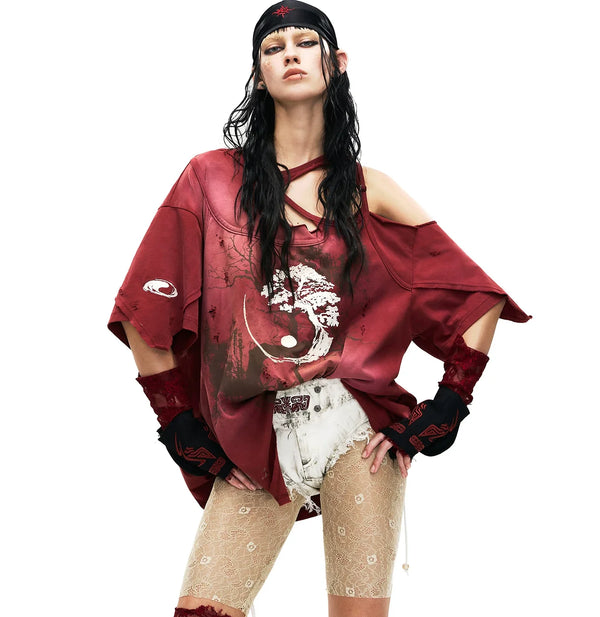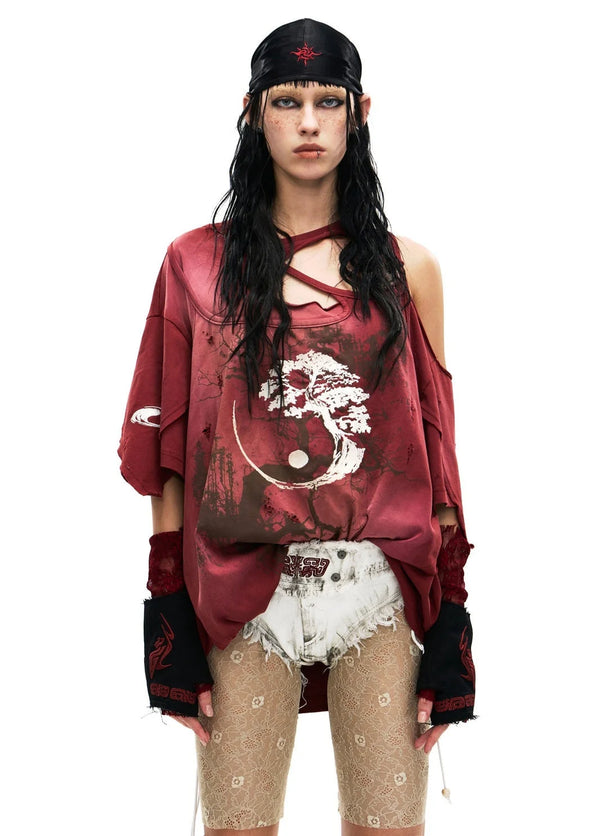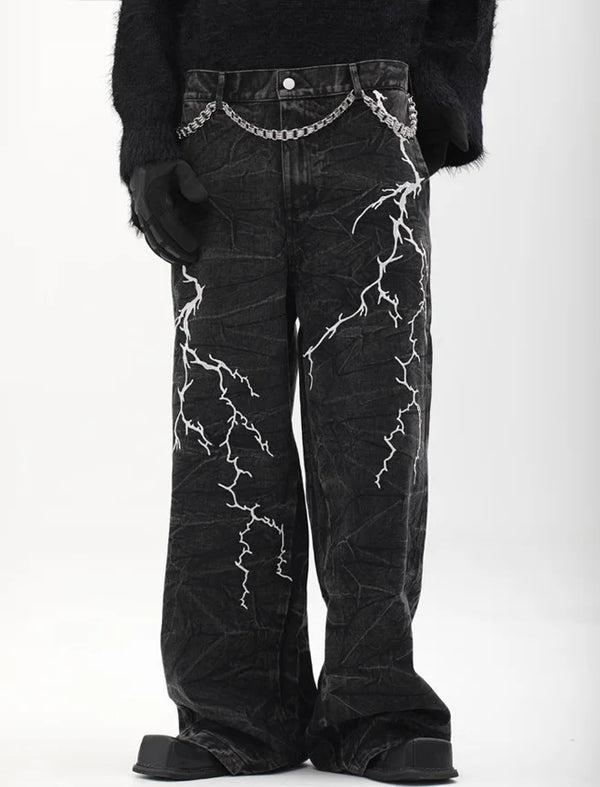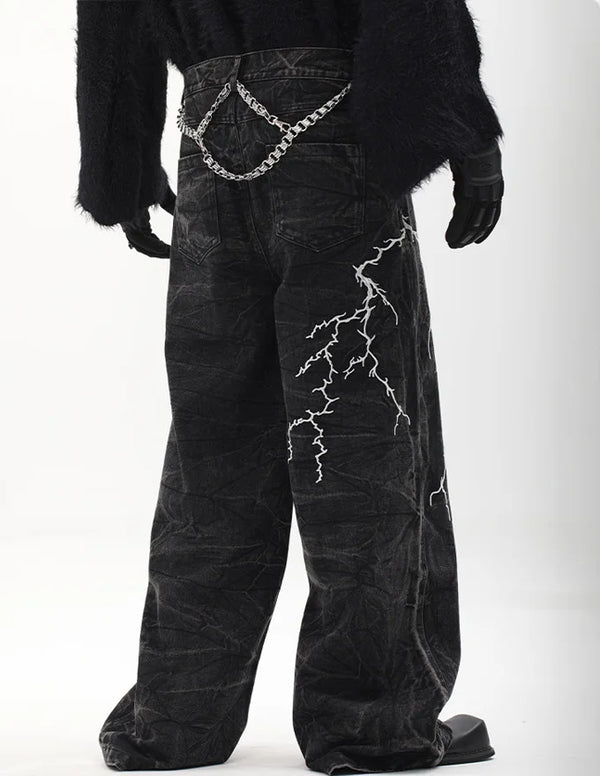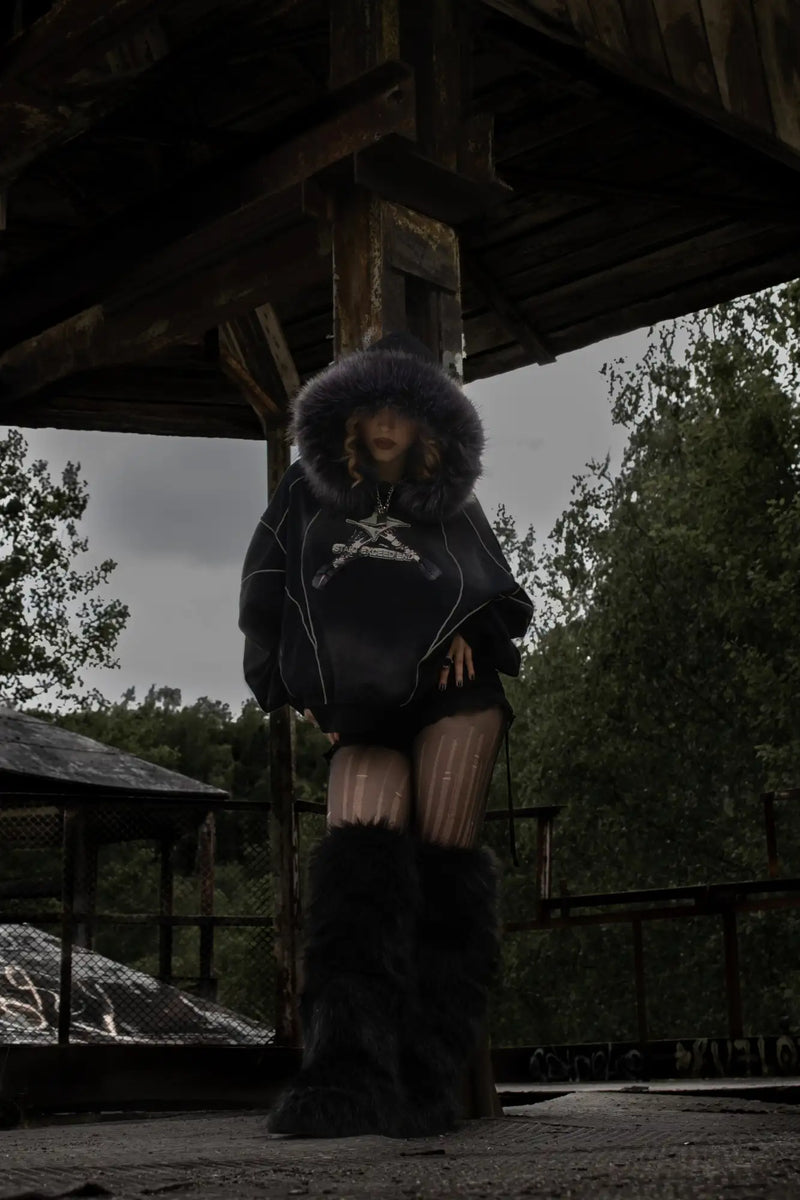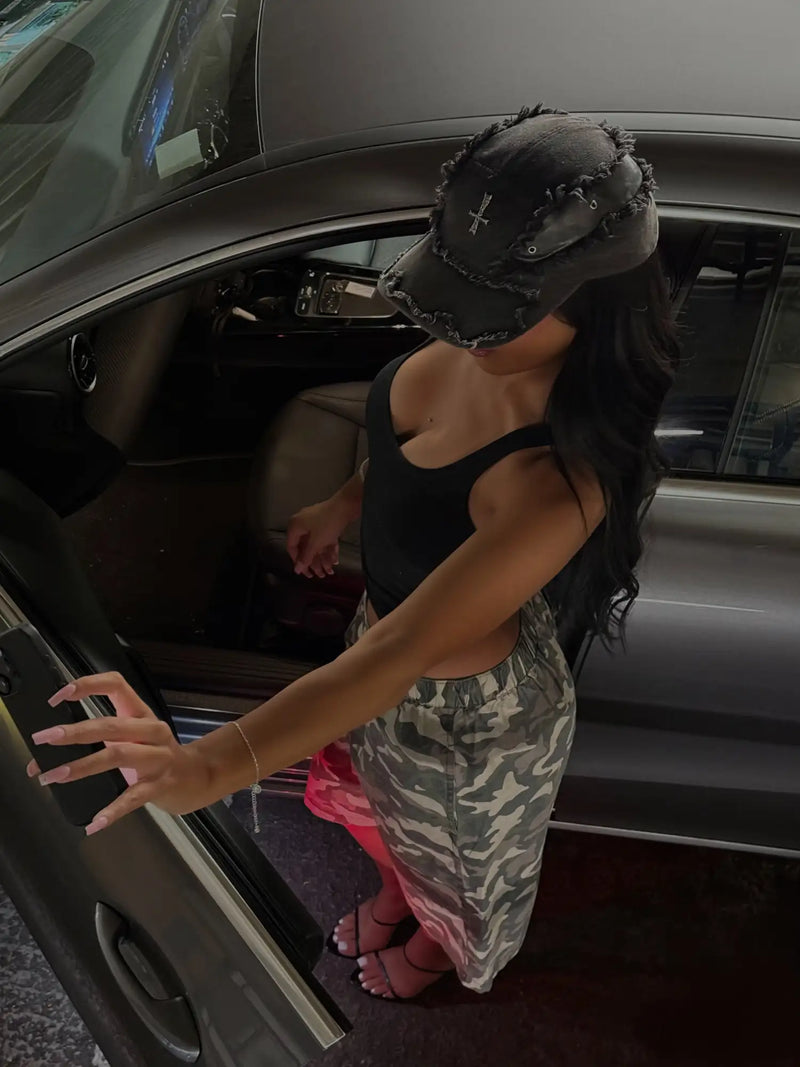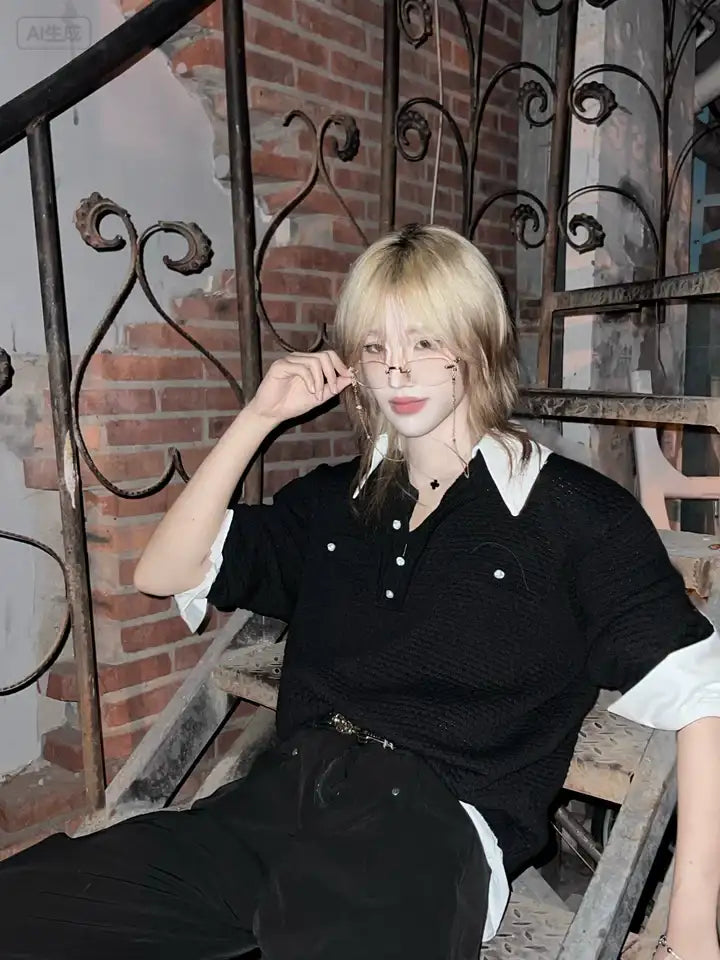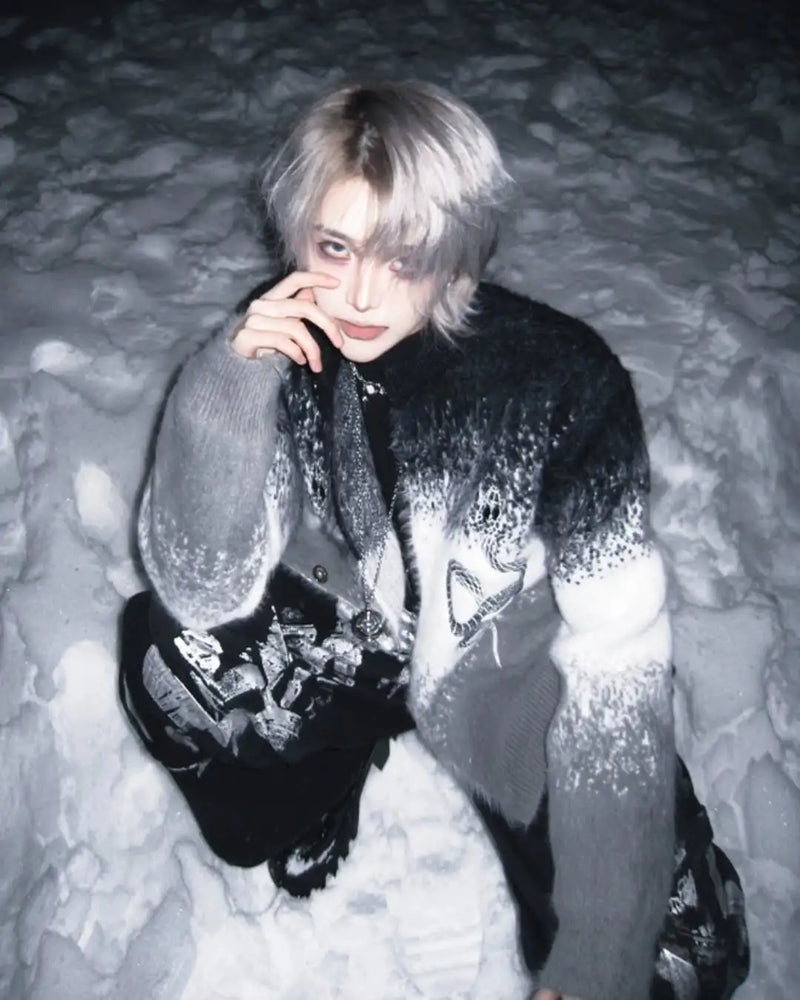

Everyone says Korean Brand Clothing is just K-Pop anyway. They're wrong. A Stüssy cap with BTS on your head makes your outfit Korean fashion about as much as an Adidas track jacket makes you a Berlin techno DJ — namely, not at all.
Korean fashion isn't a single aesthetic, it's a brand landscape with five clearly separated tiers — from the Paris runway designer to the 19-euro online shop. Anyone who says “Korean Brand” and only means Mardi Mercredi has never seen 80 percent of this landscape. Anyone who knows it shops differently: by tier, not by hype.
This guide breaks the brand landscape down into its five tiers, names the labels in each tier that actually carry, tells you where to buy them in Germany — and which five mistakes will reliably tank your Korean-Brand shopping.
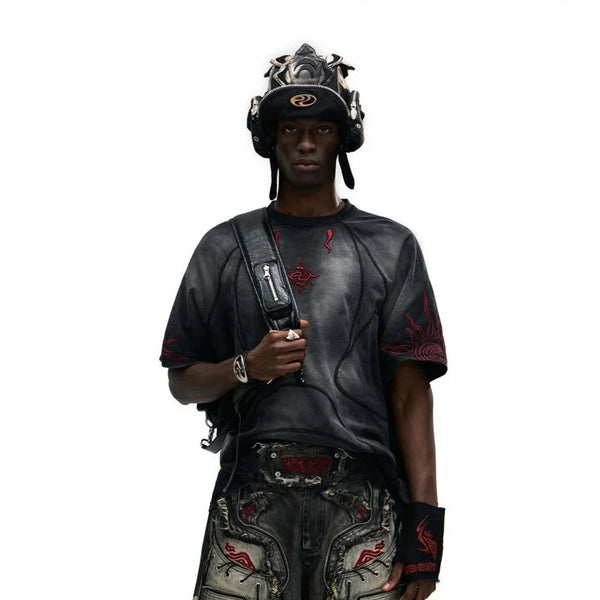
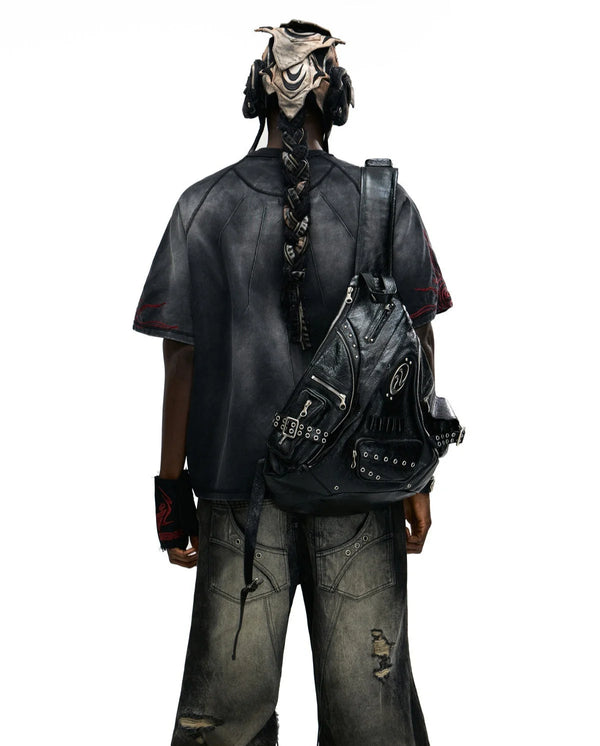
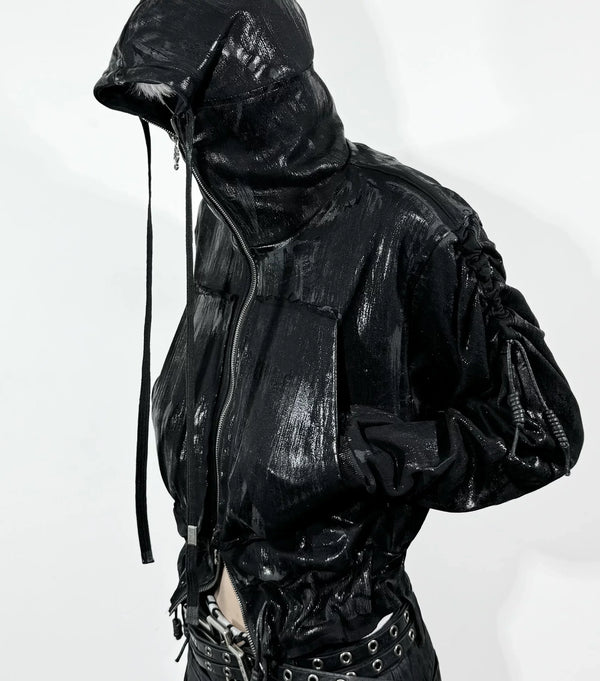
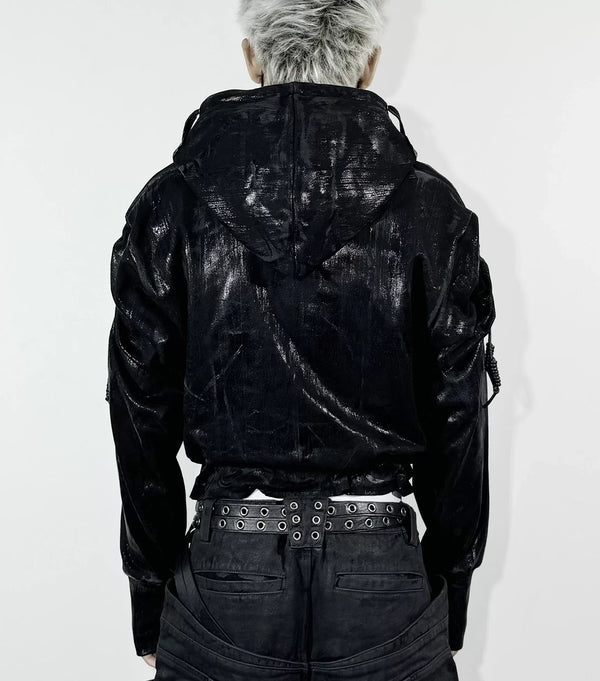
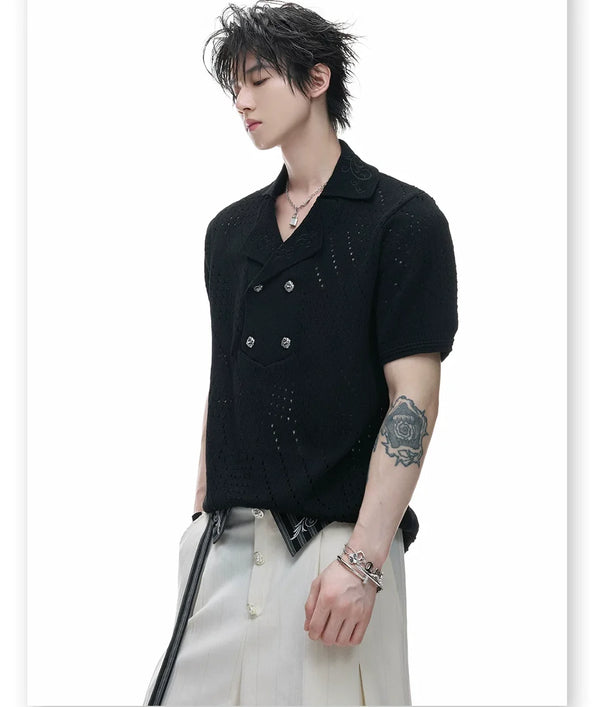
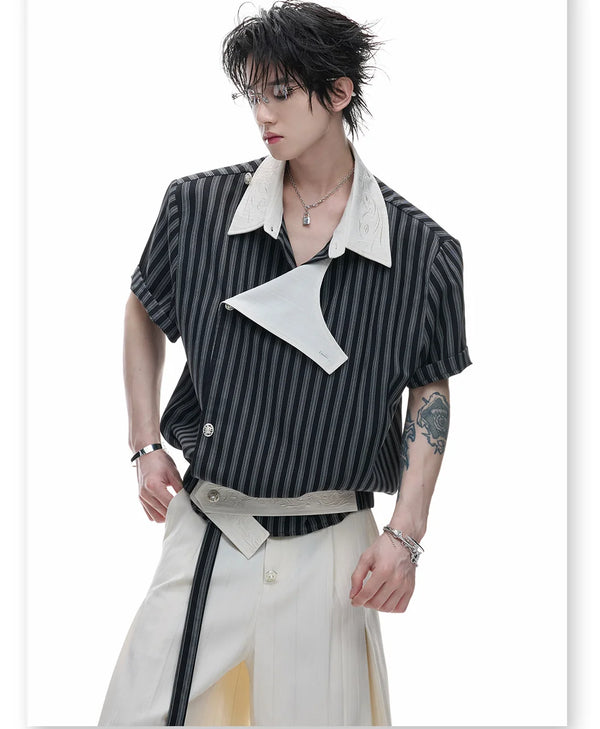
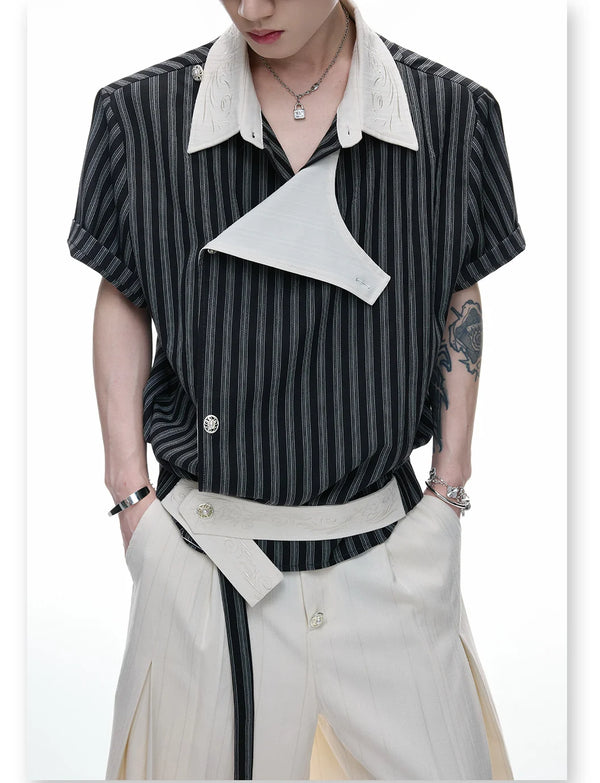
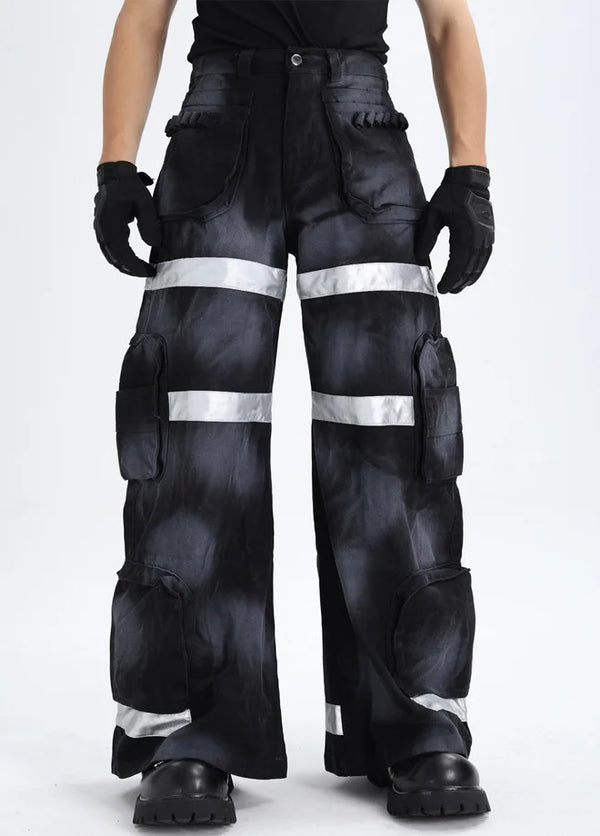
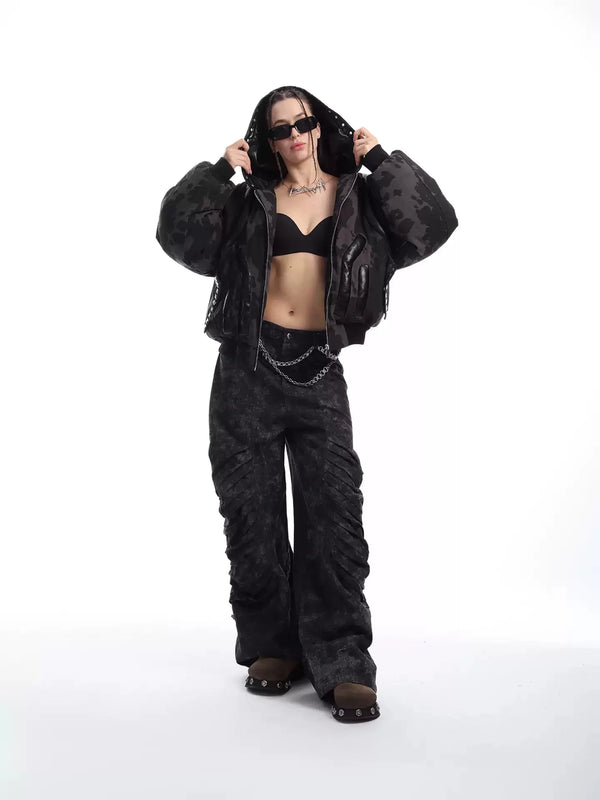
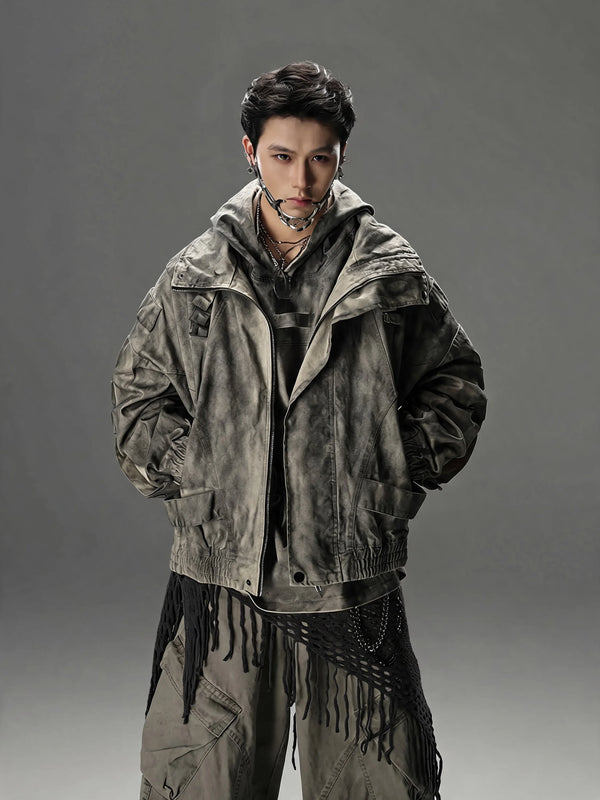
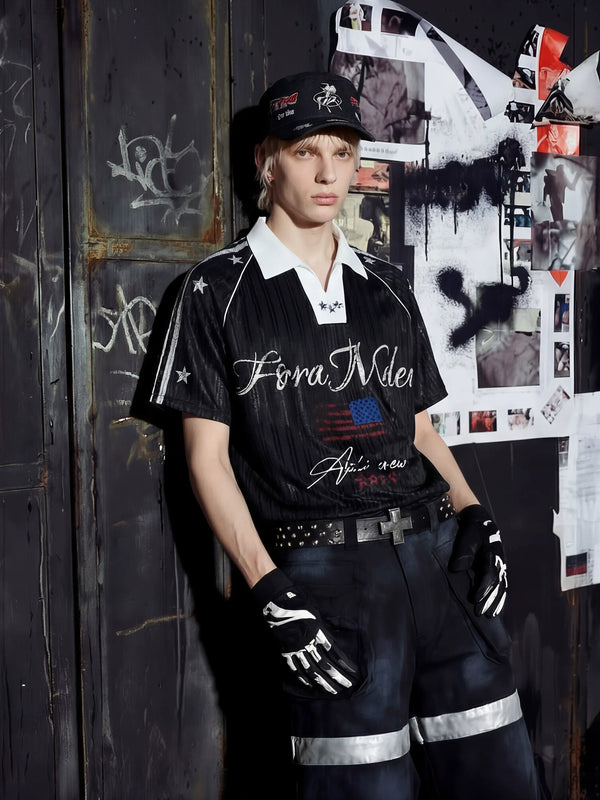
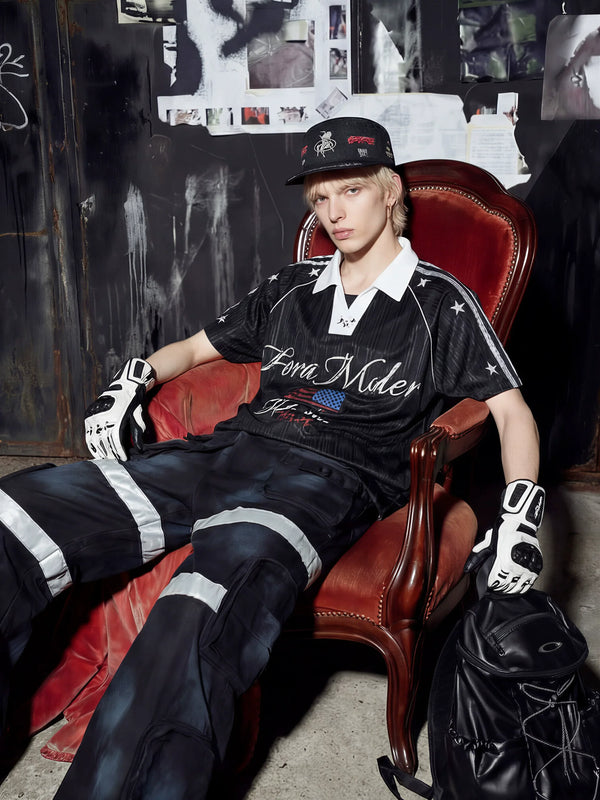
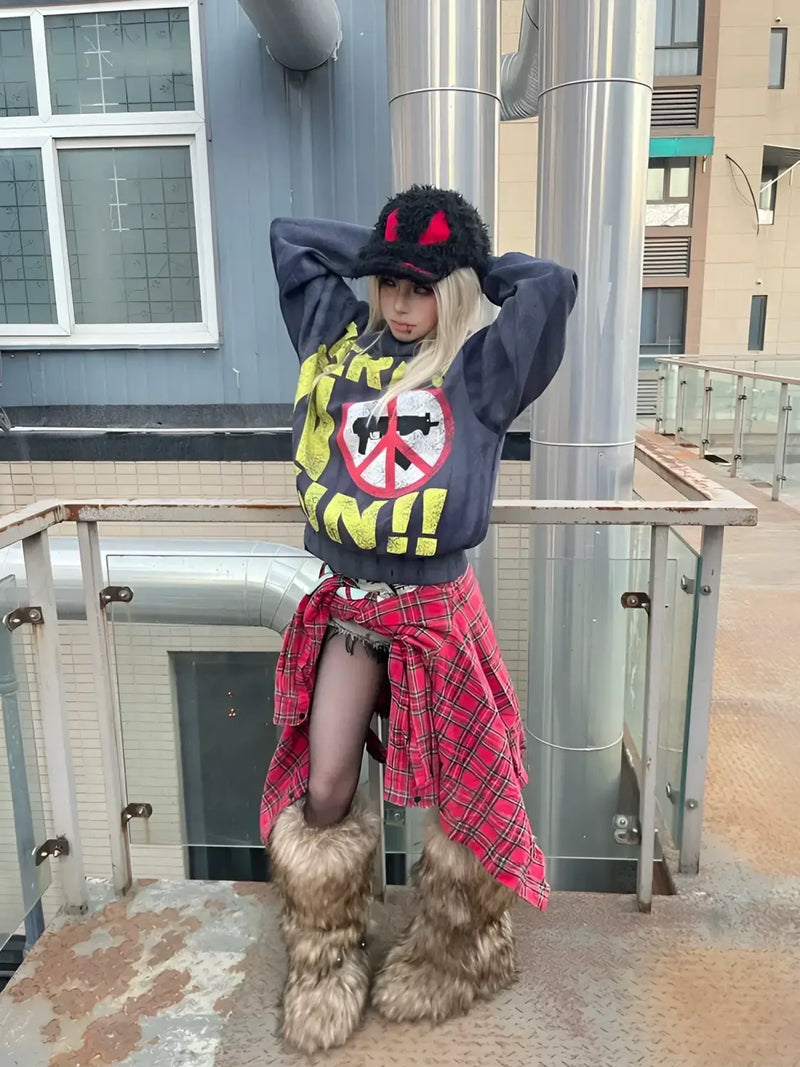
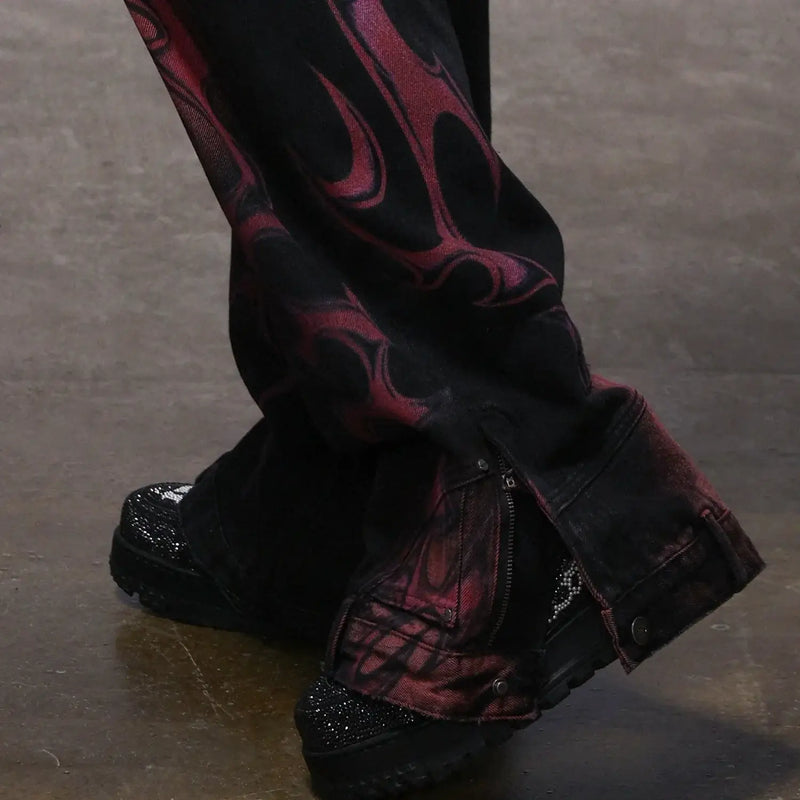
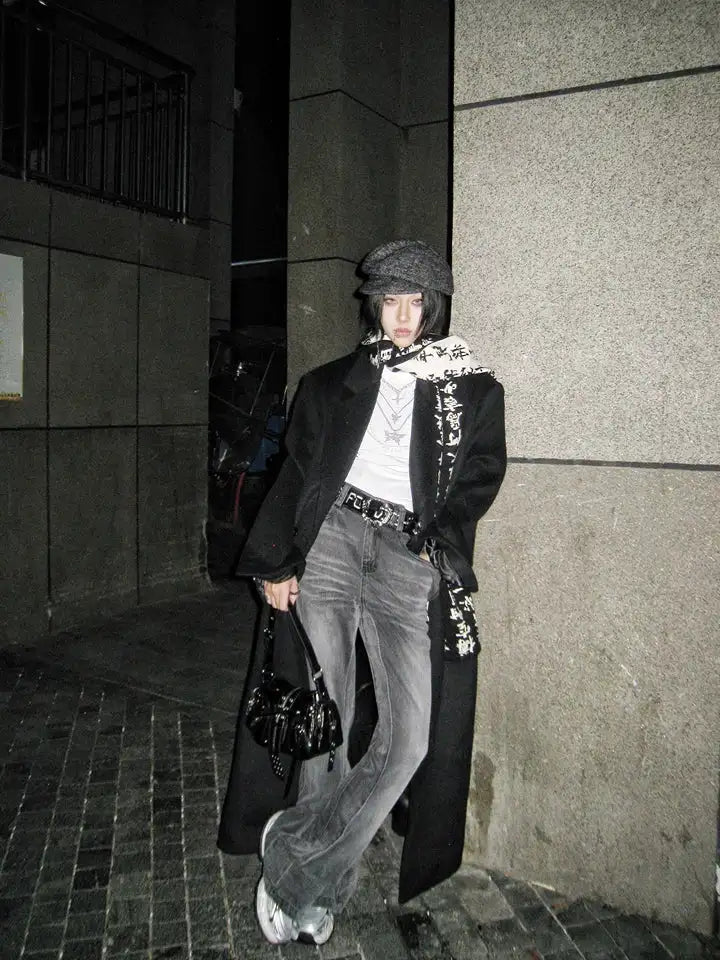
Here's what the Korean streetwear code looks like on the street — compact, in 12 seconds:
Definition
What actually is a “Korean Brand”?
A Korean brand in the narrow sense is a label founded in South Korea that runs its main design office there. That excludes brands that only sell “Korean Style” without Korean origin (Yesstyle is a marketplace, not a label) and brands that only do Korea cosplay without producing or designing in Korea.
In the broader sense — and that's how the term is mostly used in Germany — Korean Brand Clothing means everything that emerges in the Korean fashion market and is worn there. That includes the designer labels with Paris shows, the streetwear brands from Hongdae, the K-Pop idol favourites, the affordable online shops and the minimalist daily brands. Five tiers, one term.
The brand landscape has run through four generations — from the first wave starting 1998 (post-IMF-crisis, streetwear as an identity statement) through the K-Pop wave from 2010 (BIGBANG, 2NE1, T.O.P. wearing home-grown designers) and the designer wave from 2016 (Wooyoungmi, Juun.J, Hyein Seo on Paris runways) to the TikTok wave from 2022 (Mardi Mercredi explodes globally). Anyone who googles “Korean Brand” today sees a landscape that has grown for almost 30 years.
The central platform for all of this is called Musinsa — Korea's largest online fashion marketplace with over 8,000 listed labels. If you don't run on Musinsa in the domestic market, you effectively don't run.
5 Tiers
The 5 types of Korean fashion brands
Korean Brand Clothing isn't a flat list, it's a pyramid. At the top sit six to eight designer labels with Paris or Milan shows. In the middle, a hundred streetwear brands actually worn in Hongdae and Itaewon. Alongside them the K-Pop idol tier, whose brands turn up in stage photos. At the bottom the affordable online layer, where a hoodie costs 22 euros. And running through all of it, the minimalist daily brands for the 25-year-old with an office job.
5
Brand tiers
8.000+
Labels on Musinsa
22 €
Entry online tier
1.200 €
Designer jacket price
Anyone who can cleanly tell the five tiers apart shops differently. A 19-euro Stylenanda top and a 480-euro Hyein Seo top are both Korean Brand Clothing — but two completely different buys with two completely different goals.
Which brands sit in which tier, and which ones stick out of their tier, comes now — tier by tier.
Tier 1 · Designer
Designer & avant-garde — the labels that made Paris notice Seoul
The top layer of the Korean-brand pyramid doesn't look toward Seoul, but toward Paris and Milan. Six to eight labels have driven international perception here for ten to twenty years — shaping the image the fashion world has of Korean design. When someone says “Korean Designer,” they almost always mean one from this list:
- We11done — founded 2014 in Seoul. Sister label to Iab Studio. Avant-garde streetwear with a Paris showroom. Often worn oversized, with deconstructed cuts and sharp graphics. Hoodies start at 320 €.
- Hyein Seo — Central-Saint-Martins-trained, based in Seoul since 2014. Dark editorial line with bondage references, soft knit layers and construction details. A favourite label of many European stylists.
- Juun.J — founded 2007 by Jung Wook-jun. Avant-garde menswear with military and workwear references. A fixed Paris men's-week slot since 2009. Pieces often hang at 800-1,500 €.
- Wooyoungmi — on the (men's) runway since 2002. A mother-daughter label (founded by Woo Young Mi, continued by Katie Chung). Tailoring-focused, quiet vocabulary, Paris show schedule. Suits from 1,200 € upward.
- Andersson Bell — Seoul-Stockholm crossover since 2014. Knits and knitwear with Nordic minimalism plus Korean streetwear tolerance. Sweaters 280-450 €. Well represented on Zalando and SSENSE.
- Pushbutton — founded 2003 by Park Seung-gun. Playful avant-garde with pop references. More women-coded than the other designer labels, with editorial appearances in i-D and Vogue Korea.
- KUSIKOHC — a younger label, founded 2018. Drape and knitted volumes. Quick to editorial features in Dazed and Highsnobiety.
What connects these labels isn't the aesthetic — that varies a lot — but the distribution route. You won't find them on Musinsa, but on SSENSE, MR PORTER, Farfetch and in scattered European concept stores. A designer-Korean piece is a concept-store piece, not a mass-market piece.
Tier 2 · Streetwear
Streetwear & skate — the labels that shape Hongdae and Itaewon
This is the layer where Korean Brand Clothing really begins for most buyers. The main part of the market sits here; here sit the brands that dominate the Musinsa rankings week after week. Prices between 60 and 280 euros. Drop logic instead of season logic. Skate and Y2K references instead of runway language.
- thisisneverthat — founded 2010 by two skaters from Seoul. Workwear cuts plus skate graphics plus outdoor fabrics. Probably the most-worn Korean-brand label globally. T-shirts at 60-90 €.
- Covernat — founded 2008. Americana-meets-Korea — workwear coding, heavyweight fabrics, indigo denim. Wears more grown-up than thisisneverthat, fewer graphics.
- ADER error — founded 2014. Known for oversized cuts and the blue-accent system. More Y2K-coded than the others. Big crossover into the K-Pop tier.
- IISE — Seoul-Berlin brother duo (Kevin and Terrence Kim). Founded 2011. Architecture-inspired cuts, monochrome palettes, soft fabrics. Comes across more grown-up and quieter than the tier overall.
- Beyond Closet — founded 2008. Preppy-Korean with college references and patched knits. Wears most like thom-browne-light, but at a quarter of the price.
- LMC (Lost Management Cities) — founded 2015. Lifestyle streetwear with logo-heavy branding. Wears closer to Stüssy or Carhartt WIP, with whom LMC has also repeatedly collaborated.
- Nerdy — since 2017. Sport streetwear with a track-suit focus. K-Pop idols often wear the sets in an airport look.
Whoever buys in this tier buys drops, not seasons. Releases run through Musinsa, own webshops or Kream — and hype pieces are often sold out on release day. Patience pays off: most of it lands as leftover stock at 30 percent off after three to six months.
Tier 3 · K-Pop tier
K-Pop idol tier — what the stars really wear
When a BlackPink or BTS member gets spotted in an airport look, the brand is rarely Gucci and almost never Balenciaga — even if the press photos suggest otherwise. What they wear privately and on variety-show appearances comes from a small, clearly bounded group of Korean brands sitting between streetwear and high-mid.
- Mardi Mercredi — the label that exploded globally in 2022. Signature: the daisy-logo tee. Cute-coded, soft, simple cuts, iconic branding. Has become the K-Pop standard brand in Europe since the Jisoo sighting in 2023.
- MISCHIEF — founded 2014. Y2K streetwear with logo-heavy branding. Recurring on BLACKPINK tour photos, with its own resale market in Europe.
- 87MM — founded 2015 by two skaters. Skate-streetwear mix with clean cuts and a quieter palette. Favourite label of BTS-V (Taehyung).
- LE17SEPTEMBRE — minimalist women's line. Frequently on TWICE and BLACKPINK appearances in casual-elegant layers. Price tier 150-300 €.
- Charm's — Y2K boho with vintage reference. Founded 2015. Traded in Korea as the “BlackPink-Lisa brand.”
- Mainbooth — skate streetwear plus outdoor. Very active on Musinsa releases, several Stray Kids sightings.
The tier is a mix of streetwear and brand marketing. Whoever buys here wants the K-Pop look without switching into the designer league — and without slipping into the affordable tier, where the pieces don't survive two seasons.
Tier 4 · Affordable
Affordable & online-first — Korean fashion without the designer price
The biggest layer by unit volume — and the one that turns up most often in European searches. Brands in this tier are primarily online shops with their own look, often with international shipping and prices between 15 and 60 euros per piece. Three of the most important players in the tier:
- Stylenanda — founded 2005 by Kim So-hee, part of L'Oréal since 2018. Despite the corporate takeover, still the flagship for “Korean Online Fashion.” Trendy, women-coded, with its own make-up brand 3CE as a companion.
- Chuu — founded 2013. Soft-girly-coded, thin knits, maxi skirts, lots of pastel tones. Especially visible on TikTok.
- Mixxmix — founded 2003. Y2K-centred with loud branding and bigger cuts. Favourite source for “Korean Y2K” looks on Pinterest.
- Lewkin — young online shop (founded 2019), ships worldwide. More focused on male buyers than most affordable labels — streetwear cuts, Y2K-coded, in the 25-65 € range. Anyone who googles “Lewkin” is usually looking here.
- Nain — minimalist online shop, understated colours, very German-office-friendly. English site, fast Korea shipping.
- Cherrykoko — soft-girl-coded, similar to Chuu, with a more distinctive visual language. Popular with Y2K rediscoverers.
These brands are a good entry into the Korean-brand market, because your money risk is low. But there are a few things you should know before you place an order:
Men
Korean brand style men — what Seoul men do differently
Male-coded Korean-brand outfits sit closer to workwear and skate than to designer. Main brands among men: thisisneverthat, Covernat, IISE, 87MM, ADER error. Designer tier stays rare — anyone wearing Wooyoungmi or Juun.J is usually either a stylist, a K-Pop idol or over 35.
The outfit a 23-year-old wears in Itaewon is mostly: a workwear jacket (Covernat or thisisneverthat), wide-leg trousers with a carpenter detail, a heavyweight tee, outdoor sneakers or New Balance, plus a cap. Layers come with the season, not with the outfit. The logo stays small and appears once — no second branding element.
If you want to test the men's Korean-brand code, start with a workwear jacket and wide-leg trousers — both are the two most dominant pieces in the tier. You build the rest around them.
Women
Korean brand style women — the idol pipeline and the “soft code”
Female-coded Korean-brand outfits run along three parallel tracks: the K-Pop idol tier (Mardi Mercredi, MISCHIEF, LE17SEPTEMBRE), affordable online (Stylenanda, Chuu, Cherrykoko), and designer (Hyein Seo, Pushbutton, We11done for the sharper line). Which track dominates depends on age and occasion.
The “soft code” — pastel knit, maxi skirt, thin cardigan, mini bag — comes from the affordable and K-Pop tier and is the best-known Korean-brand look for women outside Korea. Whoever wants the sharp cut goes for designer pieces from Hyein Seo or darker layers from We11done.
If you try the soft code: start with a knit top in pastel or cream plus wide trousers or a maxi skirt. If you want the sharper cut: soft mesh top, wide-leg trousers, combat boot, a subtle silver chain.
Shopping · DE
Where do you buy Korean brands in Germany?
There are six realistic ways to get Korean Brand Clothing if you're based in Germany. Each has pros and cons — most buyers mix two or three of them, depending on tier.
The Musinsa Global Store is the direct source. Over 8,000 labels, Korea shipping 6-11 days, prices at Korean-domestic level, but customs and import VAT above 150 € goods value. SSENSE and MR PORTER cover the designer tier — no customs problems because EU shipping, but a higher price tier. Yesstyle is a marketplace aggregator for the affordable tier — cheap, but long delivery times and mixed quality.
Zalando has a small, curated selection of Korean brands — Andersson Bell, Mardi Mercredi and a few K-Pop-tier brands are regularly available there. Advantage: fast German shipping, easy returns. Disadvantage: the deeper designer tier (We11done, Hyein Seo) is rarely found there, and for streetwear-tier brands like thisisneverthat the releases aren't synced to the Korea drop logic. Kream is the resale platform for hype drops — pieces turn up there on the day of release in Korea, often with a markup.
The sixth option: DTC brands that translate the Korean-brand vocabulary into European logistics. Pieces stored in Berlin (or Poland, or the Czech Republic), 6-11 days delivery time without customs risk, with German-language support. We belong in this category — and the main reason this tier-4 layer exists at all is exactly the Korea-shipping problem from the affordable tier.
And if you want to go deeper into individual Korean-fashion topics without working through the whole brand market — here are five deep-dives that connect directly:
Korean fashion isn't exhausted with this guide — there are four other axes the market runs into. The streetwear code in detail, men-specific cuts, a sub-genre overview, and the broader style overview with a look reference. Here are the five deep-dives that lead directly on from this brand guide:
What does not work
The 5 most common mistakes in Korean-brand shopping
Korean Brand Clothing has five spots where buyers in Europe reliably burn money. If you avoid only one mistake, make it mistake number four — the plain sizing mistake often costs you 30-40 percent of the order value in return shipping.
Getting started
The first 4 brands you need to know
You don't have to know 30 Korean brands to wear Korean Brand Clothing. You need four that turn up somewhere in most Korean outfits. Everything else builds around them.
In order of impact per euro: thisisneverthat as the universal streetwear brand (a box-logo hoodie works in 80 percent of Korean-streetwear outfits). Mardi Mercredi as the K-Pop-tier brand with the highest global recognition value (the daisy tee is basically the Korean-brand ID card 2024-2026). Covernat as the workwear grown-up brand (heavyweight, indigo, lasts years). Stylenanda as the affordable entry brand for women (or Lewkin for men).
Outfits for real
Korean brand outfits for real — how it looks in everyday life
Before you place your first order, look at how the five tiers sit on real bodies — not on K-Pop stage photos or Paris look-books. The mix of thisisneverthat workwear plus a Mardi Mercredi tee plus Stylenanda trousers is what you see in Hongdae on the weekend, not the Pinterest image.
This is what it looks like on us — in our Instagram pictures and on real buyers in Berlin, Vienna, Zurich:
To close
Korean fashion is a brand pyramid, not a single look
If you remember one thing from this guide, let it be this: Korean Brand Clothing isn't a style, it's a landscape. Whoever can tell the five tiers apart shops better — and understands why a 19-euro Stylenanda top and a 480-euro Hyein-Seo top are both Korean without one deriving from the other.
The whole logic of this guide reduces to one sentence:
The brands in this guide will keep mixing over the coming years — Mardi Mercredi rises into the designer tier, Andersson Bell slips down into the streetwear tier, new online brands will appear in the affordable tier. What stays stable is the logic: concept-store distribution at the top, direct-from-Korea shipping at the bottom, and in the middle the mixed tier that most of us actually wear.
You don't have to wait until you know every brand by heart. Start with one brand from the streetwear tier, wear it for a season, then expand. Korean fashion isn't hard — just ambiguous.
FAQ
Frequently asked questions about Korean Brand Clothing
The questions that reach us most often by DM, email and in the comments — short, clear, no detours.
Which brand is best known in Korea?
What are the top 10 Korean brands 2026?
Is “Top10” a Korean brand?
Which Korean brands are on Zalando?
What is Lewkin and where does it come from?
How big do Korean-brand sizes run?
What distinguishes Korean Brand Clothing from Japanese streetwear?
What do you think?
Tell us on @fuga_studios
About the author
Philipp Fuge — Founder · Berlin
Founder of Fūga Studios. Writes the journal himself. Berlin · Shanghai · Tokyo · Poznań — four cities, one logic.