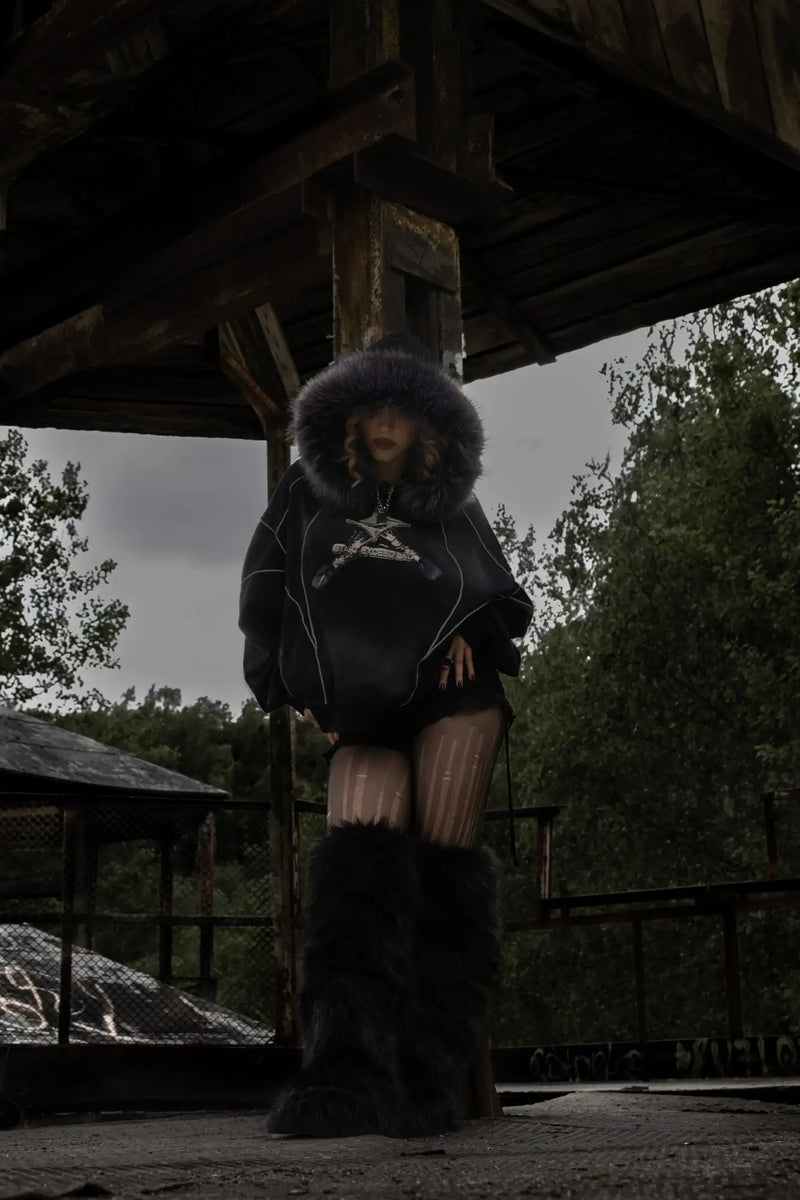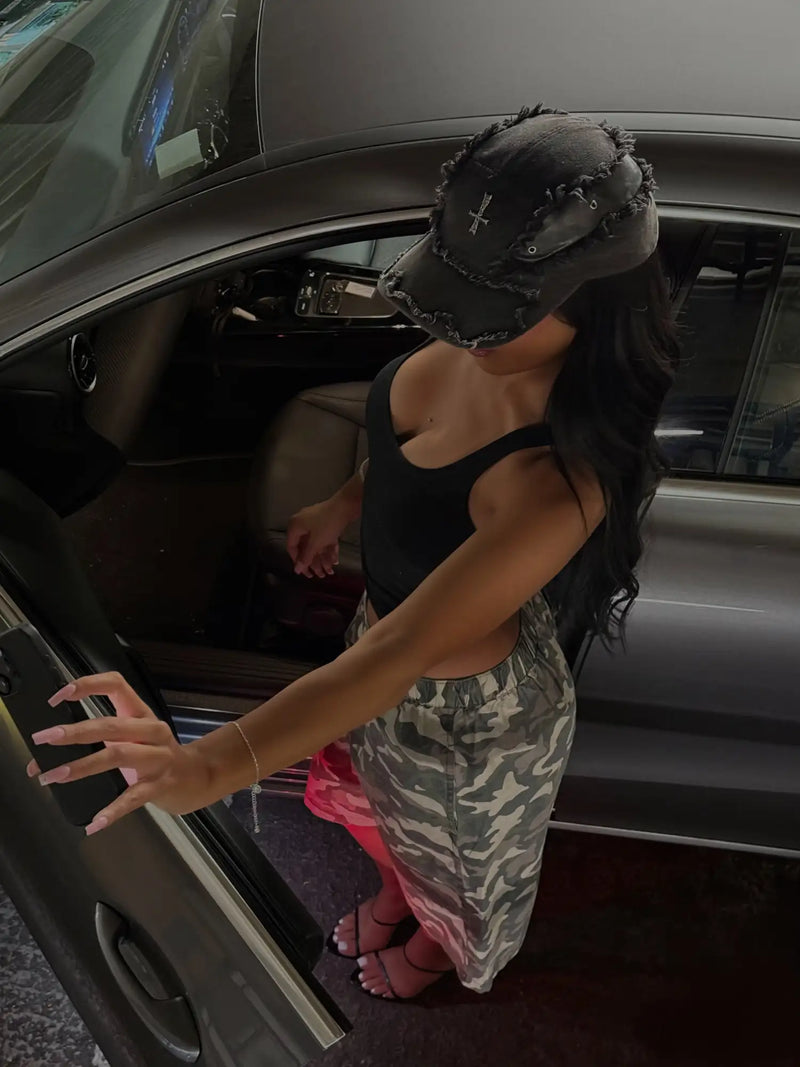

A shop on the King's Road, 1971. Inside hang slashed T-shirts, outside nobody is queuing yet. Five years later the shop is called SEX, the band at the counter calls itself the Sex Pistols, and a retail unit in Chelsea becomes the blueprint for everything later called punk fashion. Anyone searching for brands today is basically searching for the heirs of that shop.
Punk fashion brands sort into five camps: the London originals around Vivienne Westwood, British independent labels like Jawbreaker and Disturbia, Asian production brands like Punk Rave, the DIY counterpoint without a label, and high fashion houses quoting punk. Which camp suits you is decided by budget and attitude. The style rules behind it are in our Punk Fashion Guide.
Criteria
What makes a punk fashion brand
Punk never had a brand register. The scene defined itself through refusal: against corporations, against gloss, against anything that smelled of sales strategy. That punk brands exist anyway is one of the most productive contradictions in fashion history. A brand counts as legitimate in the scene when it comes out of the subculture rather than selling across it.
Three criteria separate a real punk fashion brand from a costume rental. First origin: the label grew inside the scene or is run by people who live in it. Second material: tartan, studs, leather, washed-out black, visible seams. Third attitude: small runs instead of mass stock, repairability instead of throwaway logic.
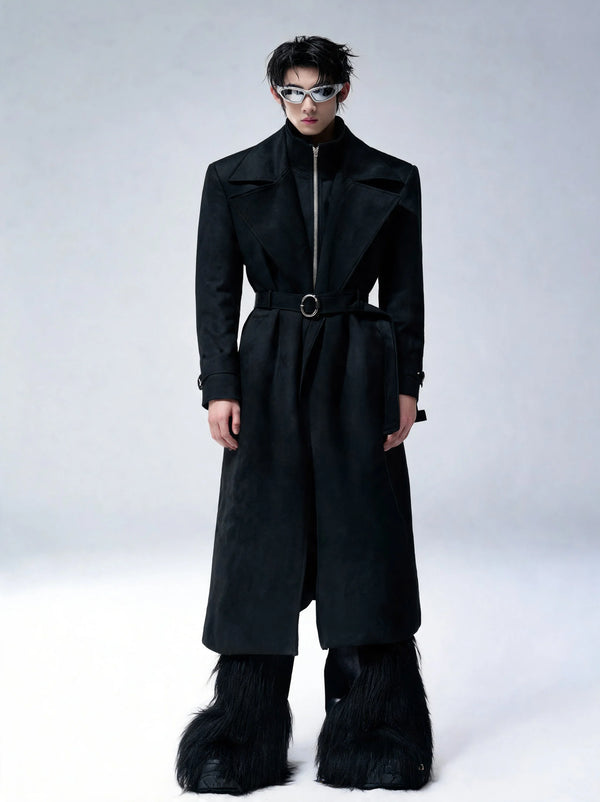
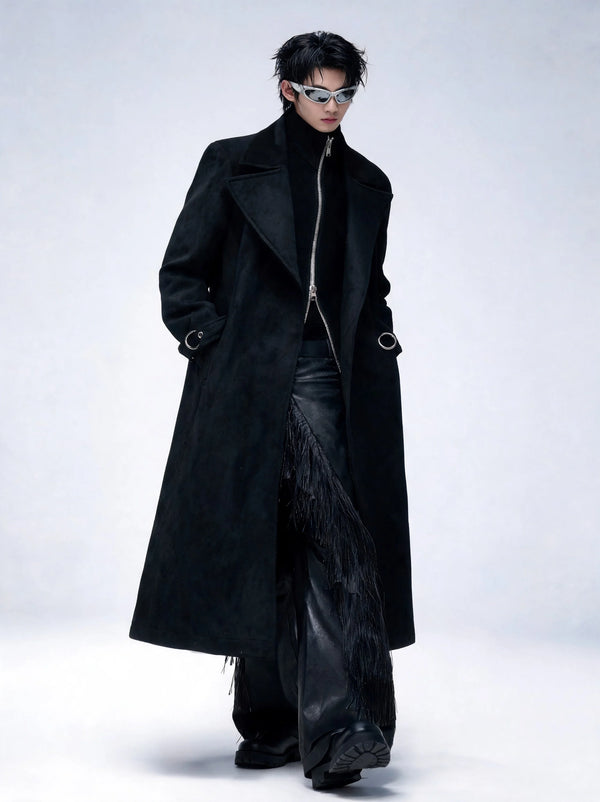
At Fūga we apply the same yardstick to our own punk-adjacent pieces: heavy fabrics, hardware that takes a beating, limited drops instead of a permanent programme. Punk is one station in a longer line of dark niches for us, not a dress-up theme.
1971
Let It Rock opens on the King's Road
1976
Seditionaries and BOY London start
2006
Punk Rave founded, export to Europe
Overview
Which brands are known for punk fashion? The five camps
The question of well-known punk brands has no single answer, because the market grew in layers. Every wave produced its own labels: the 70s the London ateliers, the 90s the mall chains, the 2000s the Asian production brands, the 2010s the online indie boom.
Anyone looking for a specific piece needs the map first. The five camps differ in price, cut quality and credibility, and almost every bad buy happens because somebody ordered in the wrong camp.
Origin
The London originals: Vivienne Westwood, SEX and BOY London
Vivienne Westwood and Malcolm McLaren opened the shop at 430 King's Road in 1971 under the name Let It Rock. Let It Rock became SEX in 1974, SEX became Seditionaries in 1976. In those five years the complete vocabulary was built: bondage trousers, ripped shirts with slogans, tartan as provocation, safety pins as jewellery. The Sex Pistols wore the pieces on stage, the rest is documented.
BOY London started a few doors down in 1976 and turned the eagle logo into a uniform of the London club scene. Underground England has been pressing creepers since the early 80s, the shoe shape Teddy Boys and punks shared. Dr. Martens was never a punk brand in the narrow sense, but the scene adopted it until the 1460 boot counted as standard.
Today the heritage camp is an archive with ongoing operations. Westwood carries the codes forward in the main collections, BOY London lives off the logo, Underground off the sole. Anyone wanting an original piece from the Seditionaries era pays collector prices in the four-figure range, because the quantities back then were tiny and much of it was simply worn to pieces.
Important for the classification: these labels did not invent the look, they curated it. The first punks sewed their own long before there was anything to buy. The heritage camp is therefore less source than document, and that is exactly where its value sits.
Present
UK punk brands today: Jawbreaker, Disturbia, Killstar
The second camp sits almost entirely on the island and sells almost entirely online. These labels emerged in the 2000s and 2010s, when the scene moved from the record shop to the net. They deliver punk codes in wearable cuts, at prices between 30 and 90 euros per piece.
- Jawbreaker from London: tartan trousers, graphic shirts and dresses with punk and goth references, by their own account deliberately positioned against the fast fashion pace.
- Disturbia from the north of England: independent label with occult graphics and a skate edge, self-run since the 2000s.
- Killstar: the largest of the three, more gothic than punk, but with stud, tartan and statement lines serving both scenes.
- Banned Apparel and Hell Bunny: more retro-leaning, strong on dresses and rockabilly overlaps, solid entry prices.
On the reliability question that comes up often with these shops: Disturbia and Jawbreaker are established labels with regular shipping to Germany, not dropshipping fronts. Quality sits in the midfield, cuts run differently depending on the line, reading the size charts pays off.
Import
Punk Rave and Devil Fashion: the Asia connection
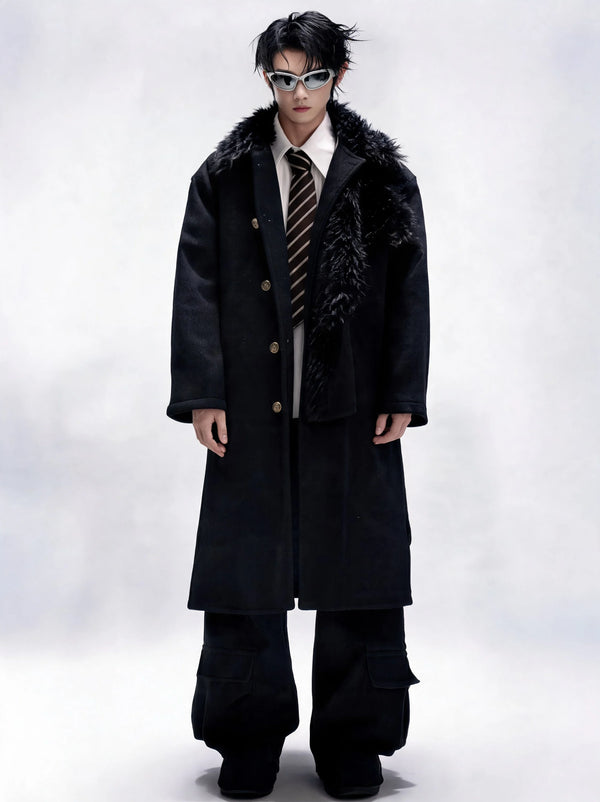
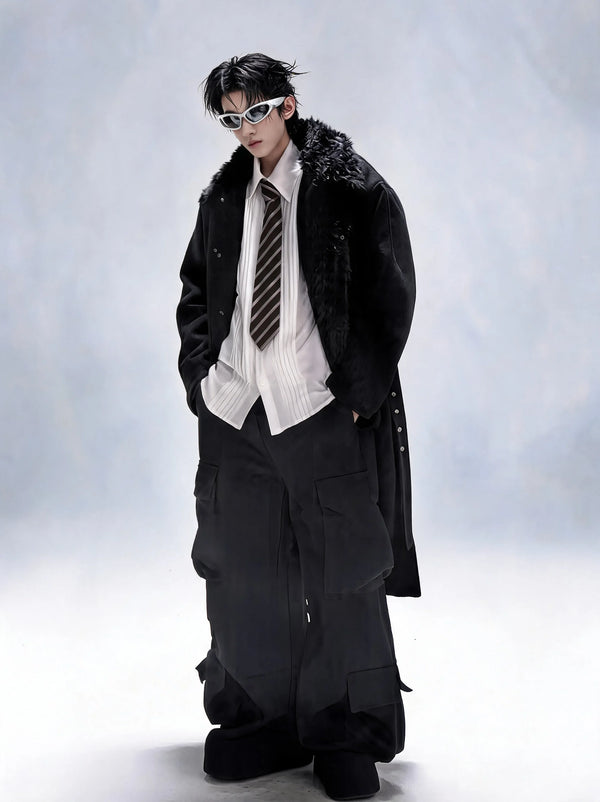
Punk Rave was founded in China in 2006 and is today the best-selling dedicated punk and goth brand in Europe. Devil Fashion comes from the same production region and serves the same shelf: long coats with buckles, asymmetric tops, trousers with straps and harness details. Both brands think of punk as a stage, not as everyday wear.
That is not a downgrade. For festival, concert and Wave-Gotik-Treffen this camp delivers the highest impact per euro. A Punk Rave coat costs between 80 and 150 euros and looks like three times that. The cuts run Asian, so one size smaller than European standards, and the shipping routes are long if the dealer does not stock in Europe.
Anyone ordering the brand for the first time does best with one statement piece: a coat or a pair of trousers, combined with plain basics. Wearing everything from this camp at once tips quickly towards stage set.
Category
Punk shirts and tops: how to spot the brand
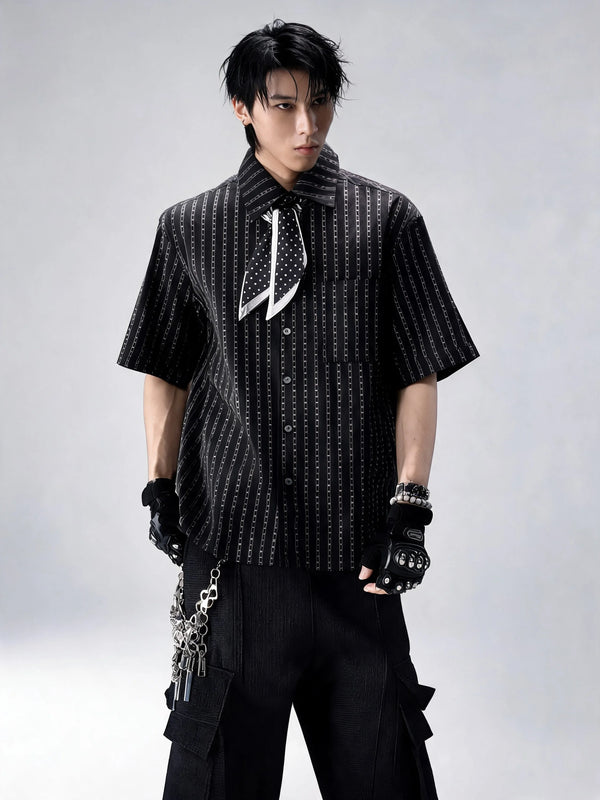
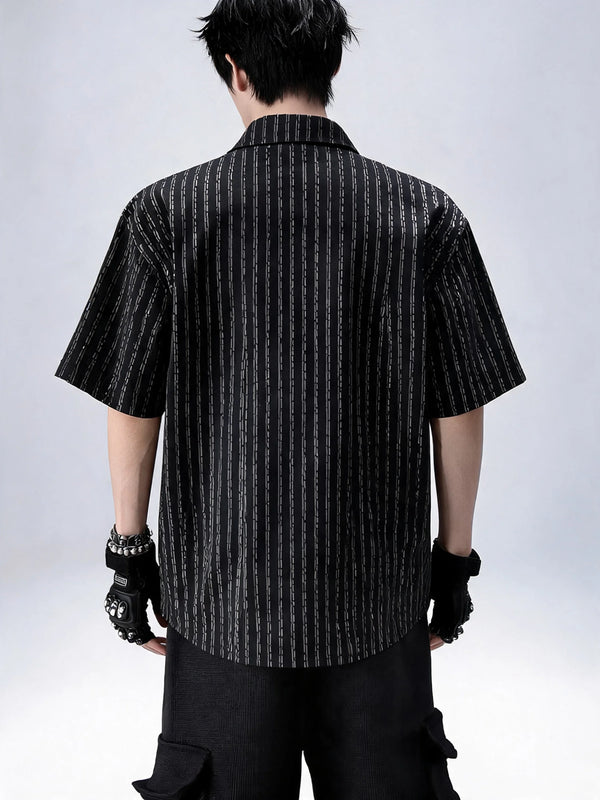
The brand logic shows fastest on the top. Heritage labels print slogans and provocation, UK indies go for graphics and cut, Asian brands for construction with straps and zips. A good punk shirt needs exactly one of those layers, not all three.
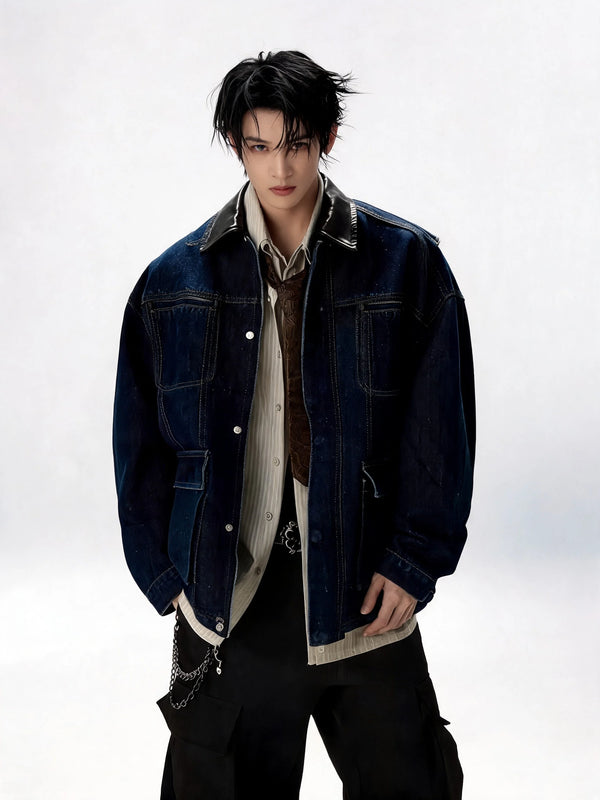
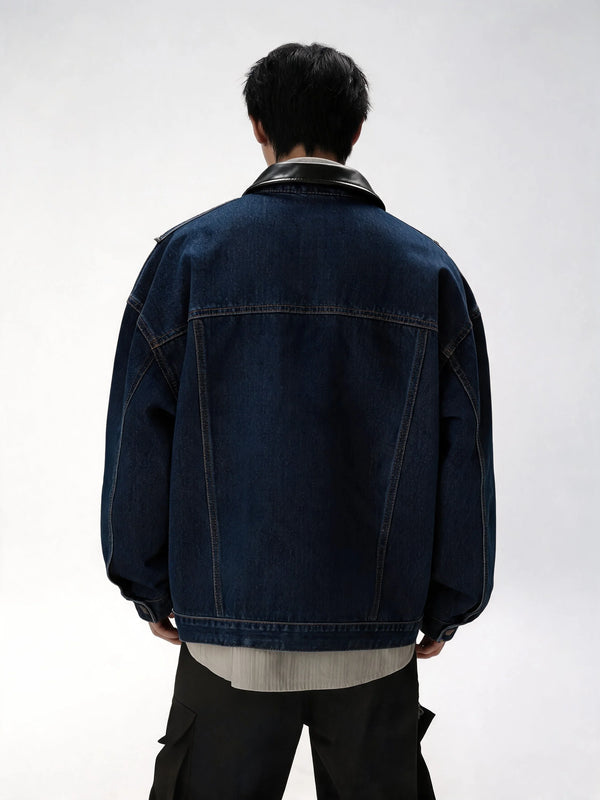
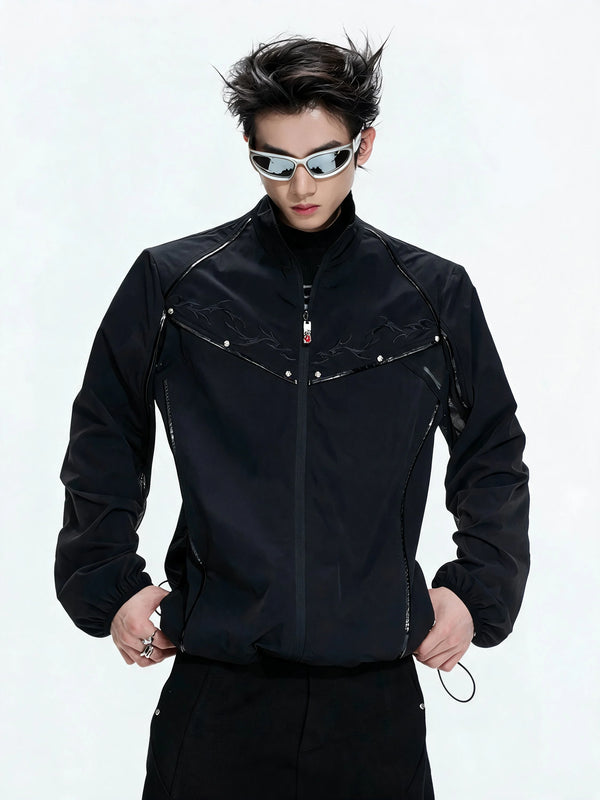
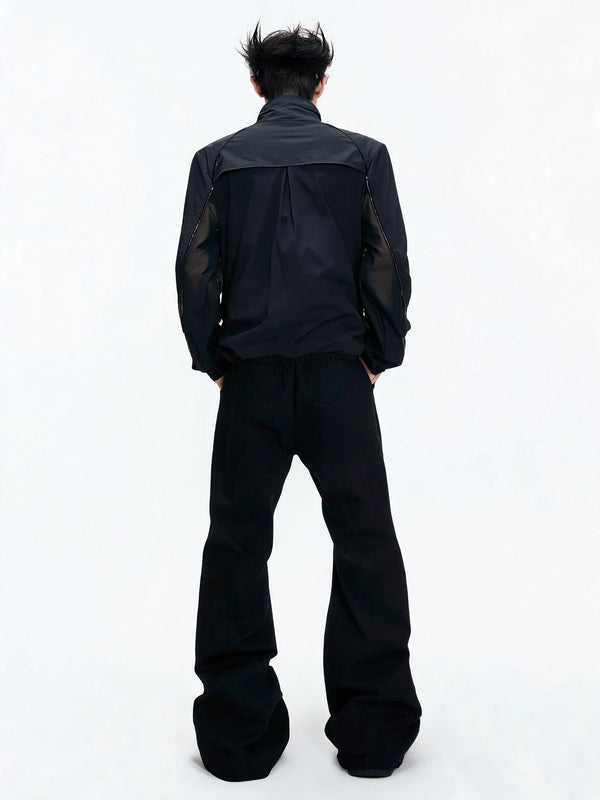
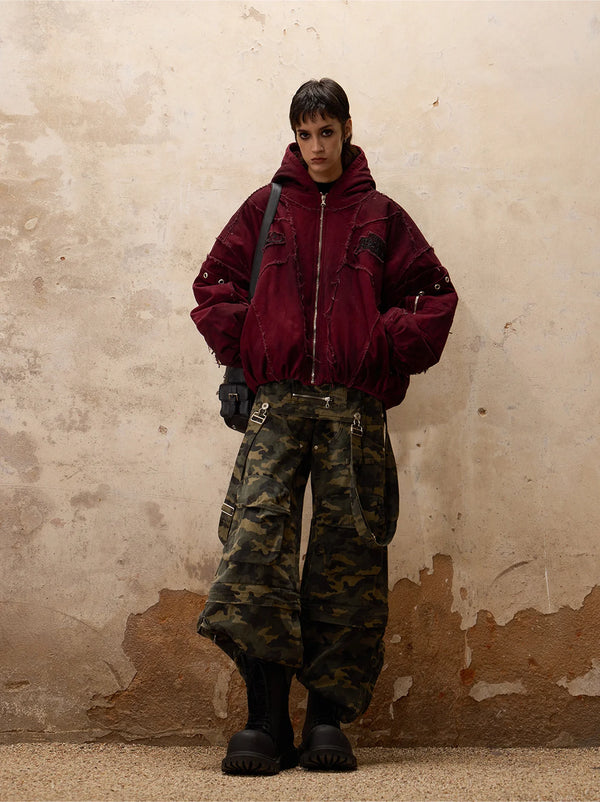
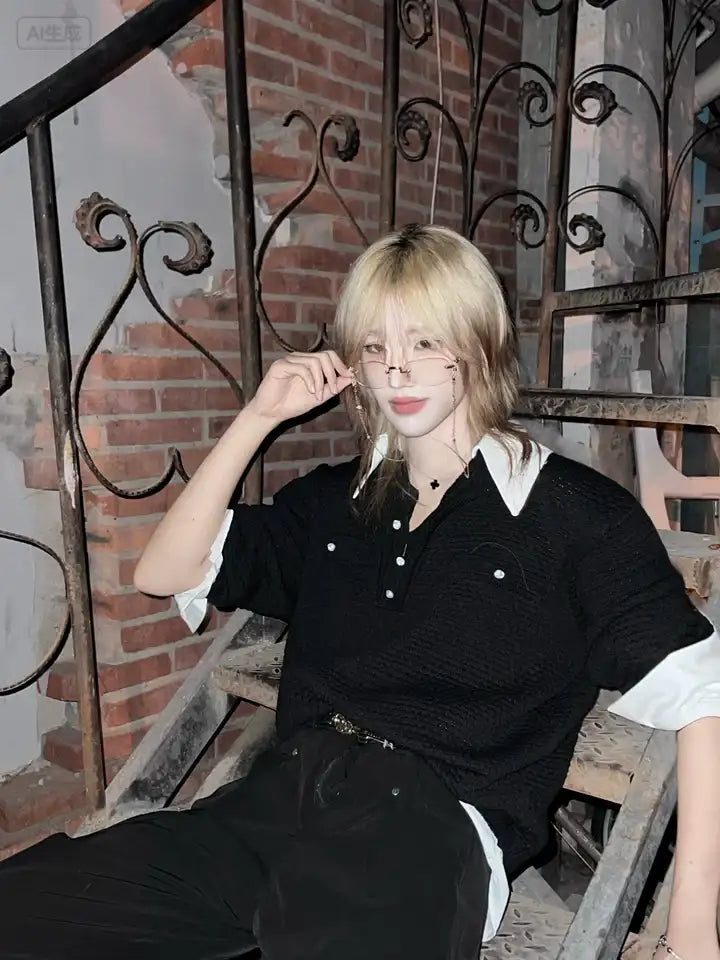
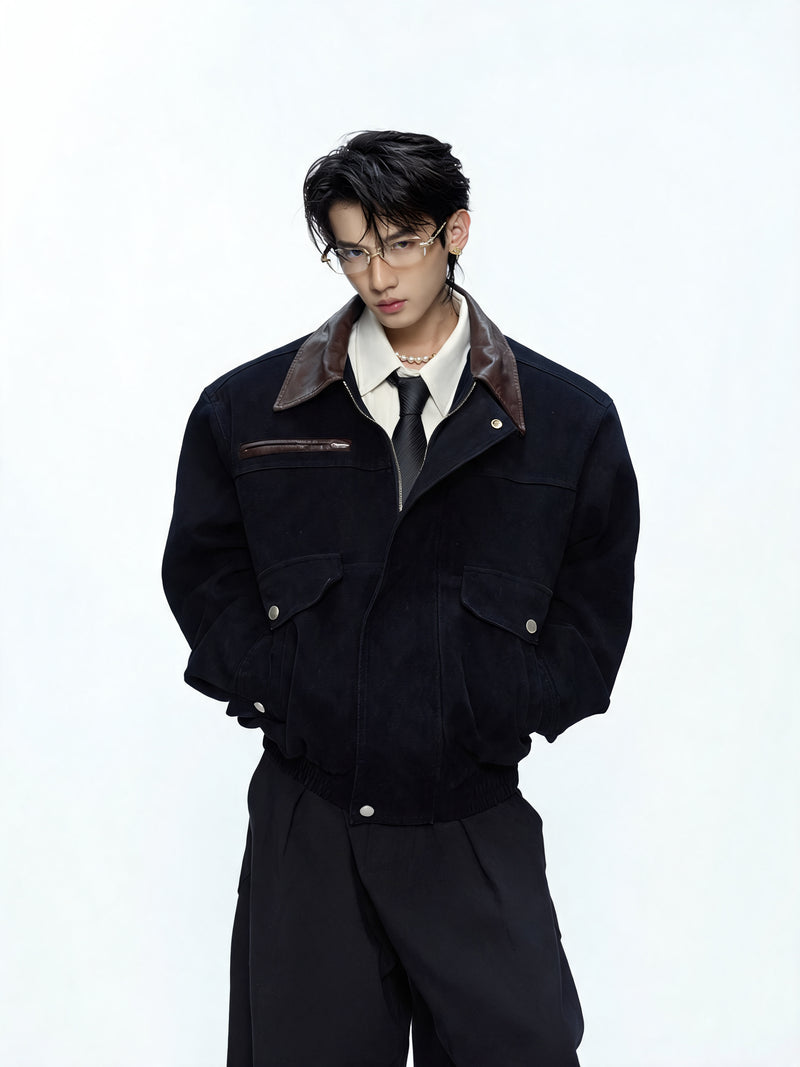
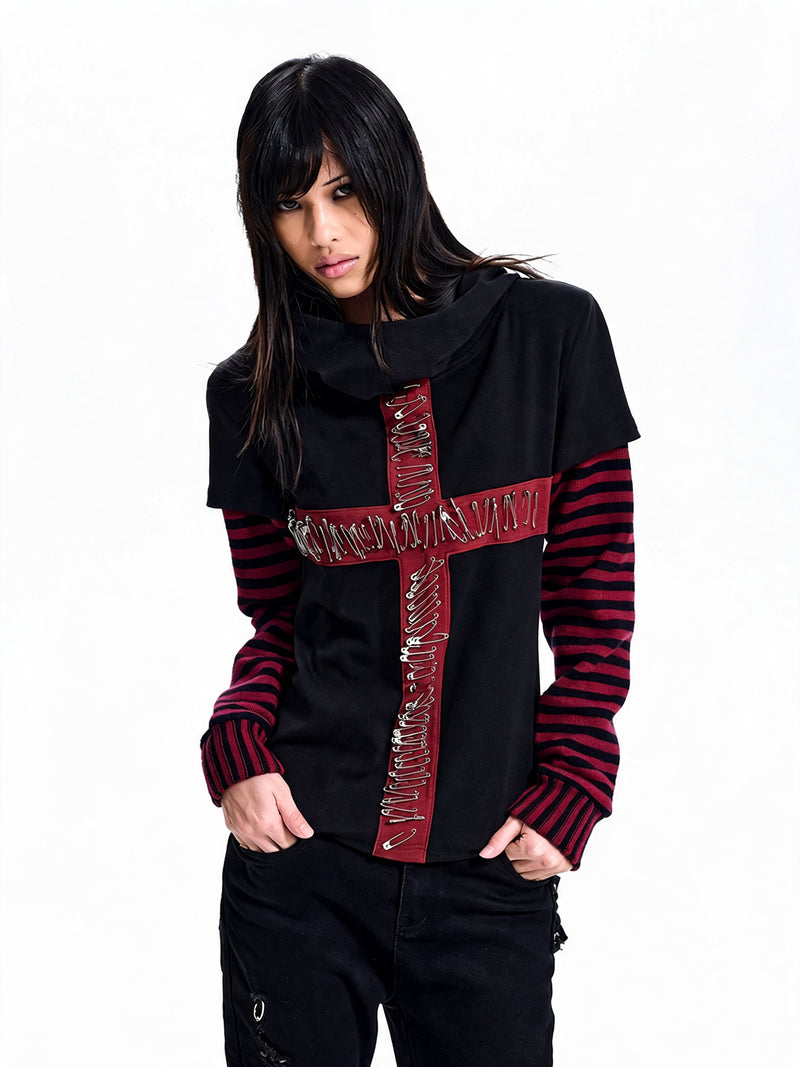
With us, tops with hard hardware run best: collars with metal, washed-out prints, material mix instead of message. Two examples from current stock, both at home on the punk shelf:
What comes out of exactly this logic on TikTok shows in a look at our feed: heavy pieces readable as punk without a single logo, because material and silhouette do the work.
@fugastudios Battle scars as a fashion statement 🔥 When your fit survived the apocalypse and came back stronger #warcore #darkfashion #fugastudios #distressedfashion #fyp ♬ Originalton - Fuga Studios
The clip shows the core of the brand question: nobody asks about the label when the piece speaks for itself. That is exactly where most fast fashion copies fail, left with nothing once the logo goes.
Attitude
Sustainable punk fashion brands and the DIY counterpoint
The search for ethical alternative brands has been growing for years, and punk has an older answer to it than any certificate: make it yourself. The scene has repaired, cut up and reassembled clothing from the start. A flea market jacket with self-sewn patches is hard to beat ecologically and more credible inside the scene than any new purchase.
Among the labels it is mainly the UK indies that position themselves against the fast fashion pace. Jawbreaker communicates small production runs, Disturbia keeps the range deliberately narrow. A protected certificate does not replace that, but the direction is right: fewer drops, longer availability, repairable construction.
The DIY counterpoint stays more than nostalgia. Anyone who builds up a battle jacket themselves makes every decision and ends up wearing a one-off. Brands deliver the base, the handwriting comes from you.
Category
Punk trousers: which brands can do tartan, studs and bondage
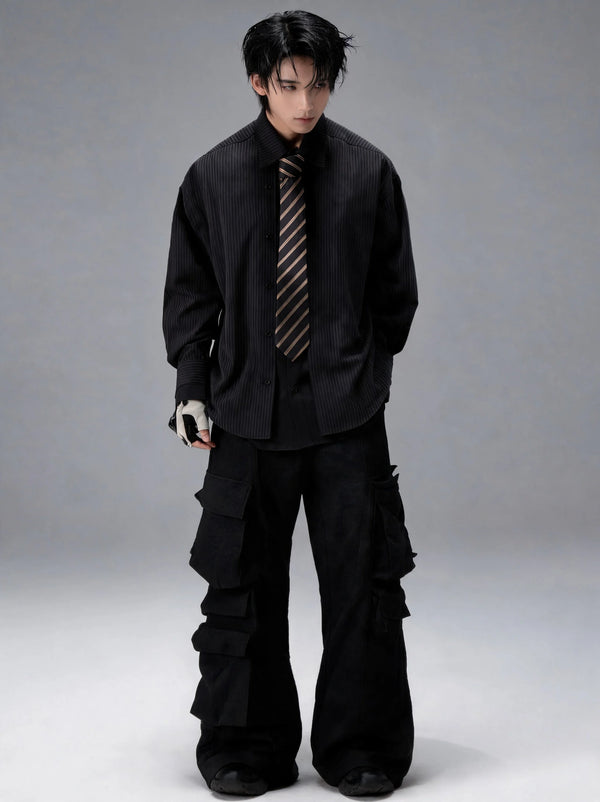
Trousers are the most technical piece in the punk wardrobe. Bondage straps, rows of studs and tartan demand clean construction, otherwise the build tears on the first evening. Heritage cuts from Westwood define the shape, Tripp NYC translated it for the mall in the 90s, the Asian brands rebuild it most consistently today.
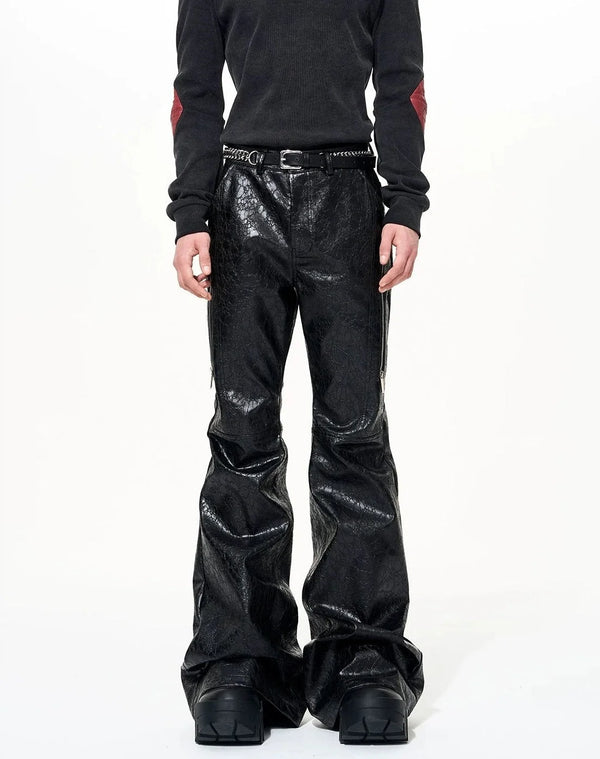
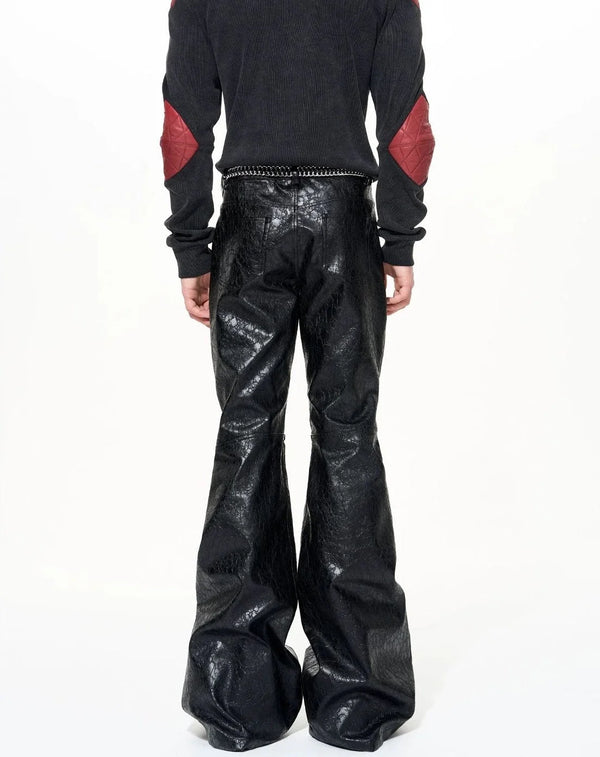
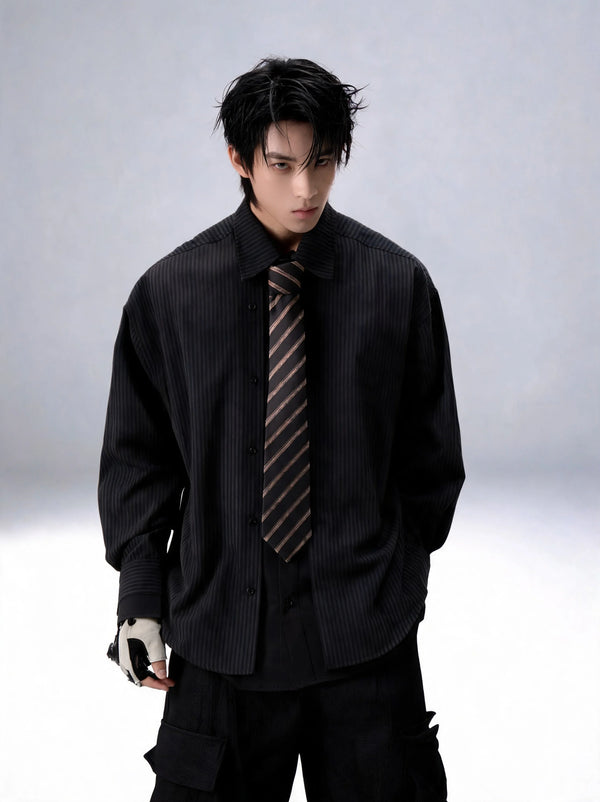
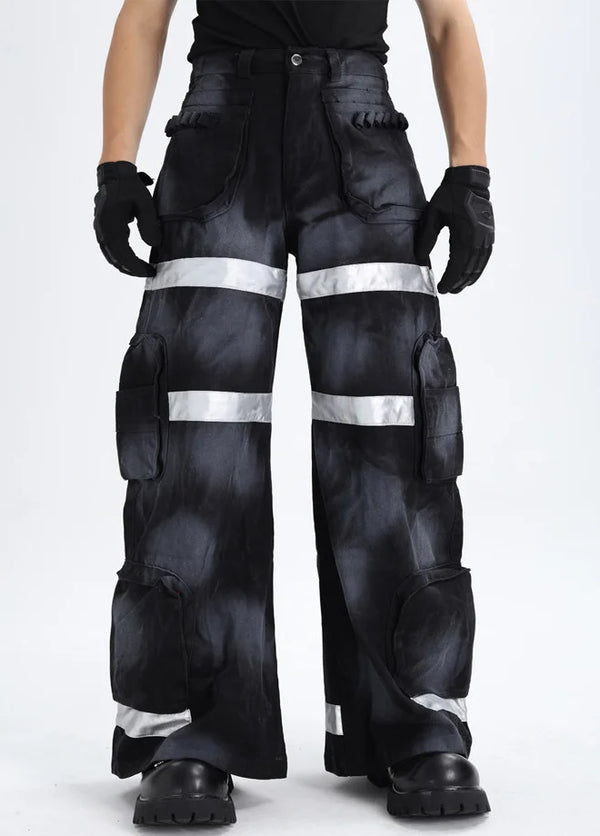
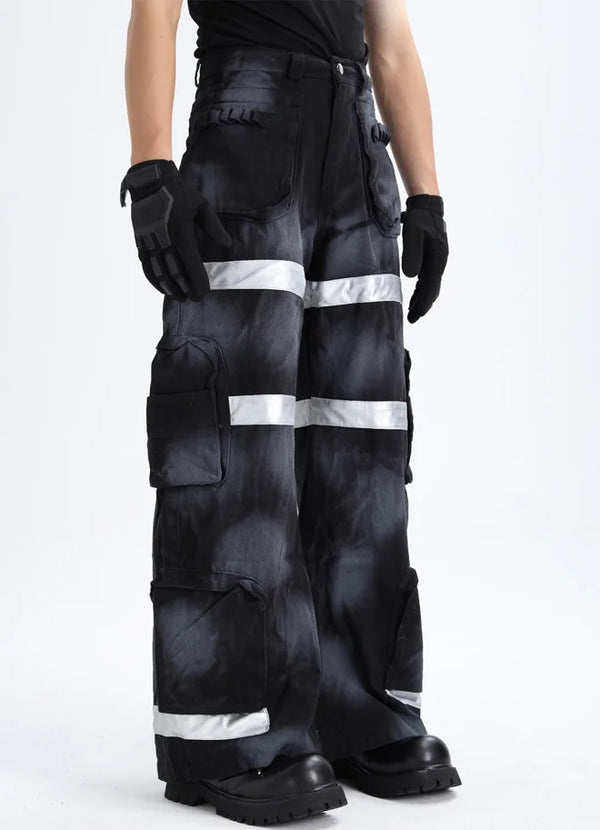
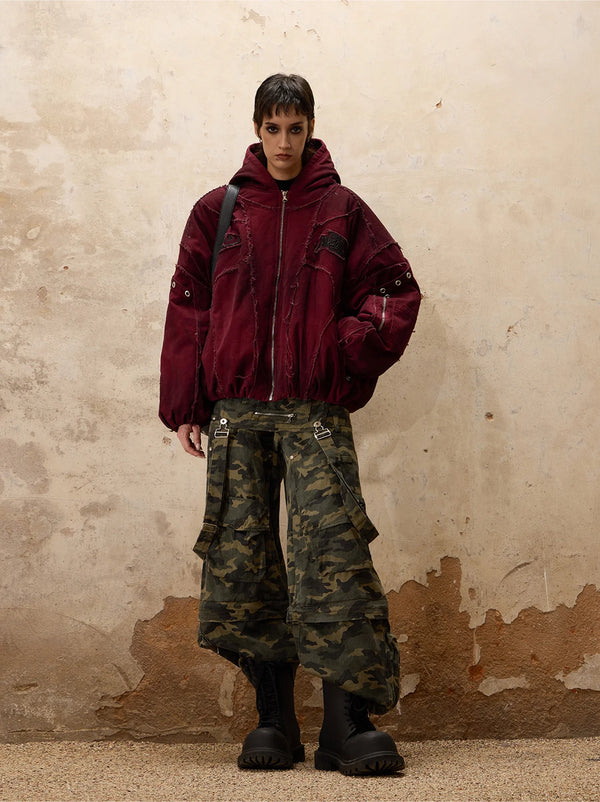
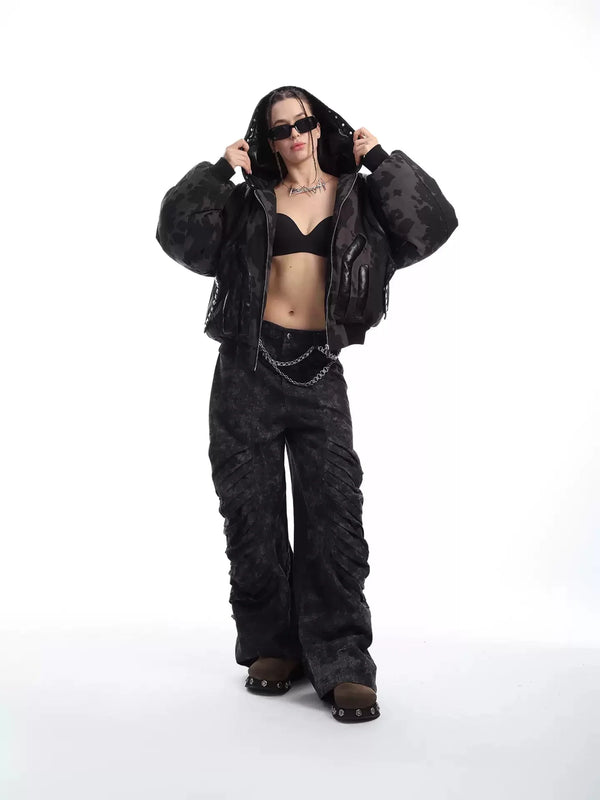
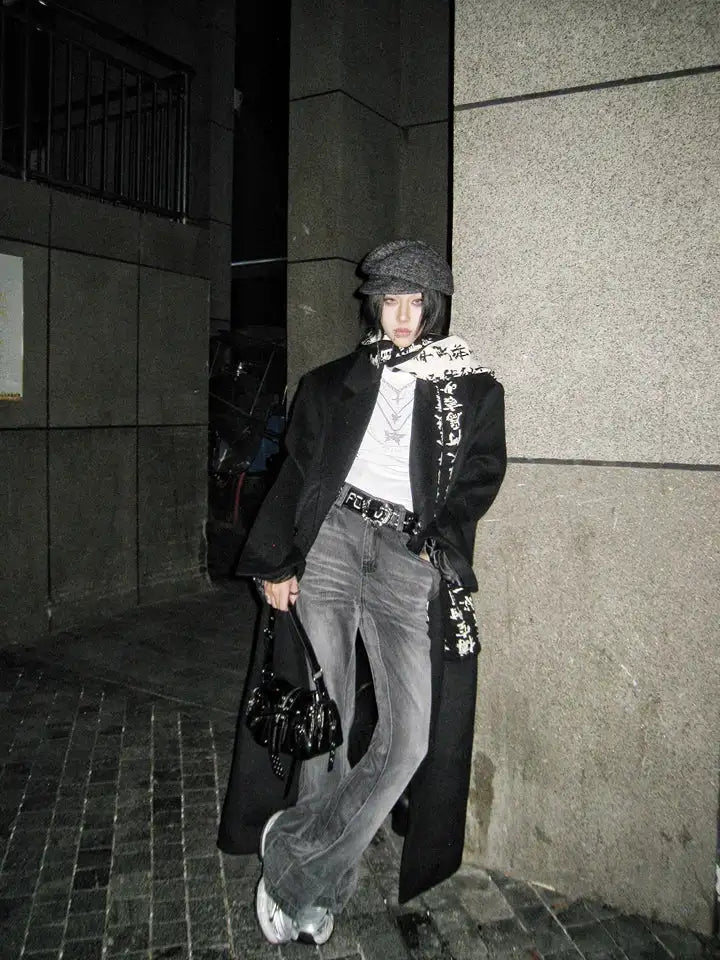
Our own trousers on the punk shelf work with the same means: studs as structure rather than decoration, wide legs with drape, washes with visible depth. Two candidates carrying the principle:
The trouser question separates the camps more sharply than any shirt, by the way. A fast fashion chain manages a print, but not a bondage trouser with working straps. Which is why the same sentence has held in the scene for decades:
Fit
Punk fashion brands for men and women
The search for alternative brands for men shows up strikingly often in related queries, and the reason is banal: many indie labels cut primarily for women. Killstar and Hell Bunny carry broad women's lines, the men's shelves are thinner. Conversely, Punk Rave and Devil Fashion think many coats from the male silhouette.
Punk itself never had that problem. Bondage trousers, band shirt and leather jacket were cut gender-neutral from the start, the scene defined fit over attitude. Anyone searching today does better with categories than with gender filters:
What the club variant of this logic looks like, we dissected elsewhere: Punk Rave as a style, not as a brand, with everything that happens between moshpit and dancefloor.
Runway
High fashion punk: from Westwood Mainline to Enfants Riches Déprimés
The fifth camp sells punk as a quote. Vivienne Westwood led the way herself and translated her own provocations into couture. Jean Paul Gaultier brought mesh and straps to the runway, Junya Watanabe still takes tartan and biker codes apart into craft with Japanese precision.
The most radical example is Enfants Riches Déprimés from Los Angeles: a label selling ripped shirts in the four-figure range, shifting the provocation onto the price itself. You can find that cynical or consistent. The scene has decided to think both at once.
For your own wardrobe this camp is above all an idea source. The silhouettes and material combinations can be rebuilt with pieces from the other camps, at a fraction of the price. What that looks like in motion:
@fugastudios Distressed perfection 🖤 every thread tells a story #grunge #darkfashion #fugastudios #fyp ♬ Originalton - Fuga Studios
The difference between runway and street comes down to the label in the end. The wash, the drape, the visible wear: all of it exists in each of the five camps, only the number of zeros on the price tag changes.
Category
Punk jackets: leather, studs and the patch question
The jacket is the campfire of every punk wardrobe. With the originals it was almost always used: a leather jacket from the flea market, studded and told through band patches. Brands only came later, once the silhouette had become standard.
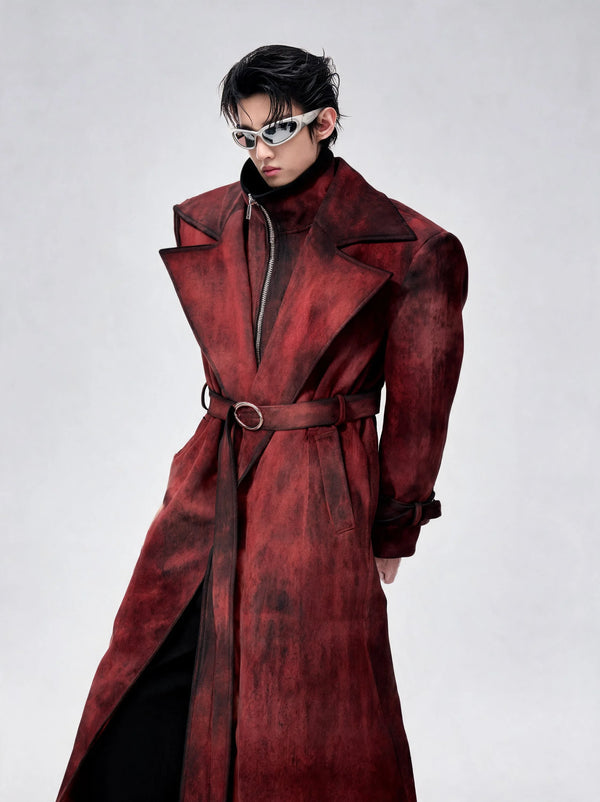
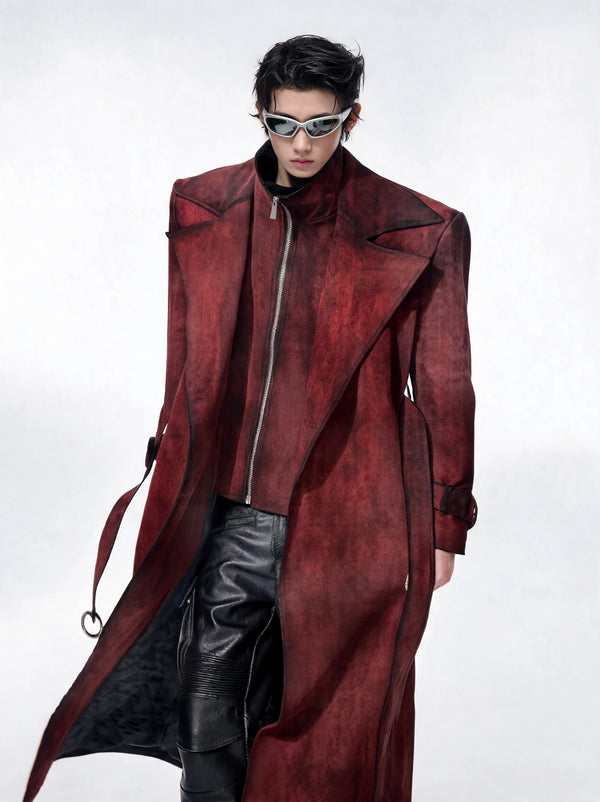
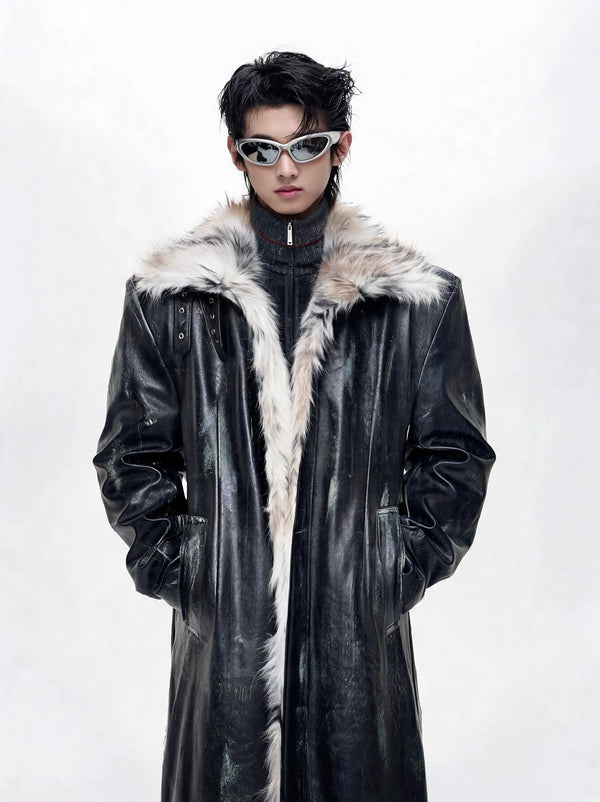
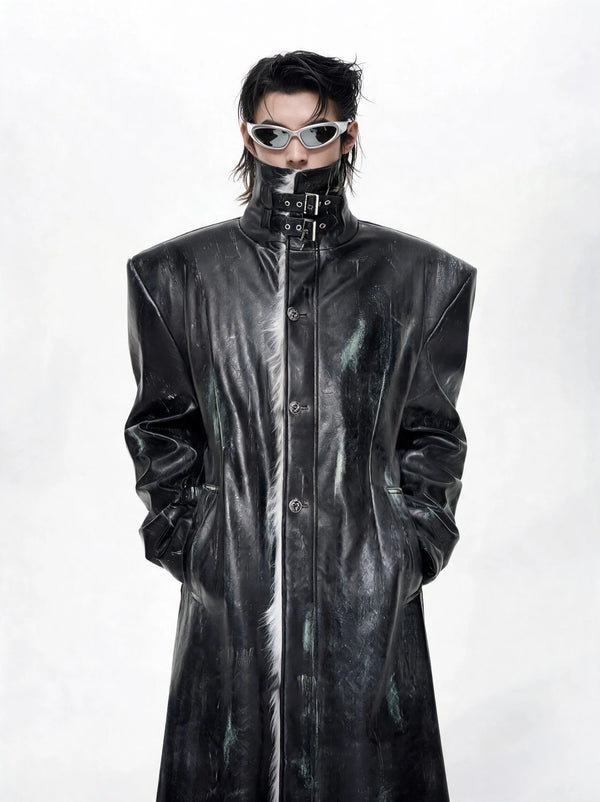
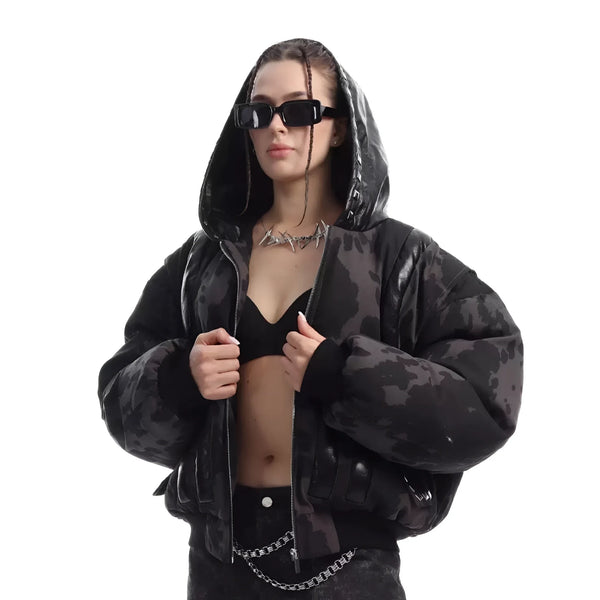
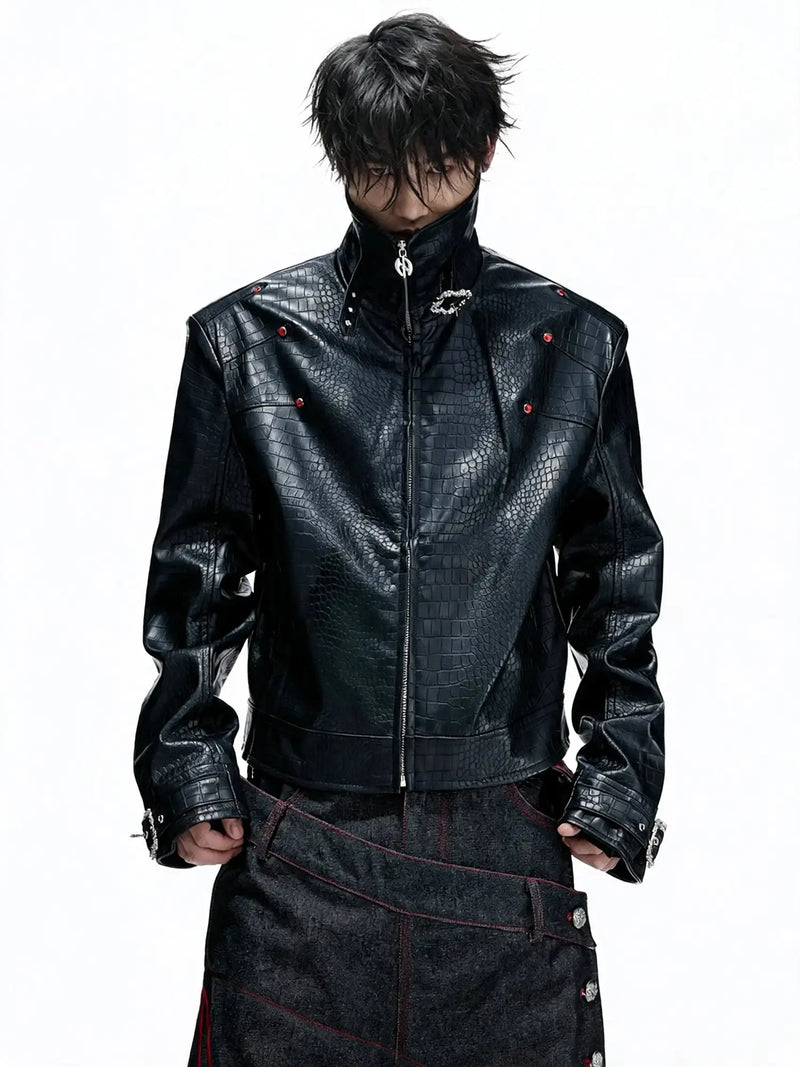
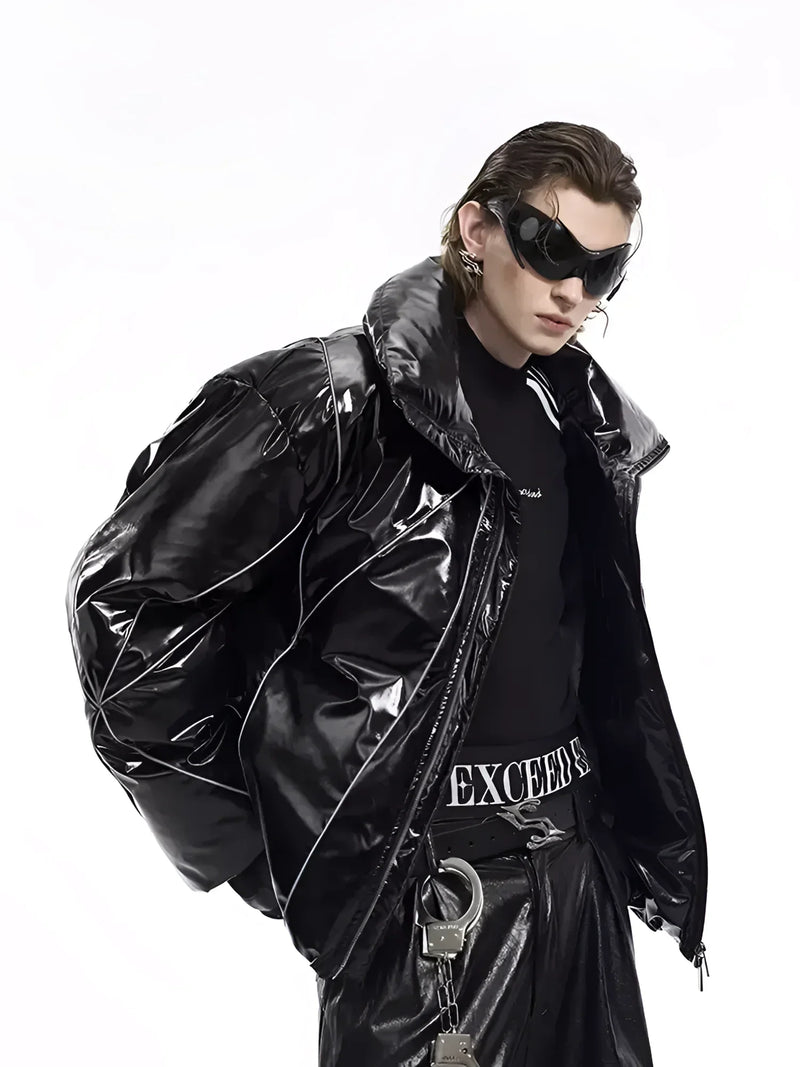
Today all five camps build jackets, but the logic stays the same: the piece has to look like it has already lived. Waxed surfaces, skull hardware, heavy zips. Two jackets from our stock doing exactly that work:
Anyone who prefers to think of the jacket from its seventies root finds the complete lineage in the look back at the decade the silhouette was invented in. That is also where it says why the battle jacket never really went away.
Budget
What punk clothing may cost: prices of the punk fashion brands
The price range in the market runs from 15 euros for a secondhand shirt to four-figure sums for archive Westwood. In between sit clear price bands: UK indies between 30 and 90 euros per piece, Asian brands between 50 and 150 euros, new heritage stock from 200 euros upwards. Anything outside those bands deserves a second look, upwards as well as downwards.
The scene's budget argument still holds: punk was a working-class movement, and a look that only works with a four-figure outlay contradicts its own founding idea. Anyone who can or wants to spend little starts secondhand and builds on with the needle.
Expensive does not automatically mean credible, and cheap not automatically wrong. The most common bad buys always follow the same patterns:
The bands are only orientation in the end. One single well-chosen piece over budget beats three compromises under it, because punk lives on presence and not on completeness.
Detail
Accessories: the brand question on the smallest piece
Studded bracelet, spike chain, belt with a double row: accessories are the cheapest entry into any punk wardrobe and at the same time the area where brand names count least. Hardware is judged on weight and finish, not on the label.
Which is exactly why it pays to look at details instead of labels here. Two pieces from our stock showing the difference between decoration and hardware:
Follow-ups
FAQ: punk fashion brands
A few questions come up around punk brands again and again. The short answers, no detour:
Which shops are similar to Killstar?
Which gothic brands exist alongside the punk labels?
Is Jawbreaker fast fashion?
Which punk fashion brands come from Germany?
Which punk brands produce in Europe?
That leaves the entry question: which brand first? The honest answer hangs less on the label than on the first piece. A jacket or a pair of trousers with real construction carries any wardrobe, the rest grows on and may come from any camp.
What do you think?
Tell us on @fuga_studios
About the author
Philipp Fuge — Founder · Berlin
Founder of Fūga Studios. Writes the journal himself. Berlin · Shanghai · Tokyo · Poznań — four cities, one logic.