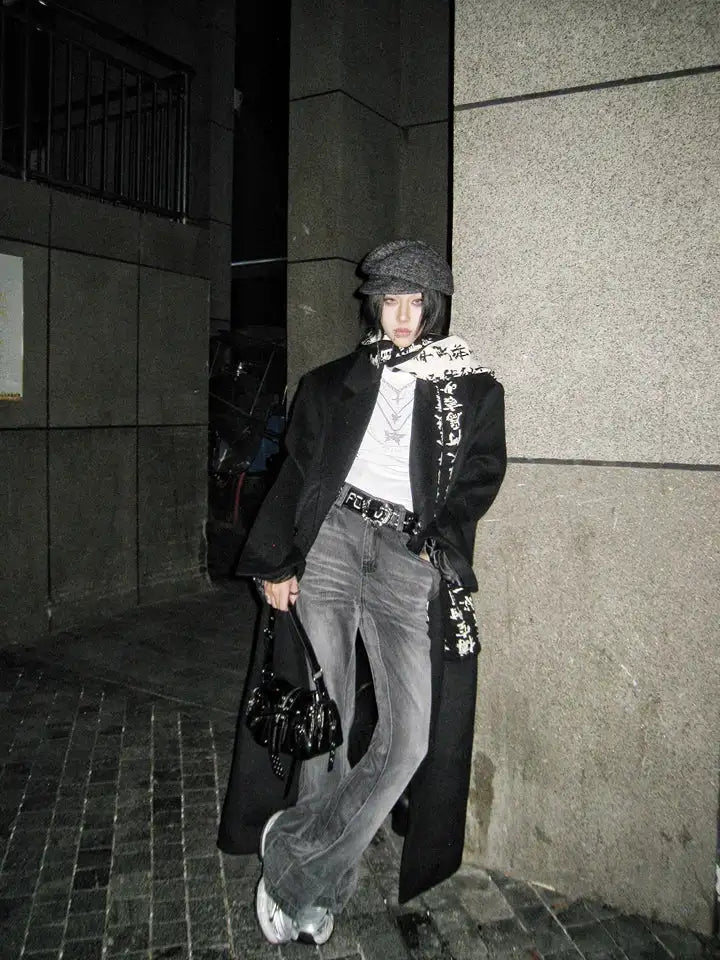

2004, a shopping mall on the edge of town. Inside the Media Markt an Offspring video is playing, two floors down studded belts hang next to phone cases. A boy with a crooked side part pays for his first band shirt out of his pocket money, his mother waiting outside the shop. Nothing about it was underground. And still, that exact moment dressed an entire generation, shaped it, and has not let go since.
Punk Fashion 2000s describes the punk style of the years 1999 to 2009: Tripp Pants, studded belts, band shirts, Chucks and eyeliner, worn by a generation that met punk not in a basement but through MTV, the mall and MySpace. The look mixes classic punk codes with Pop-Punk, Emo and skate culture. Where it comes from and how the basics work is in our Punk Fashion Guide; this is about the decade in which punk went commercial and grew new teeth precisely because of it.
To understand why this look still works, it helps to look at what sets it apart from the punk of the decades before. The short answer: almost everything, except the attitude.
Placing it
What was punk fashion in the 2000s?
The punk of the 2000s was the third wave. The first had invented safety pins and torn shirts in the 1970s, the second produced Hardcore, Skate-Punk and Riot Grrrl in the 80s and 90s. The third wave took all of it and ran it through the amplifier of pop culture: Green Day and The Offspring had opened the door, Blink-182, Sum 41 and Good Charlotte ran through it, and from 2002 Avril Lavigne was in permanent rotation with a tie over her tank top.
The result was a look that was rebellious and purchasable at the same time. Baggy jeans instead of skinny legs, skate shoes instead of Docs, trucker cap instead of a mohawk. Plus the hardware of the old school: studs, chains, patches. Anyone who was fourteen in 2005 could buy punk at the mall and still get in trouble for it at home. That tension is what defines the decade.
1999
Enema of the State brings Pop-Punk into the living room
2002
Sk8er Boi makes the look MTV-ready
2005
Emo takes over the malls and MySpace
Three years, three pushes. Each one moved the look a little further off the stage and into everyday life, until punk elements hung in every classroom between Hamburg and Munich.
Origin
From the basement to the mall: how punk went commercial
Purists like to call the 2000s the sellout. The more honest description: it was the phase in which punk became reachable for the first time for people with no record shop nearby. The internet was still in its infancy, but MTV, music magazines and mall chains delivered the look to the door. In the US, Hot Topic became the place to go; in Germany, EMP catalogues, local scene shops and later the first online shops took over that role.
The consequence was a break in style, announced in advance. Punk clothing no longer had to be cut up, studded and pinned by hand. It came pre-distressed out of the factory. You can find that cynical. Or you can acknowledge what actually happened: a youth culture that had demanded access codes for twenty years was democratised. Not everyone wearing a studded belt in 2004 knew Black Flag's discography. They did not have to.
The map
The 5 directions of 2000s punk
Anyone describing 2000s punk as a single look was not there. The decade produced at least five directions that drew clear lines between each other in the schoolyard, even though they shared half the wardrobe.
The borders were fluid, the debates about them were not. Which direction was the real one got negotiated harder in forums and schoolyards than any question of style. Seen from today, the answer is simple: all of them and none.
The Emo branch in particular became so independent from the middle of the decade onwards that it deserves a guide of its own. For every other direction: the building blocks below work everywhere.
The building blocks
What is typical of 2000s punk clothing?
Reduced to a shopping list, the look was surprisingly constant. Whether Pop-Punk in California or a schoolyard in Gelsenkirchen, these pieces turned up everywhere:
- Wide trousers with hardware: Tripp Pants, baggy jeans or cargos, ideally with straps, chains and D-rings.
- Studded belt: the one piece absolutely everyone had, often worn two at a time.
- Band shirt: the more faded, the more credible. If in doubt, a size too small or too big, never the right one.
- Chucks or skate shoes: written on, worn through, personalised with a marker.
- Checkerboard pattern: on belts, wristbands, shoes. The unofficial flag signal of the era.
- Wristbands in series: studs, fabric, sweatband, all at once on the same wrist.
What stands out is what is missing: expensive brand logos. 2000s punk communicated status through wear, not through price. A destroyed piece was worth more than a new one, and anyone who looked too clean counted as a poser. A logic that feels almost radical again today, in a time full of logo hoodies.
Down below
Tripp Pants & studded belts: the trouser question
No decision marked belonging as clearly as the trousers. Tripp Pants with their straps and zips stood for the Mall-Punk and Mall Goth side, baggy jeans for Pop-Punk and skate, tight black jeans from 2004 for Emo. The silhouette was the statement, long before anyone would have used the word silhouette.
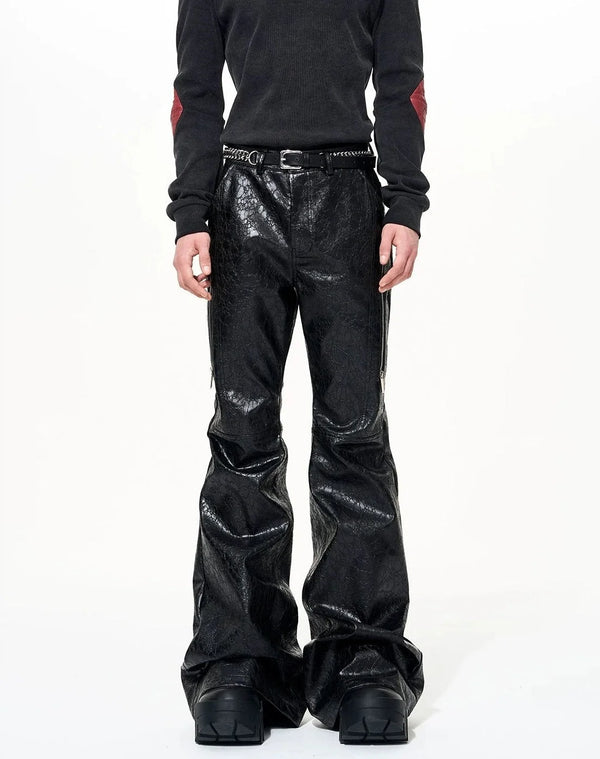
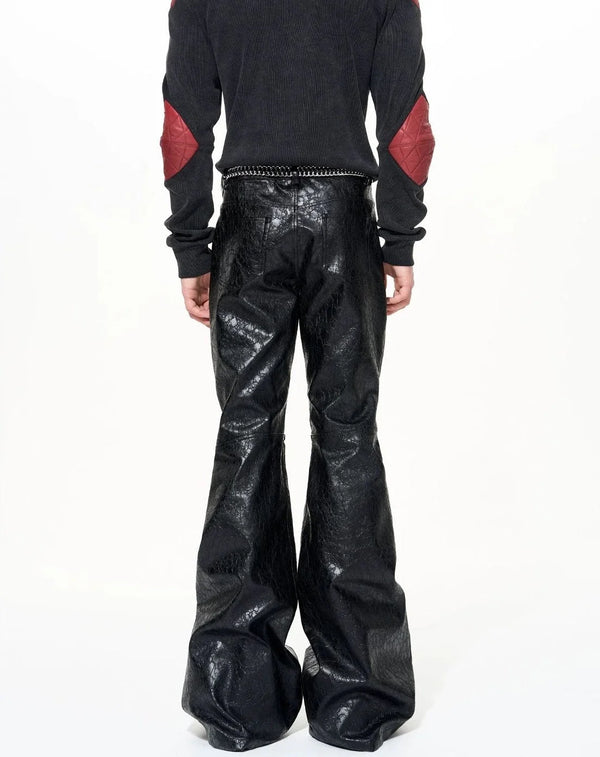
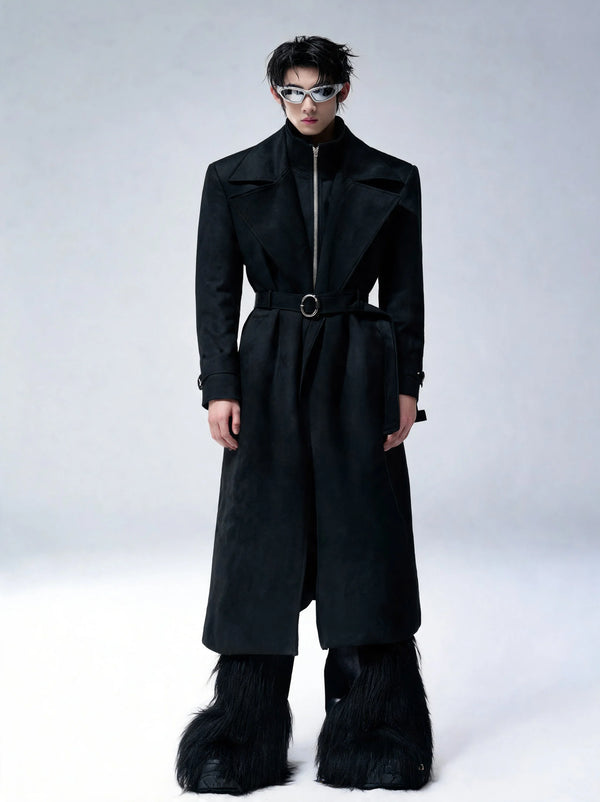
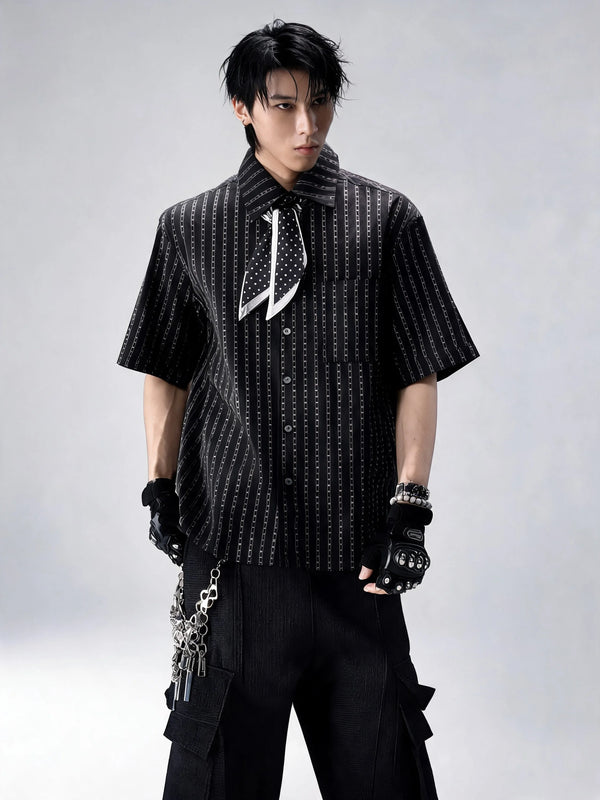
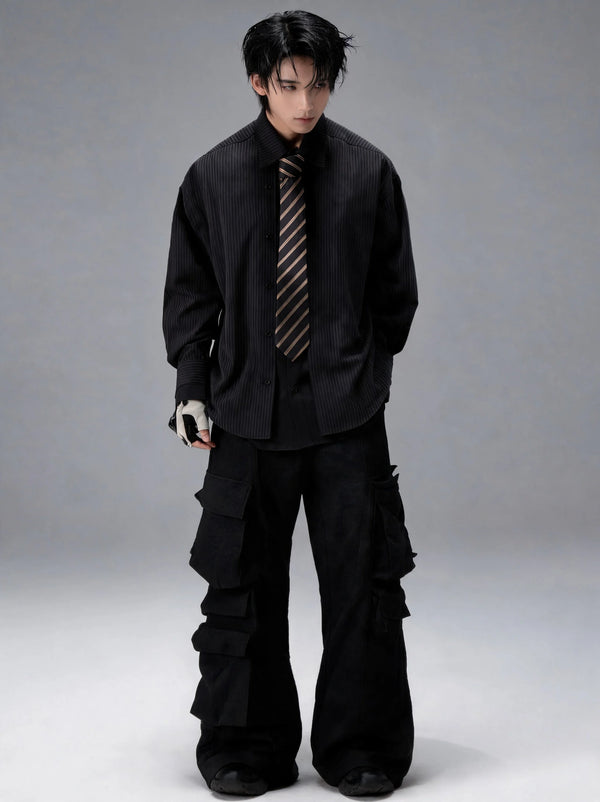
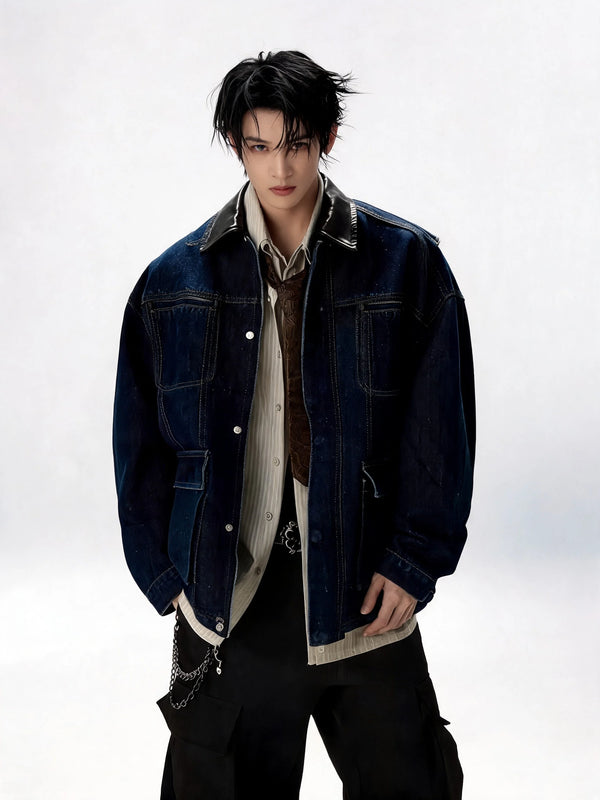
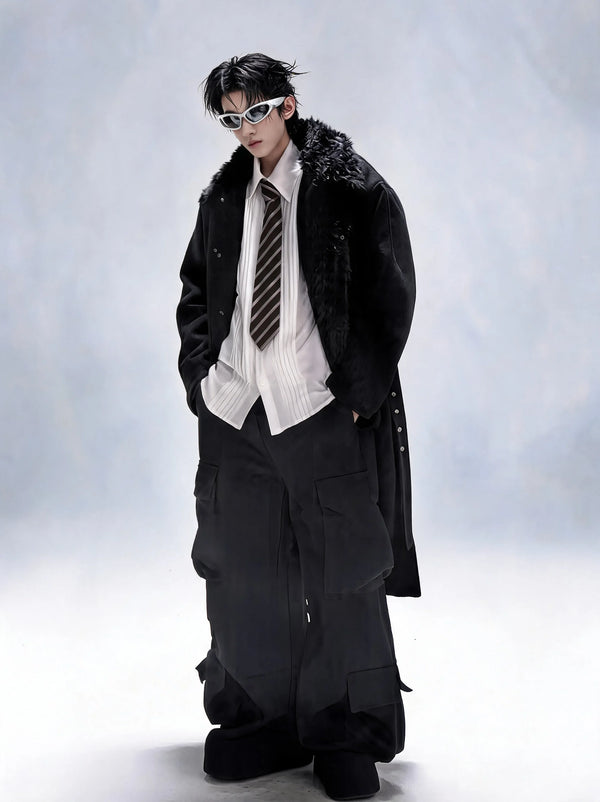
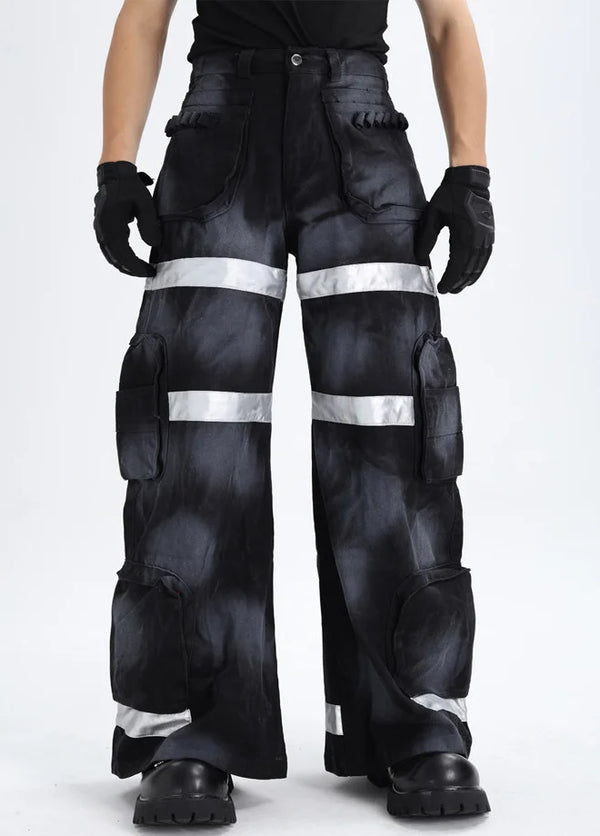
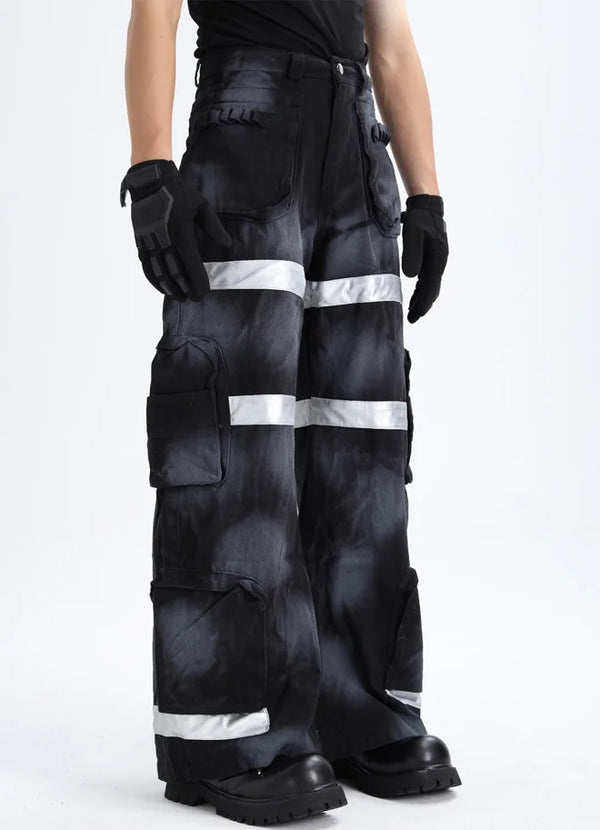
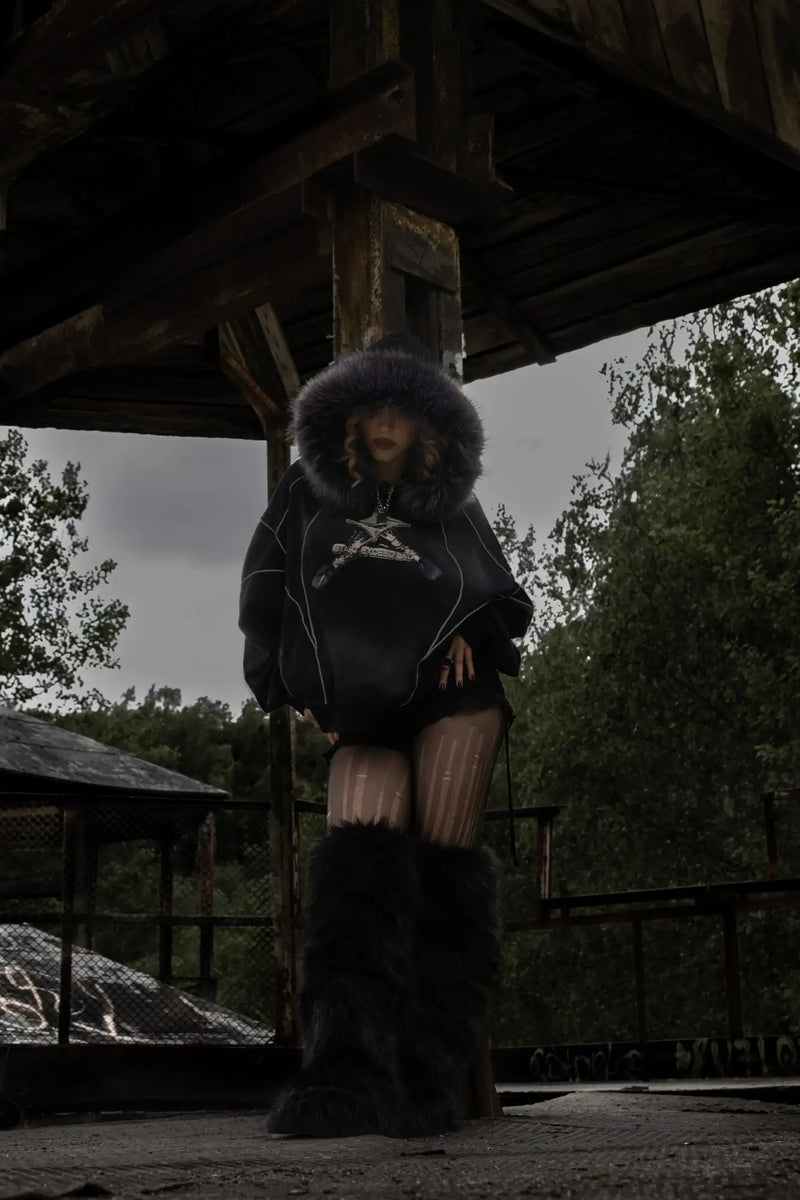
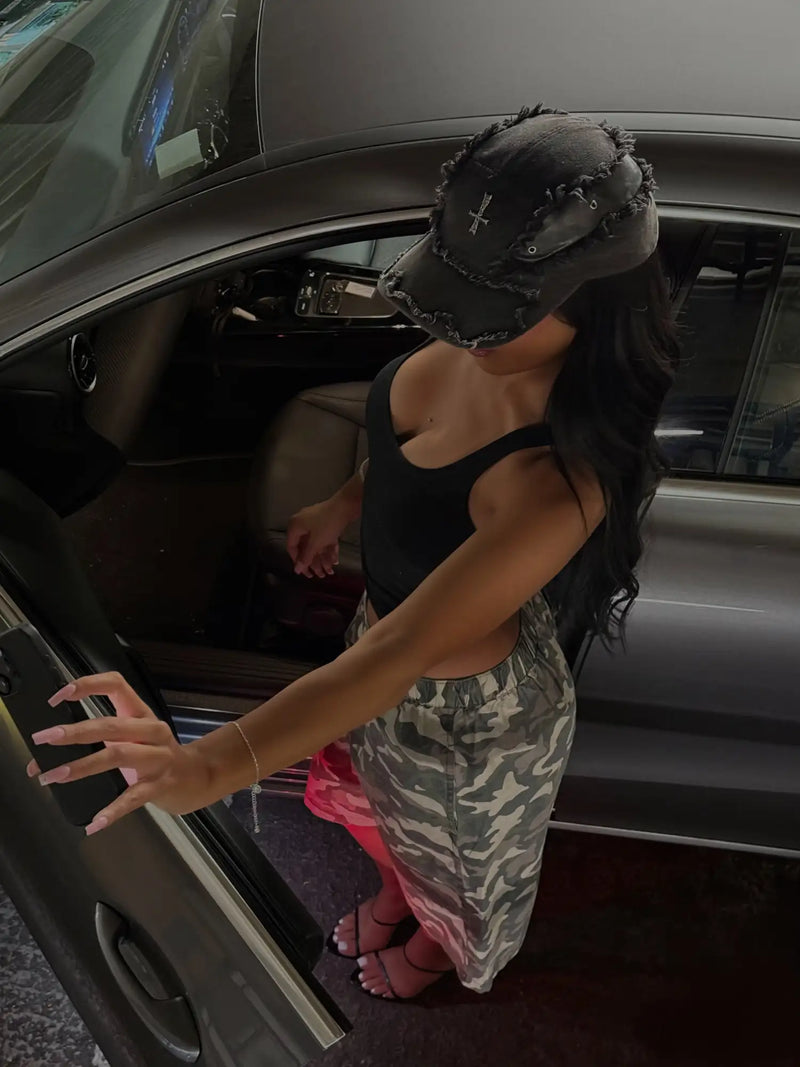
Today that exact width is back. Wide-leg cuts, cargo details and studs are running again, this time better made and without the nylon-rustle factor of the originals. Two pieces from our range that carry the 2000s trouser logic straight forward:
The studded belt with it stays mandatory, but it has changed its job: back then it held nothing, today it structures the outfit. On wide trousers it sets the line between upper and lower body exactly where the 2000s look wanted it: low.
Brand logic
Which brands did punks wear in the 2000s?
The honest answer: as few visible ones as possible. Punk has always distrusted brands, but the 2000s had their tolerated exceptions. Converse and Vans on the feet, Dickies on the legs, plus scene labels like Tripp NYC, Lip Service or Criminal Damage, which you got in Germany through catalogues and scene shops. Band merch stood above everything: a shirt from the last tour beat any label.
The hierarchy was clearly settled. Function brands were accepted because skaters needed them. Scene labels were accepted because they came from the inside. Everything else, above all sports and designer brands, was suspect. Whoever showed up with a visible big logo had not understood the codes.
That most of these shops and labels no longer exist today, or only as shadows, is part of the story. The gap has been taken over by smaller labels that develop the hardware language of the era further instead of copying it.
Soundtrack
Which bands shaped the 2000s punk look?
Fashion and music could not be separated in this decade. Blink-182 shaped the baggy-shorts-and-skate-shoes uniform, Green Day from American Idiot onwards the red-and-black tie look, Sum 41 and The Offspring the Californian version with cap and chain. Good Charlotte brought eyeliner and black-painted nails into the mainstream, My Chemical Romance made uniform aesthetics respectable from 2004, and Avril Lavigne built the most copied women's look of the decade with a tie and a tank top.
The mechanism behind it is the interesting part. These bands did not simply wear clothes, they delivered stage sets to rebuild. Every music video was a Lookbook, every album era a new Drop. Fans copying complete outfits off video screenshots was the early form of everything happening on TikTok today.
That is exactly why the look survived: it was never tied to a single band. When the big names got quieter in the 2010s, the pieces stayed in the wardrobe and waited for the next wave. It came, right on time for the Y2K revival.
For him
The 2000s punk look for men
The men's look of the era stood on two pillars: width below, statement above. Baggy jeans or Tripp Pants, over them a band shirt or an open shirt over a tank top, plus a chain on the trousers and a belt that was more metal than leather. Hair either cropped short, set into liberty spikes, or from the middle of the decade laid into the face as a black side part.
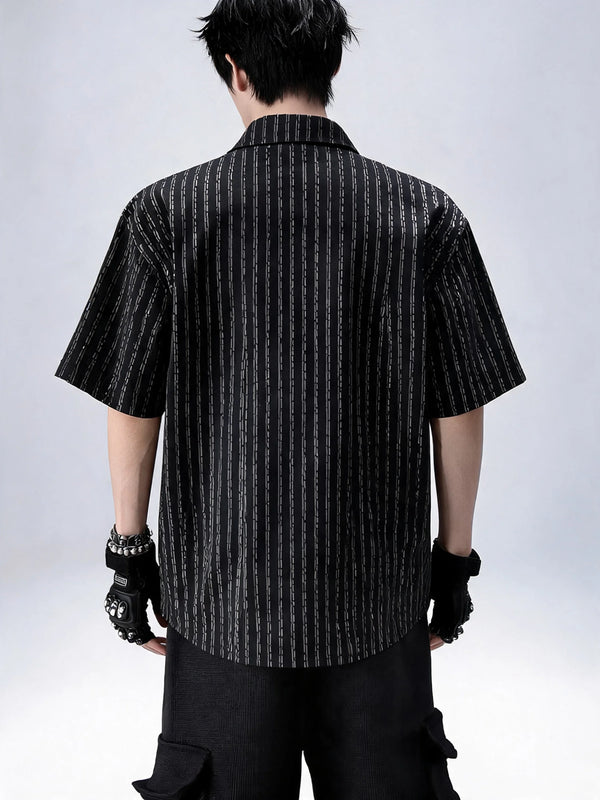
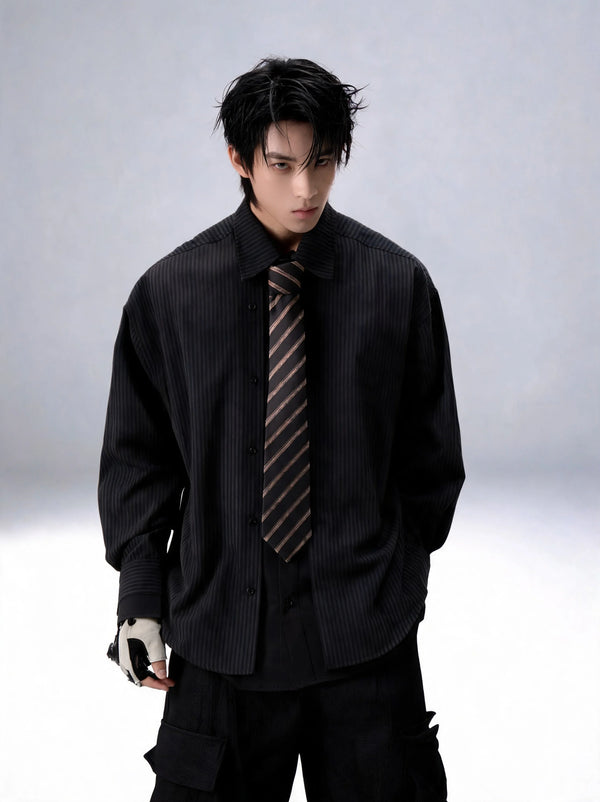
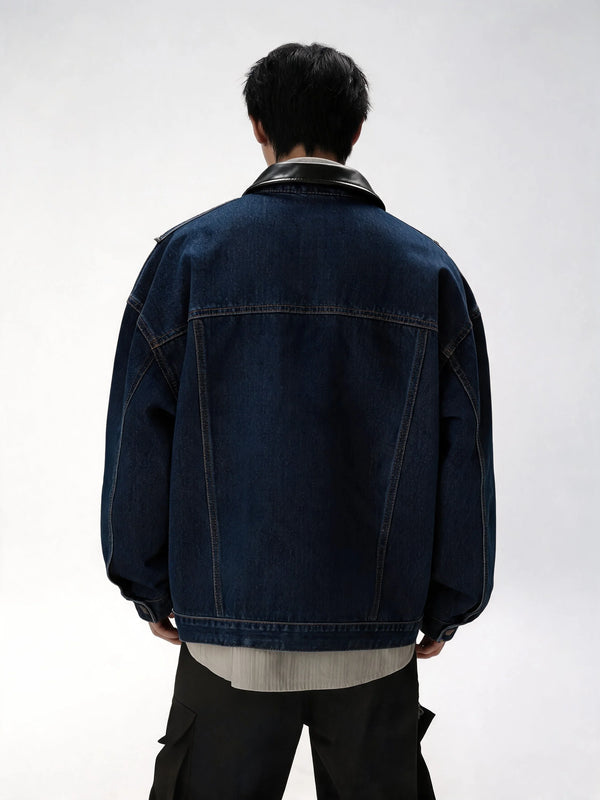
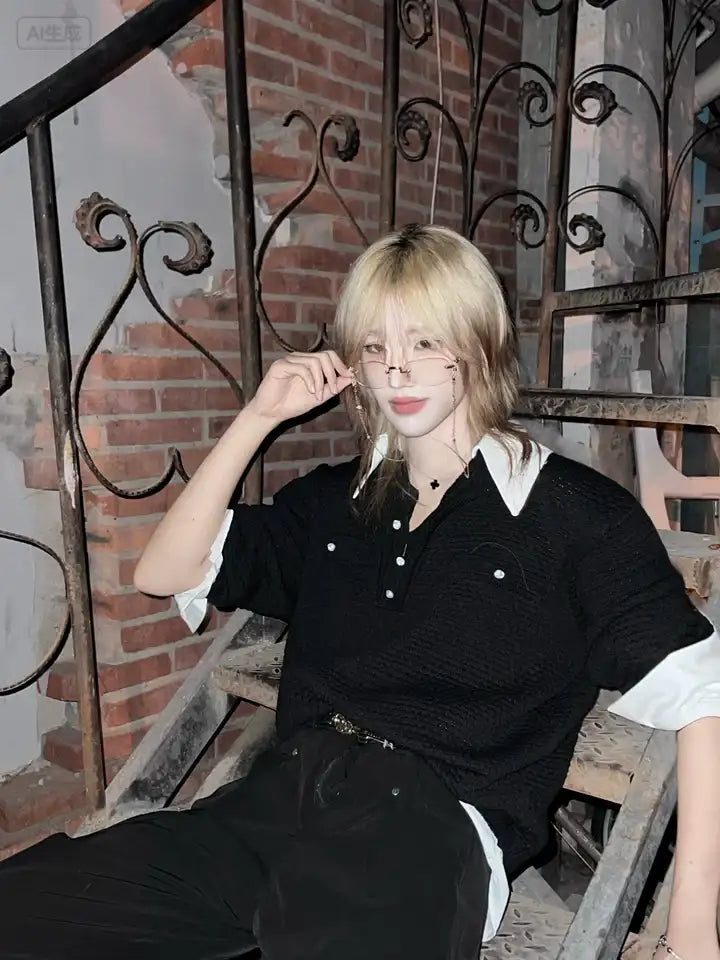
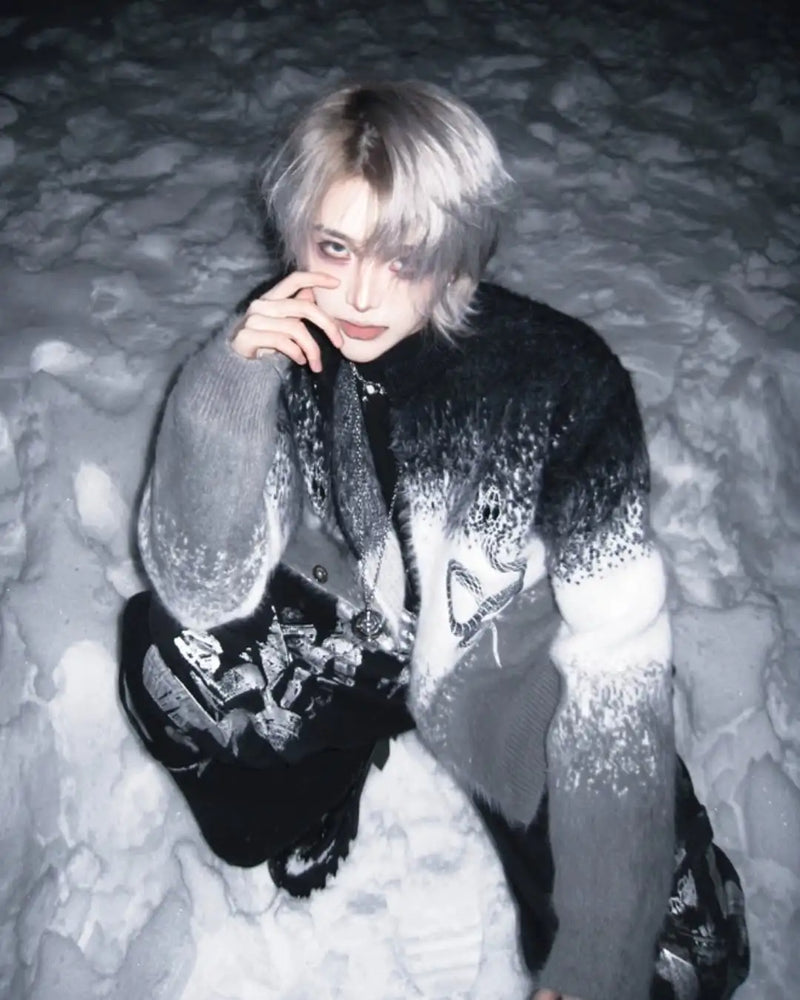
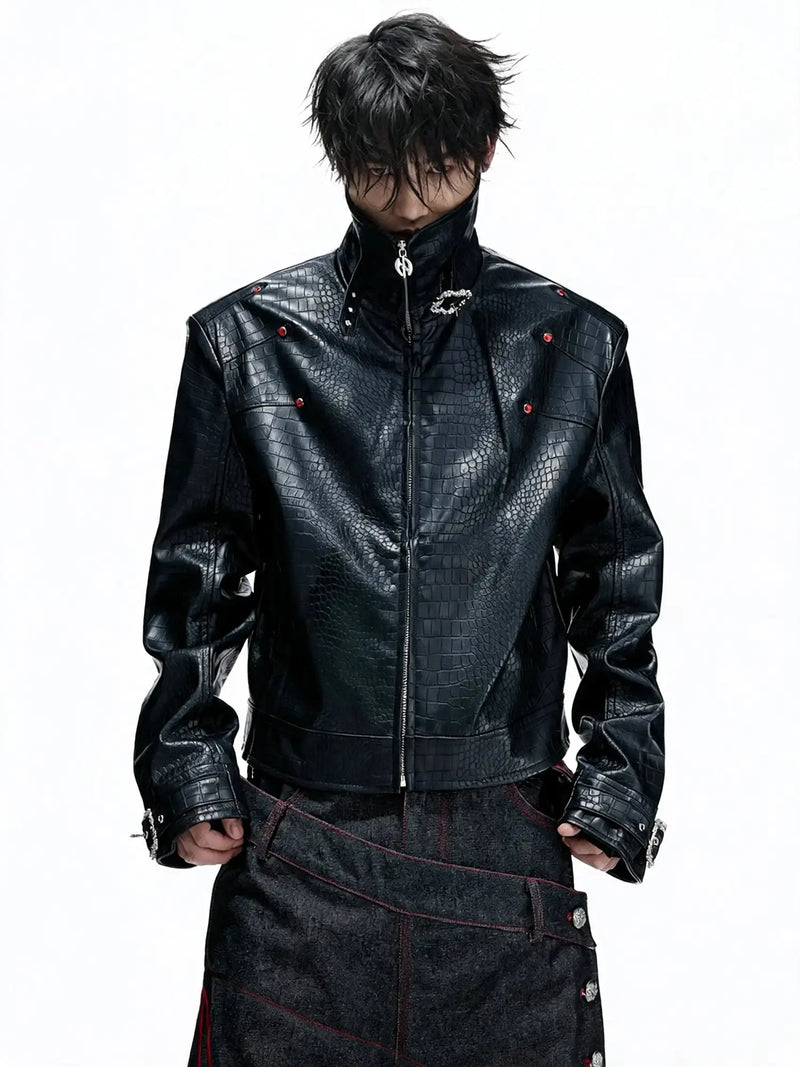
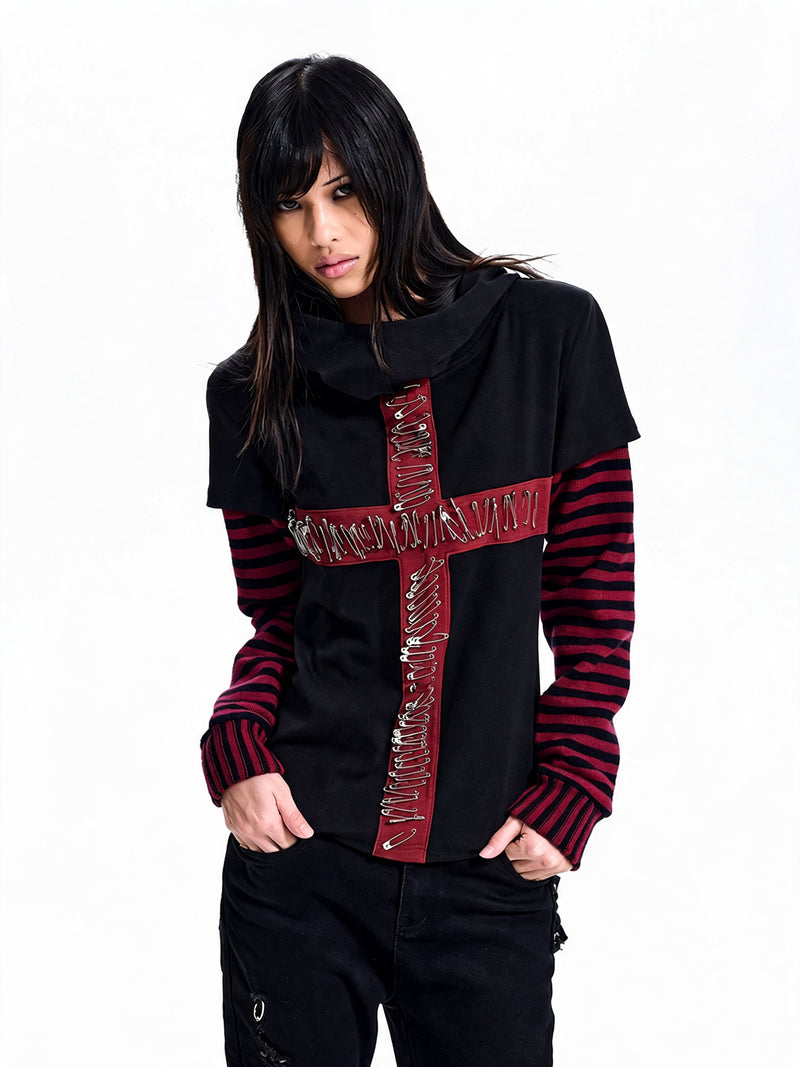
Anyone wearing the look today replaces the sloppy proportions of the originals with controlled width: the trousers fall instead of hanging, the top has structure instead of teenage-bedroom patina. Two tops that bridge then and now cleanly:
The rule of thumb for men: one hardware piece, one faded piece, the rest quiet. The reference needs no more than that, anything above it tips towards themed party. There is more choice in our punk collection for men.
For her
The 2000s punk look for women: the Avril era
No look of the decade was copied more often than Avril Lavigne's around 2002: tie over tank top, baggy pants, sweatbands, kohl. It worked because it broke rules that were still visible back then. Girls wore boys' clothes, ties belonged to office people, and both together produced an attitude you could not buy, even though every single piece was cheap. Next to it existed the harder branch: Riot Grrrl heritage, torn fishnets, tartan skirts with safety pins, heavy boots.
Today this line merges with Harajuku and Y2K influences: chokers with studs, mini skirts over wide trousers, platform instead of flat soles. The reference stays readable, but the look has grown up and is made far better than its models from the catalogue.
Transfer
Styling Punk Fashion 2000s today without looking like a costume
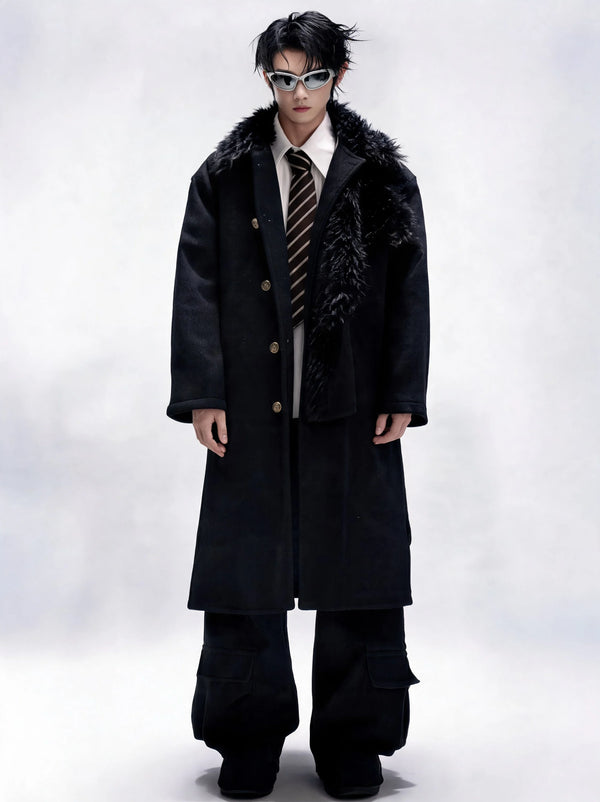
The basic rule for the revival: quote, do not costume. A complete 2004 outfit from head to toe reads as a themed party today. A single quote, set cleanly into a modern frame, reads as style. The modern frame means better fabrics, controlled silhouette, a maximum of two loud pieces per outfit.
Concretely that means: get Tripp Pants energy from a modern wide-leg trouser with studs, replace the band shirt with a faded graphic tee, cut the double studded belt down to one. The Chucks can stay, the hundred wristbands cannot.
Anyone who wants to go deeper into Grunge and Y2K will find the transition fluid: the decades share washes, width and a taste for things that look deliberately broken.
That leaves the question of the jacket, the piece that was surprisingly underrated in the original decade and makes the biggest difference today.
Over the top
Jackets & Layering: from denim to workwear
In the 2000s the jacket was often just weather protection: a zip hoodie, a worn-out denim jacket with patches, in winter the army jacket from the flea market. Layering happened constantly anyway, just unintentionally: shirt over tee over longsleeve, because the flat was cold and the rehearsal room colder.
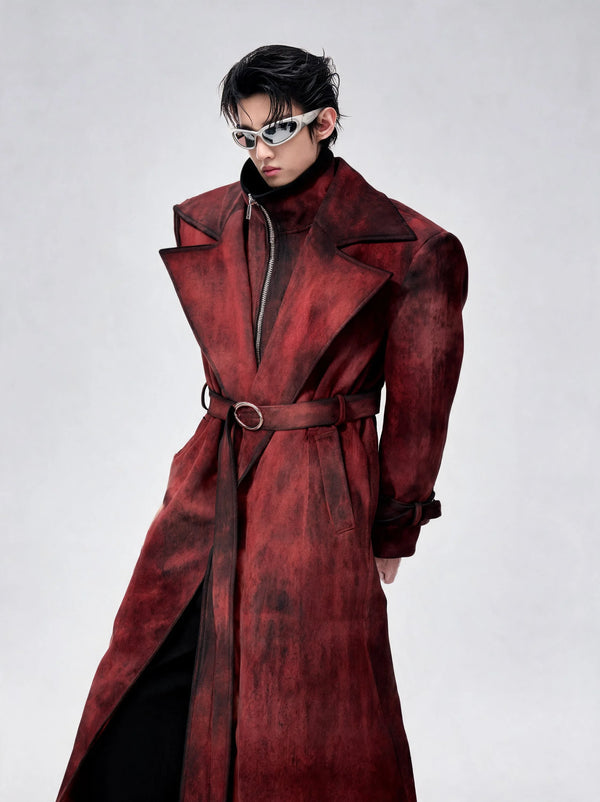
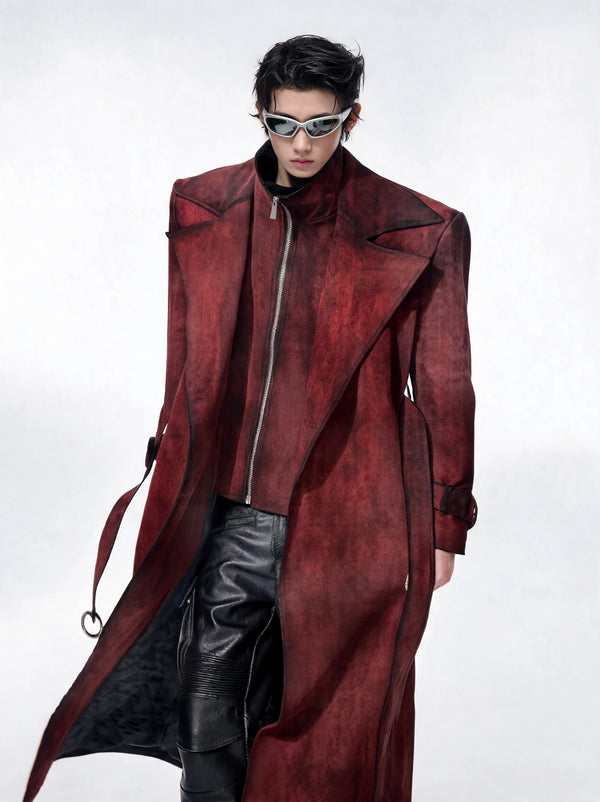
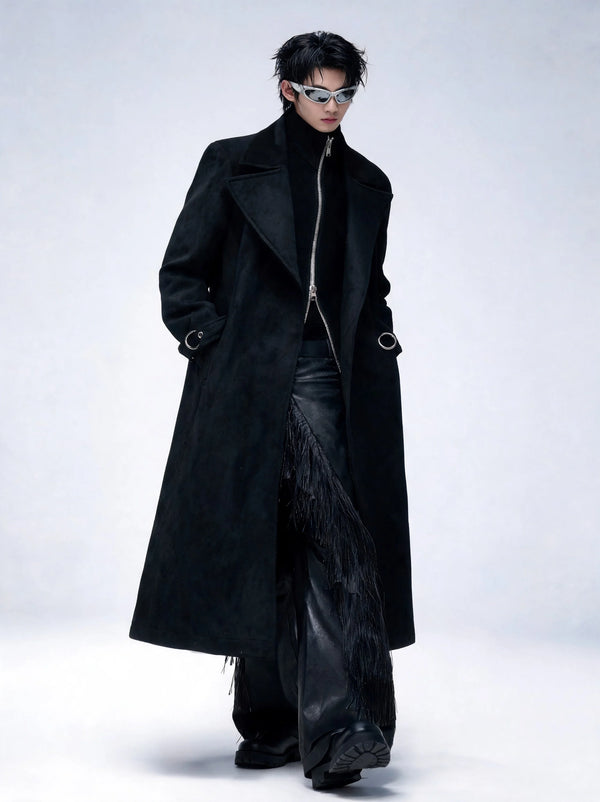
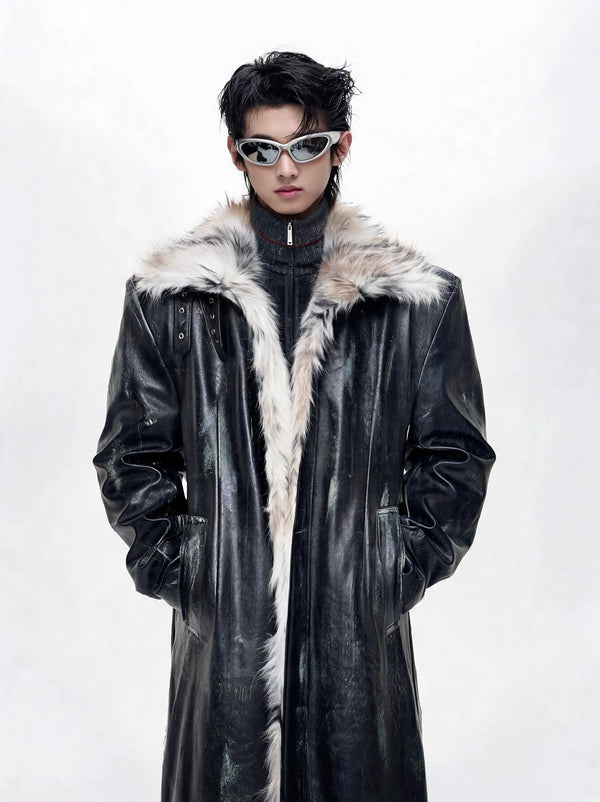
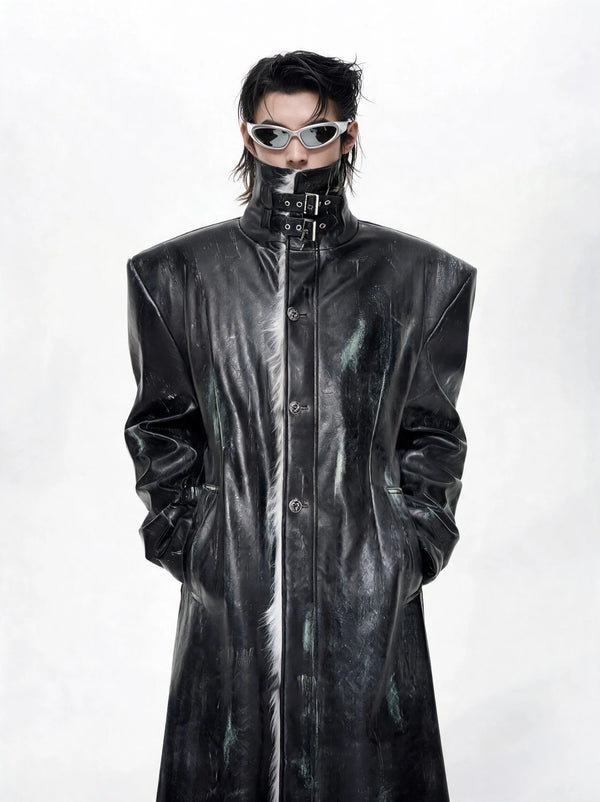
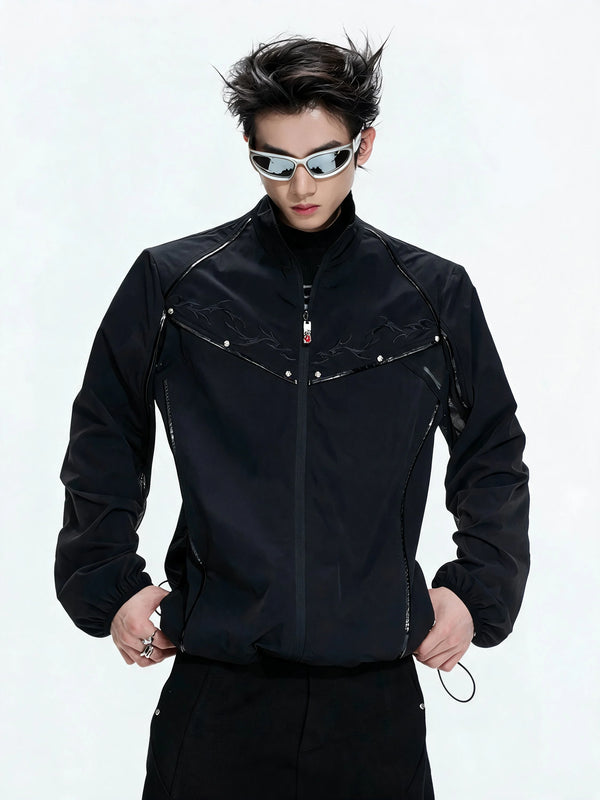
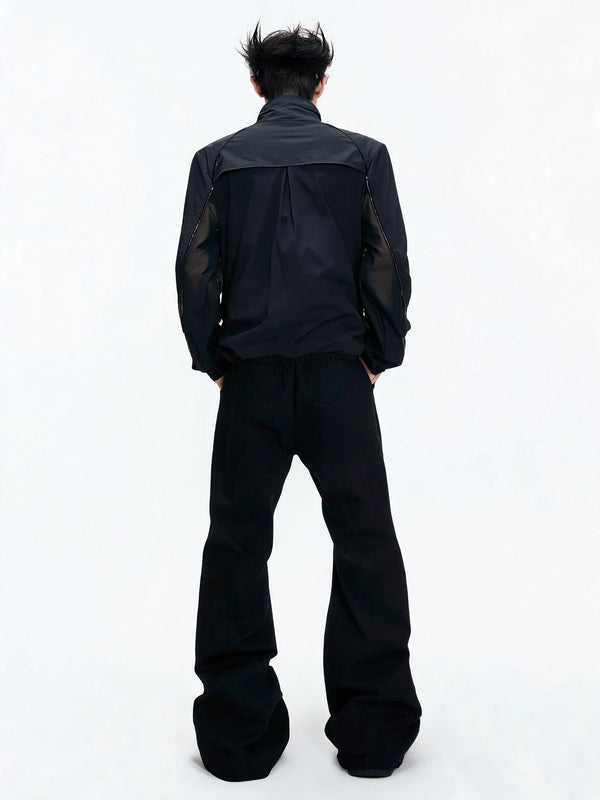
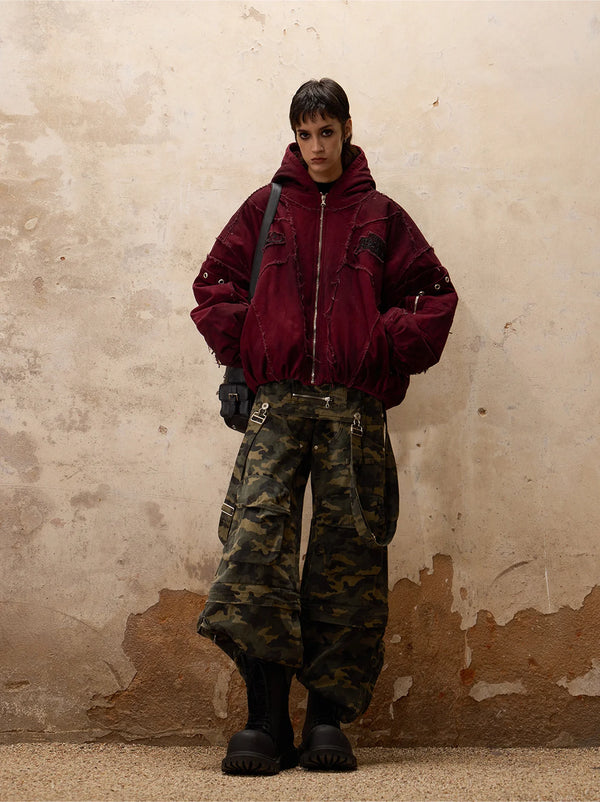
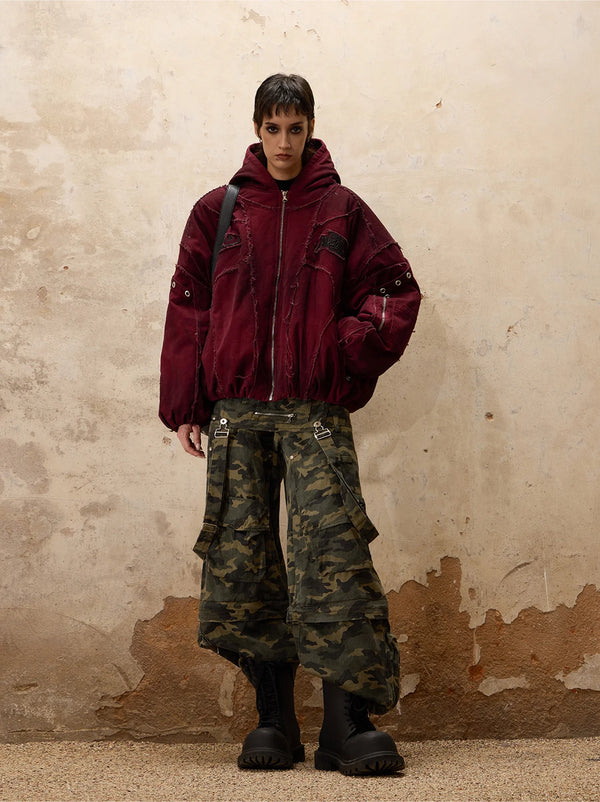
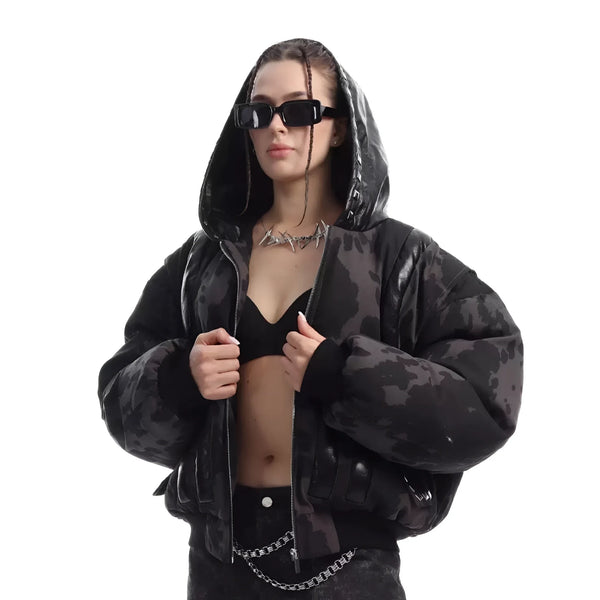
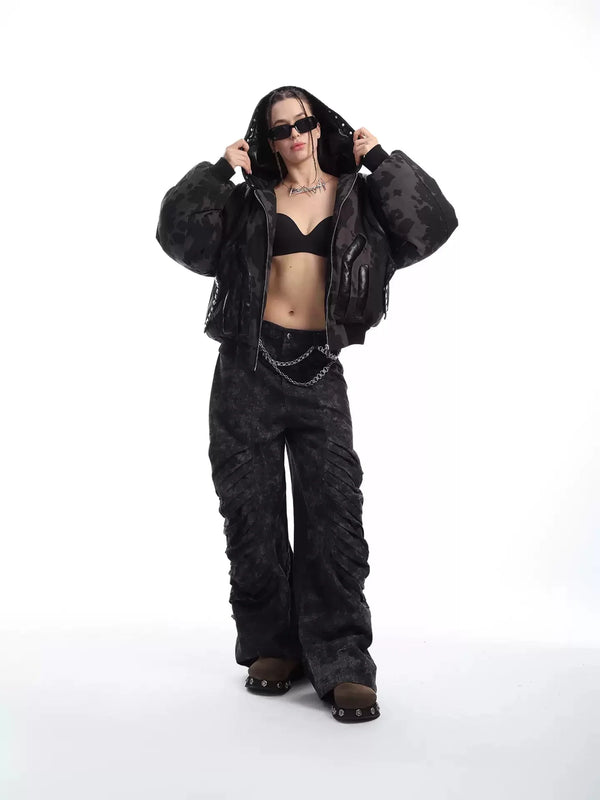
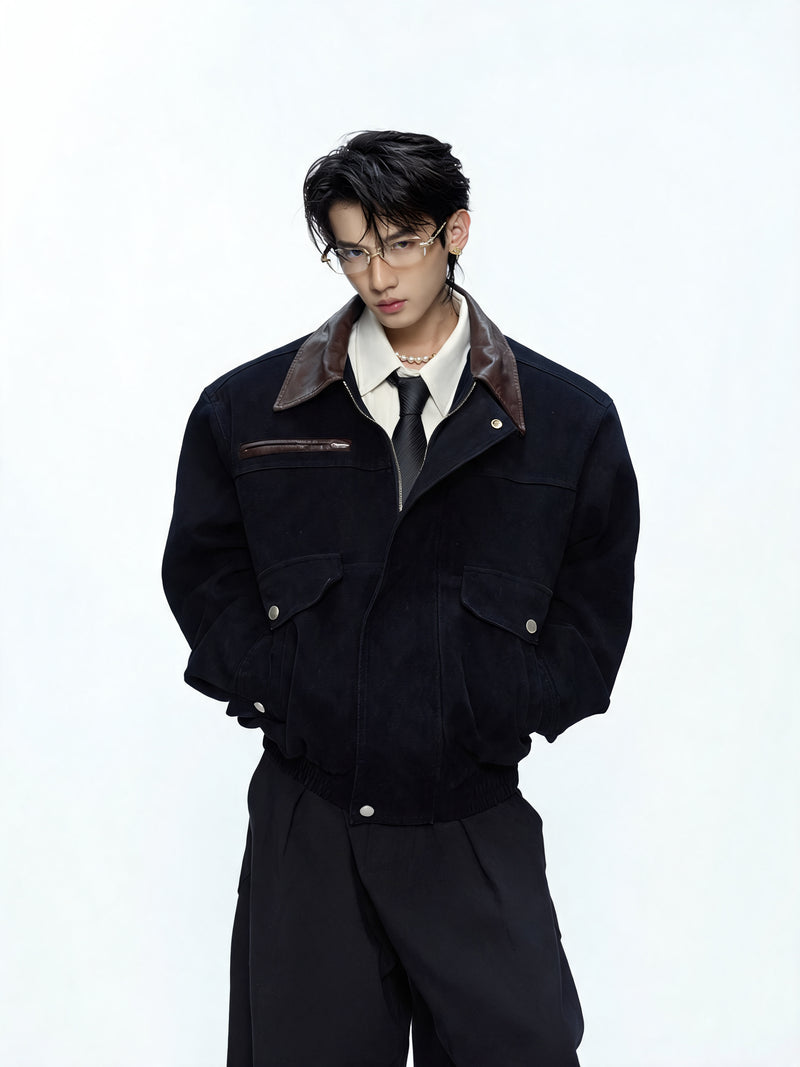
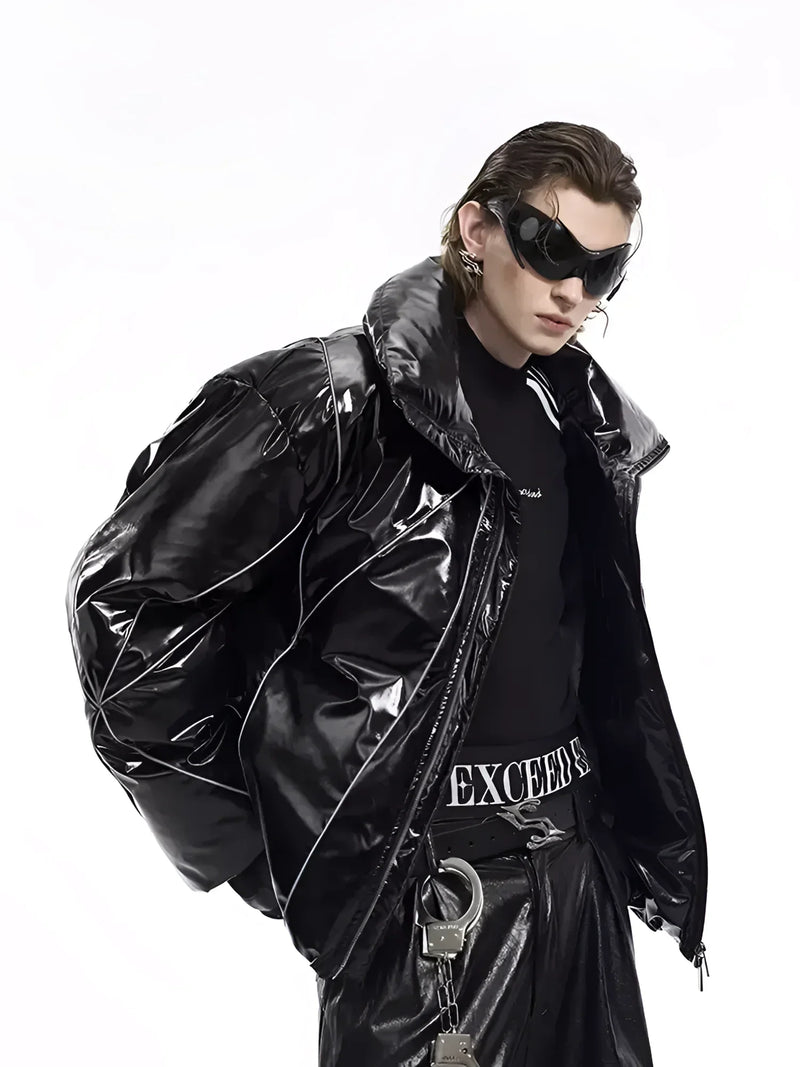
Today the relationship flips. The jacket carries the look. A waxed hooded jacket or a bomber with hardware details delivers the hardness the studded belt had to deliver back then, and it works over jeans just as well as over wide trousers. Two options from the current range:
For layering the 2000s logic still applies, just more controlled: step the lengths instead of stacking them. Longsleeve under a tee works when the sleeves show on purpose, and an open flannel shirt still replaces every transitional jacket.
Pitfalls
Common mistakes with the 2000s punk look
The revival reliably produces the same misfires. The five most common, and how to avoid them:
The common denominator of all five mistakes: wanting too much. The 2000s look worked because it was casual. The less the outfit looks planned, the closer it is to the original.
Hardware
Accessories: studs, chains and the right amount
Accessories were the real vocabulary of the era. The clothes could come from the discounter as long as the belt, chains and wristbands were right. That hierarchy counts even more in the revival: one precise hardware piece lifts any basic outfit, while ten cheap ones devalue any good one.
The modern translation goes for less, but heavier: a leather belt with a cross detail instead of three studded belts, a handcuff chain at the neck instead of five bands on the wrist. Punk codes in jewellery quality that survive everyday life:
Questions
FAQ: Punk Fashion 2000s
To finish, the questions asked most often around the 2000s punk look, answered compactly and without detours.
What do I wear to a 2000s party?
What was trending in the year 2000?
What is the difference between 2000s punk and Emo?
Are Tripp Pants trending again?
That leaves the classification: was 2000s punk real punk or just its echo from the mall? The decade answered that question itself, and more clearly than purists would like.
Because today's scenes grew out of that supposedly watered-down third wave: from Punk Rave to the hardware-heavy Streetwear currently shaping every major city. Without the mall phase there would be no revival for this text to be written about.
What do you think?
Tell us on @fuga_studios
About the author
Philipp Fuge — Founder · Berlin
Founder of Fūga Studios. Writes the journal himself. Berlin · Shanghai · Tokyo · Poznań — four cities, one logic.