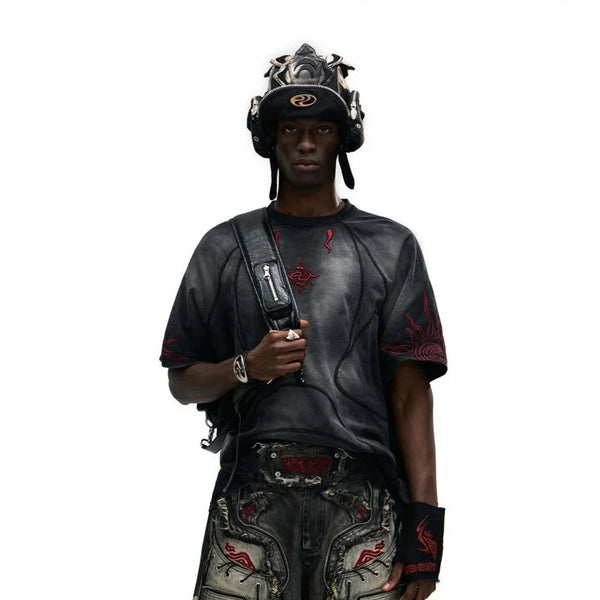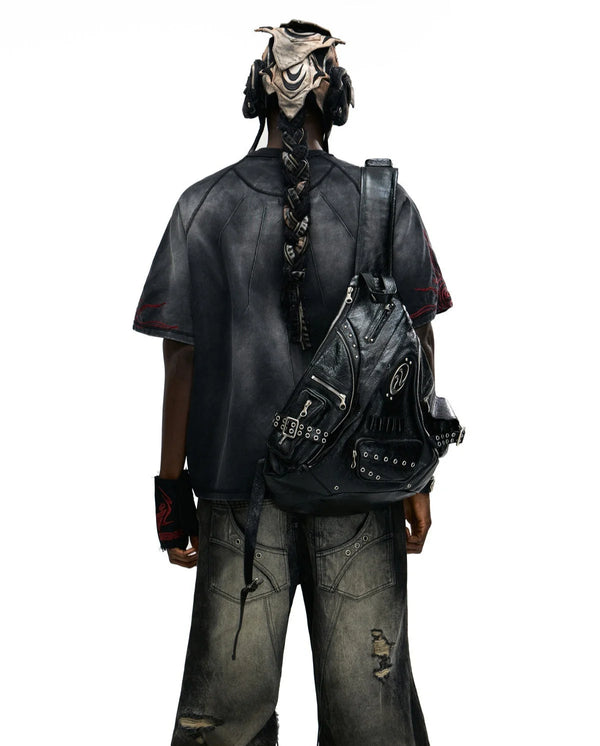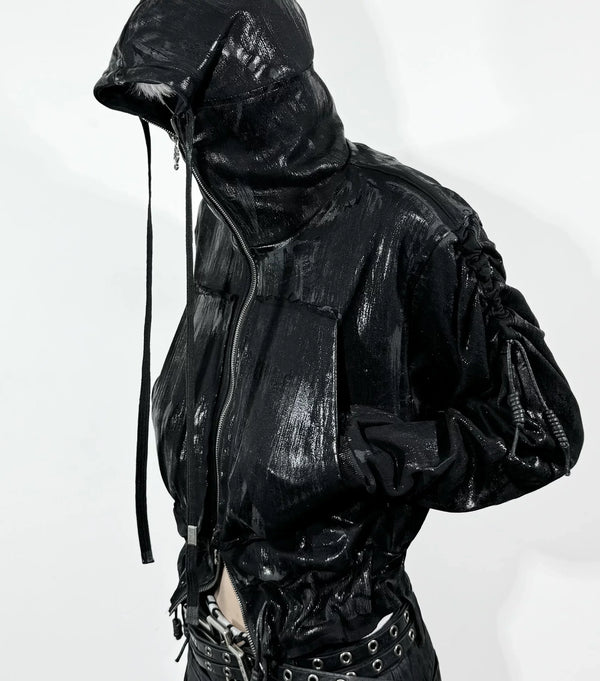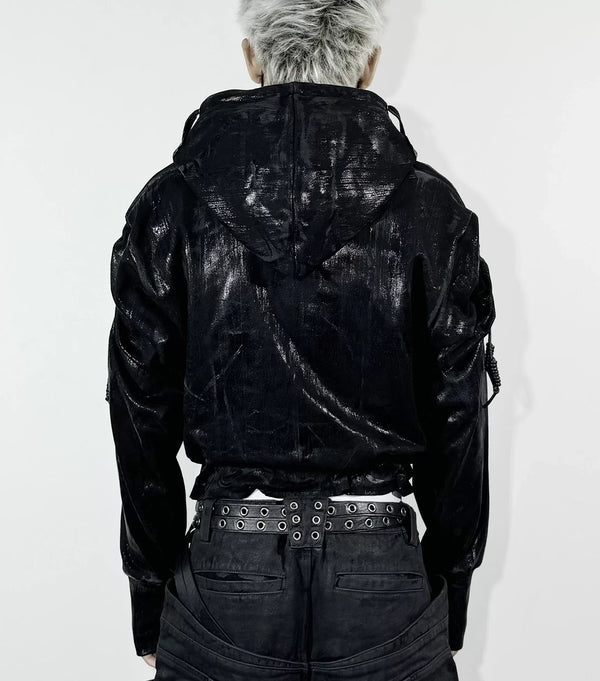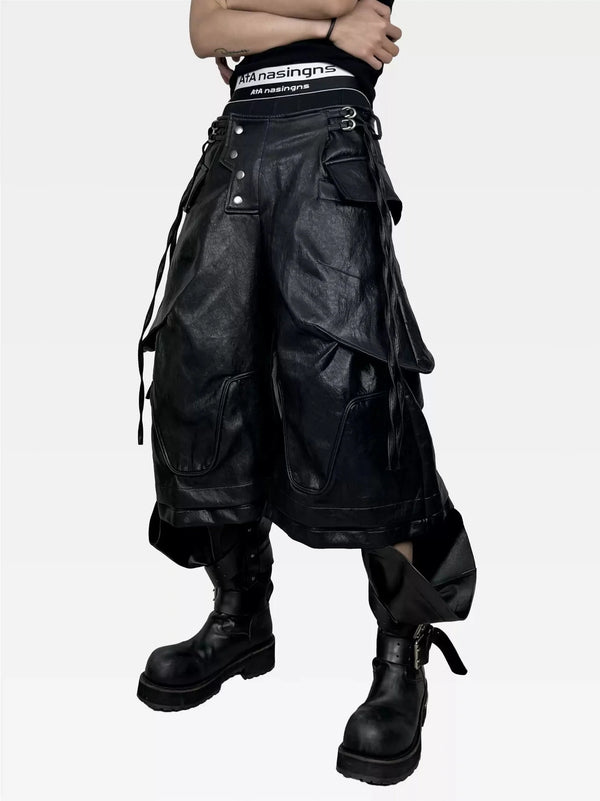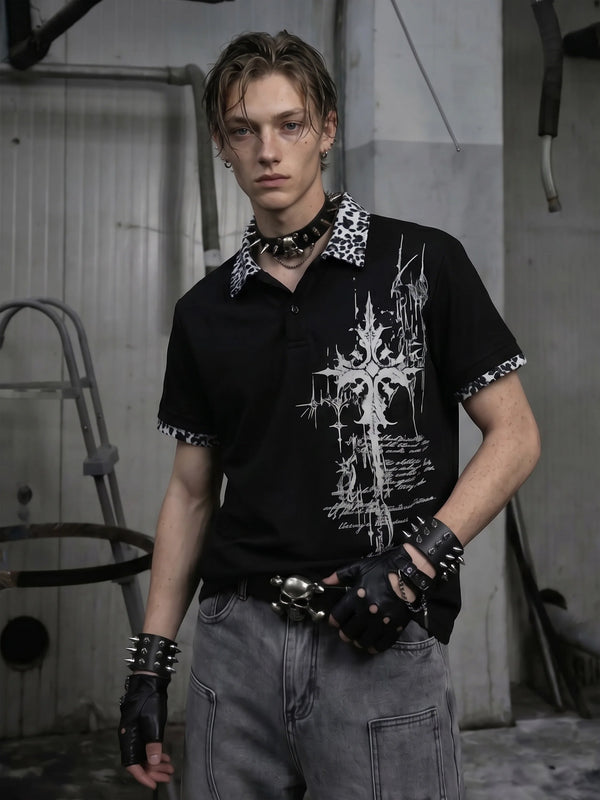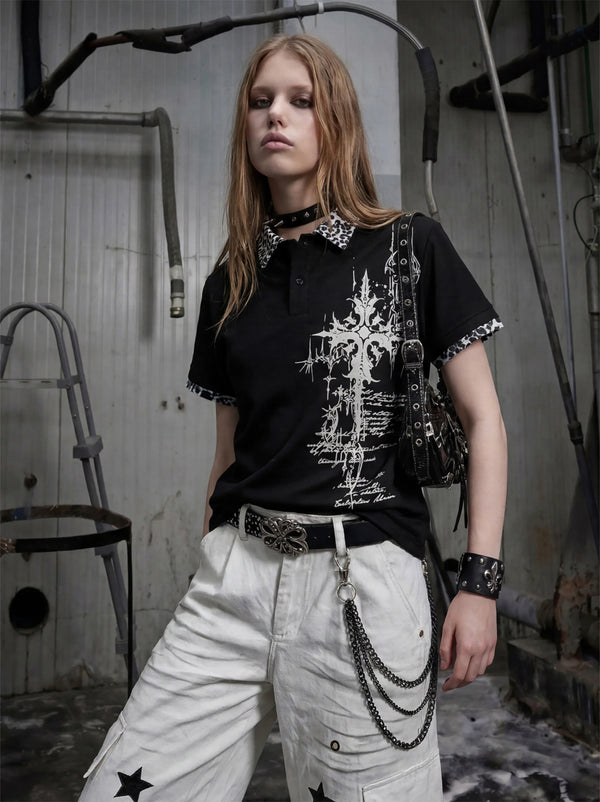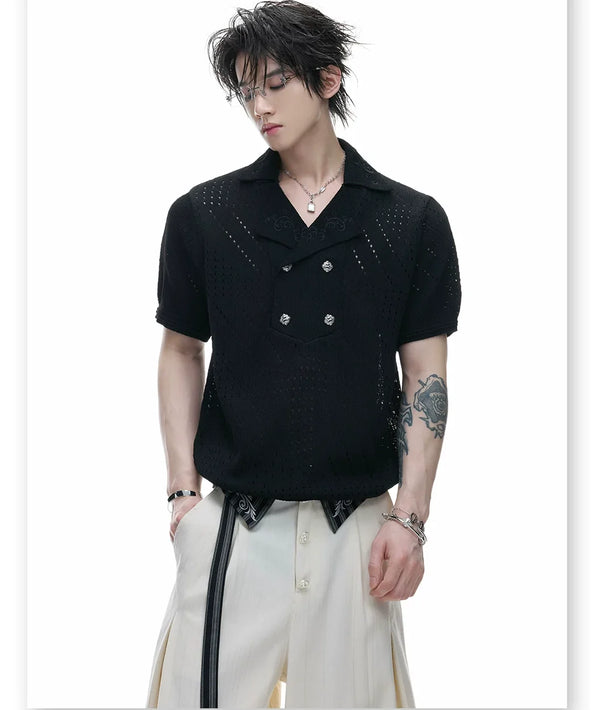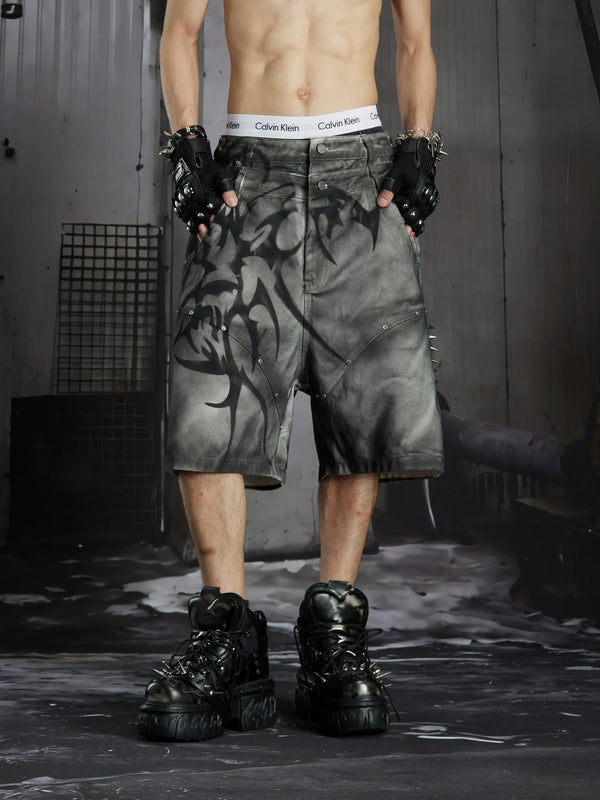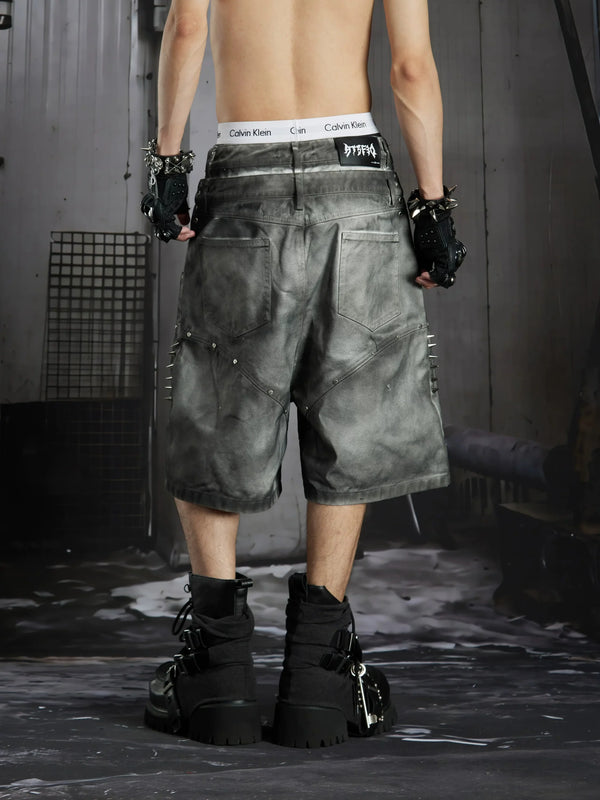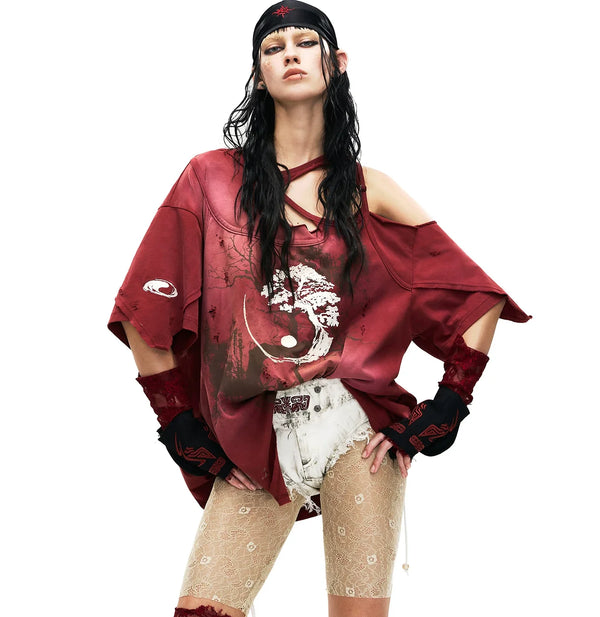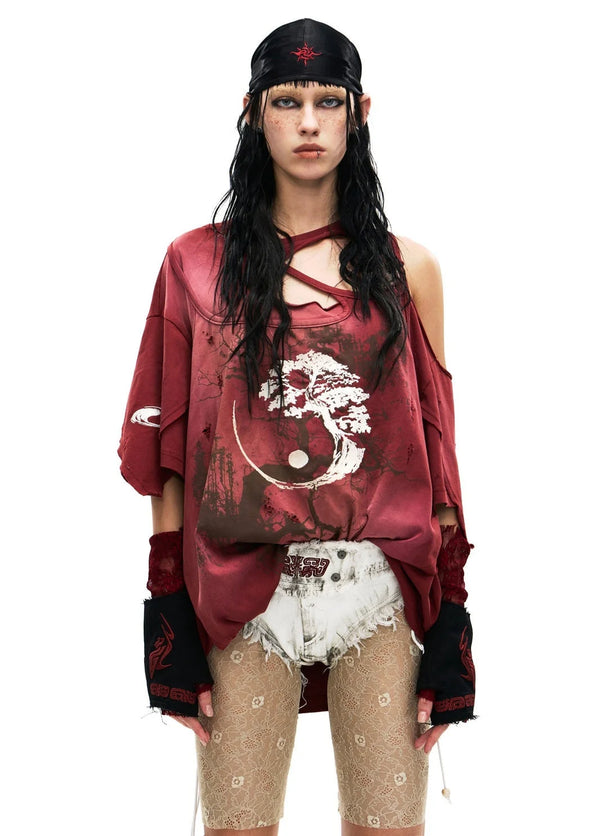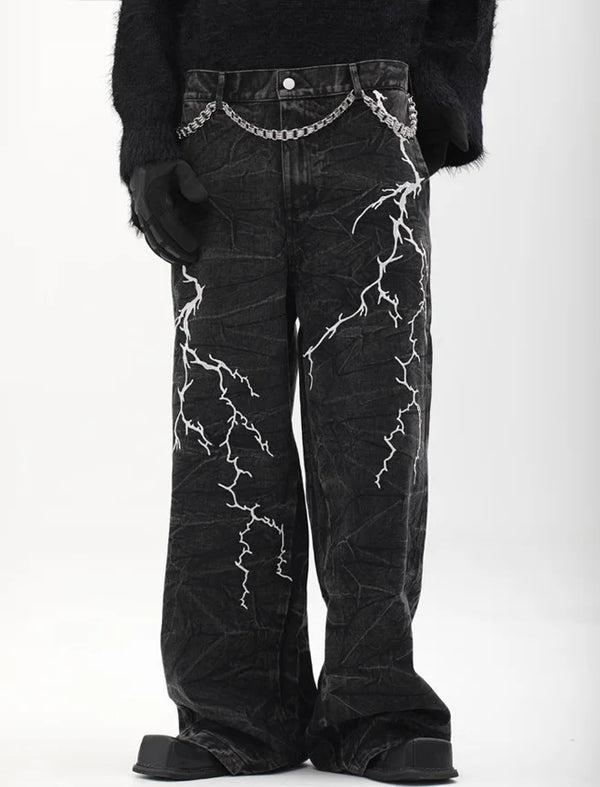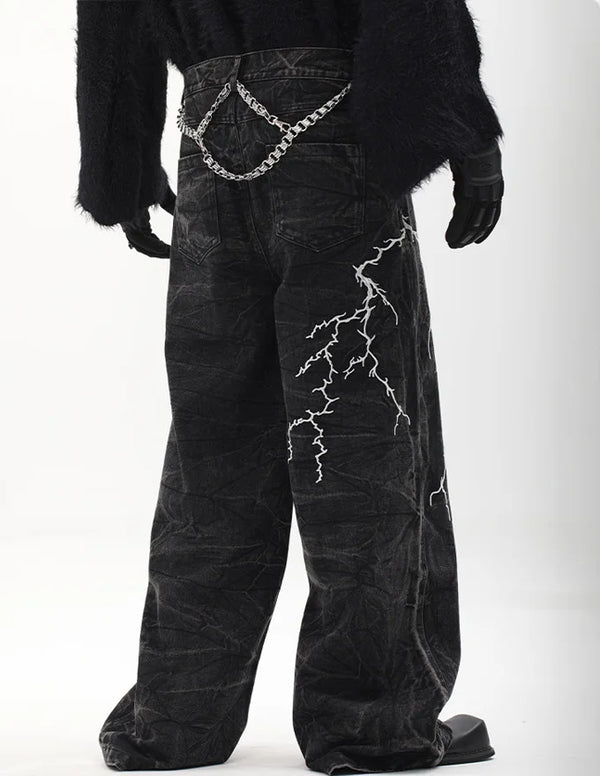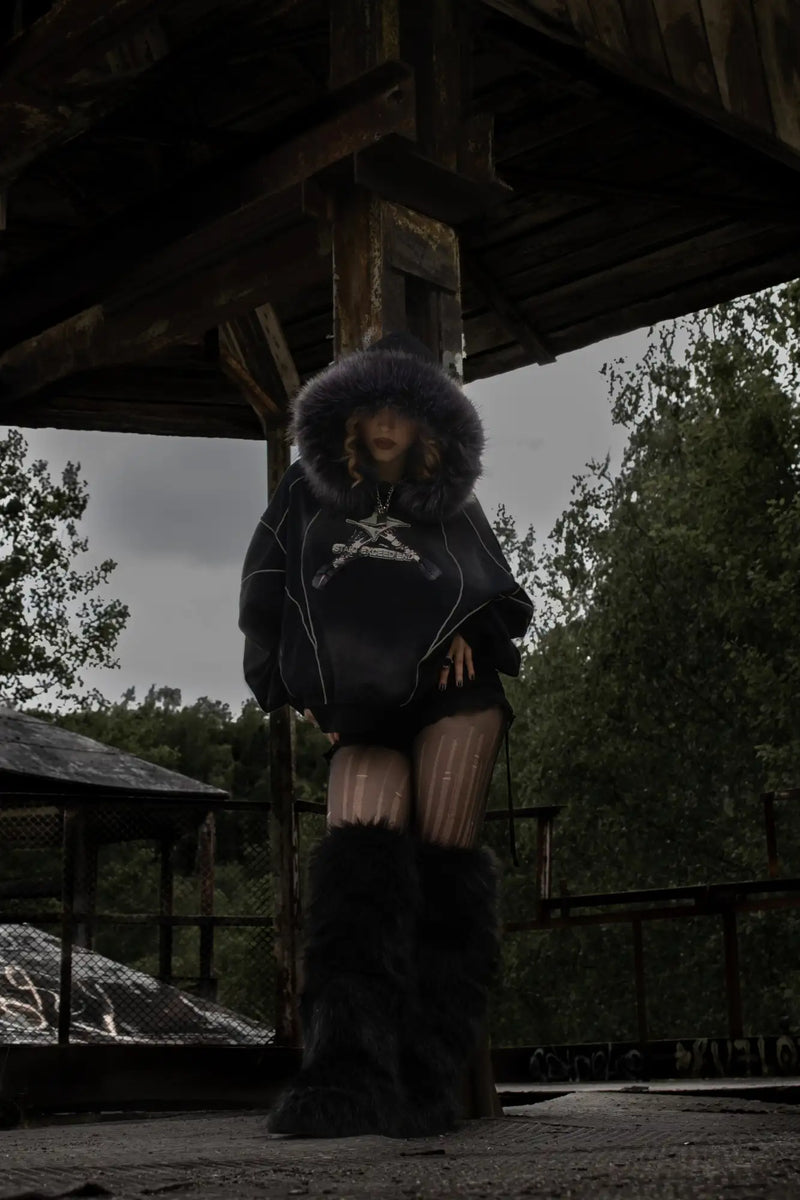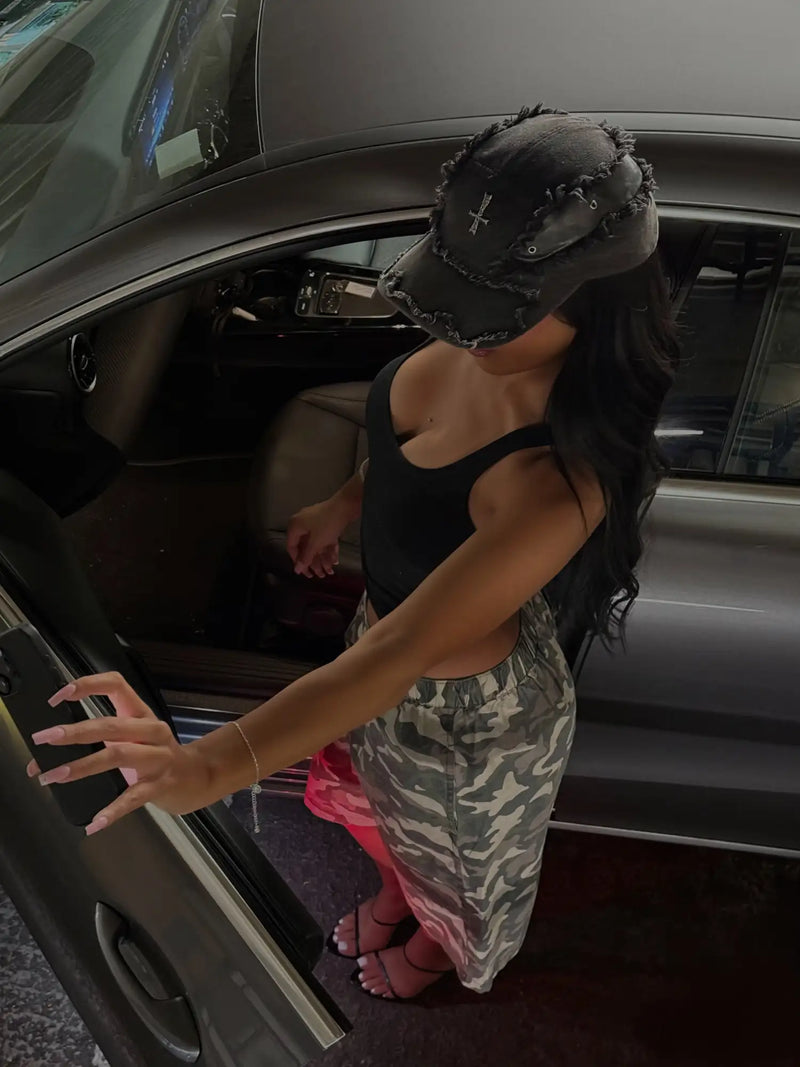
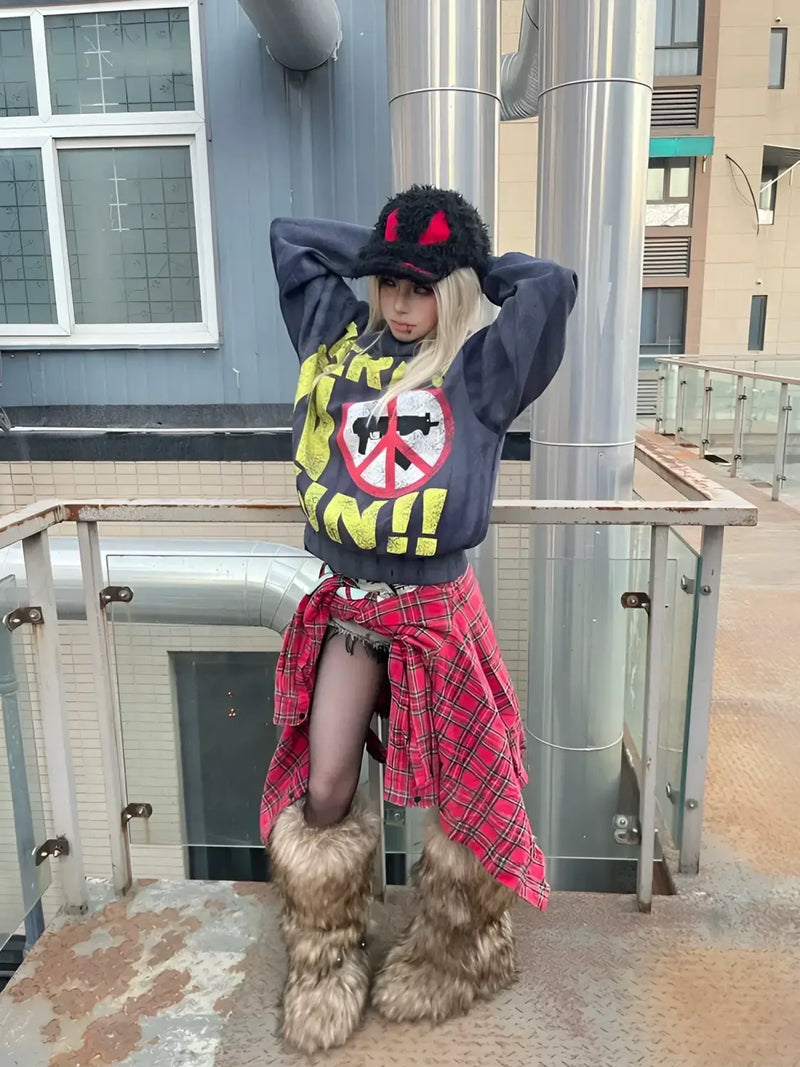
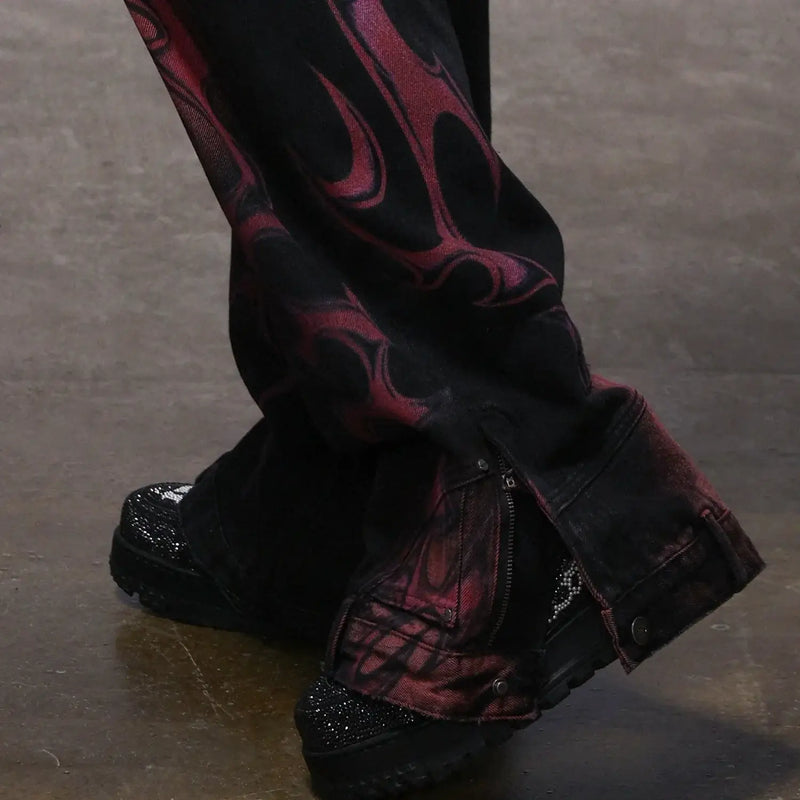
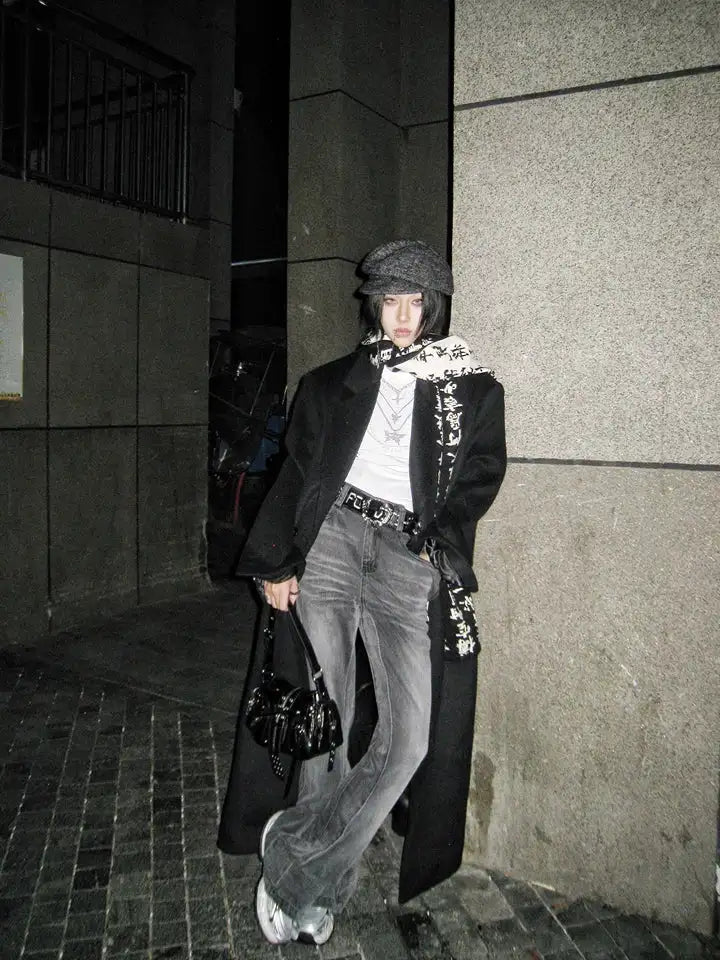

Everyone talks about Korean summer fashion as if it were a pastel catalog. Wrong. What actually walks the streets of Seoul from June to September is a very precise answer to 33 °C plus 80 % humidity — and to the question of how to still look photographable in that climate.
Korean Summer Fashion 2026 doesn't run on summer mood, it runs on a concrete material logic: light fabrics, wide cuts, long sleeves as sun protection, sneakers instead of sandals, plus a single accent — bag charm, cap, sunglasses — that lifts the look to TikTok level. Ignore that and just pull „airy summer outfits" from a Pinterest board in Berlin, and you look like a tourist, not like Seoul.
This guide sorts out what Koreans really wear in summer, where the logic comes from, which six trends dominate the feeds in 2026, how women's and men's looks split, how K-Drama and K-Pop shape the vocabulary, and which six mistakes tip the look over.
What that looks like in motion — compact, one outfit, one line:
Definition
What do Koreans wear in summer? The short answer
The honest answer: not what Western summer mood boards show. No slip dresses on the beach, no crop-top-plus-mini combo, no bare back in the café. Seoul in July is a city of air-conditioned subways, scorching sidewalks and a UV index of 9 — the look adapts to that.
What runs instead can be pinned down in four numbers — that's the standard summer wardrobe 80 % of Seoul's twentysomethings share:
33 °C
Seoul average in July
80 %
Humidity at midday
UV 9
UV index June to August
22 °C
Subway air conditioning
These four numbers explain why the Korean summer look looks the way it does. Long sleeves work at 33 °C outside because they keep you from freezing at 22 °C on the subway. Wide-Leg pants don't cling to the leg, because air circulation lets the sweat evaporate. Sneakers instead of sandals, because 200 metres of scorching asphalt lie between the air-conditioned rooms — and sandal soles melt at UV 9.
Concretely, Korean Summer Fashion 2026 includes:
- Light cotton tees in oversize — plain, stripe, or a single print. Boxy cut, not tight. Sweat shows on tight fabrics, oversize lets it breathe.
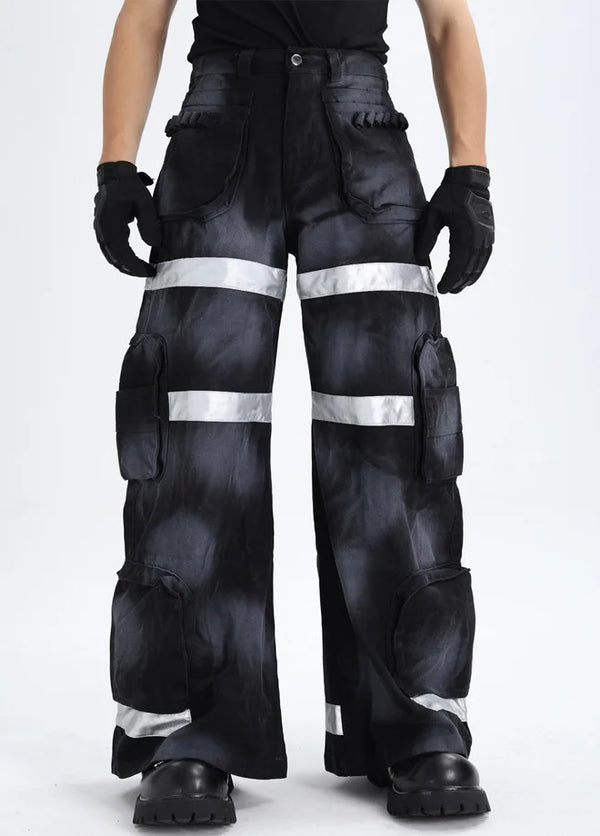
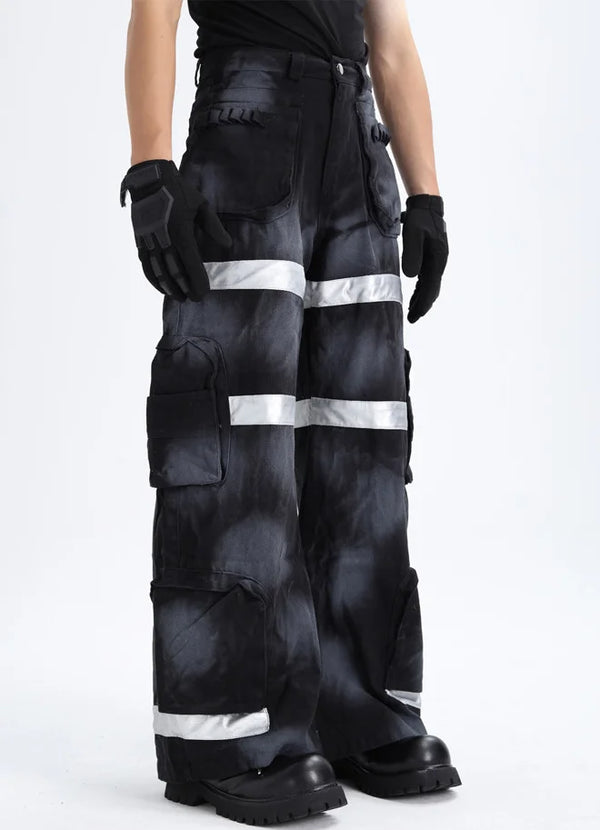
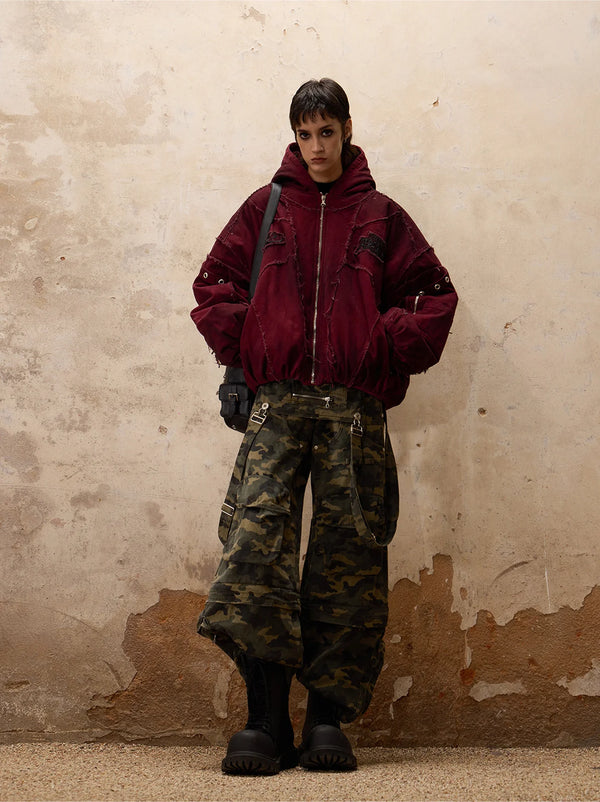
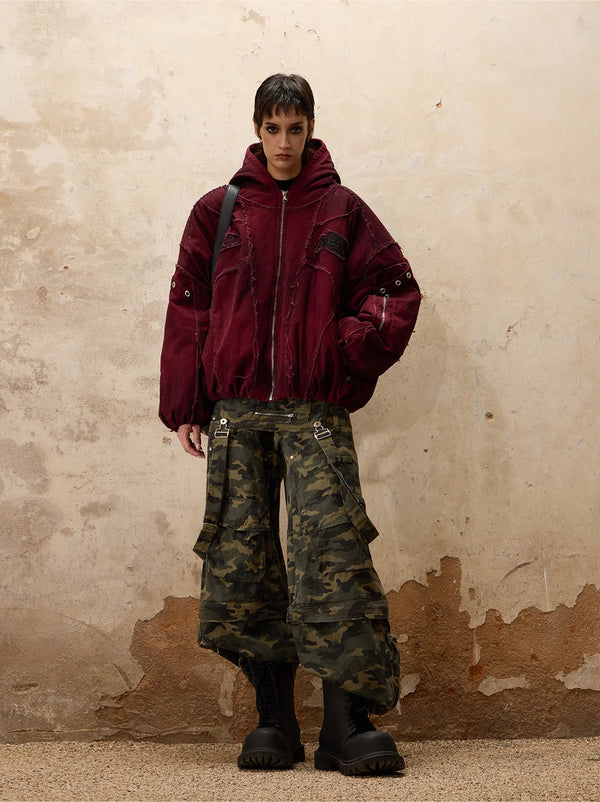
- Wide-Leg pants in thin fabric — linen, Tencel, light cotton. Cargo, Wide-Leg jean or pleated trouser. Show the ankle, not the calf muscle.
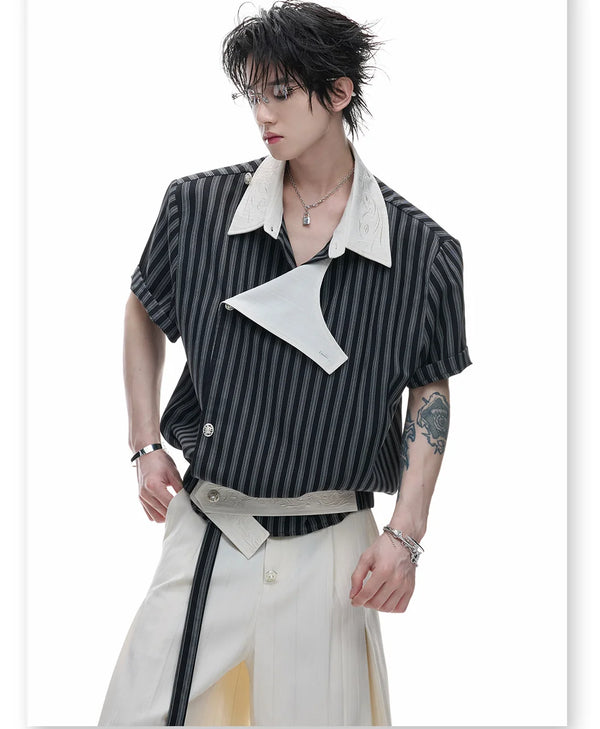
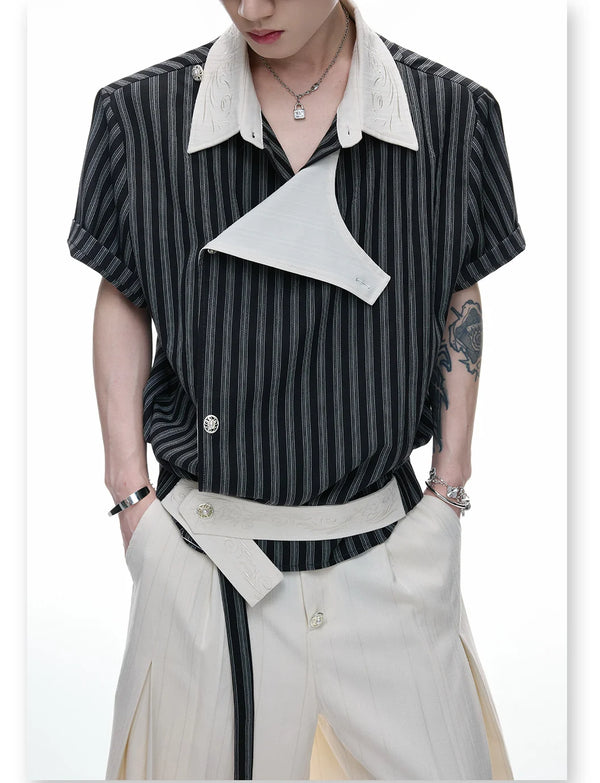
- Light Long-Sleeve as a layer — striped henley, thin button-down worn open over a tank, linen shirt. UV protection and climate buffer in one.
- Pleated-Skirts or Bermuda shorts — for women the pleated-skirt variant, knee-length or below. For men Bermuda to mid-thigh — not shorter.
- Closed sneakers — New Balance 530, Adidas Samba, Salomon. Koreans wear sandals to the pool or the spa, not into the city.
- One accent per outfit — bucket hat, cap, bag charm, crossbody tote, or sunglasses. Never all together. Reduction is the code.
If you're missing three of these six points, you probably don't have a Korean-Summer outfit but a generic Pinterest summer outfit. The rule that holds it all together:
Origin
Where the Korean summer look comes from — climate, K-Drama, Seoul logic
The vocabulary is often traced back to K-Drama and K-Pop — that's half the truth. The other half is weather. Seoul sits at 37° north, but has a subtropical summer climate thanks to the East China Sea. Three months a year the sun burns like in Spain, but it rains like in the tropics. The summer wardrobe had to answer both at once — light enough for 33 °C, long-sleeved enough for UV 9, rain-proof enough for the monsoon weeks in mid-July.
Out of this climate necessity grew a style vocabulary that the K-Drama wave spread internationally from 2017 on. Series like Itaewon Class, Crash Landing on You and Hometown Cha-Cha-Cha showed Seoul twentysomethings in exactly these outfits — Wide-Leg linen, oversize stripe tee, white sneaker. What used to work only in your own city became a globally readable code.
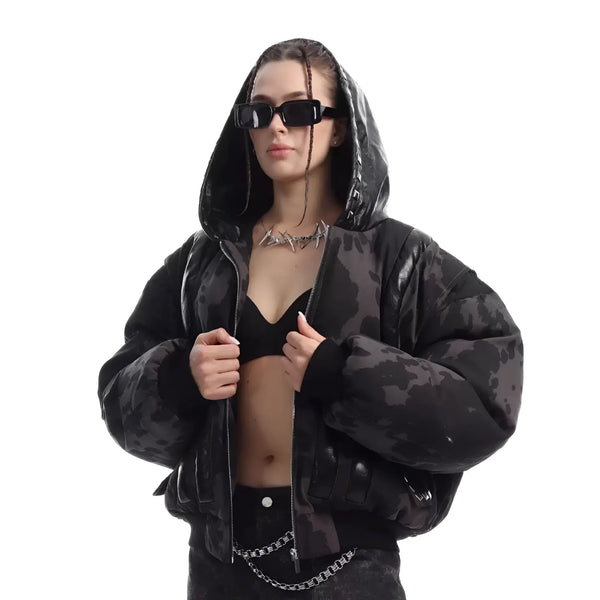
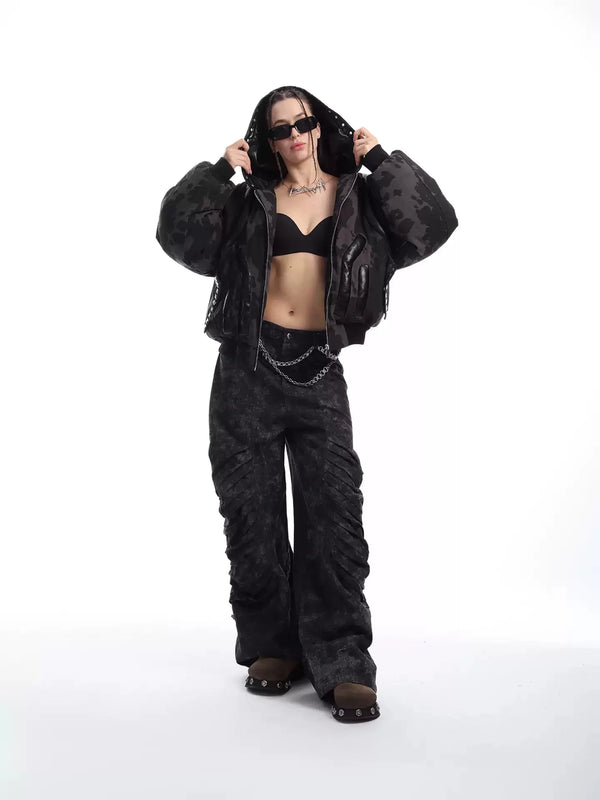
K-Pop then added the accent on top. NewJeans have worn the pleated-skirt-plus-bag-charm formula since 2022, Stray Kids established the Wide-Leg-Cargo-plus-cap variant for men, BLACKPINK's Lisa regularly pushes the darker, harder iteration — black stripe tees, black Wide-Leg pants, heavy sneakers. Mainstream fashion is light and pastel. The subculture Fūga cares about sits closer to Lisa's iteration: same cut, darker palette.
Trends 2026
The 6 summer trends 2026 — what Seoul is wearing right now
There isn't one Korean-Summer look. There are six variants that overlap at the edges, each with its own fabric logic and its own wearing situation. Sorted from minimal to maximal — from the Seoul-office lunch to the Itaewon bar-hop night.
Which of the six suits you depends on the wearing situation, not on your taste. Office-Summer in the park doesn't work. Y2K-Revival in the conference room doesn't either. Sort out the situation first, then pick the look. How this splits between women and men comes next.
Gender split
Korean summer outfits women vs. men — where it really runs differently
The common denominator is large: light fabrics, wide cuts, long sleeves as a layer, closed shoes, one accent. What differs between women's and men's looks is the silhouette below and the role of the accessories.
Women's looks lean more often on Pleated-Skirt and high-waist — the line shifts upward, the waist gets emphasised, the leg is shown but cut off knee-length. The accessory density is higher: bag charm on the tote, thin necklace, hair clip. Women combine two accents more often; men never more than one.
Men's looks keep the line below straight: Wide-Leg pants, Bermuda to mid-thigh, no skinny. The silhouette is boxy on top, loose below — volume shifts downward. One accent is enough, and it's often functional: cap with a brand, crossbody bag, one pair of sunglasses. Jewellery stays minimal — one chain, no stack.
Cultural Anchors
K-Drama, K-Pop, Seoul streets — where the style comes from
If you want to understand Korean Summer Fashion without flying to Seoul, you watch three sources — and in this order: K-Drama for the everyday silhouette, K-Pop for the trend accent, Seoul streetstyle accounts for the unfiltered variant. Watch only K-Pop and you copy stage outfits no one wears on the street. Watch only K-Drama and you get the summer iteration without the trend update.
The most important anchors for the 2026 iteration:
- K-Drama summer series — Hometown Cha-Cha-Cha, Welcome to Samdal-ri, Doctor Slump. The everyday silhouette is almost always right: linen pants, stripe tee, sneaker, bucket hat.
- NewJeans & ITZY — Pleated-Skirt with bag charm, baby tee with logo trim, Mary-Janes. Sets the younger women's line 2024-2026.
- Stray Kids & ATEEZ — Wide-Leg-Cargo, mesh tank under an open button-down, heavy sneakers. Sets the men's line for 18-25.
- BLACKPINK Lisa — the darker iteration: black stripe tee, black Wide-Leg pants, dark sneaker, one silver chain. For everyone who finds the pastel variant too sweet.
- Seoul streetstyle on Instagram — @koreanstreetstyle, @seoul.fashion, @coreanstyle. Shows what's actually worn between the glossy sets — mostly more low-key than K-Pop, harder than K-Drama.
- Seoul Fashion Week streetstyle (March and October) — the transition outfits already run in April and get scaled into summer: lighter fabrics, shorter sleeves, same silhouette.
If you want to translate the vocabulary competently, you combine the K-Drama silhouette with the K-Pop accent — a single idol borrowing per outfit, never more. Three Mary-Janes-plus-baby-tee-plus-charm-tote accents at once reads as NewJeans cosplay, not as Seoul style.
Category · Skin layer
Tops & Shirts — the skin layer at 33 °C
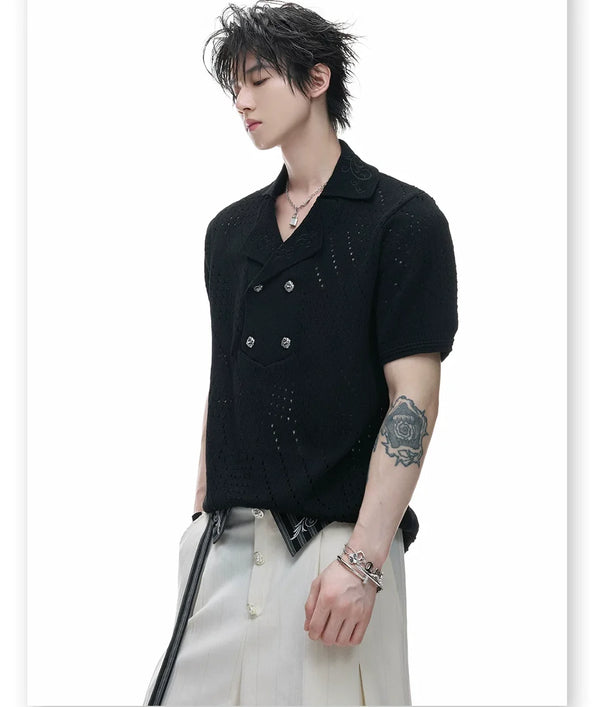
In the Korean summer the top is the main surface — the jacket falls away, the fabric on the upper body makes up 60 % of the outfit's readability. Three top types work: the oversize plain or stripe tee as the default, the light button-down or Long-Sleeve as the layer option, and the polo or knit top for the office variant.
What all three share: thin fabric, boxy cut, high neckline. Tight-to-the-body reads as gym in Seoul, not as style. Deep V-necks don't work either — the shoulders stay covered, the neck stays closed. That's UV protection and code at once.
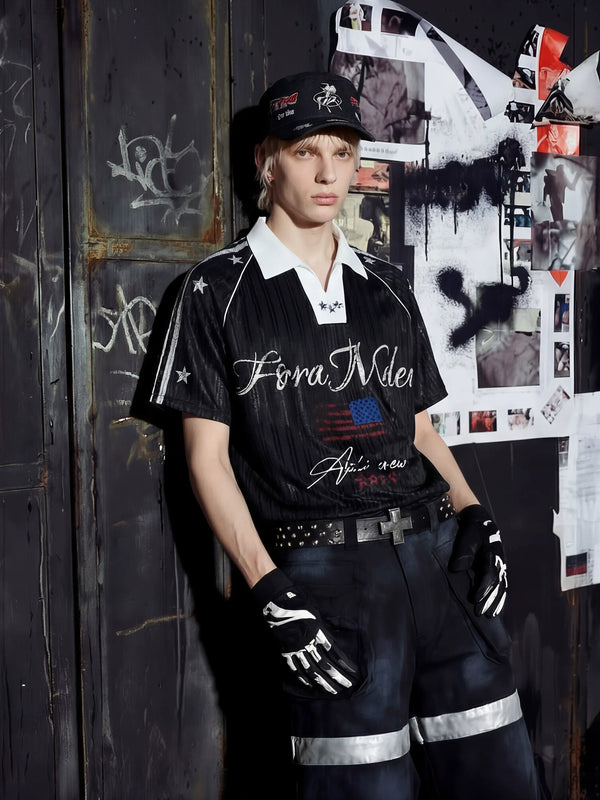
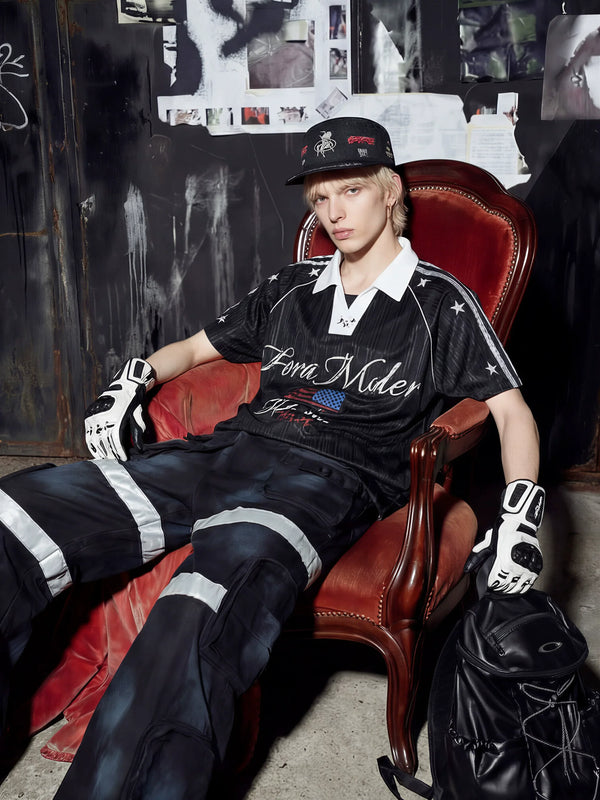
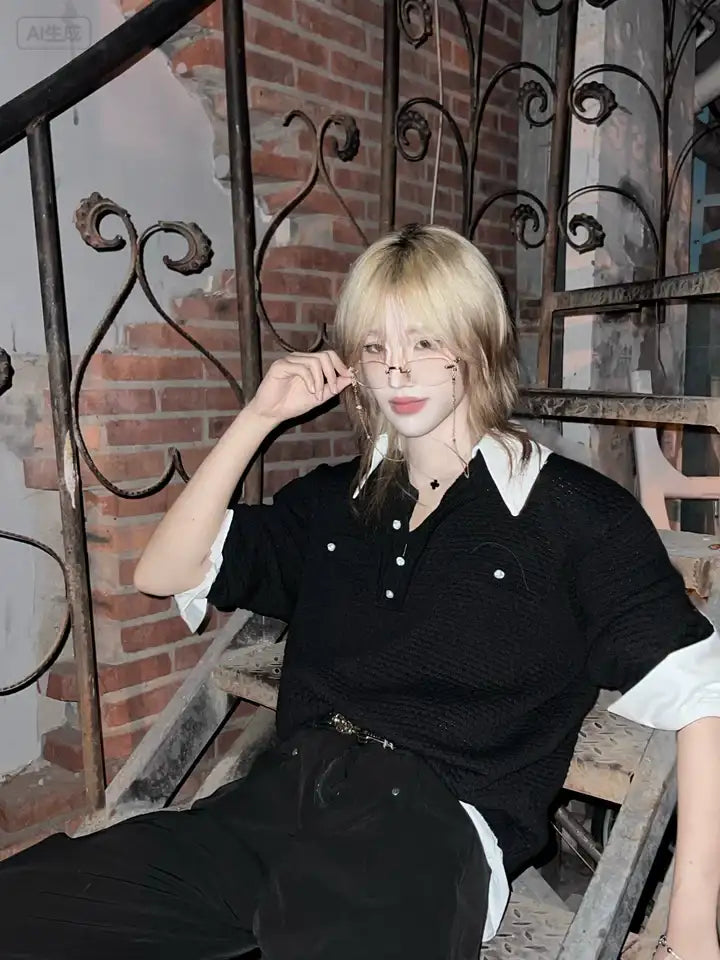
If you don't have light tops in dark tones yet, start with a black striped-trim shirt. That's the one skin layer that works in every one of the six sub-variants above.
Category · Bottoms
Pants & Shorts — from the Wide-Leg to the Pleated-Skirt
Below, the rule is: volume downward, never inward. Skinny is practically non-existent in the Korean summer — Wide-Leg, pleated trouser or cargo dominate. For women the knee-length Pleated-Skirt gets added, for men the Bermuda to mid-thigh.
Three types of trousers work universally: thin Wide-Leg pants with a crease (pleated trouser, office-suitable), wide cargo in light fabric (streetwear default, everyday-suitable), and Bermuda shorts with logo trim or cargo pocket (hot-day variant, just above the knee). Skinny jeans, leggings and tight capris are out — at 80 % humidity they cling to the leg like a second skin.
The Wide-Leg pants are the investment that gives you the most outfits. One pair in beige or black combines with every one of the six sub-looks above.
Category · Footwear
Shoes — why Seoul wears sneakers instead of sandals
Footwear is the fastest giveaway when a Korean-Summer look tips over. Koreans don't wear sandals into the city — that's for the pool, the hotel pool, the beach in Busan. In Seoul cafés, Itaewon bars and along the Han-River bridges, sneakers run. Closed, low or mid profile, white or black.
Three shoe types dominate 2026: the retro tennis sneaker (Adidas Samba, New Balance 530, Asics Gel-Lyte) for the Minimal-Seoul look, the chunky trail sneaker (Salomon XT-6, Asics Kayano) for the Techwear-Light variant, and loafers or Mary-Janes for the office and Pleated-Romantic looks. Platform boots in dark tones run too — especially in the Dark-Streetwear Lisa iteration, in the evening.
If your look lands in Itaewon in the evening, swap the sneaker for a platform boot. Lighter by day, darker by night — that's the day-night logic in one detail.
Styling logic
How to style the Korean-Summer look — three Seoul formulas
A Korean-Summer outfit runs on three rules that are rarely spoken out loud, but every Seoul streetstyle account sticks to them. Break one and you tip straight into „Western tourist with a Pinterest mood board".
Volume downward, fabric light, one accent. That's the whole code. Everything else is variation.
— Fūga Studios
The three formulas in detail: first, the silhouette is boxy on top, wide below. Never the other way round. Crop-top plus skinny is Berlin summer 2017, not Seoul 2026. Second, every fabric has to breathe — cotton, linen, Tencel, light nylon with a mesh share. Polyester shine and heavy weaves are out. Third, one accent per outfit. Cap OR bag charm OR sunglasses — never all three.
The full breakdown on the styling physics — including what it looks like in motion, how you combine formulas with each other, and which fabrics are available in Berlin — we put in a separate article:
But Korean Summer doesn't stand alone — it overlaps at several edges with other summer codes. Y2K shares the cargo logic and the bag charm, Harajuku shares the mesh-layer idea, Techwear shares the functional fabrics, Minimalist-Korean shares the reduction. Once you have the Korean-Summer code down, you can read these neighbouring codes and mix deliberately without sliding into cosplay.
Here are the five most important neighbours — each with its own guide, in case you want to go deeper:
Climate strategy
How Koreans stay cool at 35 °C — the summer hacks
Anyone who lives in Seoul has developed, over years, a list of hacks that land in the summer wardrobe. It's not magic, it's material choice plus a daily routine. Three things run in parallel: first, thin, breathable fabrics as the standard. Second, a layer strategy for the switch between outdoor heat and indoor climate. Third, functional accessories against sun and sweat.
Concretely that means: cotton content above 80 %, linen where possible, no polyester directly on the skin. A light Long-Sleeve or linen shirt is always in the bag or hangs over the shoulder — for the subway, for the air-conditioned café, for the office. Sunglasses are standard, a cap or bucket hat is mandatory between 11 and 16 o'clock, a mini hand fan hangs on the backpack.
If you want even more, you combine that with UV protection in the fabric itself — many Korean-brand fabrics have UPF-30 or higher woven in. Plus a sweat-absorbing lining under the armpits, a detail that came from the outdoor world and migrated into Korean summer shirts in 2024.
This is what the layer strategy looks like in motion:
What does not work
The 6 most common Korean-Summer mistakes — what tips the look over
Korean Summer Fashion has six spots where it reliably tips over — no matter how expensive the individual pieces are. If you avoid only one thing, make it mistake number one.
Action
How to start — the first 4 pieces for your Korean-Summer wardrobe
You don't need twenty summer things to wear Korean Summer. You need four that will be in 80 % of all outfits. Everything else builds around them.
In order: one pair of Wide-Leg pants in beige or black (your biggest investment — works in every one of the six sub-looks above). One oversize stripe tee in a dark tone or plain white. One light Long-Sleeve or linen shirt as a layer for the subway. Closed sneakers in white or black, low profile. One accent — cap, crossbody bag or sunglasses — as the optional fifth, but only once the four are in place.
Outfits for real
Real Korean-Summer outfits — what this looks like on Seoul streets
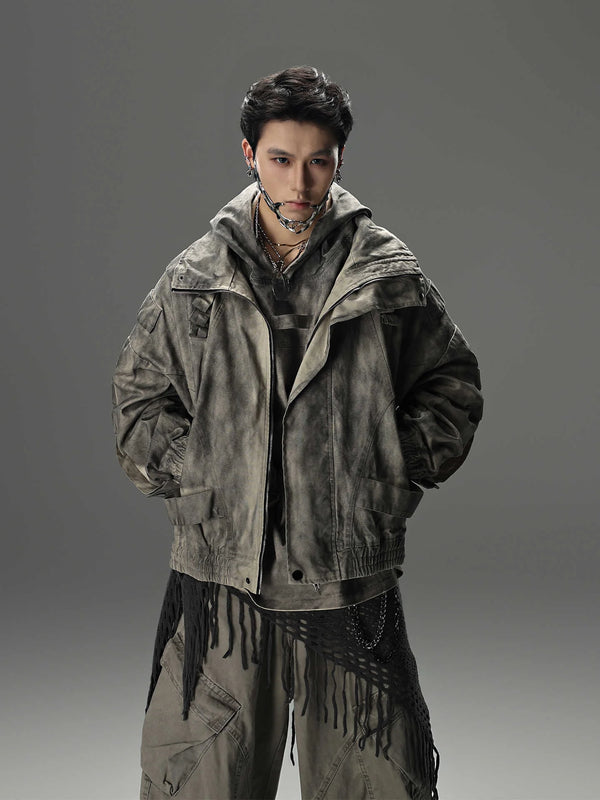
Before you build your own outfit, look at how others wear it day-to-day. The six sub-looks from above look different in the feed than in lookbook photos: lighter, dirtier, less perfect — and that's exactly why they work.
This is the fastest way to check whether the light fabrics and the Wide-Leg silhouette sit on your body type at all — before you spend money.
To close
Korean Summer Fashion is a climate code, not a trend
If you remember one thing from this guide, make it this: the Korean summer look doesn't run on Pinterest mood, but on the answer to 33 °C and 80 % humidity. With the material logic down, you build three months of outfits from twelve pieces. Buy only pieces and you have a full summer wardrobe and still sweat your way through.
The whole logic of this guide reduces to one sentence:
The rules have been stable since the mid-2010s and will stay that way — as long as Seoul has a subtropical summer climate. But you don't have to wait until you know all six sub-looks by heart. Start with the one look that fits your everyday — office, café, bar, park. What you don't know, you learn by wearing.
And that's the point: Korean Summer reads in theory like a lot of rules, but in practice it feels like a single set of decisions. Once you have the code down, every further outfit is a variation of the same four or five building blocks — not a new invention.
FAQ
Frequently asked questions about Korean Summer Fashion
The questions we often get by DM and email — short, clear, no detours.
What is the 3-3-3 rule for clothing?
How do Koreans stay cool at 35 °C?
What is the trend in Korean fashion 2026?
What do Koreans really wear in summer — and what not?
How do Korean summer outfits for women and men differ?
What is the 52-hour week in South Korea and does it have anything to do with fashion?
Does Korean Summer Fashion also work in the German summer?
Which Korean brands really write the summer vocabulary?
What do you think?
Tell us on @fuga_studios
About the author
Philipp Fuge — Founder · Berlin
Founder of Fūga Studios. Writes the journal himself. Berlin · Shanghai · Tokyo · Poznań — four cities, one logic.