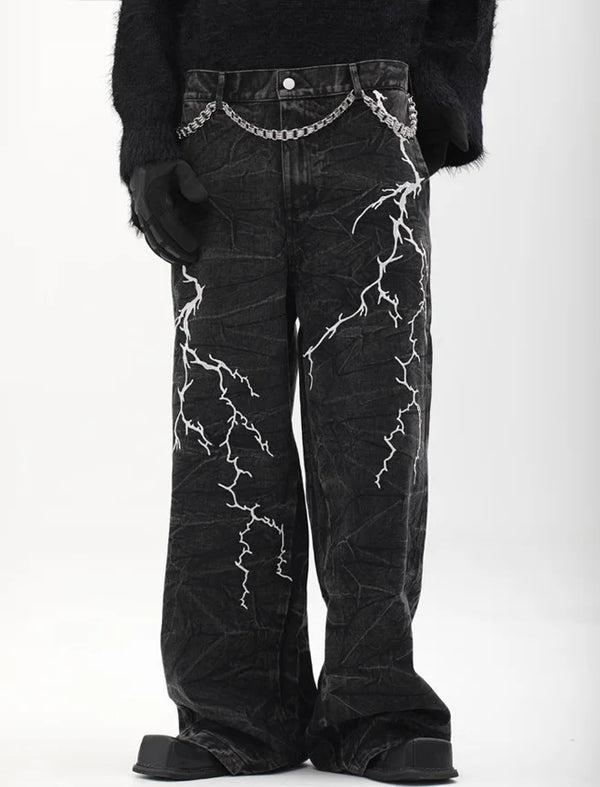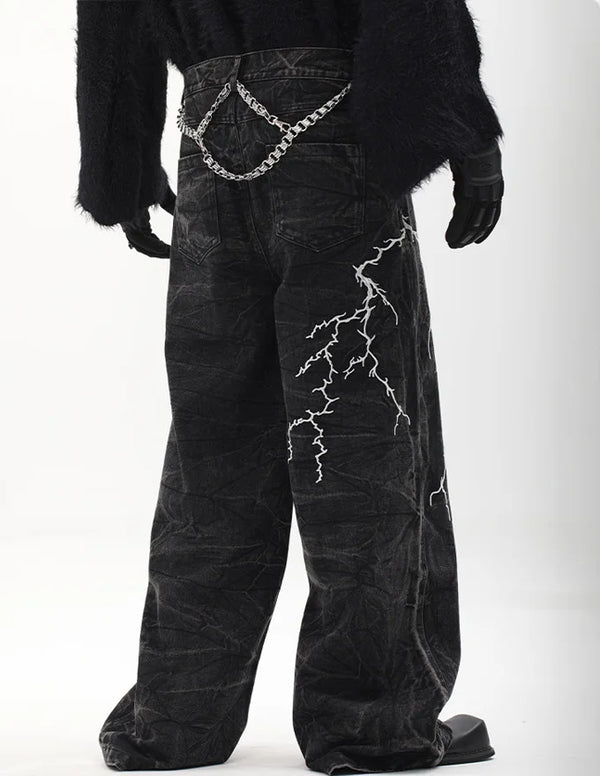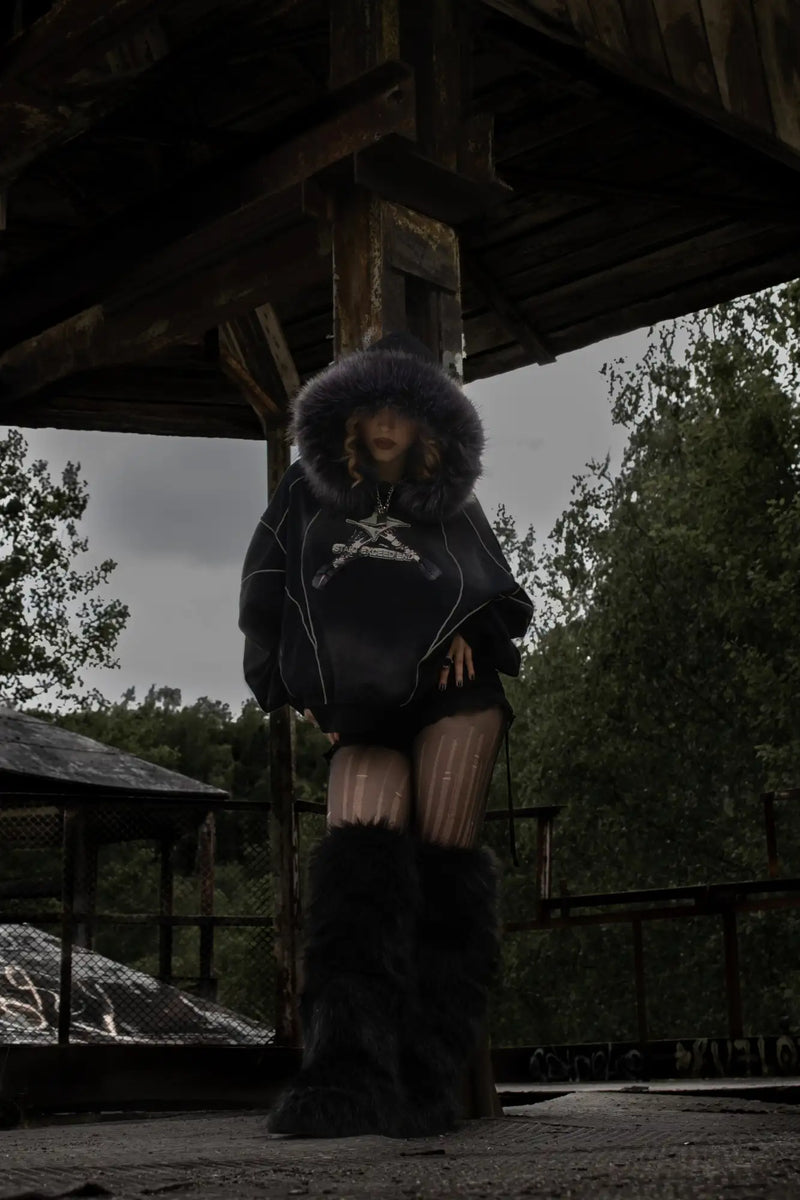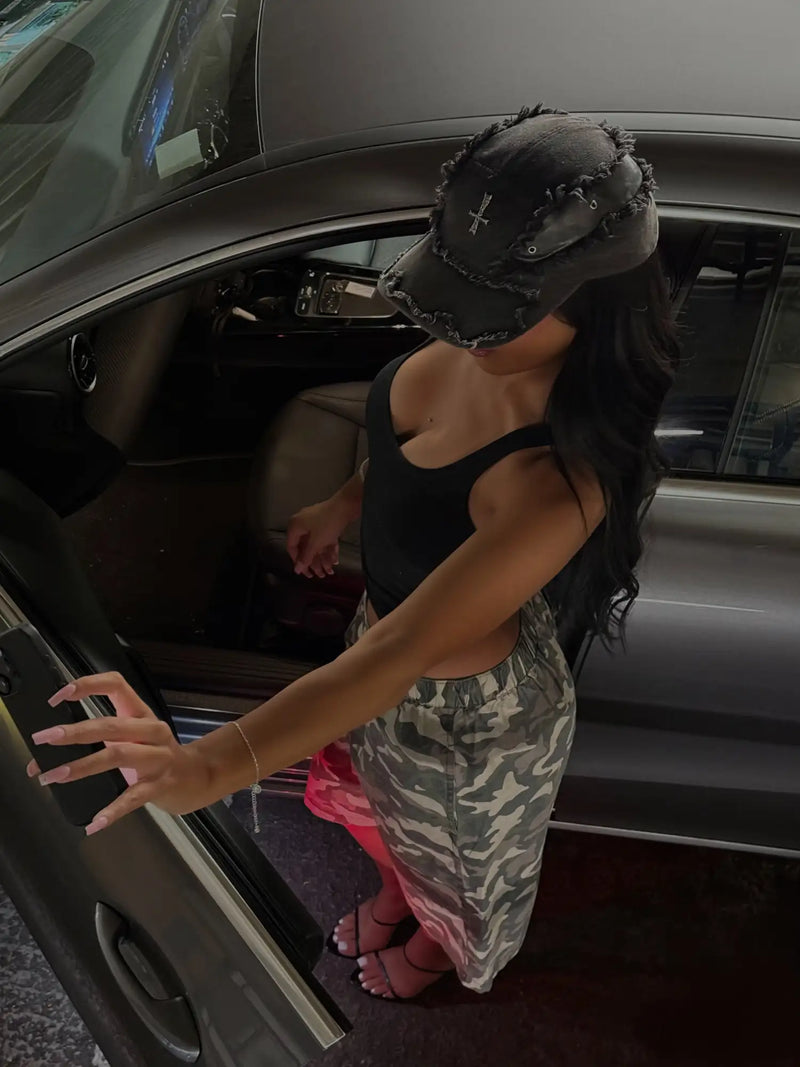
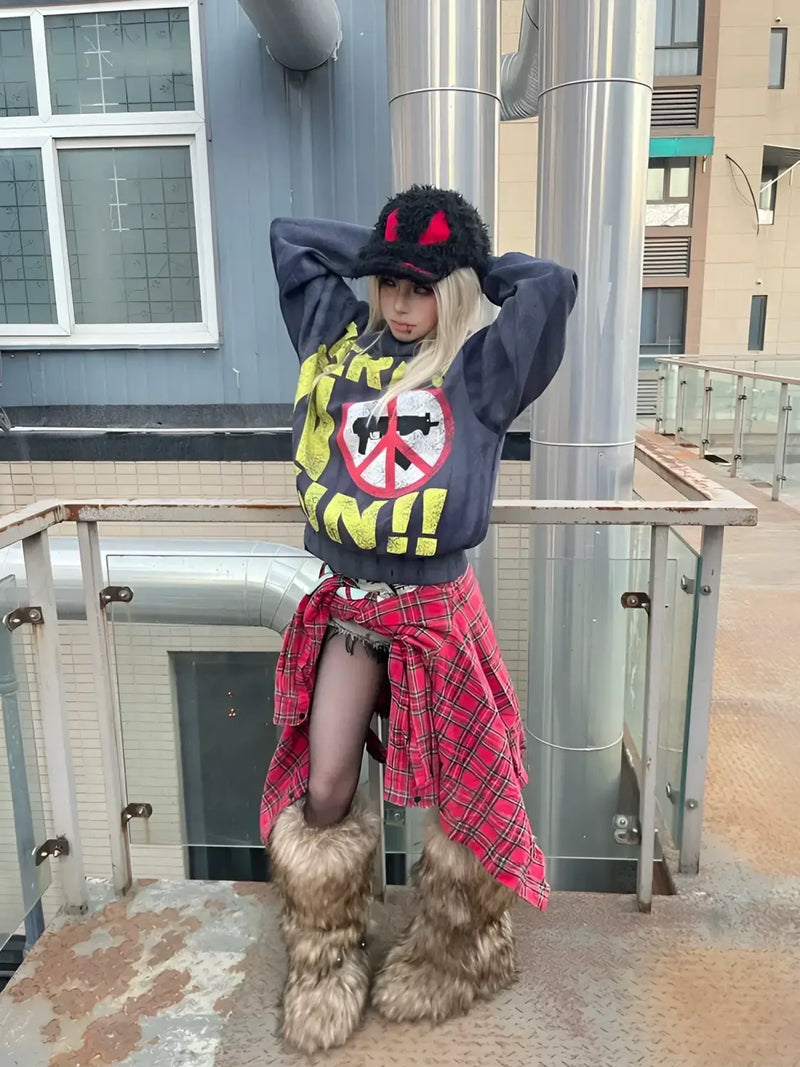
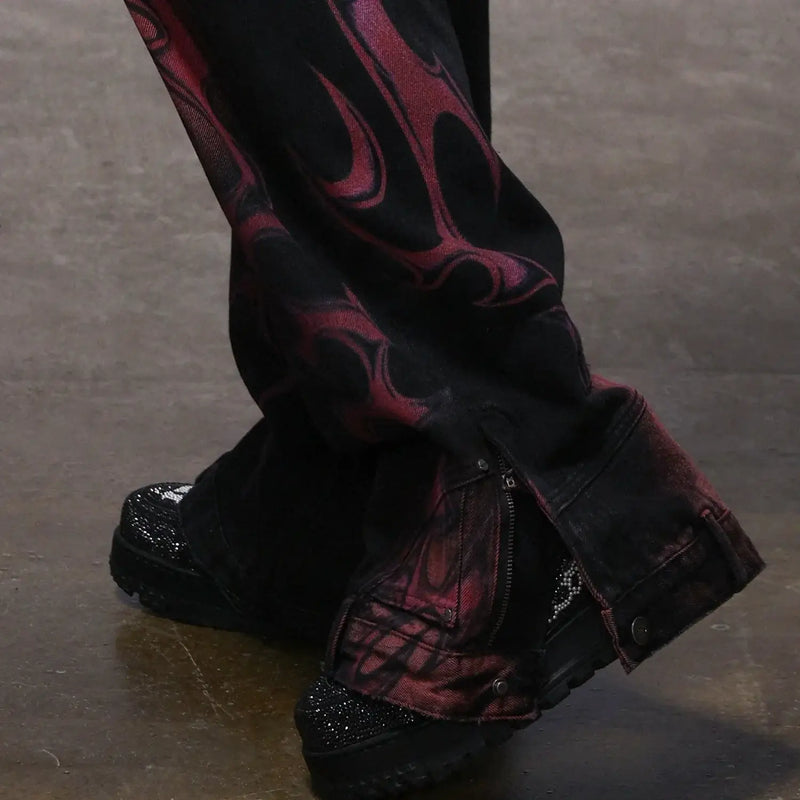
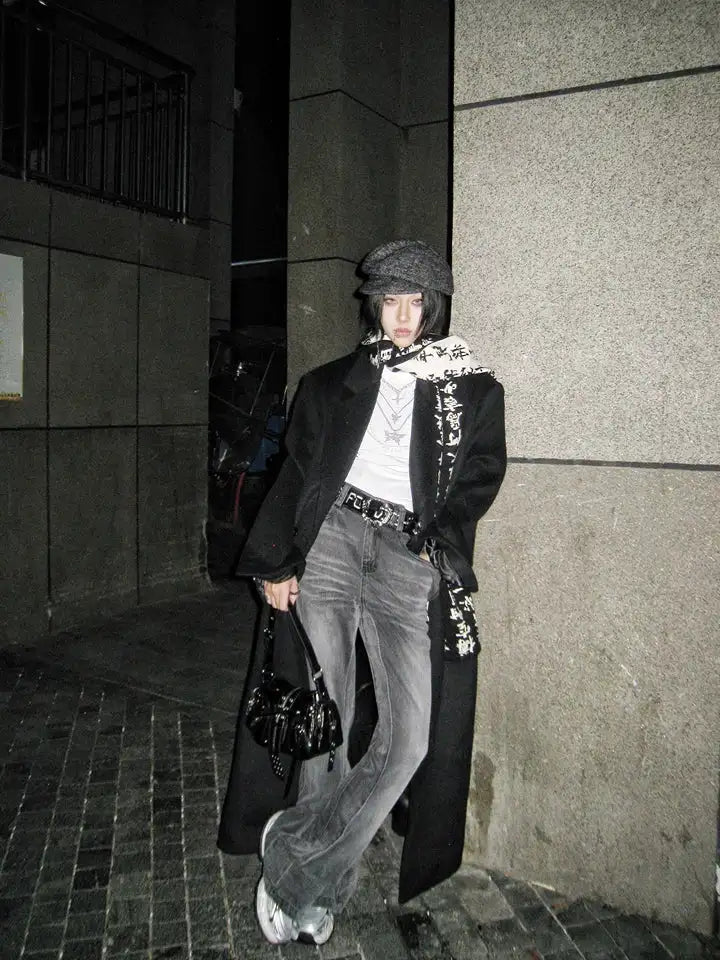

“Korean Fashion” has long become a catch-all box in the search field — and in that box sit at least five different outfit codes side by side. Anyone who sums up Seoul style as “oversize hoodie and black mask” has completely skipped the last six years of fashion development in Hongdae, Apgujeong and Seoul Fashion Week.
Korean Fashion Trends 2026 run on five archetypes, a very concrete layering logic and a brand list that stopped being a DTC insider tip a long time ago. Ader Error, Andersson Bell, We11Done, Pushbutton and Wooyoungmi now sit in Paris showrooms — and the outfits G-Dragon, Jennie, Hyein and Stray Kids wear get rebuilt by 16-year-olds in Berlin within three weeks.
If you want to understand Korean style in 2026, you don’t buy “oversize tee plus wide-leg” and hope. We build the guide along what Seoul actually wears: what separates the 5 types, how 2026 splits off from 2025, where the code tips between women and men, which brands write the vocabulary, and which 6 layering mistakes take your outfit apart.
Here’s what the layering move looks like in motion — the one move that makes Korean style readable in 12 seconds:
Definition
What is Korean Fashion — and which sub-codes all belong to it?
Korean Fashion isn’t a look, it’s a set of codes running in parallel — five of them, all out of Seoul, all stable since around 2018. What ties the codes together isn’t a fabric or a color, but a layering logic plus a brand language that has been arriving in Paris since Seoul Fashion Week 2017.
5
parallel sub-codes
3+1
layers per outfit
2018
the code went stable
8
brands carry the vocabulary
The five sub-codes don’t run one after another, they run side by side — on a Hongdae strip on a Saturday night you see all five at once. If you want to build a Korean look, you pick one code and stay inside it. Mix only once you’ve got the code down.
Concretely, Korean Fashion 2026 includes:
- K-Minimal — clean lines, monochrome, soft fabrics. The Hyein-of-NewJeans aesthetic. This is Korean Old Money.
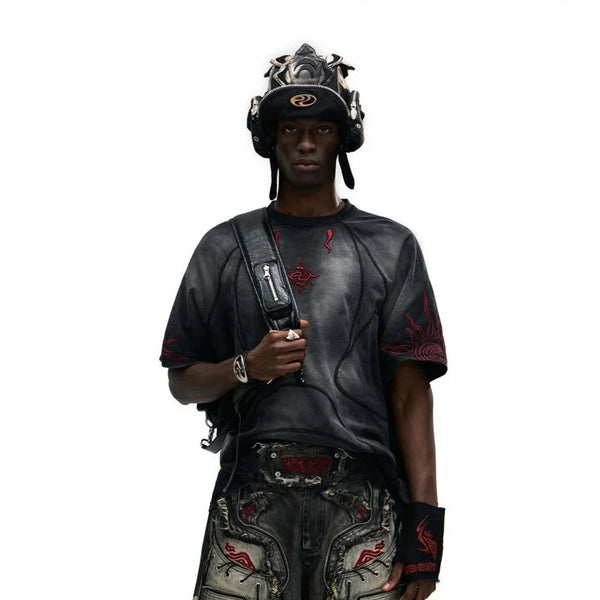
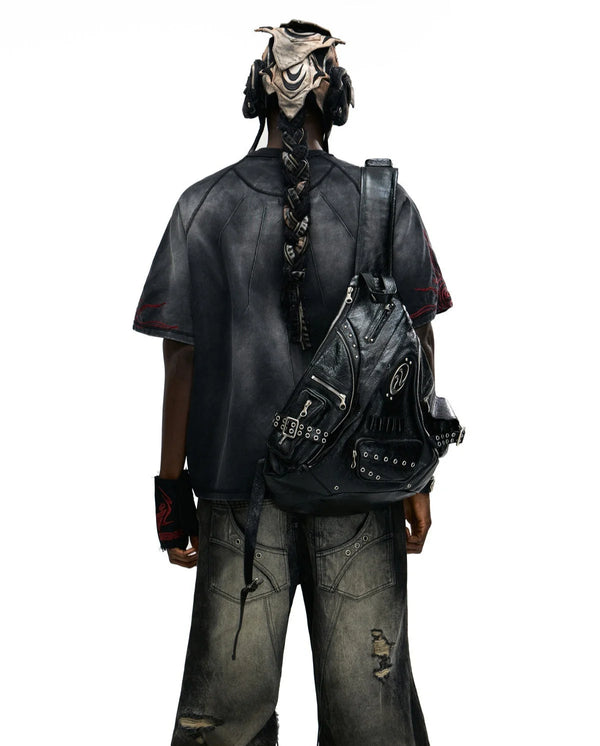
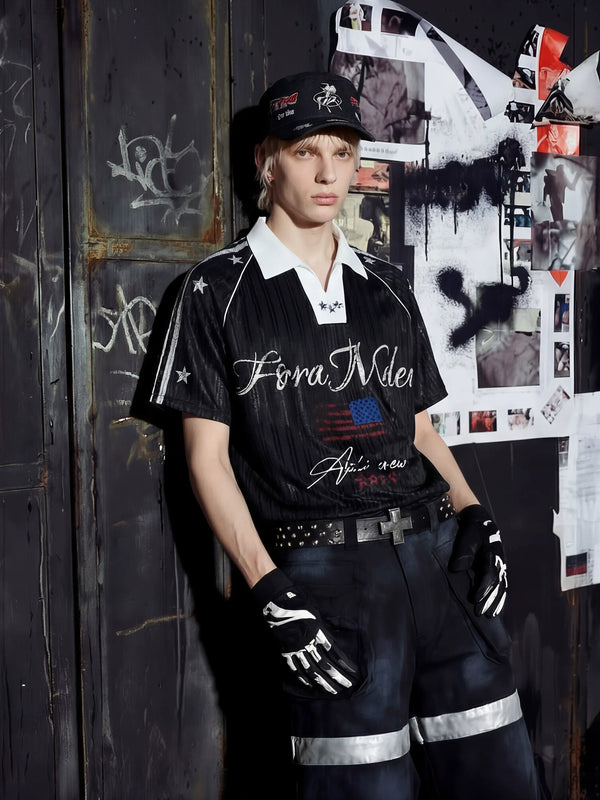
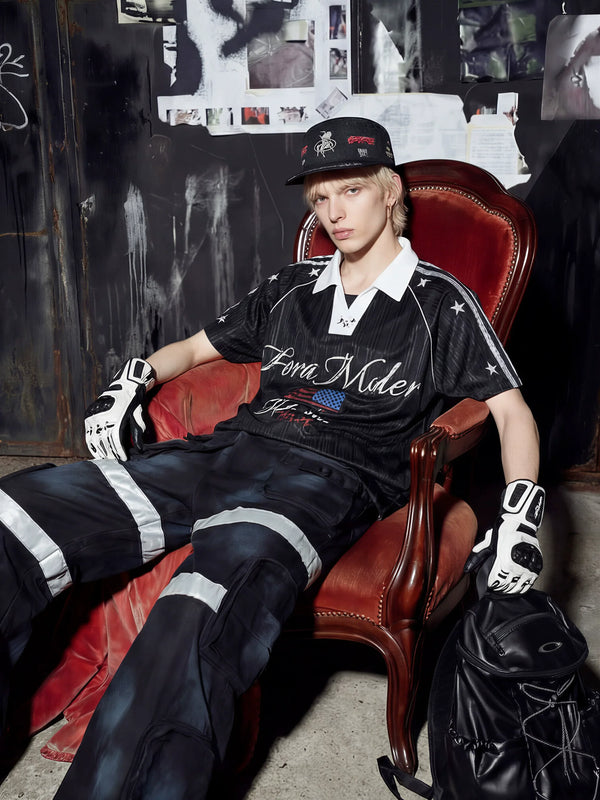
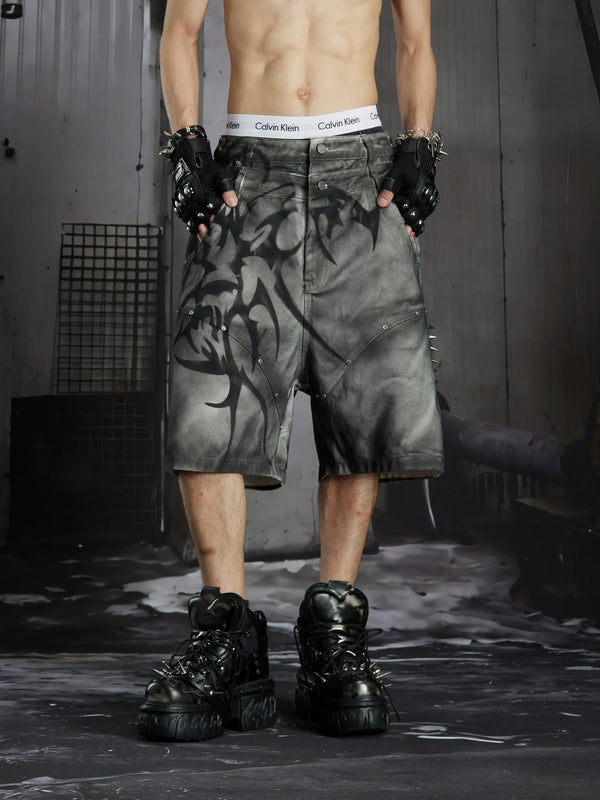
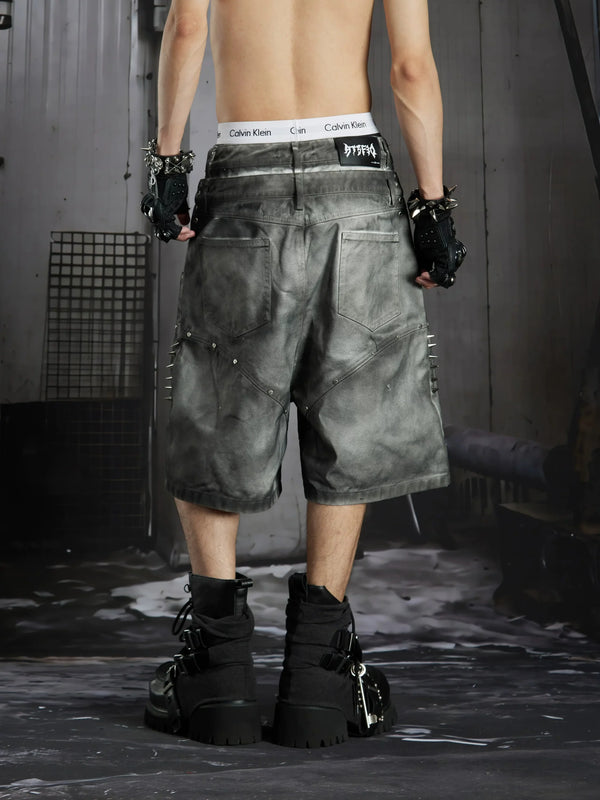
- K-Streetwear — layered oversize silhouettes, baggy denim, statement sneakers. The Ader Error and Andersson Bell crowd.
- K-Soft / Y2K Seoul — pastel Y2K with a Tokyo crossover, baby tee, low-rise, hair clips. The IU-ish iteration.
- K-Genderless / Avant — sharp tailoring, asymmetry, blurred gender lines. Wooyoungmi, Juun.J, Pushbutton.
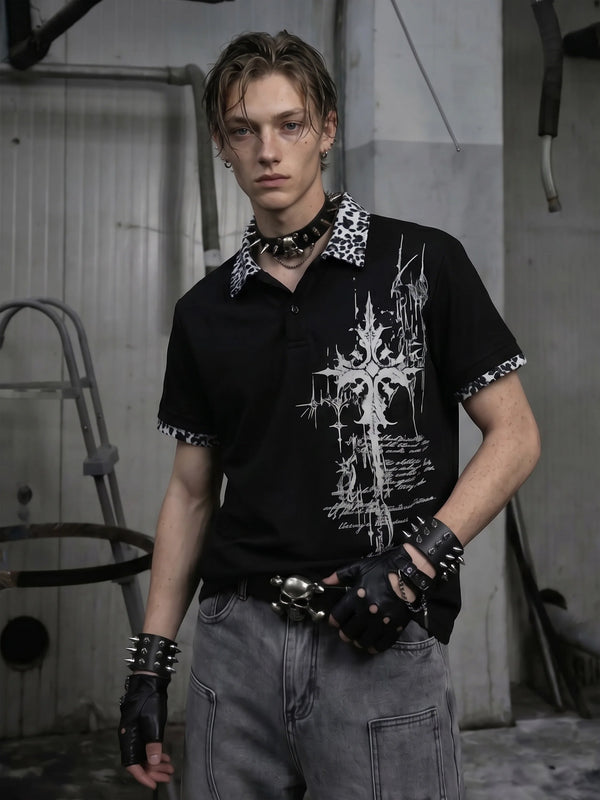
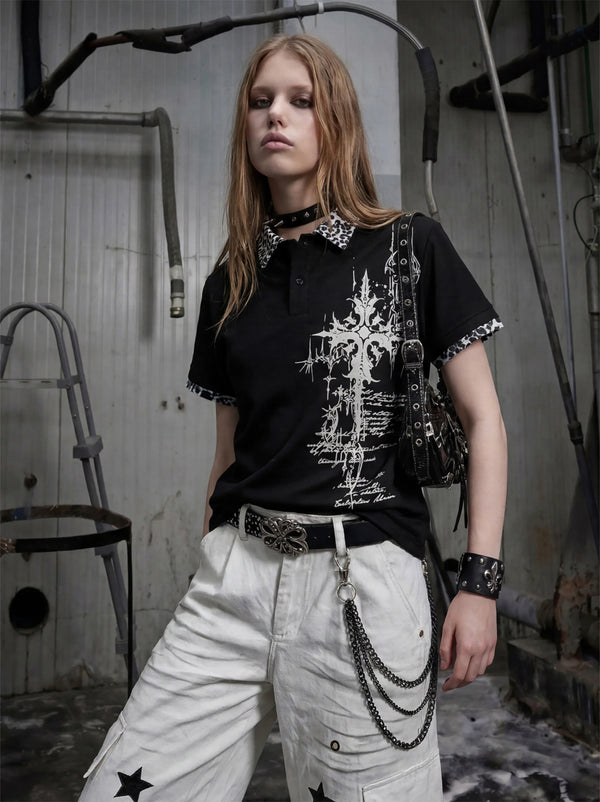
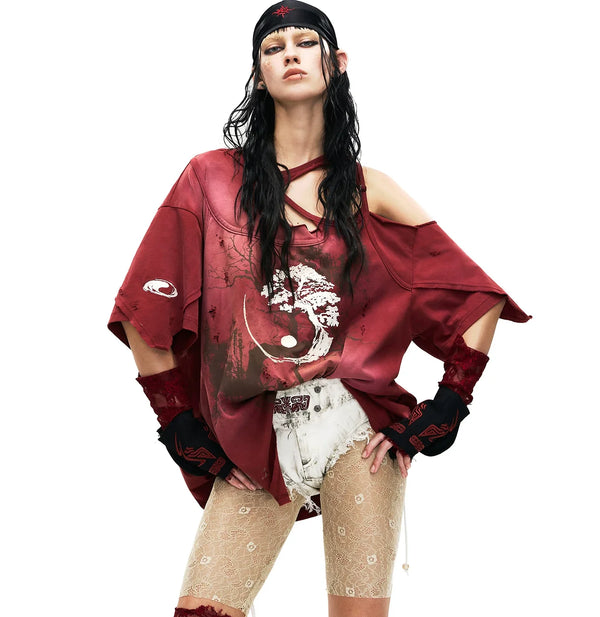
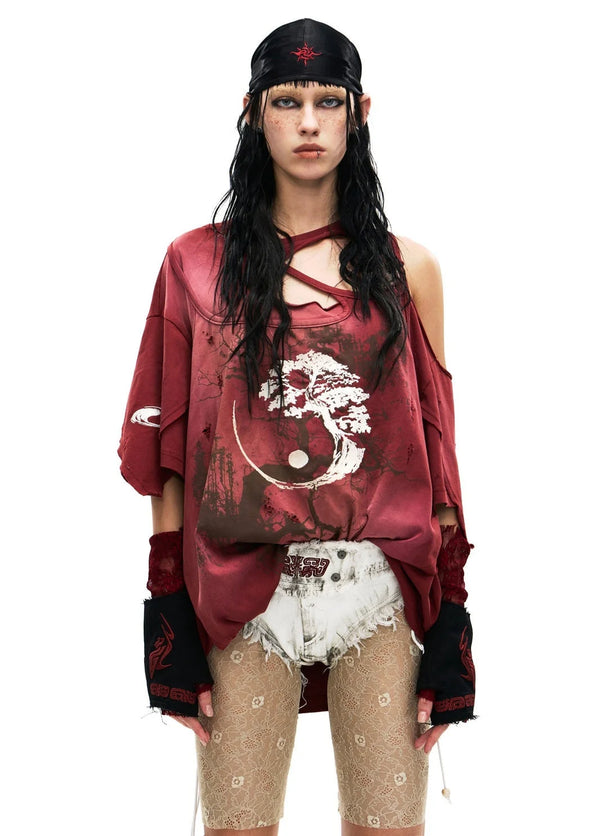
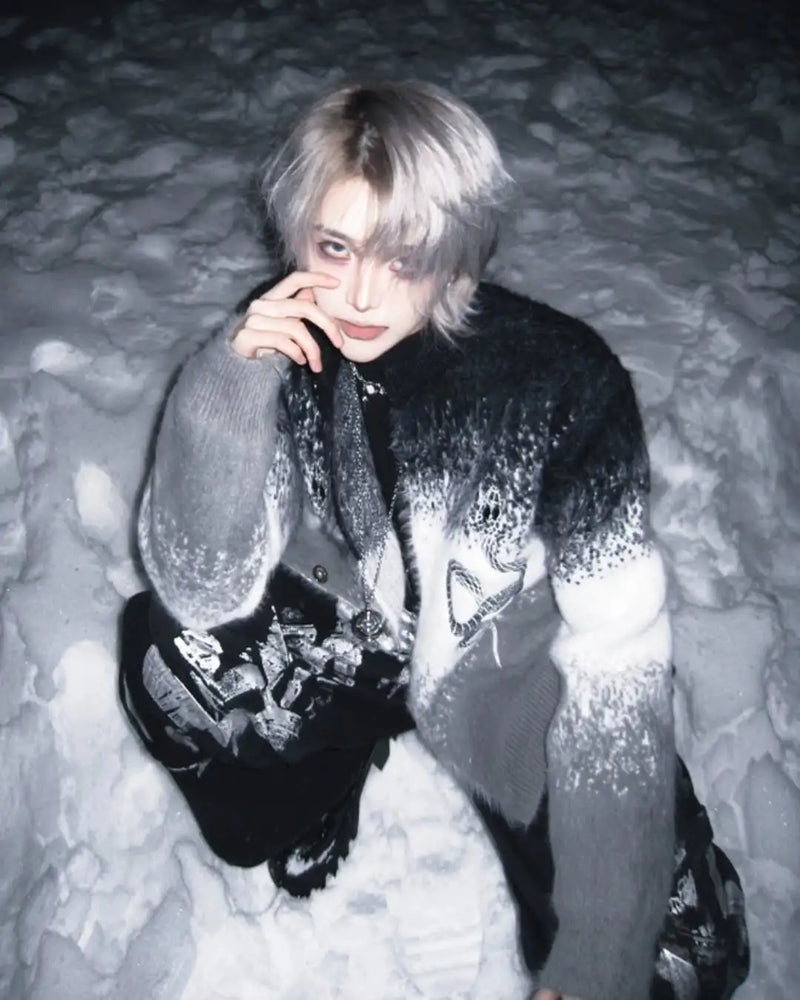
- K-Pop Stage — bold-graphic, layered chains, performance energy. G-Dragon, Stray Kids, Lisa.
- Universal layering rule — three layers visible, one hidden. Applies to all five codes without exception.
If three of these codes jump out at you in one outfit at the same time, it isn’t a Korean look — it’s a Pinterest collage. There is one main rule that holds all five together:
Origin
Who shaped Korean Fashion — and why has the world been looking to Seoul since 2017?
Korean Fashion as a global code has existed since around 2017. That’s the year Seoul Fashion Week first shows up in Paris buyer calendars — and the year Ader Error does its first Paris showroom pop-up. Three factors triggered the switch: K-Pop became a US mainstream format, Seoul became Asia’s second-largest luxury market, and a generation of Korean designers (born 1985-1995, studied in London / Paris / Antwerp) came back to Seoul with a European cut language.
The decisive moment was 2018 — when Gentle Monster made the concept of retail-as-art-installation licensable worldwide and the eyewear brand became a style anchor at the same time. Seoul-Style has since stopped being merely Asian streetwear and become a language of its own, with clear brand representatives, a clear silhouette and a layering logic that works in Paris.
The vocabulary existed before 2017 too — Stephen Wooyoungmi has been doing androgynous tailoring layers since 2002, Juun.J trench hybrids since 2007, Pushbutton the tomboy Korean genre since 2008. The achievement of the 2018 generation isn’t invention, it’s translation into the streetwear mainstream. What used to exist only in avant-garde showrooms became the weekend outfit of a 19-year-old in Mapo-gu.
5 archetypes
The 5 Korean Fashion archetypes — from K-Minimal to K-Pop Stage
If you lay Seoul Fashion Week 2024 and 2025, NewJeans promo photos and the Hongdae streetstyle feeds side by side, the five codes fall apart cleanly. Each with its own silhouette, its own color temperature, its own layering share.
Which of the five suits you depends less on taste than on your silhouette, on how many layers you want to wear and which city it lands in. What that looks like concretely in the 2026 trends comes next.
Trends · 2026
Korean Fashion Trends 2026 — what Seoul is really wearing right now
In 2025 Korean style ran on wide-leg denim plus cropped cardigan plus white sneaker. Stable, broadly translatable, everyone wore it. In 2026 that shifts in four concrete directions — and if you don’t make the switch you’ll look twelve months old by summer.
What Seoul wears in 2026, in order of visibility:
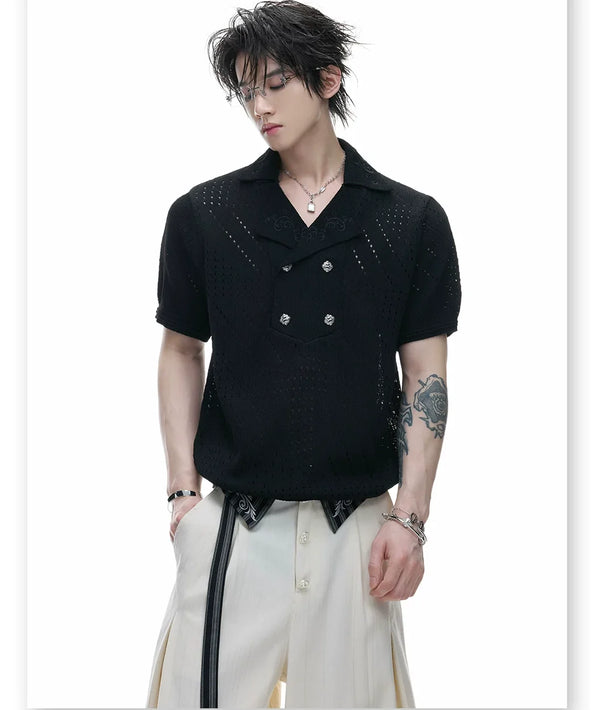
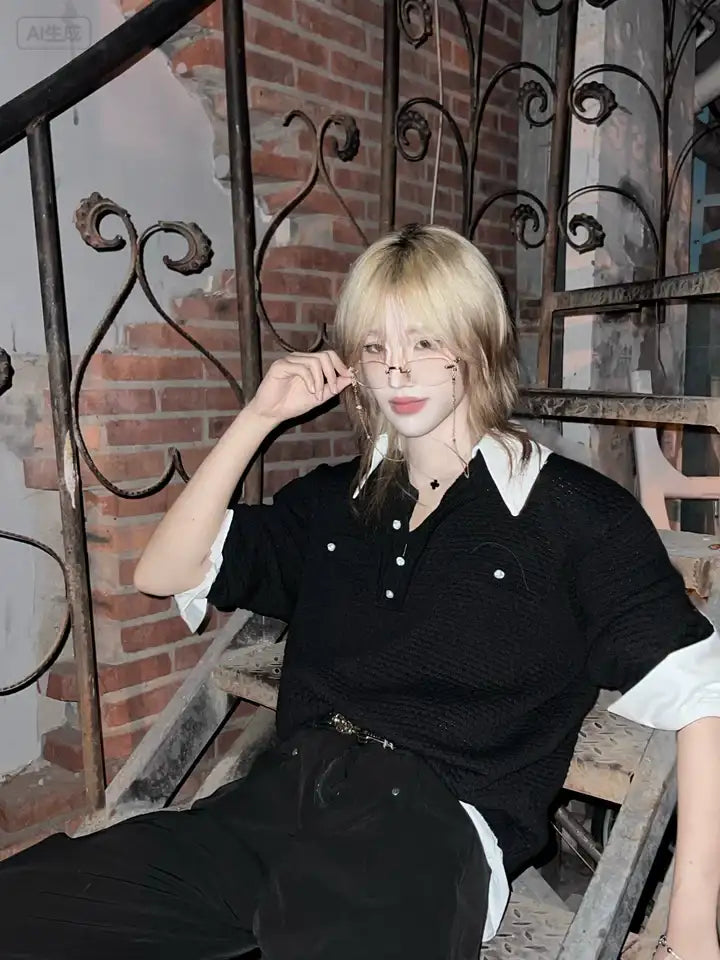
Sheer knit as mid layer. See-through or semi-transparent knit layers replace the 2025 cropped cardigan. A jacket goes over it, a bralette or tank underneath — three layers visible, the knit as the visual center. Less body-hugging than 2024, less boxy than 2023.
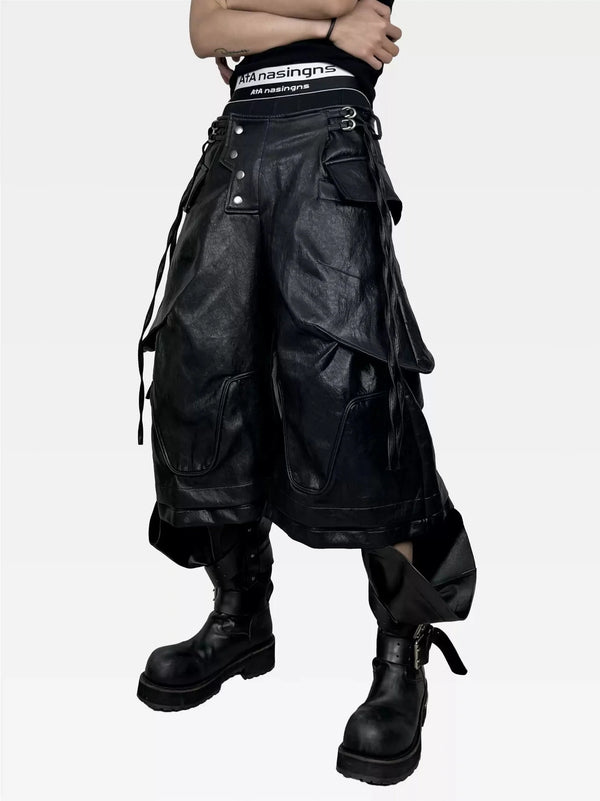
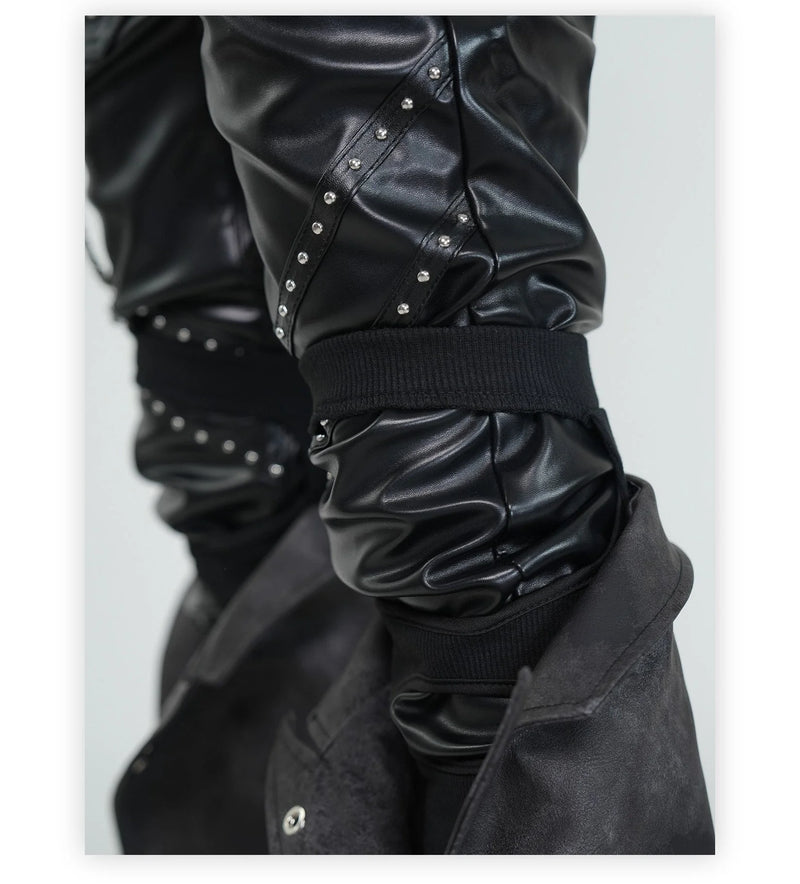
Soft leathers instead of vintage wash. 2025 ran on acid wash, 2026 swings to soft, almost suede-like black and chocolate brown. Pants or coat — rarely both. The texture is matte, never glossy.
Shortened top line, heavier bottoms. The top line sits higher (waist to hip), the pants are cut heavier and more voluminous at the same time. That makes the silhouette longer without tipping into a high-waist forced look.
One statement accessory per outfit. Gentle Monster eyewear, a Magliano bag, or a single sculptural ring. Never all three. The 2024 multi-accessory phase is over in 2026.
Gender split
Korean Fashion women vs men — where the line really tips
The rules are the same. Four layers, layering logic, soft fabrics, one accent. What differs is the proportion and where the volume sits. Where the Korean man wears the coat as an oversized falling layer, on the Korean woman the coat often sits tighter and shorter — the second skin, not the cloud.
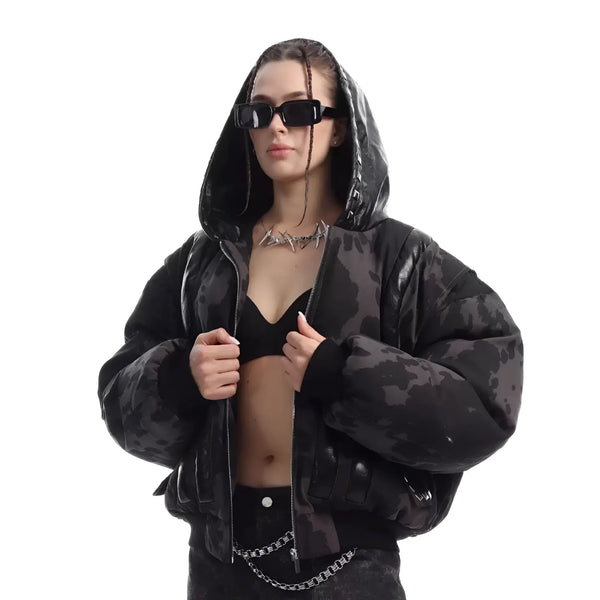
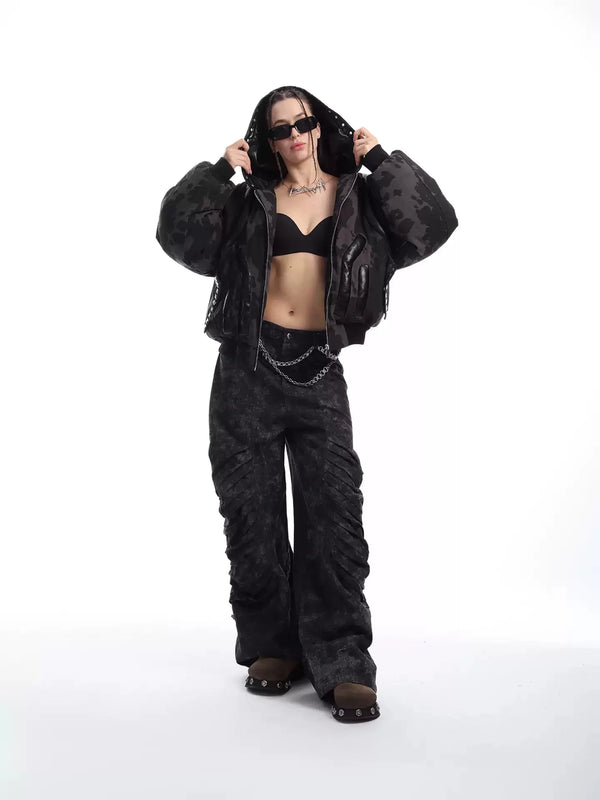
Women’s version 2026: tight skin layer (bralette, tank, cropped tee), mid layer either sheer knit or cropped cardigan, statement layer as a mini coat or cropped bomber. Pants either wide-leg jean or soft leather pants with drape. Mini bag, one hair clip, one ring. The line goes vertical.
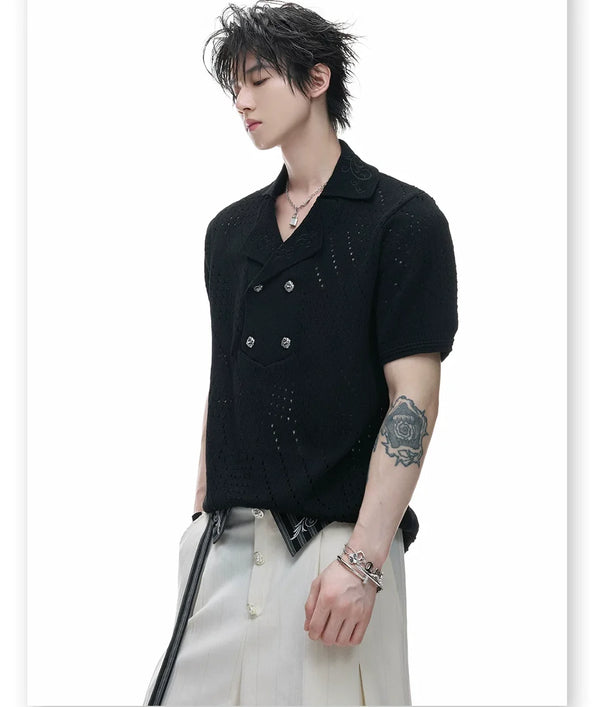
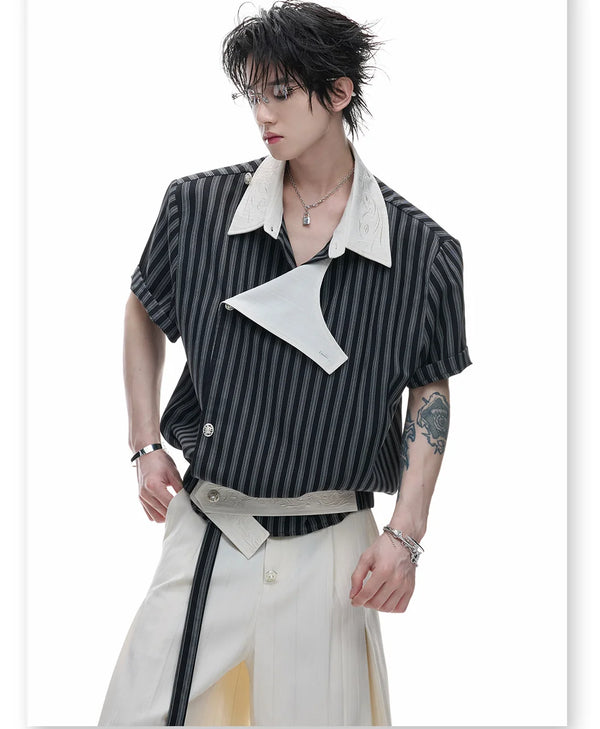
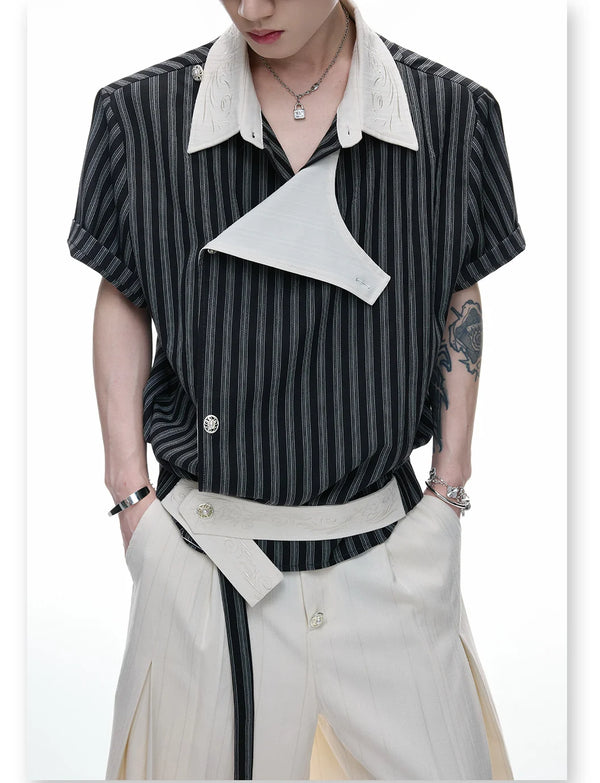
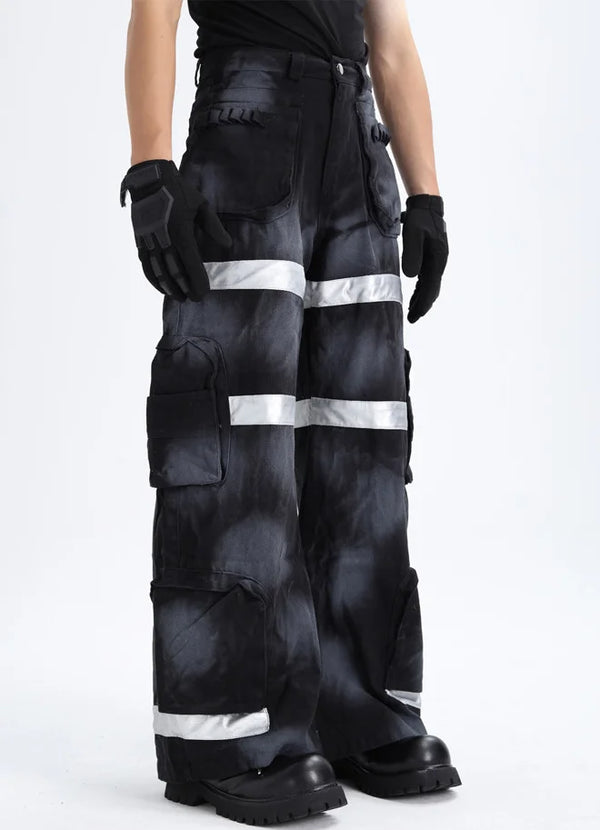
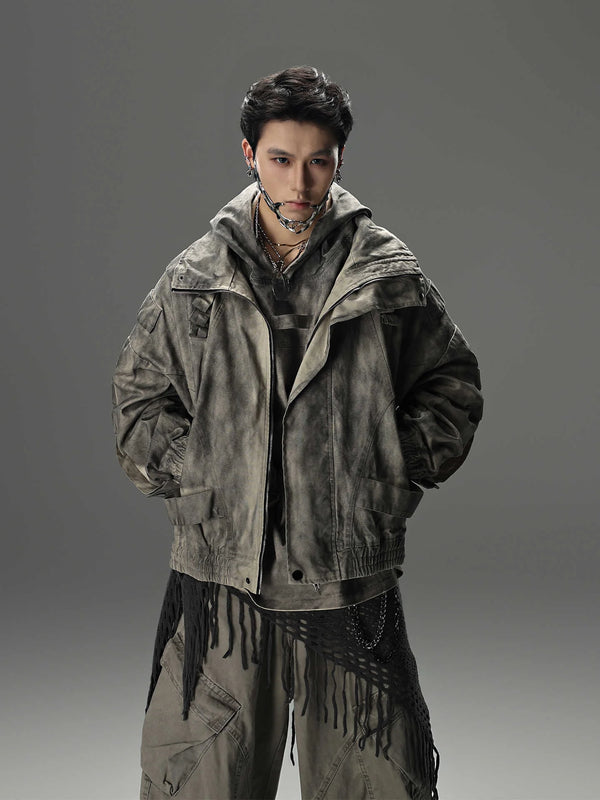
Men’s version 2026: loose skin layer (tank or tee), mid layer as an open shirt or knit polo, statement layer as a trench, long coat or oversized bomber. Bottoms heavy and wide — wide-leg slacks or cargo pants with drape. Eyewear plus one silver element. More layers outside, fewer on the body.
Both need the same four-layer logic and the same brand vocabulary. What varies is the distribution — not the code.
Brands
Korean Fashion brands — which labels write the Seoul code
The code isn’t defined in one brand, it’s distributed — eight labels write the language, each with a clear sub-share. Buy Korean style without brand knowledge and you build a Pinterest collage. Know the eight and you can reverse-engineer any code.
The brands that write the Korean Fashion vocabulary — sorted by sub-code:
- Ader Error — since 2014. The label that translated K-Streetwear into Paris. Oversize knit, layered Pieces, pastel accents. When a streetwear look reads “typically Seoul”, Ader is often in play.
- Andersson Bell — since 2014, Mapo-gu. Scandi-Korean crossover, long coats, college knit. The K-Minimal main brand for the autumn season.
- We11Done — since 2016, Hyemi and Jessica Jung. K-Pop Stage and K-Streetwear bridge. The bands wear it, the crowd buys it after.
- Pushbutton — Park Seung-Gun. Tomboy Korean tailoring since 2003. Asymmetric cuts, drop shoulder, soft tailoring. The K-Genderless school.
- Wooyoungmi — since 2002, Paris showroom. Androgynous menswear tailoring, long lines, soft shoulders. Korean Old Money.
- Juun.J — Jung Wook-Jun since 2007. Trench hybrids, layer tailoring, heavy coats. The K-Genderless pole for men.
- IISE — brothers Kevin and Terrence Kim, since 2013. Hanbok translated into the present. Drape logic, loose cuts, Korean textile tradition.
- Gentle Monster — eyewear since 2011. Sculptural glasses, retail as installation. The statement accessory that carries each of the five codes.
If you want to build Korean style without designer prices, you look in resale (Grailed, Vestiaire), at DTC brands that translate the vocabulary competently, or directly in Korean web shops like Musinsa and 29CM. The logic is the same everywhere — the price isn’t.
Category · Outerwear
Korean jackets & outerwear — the statement layer
The jacket carries the Korean outfit. It’s the largest visible surface, the most dominant fabric, the primary carrier of the fourth layer. This is where it’s decided whether your Seoul layering becomes a real look or a Pinterest attempt.
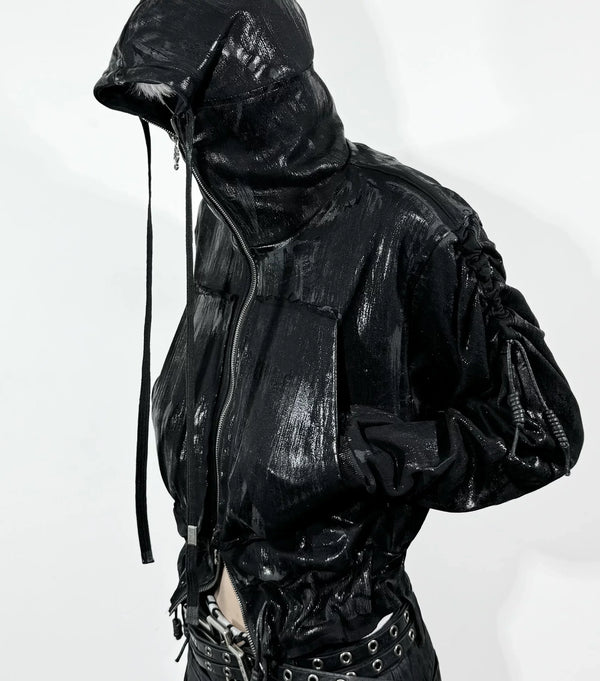
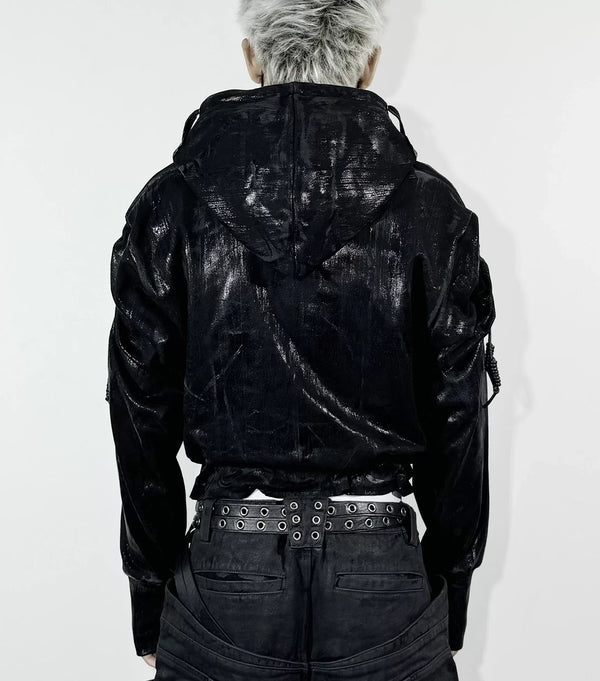
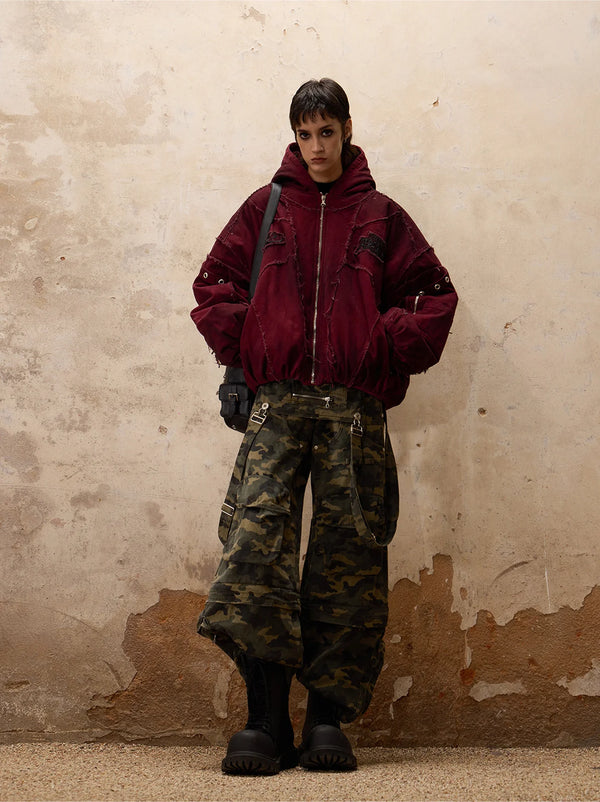
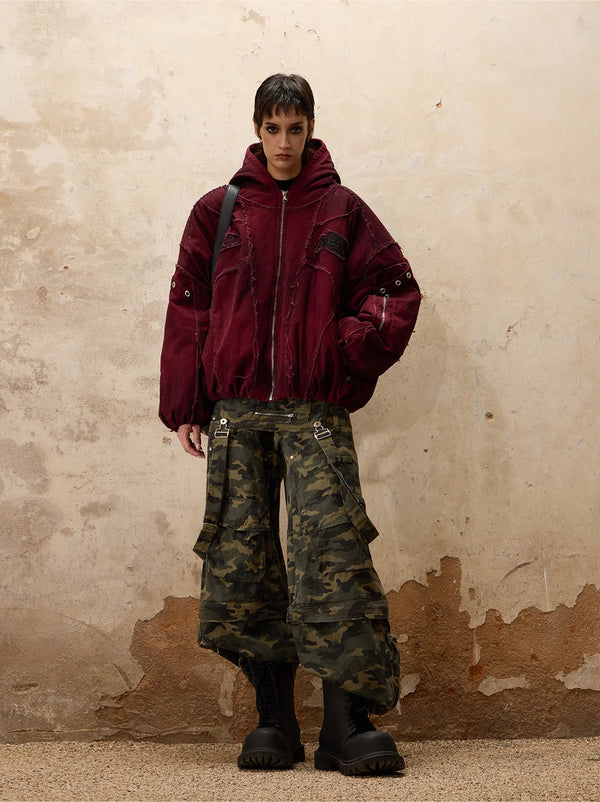
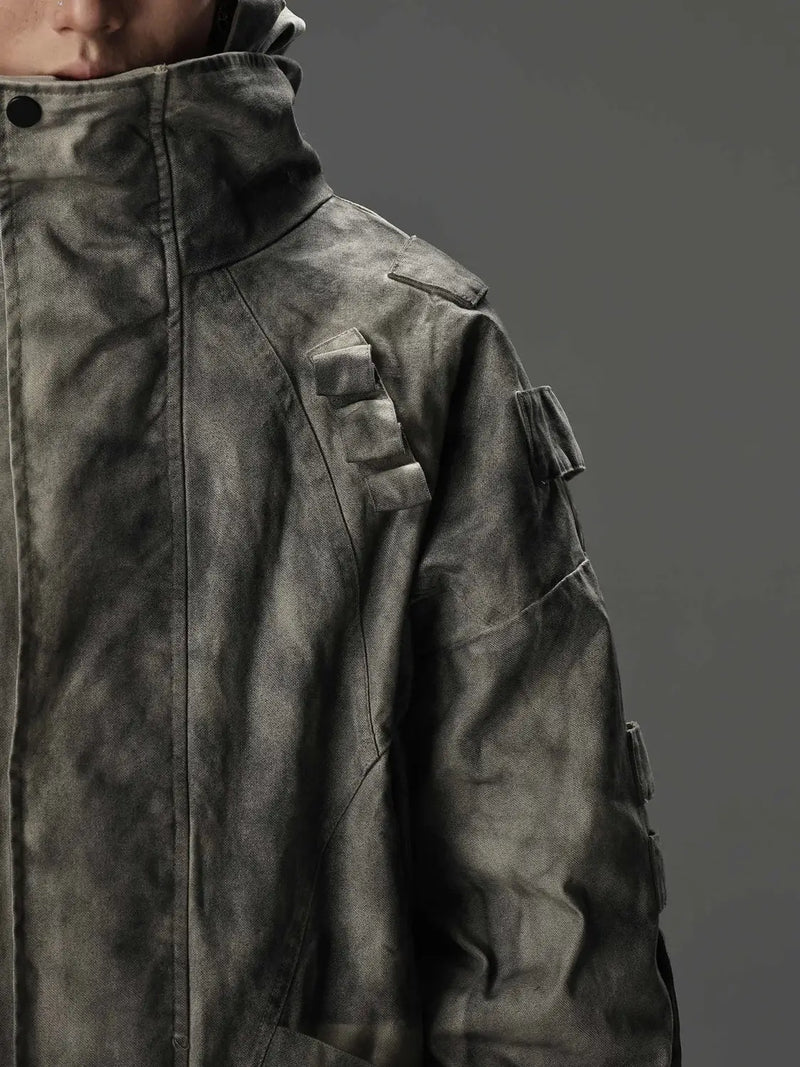
Three jacket families work in Korean Fashion in 2026: oversized trench or long coat (the K-Minimal and K-Genderless pole), cropped bomber or mini jacket (the K-Soft and K-Streetwear pole), and the hybrid denim blazer (the K-Streetwear bridge). Leather jackets work when they’re soft and matte — not glossy.
If you don’t have a fourth layer in the closet yet, start with a cropped denim jacket. It works in four of five codes and sits over any mid layer.
Category · Bottoms
Korean pants & denim — from wide-leg to slack-cargo
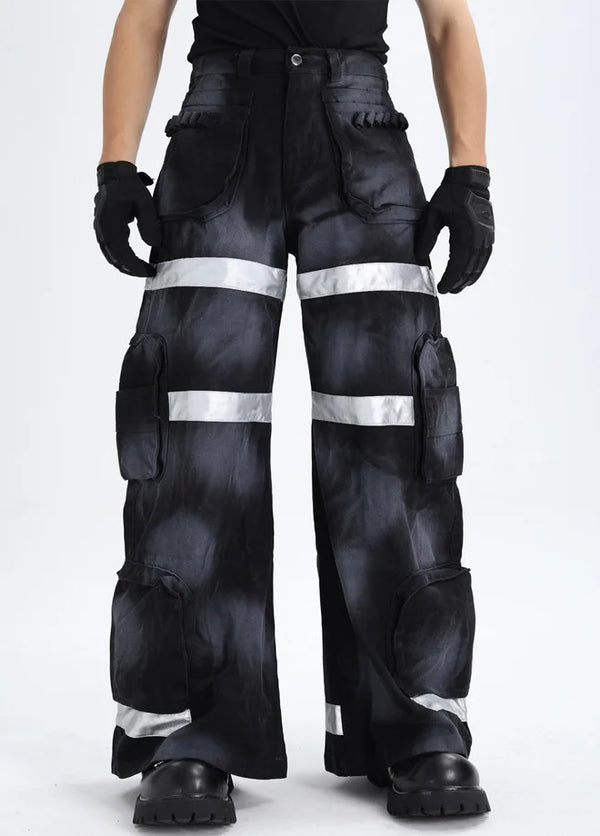
The pants are the outfit’s second pole — and in 2026 they carry the whole weight of the silhouette. Wide-leg keeps running, but with a different fabric: heavier, darker, less washed. Slack-cargo (cargo, but cut like a suit trouser) is the new line for the K-Genderless school.
Korean bottoms that work are soft, sit low on the hip (not low-rise, not high-rise — middle) and have drape. Avoid anything that gets too narrow in the leg, and anything glossy — Korean denim in 2026 always has a matte surface.
If you want to build a pant that fits four of the five codes, take wide-leg in matte black or dark blue denim. That’s the common denominator — and the anchor you attach everything else to.
Category · skin & mid layer
Korean tops, knit & shirts — the layering base
The skin layer and the mid layer do the main work in 2026. While the jacket delivers the statement, the two inner layers define the texture and the transition. In Korean Fashion the mid layer is the honest layer — if it sits wrong, the whole outfit tips, no matter how expensive the coat was.
What works in 2026: sheer knit or a thin knit polo as mid layer, a plain tank or bralette as skin layer, or a cropped shirt worn open over a long skin layer. Printed graphic tees are out of the mid layer — they tip the look into “generic streetwear”, not “Korean layered”.
If you want to test the sheer-knit move, layer a semi-transparent knit over a bralette or tank, with an open-worn jacket on top. That’s the easiest entry into the 2026 mid-layer code — with no risk if it doesn’t work out.
Styling logic
How to really style Korean Fashion — the layering physics behind the Seoul look
Korean layering follows a single rule: three layers visible, one hidden. The hidden layer is what makes the look come out of Seoul — not an expensive brand.
In practice that means: the skin layer is always there, but often placed so only the hem or shoulder peeks out. The mid layer carries the main work. The statement layer is the jacket or coat. The fourth, hidden layer is usually something functional — a second skin layer for warmth, a tank under the tank, a tee under the knit. It only becomes visible when you move.
If you flip the four-layer ratio — show everything or do only two layers — the whole outfit tips. It then reads as streetwear, not as Korean layered. We did the full breakdown with photo examples per sub-code in a separate article:
Korean style doesn’t stand alone — the five codes overlap at several edges with other aesthetics. Y2K shares the pastel iteration, Japanese Streetwear shares the layering logic, Old Money shares the K-Minimal silhouette. Get Korean down and you can read these neighbor codes and mix them deliberately.
Here are the most important neighbors — each with its own guide, if you want to go deeper:
Seasonal
Korean style in summer vs winter — how the layering adapts
In winter Korean style is easy. Four layers go in without trouble, the coat delivers the statement, the knit the warmth. The challenge comes in summer, when three of the four layers are supposed to drop — and the rule still has to hold.
Summer Korean works through what was otherwise the mid layer: sheer knit becomes the main view, semi-transparent over a bralette or tank. The statement layer is then an open cropped shirt or a mesh vest. Leather pants get replaced by soft black-linen wide-leg — leather at 32 degrees is cosplay, not code.
The year-round solution also comes as hardware: Pieces that adjust their layer thickness themselves. Convertible coats with detachable sleeves, for example — winter as a full jacket, spring as a vest, summer as a pure statement piece over a short tee.
Here’s what the season switch looks like in motion:
What does not work
The 6 most common Korean Fashion mistakes — what you must NOT do
Korean style has six spots where it reliably tips — no matter how expensive the individual Pieces are. If you avoid only one thing, make it mistake number one.
Action
How to start with Korean Fashion — the first 4 pieces
You don’t need 30 Pieces to wear Korean style. You need four that’ll be in 80 percent of your outfits. Everything else builds around them — and you can anchor the four in any of the five codes.
In order: a wide-leg pant in matte black or dark blue (your anchor, goes with every code). A sheer knit or thin knit polo as mid layer (the main 2026 shift). A cropped denim jacket or long coat as statement layer. A plain tank or bralette as skin layer. A Gentle Monster eyewear or mini bag as an optional fifth accent — but only once the four are settled.
Outfits for real
Korean outfits for real — how Seoul Street is wearing it right now
Before you build your own Korean outfit, look at how others wear it. The five codes look different in the feed than in lookbook photos: layered tighter, less perfect, more movement — and that’s exactly why they work on the street.
This is the fastest way to check whether a particular Korean code even suits your body type and your city — before you spend the first euro.
To close
Korean Fashion is a layering system — not a summer trend
If you remember one thing from this guide, make it this: Korean Fashion doesn’t work through pieces, it works through layers. Get the four-layer rule down and you build a hundred outfits with twenty parts. Collect only Pieces and you have a full closet without a single clean look.
The whole logic of this guide reduces to one sentence:
The codes have been stable since 2018 and will stay that way — as long as Seoul makes fashion. But you don’t have to wait until you know all five by heart. Start with the one code that suits you best. What you don’t know, you learn by wearing.
And that’s the point: Korean style reads in theory like a corset of rules, but in practice it doesn’t feel that way. Once you’ve got the four-layer move down, every further outfit is a variation on the same four or five building blocks — not a new invention.
FAQ
Frequently asked questions about Korean Fashion Trends
The questions we often get by DM and email about Korean style — short, clear, no detours.
What are the most important Korean Fashion Trends 2026?
What do you actually call the Korean fashion style?
What does the 3-3-3 rule for clothing say?
Which Korean brands should I know?
Does Korean style only work for slim bodies?
What’s the difference between Korean and Japanese Fashion?
Where do you buy Korean Fashion cheaply in Europe?
What do you think?
Tell us on @fuga_studios
About the author
Philipp Fuge — Founder · Berlin
Founder of Fūga Studios. Writes the journal himself. Berlin · Shanghai · Tokyo · Poznań — four cities, one logic.