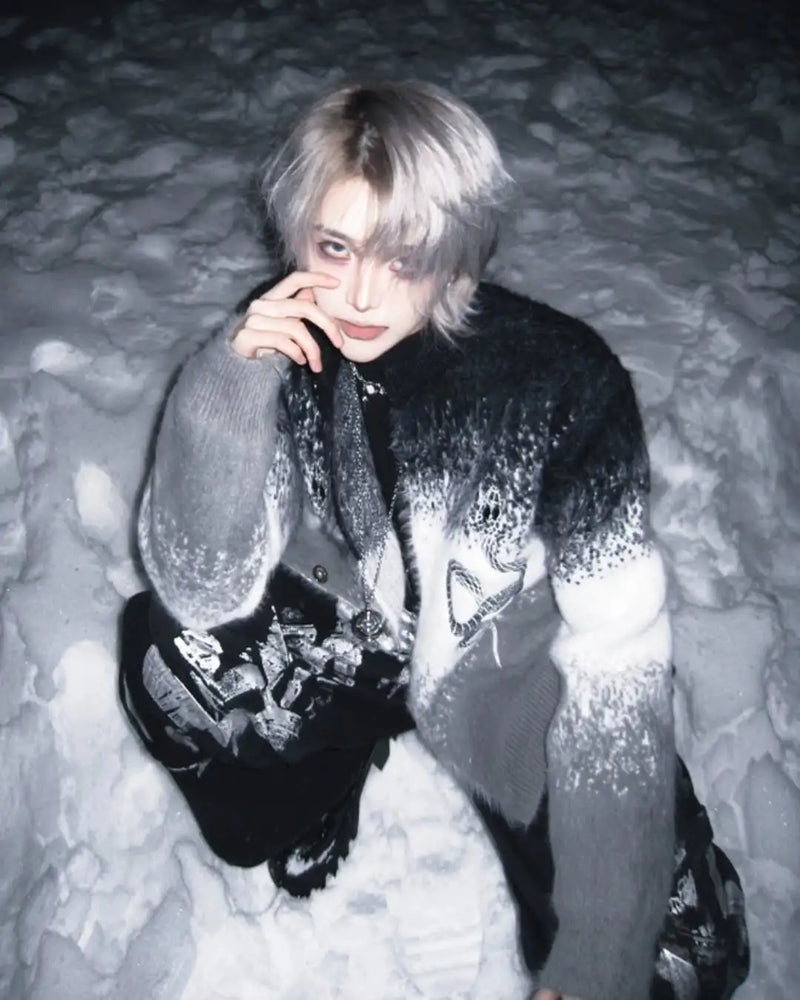

Tokyo, Sunday morning, sometime around 2003. On the Jingu Bridge in front of Harajuku Station, teenagers stand in self-sewn skirts, plush toys clipped to their belts and hair clips running up to their foreheads. A photographer walks the line, takes snapshots, notes down brands. Nobody here wears an off-the-rack outfit. Everyone wears a statement — and the bridge is the stage.
2000s Harajuku fashion is the street style that emerged between 2000 and 2005 around Tokyo's Harajuku district: loud, layered, self-made. Decora clips, the snapshots in Fruits magazine and Gwen Stefani's Harajuku Girls carried the look from a side street to the whole world. It was never one single fashion. It was several parallel scenes sharing the same sidewalk.
For the bigger picture, see our guide to Japanese Harajuku streetwear. This article zooms in on the golden years: the early 2000s, when Harajuku had its loudest, most colourful and most photographed moment.
Definition
What 2000s Harajuku fashion really was
Harajuku isn't a style label but a district within Shibuya ward. In the early 2000s its name became the umbrella term for everything happening around Takeshita Street and Jingu Bridge. What shaped the look wasn't a designer but an attitude: clothing as self-staging, assembled from secondhand, DIY, imports and Sanrio merch. The more unexpected the combination, the better.
Unlike Western 2000s fashion, which revolved around brands and logos, Harajuku worked through layers and details. A single outfit could unite five patterns, three eras and a dozen pins. It's exactly this density that made the appeal — and still makes it today, if you want to take the look seriously instead of costuming it.
The peak is easy to pin down in time. Between 2000 and 2005 the scene was at its densest, most colourful and best documented. After that much of it withdrew into the internet and into niches, and the street grew quieter. So when we talk about 2000s Harajuku fashion, we mean this specific five-year window when Jingu Bridge became an open-air gallery every Sunday.
2000–05
Core years of the scene
5+
Parallel sub-styles
1997
Fruits magazine launched
The place
Harajuku as a district: Takeshita Street, Jingu Bridge, Fruits
Takeshita Street was the commercial heart: a narrow pedestrian lane full of crêpe stands, purikura booths and tiny shops for hair clips, knee socks and platform shoes. Whoever shopped here built their outfit not from a collection but from building blocks. The expensive names sat a few streets over on Omotesando; the creativity sat in the side alleys.
Jingu Bridge was the stage. On Sundays the most eye-catching scene-goers gathered there, got photographed, looked at, copied. Yes, Harajuku is a real fashion district — but not because of the shops, rather because of this weekly ritual of seeing and being seen. The look was born on the street, not in the shop window.
This spatial split is the key. The expensive, polished fashion lived on Omotesando; the self-built, loud fashion lived a hundred metres away in the tight alleys. Anyone who wants to understand 2000s Harajuku has to know both sides — and grasp that the real energy always came from the cheap, creative side.
The map
The sub-styles: Decora, Cyber, Gothic Lolita and Fruits layering
Whoever says 2000s Harajuku rarely means just one look. On the same bridge stood scenes that had little to do with each other beyond the urge to stand out. Four of them shaped the years most strongly — and each can be worn on its own or as a mix today.
For getting started today you don't have to commit. Most people who wear the look mix it: a dash of Decora colour on a Y2K base, or Gothic Lolita black with a Fruits-style pattern mix. The appeal lies exactly in the transition between the scenes.
The chronicle
The Fruits effect: how street snapshots made the look visible
Without Fruits magazine, 2000s Harajuku would have stayed a local phenomenon. Photographer Shoichi Aoki launched the magazine in 1997 and did something simple: he stood by the bridge and photographed what real young people were wearing — full-figure, with a name tag, age and a short note on where each piece came from. No studio, no model, no advertising.
This snapshot logic turned the fashion hierarchy upside down. Designers didn't dictate what the street wore; the street delivered the images that later inspired designers. In the early 2000s Fruits was the scene's archive — and the quiet confirmation that a self-built outfit can hold the same value as a bought one.
The export
The Gwen Stefani era: how Harajuku came to the West
In 2004 Gwen Stefani released her album Love. Angel. Music. Baby. and brought along four dancers she called the Harajuku Girls. Overnight the West knew the word too. For many it was the first contact with the term — and at the same time the start of a long debate about what is inspiration and what is appropriation.
One fact remains: the Western view of Harajuku was strongly shaped by this pop moment from 2004 on. What was a many-layered street phenomenon in Tokyo was often shortened outside Japan into a single, shiny image. Anyone who wears the look today does well to know the roots, not just the music video.
- The trigger — in 2004 pop culture made a word known that before only scene insiders and Fruits readers knew.
- The flattening — in the West the variety of Decora, Cyber and Lolita shrank into a single cliché.
- The chance — global interest opened secondhand imports, forums and blogs through which the real look could travel.
- The lesson — today you wear Harajuku more credibly if you tell the scenes apart instead of bundling them into a costume.
The basics
Tops: the loud 2000s Harajuku statement
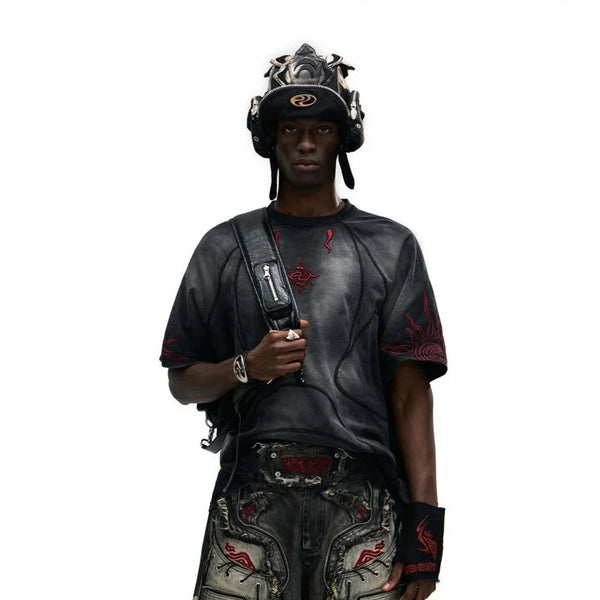
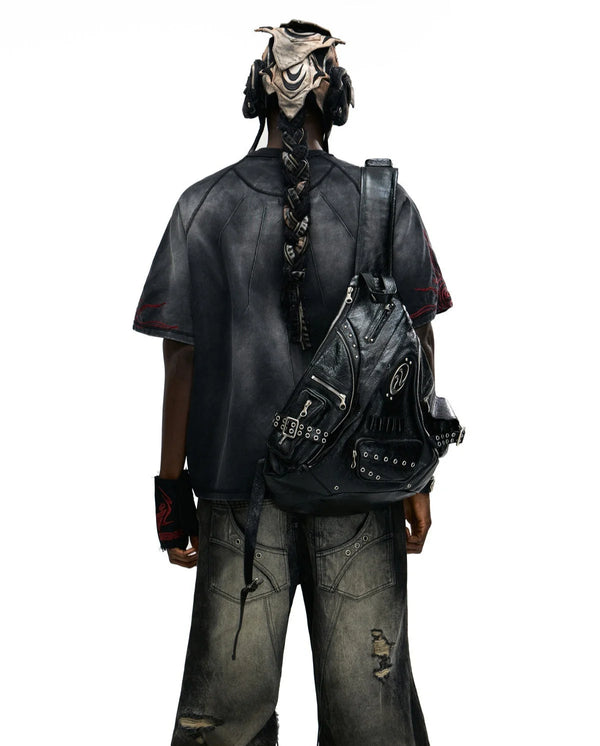
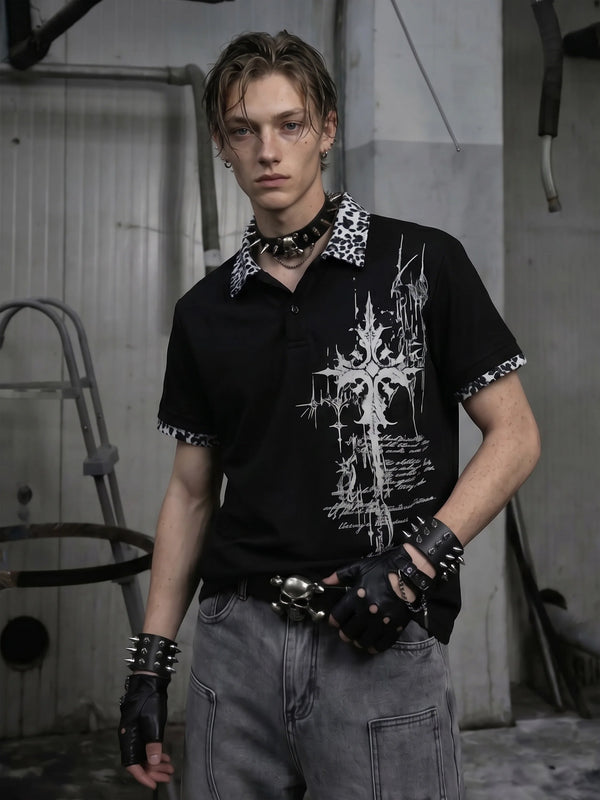
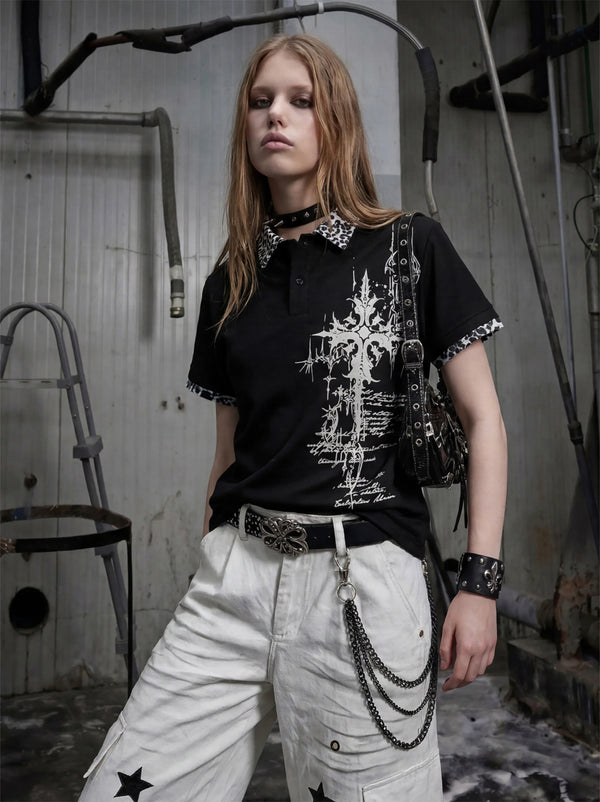
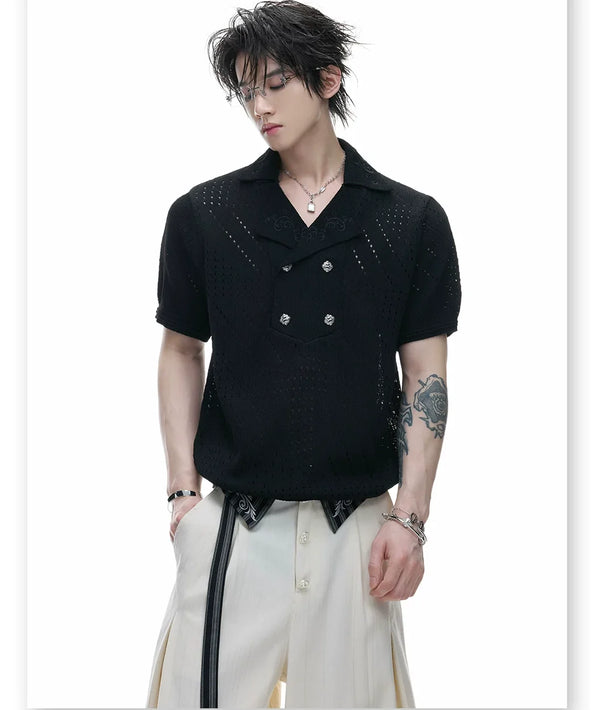
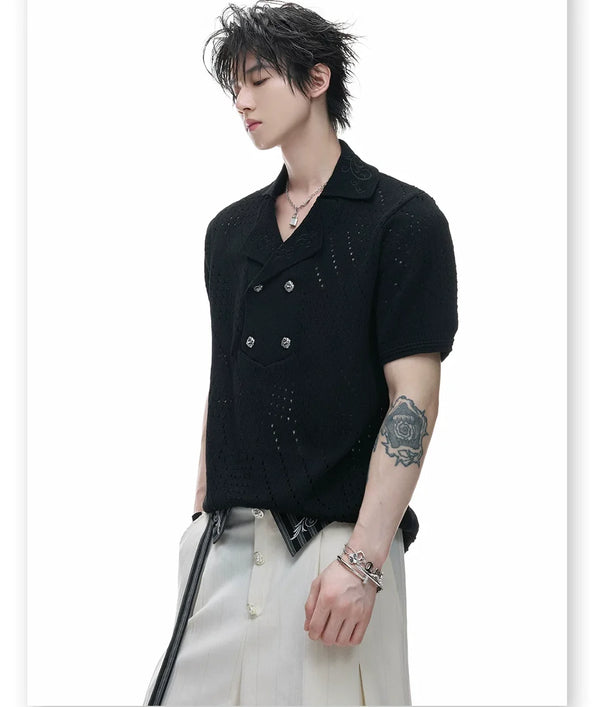
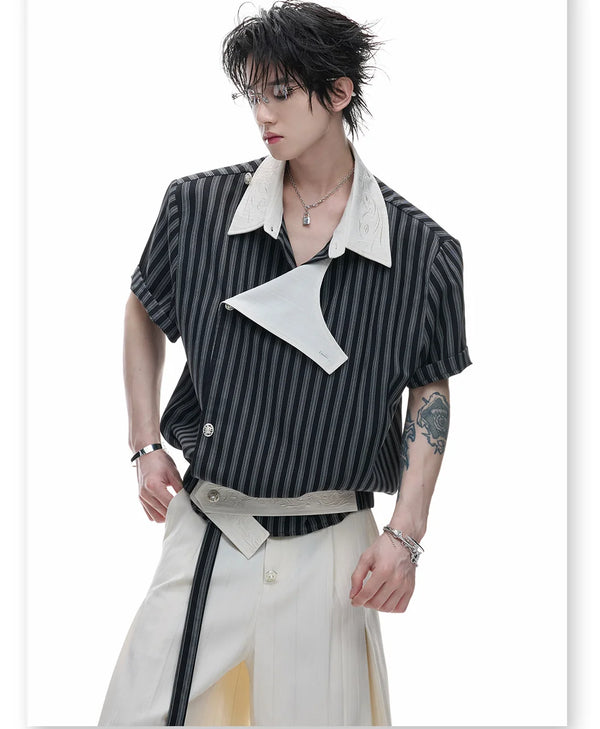
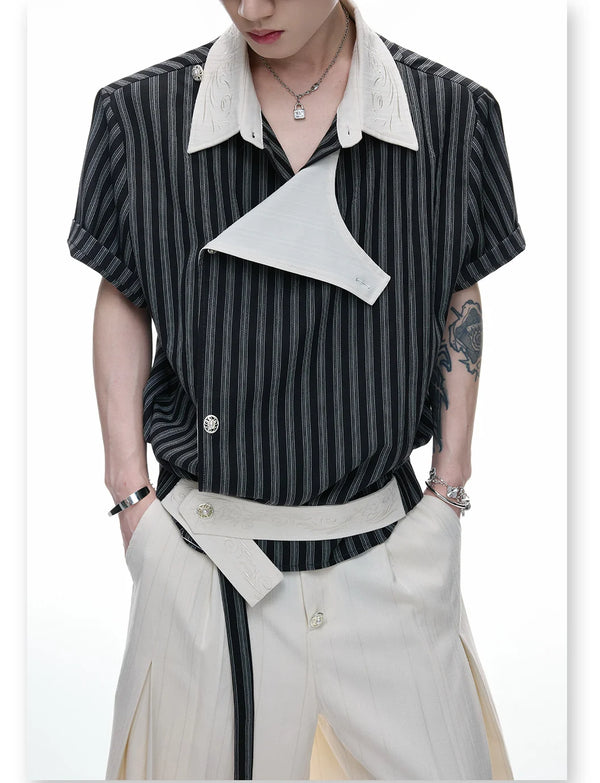
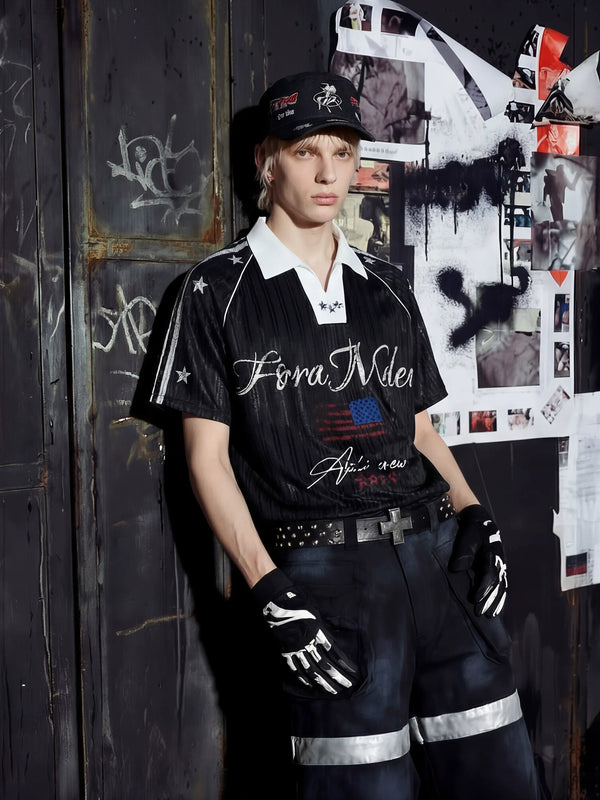
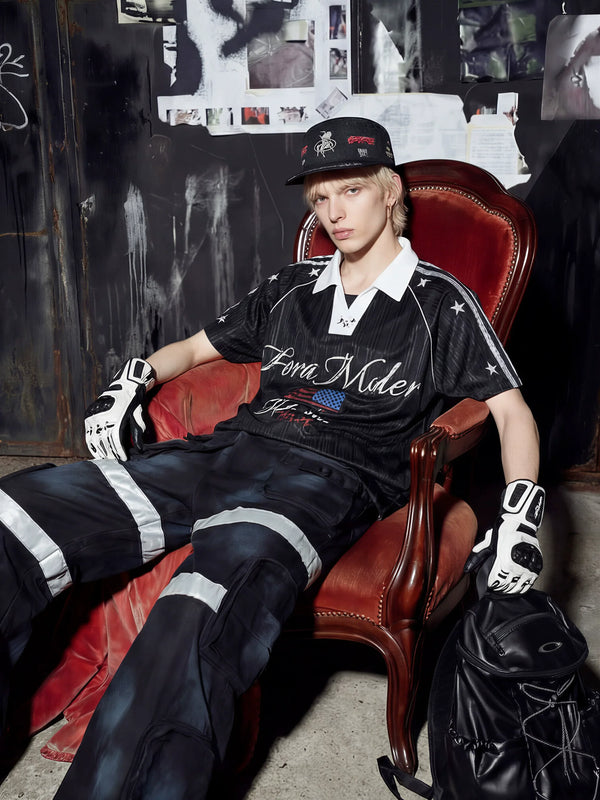
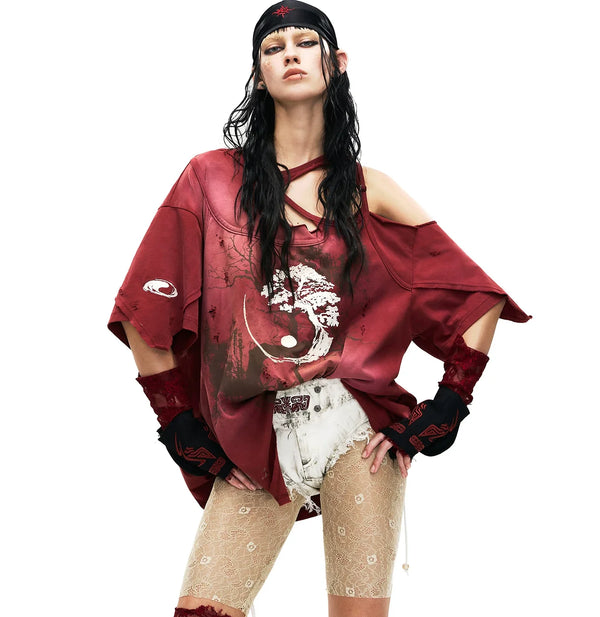
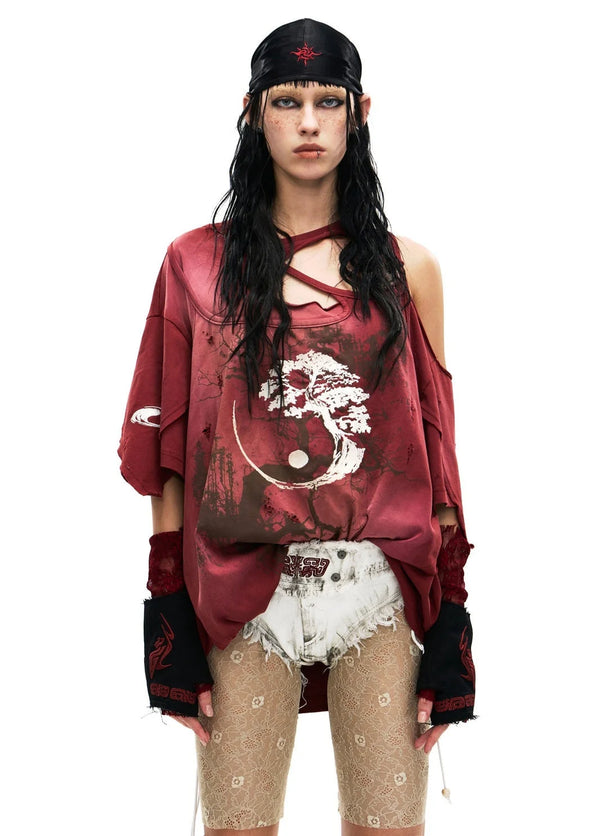
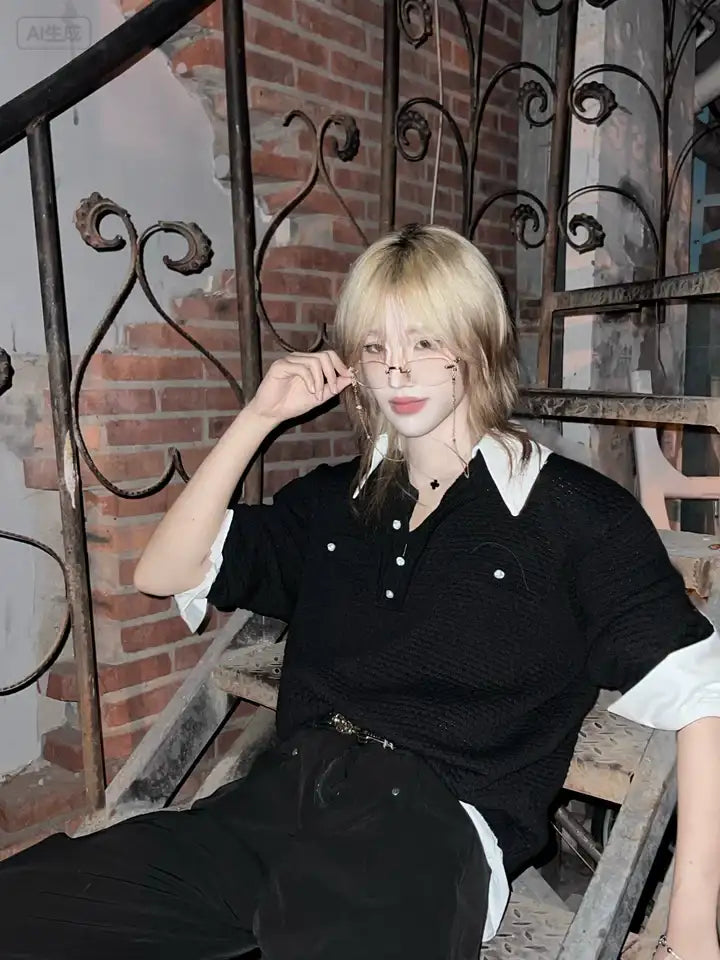
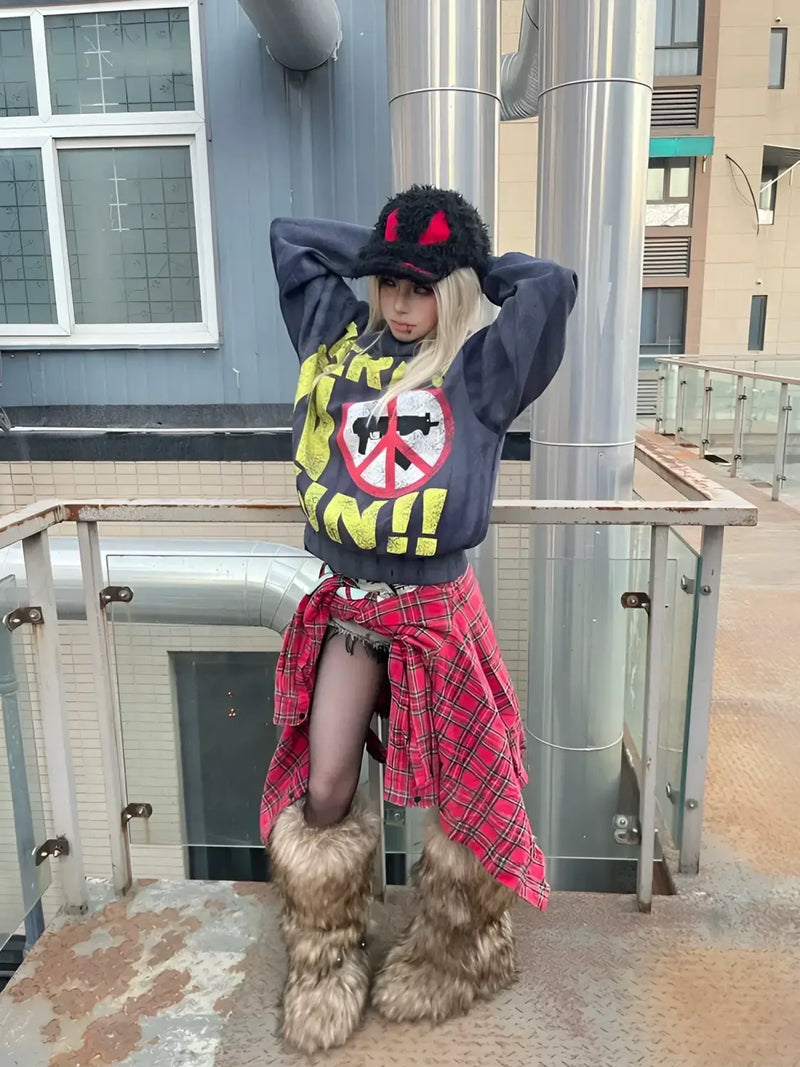
In 2000s Harajuku the top carried the message. Graphic prints, contrast trims and unusual cuts gave the look its focal point before the layers even began. A polo with a star motif or an asymmetric tee replaced what other scenes solved through logos.
For a build today you start here: a statement top that already draws attention on its own, combined with calmer layers around it. That keeps the look loud but not chaotic — the 2000s Harajuku balance between sensory overload and intent.
Two rules for the top: first, a single clear focal point is enough — two loud prints on top of each other cancel out. Second, plan the layers underneath. A longsleeve or mesh top under the statement tee isn't a stopgap but the core of the Harajuku silhouette.
The foundation
Pants, skirts and wide-leg: building the lower half right
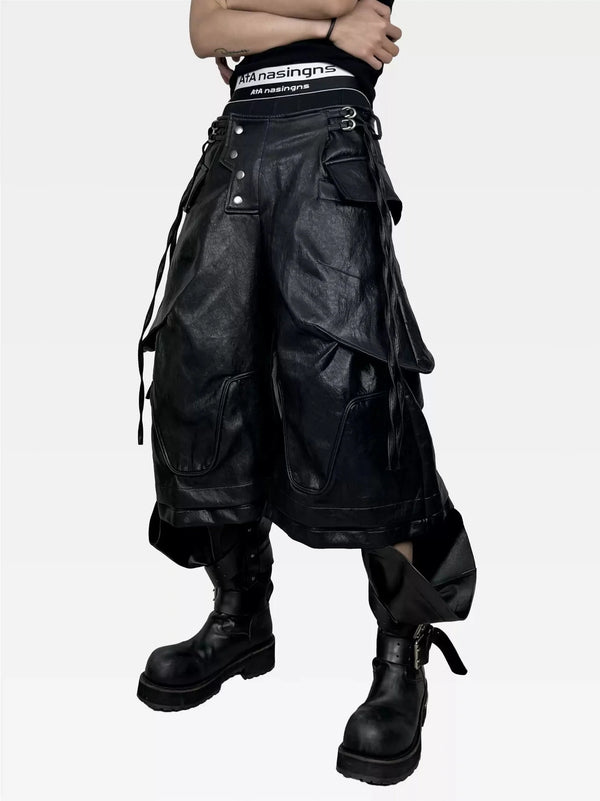
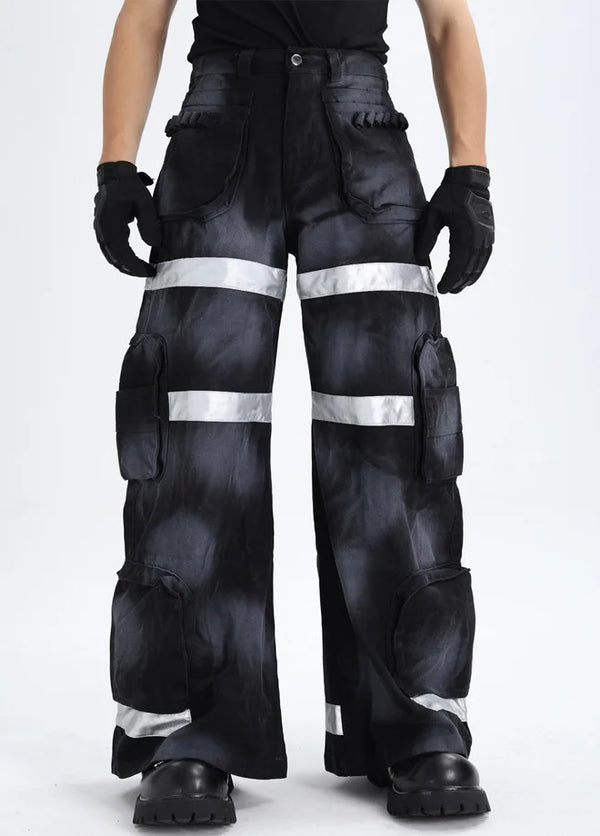
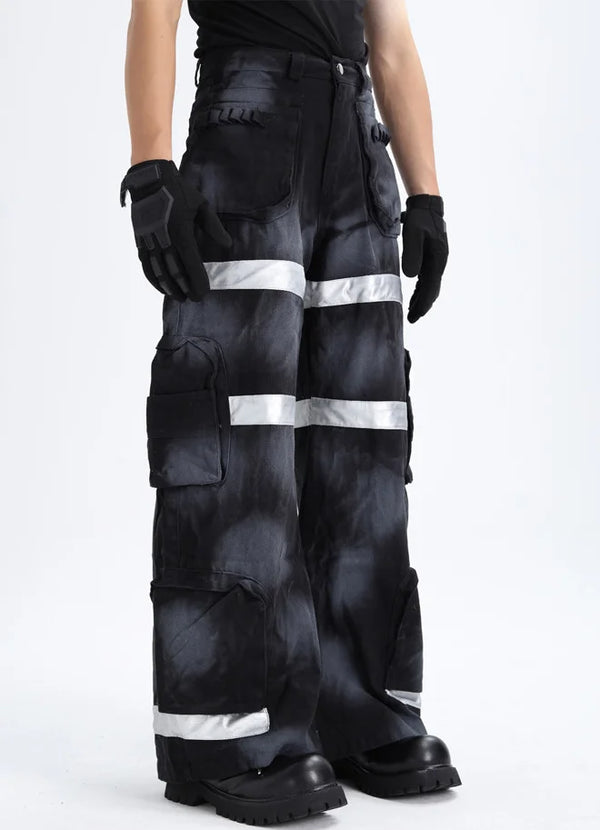
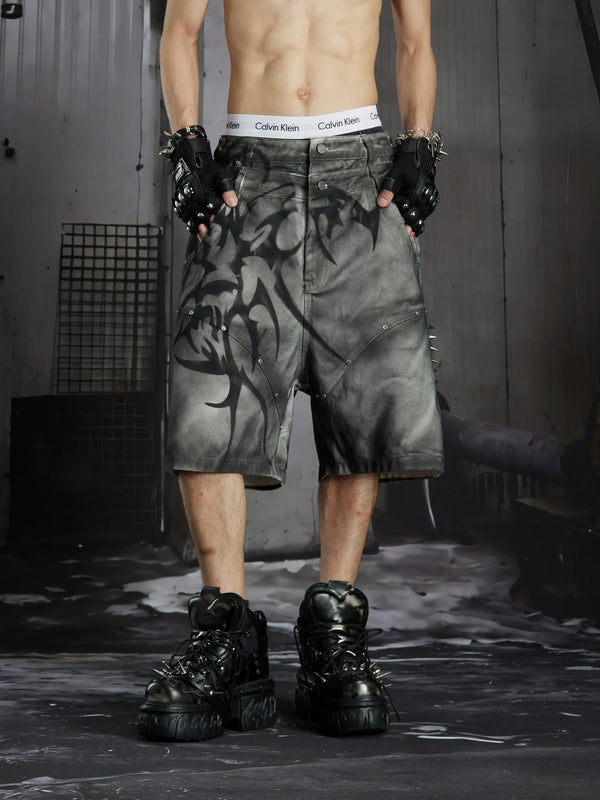
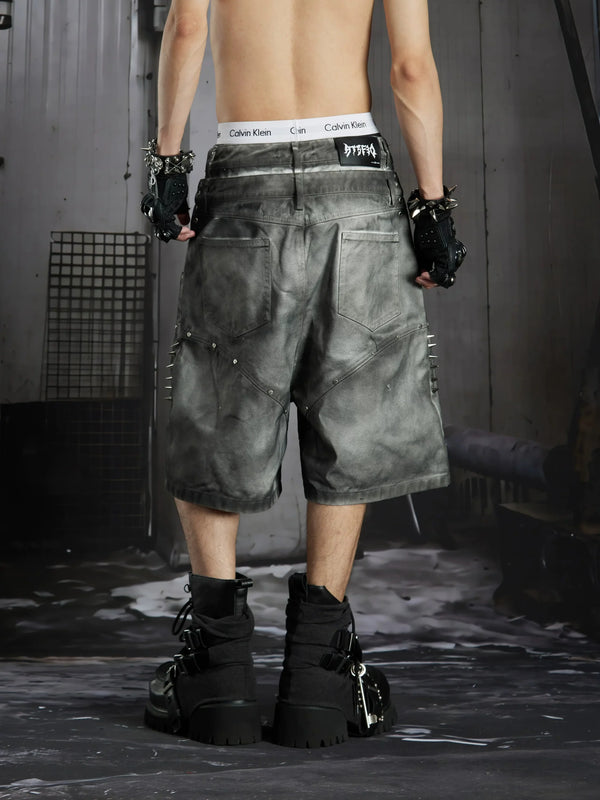
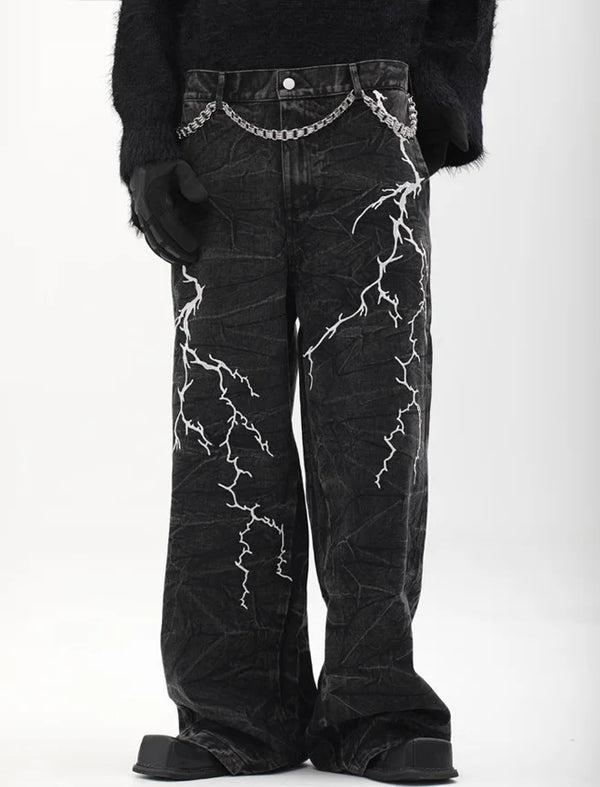
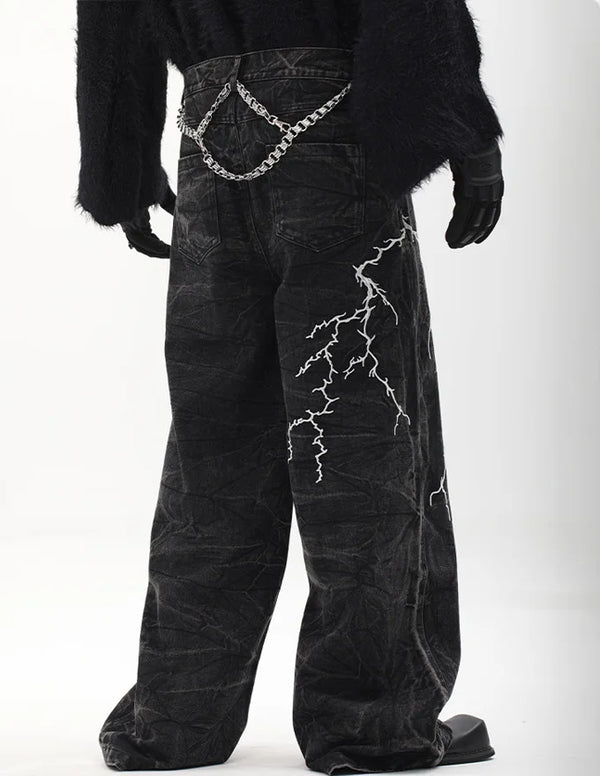
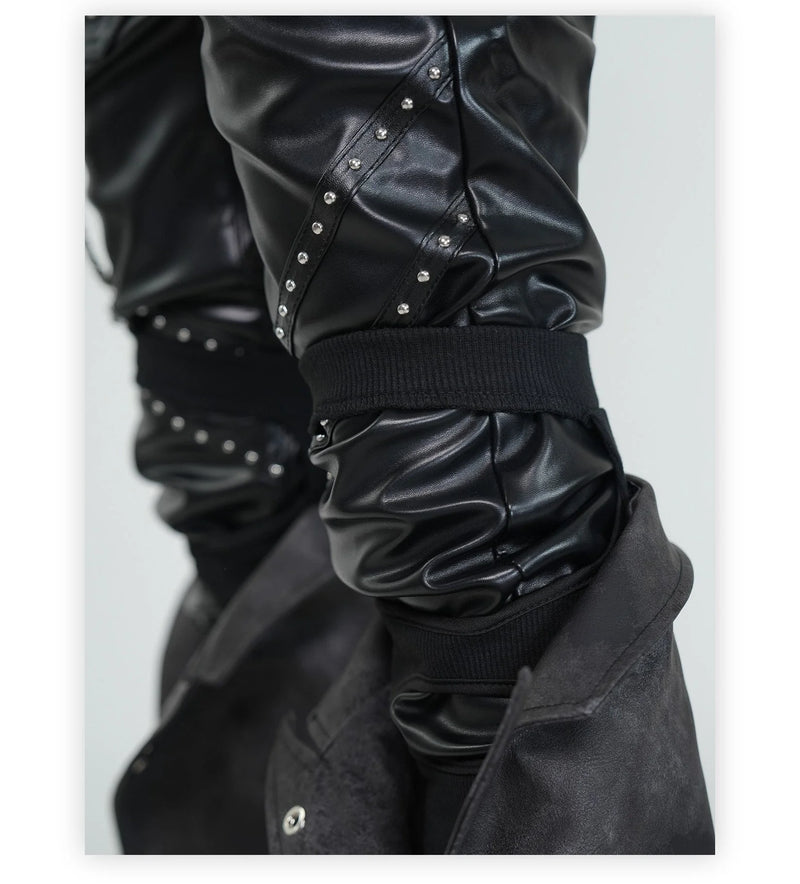
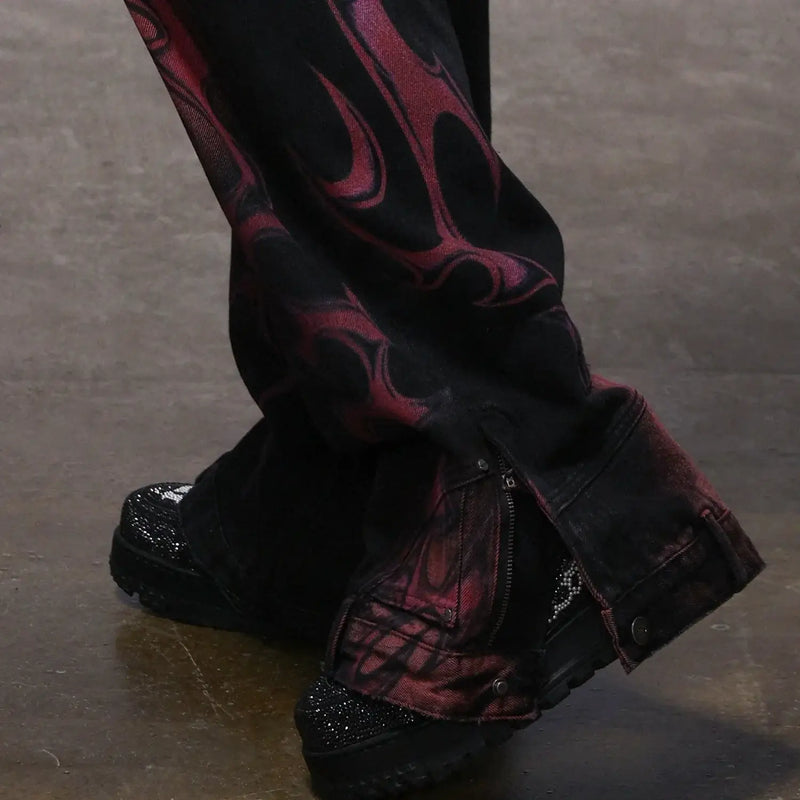
The silhouette was decided below. Wide legs, platform height and layers of skirt over pants gave the 2000s Harajuku look its typical grounding — literally. Wide-leg jeans with embroidery or studded jorts over mesh tights created volume that balanced the loud tops.
What matters is the contrast to the upper half. If the top is tight and graphic, volume can come below. If there's a lot going on up top, a calmer but textured pant holds the outfit together. This top-bottom tension is why a Harajuku look works even though on paper it sounds chaotic.
If you like the look less extreme, replace skirt-over-pants with a single wide-leg with a striking detail. The effect stays: a broad, self-assured base that steers the eye up to the statement top.
The technique
Layering logic: how to really layer 2000s Harajuku
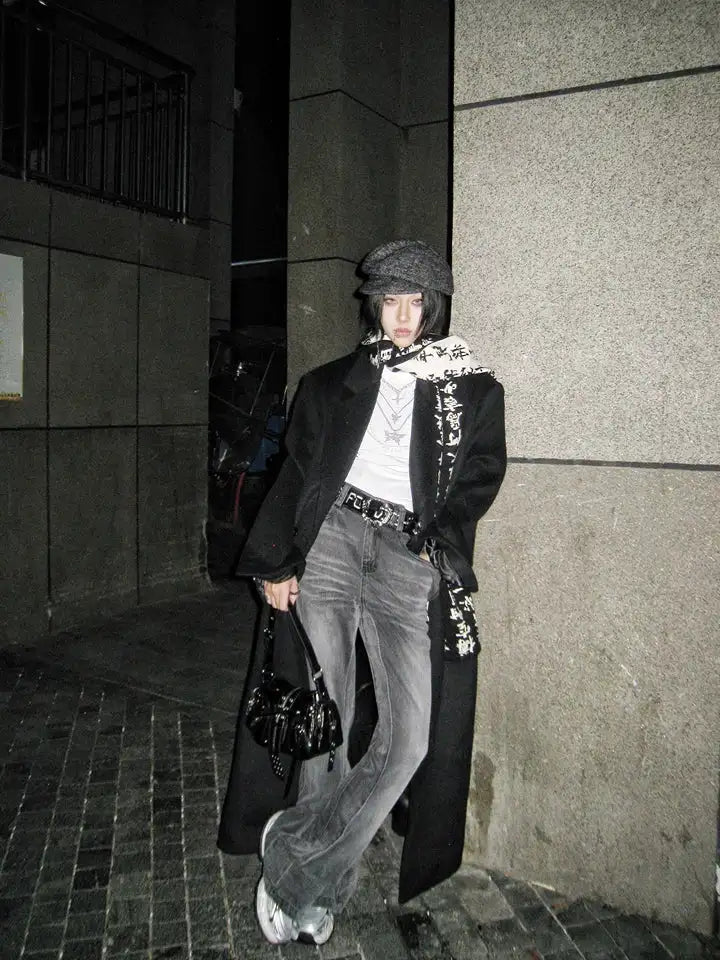
Layering is the real art of the style. Not stacking pieces at random, but deliberately setting length, texture and colour against each other. A short statement top over a longer longsleeve, an open shirt or vest over that — three lengths that stay visible and stagger the silhouette.
The border between top and bottom plays along too. Studded jorts over leggings, a mesh layer flashing between top and pants: that's how the vertical density arises that made Fruits photos so unmistakable. This is exactly where real understanding parts ways with just buying a set.
If you're unsure how much is enough, there's a simple rule of thumb from the scene — and it has more to do with intent than with quantity.
This staggering is also why the look works on almost any body. It's never about a particular build, but about proportions between layers — and those you can adjust for yourself.
In the video you see why movement belongs to the look: layers that fall apart and come back together as you walk were part of the effect on Jingu Bridge. A Harajuku outfit is never just a still frame — even if Fruits captured exactly that.
The shell
Outerwear: fuzzy, puffer and statement jackets
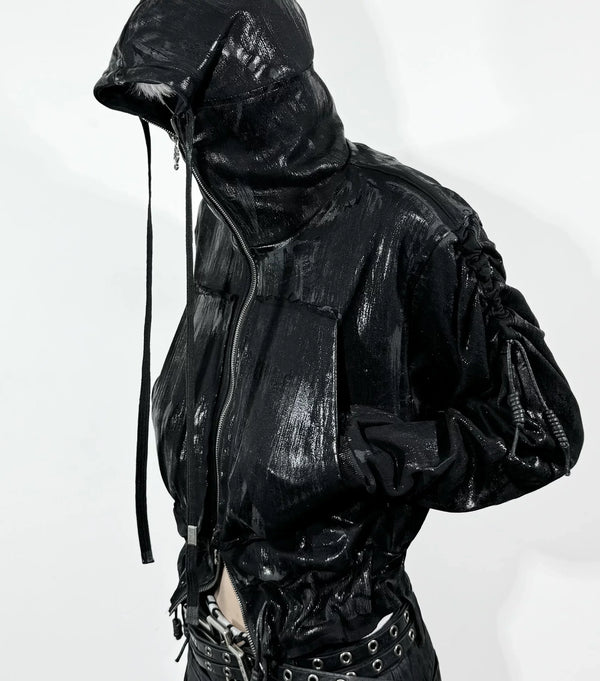
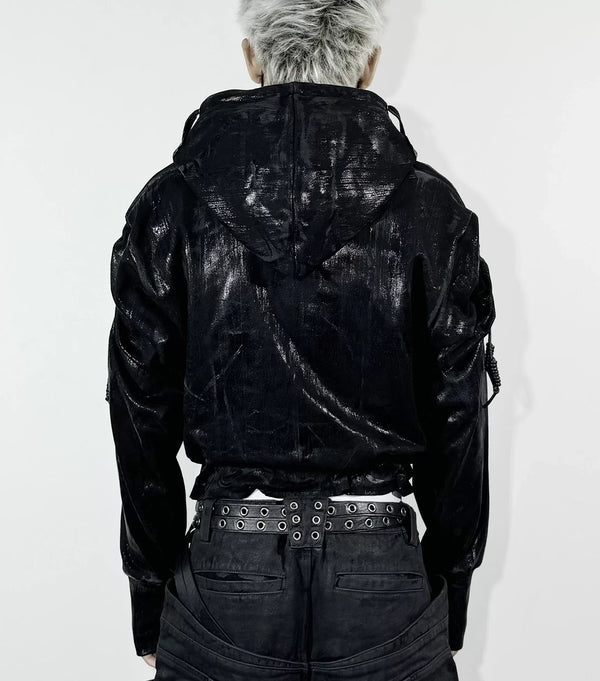
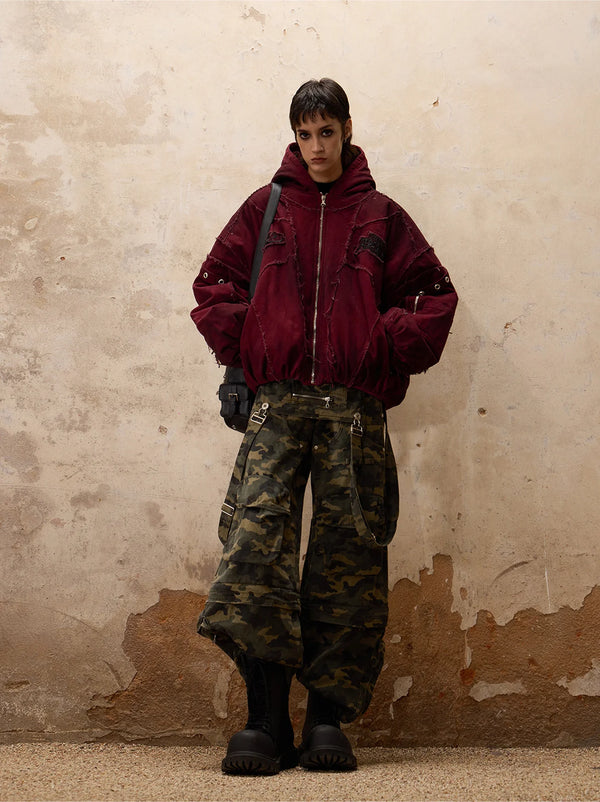
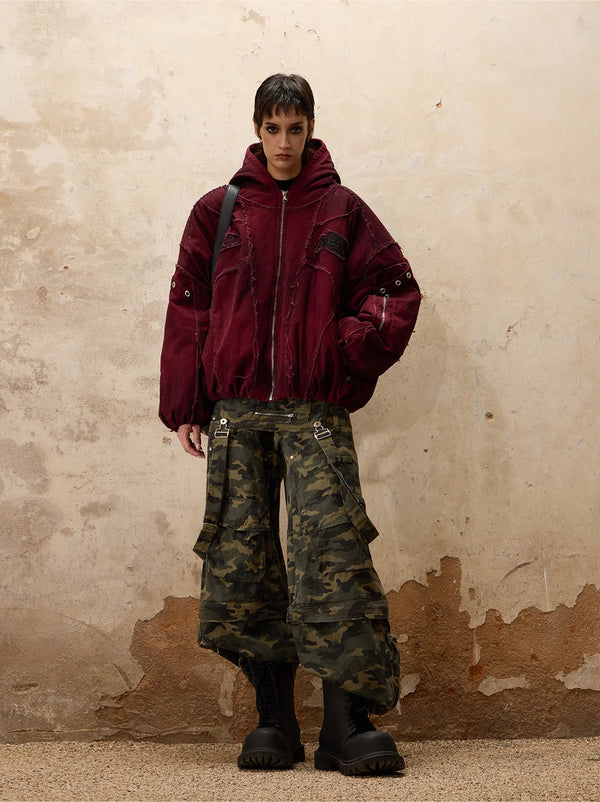
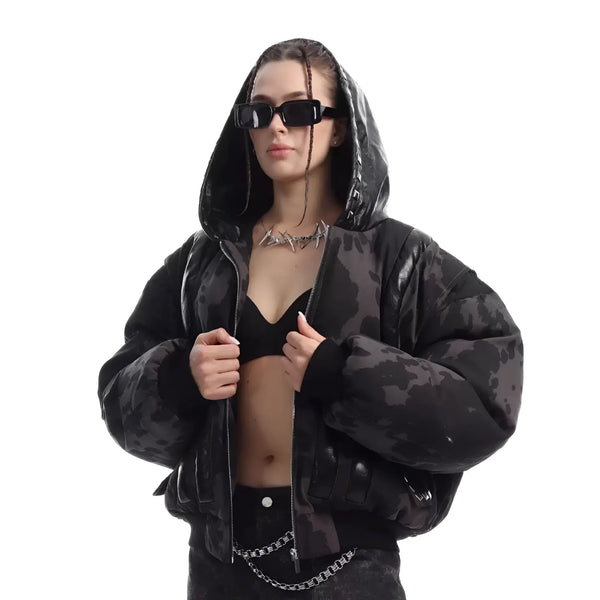
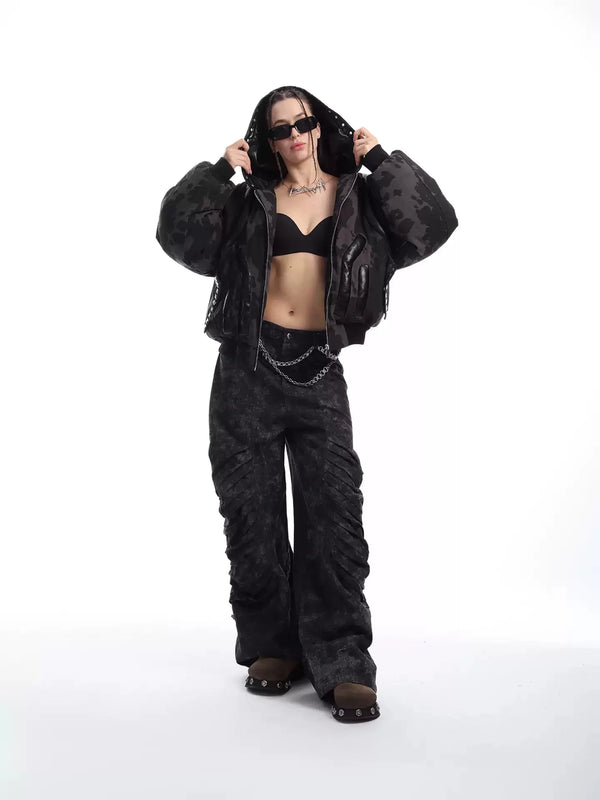
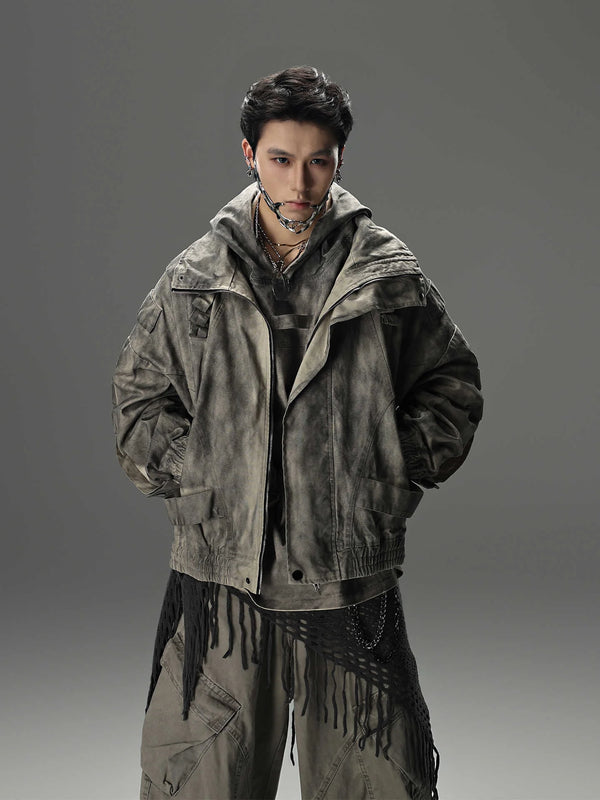
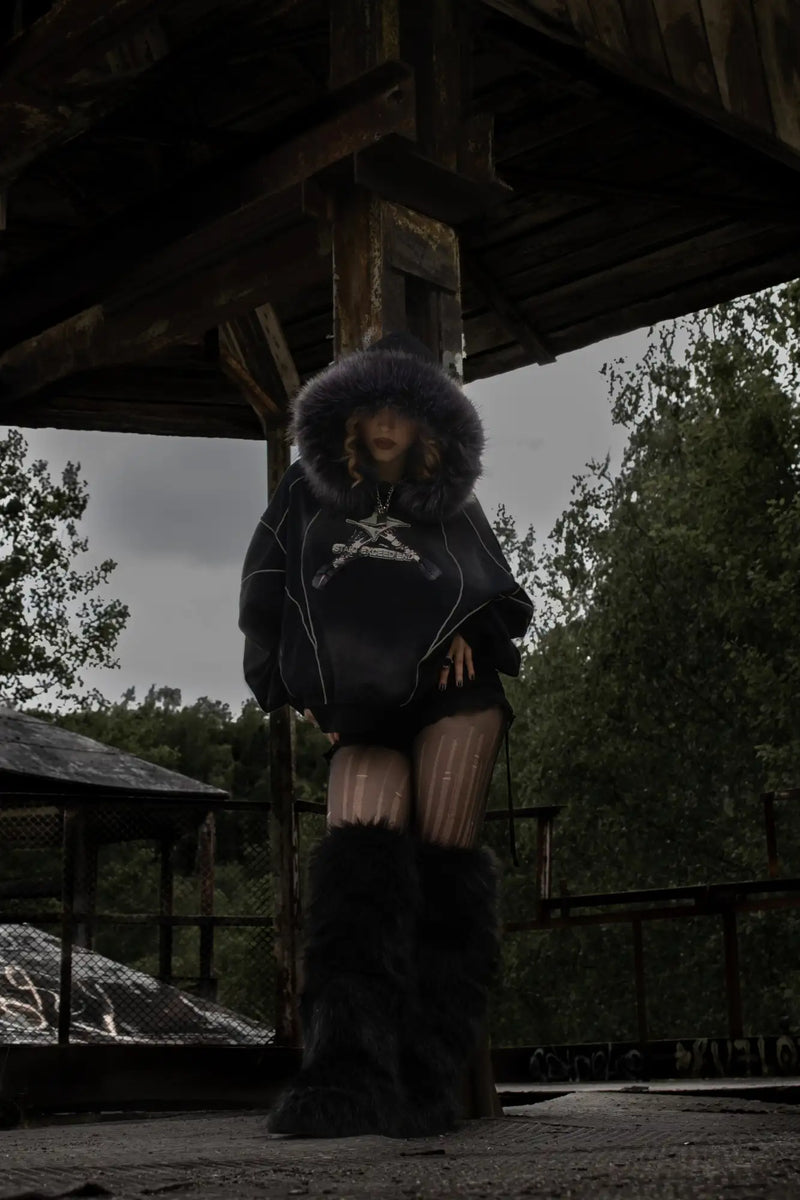
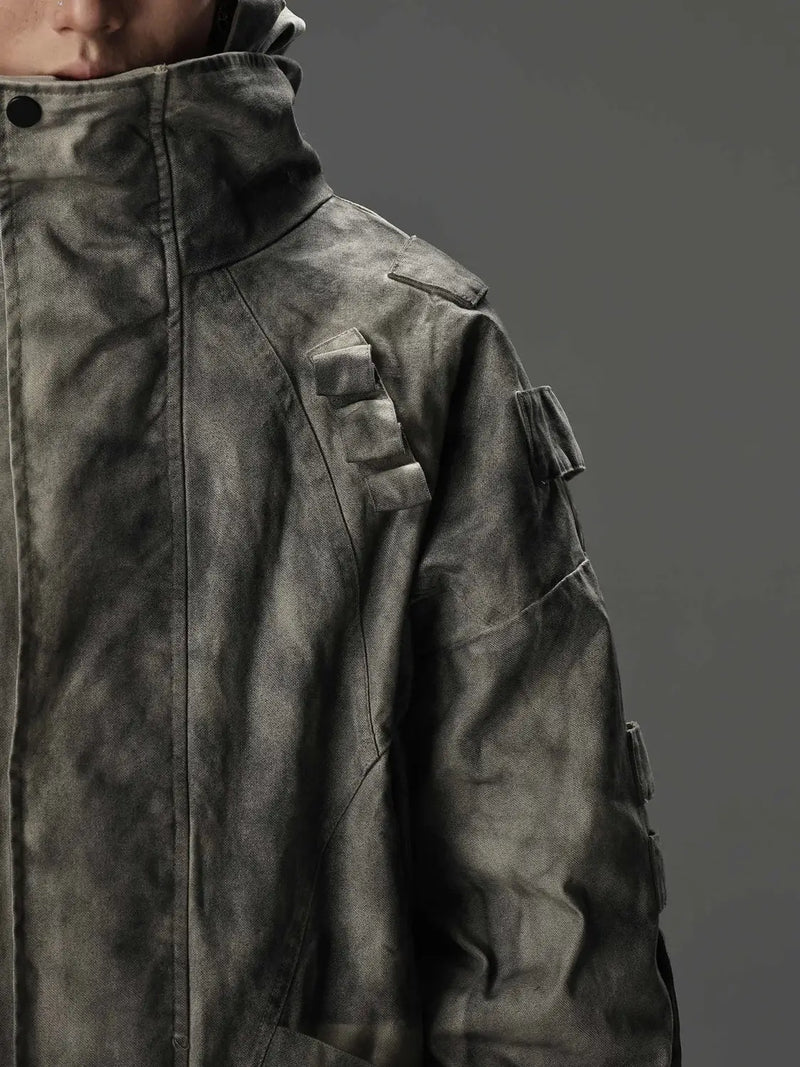
Over the layers came the jacket — and it was allowed to be loud. Fuzzy textures, shiny puffers and faux leather gave the look a second statement level in winter. Unlike minimalist fashion, outerwear here wasn't a neutral finish but often the most eye-catching piece of the whole outfit.
For a build today, a jacket that already makes a statement on its own is worth it. A fuzzy leather jacket or a puffer with an unusual silhouette carries the Harajuku spirit even when the rest turns out calmer. That keeps the look winter-ready without losing the density.
A note on season: for a winter build in colder cities it's worth a separate look, because layering and warmth interact differently there than in mild Tokyo spring.
The entry points
Where to put together 2000s Harajuku today
You don't have to fly to Tokyo to build the look. The core is a handful of categories you pull your layers from — tops, wide pants, loud accessories and a statement jacket. From there you mix in as much Decora colour or Gothic black as feels right to you.
The following entry points help you search on purpose instead of aimlessly. Each category covers one layer of the look, so you build your outfit piece by piece instead of buying a finished set.
Start small on purpose. A single loud statement top plus a wide base already make a recognisable approach that you thicken over weeks with accessories and layers. That's how a personal look develops, instead of ordering a complete costume in one afternoon — exactly the difference between real Harajuku attitude and dressing up.
The occasion
What to wear to a 2000s Harajuku party
For a 2000s party the rule is: better to hit one scene clearly than everything halfway. Pick an anchor — bright Decora, shiny Cyber or strict Gothic Lolita — and build the outfit consistently around it. A clear look reads better at a party than a cautious mix.
In practice that means: a statement top, a wide or layered lower half, lots of small accessories and a loud jacket or cap as a finish. If you want it everyday-friendly, take the same formula and turn the volume down a notch or two — the look stays recognisable without seeming like a costume.
The pitfalls
Common mistakes with the 2000s Harajuku look
The look tips into costume quickly when a few basic rules are missing. Most mistakes come not from too little nerve but from too little intent. These four show up most often.
The good news: every one of these mistakes is easy to fix. One anchor fewer, one layer more, a few real finds instead of a set — and the look sits. From here the last step is just pulling the pieces together.
Frequently asked questions
2000s Harajuku fashion: the most common questions
A few things keep coming up around the 2000s in Harajuku — from the question of whether the district really exists to Gwen Stefani and Fruits magazine. The most important ones, answered briefly.
Is Harajuku a real district in Tokyo?
What was Fruits magazine?
Who were Gwen Stefani's Harajuku Girls?
Is Kawaii the same as 2000s Harajuku?
What do I wear to a 2000s Harajuku party?
How does 2000s Harajuku differ from 2000s Japanese fashion?
Do I need vintage pieces for the 2000s Harajuku look?
In the end 2000s Harajuku is less a checklist than a permission. The bridge has long grown quieter, but the idea behind it carries on: clothing as self-assertion, built from layers, contrast and a clear focal point.
What do you think?
Tell us on @fuga_studios
About the author
Philipp Fuge — Founder · Berlin
Founder of Fūga Studios. Writes the journal himself. Berlin · Shanghai · Tokyo · Poznań — four cities, one logic.