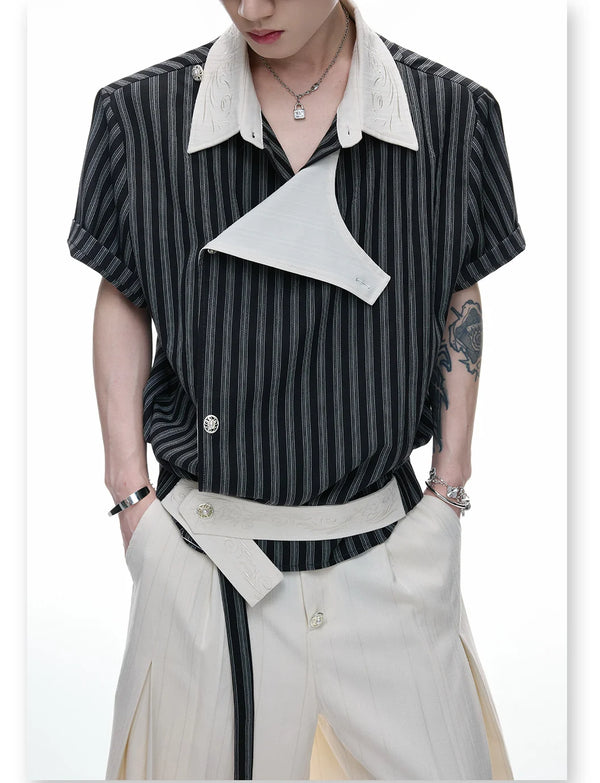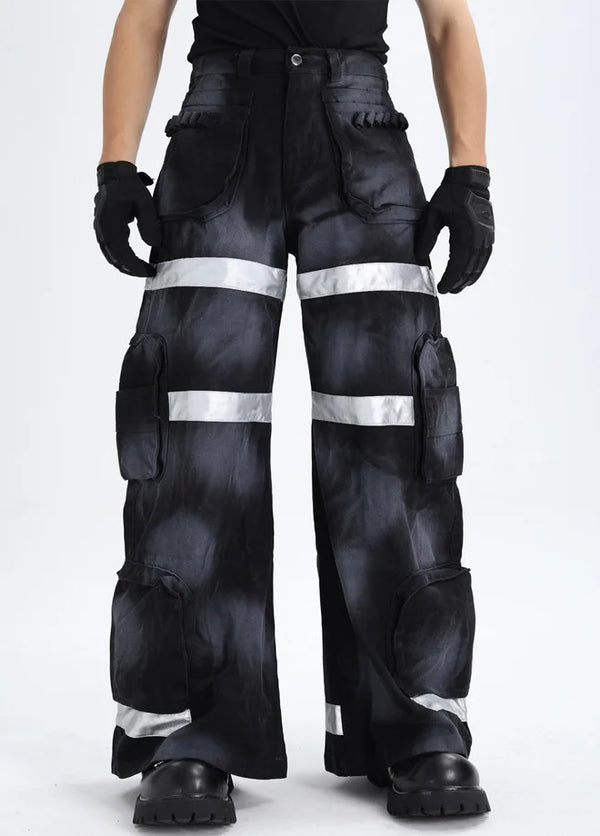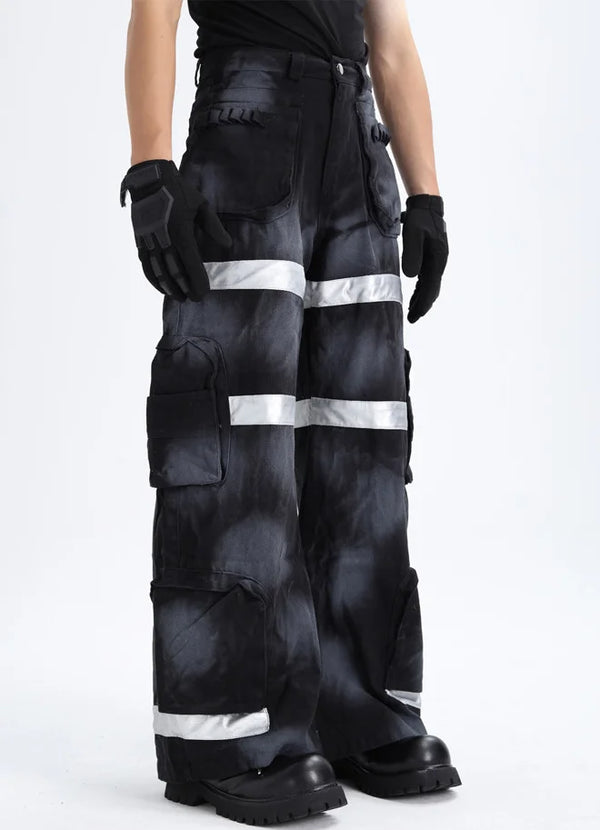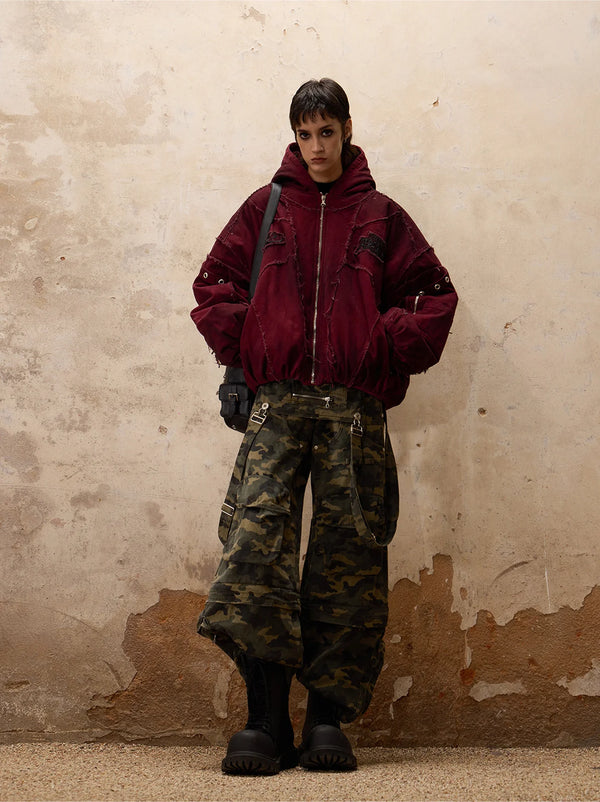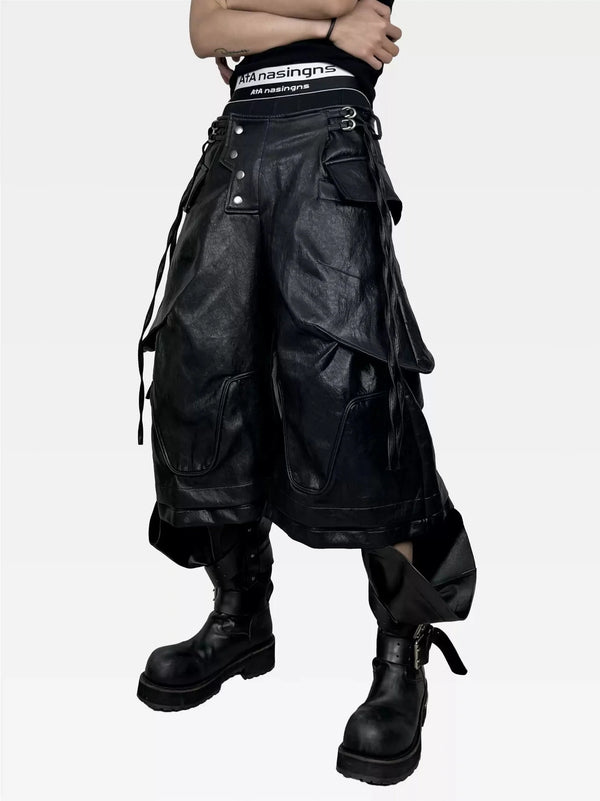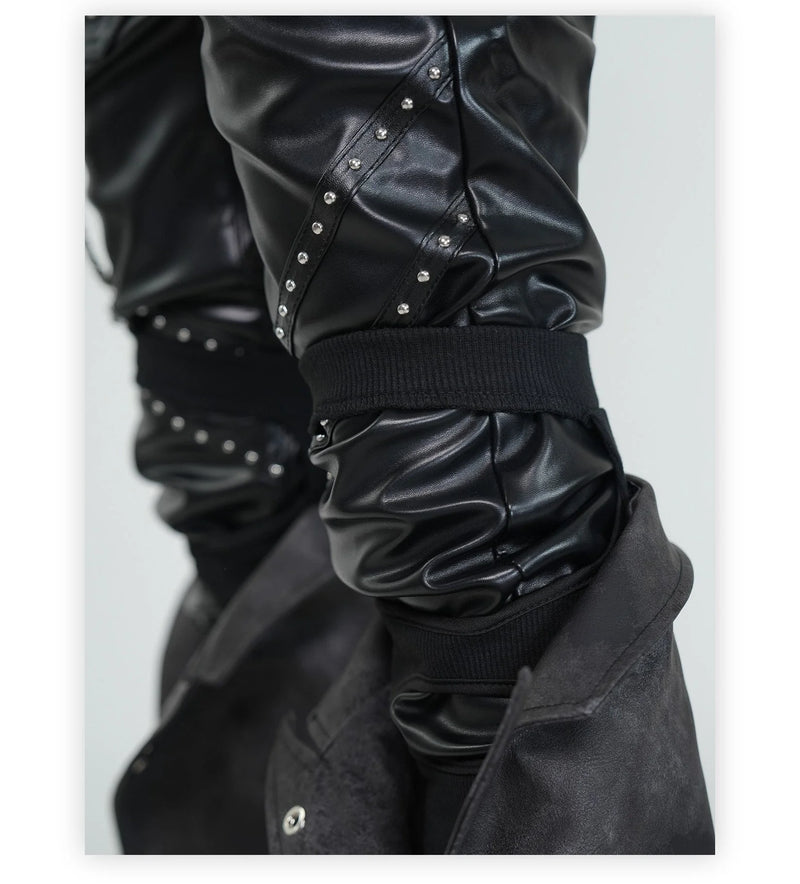
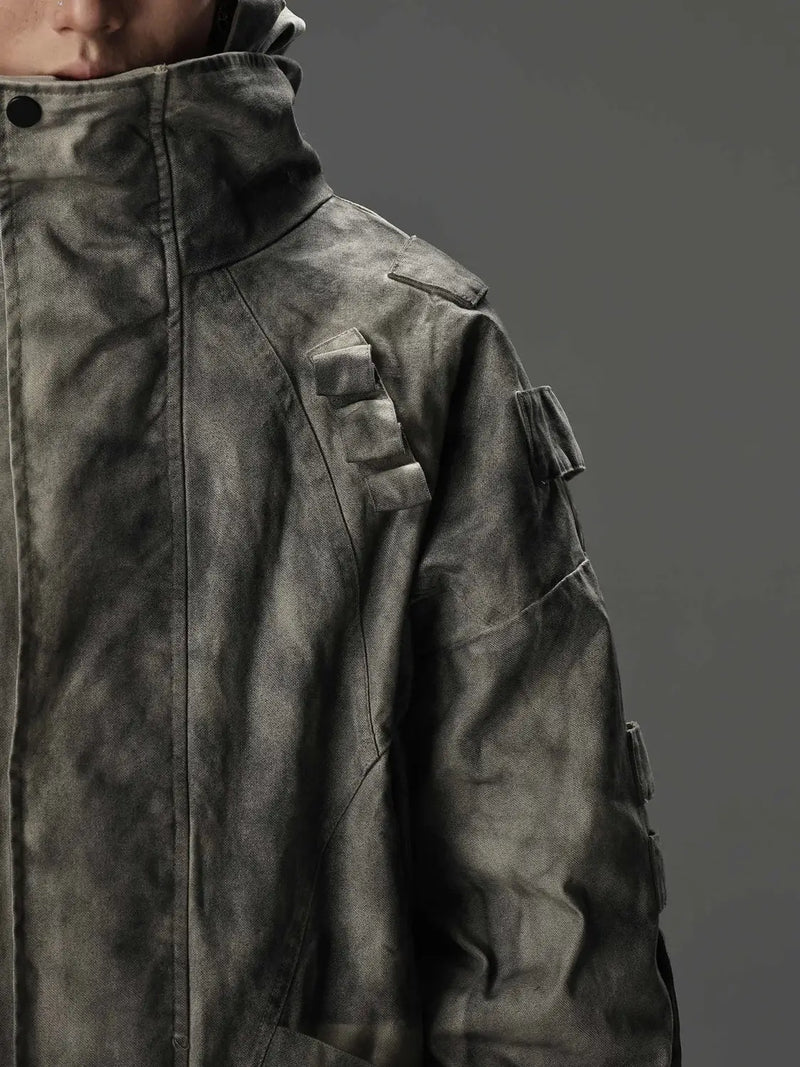
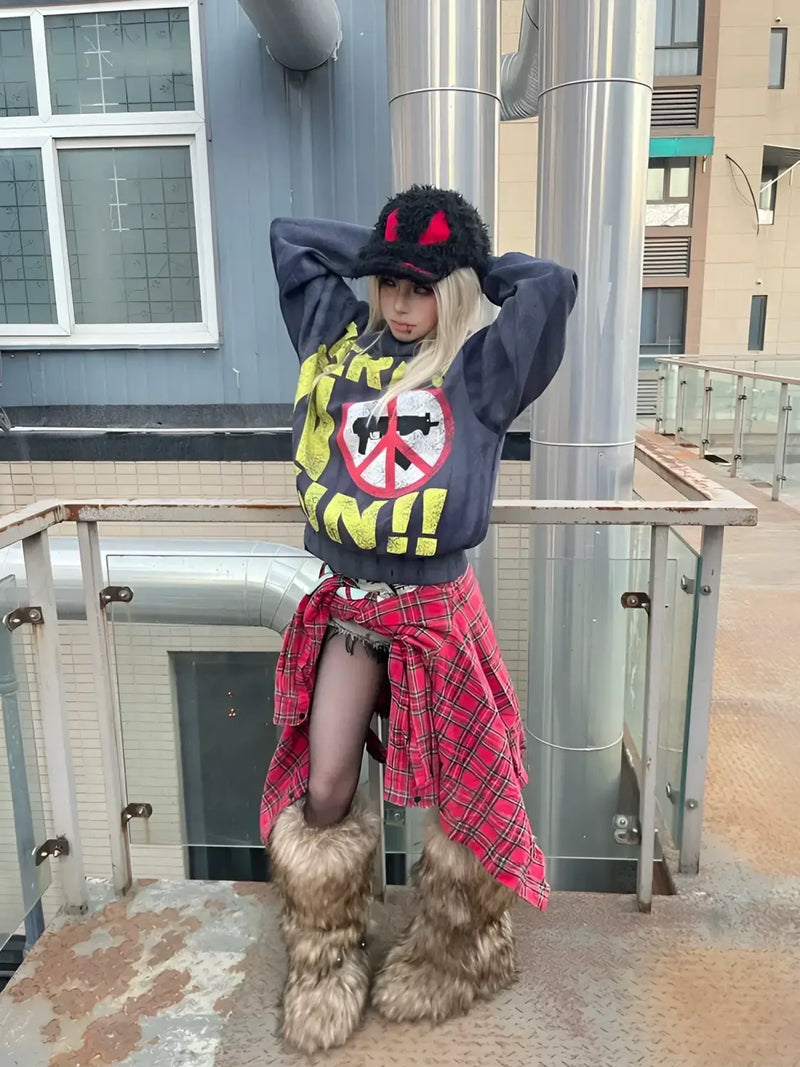
Limited drop · Live now
Windbreaker.
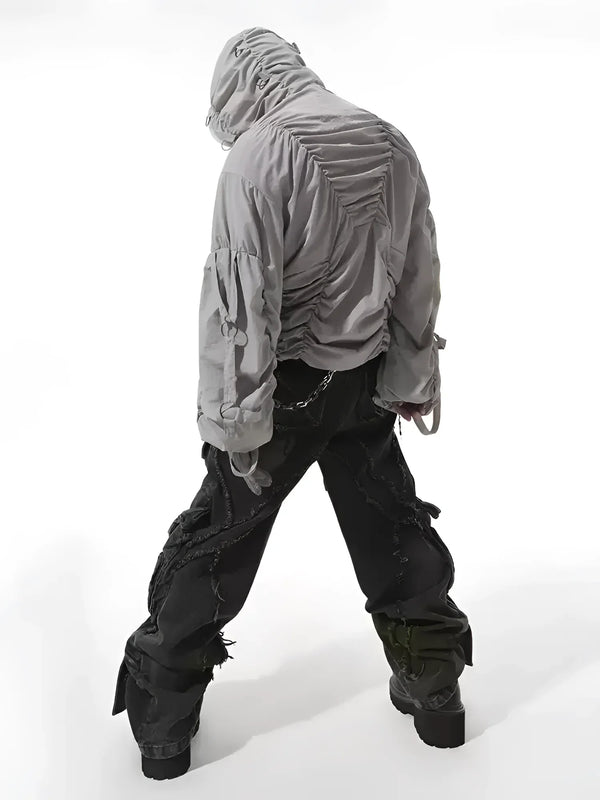
Windbreakers are the answer to changeable weather conditions - lightweight, wind- and water-repellent jackets that offer maximum protection without weight or bulk.
All pieces
All of Windbreaker.
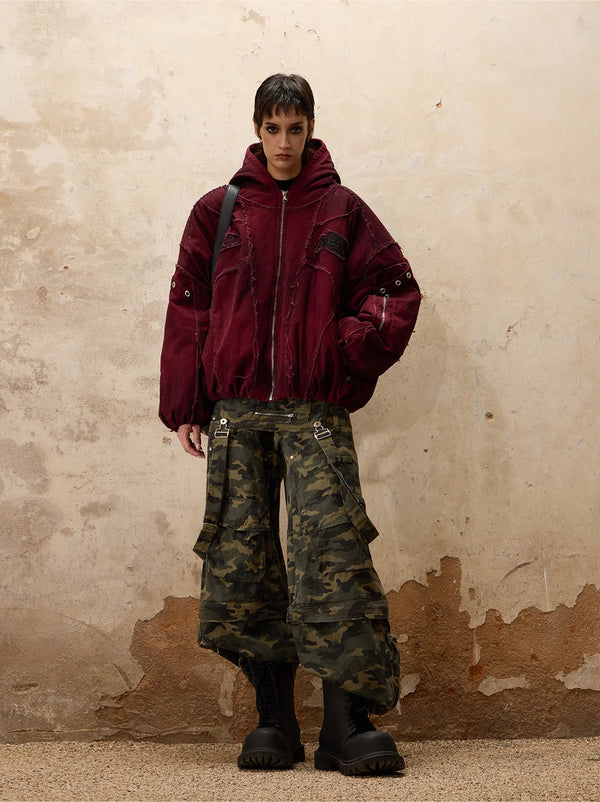
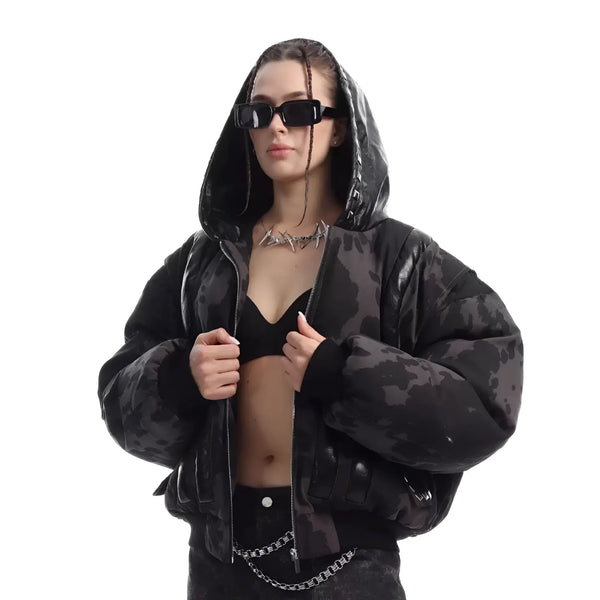
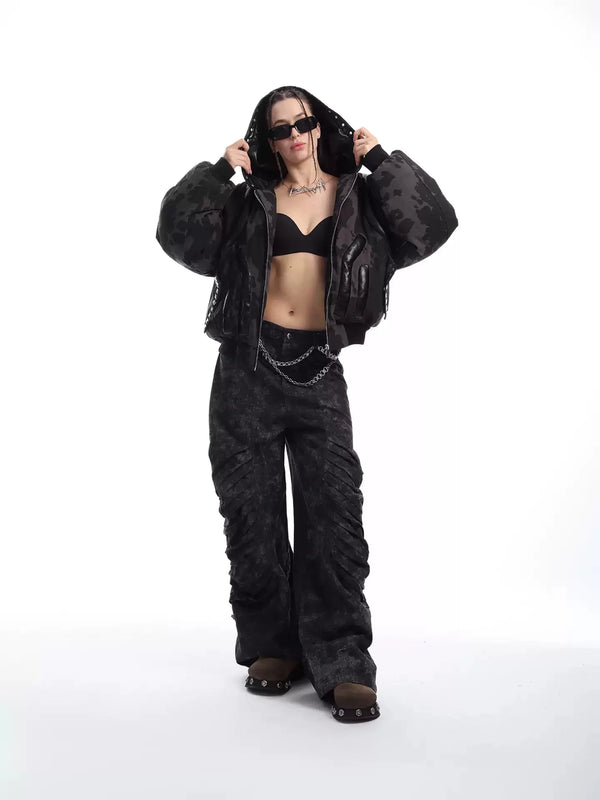
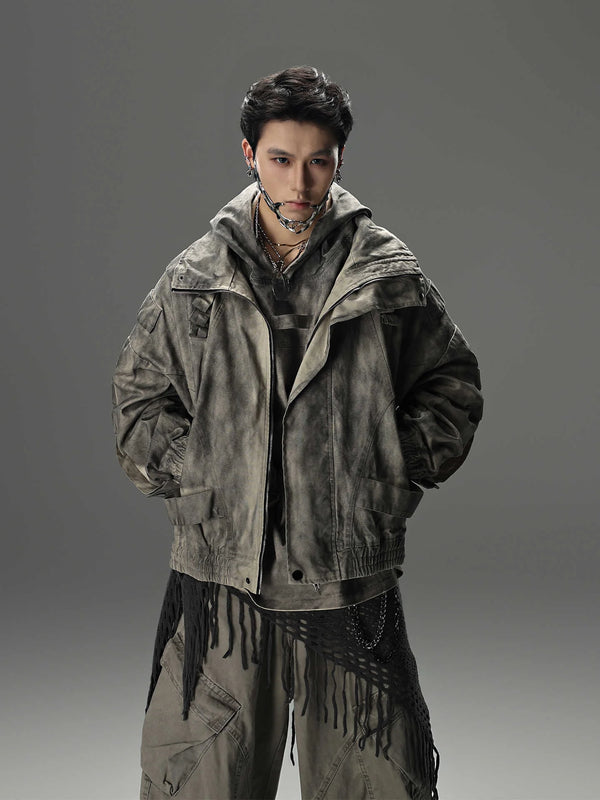
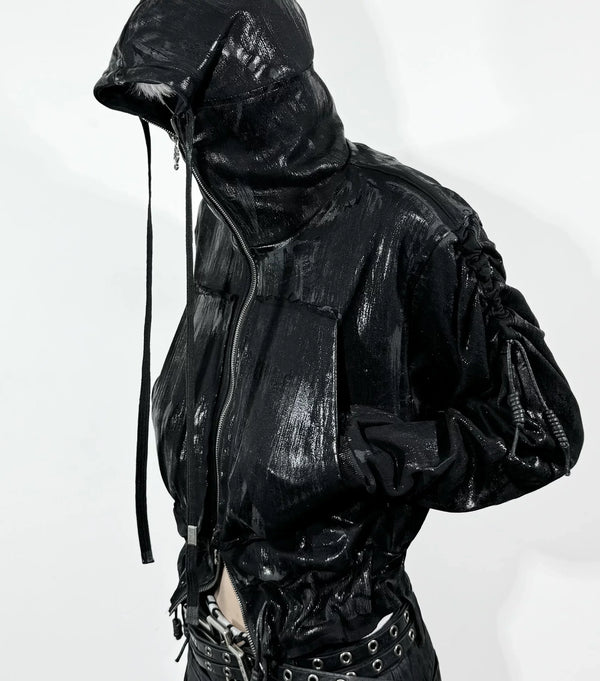
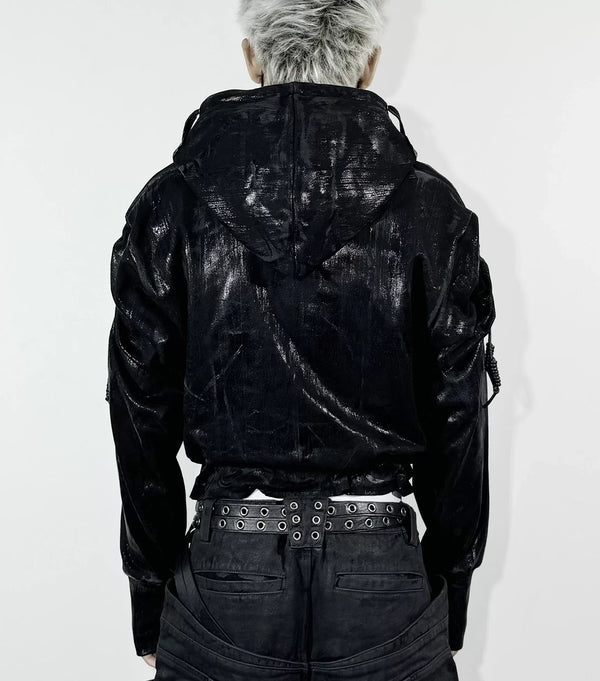
Windbreakers are the answer to changeable weather conditions - lightweight, wind- and water-repellent jackets that offer maximum protection without weight or bulk. At Fuga Studios you will find windbreakers that go beyond their pure functionality: technical fabrics combined with urban aesthetics, modular details and timeless cuts that range from techwear to streetwear to Japanese casual culture.
📖 Briefly explained: Windbreaker at Fuga Studios
Lightweight jackets made from tightly woven, wind-blocking fabric (often with a DWR coating for water repellency). They protect against wind and light rain, are easy to store and perfect for transitional seasons. Classic colors: black, navy, military green, gray — with technical details like drawstrings, reflective elements and ergonomic cuts.
What is a windbreaker?
A windbreaker — often called a windbreaker — is a lightweight jacket that primarily offers protection from wind and light rain. In contrast to heavy winter jackets with insulating material, windbreakers are made of tightly woven functional fabrics such as nylon or polyester with a water-repellent coating (DWR). These fabrics are breathable, tear-resistant and offer unrestricted freedom of movement - ideal for outdoor activities, city exploration or simply as a layering piece under a heavier jacket.
How is a windbreaker defined?
The DNA of a good windbreaker lies in the balance between lightness and protection. The material must block wind and repel water, but not be stiff or noisy. The fit is typically slim (ideal over t-shirts or hoodies), with longer sleeves and sufficient length in the torso. Functional details complete the picture: elastic cuffs for sealing, drawstrings on the waistband and hood (if available), front pockets for quick access. At Fuga Studios you'll find windbreakers that meet these classic criteria — from minimal Techwear design about Japanese streetwear heritage to modern Street rain look.
🧥 Windbreaker categories
From outdoor trekking to urban casual - the right windbreaker for every situation.
🎥 Windbreaker in motion
@fugastudios This puffer jacket just broke the matrix 🤖✨ #techwear ♬ Original sound - Fuga Studios
Windbreaker Styling: Layering and Layering
The standard look with a windbreaker follows a simple rule: **Base + windbreaker + accessories.** A t-shirt or long-sleeve as a base layer, the windbreaker on top, and, depending on the weather, a heavier jacket as the outer layer. Windbreakers are ideal as a mid-layer - they do not displace heat, but protect against wind and moisture. In summer, a light windbreaker alone can be enough; In autumn/winter they are a perfect fit between a base layer and a puffer jacket.
Windbreaker for every season
In **summer**, lightweight windbreakers made from mesh materials implement the same principles in an airy form - wind blockers without the feeling of sweating. In **fall/spring**, classic DWR-coated nylon windbreakers are the go-to — waterproof, robust, modular. In **winter**, windbreakers work as an outer layer of protection over insulated ones Winter techwear jackets or buffering. The advantage: They are ultra-light to store, great for transitions and take up almost no space in your backpack.
🎯 Windbreaker specials
Specialists for special applications - from rain to technical outdoors.
💡 Pro tip
Invest in a minimalist windbreaker without too many details — black or navy works with everything. The best use: as an outermost layer of protection over your favorite jacket or in your backpack for spontaneous weather changes. A good windbreaker should be compact and fit in a jacket pocket.
Why is it called a windbreaker?
The name says it all: “Wind” + “Breaker” — a jacket that breaks wind, i.e. slows it down and keeps it out. In contrast to a "rain jacket" (primarily waterproof) or a "winter jacket" (primarily insulated), the focus of the windbreaker is on wind protection. The term became popular in the 1970s-1980s when outdoor manufacturers realized there was a market for lightweight, packable jackets made from technical fabrics — sailors, hikers, city dwellers. Today, "windbreaker" is a universal term for this category, regardless of what manufacturers call it.
Windbreakers & related styles
Windbreakers are part of a larger range of functional jackets. If you are looking for a heavier alternative, you will find it in ours Techwear jackets Collection of pieces with more insulation and tactical details. For pure rain protection check out Waterproof techwear on. Those who prefer a Japanese heritage will find in Japanese windbreaker urban, minimalist designs. And for pure streetwear vibes, the path leads to Streetwear jackets.
Free shipping from €169 | 14 day return policy
Frequently asked questions
What is meant by a windbreaker?
A windbreaker is a lightweight jacket made from tightly woven, wind-blocking material (often with a DWR coating). It protects against wind and light rain, is easy to pack and perfect for transitional seasons or as a mid-layer under heavier jackets.
Are windbreakers and rain jackets the same thing?
No. A windbreaker primarily protects against wind and light rain (water-repellent, but not completely waterproof). A rain jacket is completely waterproof and designed to withstand heavier rain. Windbreakers are lighter, more packable and ideal for transitional weather.
What does windbreaker mean in German?
Windbreaker literally means “wind braker” or “windbreaker”. In German, the terms windbreaker, wind jacket and light functional jacket are used synonymously. The English word “windbreaker” has also become established in German-speaking countries.
What fabrics are used for windbreakers?
Nylon, polyester or mixed fibers are often used - all tightly woven and with a DWR coating. Some models use mesh panels for better breathability. High-quality windbreakers also use Gore-Tex or similar membrane technologies for maximum protection with minimal weight.
How do I wear a windbreaker correctly?
Ideal as a mid-layer: T-shirt or long sleeve, with a windbreaker on top, and if necessary a heavier jacket as an outer layer. In summer alone over a light shirt, in winter over a hoodie or base layer. The windbreaker works anywhere you want to protect from the wind without overheating.
How much does a windbreaker cost at Fuga Studios?
Our windbreakers range from approximately €54.99 to €159.99, depending on design and material quality. The core range is between €74.99 and €124.99. We deliver free of charge from €169 and all orders have a 14 day return policy.
2015 → today
Fūga
風雅
Fūga isn't for everyone.
Berlin Plattenbau origins, Asia-inspired. Creative, but never fully fitting into the system. Tokyo 2015 as the starting point — six niche phases since then.
Today: Berlin · Shanghai · Tokyo · Poznań. We know our designers by name. Limited drops, no restocks.
We aren't dropouts. We know the system — went through training, worked, kept building. Both sides hold.
How Fūga evolved
One line. No closed worlds.
What started as Streetwear in Tokyo has shifted over the years — through different phases, our own and collective.
01
Streetwear / Anime
The first designs. Anime prints, Harajuku characters, Tokyo connection.
02
Techwear
Functional, layered, dark. Tokyo reduction translated into fabric.
03
Gothic
Heavier, uncompromising, more shadow. Grew up parallel to Techwear.
04
Opium
Berghain aesthetic with street cuts. Raw, black, Berlin avant-garde meets Streetwear.
05
Rave
Cyberpunk meets the Berghain floor. Reflective, tactical, sound-system ready.
06
Businesscore
Tailored cuts with Streetwear logic. Growing older without going 9-to-5. Stay edgy.
What comes next, we'll write when the time comes.