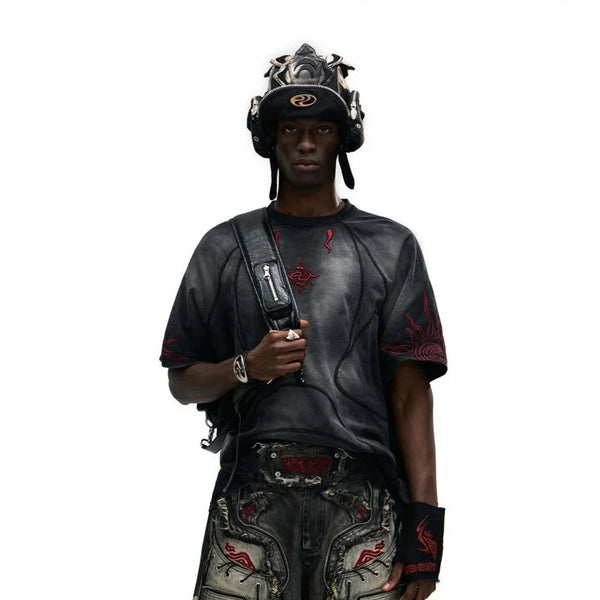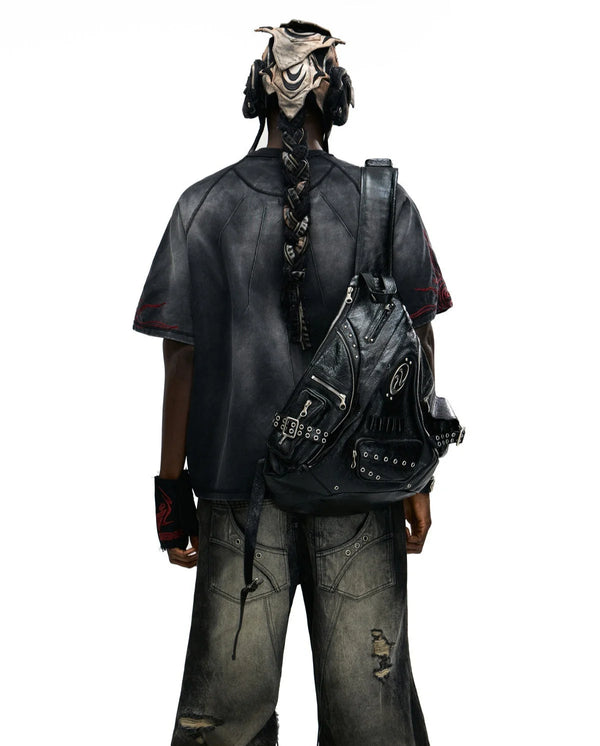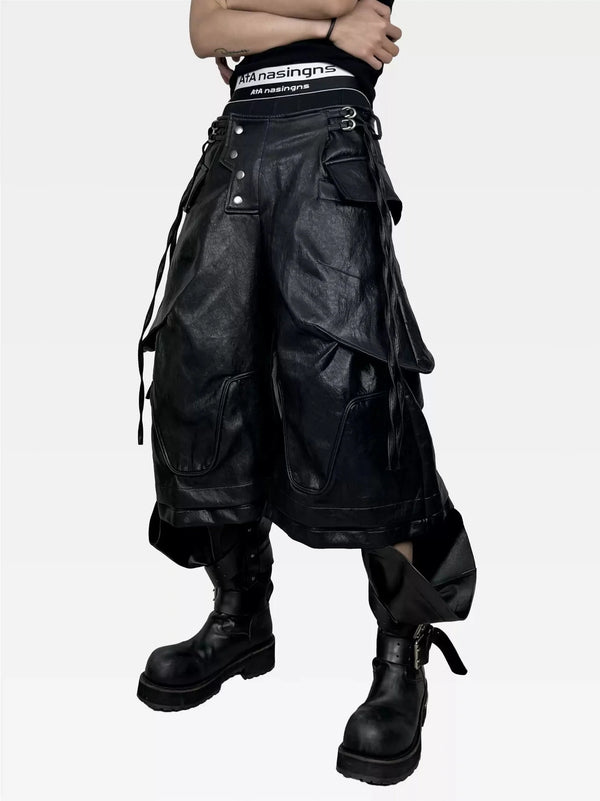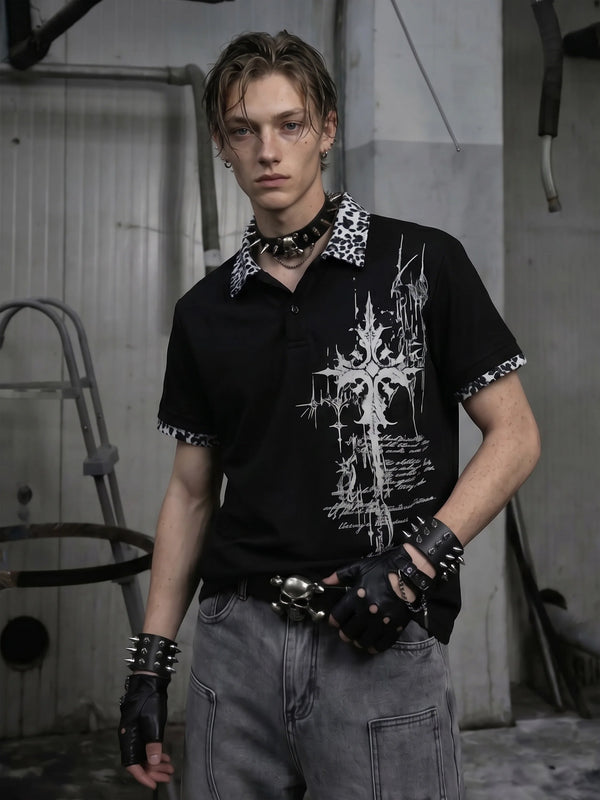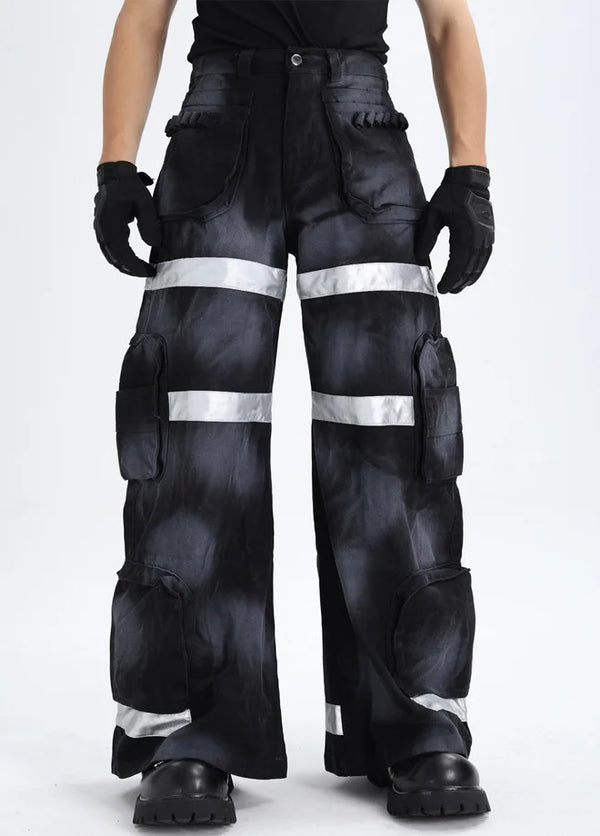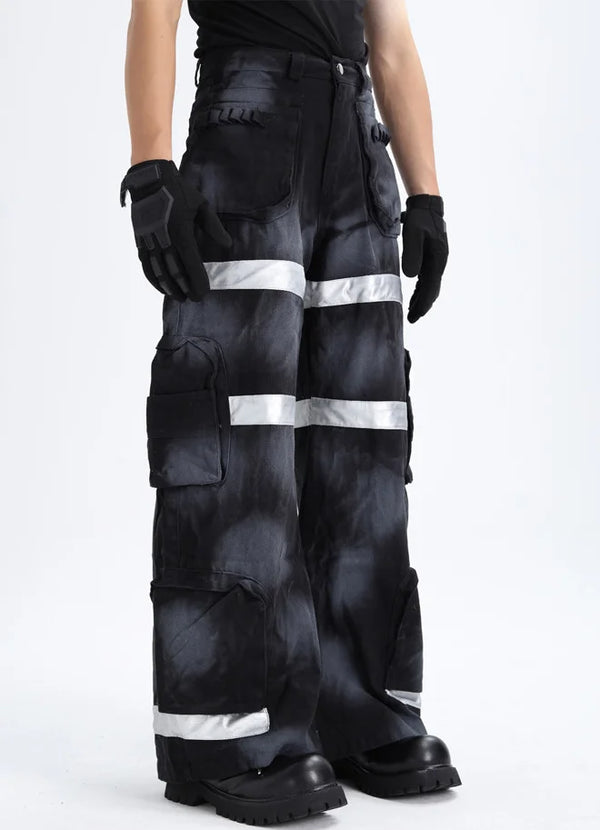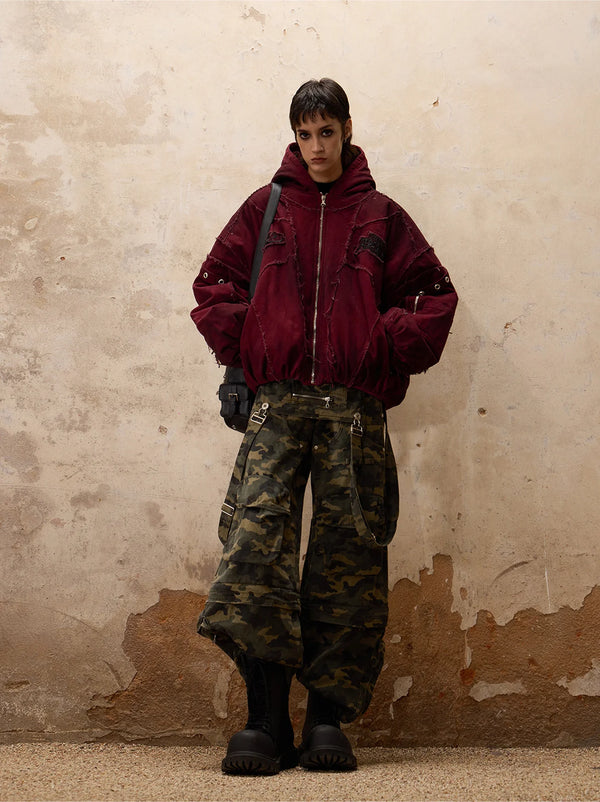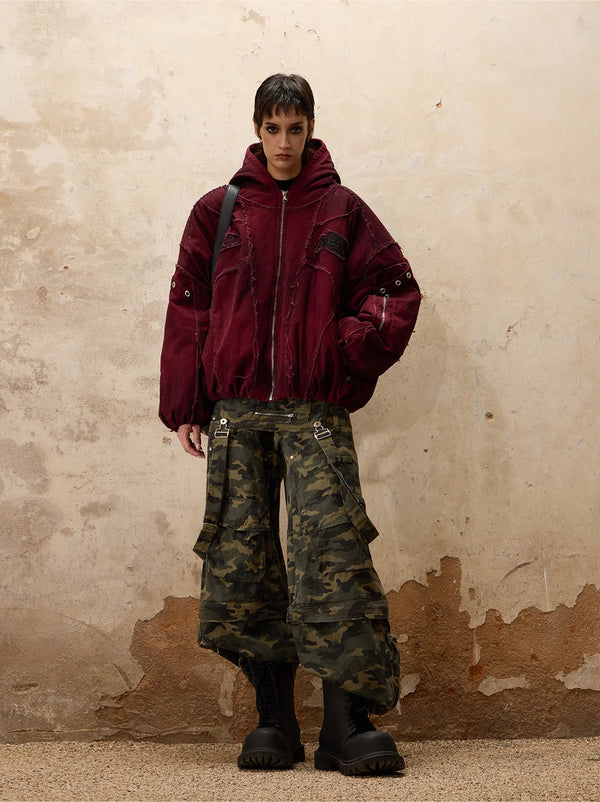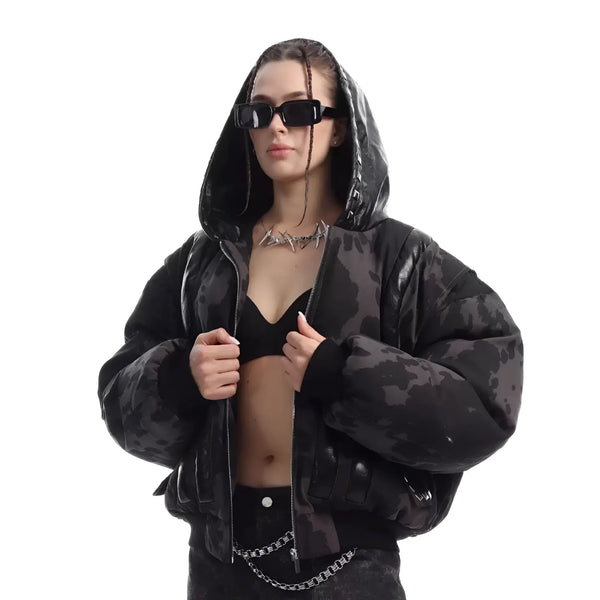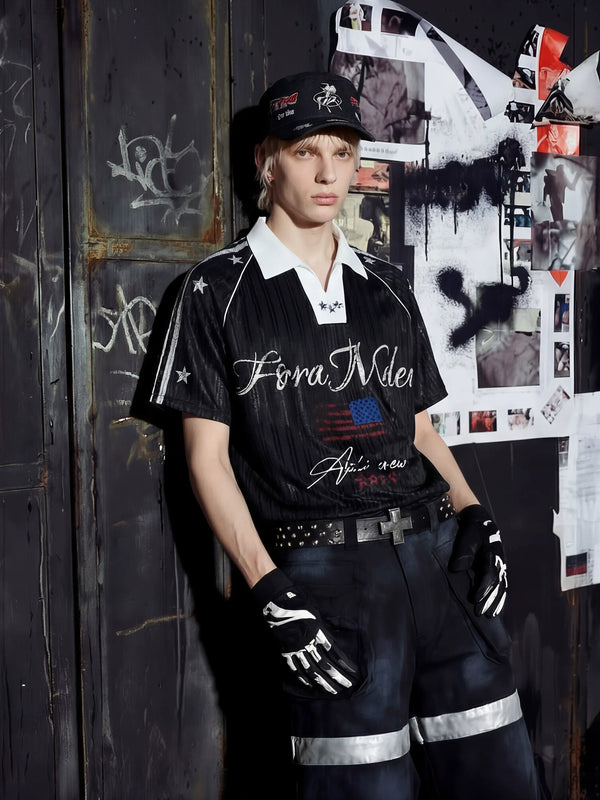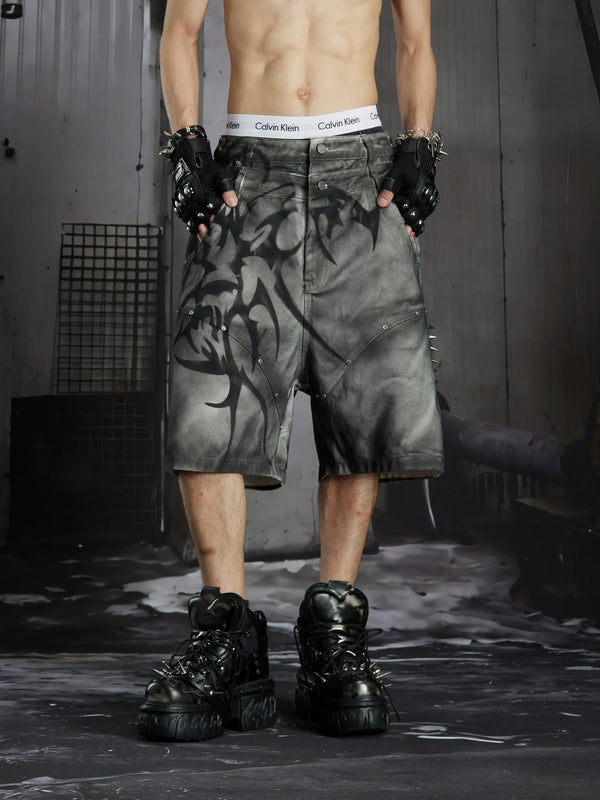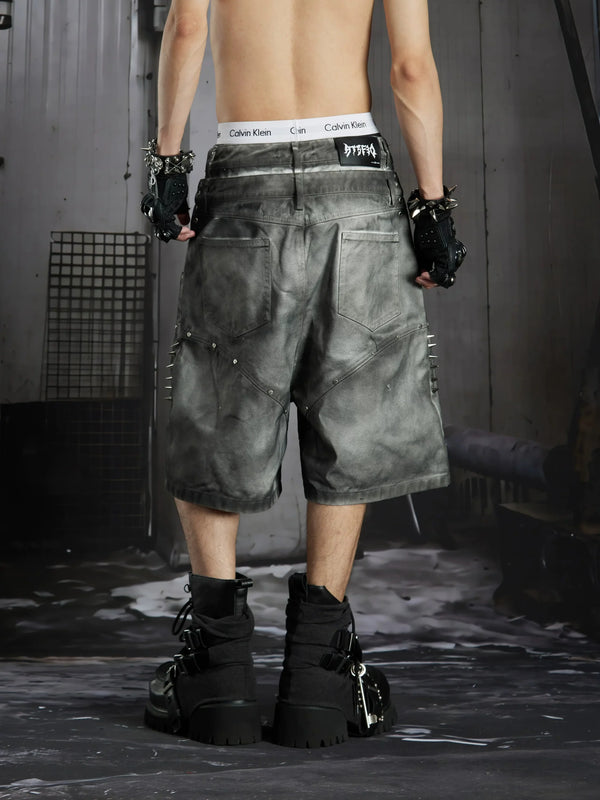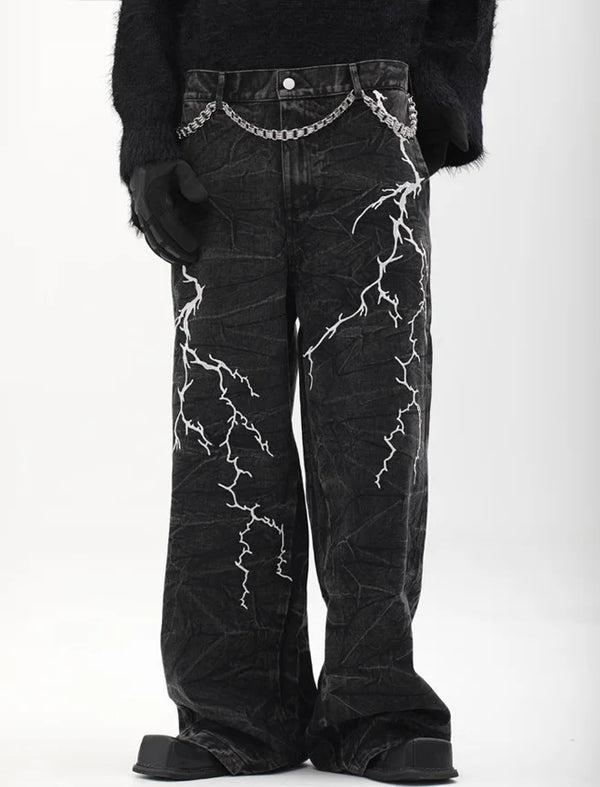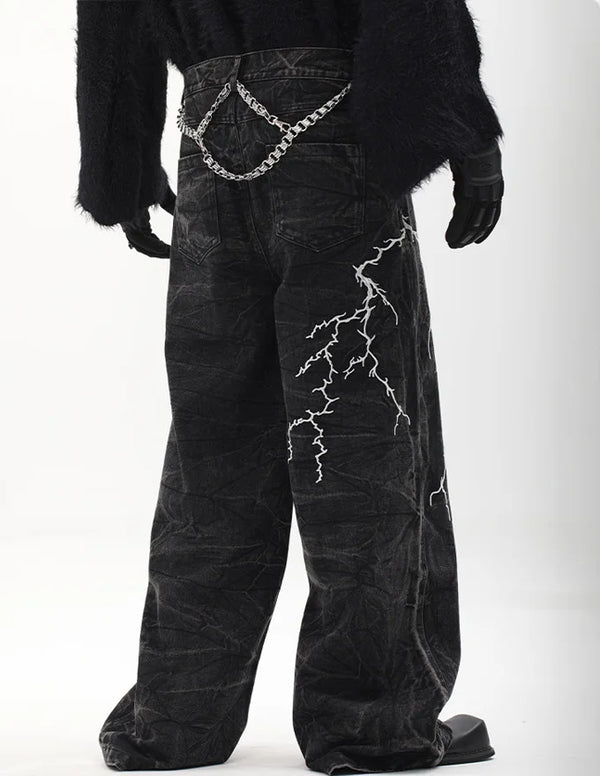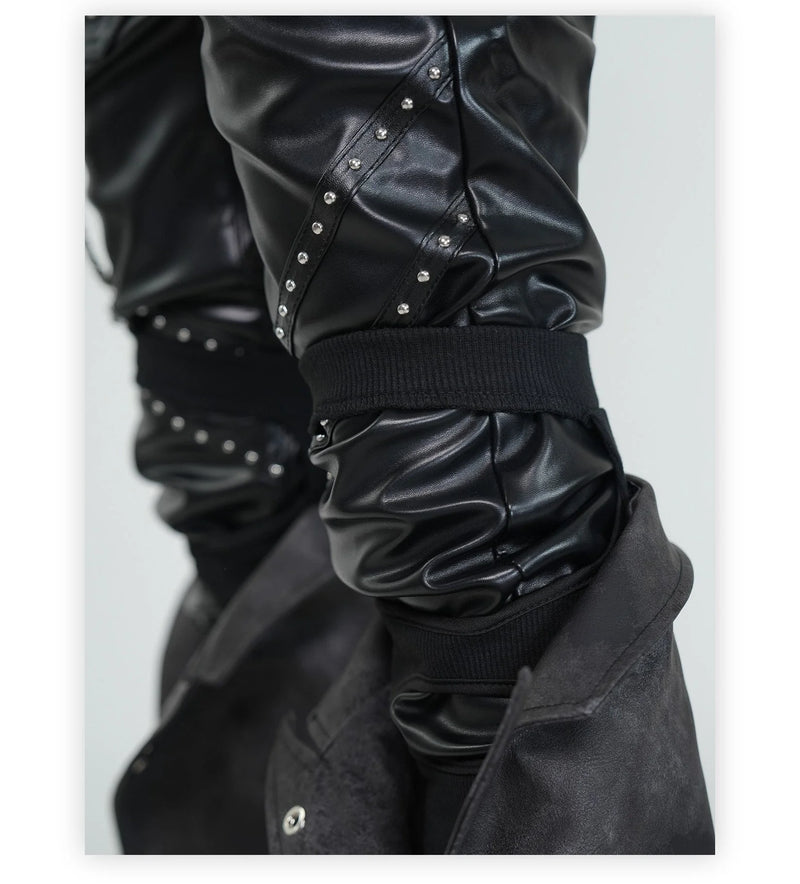
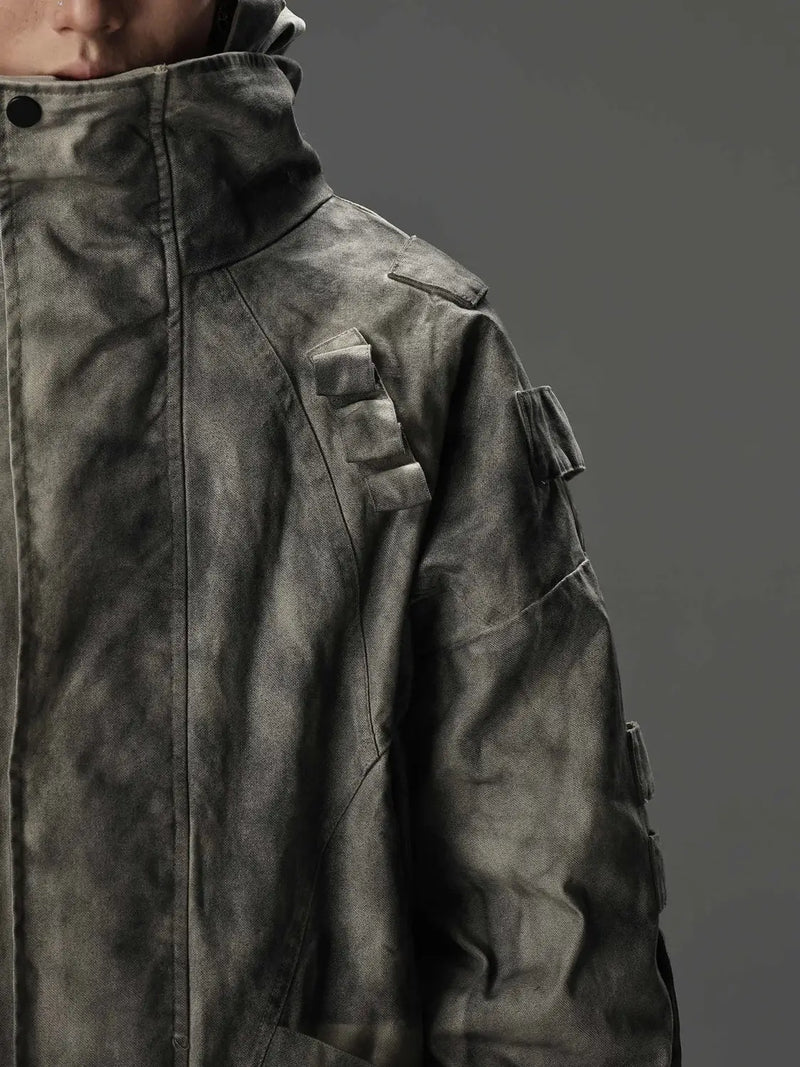

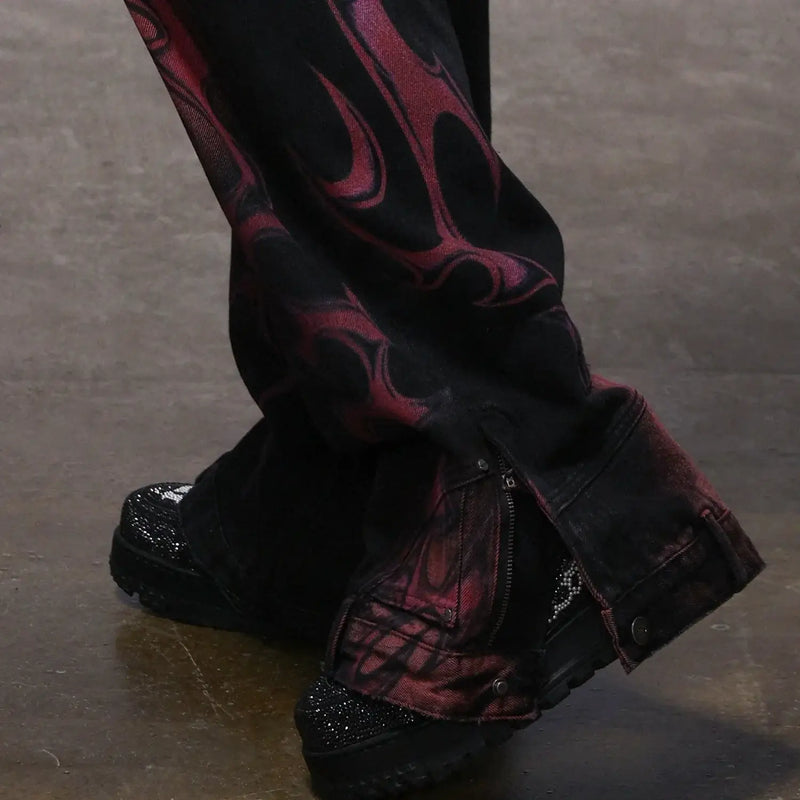


Most people confuse techwear with "black clothes plus straps plus a bag." Just as wrong as calling a suit "fabric shaped like a man." Techwear isn't one look — it's a logic: function decides first, silhouette second, color last.
Born in 2002 in Tokyo at ACRONYM, escalated through Errolson Hugh's collaboration with Nike, commercialized through Arc'teryx Veilance — and since 2018 the default uniform in Berlin and Shanghai for anyone who doesn't want to look like they're in costume. Anyone who reads techwear as pure "cyberpunk cosplay" has mistaken ACRONYM, Veilance, and the entire Gore-Tex vocabulary for a Halloween party.
This guide clears up what's actually behind it: who built it, what counts as technical, how the 5 sub-types differ, which brands write the vocabulary, how that translates into jackets / pants / tops, which 6 mistakes tip your outfit over — and why techwear is still relevant in 2026, even though the TikTok wave already crested back in 2021.
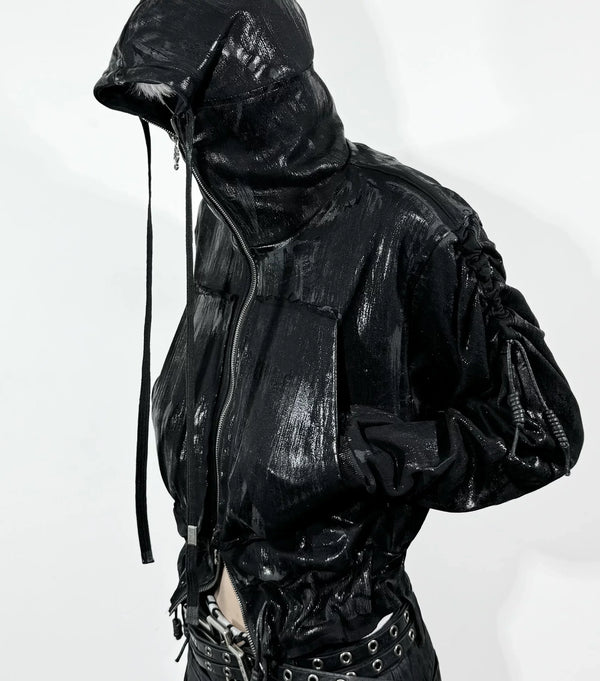
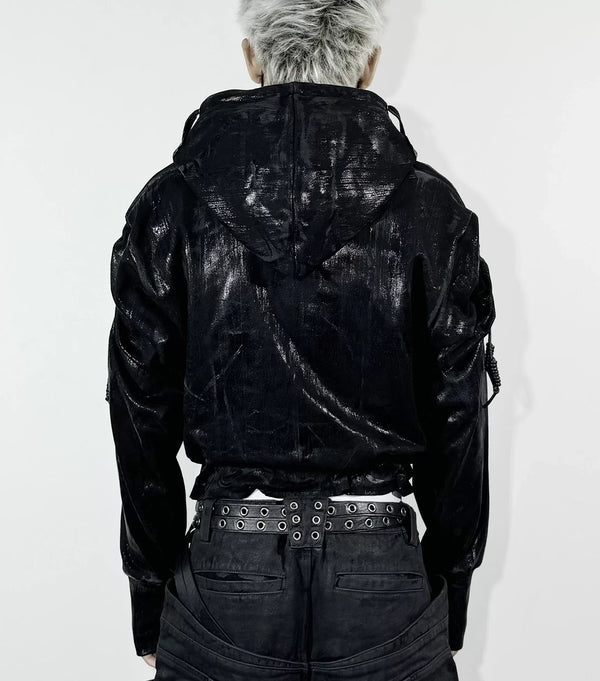
Here's what that looks like in real life — a jacket that reveals its tech DNA in 12 seconds:
Origin
Who invented techwear — and where does the term come from?
The term "techwear" first surfaced in the early 2000s in Tokyo's streetwear forums — as an umbrella term for brands translating outdoor fabrics into urban outfits. The one who actually invented it was Errolson Hugh, a Canadian designer with a background in tech fashion, who founded ACRONYM in Munich in 1994. From 2002 on, he sold hardshell jackets made from Schoeller and Gore-Tex fabrics, cut for moving through the city instead of an alpine tour.
2014 brought the mainstream break: ACRONYM × Nike. Errolson took on the Air Force 1, Presto, and Vapormax models and rebuilt them with ACRONYM's functional details. Magnetic closures, removable mid-layers, modular pockets. The sneakers became the symbol of a movement that had previously only existed in Tokyo and Berlin.
In parallel, Arc'teryx pulled the same vocabulary in a quieter, business-ready direction from 2009 onward with the Veilance line. Where ACRONYM shows straps and buckles, Veilance hides them. Where ACRONYM builds cyber cuts, Veilance builds coats that work in a job interview. Both lines share the same functional vocabulary — just at different volumes.
The second wave came through Y-3 (Yohji Yamamoto × Adidas), Stone Island Shadow Project (Stone Island's experimental lab), Boris Bidjan Saberi, Maharishi, and Riot Division. What was a functional code at ACRONYM became a fashion category through these brands — and, via TikTok from 2019 on, a mass aesthetic.
Definition
What counts as techwear clothing — and what qualifies?
Techwear is an outfit system built from four components: technical fabric, functional detail, urban silhouette, muted color. When all four line up, the outfit reads as techwear. When one is missing, it tips over — into streetwear, into outdoor hiking gear, into cyberpunk cosplay, or into "mall ninja."
90 %
matte black or gray
5
functional pockets min.
3
tech materials in the outfit
0
visible logos
These four numbers are the test. An outfit with a cotton hoodie over cargo pants isn't techwear — no matter how many straps are on it. What counts is the material ratio, the functional density, and whether every detail has a purpose or is just decoration.
What concretely counts as Techwear:
- Synthetic fabrics with a performance spec — Gore-Tex, Schoeller Dryskin, Cordura, ripstop nylon, Pertex. Cotton is allowed only as a skin layer, never as the outer shell.
- Modular pocket systems — chest pocket, MOLLE loops, removable pouches, hip pack. Pockets have to carry, not just decorate.
- Sealed seams and water resistance — welded seams, YKK Aquaguard zippers, taped zips. If your "techwear" jacket soaks through in the rain, it isn't.
- Drop-crotch or tapered cargo — leg silhouette with volume up top and a tight finish. Skinny isn't techwear, and neither is bootcut.
- Sneakers with a tech sole or high boots — Salomon XT-6, Nike ACG, Y-3 Kaiwa, or combat boots with a Cordura upper. Generic Air Force is streetwear, not techwear.
- Muted color palette — matte black, warm gray, olive, sand, occasionally tactical red. Neon accents are cosplay tier.
If three of these six points are missing, it's streetwear with techwear inspiration — not techwear. And there's one rule that holds the whole system up:
Status 2026
Is techwear still in fashion in 2026?
Short answer: yes, but not in the 2020 TikTok form. Long answer: the vocabulary has quietly gone mainstream. Salomon XT-6 as the default sneaker. Nike ACG line in every sneaker store. Veilance coats in every third Berlin-Mitte outfit. The hype wave has crested, but the system itself sits firmer than ever.
What's changed: fewer straps, less cyberpunk cosplay, less mall-ninja look. More stealth, more Veilance direction, more crossover with gorpcore (Arc'teryx, Salomon, Patagonia). The 2020s iteration was loud. The 2026 iteration is quiet and fits better.
Anyone getting into techwear in 2026 isn't entering a trend — they're entering an established category. Comparable to skate shoes in 2008: once underground, now default. Which means: cheaper entry, more choice, less cringe risk from the wrong pieces.
5 types
The 5 techwear types — from stealthwear to cyberpunk
Techwear isn't one look — it's five, overlapping at the edges. Lay ACRONYM editorials, Veilance lookbooks, cyberpunk Reddit threads, and Tokyo street style side by side, and these five types separate out cleanly. Each with its own pocket density, its own material language, its own silhouette.
Which of the five fits you depends less on taste than on which city you live in and how loud you want to be. Tokyo leans cyberpunk, Berlin leans stealthwear, Stockholm leans lunarcore, San Francisco leans gorpcore-adjacent. That's not a fashion theory — it's an observation from the bestseller reports of the respective markets.
Sub-genre
Cyberpunk techwear — where the genre really begins
Cyberpunk techwear is the most aesthetically coded variant. Where stealthwear works by staying invisible, cyberpunk works by becoming maximally visible. Both use the same material vocabulary — Gore-Tex, Cordura, ripstop — but cyberpunk breaks the silhouette into asymmetric lines and pushes hardware into visibility.
The reference is clear: Ridley Scott's Blade Runner (1982 and 2049), Mamoru Oshii's Ghost in the Shell (1995), and the entire 2000s Akira cosplay spillover. What was set design in the films, ACRONYM translated into wearable pieces starting in 2010. Magnetic closures, removable sleeves, chrome detail on the sunglasses.
The test for whether you're wearing cyberpunk techwear or cyberpunk cosplay: can the outfit survive the subway at 30°C without drawing attention you didn't want? If yes, it fits. If every second person is staring, it's costume. Cyberpunk tech isn't a convention-outfit category — it's a city outfit with sci-fi vocabulary.
Gender split
Techwear women vs men — where the line shifts
The rules are the same. Technical fabric, modular function, urban silhouette, muted color — applies to every body. What differs is the distribution. Where men's techwear often aims for maximum volume up top and a tapered leg, women's techwear more often sits closer to the body and uses the cropped silhouette as a second layer of storytelling.
Women's version: shorter outerwear (cropped hardshell instead of a long coat), tighter mid-layers, high-waist cargo more often than drop-crotch. The technical content stays the same — Gore-Tex stays Gore-Tex — but the line reads differently. Sneakers get chosen with a platform more often, boots with a higher shaft. Hardware stays functional but sits closer to the body.
Men's version: longer line, more layers on the outside (hardshell plus trench plus cargo vest), more chest pockets. The tactical iteration skews more male, the stealthwear iteration is more gender-neutral. What varies is cut and density, not the vocabulary.
Both need the 90-percent color ratio and the 3-material rule. Both avoid skinny leg and skinny top at the same time — that immediately tips the outfit into athleisure or into a Y2K sport look. The shared principle: volume on top or on the bottom, never tight on both or loose on both.
Brands
Techwear brands — ACRONYM, Veilance, and the rest
Techwear doesn't have a single inventor brand — it has a network of six to eight labels that wrote the vocabulary together. Once you understand the vocabulary, you can build techwear outfits even without the designer tier, through DTC brands and resale.
The brands that define techwear — sorted by influence:
- ACRONYM — based in Munich since 1994, a tech fashion label since 2002. Errolson Hugh is the authority. Magnetic closures, Schoeller fabrics, modular systems. Prices from 800 euros for a hardshell. The reference point.
- Arc'teryx Veilance — the city line of the Canadian outdoor giant, since 2009. Where ACRONYM is loud, Veilance is quiet. Smooth wool and Gore-Tex Pro, no visible straps. Business-ready.
- Stone Island Shadow Project — the experimental lab of the Italian tech pioneer. Errolson Hugh was Creative Director from 2008 to 2018. Heat-reactive fabrics, wax coatings, reflective effects.
- Y-3 — Yohji Yamamoto × Adidas, since 2002. Japanese drape language meets sport tech. Boots, sneakers, and mid-layers with asymmetric cuts.
- Maharishi — British, since 1994. Camo vocabulary plus tech fabrics. Original creator of the snopant and pak-camo. More affordable than ACRONYM.
- Boris Bidjan Saberi — avant-garde designer from Barcelona. Heavy drape silhouette, leather with tech coating, underground-tier pricing.
- Riot Division — Ukrainian brand, since 2011. Modular pant system, cargo pants with removable pouches, mid price tier.
- Nike ACG & ACRONYM × Nike — the commercialized variant. Salomon XT-6 as the default tech sneaker, Vapormax Plus as the cyberpunk shoe, ACG line as the stealthwear bridge.
Anyone who wants to wear techwear without designer prices looks first at Riot Division and Maharishi on sale, then at DTC brands like Fūga Studios that translate the vocabulary competently, and as a last step at resale for used ACRONYM or Veilance pieces.
Category · Outerwear
Techwear jackets — hardshell, bomber, trench
The jacket carries the techwear outfit. It's the largest surface, the most dominant fabric, the primary carrier of the functional story. This is where it gets decided whether your outfit becomes techwear or "black coat with straps."
Three jacket types work in techwear: the hardshell (Gore-Tex or equivalent, hooded, sealed seams — the tactical and stealthwear variant), the tech bomber (short cut, ripstop or Cordura, modular chest pocket — the cyberpunk variant), and the tech trench (long cut, often with a removable mid-layer — the grown-up Veilance iteration).
If you don't own a waterproof tech jacket yet, that's your first move. Everything else in the outfit builds around this layer.
Category · Bottoms
Techwear pants — cargo, multi-pocket, drop-crotch
The pants decide the silhouette. Skinny has been out since ACRONYM's early phase — what still worked in the tactical iteration of the early 2010s (slim fit tucked into boots) was systematically replaced by volume from 2016 onward. Drop-crotch with a tapered ankle, or cargo with a drawstring hem, or multi-pocket pants with MOLLE loops.
Techwear bottoms that work are matte, technical, and sit on the hip. Stretch is allowed as long as the fabric has a tech spec (Schoeller Dryskin, 4-way-stretch ripstop). Avoid anything that shines, anything with a vintage wash, and anything with a logo print on the leg.
If you want to build one pair of pants that works across all five techwear types, go with multi-pocket cargo with a tapered hem in matte black. That's the common denominator across stealthwear, tactical, and cyberpunk.
Category · Mid-layer
Techwear tops & hoodies — the skin layer
The mid-layer is the inconspicuous component — and that's exactly why it stands out when it's wrong. A normal print tee rarely hangs under an ACRONYM hardshell. It's a technical hoodie (4-way-stretch, often with a thumbhole), a merino wool long-sleeve (breathes even under a hardshell), or a tactical vest with a chest pocket.
The rule: matte, muted, close to the body but not tight. Printed shirts (large print graphics, band logos, streetwear slogans) immediately tip the outfit into streetwear. A plain black tech hoodie says "techwear" more than any print motif.
Anyone who wants to test the tactical look should wear a cargo shirt with two chest pockets over a plain long-sleeve. It's the easiest entry point without immediate cosplay risk.
Materials
The tech in techwear — Gore-Tex, Schoeller, ripstop
Anyone who takes techwear seriously learns four fabric families by heart. These four separate real techwear from a "black jacket with a strap look." If your piece doesn't have one of them, it isn't techwear — no matter what it costs.
A tech piece I bought without knowing the fabric stopped being techwear three months later — it became fashion. Tech fabrics age visibly, cotton imitations collapse. If you're investing in techwear, read the material label, not the brand.
But techwear doesn't stand alone. It overlaps at several edges with other technical-functional aesthetics — warcore (tactical-military-adjacent), gorpcore (outdoor lifestyle), cyberpunk aesthetic (futuristic-asymmetric), Berlin techno city outfit (black plus function). Anyone fluent in techwear can read these neighboring codes and mix them deliberately.
Here are the most important neighbors — each with its own guide, if you want to go deeper:
Seasonal
Techwear in summer vs winter
In winter, techwear is easy. Hardshell on the outside, mid-layer of Primaloft or merino, technical hoodie as the skin layer, Cordura cargo below, boots with a Vibram sole. Six layers if needed, everything works, everything breathes. The challenge is summer.
Summer techwear works through what used to sit under the hardshell. Tactical shirt becomes the main visible piece, often with two chest pockets. Cargo shorts instead of cargo pants. Salomon XT-6 or XA Pro instead of boots. The MOLLE straps stay, the layers fall away. The outfit still reads as techwear, because the material and the functional density hold up.
The year-round solution also runs through hardware: convertible pieces that adjust their own layer thickness. Hardshell with a removable mid-layer (ACRONYM-style), vest with extendable sleeves, pants with a zip-off leg for shorts mode. Invest in a convertible hardshell — it covers eight of twelve months.
Here's what that looks like in motion:
What does not work
The 6 most common techwear mistakes — what NOT to do
Techwear has six spots where it reliably falls apart — no matter how expensive the individual pieces are. If you avoid only one thing, make it mistake number one.
Action
How to start with techwear — the first 4 pieces
You don't need 20 black tech pieces to wear techwear. You need four that will show up in 80 percent of your outfits. Everything else builds around that.
In order: a waterproof hardshell or tech bomber (your biggest investment — lasts 10 years if you don't buy cheap). A black multi-pocket cargo or drop-crotch pant. A technical hoodie or tactical shirt with two chest pockets. Sneakers with a tech sole (Salomon XT-6 is the default) or combat boots. A chest bag or a modular hip pack as an optional fifth piece — but only once the first four fit.
Outfits for real
Techwear in real life — what that looks like in Berlin every day
Before you build your own outfit, look at how other people wear it. The five types from above look different in the feed than in lookbook photos: dirtier, more worn-in, less perfect — and that's exactly why they work.
That's the fastest way to check whether techwear even sits right on your body type — before you spend any money. Berlin and Tokyo tech outfits differ, by the way: Berlin is quieter (more stealth iteration), Tokyo leans more cyberpunk.
To close
Techwear is a functional system — not a costume
If you take one thing away from this guide, make it this: techwear doesn't work through pieces, it works through function. Anyone who has the functional logic down builds twenty outfits out of fifteen pieces. Anyone who just buys pieces ends up with a full closet without a single outfit that still holds up in the rain, on the subway, or at 32 degrees.
The whole logic of this guide reduces to one sentence:
The logic has been stable since 2002 and will stay that way — as long as the material vocabulary keeps evolving. But you don't have to wait until you can tell Gore-Tex, Schoeller, Cordura, and ripstop apart. Start with the one type that fits you best. What you don't know yet, you'll learn by wearing it.
And that's the actual point: techwear reads like a material straitjacket in theory, but doesn't feel like one in practice. Once you have the code down, every new outfit is a variation on the same four or five building blocks — not a new invention.
FAQ
Frequently asked questions about techwear
The questions we often get by DM and email — short, clear, no detours.
What exactly is techwear — in one sentence?
Is techwear still in fashion in 2026?
Is Techwearclub legit?
Where can you buy techwear in Germany?
What's the difference between techwear and warcore?
What are some affordable alternatives to ACRONYM?
Does techwear work in summer?
What shoes go with techwear besides Salomon XT-6?
What do you think?
Tell us on @fuga_studios
About the author
Philipp Fuge — Founder · Berlin
Founder of Fūga Studios. Writes the journal himself. Berlin · Shanghai · Tokyo · Poznań — four cities, one logic.