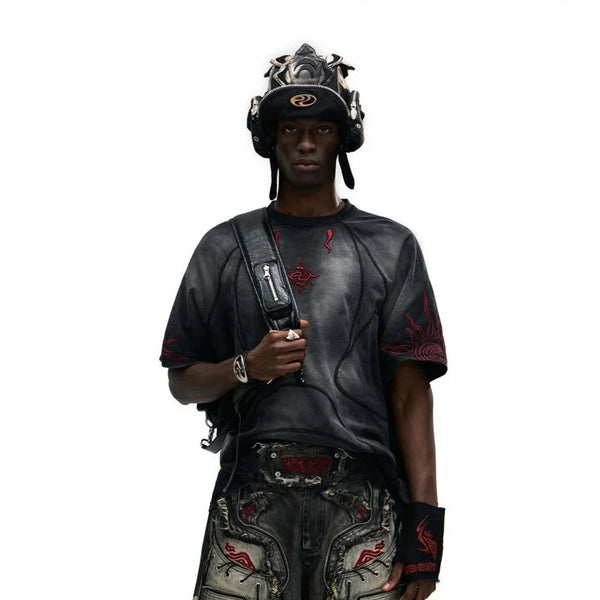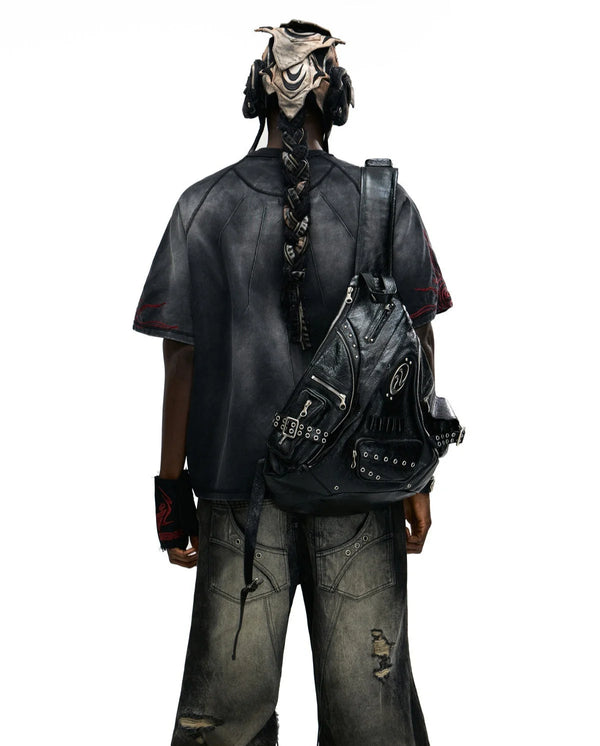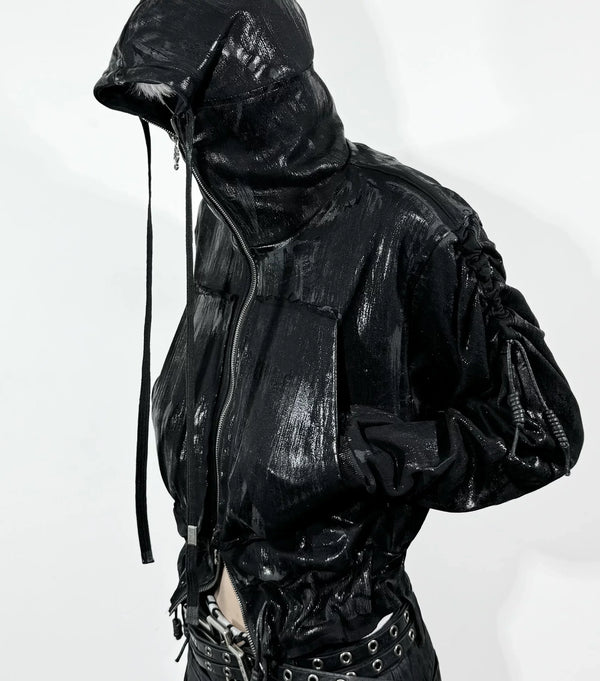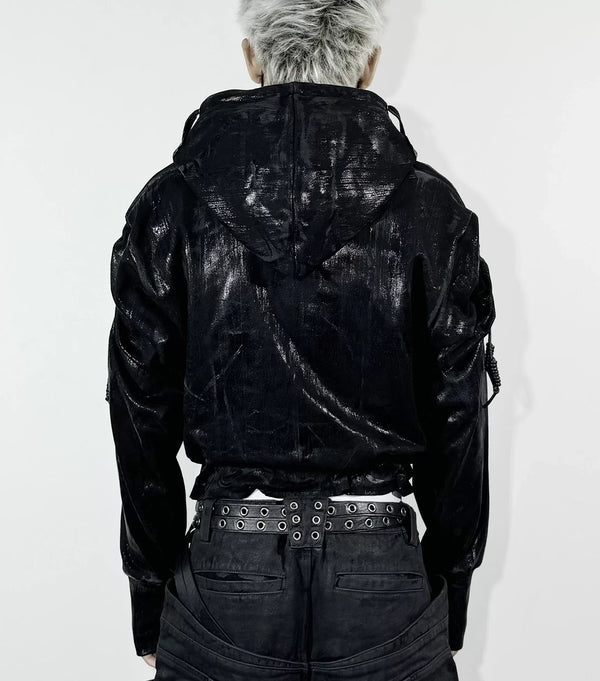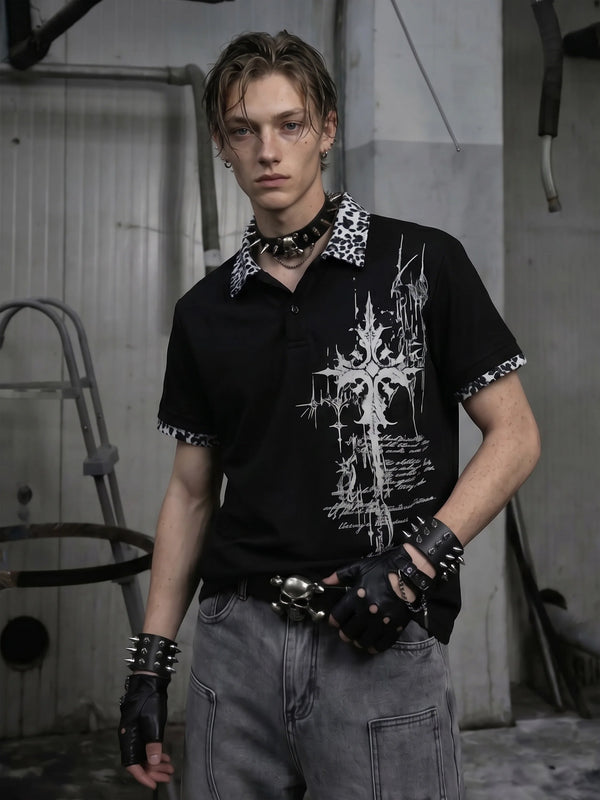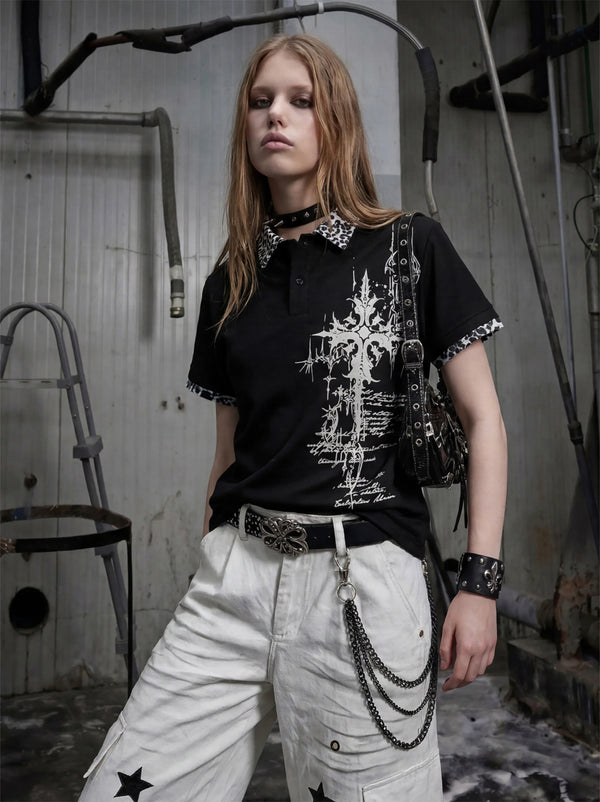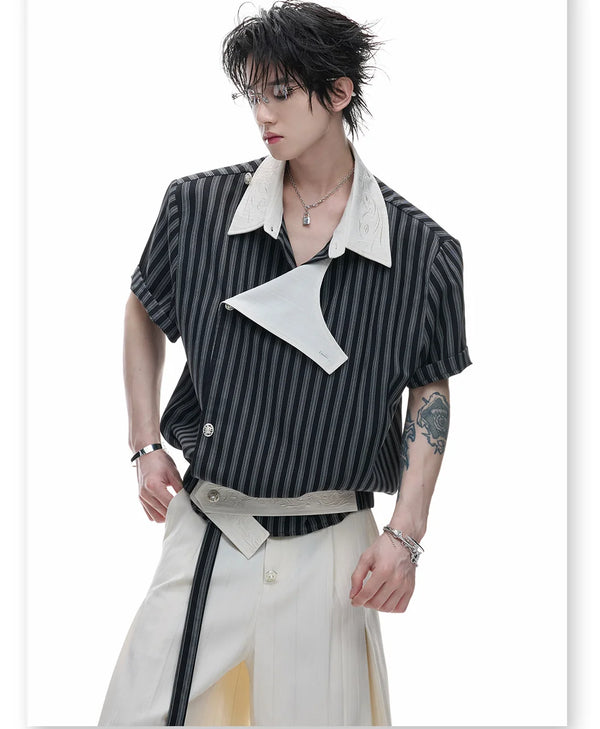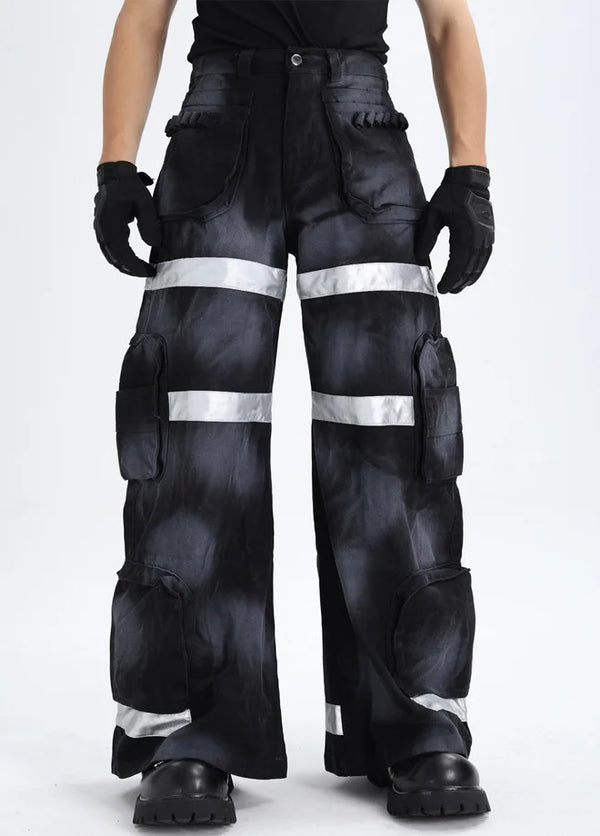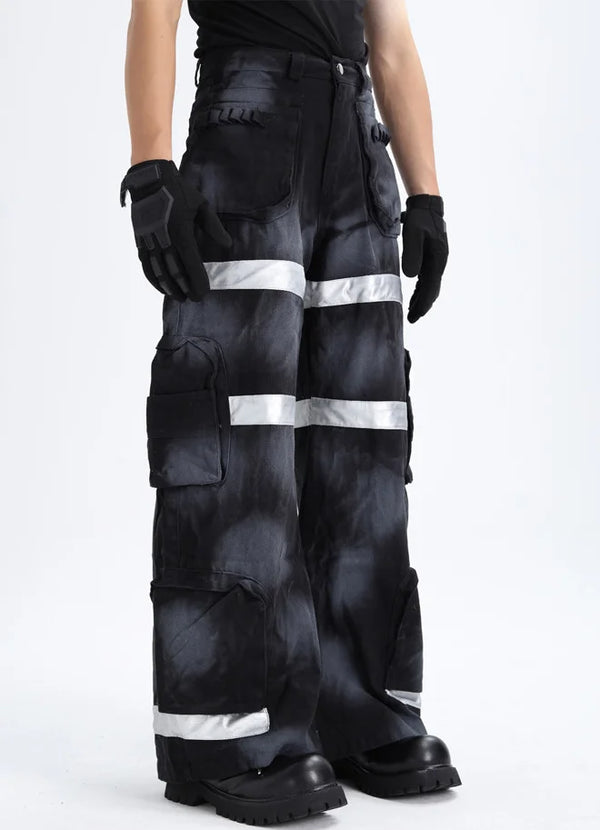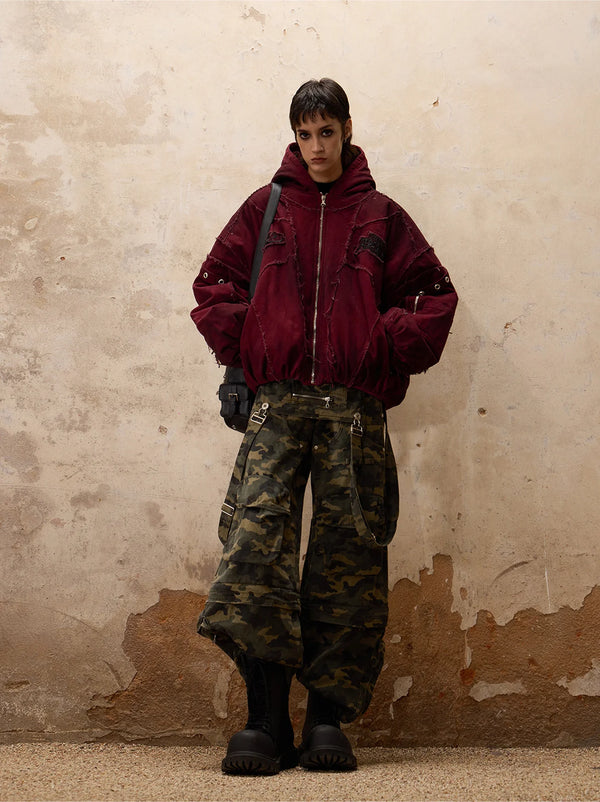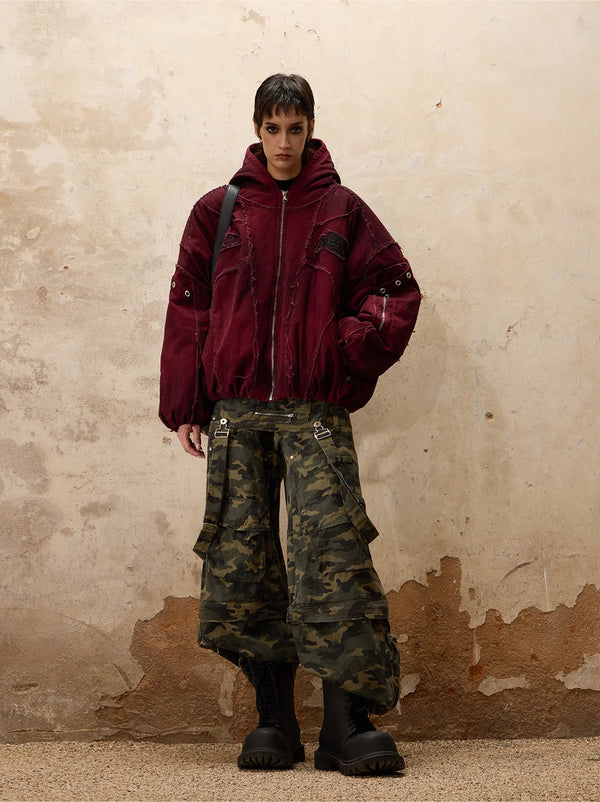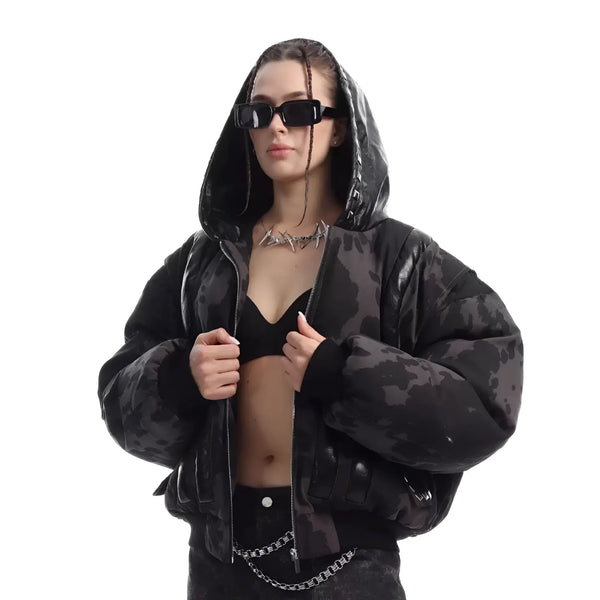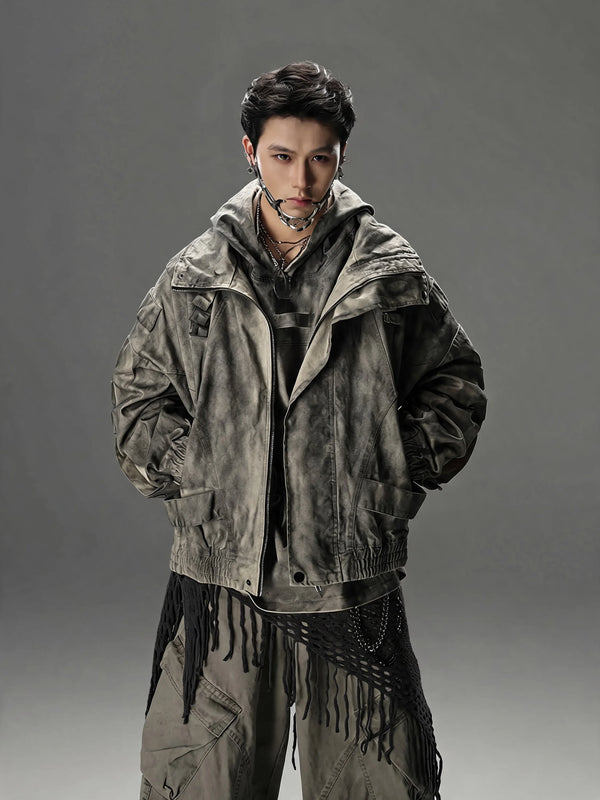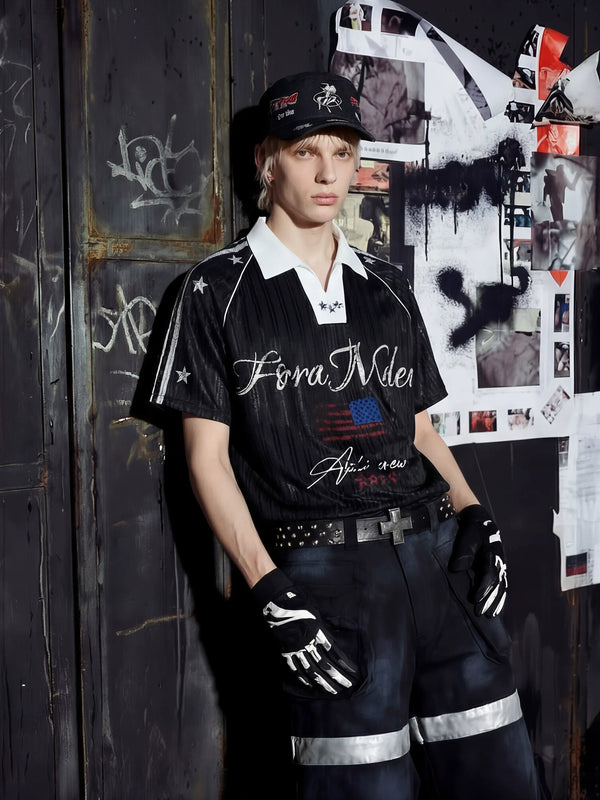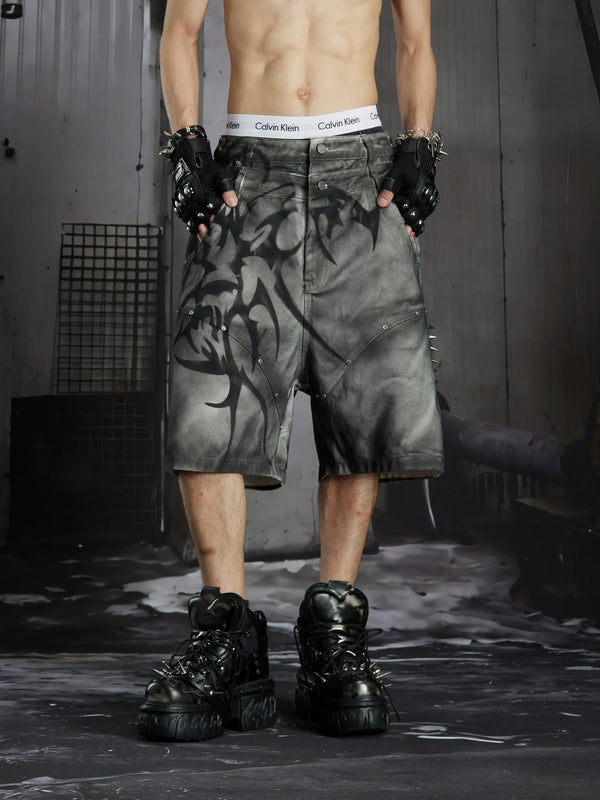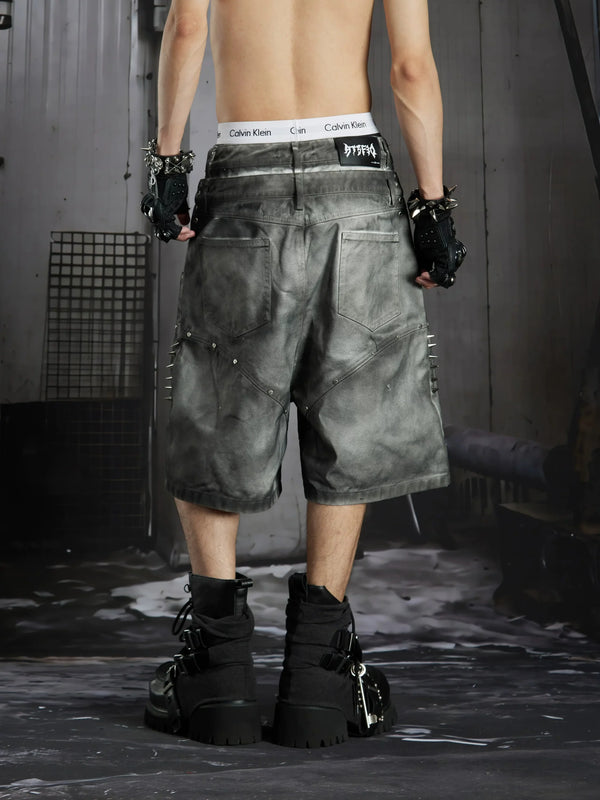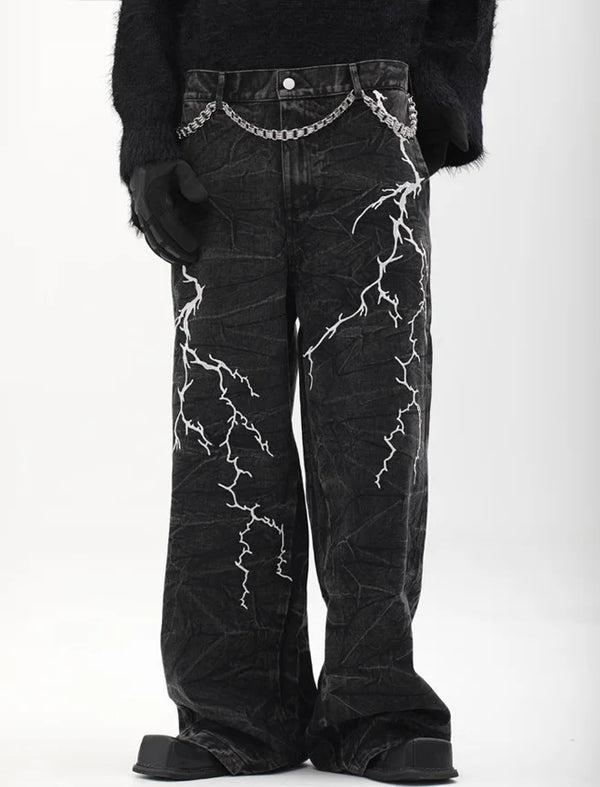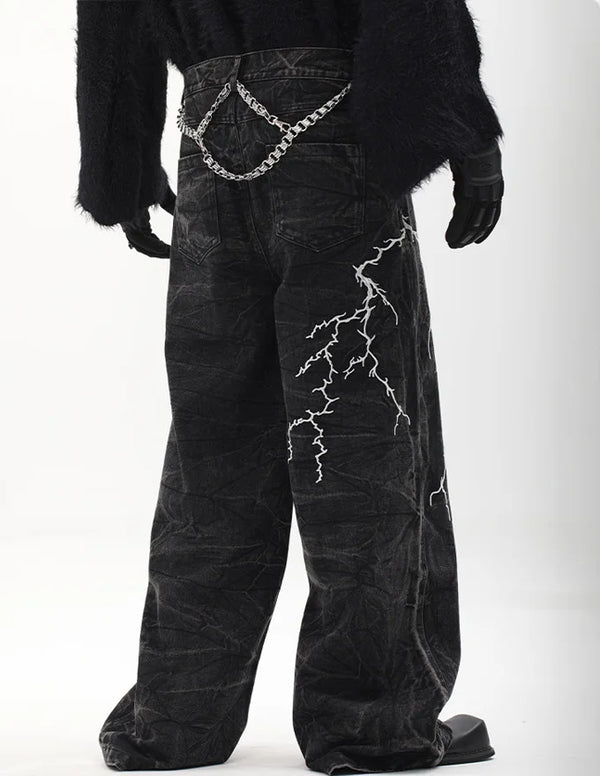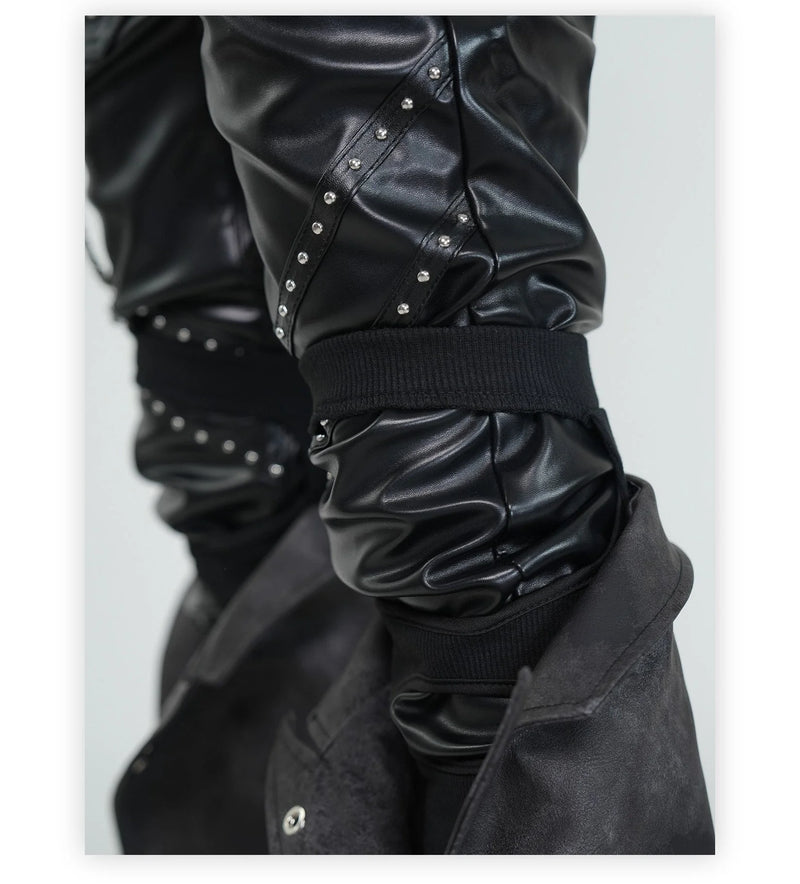



Most techwear images in the feed show a man between 1.85 m and 1.90 m in front of concrete. What often happens next: brands take the same pattern, make it a size S, print „Women's Fit" on it and call the job done. They don't.
Techwear outfits for women follow the same three functional rules as men's techwear — weather outside, movement possible, visible construction logic — but on a different frame. The shoulder sits narrower, the hip is wider relative to the waist, and the layering stack has to handle that without the outfit tipping over. Shrunken menswear doesn't solve it.
This pillar shows what techwear really means on women: the 5 types that carry the system, the silhouette rule, the material codes (Gore-Tex, Ripstop, sealed seams), the jackets / pants / tops we recommend, and which 6 mistakes reliably tip the look. Plus the question „techwear vs. Gorpcore" — which, according to Google PAA, almost everyone entering the vocabulary asks.
How that looks in motion — the convertible logic in 12 seconds:
Definition
What is techwear — and what makes it different on women?
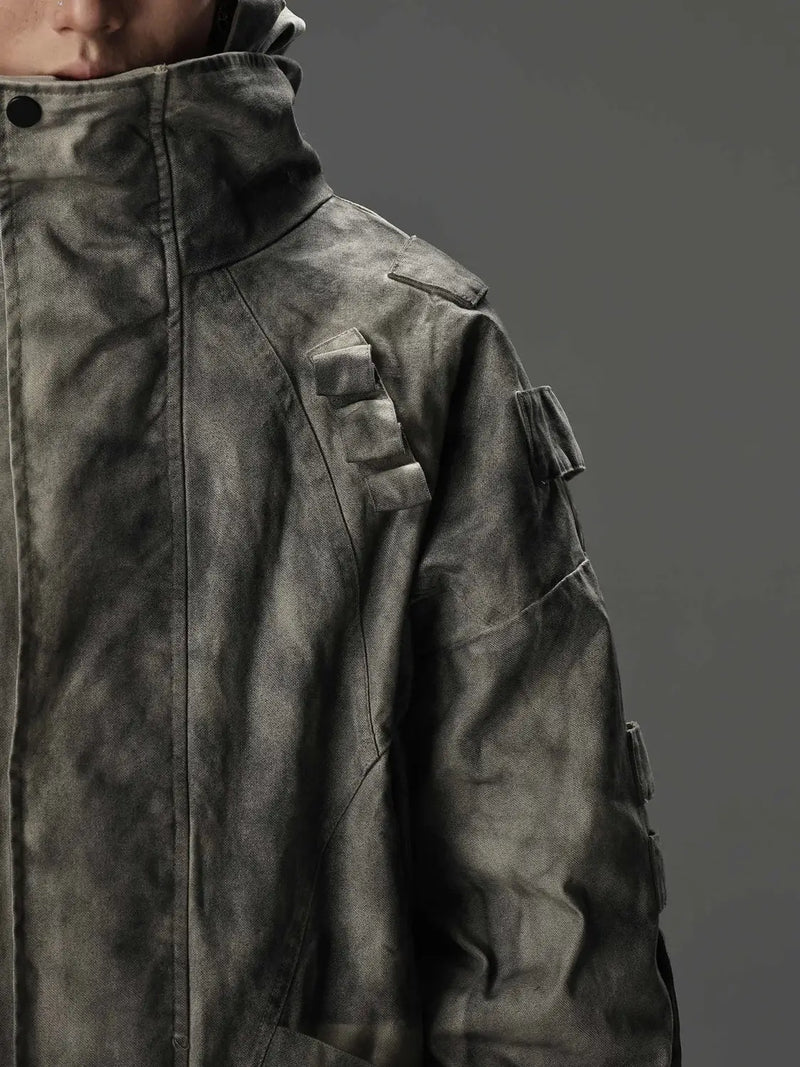
Techwear at its core means: clothing that solves a technical problem — rain, wind, sweat, movement — and wears its solution visibly. Sealed seams are visibly taped. Cord locks hang visibly on hems. Magnetic buckles replace zippers because they work under gloves. Some know the genre term as „functional fashion", „urban tactical" or „technical wear" — all three describe the same vocabulary.
All of it was defined in the 90s in Munich-Berlin by Errolson Hugh and his brand ACRONYM. The three functional rules there: Layer 1 (skin) must breathe, Layer 2 (insulation) must warm, Layer 3 (shell) must be waterproof. If an outfit doesn't fit this 3-layer system, it isn't techwear — it's just a black outfit with a lot of pockets.
3
Layer (skin / insulation / shell)
90 %
matte-black fabric ratio
5
women's archetypes
0
cosplay symbols
The difference from the men's version doesn't sit in the vocabulary — material, hardware, layer logic stay the same — but in the frame. Women's shoulders fall narrower, the thighs sit closer together, and the waist-to-hip transition is steeper. If you take the same shell-coat pattern as for men and just scale it by size, the shoulder hangs too far out and the coat looks borrowed. That's the point where most techwear brands fail women.
What women's techwear needs is not less material — but cuts that work with the narrower shoulder and the softer hip:
- Tighter skin layers — compression top, mesh long-sleeve, body-close henley instead of a loose tee.
- Shoulders that don't overhang — shell coats with raglan or set-in shoulders, not copied 1:1 from the men's block.
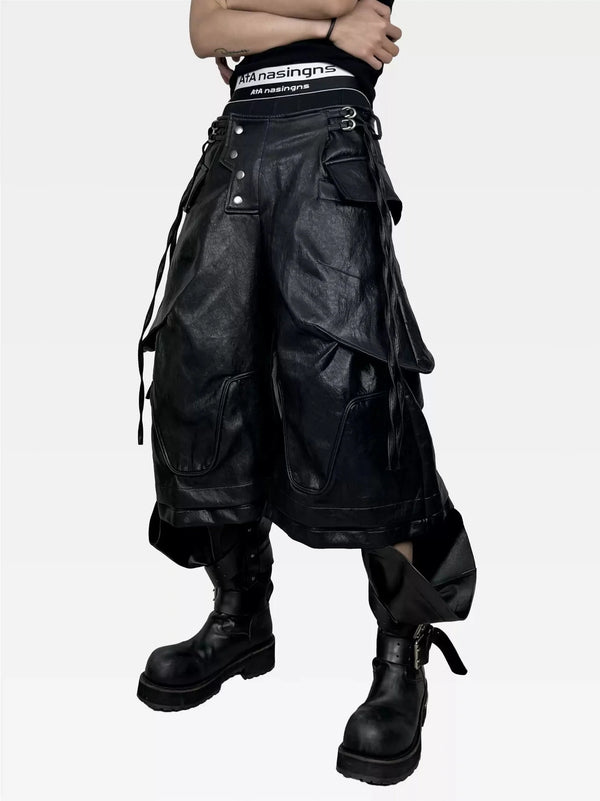
- More volume below — wide-leg cargo, ruched tactical pant, drape drop-crotch — balance out the narrower upper-body silhouette.
- Hardware points on the body, not in jewelry — cord lock at the hip band, buckle at the trouser leg, magnet snap at the cuff. Not: a chrome necklace over three mesh tops.
- Sealed seams visible — the taped seams are the functional argument. If they only sit on the inside, the outfit has lost half its readability.
- Layers in a real 3-layer stack — skin (tank) + insulation (fleece or liner) + shell (Gore-Tex coat). Not: three T-shirts on top of each other.
If you're missing three of these six points, the outfit isn't techwear — it's „streetwear with cargo pants". And there's one rule that holds all six together:
5 archetypes
The 5 techwear types for women — from Soft-Tactical to Cyber-Armor
Techwear isn't a single look. If you lay Tokyo-Harajuku, Berlin-Mitte and the ACRONYM lookbook side by side, you see five different iterations — all built on the same rules, but with their own material density and their own hardness level. Which type suits you depends less on taste than on your everyday life.
Which of the five lands on you comes down to three questions: how much hardness do you want in the outfit, in which city will you wear it, and how much hardware can you carry on the body. We go through them one by one — starting with the point where women's techwear most often tips.
Silhouette rule
Why „men's techwear in S" doesn't work — the silhouette rule
The cheap answer from many brands: take the men's cut, one size smaller, done. The problem isn't the length — that can be shortened — but the shoulder. Men's shoulders fall wider and straighter, so the seam points sit further out. Scale that onto a narrower women's shoulder and the seam slips over the upper arm. The jacket looks borrowed, and the whole layer stack underneath gets hidden.
The solution ACRONYM and Veilance have run for years is a dedicated women's block construction: raglan shoulder instead of set-in, body-close skin layers, volume below instead of above. What goes over the shoulder in the men's stack goes over the hip in the women's stack. Same vocabulary, different geometry.
In practice that means: tighter on top than for men, more volume below. Instead of a loose hoodie over cargo you take a compression long-sleeve under an open shell jacket plus wide-leg cargo. The tight skin layer turns the narrower shoulder into a deliberate accent instead of a hiding place. The wide pant brings back the volume that hung in the coat on the men's cut.
Both versions — men's and women's techwear — follow the same 3-layer logic. What varies is the distribution of volume, not the vocabulary of the pieces.
Sub-genres
Techwear vs. Gorpcore vs. Warcore vs. cyberpunk — what's actually what?
The most common question in Google PAA on the topic is „What's the difference between Gorpcore and techwear?". The answer is rarely given cleanly, because all four sub-genres overlap at the edges. Here are the four lines, clearly separated:
- Techwear — the mother aesthetic. ACRONYM since 1994. Urban-tactical, dark utility, sealed seams visible. Function indoors AND out. Dark-monochrome, black-dominant.
- Gorpcore — the outdoor-DNA version. Patagonia, Salomon, Arc'teryx, The North Face. Colored accents allowed (orange fleece, blue shell). Function for mountain hiking, then worn in the city. Brighter colors than techwear.
- Warcore — the military-tactical iteration. Visible harness straps, combat boot mandatory, camo textures. More cosplay risk, so it needs a clear line between „inspired by" and „re-enactment".
- Cyberpunk — the fictional future iteration. Chrome, neon accents, mesh-tank maximal layering, anime reference. Function here is symbol, not argument — the cord lock doesn't have to hold, it has to look like it's out of Akira.
A women's outfit can sit in two of these genres on a given day — that's normal. What tips: three or four at once. Combine a Warcore harness with cyber mesh and Gorpcore Salomon and you end up with no line, just a cosplay mix. Hold one type, add a second at most.
Material codes
Materials & hardware — what earns the „tech" part
An outfit is techwear because the fabrics and the hardware solve a problem — not because they're black. That's the point most streetwear brands skip: they copy the look (cargo pant, mesh top, lots of zippers) without the function (breathable, waterproof, abrasion-resistant). The fabric decides whether the black outfit becomes techwear or just a well-lit photo.
The material codes that mark out real women's techwear:
- Gore-Tex / eVent / Pertex Shield — the shell membrane. Waterproof (at least 10,000 mm water column), breathable, sealed seams. The Layer-3 standard.
- Ripstop nylon — the cargo-pants material. Reinforced grid weave prevents tears, lightweight, abrasion-resistant. In detail it looks like a fine grid.
- Stretch Cordura — high-performance cargo pants. Tear-resistant, slightly stretchy, perfect for movement. Errolson Hugh has used it since the early 2000s.
- Merino wool as skin layer — the inconspicuous functional fabric. Breathes, warms, doesn't smell. Replaces a cheap cotton tee completely.
- Primaloft or Coreloft — synthetic insulation. Warms even when wet, packs small, replaces down for city tours in damp weather.
- Mesh from 3D spacer fabric — breathable and body-close. The real techwear mesh, not the Halloween version made of Lycra stretch.
Hardware is the second layer of functional readability. Buckles, cord locks, magnet snaps, Velcro — all of it has a job. If your magnet snap doesn't hold, you bought the cheap version.
Category · Outerwear
Techwear jackets for women — shell, liner, puffer
The jacket carries the women's techwear outfit. It's the largest visible surface, the primary functional argument, and the point where your Layer-3 choice is decided. Three types are worth it for women: the Gore-Tex shell (for real weather), the field coat or trench (for a long silhouette with drape), and the tech puffer (for winter with insulation inside).
What's out: denim jacket without functional fabric, classic bomber without membrane, anything unlined in 100% cotton. Those aren't techwear shells, they're city transitional jackets in black.
If you were only going to buy one techwear jacket, take the shell. It has the longest season (spring, autumn, rainy summer), the biggest functional lever and fits under and over any Layer 2.
Category · Bottoms
Cargo pants & tactical pants for women — the volume rule
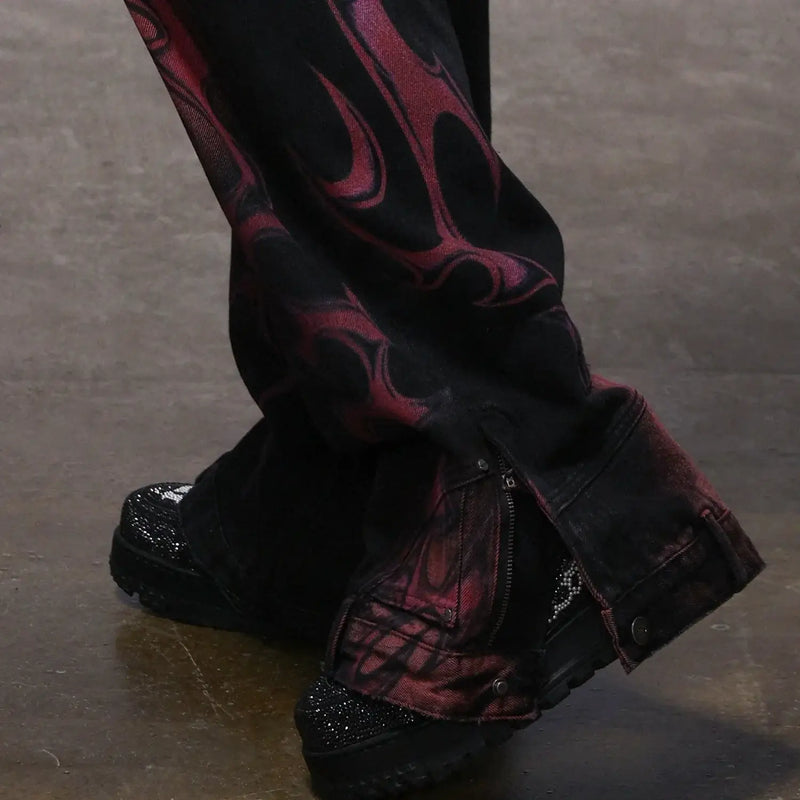
Wide-leg isn't a trend in women's techwear, it's mechanics. Because the skin layer sits tight on top, the outfit needs volume below — otherwise the silhouette tips into „workwear in size S". Three cuts work: ruched tactical cargo (gathered leg, looks like controlled volume), wide-leg cargo with a clear drop, and drop-crotch pant for the avant-garde iteration.
What's out: slim cargo (looks like workwear), skinny tactical (tips straight into cyberpunk cosplay), and anything with wash stretch (that's Y2K, not techwear). Matte, heavy, sits on the hip — that's the test.
If you want to build the most universal cargo, take multi-pocket wide-leg in matte black from Ripstop nylon. It sits with every one of the five women's techwear types.
Category · skin & mid layer
Techwear tops for women — compression, mesh, hooded-crop
The skin layer is the layer nobody looks at first — but the one that tips the whole outfit if it sits wrong. In women's techwear it works against the pant. A tight compression top or body-close long-sleeve, no loose tee. 3D spacer mesh is your friend here: looks technical, breathes, sits tight on the body without pressing.
Mid-layers for women are a tech hoodie (with magnet snap instead of zipper), a half-zip pullover in merino fleece, or a hooded-crop if the outfit stack allows it. What's out: a print-graphic tee with anime or a cyber logo. That tips straight into cosplay.
The simplest women's techwear entry up top: a plain-black compression long-sleeve under an open shell. That gives you the tight skin layer plus the functional look instantly, with no risk of getting anything wrong.
Category · Footwear & Hardware
Shoes & hardware — combat boot, trekking, backpack
Shoes are the second big decision in the women's techwear stack. Three lines work: combat boot or buckle boot (for Berlin-Industrial and All-Black-Stealth), trekking sneaker with an aggressive sole profile (for Gorpcore-Functional), and cyber sneaker with chrome detail (for Cyber-Armor). High heels, classic sneakers and loafers are out — the sole language doesn't fit.
Hardware accessories in women's techwear are more backpack than jewelry. A modular roll-top pack with webbing loops and cord-lock hardware closes the 3-layer stack as Layer 4. Jewelry reduces to one piece at most — chrome ear cuff, stealth ring, or carabiner at the hip. Three pieces at once tip it.
If you had to pick one shoe line, take the combat boot with a platform sole. It works in four of five women's techwear types, keeps off the rain and gives the narrower women's silhouette the anchor the outfit needs below.
Styling logic
How to really style techwear — the 3-layer logic for women
Techwear styling for women works on a single principle: three layers, each with its own job. If all three sit, the outfit reads as techwear. If one is missing or doubled up, it tips into streetwear or cosplay.
Skin carries the skin. Insulation carries the warmth. Shell carries the weather. Three layers, three jobs — leave one out and you're only building a black silhouette.
Layer 1 (skin) is tight and solid-colored: compression long-sleeve, mesh tank, merino henley. Layer 2 (insulation) is mid-weight and breathable: fleece half-zip, liner vest, thermal hoodie. Layer 3 (shell) is the outer skin: Gore-Tex coat, tech trench, hardshell jacket with sealed seams. In summer, Layer 2 drops — shell straight over skin. In winter, Layer 2 and Layer 3 come together, sometimes with an extra mid-layer vest in between.
The most common trap for women is: too much Layer 1, too little Layer 3. Three mesh tanks on top of each other are not a 3-layer stack — those are three skin layers. You need real functional differentiation between the layers, otherwise you're wearing Halloween suits. For more detail on styling — if you want the full layer breakdown:
Women's techwear doesn't stand alone — it overlaps at several edges with other functional genres. Gorpcore shares the membrane logic, cyberpunk shares the hardware language, Warcore shares the drape silhouette. Anyone who has women's techwear down reads these neighbors as gradient transitions, not as separate drawers.
Here the most important neighbors — each with its own guide:
Seasonal
Techwear for women in summer vs. winter
Winter is the easy season for women's techwear. Hardshell jacket with insulation liner, merino long-sleeve underneath, tactical wide-leg cargo, combat boot. Six layers, all matte, all functional. The challenge comes in summer, when the shell jacket drops — exactly the layer that lets the outfit read as techwear.
Summer techwear at 28 degrees works through what was under the jacket: mesh tank instead of T-shirt, light Ripstop cargo instead of heavy Cordura, trekking sandal or low-top tactical instead of combat boot. The material codes stay visible — sealed seams on the tank, cord lock on the trouser hem, magnet snap on the waistband. That makes the summer look readable, even without the large outerwear surface.
The all-year solution also comes as hardware: pieces that adjust their layer thickness themselves. Convertible puffers with removable sleeves, for example — winter as a full jacket, spring as a vest, summer as a shell statement with a short tee underneath.
Here's what that looks like in motion:
What does not work
The 6 most common mistakes in techwear outfits for women
Women's techwear tips reliably at six points — no matter how expensive the individual pieces are. If you avoid just one of them, make it mistake number one.
Action
How to start in techwear — the first 4 pieces for women
You don't need 30 black things to wear women's techwear. You need four that will be in 80% of your outfits. Everything else builds around them.
In order: a matte-black shell jacket with Gore-Tex or a comparable membrane (biggest investment — lasts 8 to 10 years if you don't buy cheap). A wide-leg tactical cargo in Ripstop. A compression long-sleeve or mesh tank in matte black. Combat boots with a platform sole. Optional fifth piece: a tech backpack with webbing — but only once the four sit.
Outfits for real
Techwear outfits for real — Berlin, Tokyo, Mitte
Before you build your own women's techwear outfit, look at how others wear it. The five types from above look different in the feed than in lookbook photos: tighter, dirtier, less perfect — and that's exactly why they work on the street.
It's also the fastest way to check whether a particular type sits on your body frame — before you spend money. Berlin-Industrial looks heavier in real life than in brand images, Soft-Tactical lighter, Cyber-Armor always a bit riskier.
To close
Techwear is function, not costume — for women too
If you remember one thing from this pillar, make it this: women's techwear doesn't work through pieces, it works through rules. Anyone who has the rules down builds a hundred outfits with twenty pieces. Anyone who only buys pieces has a full closet without a single outfit that really sits.
The whole logic of this guide reduces to one sentence:
The rules have been stable since ACRONYM 1994 and will stay that way — function doesn't age the way a trend ages. But you don't have to wait until you know them all by heart. Start with the one type that best fits your everyday life. What you don't know, you learn by wearing it.
And that's the point too: techwear reads in theory like a corset of material rules, but doesn't feel like one in practice. Once you have the code down, every further outfit is a variation on the same four or five building blocks — no reinvention.
FAQ
Frequently asked questions about techwear outfits for women
The questions we often get by DM and email — short, clear, no detours.
What is the difference between Gorpcore and Techwear?
What is techwear fashion actually called?
How do you style techwear for women correctly?
What is the 3-3-3 rule and does it fit women's techwear?
Where can you buy women's techwear without paying ACRONYM prices?
Does techwear also work in small sizes or for a petite build?
Does techwear for women also work at the office?
What do you think?
Tell us on @fuga_studios
About the author
Philipp Fuge — Founder · Berlin
Founder of Fūga Studios. Writes the journal himself. Berlin · Shanghai · Tokyo · Poznań — four cities, one logic.