
Korea, the 1930s. The country is under Japanese colonial rule, Tokyo is the filter through which Parisian fashion reaches East Asia — and in Seoul, Pyongyang and Daegu two logics collide on one person: the traditional Hanbok on one side, the Western Cut on the other. Anyone who was fashionable in 1930s Korea wore either the modernised Hanbok (Gaeryang Hanbok) or Western clothing with a colonial filter — and sometimes both on the same day.
This pillar is not a Hanbok glossary. It explains what Korean men and women actually wore in the 1930s, which five style archetypes shaped the decade — from the classic Hanbok to the Moga (Modern Girl) — and how to wear the logic of that era today, in 2026, without it reading as costume. We spell out the Hanbok terms in full, because the search around 1930s Korean fashion carries that hunger for vocabulary with it.
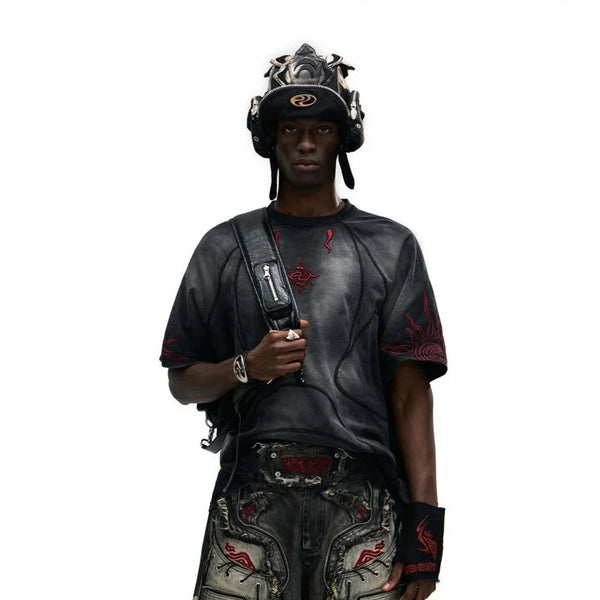
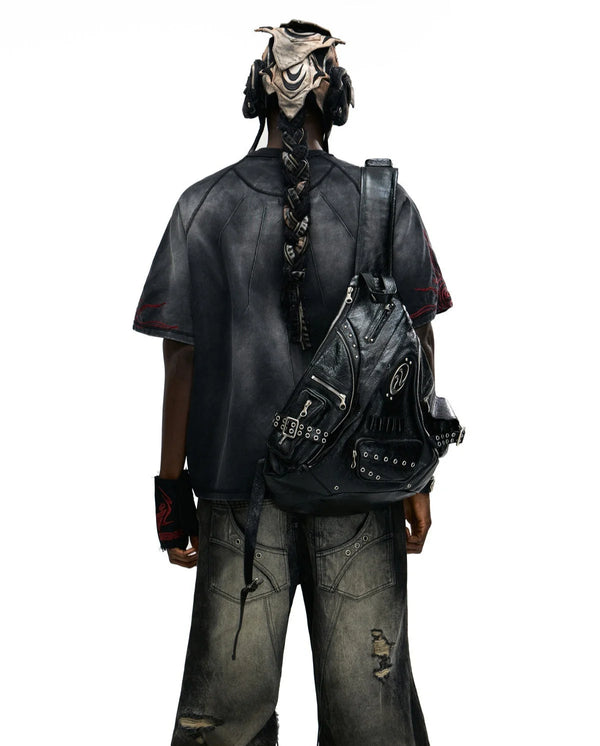
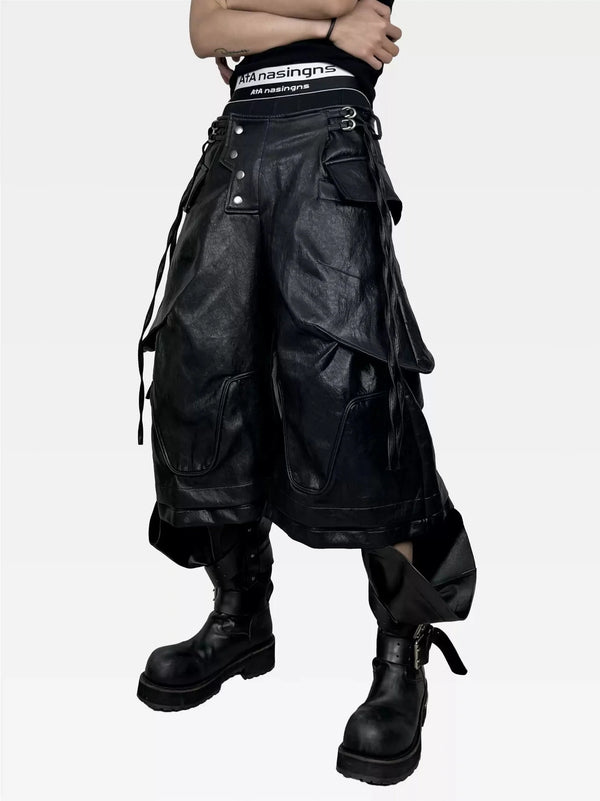
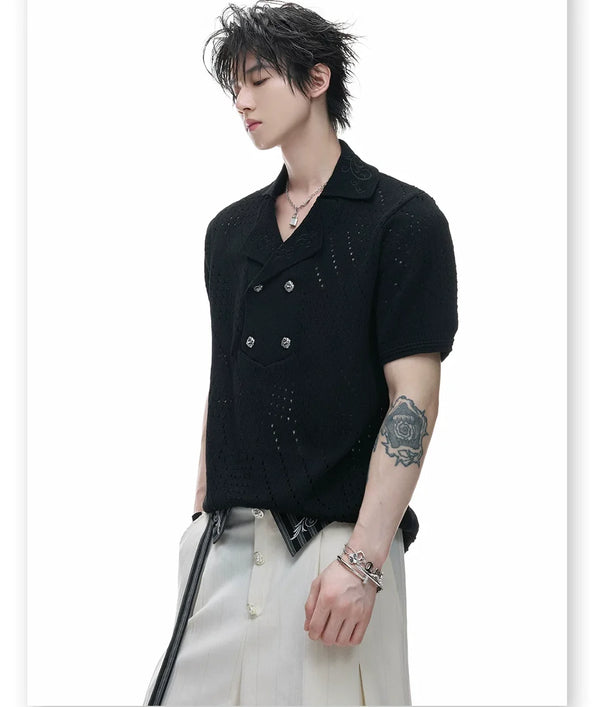
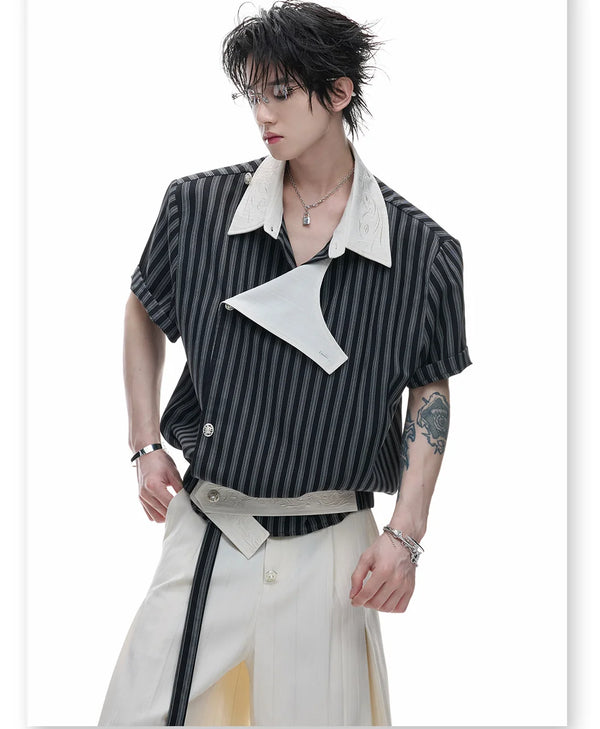
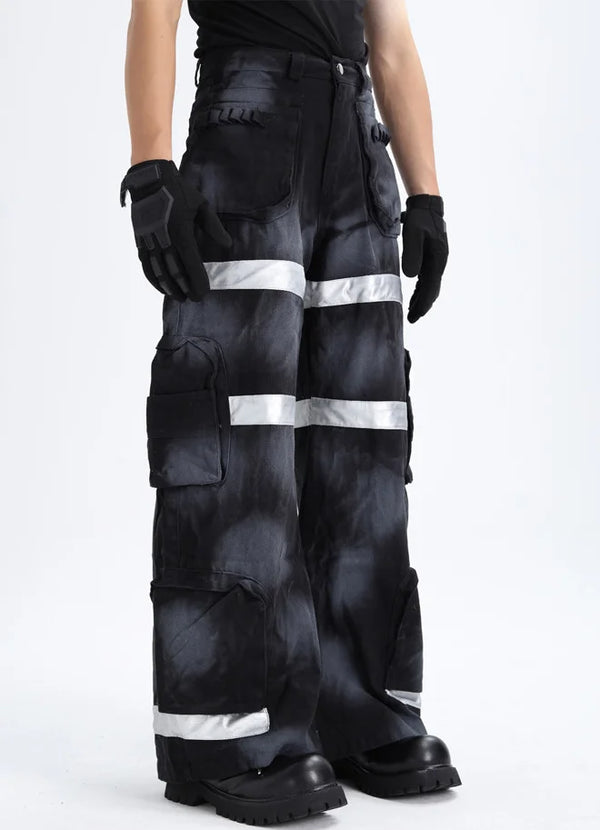
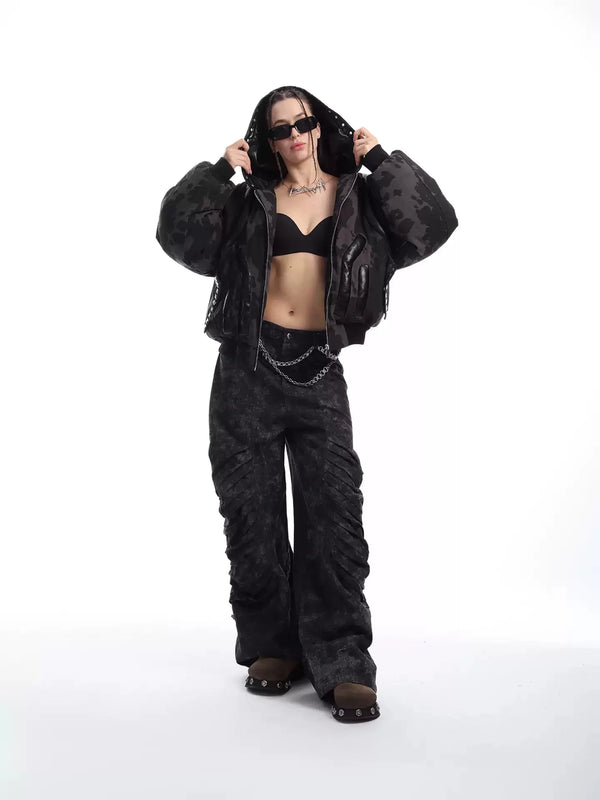
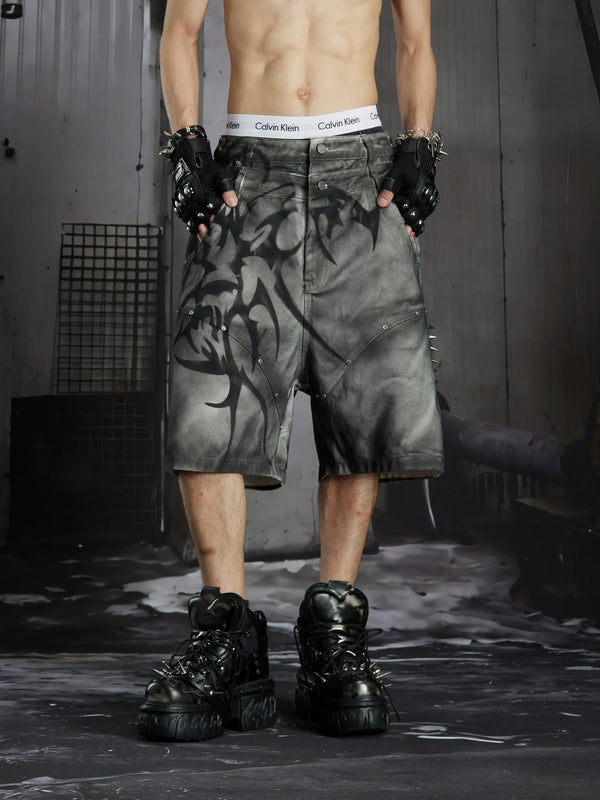
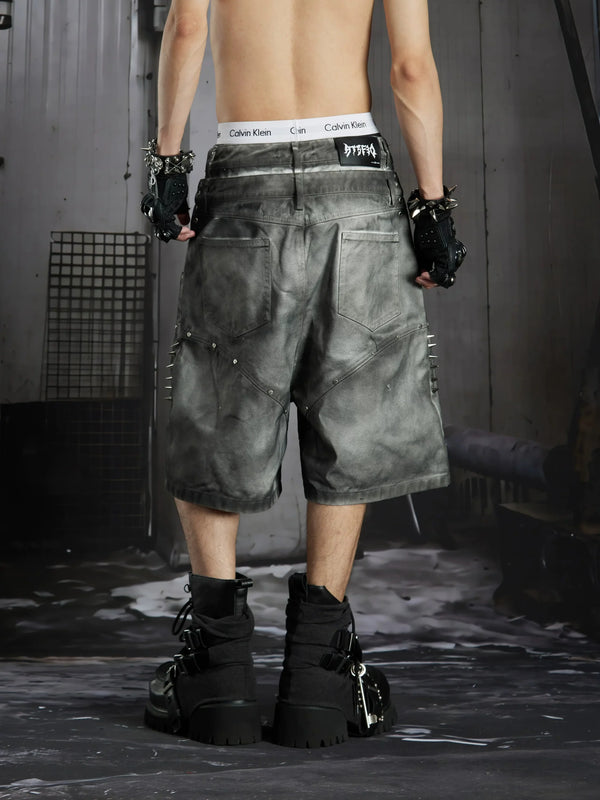
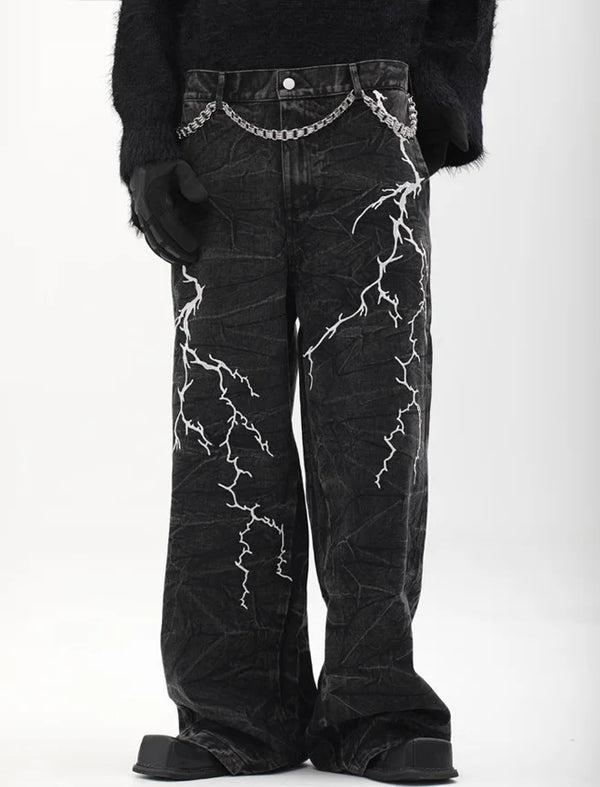
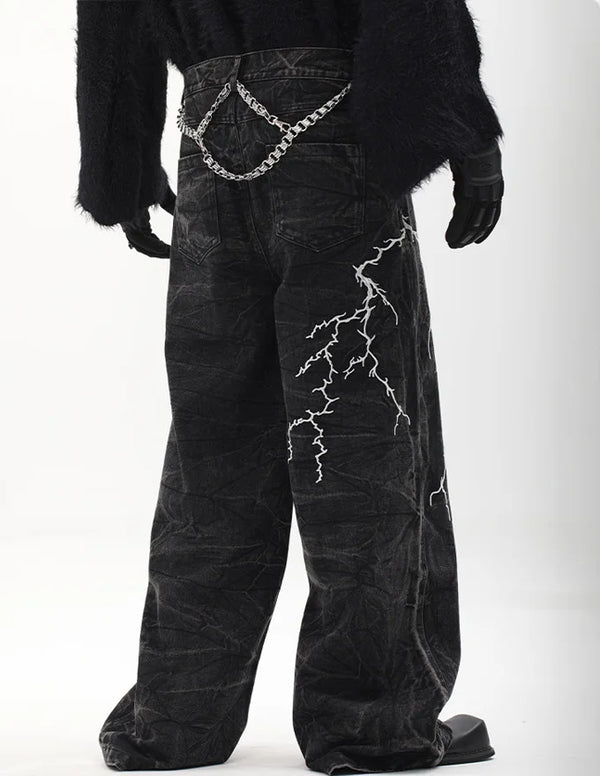
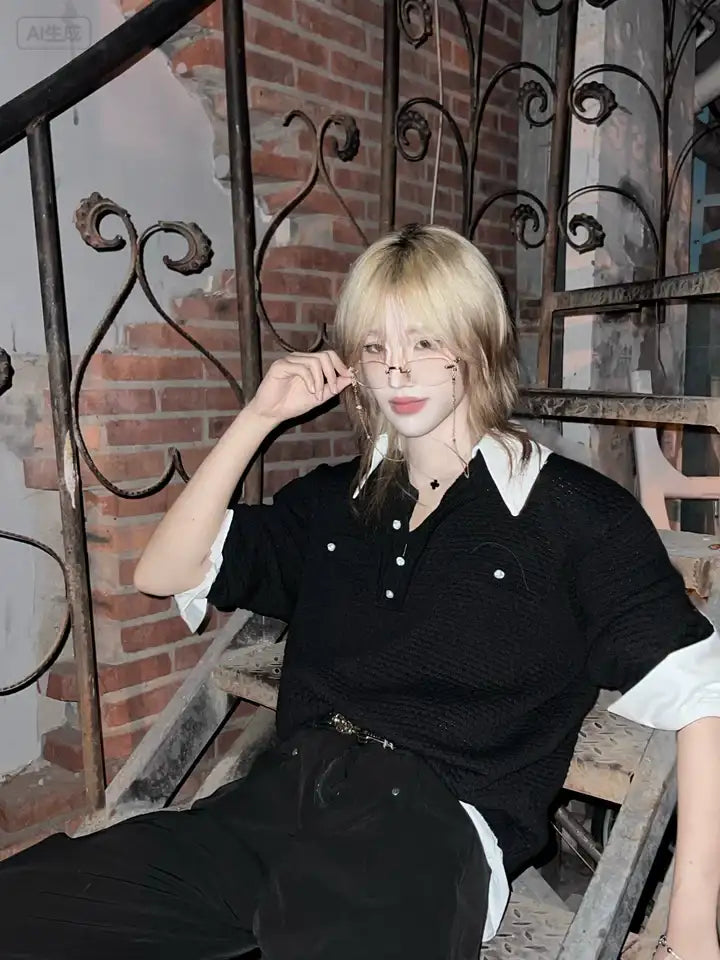
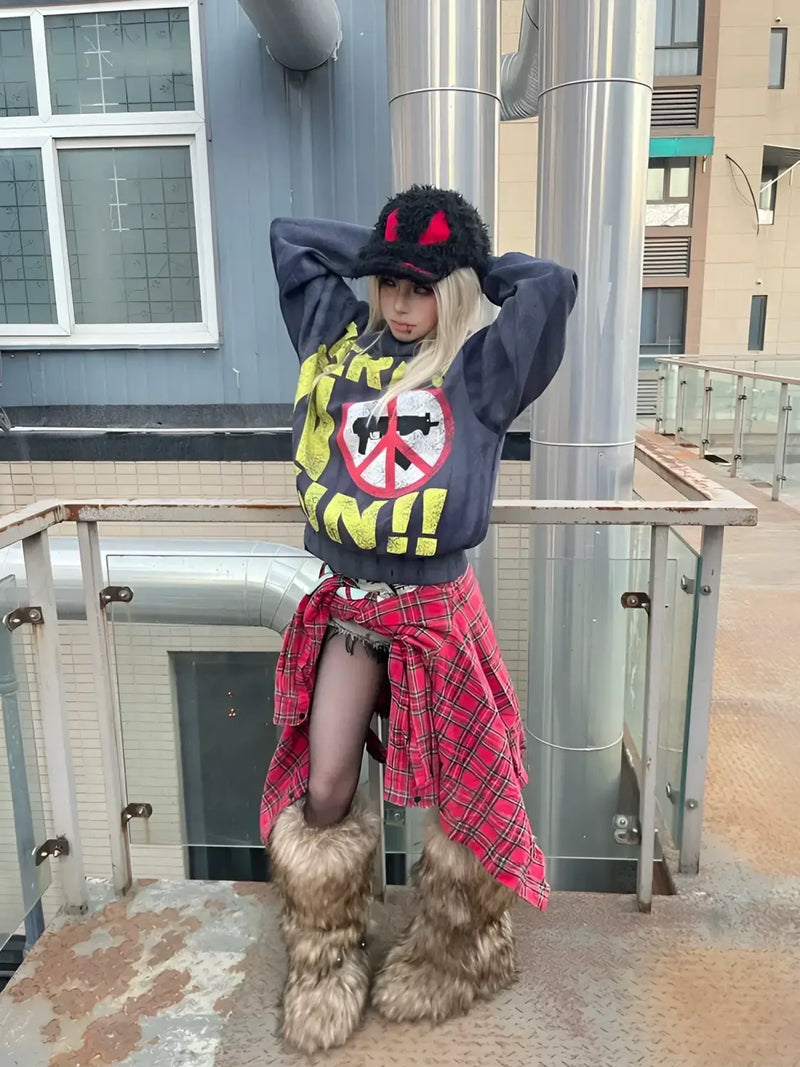
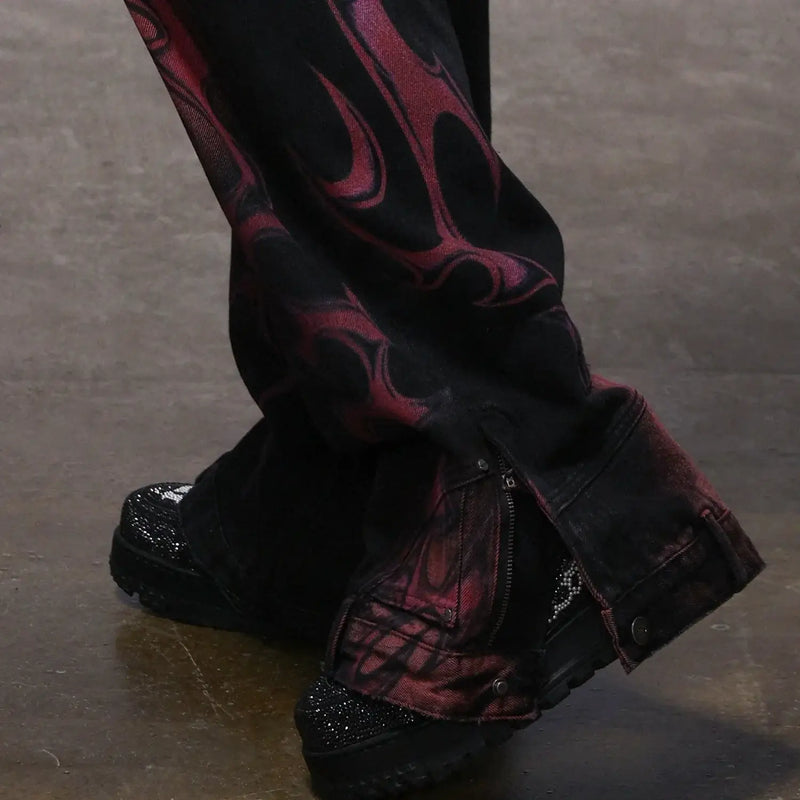
Before we get to the history — a look that carries the silhouette logic of the 1930s into 2026. Wide-leg below, fitted above, movement in the fabric. The same distribution that Chima + Jeogori carry in their original form.
Historical context
What was fashion like in 1930 Korea — and why was it two things at once?
Korea was a Japanese colony from 1910 to 1945. That shapes everything you see in a 1930s Korean fashion image. In this phase Tokyo was the filter through which Western fashion reached East Asia — and so reached Seoul, Pyongyang, Daegu. What started in Paris as the Garçonne style in 1926 and arrived in Tokyo around 1928 as the “Moga” (Modern Girl) reached Korea with a lag, around 1930–1932. Bob cut, high waist, A-line skirt, small hat.
At the same time the Hanbok remained the dominant everyday look for the majority. That is the important point: 1930s Korean fashion was not “Hanbok was replaced by Western”, but “Hanbok and Western existed in parallel, often within the same family”. Parents in Hanbok, daughter in a Western coat with a bob — that was the normal street scene in Seoul districts like Jongno or Myeongdong.
Well-known wearers of the Modern Girl logic in Korea were the singers Yi Nan-yeong and Wang Su-bok, the actress Bok Hye-suk, the writer Na Hye-sok. Their recognisability came from breaking with Hanbok conventions: short hair instead of a long braid, a Western coat instead of a Durumagi, leather shoes instead of Beoseon socks in fabric shoes. But: even Yi Nan-yeong regularly photographed herself in Hanbok for concert posters. The logic was hybrid, not replacing.
Definition
What did Koreans wear in the 1930s — and what all counts as part of it?
The short answer: traditional Hanbok in its classic variations, the modernised Gaeryang Hanbok, or Western clothing with a colonial filter. The proportion depended on class, gender, region, and whether the person wanted to be read as “modern”. Here are the numbers, as far as they can be reconstructed at all today.
~80 %
Everyday life in Hanbok (1930)
35 J.
Japanese colonial period
5
Style archetypes
3–5 J.
Delay Paris→Seoul
The five core logics that describe every 1930s Korean wardrobe:
- Classic Hanbok — floor-length Chima, high-closed Jeogori with an Otgoreum bow, Beoseon socks, fabric shoes. Pastel colours for women, muted tones for men.
- Gaeryang Hanbok — the modernised Hanbok: shorter Jeogori, a simpler bow or button closure, longer but lighter Chima, fewer underskirts. Practical for city life.
- Moga (Modern Girl) — Western bob, high-sitting skirt, A-line dress, small cloche hat, leather pumps. Imported from Tokyo, filtered out of Paris.
- Mobo (Modern Boy) — Western suit, tie, pomaded hair with a side part, leather shoes, round glasses. Very student, very Tokyo.
- Western with Hanbok subtitle — Western coat over Hanbok trousers, leather shoes with the Magoja, hybrid transitional looks. More common than pure Western.
5 archetypes
The 5 archetypes of 1930s Korean fashion
These are not script characters but real wearer groups that can be derived from photographs, newspaper ads and artworks of the decade. Each archetype had a social code: who you were, where you lived, in which language you read.
The trick to reading historical 1930s Korean photos: look at the shoes and the hair. Whoever wears leather pumps and a bob is clearly Moga. Whoever wears Beoseon and long hair in a knot is Classic Hanbok. The mix in the outfit above the ankle — coat, blouse, bag — can be hybrid. Shoes and hair are the unambiguous markers.
Vocabulary
What do you call the old Korean clothing? The Hanbok vocabulary
Anyone who looks into 1930s Korean fashion quickly runs into Korean terms that German texts usually transcribe incorrectly or simply leave out. Here are the ten words you need to understand period sources at all — and that every Wikipedia entry on the subject takes for granted.
- Hanbok — the umbrella term for traditional Korean clothing. Literally “Korean dress”. It refers to the entire outfit, not a single piece.
- Jeogori — the top. On women short, hip-cropped, with a bow closure. On men longer, with a smaller bow. The Jeogori of the 1930s was shorter than that of the late Joseon period.
- Chima — the skirt. Floor-length, sitting high at the chest (not at the waist). A-line through worked-in pleats. On the Gaeryang Hanbok cut more plainly.
- Baji — the trousers, mainly for men. Cut wide, tied at the ankle with the Daenim band. Women also wore Baji under the Chima as underwear.
- Durumagi — the long coat worn over the rest of the Hanbok. Calf-length, straight-cut, with a bow closure. Both men and women wore it.
- Magoja — the short vest jacket, often padded for winter. It was worn over the Jeogori, often in darker colours as the outer layer.
- Otgoreum — the side bow that closes the Jeogori at the front. Long fabric ribbons, artfully tied. The Otgoreum knot is the most important Hanbok gesture.
- Beoseon — the traditional cotton socks, white, with a characteristically curved tip. They were worn in fabric shoes (Kkotsin or Jipsin).
- Gat — the wide-brimmed hat made of horsehair, mainly for men, often with a bamboo frame. A symbol of the grown, married man.
- Norigae — the decorative pendant worn on the Chima tie or on the Jeogori. Silk, embroidery, tassels — the only visible jewellery on a Hanbok.
Main categories
What old Korean clothing exists — the main categories
1930s Hanbok varied widely by occasion, status and region. Six main categories structure the field — one for everyday, one for the wedding, one for the mourning period, one for the aristocracy, one for children, one for winter. Whoever searches for “old Korean clothing” is usually looking for one of these.
In the 1930s the occasion code had eroded somewhat. Western office culture had changed everyday life — teachers, telephone operators, shop assistants no longer needed a formal Hanbok for work. The Pyeongbok, the simple everyday Hanbok, dominated. Hwarot and Gungjung-Hanbok were only worn at weddings and in the last royal ceremonies — the Joseon dynasty had officially ended in 1910 with the Japanese annexation.
Women's code
Moga — Korean Modern Girl. How women wore the 1930s
The Moga (신여성, “new woman”) was not a fashion trend but an identity. Women who traded the Hanbok corset (in the literal as well as the figurative sense) for Western tailoring signalled education, urban rootedness, professional life. The look was: bob-short hair, cloche hat or small Western hat, a high-sitting A-line dress or blouse with a high skirt, leather pumps with a small heel, a small handbag under the arm.
The silhouette was tall and narrow. The Hanbok silhouette was tall (Chima sits below the chest) and voluminous (A-line). The Moga silhouette was tall (the skirt sits high at the natural waist) and slim (straight cut). The height stayed — the volume disappeared. That is the only reason the transition worked visually at all for Korean women: the same vertical logic in a new cut language.
Well-known Moga figures of the decade: Na Hye-sok (painter, writer, the first Korean woman to study Western art in Tokyo), Yun Sim-deok (singer, whose tragic suicide in 1926 marked the Moga generation), Yi Nan-yeong (singer, “Mokpo Tears”, appeared in a Western dress on concert posters). The Moga identity was often tied to tragedy — Korea was conservative, Japanese colonial rule pressed ideologically, and “new women” were watched suspiciously from both sides.
Men's code
Mobo — Korean Modern Boy. How men wore the 1930s
The Mobo (모던 보이) was the male counterpart. Students, journalists, young officials, writers. The outfit: Western three-piece suit (jacket, vest, trousers), tie, pomaded hair with a clear side part, round glasses, leather shoes, often a straight Western coat in winter. Optionally a felt hat or a Western flat cap.
Unlike the Moga, the Mobo was less transgressive — men already wore Western clothing at work beforehand, especially in the colonial administrations. The Mobo differed from the official in that he did not work in the suit but drank coffee in the suit, sat in Western cafés, read Japanese and Western literature. The Mobo was an education code, not a job code.
Well-known Mobos of the decade: Yi Sang (writer, perhaps the prototypical Mobo — café-goer, architect, died young), Park Tae-won (writer of the “Day Sketches from the Cheonggye” stream), Chae Man-sik (novelist, active in the 1930s). The Mobo photo genre — a man in a Western suit in front of a neutral studio wall — became the standard portrait for the urban middle class in the 1930s.
Modernisation
Gaeryang Hanbok — how the traditional Hanbok was modernised in the 1930s
While Moga and Mobo wore Western clothing, there was a third movement: the modernisation of the Hanbok itself. The “Gaeryang Hanbok” (개량한복, “reformed Hanbok”) was not an official reform initiative but a collection of pragmatic adjustments that women and men in the city made themselves.
The logic behind it was practical, not ideological. A teacher could not stand for eight hours in a classroom in a classic Hanbok with three underskirts. A telephone operator could not work at the switchboard with the long Otgoreum bow. A market seller could not get between stalls in the voluminous Chima. The Gaeryang Hanbok was the Hanbok's answer to urban working life — above all for women.
An important corollary: if you adapt the 1930s Korean look today, the Gaeryang Hanbok is the more interesting reference material than the classic Joseon Hanbok. The logic of the Gaeryang Hanbok — keep tradition but make it functional — is exactly the logic Korean streetwear works with today. High waist, long drape, plain closure, muted colour. That is not coincidence — that is a 90-year line.
Fabrics & colours
Fabrics and colours — what did 1930s Koreans even have available?
The material question decides how reproducible the look is today. The classic Hanbok of the Joseon era was silk for the upper class, hemp and ramie for the middle class, coarse cotton for the common population. In the 1930s that shifted through two effects: Japanese textile factories made cotton mass-market-ready, and Western wool arrived as imported goods in the cities.
~5–7
Hanbok pastel colours (women)
3
Main materials (silk, cotton, wool)
2
Seasonal Hanbok (summer thin, winter Magoja padding)
- Women's pastel — light blue, light pink, peach, cream white, light green. The classic Hanbok palette for young women. In the 1930s often combined with a darker Chima hem.
- Men's muted — indigo, anthracite, earth brown, deep green, black. The men's Hanbok of the 1930s was more conservative in colour than the women's Hanbok.
- Moga Western — navy blue, burgundy, cream white, muted brown. Western women's fashion of the 1930s was more muted in colour than the Hanbok pastels.
- Mobo suit — anthracite, navy blue, mid grey, subtle pinstripe. Classic Western suit colours, imported via Tokyo.
- Fabric order — summer Hanbok of ramie (cooling, almost translucent), transitional Hanbok of cotton, winter Hanbok of silk or padded cotton, often with the Magoja as a warmth layer.
Hardware
Shoes, hats and accessories — where Hanbok met Western
By the shoes and hats you could tell fastest in which direction a 1930s Korea person had moved. The Beoseon socks in fabric shoes are uncompromisingly Hanbok. Leather pumps and a cloche hat are uncompromisingly Western. In between there were transitional forms — and those, from today's view, are the most interesting.
- Beoseon — white cotton socks with a curved tip, almost always in fabric shoes (Kkotsin for women, Jipsin for men in the countryside, Hwa shoes for officials).
- Leather pumps (women, Moga) — small heel, closed foot, often black or dark brown. Tokyo-imported, later also produced in Korean shoe shops.
- Oxford lace-ups (men, Mobo) — the Western standard leather shoe, black or brown. Was also worn with Hanbok trousers, which was a typical 1930s hybrid look.
- Gat — the traditional wide-brimmed hat made of horsehair. In the 1930s still common among the elderly, almost extinct among young men.
- Cloche hat — the characteristic 1920s/30s women's hat, bell-shaped, close to the head. Obligatory for the Moga, unthinkable for a Hanbok wearer.
- Felt hat (men, Mobo) — fedora or trilby of felt, muted colour, narrow brim. The Westernised counterpart to the Gat — without its ritual meaning.
- Norigae & handbag — the decorative Norigae pendant on the Chima stayed common among Gaeryang Hanbok wearers. With the Moga it was replaced by a small Western handbag, often leather, often tucked under the arm.
Styling 2026
How to style the 1930s Korean look today — without tipping into film costume
The most common mistake when adapting historical looks: you think in pieces (“I need a Hanbok”) instead of in logics (“I need the silhouette and the material firmness”). Copying pieces produces costume. Adopting logics produces style.
The Hanbok silhouette is tall and voluminous high at the sternum, narrowing downward. The Moga silhouette is tall and slim throughout. Whoever wears the 1930s Korean look today has to choose one of the two height lines — and then stay consistent.
Styling-Logik dieses Pillars
Three practicable 2026 translations that work most often in our looks. First: the Gaeryang Hanbok translation. A high-sitting wide-leg bottom in a muted colour (black, navy blue, earth brown), a short crop blouse or crop sweater on top, a plain closure, no visible brands. That is the direct line from the short Jeogori to the crop blouse — same height of the divide, same volume distribution.
Second: the Moga translation. A mid-length Western coat or long blazer over a slim inner outfit (shirt, slim trousers or slim skirt). Hat optional, but hair deliberately styled. Leather pumps or closed Western shoes. The coat line is the anchor here. Third: the Mobo translation. Suit trousers, shirt, tie or closed collar, a long coat or blazer on top, leather shoes. This variant today is almost identical to businesscore streetwear — the 1930s Mobo was the direct precursor.
Outfits for real
What the 1930s Korean look looks like on the street today
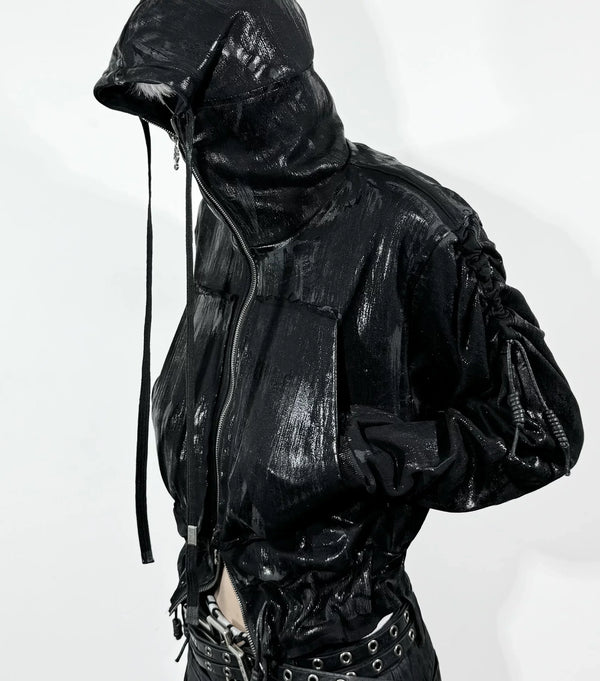
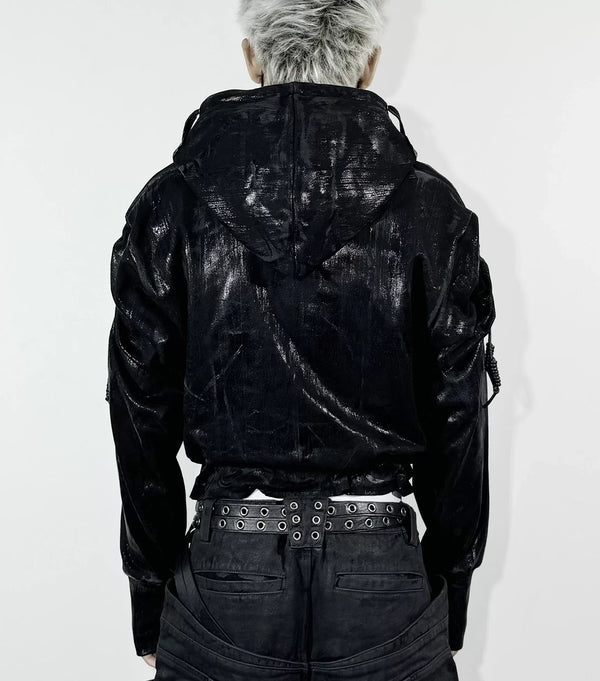
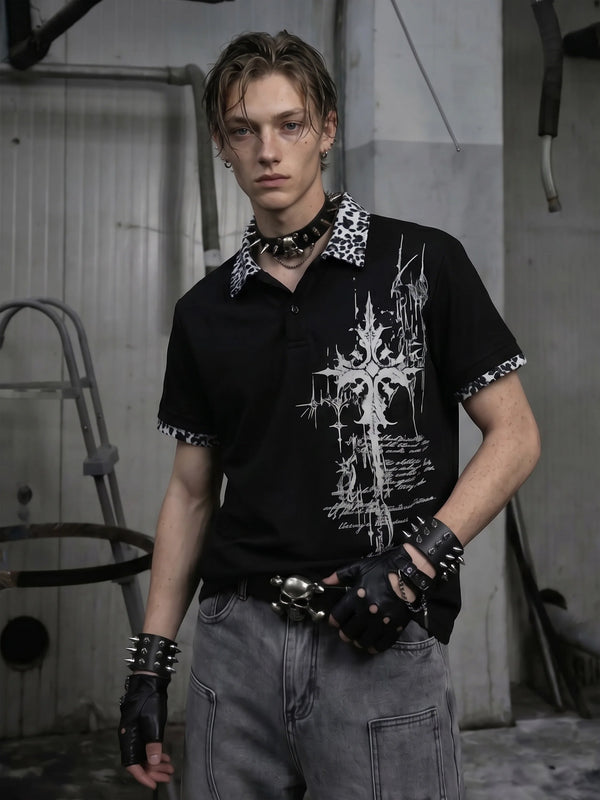
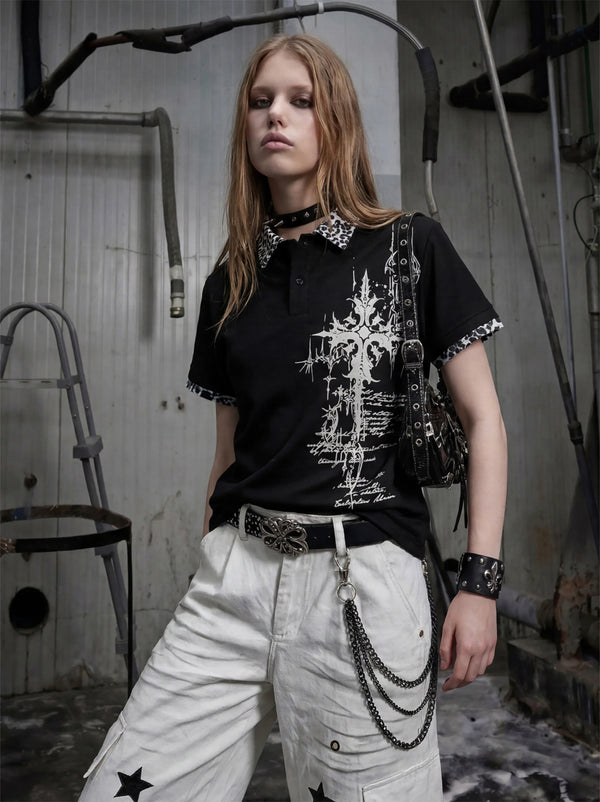
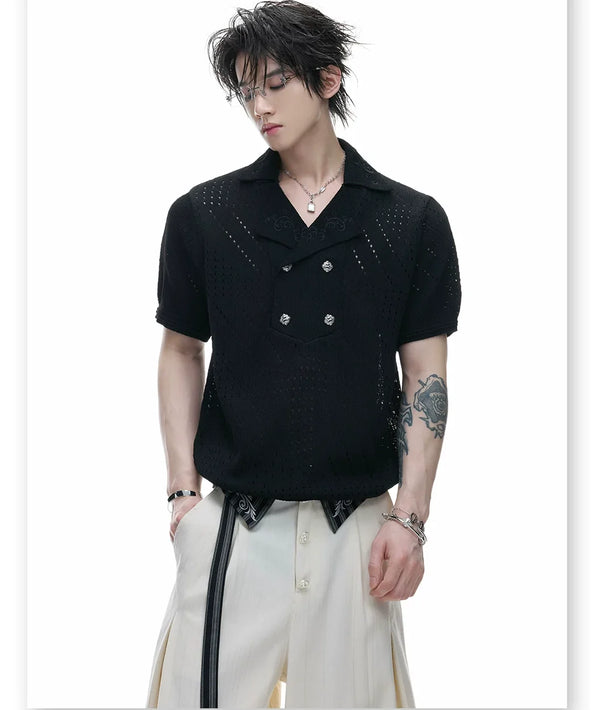
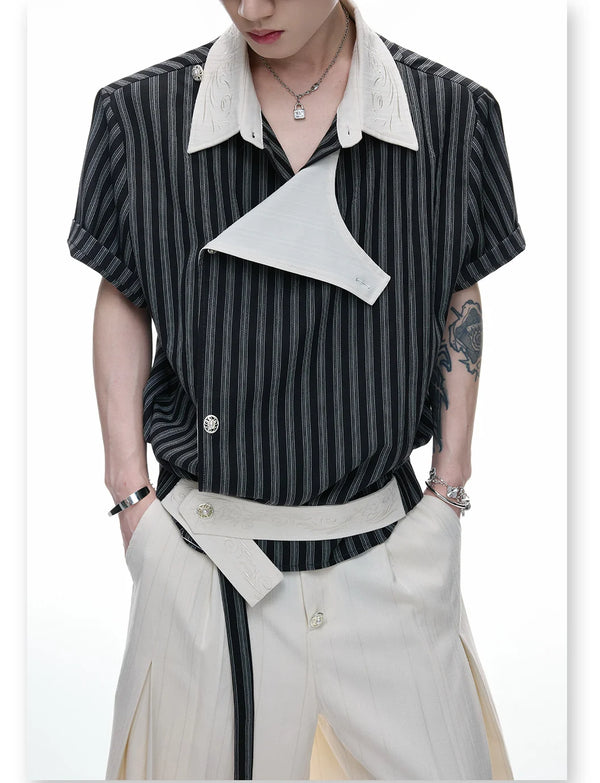
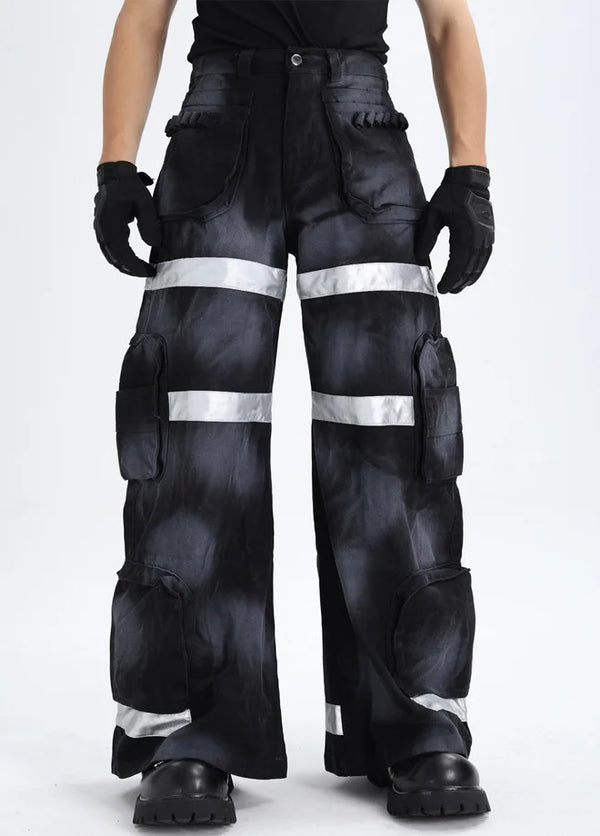
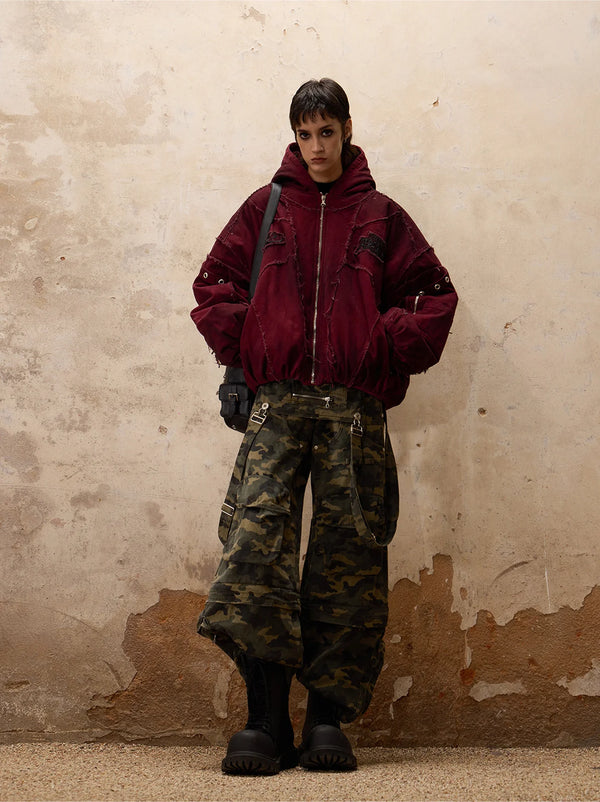
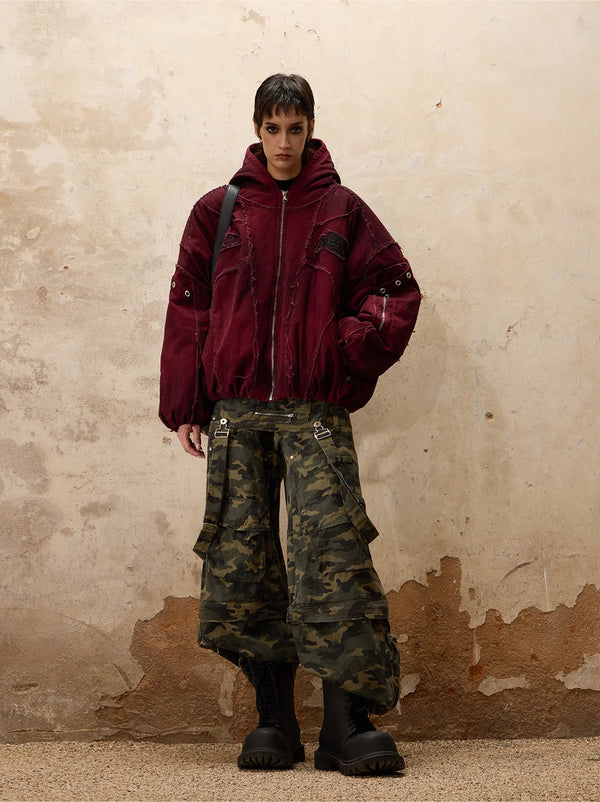
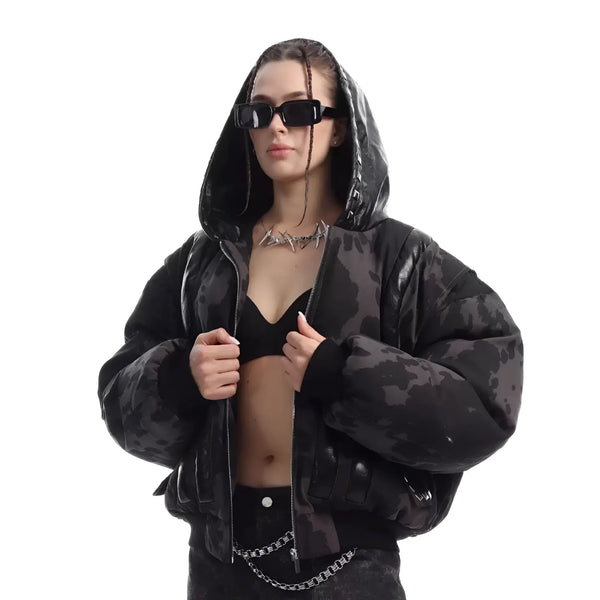
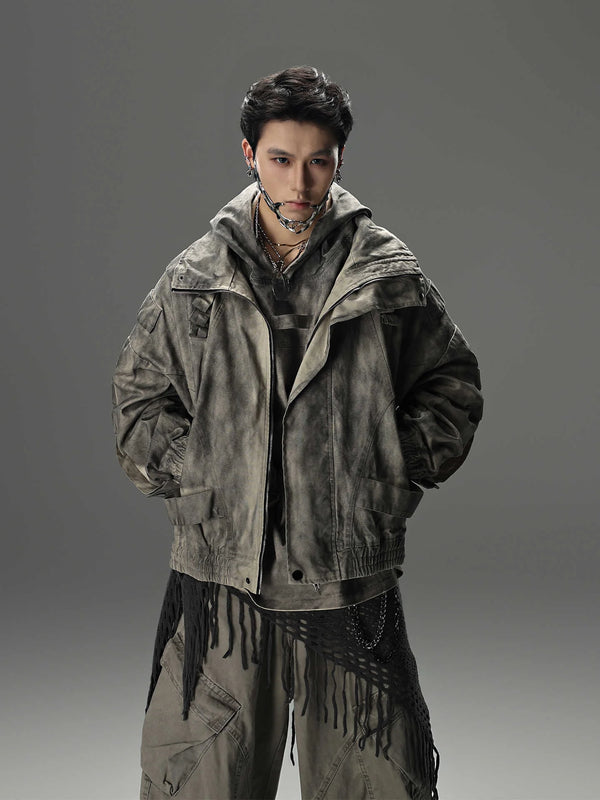
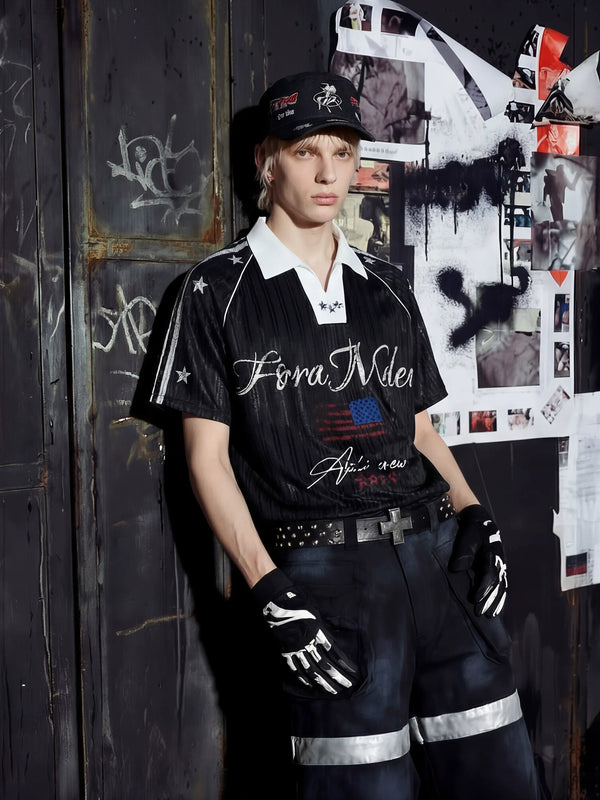
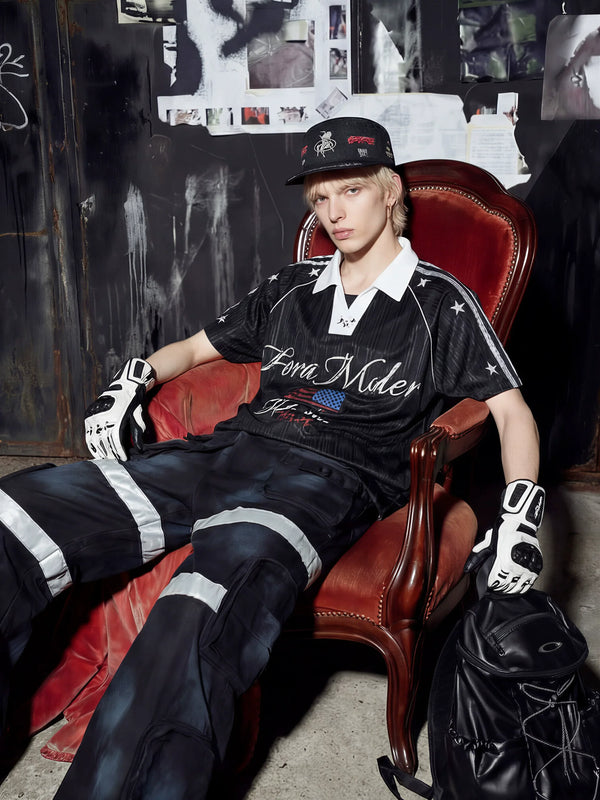
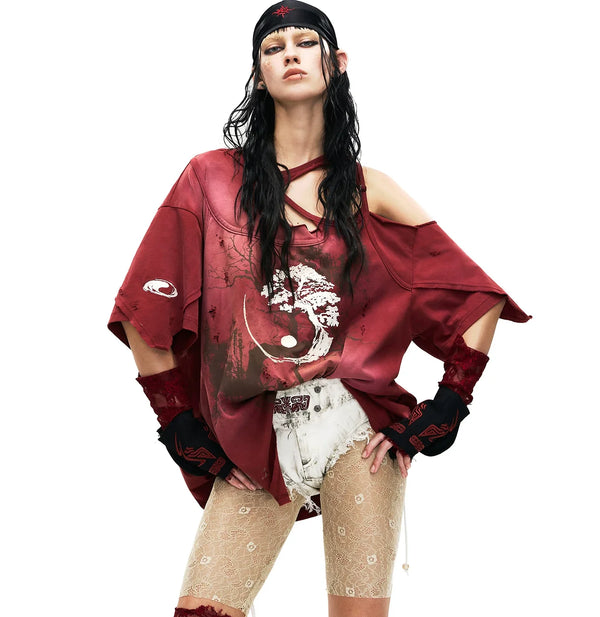
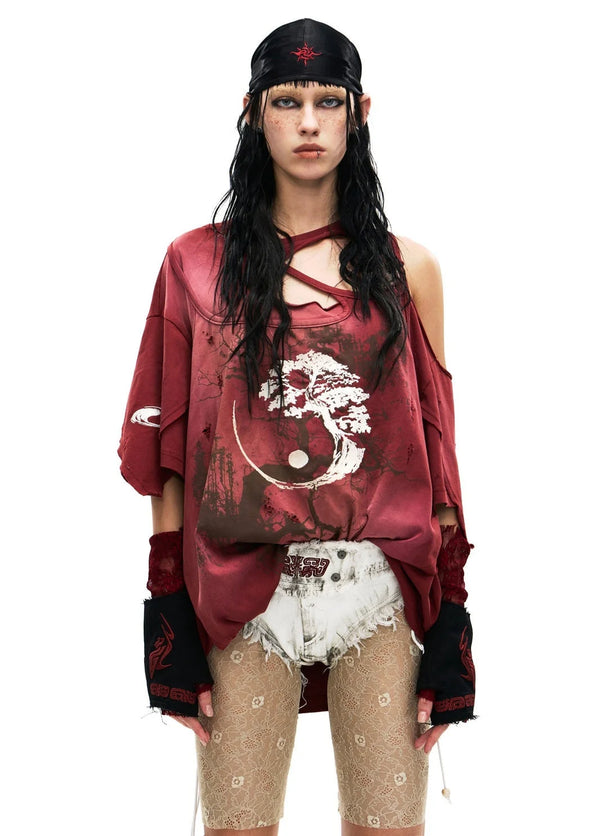
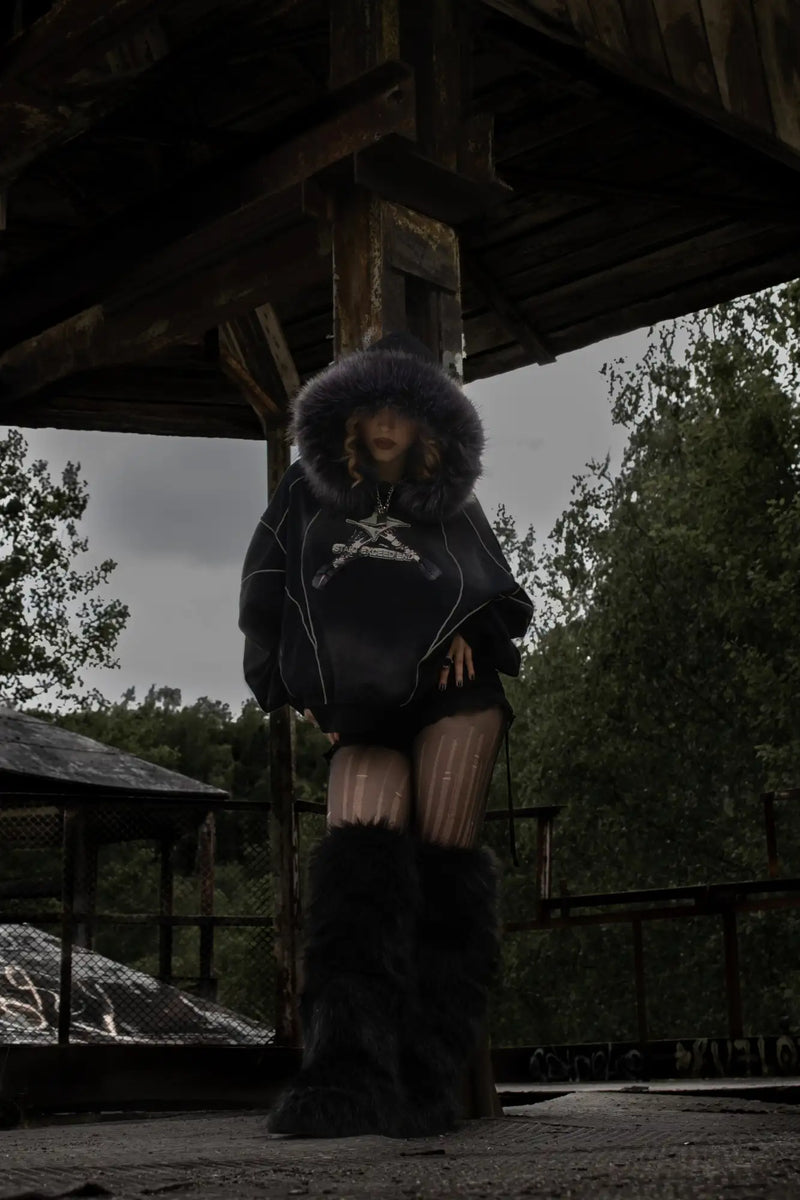
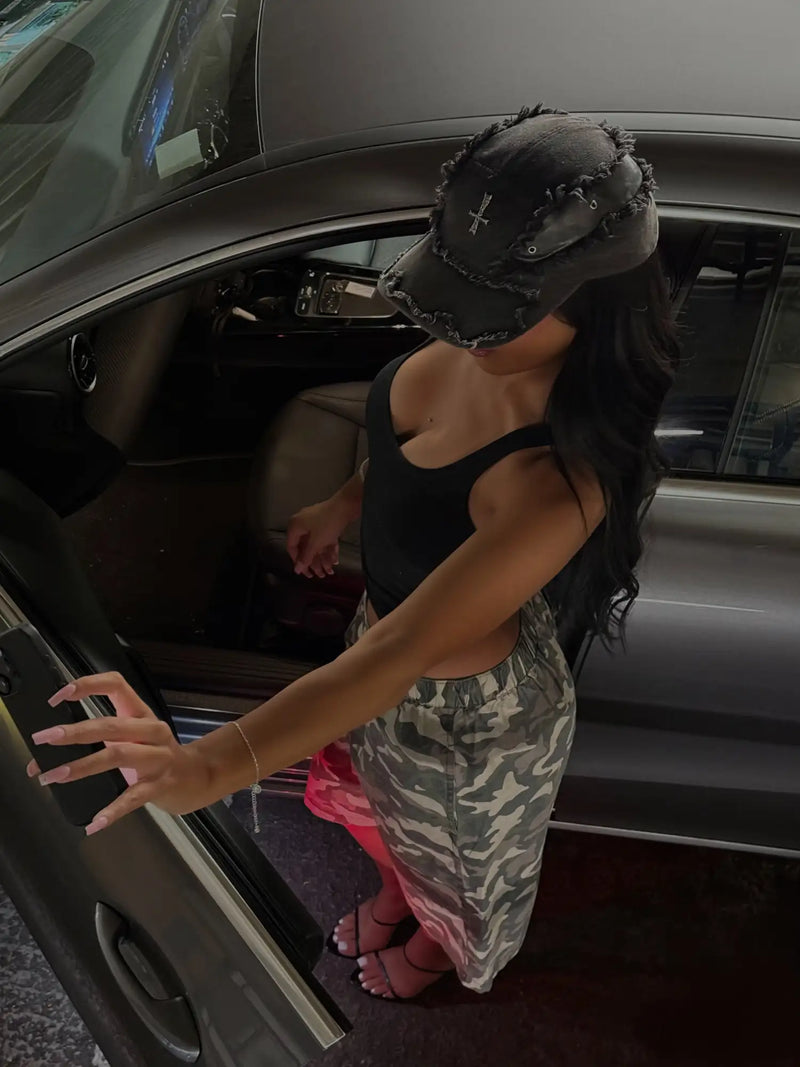
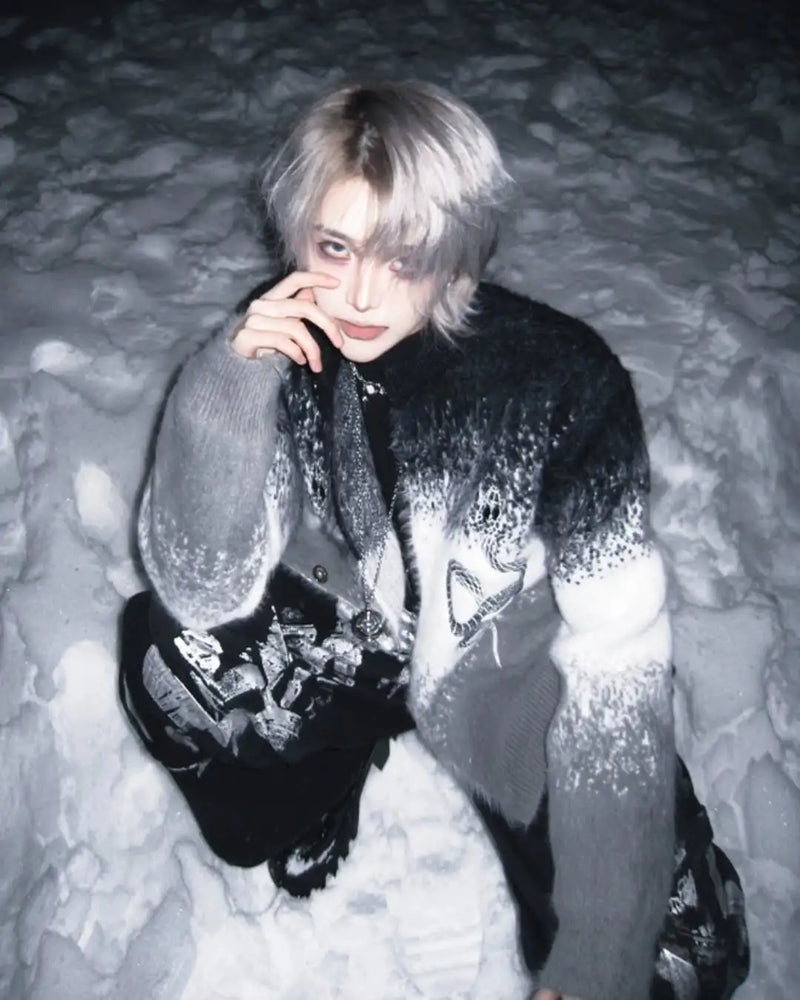
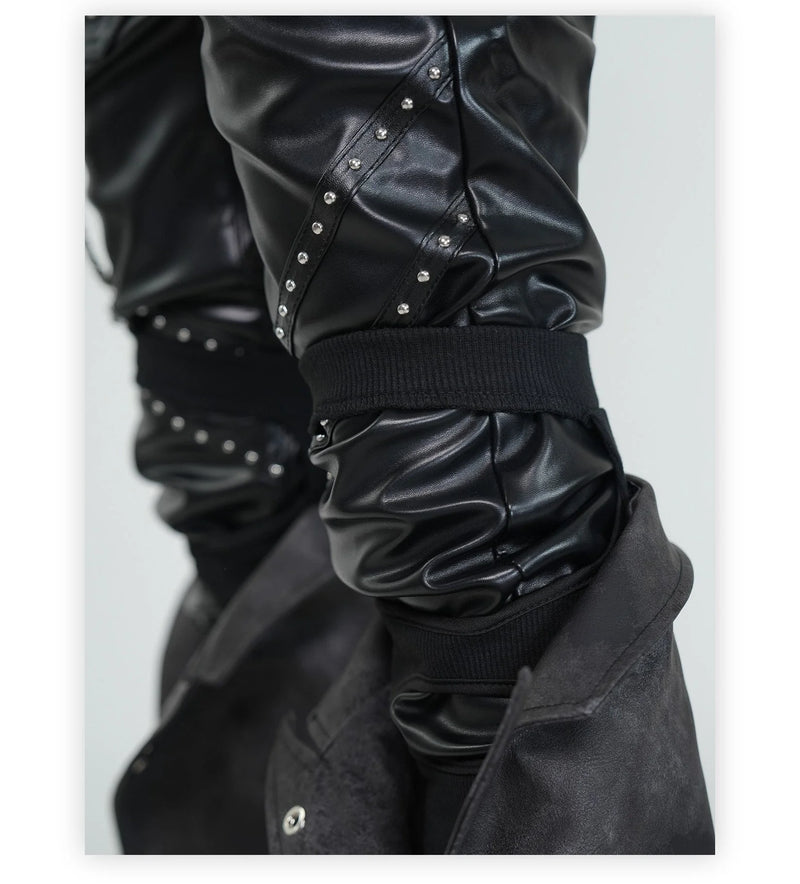
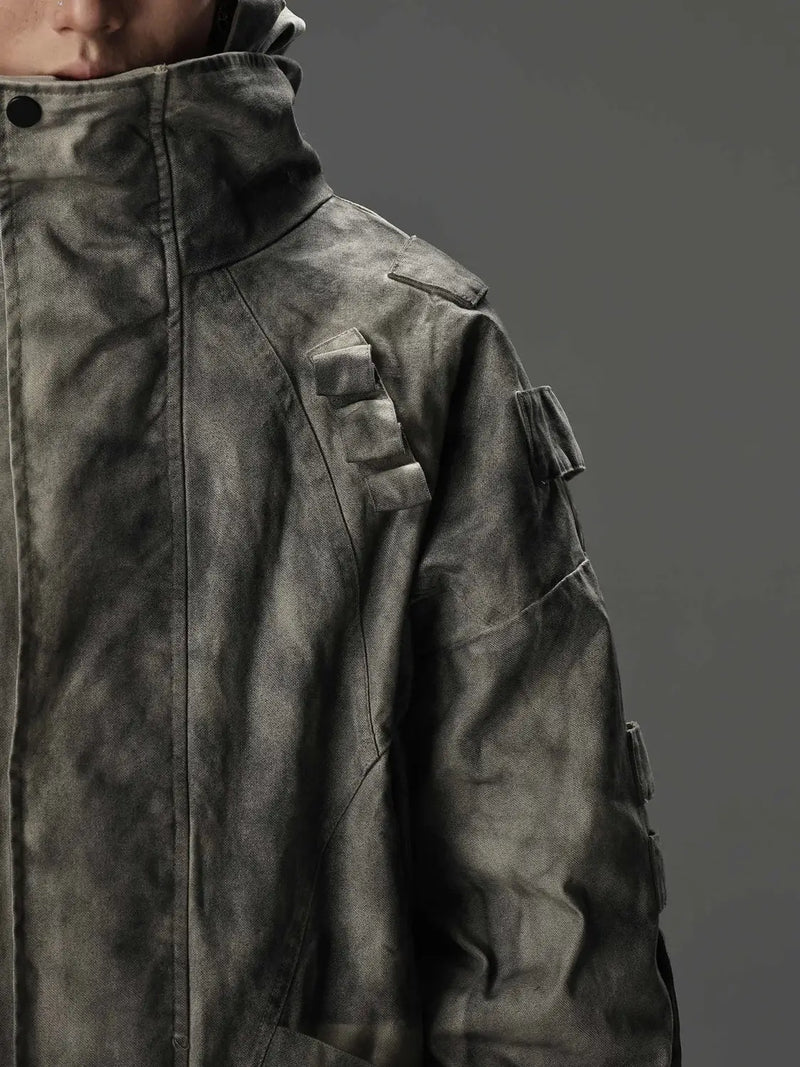
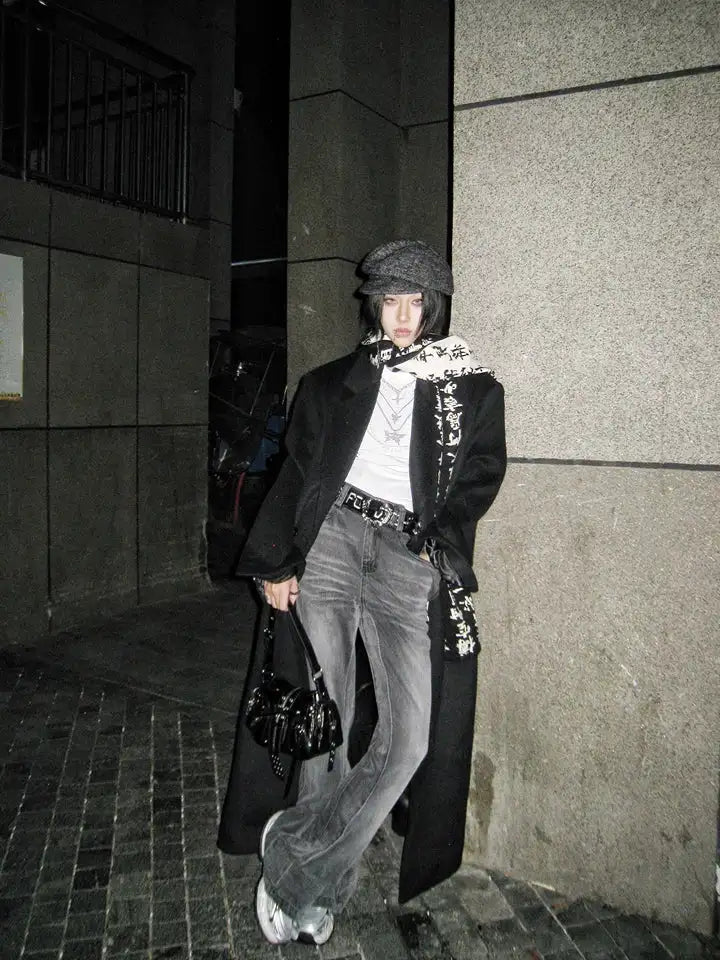
The look has found its own 2026 translation in the Korean streetwear scene — above all in Seoul (Seongsu, Hongdae) and in the Korean-diaspora fashion community in Berlin and Los Angeles. What the following outfits have in common: high waist, a slim vertical or deliberately voluminous A-line, a muted colour palette, material firmness as a statement.
What keeps recurring in the looks: a deliberately high waist (above the navel, not at the hip), a wide-leg or A-line bottom, a crop or slim box on top, a single material statement (leather, padded wool, heavy fabric), a muted colour. Those are the five markers that make a 1930s Korean look legible today.
What does not work
The 6 most common mistakes with the 1930s Korean look
Getting started
Where you start — the first 4 pieces for the 1930s Korean look in 2026
If you don't want to overhaul the whole wardrobe but test the logic, these are the four entry pieces with which you pull any existing base outfit toward the 1930s Korean look — Moga, Mobo or Gaeryang Hanbok.
Order is not irrelevant. First the bottoms (wide-leg, high waist, muted colour) — that is the hardest turn, because it sets the silhouette. Then the top (crop for Gaeryang, slim-tailored for Moga, shirt for Mobo). Then the outer layer (blazer or coat). Shoes last. Whoever builds in this order avoids the classic “I bought a coat but nothing to go with it” — and whoever has the bottom piece right can build the rest on an existing wardrobe.
FAQ
Frequently asked questions about Korean fashion of the 1930s
What old Korean clothing exists?
What do you call old Korean clothing?
What was fashion like in 1930 Korea?
What was fashion like in the 1930s?
What did the old Koreans wear?
What is the traditional Korean garment?
What do you think?
Tell us on @fuga_studios
About the author
Philipp Fuge — Founder · Berlin
Founder of Fūga Studios. Writes the journal himself. Berlin · Shanghai · Tokyo · Poznań — four cities, one logic.