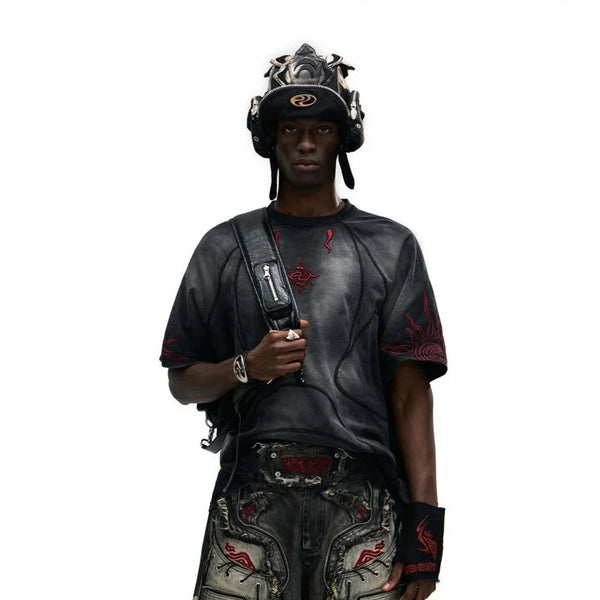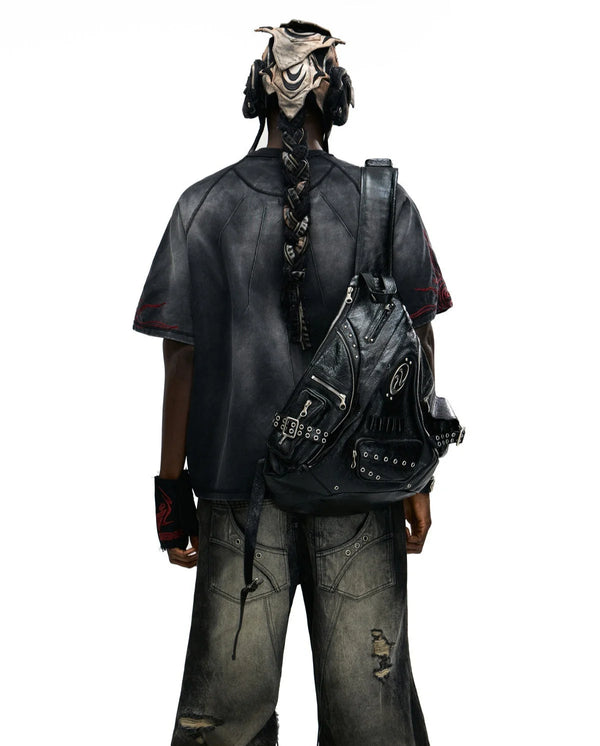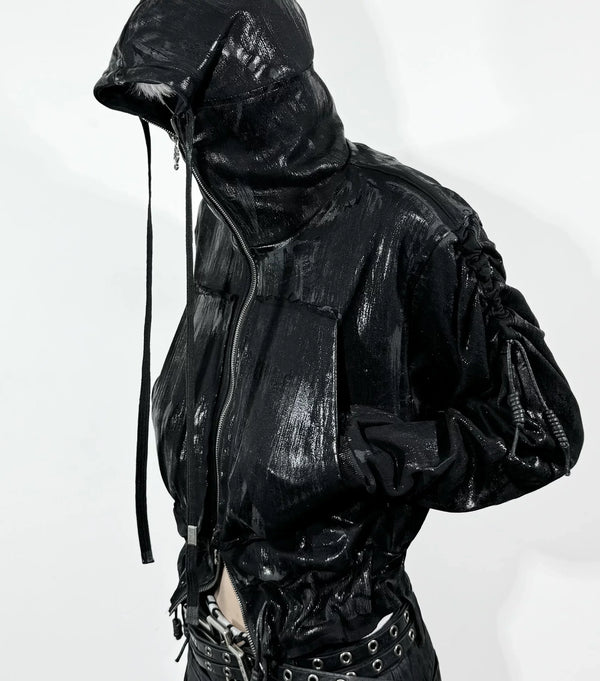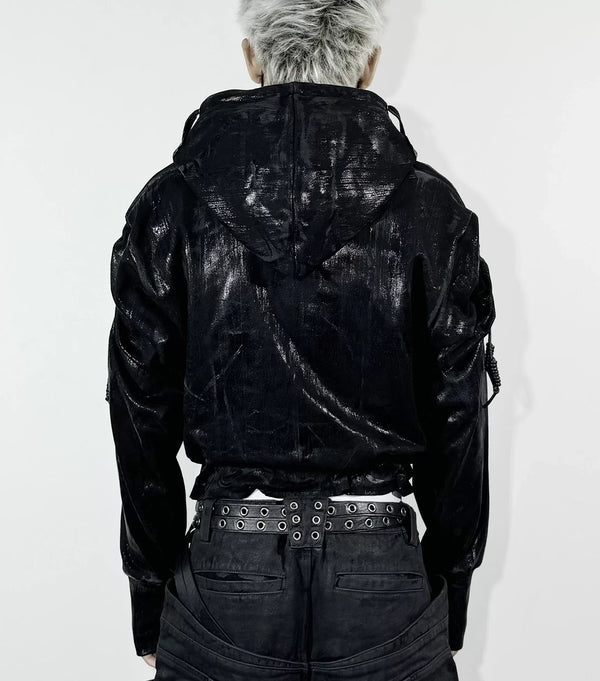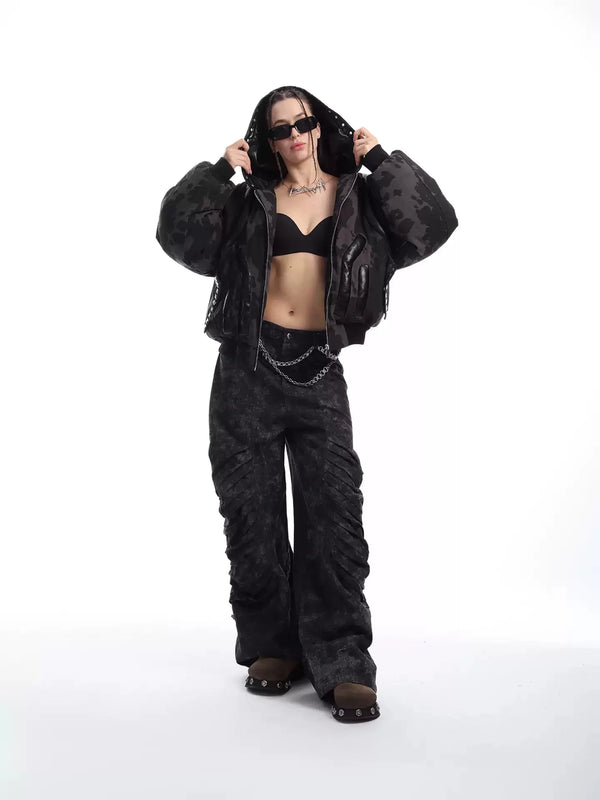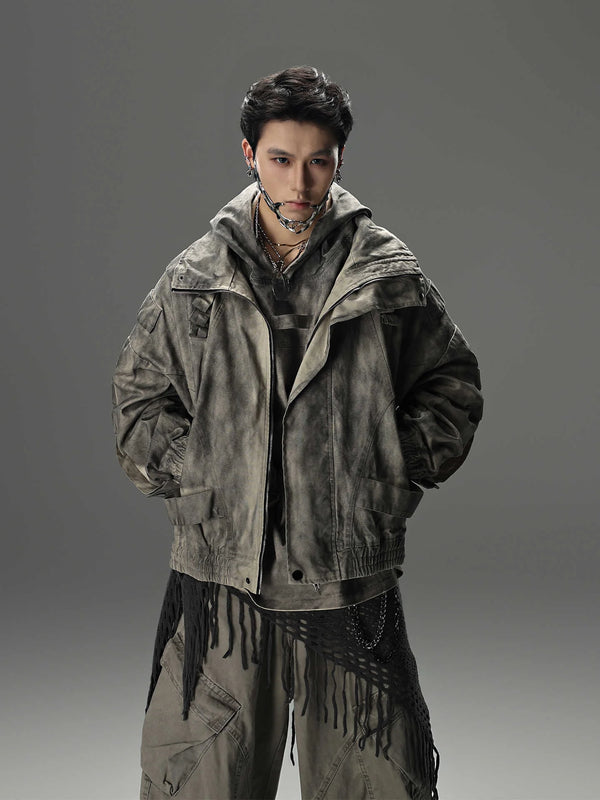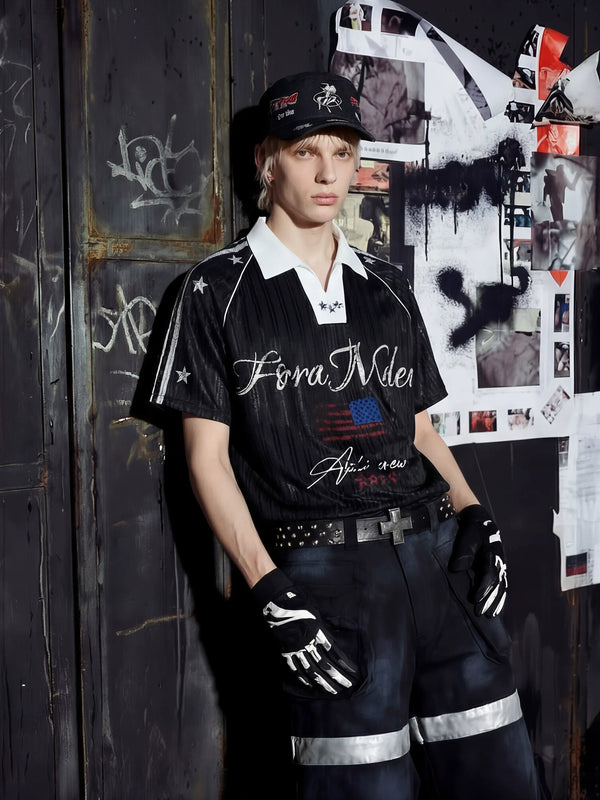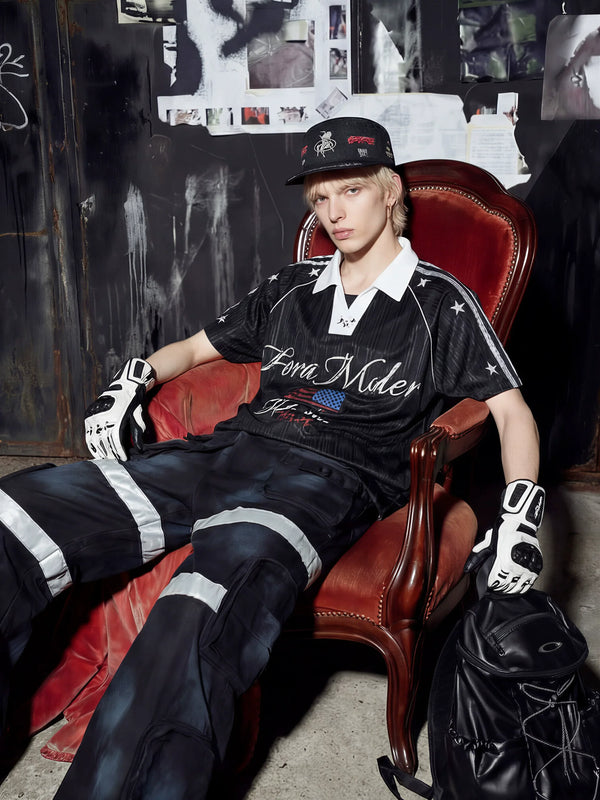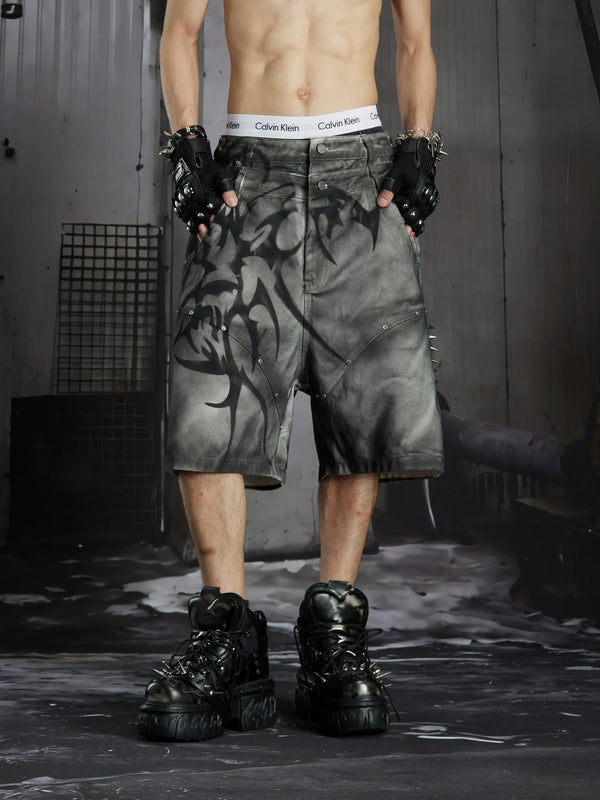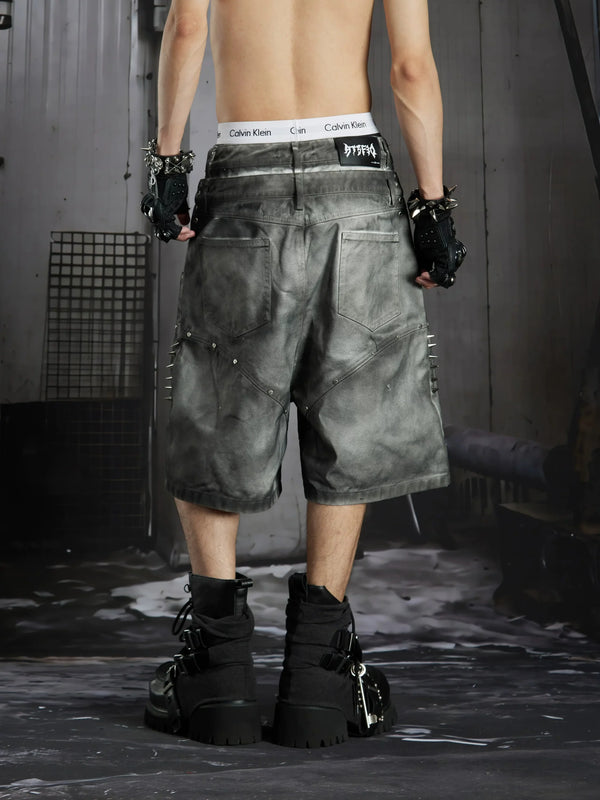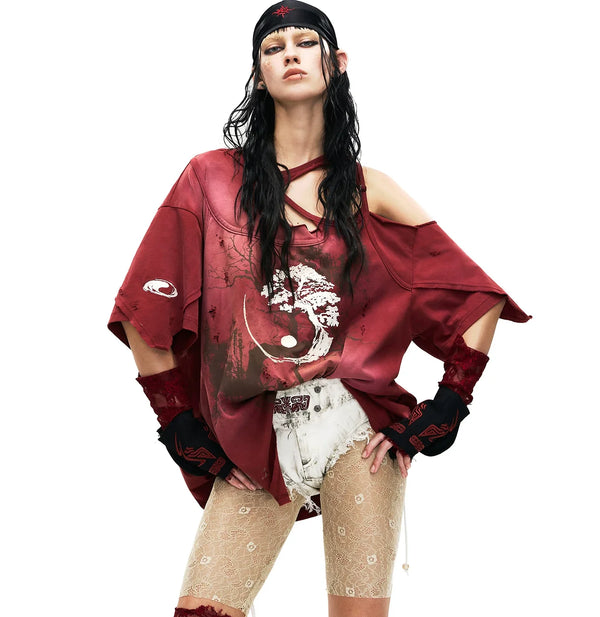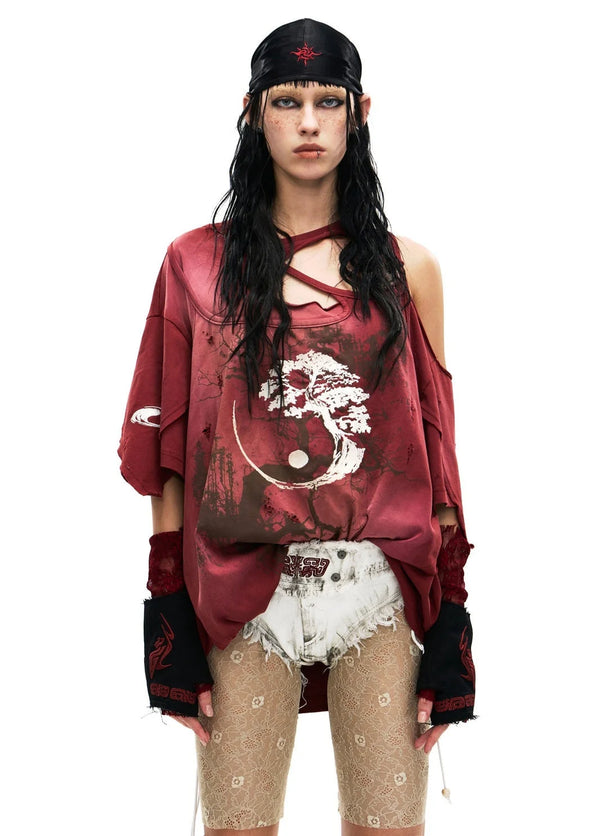
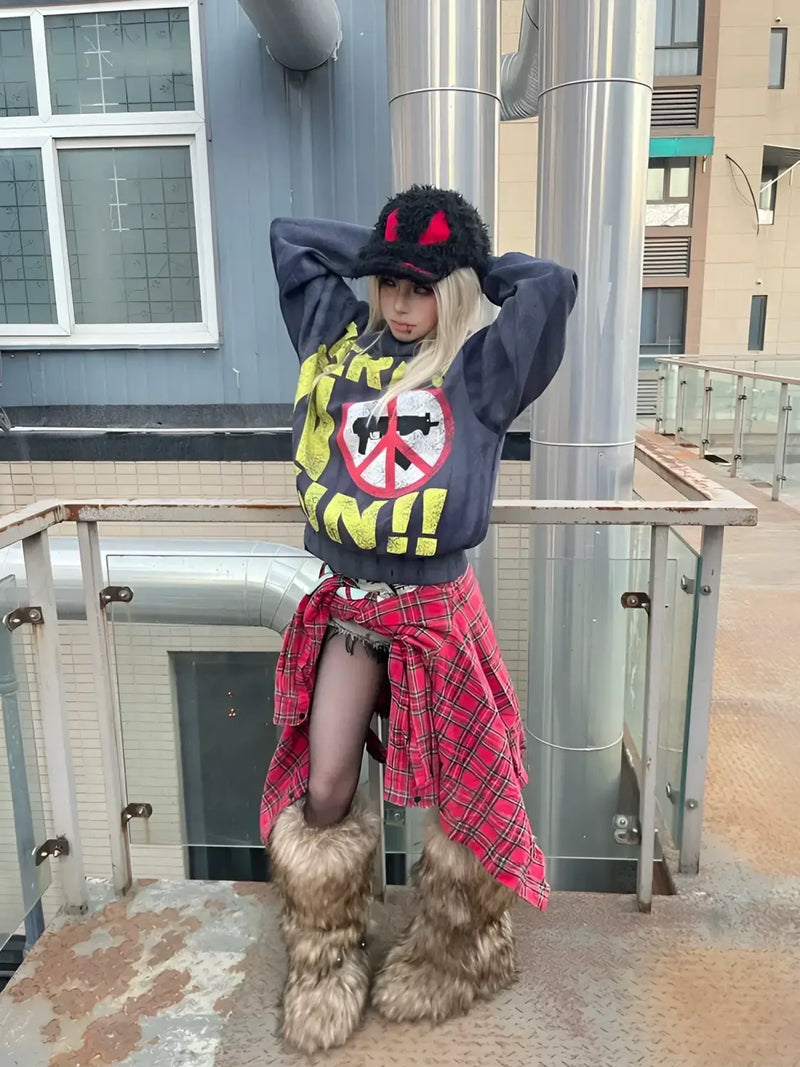
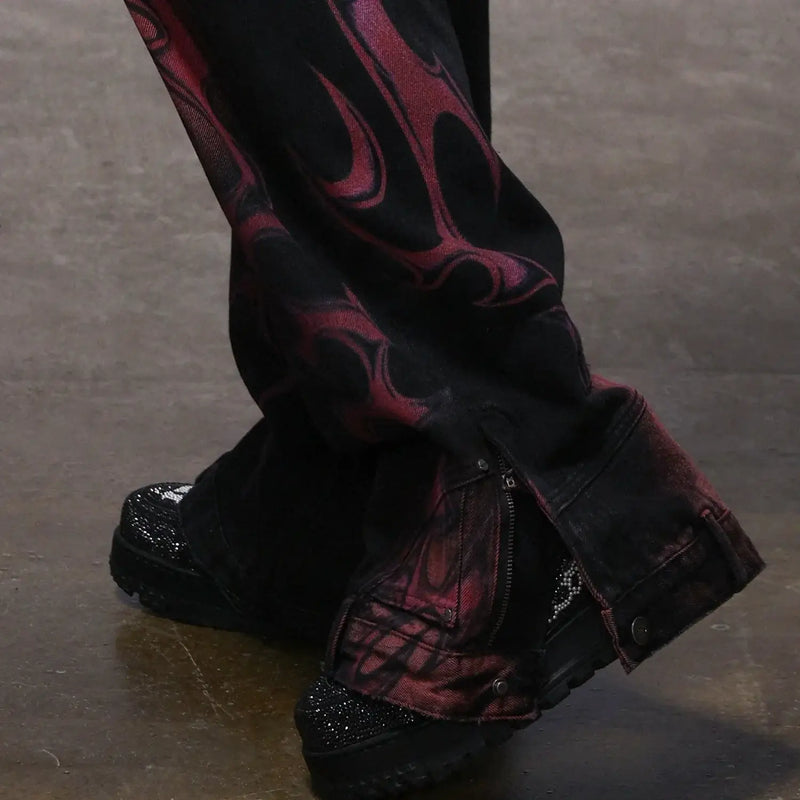
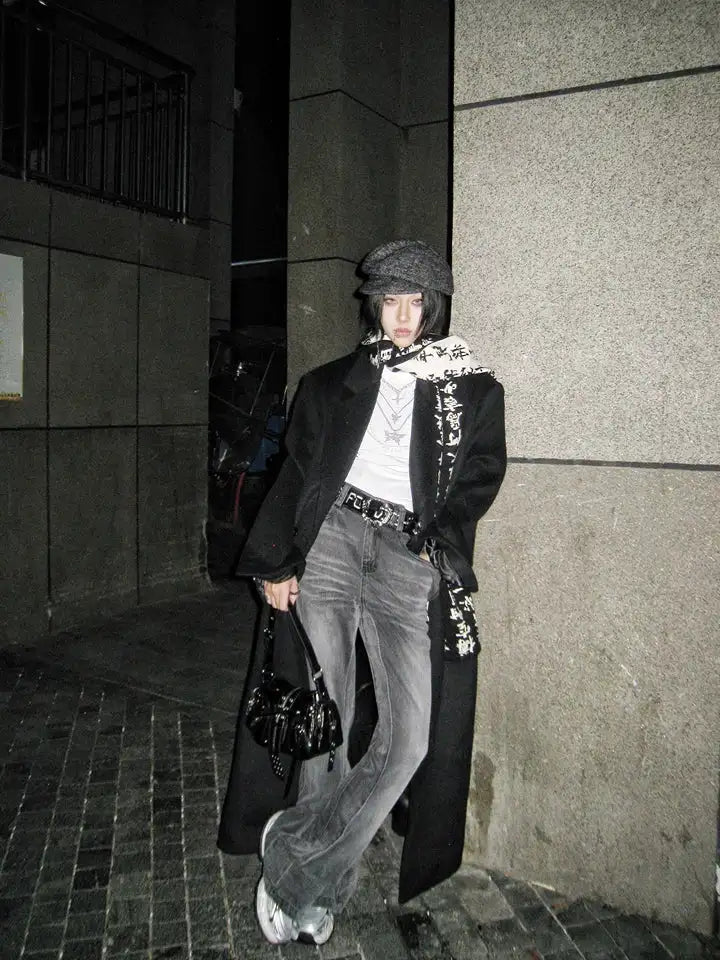

Korean 80s Fashion isn't „US-80s with a side of rice“. Seoul ran the same decade codes — stonewash, power blazer, aerobic Lycra — through a different country: through a Korea that had just come out of 35 years of Japanese occupation and 30 years of military rule and hosted the Olympics for the first time in 1988. What came out of it looks like the 80s — but works on Korean logic.
Build Korean 80s on Madonna posters and „Footloose“ stills alone and you build a Halloween outfit. The look has its own architects: Beanpole, which launched in 1989 and translated the boom-era blazer for the new middle class. Punk, which only surfaced in Seoul in 1983 and immediately latched onto the Korean sportswear wave. The hanbok, which didn't disappear but seeped into cut lines and hem lengths. And the 1988 Olympic tracksuit, which still trades on Seoul vintage markets for eight to forty times the price of any Madonna piece from the same decade.
This guide clears up what's really behind it: who wrote the vocabulary, what belongs in it, how the five archetypes differ, which brands set it down back then and which ones quote it today, how it translates into blazers, stonewash jeans and knit polos — plus the six mistakes that reliably tip any „80s Korea outfit“ over.
What that looks like in a real outfit — compact, in 12 seconds:
Origin
Who shaped Korean 80s Fashion — and what Seoul did differently from L.A.
Korean 80s Fashion is the outfit vocabulary of the Han-River boom years. In 1981 Chun Doo-hwan took over, GDP grew double digits every quarter, the Asian Games came in 1986, the democracy movement in 1987, the Olympics in 1988. A whole decade of upheaval compressed into nine years — and the clothing of the generation that lived through it looks exactly like that today: like optimism, like money, like self-confidence.
While the West built its 80s on MTV and Wall-Street power suits, Seoul had three drivers of its own. First: the first clothing market to reopen after the Yushin years — from 1983, Western brands could be officially imported for the first time in decades. Second: the 1988 Olympic wave that washed sportswear and tracksuits into everyday life long before Reebok pulled it off in the US. Third: a whole generation that had seen its parents grow up in the hanbok — the break with the traditional Korean cut wasn't a marketing move but a generational statement.
The vocabulary existed internationally too, of course — Calvin Klein had stonewash from 1978, Armani's power shoulder had been standard since 1980. Seoul's achievement wasn't invention but translation. What was a pair of jeans at Klein became a stretch-denim suit with a wide leg and narrow waist in Korea — fit to the Korean body, fit to the Korean sitting aesthetic. What Armani drew out broad became compact and tighter in Seoul — a boom-era line of its own.
Definition
What counts as Korean 80s Fashion — the four building blocks
Korean 80s Fashion isn't a piece or a colour — it's an outfit system of four fixed building blocks, at least three of which show up in every correct look. When three sit right, the outfit reads as Seoul-80s. When only two sit right, it tips either into US-80s, into Japan bubble era, or worse: into theme-party costume.
4
Building blocks in the system
3/4
have to sit right — minimum
9
years of boom era (1981–1989)
5
archetypes carry the system
These four numbers hold the look together. Every outfit needs three of four building blocks — all four make it more authentic, fewer than three make it inspiration without a system. Concretely, what counts as Korean 80s Fashion:
- Power tailoring with a compact shoulder — blazer with built-in pads, more concave than wide. Sits tighter at the waist than US versions, because Korean tailoring measures it that way.
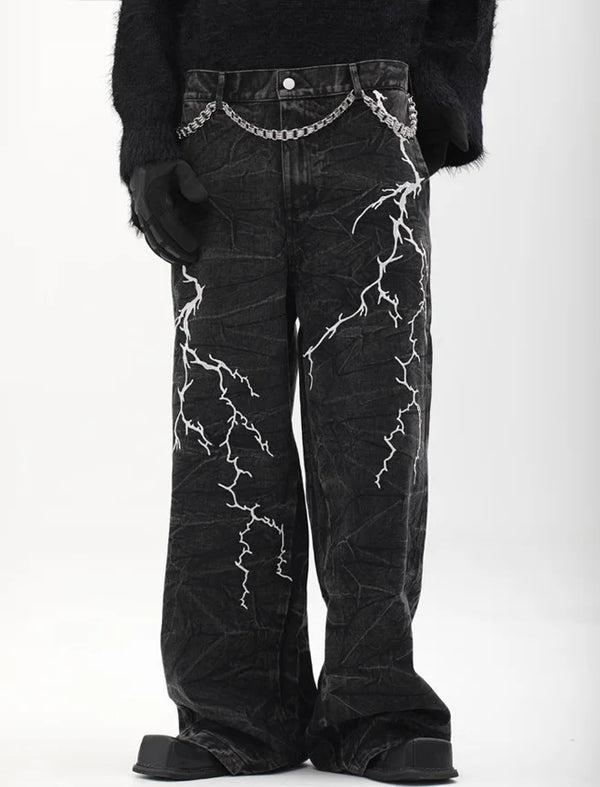
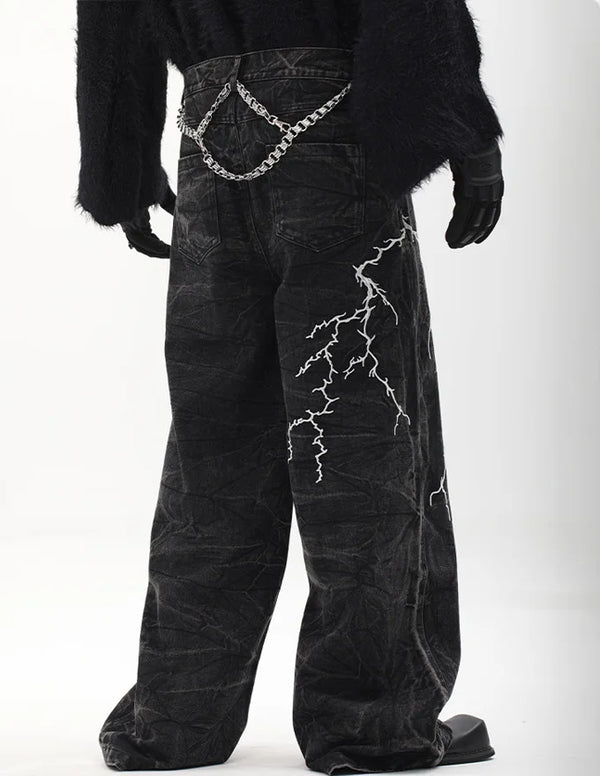
- Stonewash and acid-wash denim — wide leg, high waist and folded hems. The indigo can't be raw — it has to have been through two or three washes already.
- Olympic sportswear as an everyday piece — tracksuit tops, polo knits, colour-block jackets. Seoul wore Reebok and Adidas every day before New York did.
- Hanbok lines in a modern cut — narrow shoulder, wide hem, high waist marker. Looks like an „empire line“ in a Western blouse, but it's hanbok DNA.
- Matte-toned neon colours — pastel turquoise, mustard yellow, burgundy red, sage green. No US highlighter pink, no Reebok-logo shouting.
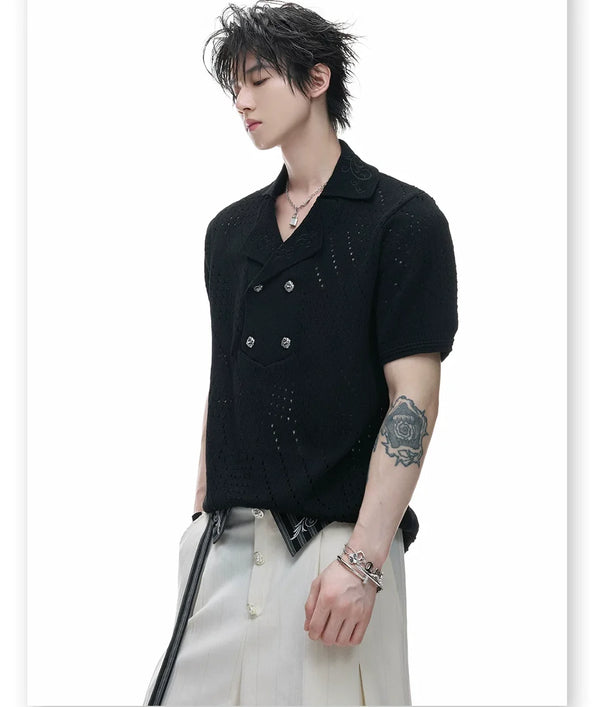
- Knit polo and stretch blouse as the skin layer — no plain tees. In Seoul-80s, tops are always structured: ribbing, stand collar, zip at the neck.
Bring three of these six markers together and you've got the look. Pull off all six and you've got it perfect — but all six at once in one outfit is cosplay. One rule holds the whole thing together:
5 archetypes
The 5 archetypes — from Disco Girl to Olympic Sportswear
Korean 80s isn't one look — it's five that overlap at the edges. Lay Seoul magazine covers, '88 Olympic photos and the early Beanpole lookbooks side by side and you see these five types cleanly separated. Each with its own shoulder line, its own colour palette.
Which of the five suits you depends less on taste than on your shoulder width, your willingness to wear colour, and whether you read the look as a boom-era statement or a muted daytime outfit. How that splits between women and men comes next.
Gender split
Korean 80s men vs. women — where it really runs differently
The building blocks are the same. Power tailoring, stonewash denim, Olympic sportswear, hanbok line — holds for every body. What varies is the distribution. Where a Seoul woman in 1985 wore the power blazer tight at the waist and combined it with a stretch body, the Seoul man wore the same blazer longer, with a shoulder marker and pleated trousers underneath. Same pieces, different line.
Women's version: shoulder marked but cut shorter, waist clear, leg width stays but is often broken up by a high boot or platform pump. Colour splits are more active — mustard blouse with burgundy blazer, turquoise knit with indigo stretch. Jewellery rather small and in rows (three thin chains at once) instead of a single statement.
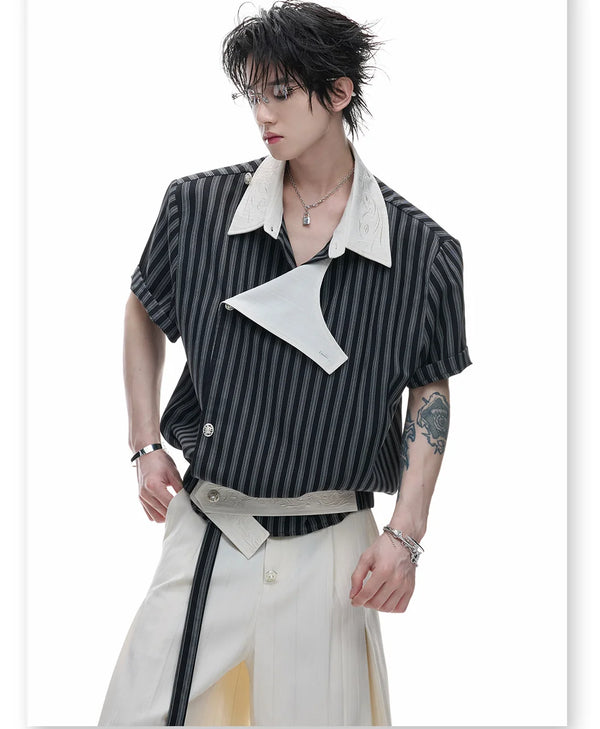
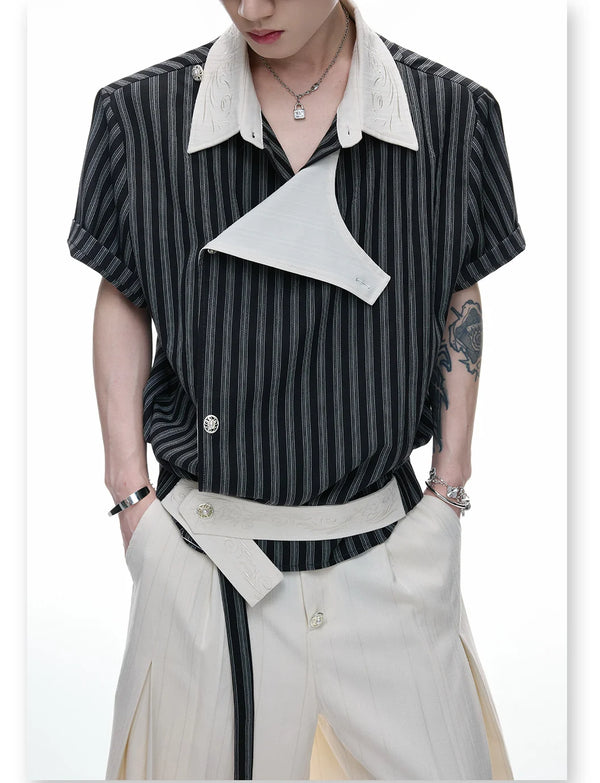
Men's version: shoulder marked too, but the blazer longer and straighter, the stretch blouse replaced by a stand-collar shirt or knit polo, trousers pleated with a single crease pressed in. The sportswear component is more present than with women — the tracksuit top as a legitimate everyday top. Colour mostly reduced to two tones per outfit, but clean.
Both versions work through the same compact silhouette and the same boom-era self-assurance — what differs is the distribution of the attention points, not the vocabulary behind it.
Timeline
From the hanbok to the stretch blouse — what ran before and after the 80s
To understand Korean 80s, you have to know what came before and after. The 80s didn't tip out of nowhere in Seoul — they're the middle stage of a five-decade movement from the hanbok to K-pop streetwear. Know the before-and-after vocabulary and you see the 80s decade not as an isolated trend phenomenon but as a logical transitional step.
The short version of the Korean fashion decades — chronologically:
- 1940s — late Joseon remnants plus occupation uniform — hanbok as everyday wear, Japanese monpe trousers for women under occupation, Western school and office suits for men from 1945.
- 1950s — war and post-war plainness — US surplus coats and PX imports after the Korean War. Hanbok reduced to festive occasions. Beginning of the two-track wardrobe (tradition + everyday).
- 1960s — mini, bobbed hair, early streetwear — Western fashion state-promoted under Park Chung-hee. First local clothing companies. Hanbok moves into the wedding and festival wardrobe.
- 1970s — bell-bottoms, polo shirt, folk wave — Yushin period with restricted imports. Domestic brands copy Western trends with a lag. School uniform reformed.
- 1980s — boom, Olympics, power tailoring — the decade of this guide. First real market opening in 1983. Beanpole launches in 1989 as the „Korean Ralph Lauren“.
- 1990s — Hallyu start, X generation, hip-hop entry — Seo Taiji and Boys topple the boom-era line in 1992. Shoulder pads out, baggy jeans in. Korean 80s becomes the parents' generation.
- 2000s — K-pop, IT boom, designer wave — slim fit dominates. Boom-era aesthetic comes back as Y2K-quoted retro. Seoul vintage markets boom for the first time.
- 2010s to today — Ader Error, Andersson Bell, Wooyoungmi — the current wave quotes the 80s deliberately. Stonewash, power shoulder and Olympic sportswear get a third iteration.
So whoever wears Korean 80s today isn't wearing a random retro piece but the midpoint of a movement whose start was still the hanbok and whose current end product is K-pop streetwear. That gives the outfit substance instead of costume character.
Category · Outerwear
Korean 80s blazer & power tailoring — the boom-era look
The blazer carries the Korean 80s outfit. It's the biggest surface, the most dominant fabric, the primary carrier of boom-era identity. This is where it's decided whether your outfit becomes Korean 80s — or tips into West-Berlin yuppie.
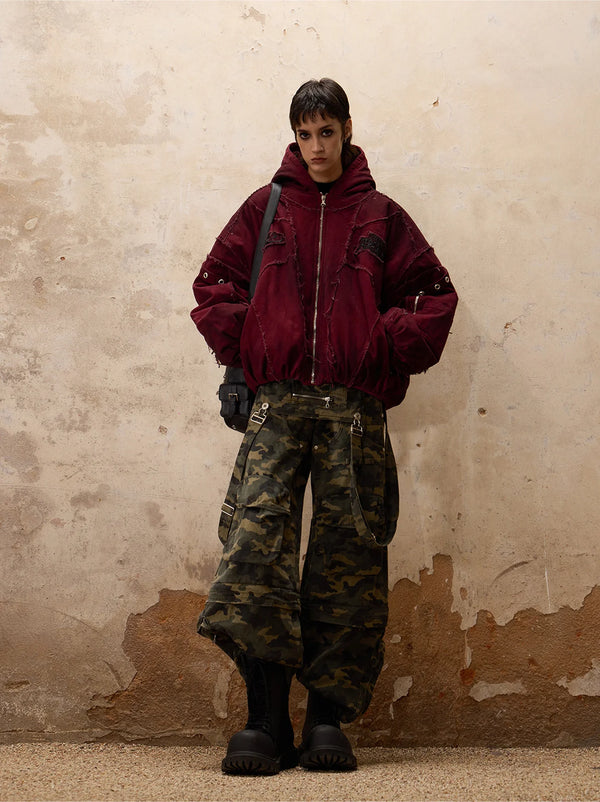
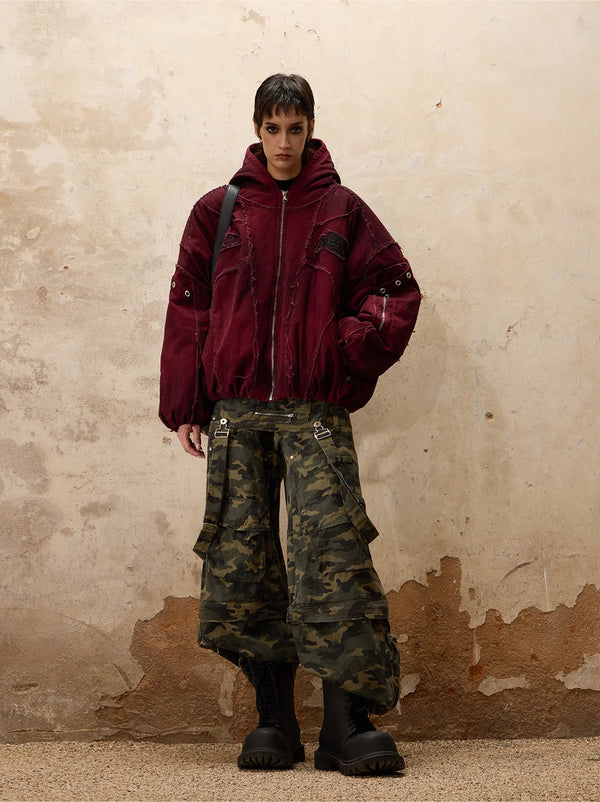
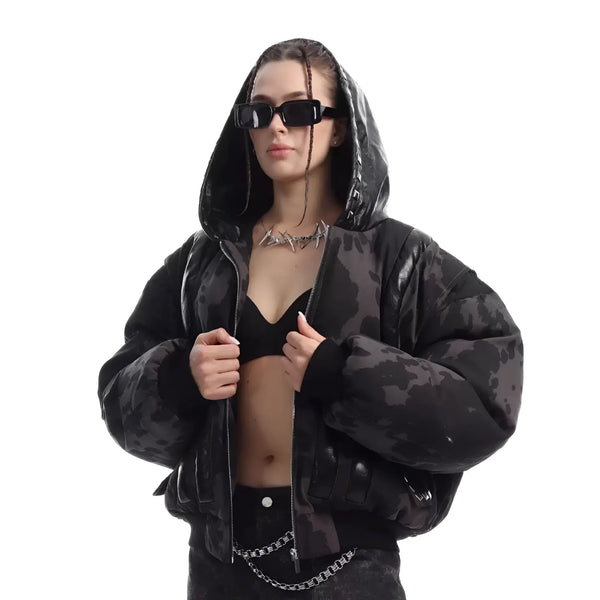
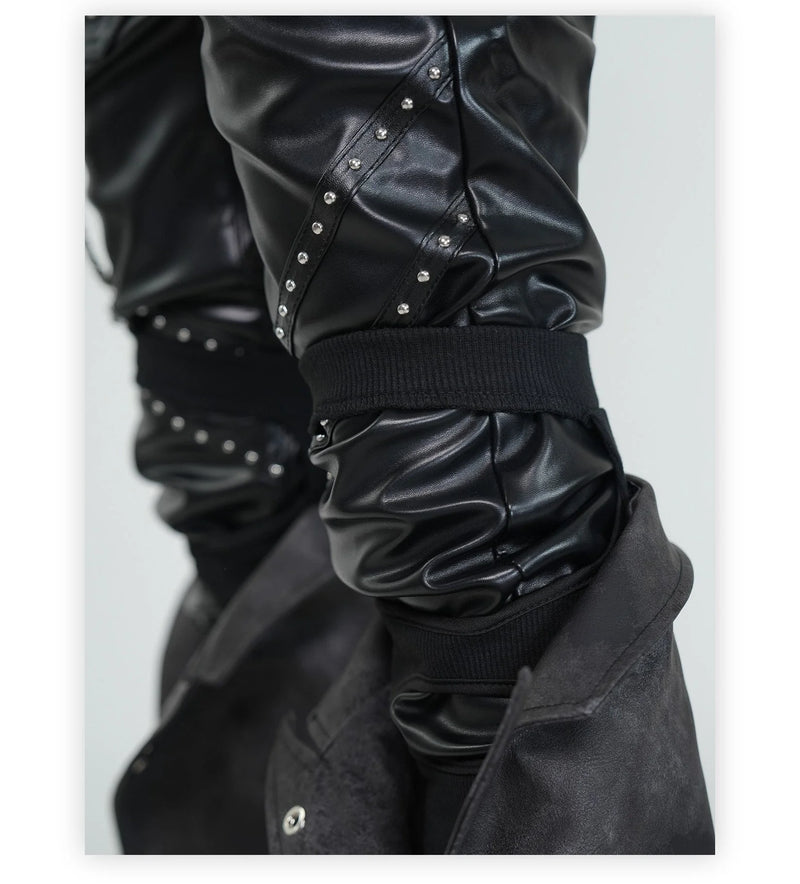
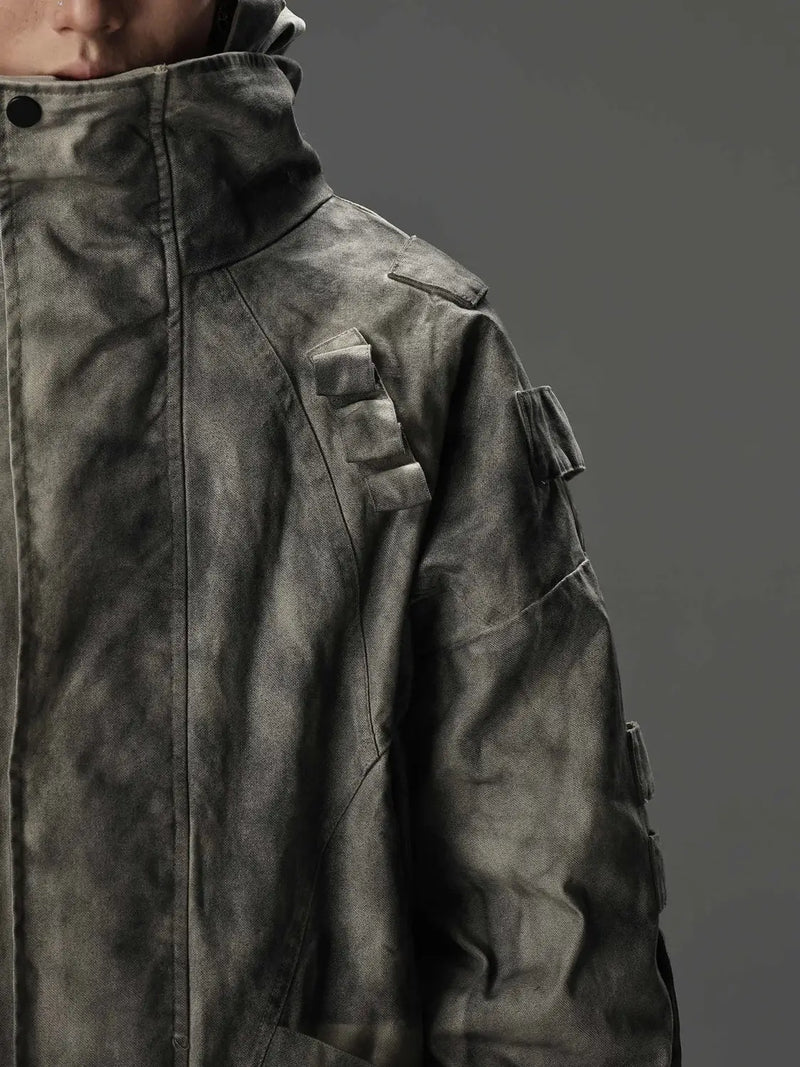
Three blazer types work in Korean 80s: power shoulder with a compact line (Beanpole default, mid-80s), studded or detail blazer with a hardware accent (late boom era, the disco-to-tailor bridge), and denim blazer with stonewash (the sportswear-stretch answer to the wool blazer). Leather jackets in the 80s-Korea context are rare and surprisingly light — not the US biker vocabulary.
If you don't have a broad-shouldered blazer in the wardrobe yet, that's your first move. Everything else in the outfit hangs off this shoulder line.
Category · Bottoms
Acid-wash & stonewash — the 80s denim language out of Seoul
Seoul didn't invent the stonewash wave, but it washed it into everyday life earlier than any other city in Asia. From 1984, the pale-blue acid-wash jean belonged to the standard outfit of boom-era youth — and stayed that way deep into the 90s, long after the West.
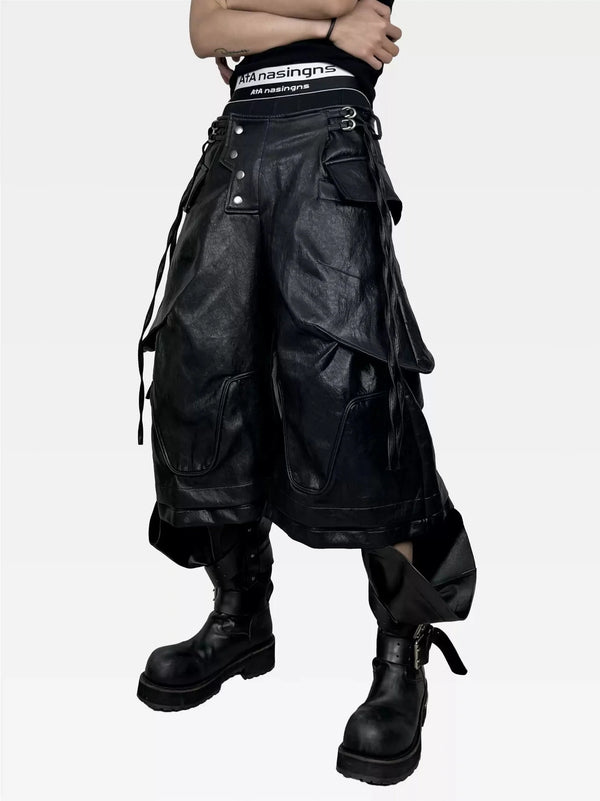
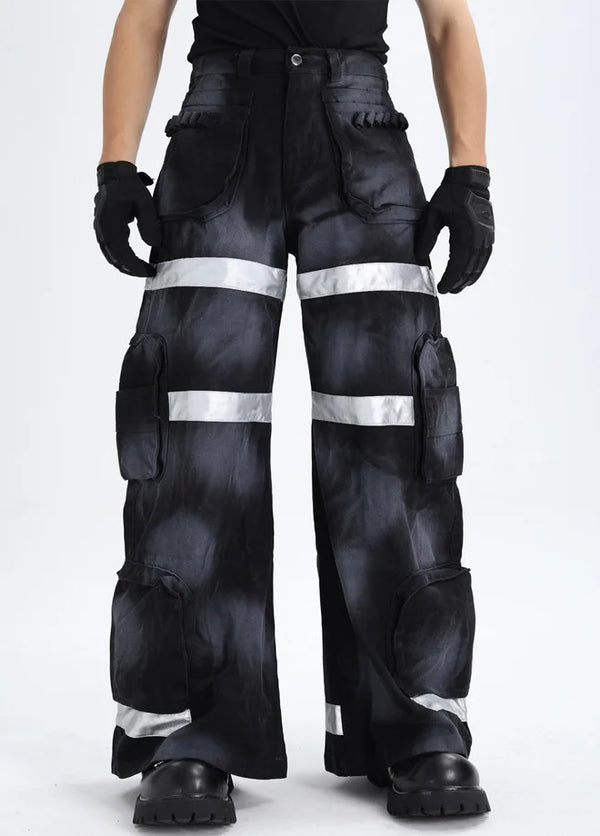
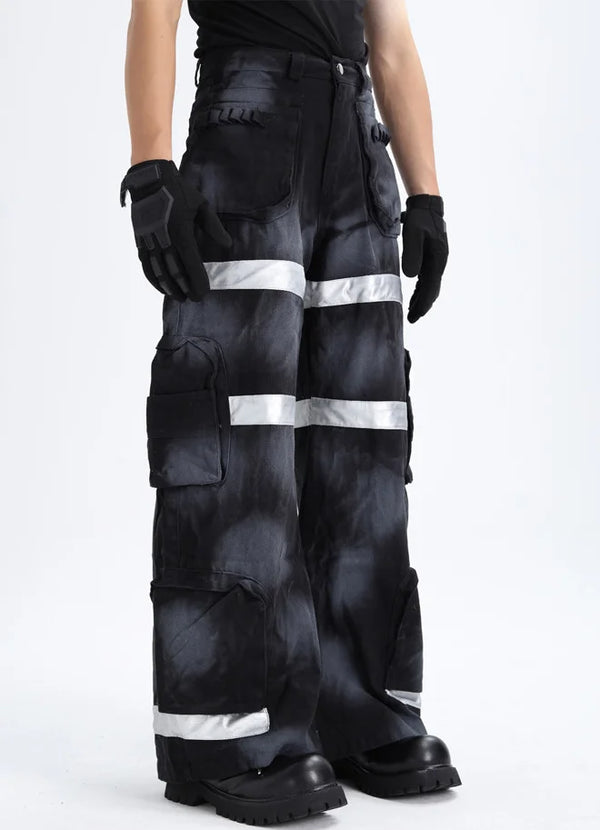
Working Korean-80s bottoms are cut high, wide but not baggy, and in a wash that already looks faded. Avoid raw indigo (that's mid-90s slim) and narrow leg shapes (no skinny, anywhere in this decade). Leather trousers only came late in the 80s and are more disco late phase than standard.
If you want to build a pair of trousers that suits each of the five archetypes, take a high-rise stonewash with a wide leg. That's the common denominator.
Category · Skin layer
Knit, polo & layered tops — the preppy-Olympics code
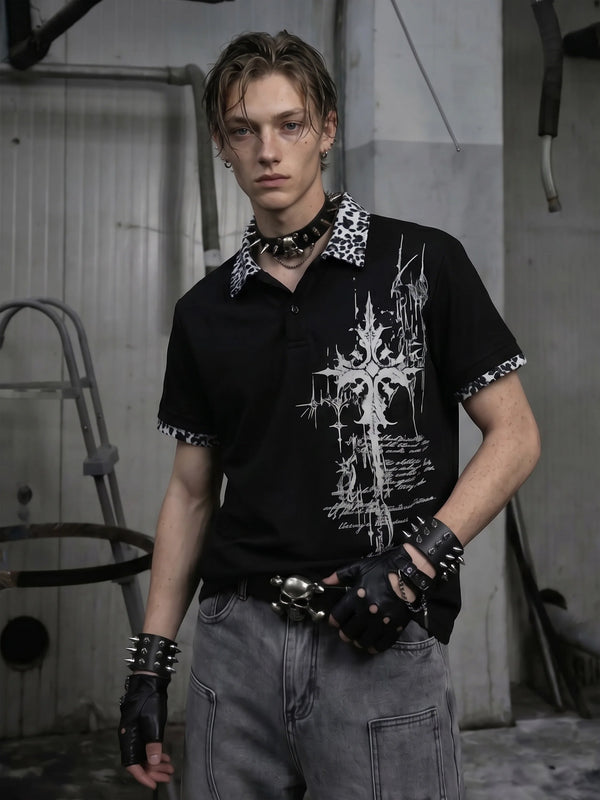
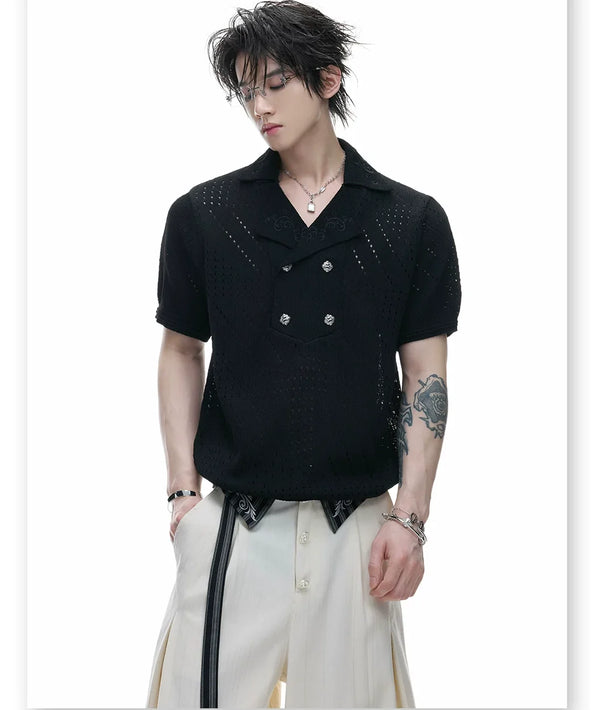
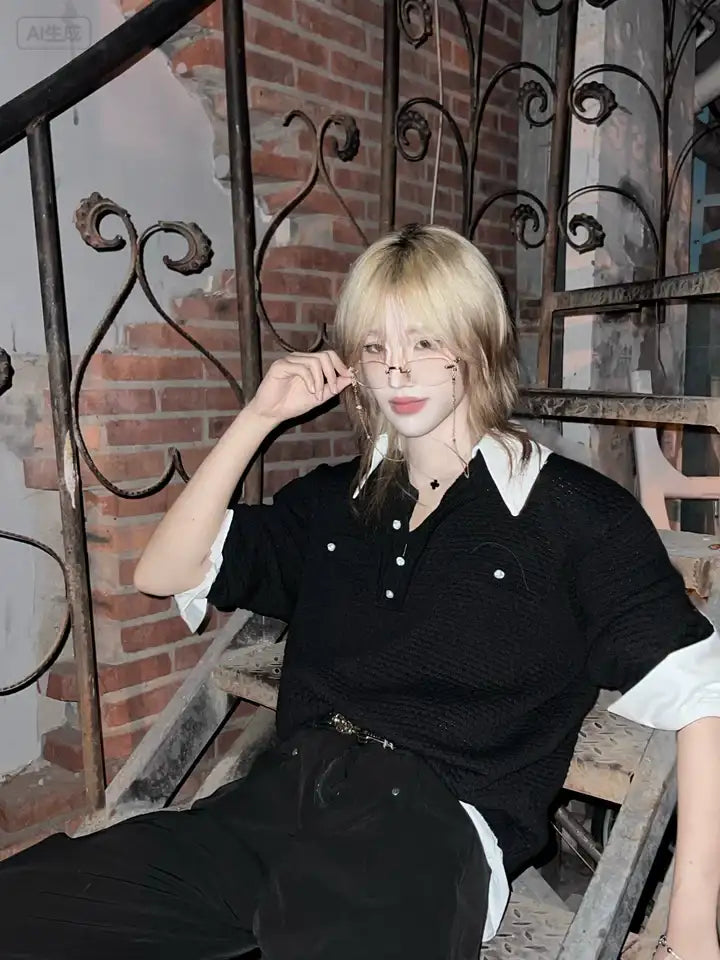
The top layer is where Korean 80s happens most quietly — and that's exactly why it stands out when it sits wrong. In 1986, Seoul youth almost never wore a plain T-shirt under their blazers. It was knit polo, zip henley, stretch blouse with a stand collar. Structured, single-colour or with small patterns, close to the body but not tight.
The rule: top structured, single-colour or with a discreet pattern, close to the body. Printed shirts (slogan print, US brand logo, neon graphics) tip the outfit straight into 80s USA. A cable-knit polo in mustard says more „Seoul 1986“ than any Madonna print.
To test the Olympics sportswear look, take a knit polo with a zip collar under an open-worn bomber variant. That's the easiest entry toward the Olympic archetype — no risk if it doesn't work out.
Brands
Korean 80s brands — from Beanpole to Ader Error
The brands that wrote Korean 80s back then are partly still active, partly pure vintage sources. Plus a second wave of current Seoul labels that quote the vocabulary deliberately. Whoever builds the look competently today knows both lists.
The brands that wrote Korean 80s directly:
- Beanpole — launched in 1989 under the Samsung Cheil Industries umbrella. Translated the US Ralph Lauren preppy code into Korean boom-era cut. Still active today, with its own „Restoration Line“ that reissues the original cuts.
- Cheil Mode (Galaxy, Logos) — Samsung Cheil Industries dominated the whole premium market of the 80s. Galaxy for the boom-era men's suits, Logos for the younger line.
- LG Fashion (now LF) — the second big player. Back then as „Reenose“ and „Daks Korea“ — the latter import-licensing a British cut line to Seoul standard.
- MTM (mit-tu-mu) — boutique sportswear brand of the late 80s. The colour-block tracksuits that show up in '88 Olympic stadium photos come largely from there.
- Nonghyup clothing — the underrated mass side. Made a large share of the stonewash jeans that didn't come from US imports. The farmers' association as a clothing producer — a very Korean solution.
And the second wave that quotes the vocabulary deliberately today:
- Ader Error — since 2014. Makes oversized shoulders and offset lines its signature — a direct boom-era reference, translated for Gen Z.
- Andersson Bell — since 2014, designed in Seoul, fabrics often from Europe. Knit-polo updates, stonewash layering, a mustard-and-burgundy palette.
- Wooyoungmi — an older label, but Park Soonyong's current men's collections are a direct update of the boom-era blazer line.
- Pushbutton, IISE, ISTKUNST — micro wave. They quote specific archetypes (Olympic Sportswear, Seoul Punk, late-80s disco) instead of the whole decade.
Whoever wants to wear Korean 80s without paying the vintage markup looks on the resale market for Beanpole and Galaxy, or to DTC brands that translate the vocabulary competently.
Styling physics
How you actually style this — the silhouette rule
A Korean 80s outfit works on exactly one rule: the compact shoulder-waist-leg line. 40% shoulder width, 20% waist marking, 40% leg width. Get the ratio right and the outfit sits — even if the individual pieces come from three different decades.
Korean 80s isn't a collection of trends but an architecture. Build shoulder, waist and leg in the right ratio and you've got the look — whether in the power blazer, the knit polo or the tracksuit.
— Fūga Studios, Style-Notes
In practice that means: shoulder pads or a structured blazer cut up top, a narrow belt or waist marker in the middle, high-rise wide-leg trousers below. Never an oversize tee plus a narrow bottom — that's the Y2K line, not boom era. You'll find the full breakdown with photo examples in our Korean Streetwear guide:
Korean 80s doesn't stand alone — it overlaps at several edges with other Seoul aesthetics. Modern Korean Streetwear inherits the shoulder line, K-pop styling quotes the colour-block sportswear, 2000s Korean Fashion quotes the stonewash. Whoever has Korean 80s down can read the neighbouring codes.
Here are the four most important neighbours — each with its own guide, if you want to go deeper:
Seasonal
Korean 80s in summer vs. winter
In winter, Korean 80s is easy. Wool blazer with shoulder pads, knit polo underneath, stonewash with a high waistband, leather loafers or a high boot. Six layers if needed, all in the muted boom-era palette, everything works. The challenge comes in summer, when the shoulder architecture of the blazer falls away.
Summer Korean 80s works through what was under the blazer. The knit polo becomes the main sight. A stretch blouse with a stand collar replaces the wool variant. Wide-leg linen or pleated cotton replaces the stonewash at 32 degrees — denim in Seoul summer heat isn't pleasant. But the shoulder line stays visible: cap sleeve with a small pad, zip henley with a structure-emphasising seam, or polo with a reinforced collar.
The all-year solution lives in the layering vocabulary too: pieces that adjust their warmth level themselves. A denim blazer with stonewash, for example — under the wool coat in winter, as the main jacket in spring, worn open over a polo in summer.
Here's what that looks like in motion:
What does not work
The 6 most common mistakes with the Korean 80s look
Korean 80s has six places where it reliably tips over — no matter how expensive the individual pieces. If you avoid only one thing, make it mistake number one.
Action
How to start — the 4 pieces for your first outfit
You don't need 30 vintage pieces to wear Korean 80s. You need four that will be in 80% of the outfits. Everything else builds around them — and is exactly what you can wear to an 80s theme party too, without looking like a costume.
In order: a broad-shouldered blazer in burgundy, mustard or navy (the biggest investment — lasts 10 years if you choose the shoulder line cleanly). A high-rise stonewash wide-leg jean. A knit polo with a zip collar in one of the muted boom-era colours. Loafers or a high boot, polished smooth. A narrow leather belt as an optional fifth — but only once the four sit right.
Outfits for real
Korean 80s for real — how it looks on the street
Before you build your own, look at how others wear it. The five archetypes from above look different in the feed than in lookbook photos: looser, more everyday, less staged — and that's exactly why they work.
This is the fastest way to check whether the boom-era silhouette sits on your body type at all — before you spend money.
To close
Korean 80s is an architecture, not a throwback
If you take one thing from this guide, take this: Korean 80s doesn't work through pieces but through a silhouette. Get the shoulder-waist-leg architecture down and you build sixty outfits from fifteen pieces. Just buy vintage pieces and you have a full wardrobe without a single outfit that sits.
The whole logic of this guide reduces to one sentence:
The architecture has been stable since the 80s — and because today's Seoul designer wave quotes it deliberately, it's readable again right now. You don't have to wait until you know all five archetypes by heart. Start with the one that fits your shoulder line best.
And that's the point: Korean 80s reads in theory like a corset of rules — but in practice it doesn't feel that way. Once you've got the code down, every further outfit is a variation on the same four or five building blocks, not a new invention.
FAQ
Frequently asked questions about Korean 80s Fashion
The questions we often get by DM and email — short, clear, no detours.
What was South Korea like in the 1980s — and why does it shape the fashion?
What do I wear to an 80s party without looking like a costume?
What is the original Korean fashion — and how does it differ from the 80s?
Why isn't Korea called Joseon anymore?
What did Seoul wear in the 70s and 90s — right before and after the boom era?
How does Korean 80s Fashion differ from US or European 80s?
Where do I buy Korean-80s pieces without paying the vintage markup?
Does Korean 80s work without a slim Seoul build too?
What do you think?
Tell us on @fuga_studios
About the author
Philipp Fuge — Founder · Berlin
Founder of Fūga Studios. Writes the journal himself. Berlin · Shanghai · Tokyo · Poznań — four cities, one logic.