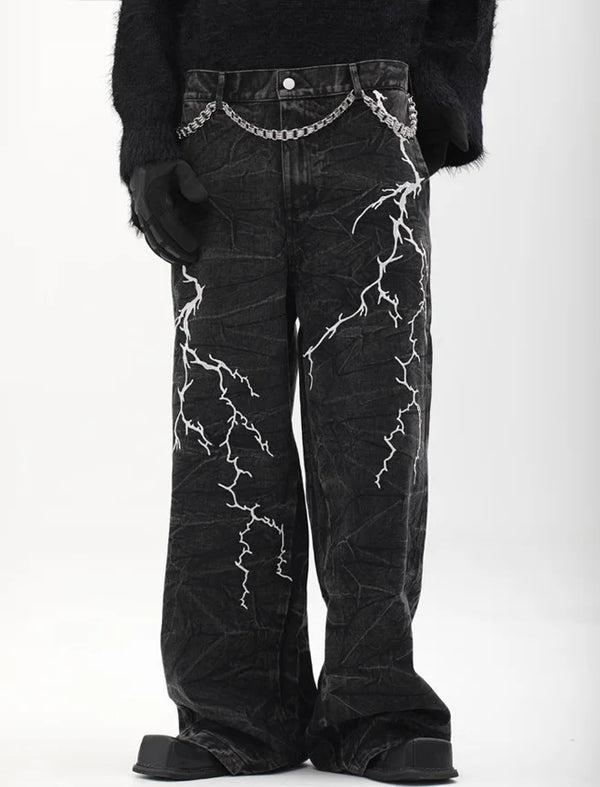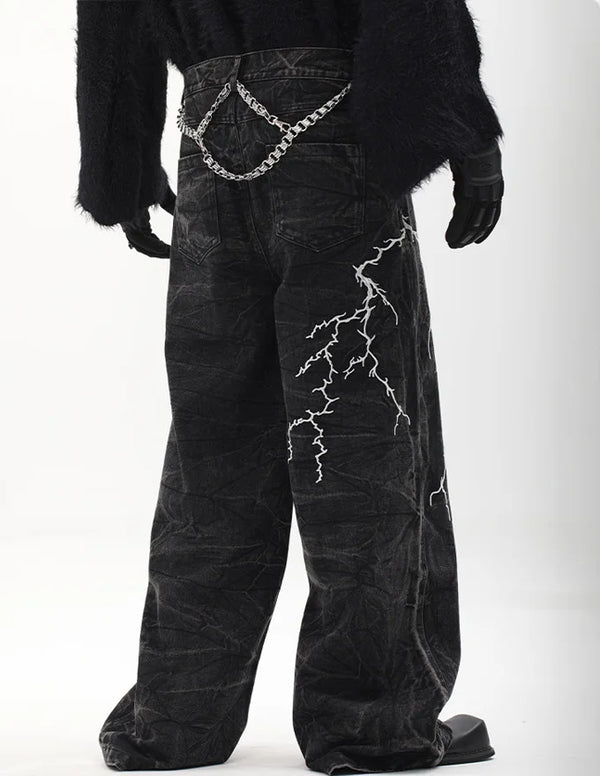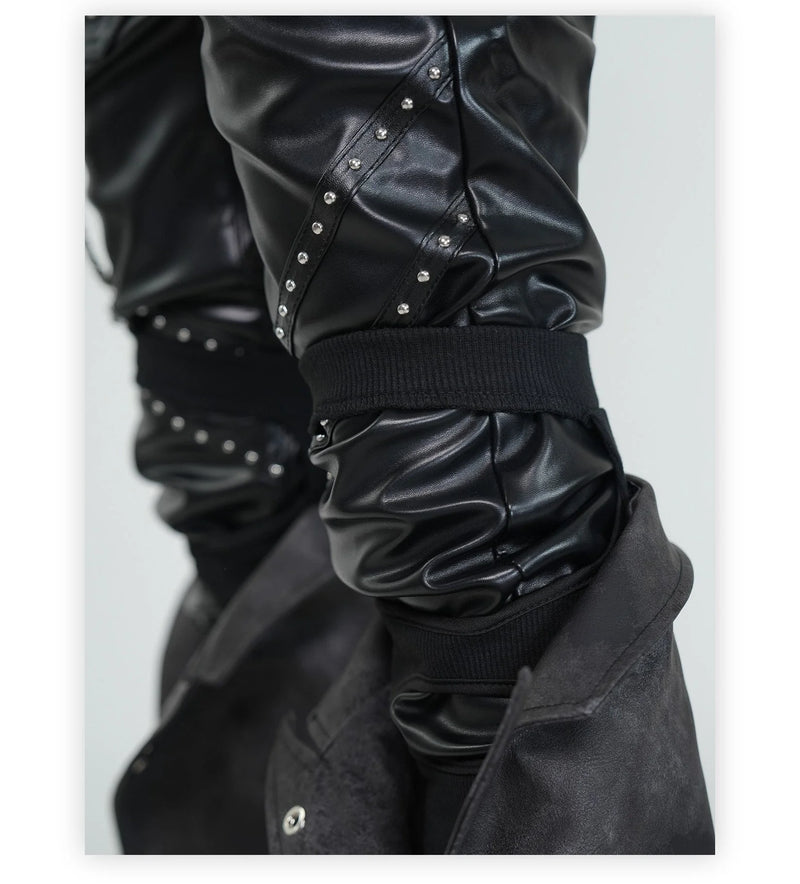
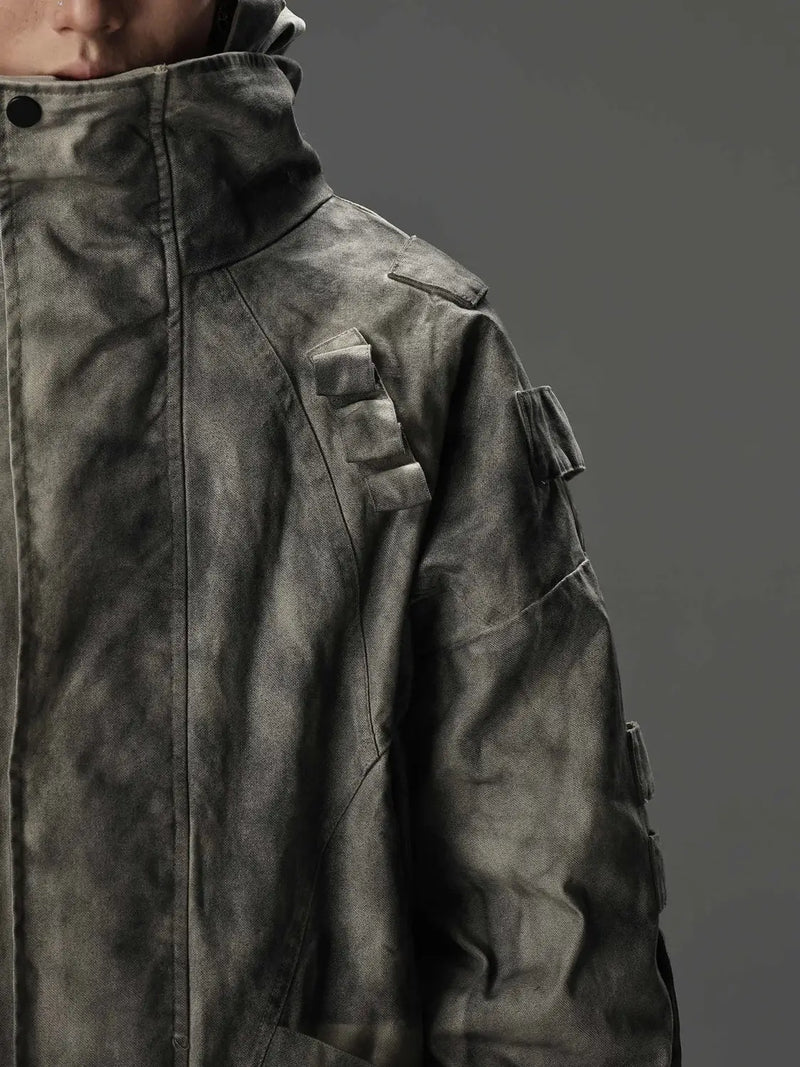

When you hear "80s fashion," you think shoulder pads, neon, acid-wash jeans, headbands first. That's the carnival version. Real 80s fashion was a ten-year war between Wall Street yuppies, punks in London, B-boys in the Bronx and Madonna in the MTV rotation — four camps that hated each other and still shaped the same decade.
This look is coming back because Gen Z is tired of the thin 2020s silhouettes and wants shoulder instead, volume, statement fabrics. TikTok feeds it with MTV sound, Pinterest with working-girl editorials, Berlin vintage stores with real Members Only jackets from 1986. What was a boomer's closet two years ago is back on the corner Späti shelf in 2026.
This guide clarifies what 80s fashion really was — who shaped it, which six types there were, how to wear the look today without tipping into Halloween, which brands wrote the era, and what you put on for an 80s party without looking like a costume. The goal: build an 80s look that works today.
The visual signal of the 80s is not a color and not a fabric — it is a silhouette. Shoulder broad, waist marked, a trouser that either sits all the way up or takes a flare curve from the knee down. Whoever understands this silhouette builds the look cleanly even in 2026 fabrics.
Origin
Who shaped 80s fashion — MTV, Reagan, Hip-Hop, Punk
80s fashion did not fall out of Paris fashion houses — it emerged from four parallel worlds at the same time. What we call "80s" today is a collage of Wall Street vanity, New Wave rebellion, Bronx hip-hop and Madonna MTV. Each world had its own uniform.
Wall Street came first. Reagan era, yuppie boom, Goldman Sachs on cocaine. Women like Sigourney Weaver in "Working Girl" wore suits with shoulder pads from 1981 on that were so broad you could no longer turn around on the subway. Men wore the same suit a size tighter. Hugo Boss and Giorgio Armani were the default brands. That was Power-Dressing — clothing as a threat.
MTV went on air in 1981 and changed everything in 18 months. In 1984 Madonna wore lace tops, crucifix chains and Boy-Toy belts, clashed with tutu skirts. Cyndi Lauper put neon colors on top. New Wave out of London (Duran Duran, Adam Ant) brought androgynous make-up looks and pirate shirts. That was the second 80s wave: pop-visual instead of suit.
The Bronx built the third in parallel. In 1984 Run-DMC wore black Adidas tracksuits without laces and thereby set the hip-hop dress code for 30 years. LL Cool J brought in Kangol hats. Public Enemy brought the cargo look from 1987. This line is the only one of the four that runs unbroken to this day — every current streetwear look owes it something.
And then there was punk-to-New-Wave as the fourth line. Vivienne Westwood's Sex Pistols era from the late 70s radicalized at the start of the 80s toward tribal, mohawk, tartan. From this current came the acid-wash jean — originally a punk hack (bleach in the washing machine) that Levi's and Lee then rebuilt industrially from 1986. Acid-wash is the only 80s fabric that defines exactly this decade.
Definition
What is typical for 80s clothing — the definition
80s fashion cannot be defined by a single property — the fabric varies, the color varies, the brand varies. What stays constant are four structural markers that appear in each of the six sub-styles. When three of these four sit in an outfit, the look reads as 80s.
80 %
emphasized shoulder
1
high-waist line
6
sub-styles
10
year span
The four markers are not fashion platitudes but testable. You see them on every MTV still from 1985 and on every Working Girl cover from 1988. If your outfit has three of them, the code sits; if only two, it tips into 70s disco or 90s grunge.
- Emphasized shoulder — shoulder pads in the blazer, drop-shoulder in the sweatshirt, wide bomber jacket. The shoulder must look broader than the hip.
- High-waist instead of mid- or low-rise — trouser or skirt sit at the navel, not at the hip. That is the visual difference from the 90s and 2000s in one detail.
- Volume contrast — wide on top / slim on the bottom (sweatshirt + leggings) or tight on top / wide on the bottom (body + flare jean). Never both wide, never both tight.
- Wash or print statement — acid-wash, stone-wash, geometric print, color-block. Clean denim without a wash barely existed in the 80s.
- At least one accessory drama — crystal earring, wide belt, headband, thick chain. The 80s knew no outfit without an accessory.
- Shine or glitter in spots — Lurex thread in the knit sweater, metallic accent on the top, patent leather on the shoe. Not everywhere, but somewhere.
If you are missing three of these six markers, it is not 80s — it is inspiration. And there is one rule that holds all six together:
6 types
The 6 types of 80s fashion — from Power-Dressing to Aerobic
80s fashion is not a unit but a family of six sub-styles that overlap at the edges. Whoever plans an 80s party or wants to build a modern 80s look picks one of the six first — not all at once. Mixing only works once you have the code down.
Which of the six suits you depends less on taste than on occasion and silhouette. Power-Dressing for office resistance. New Wave for concerts. Hip-Hop for streetwear crossover. Punk for concerts with edge. Preppy for Sunday-ready. Aerobic for ironic workout looks. How that splits between women and men comes next.
Gender split
80s style women vs men — where it really runs differently
The 80s were the first decade in which women's and men's fashion structurally diverged. Before, both wore bell-bottoms and flares. From 1981 on each side developed its own silhouette, with minimal overlap.
Women's 80s are more dominant because they invented the Power-Dressing code first. Shoulder pads — often six centimeters thick — met fitted pencil skirts. High-waist jeans went combined with a cropped top. Madonna brought the second line: mesh, lace, several layers of crucifix, Boy-Toy buckle. Aerobic wear — leotard plus leggings plus headband — existed in parallel as the second women's 80s track.
Men's 80s are plainer but broader. The three big lines were the yuppie suit (Wall Street, broad shoulder, tie with a mini print), the hip-hop tracksuit (Adidas, Kangol, gold chain), and the New Wave variant (pirate shirt, narrow tie, asymmetric haircut). Both sides wore acid-wash jeans — that was the only real unisex trouser of the era.
So the difference between the two sides is not "women wear skirts / men wear trousers" — that was too narrow a thought then as now. The real difference lies in the shoulder geometry: women's 80s exaggerate the shoulder outward, men's 80s upward. Once you see it, you recognize any 80s photo source in two seconds.
Brands
80s fashion brands — the labels that defined the 80s
Whoever knows the 80s brand list can date an outfit retrospectively to within two years. Seven brands shaped the decade structurally — not because they were the most expensive, but because their pieces ran in MTV videos, at Bronx block parties and on Wall Street trading floors at the same time.
- Members Only — the racer jacket from 1980, later cemented as a windbreaker classic. If one piece says "80s" on its own, it is this jacket.
- Esprit — San Francisco brand with color-block logos. Worn by Madonna, Brooke Shields, every college campus from 1984 to 1988.
- Guess — acid-wash jeans pioneers from 1985. The Marciano brothers made stone-wash and the triangle logo a status symbol.
- Adidas Originals — Superstar sneaker, black-and-white tracksuit. Run-DMC's "My Adidas" in 1986 was the first rap sponsor deal ever.
- Reebok — Freestyle Hi (1982) and the aerobic wave. Jane Fonda and every workout tape brought Reebok into every US living room.
- Champion — Reverse Weave sweatshirt since 1938, but from 1984 the default college sportswear piece. The brand that every streetwear drop copies today.
- Hugo Boss & Giorgio Armani — the Power-Dressing axis. Boss for German yuppies, Armani for "Miami Vice" and everyone who wanted Don Johnson pastel.
Plus three side lines that carried specific looks: Kangol for hip-hop hats (LL Cool J), Calvin Klein for the Brooke Shields denim ad, and Vivienne Westwood for the punk-to-New-Wave bridge. Whoever knows this brand family sees behind every 80s photo at once the label that carried the look.
Category · Outerwear
80s jackets — bomber, Members Only, leather, trucker
In the 80s the jacket carries the majority of the shoulder geometry. It is the primary carrier of the silhouette — more so than what lies underneath. A bad 80s jacket tips the whole look; a right one even rescues a 2026 trouser.
Four jacket types were dominant in the 80s: the Members Only racer jacket (short stand-up collar, light fabric, often beige or olive), the bomber jacket (MA-1 cut, broad on the shoulder, ribbed waistband), the leather jacket (punk line, often with studs or patches), and the acid-wash trucker jacket (denim, washed, cropped). Today all four work — but each with a different trouser underneath.
Category · Trousers
80s trousers & jeans — acid-wash, high-waist, parachute
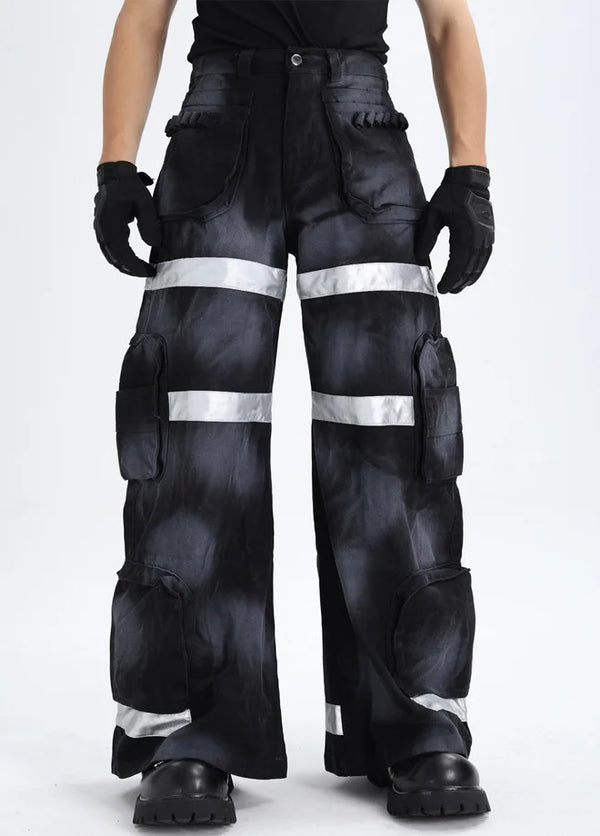
The trouser is the point where an 80s outfit becomes concrete or blurs. Three trouser-shape types hold the era: acid-wash jean (Levi's 501, mainstream from 1986), parachute pant in nylon (hip-hop stage, Bobby Brown), and the high-waist pleated trouser (Power-Dressing, yuppie suit). A fourth line — leggings under a mini skirt — was the Madonna and Cyndi Lauper track.
What all four share: the waist sits high. Mid-rise and low-rise barely existed in the 80s; they only came in the mid 90s with Britney and Christina. Whoever builds an 80s outfit today can save in one place, but not here — a trouser with a waist height below the navel rips the code instantly.
Category · Tops
80s tops — shoulder pads, crop, off-shoulder, sweatshirt
The top decides which of the six sub-styles your outfit tips into. Blazer with shoulder pads → Power-Dressing. Cropped sweatshirt with drop-shoulder → Aerobic or Madonna. Off-shoulder top → New Wave. Oversize polo → Preppy. Adidas track top → Hip-Hop. A single top can completely flip an outfit.
The fabrics in the 80s were louder than in any other decade — Lurex shine in the knit, terry on the sweatshirt, mesh on the crop, patent leather on the bustier. The volume on top came either from shoulder pads (stiff) or from drop-shoulder construction (soft). Both methods make the shoulder look broader than the hip — that is the whole silhouette logic.
Styling deep dive
How you really style 80s — the volume logic
Whoever wears 80s looks today without tipping into a costume has internalized a single rule: wide on top or on the bottom, never both. 80s fashion is mathematical — it works through contrast, not through exaggeration in all directions.
An outfit that wears shoulder pads on top and wide-leg on the bottom is not 80s. It is a wrestler from the WWF universe.
If you decide on shoulder pads or drop-shoulder on top, a slim-fitting trouser with high-waist works on the bottom — or a slim leather trouser, or a cigarette pant. If you decide on wide-leg jeans, parachute pants or wide flares on the bottom, a tight-fitting body, a ribbed tank, a slim-fitting sweater works on top. That is the whole logic.
The second styling question is layering. The 80s knew no outfit without at least a second layer — T-shirt under the blazer, sweater tied over the shoulders, shirt over the tank, leggings under the mini skirt. Whoever wears a single piece has already started wrong.
Whoever wants to build a complete look without an outfit crisis goes through the spoke articles below. They break the system down into one sub-line per article — Preppy variant, Disco variant, men-specific, Korean 80s. Each spoke is a complete look, not a concept essay.
Trends 2026
80s trends in comeback — what runs again in 2026
2024 started it, 2025 settled it, in 2026 80s fashion is concrete again in the Berlin Späti assortment. Not everywhere — not in the carnival version — but in five concrete sub-trends that are back now.
- Acid-wash and stone-wash back — after eight years of a raw-denim monopoly, Diesel, Levi's and smaller DTC brands have acid-wash back in the mainline program. At Fūga firmly in the assortment since 2025.
- Power shoulder without padding — blazer with a constructed shoulder, but without the six centimeters of padding of the 80s. The silhouette stays, the cosplay factor drops.
- Drop-shoulder sweatshirt — college sweatshirt renaissance. Champion Reverse Weave as a modern default piece; drop-shoulder replaces shoulder pads almost completely.
- High-waist as default — the trouser sits at the navel again. Mid-rise has been on the defensive since 2023, low-rise is only a Y2K niche now.
- Color-block in spots — not the whole Esprit palette, but two contrasting color blocks in one piece. Often in the track top or in the windbreaker.
What does NOT come back in 2026 is the full carnival load — neon headband plus shoulder pads plus crucifix chain plus acid-wash at the same time. The generation that knew the 80s left the look back then because it tipped over. Whoever takes it up again today takes single elements, not the full package.
Party outfit
80s party outfit — what you really put on at an 80s party
A theme party is the most common reality in which anyone deals with 80s fashion at all. And this is exactly where the look tips most easily into Halloween. The solution is not "less 80s" — but "less at the same time". Two markers are enough, three are the maximum, four are a costume.
For women the Madonna line works best in 2026: black body or mesh top, wide-leg jean or black mini, several thin crucifix chains, wide belt over the hip. Plus red lips, plus chaotic hair. A shoulder-pad blazer over it tips the whole thing to a 1985 photo.
For men hip-hop is the simplest solution: black Adidas tracksuit (or modern equivalent), black-and-white Superstar sneakers without laces, thick gold chain, Kangol hat or bandana. The yuppie variant works too — wide suit, broad tie, white shirt — but it is more boring.
Common mistakes
The 6 most common 80s mistakes — when the outfit tips into a costume
We see these six mistakes in every second 80s party order at the corner Späti and in every second Pinterest collection "80s outfit ideas". They are not hard to avoid — but they happen reflexively.
Getting started
80s entry — the first 4 pieces
Whoever starts 80s fashion fresh does not buy ten pieces at once. Four are enough to build three different outfits — one for the party, one for everyday, one for the transition. The four are not expensive and not rare; they are the minimum to reach the silhouette at all.
The accessory is the underrated lever. A thick chain, a wide belt, a crystal earring — that one accessory drama piece tips a look from 2024-neutral to 1985-concrete without you changing anything else about your outfit.
Real outfits
80s outfits for real — how this is worn today
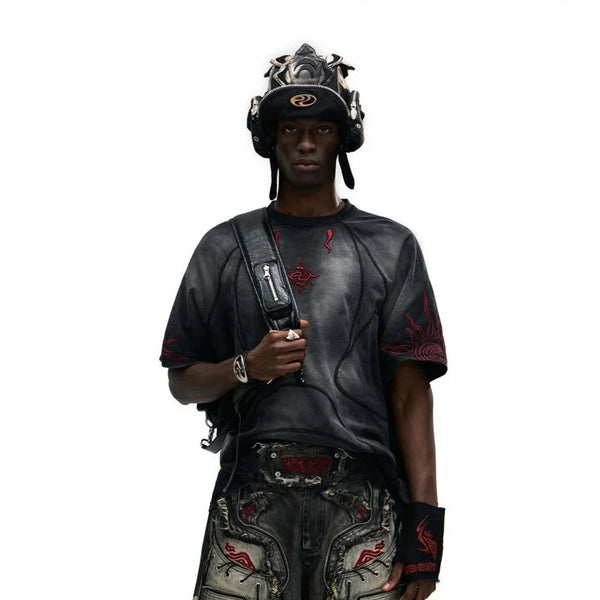
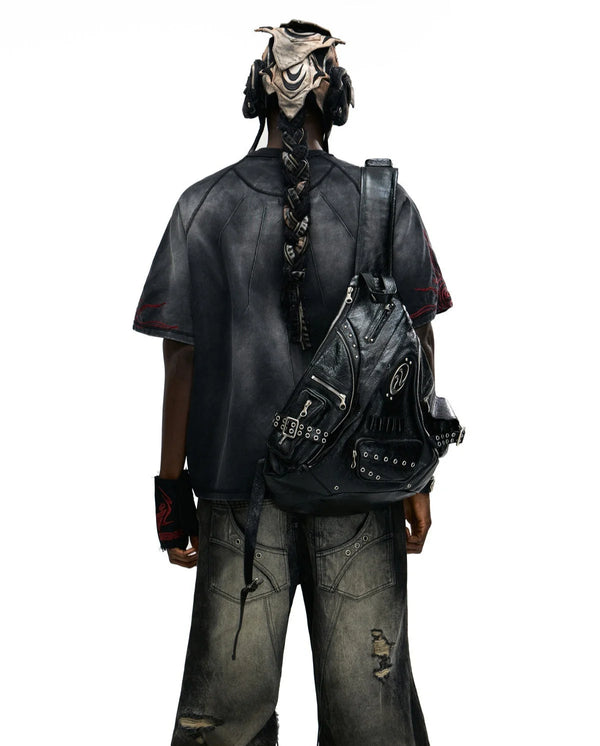
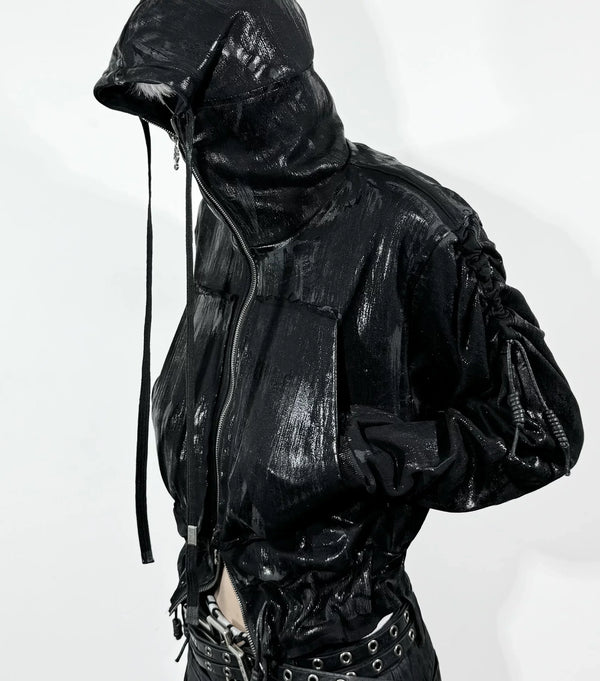
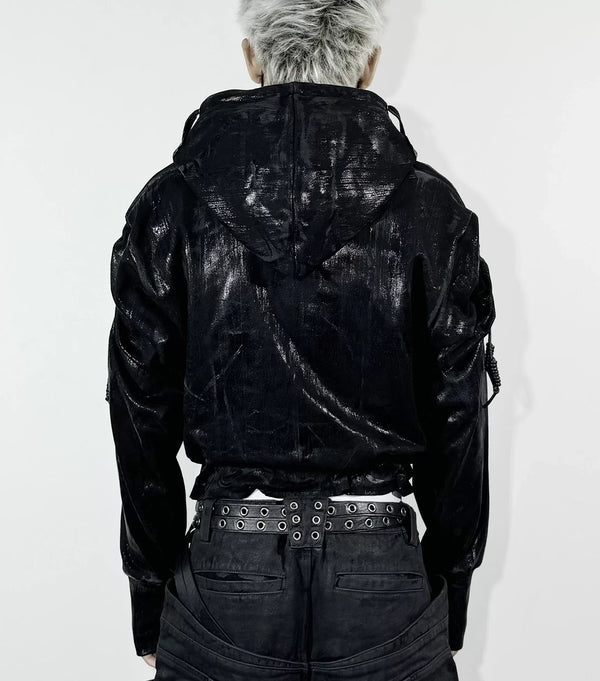
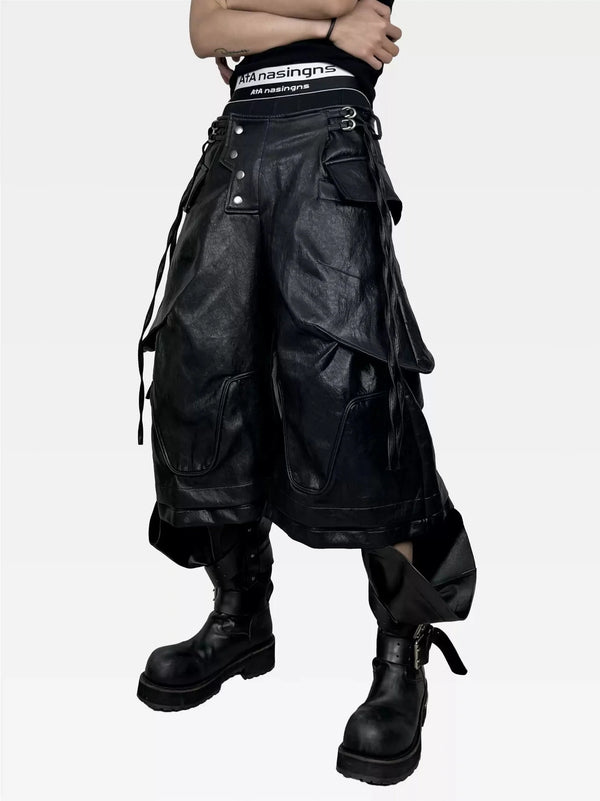
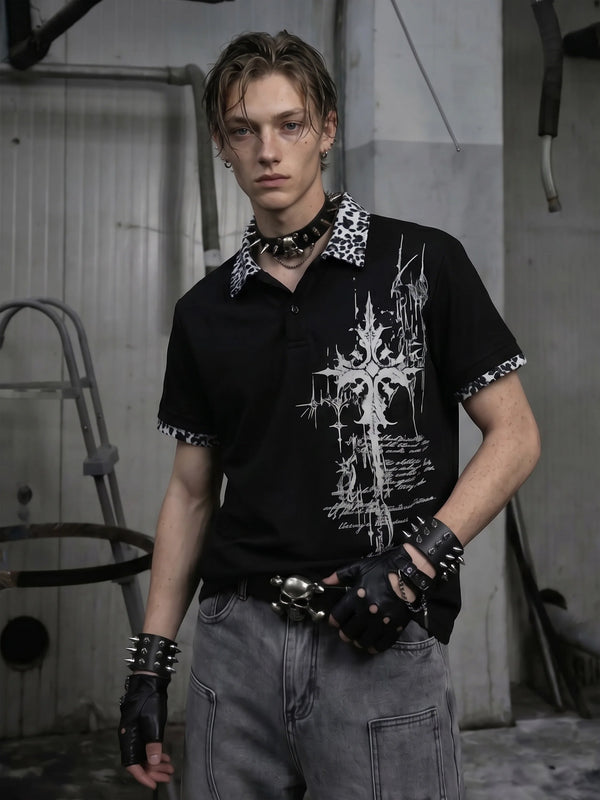
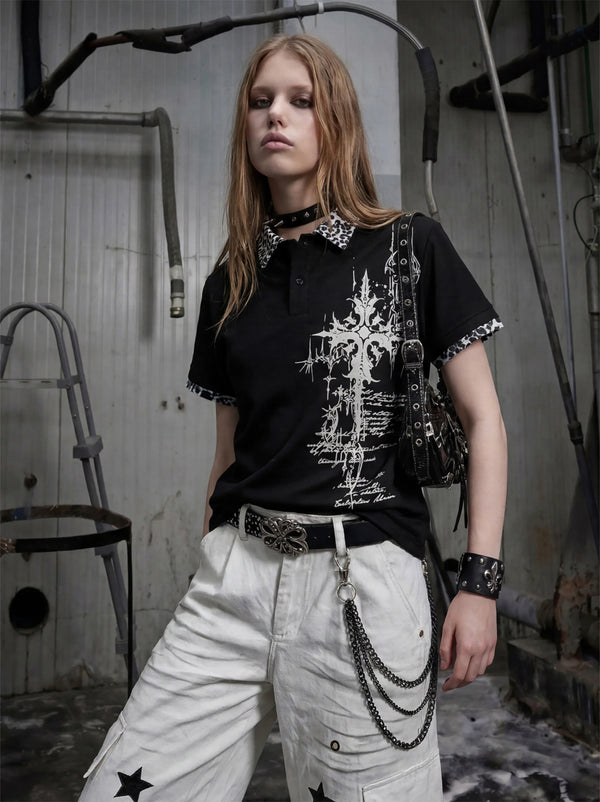
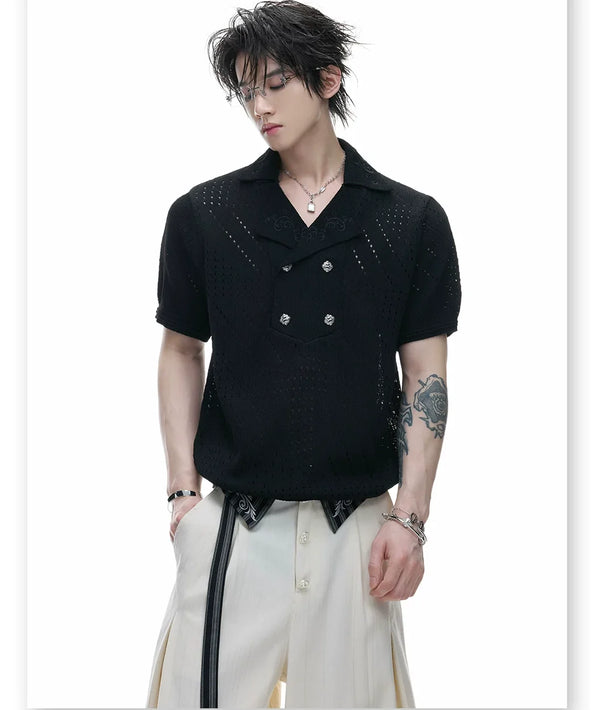
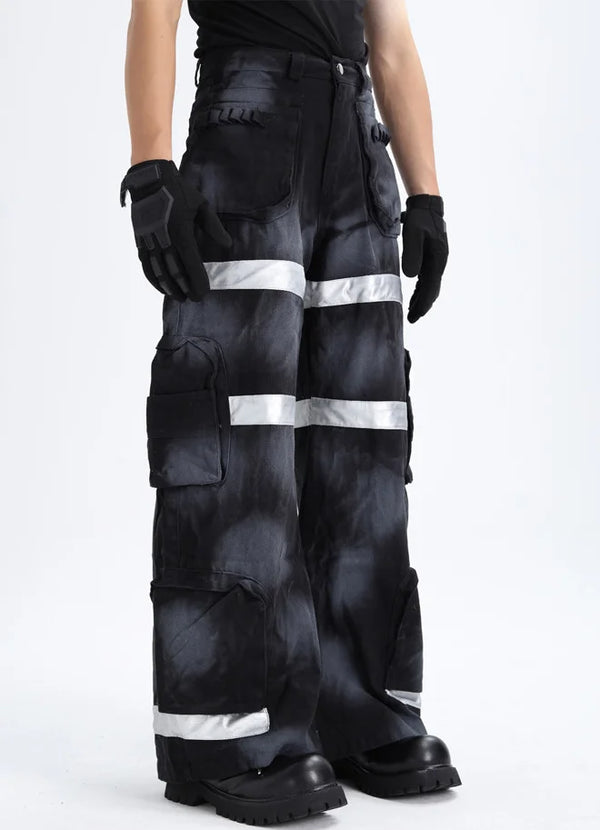
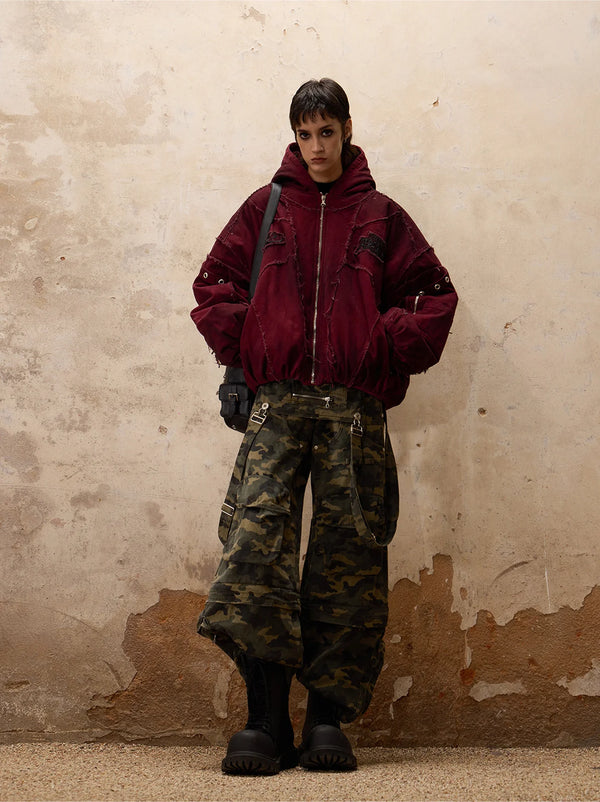
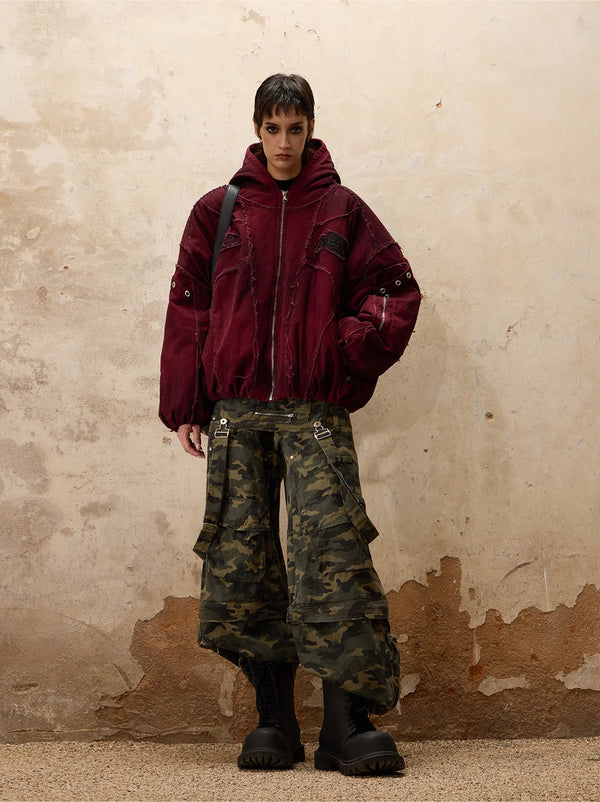
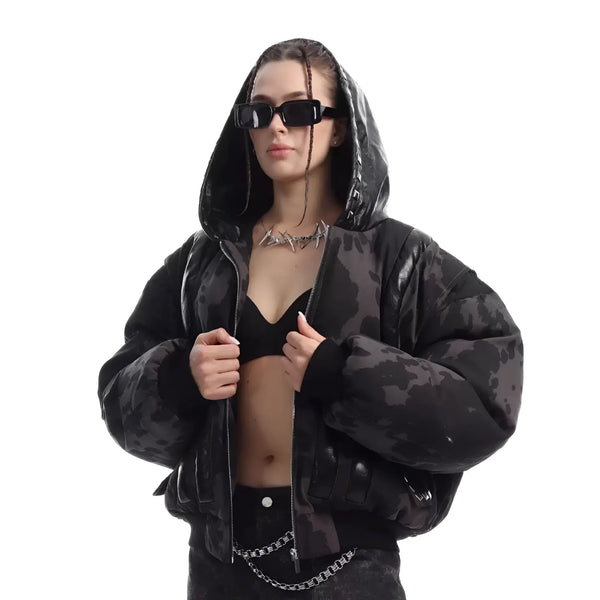
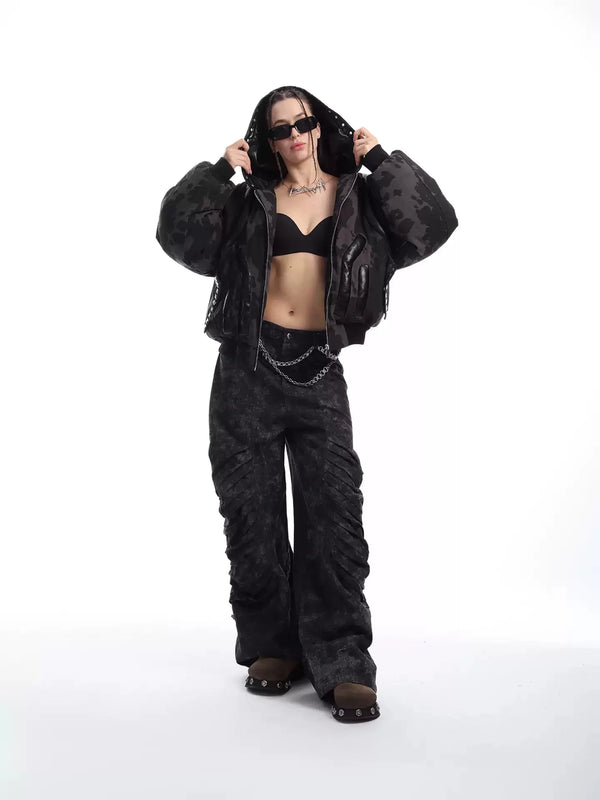
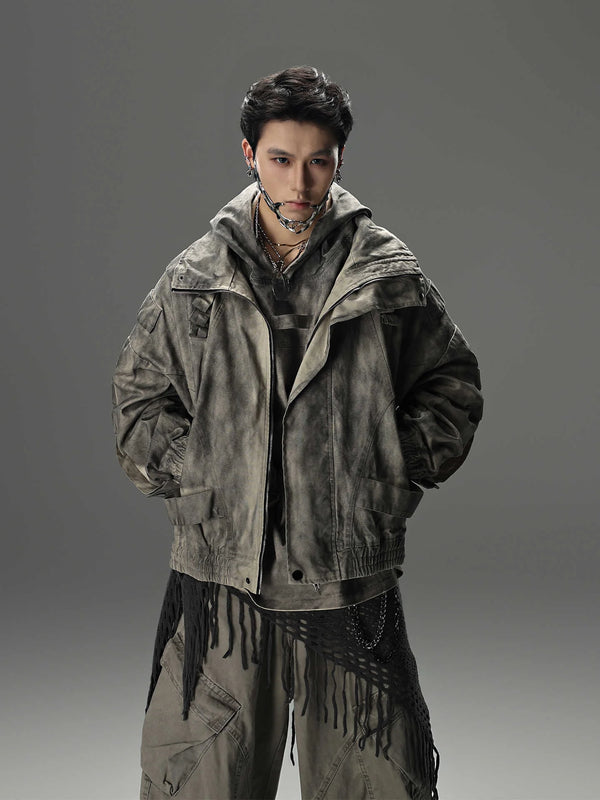
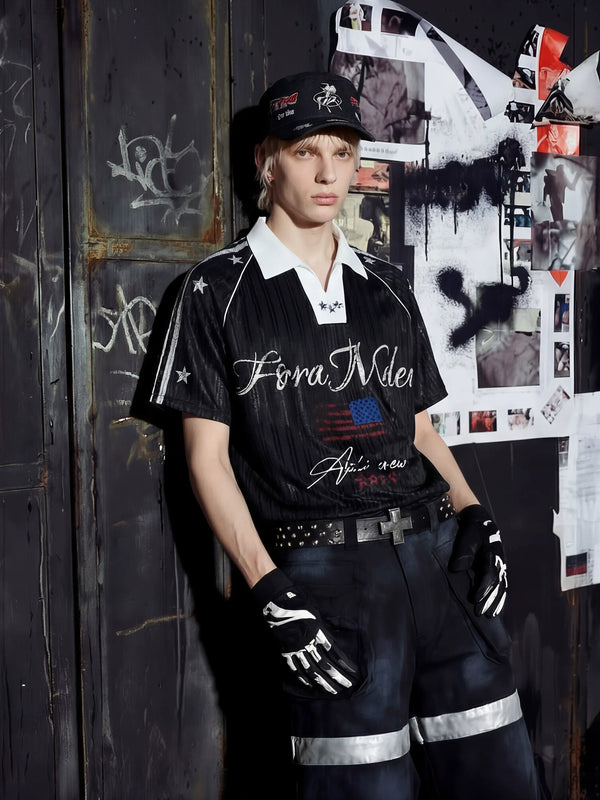
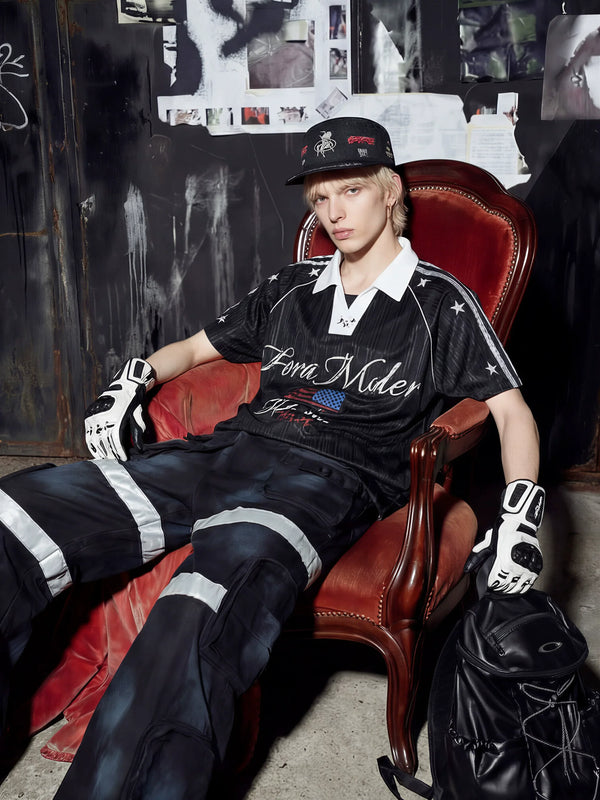
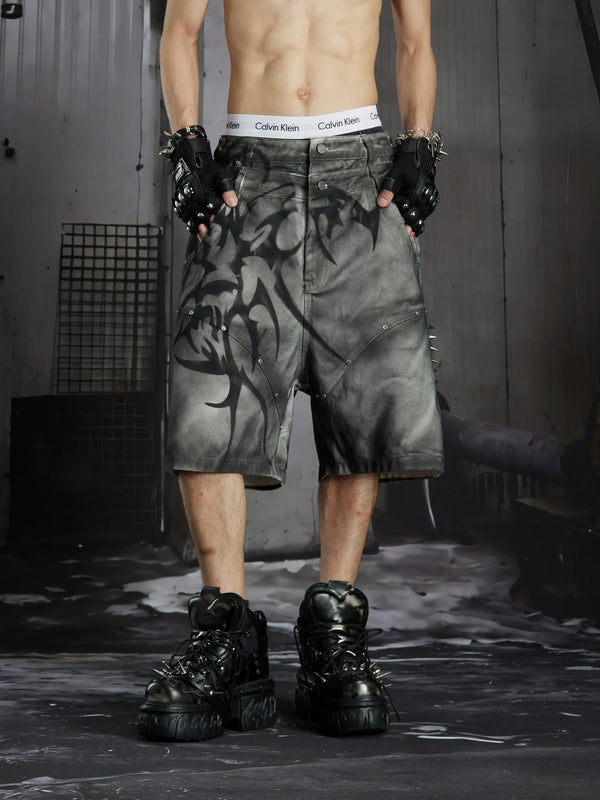
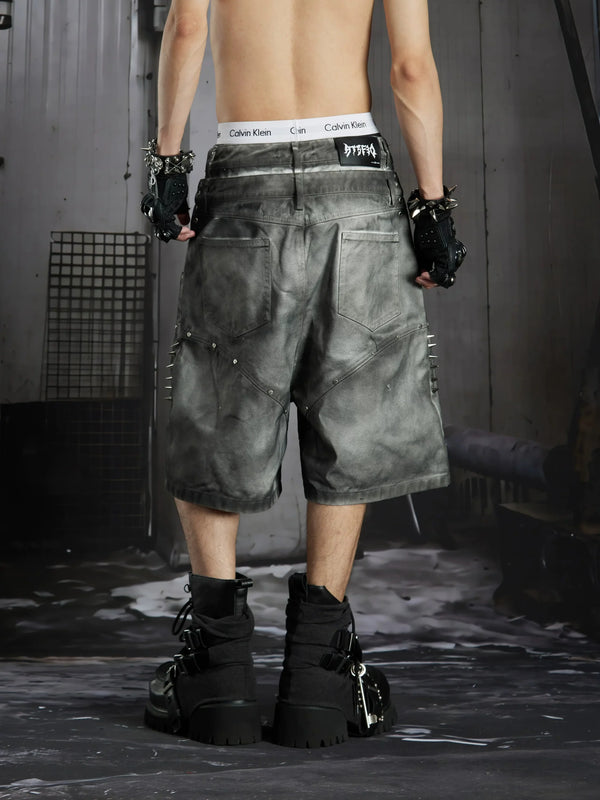
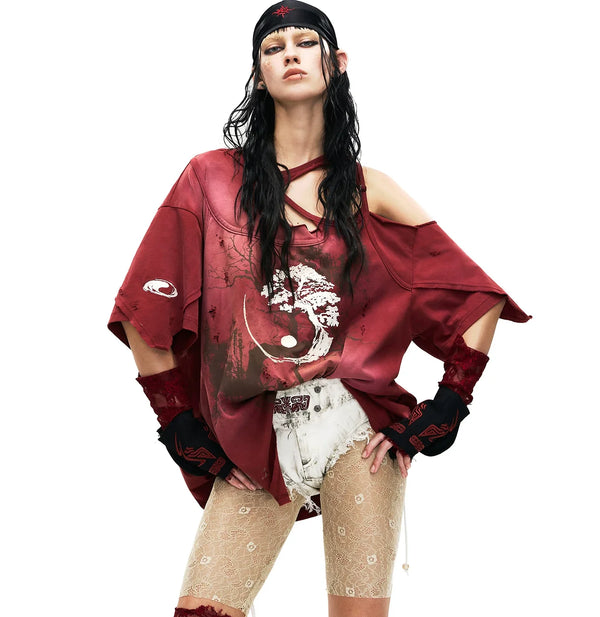
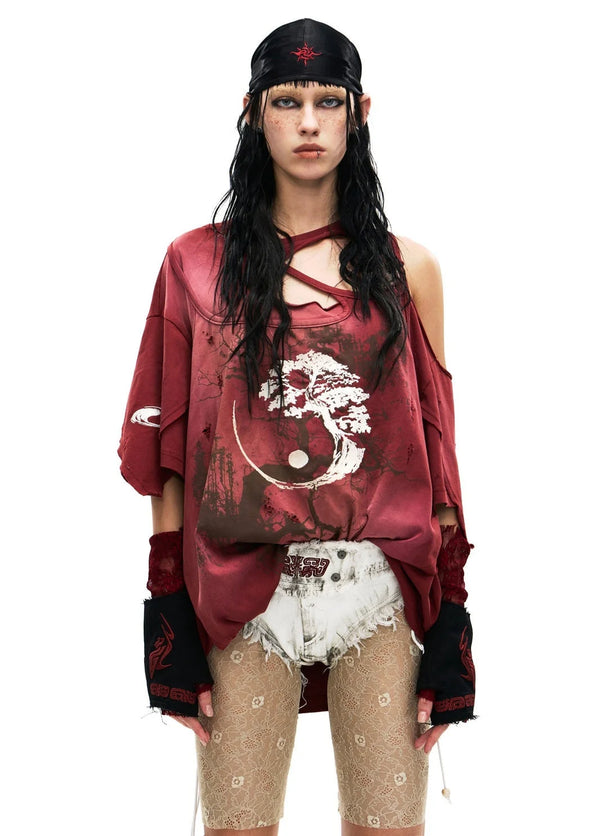
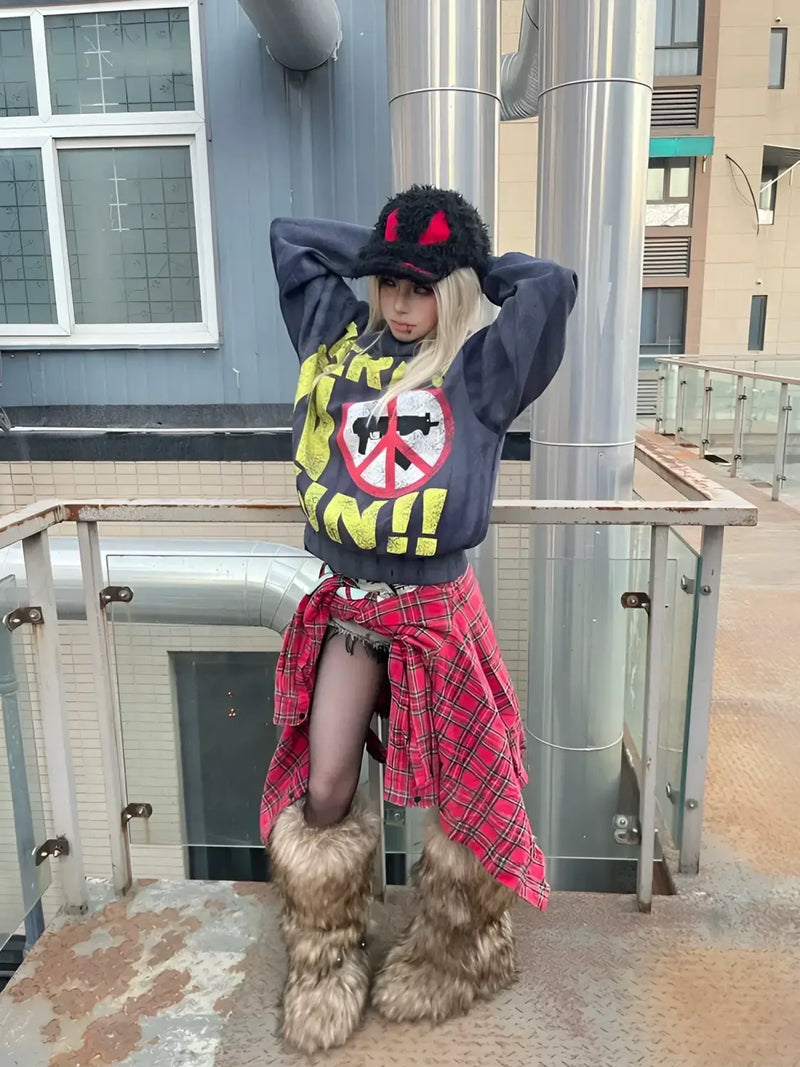
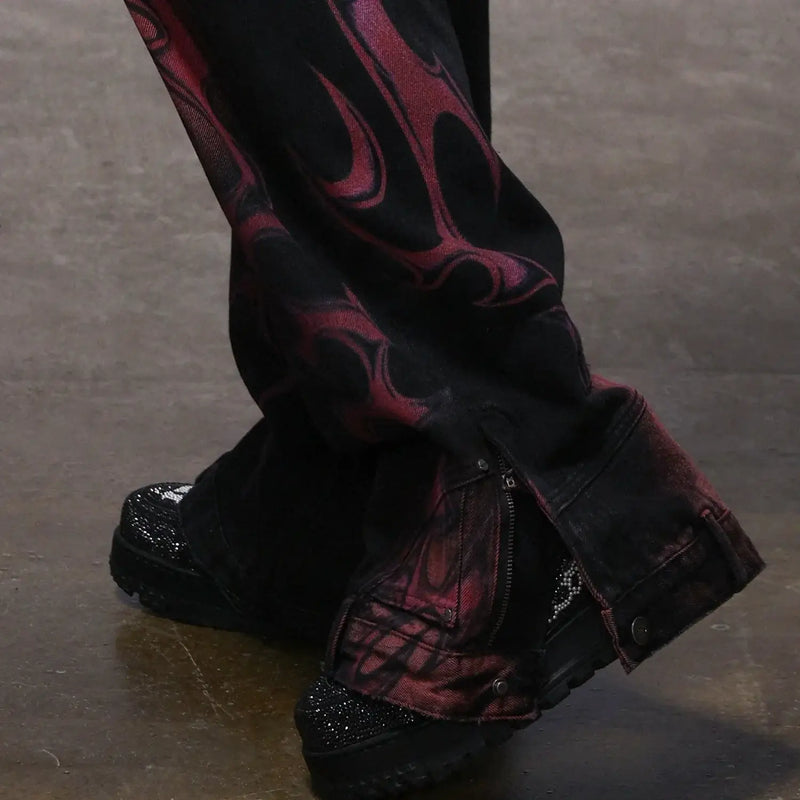
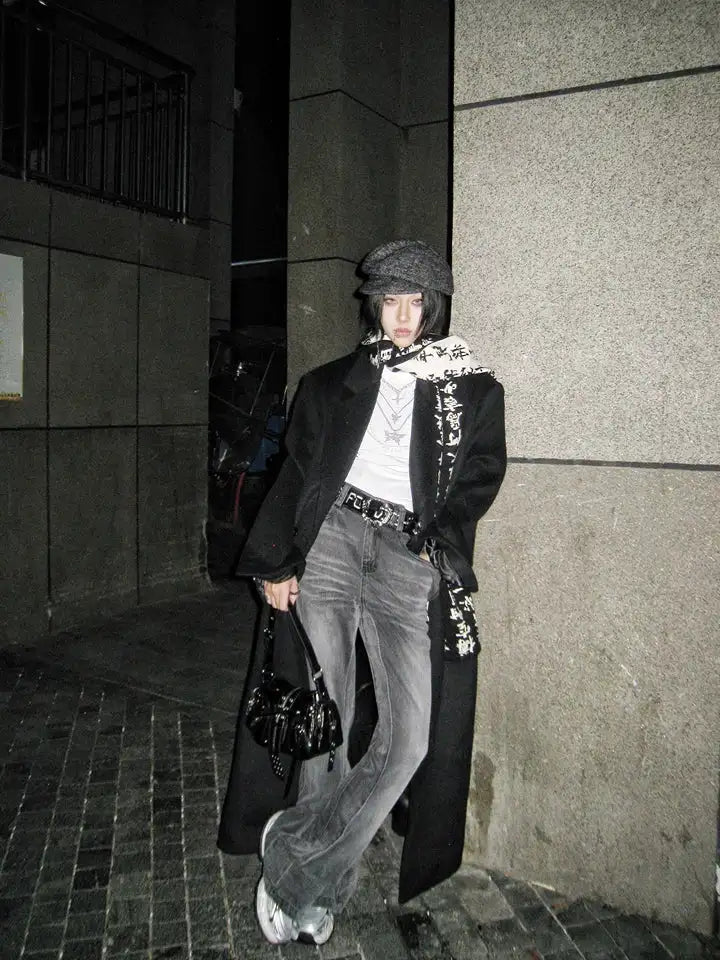
Theory is fast — but 80s fashion only survives through the photo. How the code really translates onto the street in Berlin, Tokyo or Shanghai is always a mix of look and city. The following outfits are from the current Fūga Instagram feed, all shot in 2025 or 2026.
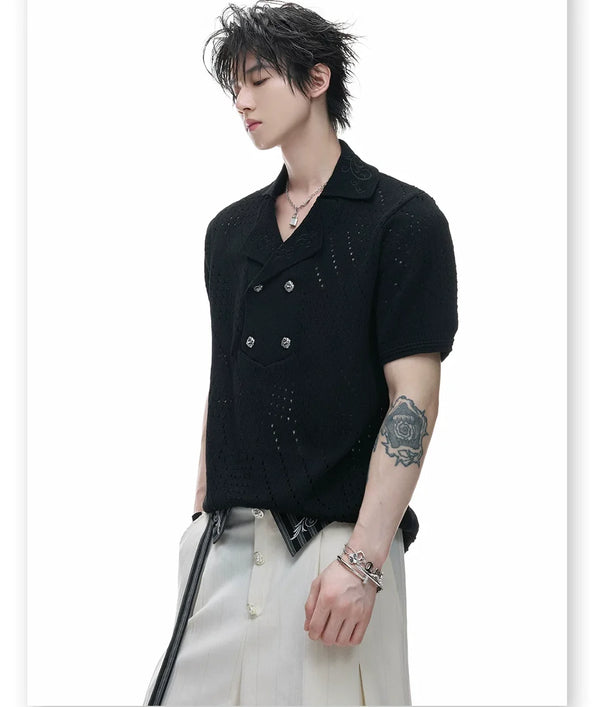
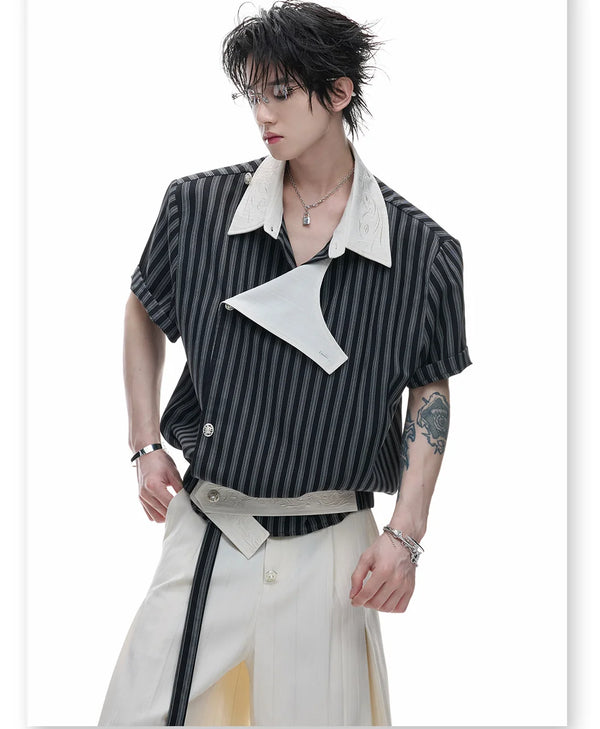
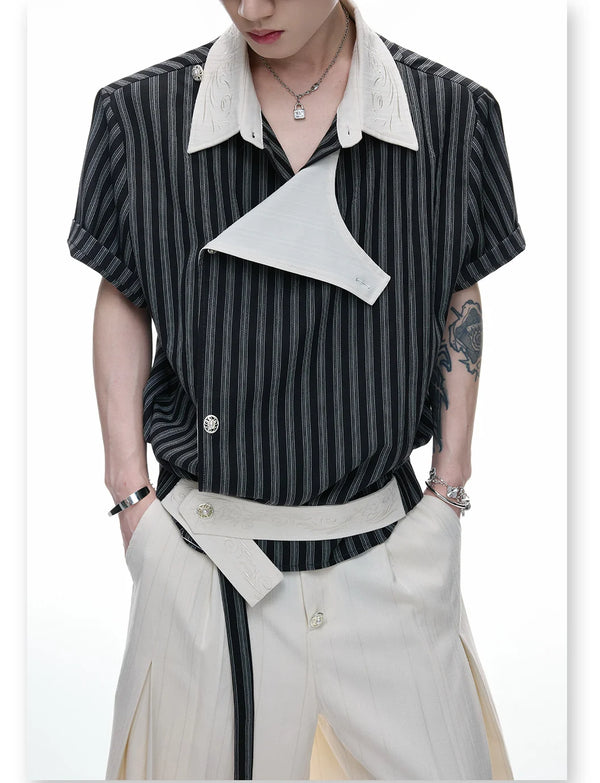
What you see in the pictures is never the full cliché — never all four markers at once. Always two, sometimes three. That is the difference between an outfit that works in a modern city and a carnival rig that only makes sense at a theme party.
To close
80s fashion is a system — not cosplay
If you remember one thing from this guide, then this: 80s fashion does not work through the number of markers but through the order. Whoever has internalized the top-bottom volume contrast and sets the high-waist line as default builds a hundred outfits with twenty pieces.
The whole logic of this guide reduces to one sentence:
The basic rules have been stable since 1985 — shoulder, high-waist, volume contrast, accessory drama. What changes are the fabrics and the cuts. 2026 fabrics in 80s cuts give the look that works today; original 80s fabrics in 80s cuts give vintage cosplay.
Whoever starts begins with the one sub-style that suits their own everyday life. Power-Dressing for office days. Hip-Hop for streetwear crossover. Madonna for concerts. Preppy for Sunday-ready. Aerobic for ironic workout looks. Only once the one sits does the second come.
FAQ
Frequently asked questions about 80s fashion
The questions we often get by DM and email — short, clear, no detours.
What is typical for 80s clothing?
What do you wear to an 80s party?
What do you wear in the 1980s?
What do you wear to an 80s disco party?
What do I wear to an 80s party?
What must not be missing at an 80s party?
What do you think?
Tell us on @fuga_studios
About the author
Philipp Fuge — Founder · Berlin
Founder of Fūga Studios. Writes the journal himself. Berlin · Shanghai · Tokyo · Poznań — four cities, one logic.