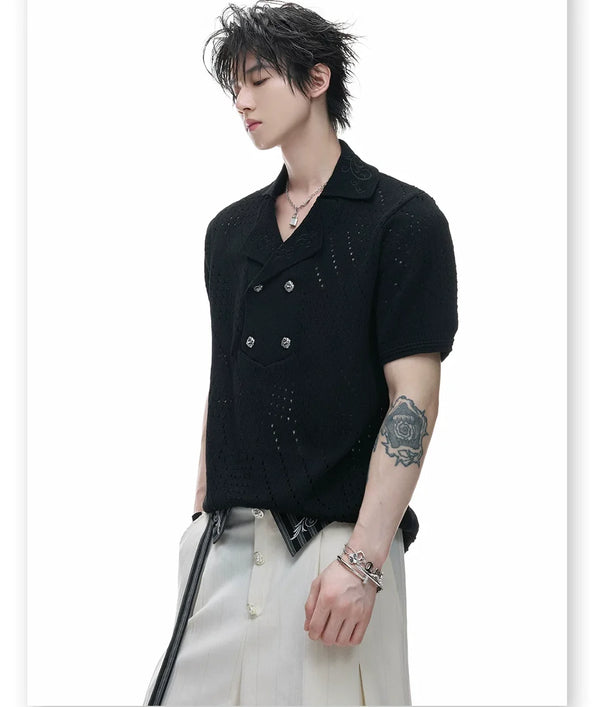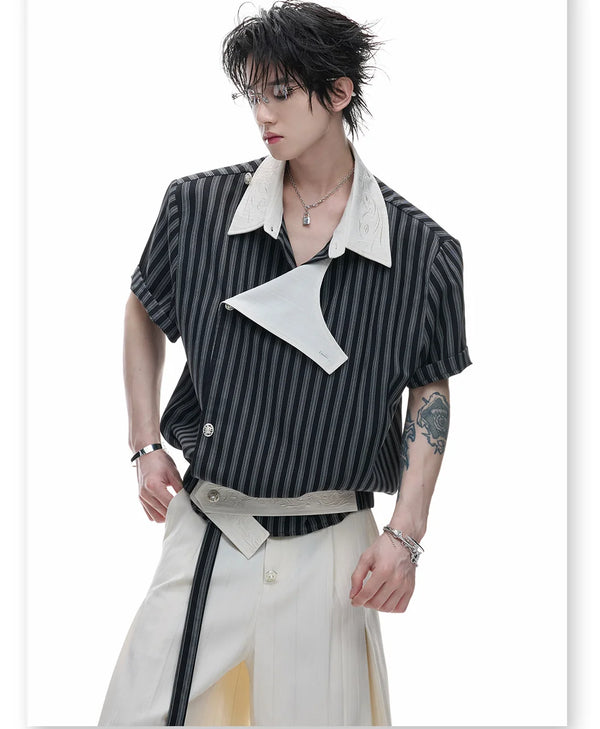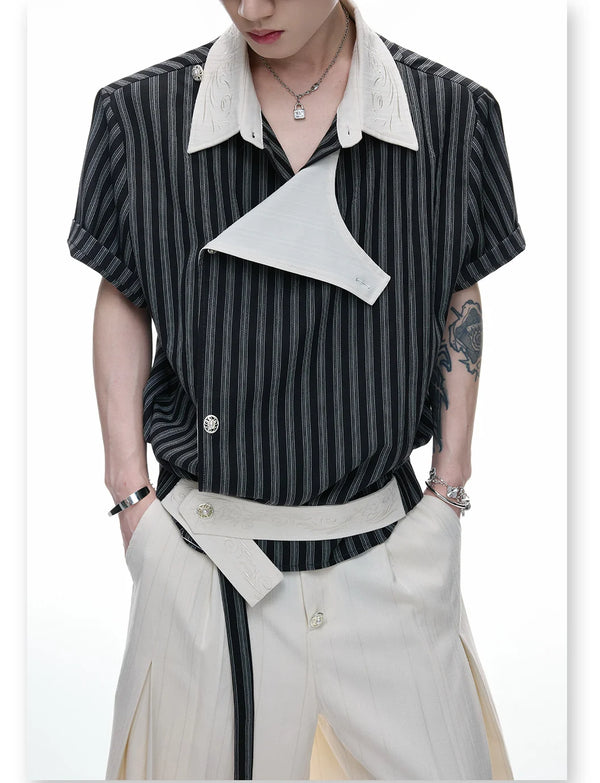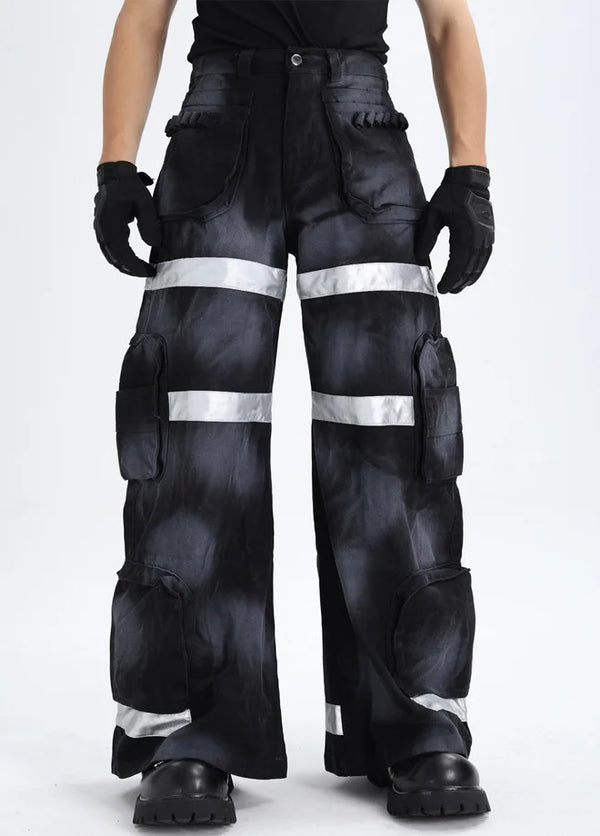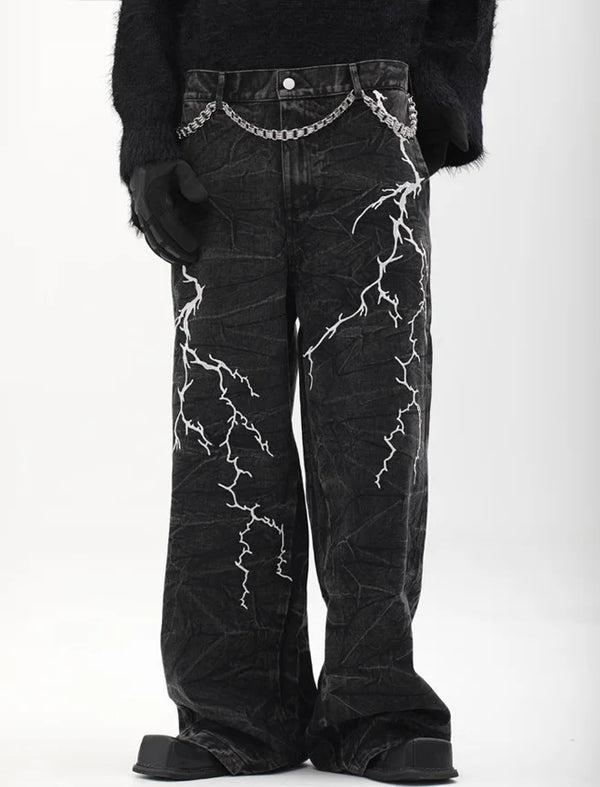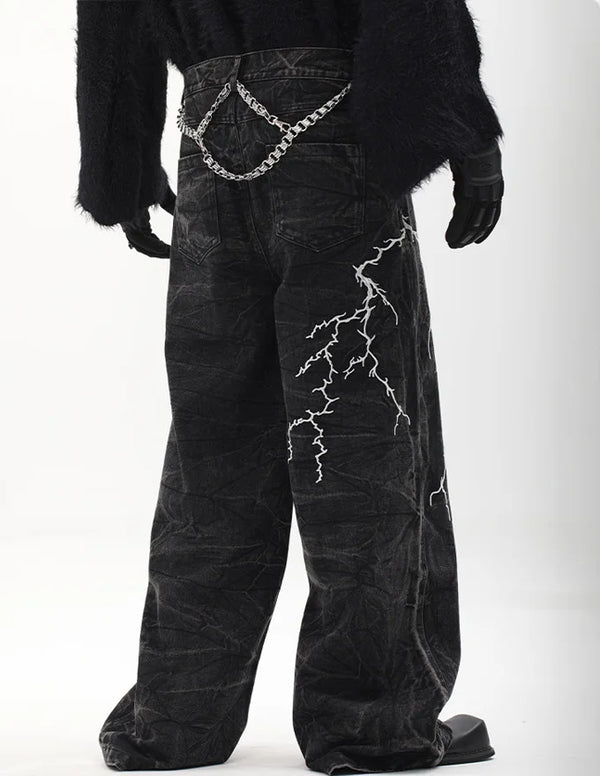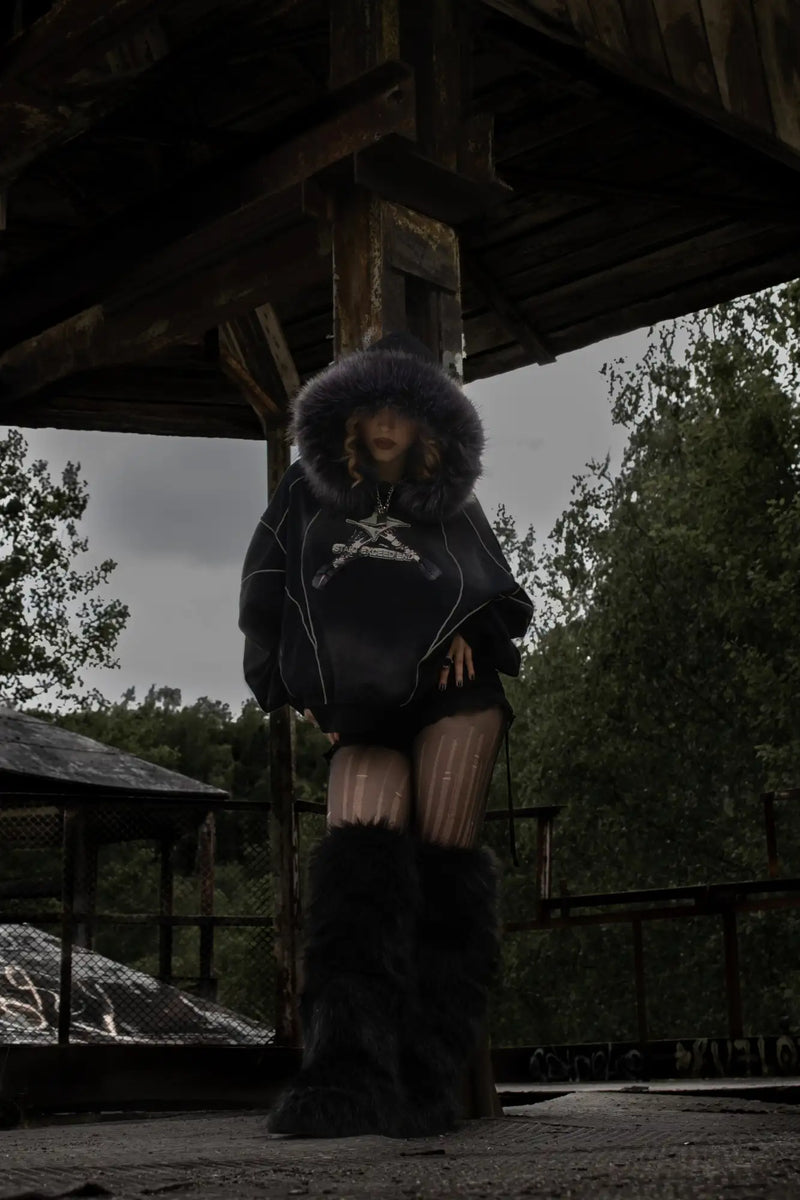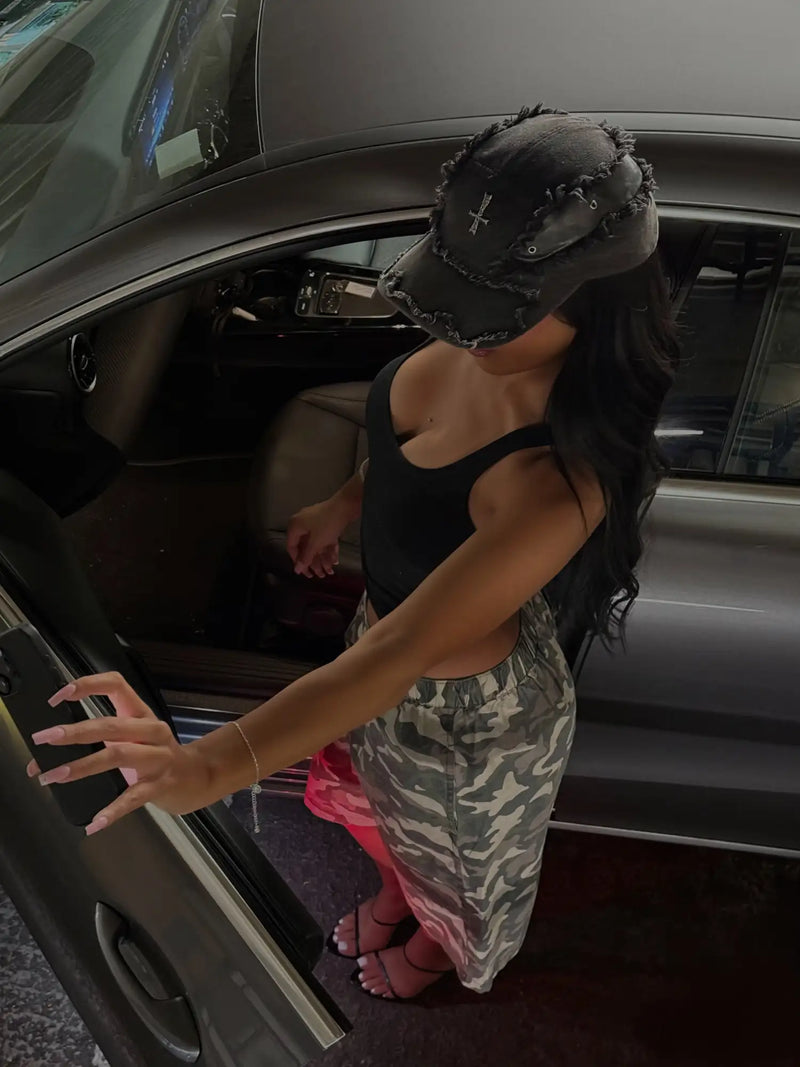
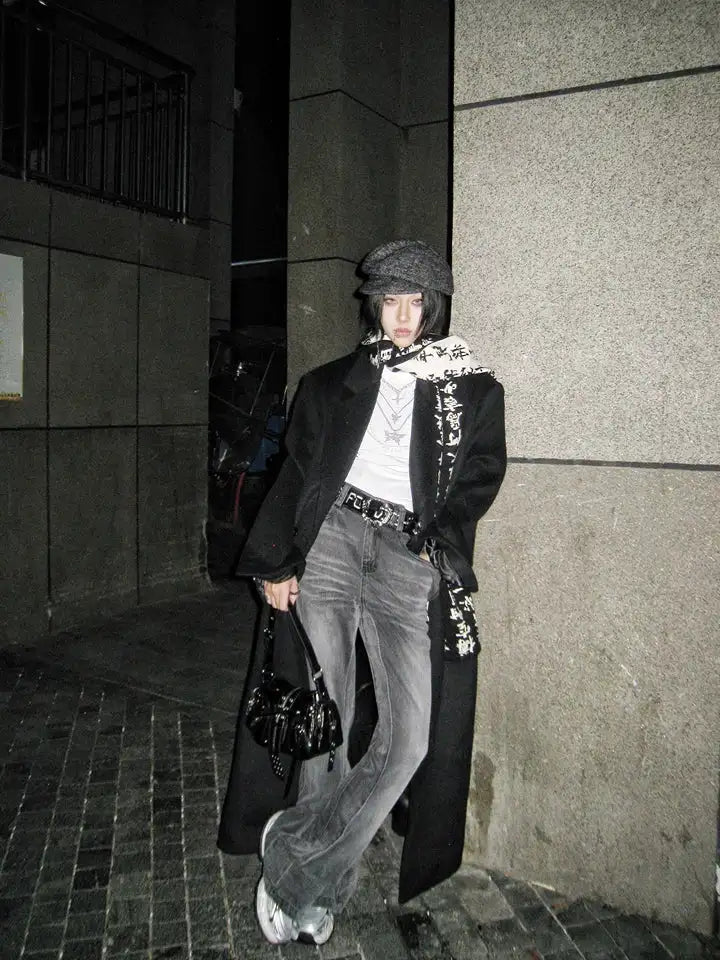

Everyone says 80s disco is „glitter, shine, carnival“. They're wrong. A disco ball turns a glitter shirt into an 80s-disco look about as much as a rubber dinghy turns you into a yacht owner — which is to say, not at all.
80s disco fashion came together between 1977 and 1981 at Studio 54 in New York. Halston, Norma Kamali, Stephen Burrows wrote the code: high-waisted wide-leg trousers, flowing jersey, a matte metal language, statement shoulders, a single shiny piece per outfit. Drop all four components and just wear „bright and glittery“, and you've mistaken the studio for the costume-rental counter.
This guide clears up what actually works in an 80s disco outfit — if you don't want to look like you came from the costume shop. Where the line runs between 70s and 80s disco, which 5 outfit types carry the Studio-54 code, which brands invented the look, what you already have in your closet, and which 6 mistakes will tip your night.
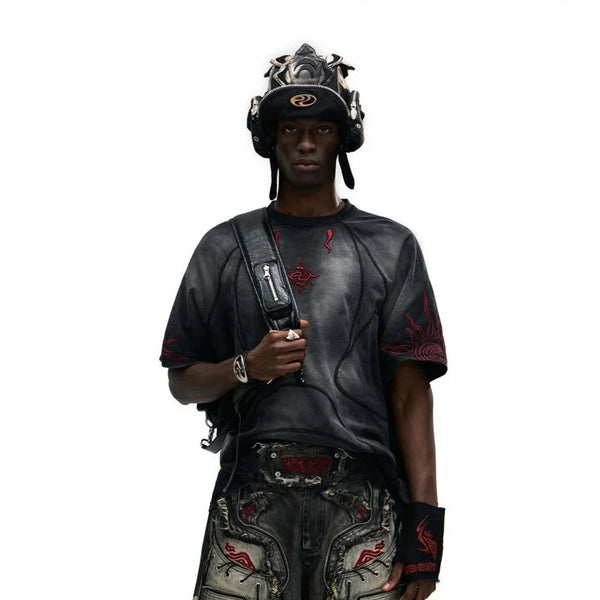
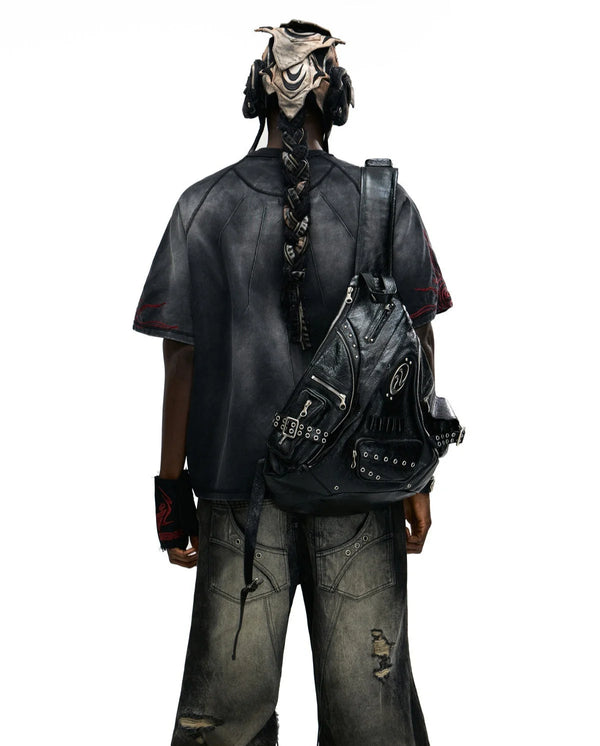
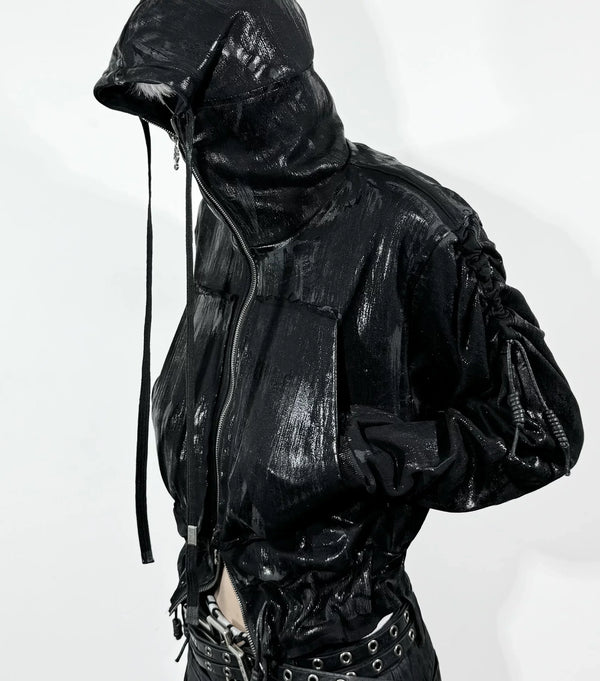
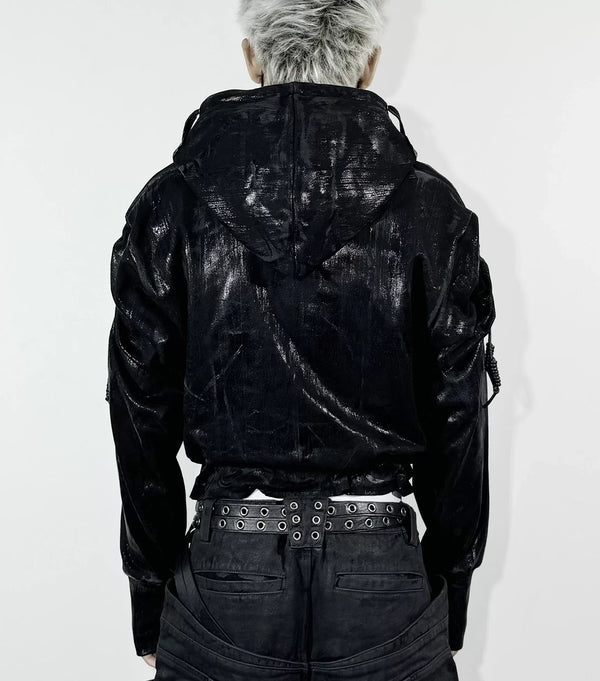
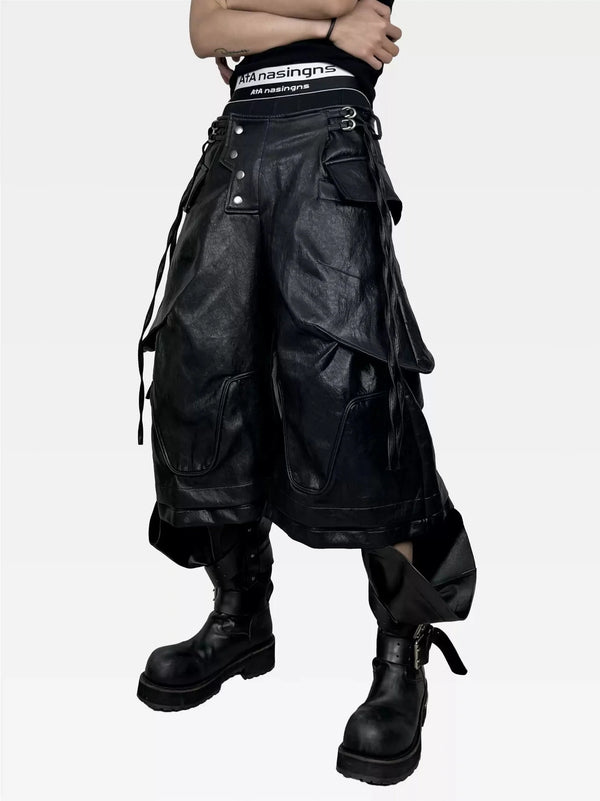
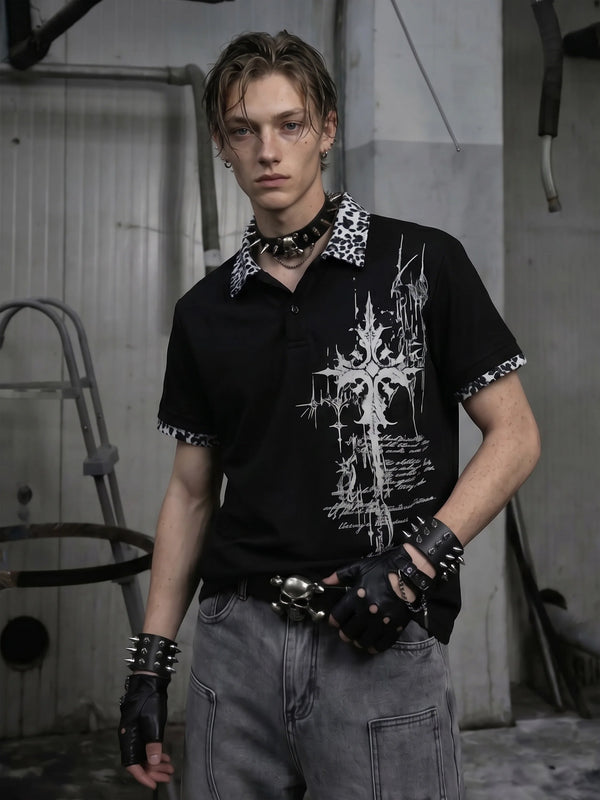
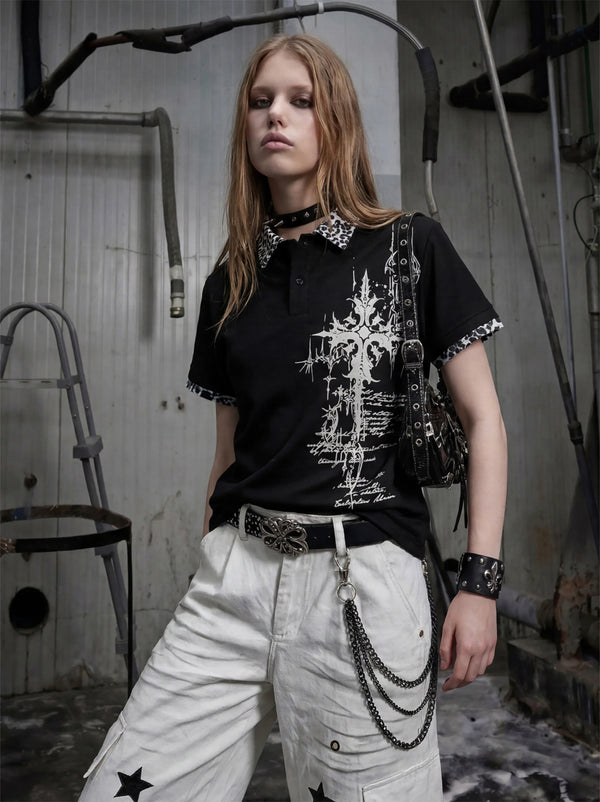
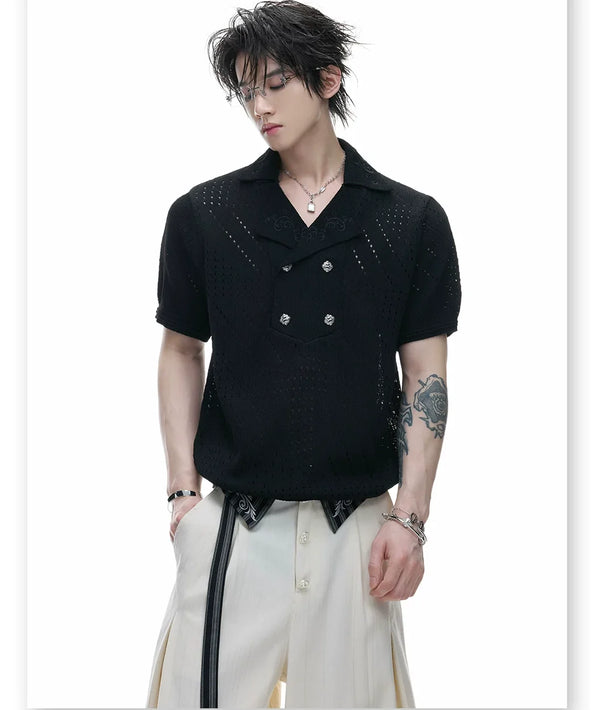
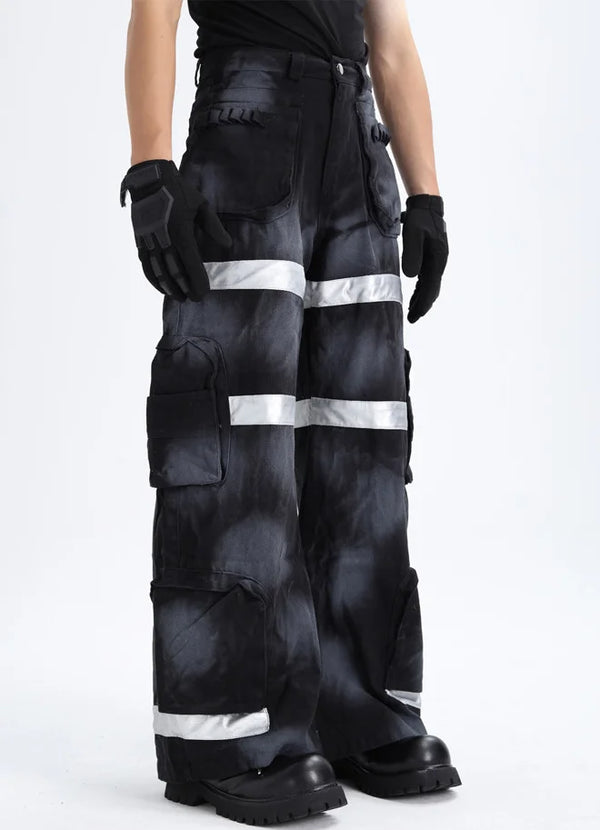
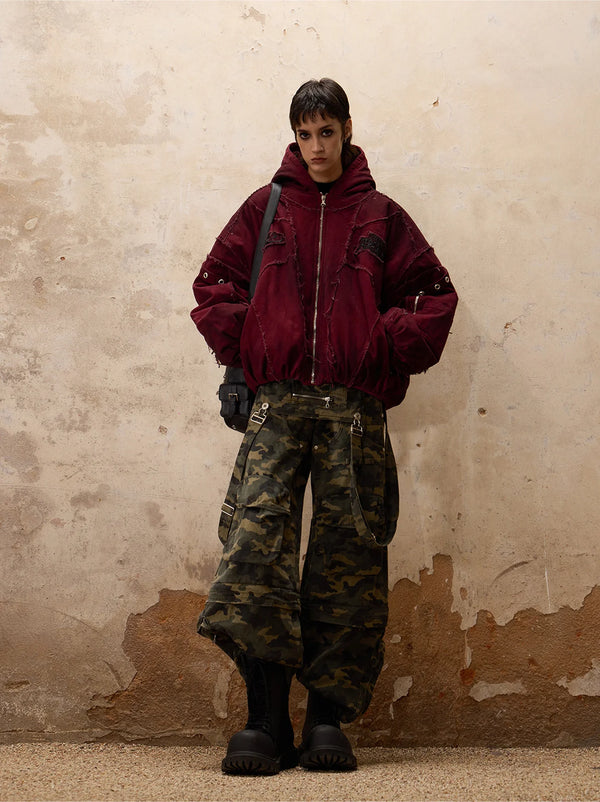
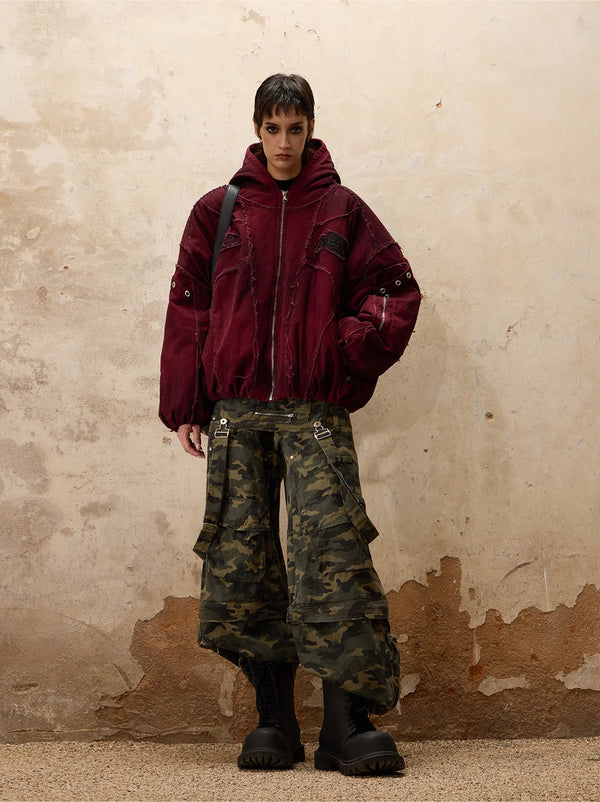
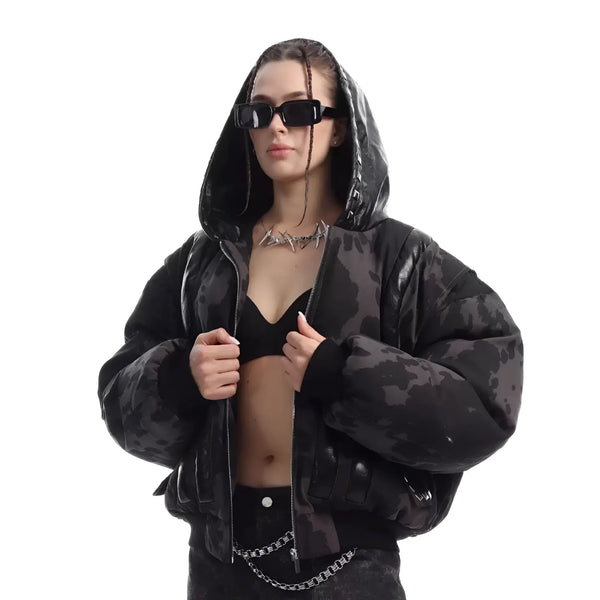
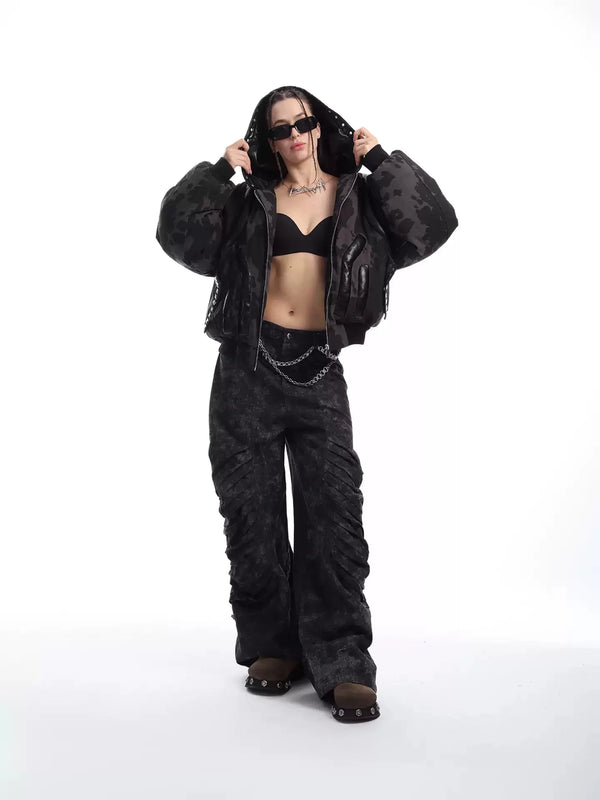
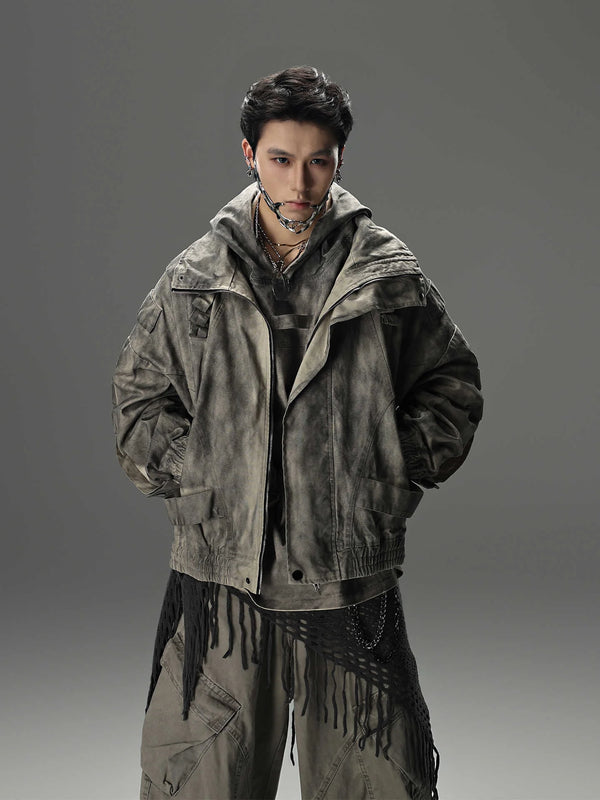
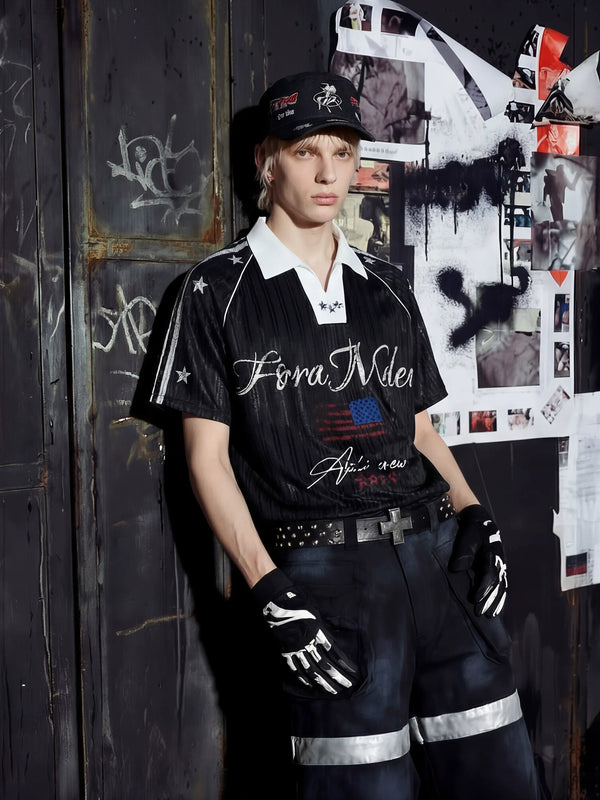
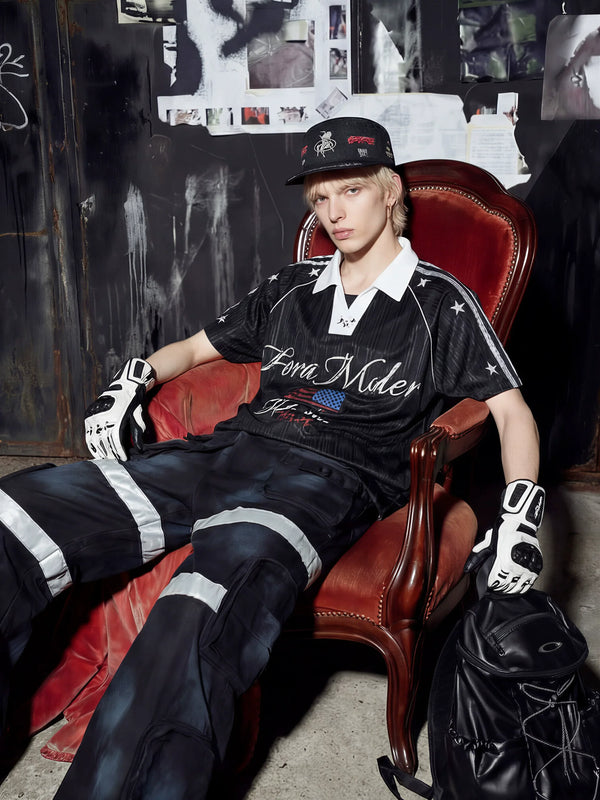
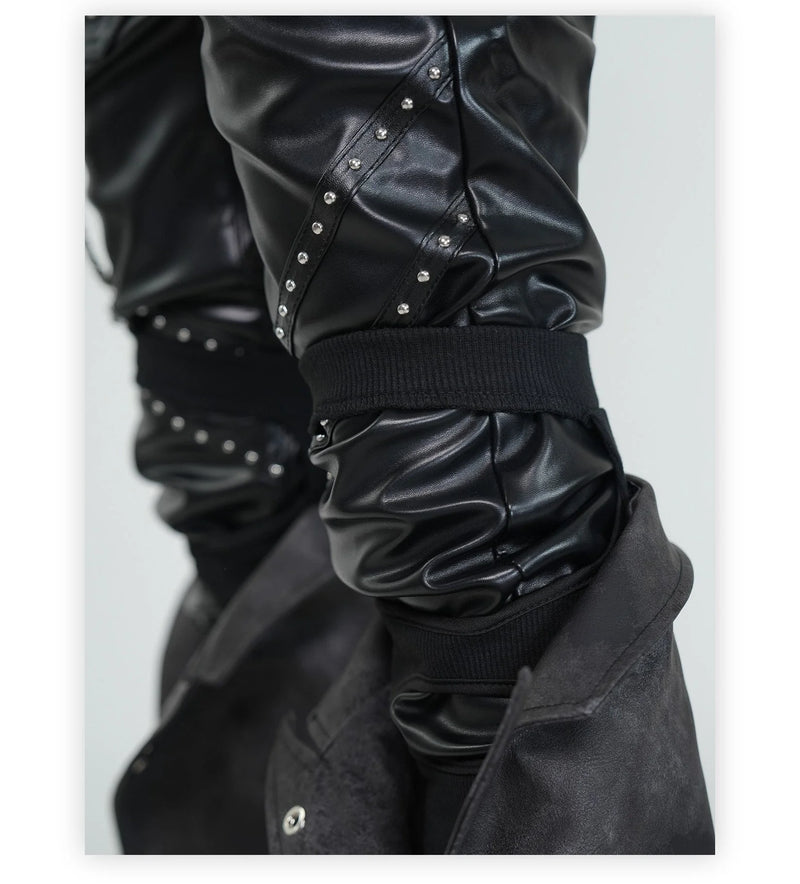
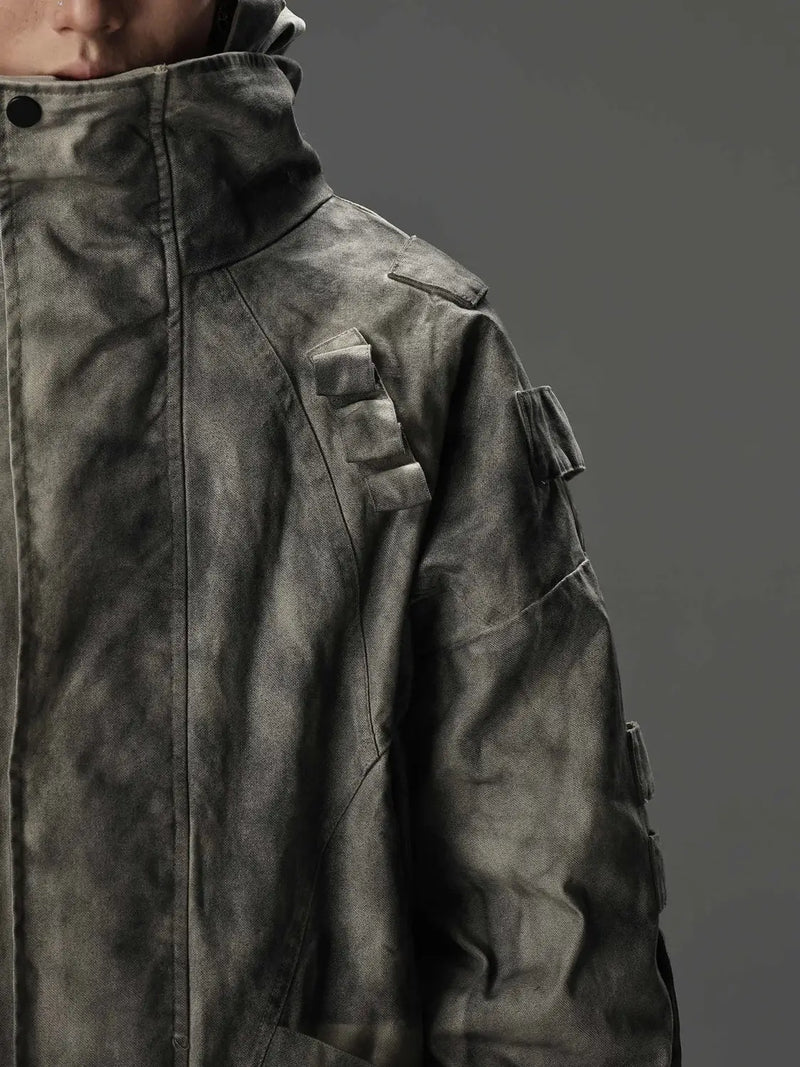
Here's what the code looks like in motion — metallic in one place, the rest matte:
Origin
Who invented the 80s disco look — and why does Studio 54 still write the code?
Studio 54 opened in April 1977 on West 54th Street in New York. For three years — until it closed in 1980 after Bianca Jagger's last appearance and the tax raid on Steve Rubell — it was the only place in the world where Bianca Jagger, Andy Warhol, Liza Minnelli, Diana Ross and Grace Jones stood at one bar. What they wore is the whole 80s-disco code today.
The house designer was Halston. He sent Bianca onto the dance floor on a white horse for her birthday in 1977 — in a red Halston jersey dress with flowing drape and bare shoulders. The photo has been the visual definition of „disco glamour“ for 50 years. Halston's vocabulary was minimalist: one fabric, one line, no jewelry except a brooch. The whole show lived in the movement of the fabric.
What many today take for „80s disco“ — the broad-shouldered power suit, the sequined mini dress with tights, the metallic body — is really the second era, from 1979/80 on. That's when Claude Montana, Thierry Mugler and the young Gianni Versace came into the mix. Shoulders went angular, fabrics got shinier, silhouettes sculptural. Disco fashion turned futuristic instead of just glamorous.
Both phases count as „80s disco“ today. What connects them: one shine point per outfit, a high-waisted silhouette, matte main material — and consistent anti-bright discipline. What they are not: a carnival costume with bell-bottoms and an afro wig.
Definition
What counts as an 80s disco outfit — the five building blocks
80s disco isn't a single piece, it's a system of five building blocks. When all five sit right, the outfit reads as Studio-54 heritage. When one is missing or two cannibalize each other, it tips into costume, schlager-move or „my uncle at the 80s party“.
1
Shine spot in the outfit
5
Archetypes
3
Years of the Studio-54 era
0
Afro wigs allowed
The five building blocks, each with its own job:
- One flowing main line — jersey dress, wide-leg trousers, jumpsuit, shirt with drape. Halston logic: the fabric moves when you move. Stiff is 90s power suit, not 80s disco.
- One shine point, never two — sequins on the top OR metallic trousers OR a shiny platform shoe. Never all three at once. Disco glamour works through contrast: matte sets off shiny.
- High-waisted bottom line — the trousers or skirt sit at the natural waist, not on the hips. Low-rise is Y2K-2003, not 1978.
- Statement shoulder OR bare shoulder — either angular shoulder pads (Montana, Mugler school), or deliberately bare shoulders (Halston school). Both are 80s disco. The in-between — standard T-shirt shoulder — is not.
- Block heel or platform — strap sandal with a 5–8 cm block heel, knee-high boot with platform, or disco slipper in the Andrew Logan style. Stiletto reads as 2005 Sex-and-the-City, combat boot as 2024 Berghain.
- Statement jewelry — but targeted — one brooch, one wide cuff OR one statement earring. Not all three. That's the Halston rule: jewelry supports the line, it doesn't replace it.
Three of these six building blocks have to sit for the outfit to read as 80s disco. Four is clean, five is Studio-54-worthy, six is Halston-direct. If only two sit, it's „inspired by“ — which in plain terms means: not quite there.
Era split
70s disco vs 80s disco — where the line really runs
When the party invite says „70s/80s disco“, you want to know which corner you're dressing into. Both eras overlap at the Studio-54 door — the exciting years 1977 to 1981 count for both. But the vocabulary shifts measurably.
70s disco (1975–1979): tight on top, flared at the bottom, lots of polyester. Saturday-Night-Fever suit in white or light blue, flared trousers with a high waist, shirt with a long pointed collar and 3 buttons open. Women: wrap dress (Diane von Furstenberg debuts 1974), jumpsuit, halterneck or patterned maxi. Fabrics: polyester, jersey, shiny woven. Colors: warm earth tones, bronze, rust — rarely pure black.
80s disco (1980–1985): the second wave. Shoulders go angular, silhouettes sculptural, colors split between extreme saturation (neon, electric blue) and strict black/white. Fabrics: lamé, lurex, latex, lycra. Main signals: statement shoulder, high-waisted cigarette trousers instead of flares, tube top, off-shoulder body. Halston's drape stays, but gets an architectural shell at Mugler.
At „70s/80s disco“ you mix. Halston jersey top (70s line) plus high-waisted cigarette trousers (80s cut) plus block heel (both eras). That hits both expectations without tipping into a costume trap.
5 types
The most iconic 80s disco outfit ideas — the 5 look types
80s disco isn't one outfit but five, overlapping at the edges. Lay Studio-54 photos, Halston lookbooks and the Saturday-Night-Fever stills side by side and you see these five archetypes cleanly separated — each with its own fabric language, its own shoulder logic, its own shoe code.
Once you've decided, hold one look for a whole season. In 80s disco the types cannibalize each other when you mix them — statement shoulder plus metallic trousers plus velvet blazer plus platform boot makes visual chaos, not an outfit.
Gender split
80s disco outfits women vs men — where the line differs
The five building blocks are the same for all bodies. High-waisted line, one shine point, statement or bare shoulder, block heel, targeted jewelry. What differs is how the line sits and where the shine lands.
Women's version: the flowing line gets more visible. Halston jersey dress with asymmetric shoulder, off-shoulder body over cigarette trousers, jumpsuit with a deep neckline and a targeted brooch. When the shoulder is angular (Montana school), everything underneath is tight — pencil skirt or high-waisted trousers. The shine almost always sits on the upper body: sequin top, lamé blouse, rhinestone brooch.
Men's version: the suit carries the outfit. Saturday-Night cut (white or cream three-button jacket, buttoned high, trousers with a slight flare) OR a slim velvet blazer in burgundy over a white silk shirt. The shine sits not on the body but in the detail: satin lapel, a metallic brooch instead of a pin, shiny disco slippers. Shirt open to the third button row is Saturday-Night-worthy, not „pickup-artist of 1978“.
Both need the same shine discipline — one place, not three. What varies is the distribution: women wear the shine on top, men in the detail. The shoulder architecture follows the era — 70s-mild at Halston drape, 80s-angular at the Montana-Mugler school.
Brands
80s disco brands — the heritage labels that wrote this code
There's no „disco brand“ — there are seven or eight designers whose vocabulary still shapes every 80s disco outfit today. Know the names and you can build the look with no Studio-54 photo in your head at all.
The brands that wrote the 80s disco vocabulary — chronologically:
- Halston (1968–1984) — house designer of Studio 54. Jersey drape, asymmetric shoulders, minimalist jewelry. Bianca Jagger's red birthday dress in 1977 is his calling card. The whole flowing line of the 80s disco era comes from him.
- Stephen Burrows (from 1973) — the sequin pioneer. Color-block jersey, asymmetric hems, shiny tops on matte trousers. Burrows worked at Studio 54 for Diana Ross and Cher. He invented the one-shine rule before it was a rule.
- Diane von Furstenberg (wrap dress 1974) — the wrap dress. High-waisted line, flowing jersey, patterned or solid. DVF built a whole generation of 80s disco outfits that didn't look like an outfit.
- Claude Montana (1979–1990) — the angular shoulder. Leather trench with padded shoulders, sculptural power suit, geometric cuts. The transition from 70s drape to 80s architecture is his signature.
- Thierry Mugler (from 1973, peak 80s) — the futuristic push. Tailored, shouldered, with metallic accents and sci-fi lines. When an 80s disco outfit looks like it came from „Tron“, it's the Mugler school.
- Gianni Versace (brand start 1978) — sequins, prints, gold-worn but not gold-loud. Versace's early 80s are less baroque than later; the disco iteration is measurably more disciplined.
- Norma Kamali (from 1968, sleeping-bag coat 1973) — drape and volume. The sleeping-bag coat is her invention; her jersey cocoon and the flowing tube tops are Studio-54 standard.
- Bob Mackie — the sequin maximalist for Cher and Tina Turner. If you want to make a 100-percent exception to „shine in one place“, do it by Mackie's rules: one single piece, the rest disappears.
Anyone who wants to build 80s disco without vintage-designer prices searches the resale market for these brands, or modern DTC labels that translate the vocabulary competently. Wide-leg, drape, shine in one place — that's the translation task.
Category · Outerwear
80s disco jackets & outerwear — blazers, bombers, statement shoulders
The jacket decides whether your outfit becomes Studio-54 code or theme-party stand-in. Three outerwear types work in 80s disco. All the others stay in the closet.
First: the Saturday-Night suit — white, cream or silk-blue shimmering three-button jacket, buttoned high, with a slight flare in the trousers. Travolta's 1977 look only works as a complete set; half a suit with jeans reads as a costumed function guest. Second: the power blazer — angular shoulder (Montana school), slim tailored cut, short to the hip. Works over a body or high-waisted trousers. Third: the velvet lounge blazer — velvet in burgundy, midnight blue or emerald, slim cut, worn over a white silk shirt. That's the after-hours variant.
If you only want to own one piece in this category that fits all five types: take a slim velvet blazer in midnight blue. Wear it open over a tube top and wide-leg, and it's Halston drape. Closed with a silk shirt it's velvet lounge. With high-waisted cigarette it's statement-shoulder-light.
Category · Bottoms
80s disco trousers — wide-leg, flare, metallic high-waist
The trousers are the second-largest surface in the outfit. They decide whether the Halston logic (matte-flowing) or the Mugler logic (architectural-shiny) wins. The whole 80s disco code moves between the two.
Three trouser types work. First: high-waisted wide-leg in matte black, cream or dark blue. Halston school — the fabric falls, the hem moves on the dance floor. Second: flared trousers from the knee (flare cut) — 70s disco heritage, sits high, goes wide. Third: metallic high-waist in silver, bronze or gunmetal. Mugler school — the shine point, when the top stays matte. Skinny jeans have been out since 1980, bootcut jeans are 90s country-western.
If you only want to own one pair of trousers in the 80s disco vocabulary, take high-waisted wide-leg in matte black. That's the common denominator — goes with sequin top (Halston drape), with velvet blazer (lounge), with statement shoulder (Mugler-light) and even with Saturday-Night shirt and tie.
Category · Tops
80s disco tops — sequin, mesh, rhinestone turtleneck
The top carries the shine point — if you've decided on „shine on top“. Three top types work in 80s disco, each with its own shoulder logic.
First: the sequin or rhinestone top — short, tight, with off-shoulder or a thin strap. Burrows school. Shines under strobe when you move. Second: the mesh or lamé top with statement shoulder — Montana school, the angular line comes from the top, not the blazer. Third: the rhinestone turtleneck — the Halston iteration for women who refuse bare shoulders. Goes with high-waisted wide-leg, goes with pencil skirt.
Anyone who wants to test the mesh look takes a mesh long-sleeve under a slim velvet blazer and wears it open. That's the easiest entry toward statement shoulder — with no risk if it doesn't work out.
Footwear & accessories
80s disco shoes & accessories — platform, belt, statement jewelry
Shoes and jewelry are the two spots where the 80s disco outfit tips into costume fastest. One wrong choice in shoes or jewelry and the whole Halston code breaks. Sneakers, for example, are out as a rule. Air Force 1 in white is Saturday-Night cosplay, not Studio 54.
What really works — the disco accessories that make the Studio-54 code legible:
- Platform boot or block-heel sandal — 5 to 8 cm heel, wide, stable. Stiletto reads as Sex-and-the-City-2005, combat boot as Berghain-2024. Platform is disco original, block heel is universal.
- Wide cinch belt — a waist-cinching belt over a blouse, body or jumpsuit. Turns „top tucked into trousers“ into an architectural silhouette. Black, cognac or metallic — matched to the shine point.
- One statement brooch — Halston's favorite piece of jewelry. Sits on the shoulder, the lapel or the belt. Not small, not shy. One, not three.
- Wide cuff OR statement earring — one of the two, not both. Cuff is Stephen Burrows, statement earring is Bianca Jagger. Both work, both cannibalize each other.
- Disco sunglasses with a tint — tinted aviator, cat-eye or round frame. Works only in the after-hours variant. On the dance floor, take them off.
- Mini or clutch bag — small, with a chain. Lamé, satin, velvet — never a canvas tote. Disco outfit plus trekking backpack makes visual confusion.
What you leave off matters just as much: hat (except a beret with velvet lounge), neckerchief, twisted chains, sneakers, visible suspenders, multiple rings on one hand. All of it tips the code toward „costumed“ instead of „dressed“.
Styling physics
How to really style 80s disco — the Studio-54 physics
An 80s disco outfit works through exactly one detail: where the shine sits — and how far it stands from the nearest matte surface. When shine on top (sequin top) competes with shine below (metallic trousers) competes with shine at the foot (lamé platform), no one wins. When shine on top stands against matte wide-leg against black block heel, the shine gets its entrance.
„Disco-Glamour ist Kontrast. Wenn alles glänzt, glänzt nichts." — Stephen Burrows, sinngemäß über sein Studio-54-Vokabular.
In practice that means: sequin top with a matte wide-leg bottom and block heel. Or metallic trousers with a matte body and velvet blazer. Never lamé top plus metallic trousers plus glitter boot. Tip the ratio and the whole outfit tips into carnival. We've put the full breakdown of the Studio-54 movement rules and the modern translation in a dedicated Y2K glamour guide:
80s disco doesn't stand alone — it overlaps at several edges with other glamour aesthetics. Y2K shares the metallic language, Rave shares the lamé vocabulary, Businesscore shares the shoulder architecture. Whoever has the disco code down can read these neighbors and mix them on purpose, without sliding into cosplay.
Here the most important neighbors — each with its own guide:
DIY
80s disco with no new purchase — what's already in your closet
You don't need to spend 200 € to look Studio-54-worthy on a Thursday night. Three pieces from your closet are enough — if they fill the right building block.
First look for high-waisted trousers with a wide leg. Black, navy, cognac — any color, as long as the waist sits high and the hem has at least 25 cm of circumference. That's your flowing bottom. Then a solid top with a bare shoulder, V-neck or off-shoulder — Halston school. A black blouse with a wide neck works. A T-shirt with a print does not.
You build the shine point from a detail you already have. A brooch from grandma, a statement cuff, a pair of large earrings in gold or silver. If you own nothing shiny, take a fully matte-black outfit and add ONE silk-shiny belt — that's enough for the Studio-54 cue.
What does not work
The most common 80s disco mistakes — what tips the outfit into costume
80s disco has six spots where it reliably tips into carnival — regardless of the price of the individual pieces. If you avoid just one mistake, make it mistake number one.
Getting started
How to get into 80s disco — the first 4 pieces
You don't need 30 disco pieces to wear the look consistently. You need four that will be in 80% of the outfits. Everything else builds around them.
In order: a high-waisted wide-leg pair of trousers in matte black (your biggest investment — lasts 10 years if you buy wool or heavy viscose). A solid top with off-shoulder, V-neck or rhinestone detail. A slim velvet or power blazer in midnight blue, burgundy or black. Platform boots or block-heel sandals. A statement brooch as the optional fifth building block — but only once the four sit.
Outfits for real
80s disco outfits for real — on the street and in the club
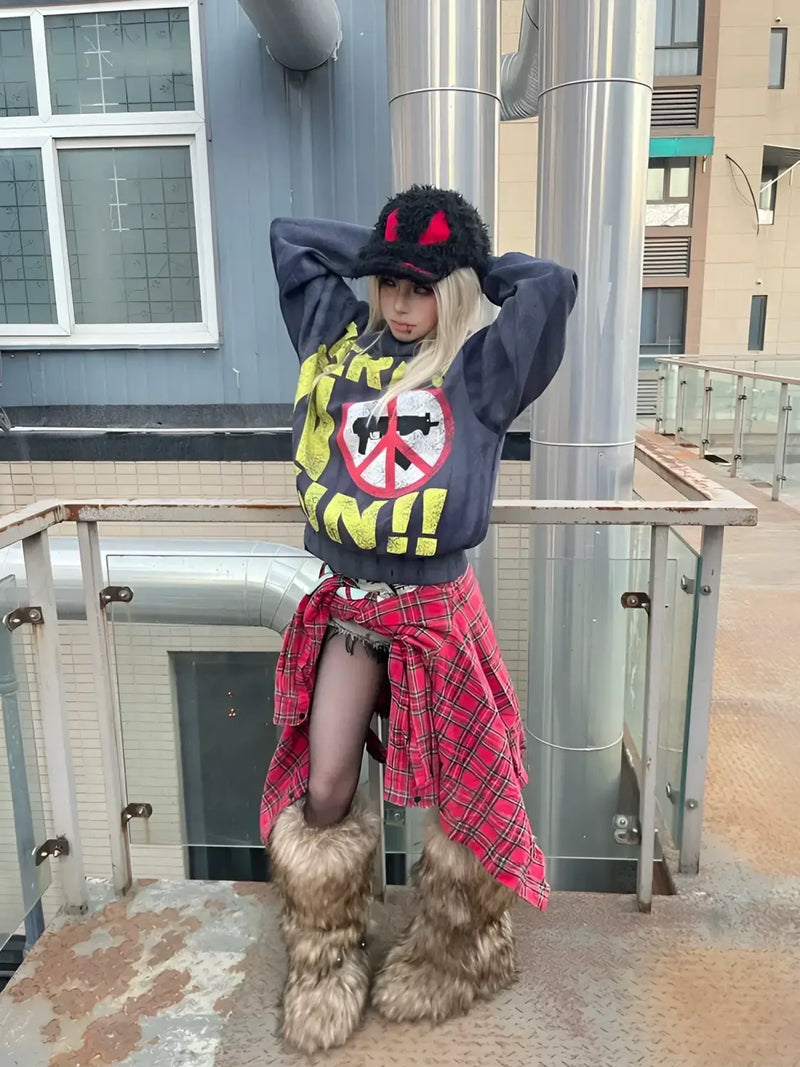
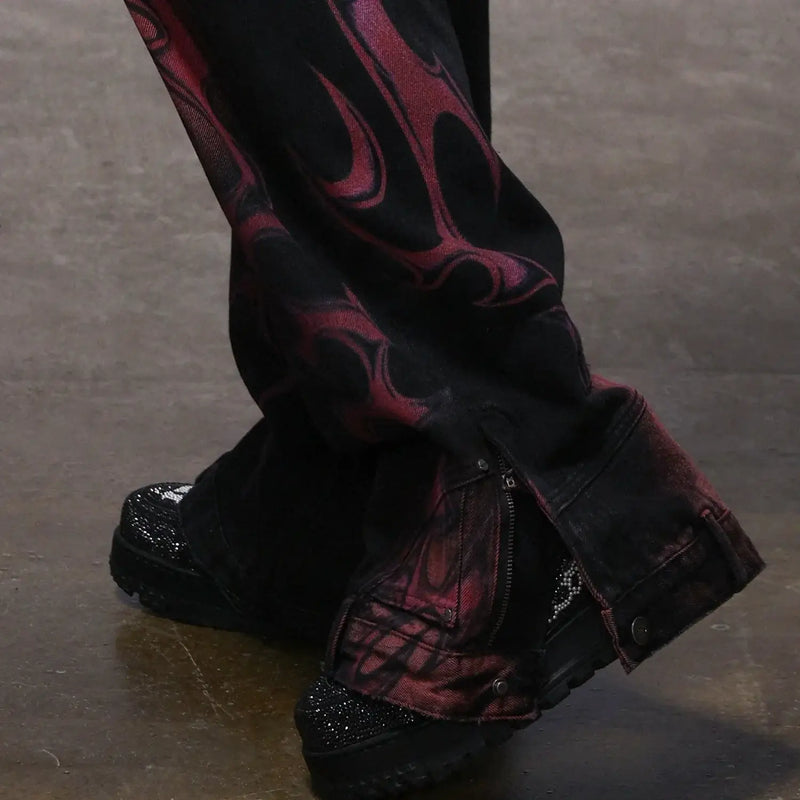
Before you build your own disco outfit, look at how others wear it. The five types from above look different in the feed than on Halston lookbook images: tighter, sometimes dirtier, with modern hardware details — and that's exactly why they still work today.
It's also the fastest way to check whether 80s disco even sits on your body type — before you spend money. What works on a 1.80 m silhouette like Bianca Jagger in 1977 sits differently on a 1.60 m silhouette with other proportions.
To close
80s disco is a code — not a Halloween costume
If you take one thing away from this guide, take this: 80s disco doesn't work through glitter volume, but through discipline. Whoever has the one-shine rule and the high-waist line down builds a hundred outfits from twenty pieces. Whoever just buys „bright and shiny“ has a full closet without a single outfit that sits on the dance floor.
The whole logic of this guide reduces to one sentence:
The rules have been stable since 1977 and will stay that way — as long as Studio-54 photos sit in the Vogue archive. But you don't have to wait until you know them all by heart. Start with the one look that suits you best. What you don't know, you learn by wearing it.
And that's the point too: 80s disco reads in theory like a rulebook of fabrics and shoulders, but in practice it doesn't feel that way. Once you've got the code down, every further outfit is a variation on the same five building blocks — not a new invention.
FAQ
Frequently asked questions about the 80s disco outfit
What do you wear to an 80s disco party?
How do you dress 80s without buying anything new?
Which accessories are typically 80s?
What do you wear to a 70s/80s theme party?
How do you dress for a disco party today?
Which trousers suit the 80s disco outfit?
What separates 70s from 80s disco?
What do you think?
Tell us on @fuga_studios
About the author
Philipp Fuge — Founder · Berlin
Founder of Fūga Studios. Writes the journal himself. Berlin · Shanghai · Tokyo · Poznań — four cities, one logic.