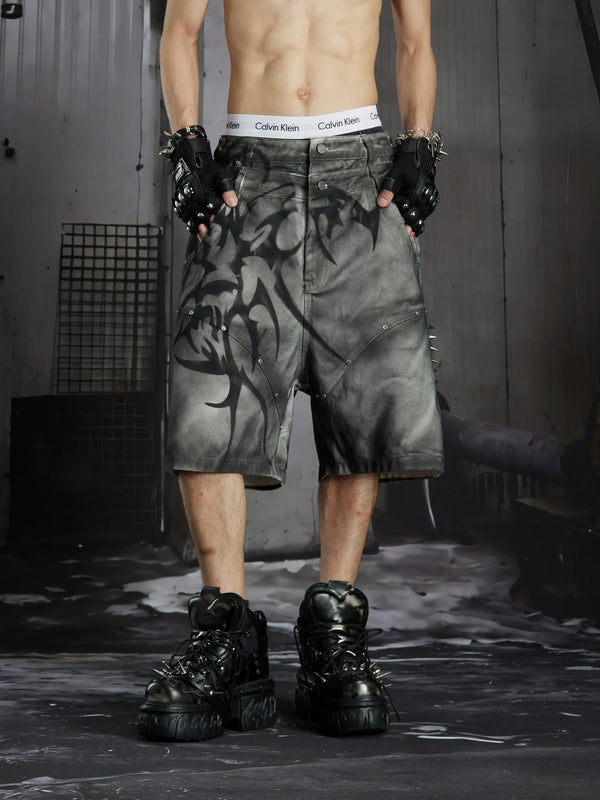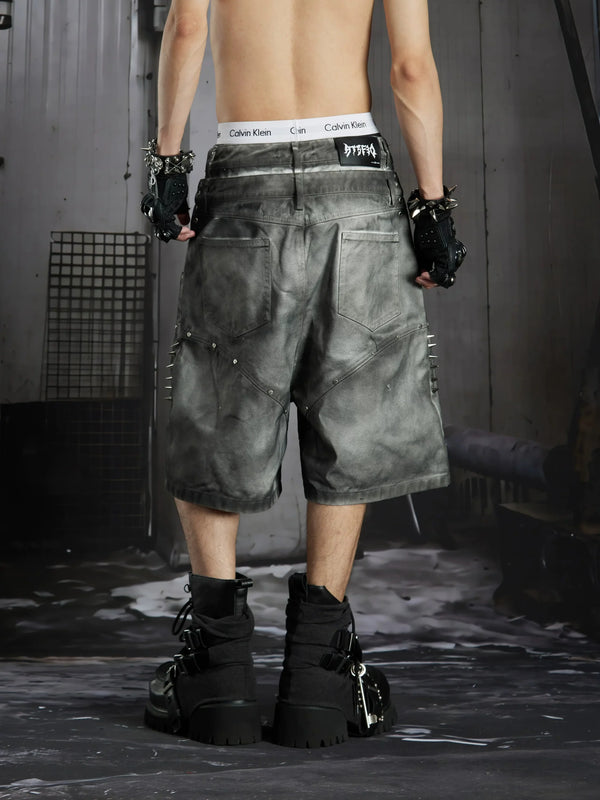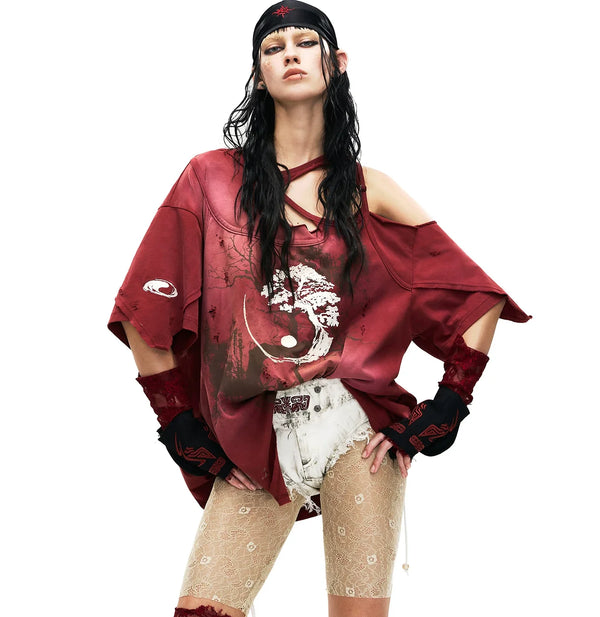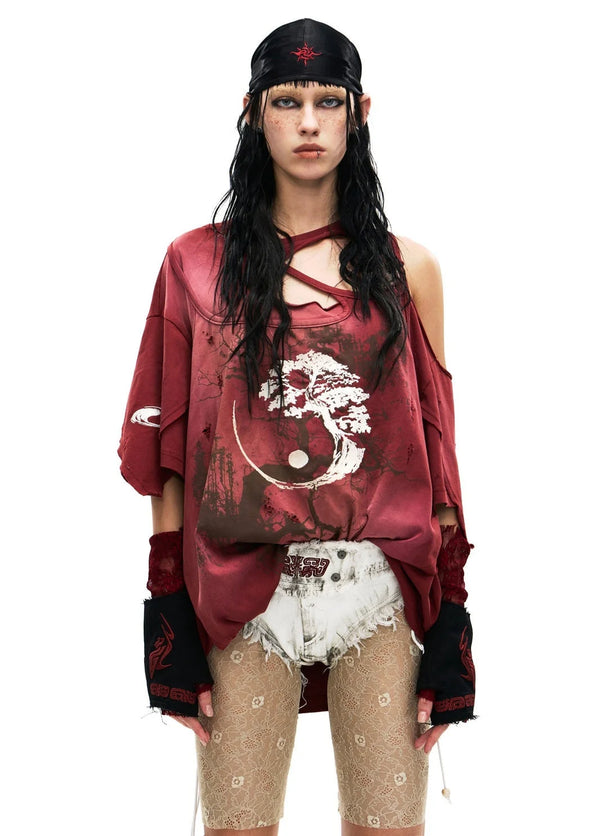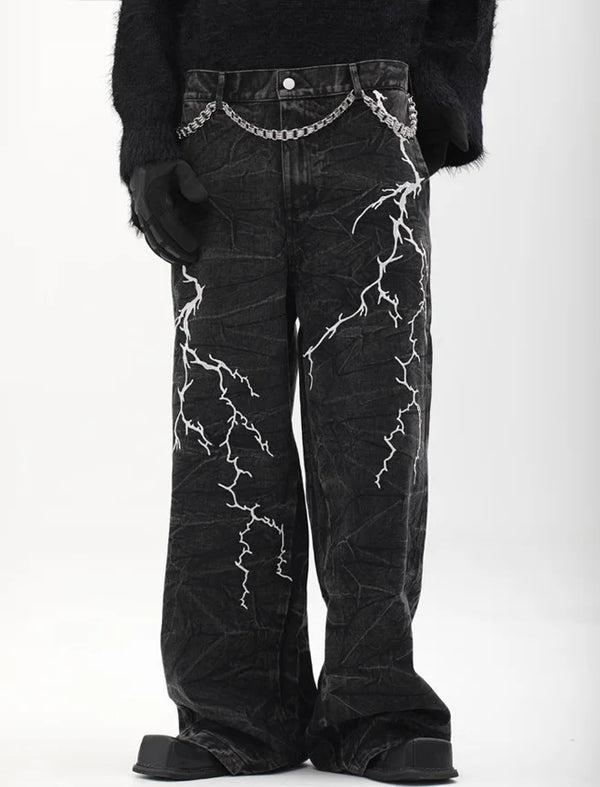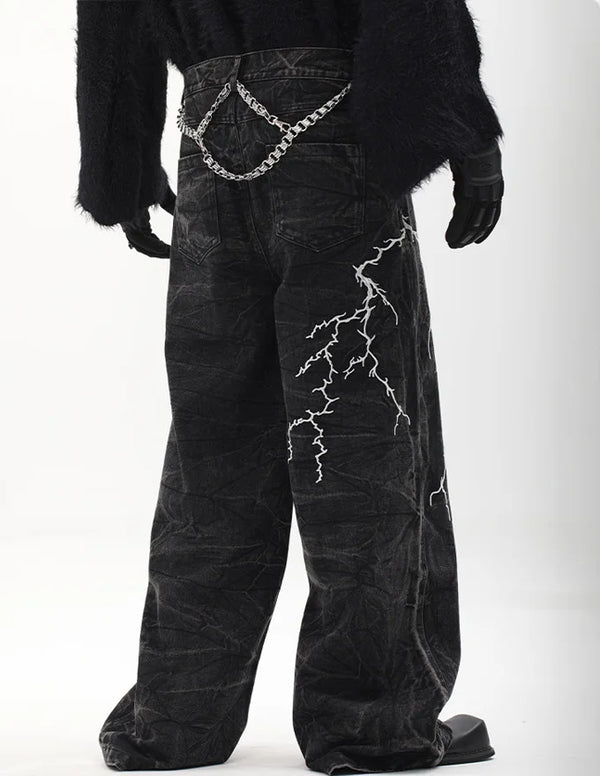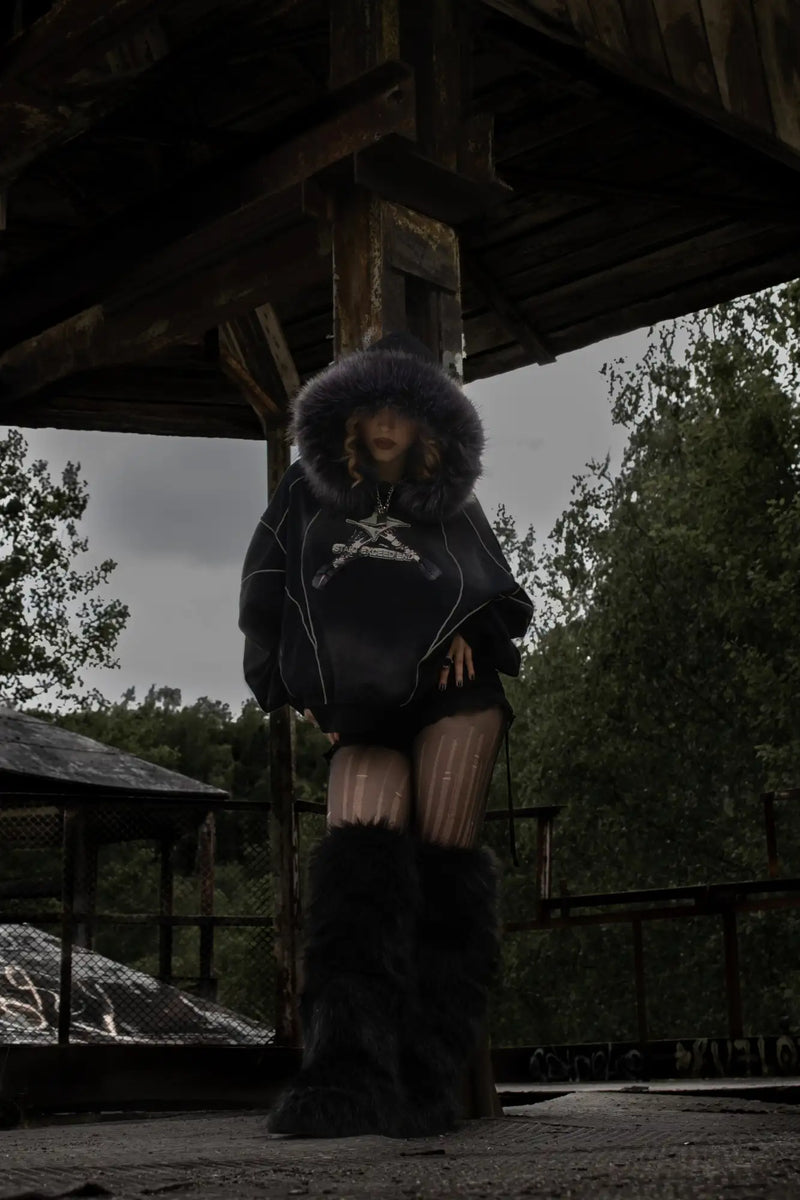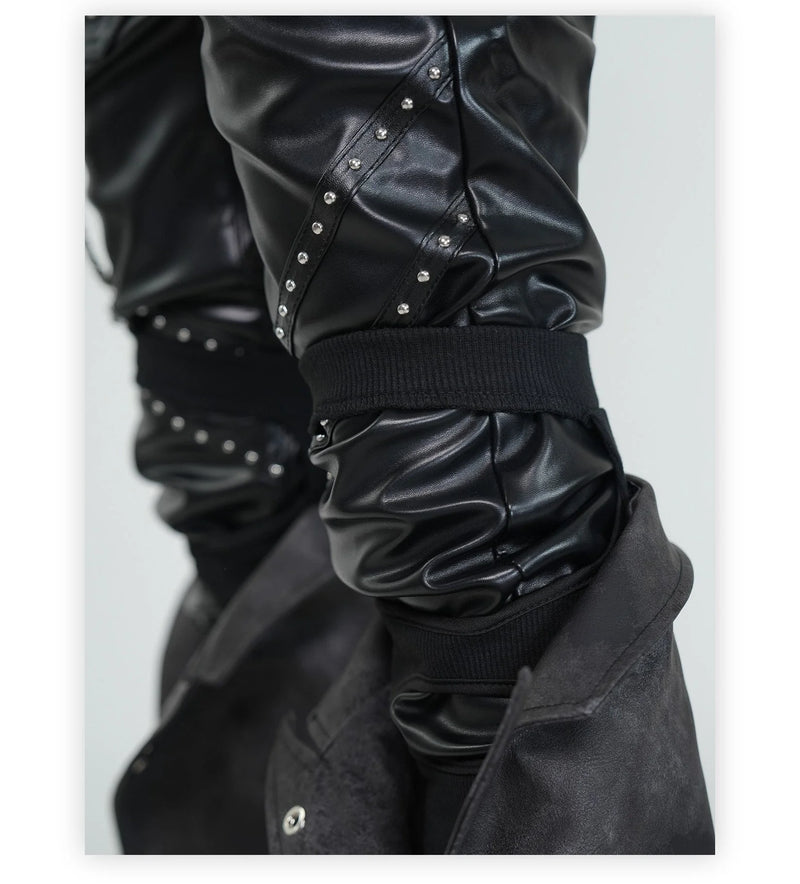

A photo from 2003: low-slung bootcut jeans, a rhinestone tube top, a trucker cap tilted on the head, plus a tiny shoulder bag that barely fits a phone. Twenty years later that exact image is back in every other feed — only now nobody finds it embarrassing.
The 2000s fashion aesthetic is the visual system of the decade between 1999 and 2009: low-rise, visible brand logos, metallic, baggy denim and a taste for too much. It is closely related to Y2K, but not the same thing — if you want the full context, read the Y2K Fashion Guide. Here we take apart the decade itself.
The appeal lies exactly in the friction: the 2000s were the first decade to document itself through digital cameras, reality TV and the first blogs. So there is more imagery than there are rules. That is precisely why the look works today — you can quote without copying.
Definition
What the 2000s fashion aesthetic really is
Everyone says the 2000s were “just Y2K”. That holds for the first three years and becomes wrong after that. The decade’s aesthetic is a global mash-up: MTV pop, hip-hop streetwear, boho festival and the early fast-fashion boom all hit at the same time. What connects them is not a colour or a silhouette but an attitude — clothing was allowed to be loud, to shine and to show its brand.
Concretely that means: the waist slid down, the logos got bigger, rhinestones and metallic counted as daytime-appropriate, and accessories became the actual statement. An outfit was finished when it stood out — not when it “fit”. That logic is the core, everything else is a variation of it.
Important to understand: the 2000s barely knew gatekeeping. A pop star, a skater and a boho student could look completely opposite in the same year and still both belong to the decade. Exactly that openness is why you can pick a corner today instead of having to hit “the” 2000s. There is no wrong reference, only an undecided outfit.
1999–2003
Early-2000s window
5
Sub-aesthetics within the decade
20 Jahre
up to the nostalgia comeback
Keep these three numbers in mind as we move on. They explain why two 2000s outfits can completely contradict each other and still both be “right” — they simply come from different corners of the same decade.
The names
Y2K, McBling, Indie Sleaze: what the 2000s aesthetic is called
“What is the 2000s look called?” is a trick question, because there is not one name but five. Whoever separates the terms can quote deliberately instead of wearing everything at once. These are the archetypes that split the decade:
If you meet a person who claims “2000s” is a single style, they have reduced the decade to three Britney photos. The actual range runs from chrome finish to fringe vest — and exactly that span is what makes the look so usable today.
Two halves
Early 2000s vs. late 2000s: two looks, one decade
The early 2000s (1999–2003) were futuristic: silver, chrome, deep bootcut jeans, phone charms and the idea that the future is made of metal. Everything pointed forward into the new millennium. That is the half most people mean when they say “2000s aesthetic”.
The late 2000s (2005–2009) tipped into the opposite: boho fringe, skinny jeans, American Apparel minimalism and the first indie sleaze wave with flash party photos. Less chrome, more faded. Whoever mixes both halves without knowing it produces exactly the costume effect we take apart later.
That Gen Z is digging up both halves right now is no coincidence: the 2000s are the last decade before the fully styled Instagram feed — imperfect, loud, digitally blurry. Exactly that rawness is what the smooth 2020s image language lacks, and that is why the look feels like liberation, not a step back.
Before we get to the individual pieces, a thought on order: the 2000s were built up from the trousers. The top was a reaction, not a start. Exactly the opposite of today — and the reason so many repro outfits do too much up top and too little down below.
The building blocks
The key pieces of the 2000s fashion aesthetic
A 2000s outfit does not need twenty pieces but the right four. This list is the basic kit — everything beyond it is fine-tuning. Whoever has this base can serve any of the five sub-looks.
- Low-slung jeans — bootcut for early, baggy for streetwear, skinny for late 2000s. The waist sits lower than you think.
- Baby tee or tube top — tight, short, often with a print or rhinestones. The upper signal that sets the contrast to the trousers.
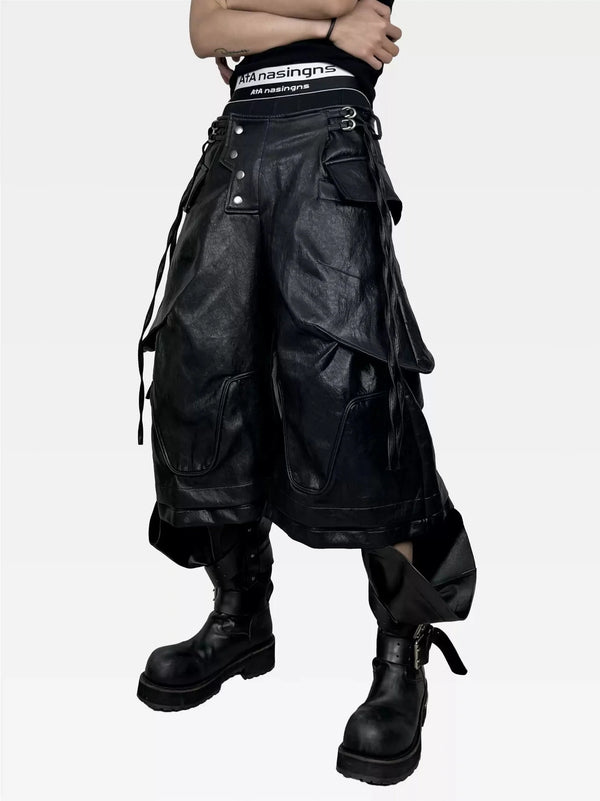
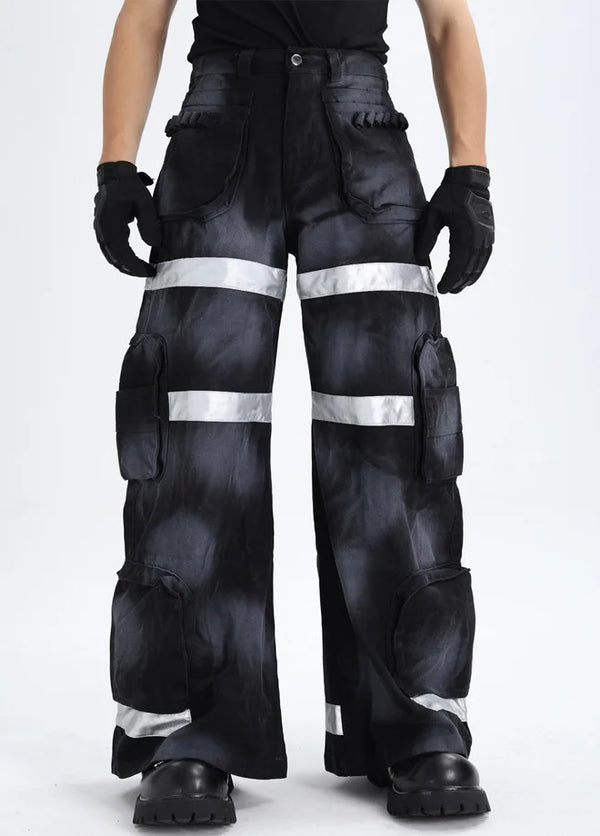
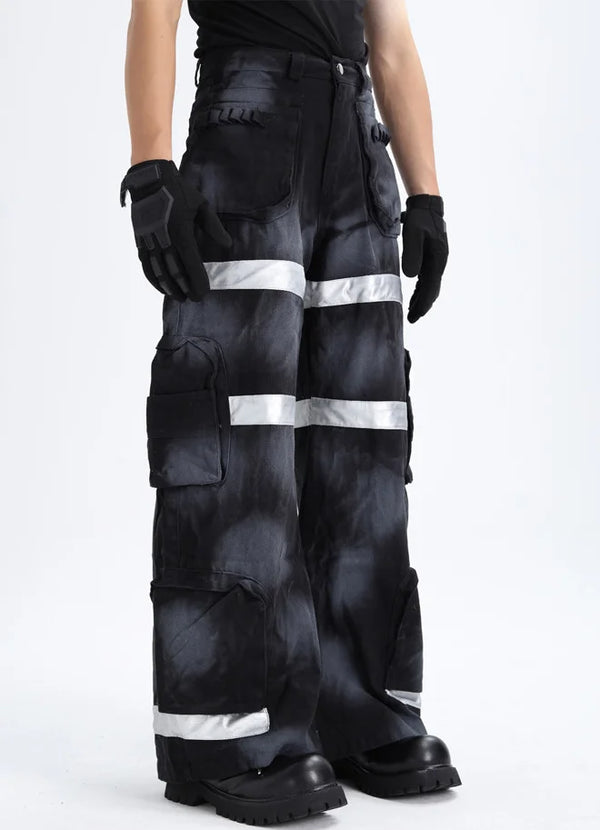
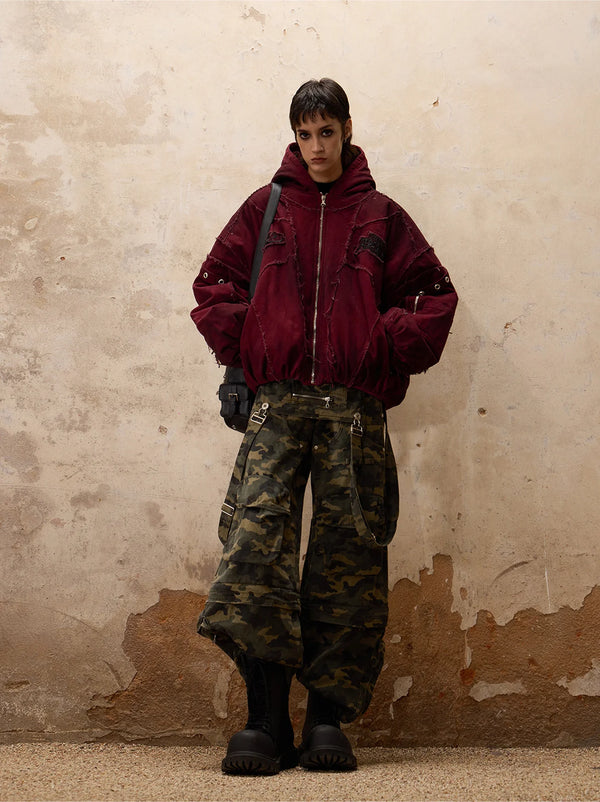
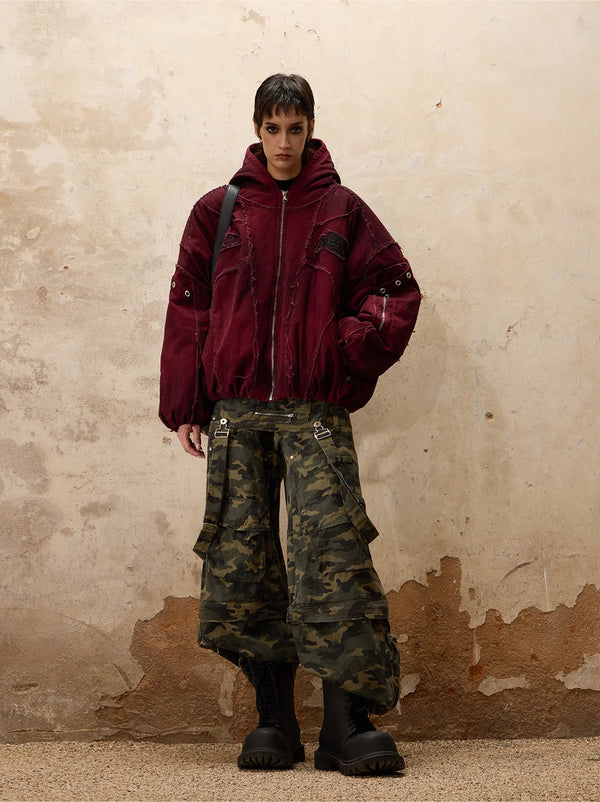
- Cargo & utility — pockets as decoration, not as function. Cargo trousers, cargo skirt, cargo shorts.
- Accessory overload — mini bag, tinted glasses, trucker cap, phone charm. One accessory is base, three are 2000s.
The trick lies in the interplay of these four: jeans and cargo deliver the volume below, the tight top sets the contrast, and the accessories tell which corner of the decade you come from. Metallic glasses plus mini bag pull you toward early, a studded belt plus band merch toward late. The same jeans, two completely different statements — decided by the small pieces alone.
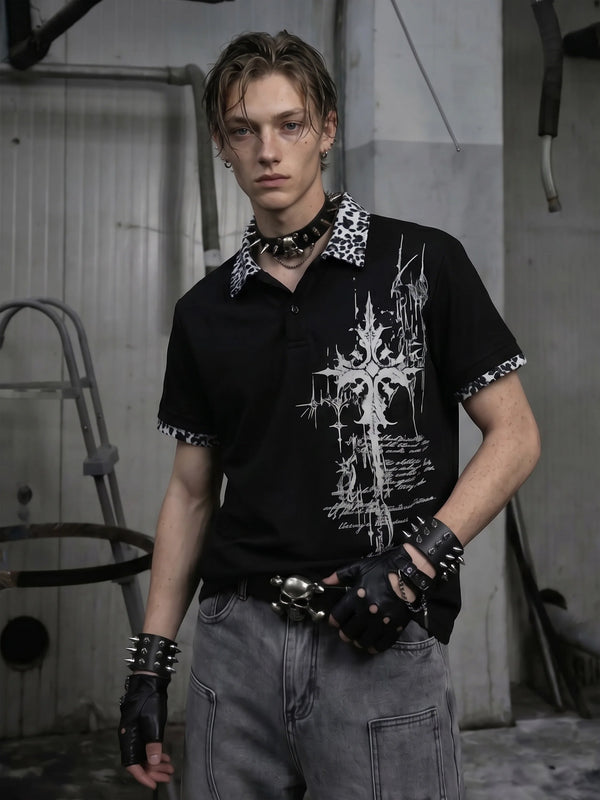
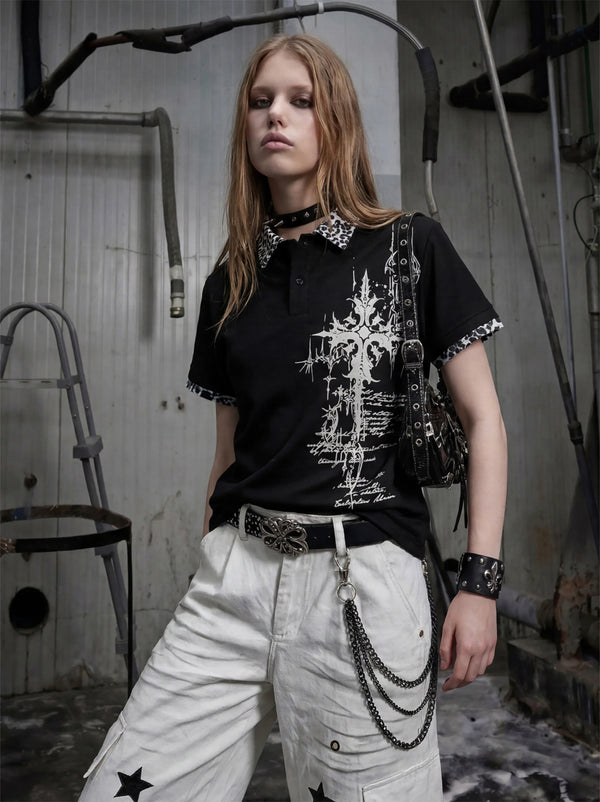
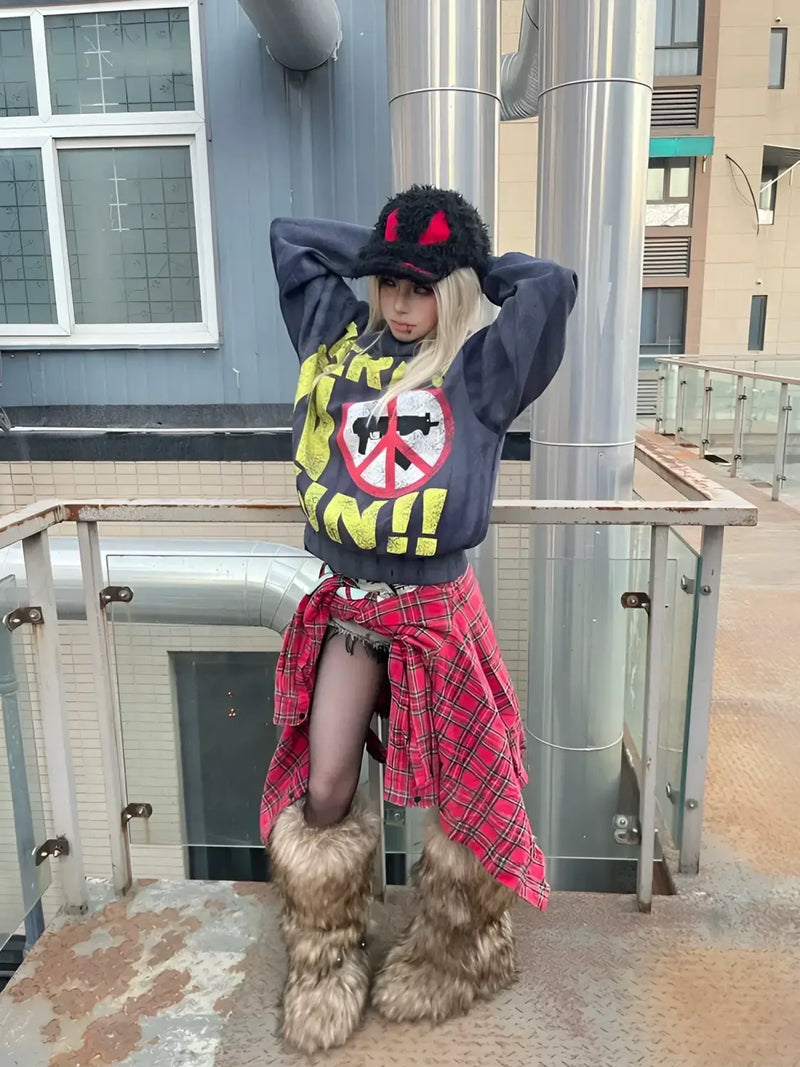
Start with the tops, because they date the fastest: a tight print tee sends the whole outfit straight back into the decade. These two are the uncompromising baby-tee faction:
How this looks in motion — compact in a few seconds, so you see the silhouette and the drape of the denim, not just the still:
What stands out immediately in the video: the fabric moves because it is wide. That is exactly what you lose when you buy 2000s pieces in modern slim cuts. Width is not a side note of the look — it is the look.
For her
2000s outfits for women: how to style the look
Dressing like a 2000s girl does not mean rebuilding a costume but hitting a silhouette: wide or low below, short and tight up top, a strip of skin or a visible belt in between. That is the formula that works from bootcut to baggy.
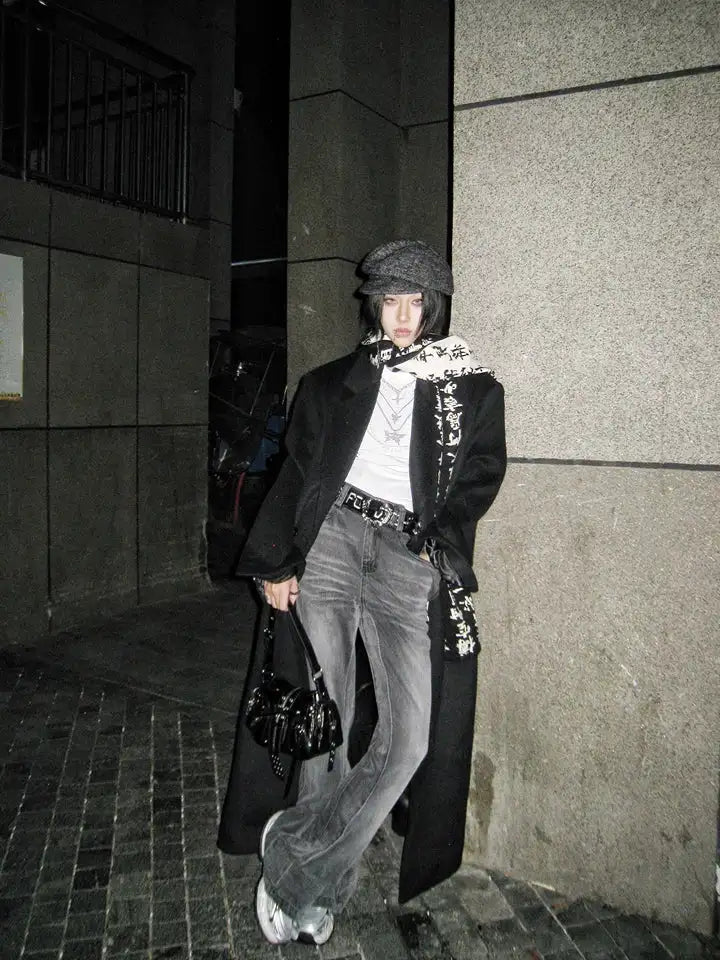
The two routes: the early route combines low-slung bootcut jeans with a rhinestone tee and a mini bag. The late route relies on skinny jeans, a faded band shirt and ballet flats. Both are 2000s — just not in the same outfit, please. For the base layer it is worth looking at the wide cuts:
For more ready-made combinations — from bootcut to baggy, for everyday and party — we have played through the looks in a separate article. The jump over there is worth it before you assemble your own.
A word on fit: the 2000s silhouette forgives more than its reputation claims. It is not about flat stomachs but about proportion — a high waistband plus a wide leg delivers the same contrast as low-rise plus crop, only more comfortably.
For him
2000s fashion for men: baggy, jersey and vintage tech
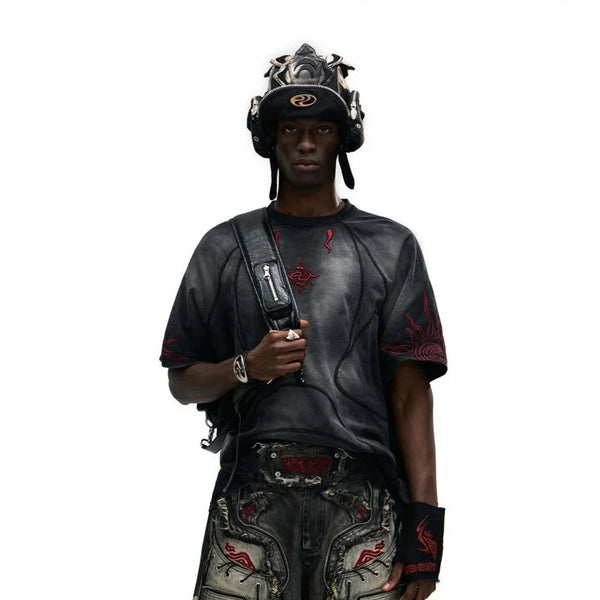
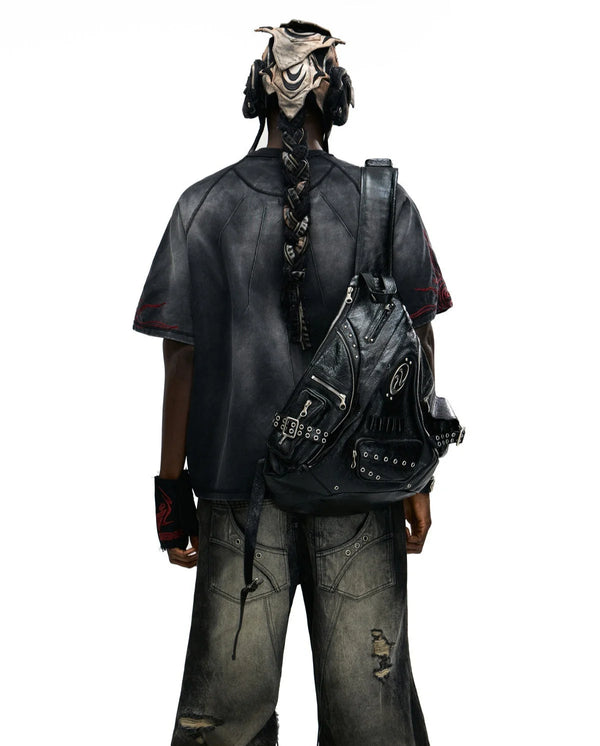
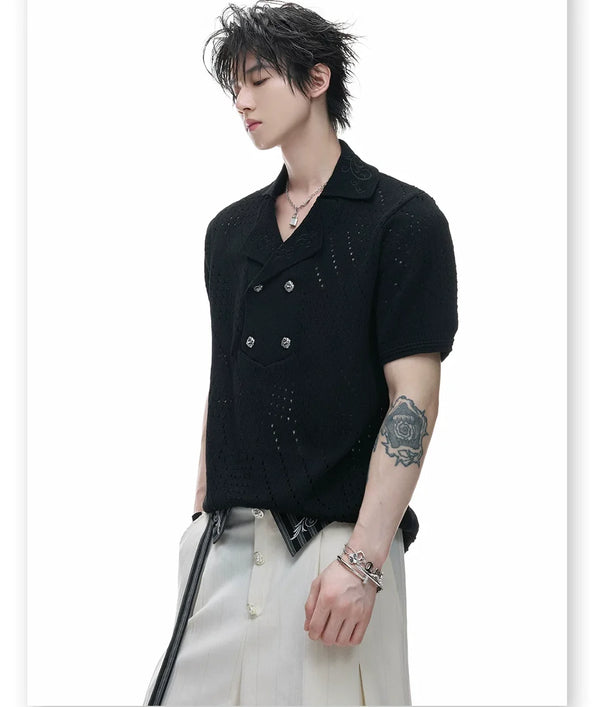
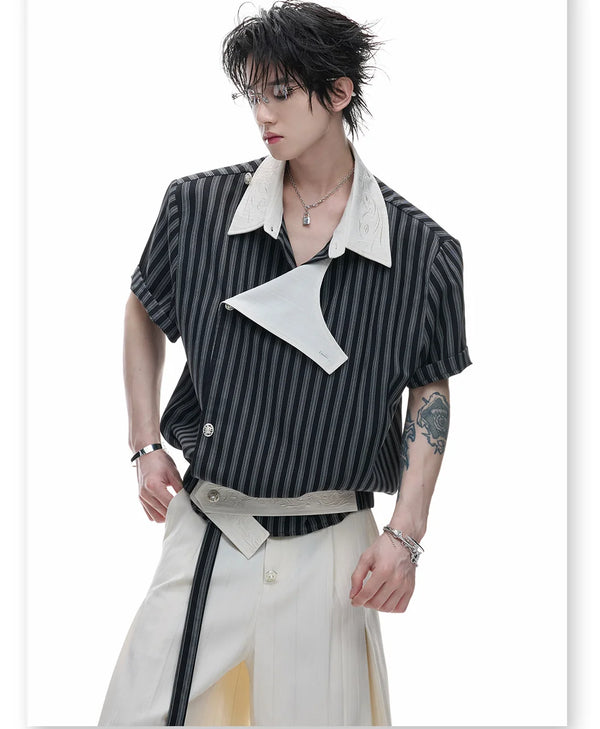
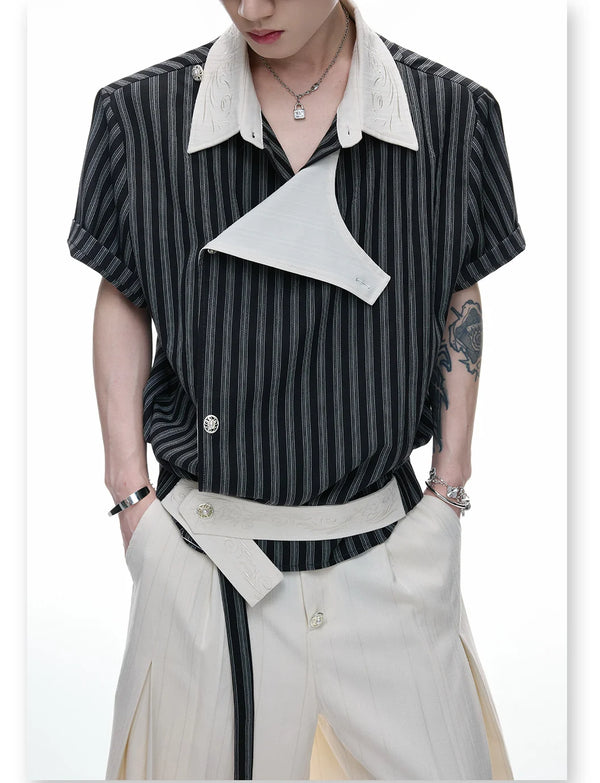
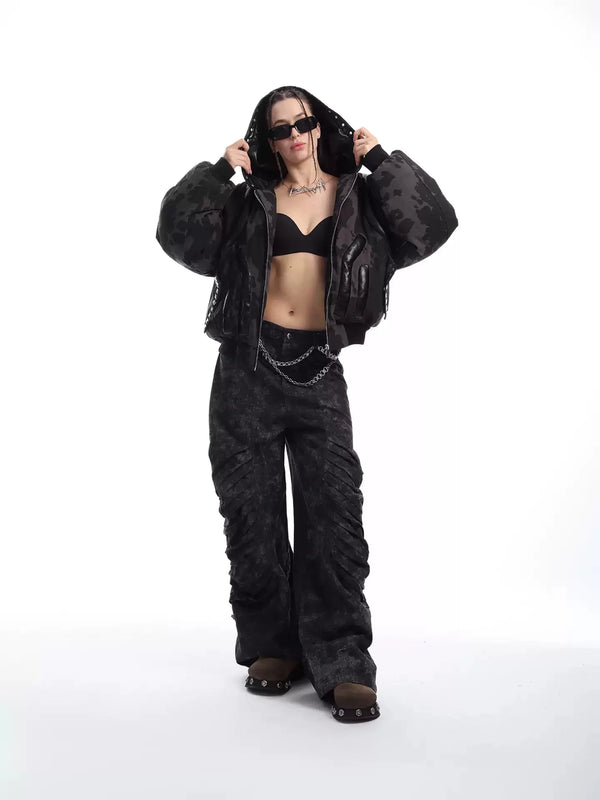
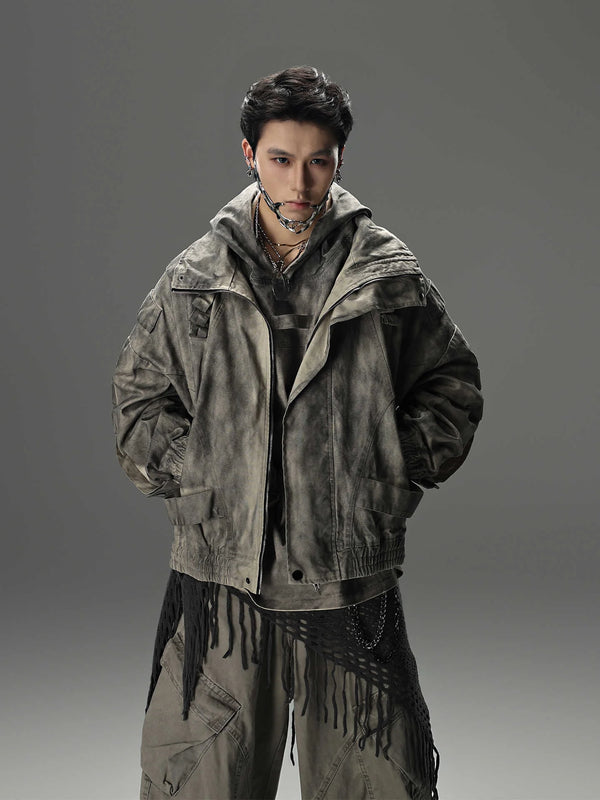
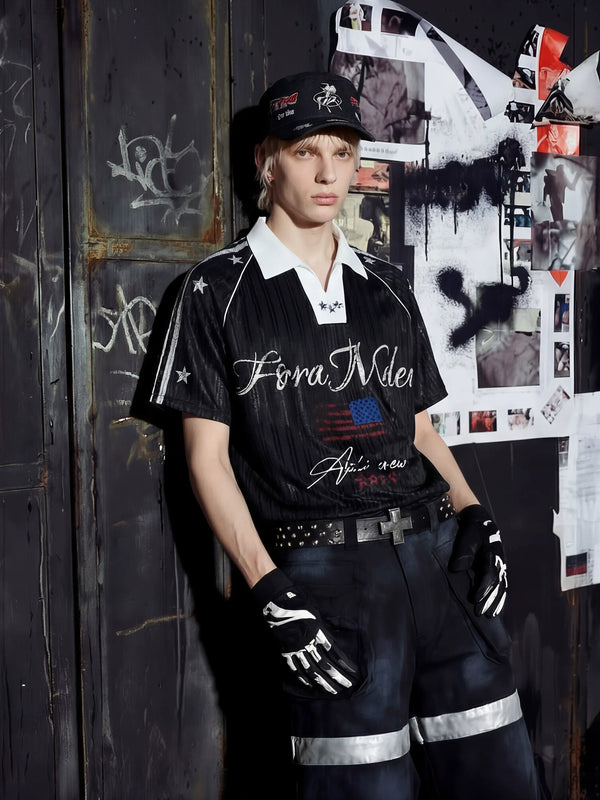
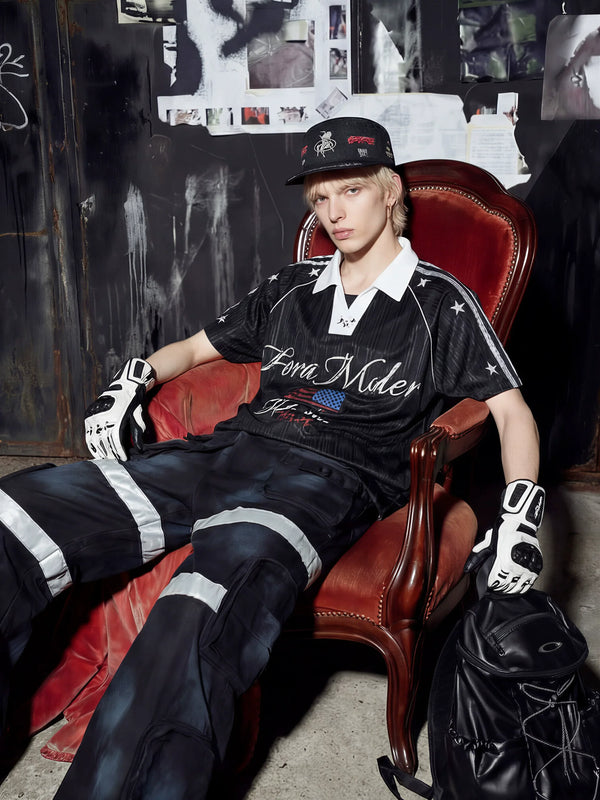
For men, the 2000s aesthetic rarely ran through low-rise but through volume: oversized denim, jersey sets, trucker caps and the early techwear wave with nylon and zip details. The silhouette was wide up top and wide below — the exact opposite of today’s slim-fit reflex.
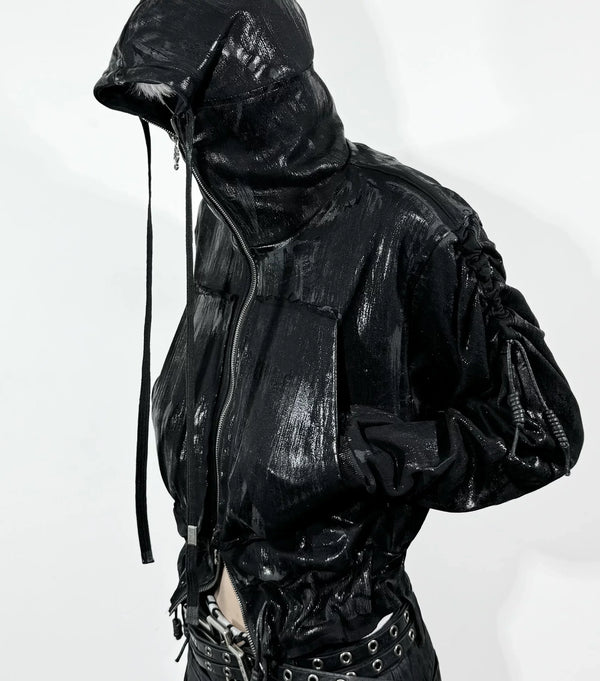
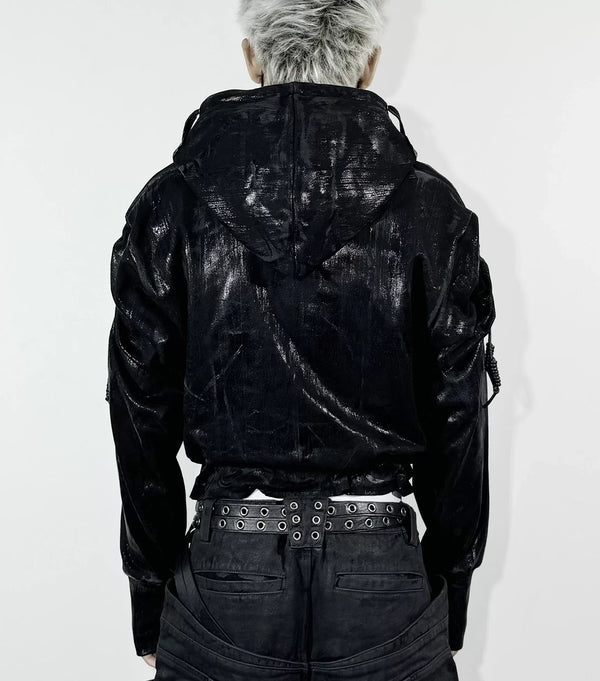
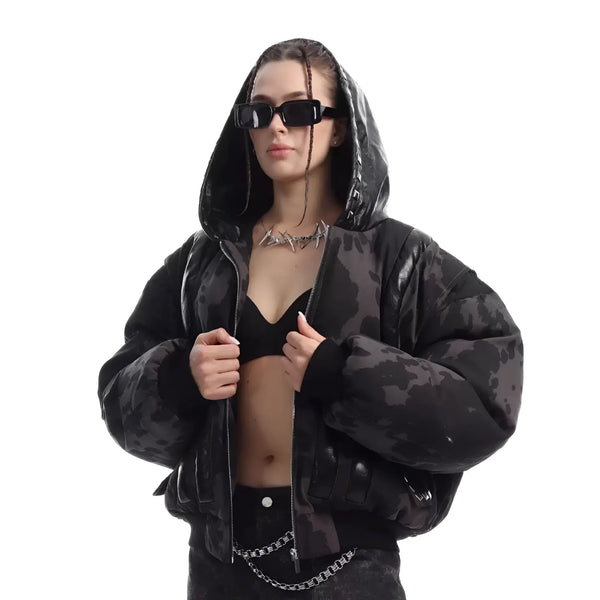
For men, the outerwear carries most of the weight: a bomber, jersey jacket or track set decides the era. These two sit exactly in the 2000s volume logic:
Whoever wants to build the men’s side systematically — from the cap to the sneaker — will find the full breakdown in the dedicated guide. In short: one wide piece, one brand signal, one vintage detail, done.
Surface
Colours, materials and prints of the 2000s
The 2000s had no single palette but two: cool metallic silver and sugary candy pink for the early side, faded indigo and earth tones for the late side. Materials ranged from velour through nylon to cheap satin — and exactly this mix of meant-to-be-luxe and made-to-be-cheap is the fingerprint of the decade.
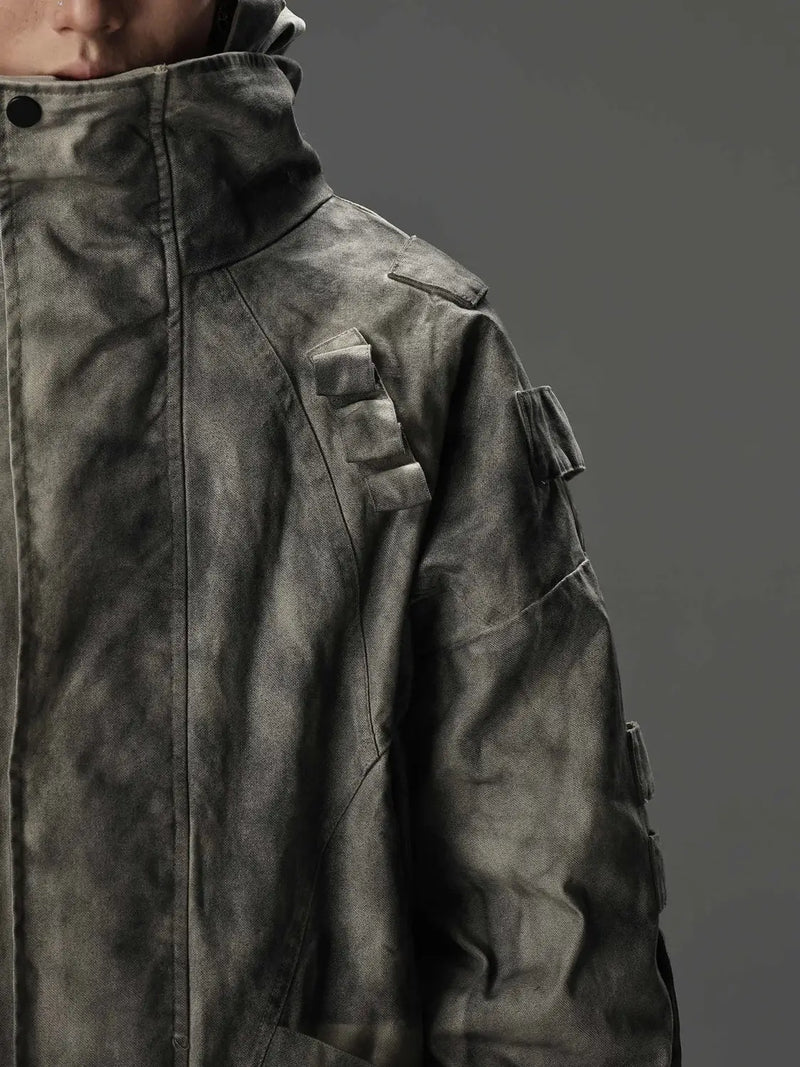
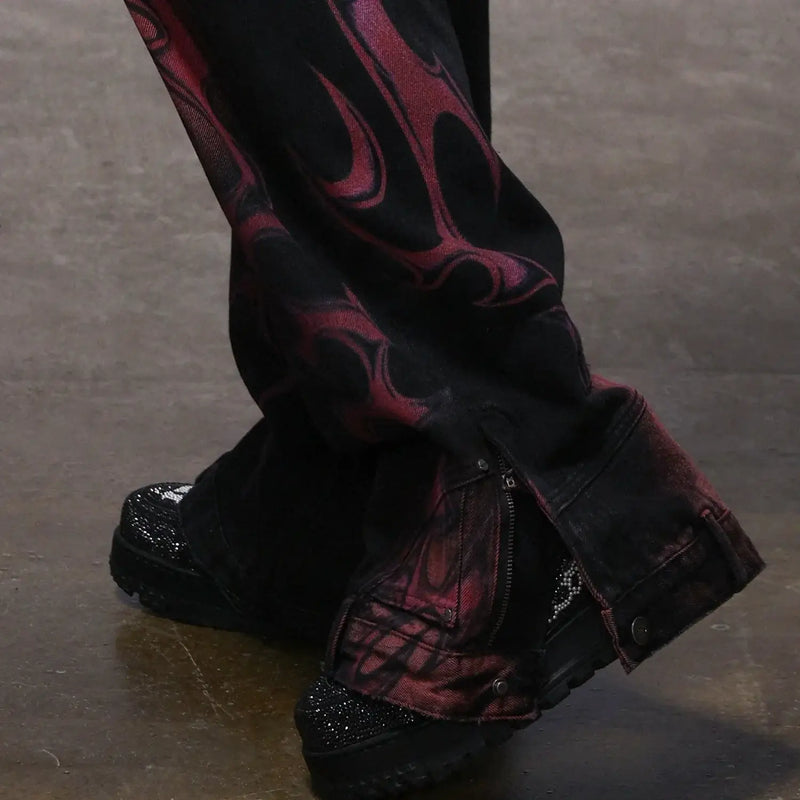
If you are unsure whether a piece goes too far: it almost never goes too far over the print but over the combination. A flame jeans is wearable. A flame jeans with a tribal top and camo cap is a costume. The line runs at the quantity, not at the motif.
This calibration is the actual skill. Anyone can buy a metallic piece; the look only emerges where enough calm remains around it for the loud piece to work. Let us hold on to that as we get to shopping.
Origin
Deadstock, vintage or repro? Where 2000s pieces come from
There are three routes to 2000s pieces: real vintage from second-hand, deadstock (unworn stock from the period) and modern reproduction in a 2000s cut. Each has a price — and a compromise.
Vintage is authentic but a gamble on size and condition. Deadstock is the holy grail but expensive and rarely in your size. Repro is available, true to size and affordable, but costs you a bit of patina. For most, repro is the sensible start, because you get the cut without waiting for the one perfect find. Sorted by category, you will find the entry point here:
A tip on budget: put the money into the bottom half and one strong accessory, keep the tops cheap. Baby tees are interchangeable and worn through fast; a good wide jeans carries half the outfit for years.
Everyday-ready
The 2000s in everyday life: subtle instead of full costume
Between the 2000s look on the red carpet and what you wear to uni or the office lies exactly one principle: the number of signals. On stage there could be five; in everyday life one is enough. The rest of the outfit stays neutral — and precisely that makes the one 2000s piece read as deliberately placed instead of dressed up.
Concretely: wide baggy jeans with a plain white tee and clean sneakers, plus tinted glasses as the only quote. Or skinny jeans with a faded band shirt but a modern jacket over it. Both read as 2000s straight away, without anyone asking whether you are on your way to a theme party. The loud piece carries, the basics frame.
The rule of thumb for every day: if you hesitate in front of the mirror in the morning, take a 2000s signal out again, not in. The look almost always wins by leaving out. One strong piece worn cleanly beats four mediocre quotes stacked on top of each other — in everyday life even more clearly than in a photo.
Neighbourhood
90s grunge heritage vs. 2000s Y2K
Many throw 90s grunge and 2000s Y2K into one pot because both are coming back together right now. The difference is sharp all the same: the 90s were dark, anti-brand and flannel. The 2000s were shiny, pro-brand and polished. Grunge hid the body, Y2K put it on display.
In practice that means: a faded flannel shirt pulls you toward the 90s, a metallic top toward the 2000s. You can deliberately overlap the two eras — “90s Y2K” is a mix of its own — but only if you know which signal you are setting right now. Otherwise it reads undecided instead of curated.
The Korean and Japanese branch of the 2000s ran a bit differently — softer, layered, less logo. If the regional split interests you, that is the best next step. For the core look we stay here and clear away the typical pitfalls.
Comeback
Why the 2000s aesthetic came back exactly now
Fashion runs on a rough 20-year cycle: what one generation saw as children, the next digs up as teenagers. So the 2000s came back almost on schedule — carried by TikTok, digicam nostalgia and a Gen Z that never consciously lived the decade and can therefore reassemble it without shame.
Why the obsession with the early 2000s in particular? Because they are the last decade before the perfectly curated feed. Everything was loud, blurry and honestly cheap — the opposite of the smooth 2020s image language. For a generation that grew up with filters, that rawness feels like freedom: clothing that is allowed to stand out without being perfect.
And no, this does not disappear again so quickly. The 2000s have gone from trend to a fixed reference layer — a kit that fashion draws on for years. Whoever understands the logic once wears it not as a seasonal costume but as a permanent tool in the wardrobe.
Avoid mistakes
Common mistakes with the 2000s look
Most failed 2000s outfits fail not from a lack of nerve but from dosage. These four mistakes keep showing up — and all of them have the same root: wanting too much at once.
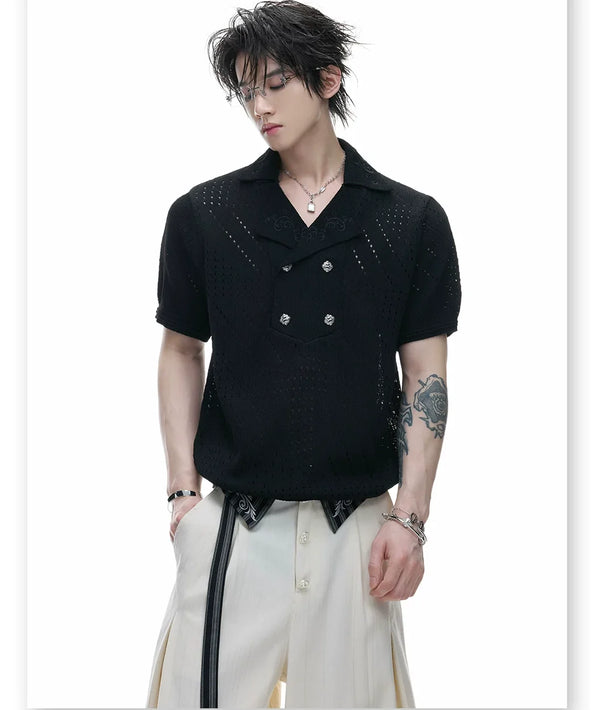
The rule behind all four: set one signal, calibrate the rest. Once you internalise that, every 2000s outfit becomes readable instead of loud. To close, two pieces that deliver exactly this one signal without running over the rest:
Questions & answers
Frequently asked questions about the 2000s fashion aesthetic
The questions that keep coming up before the first 2000s purchase — answered short and without detour.
Which sub-aesthetics belong to the 2000s fashion aesthetic?
How do I dress like a 2000s girl?
What are the typical key pieces of the early 2000s?
Is deadstock from the 2000s better than modern repro?
How do I recognise real 2000s pieces when vintage shopping?
What remains is the one sentence that holds the whole decade together: the 2000s were loud, but never aimless. Whoever understands that wears them right.
What do you think?
Tell us on @fuga_studios
About the author
Philipp Fuge — Founder · Berlin
Founder of Fūga Studios. Writes the journal himself. Berlin · Shanghai · Tokyo · Poznań — four cities, one logic.