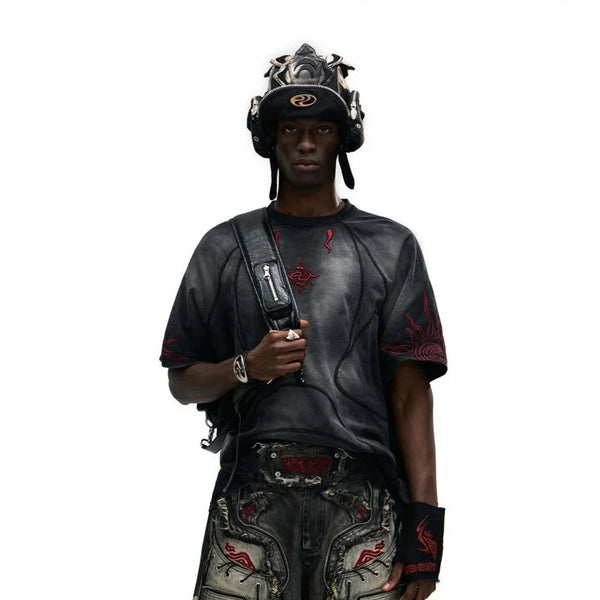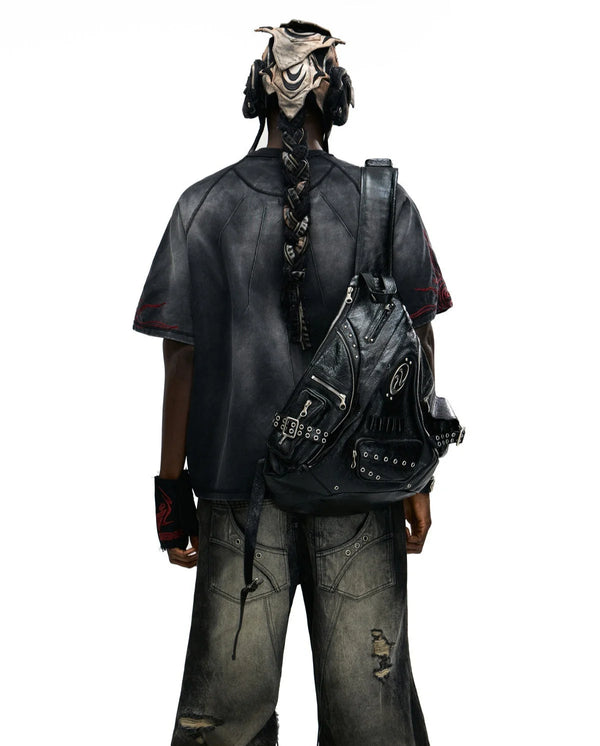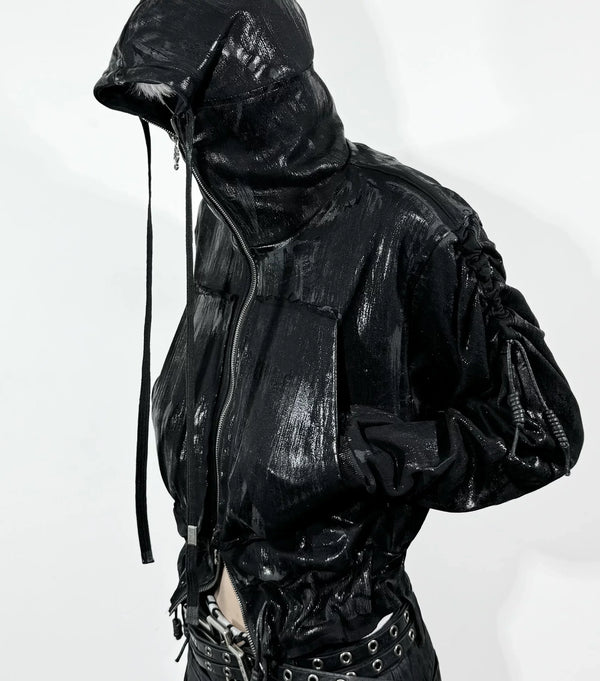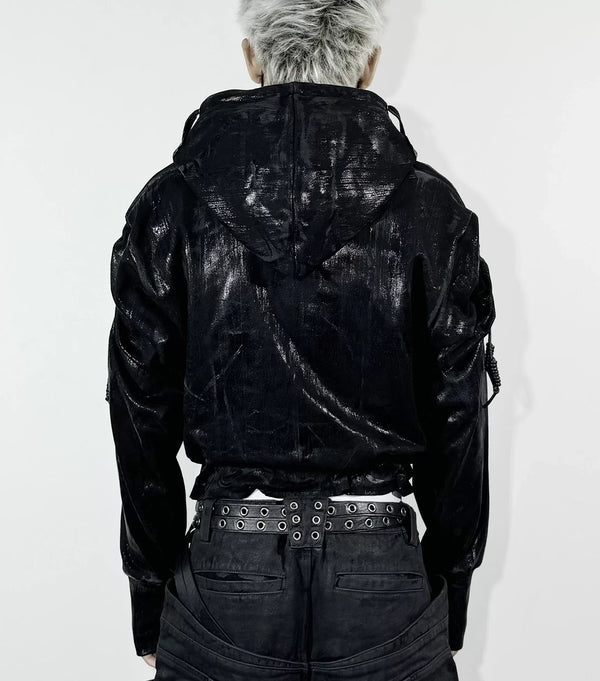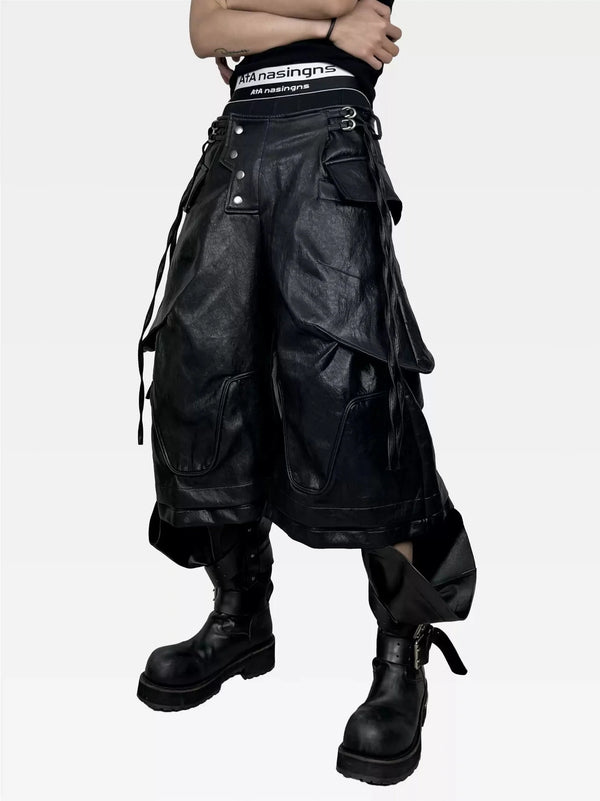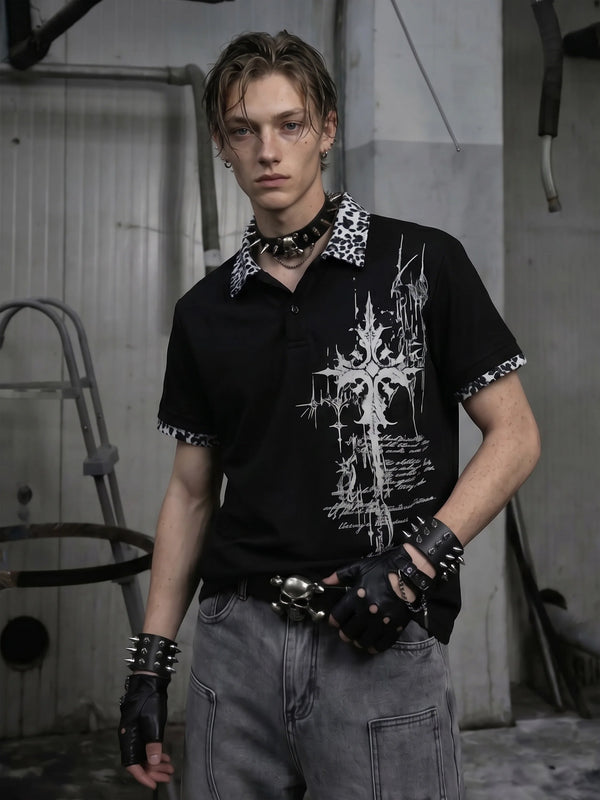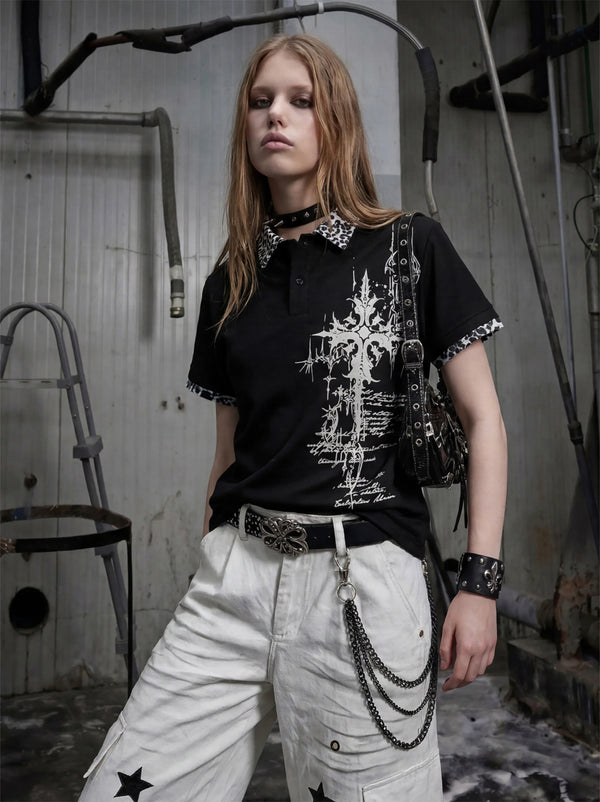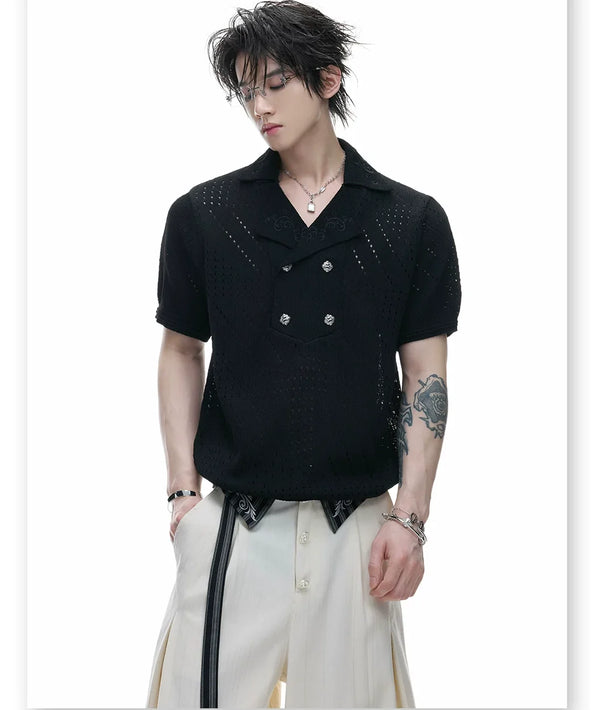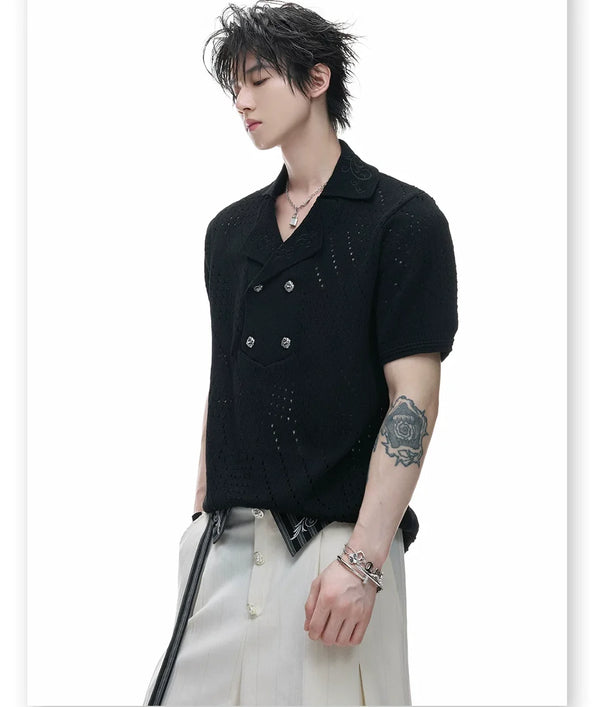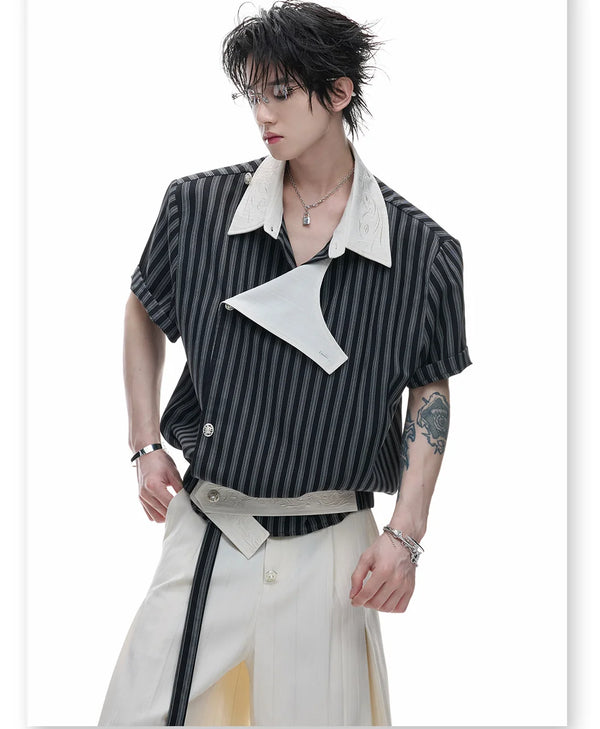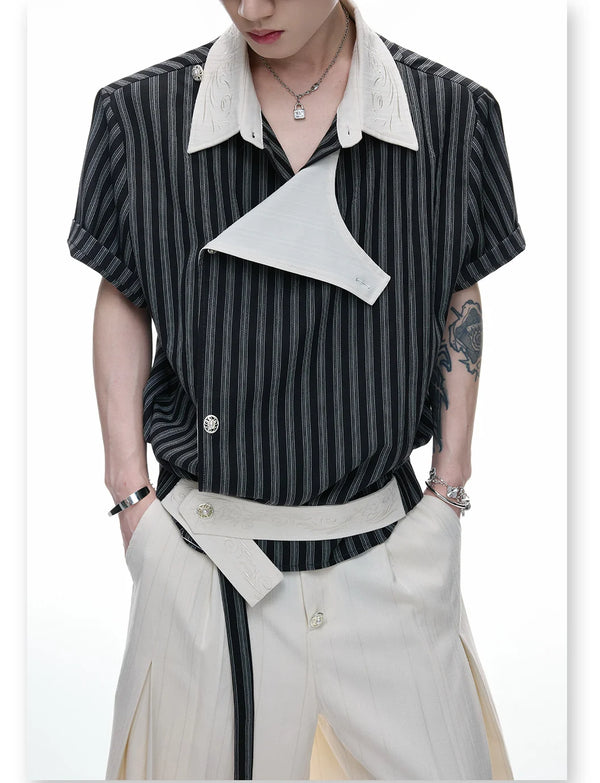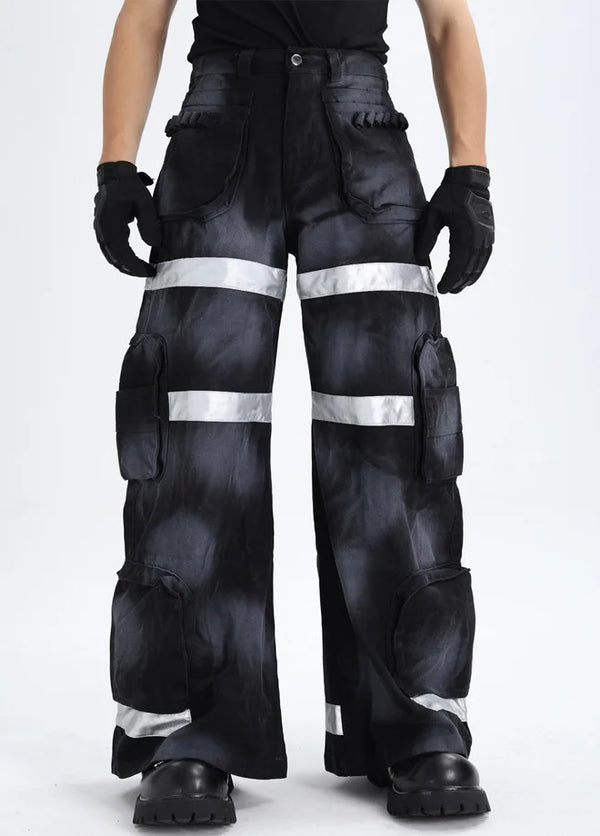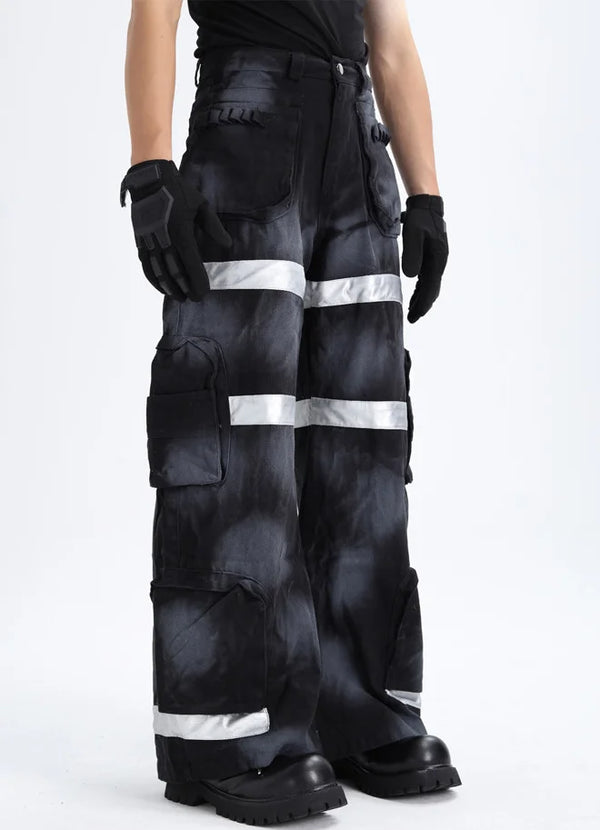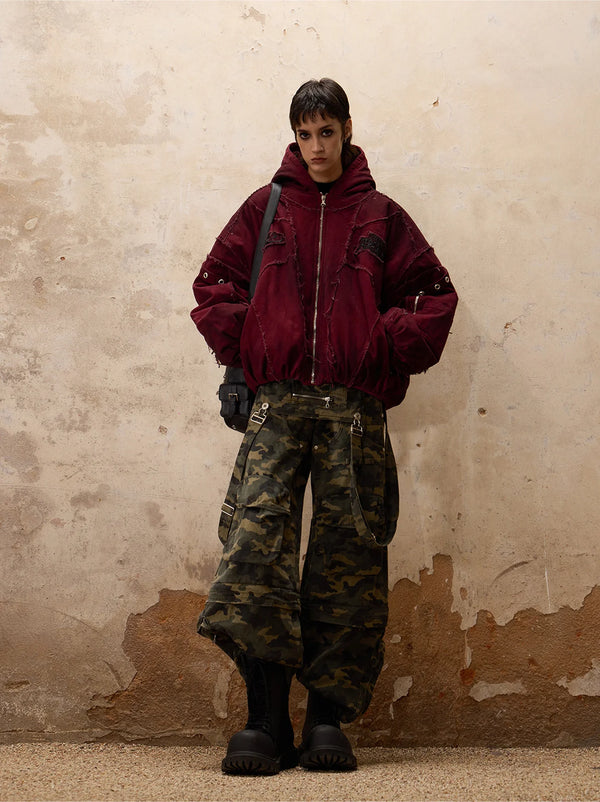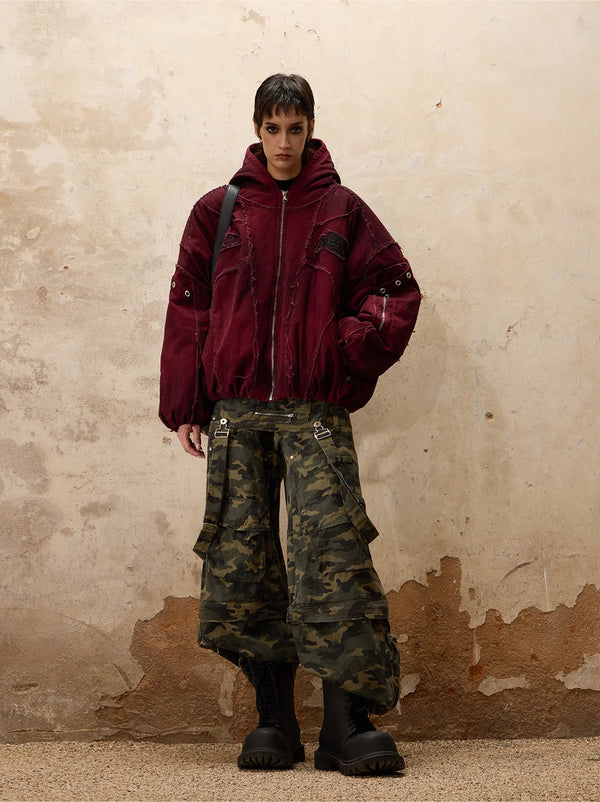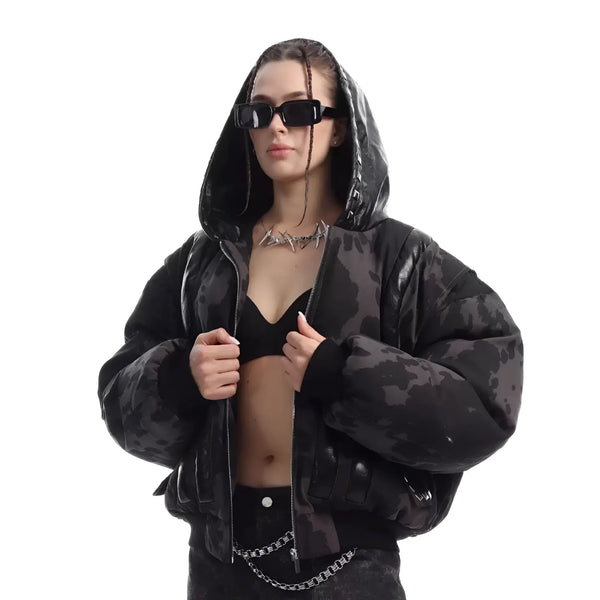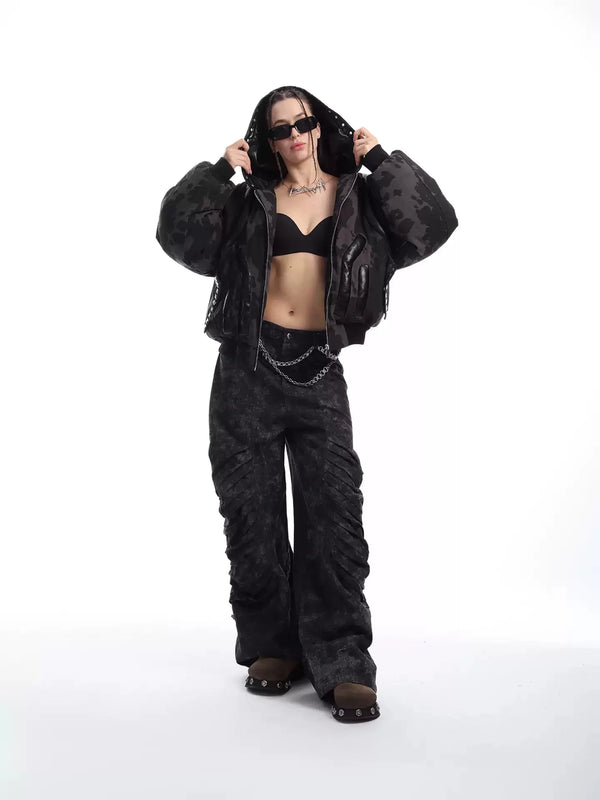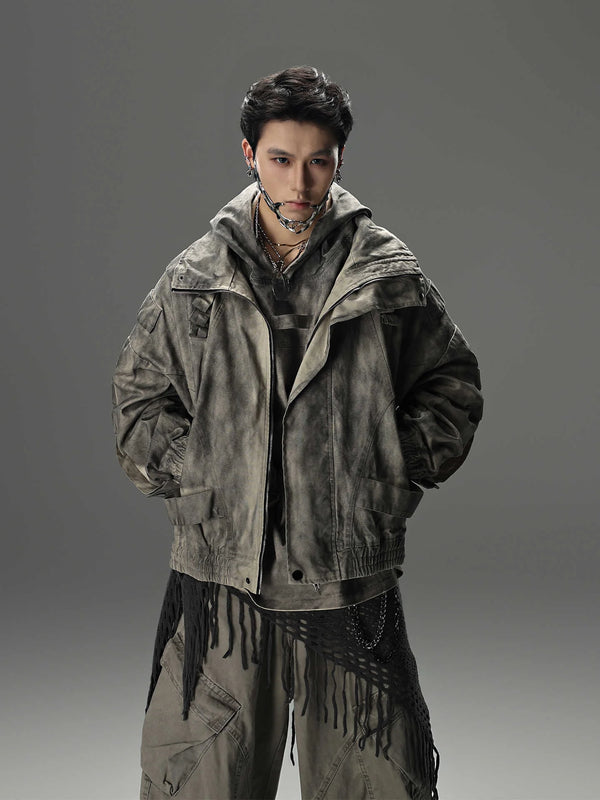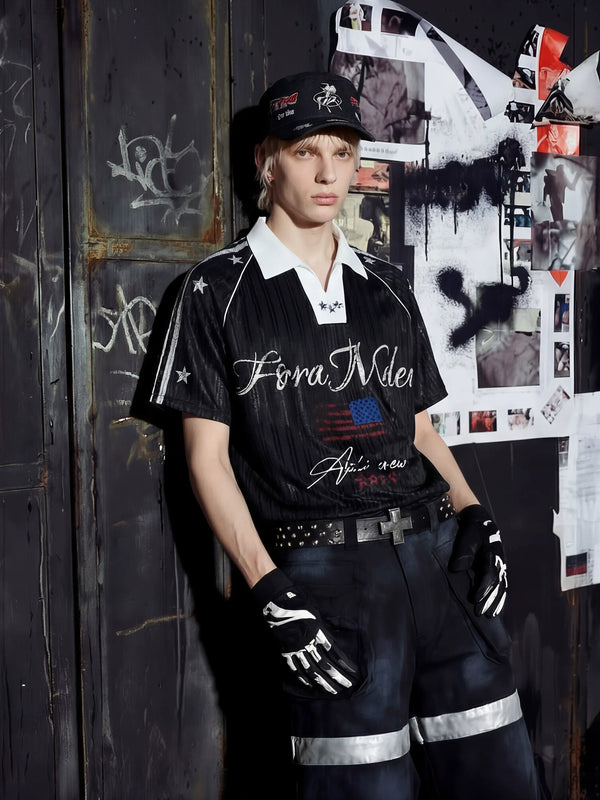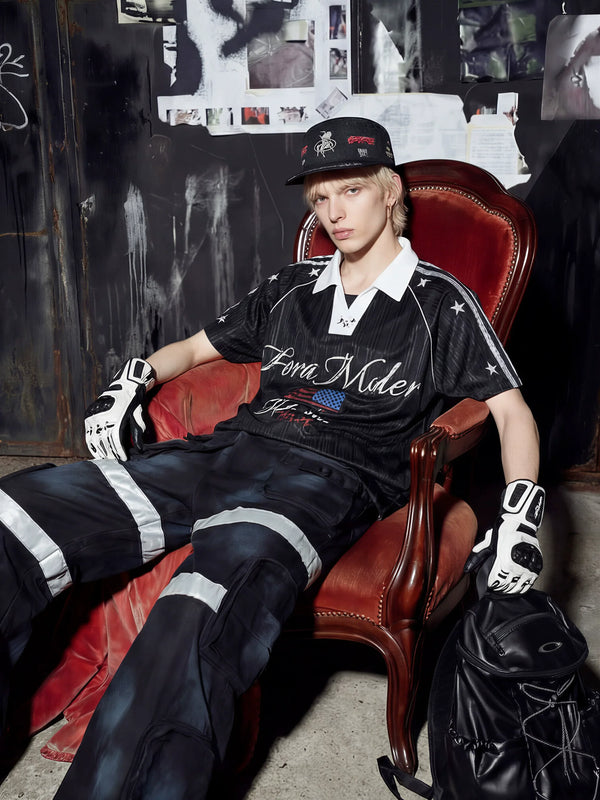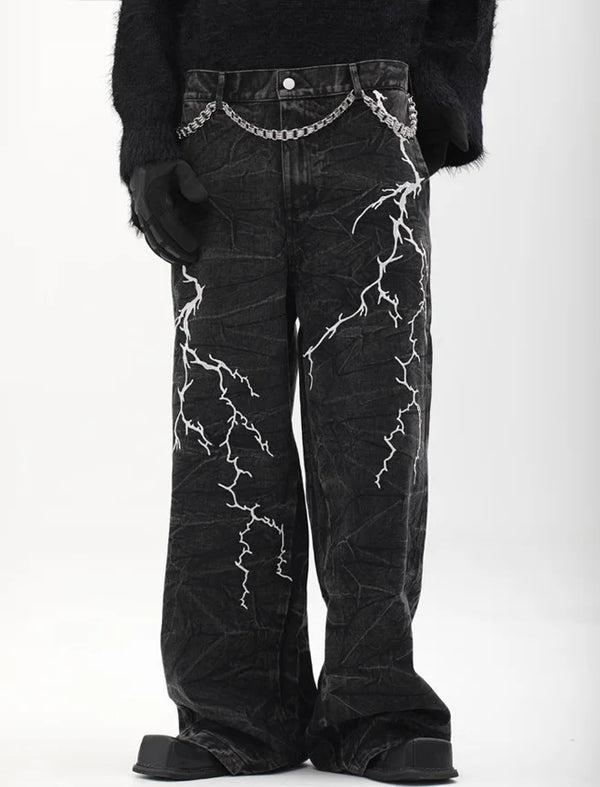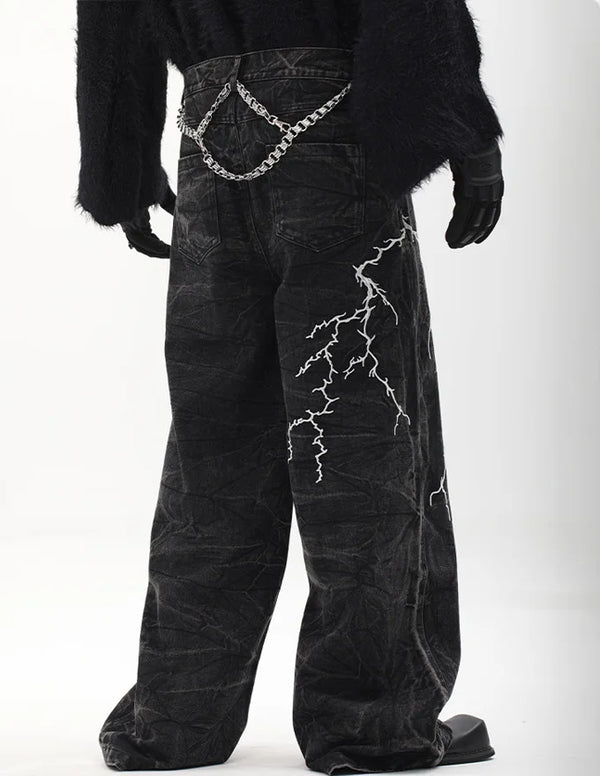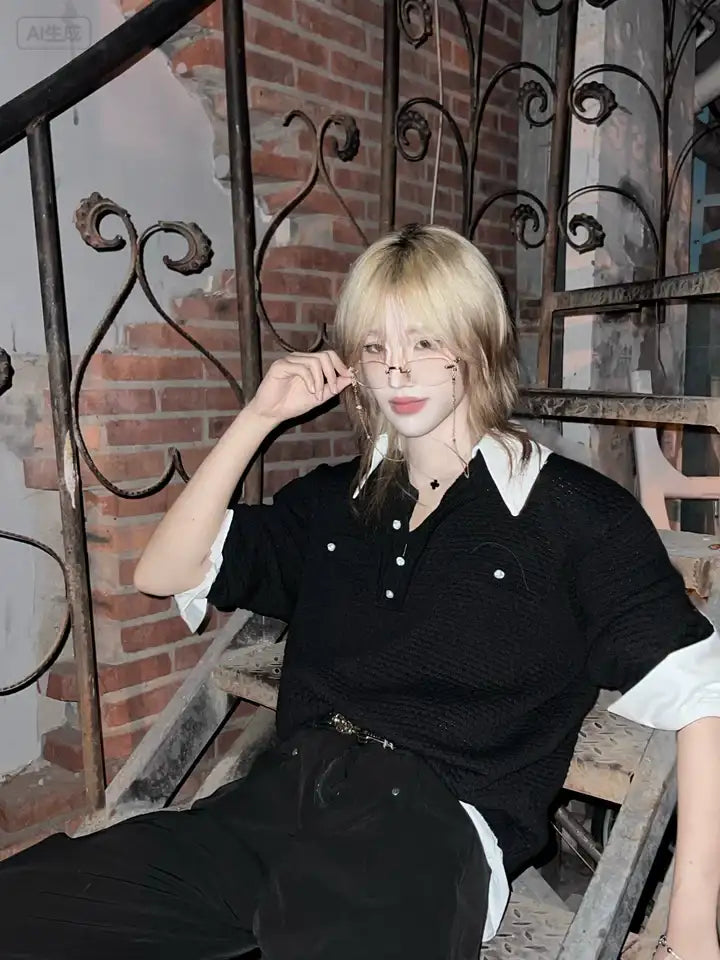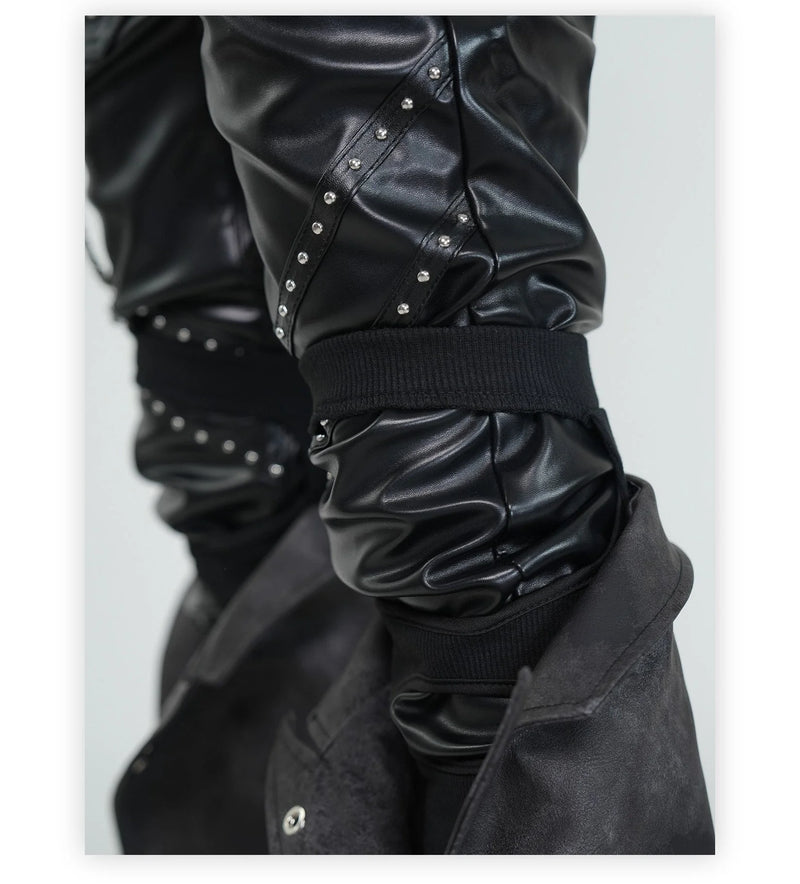


Everyone says 80s outfits are „colorful, glittery, all neon“. They're wrong. A neon tulle-skirt costume guarantees as much 80s fashion as a tinsel hat guarantees someone is actually celebrating New Year's — which is to say nothing.
The 80s were not a single aesthetic. They were a decade of five parallel scenes running side by side: New Wave in London, power-dressing in the Wall Street world, aerobics pastel in California, acid-wash streetwear in the US suburbs, and pop maximalism around Madonna and MTV. Each of these scenes had its own fabrics, its own silhouettes, its own hardware. Not one person wore all of it at once — only the carnival costume does that.
Anyone who confuses „80s outfit“ with „colorful glitter set from the online costume shop“ has mixed the decade code with the fancy-dress idea. This guide clears up what's really behind it: where the looks came from, which 5 types carry the vocabulary, how women and men differ, how it translates into jackets / pants / tops / shoes, how you wear the codes today without ending up in costume, and which 6 mistakes tip the look over.
What that looks like in a real outfit — compact, in 12 seconds:
Origin
Where the 80s outfit comes from — and why „colorful and glittery“ falls short
80s fashion didn't start at midnight in 1980. It started in 1977 with Studio 54, ran through punk 1978-1980 in London, tipped into the mainstream in 1981 with MTV, and only ended when grunge blacked everything out again in 1991. What we lump together as „80s“ today is a 14-year arc of five scenes that all ran in parallel.
New York pushed power-dressing into office life. London pushed New Wave and post-punk into the record store. Los Angeles pushed aerobics into every living room. Detroit and the US suburbs pushed acid-wash and high-top sneakers into every schoolyard photo. And MTV from 1981 took all of it, blended it in the music-video loop, and sent it back out to the whole world as „the 80s“.
The vocabulary was already there before 1980 — shoulder pads in Italian tailoring since the 70s, high-waist jeans at Calvin Klein from 1976, leather jackets in punk rock since 1975. The 80s invented nothing. They amplified. Every line got more extreme, every color block bigger, every silhouette more angular. That's the actual decade code: not a specific shape, but the willingness to push every shape to its limit.
Definition
What makes a typical 80s outfit — the 4 building blocks
An 80s outfit isn't a race to see who's the most colorful. It's a system of four building blocks — high waist, hard shoulder line, contrast hardware, one statement piece. When all four land, the look reads 80s. When three of them tip, it's costume. When only one lands, it's a subtle decade reference.
+10 cm
higher waist than today
1
statement piece per outfit
5
parallel scenes
0
glitter polyester
These four numbers are the test. A low-rise pant kills the 80s outfit instantly — no matter how much neon is on it. Three statement pieces at once (shoulder-pad blazer plus acid-wash jeans plus glitter top) tip the look into costume. Glitter polyester is the cheap shortcut that reads as costume rental in the photo immediately.
Concretely, an 80s outfit counts:
- High waist — pants, skirt, jeans sit at least at the navel, often above. Mid-rise and low-rise are both non-80s. This is the point that makes the silhouette more angular.
- Shoulder line — shoulder pads in the blazer, a padded leather jacket, or a top with a constructively broad shoulder. The line between neck and upper arm is a hard 90-degree edge.
- Contrast hardware — gold-colored buttons on the blazer, large statement earrings, a shiny belt buckle. Hardware is visible, not hidden. Unlike with Opium or Techwear, here it's allowed to be loud.
- One statement piece — the shoulder-pad blazer, or the acid-wash jeans, or the statement earring pair, or the leather jacket. Not all four. One per outfit, the rest serves it.
- Fabric with substance — denim, leather, heavy wool blazer fabric, dense knit. Glitter polyester from the costume rental is exactly what reads as carnival.
- Color or black — but consistently — either the full pop pastel palette (pink plus turquoise plus yellow), or uncompromisingly black with one contrast piece. In between lies what reads as „somehow 80s-inspired“ and locks into nothing.
If you're missing three of these six points, it's no longer an 80s outfit — it's an 80s reference. And there's one rule that holds them all together:
5 types
The 5 outfit types of the 80s — from New Wave to aerobics
Anyone who lays 80s photos side by side — a Wall Street scene, a London record store, a Jane Fonda workout, a US mall photo, an MTV video — sees the five types cleanly separated. Each with its own color palette, its own silhouette, its own hardware. No type is „more 80s“ than the other. They're all 80s, but they demand different pieces.
Which of the five suits you depends less on taste than on your silhouette, your daily mood, and which city you want to wear it in. New Wave works in Berlin and London. Power-dress works in Frankfurt and Milan. Aerobics is summer code. How that splits between women and men comes now.
Gender split
80s outfit women vs men — where it really runs differently
The four building blocks apply to all bodies. High waist, hard shoulder edge, contrast hardware, one statement piece — these rules are gender-neutral. What sits differently is the distribution. Where 80s men wore the shoulder pad over a T-shirt, women wore it over a pencil skirt. Same shoulder, different line below.
Women's version (with sub-variant „elegant“): The shoulder-pad blazer is cut tighter, the shoulder sits higher. Pumps instead of boots narrow the line. Statement jewelry moves to the ear and the neck — large earrings, stacked pearls, a cross pendant. „Elegant“ means: matte fabric instead of shine, single-color instead of print, one jewelry spot instead of five. Power-dress plus quiet blouse = an elegant 80s outfit that doesn't sound like a themed party.
Men's version: Leather jacket or bomber instead of blazer as the main line. The shoulder comes from the cut of the jacket, not from an extra pad. High-waist jeans or pleated trousers below, boots or high-top sneakers on the feet. Statement hardware stays at the belt and the watch — jewelry at the neck at most a cross or a chain, not stacked. Three jewelry pieces tip the men's look into pop maximalism, which on most men reads as fancy dress.
Both versions need the same test: one statement piece, three quiet building blocks. A woman who wears power-dress and combines it with aerobics leg warmers mixes two scenes and produces costume. A man who combines acid-wash jeans and a pop lace shirt does the same.
Brands
80s brands — which labels wrote the decade look
The 80s had no single defining brand. What they had were roughly ten labels, each dominating one of the five scenes. Anyone who knows the brands can trace any 80s outfit back to its origin — and decide whether the piece they're buying really comes from the vocabulary or just from the costume shop.
The labels that wrote the decade code — sorted by scene:
- Giorgio Armani (power-dress) — his deconstructed power suit for men became a film star in 1980 through American Gigolo, the women's variant followed immediately. Armani defined the softer, Italian shoulder line that every Wall Street office adopted.
- Norma Kamali (aerobics crossover) — the New Yorker made her „Sweatshirt“ collection in 1981, which translated the workout vocabulary into the daytime outfit. Without Kamali, no leg warmers in everyday wear.
- Vivienne Westwood (post-punk → pop) — she punkified London 1976-1981, then pushed her „Pirate“ look into the mainstream in 1981. Asymmetric cuts and tartan come from her workshop.
- Calvin Klein (denim authority) — the Brooke Shields ad in 1980, „nothing comes between me and my Calvins“. Invented the designer-worn jean as a pop object; the whole high-waist hype came after.
- Ralph Lauren (preppy) — the polo shirt with the polo-player logo became a status marker at US high schools. The preppy strand of the 80s runs entirely through Ralph.
- Versace (pop maximalism) — Gianni Versace started his own label in 1982 and pushed print, gold, bondage hardware into the pop mainstream. Madonna and Versace are 80s pop in one sentence.
- Reebok & Adidas (athletic crossover) — Reebok Freestyle 1982 for women, Adidas Stan Smith even before. Over the course of the 80s, sports shoes became an everyday-shoe category — which was impossible before.
- Stephen Sprouse (New Wave / graffiti) — his Day-Glo neon vocabulary for Debbie Harry in 1983 shaped the fluorescent palette of the 80s pop era. The painter behind the screaming colors.
- Issey Miyake (construction) — the Japanese constructor developed his pleated fabric in 1984, which is still wearable today. The 80s are not only pop — they're also the decade in which Japanese fashion arrived in Paris.
- Esprit & Benetton (mainstream color block) — the two labels brought pastel block color into every European wardrobe. Anyone who was young in the 80s and had no money for Armani wore Esprit.
Anyone building 80s outfits today, without paying 70s-designer prices, looks in the resale market for these brands or at DTC brands that translate the vocabulary competently — without the costume factor.
Category · Outerwear
80s jackets — bomber, shoulder-pad blazer, leather jacket
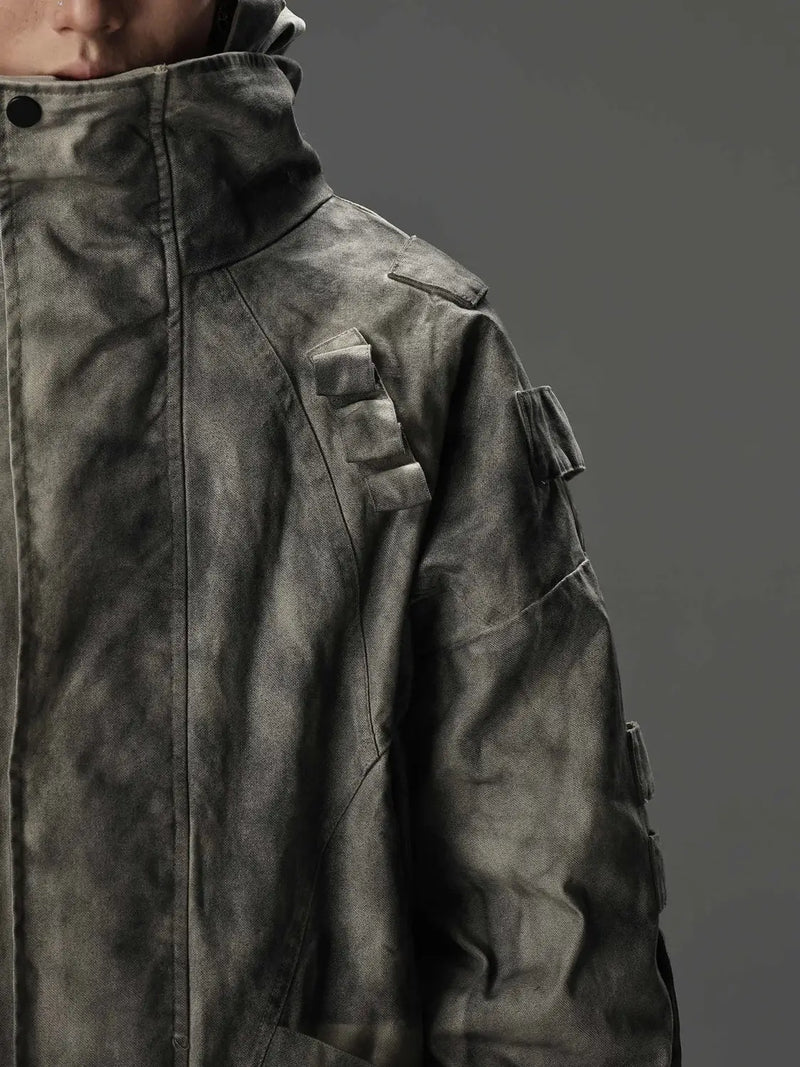
The jacket carries the 80s outfit. Three jacket types work: the shoulder-pad blazer (power-dress line), the leather jacket with an angular shoulder (New Wave line), and the aviator bomber with a fur collar (Top Gun / mall line). All three have one thing in common: the shoulder is visibly emphasized. If your 80s jacket has a soft, flowing shoulder, it's not 80s — it's 70s or 90s.
The shoulder-pad blazer is the biggest investment and the most effective piece. In black or camel it covers power-dress, New Wave and pop maximalism at once — you only have to swap the pants underneath. The leather jacket with angular shoulders makes any look 30 percent harder. The aviator bomber works in the suburb line and in any bar with good lighting.
If you don't yet own a jacket with a hard shoulder line, that's your first move. A single jacket carries three of the five 80s outfit types — the rest of the wardrobe can stay everyday.
Category · Bottoms
80s pants — high-waist, acid-wash, pleated wide-leg
The 80s pant sits at the navel or above. That's non-negotiable. A mid-rise or low-rise jeans turns the whole outfit into a 90s or 2000s piece, no matter what's on top. High-waist is the decade marker with the biggest impact per piece.
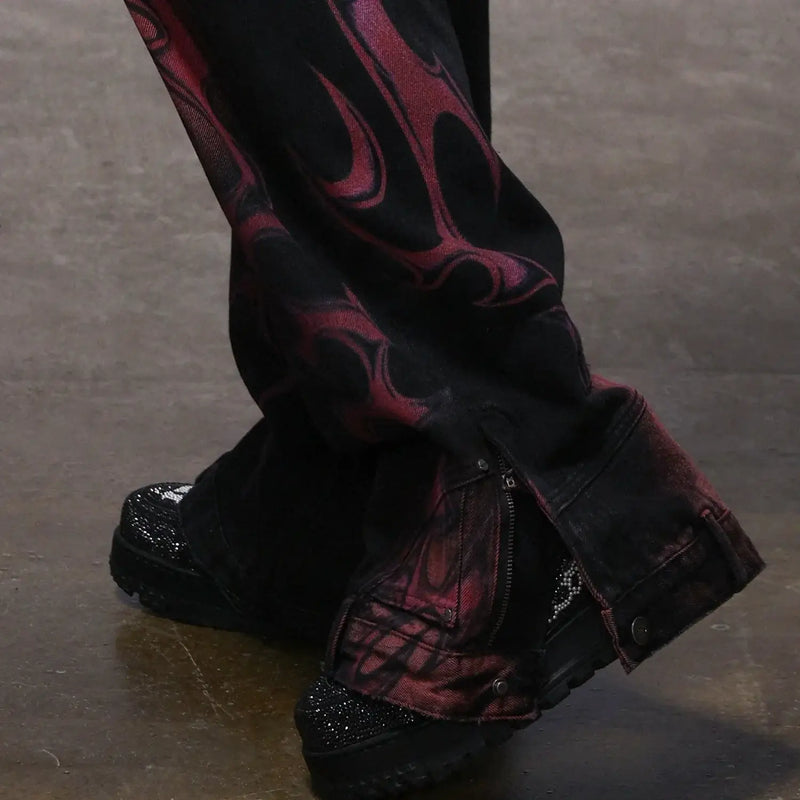
Three cuts work: the acid-wash skinny or slim for the suburb / pop line, the pleated wide-leg pant with a crease for power-dress, and the drainpipe (very tight black pant) for the New Wave line. Leg warmers come rolled over the top if you want aerobics — but then only in pastel and with sneakers, otherwise the codes collide.
If you buy only one 80s pant, take acid-wash with a high waistband. That covers three of the five scenes and reads modern as soon as you put a clean top or a plain blazer over it.
Category · Tops
80s tops — statement shoulders, crop tee, mesh bodysuit
The top can take over the statement or hold back. Both are 80s, but not both at once in the same outfit. If your blazer is the statement, the top is plain — a single-color mock neck, a white T-shirt, a classic body. If your top is the statement, the jacket sits open or stays off.
Three top types work: the crop tee at navel length (aerobics, pop, streetwear), the mesh body or the mesh top (New Wave, pop), and the constructed statement-shoulder top (power-dress, pop). Lace tops with fingerless gloves belong purely in pop maximalism — no other scene can carry them.
If you're just starting out, take a single-color crop tee in black. It carries three of the five scenes — aerobics, pop and acid-wash streetwear — and reads modern as soon as you wear the right high waistband underneath.
Category · Shoes & hardware
80s shoes & hardware — pumps, high-tops, statement jewelry
The shoes decide which 80s scene your outfit lands in — even if everything else is identical. Pumps deliver power-dress. High-top sneakers deliver acid-wash and aerobics. Angular boots deliver New Wave. Pointed leather boots deliver pop maximalism. Same jeans, same top, different shoe — different outfit genre.
Hardware reads differently than with Opium or Techwear. It's allowed to be loud. Large statement earrings, thick gold or silver belt buckles, stacked bracelets, a statement watch. One rule stays: one dominant hardware spot per outfit. If the earrings are the statement, the belt is plain. If the belt is loud, the neck is empty.
If you make only one hardware investment, take a wide belt with a statement buckle. It closes off the high-waist line and makes the outfit instantly more angular — which the whole 80s code demands.
Modern styling
How you style 80s outfits TODAY — without looking like a costume
The costume problem is always the same: three 80s codes at once in the same outfit. Shoulder pads plus leg warmers plus fluo headband — that's fancy dress, not an outfit. It becomes modern the moment you reduce to one 80s code per outfit and set the rest in a 2026 context.
One 80s code, three modern pieces. Reverse the ratio and you land in the costume rental — no matter how expensive the individual pieces are.
In practice: shoulder-pad blazer plus plain black jeans plus white sneakers. Or acid-wash jeans plus white T-shirt plus white sneakers and a statement watch. Or crop tee plus high-waist pleated pants plus minimalist loafers. Each of these outfits reads in 2026 as modern with an 80s accent — not as a themed party.
But the 80s don't stand alone — they overlap at several edges with other decade codes. Y2K shares the high waist and the pop vocabulary. Punk-Rave shares the leather jacket and the angular shoulders. Streetwear shares the acid-wash and the high-tops. Anyone who's got the 80s down can read these neighboring codes and mix deliberately.
Here the most important neighbors — each with its own guide:
Theme party
80s party outfit — what really works at a themed party
An 80s themed party is the moment most people walk into the costume trap. They buy the cheap polyester set from the online shop, combine it with a neon sweatband and fingerless mesh gloves, and look like a weekend costume rental. The result: the photo lands in the album, but nobody wants to share it.
What really works at an 80s party is three pieces — not ten. A shoulder-pad blazer (or a leather jacket with an angular shoulder), high-waist pants or acid-wash jeans, and a single statement detail (large earrings OR a statement belt OR a loud scarf). Nothing more. Three statements at once tip the look into carnival tier.
Here's what an 80s party outfit without the carnival smell looks like in motion:
What does not work
The 6 most common 80s outfit mistakes — what tips the outfit over
80s outfits tip over at six spots — no matter how expensive the individual pieces are. If you avoid only one thing, make it mistake number one.
Action
How you start in 80s outfits — the first 4 pieces
You don't need twelve 80s pieces to wear the code. You need four that will be in 80 percent of the outfits. Everything else builds around them.
In order: a shoulder-pad blazer in black or camel (your biggest impact per euro). A high-waist acid-wash jeans with a wide leg or a tight line — decide by daily mood. A single-color crop tee in black or white. High-top sneakers or pumps, depending on whether you want the suburb or power line. A wide statement belt as an optional fifth piece — but only once the four are in place.
Outfits for real
80s outfits for real — how it looks in the feed
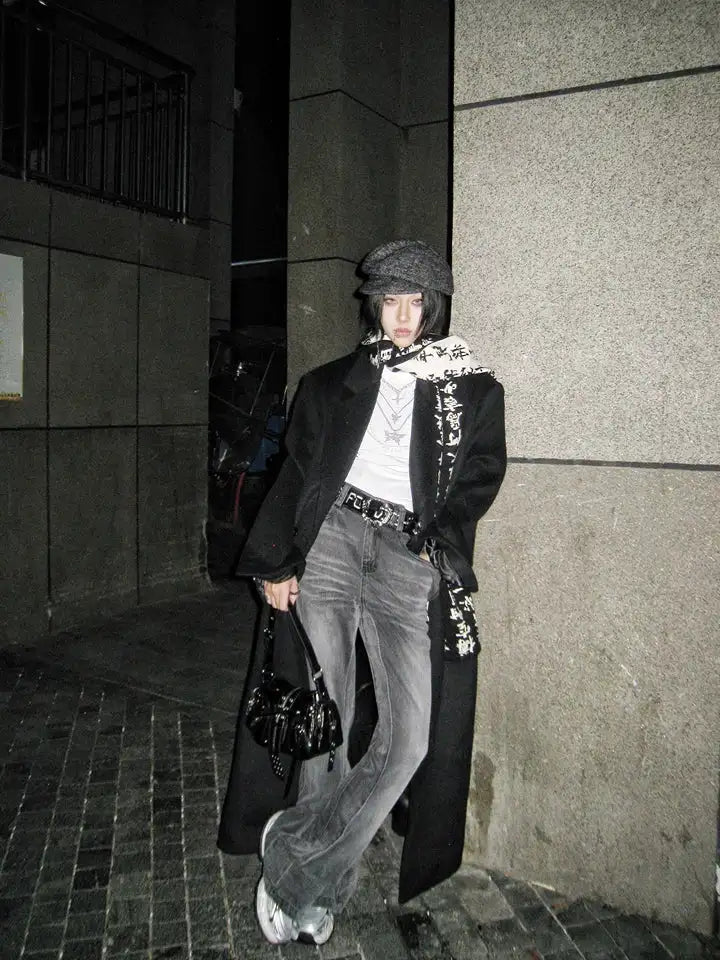
Before you build your own 80s outfit, look at how others wear it. The five types look different in the Instagram feed than on lookbook photos: tighter, dirtier, less perfect — and that's exactly why they work on 2026 images.
That's the fastest way to check whether a particular 80s type even suits your body — before you spend money.
To close
80s is decade vocabulary — not carnival
If you remember one thing from this guide, make it this: the 80s aren't one look, they're five. Anyone who's got the five scenes down individually builds a hundred outfits with fifteen pieces. Anyone who wears everything at once has a full wardrobe without a single outfit that lands.
The whole logic of this guide reduces to one sentence:
The five scenes have been stable for 40 years and will stay that way — they're frozen forever in films, record covers and MTV archives. You don't have to wait until you've got all of them. Start with the one type that suits you best — the glasses, the job, the city decide that more than taste.
And that's the point too: the 80s read theoretically like a corset of rules, but in practice they don't feel that way. Once you've got the code down, every further outfit is a variation of the same four or five building blocks — not a new invention.
FAQ
Frequently asked questions about 80s outfits
The questions we often get by DM and email — short, clear, no detours.
What do I wear to an 80s party?
What must not be missing at an 80s party?
How do you style outfits from the 80s today?
What do you wear in the 1980s?
What is a typical 80s outfit?
Is an elegant 80s outfit for women possible without the carnival effect?
How do 80s and 70s outfits differ?
Which shoes work with 80s outfits besides pumps?
What do you think?
Tell us on @fuga_studios
About the author
Philipp Fuge — Founder · Berlin
Founder of Fūga Studios. Writes the journal himself. Berlin · Shanghai · Tokyo · Poznań — four cities, one logic.