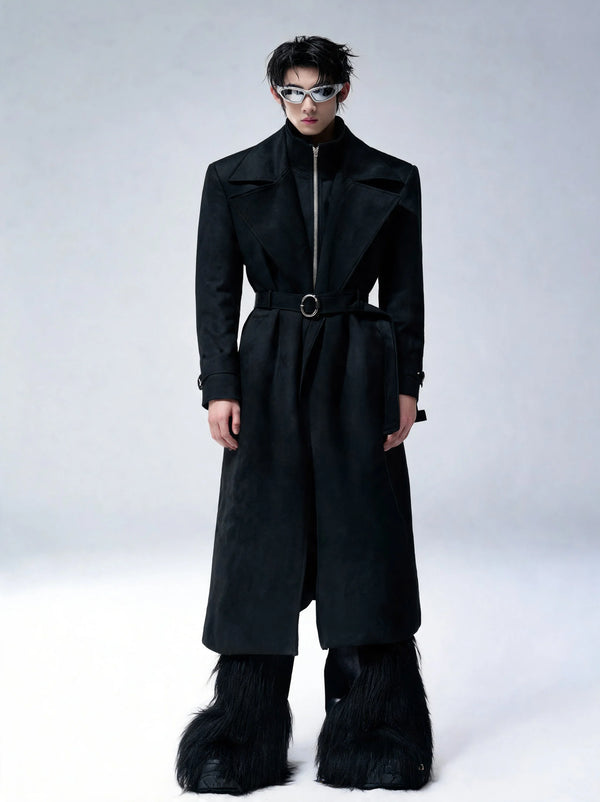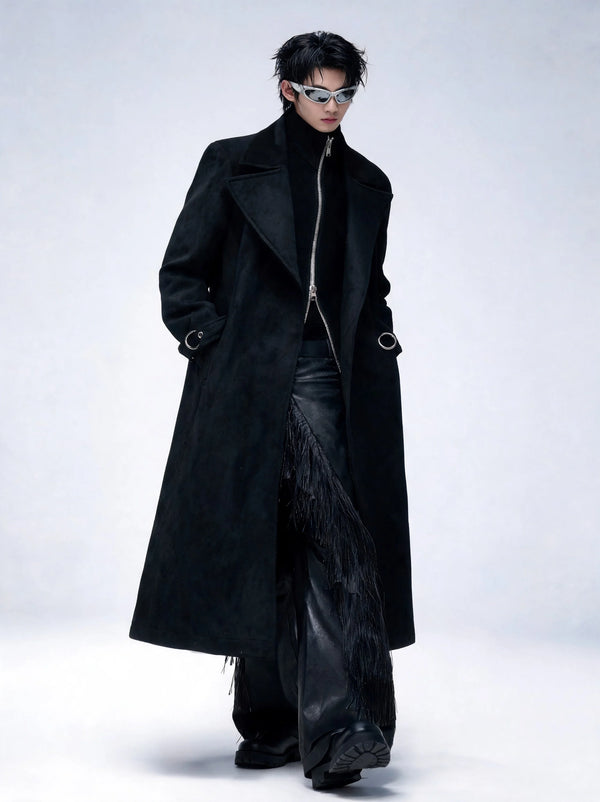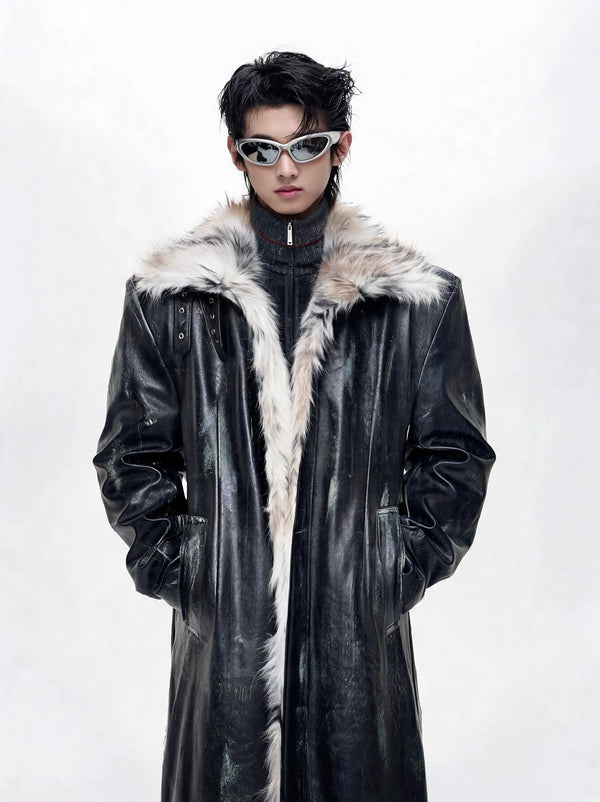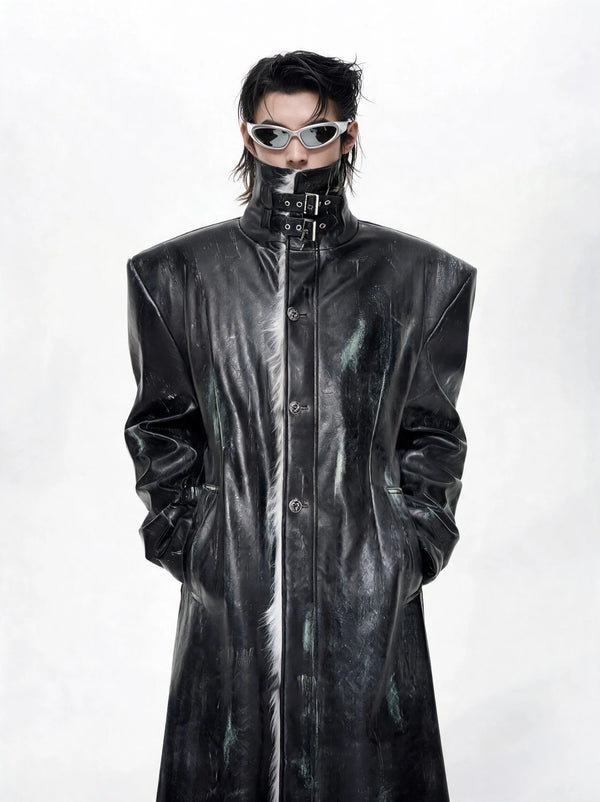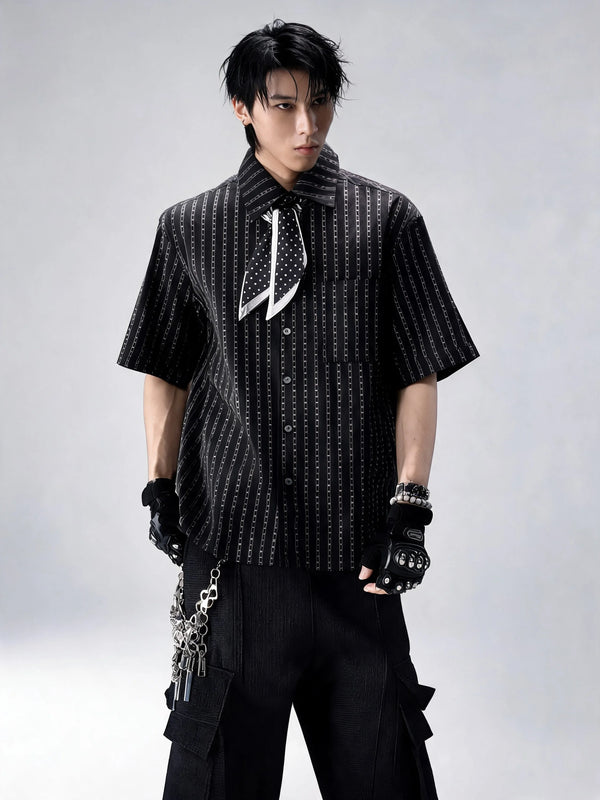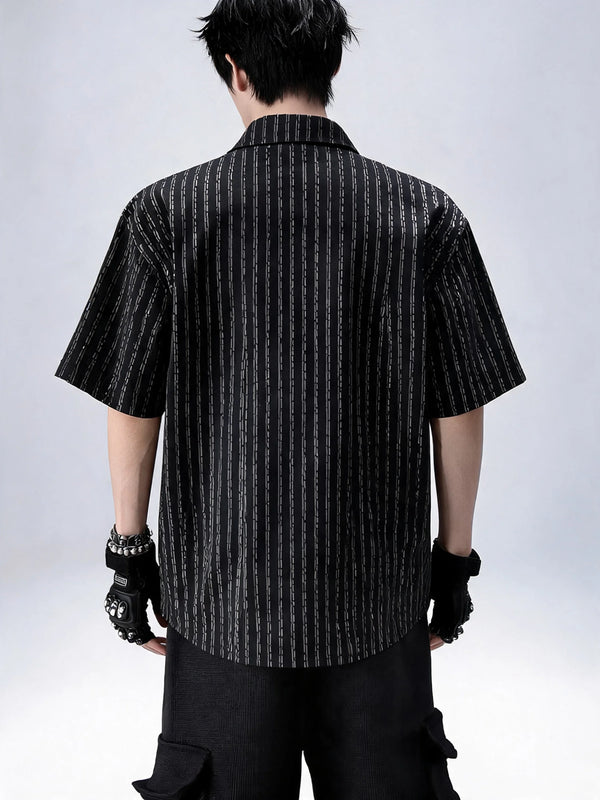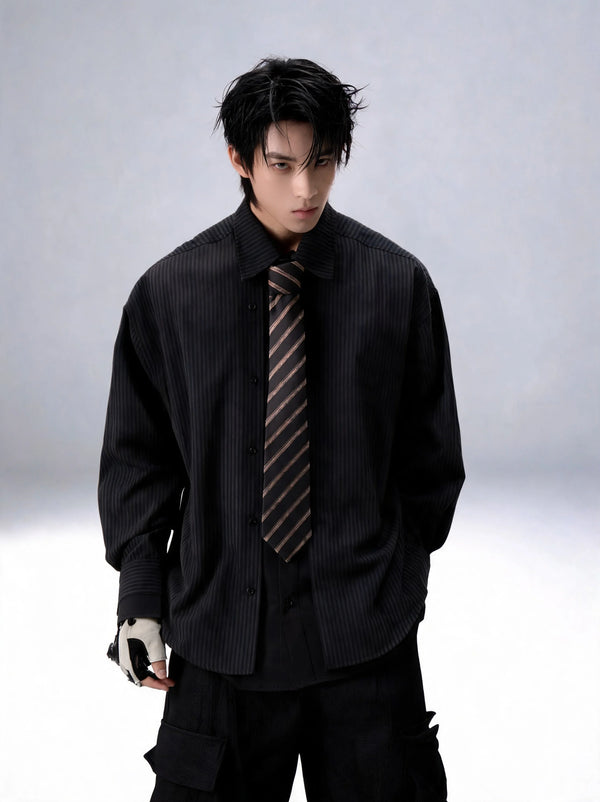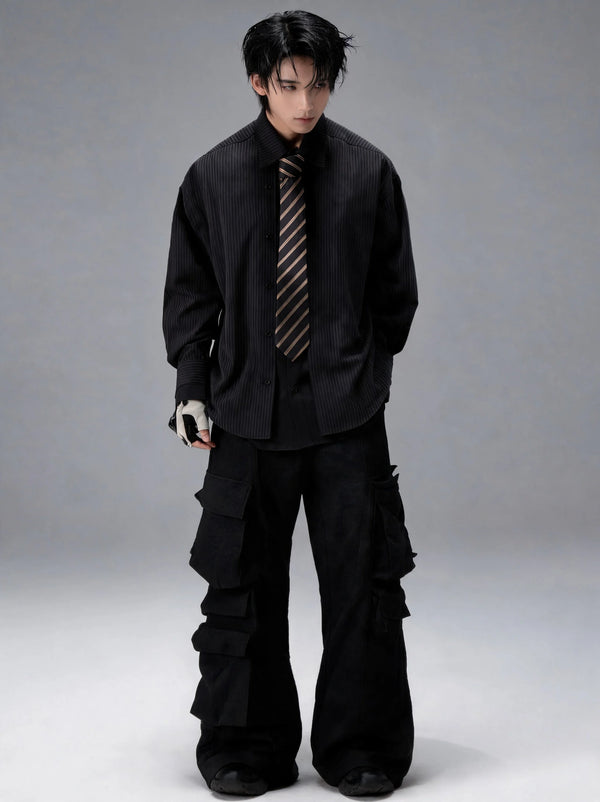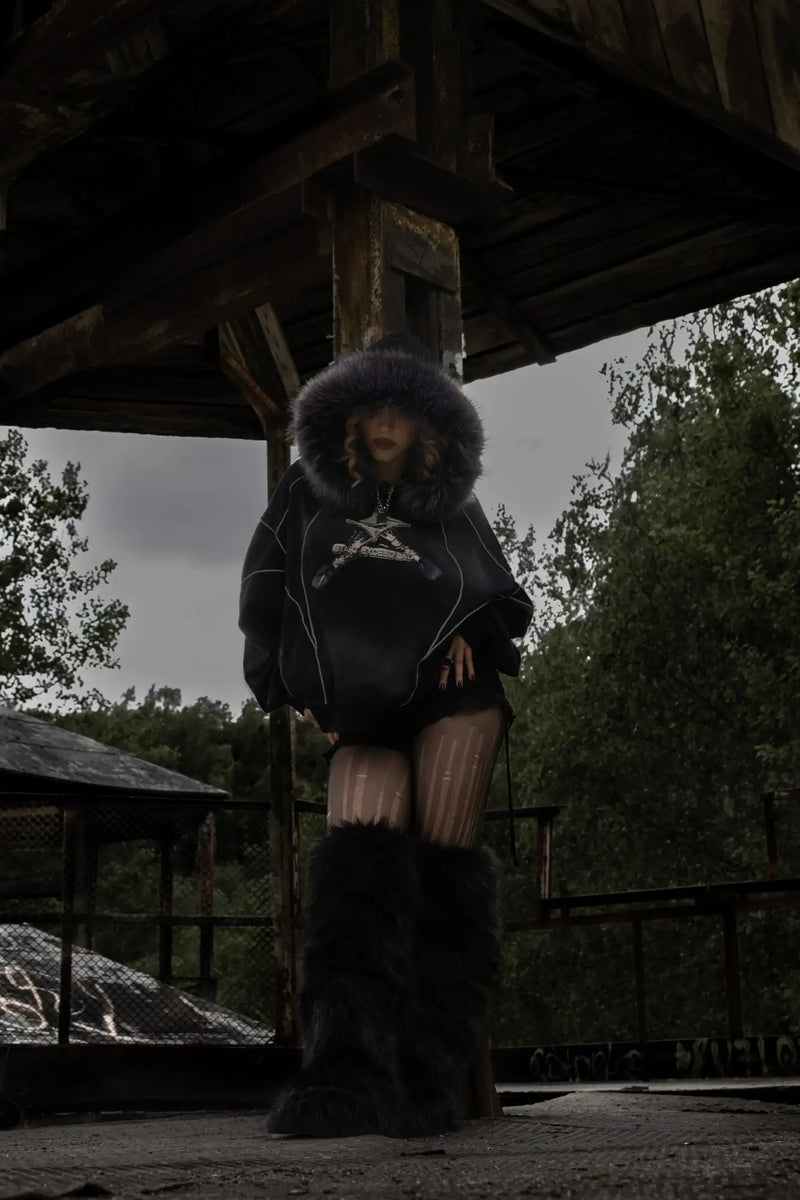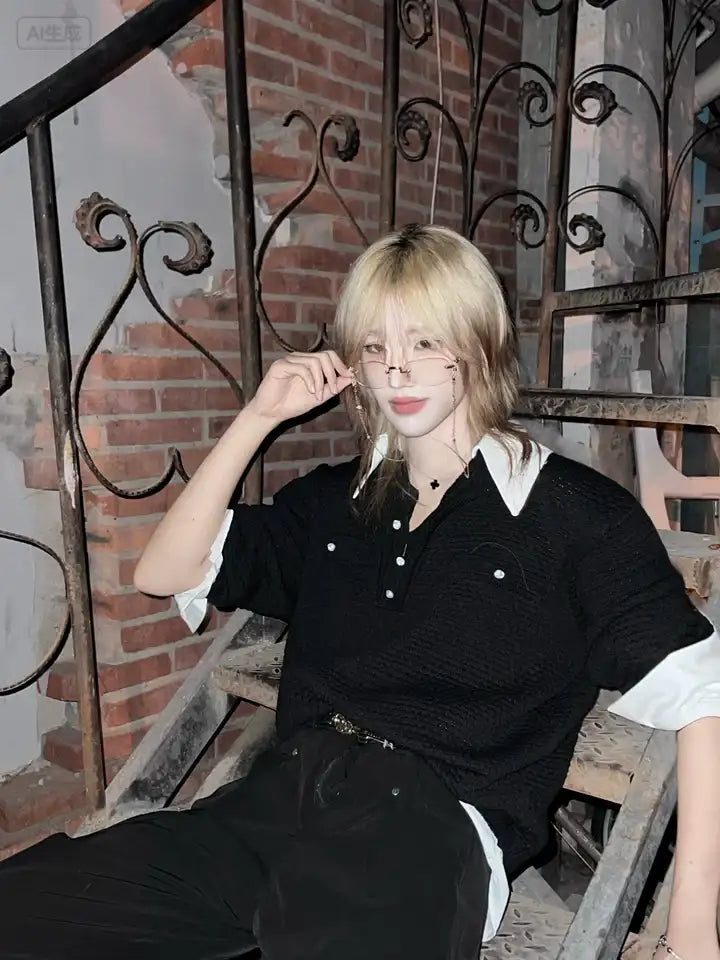
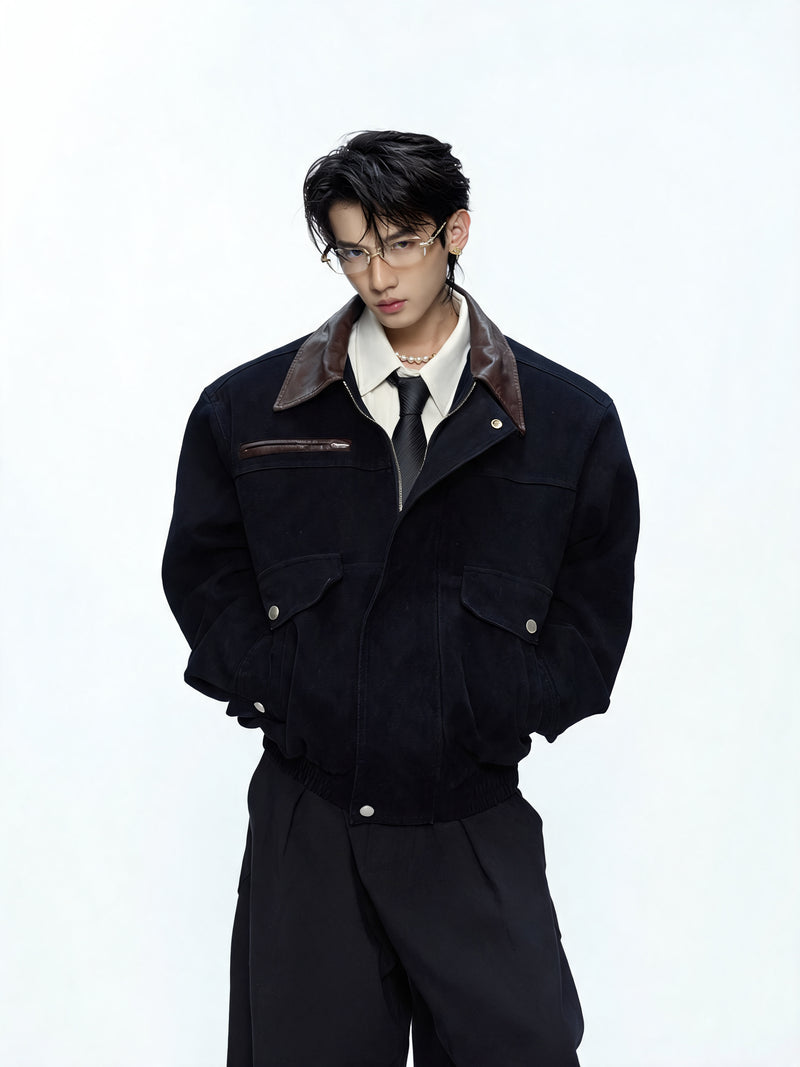

London, King's Road, number 430. A small shop that changes its name four times in five years, until in 1974 it culminates in four letters nobody can miss: SEX. Inside, torn shirts hang next to rubber; outside stand teenagers who do not yet know they are trying on a uniform that will last fifty years. No band starts here. A wardrobe starts here.
Punk Fashion Designers are the minds who turned protest into a design system: Vivienne Westwood and Malcolm McLaren invented the codes, Zandra Rhodes and Jean Paul Gaultier carried them into couture, Rei Kawakubo and Jun Takahashi rebuilt them. Anyone who wants to understand Punk Fashion has to know these names, because every studded piece today quotes one of their decisions.
Before we go through the individual minds, a step back is worth it. The term gets used far too loosely, and not everyone who puts a stud on a shirt has designed punk.
Definition
What makes a punk fashion designer?
A punk fashion designer does not design clothing that wants to please. He designs clothing that forces a reaction. That is the dividing line: fashion asks whether it suits you. Punk design asks whether you can take it. Westwood put it more precisely than any theory: clothing should make the wearer bigger than the surroundings, more uncomfortable, louder, more visible.
A second quality follows from that: punk designers work with material that does not come from the fashion world. Safety pins, bin bags, bicycle chains, rubber, razor blades. The parts were cheap, available and wrong on the body, and exactly this wrongness became the signature. Anyone buying a studded jacket today buys the domesticated version of that decision from 1976.
1971
Westwood and McLaren take over King's Road 430
1977
Zandra Rhodes brings punk into couture
1981
Rei Kawakubo debuts in Paris
Three dates, three phases: invention, refinement, rebuild. Every phase has its own minds, and every one left traces you can see in the mirror today. We go through them in order.
The architect
Vivienne Westwood: the architect of punk fashion
If punk fashion had a single name, it would be hers. Vivienne Westwood was a primary school teacher before she started sewing Teddy Boy suits, and she stayed self-taught until she became a Dame. Between 1971 and 1980 she developed, in that shop on King's Road, almost the entire vocabulary that reads as punk today. Not as a collection on the runway, but as goods on the shelf, week after week, straight to the customer.
Her method was historical, not anarchic. Westwood studied eighteenth-century cutting technique and then destroyed it under control. The result were pieces that looked constructed and broken at the same time. Four of them hold the status of inventions:
- Bondage pants with straps between the legs: restricted movement as a statement, sold in 1976 at the shop Seditionaries.
- Torn shirts with statement prints, deliberately printed wrong, sewn crooked and expensive anyway: the birth of the destroyed look.
- Tartan as provocation: the fabric pattern of British institutions, repurposed as the uniform of their opponents.
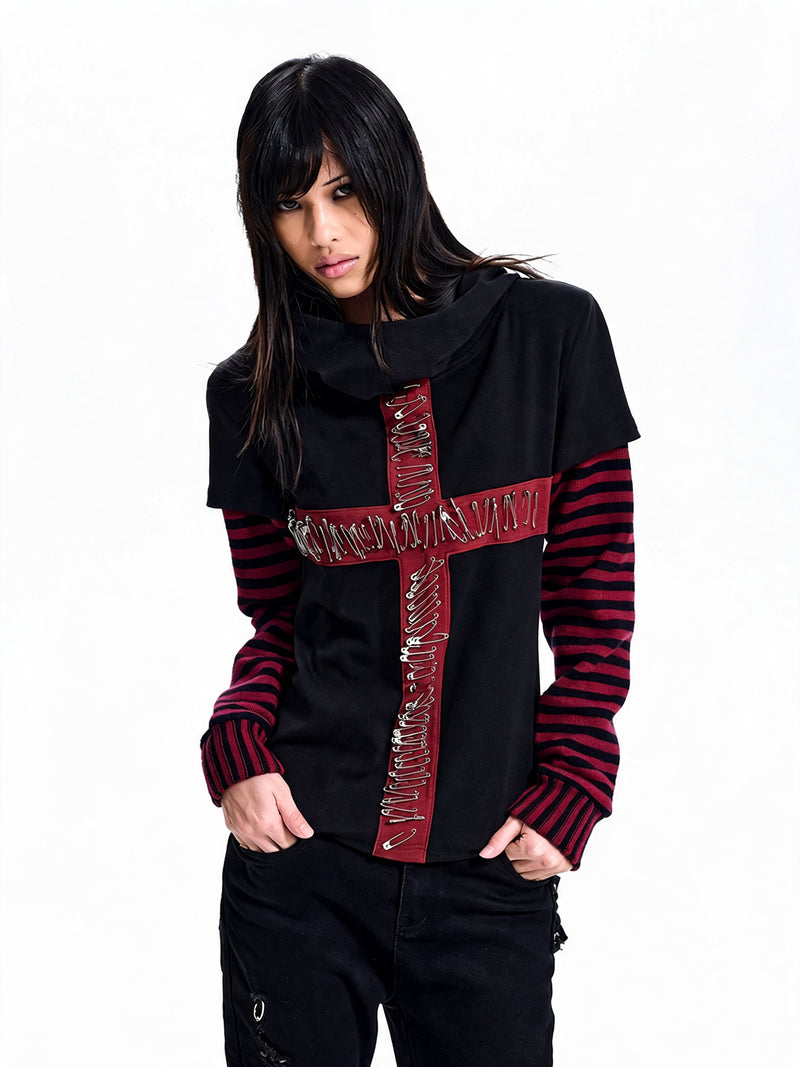
- Safety pins and chains as jewellery: functional objects in the wrong place, born out of necessity, raised to a signature.
That Westwood later designed ball gowns and bridal wear does not contradict any of this. It proves the core of her signature: know the rules well enough that the break sits precisely. Exactly this precision separates designer punk from dressing up.
Category 01
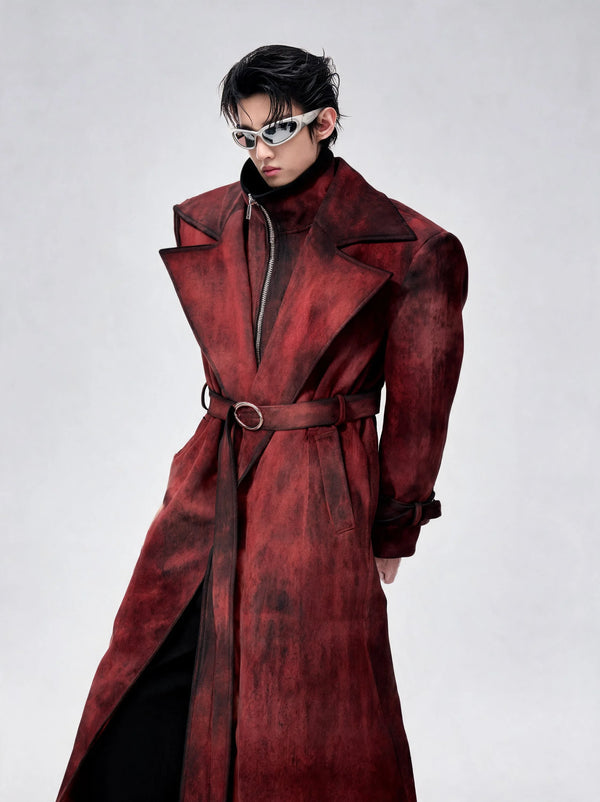
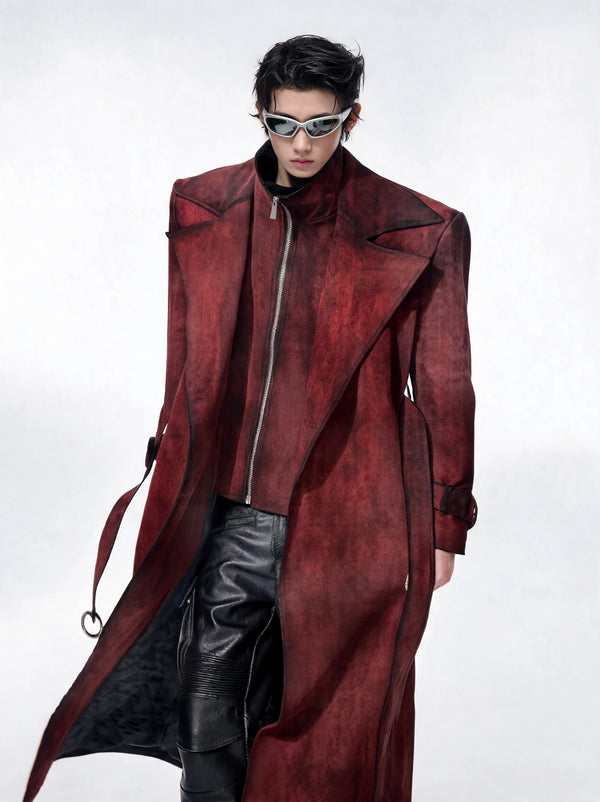
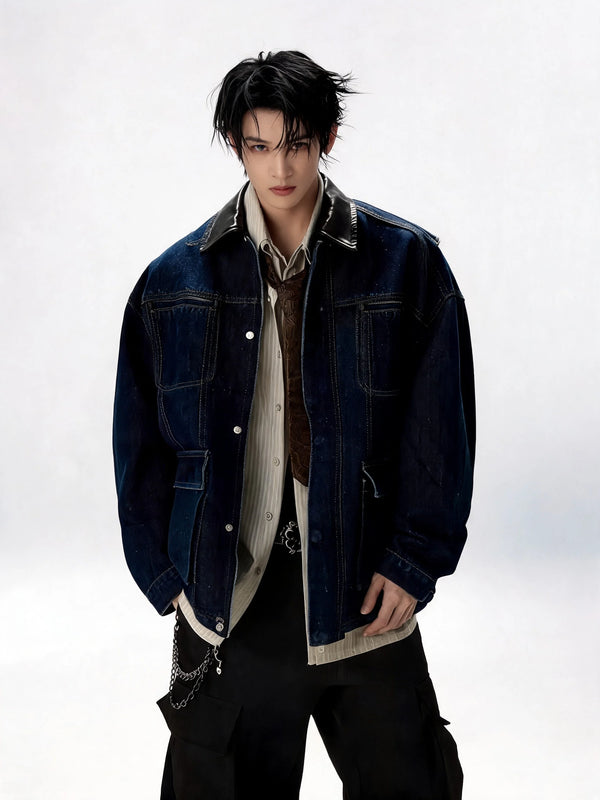
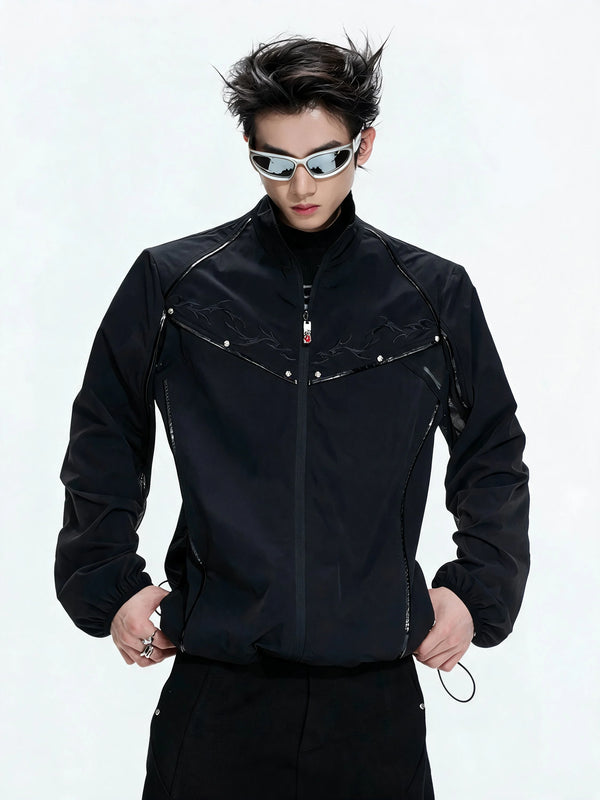
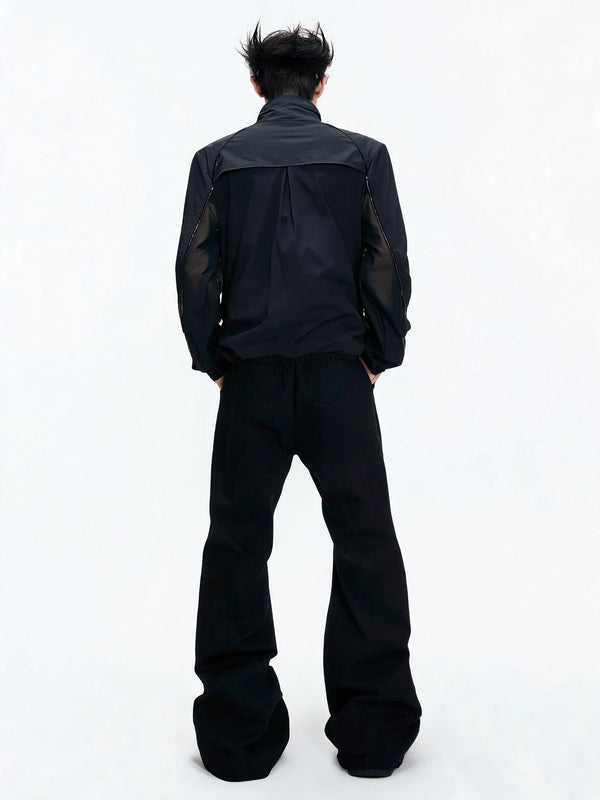
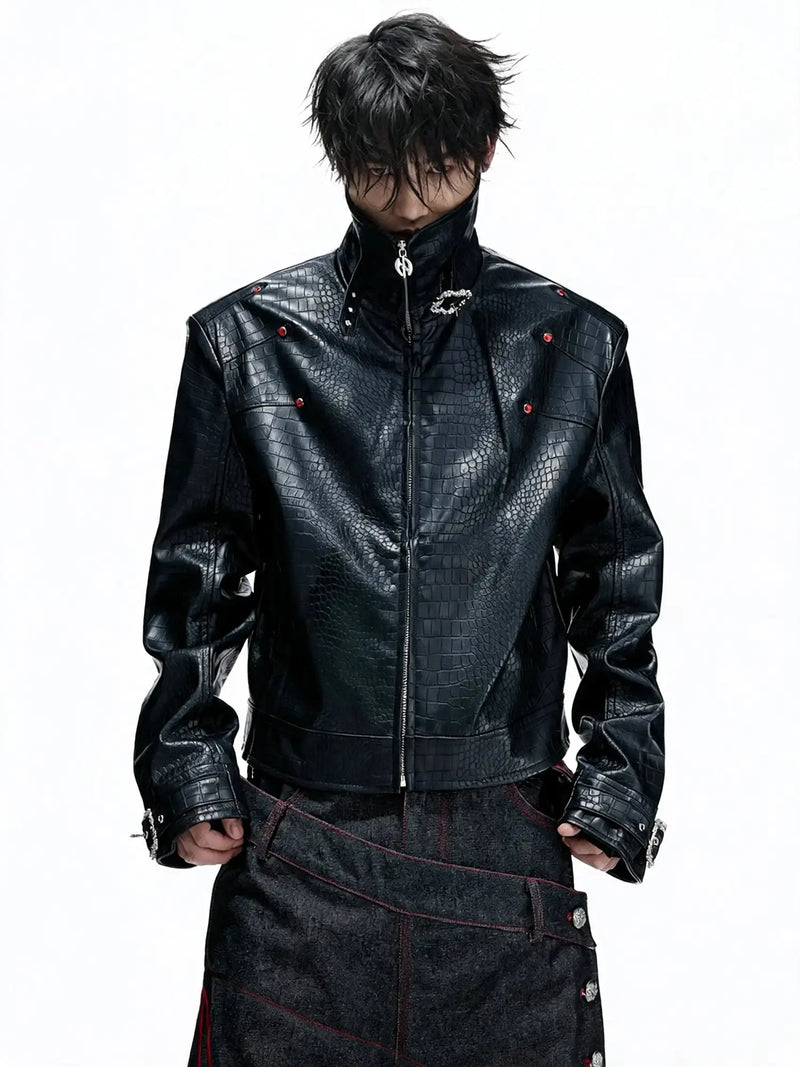
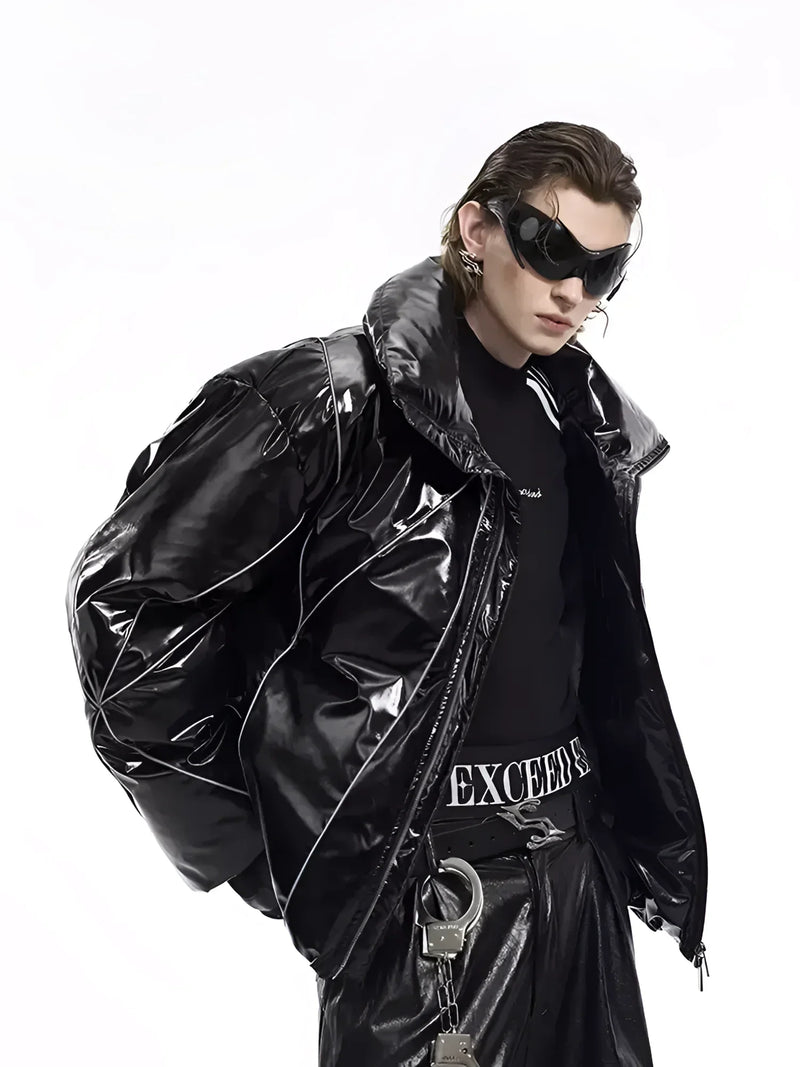
Jackets by designer logic: leather, studs, perfecto
The leather jacket was there before punk, Marlon Brando wore it in 1953. What the punk designers changed was its condition: a punk jacket is never finished. It gets written on, studded, patched and painted over until it has a biography. Westwood was already selling jackets with a built-in history, scratched and inscribed, anticipating what every distressed treatment attempts today: simulating time.
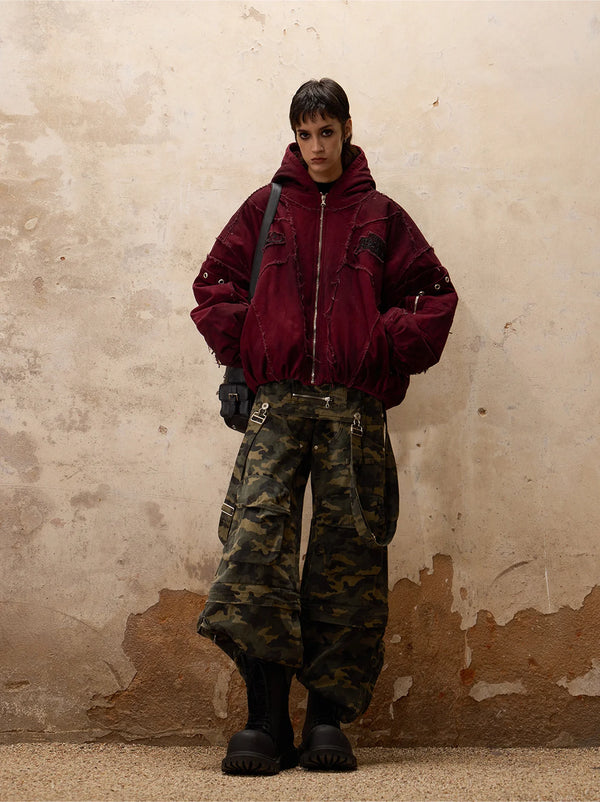
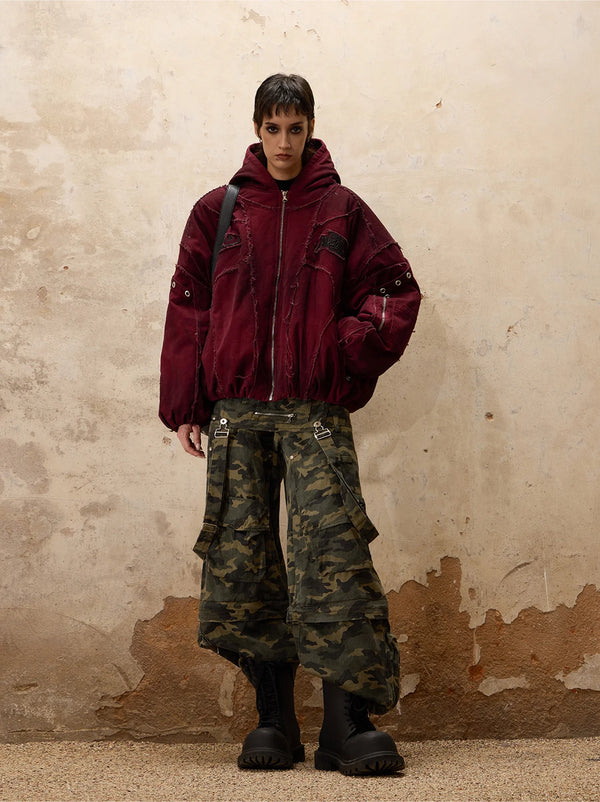
For your wardrobe that means: the jacket is the piece in which designer punk works most easily, because it sits over everything and is allowed to comment on the rest of the outfit. A buckle detail or an asymmetric front is enough, the rest stays calm. The rule: the louder the jacket, the quieter the silhouette underneath.
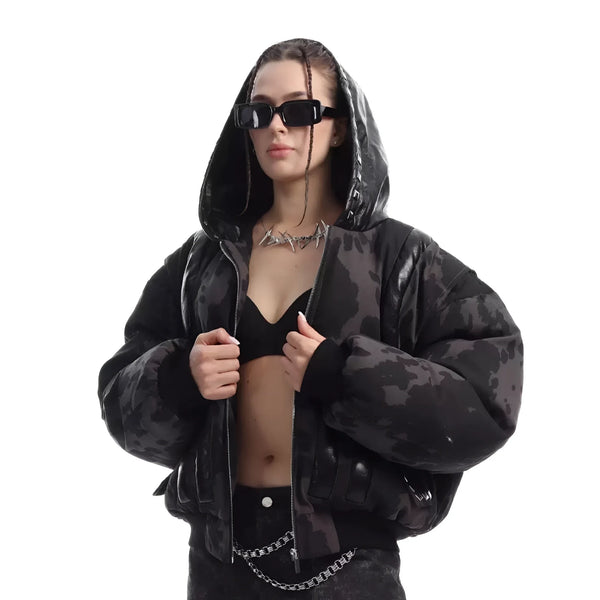
Both pieces follow the same logic as the originals from 1976: hardware visible, surface restless, cut classic enough for the details to carry. That is the difference between design and decoration.
The strategist
Malcolm McLaren: staging as design
McLaren never set a single seam, and still he belongs on every list of Punk Fashion Designers. His material was publicity. He understood earlier than anyone else that a garment only carries meaning once it is photographed on the right body in the right moment. So he built himself the bodies: the Sex Pistols were, for all their musical life of their own, also a walking shop window for the store he ran with Westwood.
His second achievement was the renaming. Let It Rock became SEX, SEX became Seditionaries, and with every name what the clothing meant changed. The same torn shirt was first fetish, then uprising. McLaren proved a sentence that still carries every streetwear brand today: context is part of the design.
For the present that is perhaps the most important lesson from the punk era. A look does not happen on the hanger but in context: where you wear it, how you combine it, what you tell about it. What that looks like in motion we show regularly on TikTok.
@fugastudios These pants ate and left no crumbs 🖤 walking chaos in denim form #fugastudios #darkfashion #widelegpants #fyp #distresseddenim ♬ Originalton - Fuga Studios
Back to 1977. While McLaren organised the headlines, something happened that nobody on King's Road would have expected: couture knocked.
The refinement
Punk meets couture: Zandra Rhodes and Jean Paul Gaultier
Zandra Rhodes, until then known for dreamy chiffon dresses, showed her Conceptual Chic collection in 1977: evening gowns with calculated tears, golden safety pins and pearl chains holding the holes together. The punk scene called it betrayal, the fashion press called it brilliant, and both were right. Rhodes proved that the punk codes were strong enough to survive silk.
Jean Paul Gaultier went further in the eighties and made crossing the line his programme. Corsets over the clothes, men in skirts, tartan in haute couture: Gaultier translated the punk idea that clothing should attack hierarchies into runway language. That one of his shows produced more scandal than some bands would probably have read as a compliment to McLaren.
The seventies invented the codes, the eighties raised them. And one category survived both phases like no other: trousers.
Category 02
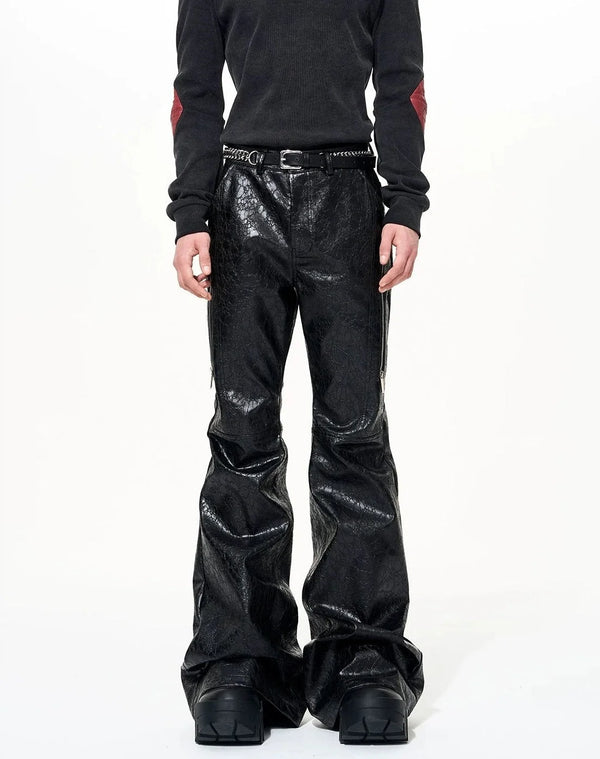
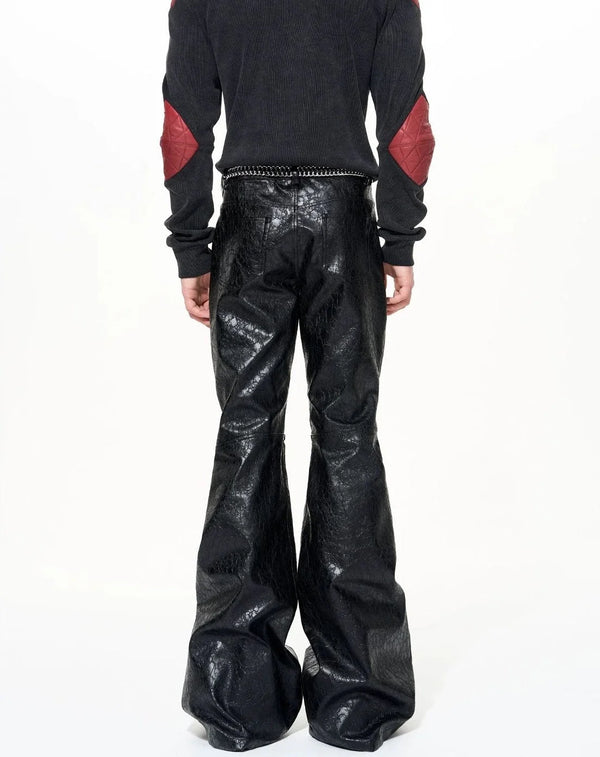
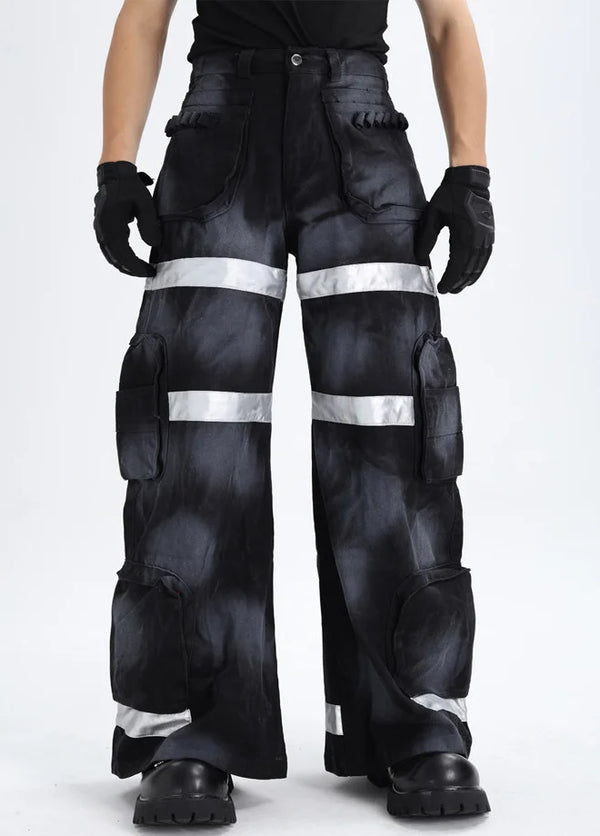
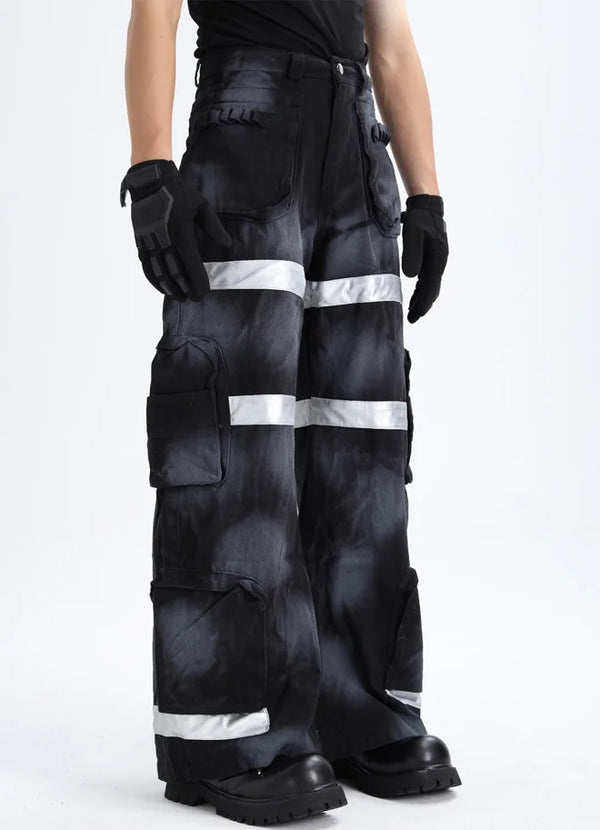
Trousers of the punk designers: bondage pants to studded flare
The bondage trouser is perhaps the purest punk design of all, because it quotes a function it deliberately sabotages. The straps between the legs restrict the stride, and that was exactly the point: wearing them declared comfort to be cowardice. Westwood combined them with zips in places that opened nothing, turning the trouser into a manifesto against functional clothing.
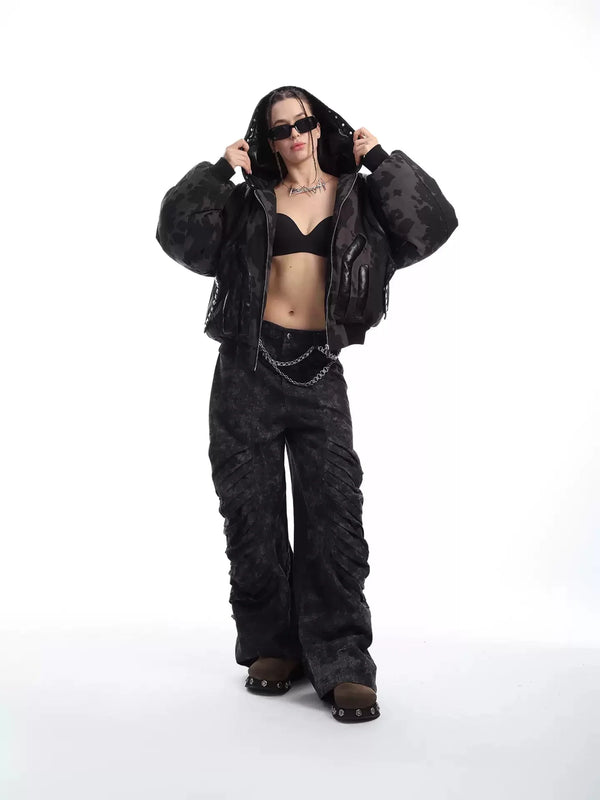
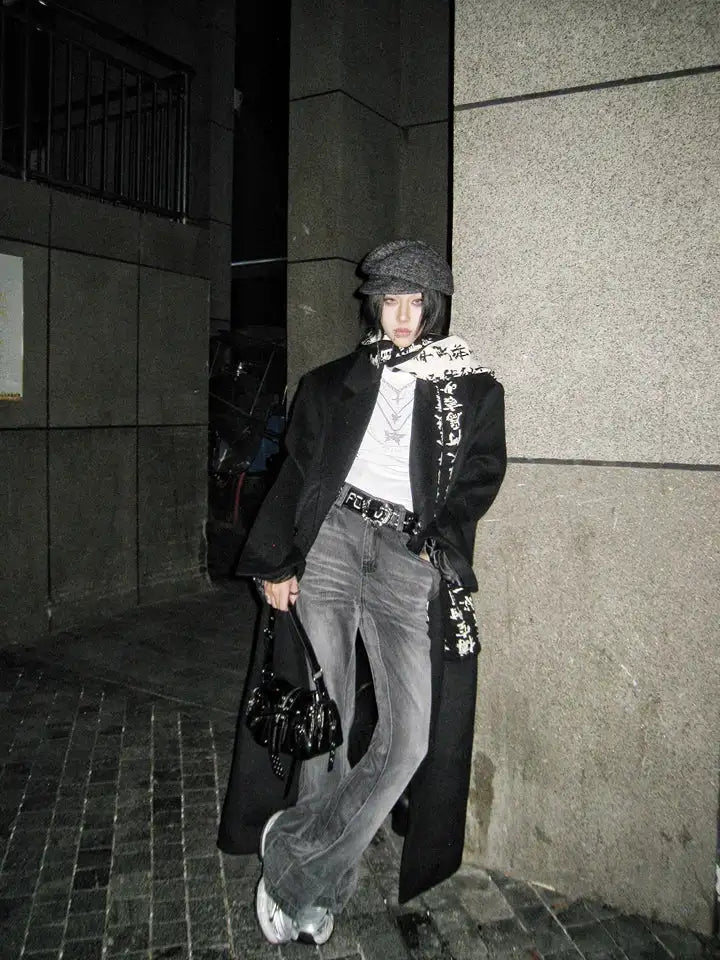
Today you do not have to wear straps to quote the idea. Studs on denim, visible hardware, a cut with a will of its own: trousers remain the category in which a single piece turns the direction of the whole outfit. The rule: the trouser may contradict, but it has to fit. Bad fit never reads as punk, only as accident.
After the Londoners and the couturiers, the third generation is still missing, and it came from a direction nobody had on the list: from the dark elegance of the British tailoring tradition and from Tokyo.
Alexander McQueen never wore punk as a quotation but worked it through as an attitude. The famous bumster trousers that sat lower than decency allowed, the shows with rain, fire and robots: that was McLaren's staging logic, thought further with the craft precision Westwood respected. Punk as a method, not as a uniform.
That the inventor of the destroyed look of all people coined this sentence is no contradiction. A piece that carries a story survives every season. Exactly this logic the Japanese designers took up and pushed to the extreme.
The rebuild
Japanese punk designers: deconstruction instead of studs
When Rei Kawakubo debuted in Paris with Comme des Garçons in 1981, nobody on her runway wore a stud, and still the press wrote of destruction. Holes as a knit pattern, black as the only colour, silhouettes that refused the body: Kawakubo translated the punk impulse of attacking beauty norms into a completely new formal language. Punk without the punk costume.
Jun Takahashi then made the connection explicit. He founded Undercover in 1990, played in a Sex Pistols cover band and sewed punk references into collections that were tender and brutal at once. Takahashi counts today as the designer who connected London 1976 and Tokyo most cleanly. Five signatures, one system:
Five schools, and none of them needs a costume. That leads straight to the question asked most often on this subject, and it deserves an honest answer.
Placing it
Designer or brand: the difference in punk fashion
Which brands are known for punk fashion? The question mixes two levels. Brands like Punk Rave, Killstar or Jawbreaker produce punk aesthetics as a range, reliably and in series. Designers like Westwood or Takahashi invented the aesthetics those ranges quote. Both have their place, but it helps to know the difference: the brand delivers the vocabulary, the designer wrote the language.
For everyday life the distinction is liberating. You do not need an archive piece from 1977 to wear the design idea. You need Pieces that quote one of the five signatures cleanly, and an eye for which codes belong together. That is exactly how our categories are sorted:
If you want to go deeper into the brand landscape, from the London originals to the labels producing in Europe today, we have written that subject up separately.
That leaves the question of how the design signatures reach the upper body without looking like a band-shirt collection. The answer lies in the cut, not in the print.
Category 03
Tops with a designer signature: graphic, cut, statement
The torn shirt of 1976 was strong because it presupposed an intact shirt. The destruction was a visible decision, not an accident. Good punk tops still work on this principle today: one element contradicts, the rest holds the form. A print that disturbs. A collar that does not match the category. A wash that makes the piece older than it is.
For styling, the McQueen logic applies: the cleaner the base is cut, the harder the statement may be. A graphic tee under a structured shirt reads as intent. The same tee with torn trousers and a studded belt reads as dressing up. Punk design was always contrast, never the sum of all codes at once.
That makes three categories done. What is missing is the step where most people fail: building a look out of the single pieces that works on the street in 2026 instead of at a themed party.
Practice
Styling punk designer looks today
What do punks wear today? Honestly: mostly less than you think. The everyday look of the scene has been more reduced than the cliché for decades, and that is exactly where the chance lies. Take one signature and stay with it. Westwood day: tartan element plus heavy boots, rest black. Kawakubo day: all black, one silhouette with volume, zero hardware. Takahashi day: one tender piece against a brutal one.
The most common mistake is addition. Studs plus tartan plus destroyed plus patches make no punk outfit, only a quiz. Each of the great designers staged exactly one conflict per look, and this discipline you can take over directly.
And because the originals always sharpened their looks through details, a last look at the smallest category is worth it: jewellery and hardware that turn a calm outfit into a quoted one.
Avoid
Common mistakes with the punk designer look
The history of the punk designers is full of precise decisions, and most failed punk outfits fail because they replace that precision with quantity. Five patterns we see again and again:
Anyone who knows these five traps has the hardest part behind them. The rest is practice at the mirror and the willingness to take a piece off again when it gets too much. If you would rather see the look sorted out ready-made, the brand that has been translating punk and gothic into series for years is worth a look.
Finally the questions asked most often around Punk Fashion Designers, answered briefly and without detours.
FAQ
FAQ: Punk Fashion Designers
From the everyday question to the story behind the name: these are the answers that keep coming up in searches about punk designers.
What do punks wear?
Who is behind Vivienne Westwood?
Which trousers do punks wear?
Which symbols are typical for punk?
Are there still real Punk Fashion Designers today?
Fifty years after the shop on King's Road, one thing above all is left of the movement: the method. And it fits in any wardrobe that wants to be more than accident.
What do you think?
Tell us on @fuga_studios
About the author
Philipp Fuge — Founder · Berlin
Founder of Fūga Studios. Writes the journal himself. Berlin · Shanghai · Tokyo · Poznań — four cities, one logic.