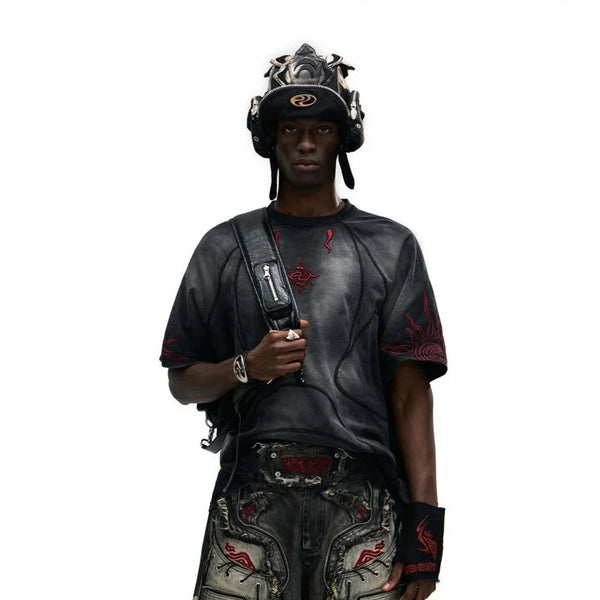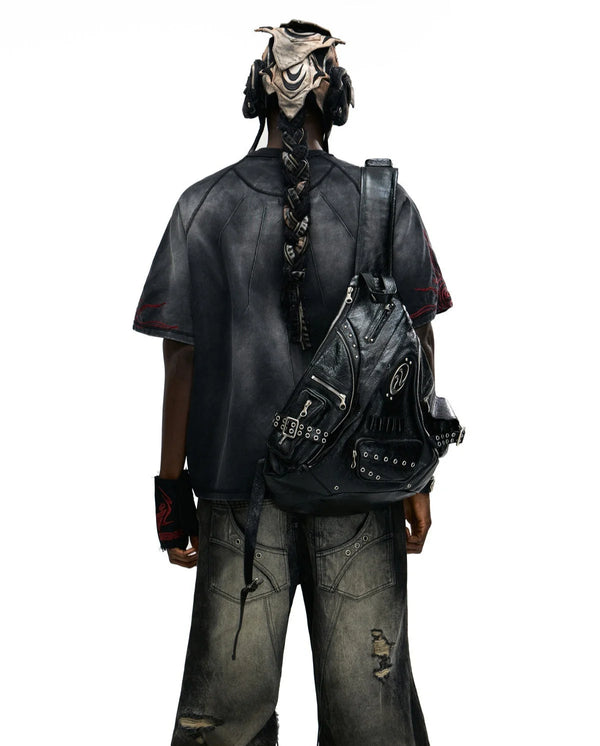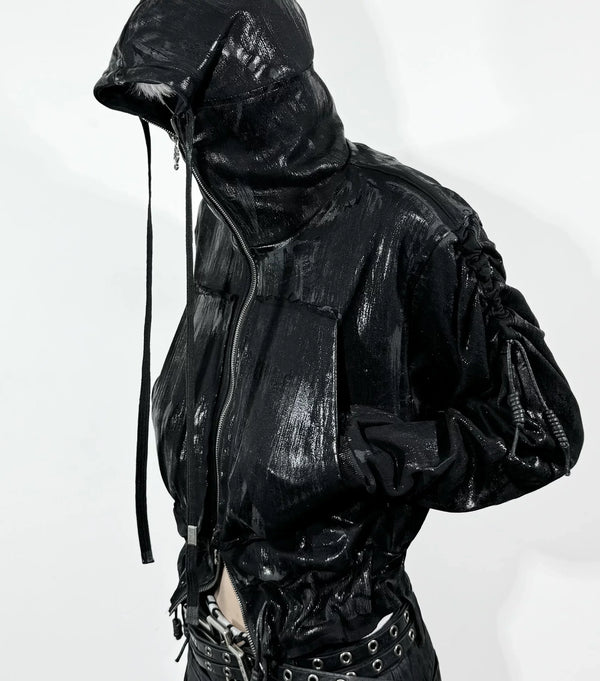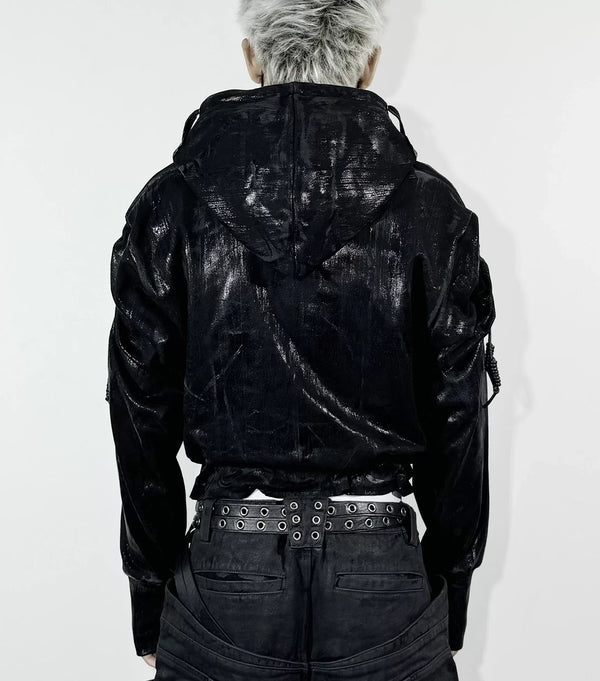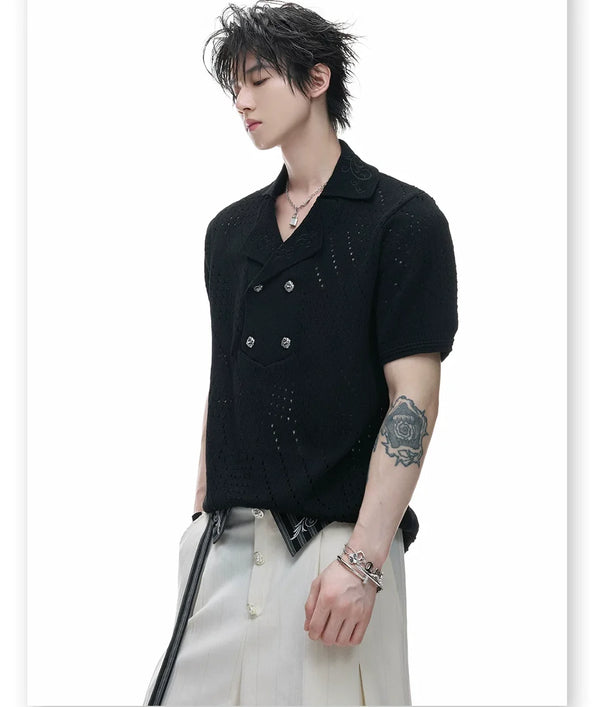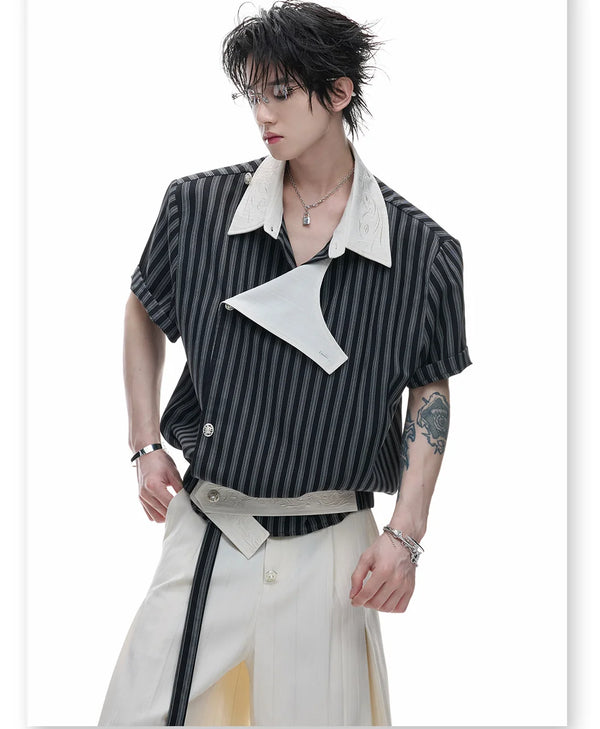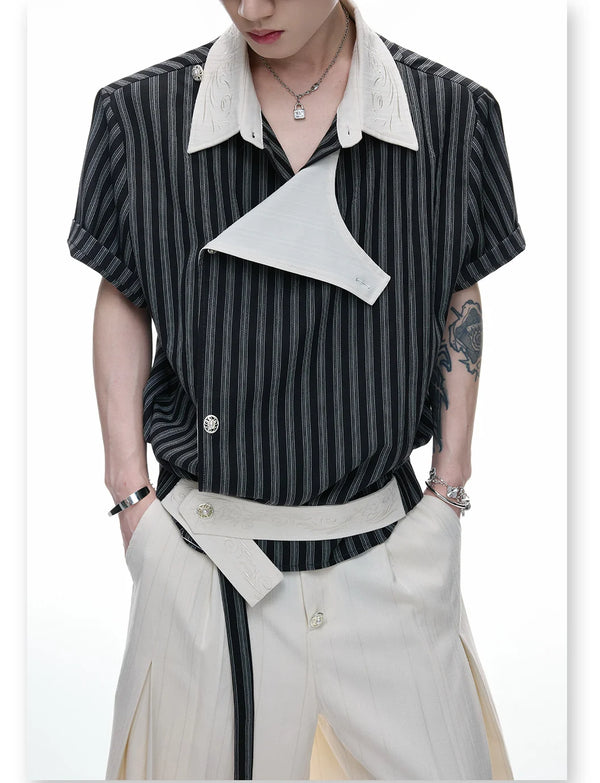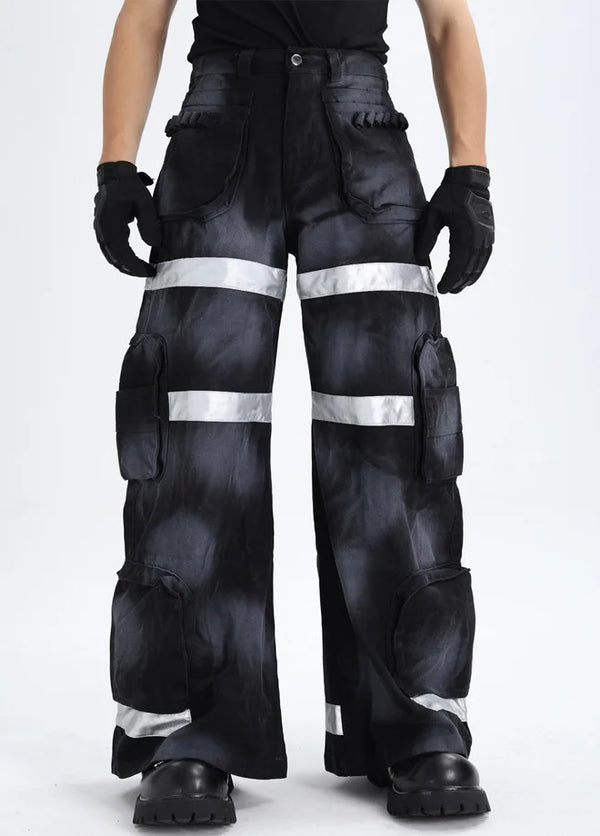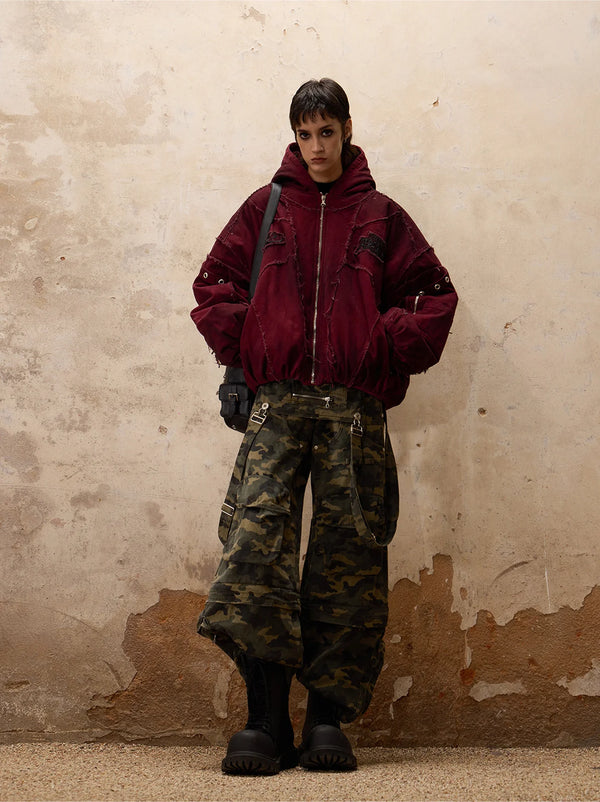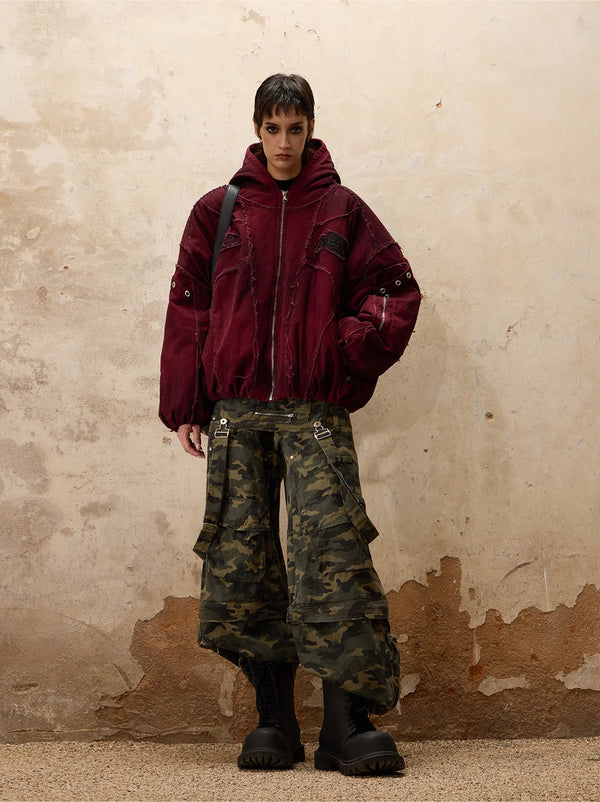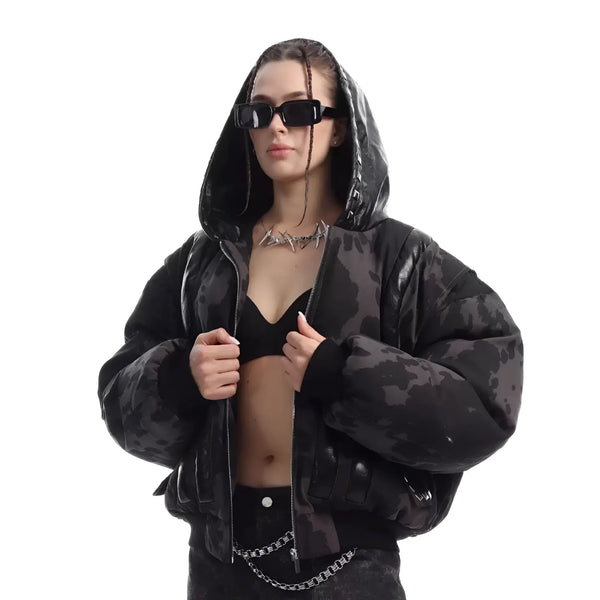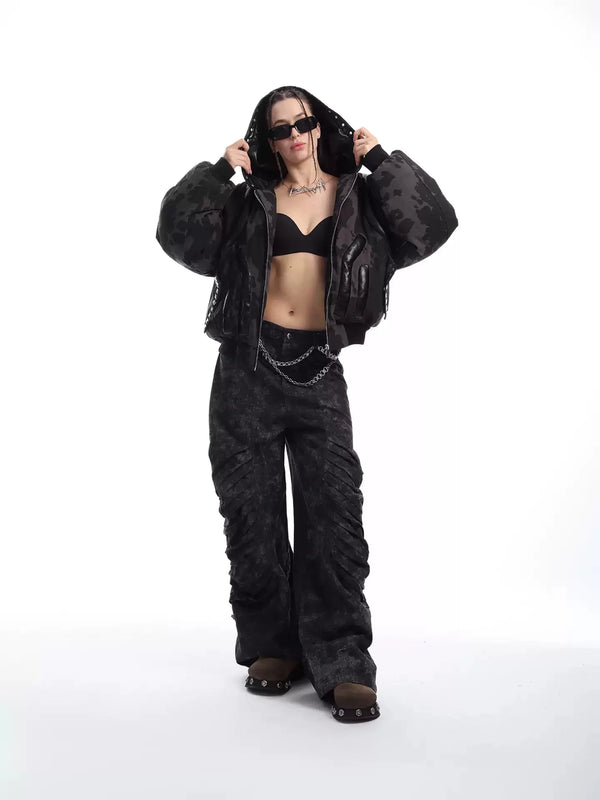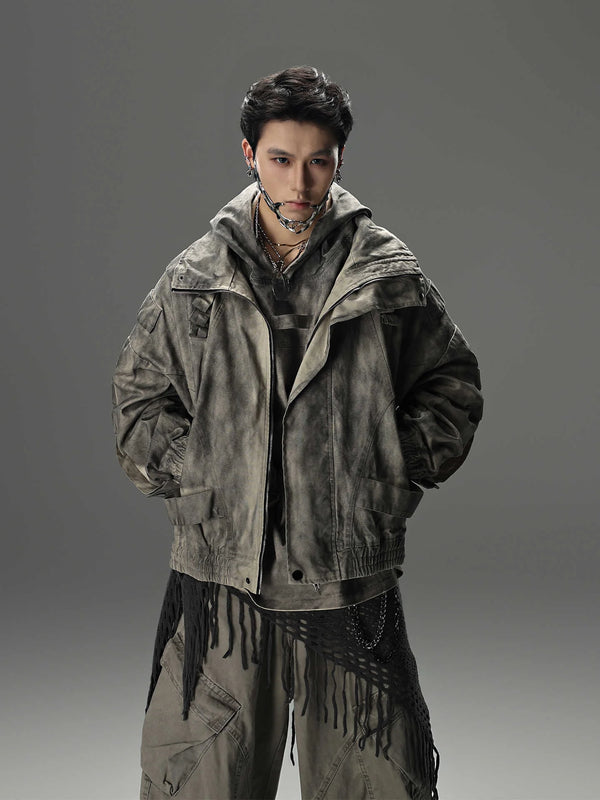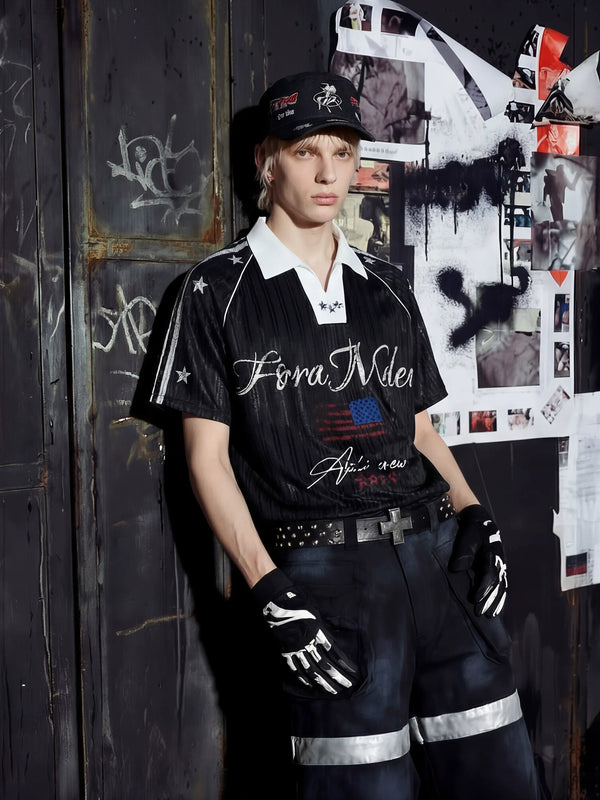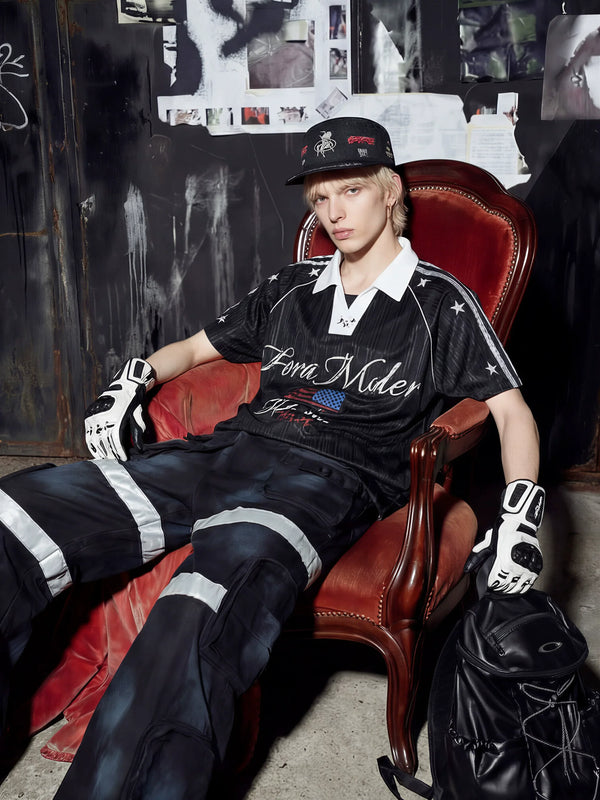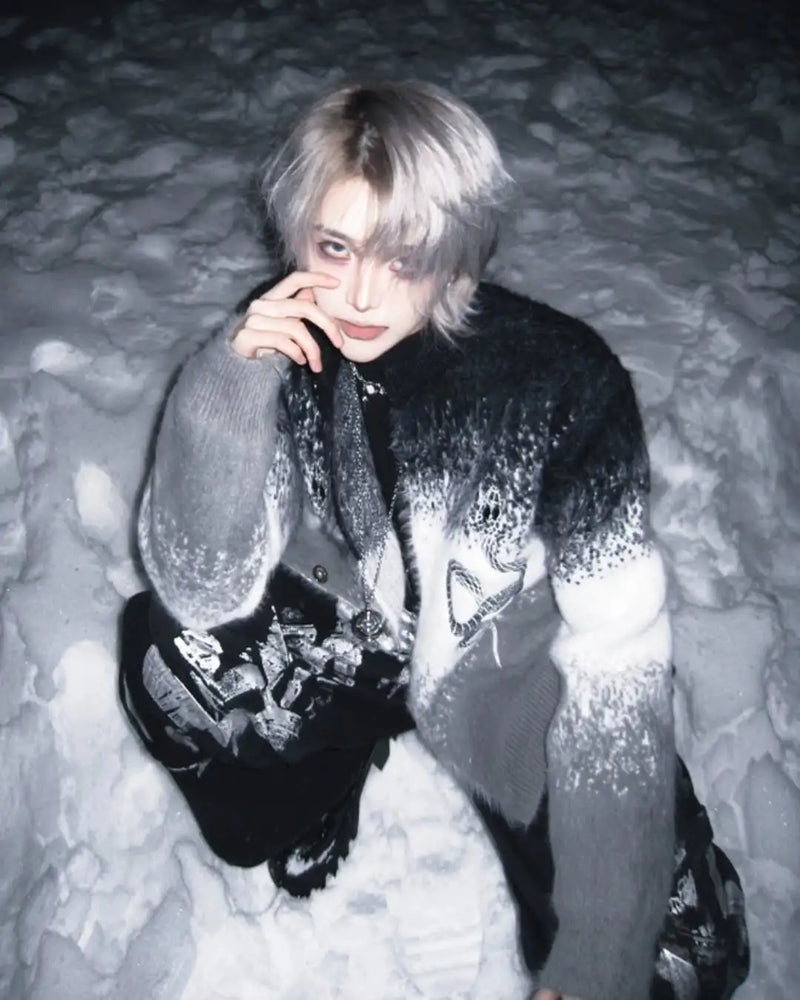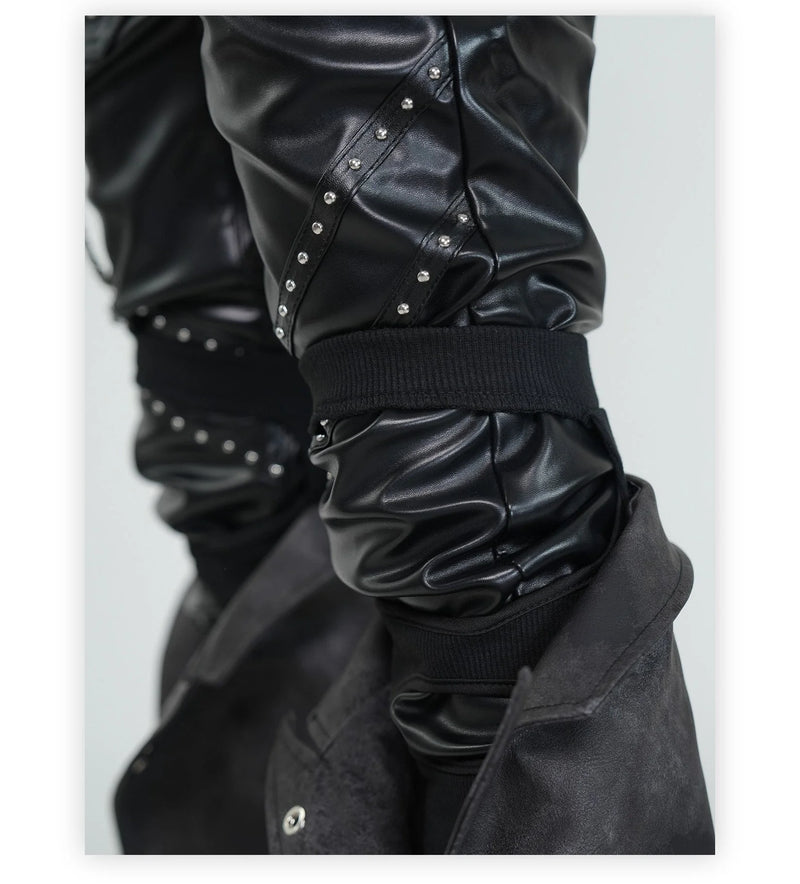
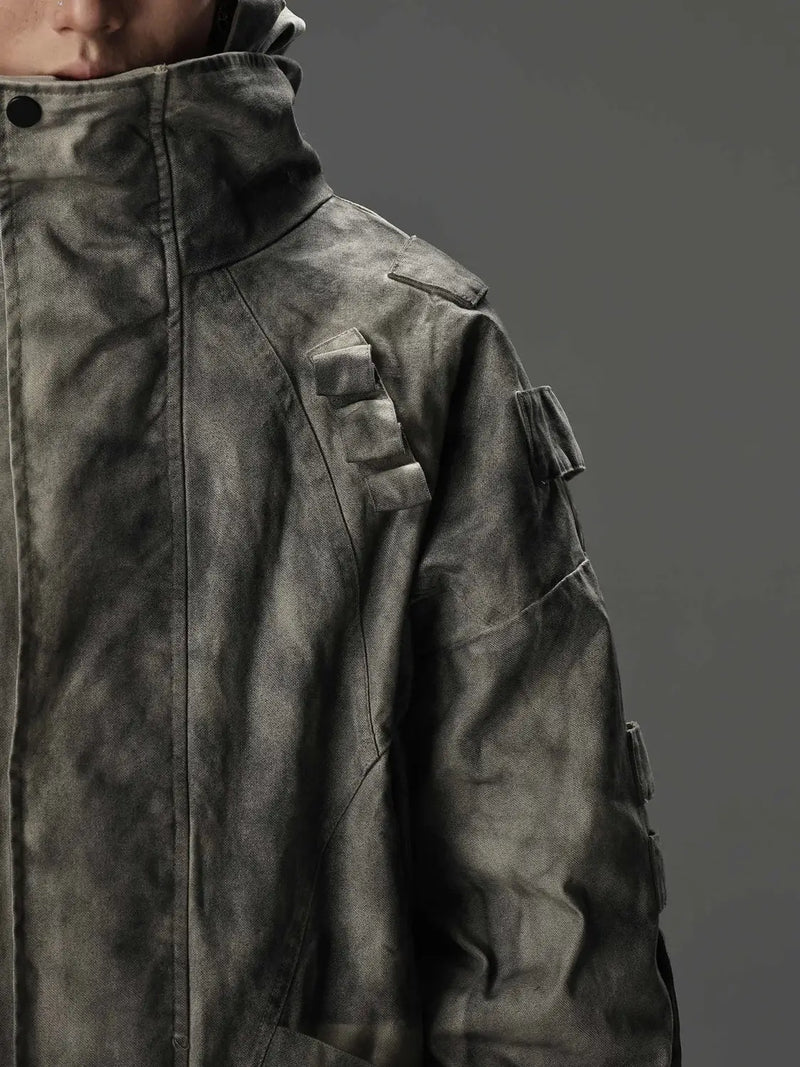
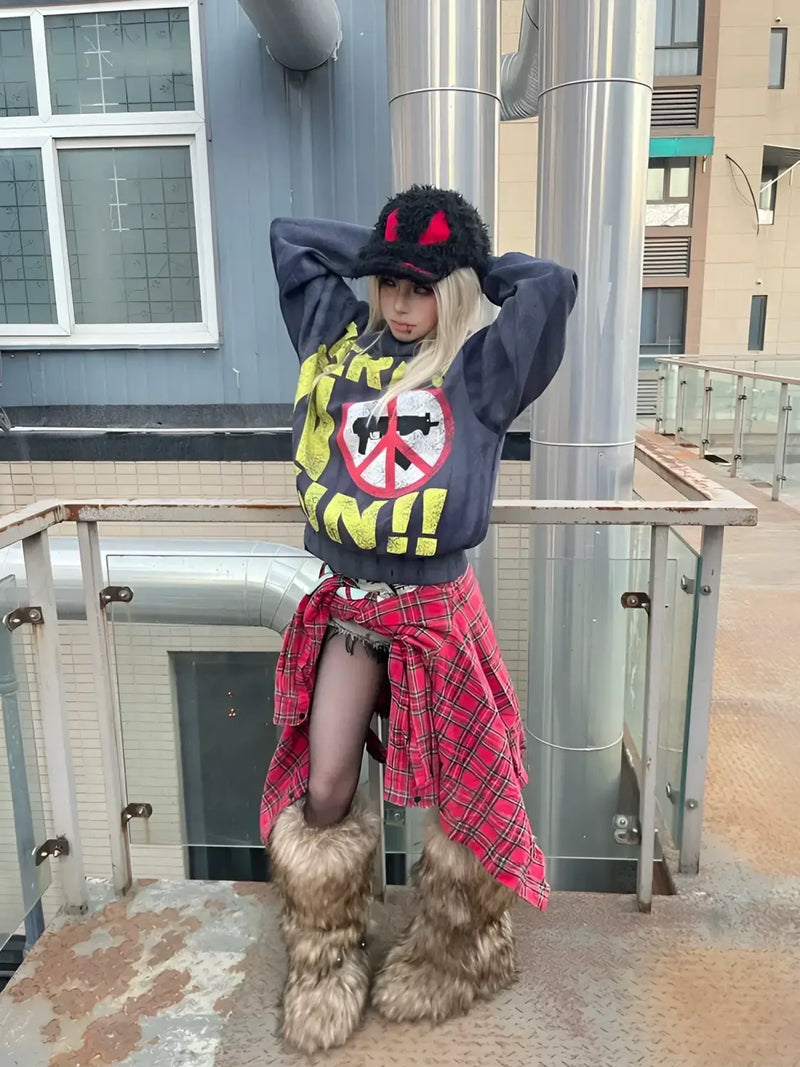
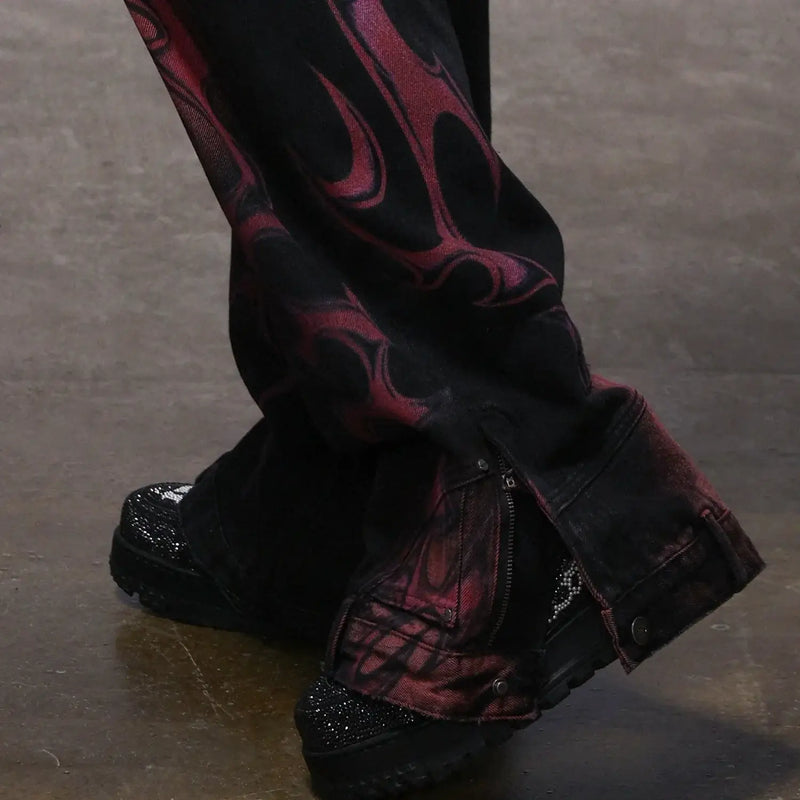
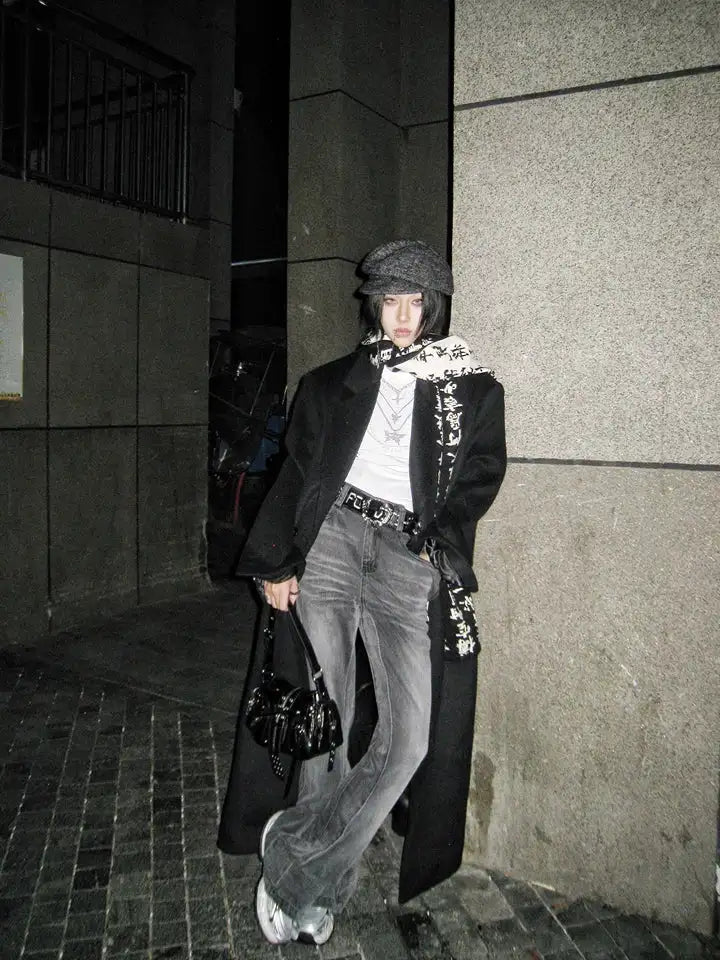

Everyone talks about Poetcore like it's a soft Pinterest filter — quill pen, sepia, oversized knits. That captures the mood, but not the system underneath. Poetcore in 2026 isn't soft because it looks romantic. Poetcore is soft because every outfit follows a concrete fabric, colour and silhouette rule that separates it from Old Money, Dark Academia and Quiet Luxury.
Pinterest named the term one of the central fashion trends for 2026 back in December 2025. The platform measures real search growth for that — not influencer posts, but what people build on private mood boards. That shifts the vocabulary away from Streetwear, away from athleisure, toward a literary, almost library-like line: vintage blazer, oversized turtleneck, wide trousers, messenger bag, a single brooch.
Anyone selling Poetcore as 'Dark Academia with feathers' hasn't understood the mechanics. This guide sorts out what really sits behind it: where the trend comes from, what counts, how the 5 types differ, which colour palette is mandatory, how the look shifts between women and men, which brands write the vocabulary — and which 6 mistakes tip your outfit over.
What that looks like in a real outfit — the 15-second version:
Definition
What is Poetcore? — the Pinterest definition for 2026
Poetcore is an outfit system built from four fixed elements. When all four land, the outfit reads as Poetcore. When one is missing, it tips straight into something else — Dark Academia, Old Money, romantic-core, or worse: costume with feathers.
5
Colours in the palette
4
Building blocks per outfit
1
Accessory voice
0
visible logos
These four numbers aren't decoration. They're the test. An outfit that breaks the palette — neon scarf, shiny polyester, three accessories at once — is no longer Poetcore. It's 'vintage look with Pinterest inspiration'. Which in plain terms means: Halloween librarian.
Concretely, Poetcore fashion includes:
- Vintage blazer with structure — wool, tweed-adjacent, corduroy, mid-weight. Shiny polyester is stage costume, not Poetcore.
- Oversized turtleneck knit — wool or cashmere-adjacent, ribbed or coarsely knit. The soft layer against the body.
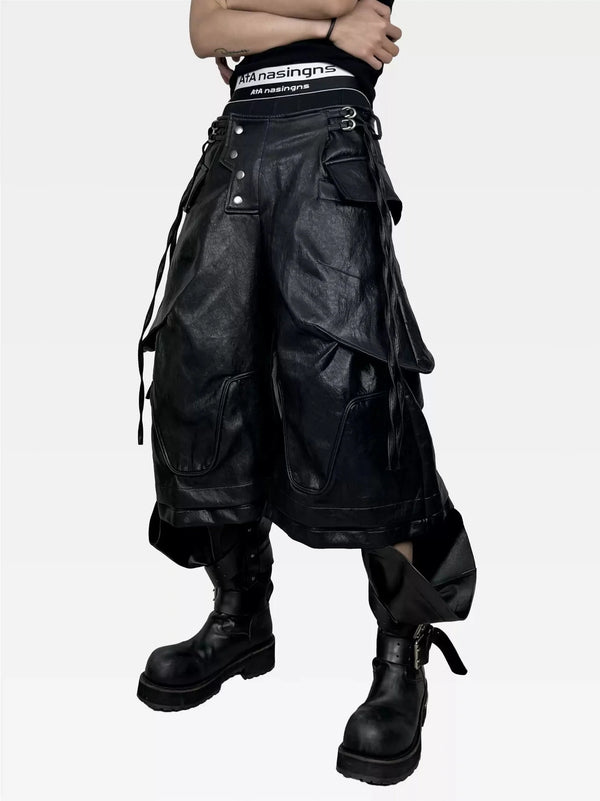
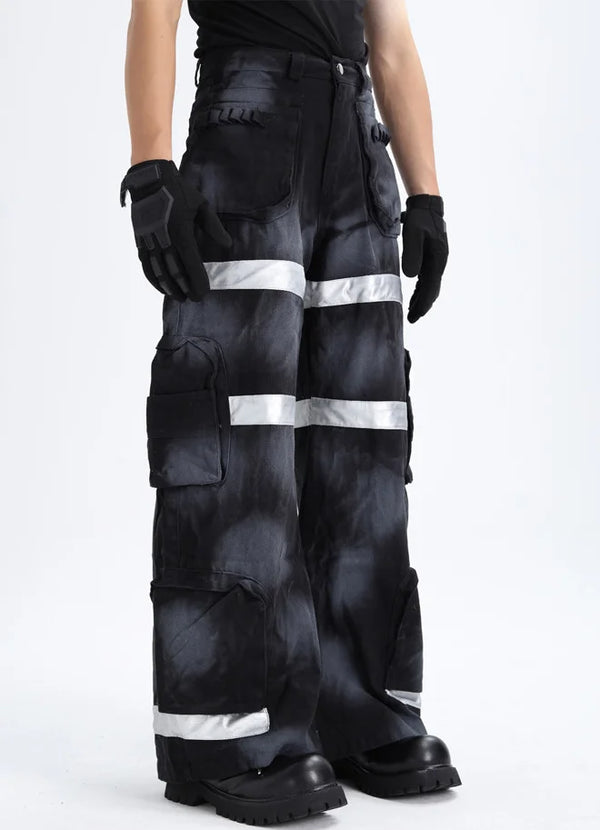
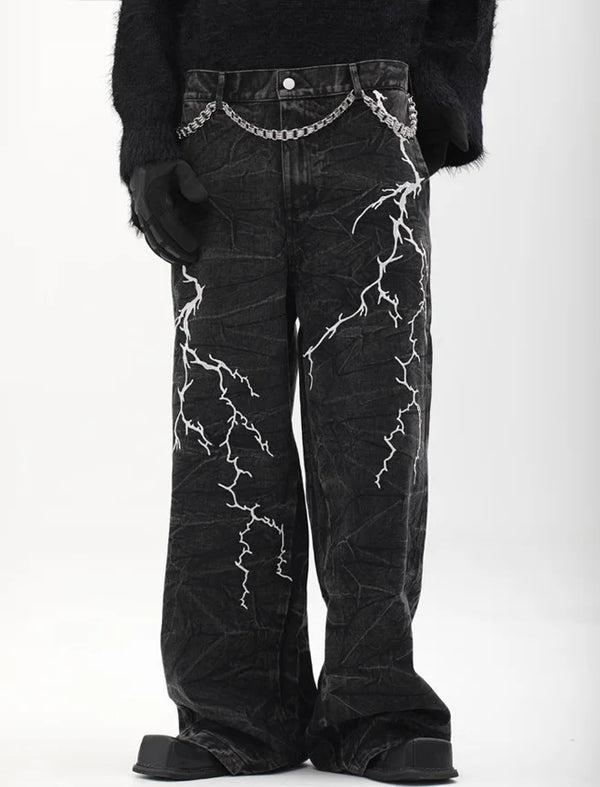
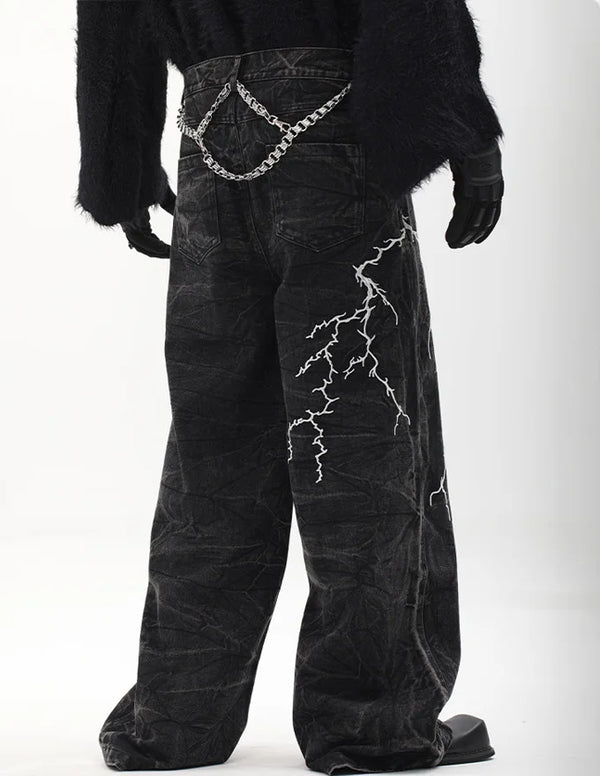
- Wide trousers or a long trouser skirt — wide-leg, pinstripe or wool in Charcoal. Skinny breaks the trend; the volume is part of the statement.
- Leather messenger bag — worn, visibly used, not box-fresh. Carries books, not a brand name.
- Earth tones as the ground rule — Parchment, Charcoal, Oxblood, Forest, Cream. Black is allowed, but rarely the main surface.
- One brooch, one quill, or one tie — never two together. One accessory carries the outfit, three turn it into a dress rehearsal.
If you're missing three of these six points, it's no longer Poetcore — it's just inspiration. And there's one rule that holds all six together:
Origin
Who invented Poetcore — and why now?
Poetcore has no inventor in the classic sense. What it has: a Pinterest trend report that named the term one of the most important fashion trends for 2026 in December 2025. Pinterest measures search growth over twelve months for that. When a term grows into triple digits, it lands in the Predicts report — and Poetcore did exactly that, with searches around fountain pens as an accessory, oversized vintage blazers and literary-romantic mood boards.
As a visual language the vocabulary has of course existed longer. The Spring-Summer-26 runways showed 'literary chic' back in September 2025 — Khaite, The Row, Bode, Cecilie Bahnsen. The fashion press picked it up from January 2026: InStyle called Poetcore 'the most important fashion trend of 2026', FashionUnited lined it up next to opera aesthetics and the brooch revival, Who What Wear showed 34 pieces for the spring translation. What Pinterest measured wasn't a coincidence, then — it was a current that had been running on runway, resale and mood board at the same time for two seasons.
The social layer beneath is just as important. Poetcore lands in a generation that grew up without stable subcultures since the pandemic and has identified through aesthetic tags ever since. Dark Academia (2019), Cottagecore (2020), Office Siren (2024), Mob Wife (2024) — Poetcore is the next iteration, with a concrete 2026 accent: less fantasy, more library. Less castle, more reading room. The aesthetic logic stays, the content shifts.
5 types
The most iconic Poetcore looks — the 5 types
Poetcore isn't one look — it's five that overlap at the edges. Lay the Pinterest Predicts boards, the runway lines from Bode and Khaite and the InStyle picks side by side, and you see these five types cleanly separated. Each with its own palette, its own accessory voice.
Which of the five suits you depends less on taste than on the climate you live in, and on how much accessory you really want. Live in Berlin and you land at Scholar or Opera almost automatically in winter. Live in Milan and you build Modern instead. How it splits again between women and men comes further down — first the palette.
Palette
The Poetcore colour palette — Parchment, Oxblood, Forest, Charcoal
The most common question with this trend is: which colours are women-relevant in 2026? With Poetcore the answer is concrete. Five tones carry the palette, each with its own role. Know them and you build ten outfits from one capsule. Don't know them and you buy the wrong trousers six times over.
Parchment is the lightest tone — not white, not beige, but the creamy-yellowed of old book pages. It usually sits on the upper body: turtleneck, knit, sometimes polo. Parchment reads as the lightest word in the outfit; everything else falls in below it.
Charcoal is not black. It has a grey component that shows in daylight. On trousers, blazer, coat, Charcoal is the right choice — it reads as grown-up without reading as mourning. Pure black is rarely the main surface in Poetcore; mostly just on shoe, belt, brooch.
Oxblood is the statement tone. A scarf, a knit, a polo in this colour carries a whole outfit. More than one Oxblood piece per look is usually already too much — the tone has a weight that quickly makes it dominant.
Forest works like a muted green-black. On a wool coat, corduroy trousers or knit. It gives the palette a library note that Charcoal alone can't manage.
Cream often gets confused with Parchment — but it's warmer, less yellowed. Cream reads as a background tone: lining, T-shirt under the knit, shirt collar.
Gender split
Poetcore women vs men — where it really runs different
The rules are the same. Muted palette, four elements, one accessory — holds for every body. What differs is the line. Where the blazer falls wider and heavier on men, the women's blazer sits more often waist-marked or deliberately overlong. Same pieces, different effect.
Women's version: the soft layer becomes more visible. Lace at the collar, ribbon in the hair, sometimes a long trouser skirt instead of wide-leg trousers. The bag gets smaller — mini messenger or shoulder bag instead of a big library bag. Brooch and feather accent move into the outfit more often; jewellery statements stay muted, almost antique-looking.
Men's version: straighter and more single-tone. Blazer, turtleneck, wide-leg trousers, wool coat. Tie or a single brooch pin. The bag is big, visibly worn. The whole outfit reads more as 'young lecturer' than as 'young romantic' — same palette, different job.
Both need the same muted palette and the same accessory discipline. What varies is the distribution — not the vocabulary.
Brands
Poetcore fashion brands — which labels really write the trend
Poetcore has no brand of its own that invented the word. It's a composition from the Quiet Luxury spectrum, the vintage resale market and a handful of designer labels that were already making soft, literary-readable collections before the Pinterest report. Anyone who understands the vocabulary can build Poetcore looks entirely without these brand logos.
The brands that wrote the Poetcore vocabulary — chronologically:
- Margaret Howell — London, since 1970. The understated Scholar uniform — navy, Charcoal, wool, corduroy. When a Poetcore outfit reads as 'grown-up', it's Margaret-Howell-adjacent.
- The Row — New York, since 2006. Quiet Luxury authority. The oversized-but-structured wool blazers and wide-leg trousers that every Poetcore look copies.
- Lemaire — Paris, since 2014. Soft drape, earth tones, the relaxed flowing cut. Lemaire defines how Poetcore becomes fabric instead of images.
- Toteme — Stockholm, since 2014. Scandinavian-academic, clean, refined. The Toteme trouser is the template for the entire Modern iteration.
- Cecilie Bahnsen — Copenhagen, since 2015. Romantic puff sleeves, ribbon, lace inserts. The Romantic iteration pulls everything from here.
- Bode — New York, since 2016. Vintage one-of-a-kind pieces, embroidered textiles, quilts as a shirt. The most-cited Pinterest Poetcore brand.
- Khaite — New York, since 2016. The sharp-tailored Modern pole. Khaite blazers and Khaite bags land on every second mood board in 2026.
- Loro Piana — Italy, since 1924. The cashmere and wool-fabric authority. When Poetcore shows material, the material is often Loro Piana quality.
These eight are enough to understand the trend — but rarely to wear it affordably. The DTC variant (Fūga Studios, small indie labels, considered vintage resale) translates the vocabulary without the €1,200 price tag on the blazer.
Outerwear
Poetcore blazers & waistcoats — the second skin
The blazer is the most important piece in Poetcore. Not because it's visible — but because it carries the silhouette. A good blazer turns three mediocre pieces into an outfit. A bad blazer turns three perfect pieces into a costume. The choice is binary: either you invest here, or you spare yourself the rest.
Cut rule: the shoulder sits two finger-widths above the natural line. Sleeves cover the base of the thumb. Length goes to mid-thigh, never longer than the knee. Buttoning double or single — double-breasted reads more theatrical, single-breasted quieter. Fabric is wool, wool blend, or corduroy; never polyester, never satin, never anything that shines in the photo.
The waistcoat complements the blazer but doesn't replace it. A corduroy waistcoat over a shirt, a knit vest over a turtleneck, or a pinstripe vest on its own — all three are Poetcore-worthy, as long as the palette holds.
Bottoms
Poetcore trousers, wide-leg & trouser skirts — the 2026 silhouette
The common question of whether trouser skirts are modern in 2026 has a clear answer for Poetcore: yes, but specifically. Wide-leg trousers and the long trouser skirt share the lower half of the outfit. Skinny is out — not by fashion law, but because the skinny silhouette works against the quiet, flowing top.
Wide-leg in wool or pinstripe is the standard choice. Rise mostly high — the line should fall from the waist down, not read as cut off in the middle. Fabric: heavier than shirt fabric, but not so stiff that it breaks. Corduroy, mid-weight wool, wool blend, vintage-tweed-adjacent — all fine, as long as the volume holds the fabric.
The long trouser skirt is the women-specific alternative — and central again in 2026. It usually ends below the knee, sometimes ankle-length. Pleats, a slit at the back or side for movement. It's combined with turtleneck plus wool coat, almost never with shirt plus tie; the tie moves in the women's iteration to the neck instead, as a bow or ribbon.
Tops
Poetcore tops & knitwear — turtleneck, polo, wool
The upper body carries the soft layer in Poetcore. That's the point where the trend separates most visibly from Old Money and Quiet Luxury: not a perfectly ironed shirt, but an oversized knit, a ribbed turtleneck, a wool polo. Material beats form. Stay in polyester or thin jersey here and you lose the whole mood.
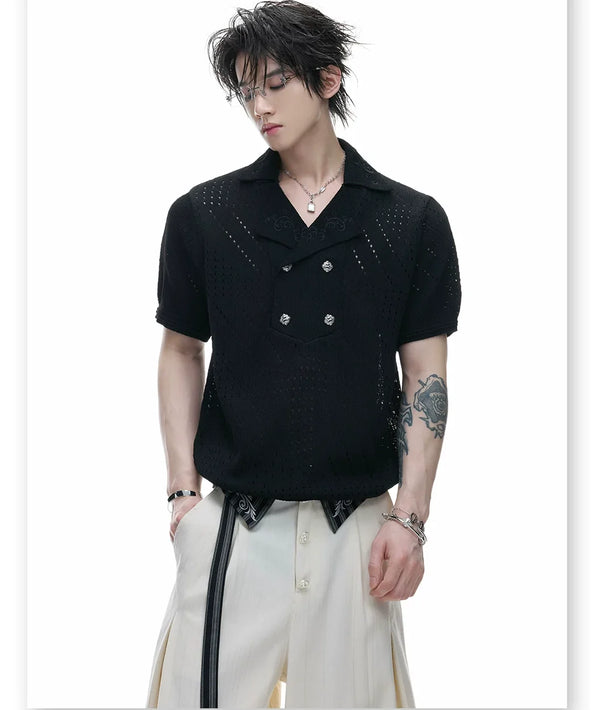
The turtleneck is the central piece — Parchment, Cream, Charcoal or Oxblood. Cut rather loose, slightly overlong, with a high neck. Ribbed or coarsely knit. The polo is the summer alternative — wool blend, short sleeve, narrow collar. Both work under the blazer and on their own.
The knit cardigan is the third option — ribbed, with buttons, oversized. Works on its own as a statement or as an extra layer under the coat. Stripes are okay, as long as they stay narrow and muted; wide colour stripes tip the look into preppy college.
Coats
Poetcore coats & trench — the layer that carries the outfit
The coat is the statement layer in Poetcore. Where the blazer builds the silhouette, the coat carries the mood outward. Trench coat, long wool coat or corduroy coat — three cut families that separate clearly.
The trench is the universal choice. Charcoal or Forest, knee-length or longer, with a belt. It reads as the transition between book café and lecture — and is the only coat that also works in April and October, not just in winter. The wool coat is the heavy version: double-breasted, straight-falling, almost to the ankle. The corduroy coat is the warmest and at the same time shabbiest variant — deliberately worn, deliberately not new.
Cut note: the coat has to be longer than the blazer underneath — otherwise both read as undecided. At least a hand's width of overhang. Knee to calf length is the standard; anything shorter looks sporty, anything longer takes practice.
Styling
How to really style Poetcore — the logic behind the look
Styling Poetcore means thinking in layers, not in pieces. The trick isn't that every piece is special — it's that the layers build on each other in material and colour. Three layers, one quiet line, one accessory.
Poetcore doesn't work through the single piece. It works through the order in which you put the layers on.
— Fūga Studios
The order concretely: skin layer (turtleneck or polo) first — sets the lightest colour in the outfit. Mid layer (blazer or waistcoat) second — adds structure, no new colour tone. Outer layer (coat) third — brings the darkest tone or the warmest colour. Accessory fourth — the only way to bring in a fifth accent.
Build these four layers in this order and you've got 80 percent of the outfit logic down. The remaining 20 sit in the details — the bag worn instead of clean, the scarf wrapped instead of knotted, the book in your hand instead of in the backpack. It's the details that separate a Pinterest mood board from a real outfit.
Season
Poetcore spring 2026 vs autumn — seasonal adaptation
Pinterest named Poetcore for spring 2026 — but that doesn't mean the trend only lasts three months. The palette and the elements stay stable all year; what shifts is the material and the number of layers.
Spring variant: lighter blazer (wool blend instead of heavy wool), turtleneck knit in cotton or merino instead of cashmere-adjacent. Trench instead of a heavy wool coat. An easy polo under a corduroy waistcoat on warm days. Brooch or ribbon take over the statement role, because thick scarves drop away.
Autumn variant: the heavy hour. Wool coat mandatory, corduroy trousers instead of pinstripe, thick knit instead of a thin turtleneck. Wool scarf in Oxblood or Forest. Boots instead of loafers. The outfit gains two layers but keeps the same palette and the same accessory limit.
What does not work
The 6 most common Poetcore mistakes — what you must NOT do
Poetcore has six spots where it reliably tips over — no matter how expensive the individual pieces are. If you avoid just one thing, make it mistake number one.
Action
How to start in Poetcore — the first 4 pieces
You don't need 30 pieces to wear Poetcore. You need four that will be in 80% of the outfits. Everything else builds around them.
In order: a Charcoal wool blazer (your biggest investment — lasts 8 years if you don't buy cheap). A Parchment or Cream turtleneck in wool or merino. A wide-leg trouser in pinstripe or Charcoal corduroy. A leather messenger bag, visibly worn. A brooch or a ribbon as an optional fifth piece — but only once the four are in place.
Outfits for real
Poetcore outfits for real — from Pinterest to the street
Before you build your own, look at how others wear it. The five types from above look different in the feed than on mood-board pins: tighter, more worn, less perfect — and that's exactly why they work.
This is the fastest way to check whether Poetcore sits on your body type at all — before you spend money.
To close
Poetcore is more than a Pinterest trend
If you remember one thing from this guide, make it this: Poetcore doesn't work through pieces, but through rules. Get the rules down and you build sixty outfits from fifteen items. Buy only pieces and you have a full wardrobe without a single outfit that really fits.
The whole logic of this guide reduces to one sentence:
The rules stay stable across the season — spring 2026, autumn 2026, spring 2027. Pinterest named the term, but the vocabulary is older and outlives the trend cycle. You don't have to wait until you know all the rules by heart. Start with the one type that fits you best. What you don't know, you learn by wearing it.
And that’s the point: Poetcore reads in theory like a corset of rules, but in practice it doesn’t feel that way. Once you have the code down, every further outfit is a variation on the same four or five building blocks — not a new invention.
FAQ
Frequently asked questions about Poetcore fashion
The questions we often get by DM and email — short, clear, no detours.
What is Poetcore, actually?
Where can you buy Poetcore clothes without paying designer prices?
What’s the difference between Poetcore and Dark Academia?
Are trouser skirts really modern in 2026?
Which colours matter most for women in 2026?
Does Poetcore also work at more volume or a larger body size?
Which shoes go with Poetcore fashion besides loafers?
What do you think?
Tell us on @fuga_studios
About the author
Philipp Fuge — Founder · Berlin
Founder of Fūga Studios. Writes the journal himself. Berlin · Shanghai · Tokyo · Poznań — four cities, one logic.