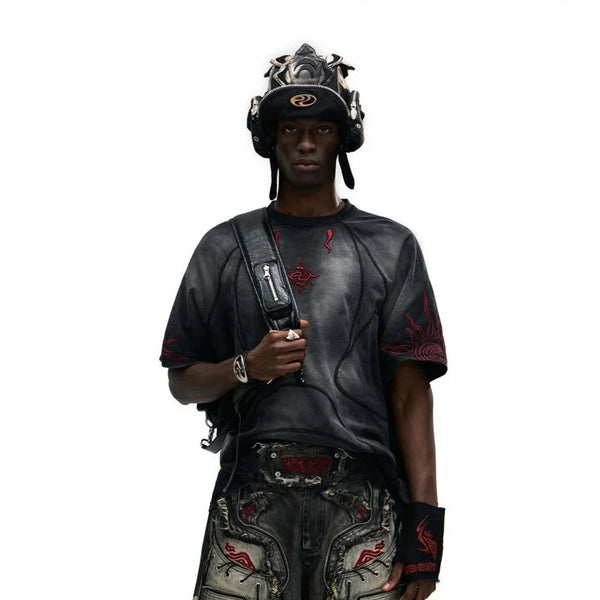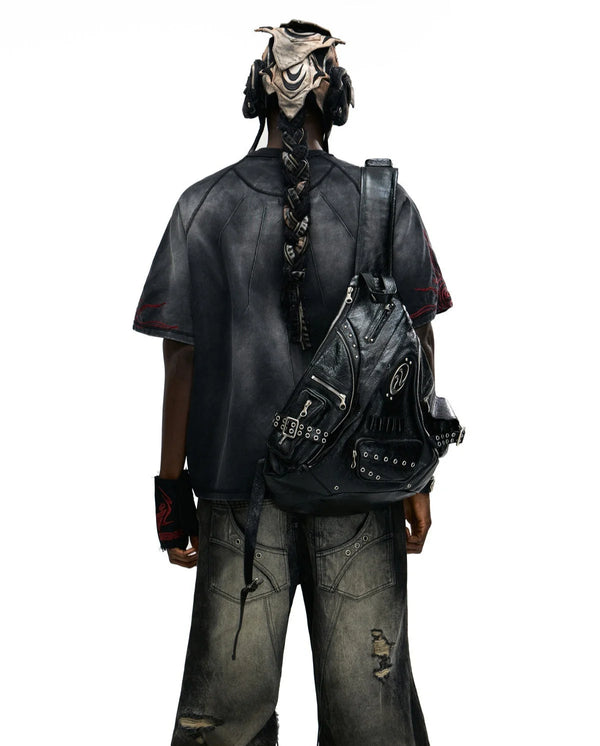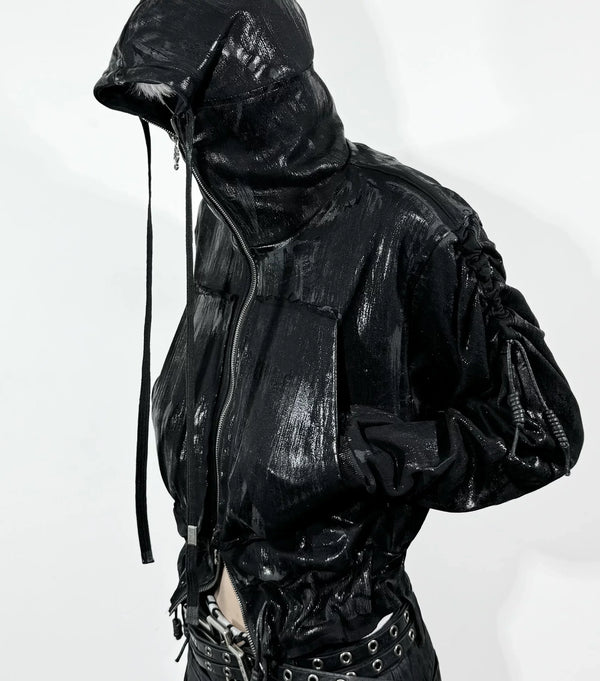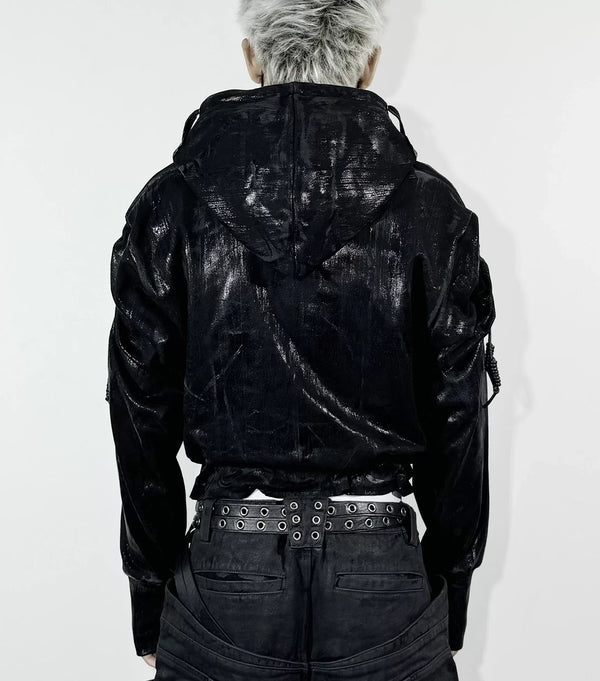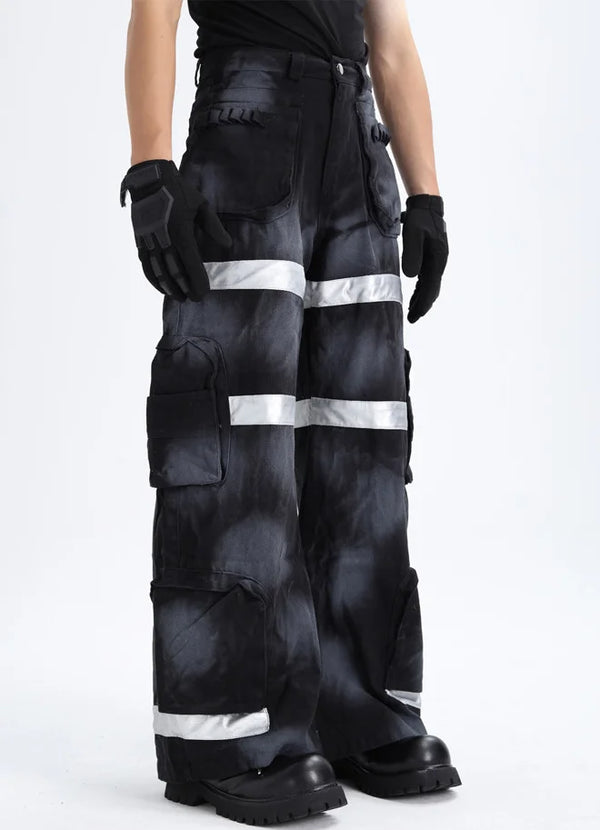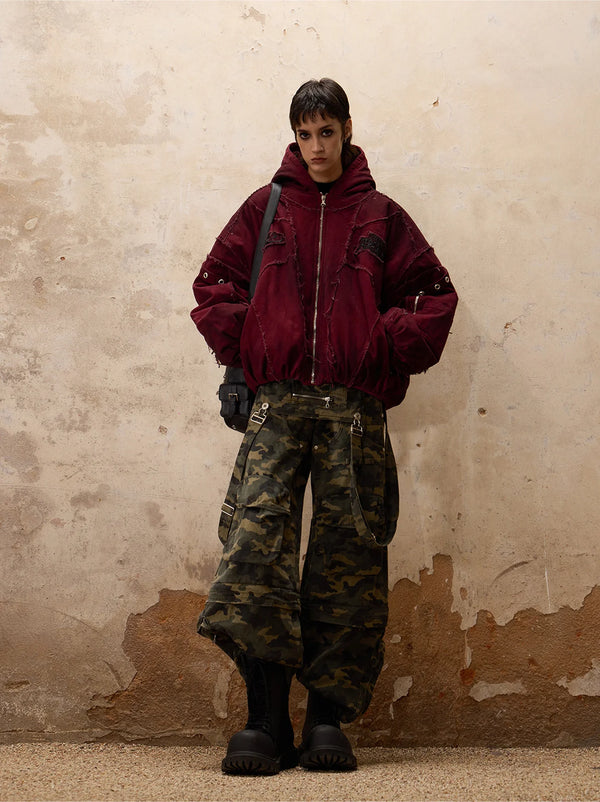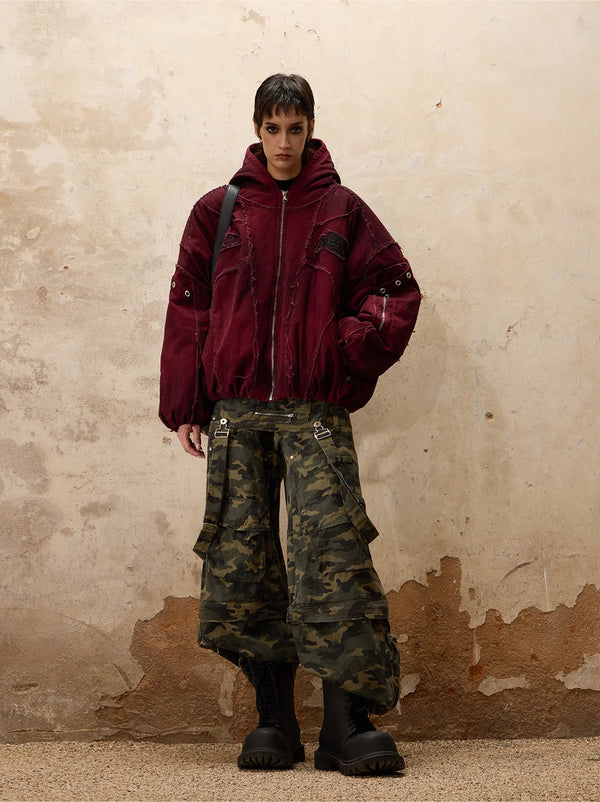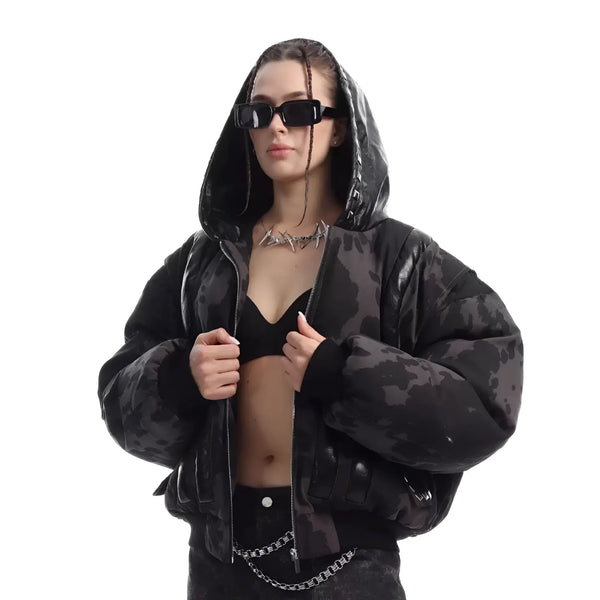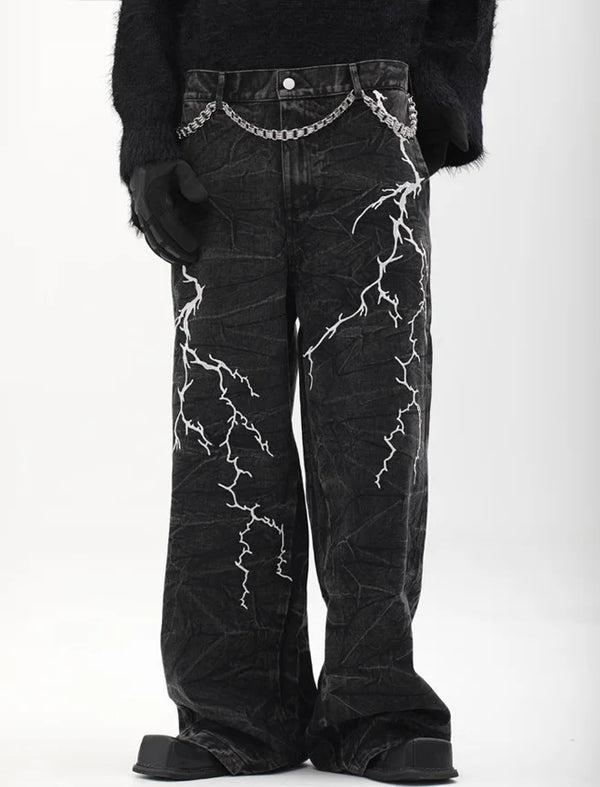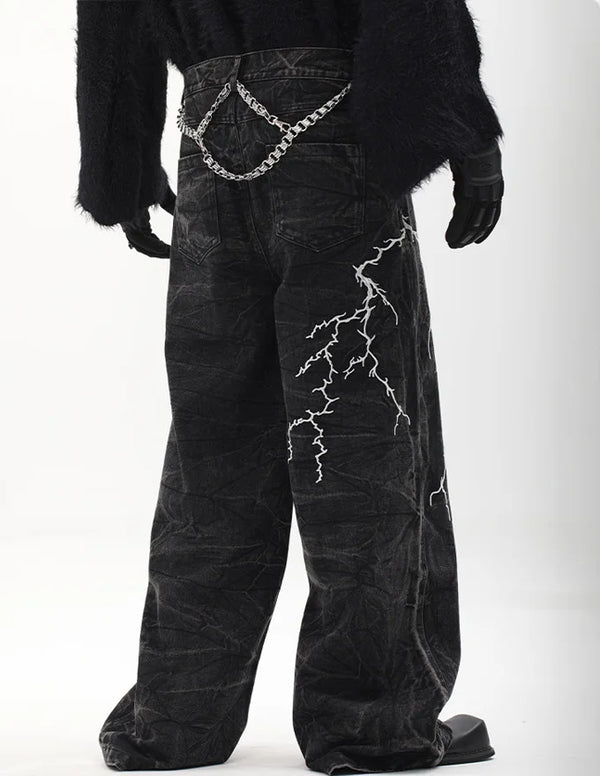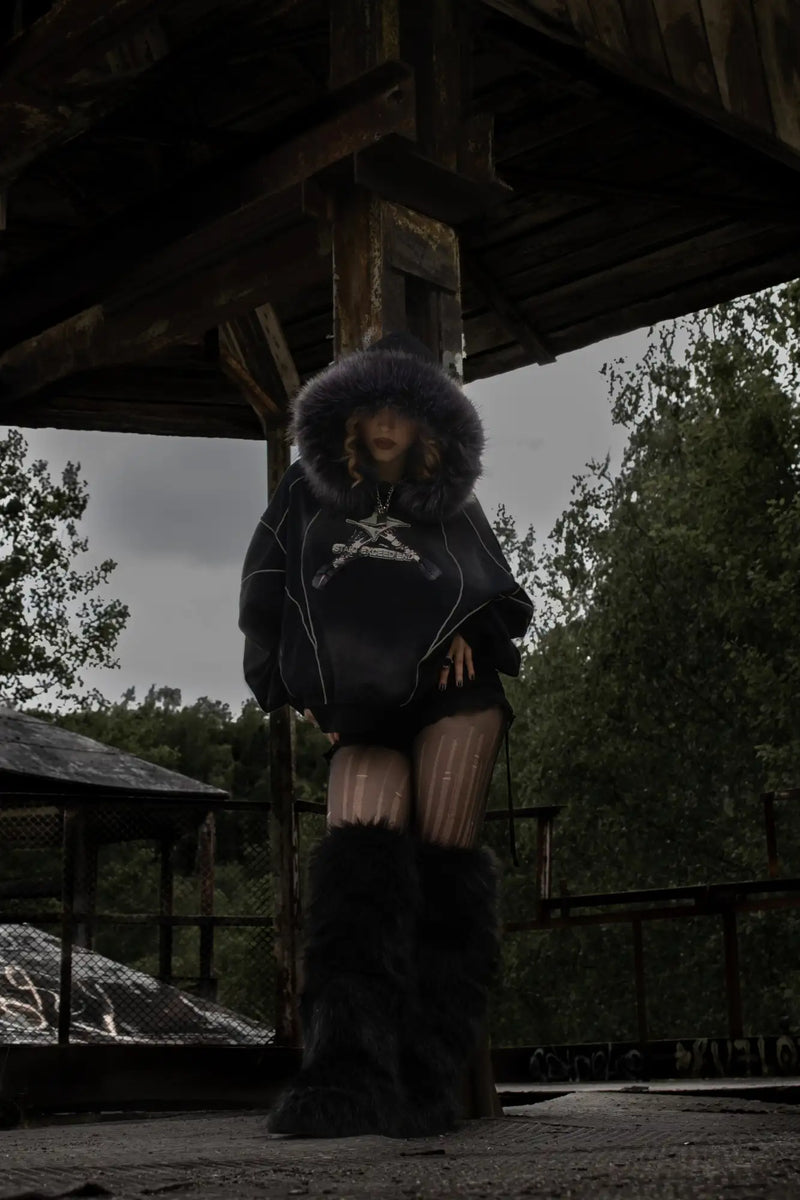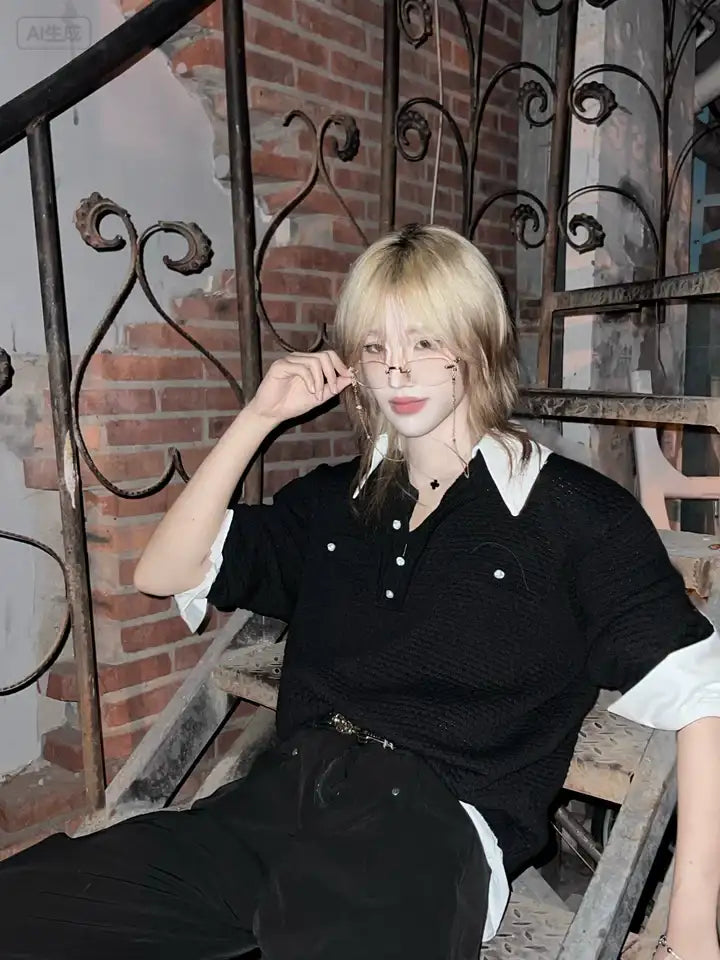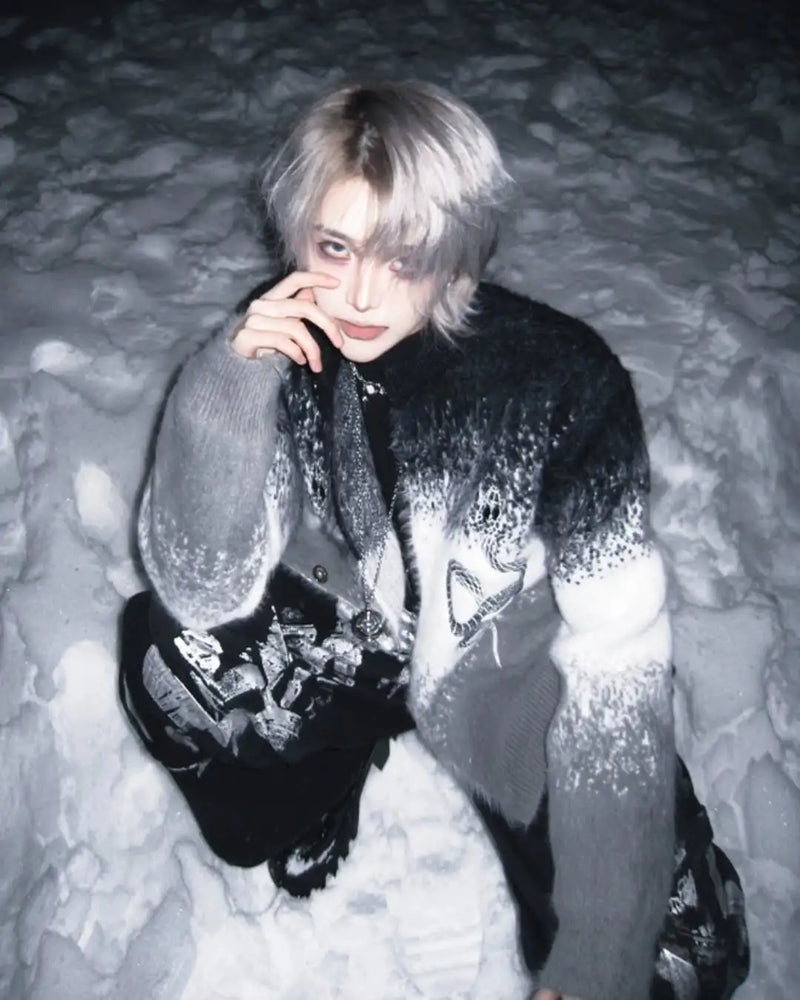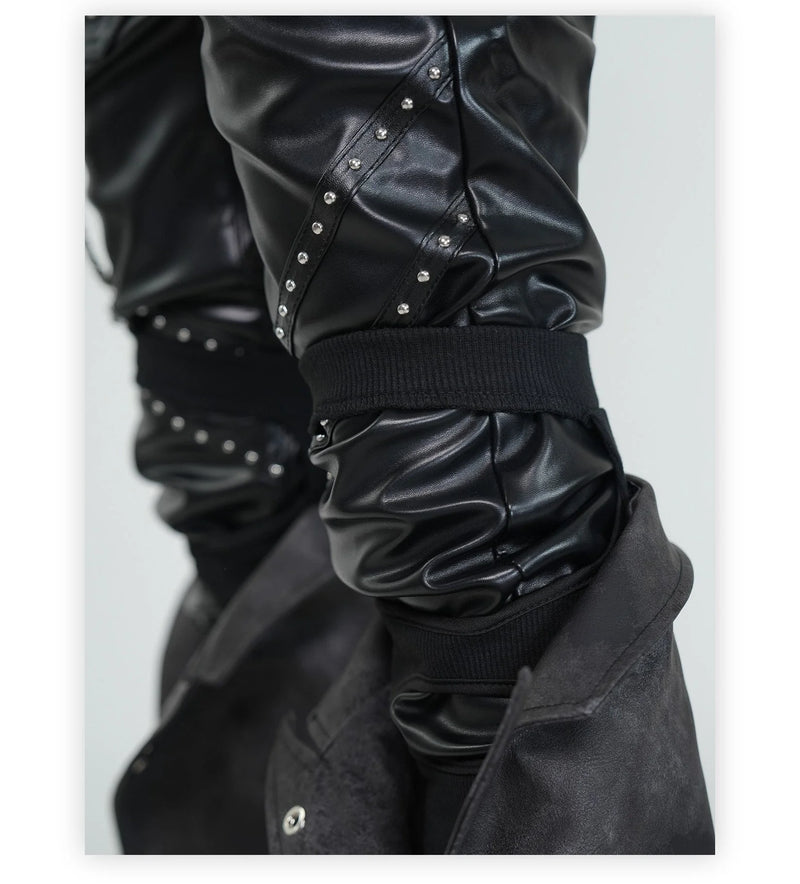
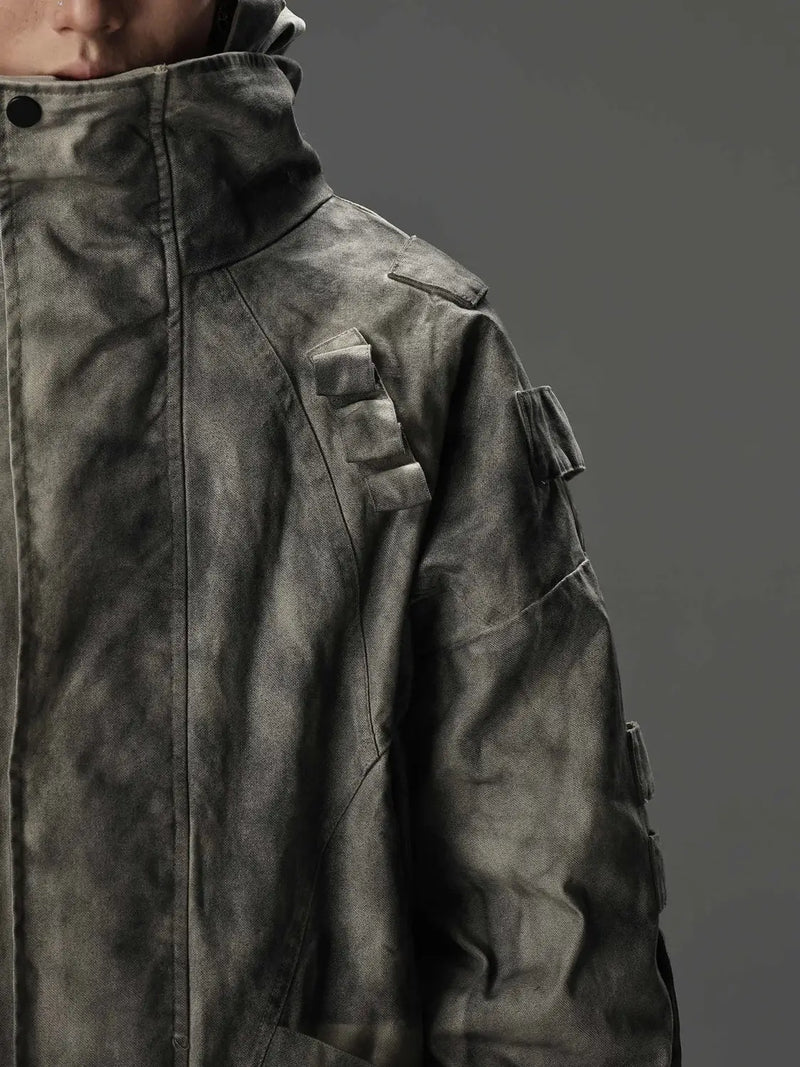
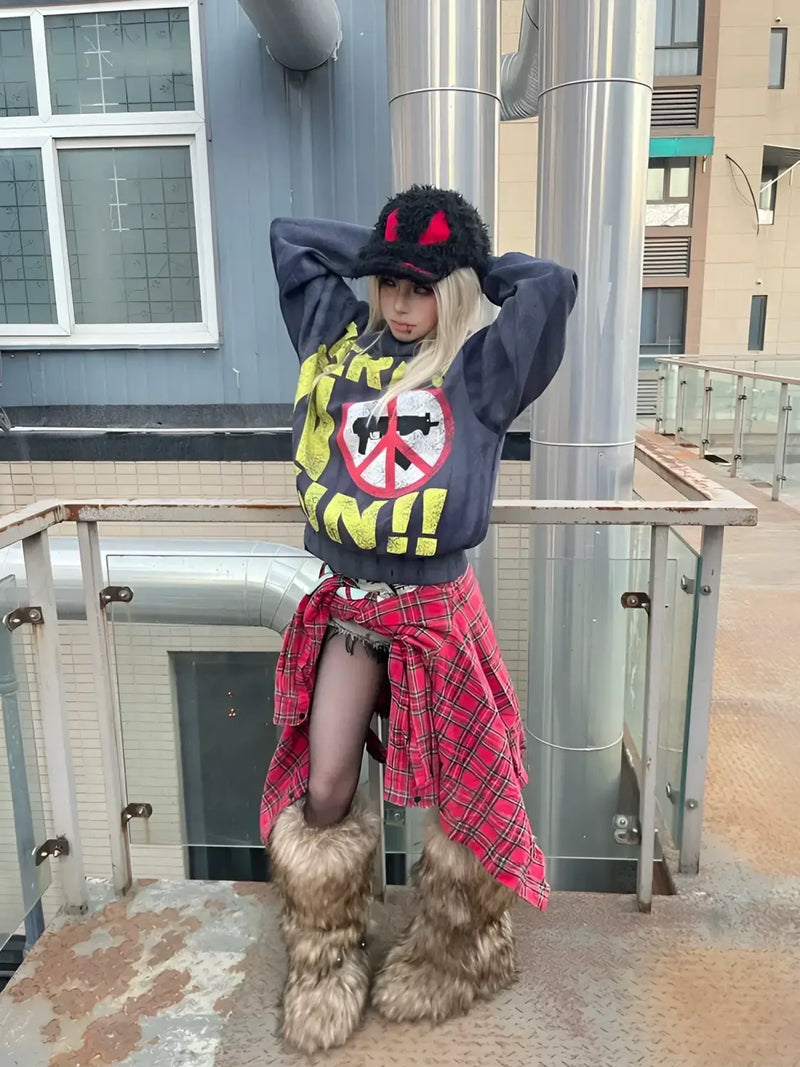
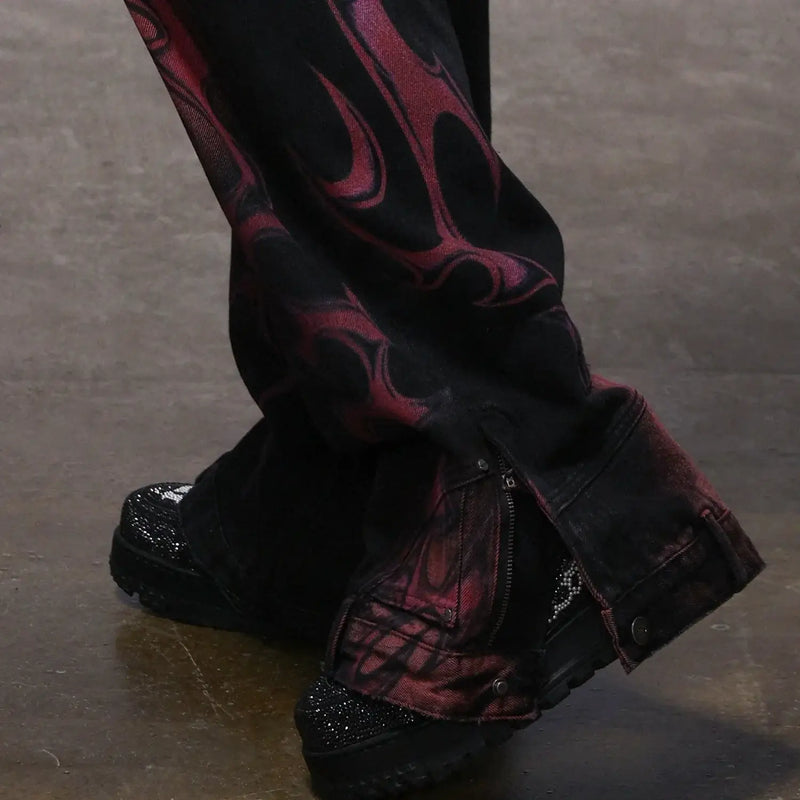
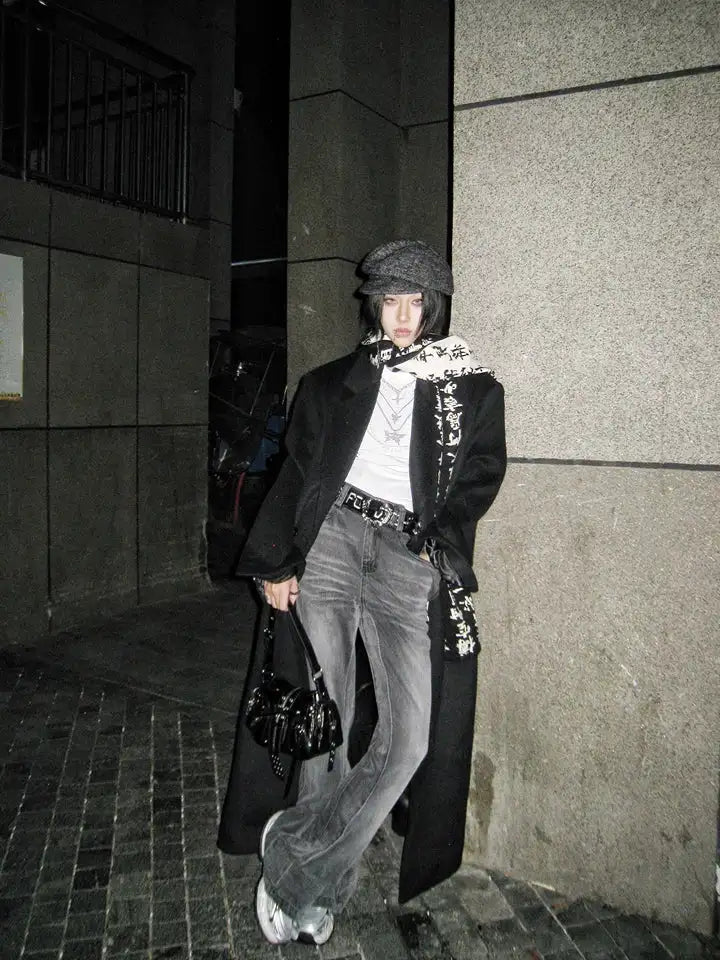

Everyone says Poetcore is 'Dark Academia in cream' or 'soft girl with a book in hand.' Both are wrong. A cream cardigan plus a novel held to your stomach guarantees Poetcore about as much as a trench coat guarantees a private detective — that is, not at all.
Poetcore officially emerged in December 2025, when Pinterest declared the aesthetic in its 2026 trend report ('oversized turtlenecks, vintage blazers and messenger satchels, aspiring authors assemble'). Taylor Swift's Tortured Poets Department album had prepared the ground a year earlier. But the vocabulary is far older: the Brontë sisters, Sylvia Plath, Sofia Coppola, Edgar Allan Poe. Poetcore is the fashion translation of a narrative stance that has existed for 200 years.
Anyone who shortcuts Poetcore to 'reading mode from a Brookline café' has confused Pinterest, Swift and Romanticism with a Booktok algorithm. This guide sorts out what's really behind it: who called it, what belongs to it, how the 5 archetypes differ, how it translates into outerwear / tops / trousers / accessories, what you need in your wardrobe, and which 6 mistakes tip the look into costume.
How this looks in everyday life — condensed into 14 seconds:
Origin
Who invented Poetcore — and why 'tormented poet' is suddenly everywhere in 2026
Poetcore as a term is young. Pinterest Predicts officially declared the aesthetic a 2026 microtrend on 30 January 2026, based on a search surge that began in late 2025. But the vocabulary is centuries old — fashion has merely re-compressed it and handed it to a generation already busy with its own literary self-mythologizing.
Taylor Swift delivered the pop translator in April 2024. The Tortured Poets Department was not an album — it was a 65-minute lookbook in beige, sepia and ink black with typewriter promo material. The songs were incidental. The imagery was everything: crumpled manuscripts, sheer tights, vintage blazers, candles, the word poet as a fashion-label logo. Within six months, Pinterest searches for 'tortured poet aesthetic' doubled — and Booktok supplied the subculture that Swift only lit the match for.
The real templates lie further back, though: the Brontë sisters and Lord Byron in Victorian Yorkshire, Sylvia Plath in Cambridge in 1956, the Beatniks in New York in 1957, Sofia Coppola's Lost in Translation era in 2003, Phoebe Philo's Céline phase from 2009 to 2017. Each of these points added a building block to the vocabulary: Brontë the high knit line, Plath the ink black, Coppola the creams, Philo the falling wool coat. Swift's contribution isn't invention but compression — she took what was scattered across the literary-romantic spectrum and cast it into a look that a 19-year-old in Munich understands in two outfits.
Definition
What is Poetcore fashion — and what actually counts as part of it?
Poetcore is an outfit system built from four fixed building blocks. When all four are in place, the outfit reads as Poetcore. When one is missing, it tips into something else — Dark Academia, Old Money, Cottagecore, or worse: a Booktok cosplay with a Penguin Classics hardcover as a prop.
70 %
muted tones
1
Hero accessory with a narrative
5
Archetypes
0
visible logos
These four numbers aren't decoration. They're the test. An outfit that breaks one quota — 95% beige instead of 70% muted-with-contrast, or five brooch accessories at once instead of a single narrative, or a visible Tory Burch logo on the bag — is no longer Poetcore. It's 'Booktok with money' or 'Pinterest aesthetic with a filter.' In plain terms: a costume trying hard to be one.
Concretely, Poetcore fashion includes:
- Oversized wool turtleneck or funnel-neck — Pinterest's official hero piece for 2026. Cream, tobacco, ink black. Chunky knit rather than fine knit.
- Vintage blazer with a single button or cropped — the central tailored piece. Wool, tweed, pinstripe. Shoulders deliberately a size too big.
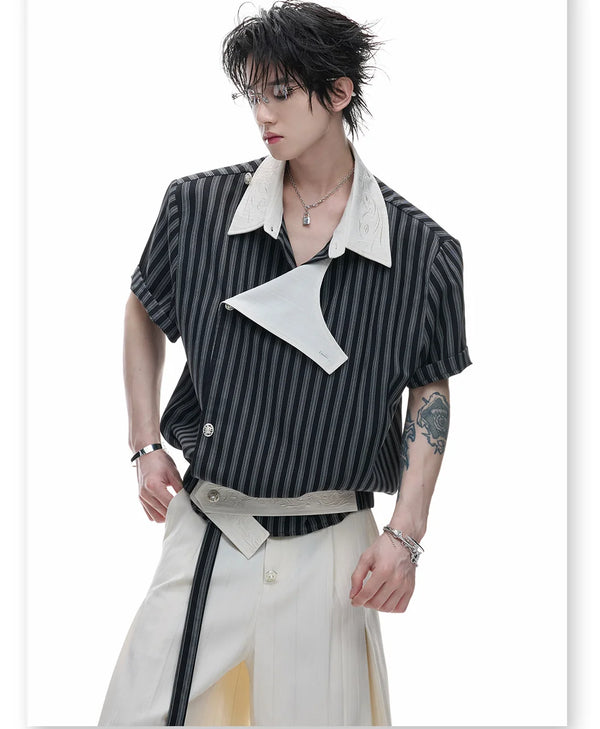
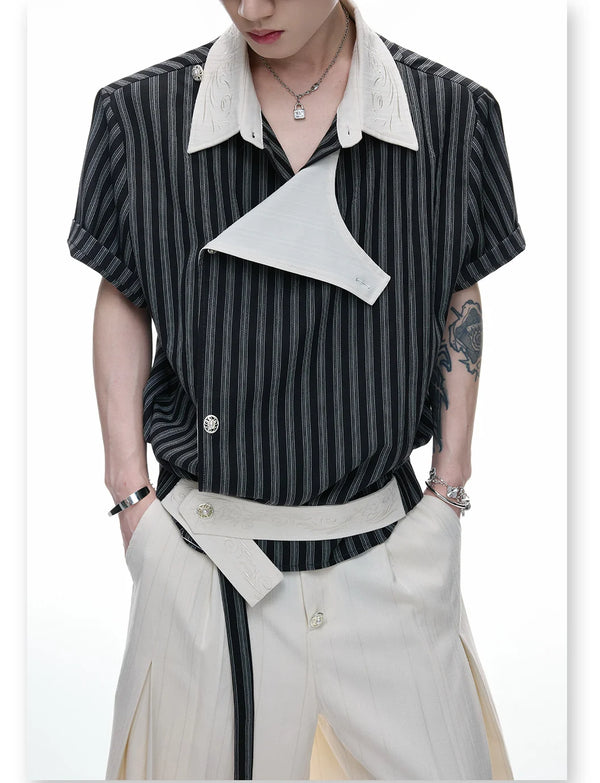
- Wide-leg wool trousers — pressed crease, high waist, a falling break over the shoe. Pinstripe is the 2026 power variant.
- Hero accessory with a narrative — messenger satchel, worn leather strap, antique brooch, fountain pen as everyday carry. One, not five.
- Brass or antique silver instead of chrome — worn metal, no high gloss. The patina carries the story.
- Sheer tights as the subtle break — InStyle's February 2026 analysis identified them as the 'not-so-subtle upgrade.' Black, burgundy, tobacco.
If you’re missing three of these six points, it’s no longer Poetcore — it’s inspiration. And there’s one rule that holds all six together:
5 archetypes
The 5 Poetcore types — from Brontë heroine to Romantic Editor
Poetcore isn't one look — it's five that overlap at the edges. Lay Swift's TTPD campaign, Phoebe Philo's Céline era and a few Yale library notices from the Pinterest feed side by side, and you'll see these five archetypes cleanly separated. Each with its own tonal quota, its own weight in the fabric, its own favorite accessory.
Which of the five suits you depends less on taste than on your everyday life, on how much drama you can take daily, and on which city it lands in. How this splits between men and women comes next — because related searches for 'Poetcore Outfits Men' have exploded, and the answer to that is rarely given.
Poetcore Outfits Men
Poetcore Outfits Men — how it really looks on men
Poetcore is framed in most Pinterest boards as a women's aesthetic — that's a shortcut. Men's Poetcore has existed since the '90s as the 'Romantic Editor' look, it just had no name for a long time. Hugh Grant in About a Boy, Adam Driver in Marriage Story, every New York print journalist with a trench and a leather-bound notebook — that's the code, long before Pinterest declared it in 2026.
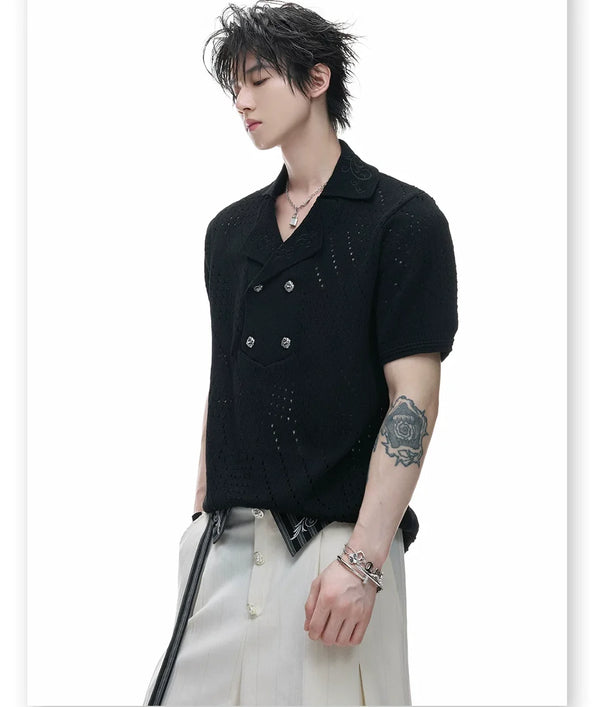
Men's version: pinstripe wide-leg trousers instead of a cream slip dress. A striped button-down or polo, one size too big. Vintage blazer with soft shoulders (not a stiff suit blazer). Brass watch with a leather band, a worn messenger satchel instead of a backpack. Low-shaft leather shoe — loafer, derby, or a used Doc Marten. Bag, watch, shoe: all in a similar tan tone, all with a visible history of use.
Women's version: the drama comes through the depth of layers. Slip dress under a wool blazer, sheer tights, ankle boots. Cropped cardigan over a shirt. Brooch on the left shoulder. Hairstyle deliberately slightly undone — no salon finish. Both versions need the same four building blocks. What varies is the distribution — not the vocabulary.
What both avoid: anything sporty. Sneakers, hoodies with large prints, tech fabrics, athleisure. Poetcore lives in woven fabric and knit. Mix in mesh or polyester and you've already lost the outfit.
Brands
Poetcore Brands — which labels actually write the language
Poetcore has no central hero figure that defines the label on its own. It's a composition from the quiet-luxury and vintage-workwear spectrum — what the Pinterest boards and InStyle outfit formulas show comes from the same eight to ten labels, over and over. Anyone who understands the vocabulary can build Poetcore looks entirely without designer names.
The brands that wrote the Poetcore vocabulary — chronologically:
- Margaret Howell — in London since 1972. The falling wool-linen coats, the tobacco tone, the whole 'intellectual British country' vocabulary comes from her. When a Poetcore outfit looks like a Yorkshire weekend, it's Howell-adjacent.
- Phoebe Philo @ Céline (2009-2017) — the architecture of silence. Wide-leg, wool coat, muted tones, no hardware. The falling line is Philo's contribution.
- The Row (Mary-Kate & Ashley Olsen) — anti-trend luxury since 2006. Very long coats, high knit line, cashmere, the absolute minimum of detail. The brand DNA that Pinterest finally caught up to in 2026.
- Toteme — Stockholm 2014. The accessible translation of the Philo line. Wide-leg, cropped coat, cream-tobacco-black. Probably the most-pinned Poetcore brand on Pinterest.
- Khaite — New York 2016. Knit pieces with drama. Oversized sweaters, slip dresses, heavy coats. The Tortured Poet iteration would be unthinkable without Khaite.
- Bode — New York 2016. Handmade Americana with literary prints. Quilt jackets, pyjama shirts, visible stitch construction. The most affectionate iteration of the code.
- Aspesi — Italy since 1969. Field jackets, soft wool coats, academic shoulders. The Italian counterpart to Margaret Howell.
- Etro — Milan since 1968. Paisley, scarf pieces, literary print as an accent. Where Poetcore can take color, it comes via Etro.
- Hell Bunny — UK indie brand with the Anastasia dress line. Victorian cuts on a college budget. InStyle's February 2026 feature explicitly recommended them as a Poetcore entry point.
Anyone who wants to wear Poetcore without paying designer prices searches the resale market for these brands, or turns to DTC labels that translate this vocabulary competently — wool, pinstripe, worn leather, antique hardware.
Category · Outerwear
Poetcore Outerwear — vintage blazer, trench, funnel-neck
The outerwear carries the Poetcore outfit. It's the largest surface, the most dominant fabric, the primary carrier of the narrative stance. This is where it's decided whether your look becomes a 2026 Pinterest trend or a country-club costume.
Three outerwear types work in Poetcore: the vintage blazer with soft shoulders (Romantic Editor and Modern Brontë iteration), the trench or falling wool coat to the calf (Tortured Poet and Soft-Goth iteration), and the sherpa or shearling-collar bomber as the 'warm Library Hermit.' What doesn't work: anything sporty, tech fabrics, down jackets with visible logo patches.
If you don't yet own a vintage blazer or wool coat, that's your first move. Everything else in the outfit depends on it — the rest builds around the shoulder line of the outer layer.
Category · Tops
Poetcore Tops — turtleneck, cardigan, poet blouse
The top layer is the loudest part of a quiet outfit. Pinterest explicitly marked the oversized turtleneck as a Poetcore hero piece for 2026 — and named funnel-neck sweaters as the center of every outfit. Both have the same job: a high fabric at the neck that pulls the line upward, frames the face, makes the outfit serious.
Four tops work: oversized wool turtleneck (Library Hermit and Modern Brontë), striped button-down or polo (Romantic Editor), wool-blend button cardigan in cream or tobacco (all iterations), and the poet blouse with lace at the cuff (Modern Brontë, Tortured Poet). What's out: crop tops, slogan print shirts, graphic tees, anything with glitter.
For the most minimal entry, take a cream wool cardigan over a turtleneck — it builds a Library Hermit outfit in 30 seconds without you having to learn anything new.
Category · Bottoms
Poetcore Trousers — wide-leg wool, pinstripe, pleated skirt
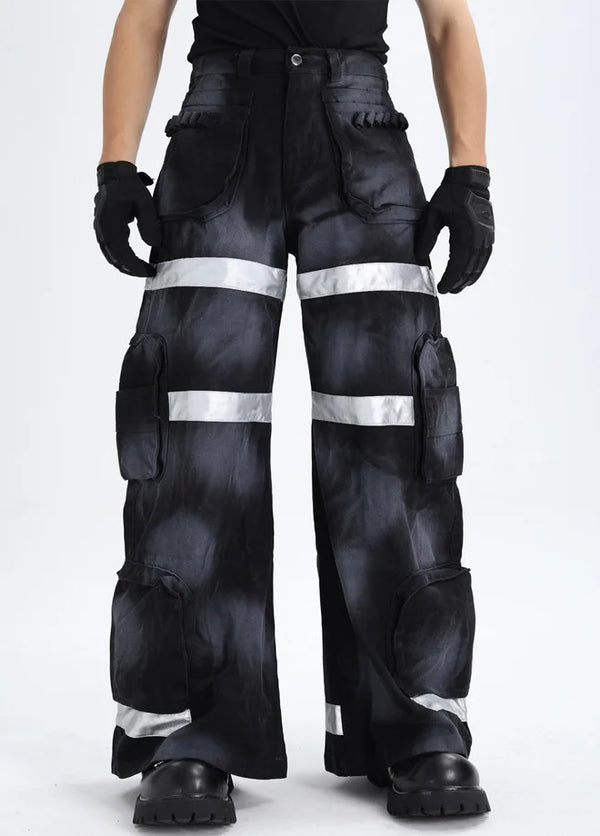
What distressed cargo was to early-2020s US rap mainstream, Phoebe Philo anticipated ten years earlier with wide-leg wool. The trouser is cut high, wide in the leg, falling with a pressed crease to just over the top of the shoe. It's the quiet counterpart to the loud drape — only in wool instead of leather, with a crease instead of a zip.
Working Poetcore bottoms are wool or wool-blend, in cream, tobacco, ink black or pinstripe anthracite. Sit at the high waist, never the hip. The crease is not optional — it's the detail that separates wide-leg wool from workwear cargo. Plus a pleated wool skirt or lace-inset maxi for the women's iteration.
If you want to build a trouser that works with each of the five Poetcore archetypes, take pinstripe wide-leg in anthracite. That's the common denominator — works with knit, with blazer, with cardigan, with blouse.
Category · Accessories
Poetcore Accessories — brooch, messenger satchel, sheer tights
The accessory matters more in Poetcore than in any other aesthetic in the world. Where Opium almost omits the accessory (a silver chain, done), Poetcore carries the narrative stance into the outfit via the accessory. Pinterest explicitly added 'chunky brooches' to its 2026 forecast. InStyle declared sheer tights the upgrade of the year. Both are right.
The five accessories that complete a Poetcore outfit — one is enough, more than two becomes carnival:
- Antique brooch — brass or antique silver, ideally with a cameo, bird motif or initials. On the left blazer shoulder, on the cardigan chest, or as a collar clasp.
- Messenger satchel or leather strap — worn leather, one buckle, a long shoulder strap. No new designer tote, no backpack, no crossbody mini bag.
- Sheer tights — black, burgundy, tobacco. Under a slip dress or a wool skirt. The subtle break that tips the outfit from quiet luxury into Poetcore.
- Brass watch with a leather band — vintage or vintage-look, ideally with scratches. For Romantic Editor men, the single most important detail.
- Glasses with an acetate frame — even without a prescription. Round, oval, half-rimmed. Performs reading. Reads as a tool, not a statement.
What's out: logo bags, shiny hardware, neon hardware, anything that looks 'delivered today.' Patina is the vocabulary.
Styling logic
How to really style Poetcore — the rule of one layer too many
A Poetcore outfit works on exactly one rule: one layer too many. Blazer over cardigan over turtleneck. Trench coat over sweater over shirt. Wool coat over slip dress over sheer tights. Reduce the outfit and it tips into quiet luxury. Overload it and it tips into theatrical costume. The art lies in the one extra layer that seems unnecessary — and precisely for that reason makes the outfit narrative.
In practice that means: three fabrics on top of each other, all in muted tones, one of them with a visible weave (tweed, pinstripe, houndstooth). The book in hand is optional — but if you carry one, it must have real signs of use. We've put the full breakdown with photo examples in a separate article:
'One layer too many — that's the whole logic. Take any outfit you'd consider quiet luxury and add one more layer. That's Poetcore.'
But Poetcore doesn't stand alone — it overlaps at several edges with other aesthetics. Dark Academia shares the knit line, Businesscore shares the wide-leg wool, Old Money shares the worn tones, Cottagecore shares the lace and romance. Anyone who has Poetcore down can read these neighboring codes and mix them deliberately without slipping into cosplay.
Here are the most important neighbors — each with its own guide, if you want to go deeper:
Seasonal
Poetcore in summer vs winter — where the look shifts
In winter, Poetcore is easy. Wool coat, chunky cardigan, turtleneck, wide-leg wool trousers, low-shaft ankle boot. All layers are honestly there, all fabrics heavy. The difficulty comes in summer, when the outer layer (= the largest narrative surface) drops away and you don't want to vanish into T-shirt-and-shorts territory.
Summer Poetcore works through the pivot to linen. Linen suit instead of wool. Sheer cotton instead of knit. A vintage vest over a shirt instead of the blazer. Espadrille or soft leather loafer instead of boots. Glasses as the hero accessory — they hold the literary line even without knit.
If you need a bridge from winter into spring, go via the vest. Tweed vest, wool vest, sherpa collar — all three carry the literary shoulder line even without a coat. Here's how that looks in motion:
What does not work
The 6 most common Poetcore mistakes — what tips the look instantly
Poetcore has six places where it reliably tips — no matter how expensive the individual pieces are. If you avoid only one mistake, make it mistake number one.
Action
How to start in Poetcore — the first 4 pieces
You don't need 30 cream-colored things to wear Poetcore. You need four that will be in 80% of your outfits. Everything else builds around them.
In order: an oversized wool turtleneck in cream or tobacco (your cheapest investment with the biggest impact). A vintage blazer with soft shoulders (ideally secondhand — patina is mandatory). Wide-leg wool trousers in anthracite pinstripe or tobacco (with a crease, high waist). A messenger satchel or leather strap in worn brown. An optional fifth piece: an antique brooch or glasses with an acetate frame — but only once the four are in place.
Outfits for real
Poetcore outfits for real — how it looks on the street
Before you build your own outfit, look at how others wear it. The five archetypes from above look different in the feed than in lookbook photos: tighter, softer, less high-gloss — and that's exactly why they work.
This is the fastest way to check whether Poetcore lands on your body type and in your city — before you spend money.
To close
Poetcore is a narrative stance — not an outfit set
If you remember one thing from this guide, let it be this: Poetcore doesn't work through pieces, but through the stance behind them. Anyone who has the narrative down builds a hundred outfits with twenty pieces. Anyone who only buys pieces ends up with a full closet of beige things that look good individually and together tell nothing.
The whole logic of this guide reduces to one sentence:
The rules have been stable since Pinterest Predicts 2026 and will stay that way — as long as Swift, the Booktok generation and Pinterest itself are in play. You don't have to wait until you know them all by heart. Start with the archetype that most likely suits you. What you don't know, you learn by wearing.
And that's the point too: Poetcore reads in theory like an accumulation of rules, but doesn't feel that way in practice. Once you have the code down, every further outfit is a variation on the same four or five building blocks — not a new invention. And yes, you don't actually need a book in hand. You just have to look like you just set one down.
FAQ
Frequently asked questions about Poetcore outfits
The questions we often get by DM and email — short, clear, no detours.
What exactly is Poetcore fashion?
Does the 3-3-3 rule work for Poetcore outfits?
What does the 3-2-1 outfit rule have to do with Poetcore?
What is Gen Z wearing right now — and does Poetcore belong to it?
Is Corecore the same as Poetcore?
What’s the difference between Poetcore and Dark Academia?
Where can you buy Poetcore clothes without paying designer prices?
What do you think?
Tell us on @fuga_studios
About the author
Philipp Fuge — Founder · Berlin
Founder of Fūga Studios. Writes the journal himself. Berlin · Shanghai · Tokyo · Poznań — four cities, one logic.