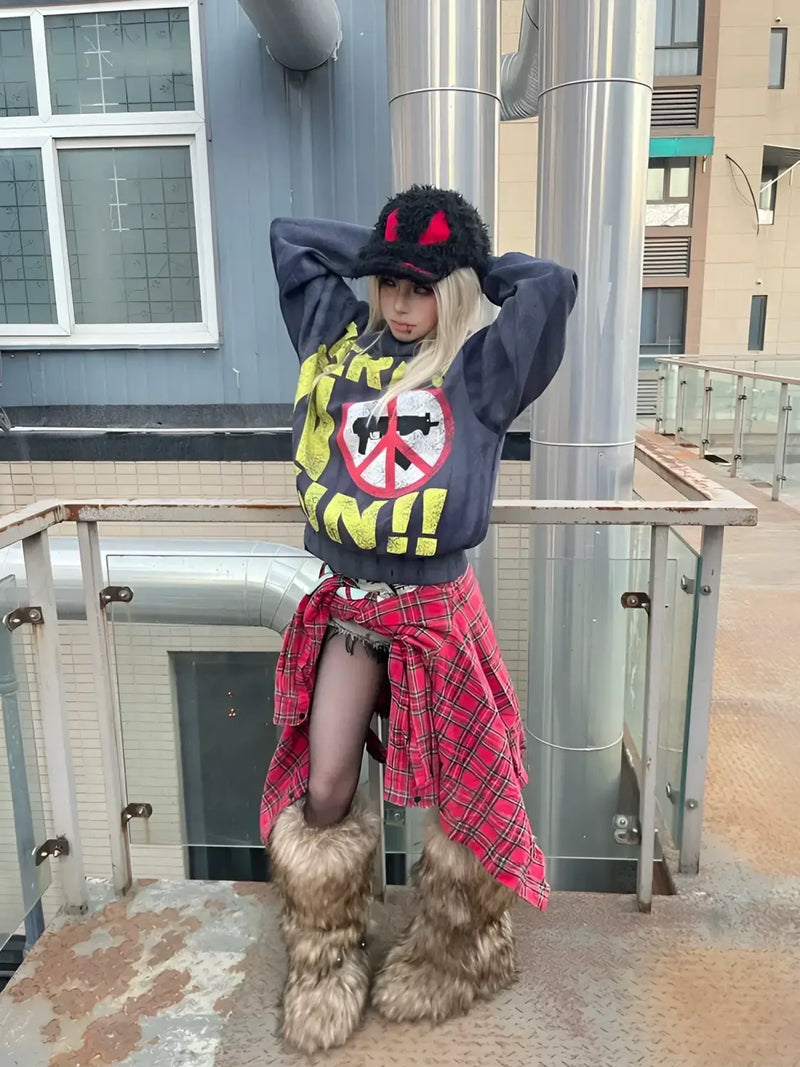
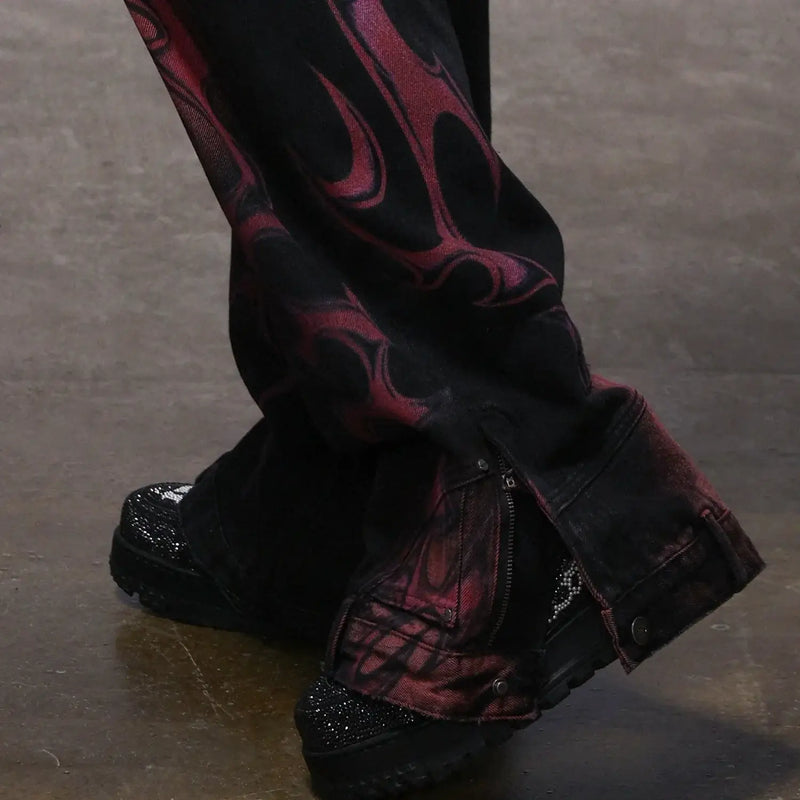
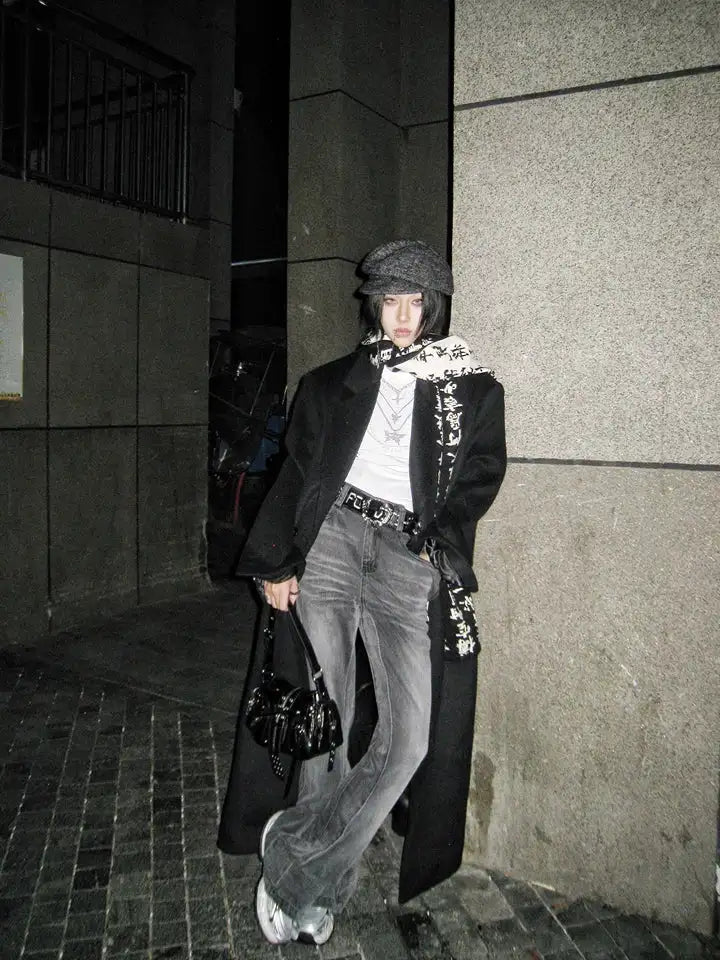

Dark Academia isn't „dark vintage“. Anyone who buys a tweed blazer, puts on a pair of round glasses and figures the code is met walks through town as Hogwarts cosplay — not as a Dark Academia look.
The aesthetic has existed in literature since the late 1980s and as a Tumblr movement since 2014. On TikTok it exploded in 2019, when every student suddenly studied from home over Zoom and re-declared their apartment a library. What came of it: a precise outfit system with an earth-tone palette, layering logic and a very clear idea of what an outfit must not be.
Read Dark Academia only as „Hermione in autumn“ and you've missed the novels, the Tumblr phase and the TikTok wave all three. This guide sorts out what's really behind it: where the look comes from, what belongs to it, how the 5 archetypes differ, where men build the code differently than women, what Light Academia has to do with it, which brands wrote the vocabulary, and which 6 mistakes wreck it.
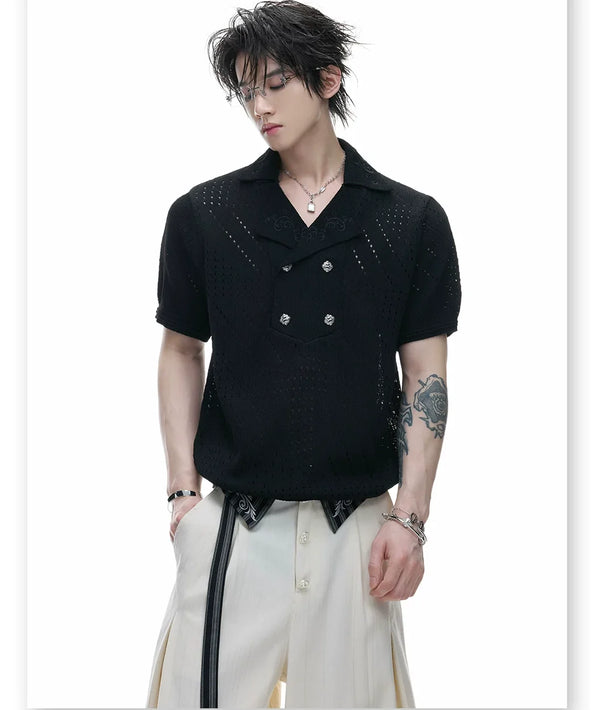
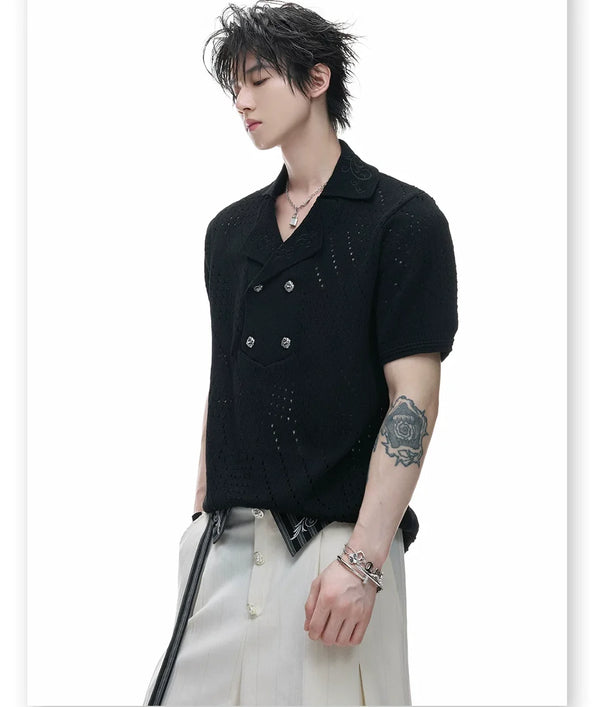
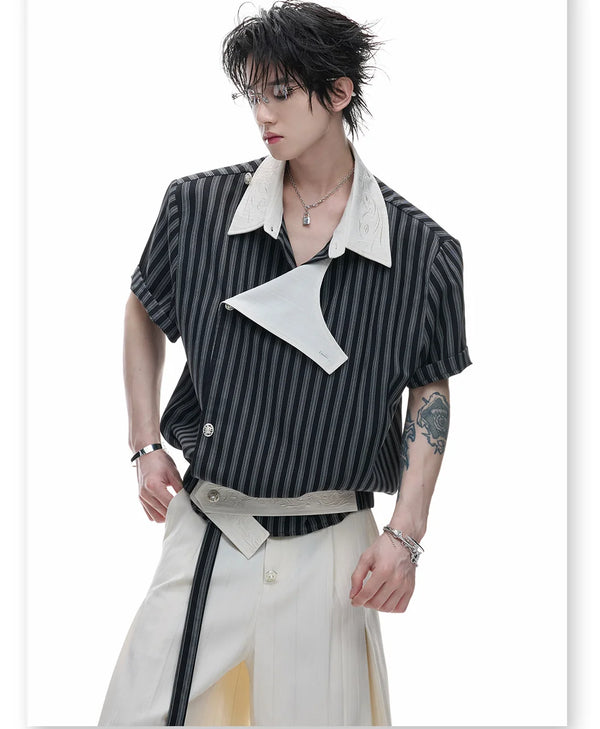
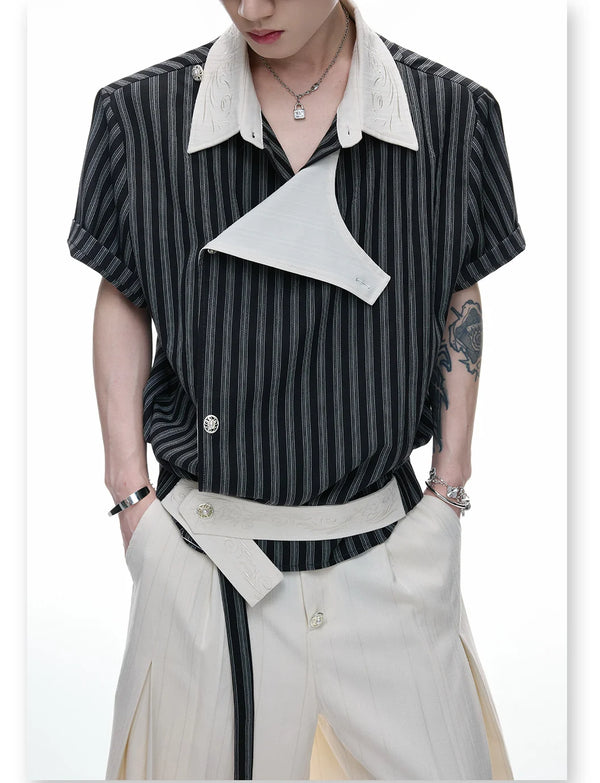
Here's what that looks like in motion — a summer iteration of the code on one line:
Origin
Where does Dark Academia come from — from Donna Tartt to TikTok?
The code has three clear birth moments. First 1992: Donna Tartt's novel The Secret History is published. A group of Ancient Greek students at a liberal arts college in Vermont gets caught up in a murder. The setting — tweed jackets, books, library dust, classical quotations — becomes the visual base vocabulary for everything that follows. Without this book there is no aesthetic.
Second, 2014 to 2017: Tumblr carries the images further. Mood boards of old libraries, parchment, worn leather spines, autumn-filtered college courtyards. The novel turns into an image repertoire. Whoever dives in learns not the plot, but the fabrics and the light. Cinematic references join in: Dead Poets Society (1989), Kill Your Darlings (2013), the Harry-Potter school iconography without the magic.
Third 2019 to 2021: TikTok scales the aesthetic into the mainstream. Lockdown moves every course of study into your own apartment. The #darkacademia tag wall fills with library setups, handwritten notes, tea-in-a-ceramic-cup shots, long camel coats on foggy walks. What was once a Tumblr niche becomes a TikTok consensus — and with it a fashion code that returns every
Definition
What is Dark Academia Style — and what counts as part of it?
Dark Academia Style is an outfit system of four fixed building blocks. When all four are in place, the outfit reads as Dark Academia. When one is missing, it tips into something else — Old Money, Cottagecore, Goth, or worse: a Halloween costume. The four building blocks are: palette, material, layering logic and accessory discipline.
4
Earth tones per outfit
3-4
visible layers
5
Archetypes
0
Logos, prints, neon colours
These four numbers are no ornament — they are the test. An outfit that breaks one quota (seven tones instead of four, one visible logo hardware, a single layer with no layering) is no longer Dark Academia. It's a „vintage look with an academic hint“. That's the kind description. The honest one is: costume hint.
Concretely, what counts as Dark Academia fashion:
- Earth-tone palette — tobacco brown, burgundy, charcoal, cream. Optional: pine green, mustard, dark navy. Never neon, pastel or candy tones.
- Natural materials as the main surface — tweed, wool, corduroy, leather, silk, cotton. Polyester sheen and acrylic knit are dead. Fabric has to be tangible, not shimmering.
- Layer density without volume — Oxford shirt under knit vest under tweed blazer under wool coat. Four layers, all visible, none of them puffing out.
- Vintage construction over trend cut — shoulder seam sits right, lapel is real, buttons are real horn or wood. Fast-fashion cuts (too short, too tight, too long without sleeves) break the code instantly.
- Books, glasses, leather bag as functional accessories — not a jewellery statement. What you carry should look used, not put on.
- Shoes without sport DNA — penny loafer, Oxford brogue, Mary-Jane, Chelsea boot. Sneakers are out as a rule, even in an „elegant“ variant.
If you're missing three of these six points, it's no longer Dark Academia — it's inspiration. And there's one rule that holds all six together:
5 archetypes
The 5 Dark Academia archetypes
Dark Academia isn't one look — it's five that overlap at the edges. Lay the Tumblr phase, the TikTok wave and the Donna Tartt covers side by side and you see these five types cleanly separated. Each with its own palette, its own silhouette, its own layer density.
Which of the five suits you depends less on taste than on your build, on how much drama you want to wear and on whether you'd rather walk through life as a Tartt protagonist or a Tartt side character. How that splits between men and women comes next.
Men's iteration
Dark Academia Style Men — where men build the look
The rules are the same. Palette, material, layering logic, accessory discipline — they apply to any body. What differs is the silhouette and the ratio of volume on top to volume below. Where a Brontë heroine carries the movement vertically in a long pleated skirt, the men's version builds the code through the tailoring of shoulder and chest.
The men's default is the Library Scholar or Modern Student iteration. Oxford button-down (white or light blue), over it a knit vest in tobacco brown or pine green, corduroy or wool trouser with a high waist, penny loafer or Oxford brogue. In autumn a tweed blazer goes over the top, in winter a camel coat or pea coat. A tie is optional and if so, then knit or wool — never glossy
What the men's version often gets wrong: too much tweed at once. Tweed trouser plus tweed jacket plus tweed cap reads as a British uncle at a fox hunt, not a student in a library. One tweed surface per outfit, the rest in smooth wool or corduroy. Same goes for check: one check piece per outfit, otherwise it tips into costume.
Tie knots are allowed to sit imprecisely. The shirt collar may stand half a centimetre open. The cuff turn-back may have two buttons instead of three. Dark Academia tolerates disorder — it reads as „read for ten hours today“. What it doesn't tolerate is a glossy shoe or a new wool coat without patina.
Sister aesthetic
Light Academia vs Dark Academia — the sister aesthetic
Google Dark Academia and you quickly land on Light Academia. The two codes are related, not identical — and the difference isn't only in the brightness. Light Academia shares the library logic, the layer density and the vintage vocabulary. What shifts is palette, mood and time of day.
Where Dark Academia runs in October dusk, Light Academia runs in a spring meadow around midday. Where Dark Academia thinks in burgundy and tobacco brown, Light Academia thinks in ivory, sage and oat. Where Dark Academia goes for wool, Light Academia goes for linen.
The three most important shifts — if you want to understand the transition:
- Palette turns from earth tone to pastel tone — tobacco brown becomes oat, burgundy becomes dusty rose, charcoal becomes light grey, pine green becomes sage. The logic stays monochromatic, only the brightness rises.
- Material gets lighter — wool becomes linen, tweed becomes cotton, corduroy becomes twill, cashmere becomes silk. Same layering principle, less weight.
- Mood turns hopeful — Dark Academia reads as „the world is large and I don't understand it yet“. Light Academia reads as „the world is large and I learn with joy“. Both work; one goes in October, the other in April.
Brands
Dark Academia brands — who really writes the vocabulary
Dark Academia has no brand of its own. It's a composition from the heritage spectrum — what gets worn comes from the same eight or nine labels, again and again. Whoever understands the vocabulary can also build the code entirely without these labels — with vintage, resale and the German DTC mid-field.
The brands that wrote the Dark Academia vocabulary — chronologically:
- Brooks Brothers (since 1818) — the original source of American prep tailoring. Oxford button-down, three-button jacket, repp tie. Want to know how a college shirt sits? Look here.
- J.Press (since 1902) — Yale tradition. Three-roll-two jacket, madras trousers in spring, tweed in autumn. The academic understatement version of Brooks Brothers.
- Polo Ralph Lauren (since 1967) — the heritage anchor for every in-between generation. Cable-knit jumper, corduroy trouser, tweed blazer in a shoulder-pad version. Most Dark Academia boards quote Polo without knowing it.
- Drake's London (since 1977) — Savile Row-adjacent. Tweed jacket, knit ties, hand-sewn silk. When an outfit looks „too British“, it usually comes from here.
- Brunello Cucinelli (since 1978) — the quiet-luxury iteration. Cashmere knit, monochrome camel-and-cream outfits. Italian variant, less tweed, more drape.
- Aimé Leon Dore (since 2014) — the NYC reissue. Cardigan over polo, wide-leg corduroy, knit beanie. Makes Dark Academia legible for the sneaker generation without breaking the code.
- Massimo Dutti & COS — the two most important affordable sources in Europe. Wool coat, knit vest, wide-leg trouser without a luxury surcharge. If you're starting out in Germany, you build the base here.
- Margaret Howell & Drake's-adjacent vintage — if you have patience, resale (Vinted, Vestiaire, German second-hand stores) is the best route. A 30-year-old tweed jacket wears better than any new one.
Anyone who wants to wear Dark Academia in Germany without designer prices searches the resale market for these brands or turns to DTC labels like Fūga, which translate the vocabulary competently.
Category · Outerwear
Dark Academia Blazers & Coats — the tweed logic
The blazer carries the Dark Academia outfit. It's the largest structured surface, the primary bearer of the shoulder line, the visual anchor of the whole code. This is where it's decided whether your knit-vest-and-trouser set becomes a complete Dark Academia look or a nice casual Friday.
Three blazer types work: tweed jacket with patch pockets (the classic library look), wool blazer in charcoal or navy (urban, academic-formal), and the long pea coat or camel coat as the outer layer. Velvet blazers work for the Decadent Aristocrat iteration, but only in burgundy or pine green, never in black.
If you don't yet have a good wool blazer in the wardrobe, that's your first move. Everything else in the outfit hangs on it — the knit vest becomes the main surface without a blazer, and that's rarely good.
Category · Bottoms
Dark Academia Trousers & Skirts — wide-leg, corduroy, pleated
Skinny is out here too. What the 2019 TikTok wave still accepted (slim corduroy, slim wool trouser, slim jeans) has since shifted toward volume — and for good reason. A slim trouser under a long knit vest or a tweed jacket produces an inverted funnel shape that visually flattens the whole code. The new fit rule: high up top, wide down below.
Working Dark Academia bottoms sit on the hip (or higher), are made of corduroy, wool or twill, and fall wide or straight — never close-fitting. For women's versions, pleated midi skirts and A-line wool skirts join in. With men, wide-leg corduroy, pleated suit trousers and in winter the heavy wool trouser with a cuff at the hem dominate.
If you want to build a trouser that suits each of the five archetypes, take a wide-leg wool trouser in charcoal or tobacco brown. That's the common denominator — it sits cleanly under knit vest, tweed blazer, wool coat and long cardigan alike.
Category · Skin layer & knit
Dark Academia Knit, Shirts & Vests — the layering vocabulary
The middle layer is the place where Dark Academia is decided. Blazer and trouser are the frame — shirt, vest and knit jumper fill the picture. Build the middle layer wrong and you have an outfit that looks like business casual instead of a library. Build it right and you have the code even without a tweed jacket.
The rule: solid Oxford shirt at the bottom (white, light blue, or a soft oat), knit vest or cable-knit cardigan in the middle (tobacco brown, pine green, charcoal), then the blazer or coat on top. Printed shirts, graphic T-shirts, polyester shirts — all three tip the outfit instantly into „business casual with a knit vest“.
Anyone who wants to test the full layered look takes a white Oxford shirt, over it a knit vest in tobacco brown, then the blazer open over the top. Three visible layers, three different textures, one uniform palette — that's the Library Scholar default.
Category · Footwear & Accessories
Dark Academia Shoes & Accessories — loafer, glasses, book
Shoes and accessories are the two places where the outfit tips most visibly — in one direction or the other. Wrong choice in either one, and the whole outfit breaks. Sneakers, for example, are out as a rule. Even in black, even „minimalist“, even from Common Projects. The silhouette of a sneaker doesn't match the heavy wool fabric on top.
What works — the footwear and accessory list, in descending priority:
- Penny loafer in medium or dark brown — the one shoe model that works in all five archetypes. Leather tongue, low sole, light patina. An investment for 10 years.
- Oxford brogue — for Library Scholar and Romantic Poet iterations. Full lacing, light broguing on the toe cap, cognac or black.
- Mary-Jane or Chelsea boot — Mary-Jane for the Brontë and Decadent Aristocrat iteration, Chelsea boot at mid-calf height for Modern Student and winter looks of every kind.
- Leather satchel or leather backpack with patina — the visual anchor for „I'm reading five books at once right now“. Better used from the vintage store than new and shiny.
- Round glasses with real lenses — prescription or blue-light filter. An empty plastic frame with no lenses is costume jewellery and reads as that instantly.
- Knit tie, tartan wool scarf, leather belt with a brass buckle — one of these per outfit, never all three. Accent discipline beats accent volume.
If you only add penny loafers, a pair of round glasses and a leather bag, you've already won half the look. With Dark Academia, less accent is always more code.
Styling physics
How to really style Dark Academia — the layer physics
A Dark Academia outfit works through exactly two things: how many layers are visible, and how tight the palette is kept. Three to four visible layers, four earth tones at most per outfit — that's the whole physics. Break either of the two quotas and you stand out at once.
Dark Academia isn't a single piece, it's a layering. Anyone who buys a tweed blazer and thinks the code is met hasn't understood the system — the blazer is the last layer, not the first.
In practice that means: Oxford shirt first, knit vest or cable-knit cardigan over it, tweed or wool blazer over that, optional wool coat as the fourth layer. Never two texture-similar layers directly on top of each other (no tweed jacket over tweed vest), never more than two check or stripe surfaces in one outfit. We've got the full breakdown in a separate article:
But Dark Academia doesn't stand alone — it overlaps at several edges with other vintage-academic codes. Old Money shares the heritage logic, Light Academia shares the layer physics, Goth Business Casual shares the strict earth-tone palette with a darker torque. Whoever has Dark Academia down can read these neighbour codes and mix deliberately, without slipping into cosplay.
Here are the five most important spoke articles — each with its own guide, if you want to go deeper:
Seasonal
Dark Academia in autumn vs summer
In autumn Dark Academia is easy. Oxford shirt, knit vest, tweed blazer, wool coat, penny loafer. Four layers, all in tobacco brown, burgundy and charcoal — the code almost runs by itself. October is the home of this aesthetic; everything before mid-November works without adjustment.
In winter the weight gets thicker. A cable-knit jumper replaces the thin knit vest, the wool coat gets longer and heavier, corduroy trouser replaces wool trouser, leather boots with tread replace loafers. The camel coat is the statement piece for the whole half-year — an investment that lasts fifteen winters if you don't buy cheap.
The challenge comes in summer, when the outer layer (the largest visual surface) falls away and 32 degrees allows no wool. Summer Dark Academia works through the materials that were under the jacket — and through what Light Academia does anyway.
What does not work
The 6 most common Dark Academia mistakes
Dark Academia has six places where it reliably tips — no matter how expensive the individual pieces are. If you avoid just one thing, make it mistake number one.
Getting started
How to start in Dark Academia — the first 4 pieces
You don't need fifteen vintage pieces to wear Dark Academia. You need four that will be in 80 percent of your outfits. Everything else builds around them — and the rest happens by itself once the four are in place.
In order: a wool blazer in charcoal or navy (your biggest investment — lasts 10 years if you don't buy cheap). A wide-leg wool trouser in tobacco brown or charcoal. A knit vest or a cable-knit cardigan in a second earth tone. Penny loafer in medium brown, with a thin sole and a visible seam. Plus a pair of round glasses as the optional fifth — but only once the four are in place.
Outfits for real
Dark Academia for real — what it looks like on the street
Before you build your own outfit, look at how others wear it. The five archetypes from above look different in the feed than on Pinterest boards: less posed, dirtier, often with a single small rule-break that carries the outfit precisely because of it.
This is the fastest way to check whether Dark Academia sits on your body and in your city at all — before you put money into a tweed blazer.
To close
Is Dark Academia a genre — or just an outfit code?
If you take one thing from this guide, take this: Dark Academia doesn't work through individual pieces, but through the layering and the palette. Whoever has the two rules down builds a hundred outfits with twenty pieces. Whoever buys only individual pieces — the expensive tweed blazer, the round glasses — has a full wardrobe without a single outfit that really sits.
The short answer to the genre question: Dark Academia is both — a genre and an outfit code. A literary genre since Donna Tartt, a Tumblr mood since 2014, a TikTok phenomenon since 2019 and a precise fashion system since about 2020. Whoever wears the code quotes all these layers at once. And that's the point:
The rules have been stable since 2020 and will stay so — because the source material (Tartt's novel, academic heritage tailoring, vintage European universities) is timeless. You don't have to wait until you know all five archetypes by heart. Start with the one look that best fits your everyday life. What you don't know, you learn by wearing it.
And that's the point too: Dark Academia reads in theory like a corset of rules, but in practice it doesn't feel that way. Once you've got the code down, every further outfit is a variation on the same four or five building blocks — not a new invention.
FAQ
Frequently asked questions about Dark Academia Fashion
The questions we often get by DM and email — short, clear, no detours.
What exactly is Dark Academia Style?
Where does Dark Academia originally come from?
What is the TikTok trend Dark Academia actually?
Is Dark Academia a genre or just a fashion aesthetic?
How do you dress for Dark Academia when you're just starting out?
What's the difference between Dark Academia and Light Academia Style?
How does Dark Academia work for men — what are the men's basics?
Where can you buy Dark Academia clothing in Germany?
What do you think?
Tell us on @fuga_studios
About the author
Philipp Fuge — Founder · Berlin
Founder of Fūga Studios. Writes the journal himself. Berlin · Shanghai · Tokyo · Poznań — four cities, one logic.