
Everyone says Dark Academia is “just black clothes plus a book in hand.” That's about as true as a cardigan automatically smelling of Oxford — which is to say, not at all.
Dark Academia for women isn't a look you check off with a Halloween setlist. It's a precise outfit vocabulary that formed between 1992 (Donna Tartt's The Secret History) and 2020 (the Tumblr-to-BookTok migration). Tweed, knitwear, muted tones, loafers instead of sneakers, midi length instead of mini. Reduce that to “dark clothes” and you've mistaken the library for the Halloween party.
This guide spells out for women what's really behind it: where the look comes from, which five iterations exist, how the women's cut differs from the men's counterpart, which five tones carry 80 percent of the outfit, which brands write the vocabulary, how blazer and blouse and skirt sit together, why loafers and not sneakers, and which six mistakes tip the look over. Living-room decor and library settings stay out — this is a clothing guide, not an interior mood board.
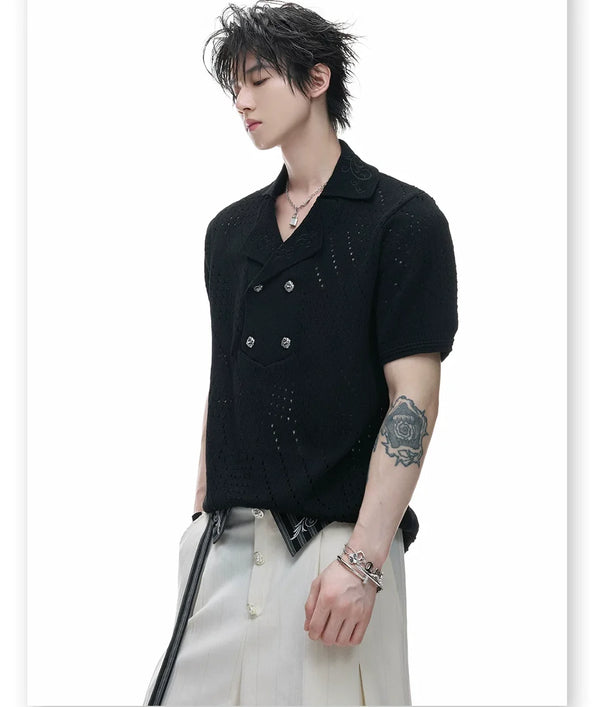
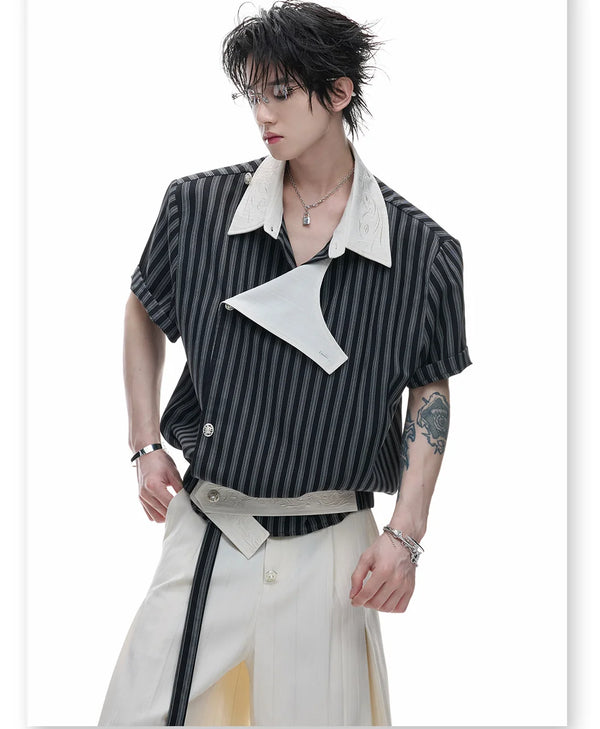
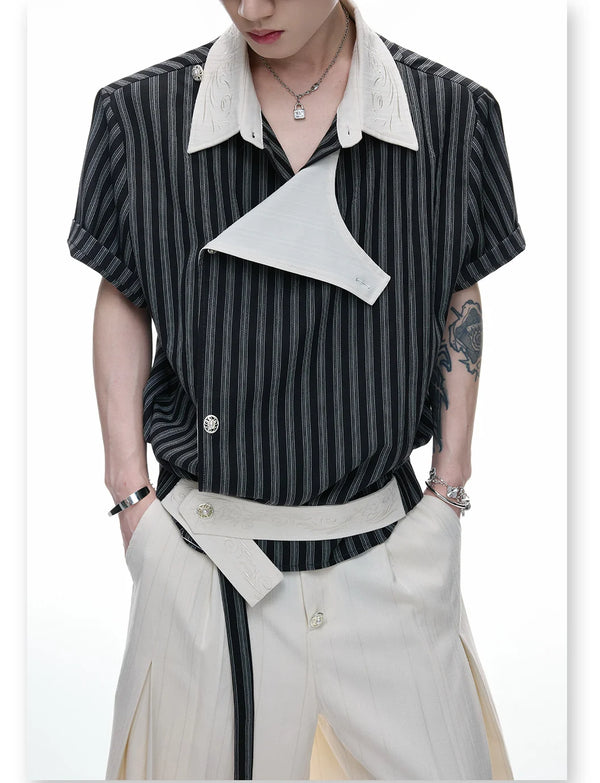
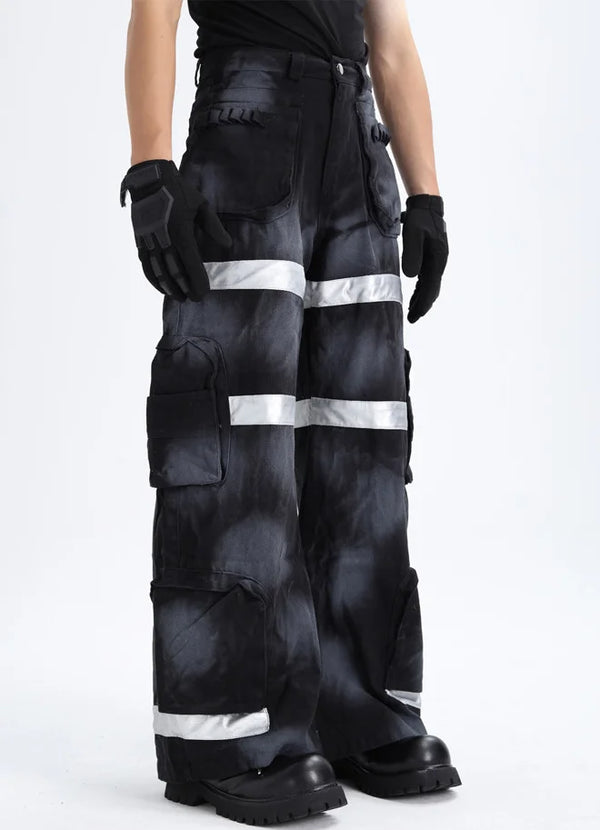
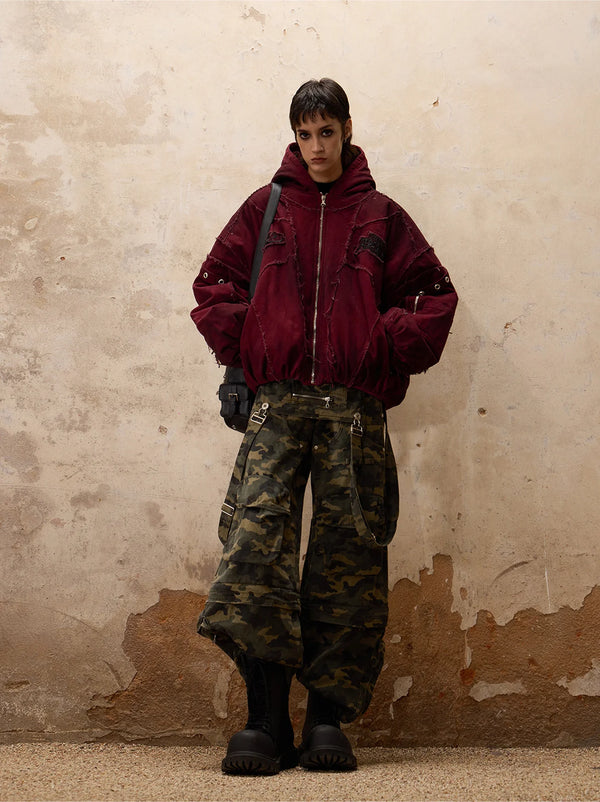
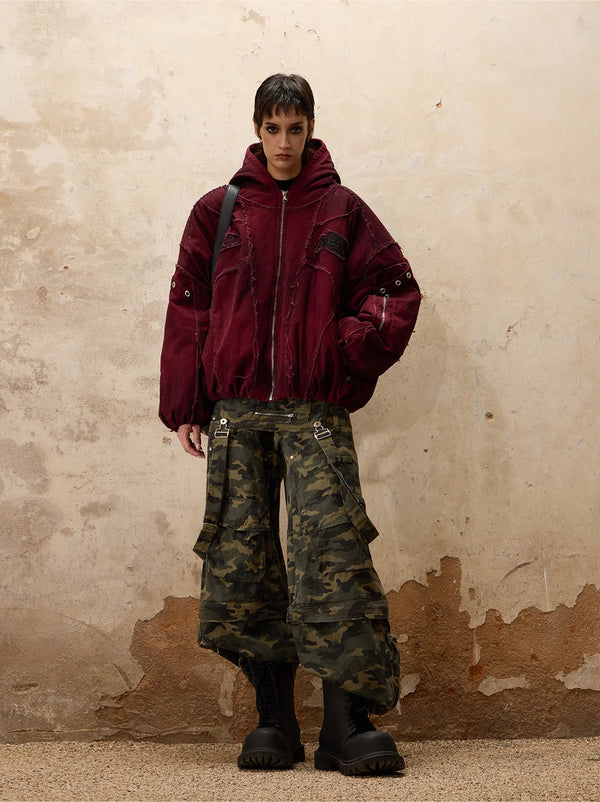
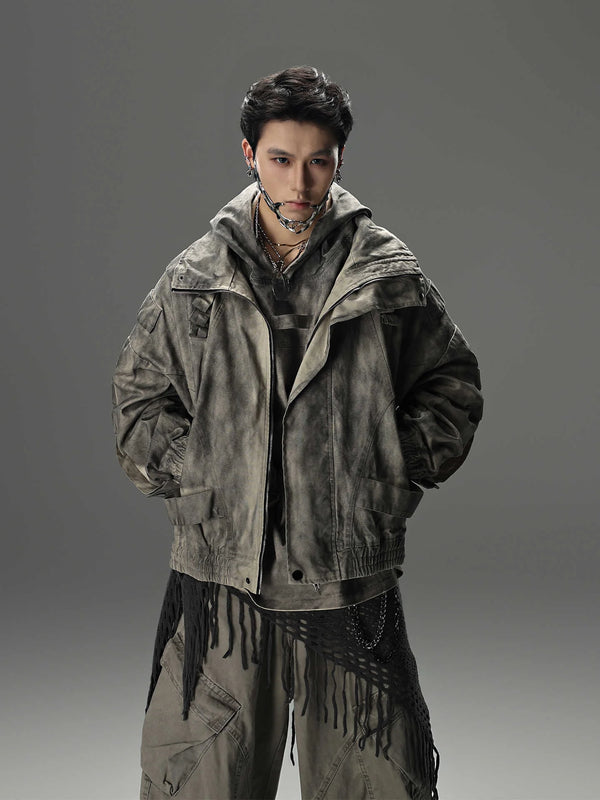
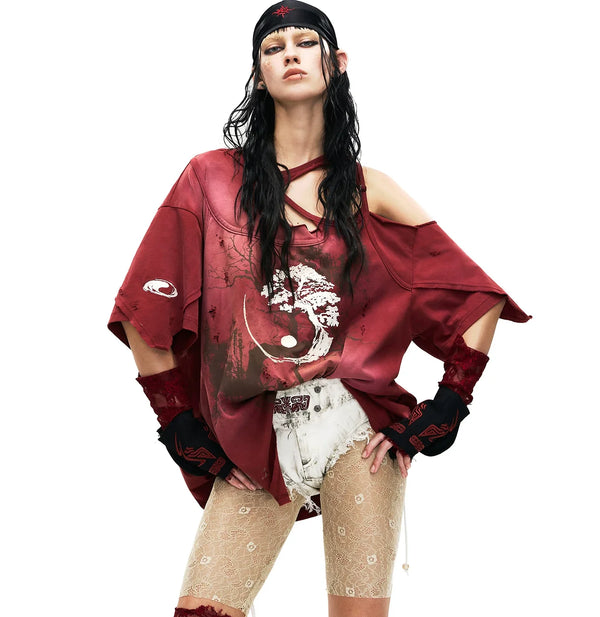
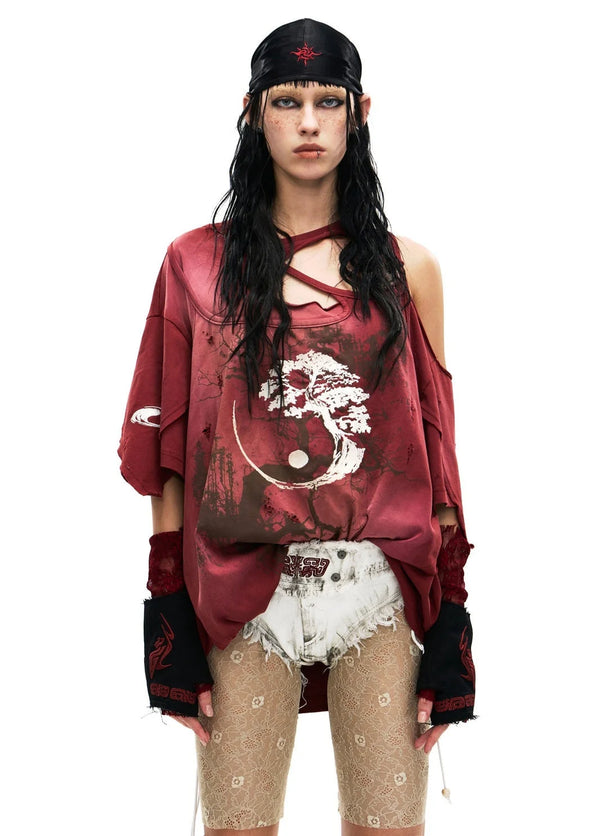
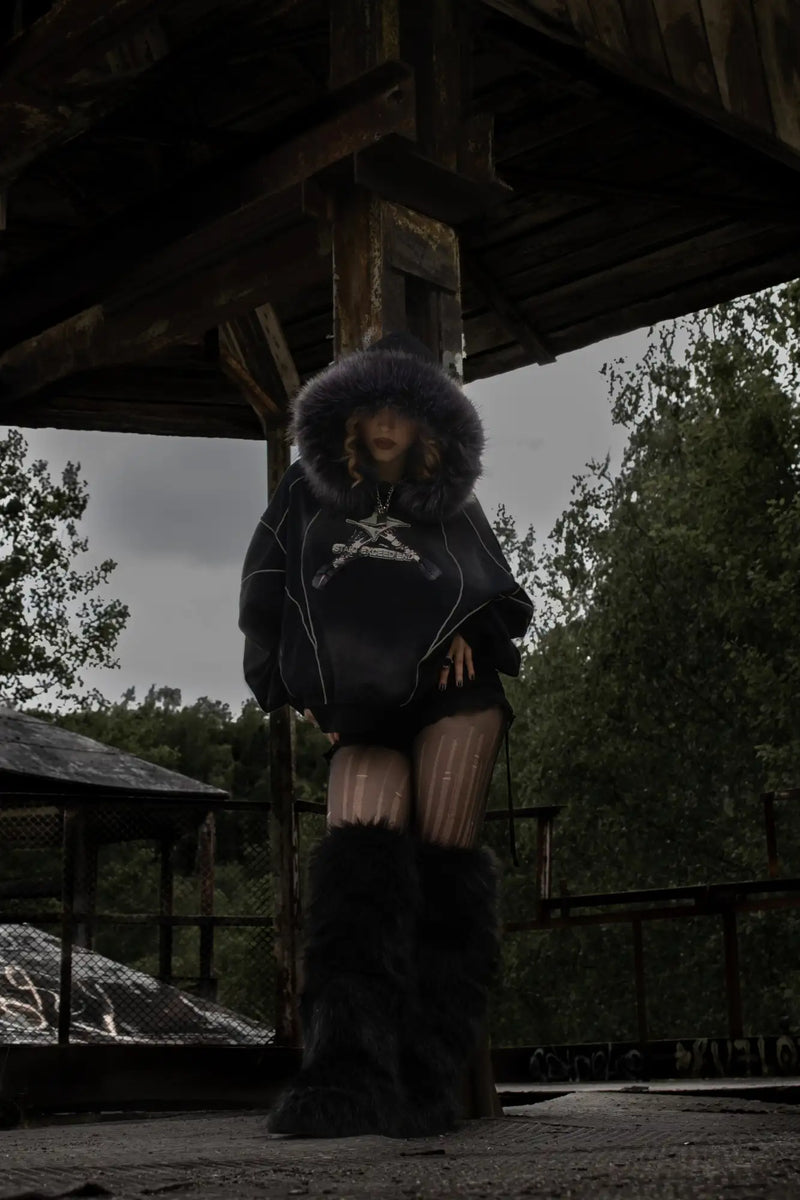
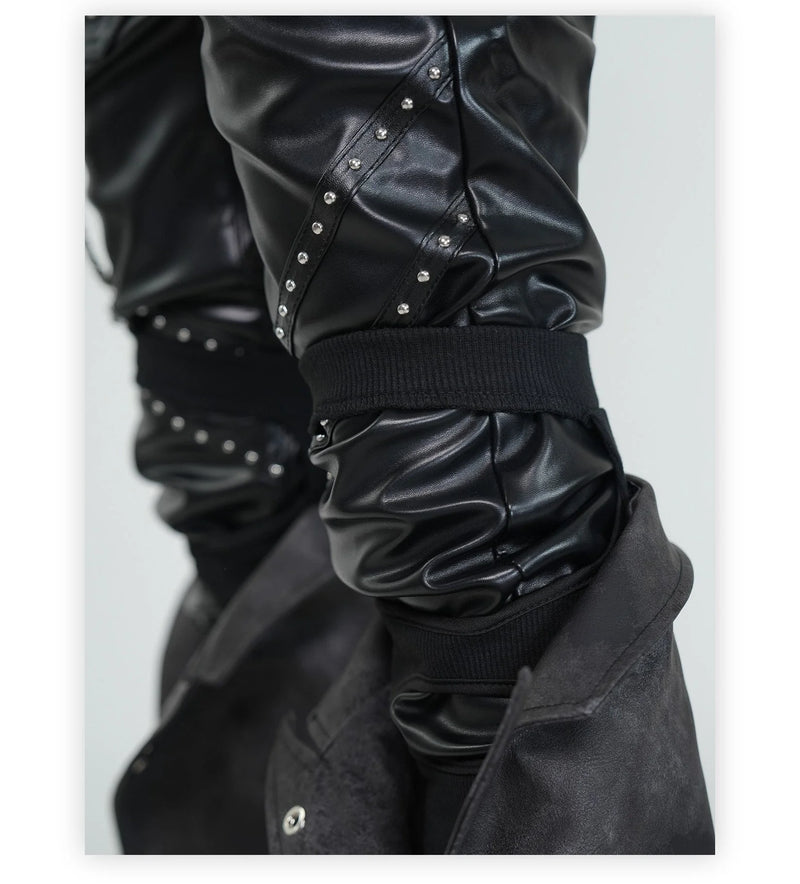
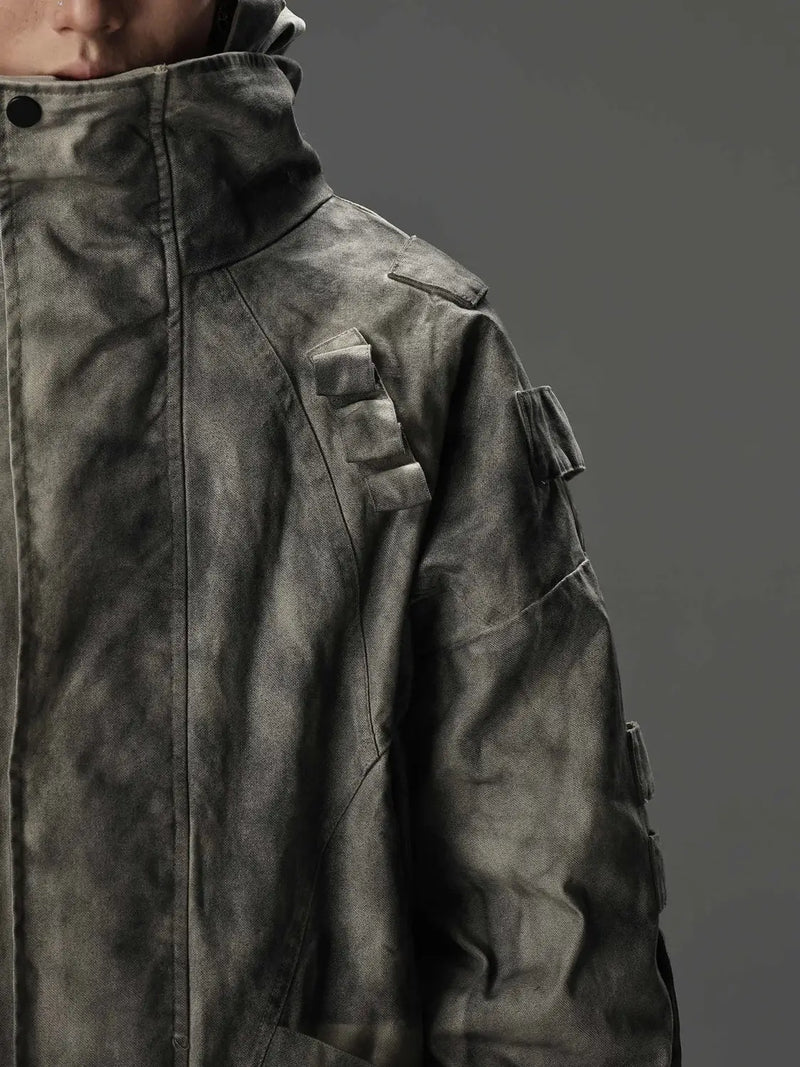
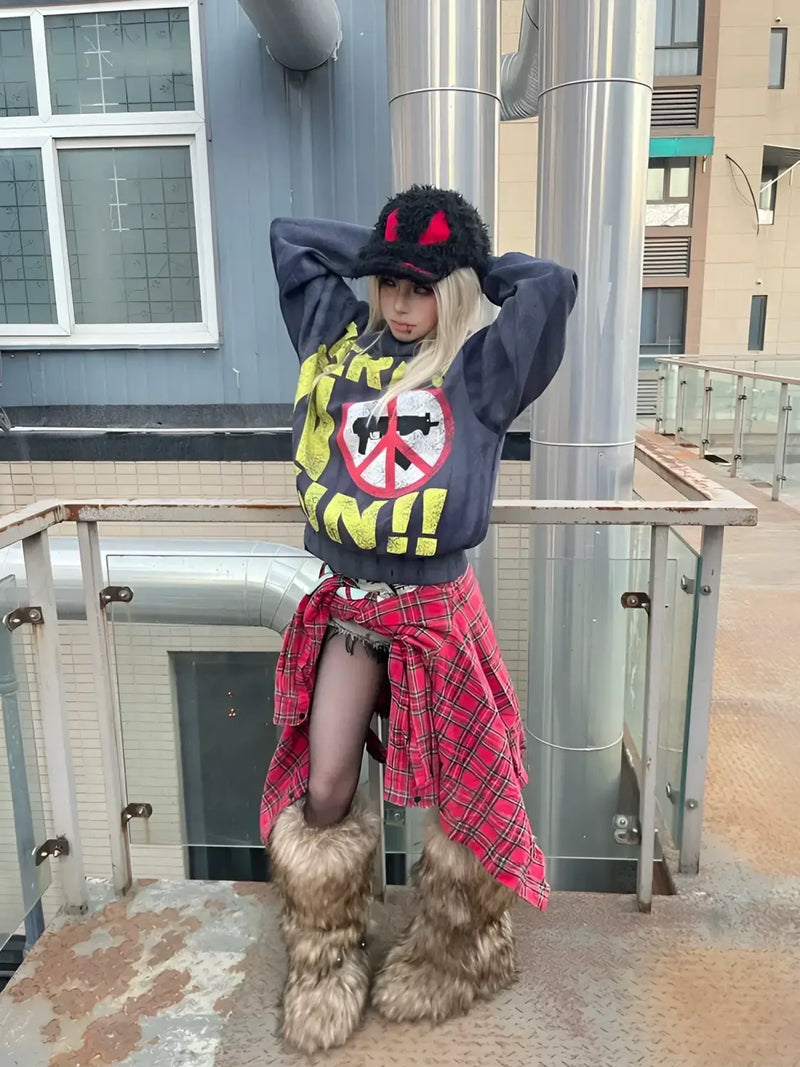
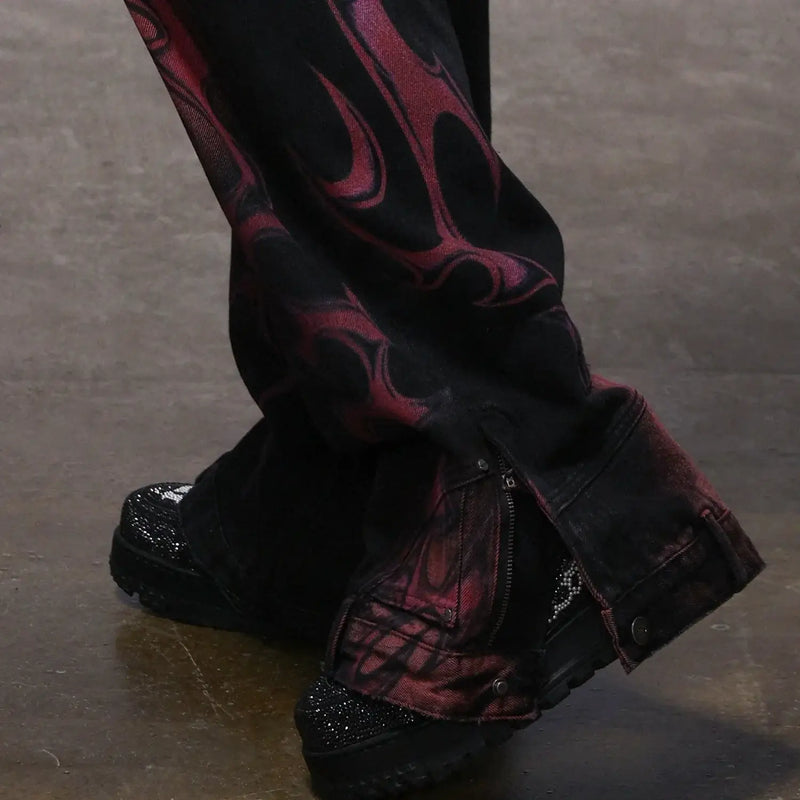
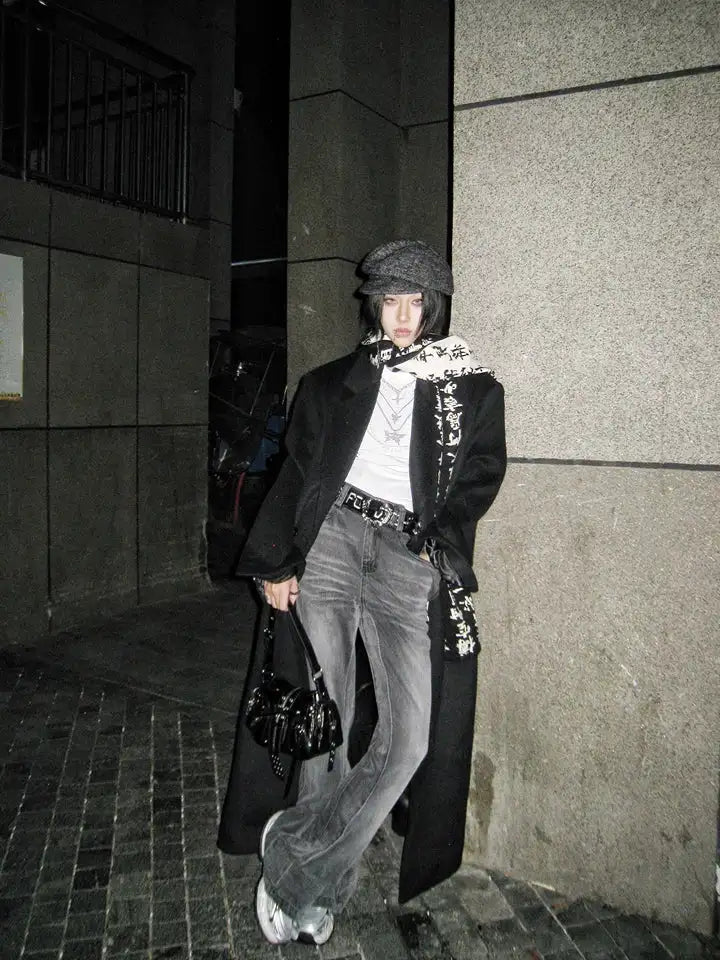
What this looks like in everyday life — without a lookbook setting, without a library filter:
Definition
What Dark Academia really means for women
Dark Academia is an outfit system of four fixed building blocks. When all four sit right, the look reads as Dark Academia. When one is missing, the whole outfit tips over — into Goth (too much symbol), into vintage (too much costume), into Quiet Luxury (too little academic edge), or into Halloween witch.
80 %
muted tones
5
Colors in the wardrobe
5
Iterations
0
visible logos
These four numbers aren't dogma. They're the test. An outfit carrying more than 20 percent un-muted color (a bright-red bag, a light-blue scarf, neon-green knitwear) is no longer Dark Academia. It's “academic with an accent” — and on Instagram that reads instantly as a first-semester student who doesn't yet know where the system ends.
Concretely, four building blocks count toward the vocabulary:
- Structured outerwear — tweed blazer, wool coat, trench, bouclé jacket. The shoulder carries the outfit. Hanging, loose, sloppy is wrong.
- Natural fabrics as the main surface — wool, tweed, cotton, linen, knitwear. Polyester shines too much and reads as a discount imitation.
- Midi length below — skirt at calf height, tailored trousers with a crease, culottes. Mini is Y2K, maxi is Cottagecore. Midi is Dark Academia.
- Closed shoes with a hard sole — loafer, Oxford, Mary Jane, ankle boot with a block heel. Sneakers and sandals break the code instantly.
If you're missing two of these four points, it's no longer Dark Academia — it's “academic-inspired.” And there's one rule that holds all four together:
Origin
Donna Tartt, Oxbridge, BookTok — where the look comes from
Dark Academia emerged from literature, not from fashion. Donna Tartt's novel The Secret History (1992) is the source — six classics students at a fictional Vermont college who commit a murder, in tweed jackets, wool skirts and Brooks Brothers shirts. The book became the aesthetic template for everything later filed under Dark Academia.
As a visual mood genre, the term surfaced on Tumblr in 2015 — black-and-white photos of Oxford quads, macro shots of old books, candles in libraries. At first the clothes were beside the point. The outfit vocabulary crystallized only between 2018 and 2021, when TikTok and BookTok pulled the look into the mainstream. Books like M.L. Rio's If We Were Villains (2017) and Leigh Bardugo's Ninth House (2019) amplified the boom — both carry the same Vermont-Oxbridge DNA.
Why so popular right now: three reasons can be isolated. First the pandemic — students in lockdowns suddenly had time to long for the romanticized college life that had been physically taken from them. Second the anti-Y2K movement — after everything went low-rise and glitter in 2019, the longing for fabric, structure and quiet returned. Third BookTok — a generation starting to read again wants to look the part too. The vocabulary grew out of literature into the wardrobe.
5 iterations
5 iterations — Dark, Light, Romantic, Gothic, Classical
Dark Academia isn't one look but five that overlap at the edges. Lay the Pinterest boards of women with half a decade in the genre side by side and you'll see these five iterations cleanly separated — each with its own color quota, its own shoulder line, its own default shoe.
Which of the five suits you depends less on taste than on your skin undertone, your city (Berlin reads differently from Heidelberg), and how much literary detail you want to wear visibly. How this distributes differently in the women's cut than the men's cut comes next.
Gender split
Women vs. men — where the women's cut sits differently
The rules are the same. Tweed, knitwear, muted tones, midi length, hard sole — it holds for every body. What differs is the line. Where the men's look almost always works with blazer and trousers, the women's variant has a larger vocabulary available: wool skirt, culottes, pleats, knit dress, corset blouse, bouclé set. More silhouettes, more sub-iterations.
Women's version: the waist is visible. The wool skirt sits at calf height, the blazer has a narrower shoulder, the blouse is fitted or has a waistband. Bouclé runs over chest and hip in the women's cut as intentional structure, not as camouflage. Jewelry gets more concrete — cameo, thin gold chain, pearl drop. Not oversize, not statement.
Men's version: more rectangular, less waist, more wool trouser instead of skirt. Blazer with a normal or slightly oversize shoulder, shirt instead of blouse, tie or bow tie instead of a blouse detail. Jewelry shrinks to a watch and maybe a signet ring. That's the vocabulary of Sebastian from Tartt's novel — precise, terse, without drape.
Both need the same 80-percent quota of muted tones and the same sole discipline (closed shoe, hard sole). What varies is the fabric distribution — women combine more textures per outfit, men keep it quieter.
Color
The color palette — why 80 % of the look lives in five tones
Dark Academia works through five tones. Wear these five consistently and you've won 80 percent of the look — the rest is cut and fabric. Start with eight colors and you end up with no look, just a full wardrobe without a system.
The five tones in detail:
- Black — the base. For women, often as wool coat, loafer, tights or polo collar. Not 100 percent of the outfit, but almost always there as an anchor.
- Burgundy — the literary tone. Tweed blazer in bordeaux, knit cardigan in wine, loafer in oxblood. The tone that makes the look unmistakably Dark Academia.
- Forest green — the quiet variant. Wool coat, knit sweater, bow-collar blouse. Reads academic without screaming literary right away.
- Cream white — the skin layer. Blouse with a Peter Pan collar, bouclé knit, bow detail at the throat. Carries brightness into the outfit without breaking the dark code.
- Dark brown & camel — the warm axis. Leather loafer, suede ankle boot, wool coat in camel, corduroy trouser in tobacco. Makes the look earthy instead of strict.
These five are enough for a whole quarter. Want more, search within the palette — darker or lighter, warmer or cooler — not outside it. Accents in bright red, turquoise or neon pink break the code instantly.
Brands
The brands that write the vocabulary
Dark Academia didn't invent its own brand. It's a composition from the British-American heritage spectrum plus a few European women's labels that translate exactly this vocabulary competently. Once you understand the vocabulary, you build Dark Academia looks from pieces that weren't even made specifically for the aesthetic — they work because fabric and cut are right.
The brands that write the women's vocabulary most often — sorted by price and availability in Germany:
- Massimo Dutti — the most pragmatic entry point. Wool coat, bouclé blazer, knit dress, leather loafer — all in the tweed-Vermont vocabulary and under €250. Available in every larger German city.
- COS — the quiet variant. Little literary, but cleanly structured. Wool coat, knit polo, trousers with a waistband. When you don't want burgundy romance but need the cut.
- Sézane — the Parisian women's drift. Bow-collar blouse, bouclé knit, leather loafer. More Parisian than Vermont, but the vocabulary fits.
- Sandro & Maje — the tweed authority. Bouclé sets, tweed blazer with flap pockets, wool skirt. Higher in price, but durable.
- Reformation — the women's brand for midi skirts and knit dresses in the palette. Cream white and burgundy are house colors.
- Aritzia (Wilfred) — the knit authority. Cardigan, turtleneck, bouclé sweater. Available online for Germany.
- Ralph Lauren & Brooks Brothers — the heritage template. Polo-stripe shirt, virgin-wool blazer, knit cardigan. Very easy to find on the resale market.
- Vintage Burberry & Aquascutum — the trench. Both have run in the same vocabulary for decades. Used pieces age better than new stock.
If you want to wear Dark Academia without paying designer prices, look two ways: resale platforms (Vinted, Vestiaire) for the heritage brands, and Massimo Dutti plus COS for current pieces under €200. Vintage shops in Hamburg, Berlin or Munich carry the virgin-wool blazer stock of the 80s and 90s — that's the unbeatable mix of price and authenticity.
Category · Outerwear
Blazer, coat & cardigan — the outerwear hierarchy
The outerwear carries the women's outfit. It's the largest fabric surface, the dominant tone, the primary carrier of the shoulder line. This is where it's decided whether your knit dress becomes a Dark Academia look — or a generic commuter in transition.
Three outerwear types work in the women's cut: the structured tweed or bouclé blazer (the default piece), the knee-length wool coat in black, camel or forest green (for the cooler season) and the cardigan in dense knit (for inside, over a blouse, or as a layer under the blazer). Trench in beige or black works as a transition piece — but stays a supporting role.
If you don't yet own a structured blazer, that's your first move. Everything else in the outfit depends on it — the wool skirt reads as office without the blazer, the bouclé set reads as an influencer at a sample drop.
Category · Tops
Blouses, shirts & knitwear — the collar code
For women more vocabulary sits in the tops than for men. Three components count: the blouse with a detail collar (bow collar, Peter Pan, ruffles, high stand collar), the knit sweater in wool or bouclé, and the fitted shirt. Print shirts with logos, crop tops, sheer mesh layers — all of it tips the code instantly.
The rule in the collar vocabulary: the detail sits up top, not down below. A bow collar reads literary, a V-neck knit reads Quiet Luxury — both work, but only one is Dark Academia. A blouse with a chest pocket, bow collar or Peter Pan collar is always Dark Academia. A blouse without a neck detail needs the cardigan or blazer over it to complete the code.
If you want to test the detail collar, start with a cream-white blouse with a bow collar or Peter Pan detail. Works under every blazer, every cardigan and every wool dress — it's the most universal women's investment in the vocabulary.
Category · Bottoms
Skirts, trousers & dresses — the silhouette question
The silhouette is decided in the bottoms. Three categories work: the wool skirt in midi length (pleated, A-line or pencil), the tailored trouser with a crease (straight or slightly wide), and the knit or wool dress in midi length. Jeans aren't ruled out on principle — but only as a dark-blue straight cut, never in a distressed variant or skinny.
Working women's bottoms are matte, structured and sit at the waist. Avoid anything that shines (a satin skirt reads office siren, not Dark Academia), and anything that starts below the waist (low-rise is Y2K vocabulary, not Vermont). The waistband almost always sits high — that's the fastest test of whether a skirt or trouser fits the code.
If you want to build a trouser or skirt that fits each of the five iterations, take a wool skirt in midi length, forest green or burgundy. That's the common denominator.
Category · Footwear
Shoes — loafer, Oxford, Mary Janes (no sneakers)
The shoes are the spot where a Dark Academia women's look tips over fastest. Wrong choice in the sole and the whole outfit breaks — no matter how cleanly blazer, blouse and skirt sit together. Sneakers are out on principle. No matter the brand, no matter the color, no matter how discreet.
Four shoe types work for women:
- Loafer — the default. Penny loafer, tassel loafer or horsebit variant in black, oxblood or dark brown. Leather loafers with a block heel work all year, often combined with a white or patterned sock.
- Oxford & Brogue — the strict variant. Laced leather brogue with a punch pattern, often with a block heel. More statement than the loafer, but in the same vocabulary.
- Mary Jane — the literary women's shoe. Strap over the instep, block heel, often in patent black or matte burgundy. Romantic-iteration default.
- Ankle boot — the winter solution. Ankle boot in black or dark brown, block heel, zip on the inside, sole in leather or firm rubber. Never with a stiletto heel — that tips into office siren.
What doesn't work: every sneaker, every sandal, every platform boot with a white sole, every stiletto pump. The sole must be matte, the heel block or flat, the shoe closed.
Styling
Styling — where the women's look is really decided
A Dark Academia women's outfit works through three ratios: fabric to skin, structure to drape, accent to anchor. Get these three down and you build a hundred outfits with fifteen pieces — only buy pieces and you have a full wardrobe without a single clean outfit.
The women's iteration lives off the neck detail up top and the sole down below. What happens in between — blouse, skirt, waistband — is variation. What sits at the neck and on the feet is the rule.
Concretely that means: blouse with a detail collar plus loafer with a white sock — the look sits. Blouse without a collar plus sneaker — the look is generic. Knit collar plus Mary Jane with a strap — literary. Spaghetti straps plus stiletto — office siren, not Dark Academia. We covered the full outfit build with concrete women's examples in a separate article:
But Dark Academia doesn't stand alone — it overlaps with several neighboring aesthetics. Light Academia shares the fabric discipline, Old Money the cut rule, Poetcore the literary DNA, plus-size Dark Academia adapts the shoulder logic for other bodies. Once you have Dark Academia down, you can read these neighboring codes and mix deliberately without slipping into cosplay.
Here are the five most important neighbor guides — in case you want to go deeper:
Seasonal
Autumn-winter vs. summer shift
In autumn and winter Dark Academia is easy. Wool coat, knit dress or wool skirt plus cardigan, blouse with a bow collar, ankle boot, tights, tweed blazer as a layer underneath. Six layers if needed, all in the five-tone palette, all of it works. The challenge comes in summer, when the outer layer (= the largest visual surface) falls away.
Summer Dark Academia works through three shifts: first the fabric choice — wool and tweed out, cotton twill, linen bouclé and light knit in. Second the dress instead of the outfit — a wrap dress in forest green or burgundy with a loafer carries the whole mood without layer stress. Third the brightness — the Light Academia iteration becomes the default choice in summer. Cream white and beige displace black and burgundy as the main surface.
The same vocabulary runs in motion in the feed — if you want to see how the fabric falls in everyday life, look here:
What does not work
The 6 most common women's mistakes — from cosplay trap to influencer shine
For women Dark Academia has six spots where it reliably tips over — no matter how expensive the individual pieces are. If you avoid only one thing, make it mistake number one.
Action
First 4 pieces — your women's starter set
You don't need 25 pieces to wear Dark Academia. You need four that will be in 80 percent of your outfits. Everything else builds around them — layer by layer, season by season.
In order: a structured tweed or bouclé blazer in black or burgundy (your largest investment — lasts fifteen years if you go for virgin wool). A wool skirt in midi length, forest green or black. A cream-white blouse with a bow collar or Peter Pan detail. A pair of leather loafers with a block heel in black or oxblood. Optional as a fifth: a dense knit cardigan in burgundy that fits under the blazer and over the blouse.
Outfits for real
Dark Academia for real — women's outfits from the feed
Before you build your own outfit, look at how others wear it. The five iterations from above look different in the feed than in lookbook photos — worn, mixed, with real shoulders and real libraries. That's exactly why they work.
This is the fastest way to check whether Dark Academia sits on your body type and your city at all — before you spend money.
To close
Dark Academia is a rulebook — not a Halloween setlist
If you take one thing from this guide, take this: Dark Academia doesn't work through pieces but through rules. Get the rules down and you build a hundred outfits with fifteen pieces. Only buy pieces and you have a full wardrobe without a single outfit that sits.
The whole logic of this guide reduces to one sentence:
The rules have been stable since Donna Tartt's novel (1992) and will stay that way — as long as BookTok lives and vintage tweed hangs in Hamburg second-hand stores. But you don't have to wait until you know every rule by heart. Start with one iteration that most likely suits your skin undertone and your city. What you don't know, you learn by wearing it.
And that's the point too: Dark Academia reads in theory like a corset of rules, but in practice it doesn't feel that way. Once you have the code down, every further outfit is a variation on the same five building blocks — not a new invention.
FAQ
Frequently asked questions about Dark Academia for women
The questions we often get by DM and email — short, clear, no detours.
What does Dark Academia mean?
What are concrete examples of a Dark Academia women's outfit?
What is Dark Academia in books and what should I have read?
Why did Dark Academia become so popular?
Which book is the first in the Dark Academia series?
What is the opposite of Dark Academia?
Where do I buy Dark Academia women's clothing in Germany?
What do you think?
Tell us on @fuga_studios
About the author
Philipp Fuge — Founder · Berlin
Founder of Fūga Studios. Writes the journal himself. Berlin · Shanghai · Tokyo · Poznań — four cities, one logic.