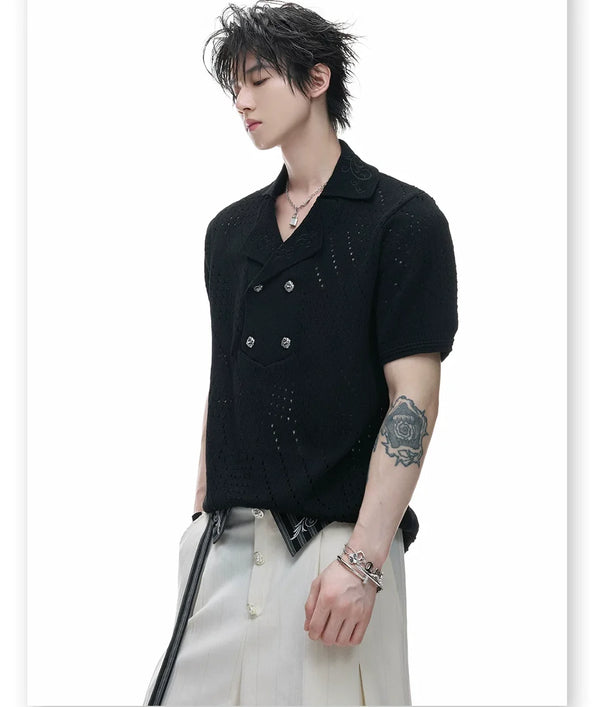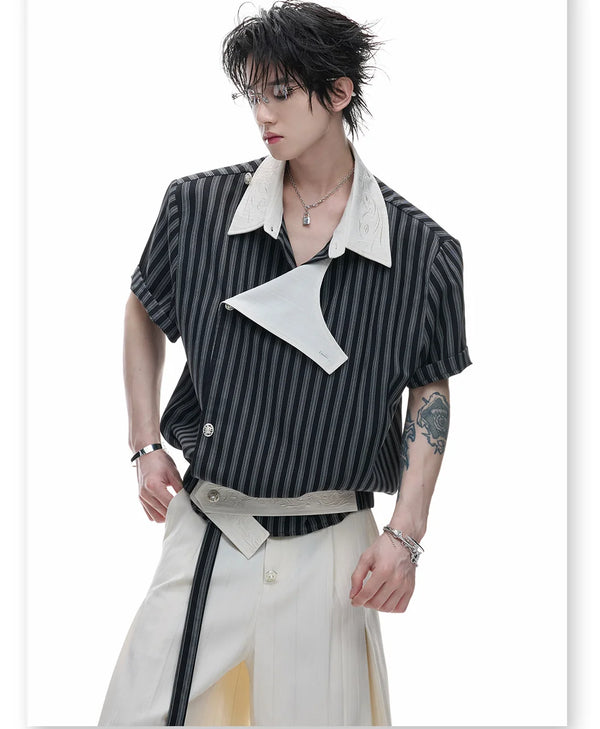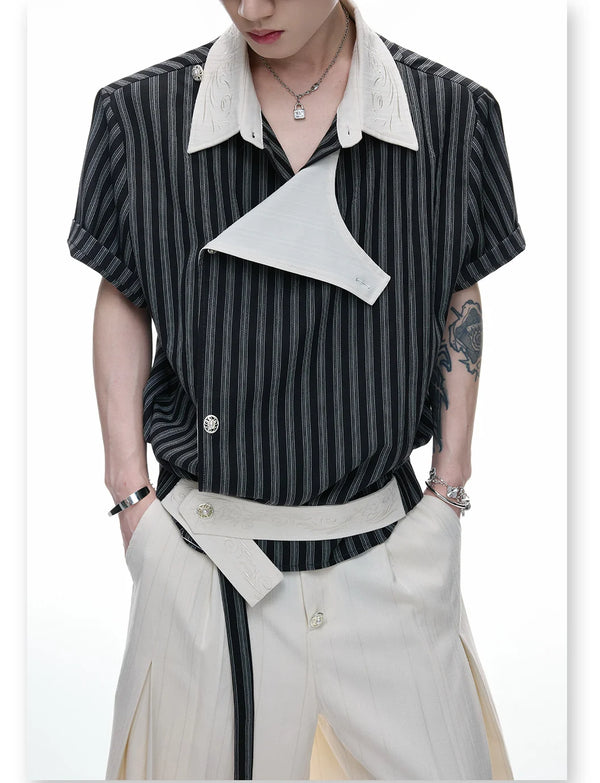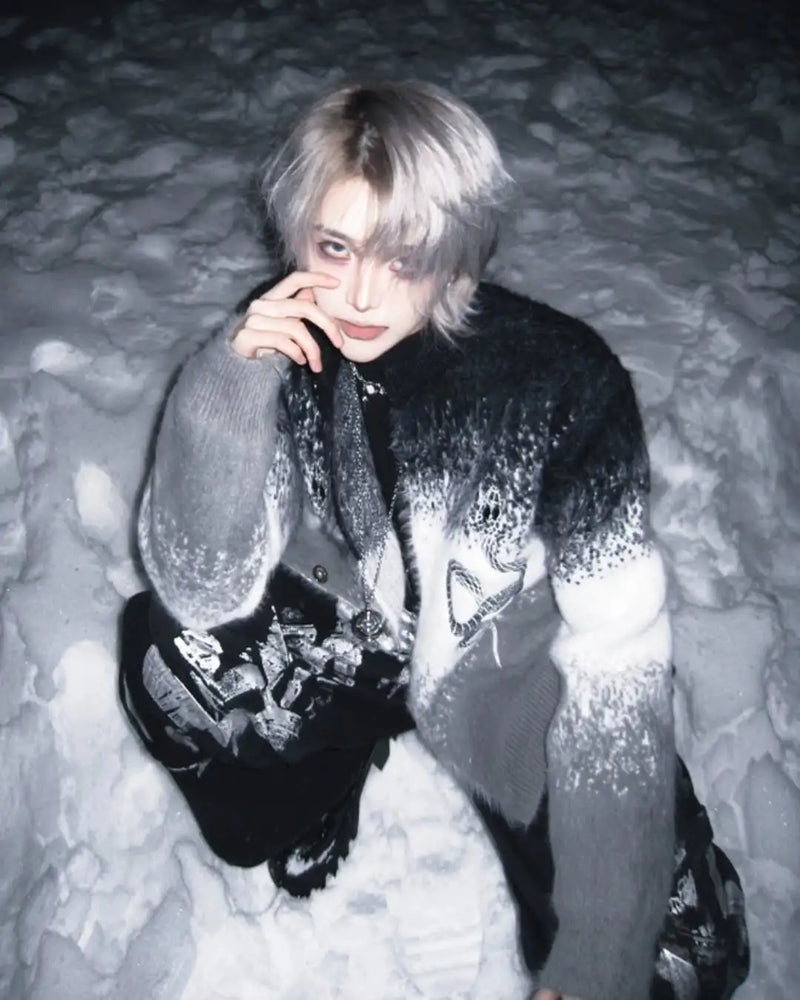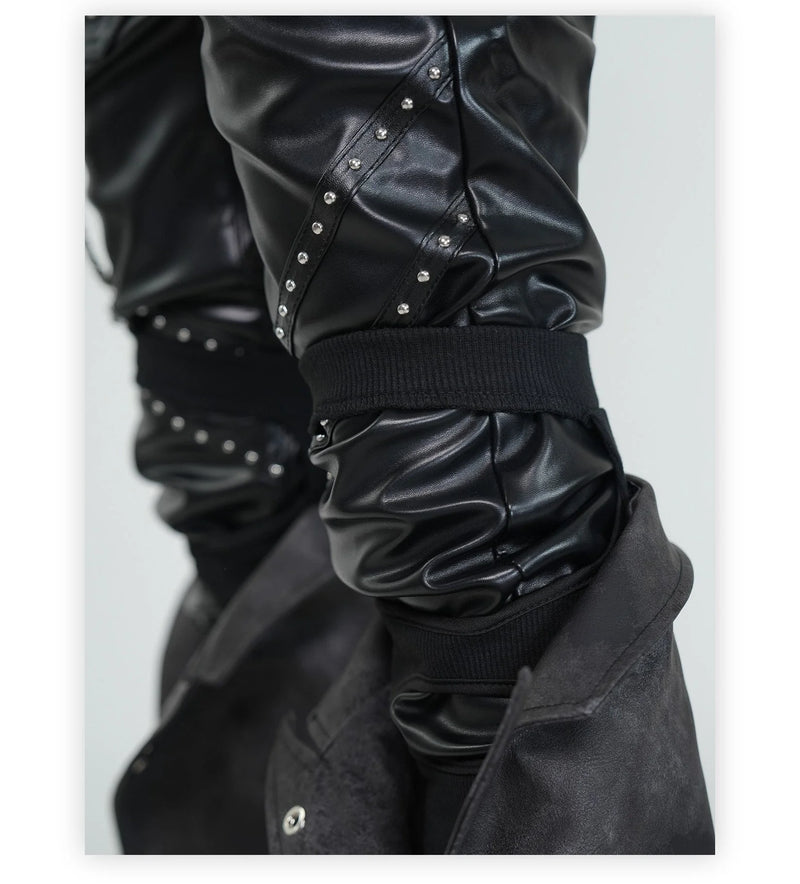
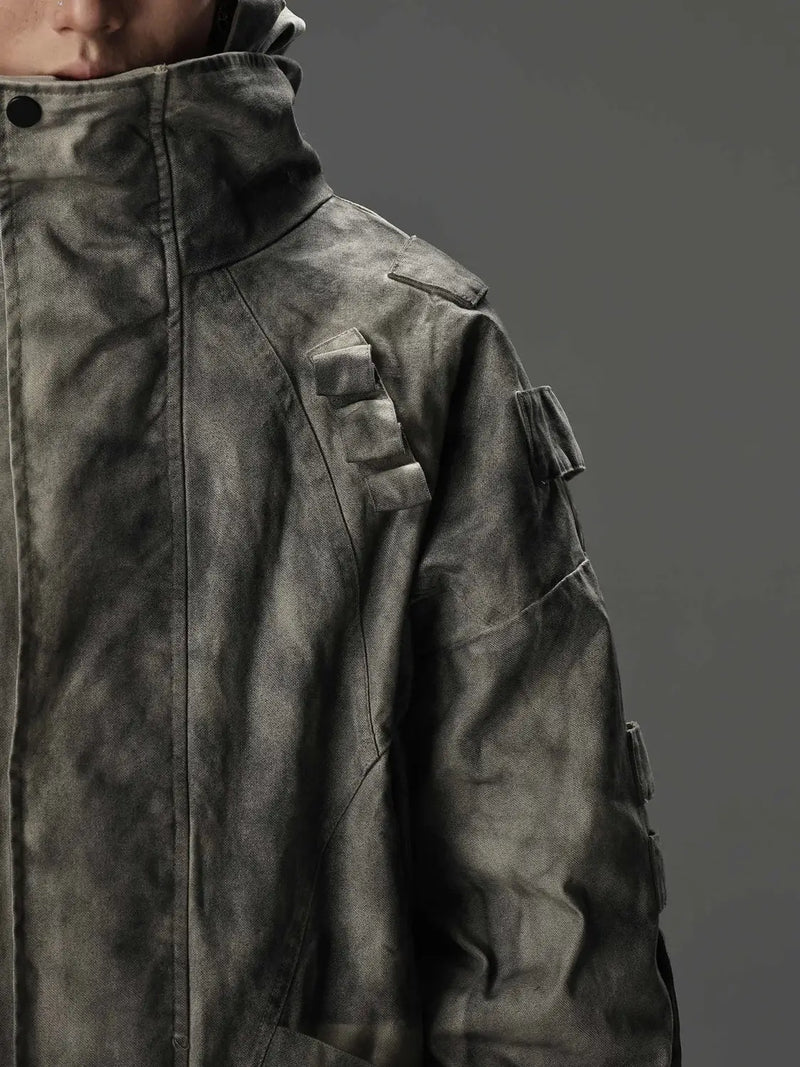
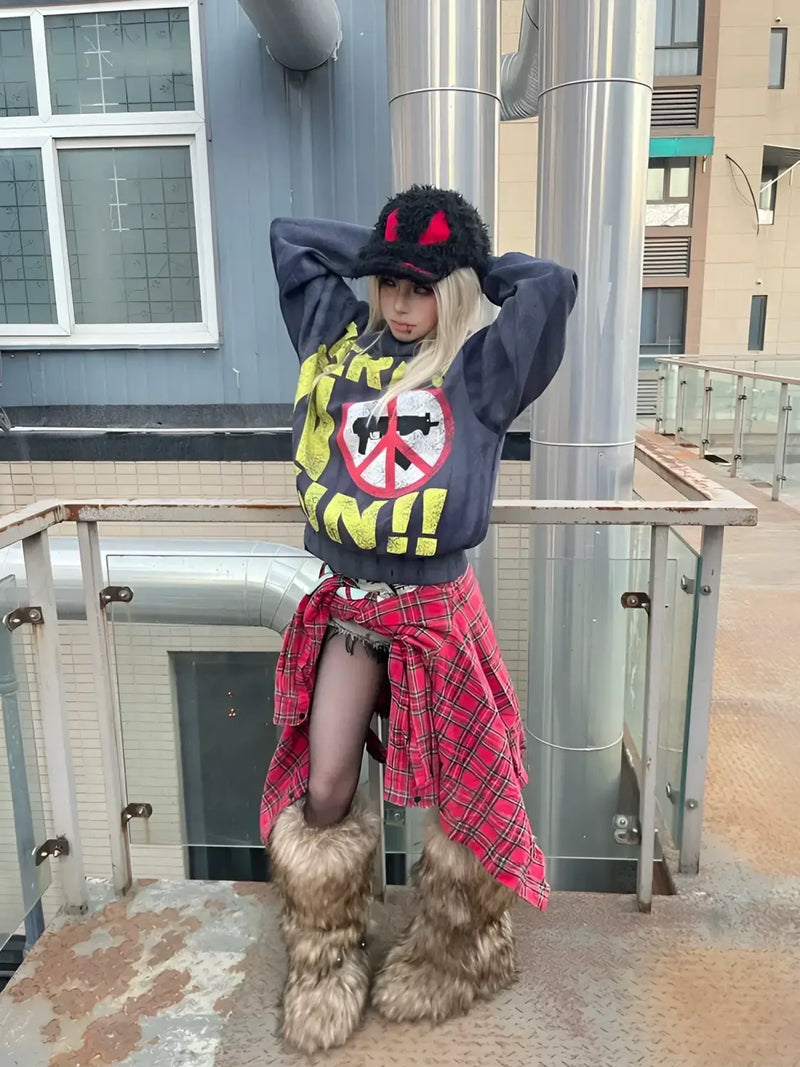
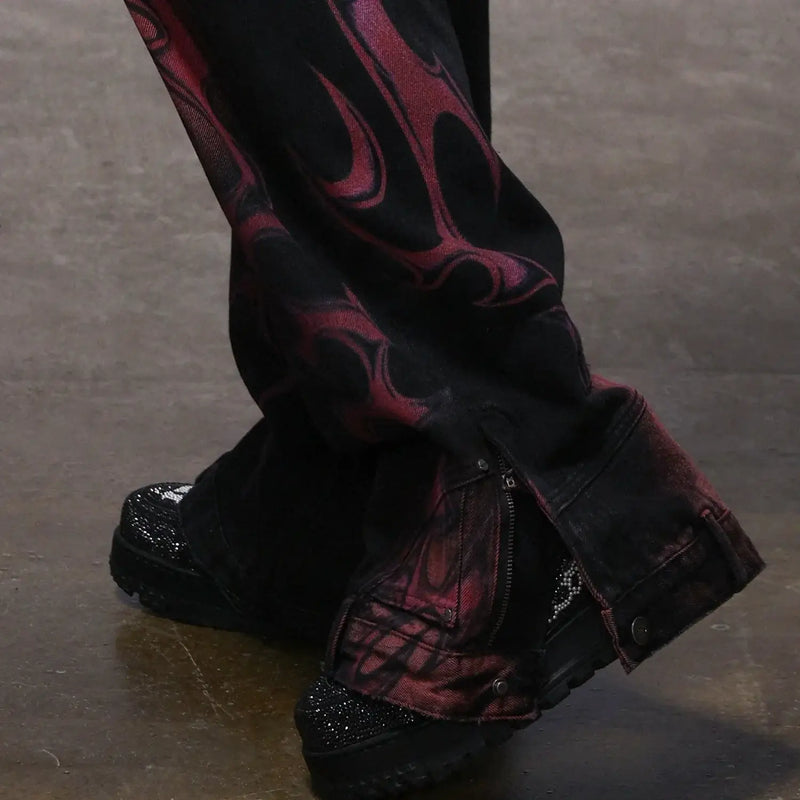
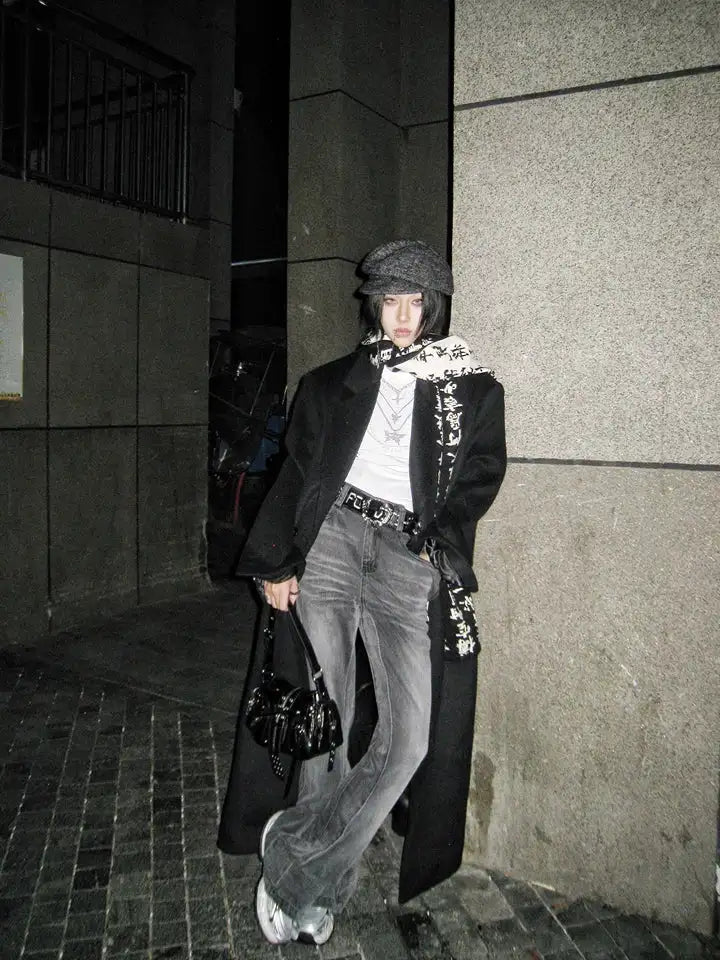

Goddess Rave doesn't mean „more glitter“. Anyone who reduces the look to sequins and a body chain has understood what works in a shop window — not what still holds together on the floor at four in the morning. A goddess doesn't wear a costume. She wears a line.
The goddess look at a rave stands on three materials: drape that falls instead of sitting. Chrome that catches the light instead of mirroring it. Mesh that shows skin without putting it on display. Greek Goddess, Chrome Goddess, Dark Goddess — every variant draws on the same vocabulary. What changes is the colour and how much metal is in play.
This guide clears up what women actually wear to a rave, how the five goddess types differ, how much skin the code can carry, how that translates into tops, bottoms and layers, which pieces you need first — and which mistakes tip the look from „goddess“ to „costume“.
What this looks like in motion — Chrome on the floor, in twelve seconds:
Definition · The code
What do you wear as a woman to a rave — and what makes it a goddess?
The honest answer: what you can dance in all night without pulling it back into place every twenty minutes. A rave is hot, tight and lasts a long time. What looks good in the mirror at home has already lost on the floor if you can't move in it. The goddess look solves this not with less fabric but with better fabric: drape that moves with you, mesh that breathes, and a firm base layer that holds.
3
Materials — Drape · Chrome · Mesh
5
Goddess types
2:3
Proportion rule
What separates the look from a normal festival outfit is four decisions. They sound small, but they are the difference between a line and a pile of pieces:
- One metal language — silver or gold, never both. The goddess decides on one light.
- One open area — back, one shoulder or the waist. One zone, not three.
- Drape over stretch — fabric that falls looks more expensive than fabric that clings. Movement is part of the look.
- A firm base — a bodysuit or structured top as the base, so that everything above can flow.
Archetypes · Five ways
The five goddess types — from Greek to Chrome
Goddess isn't a single outfit but a family of looks that all share the same material vocabulary. Which type suits you depends on which colour you want to wear and how much metal you can carry on your skin. The five cover the whole field:
Material · The base
Drape, chrome, mesh — the three materials that carry the look
If you take only one thing from this guide, take this: Goddess Rave is a question of material, not of quantity. Three fabrics do all the work, and each has a job no other can take on.
- Drape — flowing fabric that falls from the body: satin, jersey, chiffon. It makes the movement visible and is the reason a goddess never looks stiff.
- Chrome — metallic surfaces that take in the light of the rig and throw it back: liquid metallic, coated nylon, foil finish. This is the element that lives in the dark.
- Mesh — transparent fabric as a layer over the base: net, tulle, sheer long sleeves. It shows skin without you losing skin — and it breathes when the room gets hot.
The art is in the ratio. Two of the three materials per outfit is enough — all three together quickly become a show. A chrome trouser with a plain mesh top: strong. Chrome plus drape plus mesh plus body chain: too much, too loud, too costume.
Proportion · The line
How much skin does the look show — and why at all?
The question of why women wear little at raves has an unspectacular answer: heat and movement. A full floor quickly hits thirty degrees, and six hours of dancing in closed fabric isn't a pleasure but a sauna. Less fabric here is first a function decision — and only after that a style decision. The goddess look turns this necessity into a line instead of hiding it.
Still, „as little as possible“ isn't the code. The code is proportion. This is where the 2/3 rule comes in: keep roughly two thirds of the body covered or structured and leave one third free. Open back with long trousers. High leg slits with a closed top. Crop top with a maxi skirt. One zone carries the eye, the rest holds the form.
Skin in the goddess look is an accent, not a concept. One open zone reads as composed. Three open zones read as insecure — as if the outfit were afraid of being overlooked.
Fūga Studios · Styling-Prinzip
This applies to each of the five types. The Dark Goddess shows skin through mesh instead of through gaps. The Greek Goddess shows one shoulder, not both. The decision of what stays covered is just as important as the one of what lies free.
Category · Tops
Tops & Bodysuits — the skin layer
In the Goddess look, the top is the base layer, not the main event. A ribbed tank or a firm bodysuit gives you the foundation that mesh, chrome and drape only work over. Choose hold over effect here — the effect comes from the materials on top.
The tank carries the Chrome look, the longsleeve the Dark Goddess look — both are tight enough that everything over them can flow without slipping. A good base top is the piece you underestimate the most and reach for the most often.
Category · Bottoms
Bottoms, skirts & drape — the base
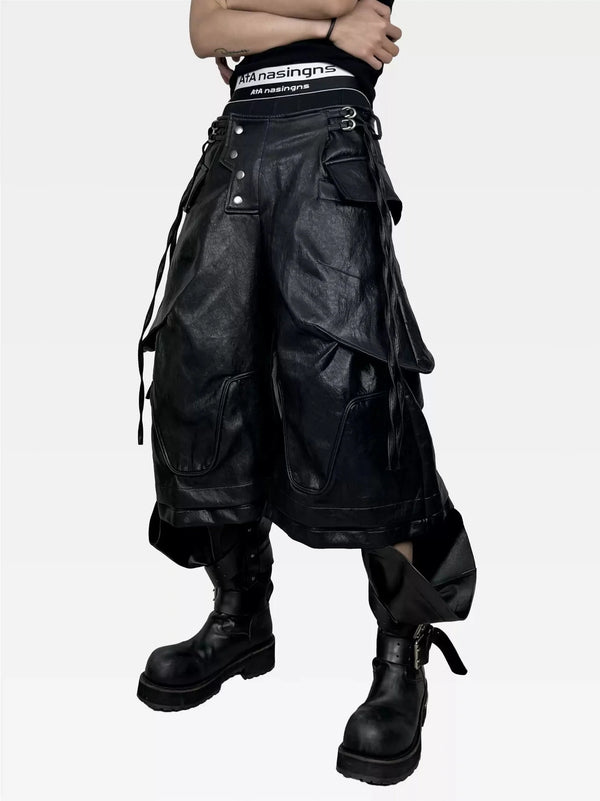
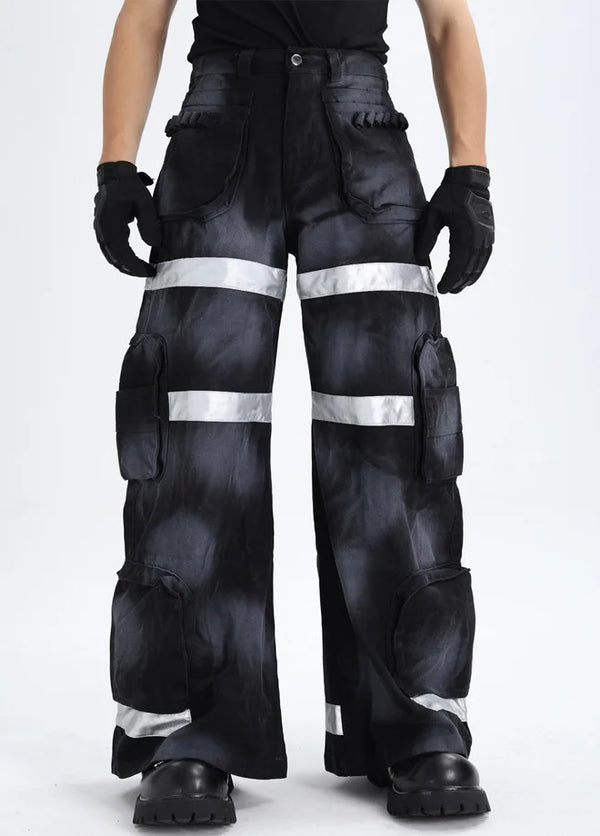
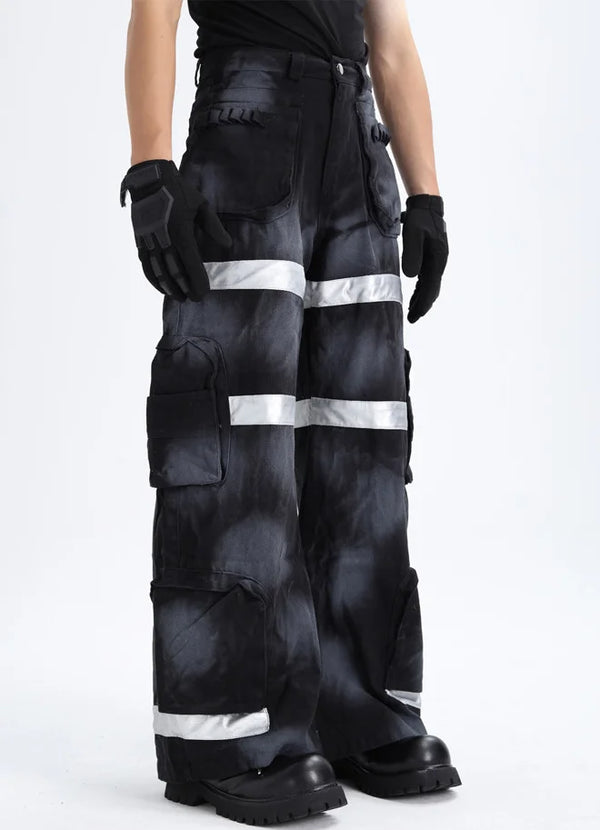
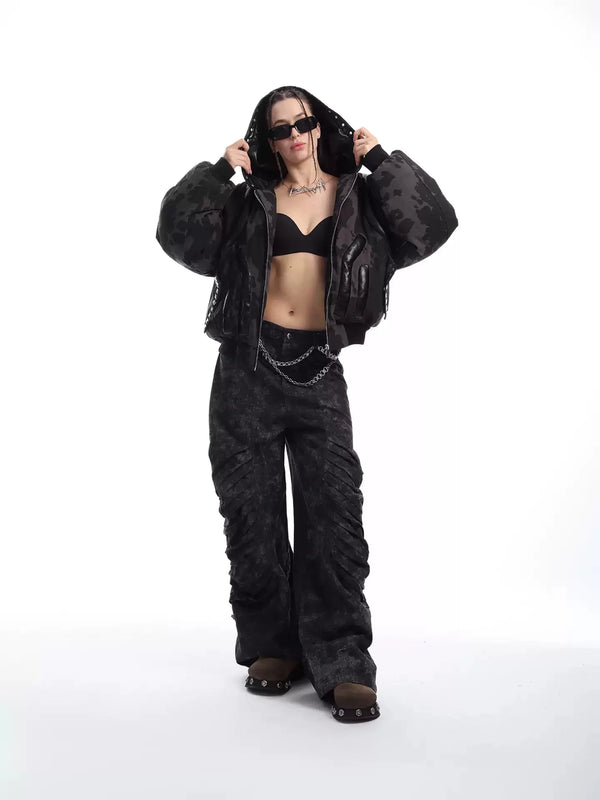
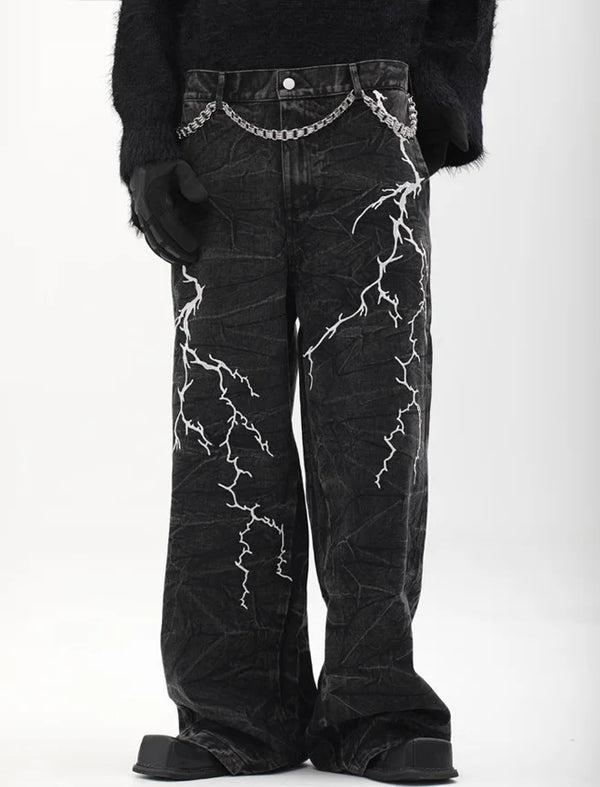
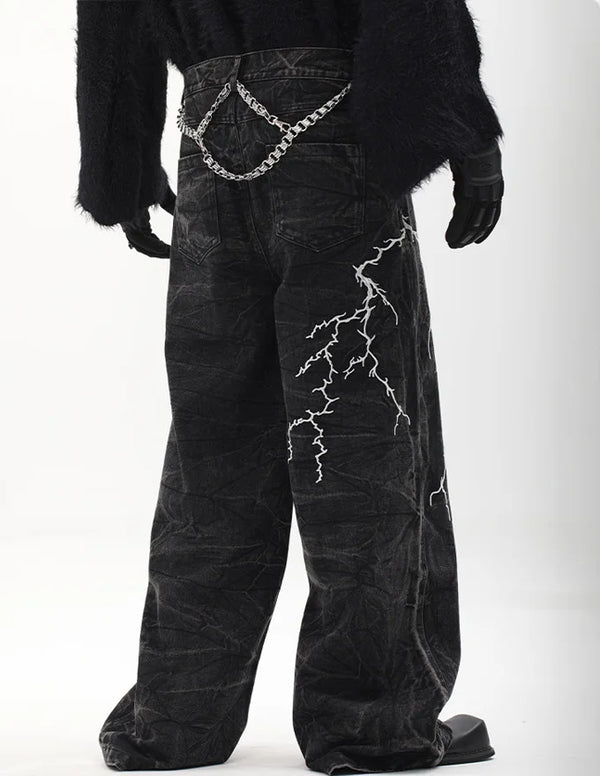
The bottom is where the look either flows or stalls. A wide cargo with a reflective detail carries the Chrome Goddess, a drape pant with a leg slit the Greek. The rule from up top flips here: tight on top, wide below — or open on top, closed below. Volume belongs on one layer, not both.
Both pants are wide enough for movement and firm enough that they don't sag when the night runs long. If you'd rather wear a skirt: a maxi with a high slit follows the same logic — length gives drape, the slit gives the one open zone.
Category · Layer
Layers & jackets — when the rave is outside
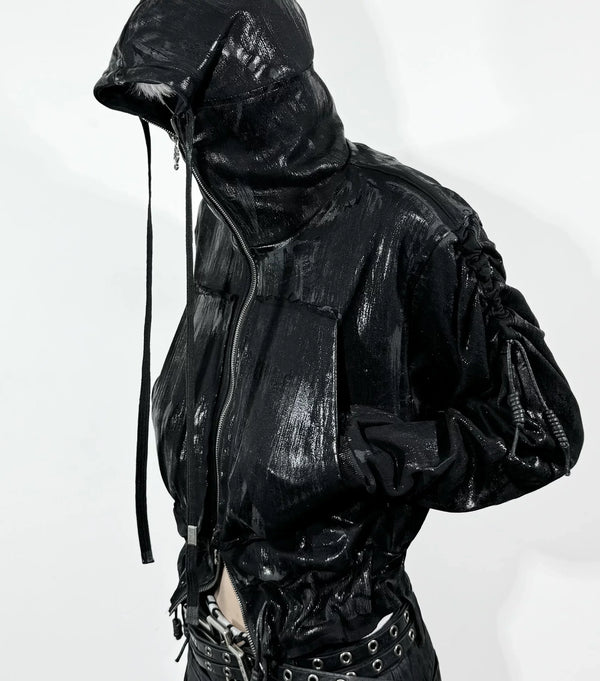
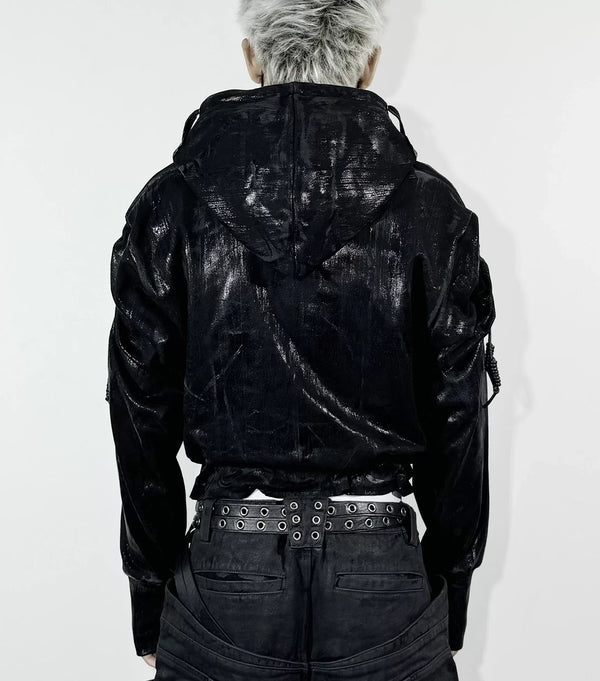
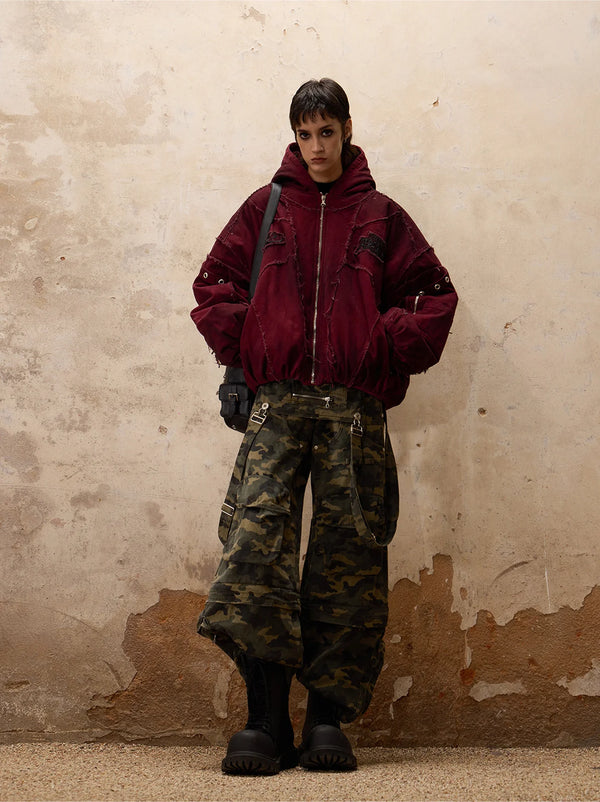
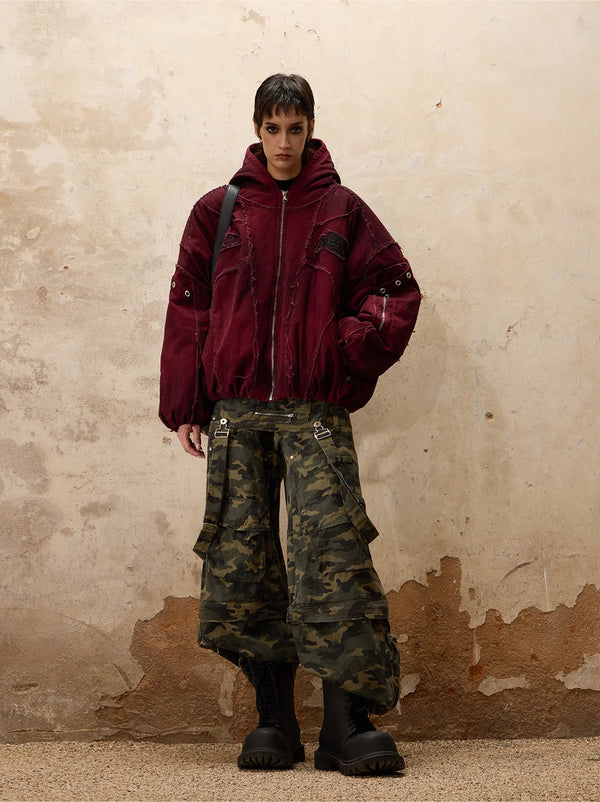
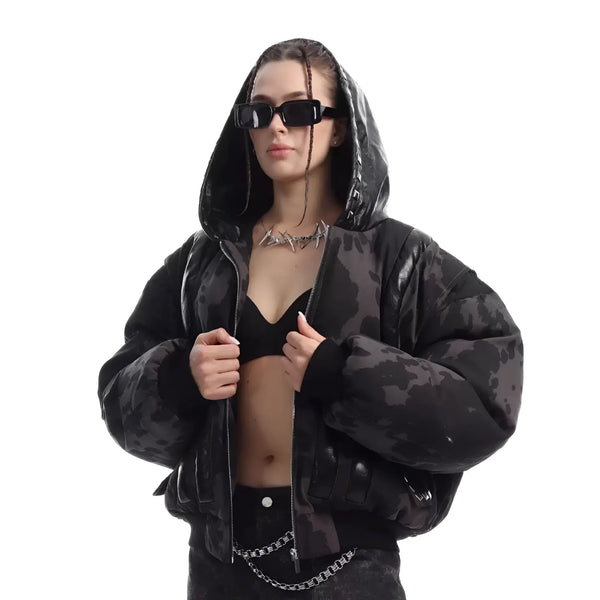
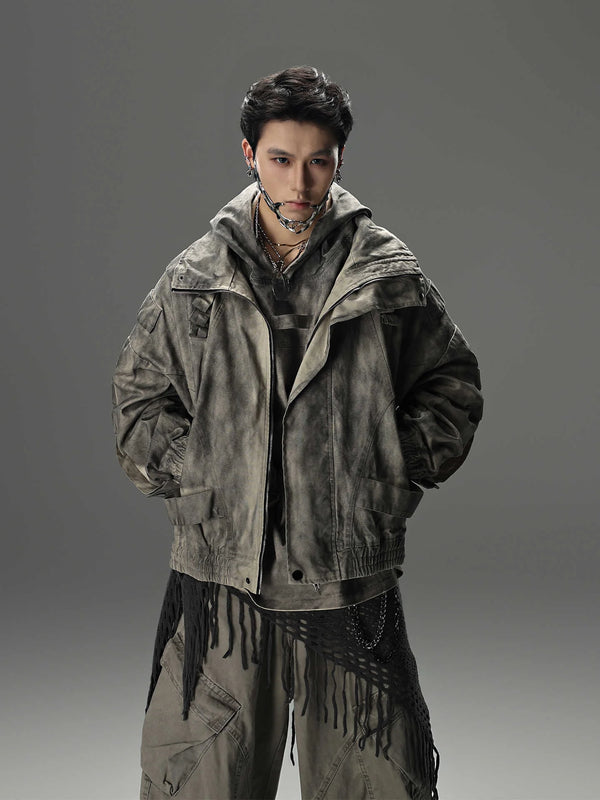
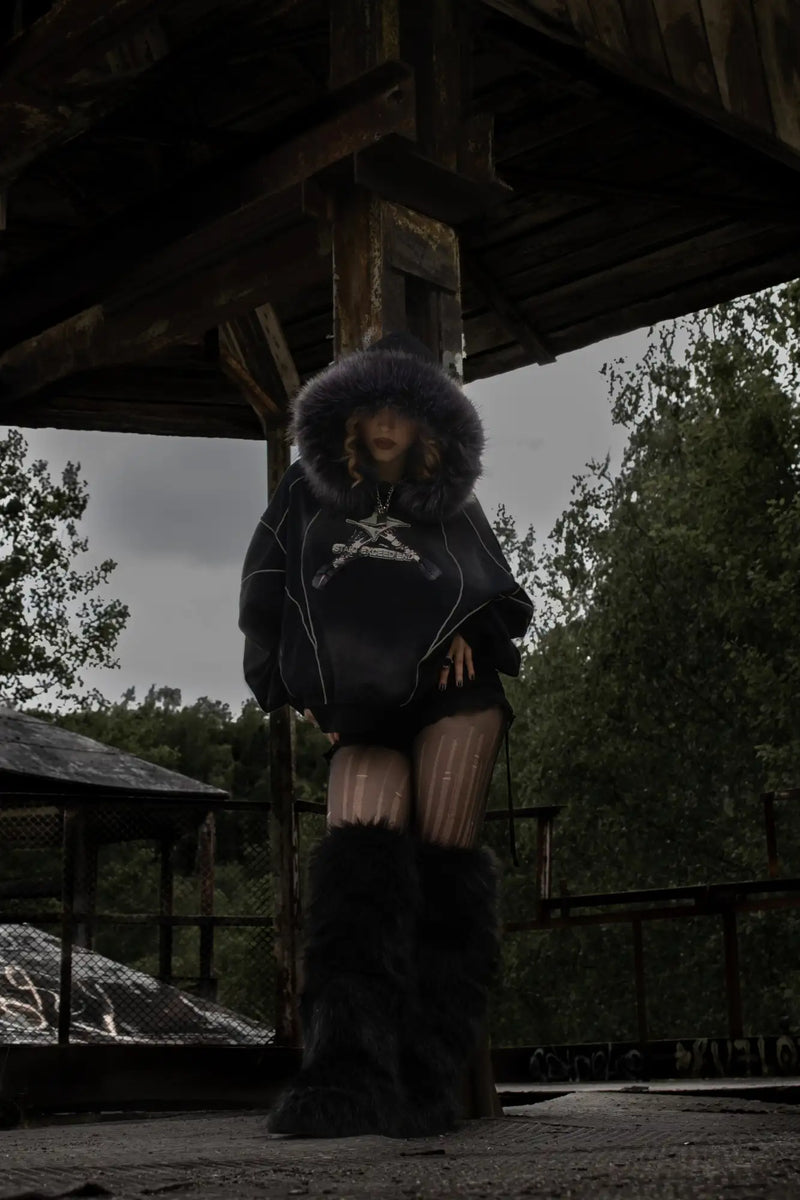
Open-air, Forest-Rave, the walk home at seven in the morning — at some point it gets cold, and the Goddess look needs a layer that doesn't tip it over. A hard jacket over soft drape is exactly the contrast that works: the Chrome outfit stays visible, the jacket protects it.
The puffer keeps you warm without overwhelming the look, the bomber gives the Dark Goddess its hard edge. Both are dark enough that the chrome underneath keeps leading. In summer you wear them tied around the waist — that's a layer too, just a worn one.
What a hard layer over a soft look looks like in motion:
Hardware · The jewellery
Body chains, chrome & hardware — the jewellery makes the goddess
Here is the point where a good outfit becomes a goddess look. Jewellery at Goddess Rave isn't an accessory but the element that carries the goddess reference: body chain over the drape, chrome cuffs, a single long necklace. But this is exactly where it tips fastest, too.
- One body chain, not three — over the stomach or the back, one line of metal. More turns into a harness.
- One metal colour — silver for the Chrome Goddess, gold for the Greek. The two together are the most common mistake.
- Statement over stack — one big cuff reads stronger than six thin bangles that jingle as you dance.
- Reflective over shiny — what throws light back lives on the dark floor. What only shines disappears.
The test is simple: take one piece off again at the end. If the look gets weaker for it, it belonged. If nothing happens, it was too much anyway.
Styling · Elevation
How the look reads expensive instead of cheap
What makes a woman look wealthy is rarely the price and almost always the restraint. At a rave the same holds: the expensive goddess look isn't the one with the most stones but the one with the clearest line. Well-fitting drape, one metal language, clean edges — that reads as value. What reads cheap is what overreaches: too much glitter, two metals, a piece that constantly needs adjusting.
Expensive isn't the piece that costs the most but the outfit that has the least to prove. A goddess doesn't explain herself.
Fūga Studios · Styling-Prinzip
Concretely that means: invest in the one fabric that falls — a good drape trouser or a satin maxi — and keep the rest plain. One material that moves expensively carries a whole outfit. Three cheap effects carry none. If you want to carry the principle over to other aesthetics, you'll find the logic here too:
Fit · Every body
Plus Size Goddess — the look scales
The goddess look is one of the few rave styles that gets better on every size instead of harder. The reason is the drape: flowing fabric follows every shape instead of working against it. Where tight stretch creates pressure points, drape gives movement. The 2/3 rule applies unchanged — one open zone, the rest structured — and that exact rule flatters every figure.
Entry · Two levels
Chill Fit or Full Goddess — where you start
Not every night needs the full programme. There are two effort levels, and both are right: the Chill Fit is one material plus one hardware piece — a chrome trouser with a plain tank, done. The Full Goddess pulls out all the stops: drape, mesh, body chain, one line carried through. Start with the Chill Fit and build up. These four entry pieces cover both levels:
Mistakes · What tips
The most common mistakes with the Goddess Rave look
The goddess look rarely fails on too little and almost always on too much. These five mistakes tip it from „goddess“ to „costume“ — and all are avoidable:
Social · For real
Real outfits — how this looks on the floor
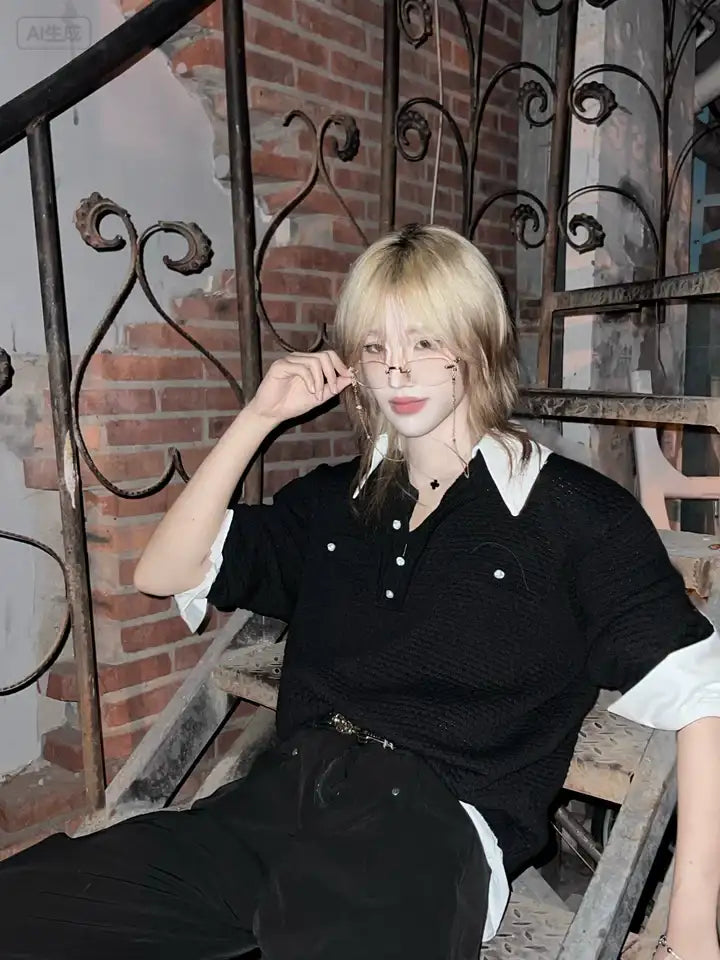
Theory is one thing, four in the morning is another. How the goddess look really works in motion, in the light of the rig and after hours of dancing, only shows on the floor — not in the mirror at home. A few looks that hold the line:
Attitude · The core
Goddess is an attitude — not a costume
In the end the Goddess Rave look isn't a collection of pieces but a decision: one line, one metal, one open zone. Whoever has understood that needs neither the most expensive fabric nor the most jewellery — only the discipline to leave one thing out.
Find your type, choose your material, set the one point. The rest is movement.
FAQ · Common questions
Frequently asked questions about Goddess Rave outfits
What do you wear as a woman to a rave?
How do you dress like a goddess?
Why do women wear little fabric at raves?
What is the 2/3 rule?
What makes a woman look wealthy?
What is the 3-3-3 rule for clothing?
Is there a goddess look for men too?
What do you think?
Tell us on @fuga_studios
About the author
Philipp Fuge — Founder · Berlin
Founder of Fūga Studios. Writes the journal himself. Berlin · Shanghai · Tokyo · Poznań — four cities, one logic.