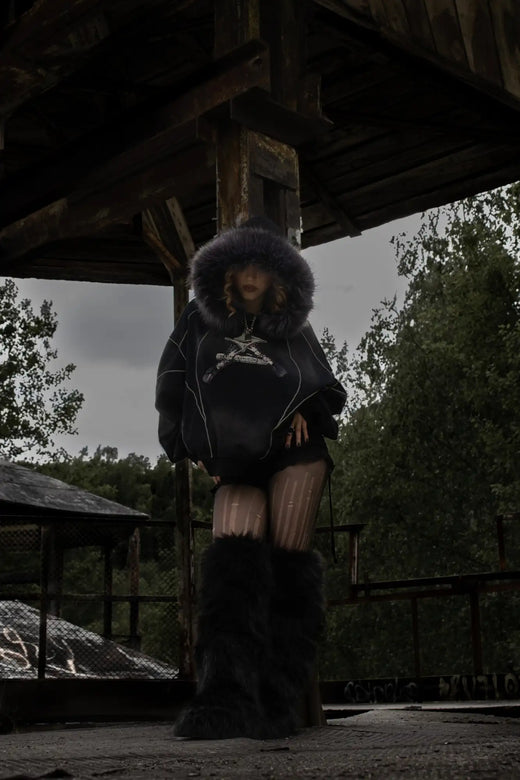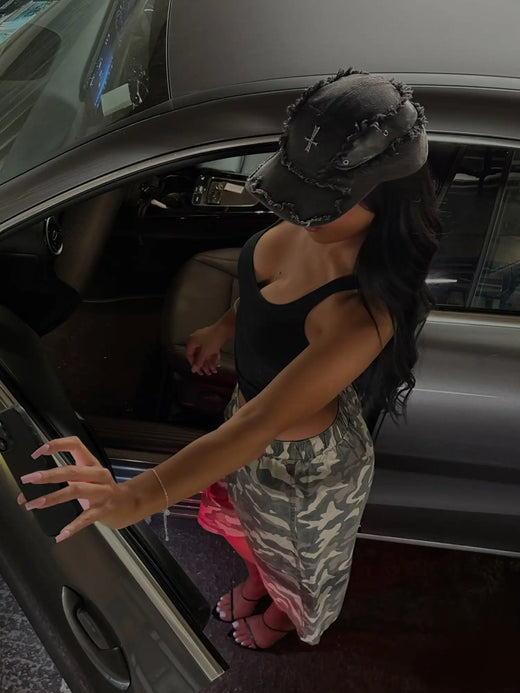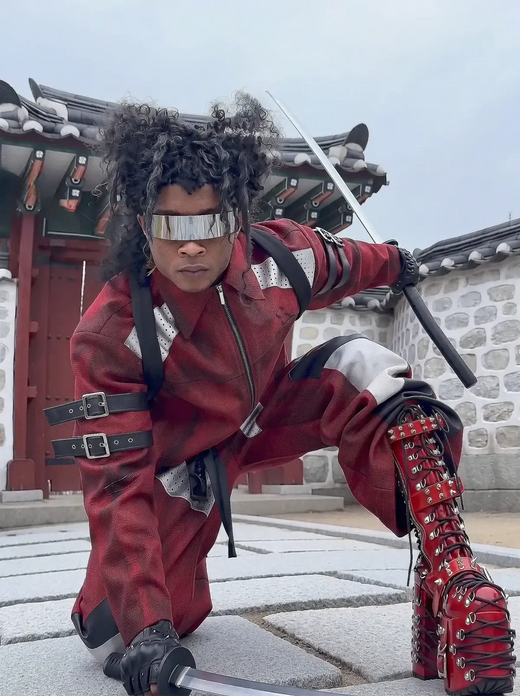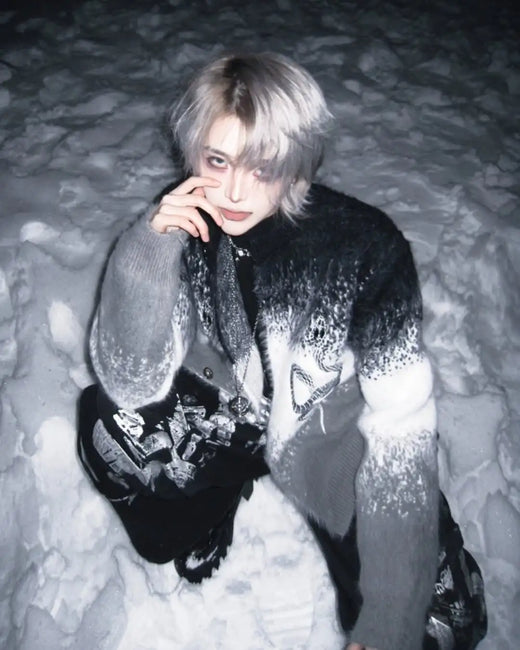


Most wanted50 Pieces
Poetcore dresses the thought, not the occasion — flowing fabrics, muted colors and cuts that look like library and cobblestone. What defines Poetcore as a style…
View the pieces ↓50 Pieces
 Drop Alerts ↗
 @fuga_studiosReel · 04.11.
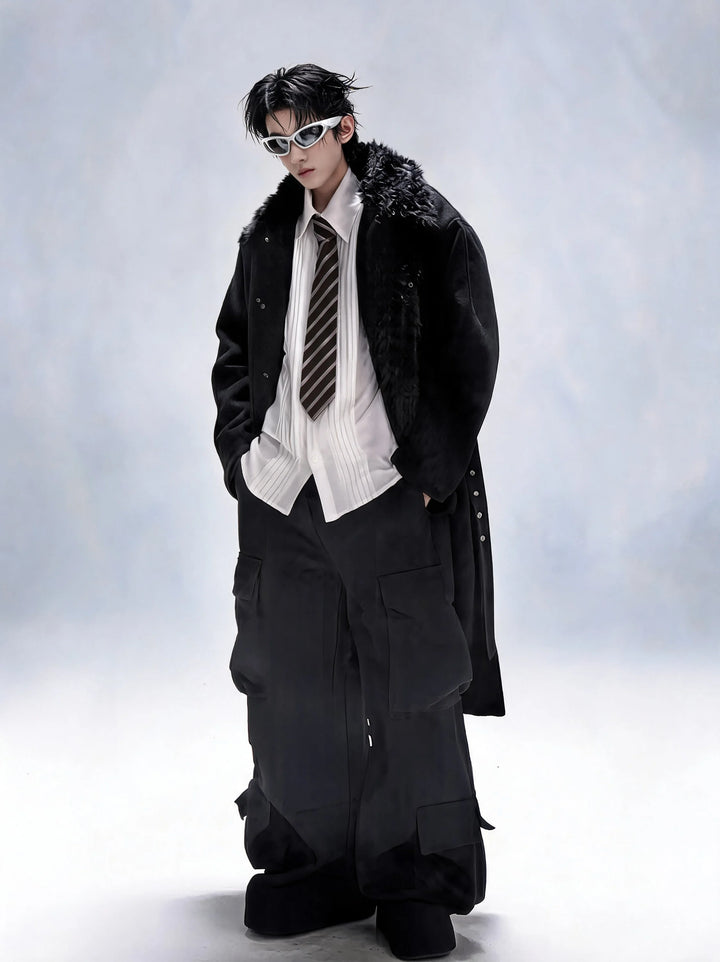
Businesscore suit at night
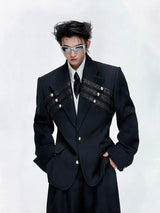 In the reelBusinesscore Strap Suit Set€84,99 →
 Drop Alerts ↗



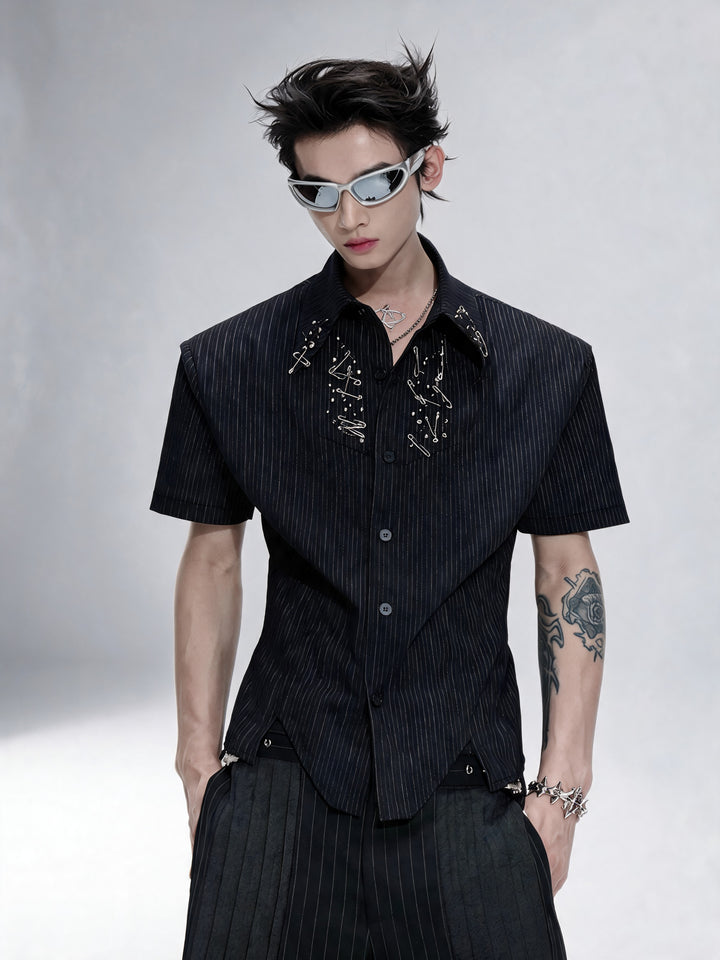
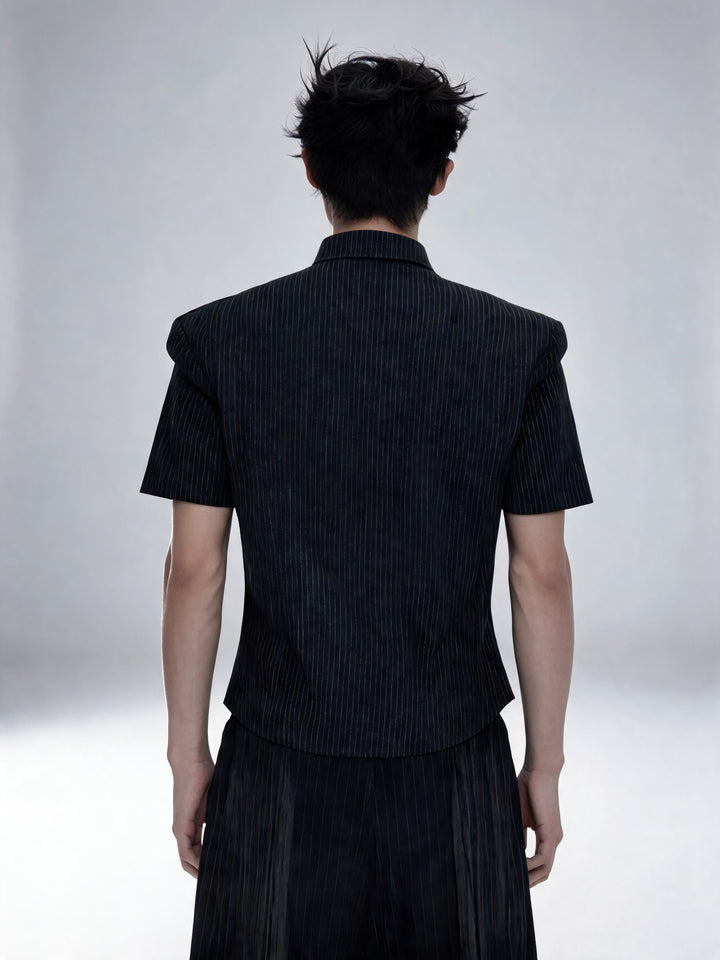


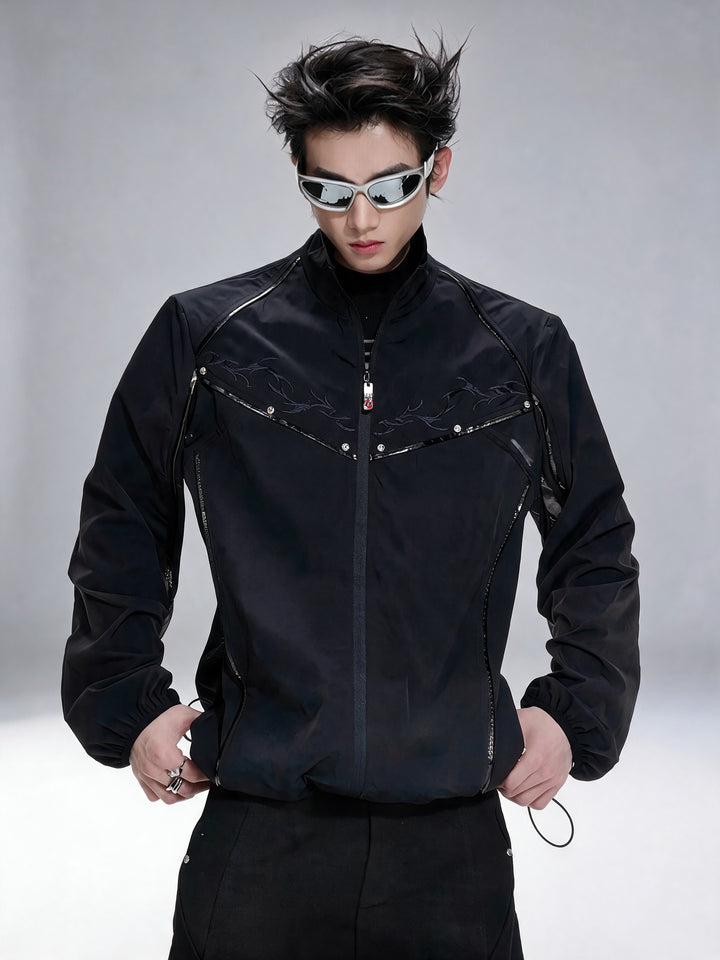
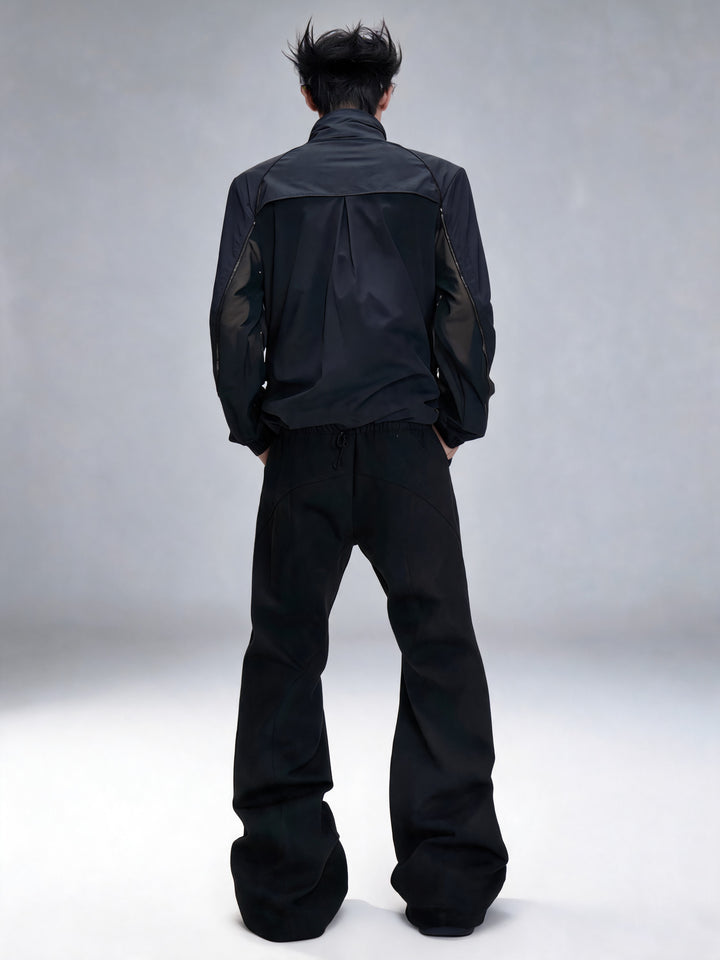
Build a look
Pair-with-Logic.
Top, bottom, extras. You set the lineup, the total keeps up.
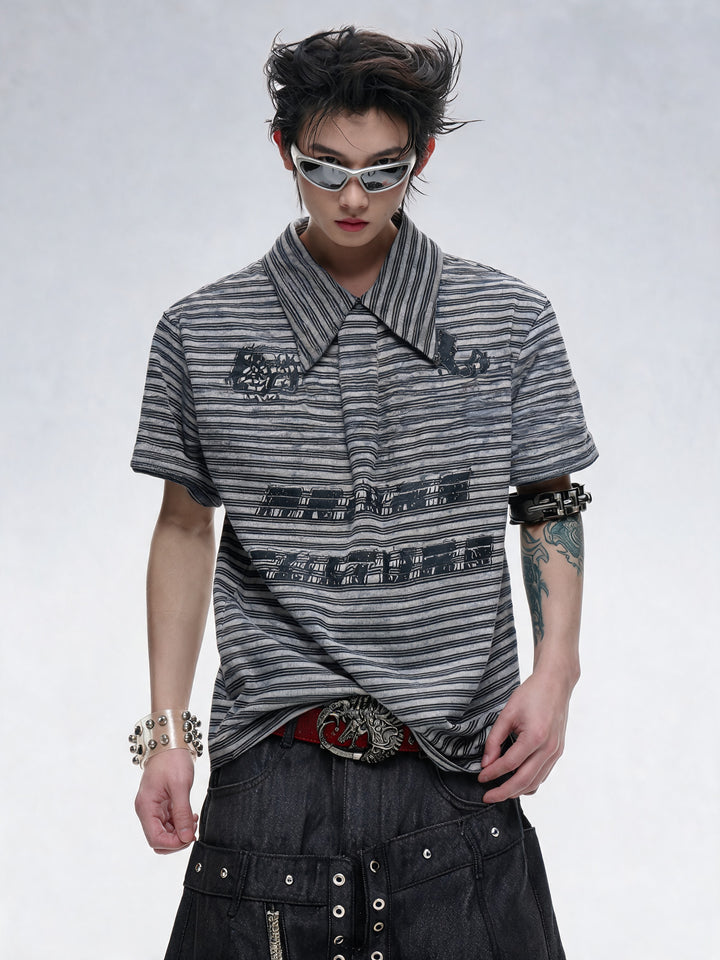
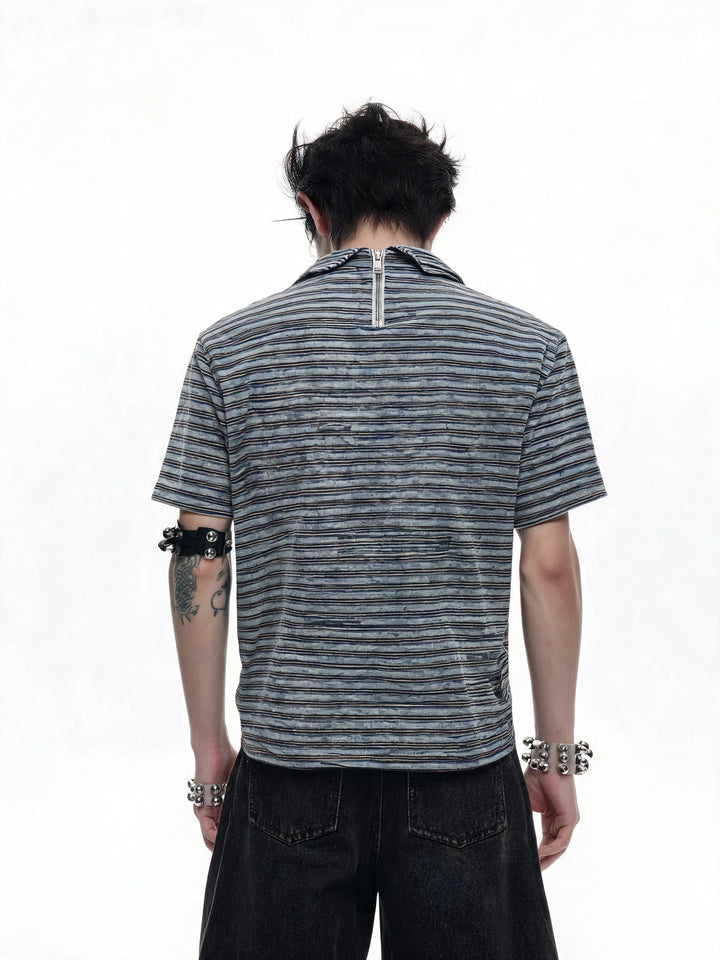
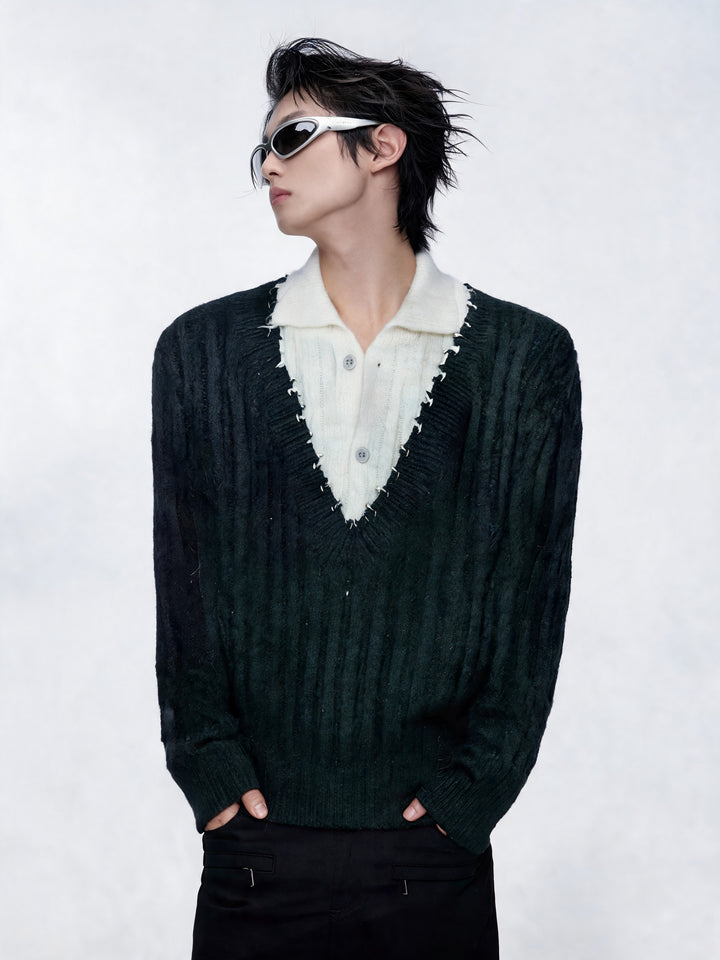

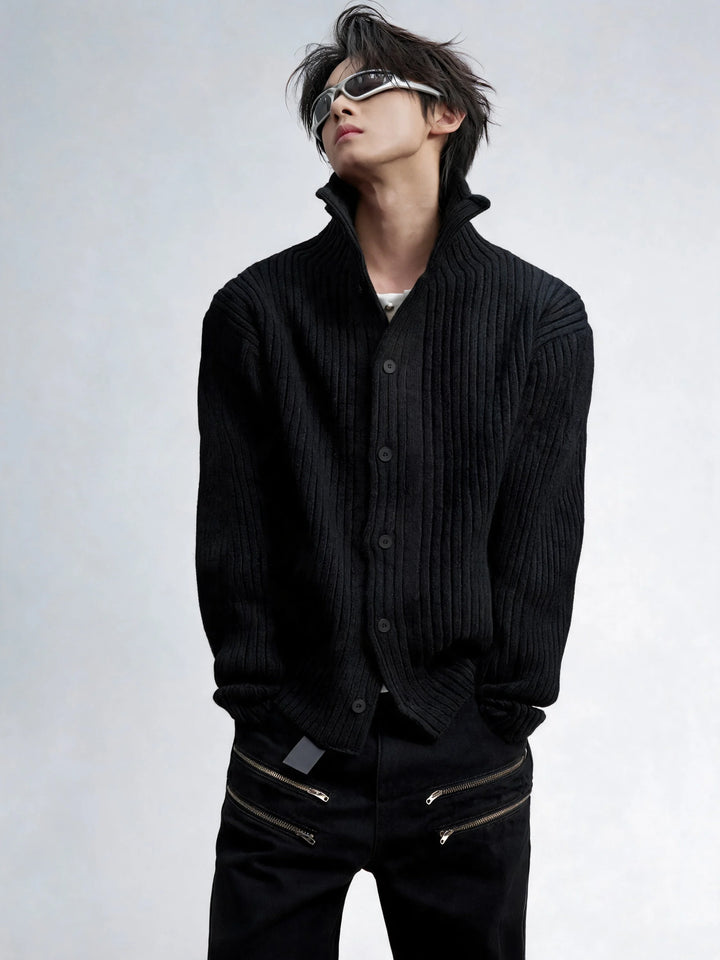


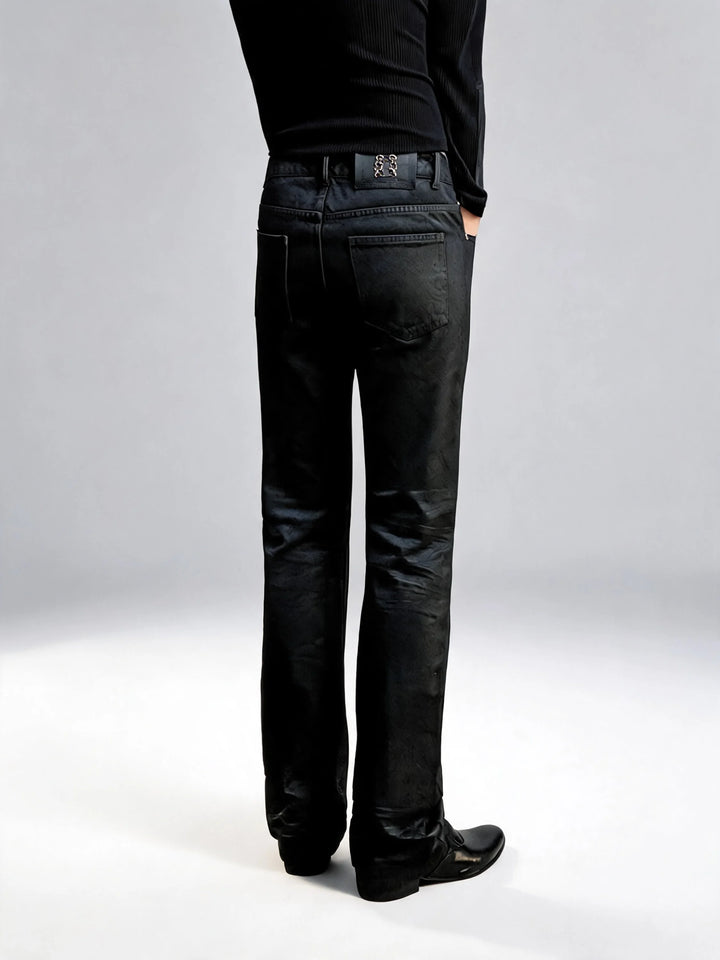
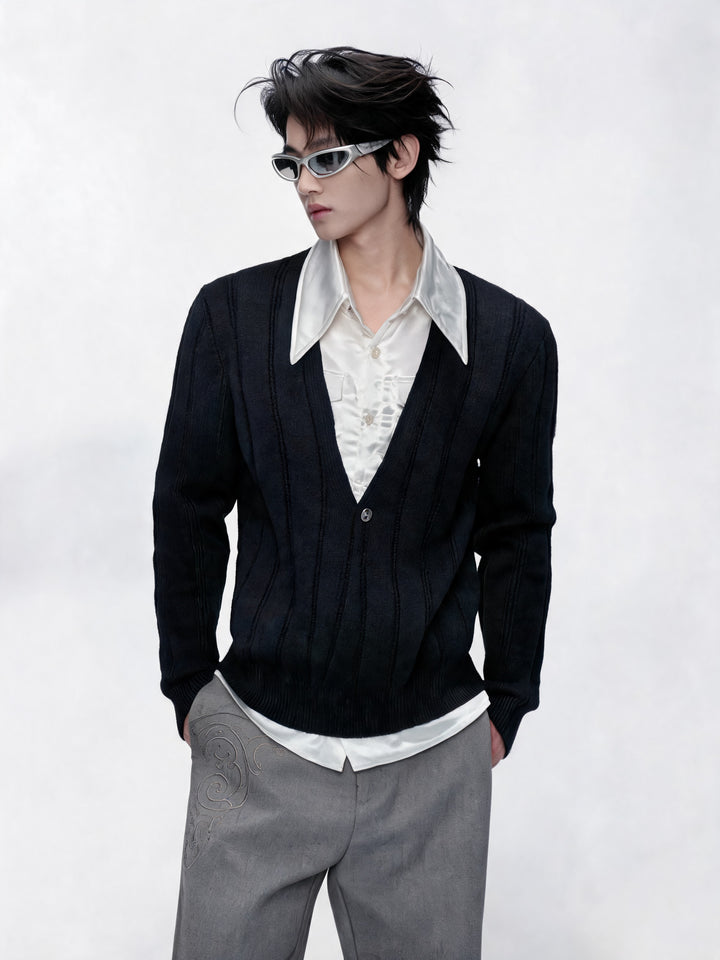
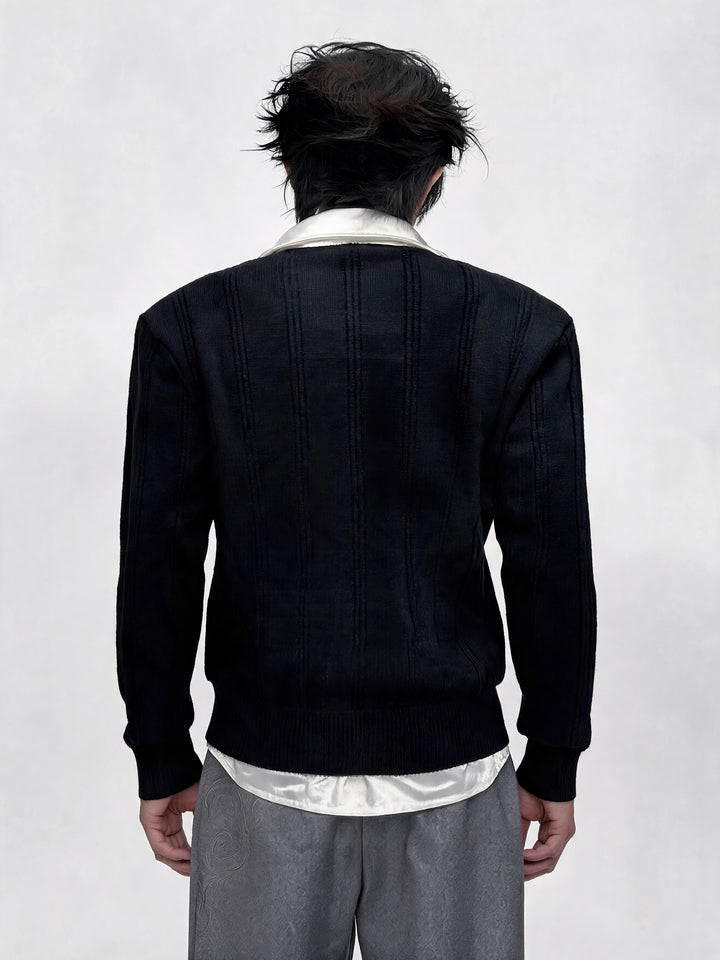

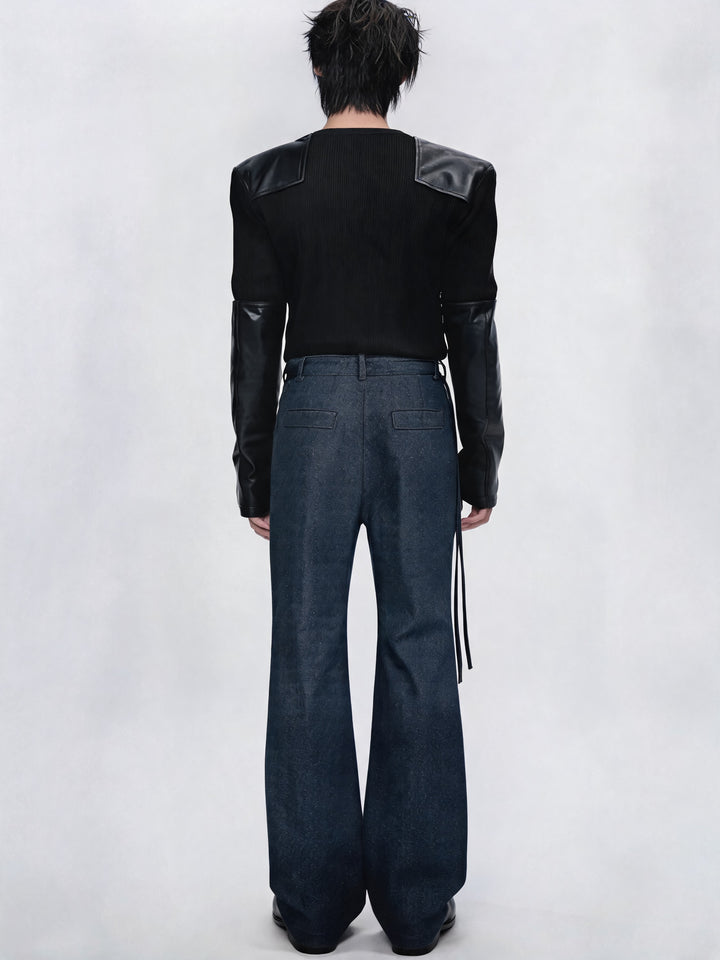

 Drop Alerts ↗
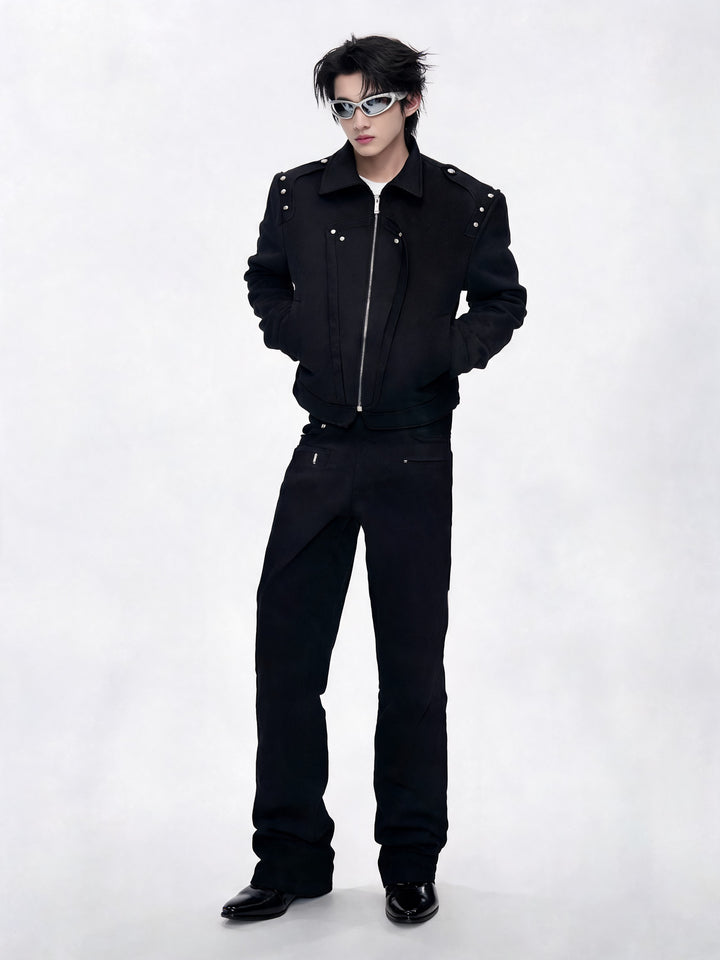
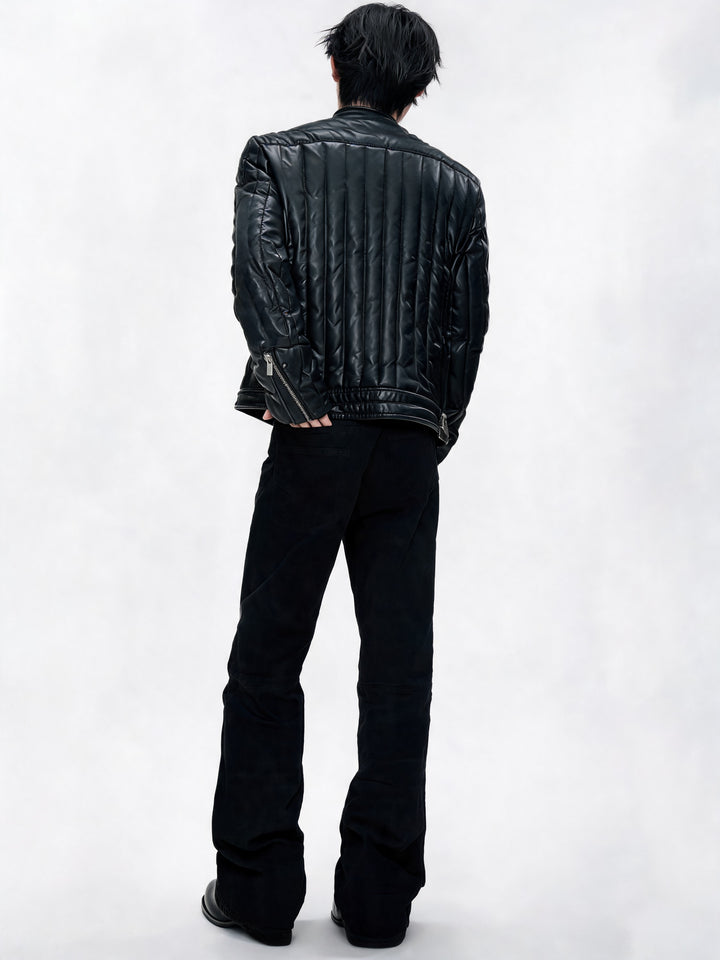
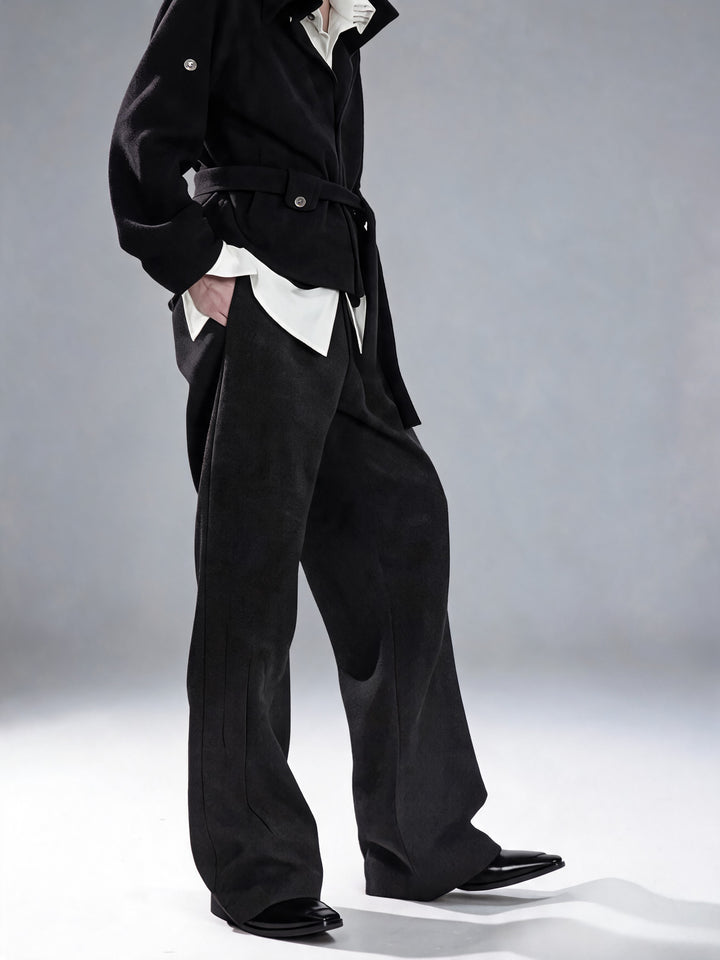
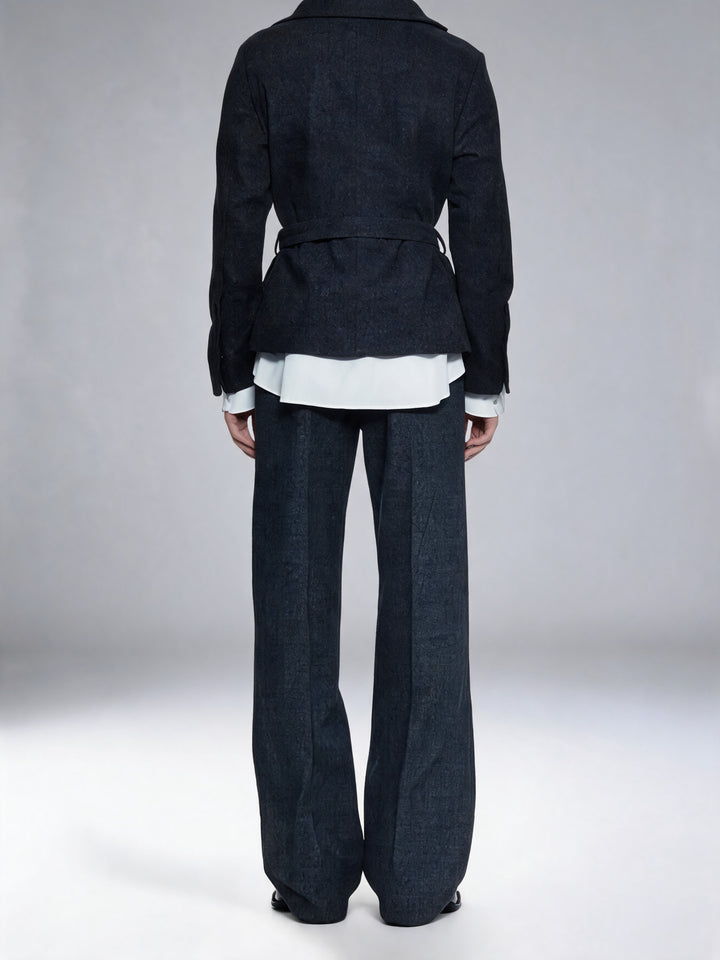
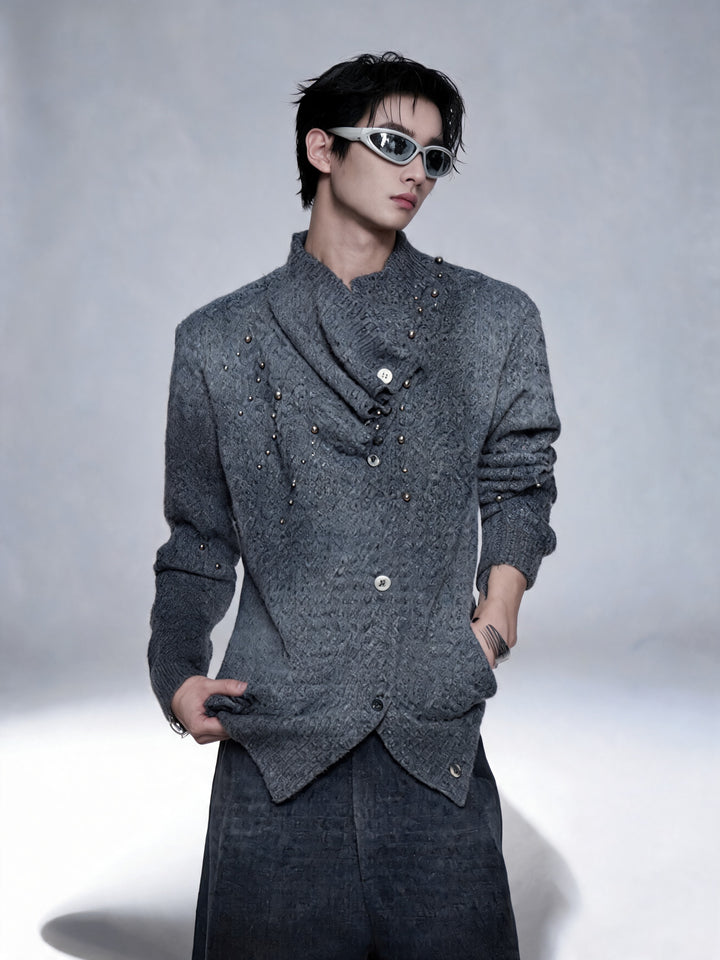
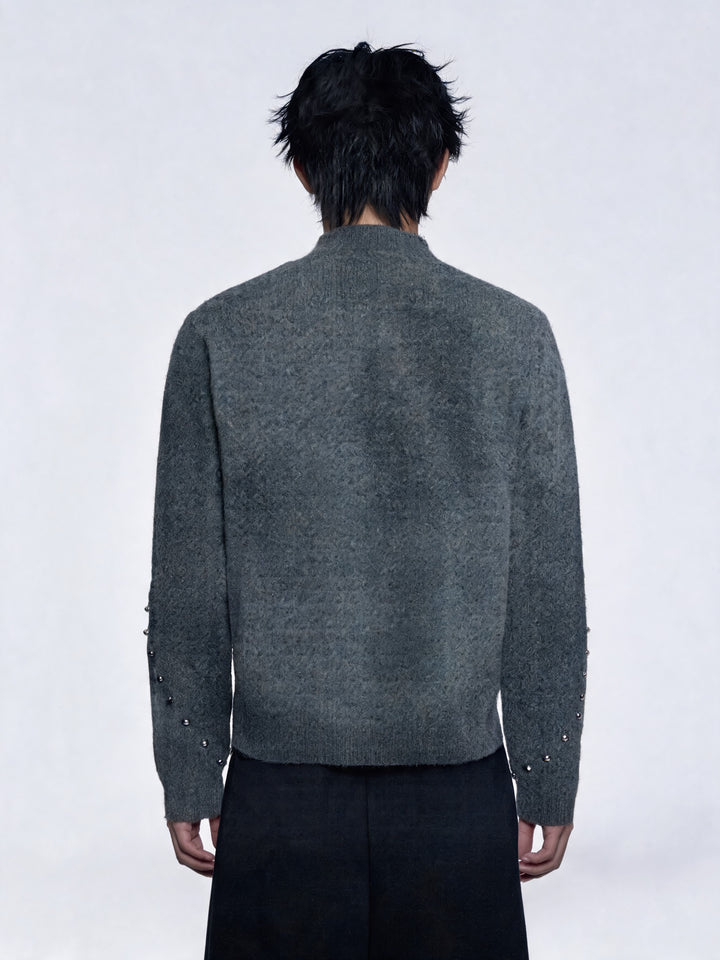
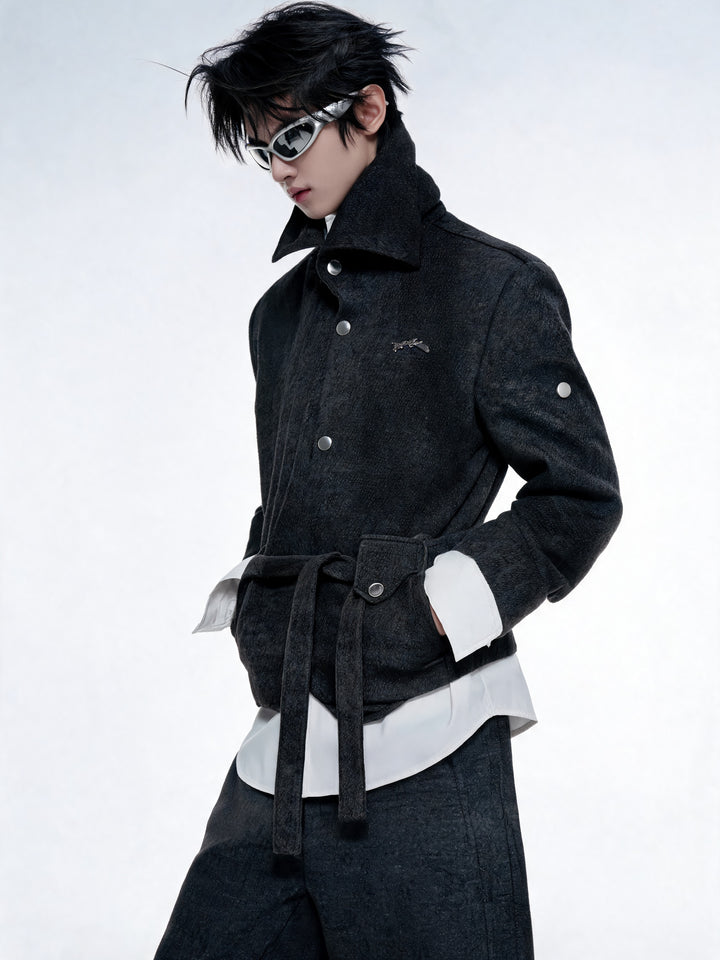

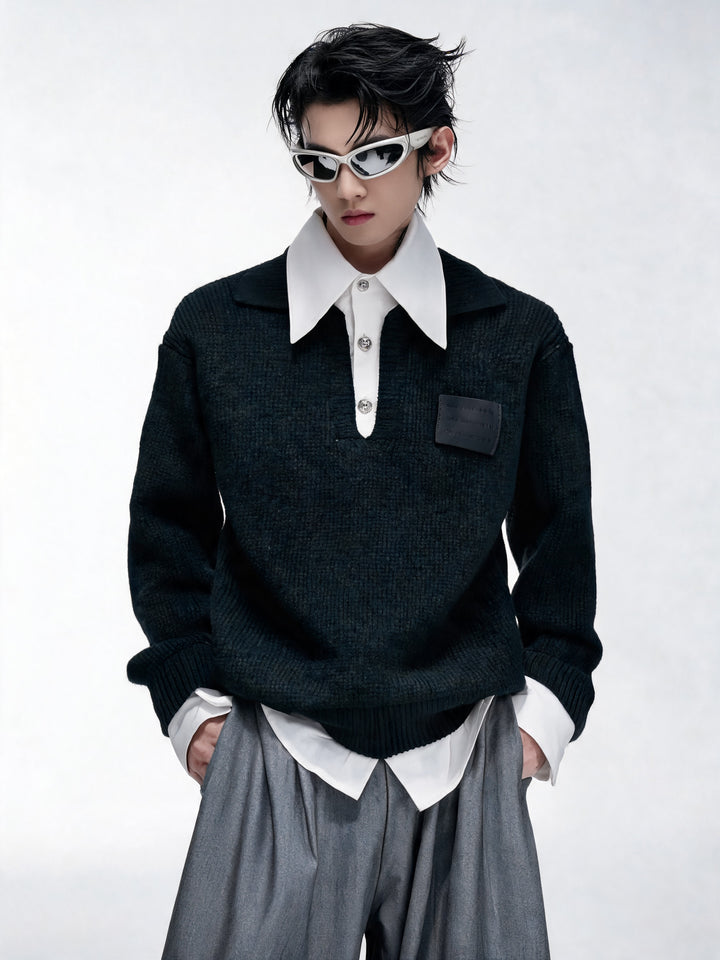

Inside Fūga · Poetcore
Poetcore dresses the thought, not the occasion — flowing fabrics, muted colors and cuts that look like library and cobblestone.
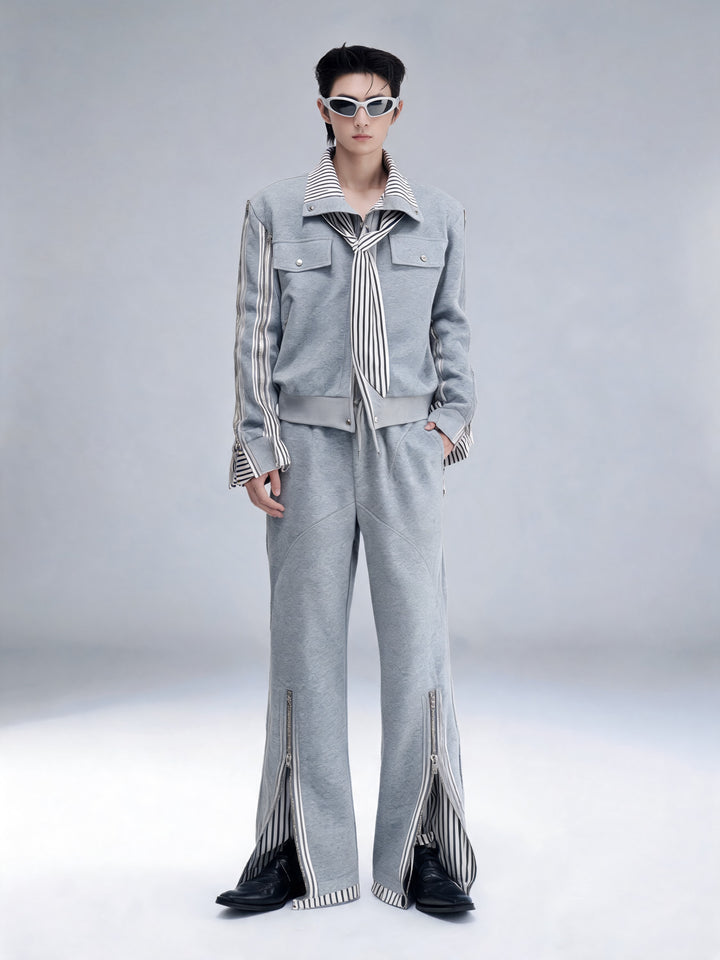
A wardrobe standing between Victorian romance and modern minimalism. Wide shirts, structured blazers, draped scarves and high-waisted trousers. The look references Byron, Keats and the Parisian left — without becoming historical costume. Fūga curates pieces that translate the literary gesture into wearable form.
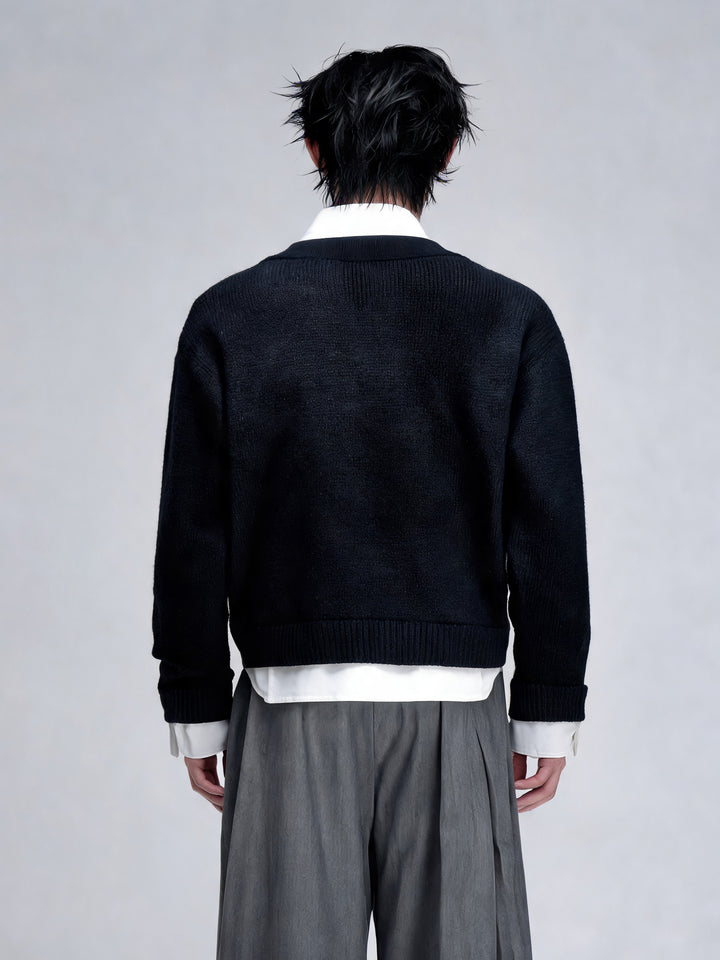
A cream oversized shirt, a dark blazer over it, wide trousers with box pleats. Monochrome in beige, black or gray works immediately. If you want to layer: knit vest over shirt, coat over that. Accessories stay restrained — rings, a narrow belt, maybe a scarf. The Poetcore Fashion Guide breaks the style into single building blocks.
Blazers, oversized shirts, draped tops, wide trousers and layering pieces in muted palette. The Poetcore Tops form the foundation, the Poetcore Men collection shows the masculine reading. Limited drops, no restocks.
Poetcore is a style that translates romantic elements — flowing fabrics, soft colors, Victorian-inspired cuts — into a modern, minimalist wardrobe. The look stands for intellectual aesthetics without costume character.
Oversized shirts, structured blazers, wide high-waisted trousers, knit vests and draped scarves. The color palette moves in cream, beige, black and gray. Layering is central.
Poetcore emphasizes flowing, softer silhouettes and romantic fabrics, while Dark Academia leans harder into structured preppy elements like tweed, checks and tight cuts. Both share the literary reference but differ in texture and fit.
Next world · 01
The language a generation negotiates its style in. Street, not runway.
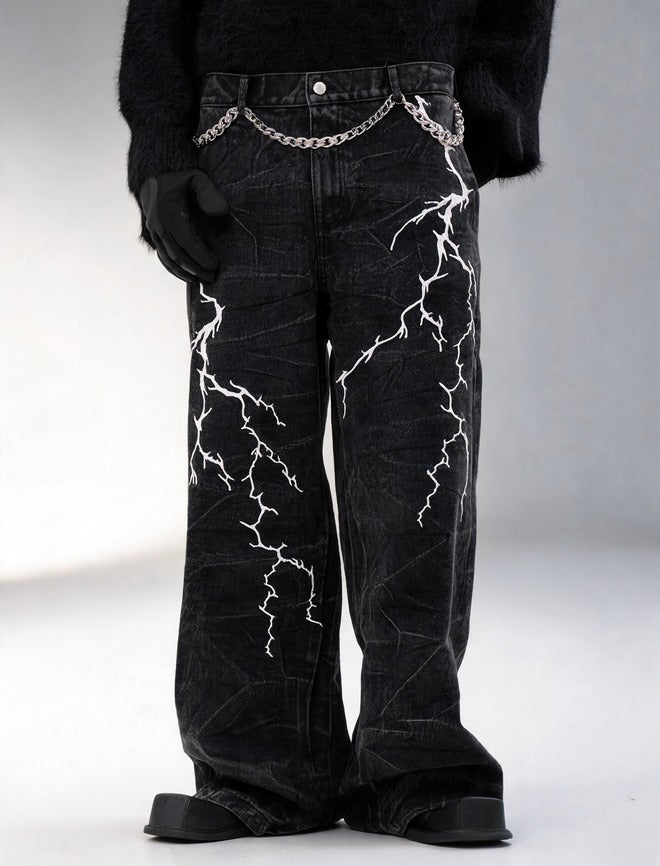
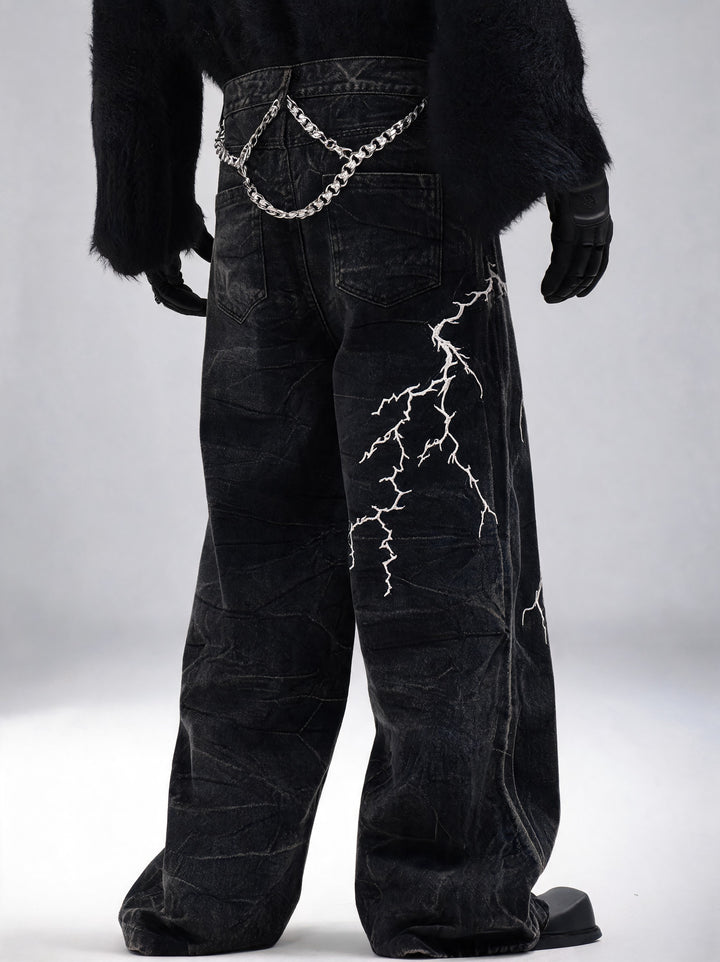
Streetwear · 79 Pieces
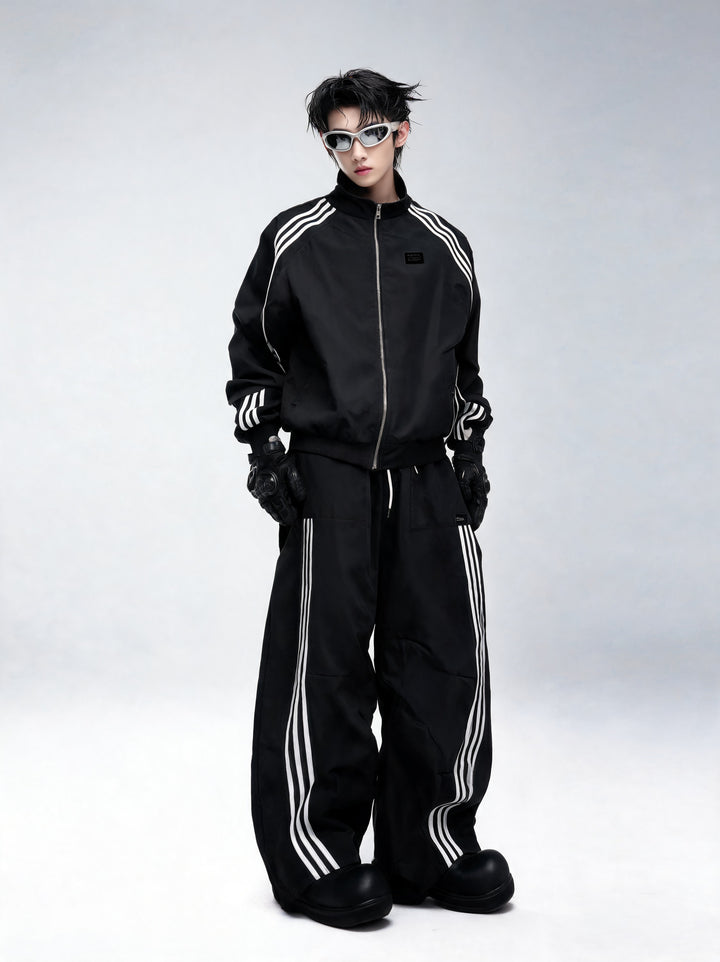
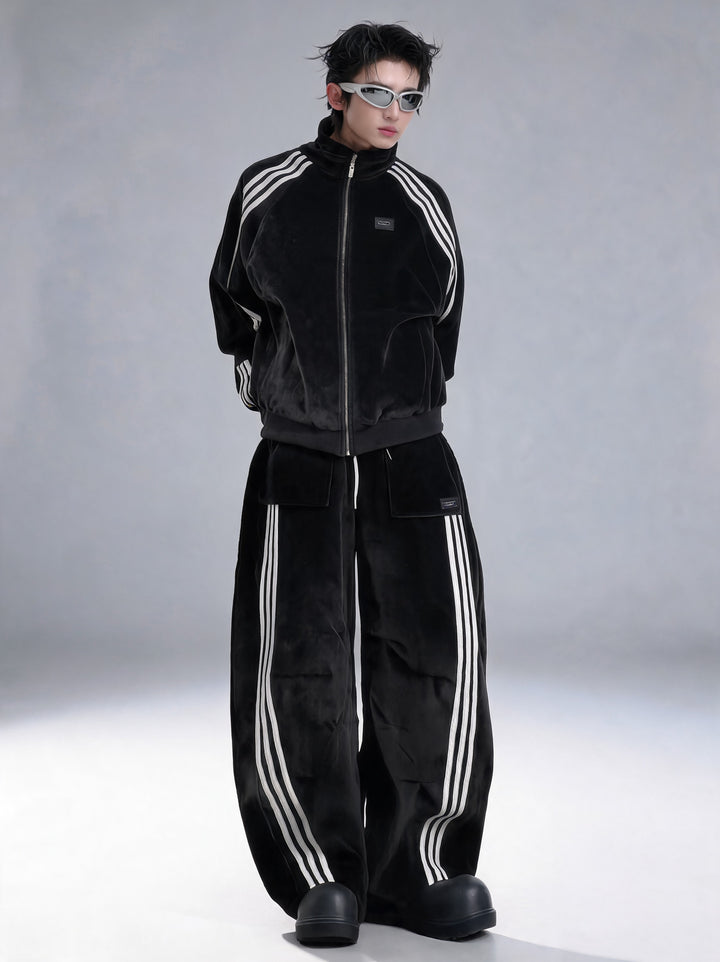
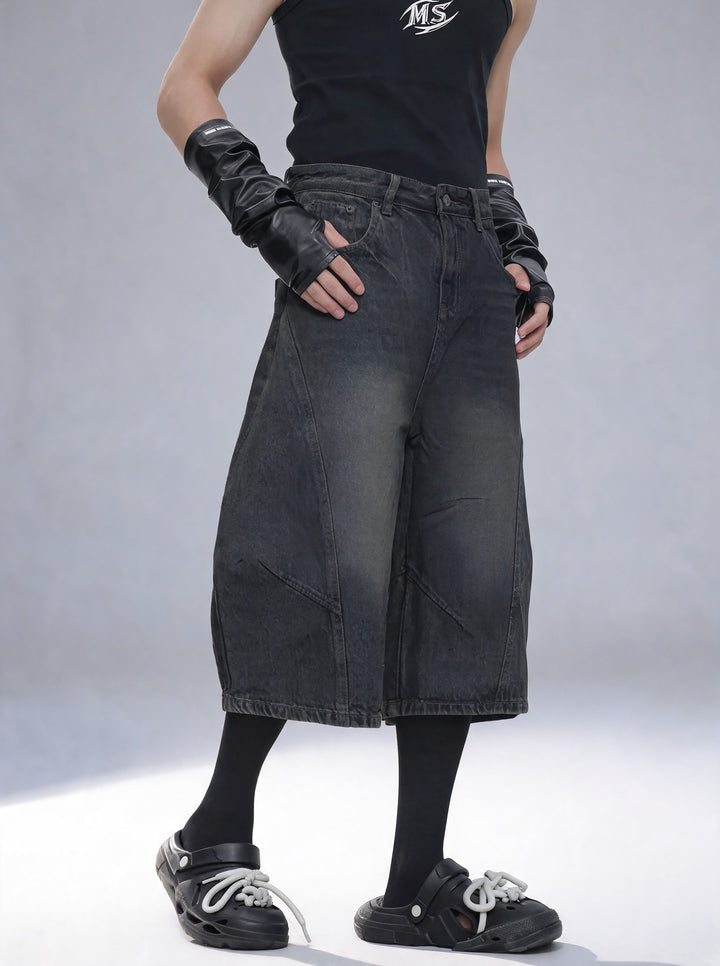
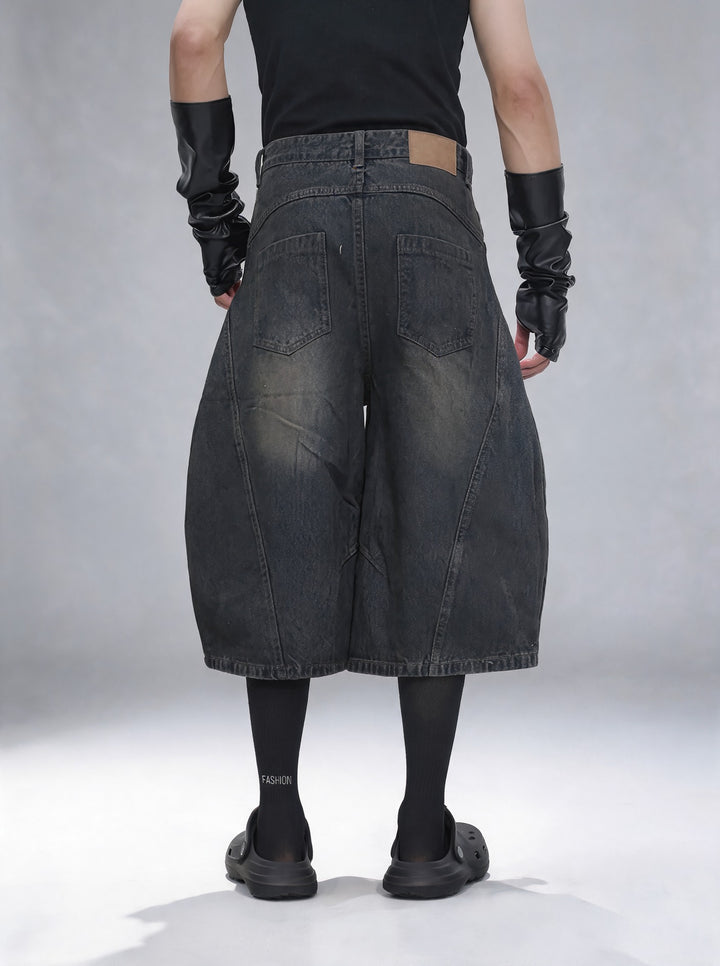
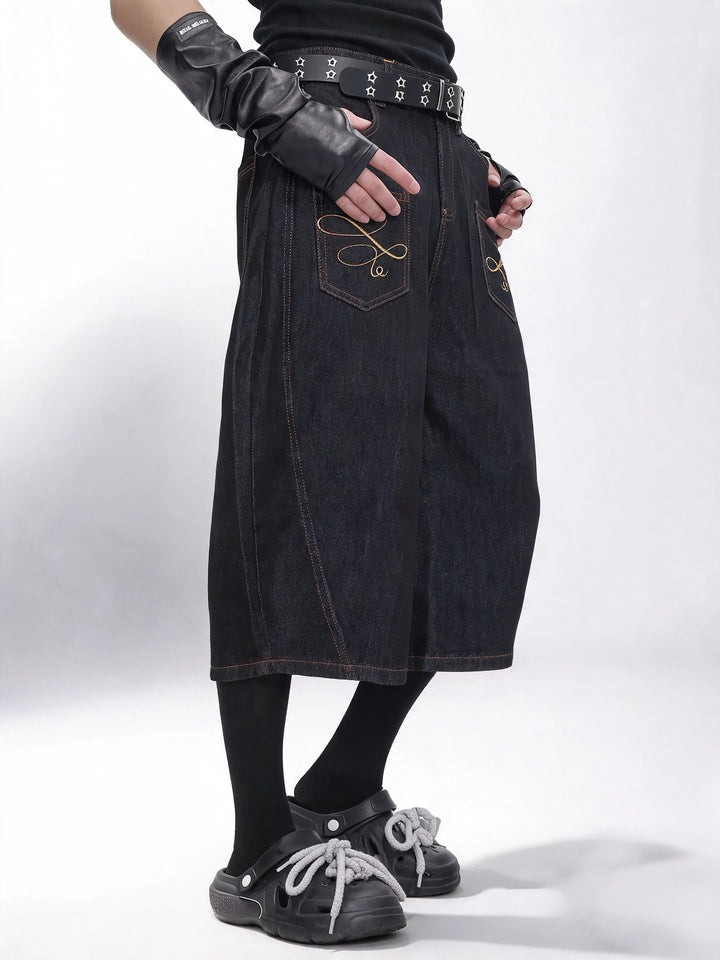
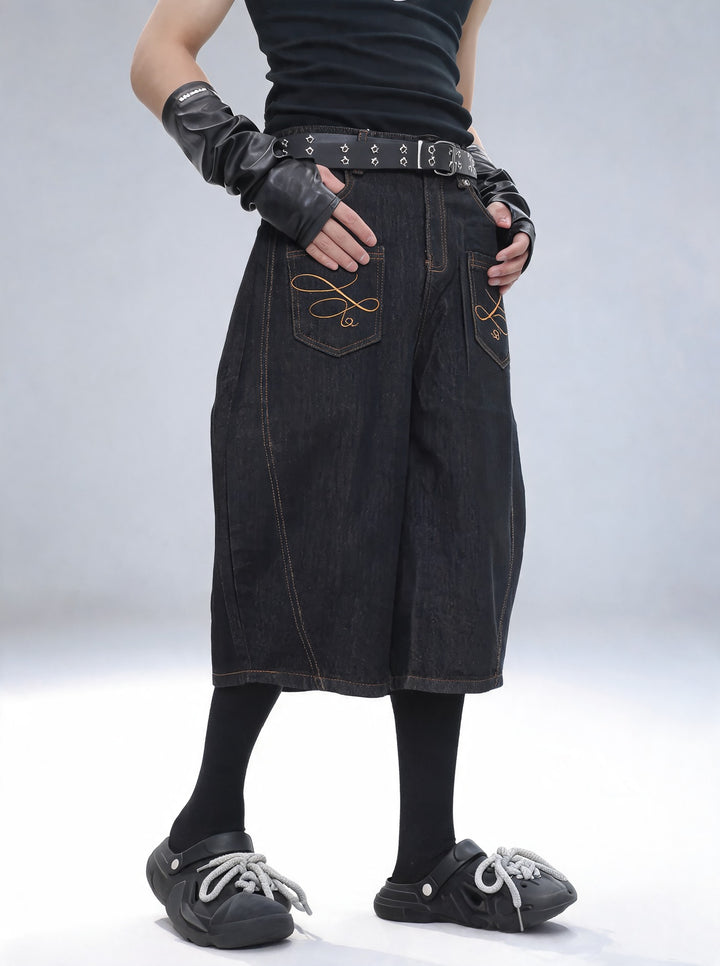
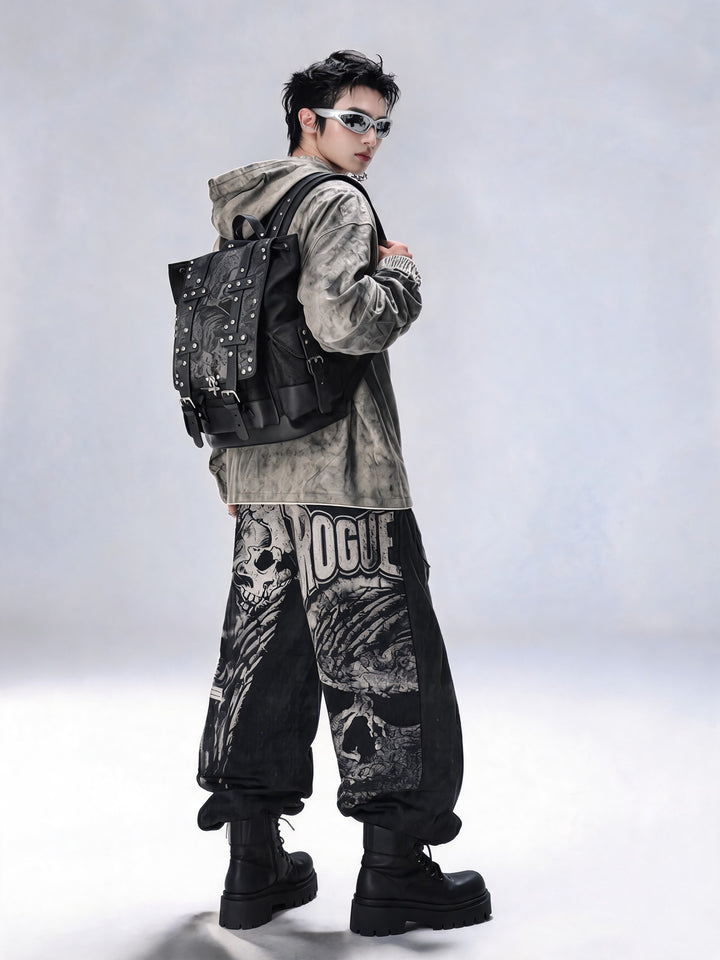
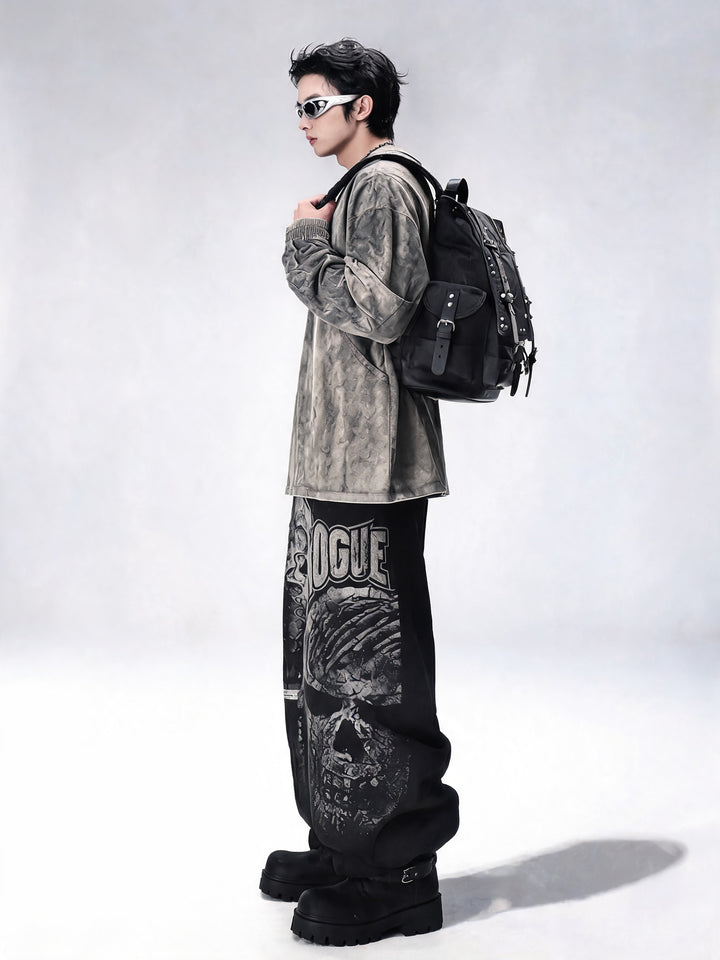 New
Loading more
02 · 6 Pieces
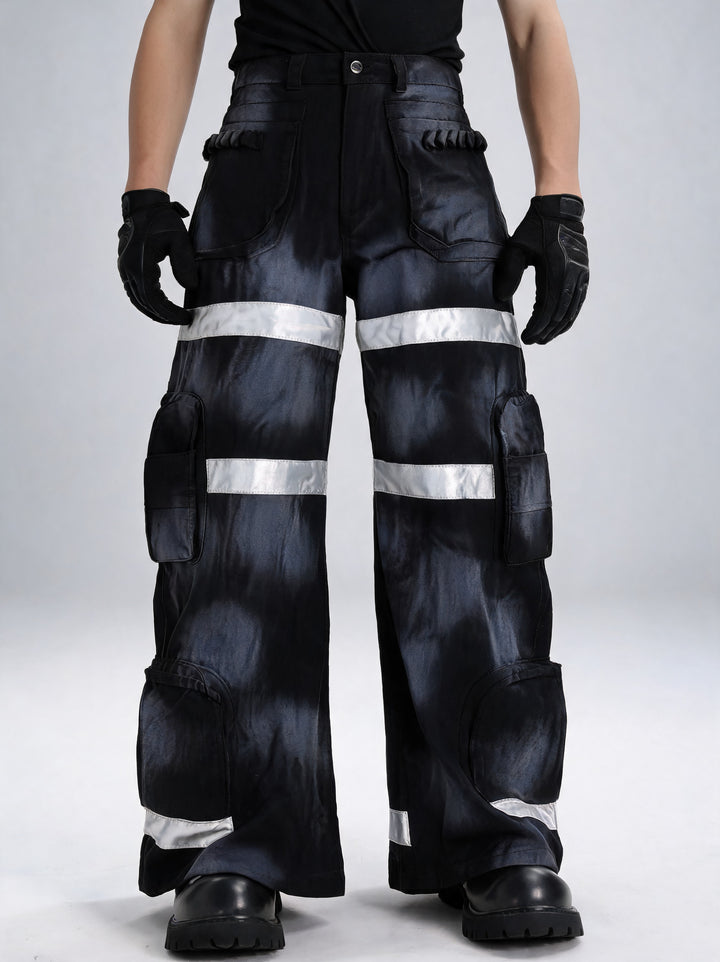
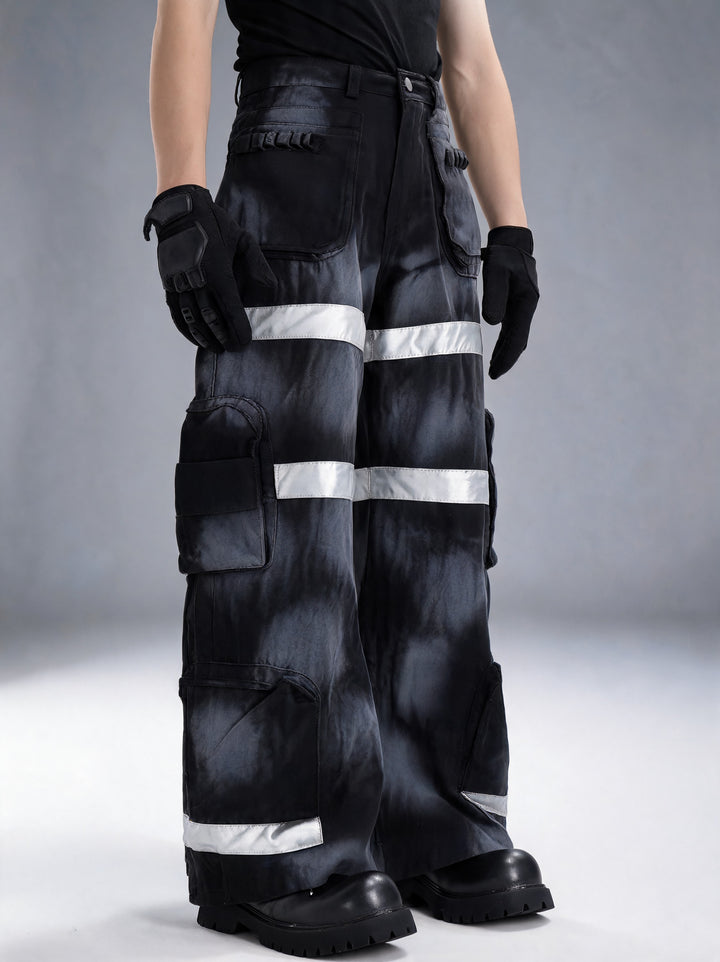
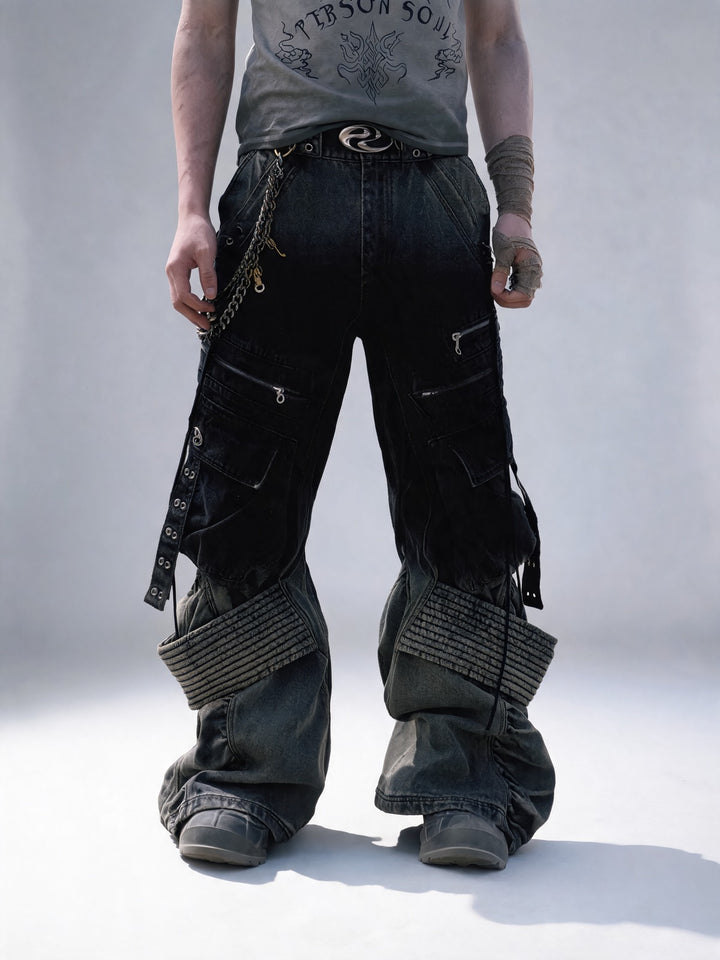
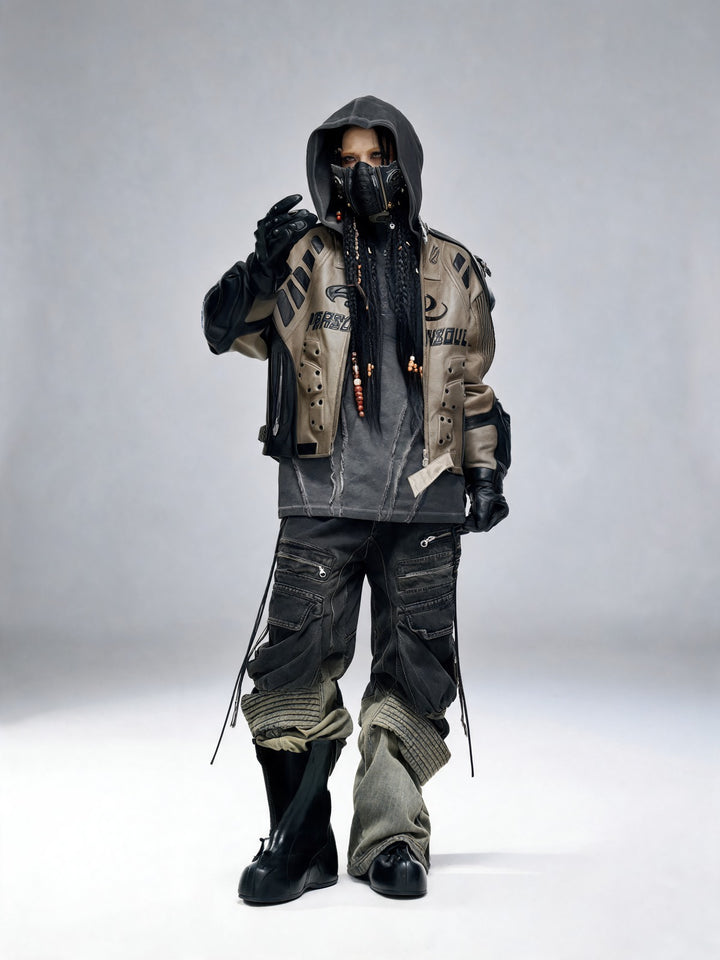
Function first. Taped seams, straps, shells — built for a city that never quite dries out.
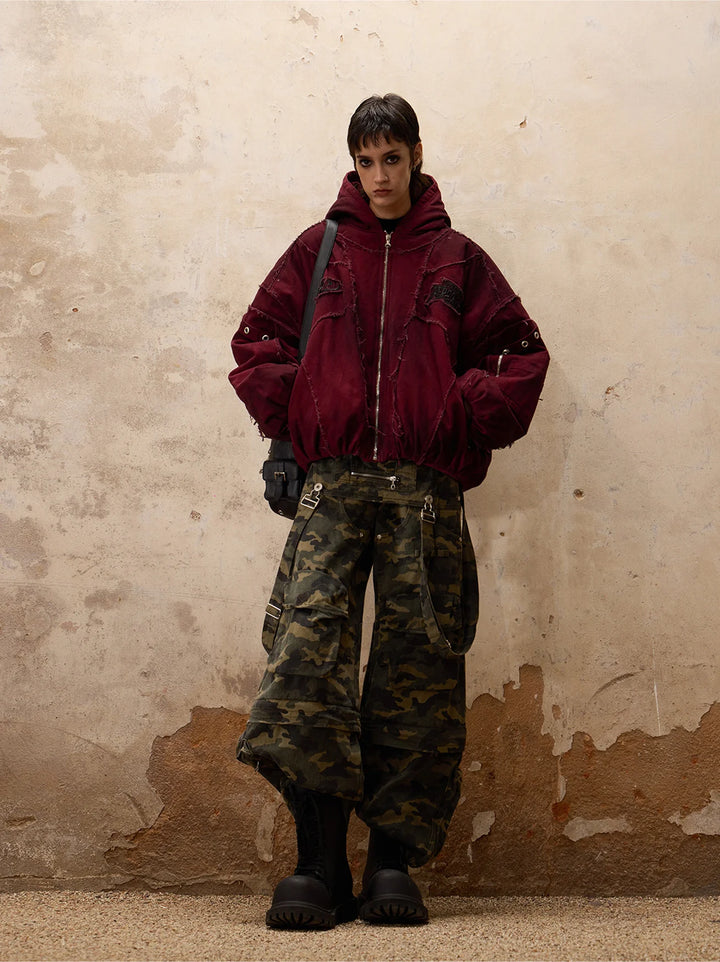
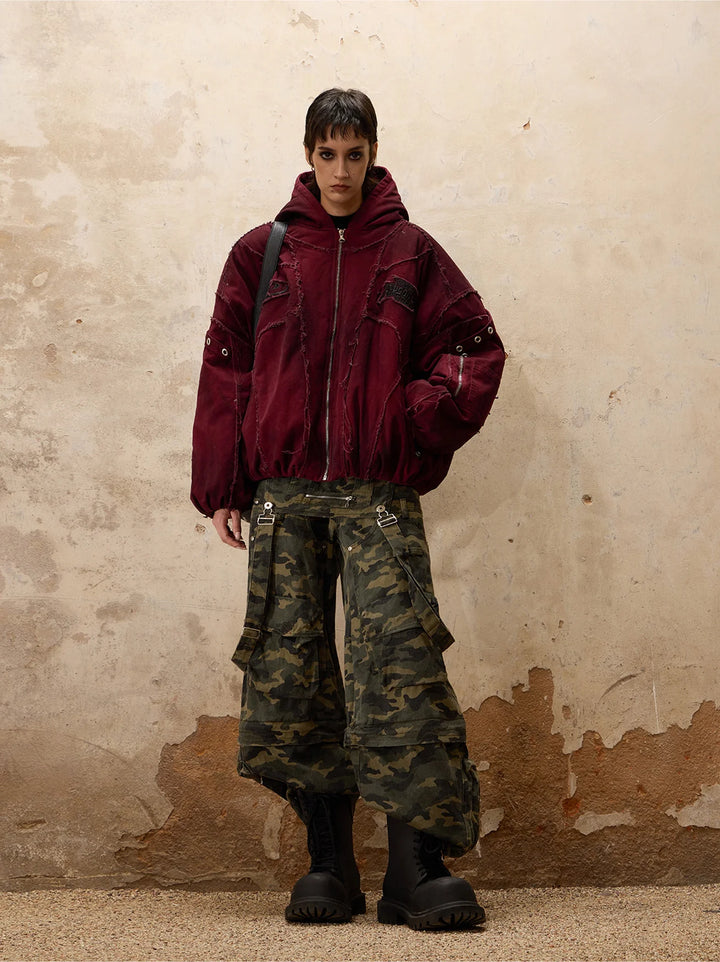
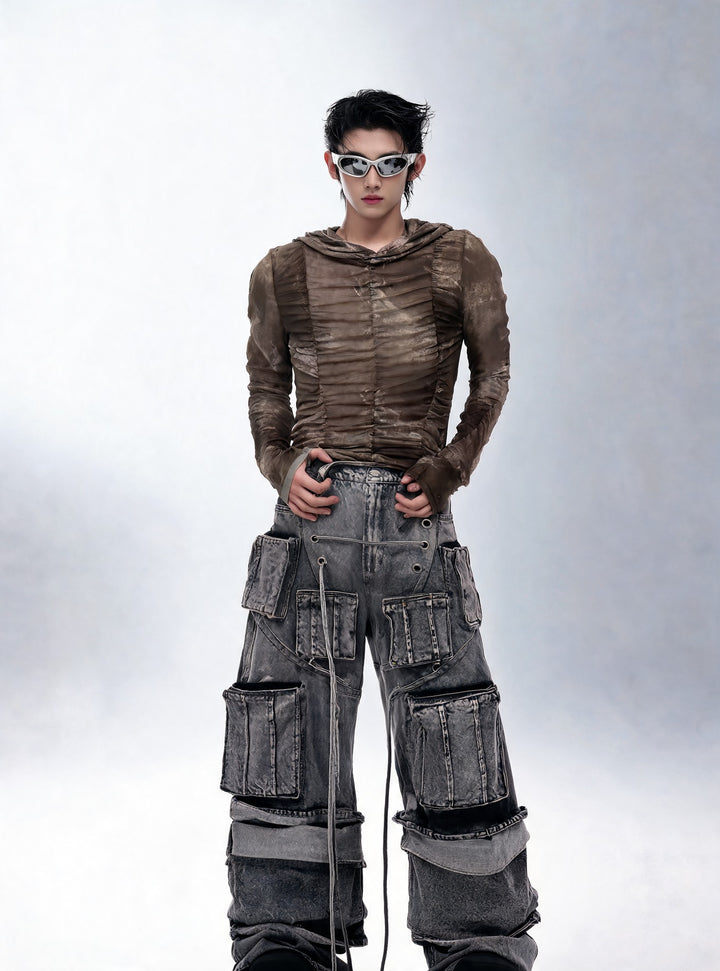
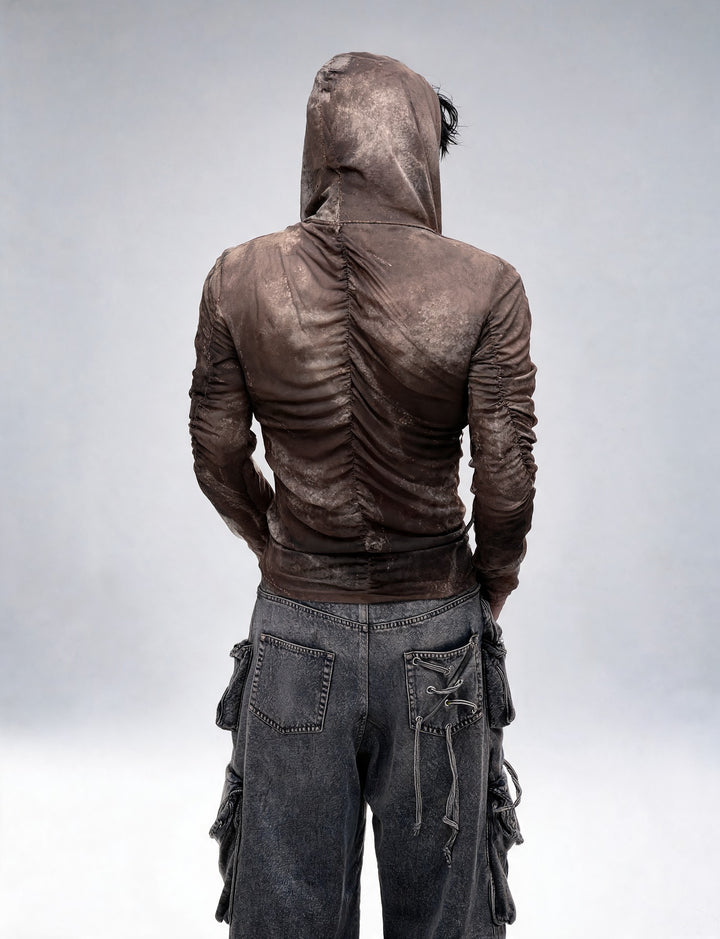
Loading more
03 · 51 Pieces
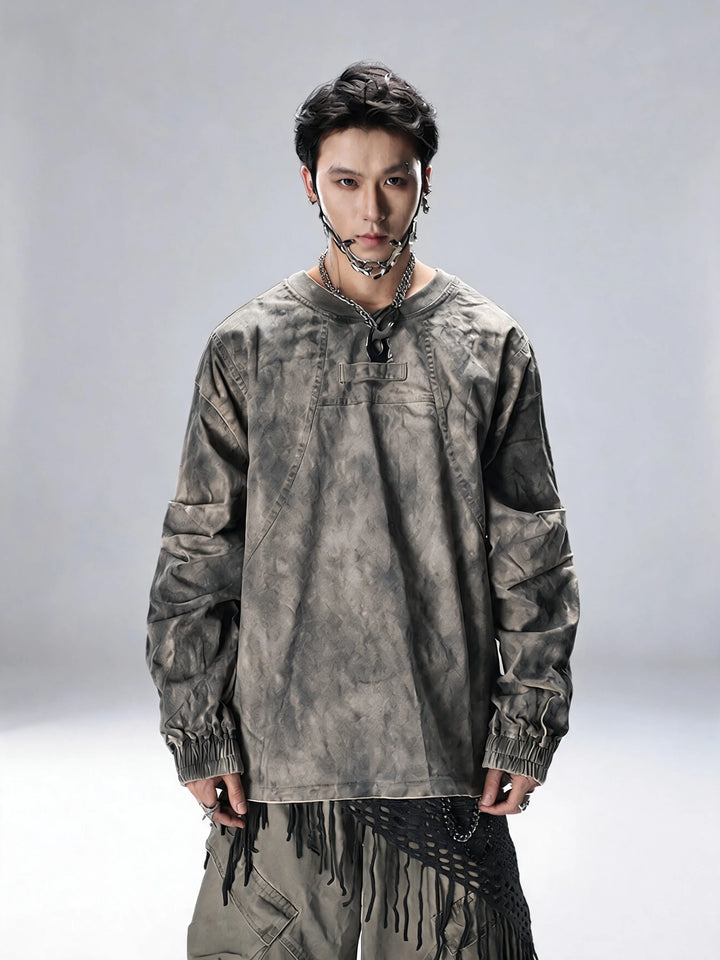
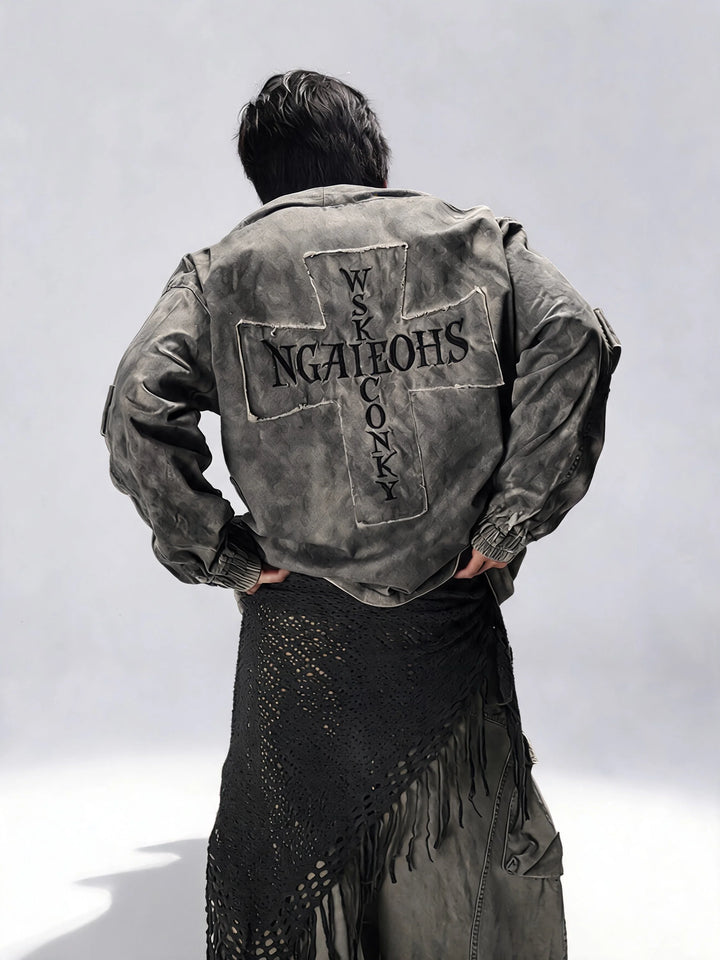
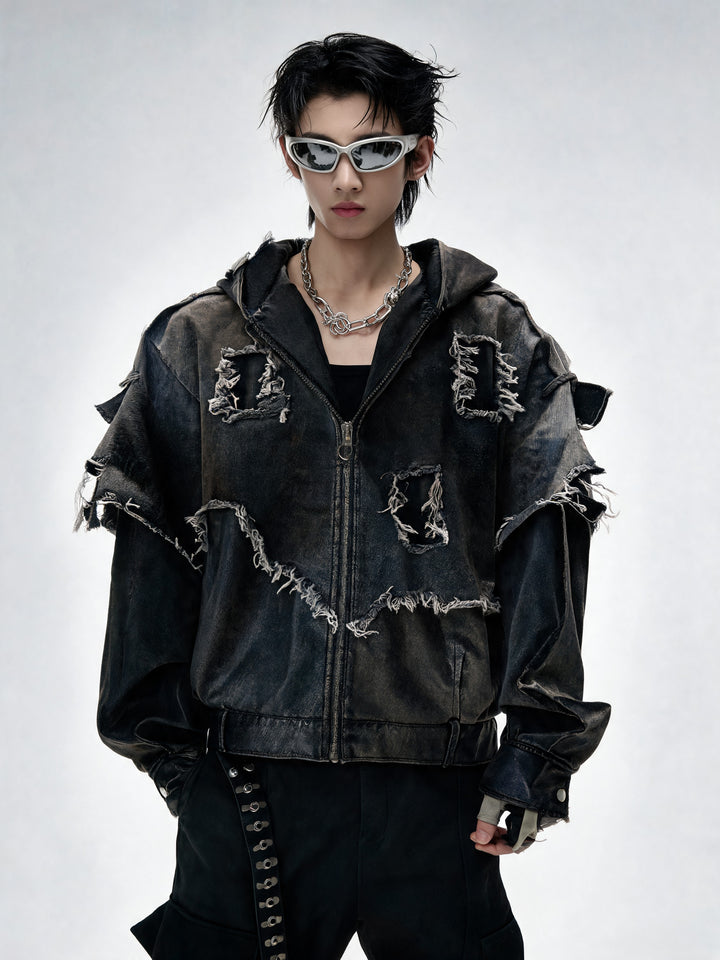
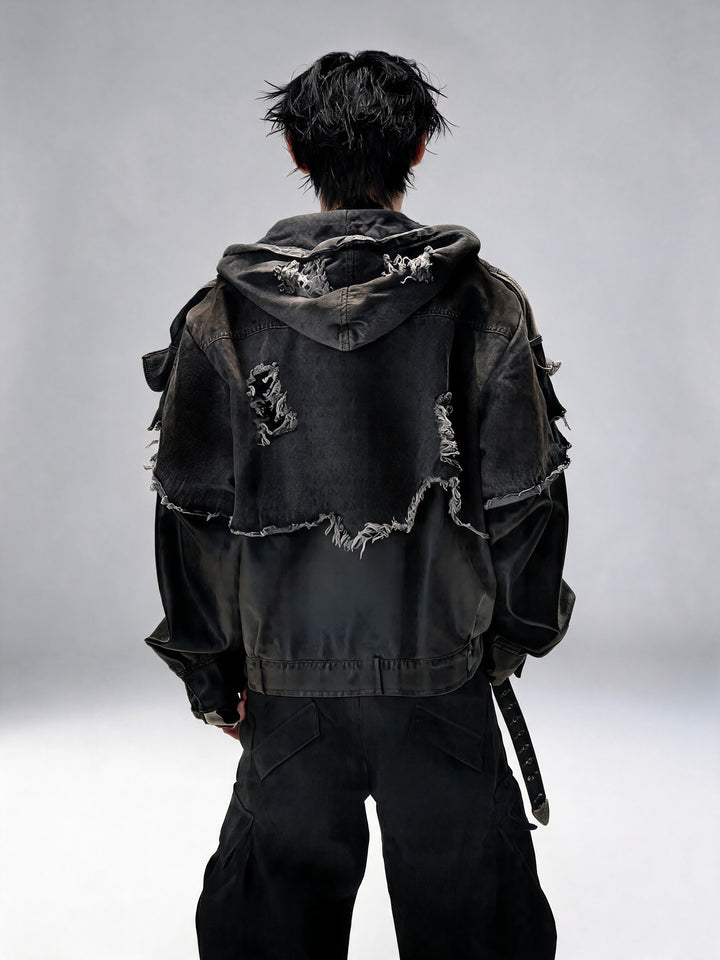
Black isn't a phase. Silhouettes that carry an attitude, long after the trend moves on.
 New
 New
 New
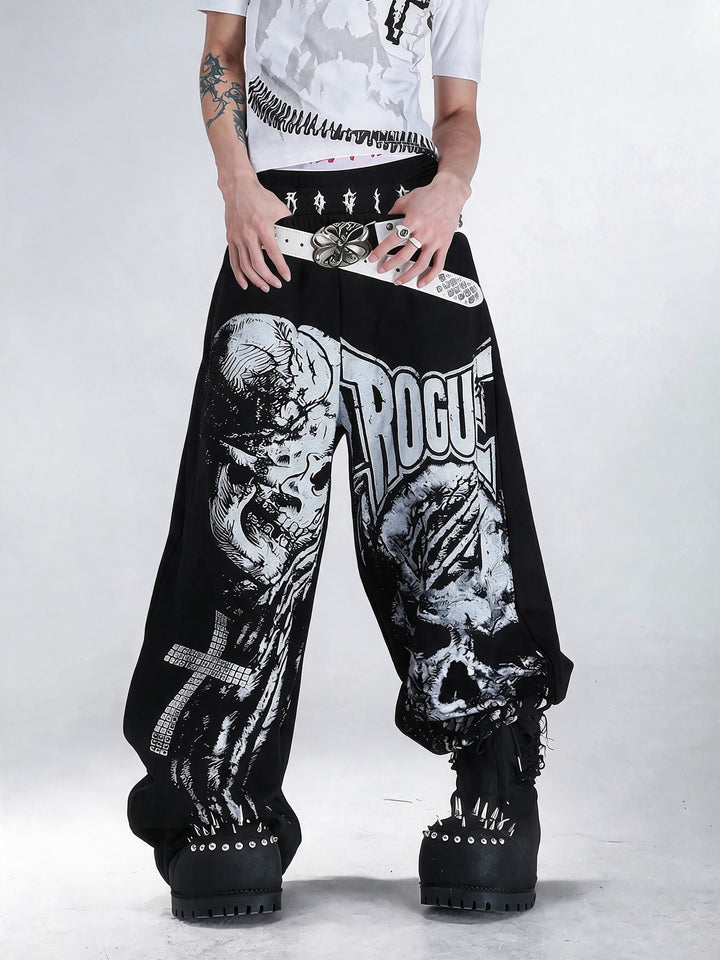
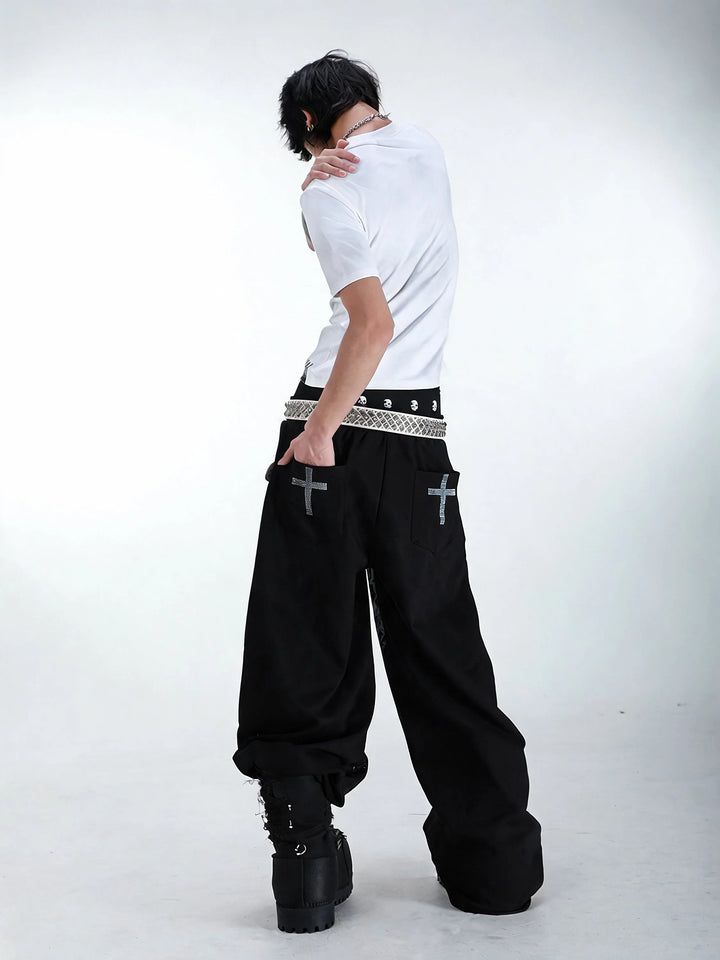 New

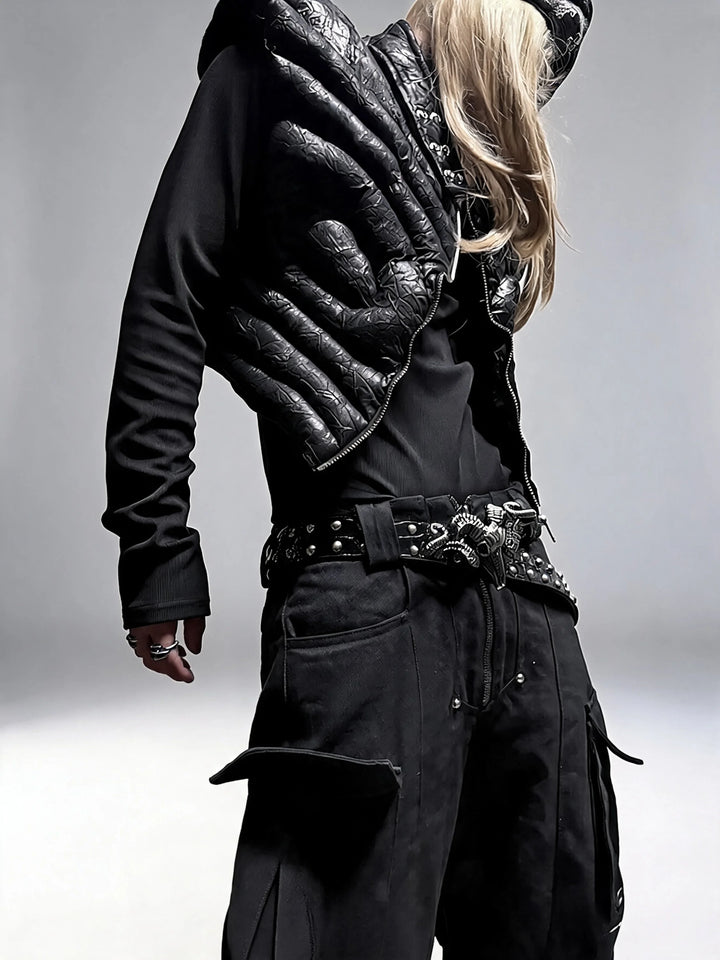 New
Loading more
04 · 94 Pieces
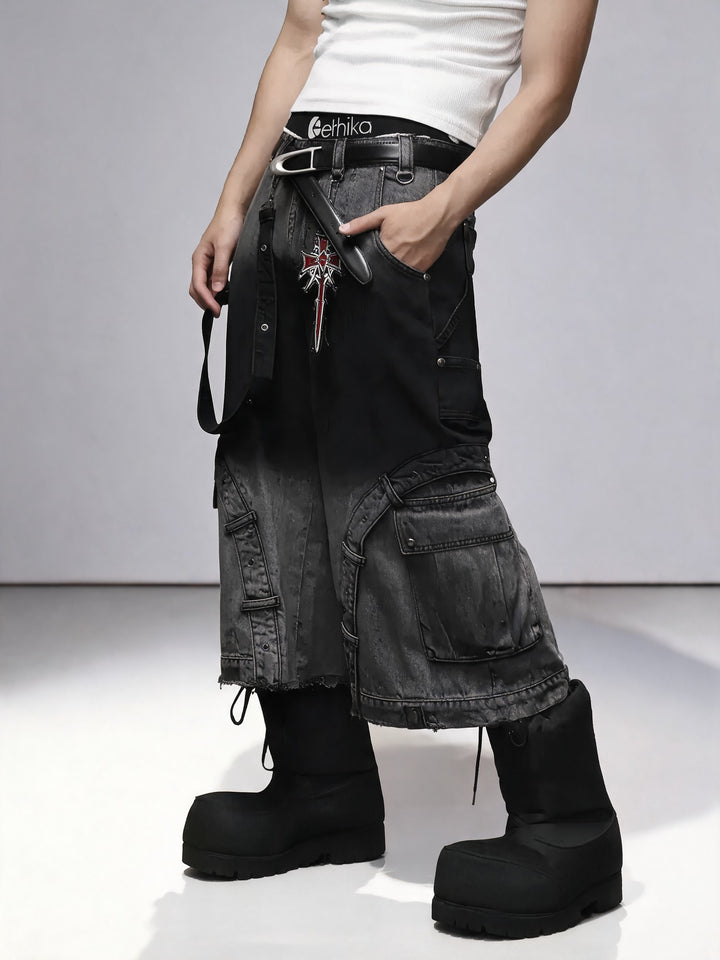
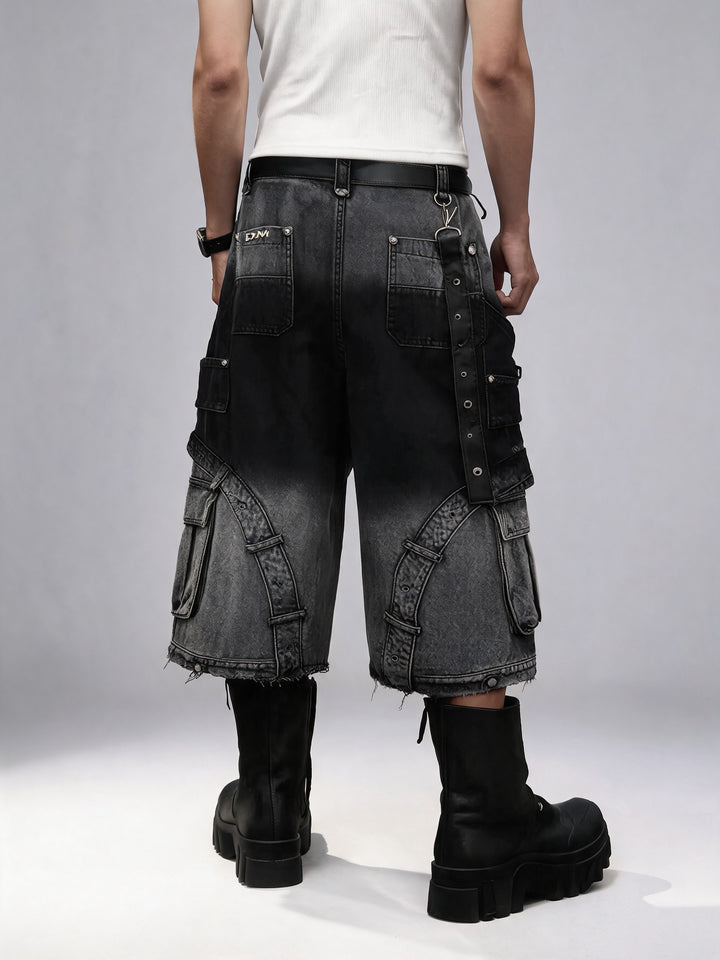
Black, metal, torn edges. The look for the hour when everyone else is long gone.

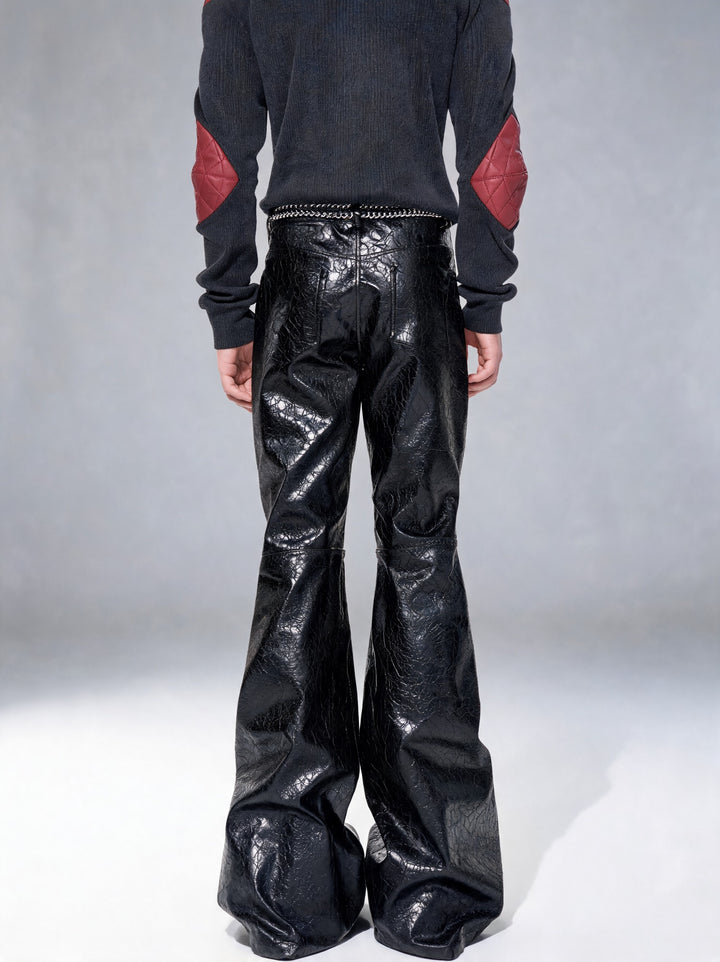
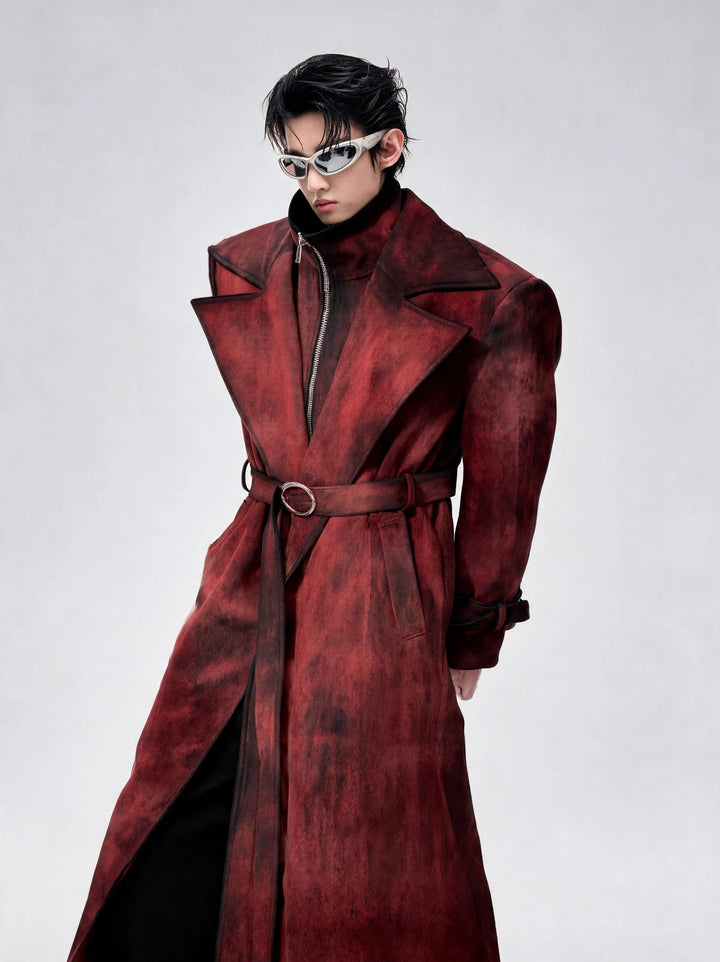
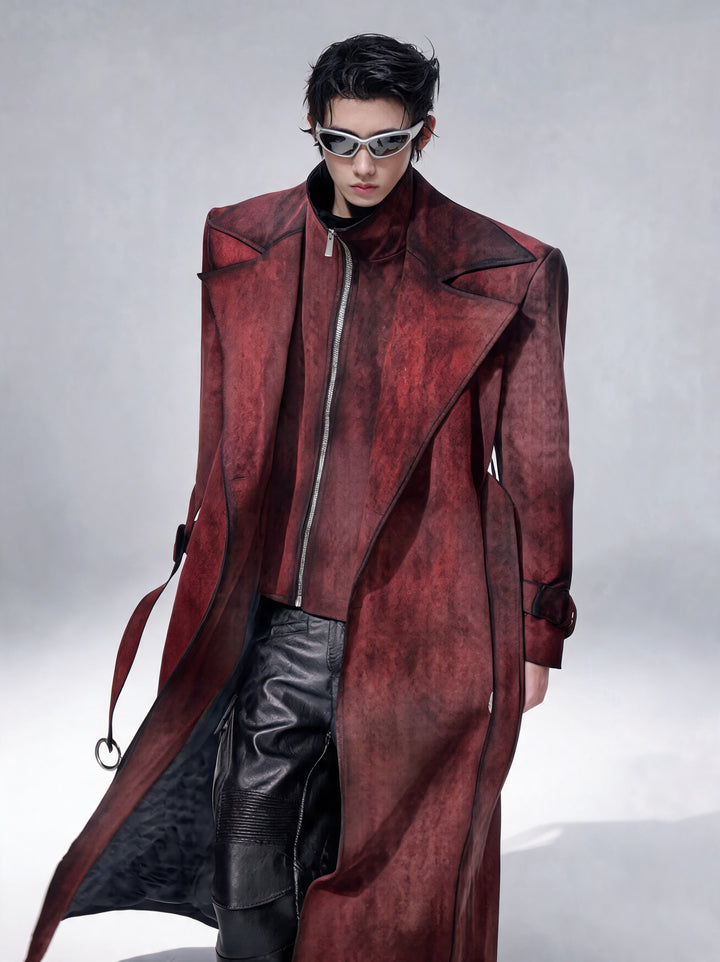
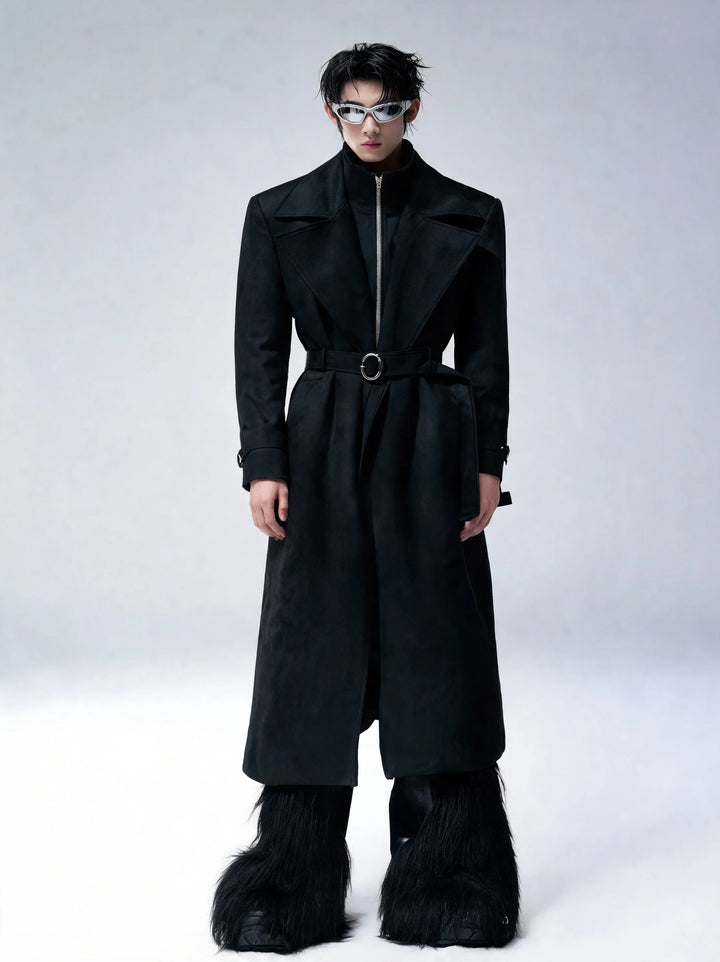
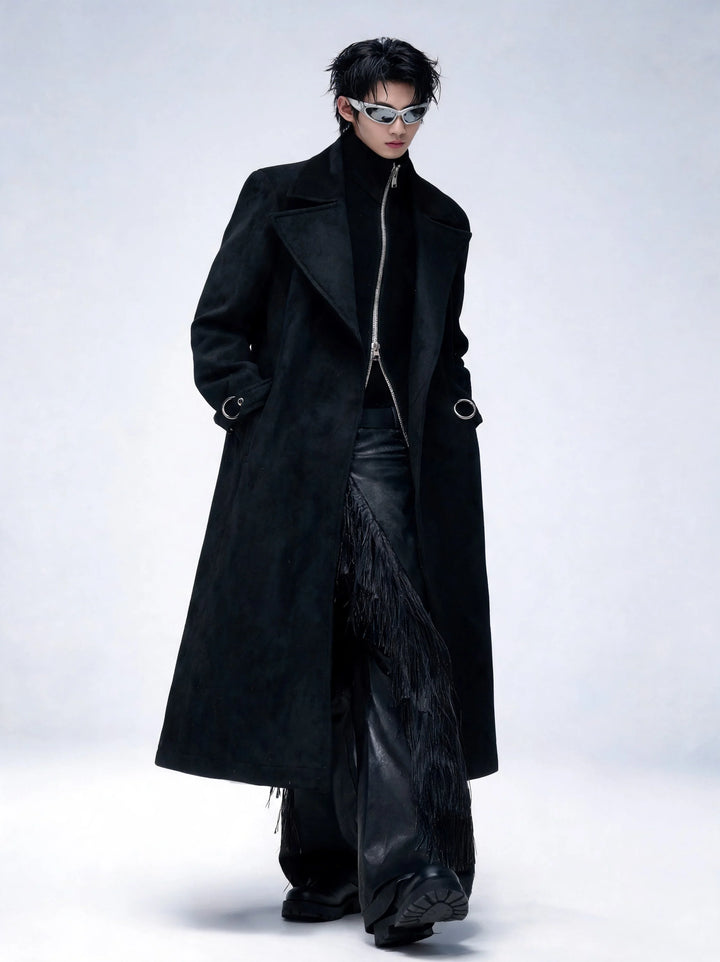
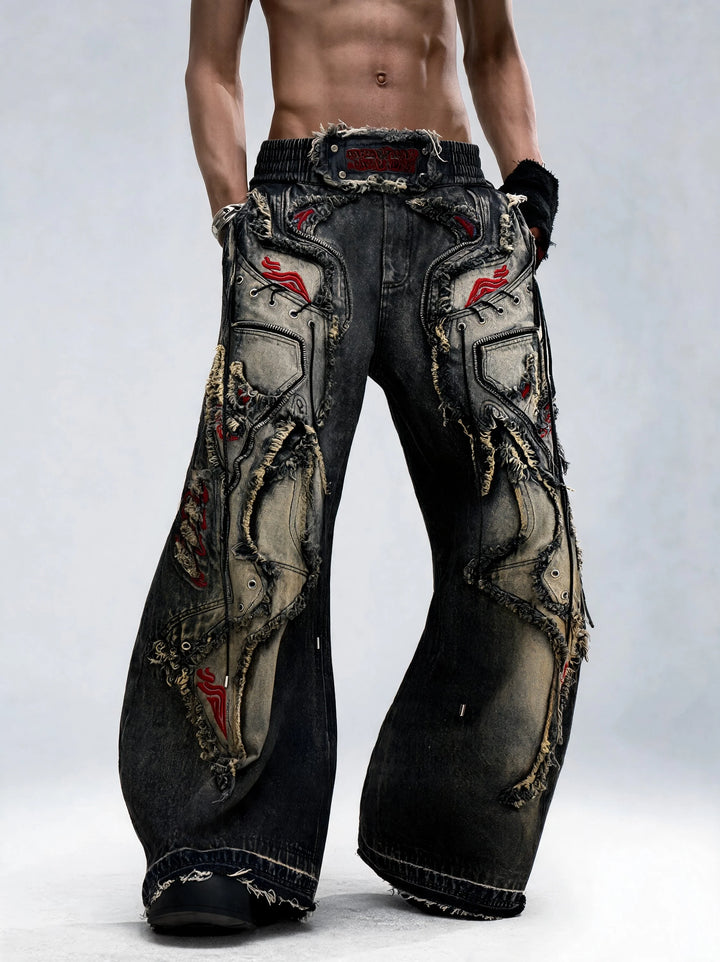
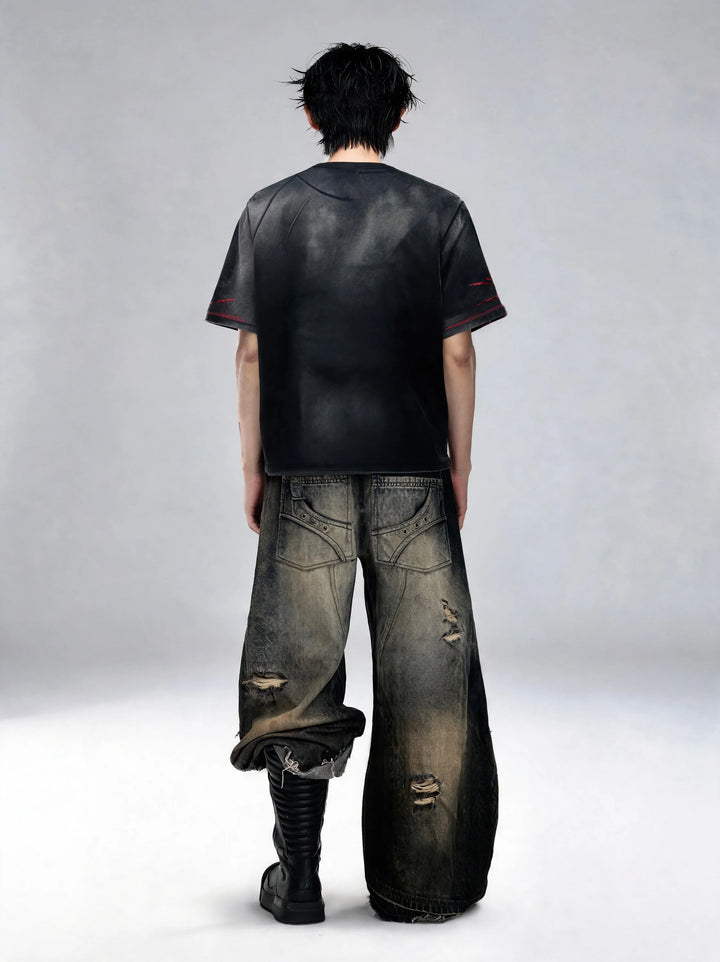
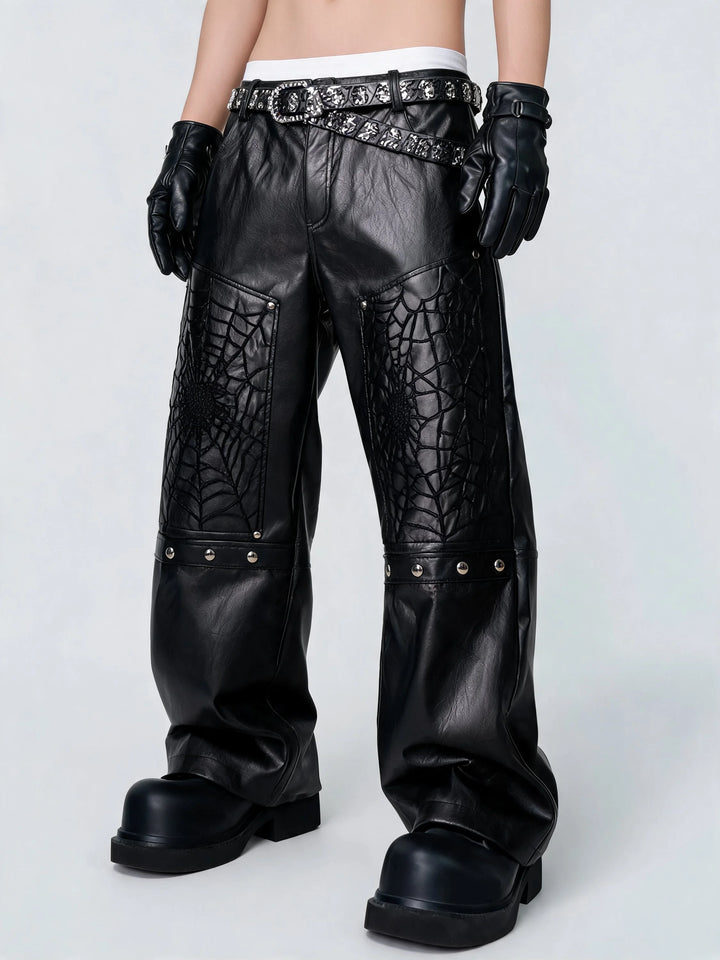
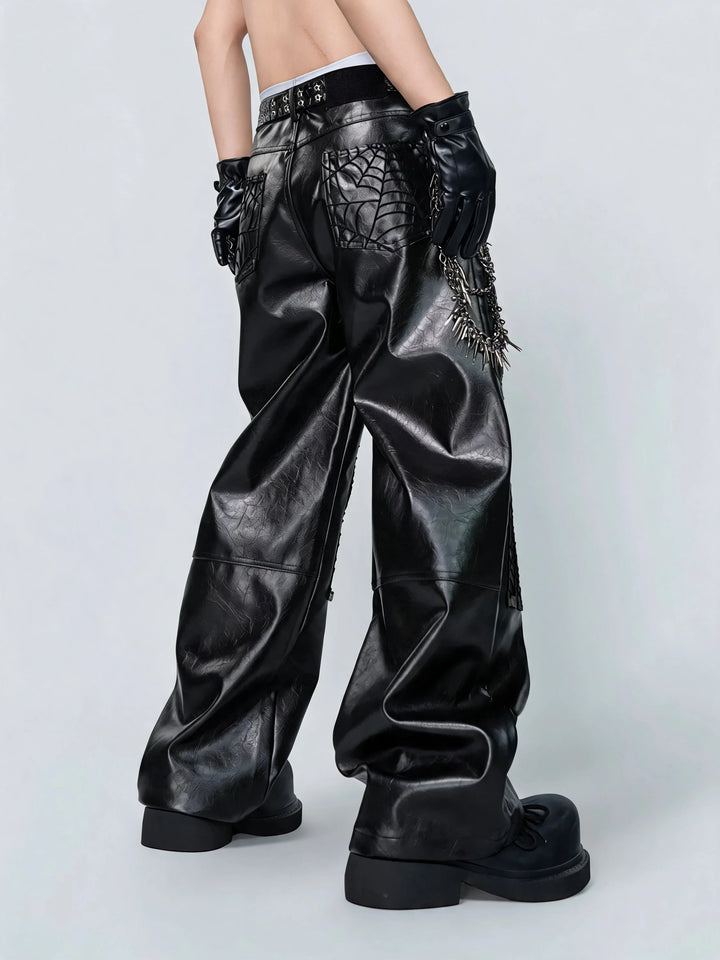
Loading more
05 · 15 Pieces
Bass, concrete, strobe. Built for nights that don't go to plan.
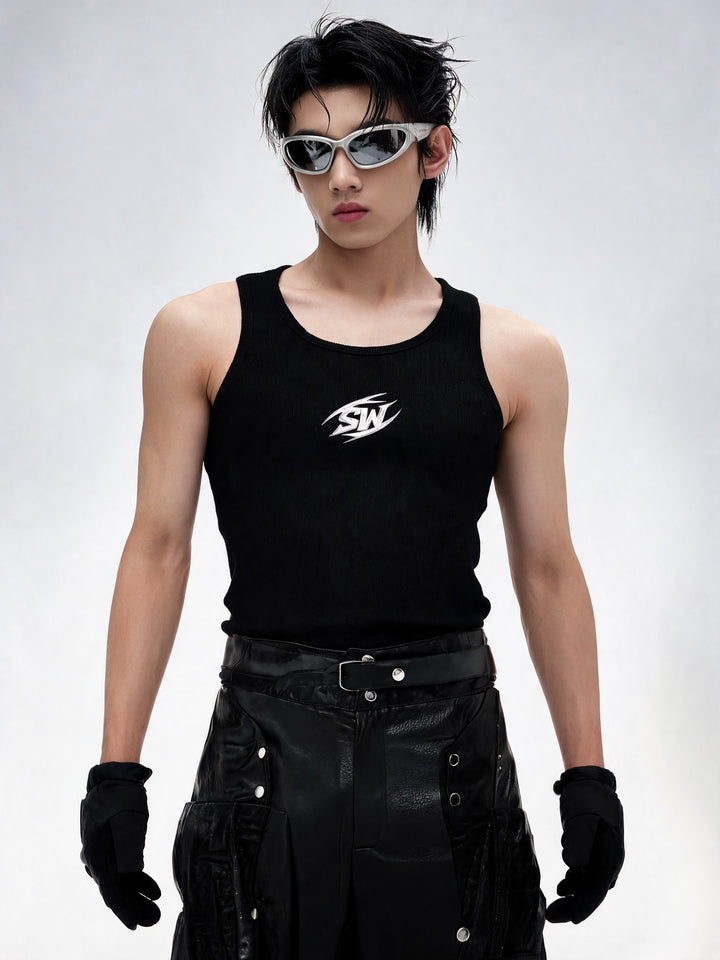
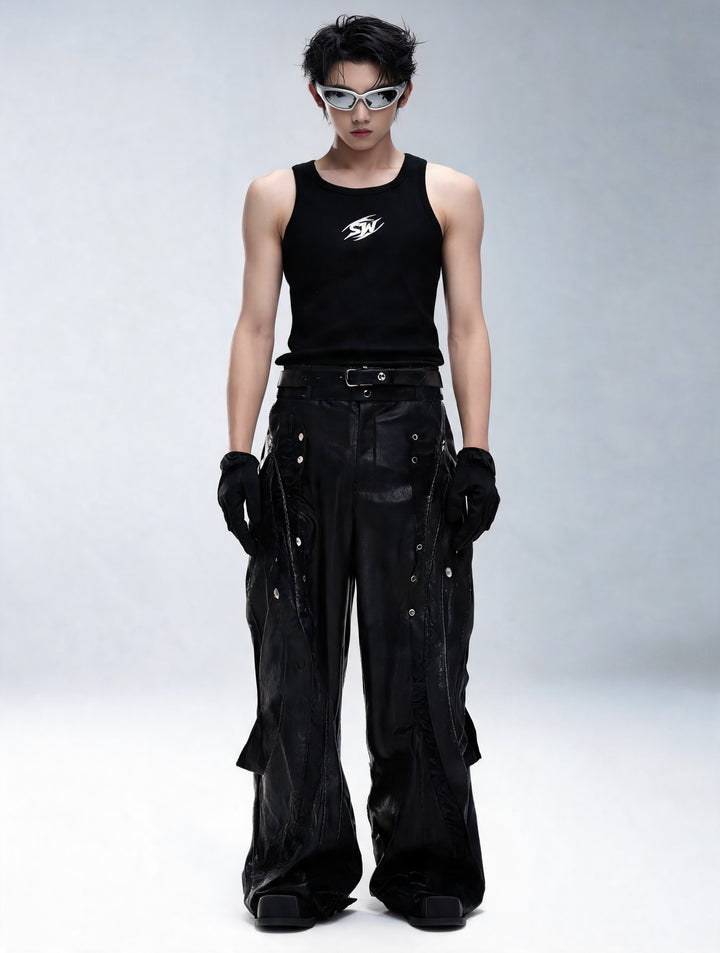
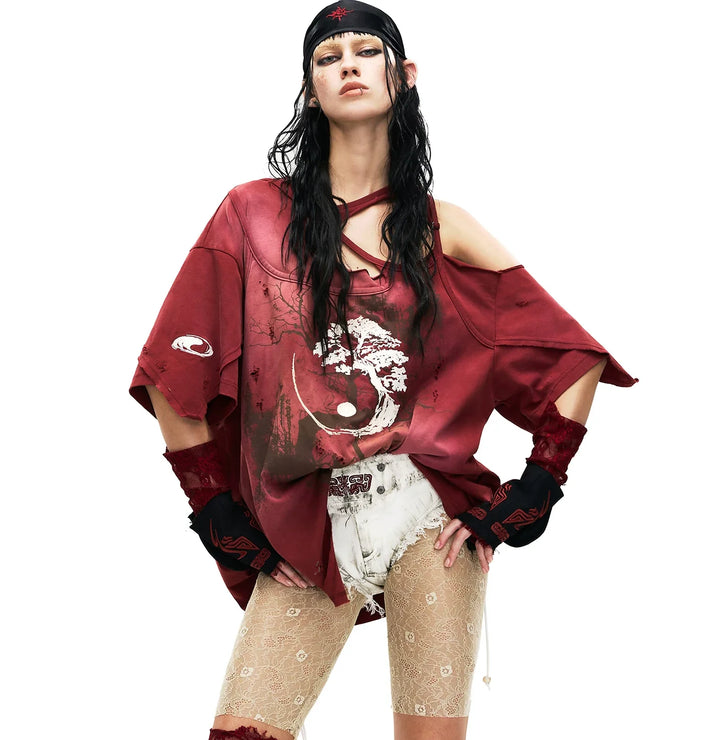
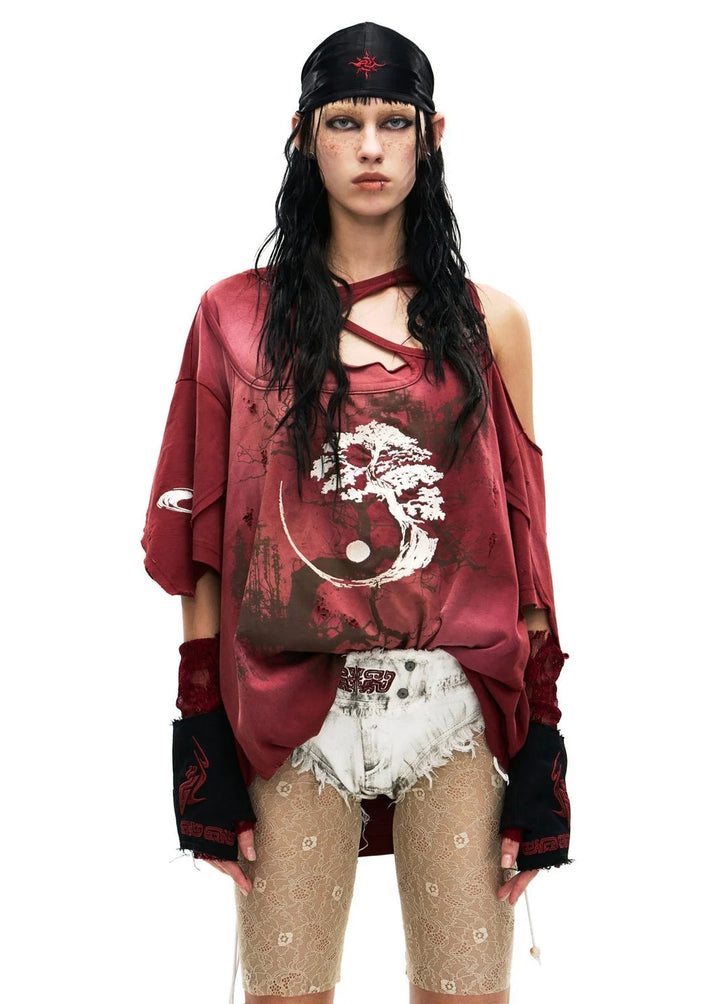
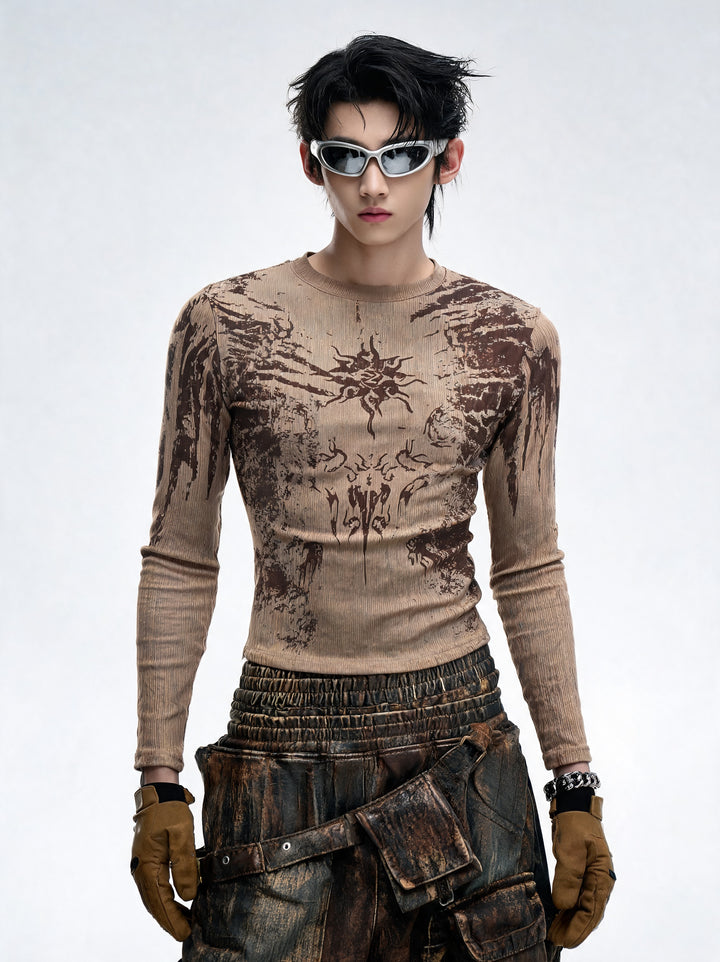
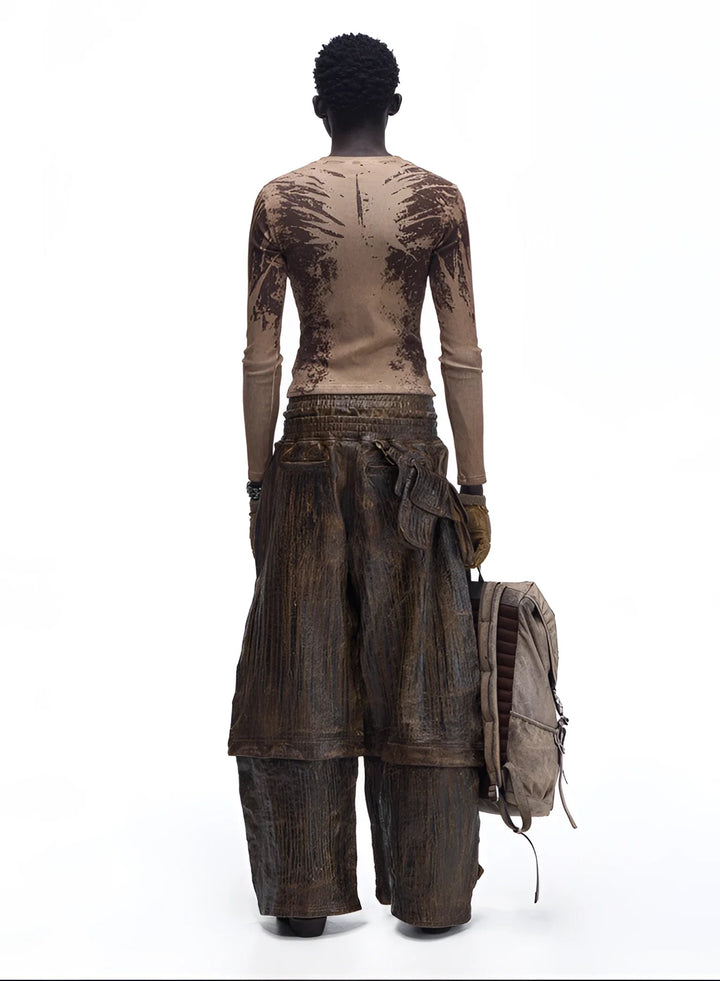
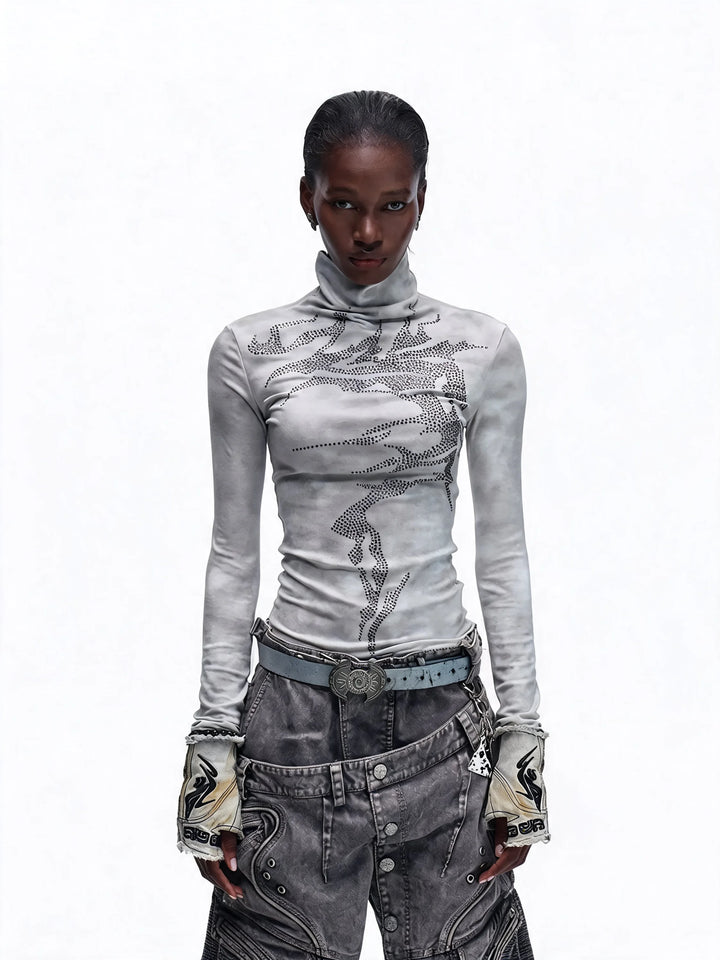
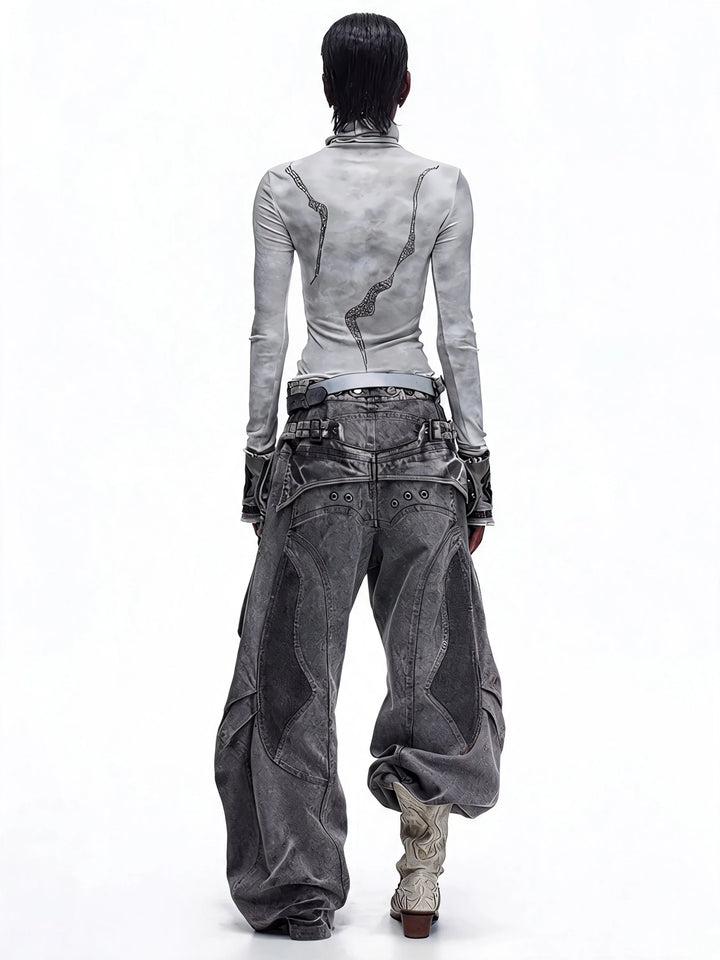
Loading more
Select size
Goes straight to your Cart.
@fuga_studios · Community
They are friends and connections in Berlin, Shanghai and Tokyo. If you wear Fūga, tag us with @fuga_studios or #fugastudios. We repost the best fits, and you become part of the next lookbook.
Follow on Instagram →2015 → today
Berlin Plattenbau origins, inspired by Asia. Creative, but never fully absorbed by the system. Tokyo 2015 as the starting point. Six niche phases since.
Today: Berlin · Shanghai · Tokyo · Poznań. We know our designers by name. Limited drops, no restocks.
We didn't drop out. We know the system, did the training, worked, kept building. Both work.