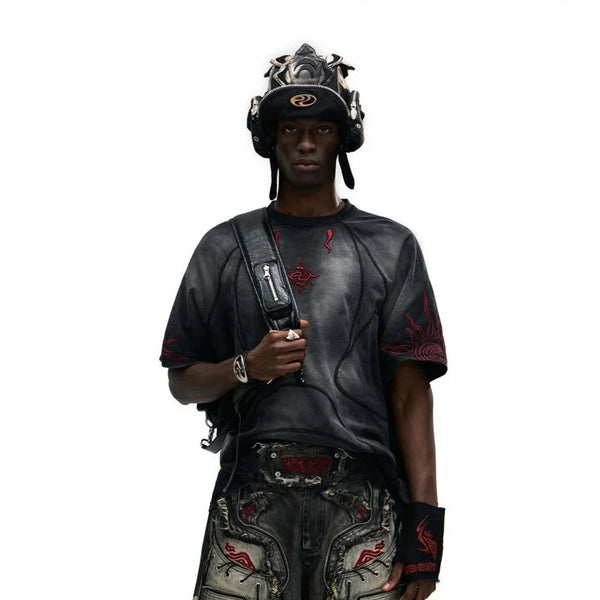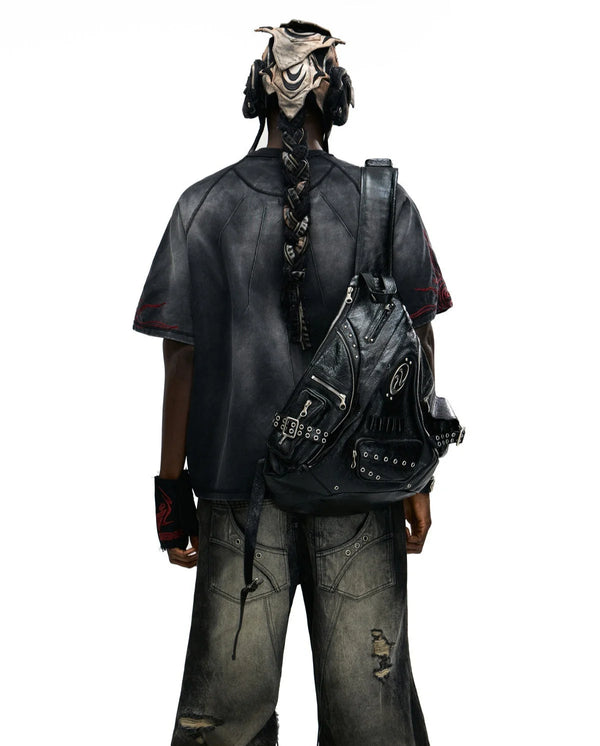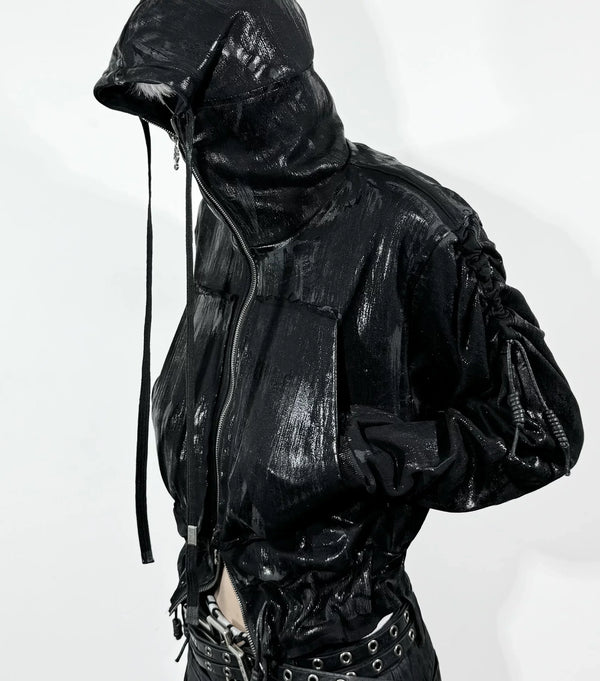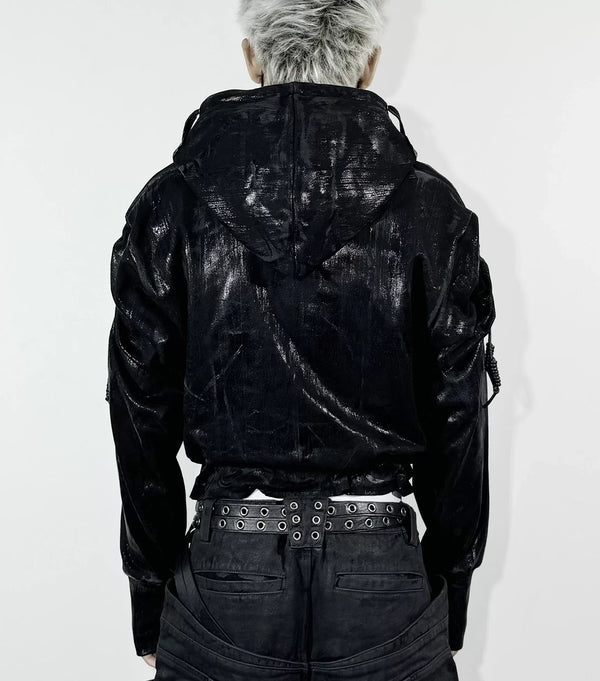

Step out of Harajuku Station for the first time and within thirty seconds you understand why this place produced a fashion term of its own. To the left, the narrow Takeshita Street, packed with crêpe stands and shops that look like burst candy bags. To the right, the broad Omotesandō with its glass facades. In between, a stream of people that has followed the same rule for decades: here you don't dress to fit in, you dress to be seen.
The Harajuku Fashion History doesn't begin on a runway but on a pedestrian bridge in post-war Tokyo, and over five decades it grows into a global movement. This guide is one chapter of our larger Harajuku streetwear guide and explains who invented the style, what inspired it, and how a Tokyo district became a worldwide language.
The place
Where Harajuku fashion emerged: a bridge in Tokyo
Strictly speaking, Harajuku is not an official district but an area around the station of the same name in Tokyo's Shibuya ward. The name sticks to the area between Takeshita Street, the Omotesandō and the quiet side alleys that later became famous as Ura-Harajuku. That a fashion term emerged here of all places has to do with history, not chance.
After the Second World War, the US housing settlement Washington Heights lay right nearby. American families, their shops and their pop culture shaped the district early on with a Western touch that barely existed anywhere else in Tokyo. When the Central Apartments drew creative photographers, designers and models in the 1960s, Harajuku already had the raw material for a scene: cheap rents, young people and a proximity to Western fashion that was missing elsewhere.
1977
Sunday pedestrian zone introduced
1997
FRUITS magazine launches
5+
Parallel subcultures
The question of authorship
Who invented Harajuku fashion?
The honest answer is: no one. There is no designer, no brand and no founding year you could attribute Harajuku fashion to. It is a bottom-up phenomenon that grew out of the behaviour of young people — not out of a collection someone designed.
The decisive trigger was a street closure. From 1977 the Omotesandō was closed to cars on Sundays and turned into a pedestrian zone. On this open space the Takenoko-zoku gathered, dance groups in loud, self-sewn costumes who danced to boombox music. They were the first visible youth movement to use Harajuku as a stage. Their clothing was loud, colourful and deliberately different — exactly the principle that still carries the scene today.
What the Takenoko-zoku began, later waves carried on. The 1980s brought the DC-brand era with Japanese designer labels, the 1990s the streetwear scene of the side streets. Each generation built on the previous one, without anyone directing. Harajuku fashion therefore has many parents and no single inventor.
The influences
What Harajuku fashion is inspired by
Harajuku is a remix. The style draws its energy from combining things that don't actually belong together: Western pop culture and Japanese craft tradition, Victorian ruffles and punk studs, kawaii cuteness and dark gothic elements. This friction is not an accident but the heart of it.
One base pattern comes from the post-war era, when American fashion seeped into the district via the US base. A second comes from British punk and the New Wave movement of the late 1970s, which Japanese youth absorbed through records and magazines. Added to that was their own imagery from manga and anime, which supplied figures, colours and silhouettes. Traditional clothing played in too: kimono fabrics, obi belts and wooden sandals kept turning up in altered form. Anyone studying Harajuku looks today still sees these layers stacked on top of one another.
What matters is the attitude behind it: in Harajuku nothing is copied, it is altered. A kimono pattern lands on a hoodie, a school uniform is broken up with platform shoes and synthetic hair. It is exactly this courage to combine that makes the appeal — and explains why the scene could produce so many subgroups.
Before we break down the individual branches, it's worth a look at the street itself. The following clips show what this appetite for combination still looks like in motion today — not as a museum piece, but as living styling.
Anyone seeing such moves for the first time often underestimates how considered they are. What looks like a wild jumble follows an inner logic: contrast over harmony, personality over brand. This logic leads us straight to the question of what Harajuku is really about at its core.
The core
What makes Harajuku fashion special in Japan
The central difference to Western streetwear lies in the relationship to the group. In Harajuku it was never about wearing a recognisable brand code, but about building your own look that belongs to a recognisable family of styles without being interchangeable. You are part of a scene and unmistakably yourself at the same time.
On top of that comes the extreme depth of detail. A considered Decora look can consist of dozens of hair clips, bracelets and pendants, all deliberately placed. A Lolita outfit follows strict rules on skirt length, petticoat and accessories. Harajuku is therefore less spontaneous than it looks — behind the chaotic impression there is often hours of work. It is precisely this seriousness that sets the scene apart from mere dressing up: those who belong know the codes and play with them deliberately, instead of just imitating them.
This diversity is why Harajuku is so hard to capture in one sentence. There is no uniform dress code, but a roof under which very different styles find room. Anyone wanting to wear elements of it today doesn't have to take on the full costume — the building blocks work on their own too.
To rebuild
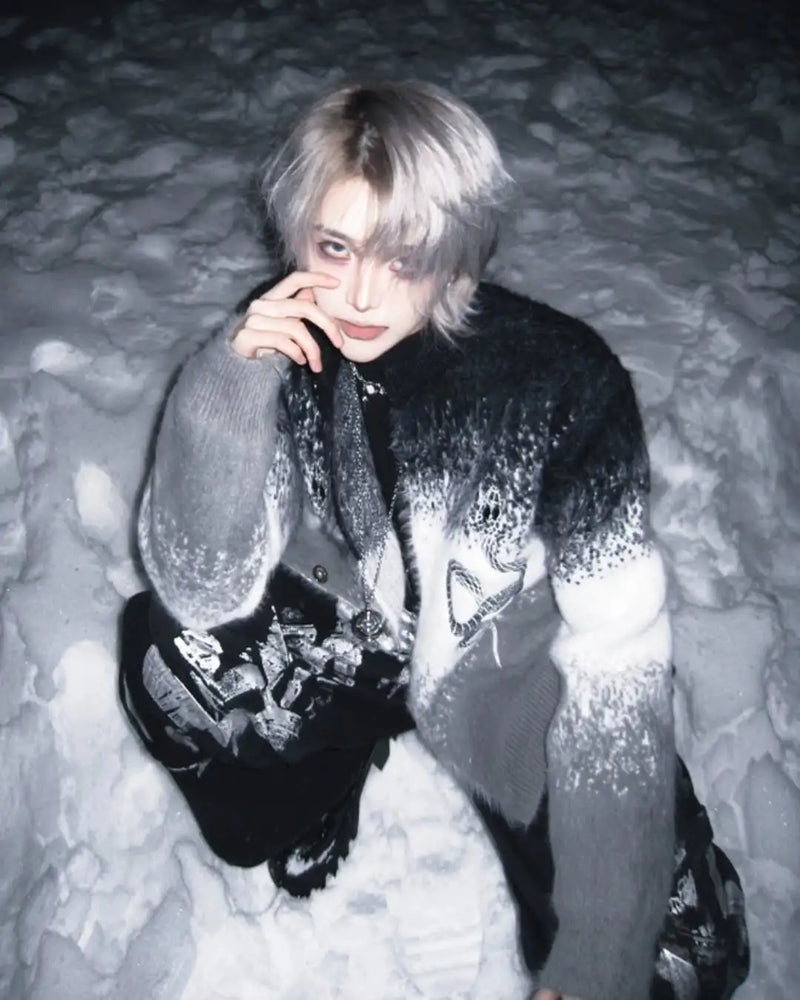
Harajuku tops: the base for the layered look
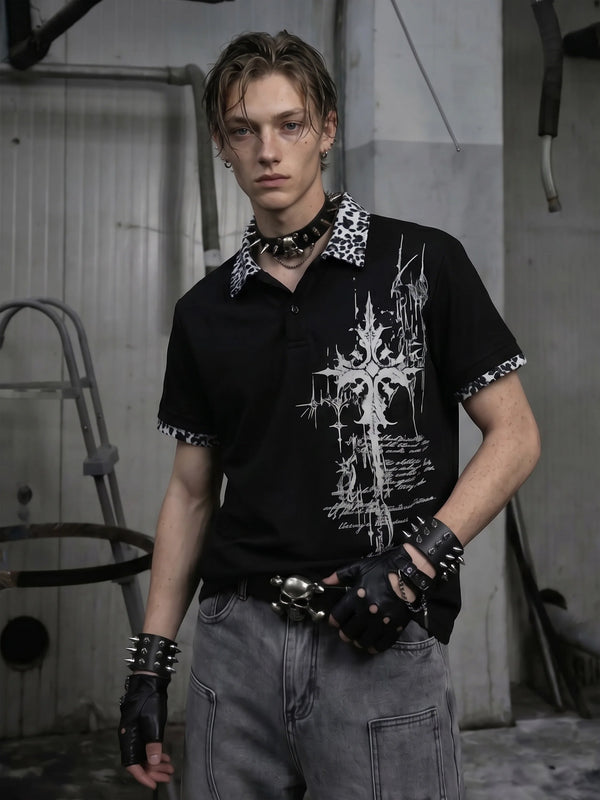
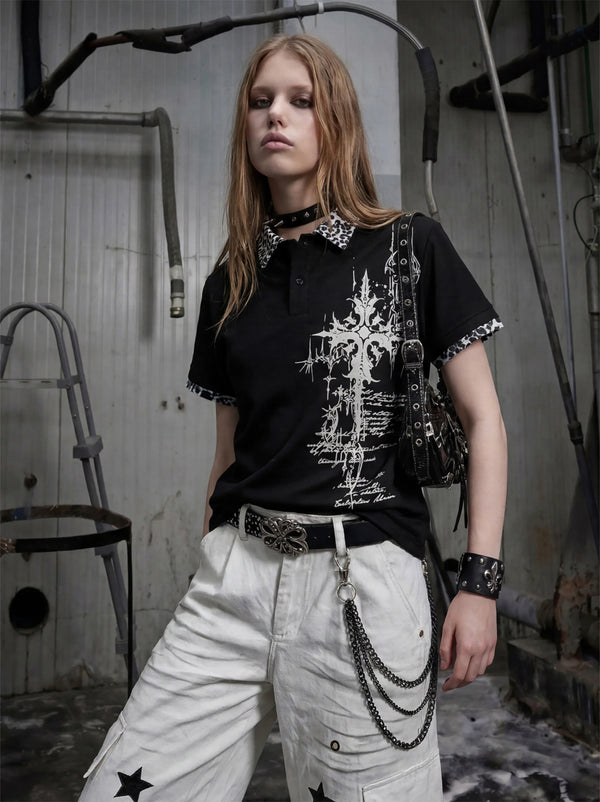
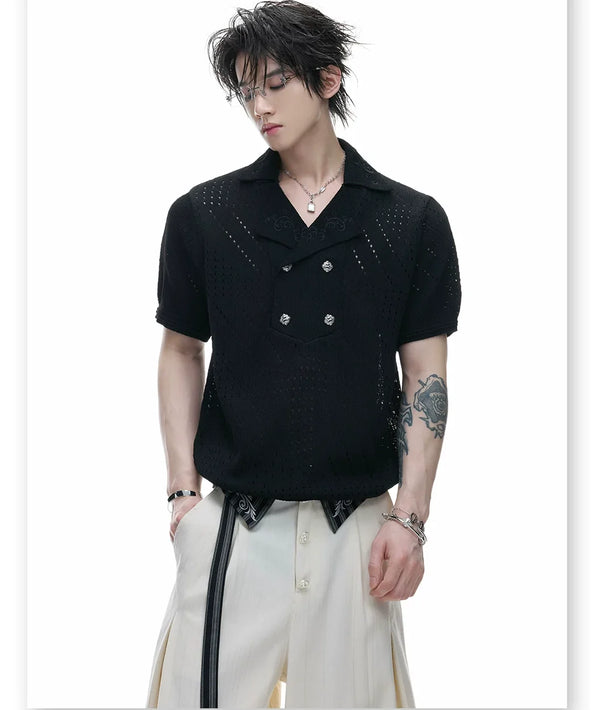
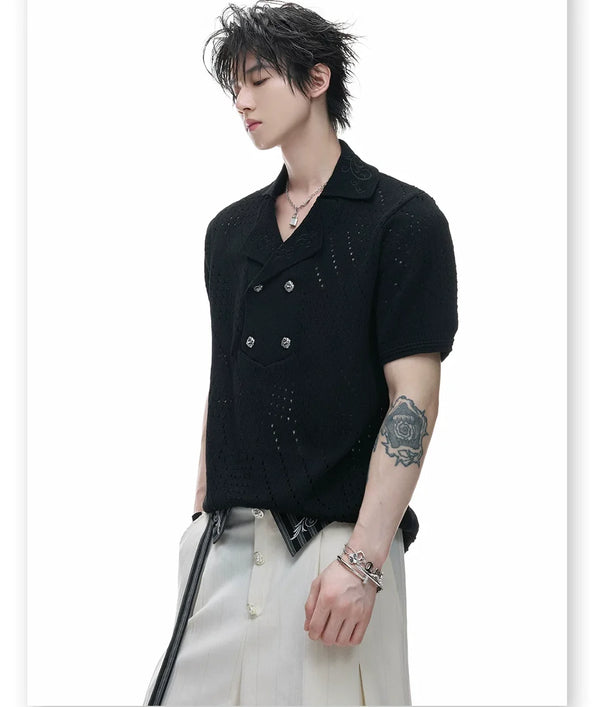
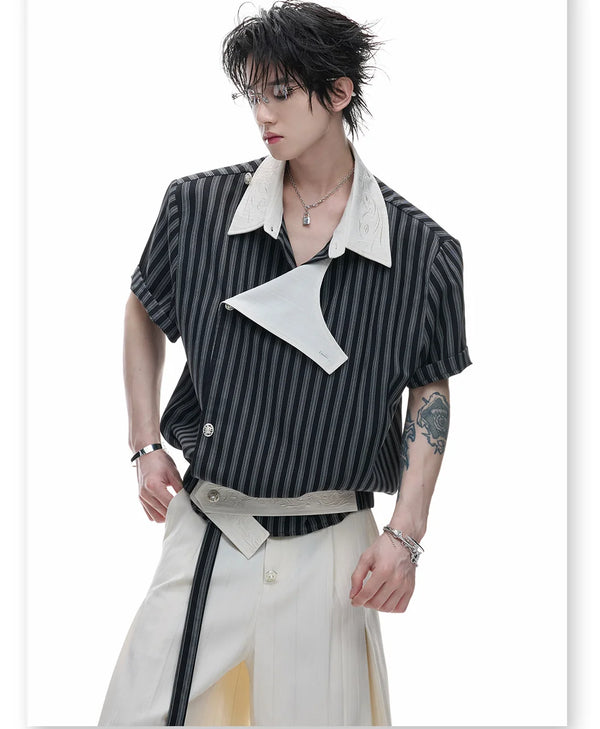
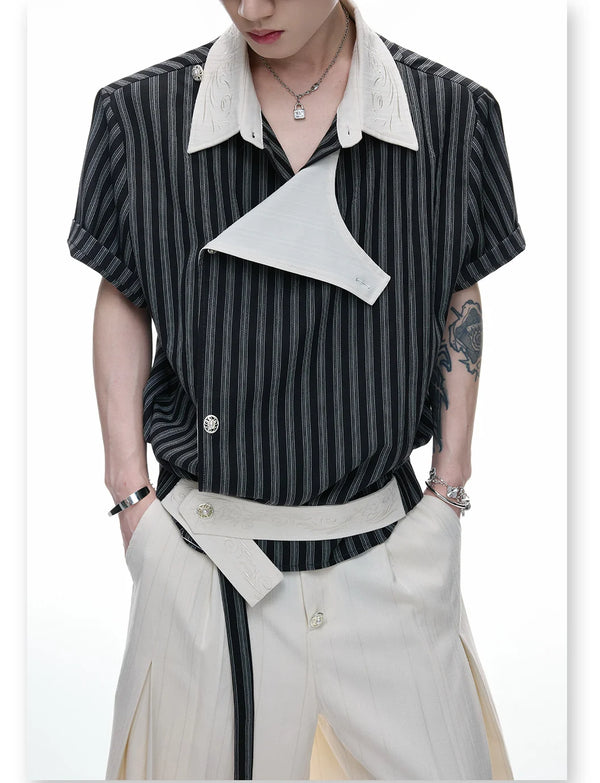
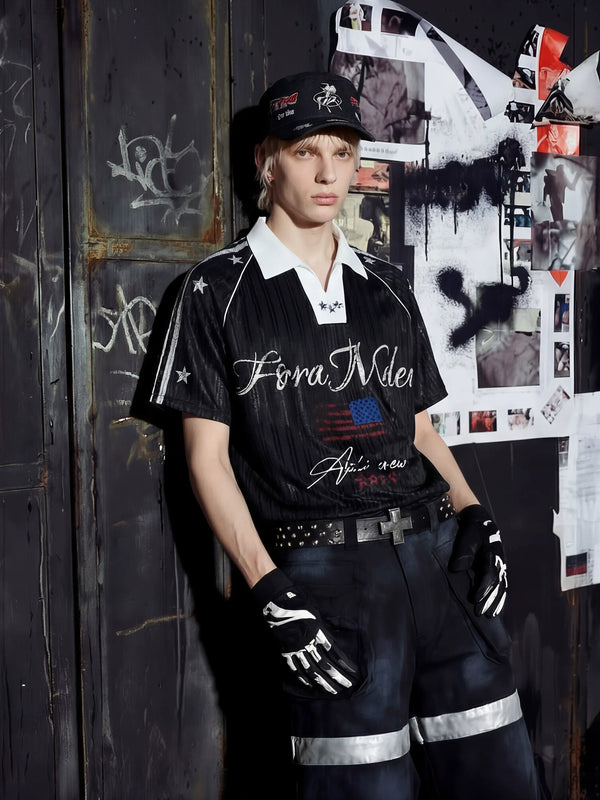
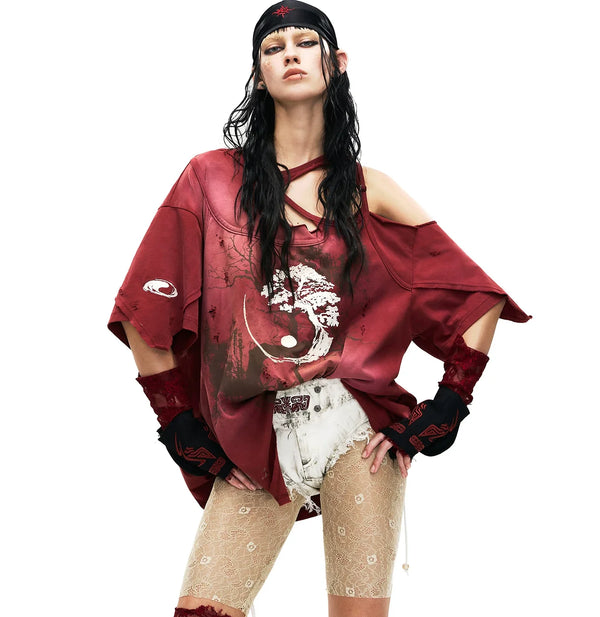
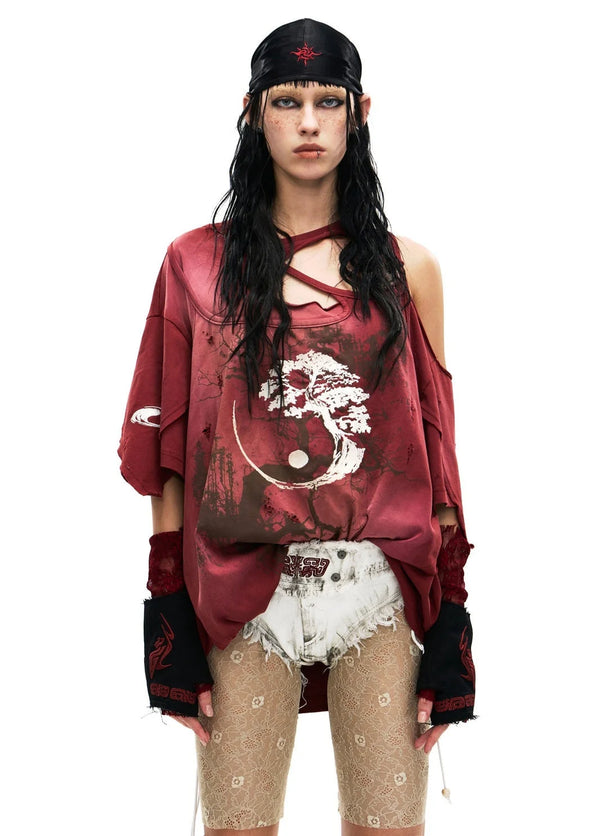
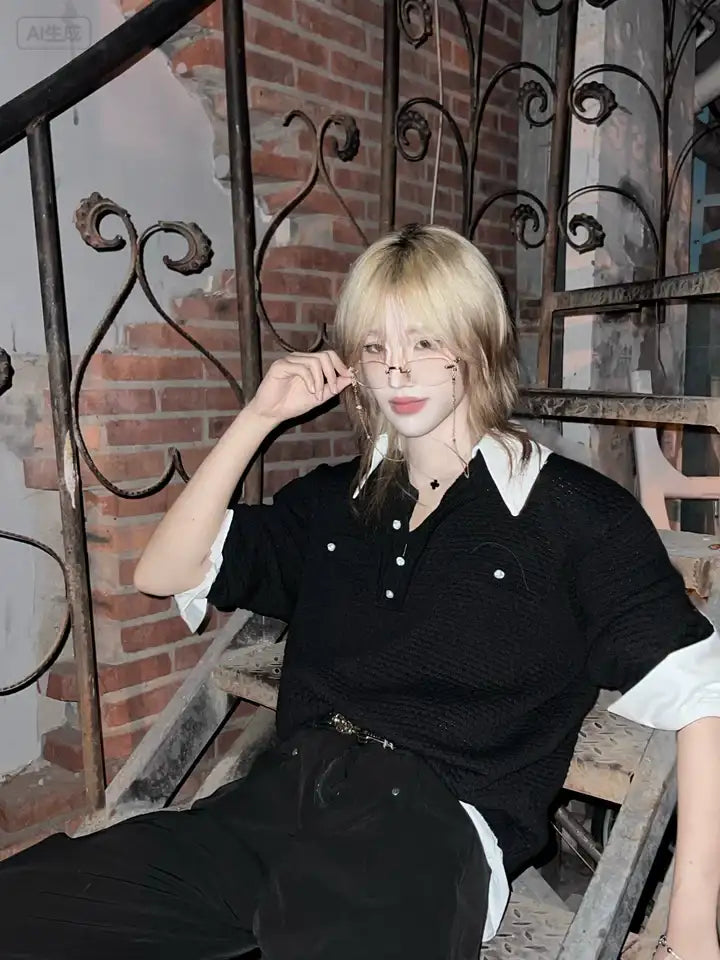
Almost every Harajuku look lives on layering. The top is the canvas: a striking shirt or polo as a statement, over it vests, cardigans or open jackets. Anyone wanting to understand the principle starts with a bold top and builds outward. The following pieces from our range work as such a base.
A mistake beginners often make: they stack too many quiet pieces on top of one another. Harajuku works the other way round — one loud core piece around which the rest may stay calmer. That creates depth without the look tipping into unrest.
The icon
Who the famous Harajuku Girls are
The term Harajuku Girls has two meanings that often get mixed up. Originally it simply meant the young women who gathered in Harajuku at the weekend and showed off their self-built looks. They were the carriers of the scene, photographed by street photographers and magazines.
The second meaning arose in 2004, when the US singer Gwen Stefani staged four Japanese dancers as companions and called them Harajuku Girls. That brought the term into Western pop culture — and at the same time set off a debate about cultural appropriation that is still running today, because the women came across more as backdrop than as independent people.
For the history what matters is: the real Harajuku Girls were not a brand and not a group with a name, but a movement without leaders. That is exactly what made them so hard to copy — and so influential.
The chronicler
FRUITS and the photographer who made Harajuku visible
Without a single photographer, Harajuku fashion might never have made it beyond Tokyo. In 1997 Shoichi Aoki founded the magazine FRUITS and began to systematically photograph street styles in the district. Every issue showed real people in their real looks, with names, ages and details of their favourite pieces.
This archive became the most important document of the scene. It showed the world that Harajuku was not a carnival but a considered system of subgroups. The most important building blocks that FRUITS kept capturing can be summed up well.
- Self-made — many looks consisted of re-sewn, combined or hand-painted pieces instead of ready-made collections.
- Subgroups visible — Lolita, Decora and co. turned up side by side and made the diversity of the scene legible.
- Personality over brand — what mattered was the overall impression of a person, not the label on the tag.
- Ura-Harajuku — the side streets produced their own, streetwear-heavy line that complemented the colourful picture.
When Aoki shut the magazine down in 2017, he justified it by saying there were hardly any interesting styles left to photograph on the street. That was less an end than a turning point: the scene moved onto the web, where it lives on to this day.
To rebuild
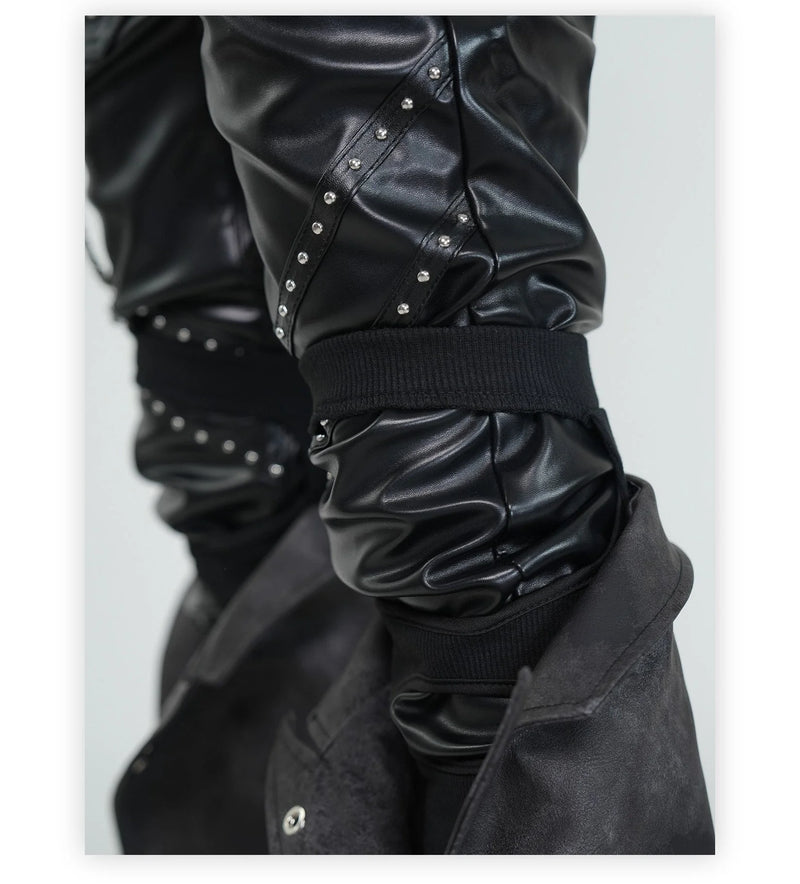
Harajuku pants: the foundation of the silhouette
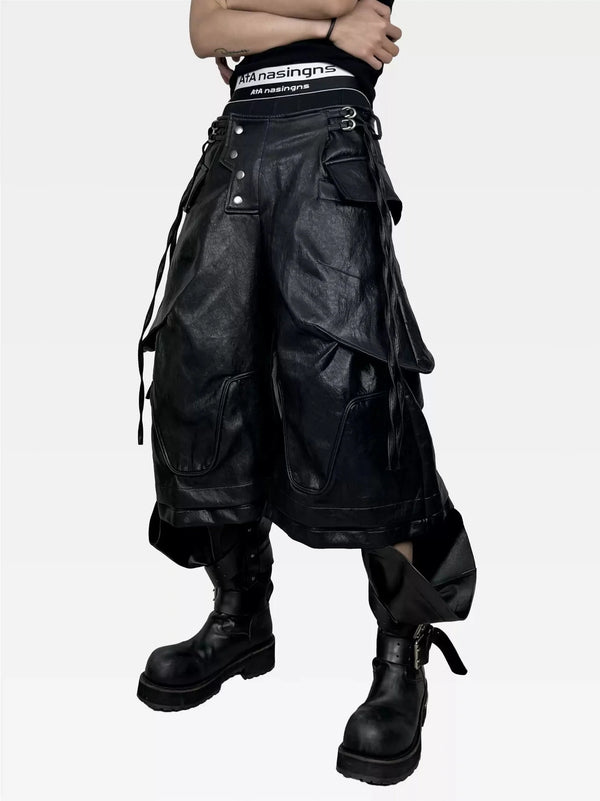
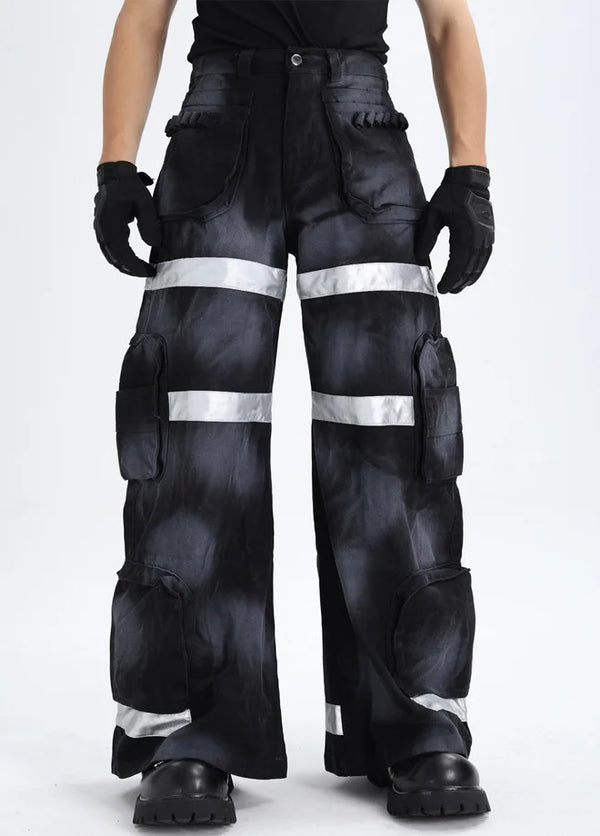
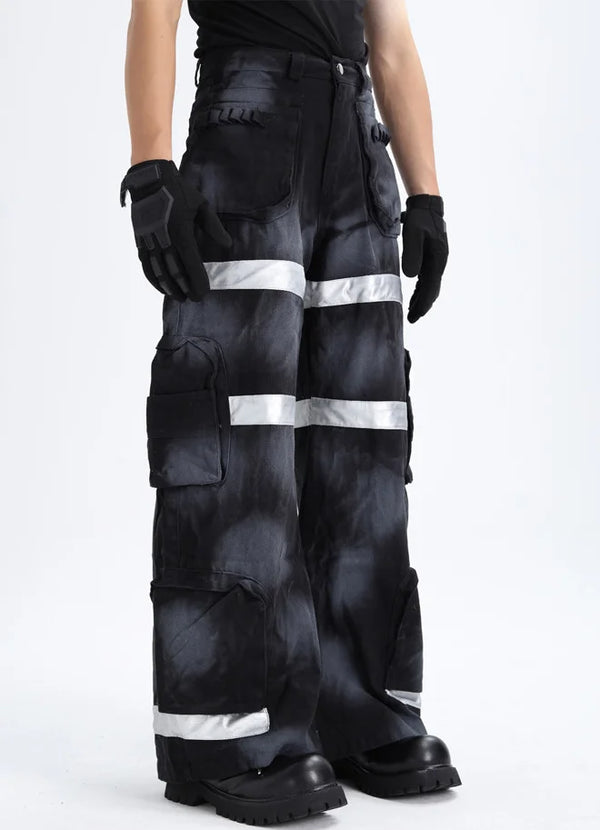
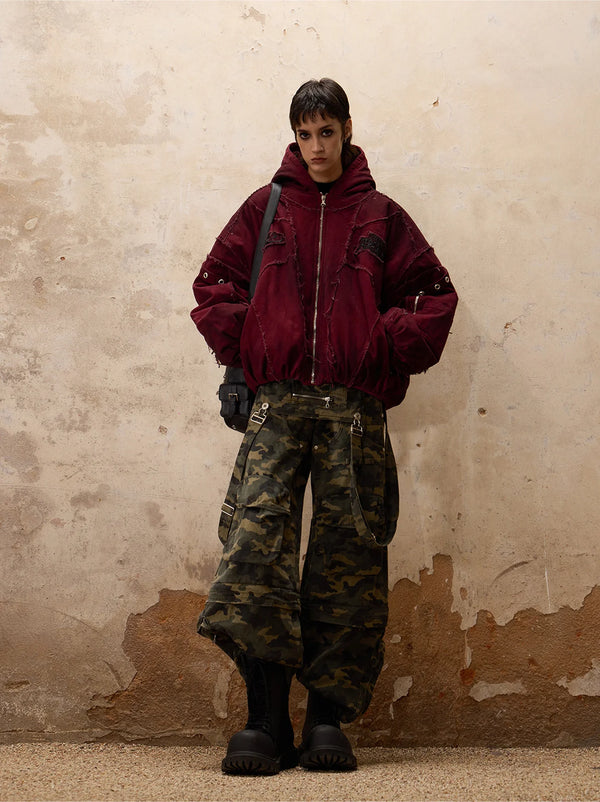
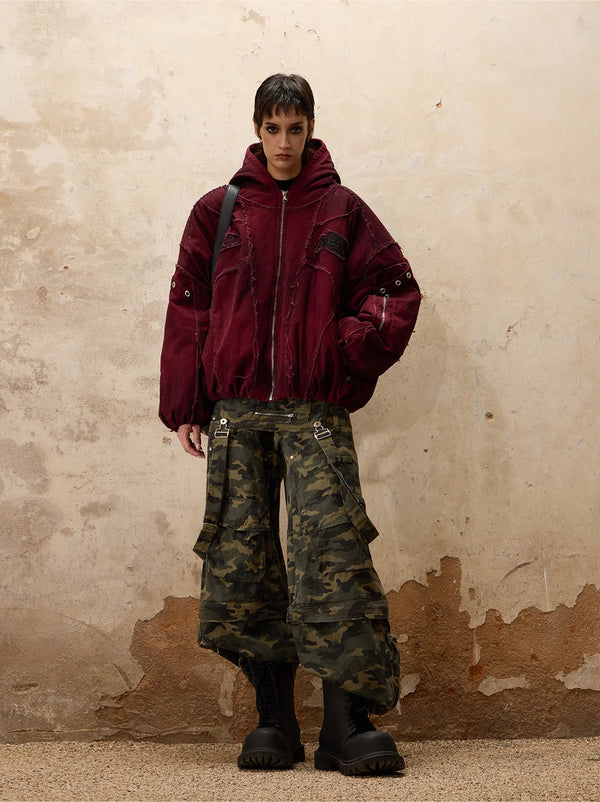
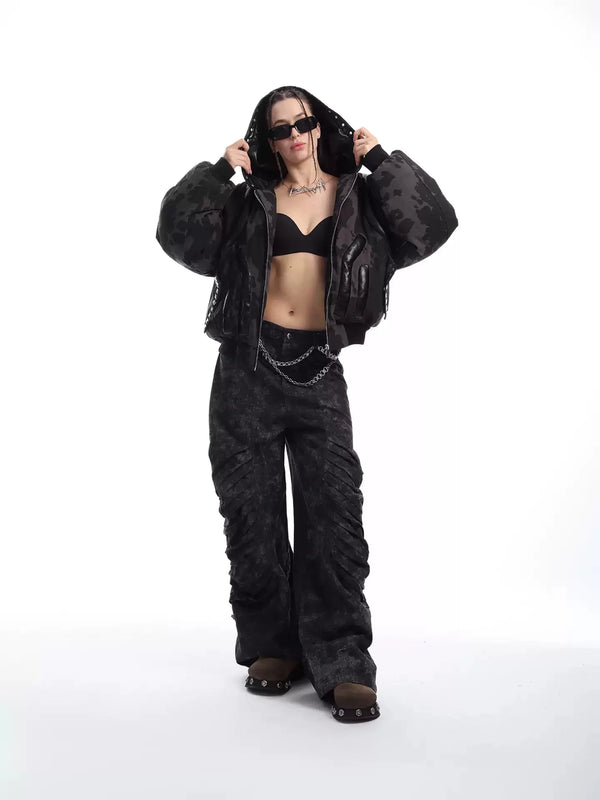
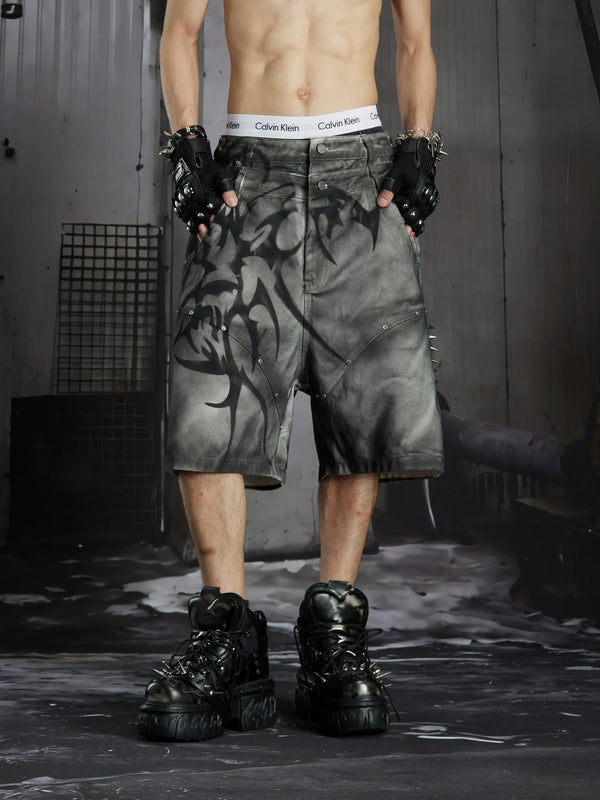
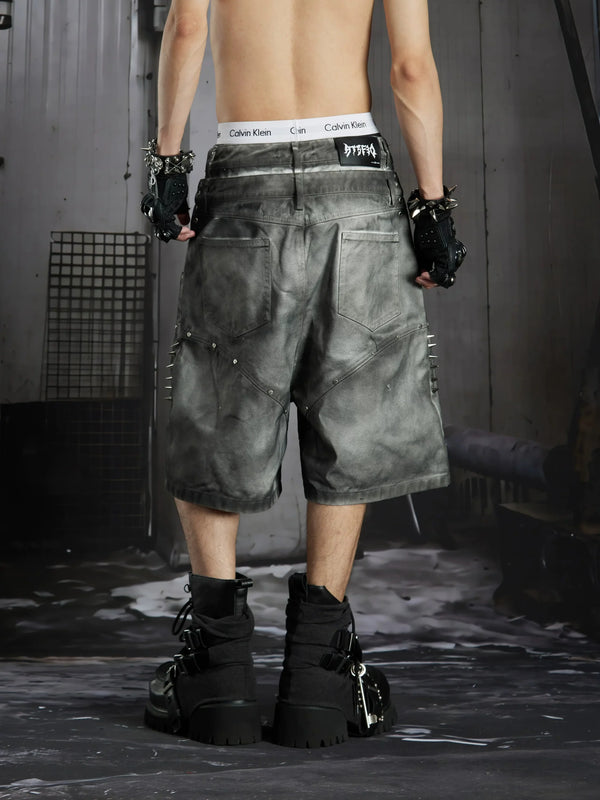
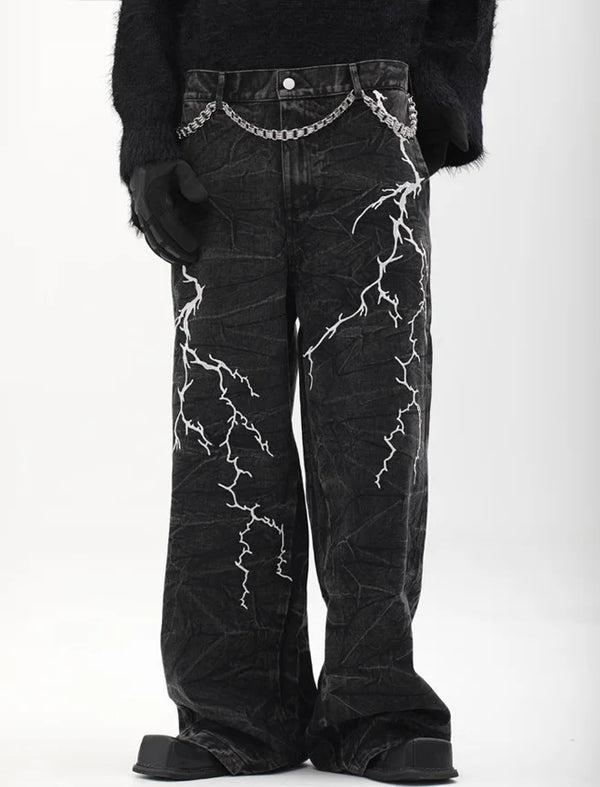
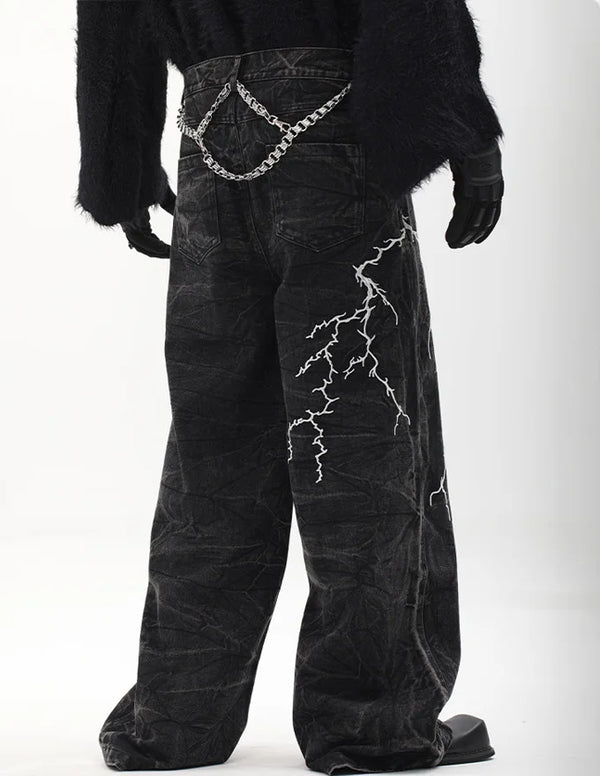
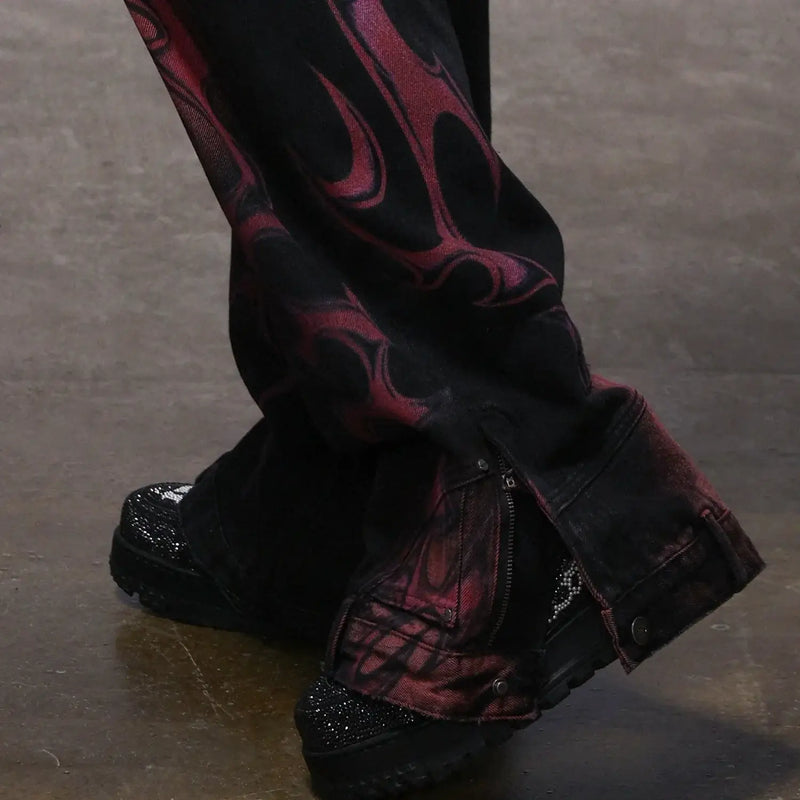
While the top catches the eye, the trousers decide the proportion. In many Harajuku branches volume deliberately dominates: wide legs, patch pockets, studs or prints that pull the gaze downward. Anyone taking the silhouette seriously picks a piece with character here instead of a plain pair of jeans.
The rule behind it is simple: when a lot happens up top, things may stay calm below — and vice versa. A wild top can take a clear, wide trouser. A plain shirt calls for trousers that become a statement themselves.
This thought explains why the style is so hard to pin down. As soon as you press Harajuku into fixed rules, it loses what defines it. The history of the district is therefore also a history of constant shedding — one style disappears, a new one turns up.
The course
The evolution: from boom to digital comeback
The 1990s and early 2000s are considered the golden era. Around Takeshita Street shops, magazines and subcultures flourished, and international media discovered the district as a sight. In this time Decora, Lolita and Gyaru reached their greatest visibility.
From the 2010s on the street scene visibly cooled down. Fast fashion, rising rents and the move of many young people onto the internet let the spontaneous Sunday meetings shrink. Large chains pushed out the small, idiosyncratic shops that gave the scene its supply. The street style FRUITS had documented became rarer, and with it disappeared part of the passing crowd that had made the district so lively in the first place. For many it felt like a farewell.
But the aesthetic didn't disappear, it only changed medium. On TikTok and Instagram a new generation grew up that remixes the old codes under keywords like Harajuku-core. The district today is less centre than reference — but the visual language is livelier than ever.
It is precisely this gentle entry that is the reason Harajuku elements are landing in perfectly ordinary wardrobes again today. You don't have to re-enact the history to benefit from it — a few well-chosen pieces are enough.
To rebuild
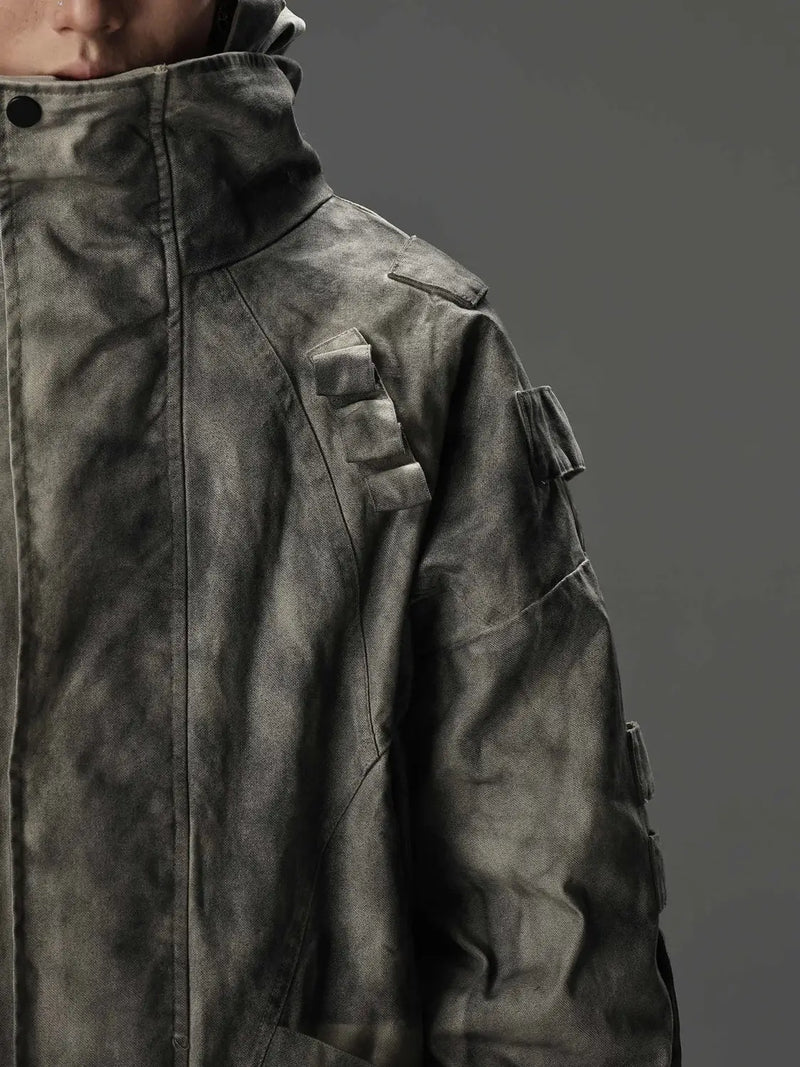
Harajuku jackets: the outermost layer as a statement
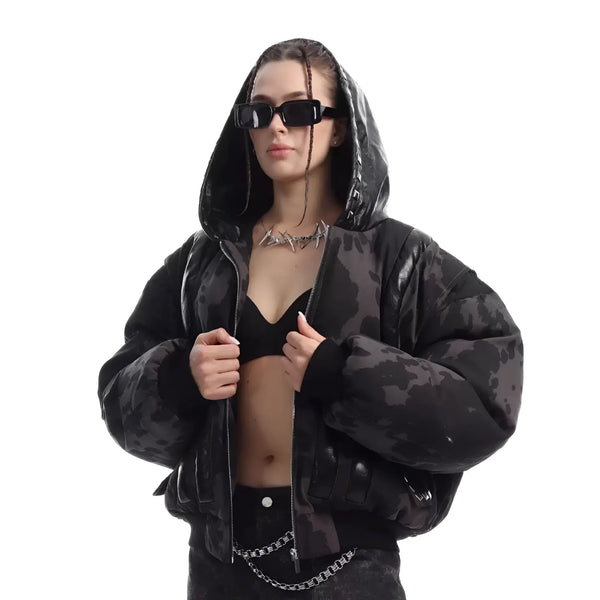
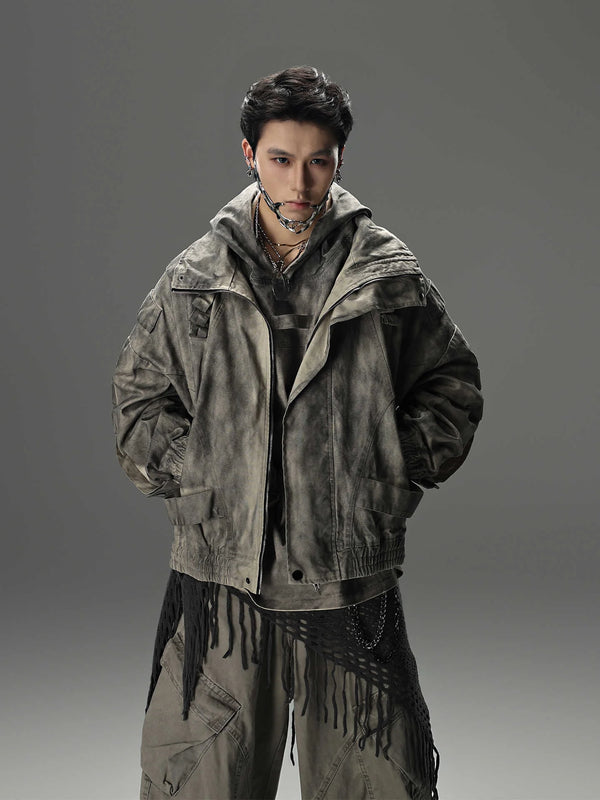
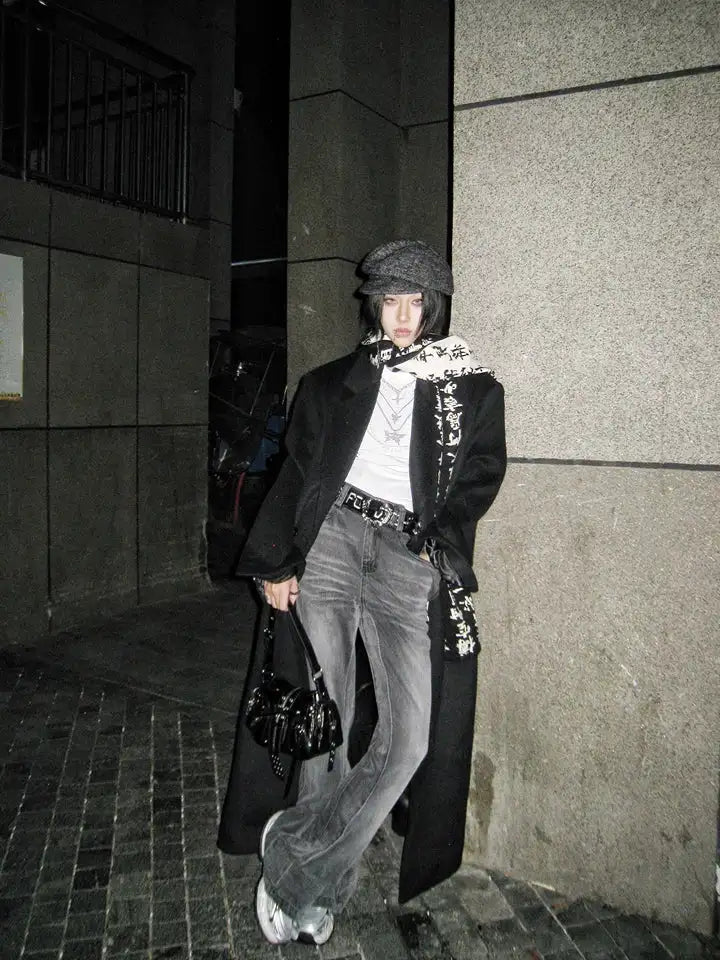
In many Harajuku looks the jacket is the piece that sets the tone. Whether a leather jacket in the Visual Kei sense, a padded puffer for winter or a striking overcoat: the outer layer frames everything happening underneath. Anyone wanting to make the look weatherproof invests here.
When layering, the same contrast rule applies as everywhere in Harajuku: a dominant jacket needs a restrained inside, a plain jacket can take more chaos underneath. That way the look stays legible even with three or four layers.
Anyone sticking to these four categories covers the bulk of what makes a Harajuku look. The rest is the appetite for combination — and that can't be bought, only practised.
The pitfalls
Common mistakes when rebuilding Harajuku
Because Harajuku looks so playful, many underestimate how easily a look tips over. The most common mistakes have less to do with the pieces than with the attitude behind them. These four weigh the most.
Anyone avoiding these four points has done the biggest part. Harajuku forgives a lot as long as a clear intention stands behind it — and only punishes arbitrariness.
To rebuild
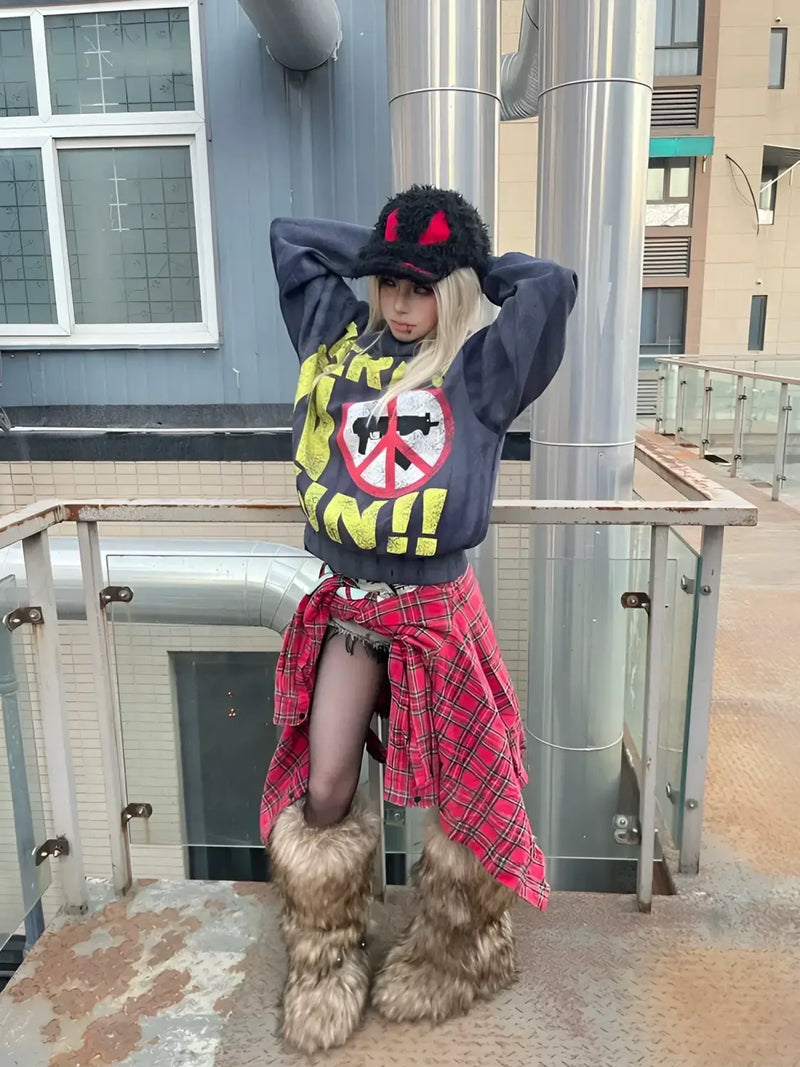
Harajuku accessories: the detail that carries the look
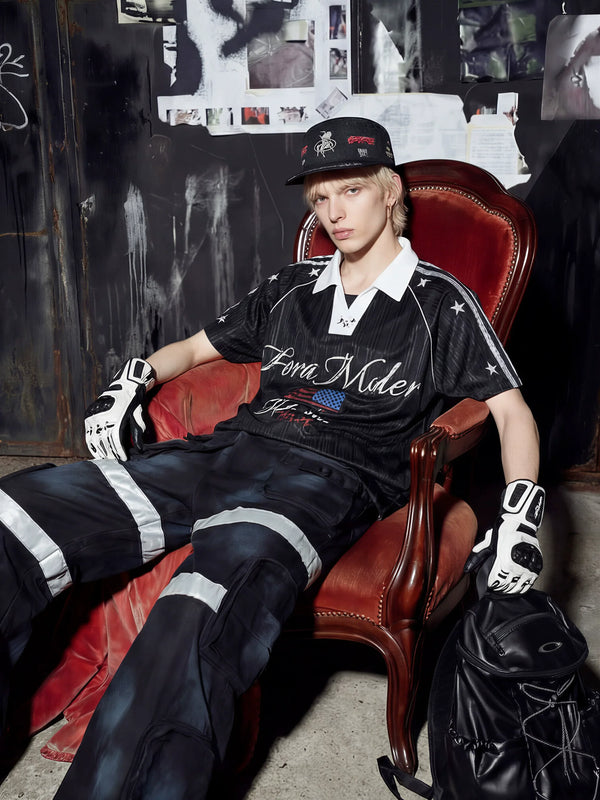
No branch of Harajuku history does without accessories. With Decora they are the whole look, with other styles the spice that turns a solid outfit into a special one. Belts, chains, caps and small pendants are therefore not afterthoughts but core building blocks.
Frequently asked questions
Harajuku Fashion History: the key questions
The same questions keep coming up around the history of Harajuku. The following answers sum up what you should know before diving deeper into individual branches.
When did the history of Harajuku fashion begin?
Who invented Harajuku fashion?
What is Harajuku fashion inspired by?
Who are the famous Harajuku Girls?
Does Harajuku fashion still exist today?
The history of Harajuku shows one thing above all: real style can't be decreed, only allowed. Anyone who understands that needs no manual to begin — only the courage to choose the first loud piece.
What do you think?
Tell us on @fuga_studios
About the author
Philipp Fuge — Founder · Berlin
Founder of Fūga Studios. Writes the journal himself. Berlin · Shanghai · Tokyo · Poznań — four cities, one logic.