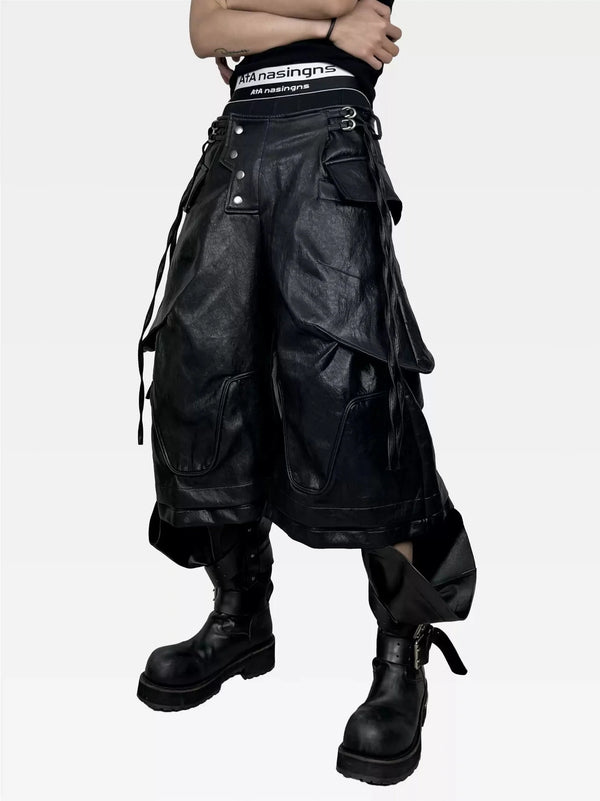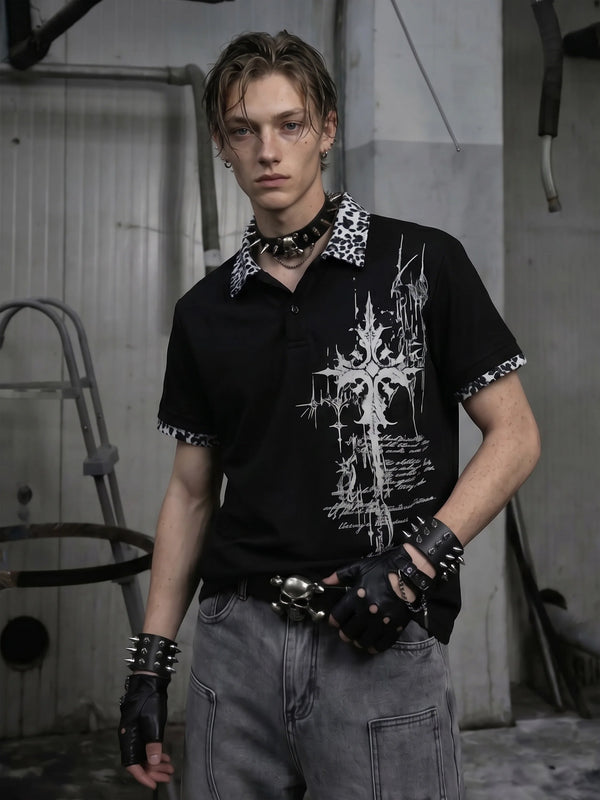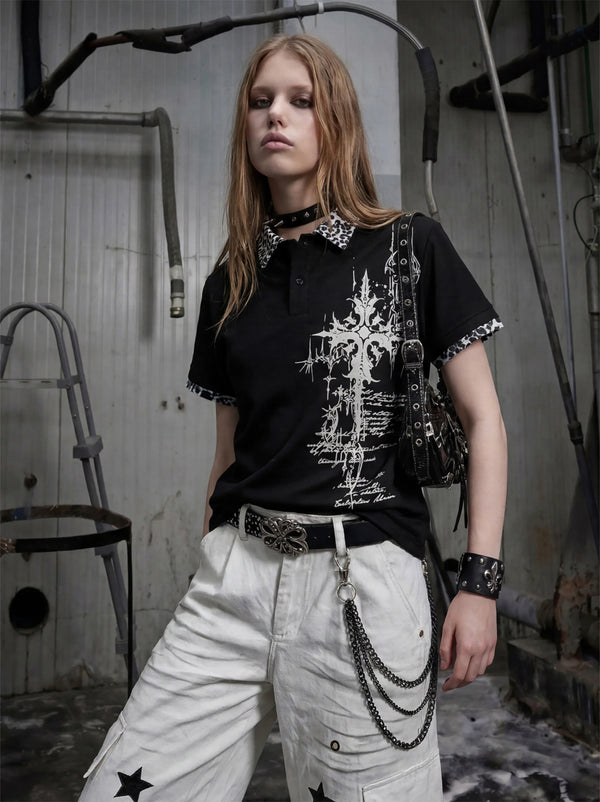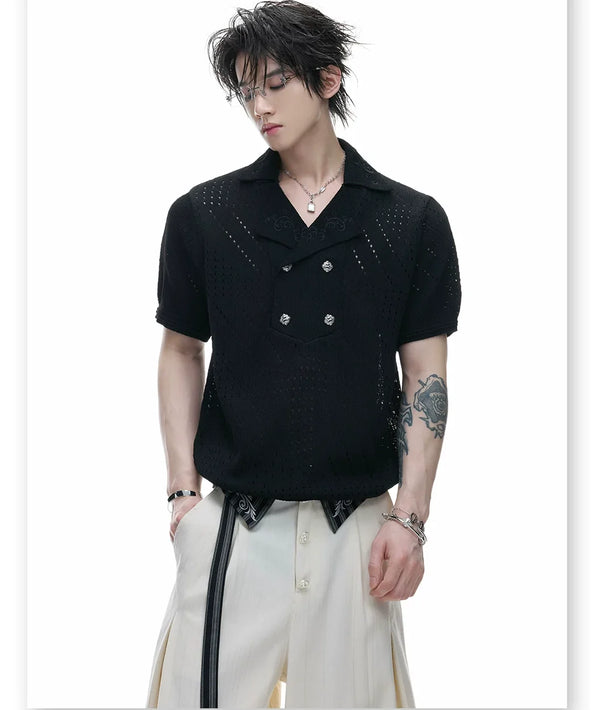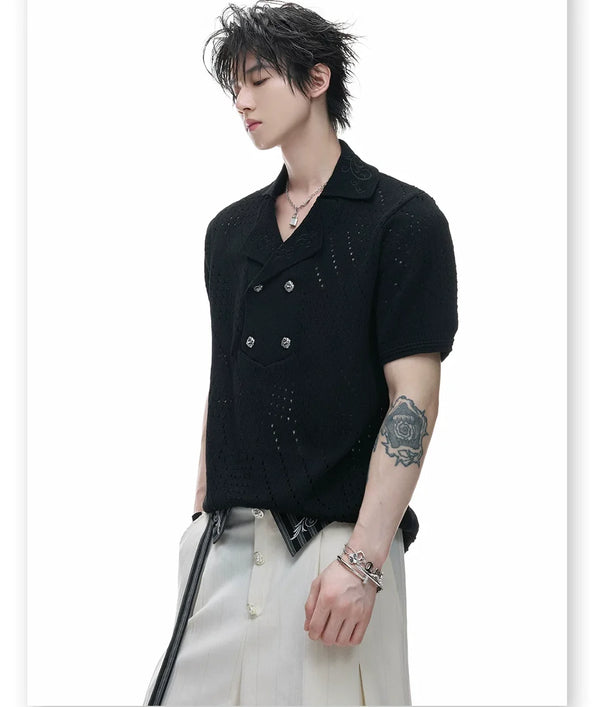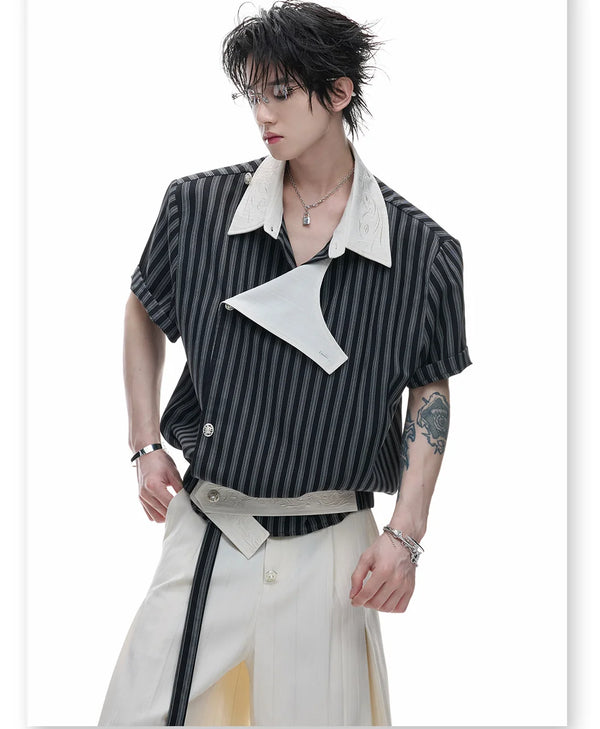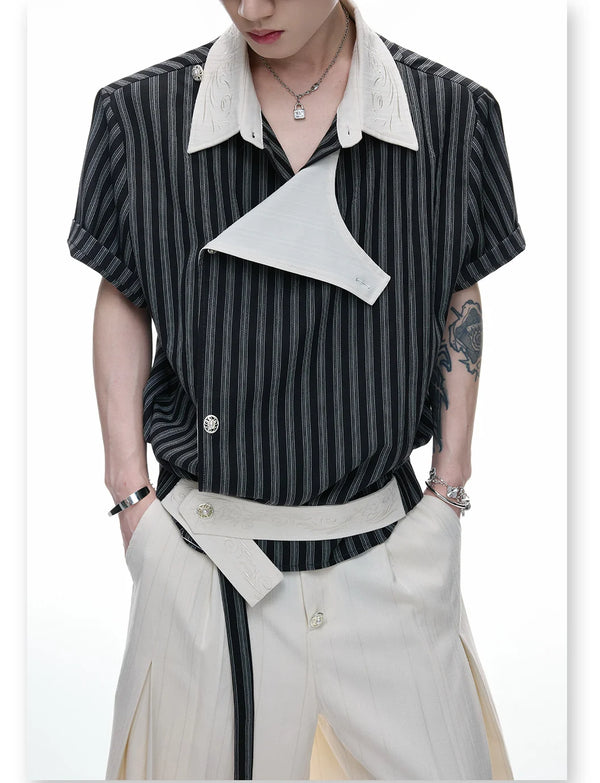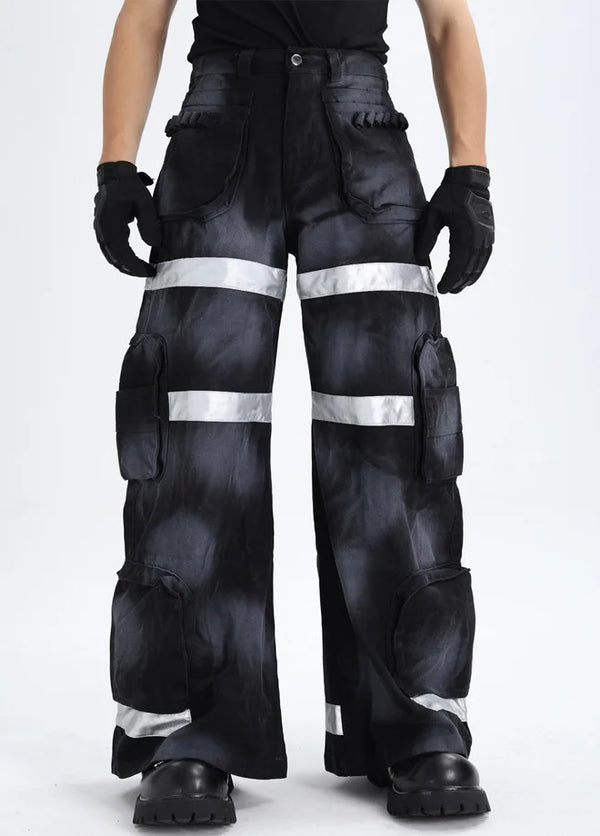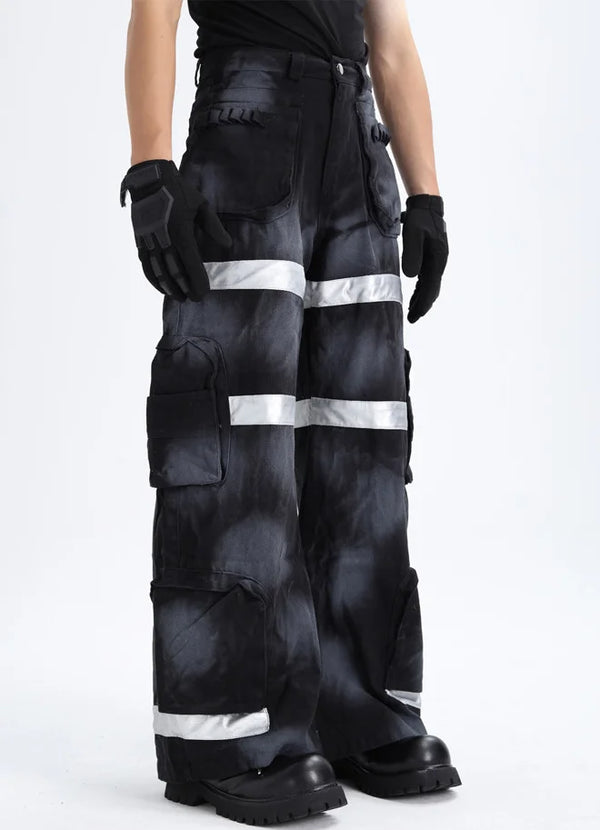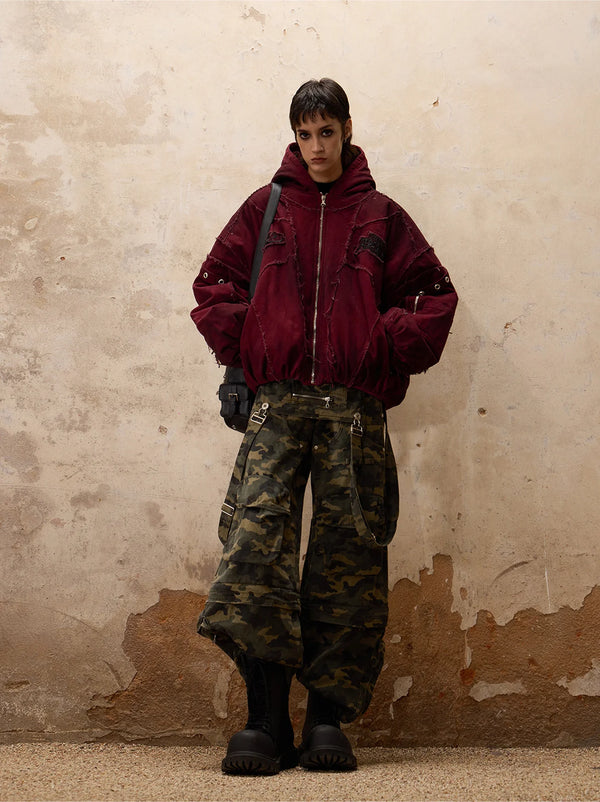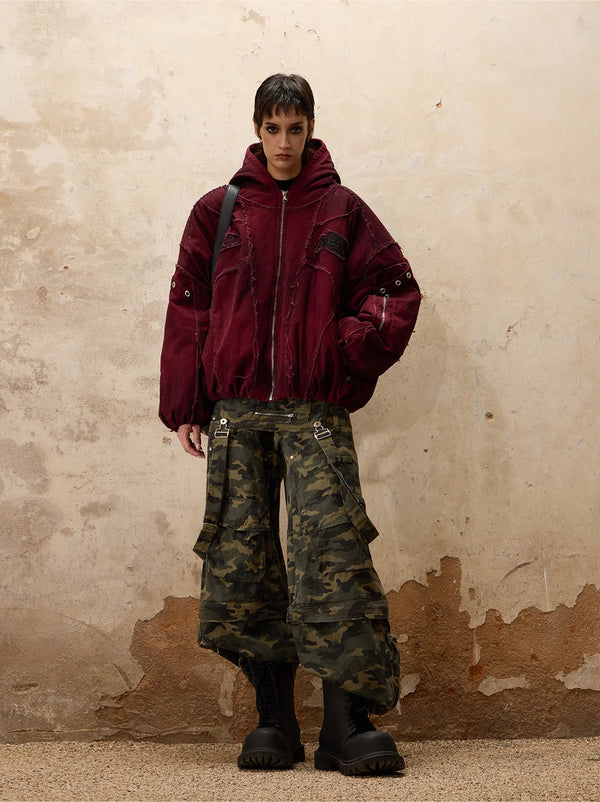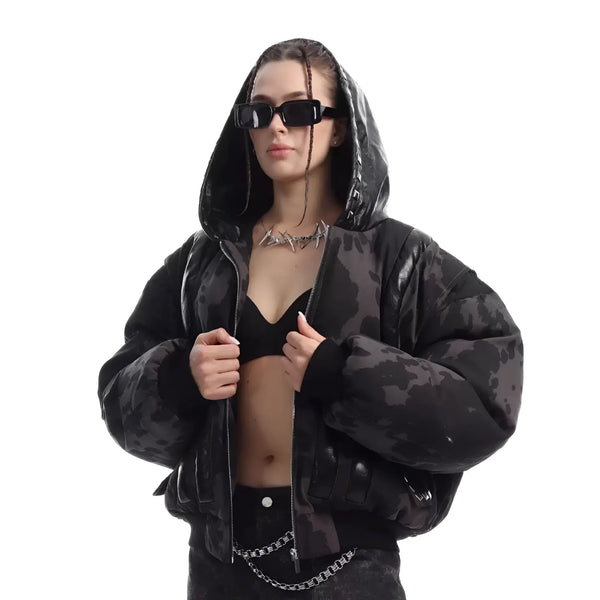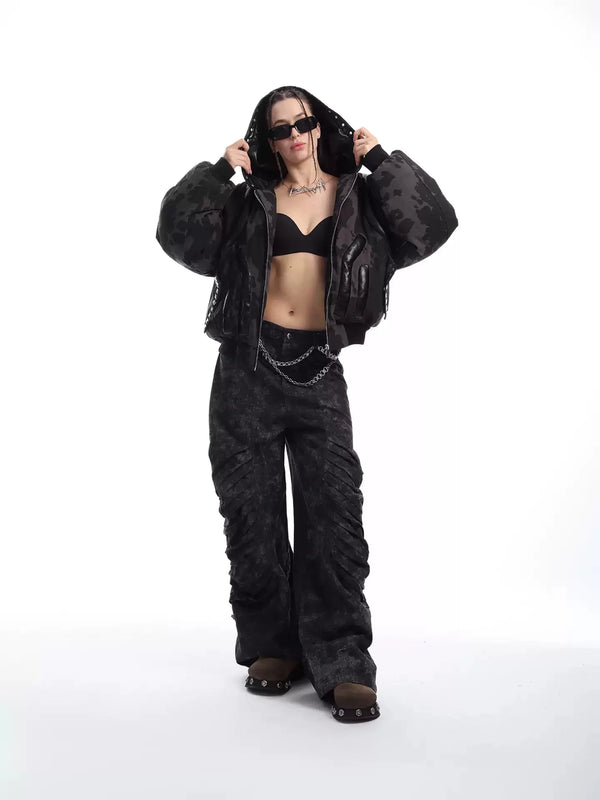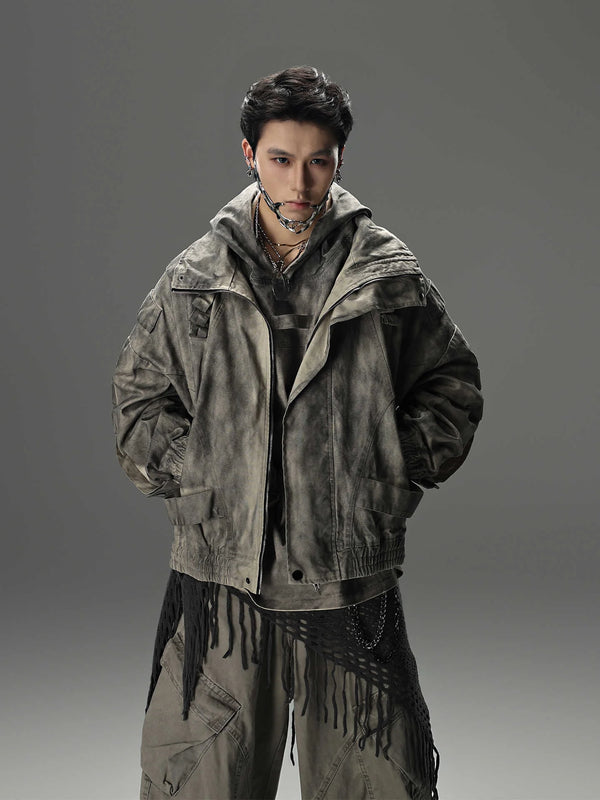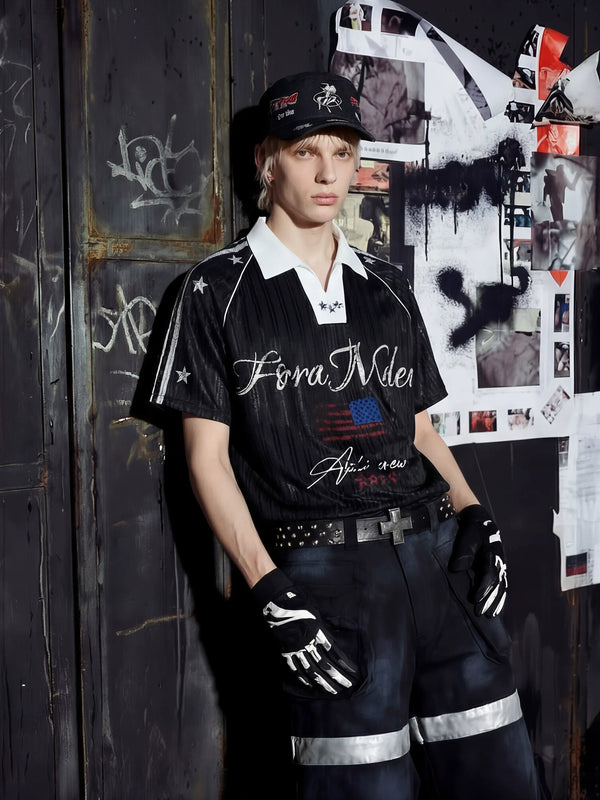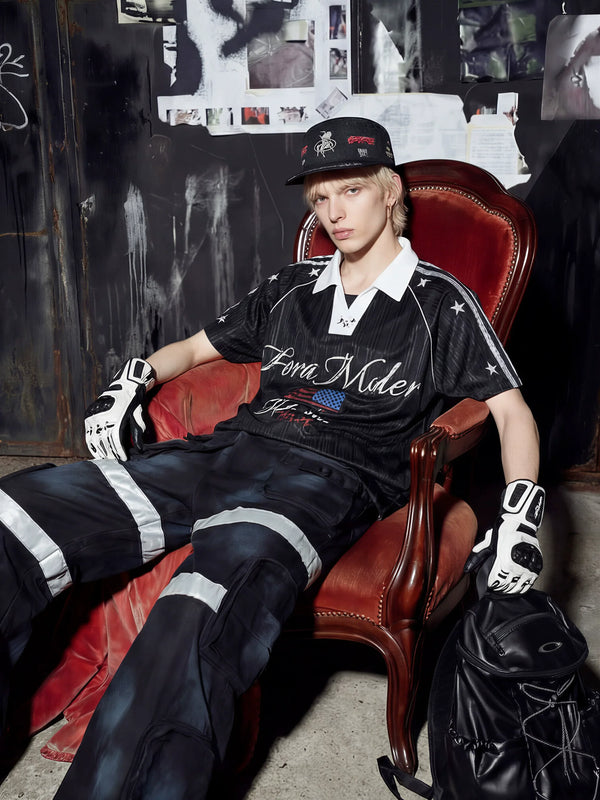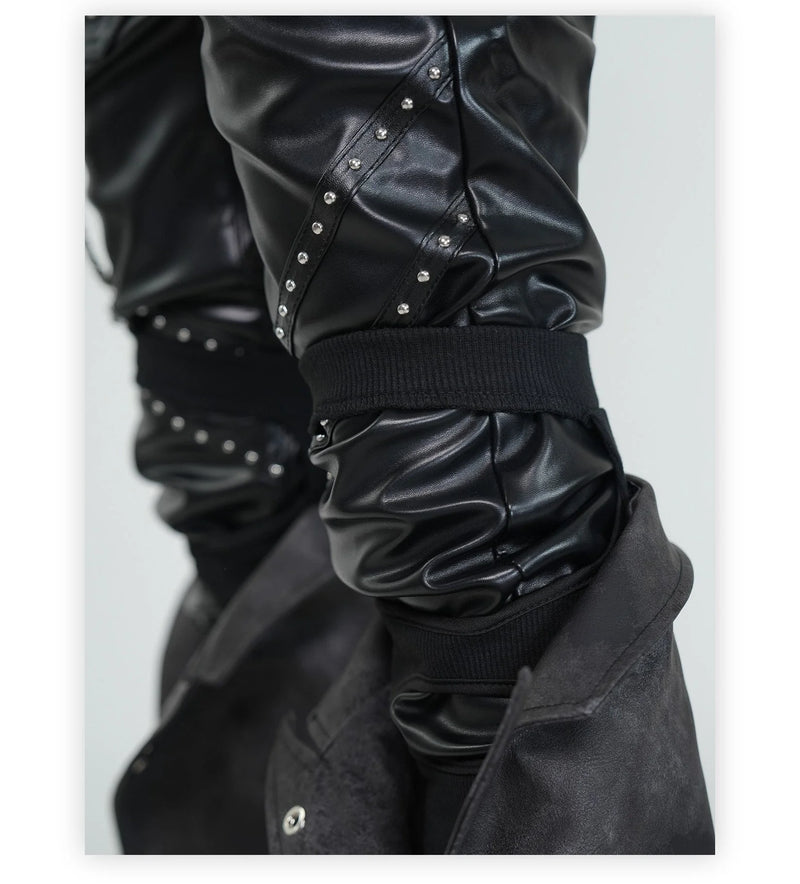
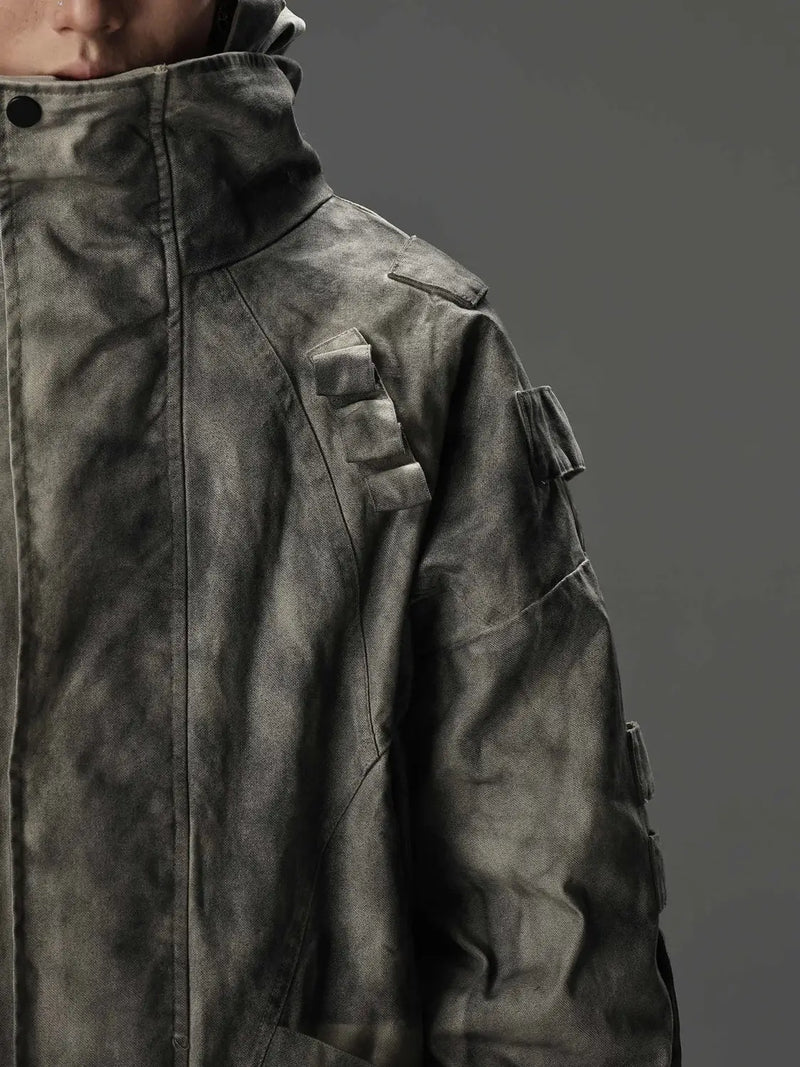
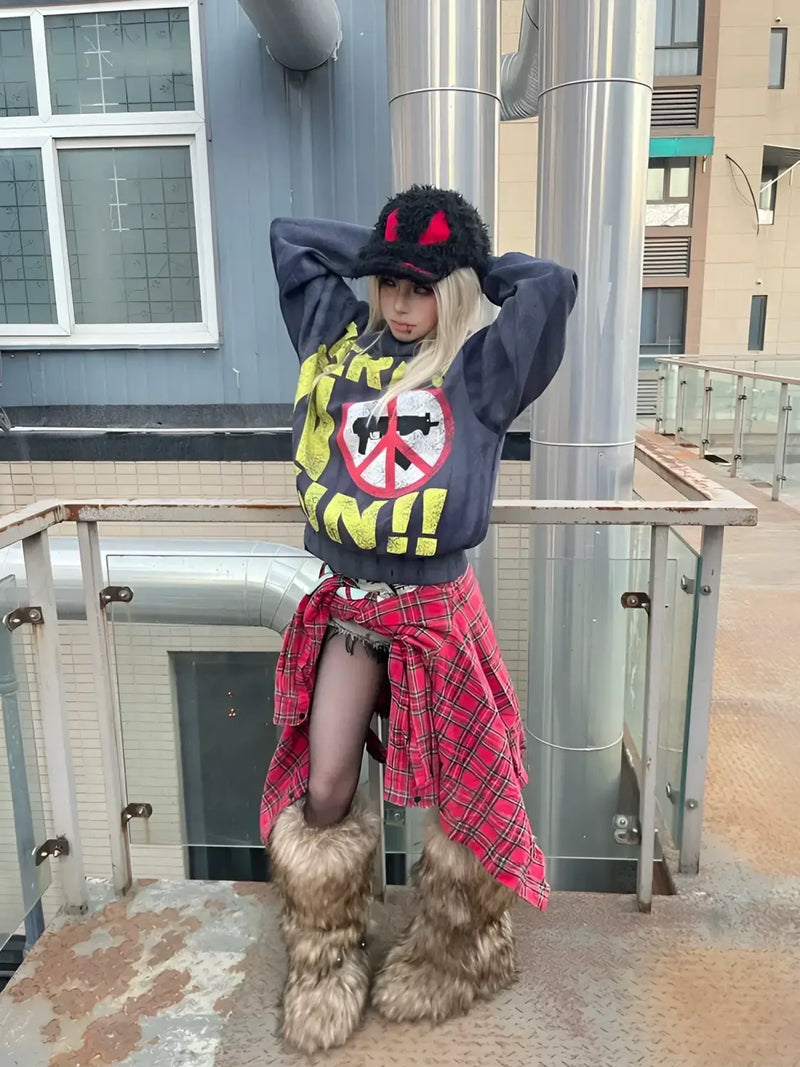
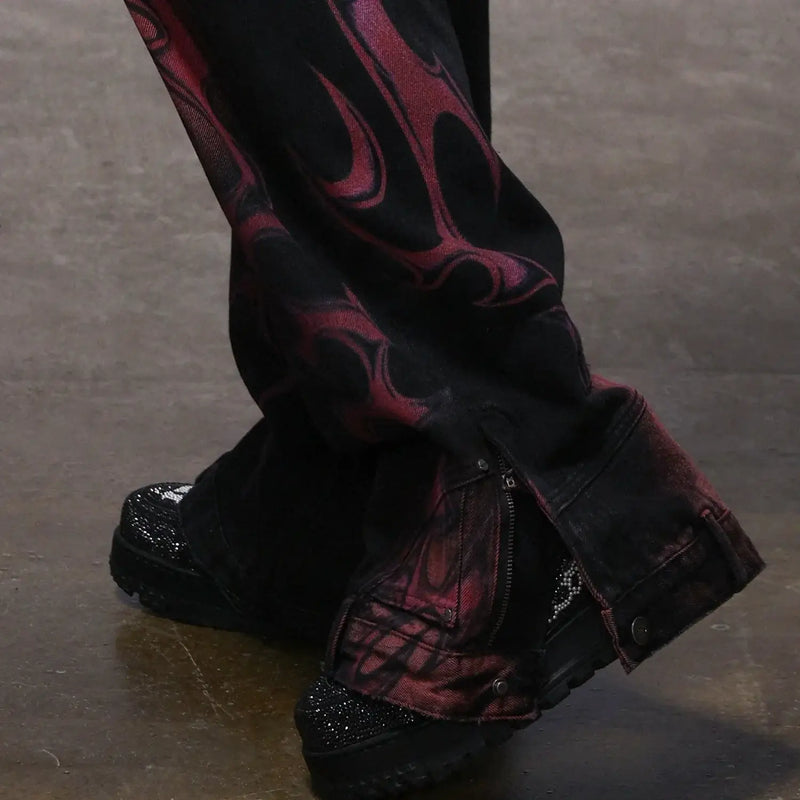
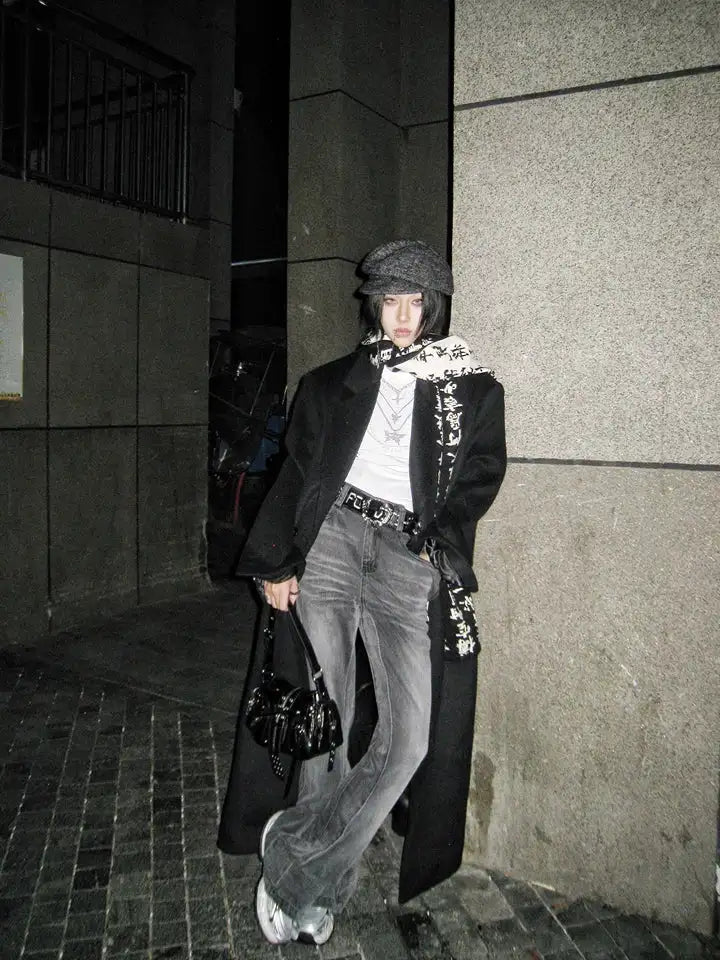

Everyone says Glamoratti is “the ’80s coming back.” They’re wrong. Shoulder pads alone make something Glamoratti about as much as a suit makes a CEO — which is to say, not at all.
Glamoratti is a term Marie Claire pushed into the mainstream in January 2026. Vogue followed. It’s Power Dressing, but with three very specific shifts against the ’80s template: sculpted shoulder instead of shock-absorber pads, baggy instead of Cigarette, a single Cocktail-Ring instead of a wall of jewellery. Miss that and you’re wearing 1987 working-girl Cosplay, not 2026 Glamoratti.
Anyone selling Glamoratti as “my blazer plus everything that sparkles” has confused Marie Claire’s definition with a costume party. This guide sorts out what actually sits behind it: where the term comes from, what the ’80s template is, what counts, how the 4 types differ, how it flips for women, which brands write the vocabulary, what you need in your wardrobe — and which 6 mistakes turn the outfit into Halloween-office-siren tier.
How that translates into a real outfit — condensed into 12 seconds:
Origin
Glamoratti: where the term comes from — Marie Claire, Vogue, 2026
Glamoratti is a 2026 word. Marie Claire put it into circulation on 20 January 2026 in a trend piece — headline “The Glamoratti Aesthetic and ’80s Fashion Revival.” Vogue, Velvet Image Lab, Pinterest and a few Substack style editors followed within four weeks. By March 2026 the term ranked 7th among womenswear searches in Pinterest trend reports.
The definition from the original text: Glamoratti is “Power Dressing with a twist — baggy, sculpted-shoulder suits, dramatic Funnel-Necks and chunky accessories like big Cocktail-Rings.” The term itself sounds Italian but is newly built. No trace in Italian fashion magazines before 2026. The word was constructed to sound like it has an ’80s Milanese heritage, without having one.
At its core, Glamoratti is the attempt to make ’80s Power Dressing legible for Gen Z. The Milanese powersuit era under Giorgio Armani 1980-1989, the Mugler couture vocabulary, Wall-Street cinema codes — all of it is quoted, but filtered through a 2026 silhouette: less tight, more drape, a quieter hardware language. The result isn’t Vintage. It’s ’80s vocabulary spoken with a 2026 accent.
’80s template
Power Dressing of the ’80s — the template Glamoratti quotes
Power Dressing as a concept is older than the ’80s — but in 1980 it took its best-known form. Three triggers worked together: the first wave of women into C-Suite positions, an economic boom with visible consumption as statement, and a designer vocabulary (Armani, Mugler, YSL) that rebuilt a masculine silhouette for women’s bodies.
What counted as standard in ’80s Power Dressing:
- Shoulder pads 5 to 8 cm high — the famous “linebacker shoulders.” At Mugler 1984-1988 often more extreme still. Today’s Glamoratti shoulder sits at 5 cm maximum, more often 2-3.
- High-cut waist with belt definition — the belt forced the suit into an hourglass silhouette. Cigarette trouser, pencil skirt, pumps. Volume was up top, line was below.
- Charcoal, midnight blue, black, burgundy — muted colours with the occasional red or emerald statement. Pastel and beige only arrived in the late ’80s as diffusion.
- Jewellery as statement, not accent — big earrings, several chains, Cocktail-Rings on several fingers at once. Gold dominated over silver.
- Pumps with a 5-8 cm heel — Manolo Blahnik, Charles Jourdan, Ferragamo. Flat shoes counted as giving up on the statement.
- Make-up as architecture — contoured cheekbones, defined eyes, a set lip. The face was an element of the outfit, not a separate layer.
Wear these six points 1:1 and the outfit looks like 1987 cinema Cosplay. Glamoratti 2026 takes the vocabulary and softens everything by one notch: the shoulder gets flatter, the trouser wider, the jewellery reduced to a single point. What stays is the silhouette logic — volume up top, architecture below — and the claim that an outfit communicates position.
Definition
What counts as Glamoratti — the 4 building blocks
Glamoratti is an outfit system of four fixed elements. If all four sit, the outfit reads as Glamoratti. If one is missing, it tips into one of the neighbouring aesthetics: Office Siren, if the shoulder pad is missing. Quiet Luxury, if the statement piece is missing. Old Money, if the baggy cut is missing. Vintage Cosplay, if the trouser is too tight.
80 %
tailored Outerwear
5 cm
maximum shoulder pad
1
statement piece of jewellery
0
visible designer logos
These four numbers are the self-check. An outfit that breaks one quota — 60% tailoring instead of 80%, or 8 cm pad instead of 5, or three statement pieces at once — is no longer Glamoratti. It’s “powersuit-inspired,” which in plain terms means: Vintage carnival with a blazer.
What counts as Glamoratti, concretely:
- Sculpted-shoulder blazer — cut shoulder with a soft fall, not stiff. Cropped, mid-length or Long-Coat, all work. Shoulder is the signature, not the length.
- Funnel-Neck or high-crewneck top — the neck carries the outfit high. Polo, Funnel-Knit, Mockneck. Visible ties are in, visible shirt buttons mostly not.
- Wide-Leg or Pinstripe trouser — high-waisted, falling, floor-grazing. The Cigarette trouser is the one ’80s detail the renovation didn’t survive. Slim is dead.
- One chunky statement piece — Cocktail-Ring, bold earring or Chunky-Chain. All three at once is wrong. One is enough and wins.
- Pumps or a pointed Loafer — 4-7 cm heel, or a flat pointed Loafer for the Off-Duty iteration. Sneakers are out, the combat boot is cross-genre.
- One quiet colour as a base — charcoal, black, cream, burgundy, midnight blue. A single light accent (white blouse, gold earring) breaks the monochrome without destroying it.
If three of these six points are missing, the outfit isn’t Glamoratti — it’s inspiration. And there’s one rule that holds all six together:
4 types
The 4 Glamoratti looks — Executive, Cocktail, Off-Duty, Editorial
Glamoratti isn’t one look — it’s four that overlap at the edges. Lay Marie Claire’s trend piece, Vogue’s cover story and the Pinterest 2026 boards side by side and you see these four types cleanly separated. Each with its own shoulder volume, its own jewellery density, its own occasion.
Which of the four suits you depends less on taste than on occasion and daily mood. The Executive cut is default. The Cocktail cut is evening. The Off-Duty cut is weekend. The Editorial cut is for the city where nobody knows you. How that splits between women and men comes next — and yes, the larger part of the code sits on the women’s side.
women's line
Glamoratti Power Dressing for women — where the actual code sits
Glamoratti was read as a women’s code from the start. Marie Claire’s first article, Vogue’s follow-up story, the Pinterest boards with thousands of pins — all of it shows women. Men’s iterations exist (see the Glamoratti-Men collection) but are a later development. The term was born in 2026 in a female discourse.
The women’s version carries four very specific shifts against the general definition. First: the waist may come back. Where the men’s cut relies on drape and volume, the women’s cut may work with a belt or pencil shape again — but only as a detail, not as a whole outfit. Second: the Funnel-Neck share is higher. Where men more often wear a polo or open blouse, for women the Funnel-Knit is the default top layer.
Third: the jewellery point sits at the ear, not the hand. While the male iteration emphasises the Cocktail-Ring, for women it’s more often the bold statement earring — geometric drop, hoop with volume, or an asymmetric pair. Fourth: the trouser may end shorter. Cropped Wide-Leg at ankle height with a visible pump is a purely female iteration that doesn’t work in the men’s version.
Both genders need the same shoulder discipline and the same 80% tailoring quota. What varies is the detail language — not the vocabulary.
Brands
The brands behind Glamoratti — from Mugler to Vaccarello
Glamoratti has no brand of its own. It’s a composition of three designer layers — the ’80s heritage, the 2010s translation, and the 2024-2026 mainstream wave. Understand the vocabulary and you can build Glamoratti looks with no cover reference at all.
The brands that wrote the Glamoratti vocabulary — chronologically:
- Giorgio Armani (1980-1989) — the soft suit that doesn’t force the female body but flows around it. Armani invented the unconstructed shoulder — the antithesis to the Mugler pad, and the direct template for the soft fall Glamoratti brings back in 2026.
- Thierry Mugler (1984-1992) — the sculpted couture shoulder, the statement detail, the architecture. When Glamoratti shows a sculpted shoulder point, it quotes Mugler 1986 directly — only softer, only baggy.
- Le Smoking — YSL, since 1966 (defining iterations 1980s) — the women’s tuxedo as anti-dress. Glamoratti’s Long-Coat iteration is unthinkable without Le Smoking.
- Slimane in his couture phase 2012-2016, then from 2018 at Celine — the slim statement shoulder in a masculine cut. Slimane’s women’s suit from 2014 is the bridge from the ’80s original into the 2010s vocabulary.
- Phoebe Philo @ Celine (2008-2018) — the plain tailored Outerwear that works without a statement. Glamoratti’s Off-Duty iteration comes straight from Philo’s ten years in Paris.
- Alaïa — the architecture of the female silhouette. When Glamoratti shows a pencil cut, it’s Azzedine’s line.
- Bottega Veneta under Daniel Lee (2018-2021) — the soft drape, the bold but quiet colour palette, the anti-logo luxury. Glamoratti’s calm-in-the-statement logic comes from here.
- Anthony Vaccarello (Creative Director in Paris since 2016) — the revival of the statement jewellery piece, the dramatic shoulder, the cocktail hardware. Vogue quotes Vaccarello in the Glamoratti context more often than any other active designer.
If you want to wear Glamoratti without paying designer prices, look for these brands on the resale market or at DTC brands that translate the vocabulary competently.
Category · Outerwear
The blazer — the heart of it
The blazer carries the Glamoratti outfit. It’s the largest surface, the primary bearer of the shoulder signature, the reason the whole system is called Power Dressing. This is where it’s decided whether your outfit becomes Glamoratti or an ordinary suit.
Three blazer types work in Glamoratti. Cropped blazer with a defined shoulder — the Cocktail iteration. Mid-length single-breasted with a soft drape — the Executive iteration. Long-Coat or double-breasted trench with a dramatic shoulder — the Editorial iteration. What doesn’t work: slim-fit blazer without a shoulder (too bureaucracy-standard), boxy blazer without tailoring (too Streetwear), Vintage blazer with a linebacker pad (too carnival).
If you don’t yet own a tailored blazer with a sculpted shoulder, that’s your first move. Everything else in the outfit depends on it.
Category · Bottoms
Trousers — Wide-Leg, Pinstripe, high-waisted
Cigarette is dead in Glamoratti. What the ’80s template had as standard (tight pencil trouser, low-rise slim cut) was systematically replaced by volume in 2026 — Wide-Leg, Pinstripe, trumpet flare, leather trouser with drape. The new fit rule: high at the waist, falling in the line, floor-grazing at the hem.
Working Glamoratti bottoms are high-waisted, fall with drape rather than clinging, and sit at the navel or above. Avoid anything low-rise or slim (mid-2000s Y2K vibe, not Glamoratti) and anything too raw-denim (Streetwear, not Power Dressing). Pinstripe as a print is the strongest ’80s quote that survived into the 2026 iteration.
If you want to build a trouser that fits all four Glamoratti types, take Pinstripe Wide-Leg in charcoal. That’s the common denominator — Executive at work, Cocktail with a statement earring, Off-Duty with knit, Editorial with a Long-Coat.
Category · Tops
Tops & Funnel-Necks — supporting the shoulder
The top layer is the second signature after the blazer shoulder — and the most common stumbling block. Glamoratti needs the neck high and quiet. Funnel-Neck knit, Mockneck, polo, closed high-crewneck. Visible shirt buttons are allowed but must carry architecture — no blouse with ruffles, no loose T-shirt under the blazer.
The rule: plain up top, close to the body, with a high neckline. Printed shirts (slogan, skull, graphic print) tip the outfit straight into Streetwear or Y2K. A Funnel-Knit in charcoal or cream says more “Glamoratti” than any statement tee.
To test the Funnel-Neck look, put a ribbed-knit Mockneck under an open-worn cropped blazer. That’s the easiest entry towards Cocktail — no risk if it doesn’t work out.
Category · Jewellery
Jewellery & accessories — the Cocktail-Ring move
Jewellery is the point where Glamoratti tips most visibly. Three statement pieces at once and the outfit reads as 1987 — Cocktail-Ring plus Chunky-Chain plus big earrings is the exact ’80s template Glamoratti is precisely not trying to quote. Pick one spot, occupy one, the rest stays quiet.
What works: one chunky Cocktail-Ring on one hand (Marie Claire’s favourite detail), one bold statement earring (for the women’s iteration), or a Chunky-Chain with a visible link (for the Cocktail iteration in the evening). On material: silver dominates over gold in the 2026 iteration — Vogue shows almost exclusively silver and chrome hardware in the Glamoratti editorial. Gold works, but it’s a statement within the statement.
Wear just one Cocktail-Ring and nothing else and you’ve already won half the code. With Glamoratti, discipline in the jewellery is the direct difference between 2026 and 1987.
Styling physics
How to style Glamoratti — the 60/40 shoulder rule
A Glamoratti outfit works on exactly one detail: where the weight sits. 60% up top, 40% below — it works. The other way around — it doesn’t. Marie Claire’s original definition never spelled it out, but every cover photo, every top Pinterest pin, every Vogue look holds to it.
“Glamoratti is Power Dressing with a twist — baggy, sculpted-shoulder suits, dramatic Funnel-Necks and chunky accessories like big Cocktail-Rings.” — Marie Claire, January 2026
In practice that means: cropped blazer with a clear shoulder plus wide Pinstripe trouser. Or Long-Coat with Funnel-Knit plus high-waisted Wide-Leg. Never slim blazer plus tight bottom — that quickly turns Power Dressing into bureaucracy standard. Flip the ratio (60 below, 40 up top) and the whole outfit tips into a Streetwear iteration.
The question “how do I look posh and classy” answers itself through exactly this distribution. Classy doesn’t come from buying expensive — it comes from carrying the shoulder, letting the trouser fall, reducing the jewellery statement to one point. The rest is upkeep: ironed collar, cared-for shoes, a matte lipstick instead of gloss. These aren’t fashion rules, they’re maintenance rules. We’ve done the full breakdown with photo examples in a separate article:
But Glamoratti doesn’t stand alone — it overlaps at several edges with other Power Dressing codes. Office Siren shares the office-readiness, Quiet Luxury shares the anti-logo logic, Old Money shares the heritage language. Get Glamoratti down and you can read these neighbouring codes and mix them deliberately, without slipping into Cosplay.
Here are the four most important neighbours — each with its own guide, if you want to go deeper:
Seasonal
Glamoratti in summer vs winter
In winter Glamoratti is easy. Long-Coat over cropped blazer, Funnel-Knit, Wide-Leg wool trouser, ankle boot with a pointed toe. Three layers up top, the statement stays the shoulder. The challenge comes in summer, when the Outerwear (= the largest visual surface) falls away and the outfit has to carry on the trouser and top layer alone.
Summer Glamoratti works through what used to sit under the jacket. Funnel-Knit is swapped for a sleeveless knit or halterneck — the high neck stays, the heat drops. Wide-Leg wool trouser is replaced by Wide-Leg linen or light crepe. The jewellery rule holds: one Cocktail-Ring or one bold earring. Never both.
The year-round solution also comes as hardware: pieces that serve several seasons at once — a Long-Coat with a removable lining (winter with lining, transitional season without), a Funnel-Neck knit in lightweight merino (wearable from summer down to -5°C), a Wide-Leg crepe pant (breathes in summer, layers under boots in winter).
Here's what that looks like in motion:
What does not work
The 6 most common Glamoratti mistakes — what you must NOT do
Glamoratti has six spots where it reliably tips over — no matter how expensive the individual Pieces are. If you avoid only one thing, make it mistake number one.
Action
How to start in Glamoratti — the first 4 pieces
You don’t need a wardrobe full of suits to wear Glamoratti. You need four that will be in 80% of the outfits. Everything else builds around them.
In order: a cropped or mid-length blazer with a sculpted shoulder (your biggest investment — lasts 10 years if you don’t buy cheap). A Wide-Leg Pinstripe trouser in charcoal. A Funnel-Neck knit in cream or black. One chunky Cocktail-Ring or one bold earring (exactly one, not both). Pumps with a 4-7 cm heel or a pointed Loafer as an optional fifth — but only once the four sit.
Outfits for real
Glamoratti for real — how it looks on the street
Before you build your own outfit, look at how others wear it. The four types from above look different in the feed than in lookbook photos: tighter in the tailoring, quieter in the jewellery, less perfect — and that’s exactly why they work day-to-day.
This is the fastest way to check whether Glamoratti sits on your body type — before you spend money.
To close
Glamoratti is discipline — not ’80s nostalgia
If you take one thing from this guide, take this: Glamoratti works through rules, not pieces. Get the rules down and you build a hundred outfits from fifteen items. Buy only pieces and you have a full wardrobe without a single outfit that sits.
The whole logic of this guide reduces to one sentence:
The rules have been stable since January 2026 and will stay that way — as long as Marie Claire, Vogue and the Pinterest algorithm wave carry the term. But you don’t have to wait until you know them all by heart. Start with the one look that best fits your everyday. What you don’t know, you learn by wearing.
And that’s the point: Glamoratti reads in theory like a corset of rules, but doesn’t feel that way in practice. Once you’ve got the code down, every further outfit is a variation on the same four or five building blocks — not a new invention.
FAQ
Frequently asked questions about Glamoratti Power Dressing
The questions we often get by DM and email — short, clear, no detours.
What even is Glamoratti style?
What was Power Dressing in the ’80s, exactly?
What is the 3-3-3 rule for clothing?
How do I look posh and classy with Glamoratti?
What’s the difference between Glamoratti and Quiet Luxury?
Does Glamoratti work for men too?
Which shoes work with Glamoratti besides pumps?
What do you think?
Tell us on @fuga_studios
About the author
Philipp Fuge — Founder · Berlin
Founder of Fūga Studios. Writes the journal himself. Berlin · Shanghai · Tokyo · Poznań — four cities, one logic.