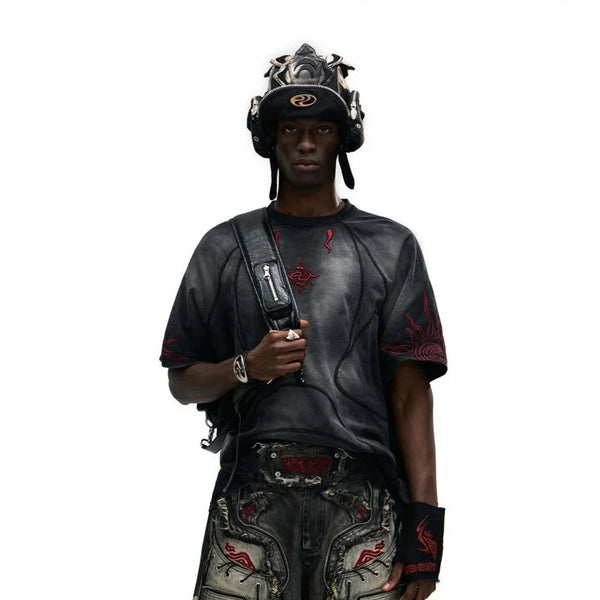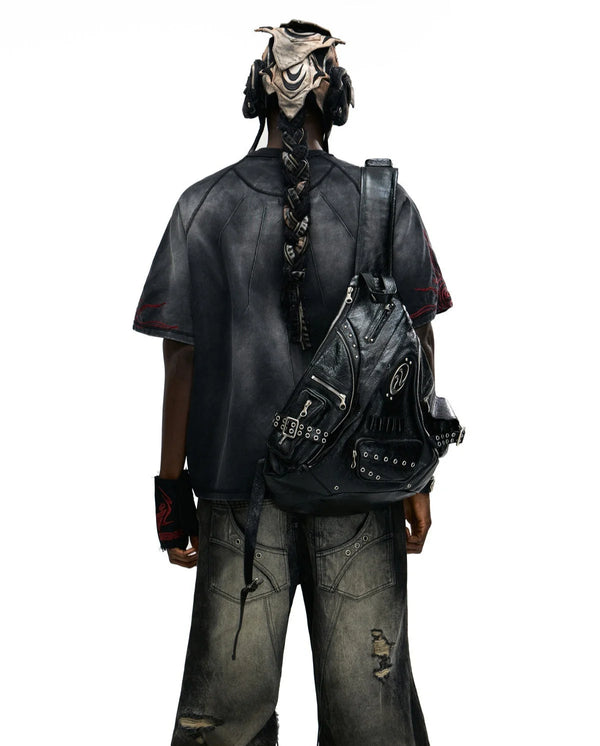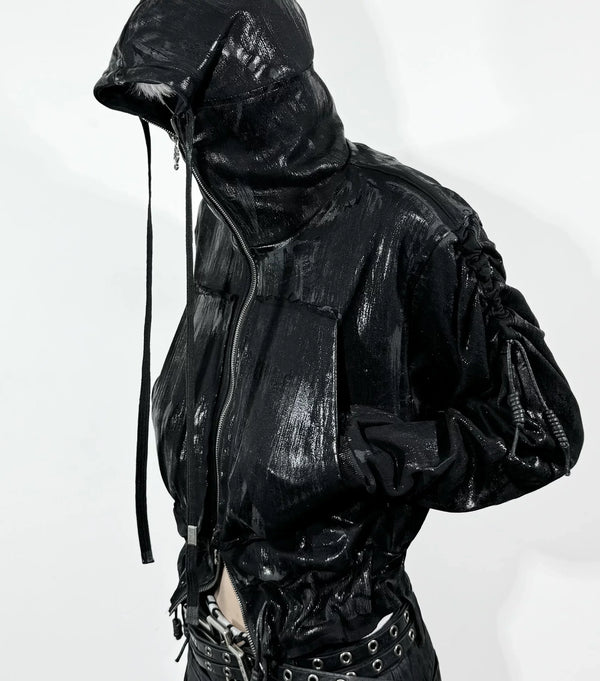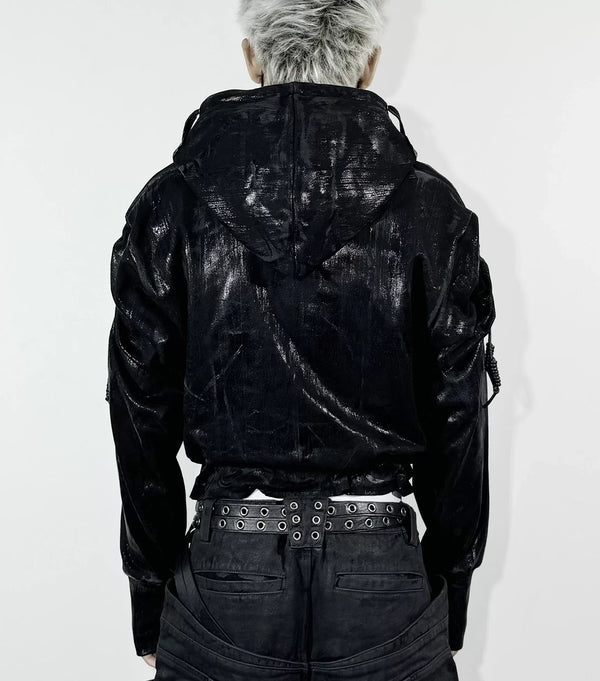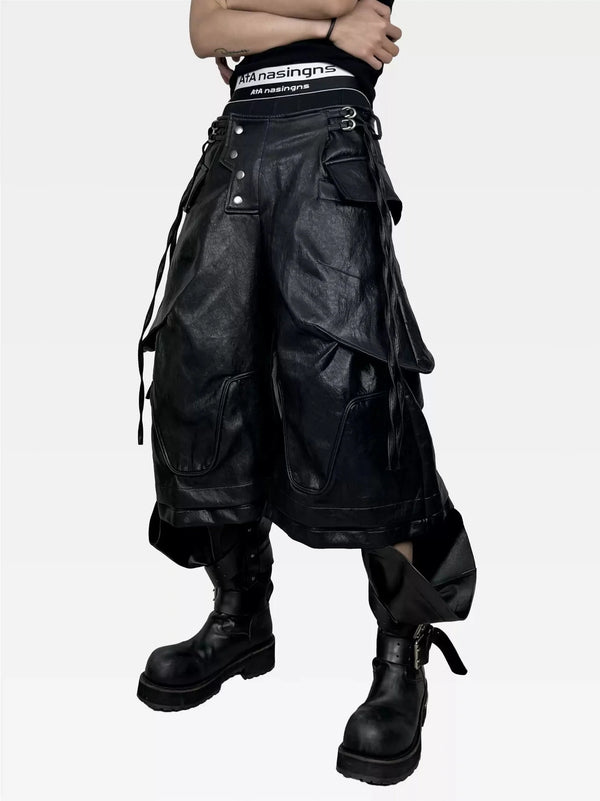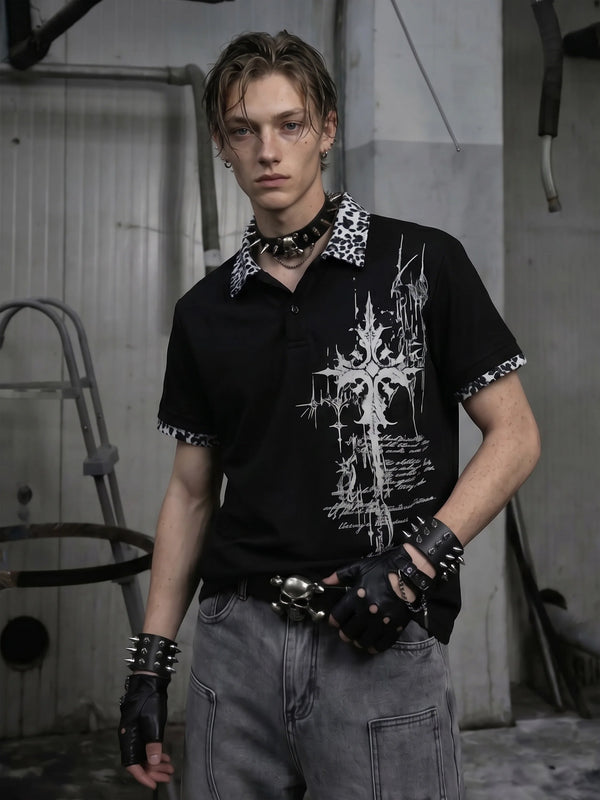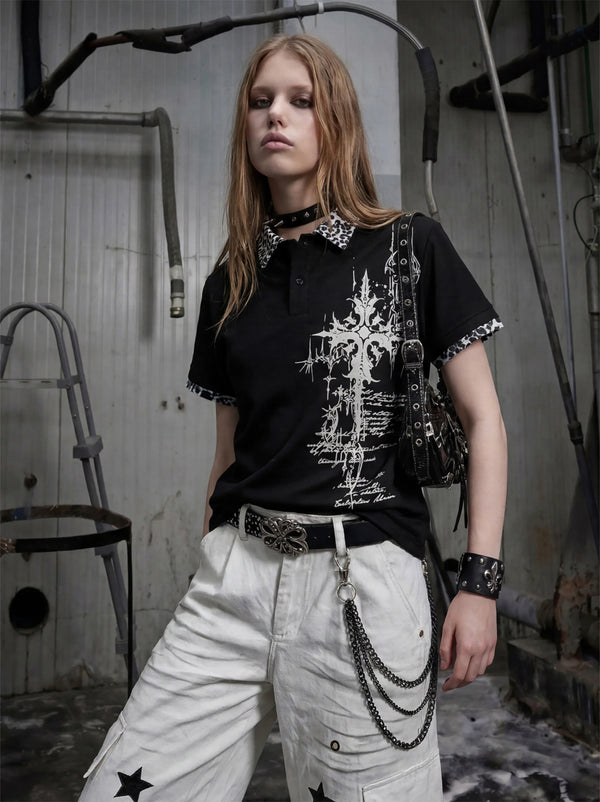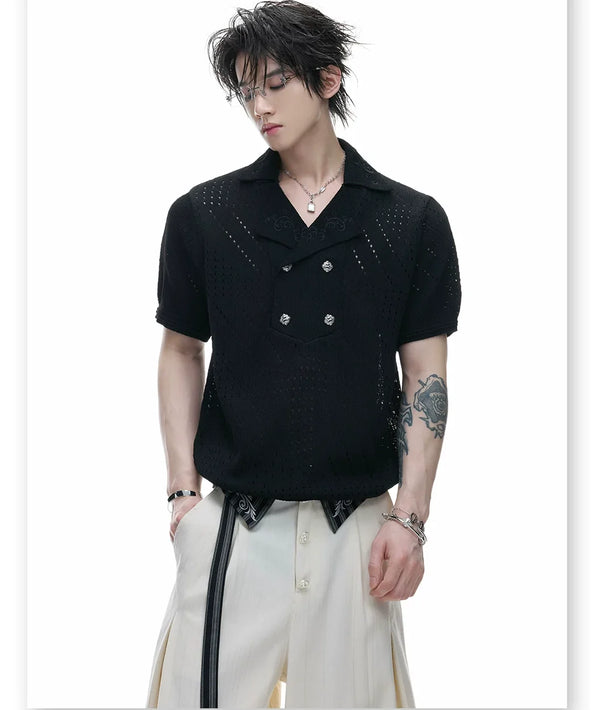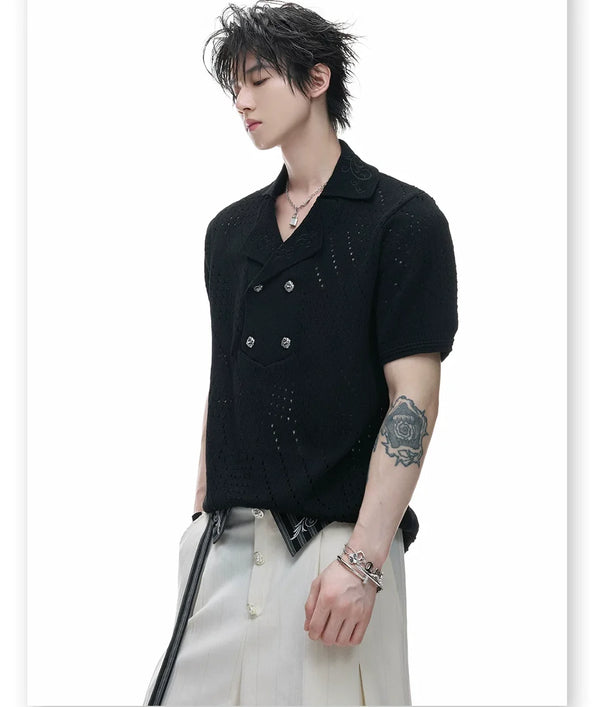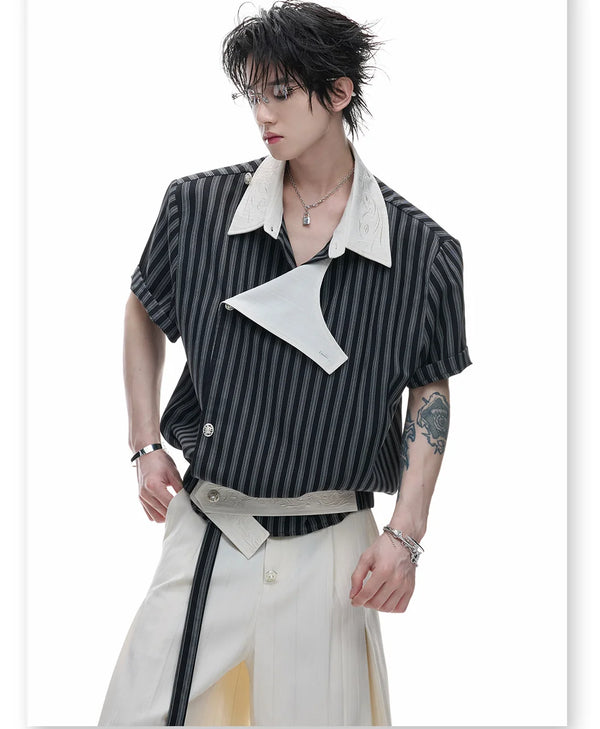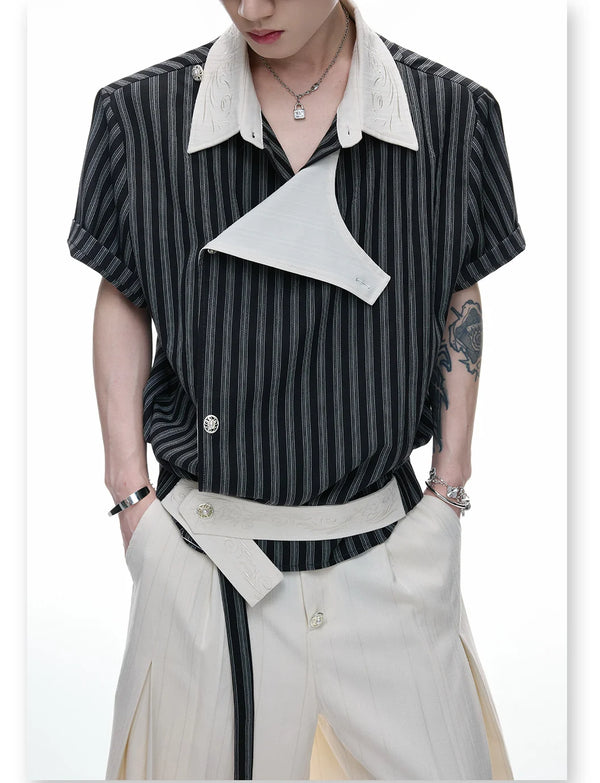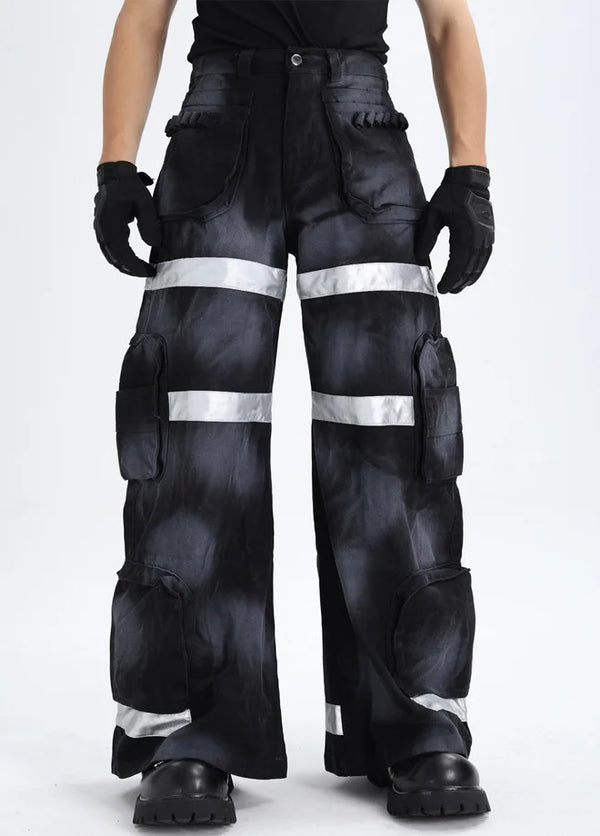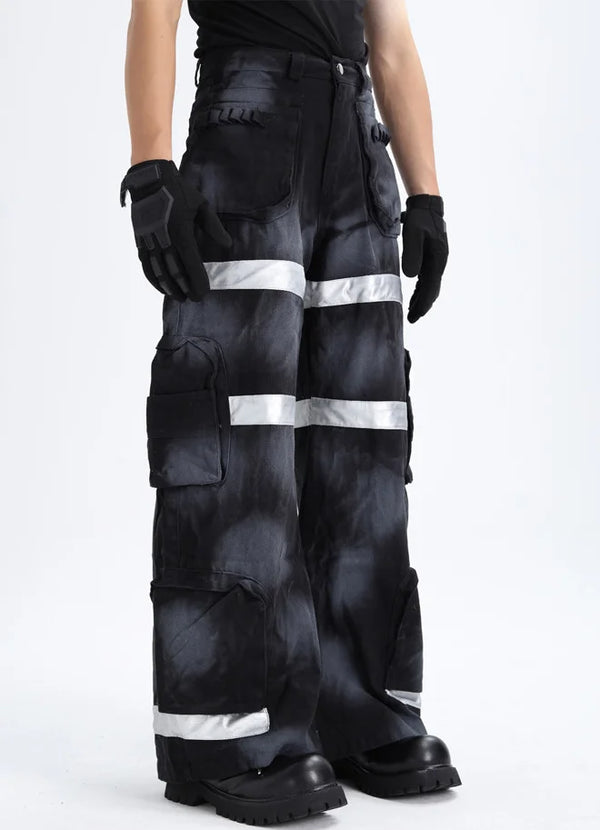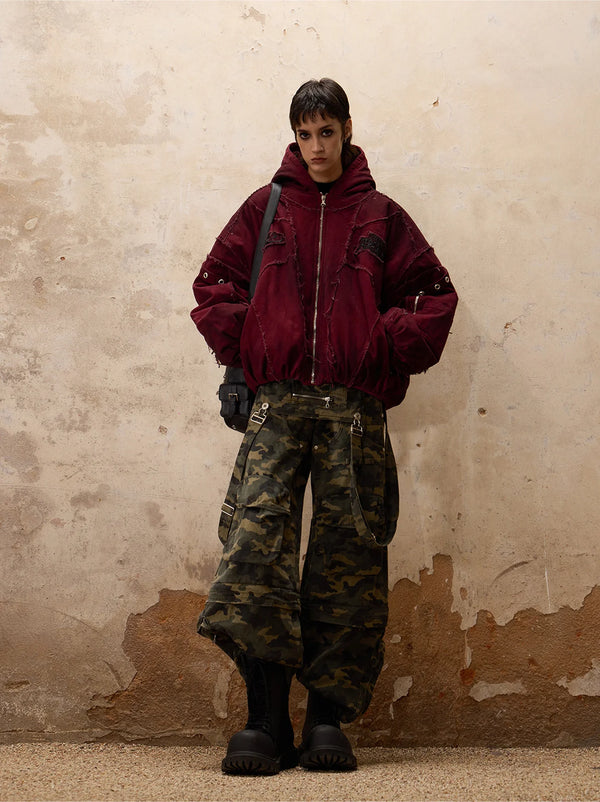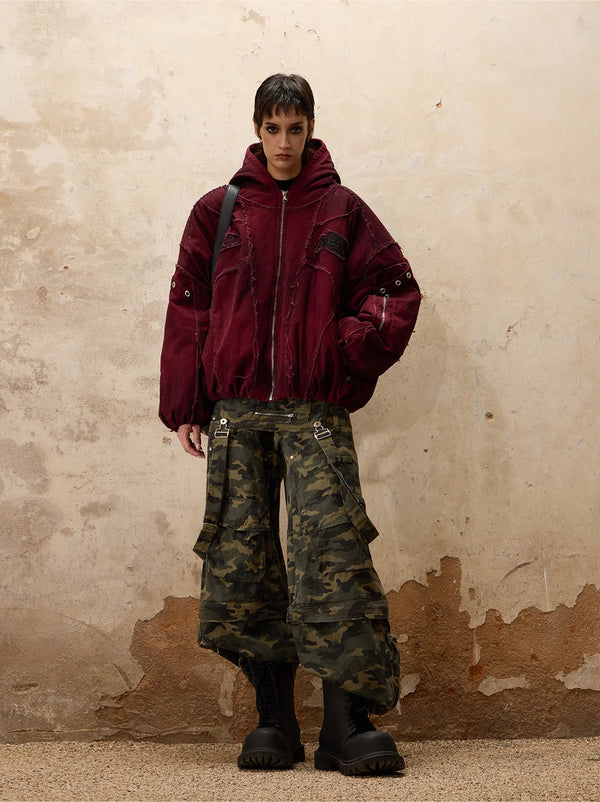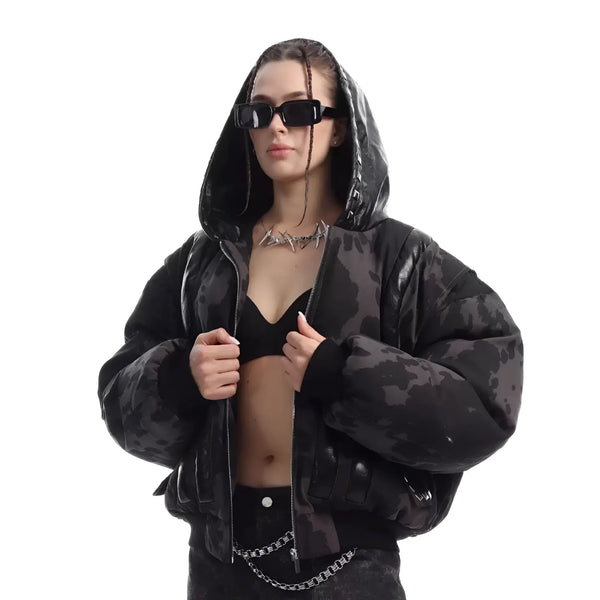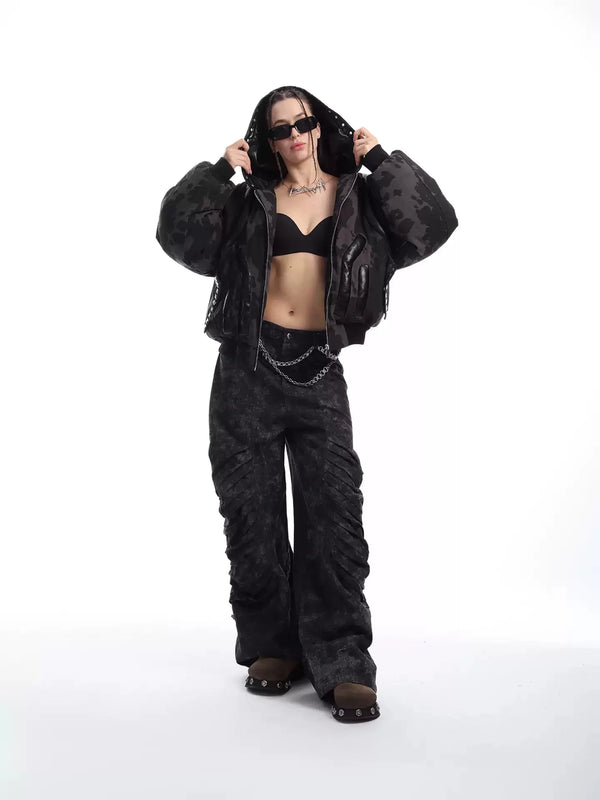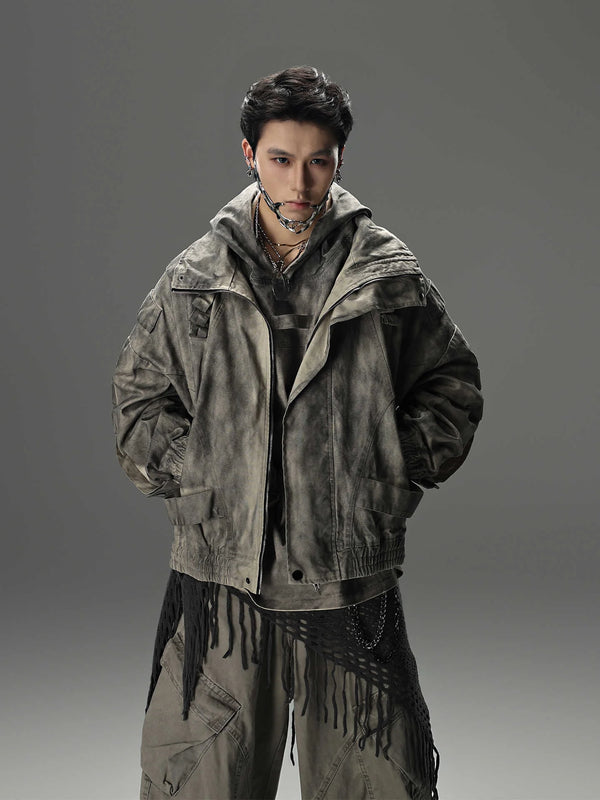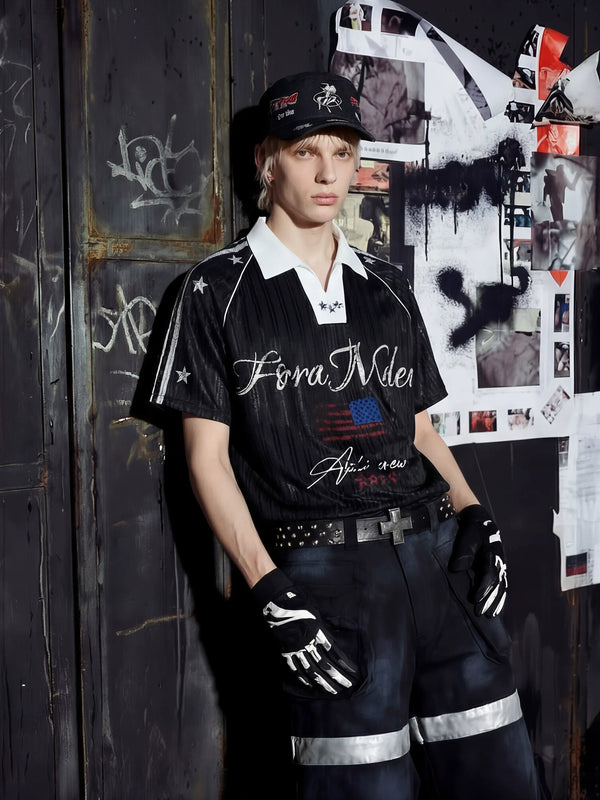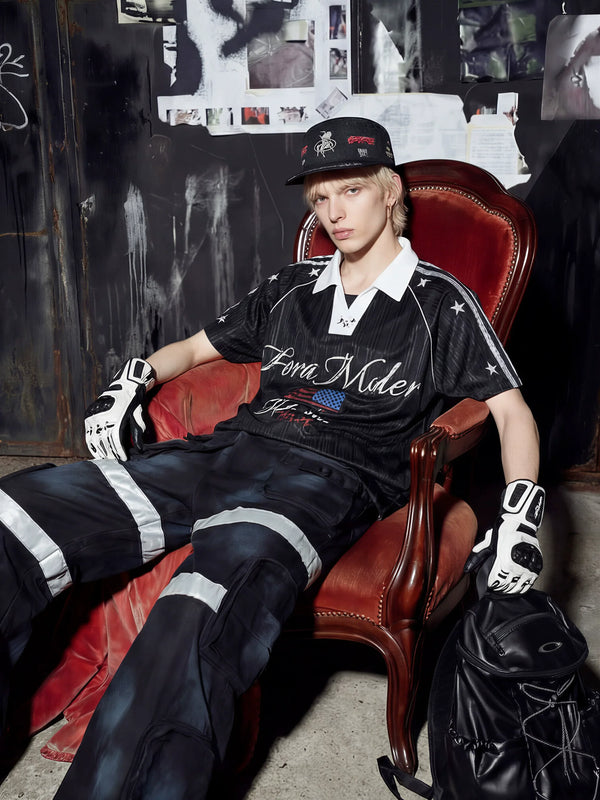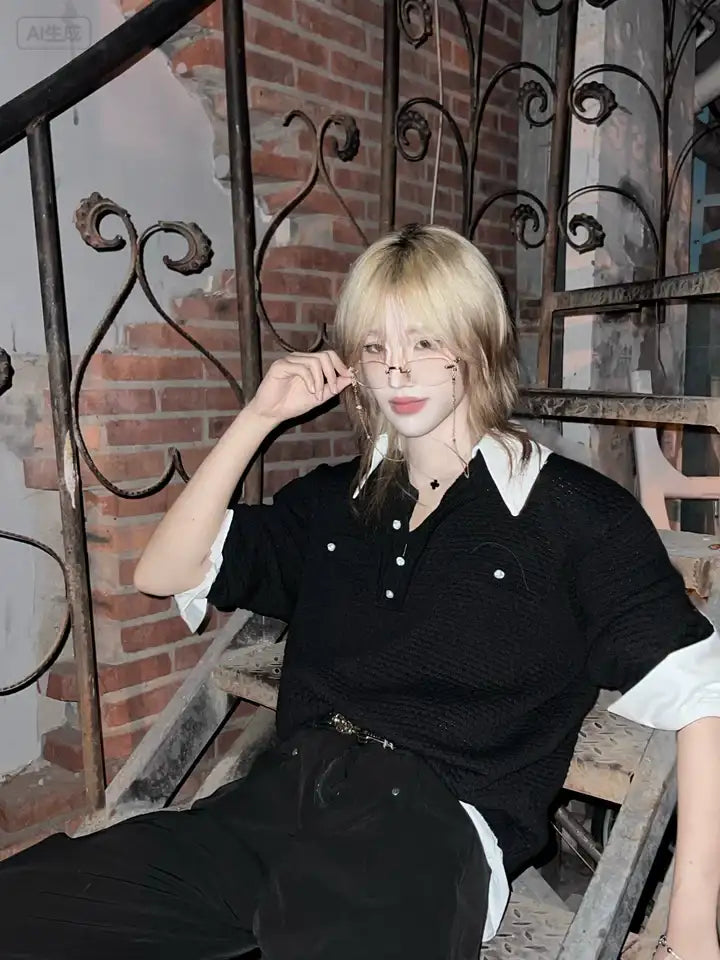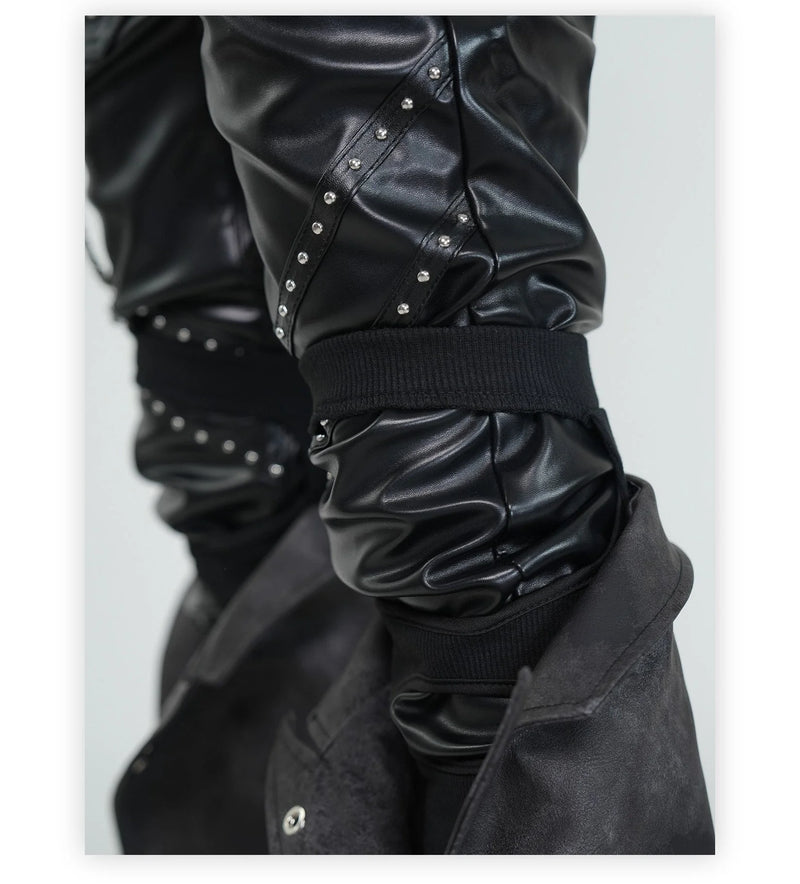
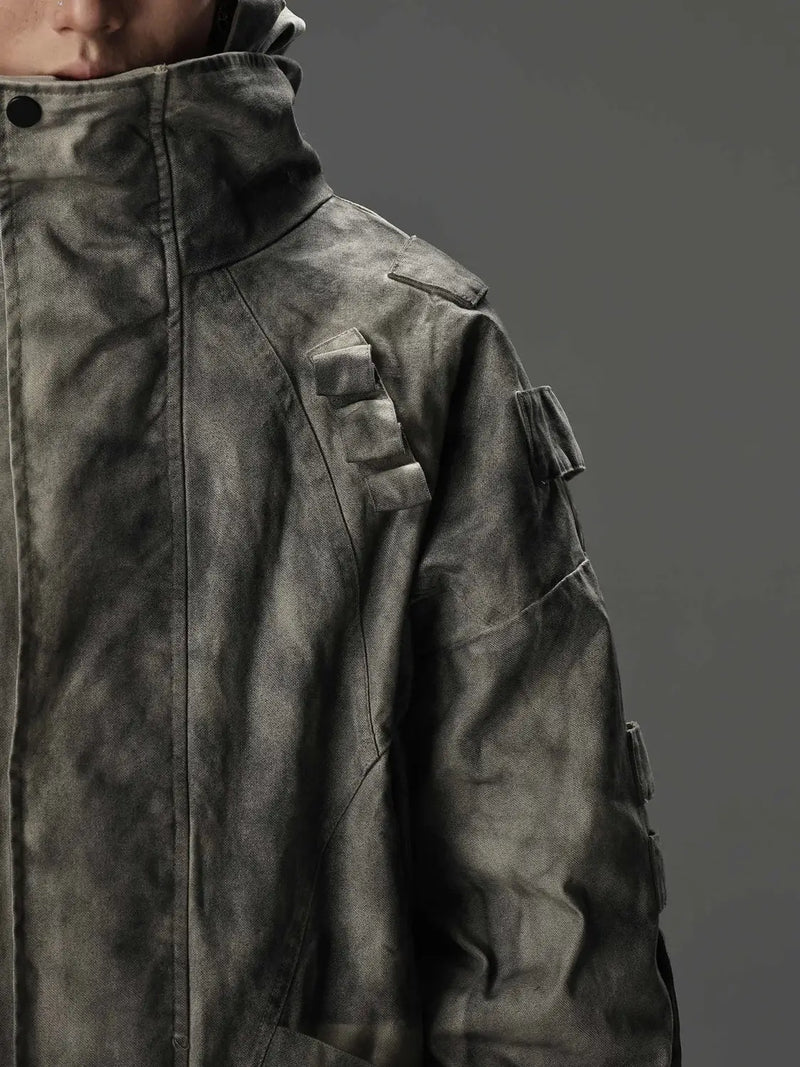
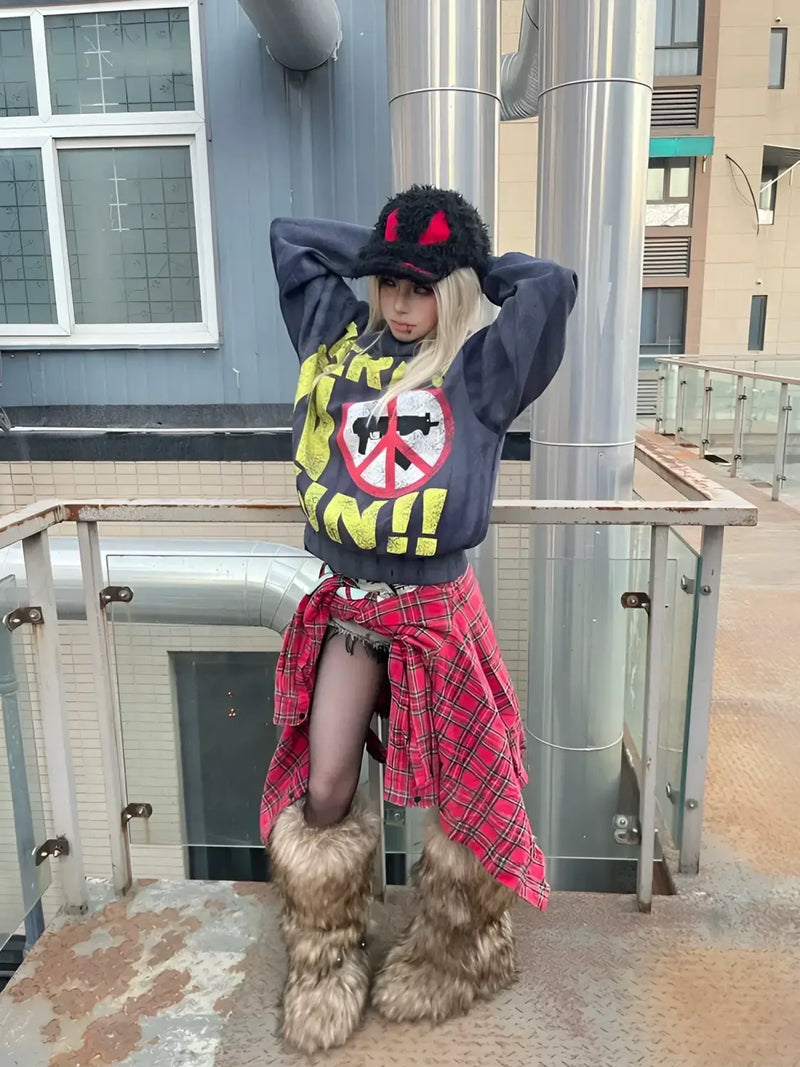
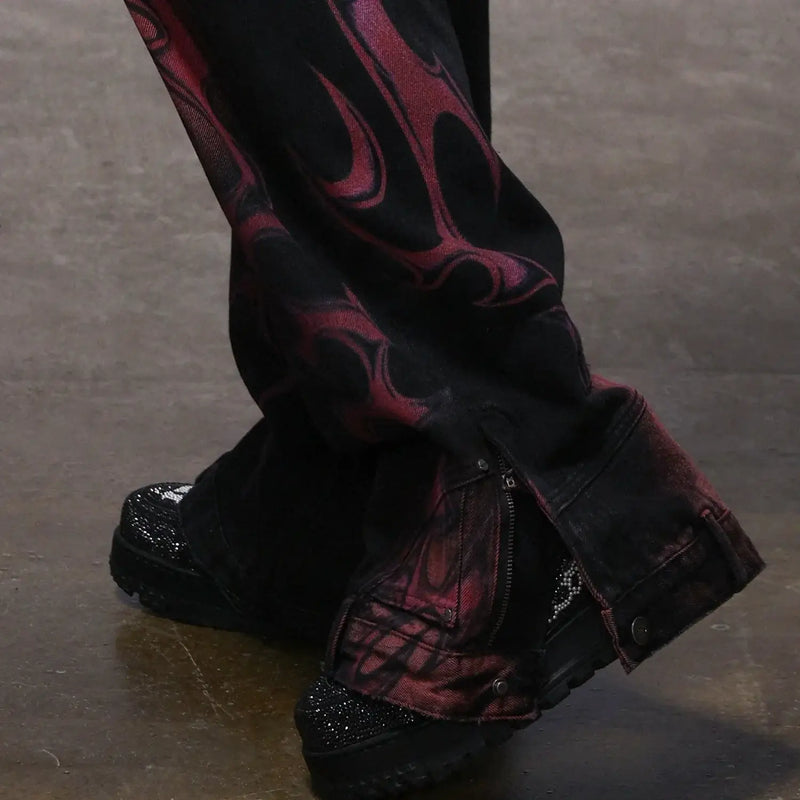
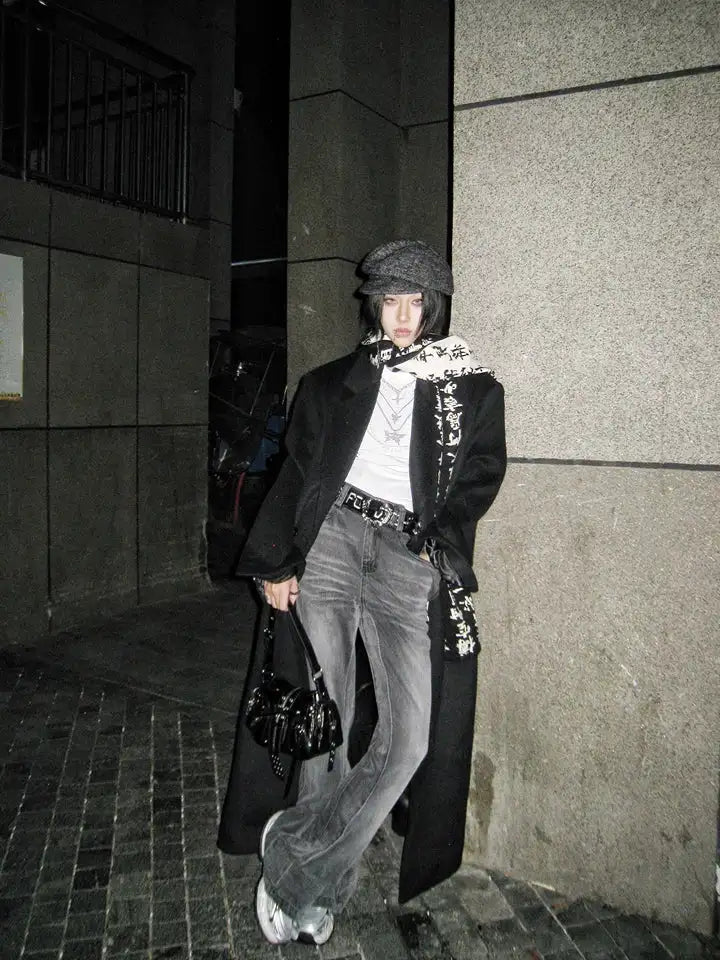

Everyone says Glamoratti is "just 80s disco with gold chains." They're wrong. A few gold rings and a shoulder-pad jacket guarantee about as much Glamoratti as a pair of black glasses guarantees a professor — namely nothing.
Glamoratti surfaced in late 2025 in the Pinterest Predicts reports as one of the defining 2026 aesthetics. Vogue and Harper's Bazaar picked the term up in early 2026. What came back are the 80s as a luxury code: built shoulder, loud gold, opulent fabrics, sculpted silhouettes. What didn't come back is the disco glitter of the dance floor.
Anyone who mistakes Glamoratti for "80s trash disco" has confused the trend with a Halloween party. This guide sorts it out: where the word comes from, what actually counts, how the 5 types differ, how it translates into jackets / pants / tops / jewelry, what you need in your closet, and which 6 mistakes tip the outfit over.
What that looks like in a real outfit — compact, in 12 seconds:
Origin
Who invented Glamoratti — and why is it called that?
Glamoratti is not a designer label and can't be pinned to one single person. The term first appeared broadly in the Pinterest Predicts 2026 report. In the months before, Pinterest reported sharply rising searches for "chunky gold jewelry," "80s power suit," "art deco fashion" and "sculpted shoulders" — and bundled them under one word: Glamoratti.
The word itself is a portmanteau of "Glamour" plus the Italian "-atti" suffix, which in words like "glitterati" or "literati" marks a small elite. In plain terms: the people who play with the look visibly belong. Vogue, Harper's Bazaar and the Pinterest trend team lifted the term into mainstream discourse between January and March 2026.
The vocabulary existed long before. Gianni Versace 1989. Giorgio Armani 1982. Thierry Mugler 1984. Christian Lacroix 1987. What defined the 80s as a luxury period — built shoulder, loud hardware, opulent fabrics — slept forty years in the vintage stores. Glamoratti's contribution isn't invention but repackaging: take what was scattered across the 80s designer spectrum and pour it into an outfit that a 23-year-old on TikTok gets in 8 seconds. That makes Glamoratti the first aesthetic to go viral via Pinterest forecast — not via Milan Fashion Week.
Definition
What does Glamoratti actually mean?
Glamoratti is an outfit system of four fixed building blocks. When all four land, the outfit reads as Glamoratti. When one is missing, it tips instantly into something else — Y2K, Old Money, disco, or worse: into carnival.
1989
the reference decade
1
loud piece of hardware per outfit
5
Archetypes
0
visible brand logos
These four numbers aren't decoration. They're the test. An outfit that breaks one quota — three loud gold chains at once, or band logos on the sweater, or not a single 80s anchor in the cut — is no longer Glamoratti. It's "80s-inspired," which in plain terms means: carnival outfit with shoulder pads.
What counts as Glamoratti, concretely:
- Built shoulder as anchor — sculpted blazer, structured bomber, padded-shoulder top. The shoulder makes the line, everything else falls in beneath it.
- One loud piece of hardware per outfit — chunky gold chain, cocktail ring, statement belt buckle. One of them, not three. More turns disco.
- Opulent fabrics as the main surface — satin, sequin, cashmere, pinstripe wool, waxed leather. Shine is allowed, even wanted — but not synthetically cheap.
- Wide-leg or flared pants as the base — the pant falls long and heavy. Skinny bottoms tip the Glamoratti code into Y2K disco. Not the same thing.
- Statement shoe with height — pump, platform boot, padded loafer with a heel. Sneakers are out; the shoe has to pull the line upward.
- Wealth signal via cut, not via logo — the blazer sits to the millimeter on the shoulder, the pant has its crease on its own, the sequin piece doesn't sit stiff. Money shows through construction, not through lettering.
If you're missing three of these six points, it's no longer Glamoratti — it's inspiration. And there's one rule that holds all six together:
5 types
The most iconic Glamoratti looks — the 5 types
Glamoratti isn't one look — it's five that overlap at the edges. Lay the Pinterest mood boards, the Vogue editorials and the Harper's Bazaar spreads next to each other and you see these five types cleanly separated. Each with its own shoulder build, its own share of shine.
Which of the five suits you depends less on taste than on your silhouette, on how much shine you want to wear and in what setting it lands. How that splits between women and men comes next.
Gender split
Glamoratti for women vs men — where the code diverges
The rules are the same. Built shoulder, one loud piece of hardware, opulent fabric, long-falling pant, no logos — holds for every body. What differs is the line. Where Armani in 1984 tailored the power suit as a second skin onto the female body, on the man he let it run more falling, heavier, broader. Same building blocks, different distribution.
Women's version: the blazer sits tighter at the waist, the shoulder is more emphasized. Sequin and satin fabrics slide up more often (top), the pant stays solid and falling. Hardware sits at the ear, the neck and the finger — one per spot, not three at the neck. Pumps or platform boots give the height.
Men's version: the blazer sits looser, the shoulder is cut broader, the pant takes on more volume. Hardware often reduces to the belt buckle plus a ring. Satin and sequin run, on men, primarily via the shirt under the blazer — rarely as a pant. Platform loafer or padded Chelsea boot replaces the pump.
Both need the same shoulder discipline and the same hardware restraint. What varies is the distribution — not the vocabulary.
Brands
Glamoratti brands — who wrote the vocabulary
Glamoratti has no single brand father. It's a composition drawn from the 80s luxury spectrum — what Pinterest, Vogue and Harper's Bazaar bring back in 2026 comes from the same six or seven houses, again and again. Whoever understands the vocabulary can build Glamoratti looks entirely without designer prices.
The houses that wrote the Glamoratti vocabulary — chronologically:
- Giorgio Armani (1982-1990) — the power-suit architect. The built shoulder, the soft drape, the understated luxury line all come from Armani. When a Glamoratti outfit reads "grown-up," it's Armani-coded.
- Gianni Versace (1989-1997) — the loud end of the spectrum. Sequin, print-on-print, atelier ornament, visible hardware. Opera-Glam is unthinkable without Versace.
- Thierry Mugler (1984-1995) — sculpted silhouettes, futuristic shoulder architecture, bondage hardware. The Editorial-Maximum iteration comes straight from Mugler.
- Christian Lacroix (1987-1995) — opulence as a language. Brocade, embroidery, asymmetric cuts, theatricality. Daytime-Glam quotes Lacroix whenever the look is allowed to read "too much."
- Schiaparelli (Daniel Roseberry, 2019-) — the modern revival of surrealist luxury. Golden ornament as the main element, sculpted bodice, hardware-as-sculpture. Editorial-Maximum 2026 often reads as Schiaparelli-adjacent.
- Mugler (Casey Cadwallader, 2018-) — the body-close re-take on Thierry's original. Cutouts, stretch construction, hardware layer. Daytime-Glam with an edge.
- Tom Ford (Gucci era 1995-2004, own label after) — sexy luxury, satin-driven, hardware-functional. The bridge between 80s opulence and 2000s cleanness.
- Khaite (Catherine Holstein, since 2016) — the quiet-luxury bridge. When Glamoratti is meant to read calm and grown-up, the vocabulary comes from Khaite.
Anyone who wants to wear Glamoratti without paying atelier prices searches the resale market for vintage Versace, vintage Armani, or vintage Mugler — or turns to DTC brands that translate this vocabulary competently.
Category · Outerwear
Glamoratti jackets — blazer, bomber, statement coat
The jacket carries the Glamoratti outfit. It's the largest surface, the most dominant cut, the primary carrier of the shoulder line. This is where it's decided whether your outfit becomes Glamoratti or a vintage sport coat from the second-hand rack.
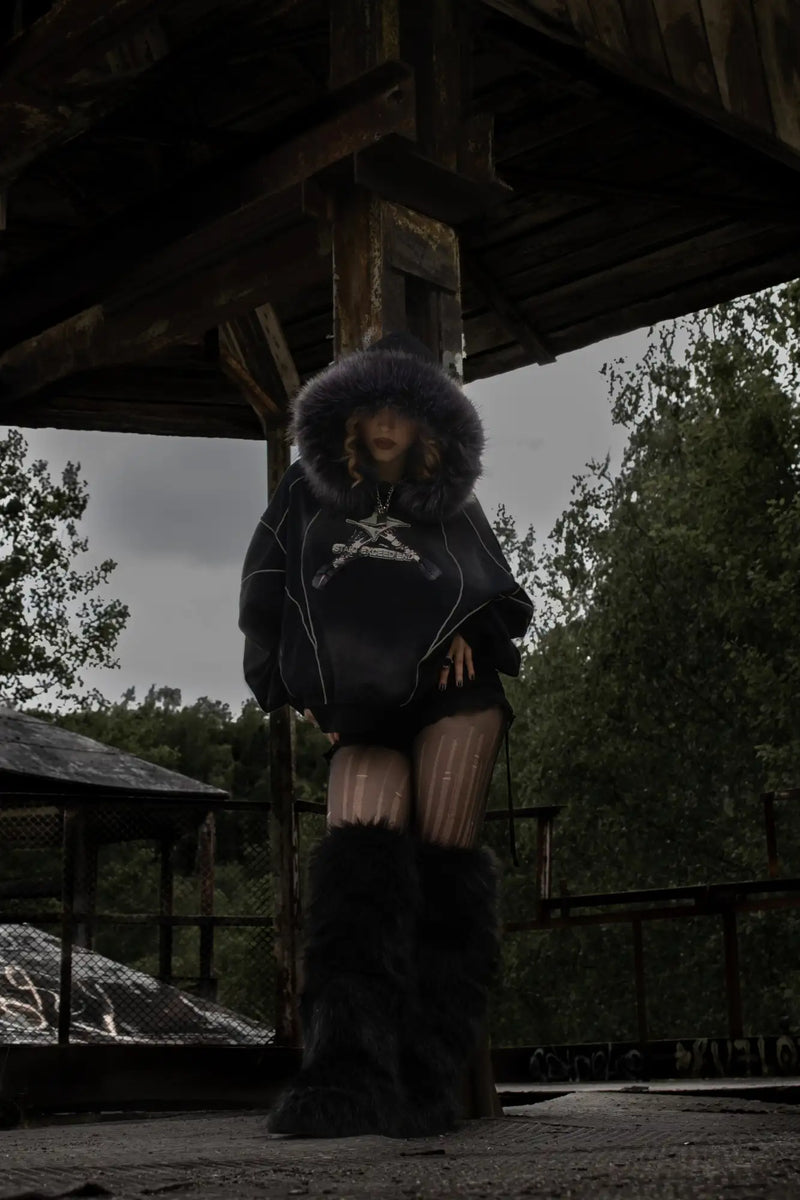
Three jacket types work in Glamoratti: built blazer (Power-Suit and Daytime-Glam iteration), structured bomber with a set-up shoulder (Editorial-Maximum), and statement coat with fur collar or brocade detail (Old-Hollywood and Opera-Glam). Cropped denim jackets come in if they carry a hand-painted or studded variation — plain denim doesn't read as Glamoratti.
If you don't own a built blazer yet, that's your first move. Everything else in the outfit depends on it.
Category · Bottoms
Glamoratti pants — wide-leg, flares, pinstripe
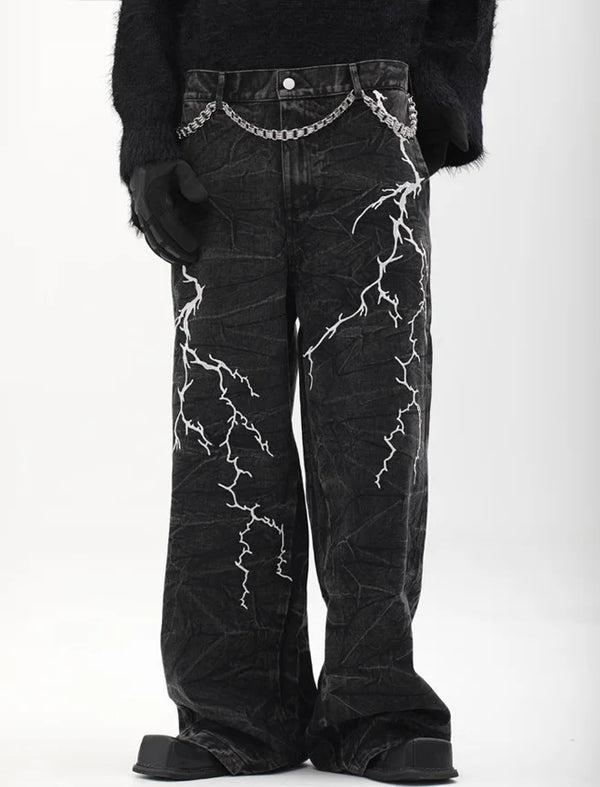
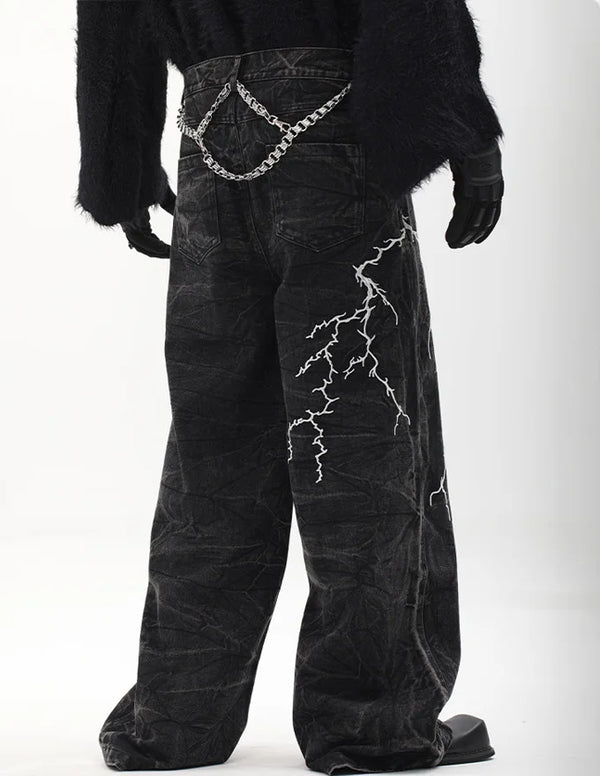
Skinny is out of the Glamoratti code. What Y2K and disco wore — tight bootcut, low-rise skinny, narrow leg — doesn't work here. The pant has to show material: wide-leg, flared, or pinstripe suit trouser. It's the heaviest piece in the outfit and the visual base of the built shoulder.
Working Glamoratti bottoms sit high on the waist, have a crease, and fall onto the shoe without a kink. Avoid anything that shines cheap (synthetic stretch), anything that ends too short (cropped length kills the line), and anything that pulls in at the front (a jogger waistband is the wrong language).
If you want to build one pant that fits every one of the five Glamoratti types, take wide-leg pinstripe in black or charcoal. That's the common denominator.
Category · Tops
Glamoratti tops — sequin, knit, statement shirt
The top is the spot where Glamoratti is allowed to get loud. Where Power-Suit is decided at the blazer cut, Opera-Glam is decided at the top — sequin-set, satin-smooth or ribbed-knit tight. A plain white tee doesn't fit the vocabulary. A ribbed-knit sweater under the blazer does.
The rule: the top carries either a texture (sequin, satin, rib, cashmere) or a shape (crop, padded shoulder, sculpted bodice). Both at once becomes too much. Printed band or brand tees tip the outfit straight into vintage streetwear; a solid statement knit says more Glamoratti than any slogan shirt.
Anyone who wants to test the sequin look takes a sequin cardigan over a satin tank under an open-worn blazer. That's the easiest entry toward Opera-Glam — with no risk if it doesn't land.
Category · Hardware
Glamoratti jewelry — chunky chain, cocktail ring, belt buckle
Jewelry is the spot where the Glamoratti outfit tips most visibly — one way or the other. One wrong hardware choice and the whole outfit breaks. Above all it tips when you wear three loud pieces at once. Glamoratti has exactly one hardware point per outfit. Not three.
What works: one chunky gold chain OR one cocktail ring OR one statement belt buckle. One of them is visible and loud, the other spots stay quiet or empty. If you prefer hardware subtle: a single cocktail ring on the right hand is the quietest possible Glamoratti gesture — and reads grown-up instead of carnival.
If you set just one hardware point and the shoulder sits, you've already won half the look. With Glamoratti, "one, loud" is always more right than "three, tame."
Styling physics
How to really style Glamoratti — the physics of the 80s luxury line
A Glamoratti outfit works via exactly one detail: where the weight sits. Shoulder makes the point up top, pant makes the base below, hardware makes the one accent in between. Build these three spots individually — and don't try to maximize all three at once — and you get the look to sit in 80 percent of attempts.
The 80s were loud because they could be — not because they had to be. Glamoratti quotes the volume, not the self-aggrandizement.
— Fūga Studios
In practice that means: sculpted blazer plus wide-leg pinstripe pant plus one chunky gold chain. Or sequin cardigan plus satin pant plus one cocktail ring. Never sculpted blazer plus sequin top plus chunky chain plus cocktail ring plus belt buckle. If you make every spot loud at once, the outfit tips into carnival. The full breakdown with picture examples we put in a separate article:
But Glamoratti doesn't stand alone — it overlaps at several edges with other luxury aesthetics. Old Money shares the fabric discipline, Businesscore shares the suit architecture, Y2K shares the sequin and satin language. Whoever has Glamoratti down can read these neighboring codes and mix them deliberately, without slipping into cosplay.
Here are the five most important neighbours — each with its own guide, in case you want to go deeper:
Seasonal
Glamoratti in summer vs winter
In winter Glamoratti is easy. Statement coat, wide-leg pinstripe, rib-knit underneath, platform boot, one chunky chain. Four layers if needed, all in one fabric family, everything works. The challenge comes in summer, when the outer layer — the blazer as shoulder anchor — falls away.
Summer Glamoratti works via what was under the jacket. The sculpted bodice top becomes the main view. The wide-leg pant is often replaced by a wide-leg bermuda or a sequin skirt — leather at 32 °C is dead. The hardware rule stays: one chain OR one ring. Never both.
The year-round solution also exists as hardware: pieces that adjust their own layer thickness. Convertible sets with removable sleeves, for example — winter as a full jacket, spring as a vest, summer as a pure statement piece with a tank underneath.
Here's what that looks like in motion:
What does not work
The 6 most common Glamoratti mistakes — what you must NOT do
Glamoratti has six spots where it reliably tips over — no matter how expensive the individual Pieces are. If you avoid only one thing, make it mistake number one.
Action
How to start in Glamoratti — the first 4 pieces
You don't need twenty sequin-set things to wear Glamoratti. You need four that will be in 80 percent of the outfits. Everything else builds around them.
In order: a sculpted blazer in black or charcoal (your biggest investment — lasts 10 years if the shoulder sits). A wide-leg pinstripe pant with a high waist and crease. A rib-knit sweater or a sequin cardigan as the top statement. Platform boots or a padded loafer. A chunky gold chain as the optional fifth — but only once the four sit.
Outfits for real
Glamoratti outfits for real — how it looks on the street
Before you build your own, look at how others wear it. The five types from above look different in the feed than on lookbook photos: tighter, more alive, less staged — and that's exactly why they work.
This is the fastest way to check whether Glamoratti even sits on your body type — before you spend money.
To close
Glamoratti is a code — not a dress-up trend
If you remember one thing from this guide, let it be this: Glamoratti doesn't work through pieces, it works through rules. Whoever has the rules down builds fifty outfits from fifteen pieces. Whoever only buys pieces has a full closet without a single outfit that sits.
The whole logic of this guide reduces to one sentence:
The rules have been stable since early 2026 and will stay that way — as long as Pinterest, Vogue and Harper's Bazaar carry the forecast. But you don't have to wait until you know them all by heart. Start with the one look that fits you best. What you don't know, you learn by wearing.
And that’s the point: Glamoratti reads in theory like a corset of rules, but doesn’t feel that way in practice. Once you’ve got the code down, every further outfit is a variation on the same four or five building blocks — not a new invention.
FAQ
Frequently asked questions about Glamoratti
The questions we often get by DM and email — short, clear, no detours.
What does Glamoratti actually mean?
Who started the Glamoratti trend?
What's the difference between Glamoratti and Old Money, Mob Wife or Y2K?
Does Glamoratti work as a men's style too?
Which shoes work with Glamoratti besides pumps?
What makes a woman look "wealthy" in a Glamoratti look?
How does Glamoratti differ from "glam style" in general?
What do you think?
Tell us on @fuga_studios
About the author
Philipp Fuge — Founder · Berlin
Founder of Fūga Studios. Writes the journal himself. Berlin · Shanghai · Tokyo · Poznań — four cities, one logic.