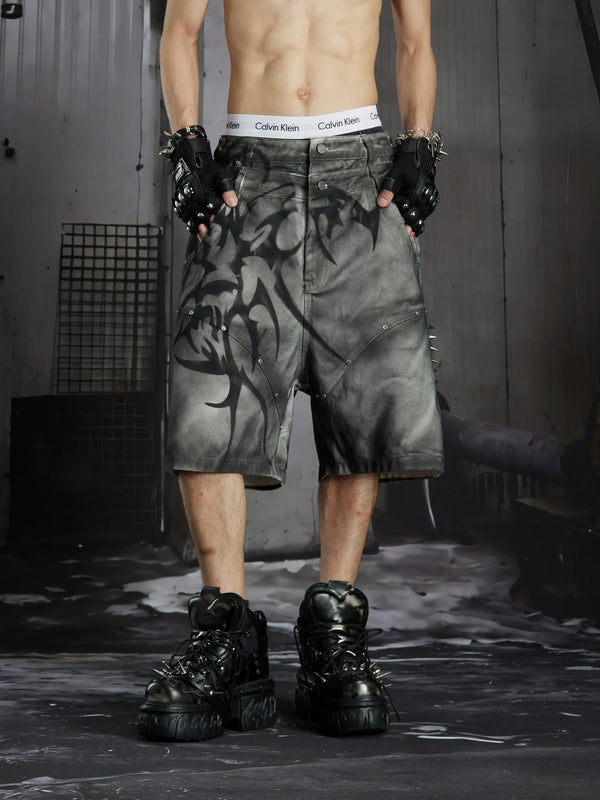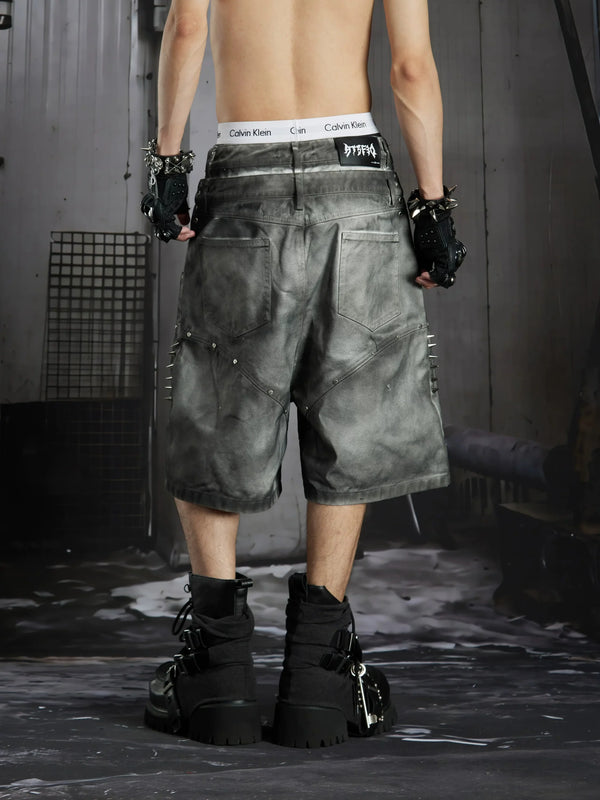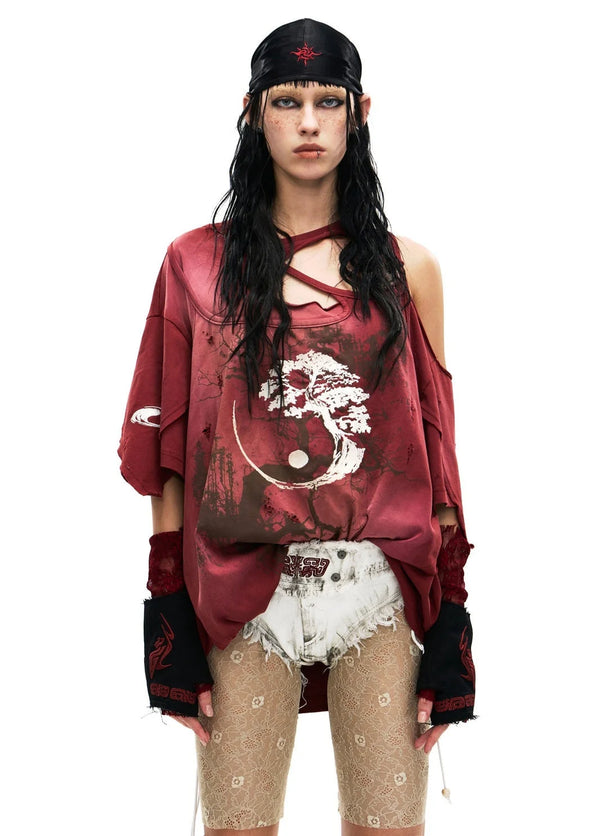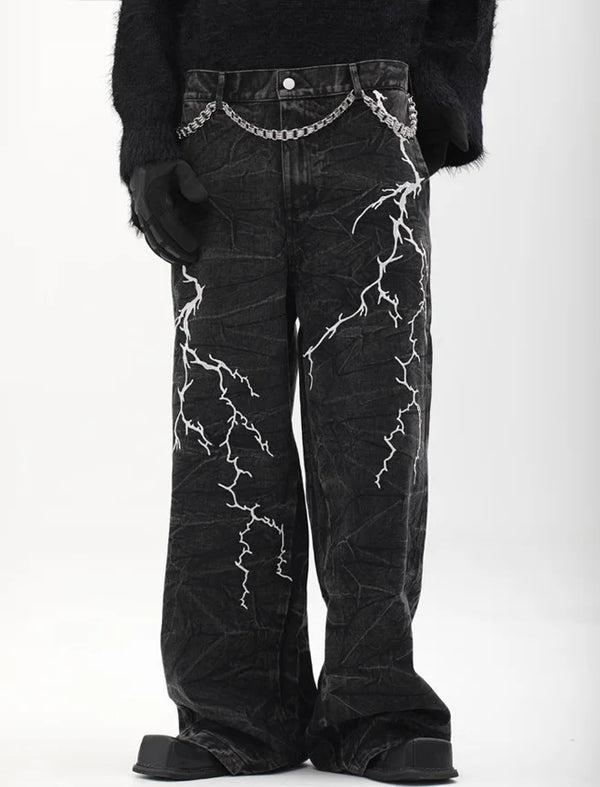

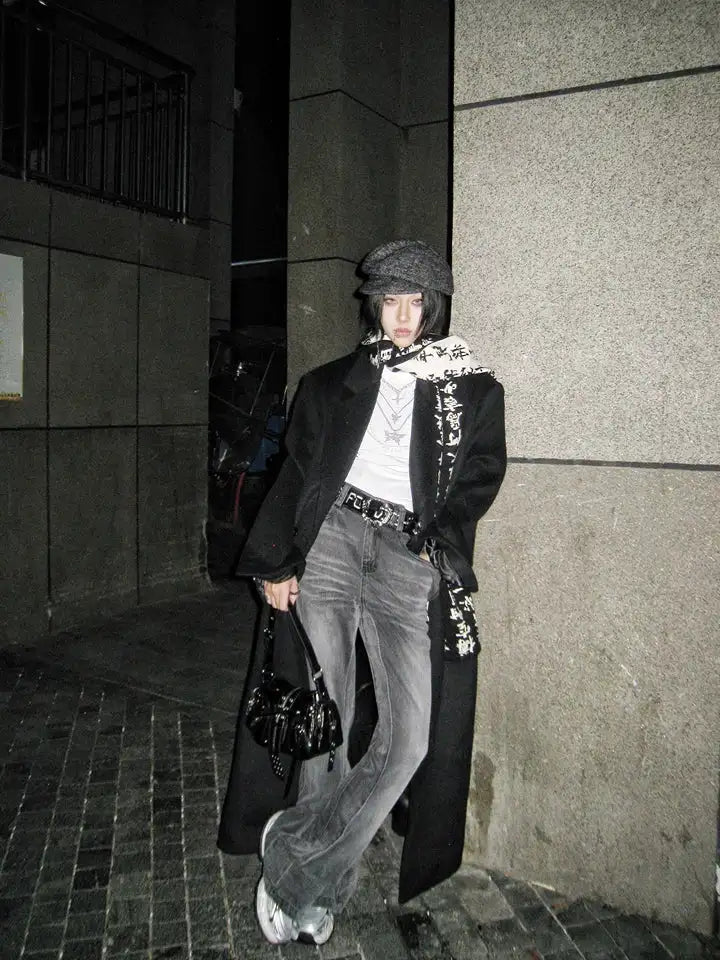

In July every streetwear shop looks the same. Red banner up top, „up to -50%“ in the header, the same bullet-point hoodie on sale as last year. Walk in without a plan and you leave with three things, two of which hang unworn in the closet by October.
Summer Sale Streetwear doesn’t work by clicking the biggest percent sticker. It works through two questions: is this wearable in-season right now — and would the price be okay without the sticker. If both answers are yes, buy. If only one is yes, leave it.
This guide covers when the 2026 summer sale really starts, which five categories pay off in July/August, which online shops run real deals and which just marked the RRP up first, plus the six mistakes that turn your cart into a graveyard. By the end you’ll know what to put in your first summer-sale click — and what you’ll get even cheaper in August.
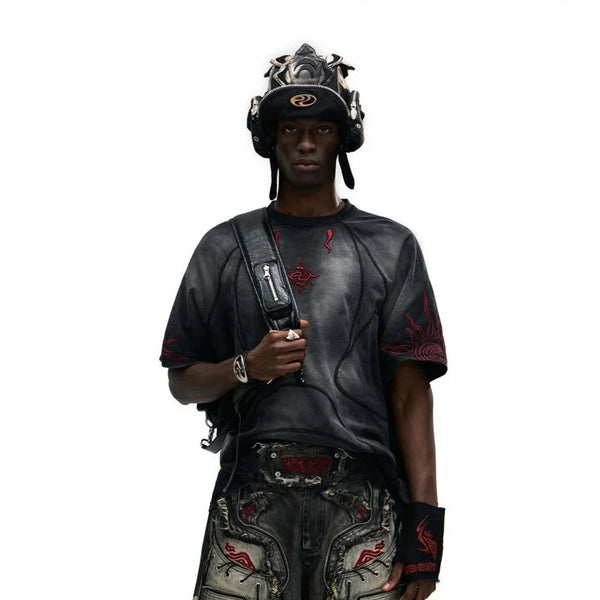
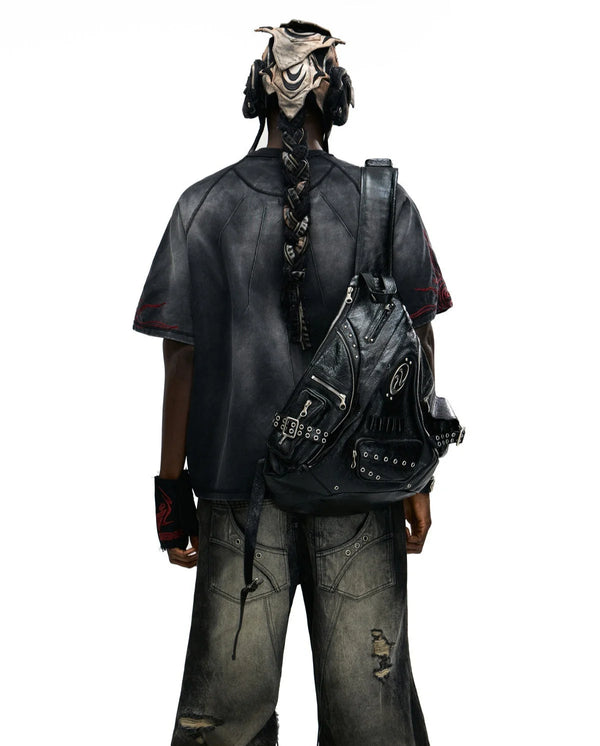
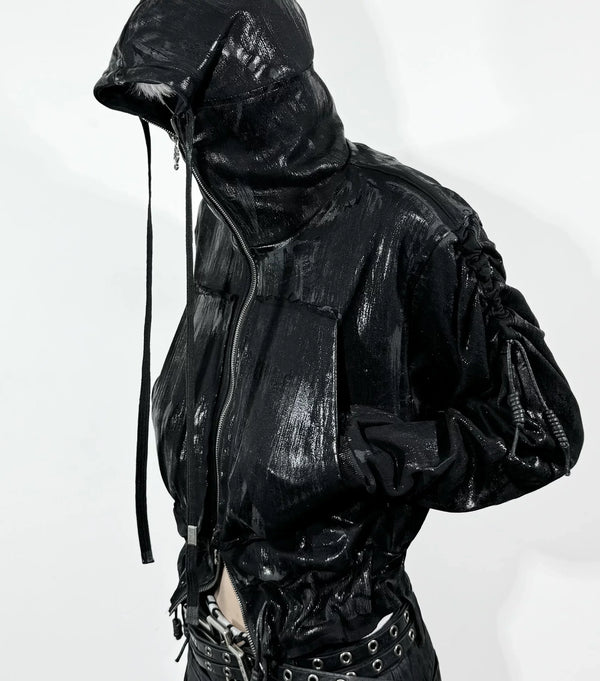
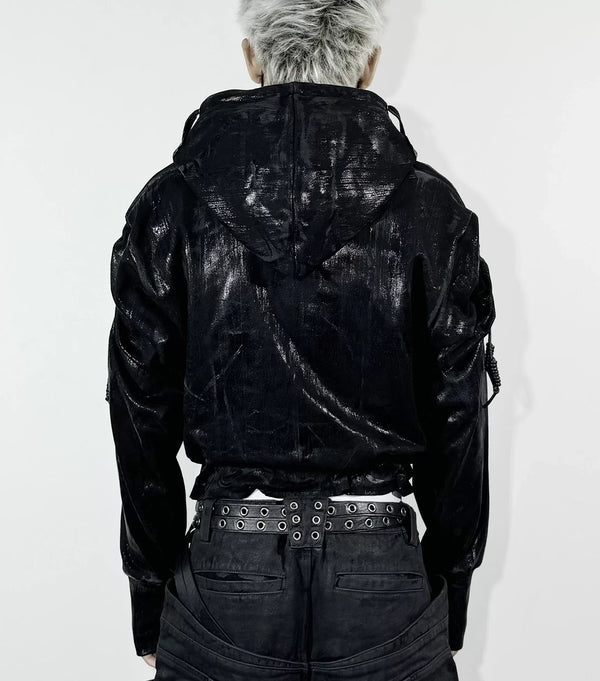
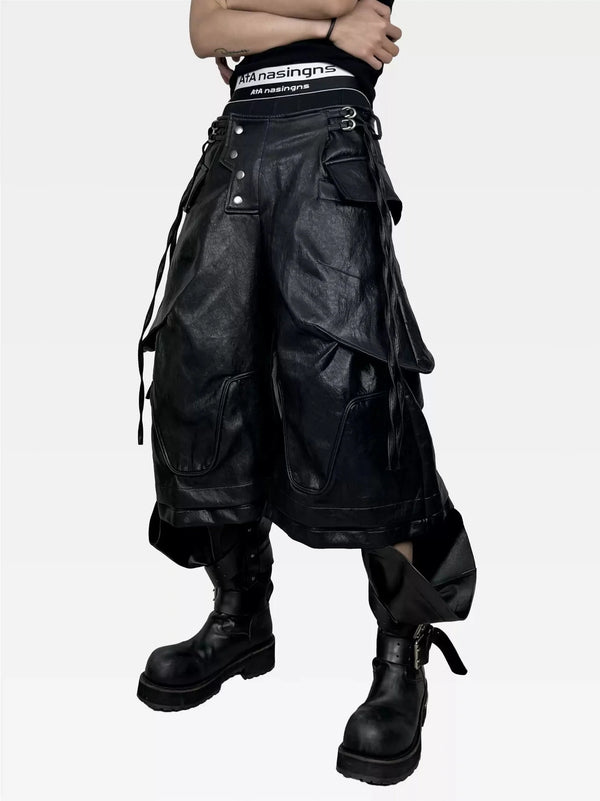
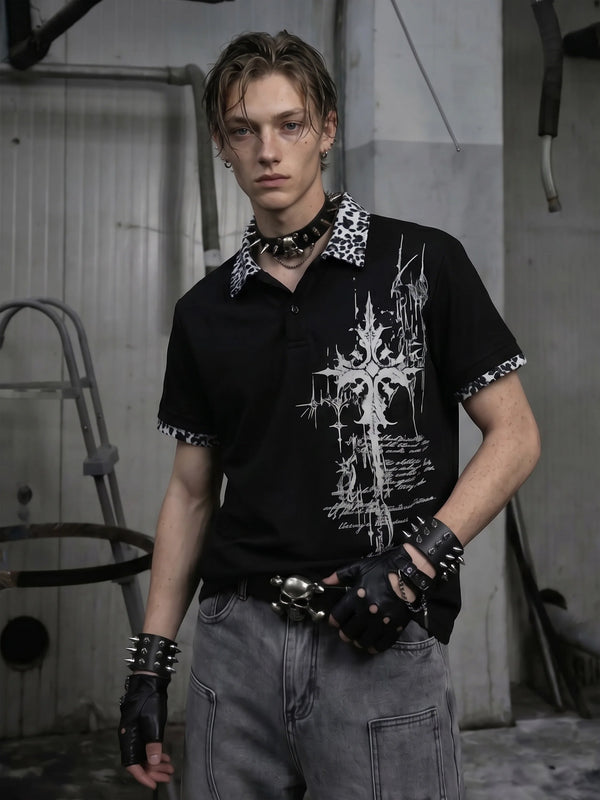
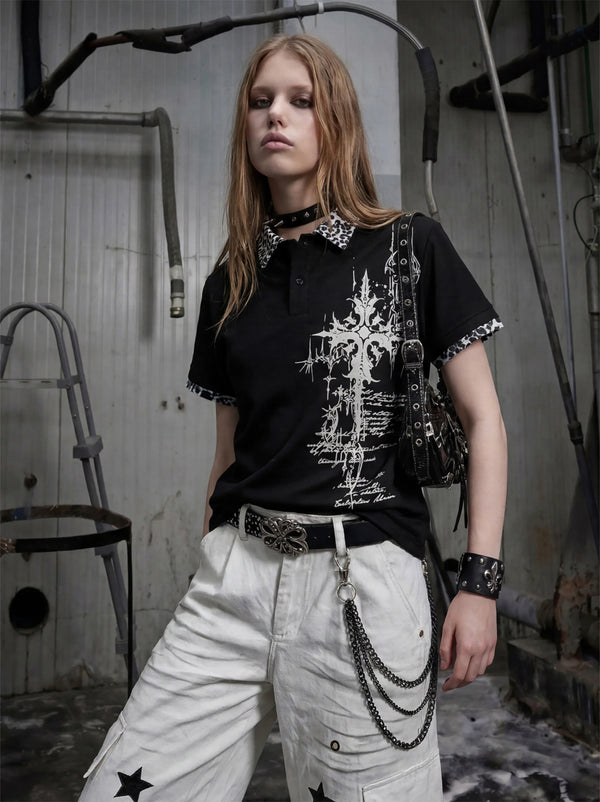
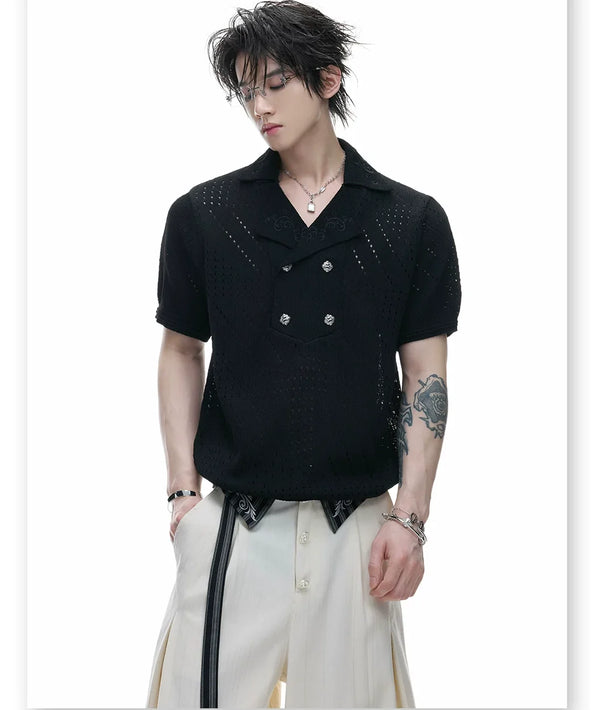
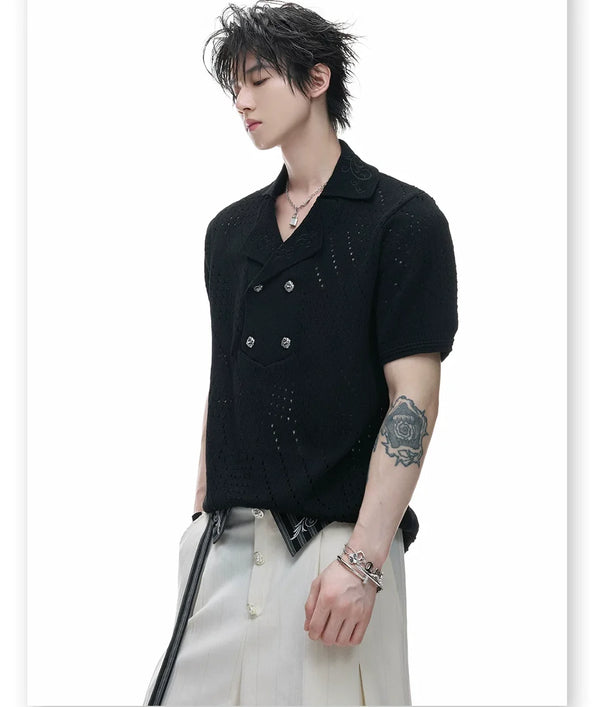
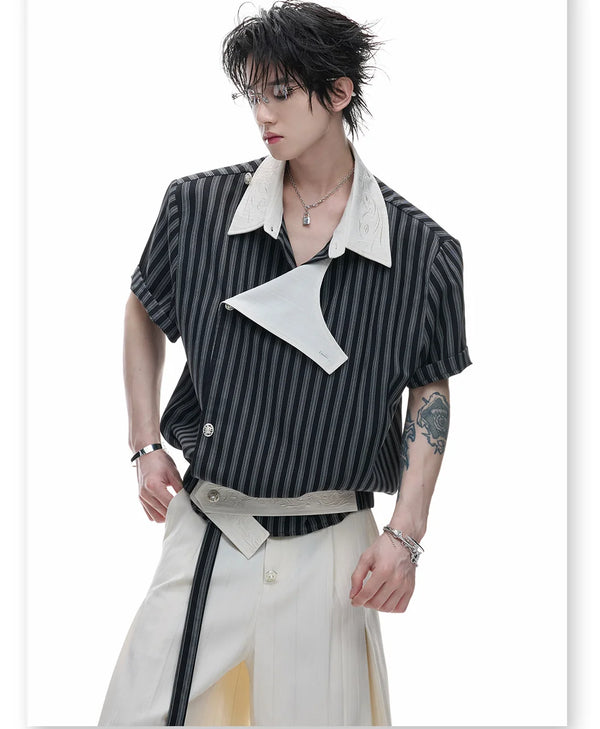
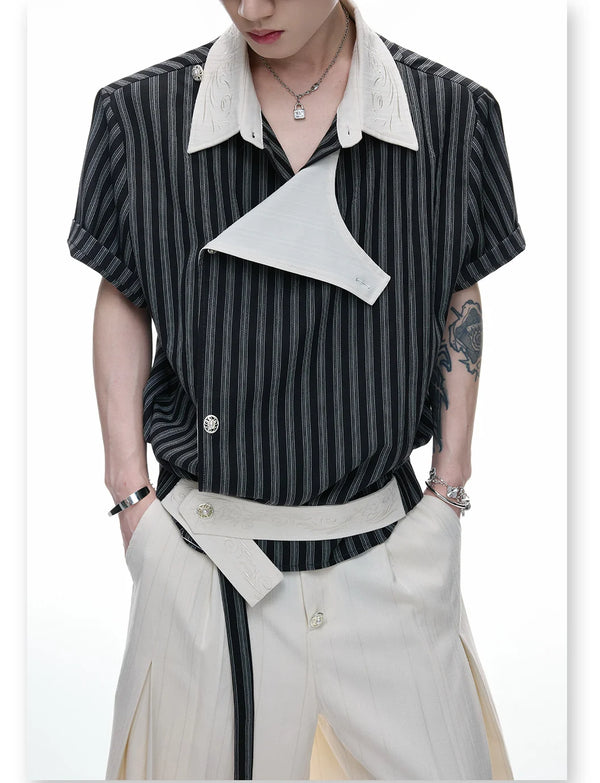
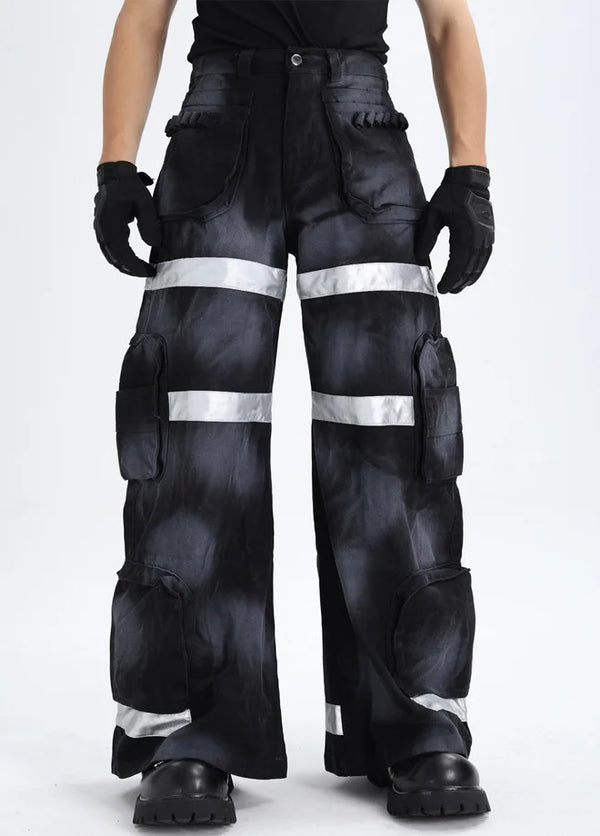
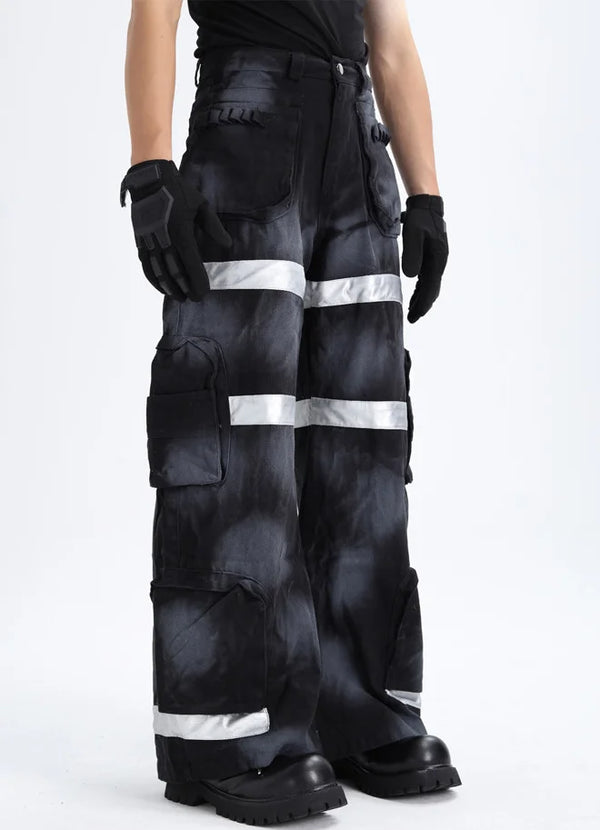
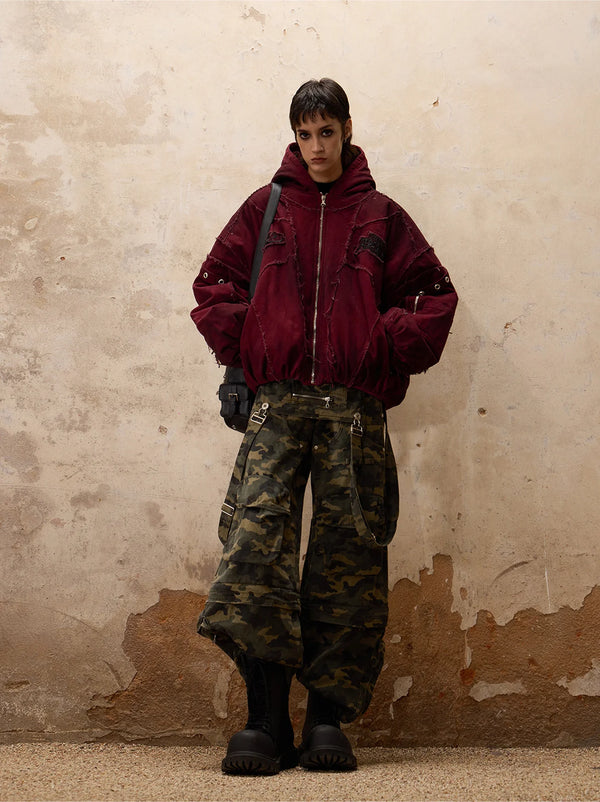
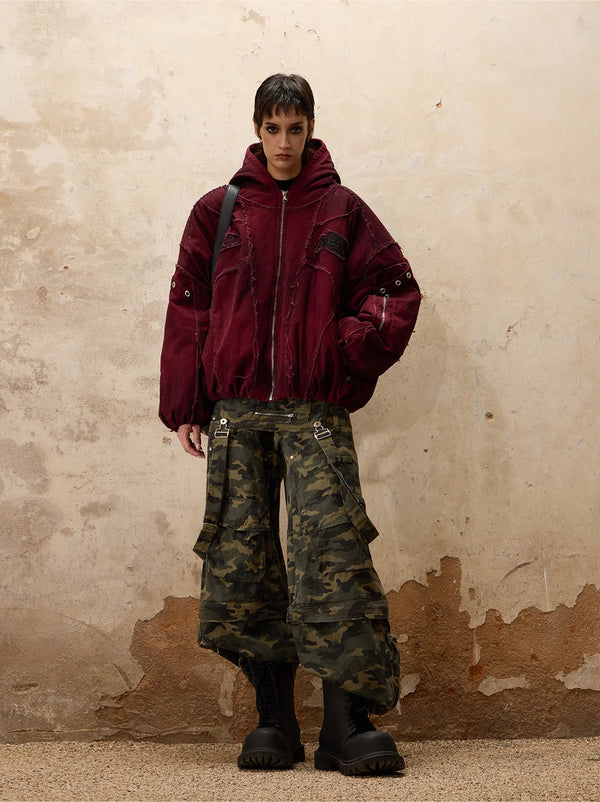
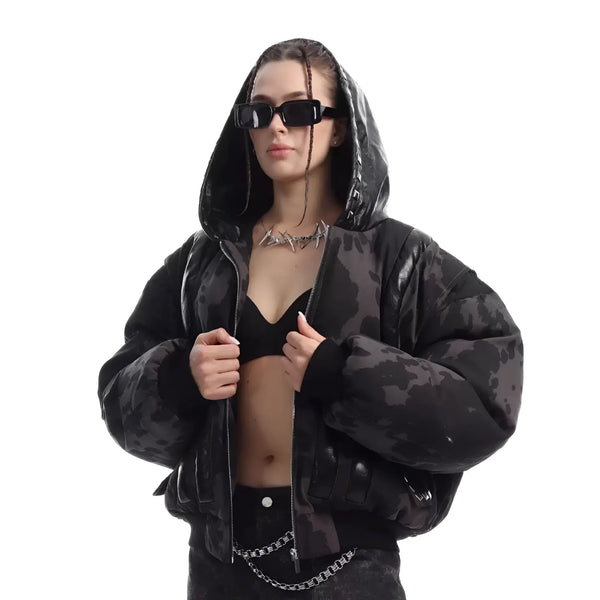
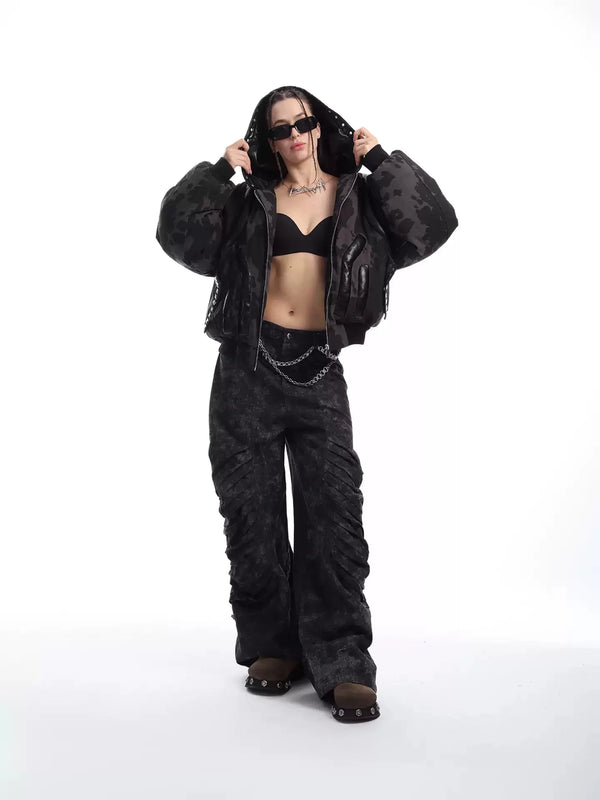
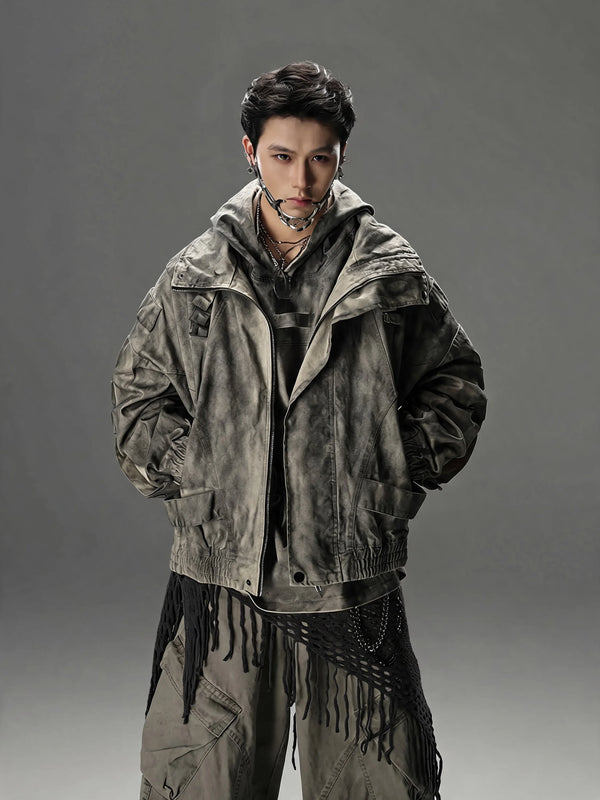
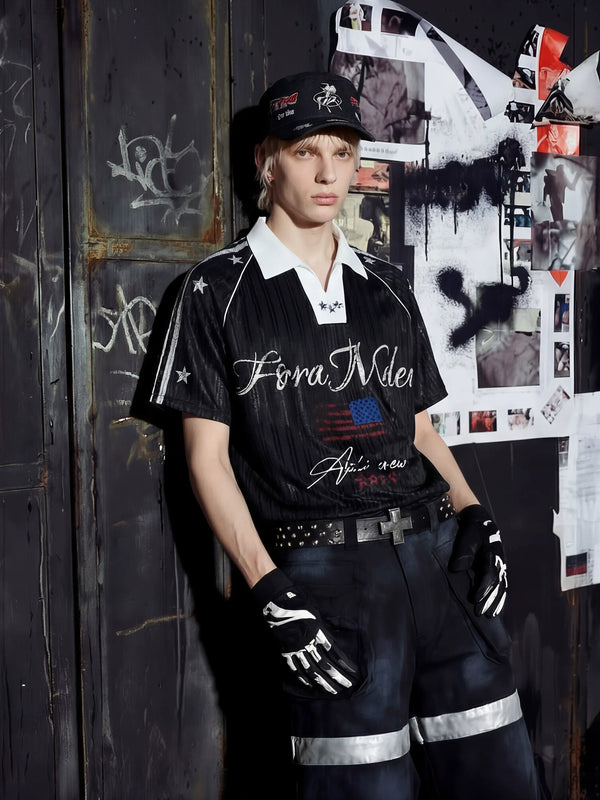
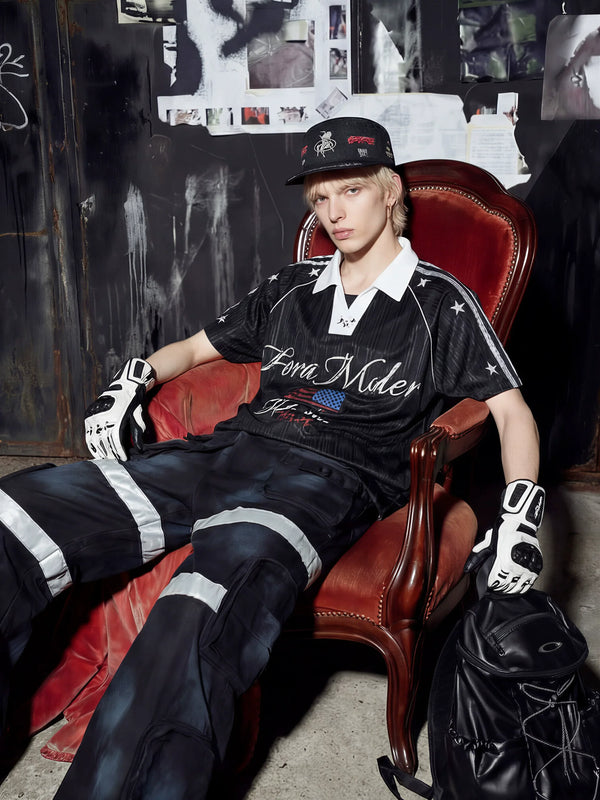
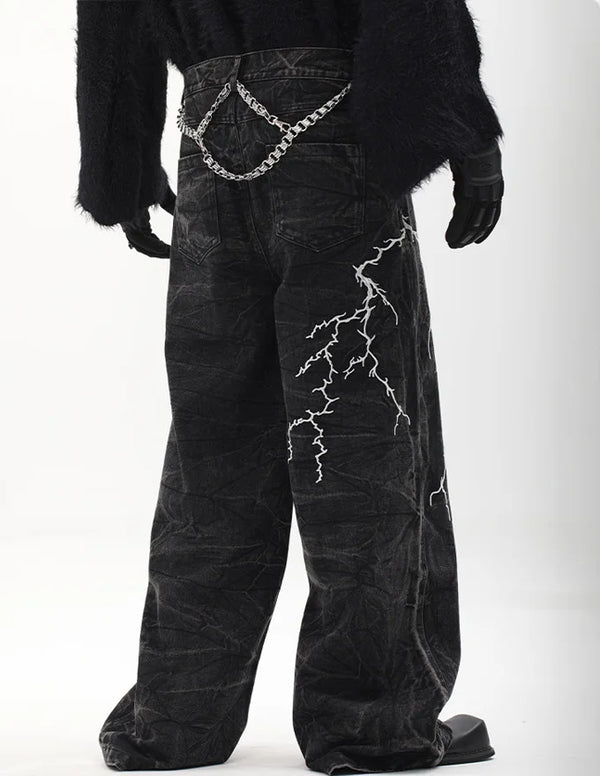
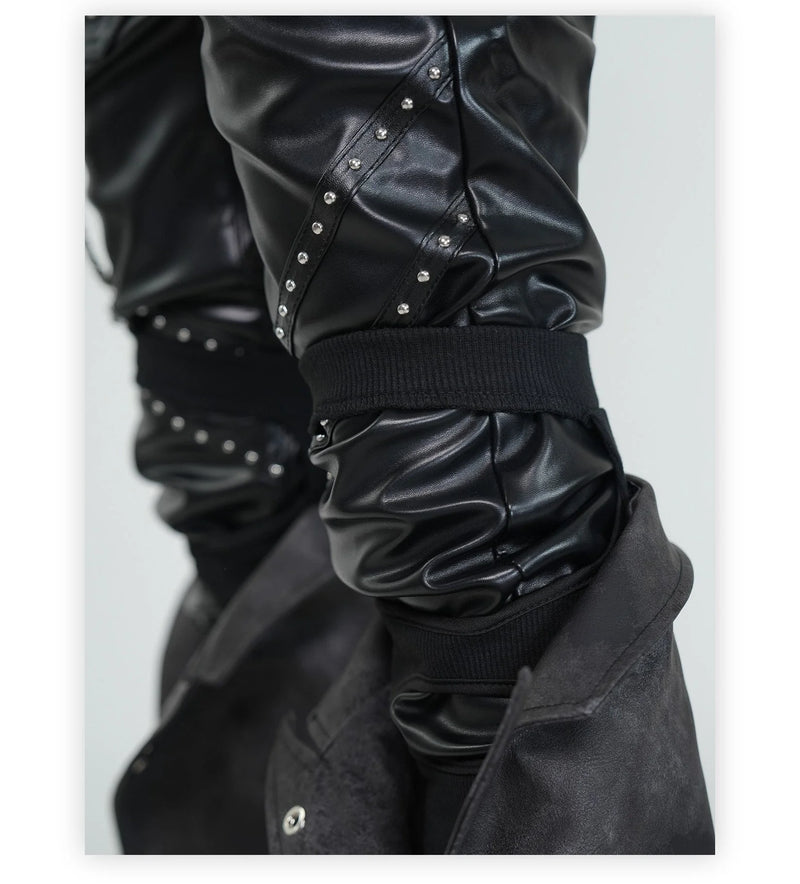
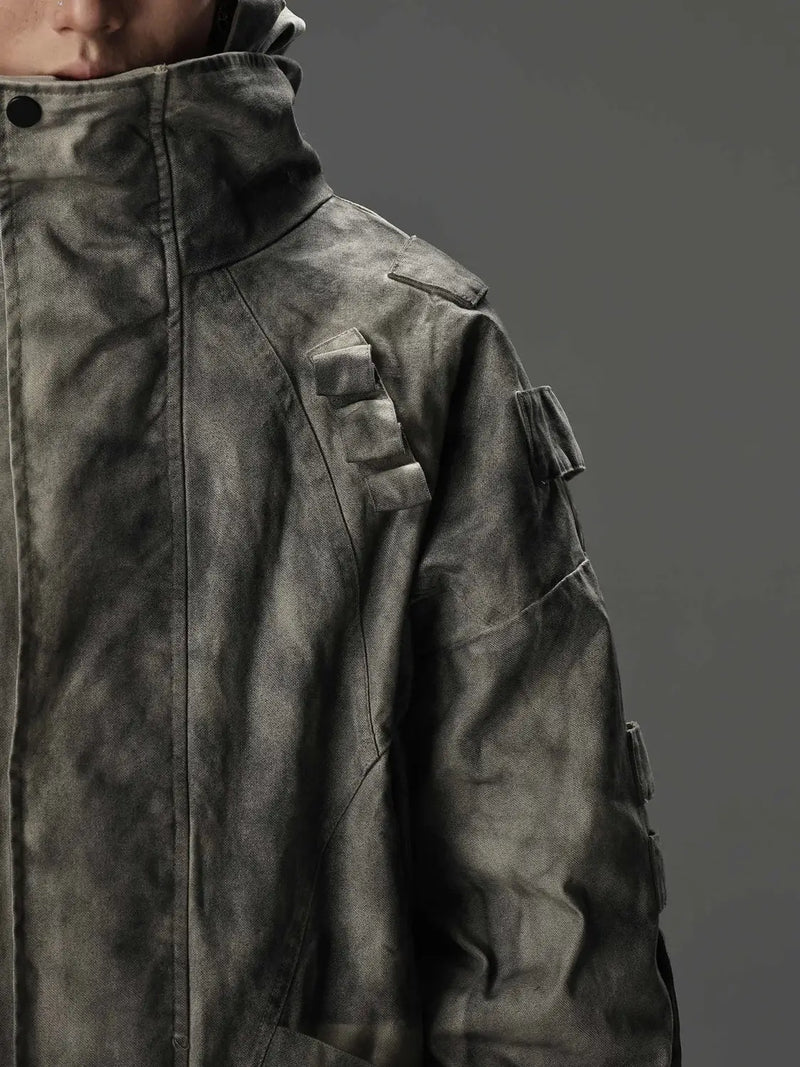
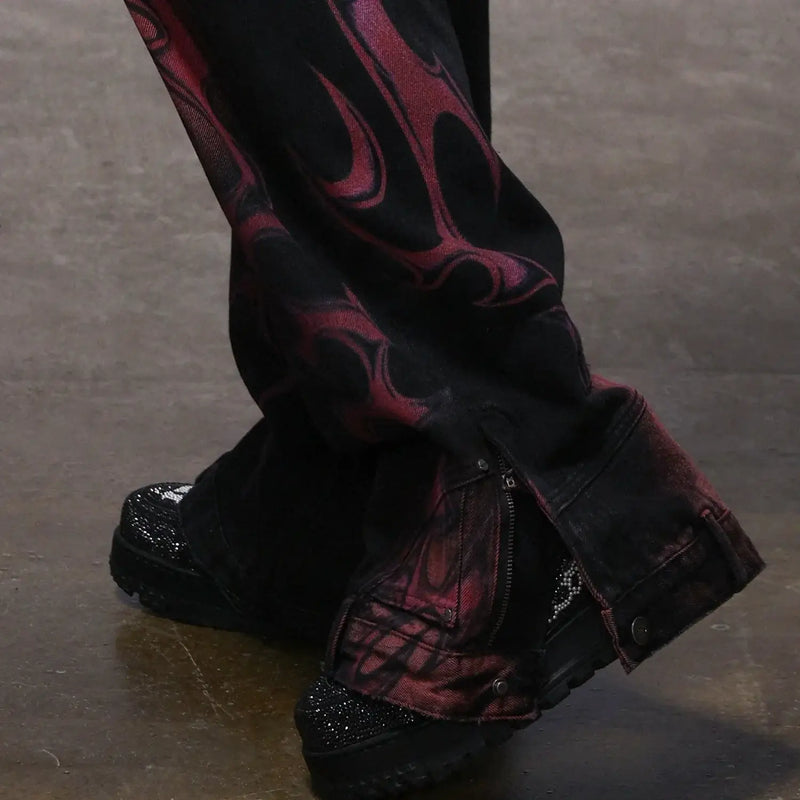
This is what a streetwear cart that survives the summer looks like:
Timing
When does the Summer Sale Streetwear really start?
Most shops start in late June. That’s no coincidence — it’s the second markdown wave after the first per-piece reduction in May (which nobody notices, because it’s only 10 to 15 percent). From week 26 it gets serious: 30, 40, 50 percent, sometimes staggered over six weeks.
If you want really good deals, you know the three phases. Phase one: the expensive statement pieces — sets, jackets, special editions. They often go straight to -30%, because brands know they won’t move afterwards. Phase two: the solid mid-tier stuff — tops, pants, hoodies — marked down two or three more times. Phase three from mid-August: leftovers, often at -60%, but usually with size gaps („L and XL sold out“, typical).
The fashion weeks in Berlin, Paris and Milan push extra: just before the autumn collection lands, the summer sale hits its final reduction. If you’re patient, you strike between 15 and 30 August. If you know early exactly what you want, you go in during the first sale week (usually late June / early July) and secure your size before the range is thinned out.
What counts
What really pays off in the Summer Sale Streetwear
Sale-worth is a function of three variables: wearable-now, fills-an-outfit-gap, lasts-till-next-year. If a piece covers all three, any percent sticker is fine. If it covers only two, think again. If only one, put it back — even at -70%.
3×
worn until October — minimum goal
€80
saved under the summer original RRP
2
existing outfits the piece completes right away
0
pieces that land in the cart only „because reduced“
These four numbers aren’t marketing — they’re the filter. If you look at a sale piece and can meet at least three of them, buy. Otherwise not. Concretely, in summer 2026 that means:
- Light tops and T-shirts — mesh, jersey, thin cotton. A good summer drop has 10-15 tops at -30% to -50%, 3 of them really good. Find those.
- Shorts and 3/4 pants — cargo shorts, jorts, kanji shorts. Barely reduced in June, yes in July, heavily in August. The season peak is very short.
- Festival and rave sets — mesh tank, distressed pants, tactical vest. Festival season in July/August makes the market genuinely hungry for a quarter.
- Transitional outerwear — light bombers, denim jackets, mesh hoodies. Well reduced in the July sale, full price again in October.
- Statement sets and special editions — complete outfits from a single drop wave. Often reduced all the way out, because the brand brings something new afterwards.
- Accessories with construction detail — buckle belts, silver rings, technical caps. Small in the cart, big in the effect on the outfit.
What’s NOT worth it in the summer sale matters just as much: heavy winter puffers (wait until February), hype sneakers with an artificial resell markup (the RRP is fiction anyway), logo tees at only -20% (wait two weeks, then they’re at -40%).
5 categories
5 categories that really make sense in the Summer Sale
Not all streetwear categories are equally smart to buy in July. Some reduce harder than others — and some are simply the wrong season window in summer. We take the five categories where sale buys demonstrably add up in 2026.
The order isn’t random: tops are the safest sale piece, because they’re the least season-dependent. Statement sets are the riskiest, but the one with the highest outfit value per euro — if you catch the right one.
Gender split
Streetwear Sale for Men vs. Women — what differs
The sale mechanics are the same. What differs is the selection per size and the reduction depth in certain categories. „Men’s streetwear sale“ is the more common search, because most streetwear brands have a broader men’s range. Women’s streetwear sales are often leaner, but with deeper reductions on the less-ordered pieces.
Men’s side: reduced harder in cargo pants, hoodies, bombers, tactical vests. Sizes S and XL empty first — if you wear M or L, you have the broadest pool. Tip: always check the unisex category, it’s often reduced separately and holds most of the men’s sizes.
Women’s side: reduced harder in crop tops, mesh pieces, statement sets, distressed denim. Sizes XS and XL stay available longest. If you wear oversize (any gender), you can use the bigger sale selection with men’s sizes — the oversize cut makes the fit difference irrelevant.
What both sides share: the good sets go first. If you see a 2- or 3-piece set that fits and is there in your size — buy on day one of the sale. Sets are the sale piece with the shortest availability.
Brands & Shops
Streetwear Brands in the Summer Sale — who really reduces
Not every sale is a real sale. Some brands raise the RRP two weeks before the sale and then turn the sticker back to the old price level. Legal, but no deal. Others reduce systematically and honestly. The dividing line runs roughly along these brand types:
- Skate and action-sport shops — Blue Tomato, Titus, SNIPES. Big range, honest reductions, but wide brand variance. Top brands reduced mildly, leftovers deeper.
- Mainstream outlet pages — Adidas Outlet, Nike Sale. Last-season goods genuinely reduced, current releases never on sale. Good for basics, bad for statement.
- Streetwear boutiques — Hidden Corner, FRDM, Pacific. Curated, smaller range, often -30% to -50% on good mid-tier brands. Limited sizes, but fair prices.
- DTC brands — direct from brands like Fūga Studios, Stüssy, Carhartt WIP. Own sale pages, honest RRP logic, but rarely below -40% because there’s no middle margin to sacrifice.
- Resell platforms — Grailed, Vinted Pro, Vestiaire. No real sale, but in July/August often cheap listings, because sellers make room for the autumn wardrobe.
- Fast-streetwear shops — Shein, Boohoo, Pretty Little Thing. „Sale“ here is the default marketing state. Careful: quality often doesn’t match the reduced price, let alone the original RRP.
The rule of thumb: the more transparent a brand is with its normal pricing (no permanent discount, clear RRPs), the more likely the sale is a real one. A brand that discounts all year has nothing to reduce in the summer sale — the sticker then means nothing.
Category · Tops
Summer Tops & T-Shirts on Sale — what adds up
Tops are the safest sale category. They have the widest wear window (April to September), fit almost any outfit, and reduce hard in July because brands need room for the autumn collection. A good sale top often costs 30 to 40 percent less in August than in May.
What to look for: pearl-collar tees with construction detail, V-necks that sit slim but fall loose, jersey prints with graphic. What to avoid: logo-central T-shirts (age badly), mesh tops in neon (season too short), 100-percent polyester tees (smell problem after two wear cycles).
If you buy only one sale top, make it one with construction detail (pearl collar, contrast stitch, cut-out). Plain tees you get new all year for 20 euros — the detail is why the sale click pays off.
Category · Bottoms
Summer Pants, Shorts & Cargo on Sale
With bottoms it gets seasonally sharp. Shorts and 3/4 cargo have a real season window — July to August in everyday wear, plus festival weeks. Brands know this and reduce hard, because stock has to be out by September.
What works: Y2K camo cargo shorts with leg width (not tight at the knee), jorts with a distressed edge, convertible jeans wearable long in spring and as shorts in summer. What doesn’t work: skinny shorts (don’t wear well), pure sport shorts with big logos (go with nothing), cargo shorts with too short a leg above the knee (look like a hiking group).
The convertible logic is especially good on sale: pants that cover two wear windows are worth double when reduced in July. Long jean in spring, zip off to shorts in high summer — one piece, two seasons.
Category · Festival
Festival & Rave Pieces in the Summer Sale
Festival season July/August makes the market for rave pieces especially interesting in summer: high demand meets high stock, because brands produced for Berlin, Mannheim, Tomorrowland and a thousand smaller open-airs. Buy smart on sale and you have your festival outfit at two-thirds of the normal price.
Works: mesh tanks, tactical vests, distressed denim sets, reflective caps, technical cargo pants in black or camo. Doesn’t work: elaborate print tees with a festival date (dated after two weeks), pure costume pieces (worn once, then dead), mesh tops in pastel (not club-ready, festival only).
Sets are especially smart in the festival context: a coordinated 2- or 3-piece outfit saves the search-matching in everyday life. You put it all on, head out, done — no outfit decision at the entrance.
Category · Statement
Statement Pieces: Jackets & Sets in the Summer Sale
Statement pieces are the sale category with the highest risk and the highest reward. A well-reduced studded denim jacket or a field coat in technical fabric is a third cheaper in July than in autumn. The same piece worn for a year gives the best cost-per-wear of the whole wardrobe.
What to look for: light transitional jackets (denim, bomber, coach jacket) you can wear right away and keep using in September. What to avoid: heavy down puffers in the July sale (look too cheap, because nobody wants to buy them now), trench coats under -40% in polyester (fabric decides, not the sticker).
The simplest rule for statement buys on sale: picture yourself wearing the piece in October, in two outfits you already have. If you can visualise the outfits right away — buy. If you have to think long about what to wear with it — leave it.
Buying strategy
How to buy really smart in the streetwear sale — the logic behind the click
Smart sale buying is a question of order. Most people open the sale, scroll, click what looks cheap. That produces full carts with empty outfits. The better order: first identify the gap in your own closet, then filter the sale by it, then buy.
Ein guter Sale-Cart ist ein Cart, der zu Hause sofort sortierbar ist: ein Top zu zwei vorhandenen Hosen, eine Hose zu drei vorhandenen Tops, eine Jacke zum Sommer-Outfit, das bisher zu kahl war. Kein einziges „mal sehen ob's passt".
In practice: before you open the sale, do a 60-second closet inventory. Which two outfits do you wear constantly? Which two do you want to wear but are missing a piece? Write down the gaps, then go into the sale and search on target. You leave the shop in 15 minutes — not 90 — and with a cart that doesn’t disappoint.
If you want to stack summer-sale pieces cleverly, look at the adjacent niche codes too. Festival wear shares cuts with rave outfits, Y2K shares wash with distressed streetwear, Techwear shares hardware with tactical outerwear. Read the neighbours and you combine more broadly and buy fewer duplicates.
Four spoke guides that pay straight into the summer-sale theme:
Seasonal
July vs. August — what to buy when
The sale has its own micro-seasonality. What’s still too expensive in July is the deal in August — and vice versa. Understand both phases and you buy every piece at the best point in its reduction cycle.
July strategy: buy sets and statement pieces right away. They go out early, because the brand wants to bring new stuff after. Come back in August and you won’t find them — even if the sticker is deeper then. Size availability is far better in July.
August strategy: basics, mid-tier pieces, anything where size isn’t a bottleneck. Tops, shorts, standard pants often get marked down again in August (from -30% to -50%), and you still find most sizes. If you can wait, you save another 15-20 percent here versus July buys.
The same pattern works across convertible pieces too — a piece whose cut adapts to several seasons is doubly smart in the summer sale, because it stays in play in spring and autumn.
Here's what that looks like in motion:
What does not work
The 6 most common sale traps — what kills your cart
Six mistakes reliably cost you money and closet space in the summer sale. If you avoid only one of them, make it mistake number one.
Action
The 4 Pieces for Your First Summer-Sale Cart
You don’t need a 20-piece cart to pull something usable from the summer sale. You need four. One statement jacket (transitional), one summer top with construction detail, one cargo short or wide-leg pants, one festival or statement set. Everything else builds around these four.
Order: statement jacket first (biggest impact, one-season window), then the set (second-tightest stock), then cargo/shorts (season peak July/August), lastly the top (always available, marked down again in August). Click in that order — the cart stays disciplined.
Outfits for real
Summer Sale Streetwear for real — how it looks in everyday life
Before you build your own sale outfit, look at how the pieces actually sit. Lookbook photos are nice — the Instagram feed with buyer outfits is more honest. There you see how a cargo short sits on different body sizes, how a mesh top looks in daylight, how a set reads without studio lighting.
That’s the fastest sanity check before you hit the sale click — does it look on a real person the way you want it.
To close
Summer Sale Streetwear is strategy — not a click reflex
If you remember one thing from this guide, it’s this: a sale is not a gift, it’s an auction with a time limit. You win by knowing beforehand what you want — not by scrolling the browser and reacting to red stickers. That’s the difference between an empty August cart and a full September closet.
The whole logic of this guide in one sentence:
The sale logic is stable over the years — three phases, five worthwhile categories, six typical traps. What changes is only what the brands are reducing right now. Understand the mechanics once and you buy smarter every year, even as the pieces themselves change.
And that’s the point: Summer Sale Streetwear sounds hectic in theory (50% off, strike fast) — but feels calm in practice once you have the plan. One gap, one search, one buy. Cart empty, outfit full.
FAQ
Frequently asked questions about Summer Sale Streetwear
The questions we often get by DM before and during the summer-sale phase — short, clear, no detour.
When does the streetwear summer sale really start in 2026?
What’s really worth it in the Summer Sale Streetwear?
How do I tell a real sale from a fake discount?
Should I buy sets or individual pieces in the summer sale?
Which streetwear brands have the most honest summer sales?
Is it worth buying in July or in August?
How do I avoid my sale cart hanging unworn in the closet in October?
What do you think?
Tell us on @fuga_studios
About the author
Philipp Fuge — Founder · Berlin
Founder of Fūga Studios. Writes the journal himself. Berlin · Shanghai · Tokyo · Poznań — four cities, one logic.