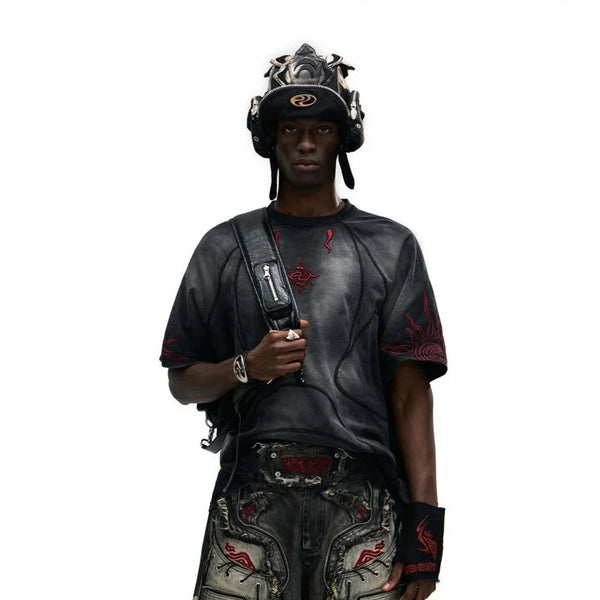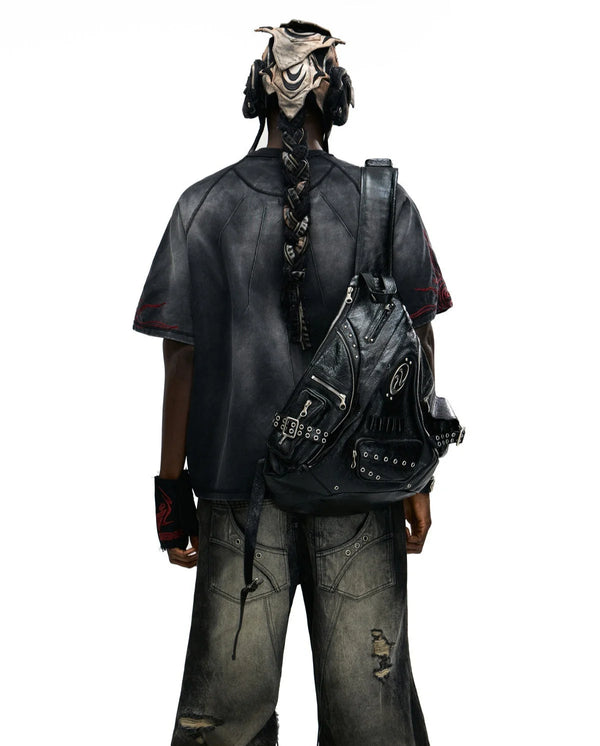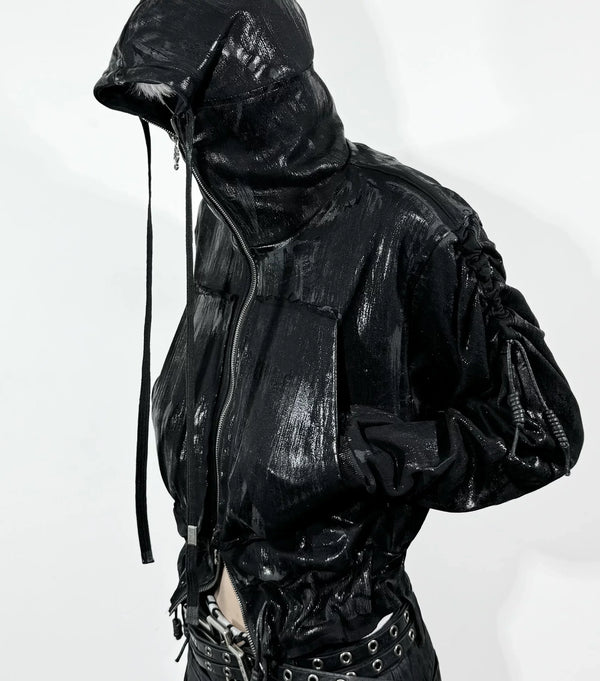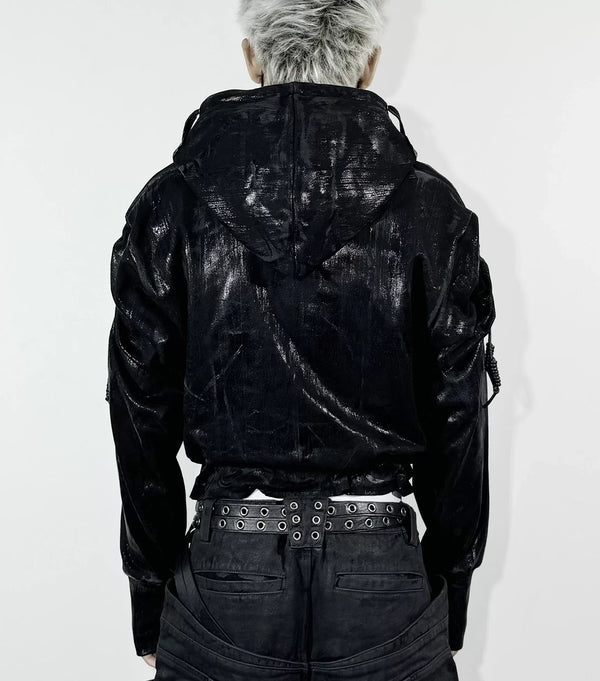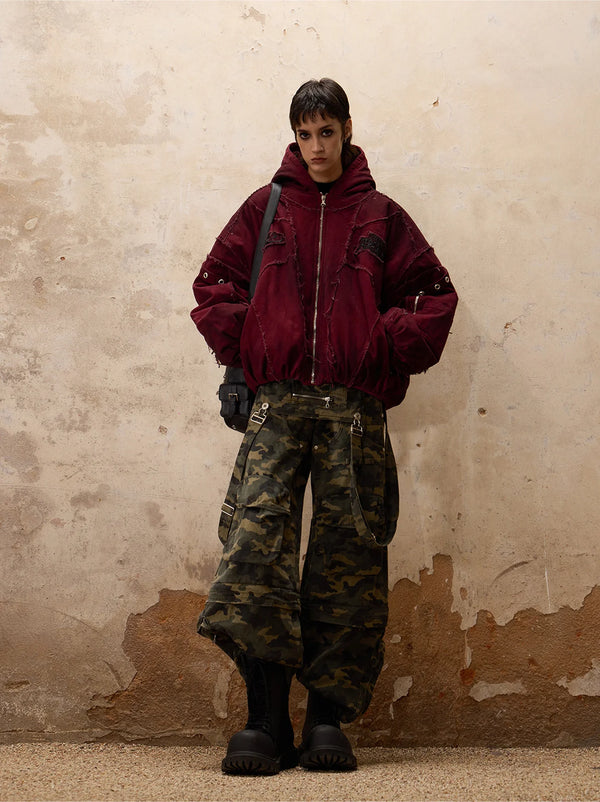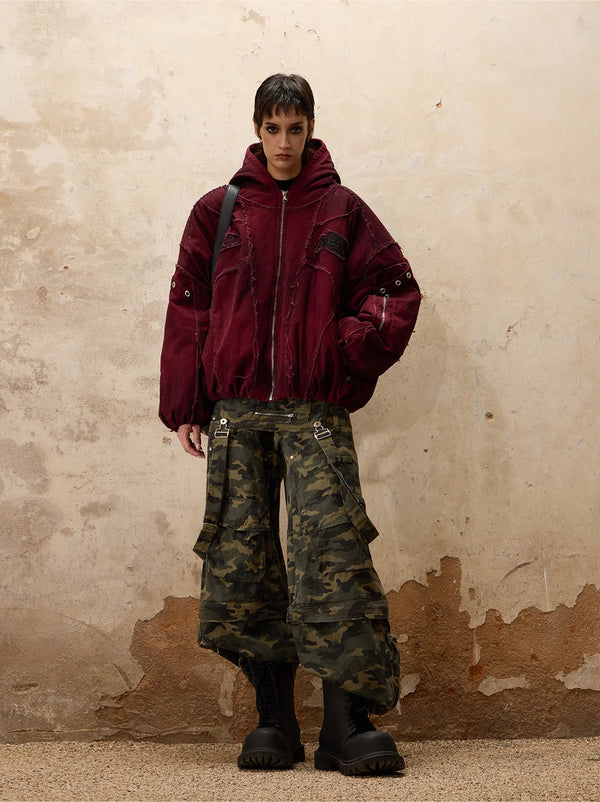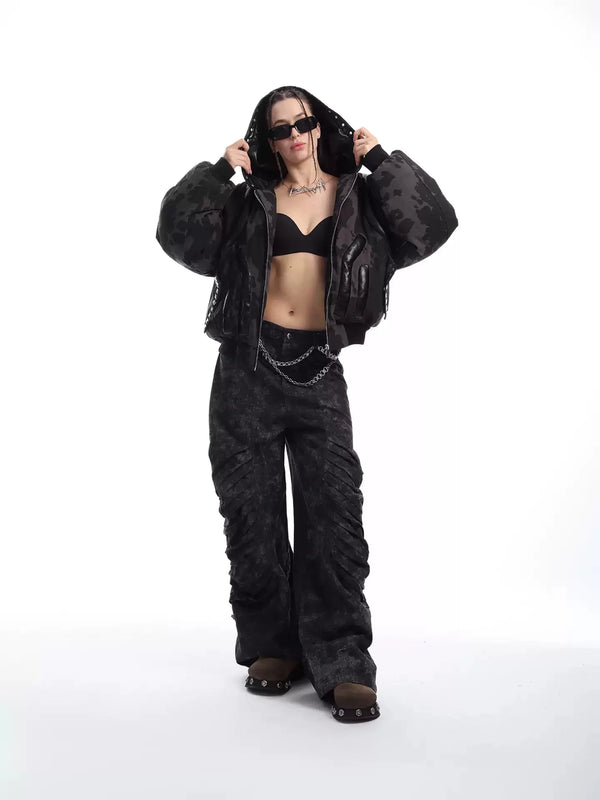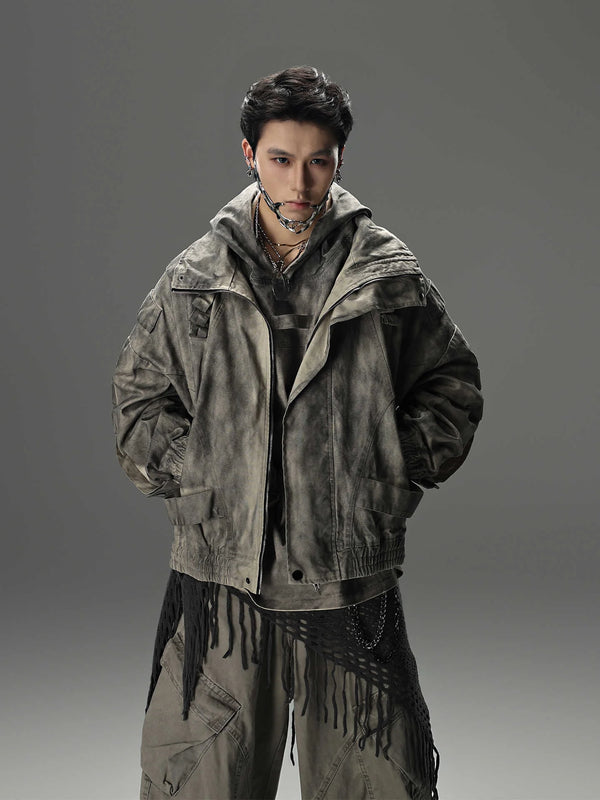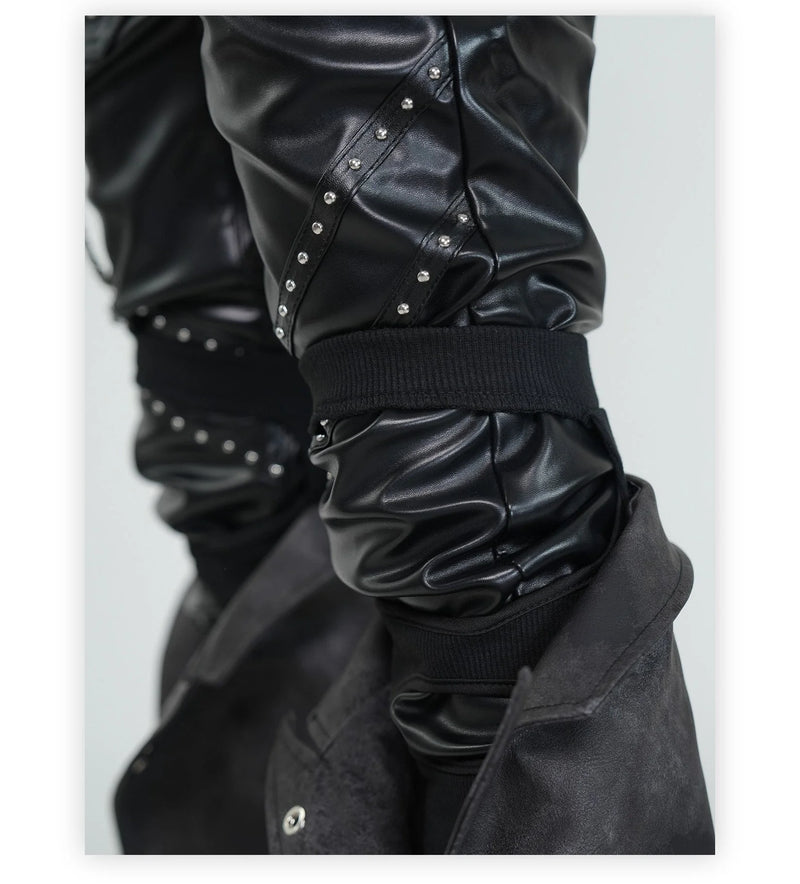
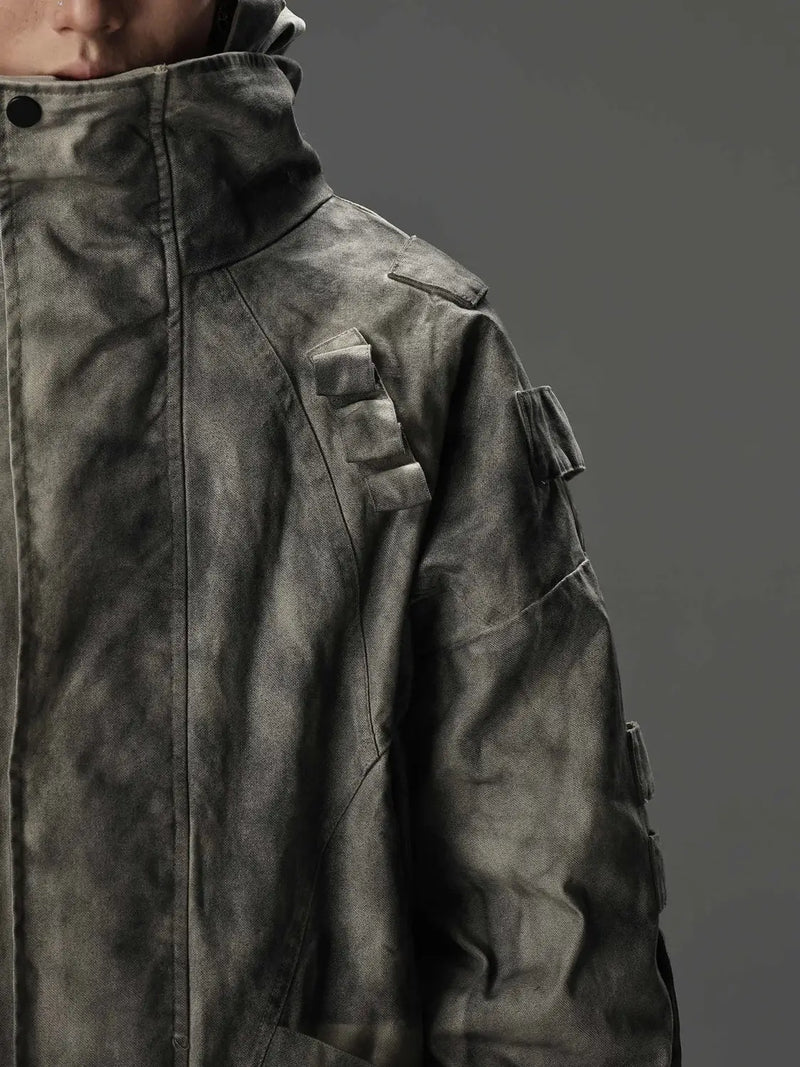
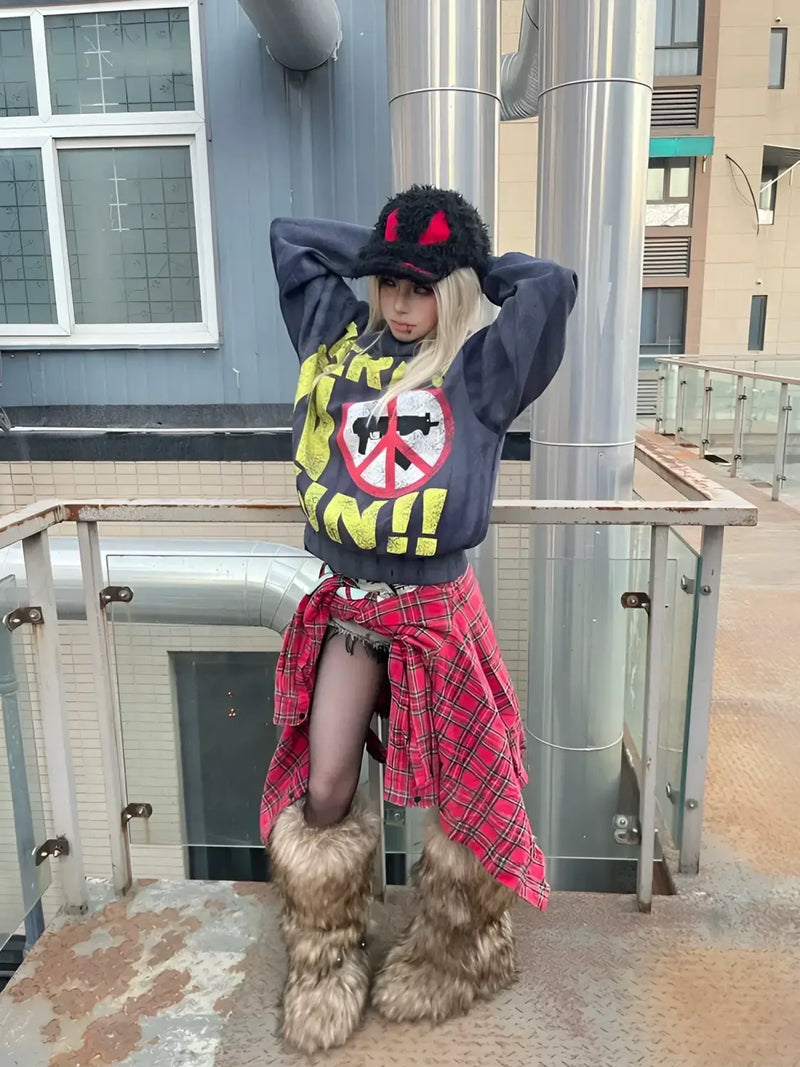
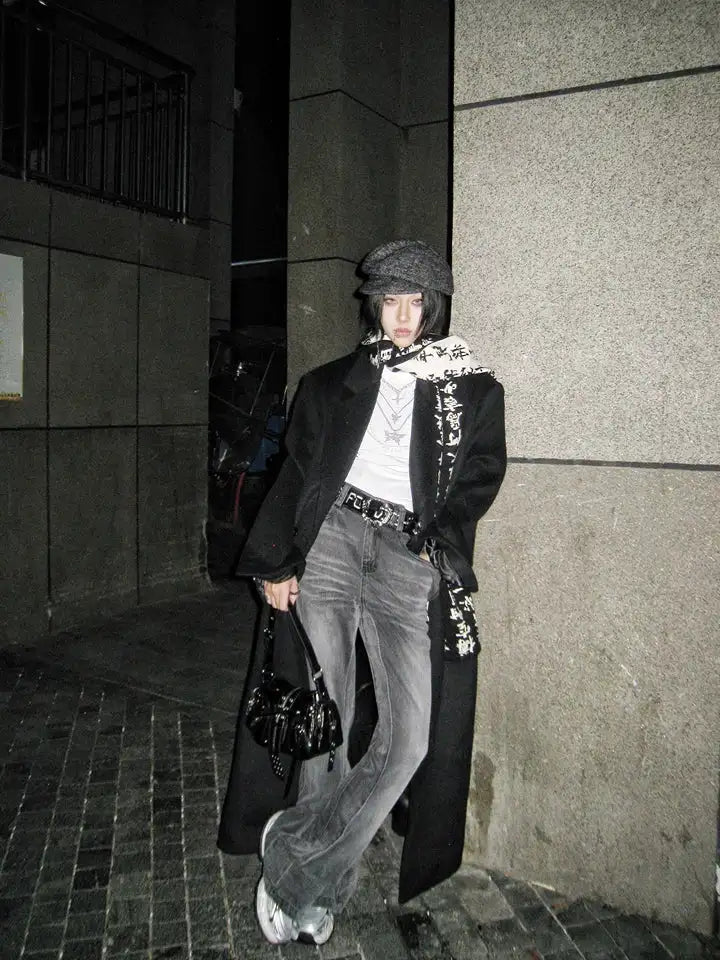

Saturday afternoon on Takeshita-dori. Between crêpe stands and plush-toy shops, a guy pushes through the crowd: an embroidered padded jacket, wide jeans, a cap that looks like it has had three previous owners. None of it is random. Every piece comes from a label that knows exactly what it is doing. In Tokyo, clothing is not a backdrop – it is the statement.
Harajuku fashion brands are the Japanese labels that define the look of the Tokyo district: from heritage houses like Comme des Garçons and A Bathing Ape to young streetwear brands and cheap chains like UNIQLO. They combine craft, graphics and silhouette into outfits that stand out without looking like a costume. If you want the bigger picture, read our Japanese fashion guide – here we focus on the brands themselves and how to wear them.
We sort the landscape from the bottom up – first what defines the look, then the names that matter, and finally the pieces you start with yourself. Not a brand ranking to memorize, but a map to keep in your head on your next shopping trip.
Definition
What defines Harajuku fashion – and why the brand matters
Harajuku is a district in Shibuya ward, not a style with a fixed uniform. That is exactly the point: what is worn there is a mix of subcultures that have overlapped since the eighties. Punk meets Kawaii, vintage meets avant-garde, school uniform meets vinyl. The brand is not decoration here but the thing that holds the look together. A wide shirt from a no-name chain sits differently from one cut for this silhouette.
The difference is in the detail: cut, fabric weight, how a graphic is placed. Japanese labels think about clothing from the body outward, not from the trend. That is why a well-made piece lasts longer and wears more cleanly. A cheap shirt turns into a shapeless sack after a few washes, a considered one keeps its line – and that line is what carries the whole look.
It also matters that Harajuku was never a single look. The scene always lived on friction: the sweet against the hard, the old against the new, expensive next to cheap. That is exactly why the style works so well with a mixed wardrobe – you do not need one label in full, but the right piece from different corners. The following numbers put what we are talking about in context.
1980er
Origin of the Harajuku scene
3
Levels: avant-garde, streetwear, chain
1 Viertel
Takeshita-dori to Cat Street
Anyone who knows the three levels understands every price and every piece they come across in Tokyo or online. Before we name the names, let us quickly clear up the word itself – because it gets used wrong more often than you would think.
Word origin
What Harajuku actually means
In plain terms, Harajuku simply means “meadow lodging”, loosely “meadow station” – the name goes back to an old post station and has nothing to do with fashion. The connection only formed when teenagers gathered there on weekends in the eighties and turned the street into a stage. The place gave the style its name, not the other way around.
That explains why there is no single “Harajuku brand”. It is a geographic umbrella term for everything that gained a foothold in this district. That very openness is what makes the brands so different – and the look so hard to copy.
With that foundation, it is worth looking at the names that made the style big – first the classics, then the young generation.
The classics
The best-known Japanese fashion brands
A few houses put Japanese fashion on the world map in the first place. They are the reason a wide cut or a deconstructed seam reads as “Japanese” today. These names come up in every serious conversation about the style.
- Comme des Garçons – Rei Kawakubo’s house has stood since 1969 for deconstructed cuts and the idea that clothing does not have to flatter.
- A Bathing Ape (BAPE) – Nigo’s label brought the camo print and the graphic-hoodie culture from Ura-Harajuku to the whole world.
- Undercover – Jun Takahashi combines punk attitude with couture construction, a fixed point of the scene since the nineties.
- Yohji Yamamoto & Issey Miyake – the avant-garde axis that turned black, draping and pleats into a language of its own.
- Neighborhood & WTAPS – the military and biker root of Japanese streetwear, raw and precise at once.
These labels are rarely cheap, but they explain the rest. Anyone who understands their silhouettes recognizes them in every piece – even in ones that cost a fraction. A wide, deconstructed cut goes back to Kawakubo, a dense graphic print to the BAPE school, a raw-stitched edge to the military root of WTAPS. These signatures travel through the whole scene, all the way into pieces that never carry a heritage logo.
For everyday, though, what counts is what is young and wearable right now. The classics are the museum where the style is kept – the street lives on the brands that reassemble those ideas cheaper, faster and louder.
The next generation builds on this foundation, but at a different pace and different prices. This is where it gets interesting for the real everyday look.
The young guard
Modern Japanese streetwear brands that matter right now
Alongside the heritage houses there is a wave of younger labels carrying the style forward – often straight out of Ura-Harajuku, the side streets behind the main shopping stretch. They mix graphics, workwear and Y2K references into something that looks like today rather than archive. The advantage for you: these brands are more accessible, change faster and hit the zeitgeist more precisely than the big names that live in the museum more than on the street.
Instead of memorizing dozens of labels, it helps to think in directions. Almost every young brand fits one of a few archetypes – and once you know them, you find the right look no matter which name is sewn in.
Instead of memorizing names, it pays to think in these directions. They help you place a piece no matter which label it comes from. And they lead straight to practice: where do you start?
The entry point
Tops and shirts: the way into the Japanese brand look
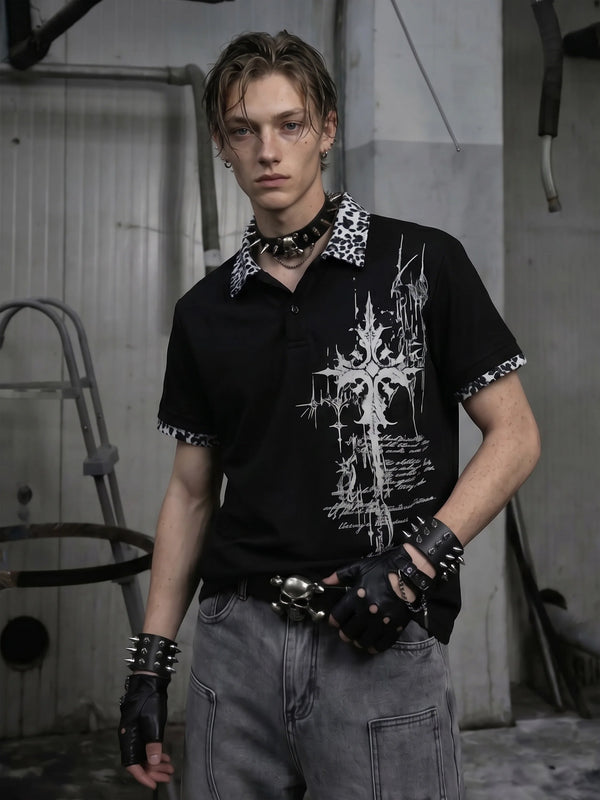
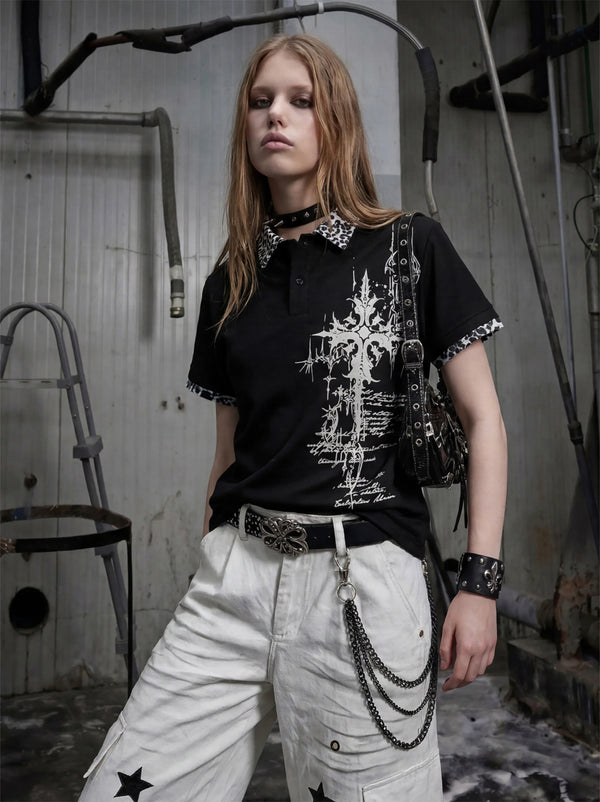
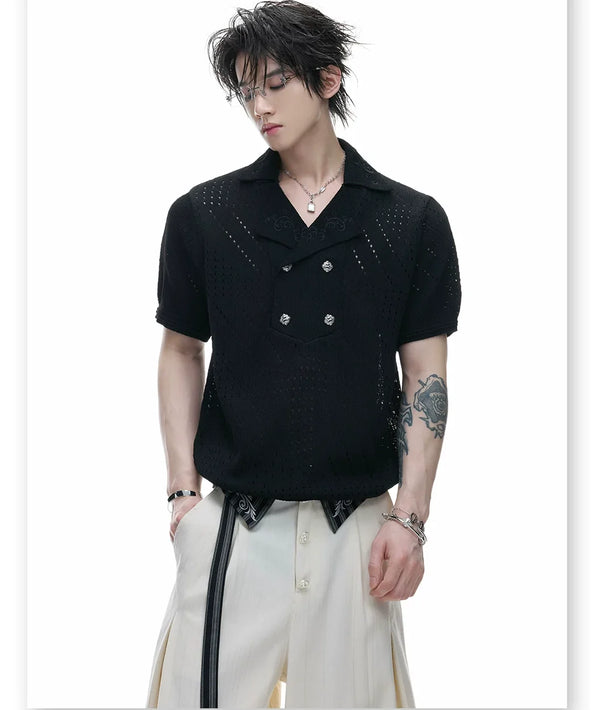
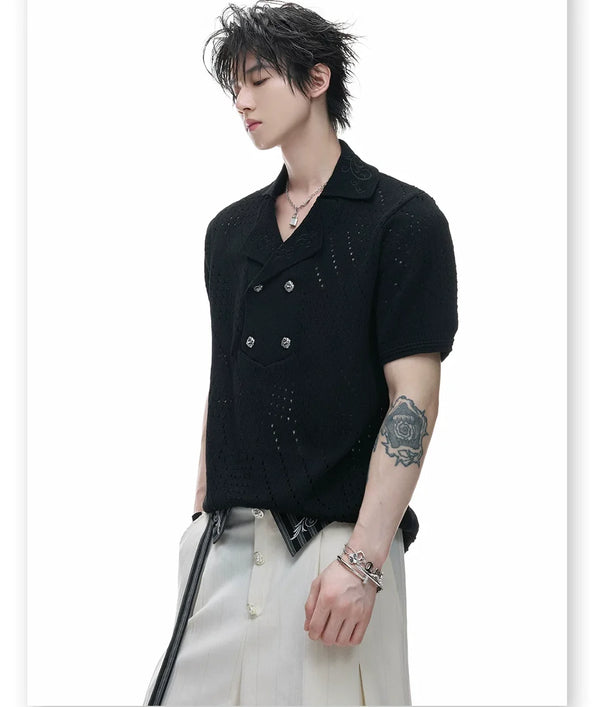
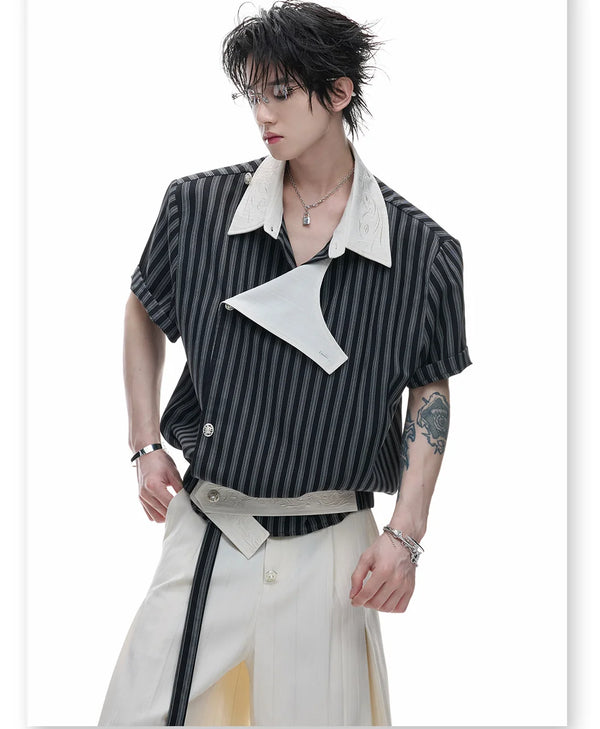
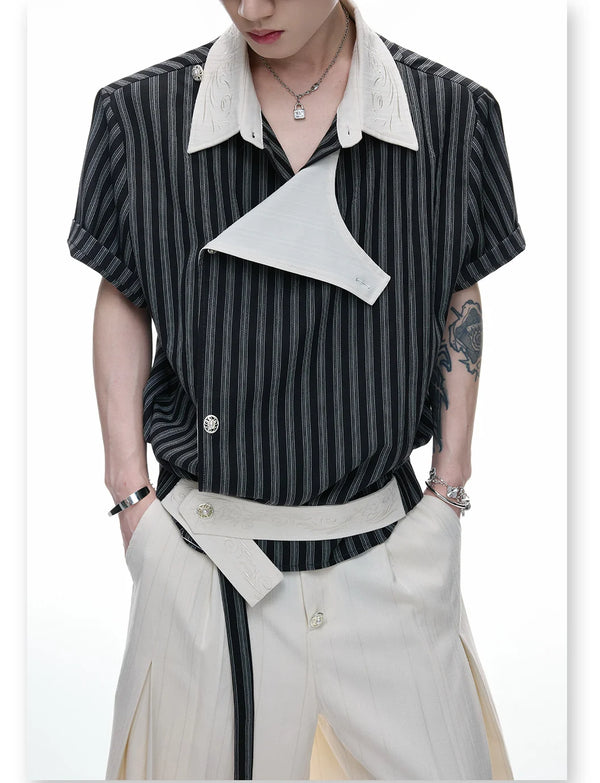
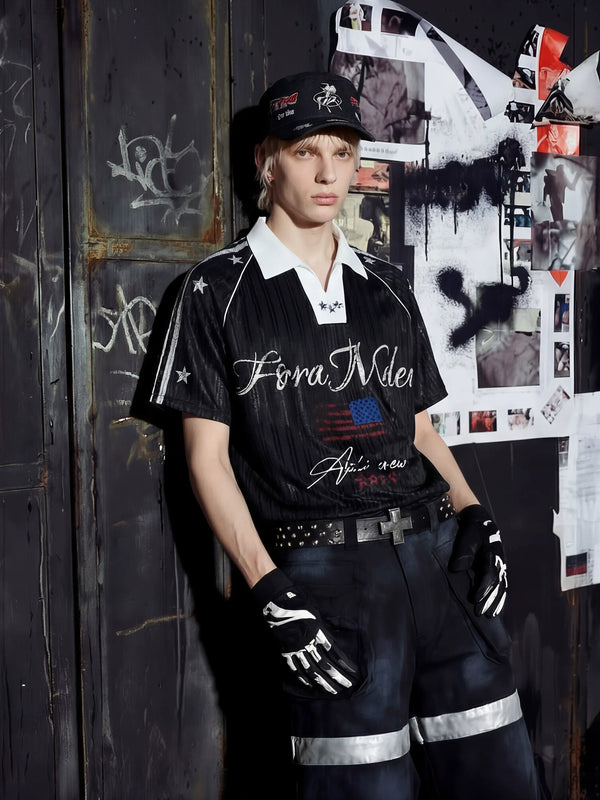
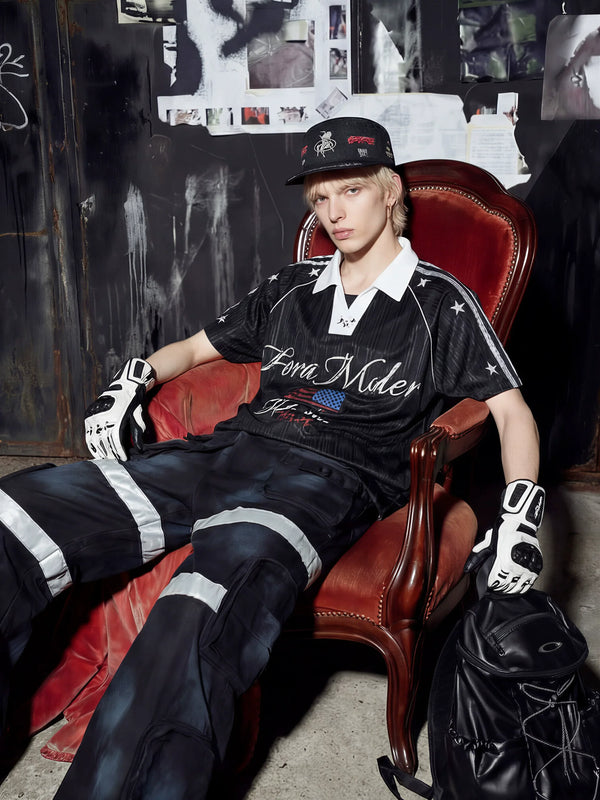
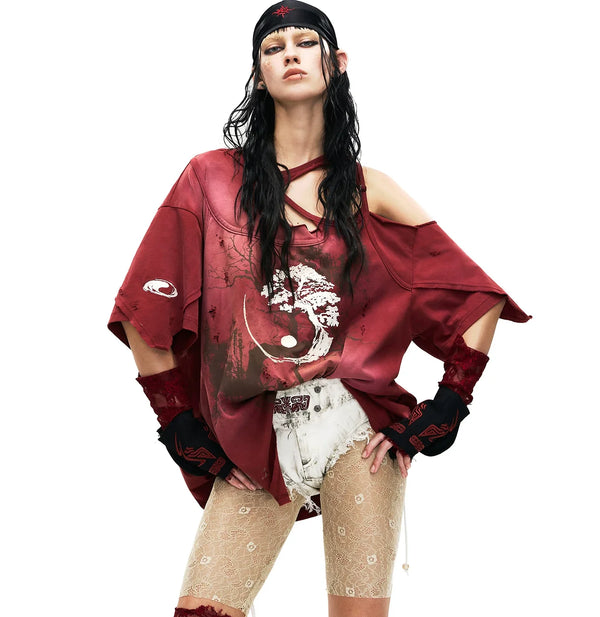
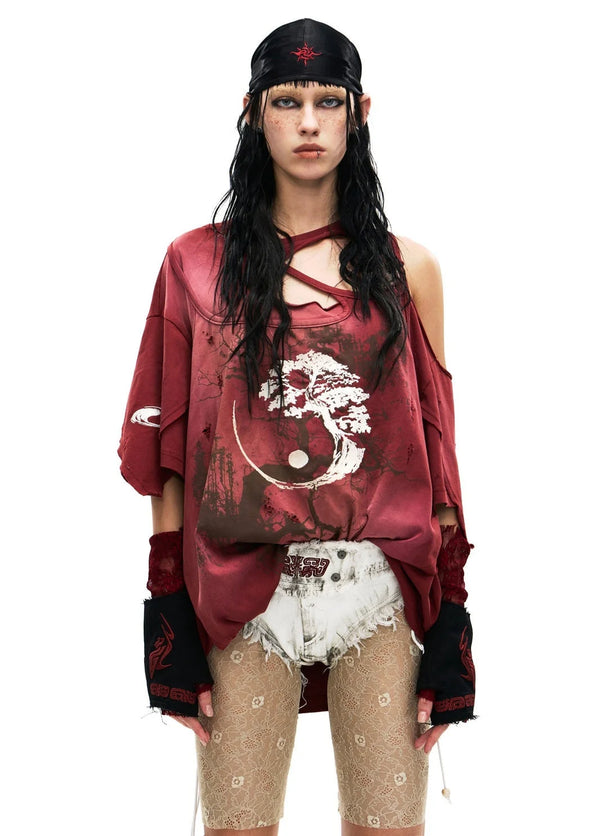
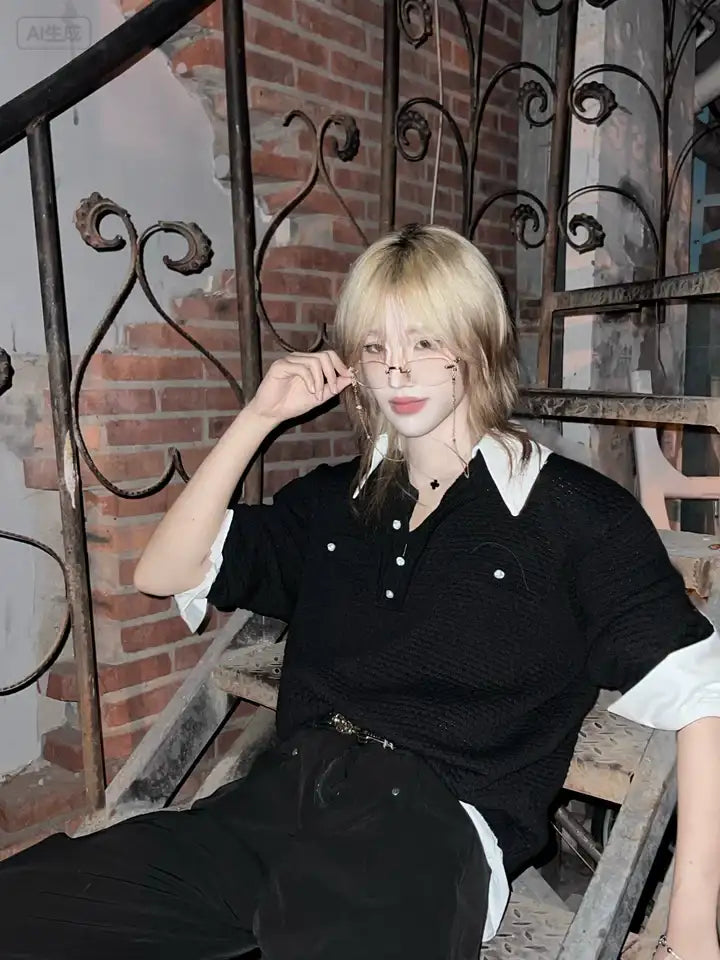
A top carries the whole look. In Japanese streetwear the shirt is rarely plain: a graphic, an unusual cut or a collar that deliberately breaks rank. Start here and you build the rest of the outfit around one strong top – the easiest way to hit the style without overdoing it.
A graphic shirt or a jersey polo with a print works solo under an open jacket or as a contrast to wide trousers. The trick is in the fit: not too tight, but not shapeless either. Next we clear up where the basic pieces come from – and why a fast-fashion chain belongs in the picture.
The basics
Japan’s most popular clothing chains
Ask for the most popular clothing store in Japan and almost always one name comes up: UNIQLO. The chain – like its younger sibling GU – supplies the invisible base of almost every Tokyo look. White tees, solid-color knits, well-fitting trousers. None of it screams Harajuku, but without these pieces the loud rest does not work.
The point is the role: chains provide the quiet surface on which the statement pieces work. A look made only of highlights ends up looking like a costume. That is exactly why cheap basics belong in the brand question – they are the foundation, not the compromise.
Which brings us to the silhouette that defines the look from below: the trousers. Nothing changes a figure as fast as the right leg.
The silhouette
Wide trousers and denim: the shape of the scene
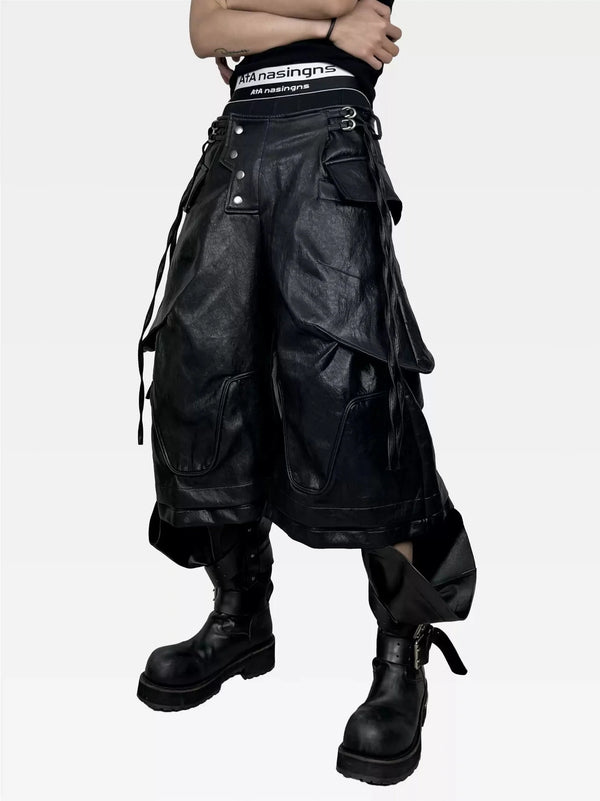
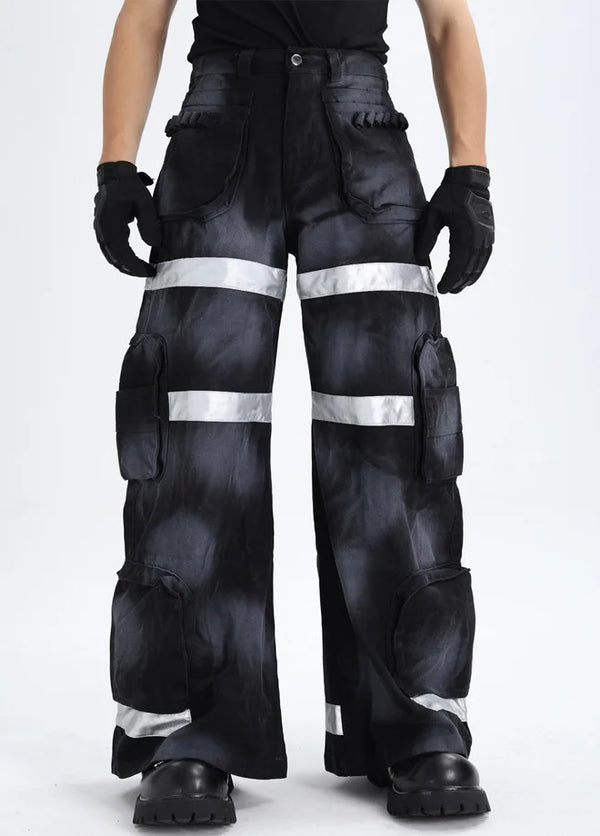
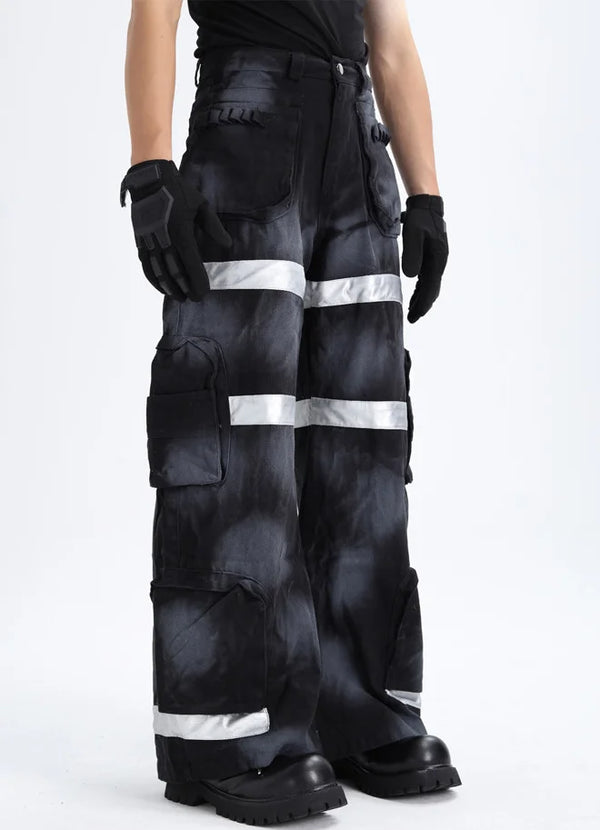
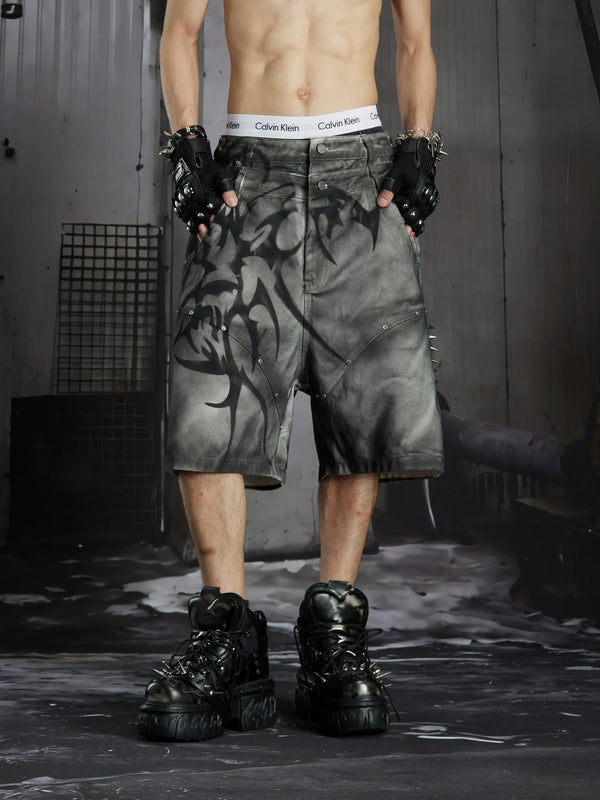
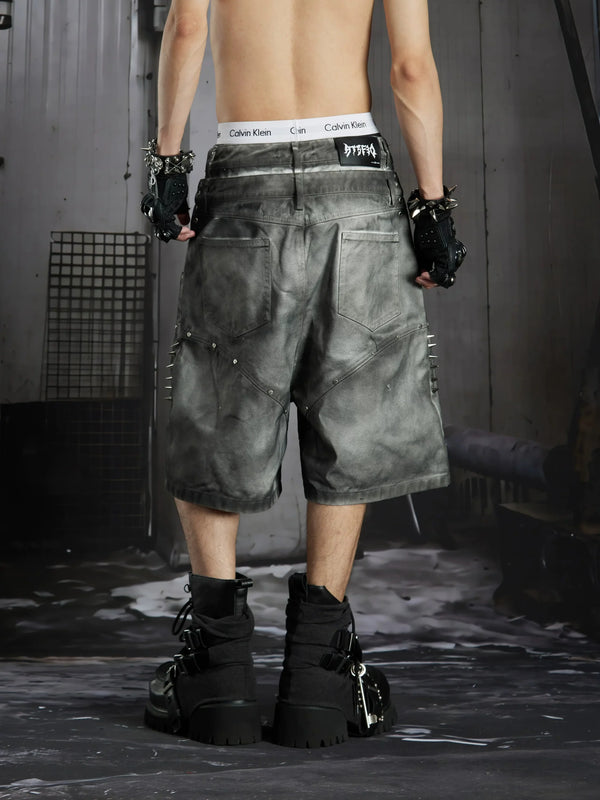
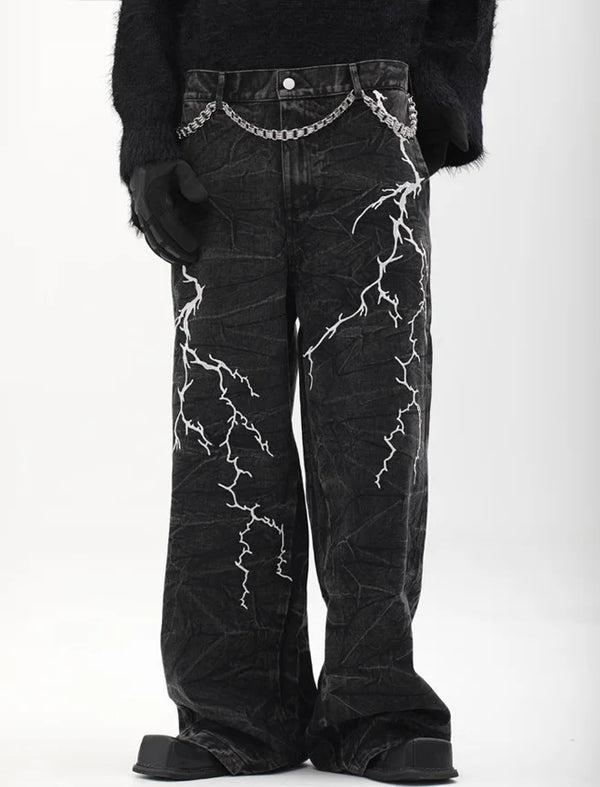
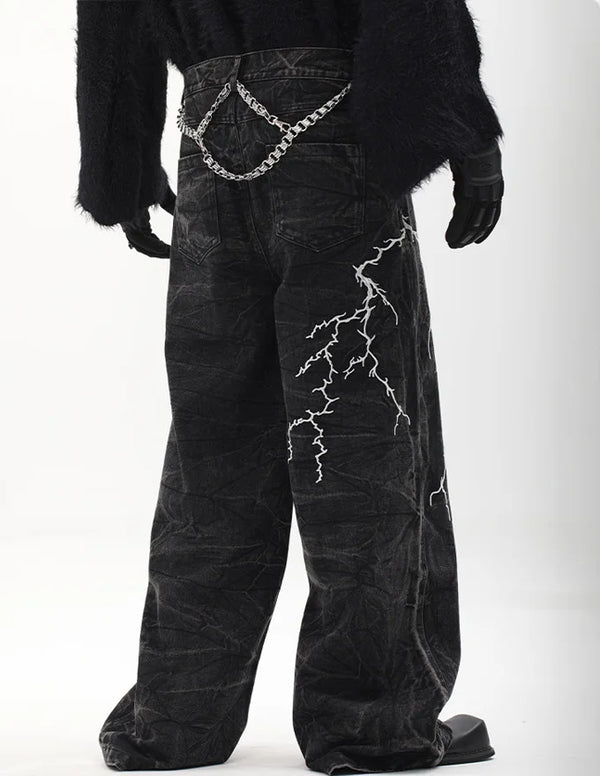
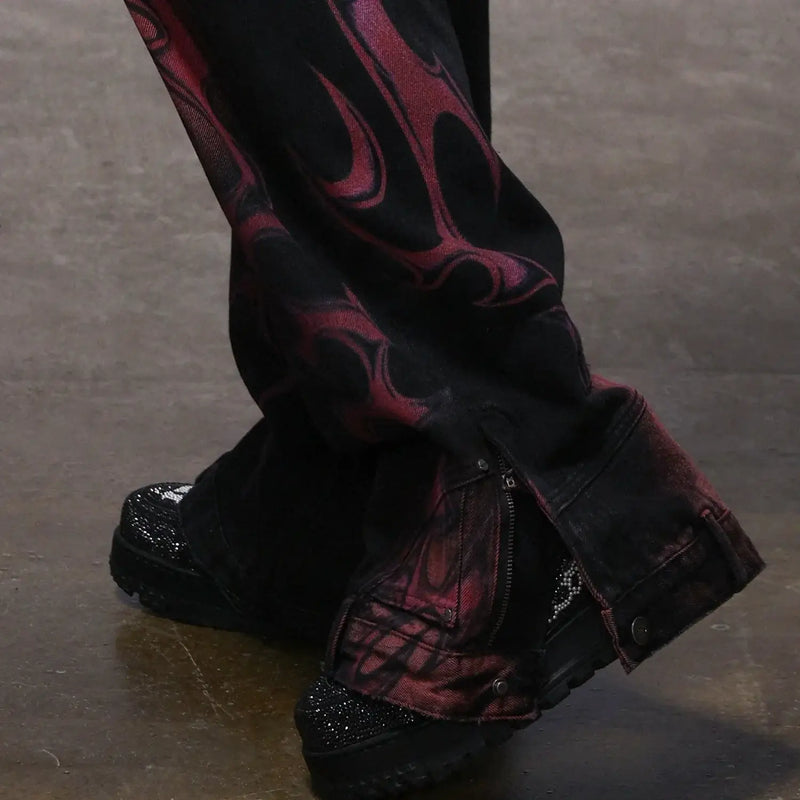
The Japanese streetwear silhouette starts at the bottom. Wide legs, a low rise, fabric that falls rather than stretches – the counter-design to the skinny era. A wide trouser instantly turns a simple top into a look with intent. Denim with a print or embroidery adds an accent without you needing to add anything else.
Pair the wide trouser with a slightly shorter or more fitted top so the proportion works. Wear both wide and you disappear into the fabric. Before we get to layering, a short moment for the look in motion – that is where the silhouette shows most clearly.
In the clip you see how a single wide piece sets the whole rhythm of the outfit. This very interplay decides the next level: the jacket.
Layering
Layering and jackets: where Japanese brands shine
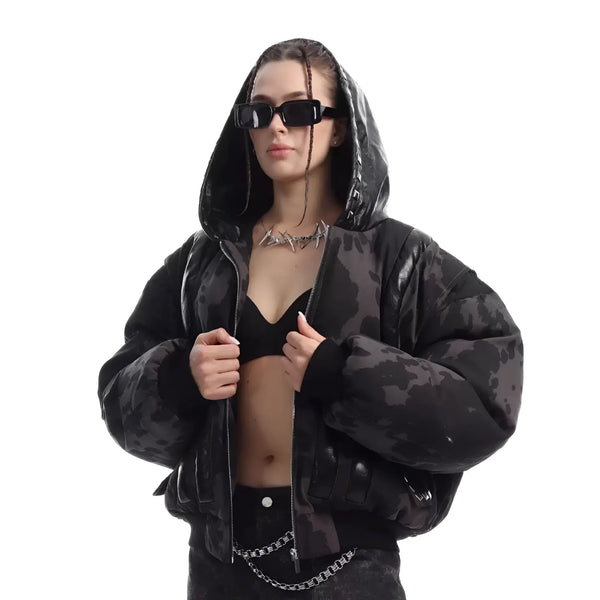
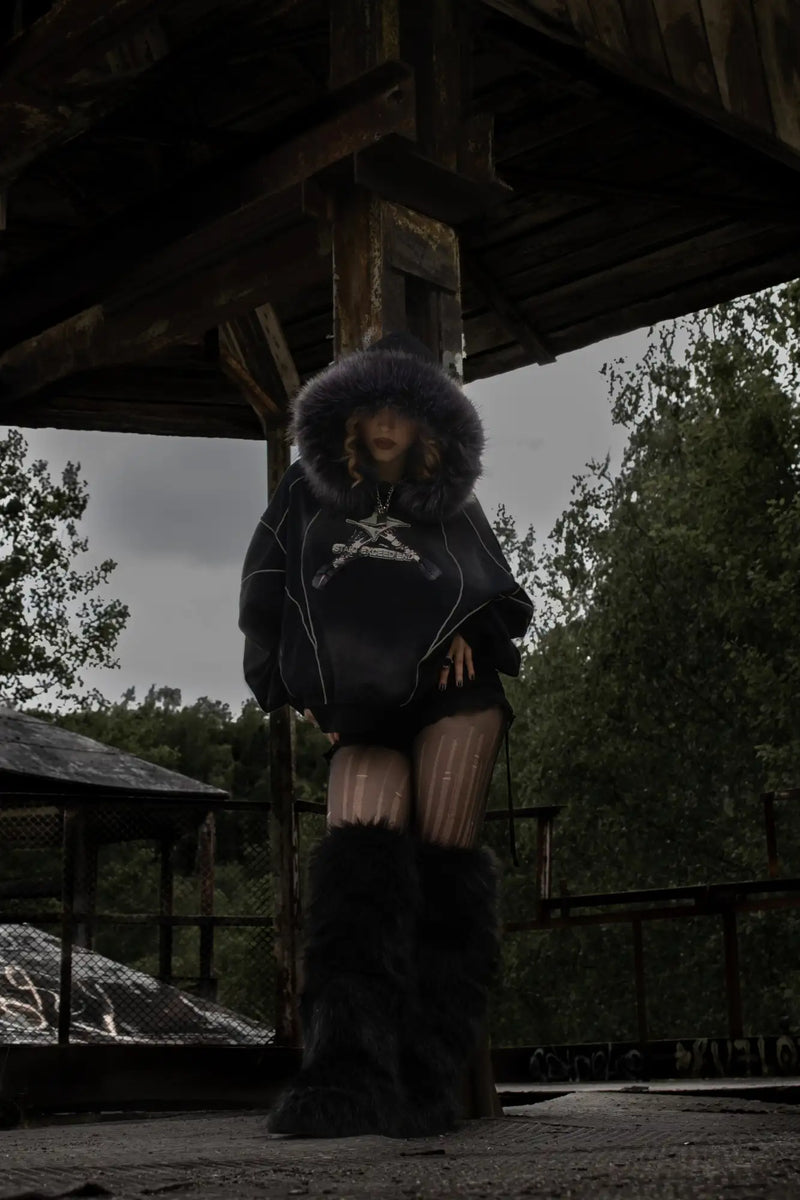
In Tokyo the jacket is the piece with the biggest entrance. Whether a padded jacket, a puffer or a fuzzy leather jacket – it finishes the look and often delivers the most dramatic detail. Japanese brands treat outerwear not as functional goods but as the centerpiece of the outfit.
A striking jacket needs a quiet base underneath: a plain shirt, trousers that do not compete. That keeps the eye on the statement. What finally holds the look together are the small things – the accessories that often make the difference.
That order is a matter of practice, not talent. And it starts with the details many people buy last and that still change the most.
The details
Accessories: the pieces that carry the look
A keychain on a belt loop, a cap with a patina, a leather belt with a cross detail – in Japanese streetwear accessories are not an afterthought. They are often the point where an outfit tips from “okay” to “considered”. And they are the cheapest way to test the look before you invest in a big piece.
Set no more than two accents per outfit, otherwise style quickly turns into clutter. A keychain plus a cap is plenty. To help you find what you are after faster, here are the categories sorted by level.
With the categories in mind, one question remains that almost everyone asks first: what does this actually cost – and is the price worth it?
Price and quality
What Japanese brands cost – and what the price really tells you
The range is huge. An archive piece from Comme des Garçons costs many times a UNIQLO shirt, and both have their place. What matters is what you get for the money: at the heritage houses you pay for cut and history, at the chains for a reliable base. Expensive does not automatically mean “more authentic Harajuku”.
For everyday the middle path pays off: Japanese-inspired streetwear that hits the silhouette without demanding an archive budget. That is how you build a look you actually wear – instead of hoarding one expensive piece in the closet. A fully assembled outfit of mid-priced pieces often reads stronger on the street than a single designer piece that does not play with the rest.
And there is a second reason not to reach blindly for the premium shelf: fit is personal. An archive cut does not automatically sit on you just because it is famous. Cheaper pieces let you try which silhouette really suits you before you invest in an expensive one.
So much for the math. Just as important is what you avoid – because when buying Japanese brands most people run into the same few traps.
Avoid the traps
Common mistakes when buying Japanese brands
Most bad buys happen not with the piece itself but with the expectation. Knowing these five points saves money and frustration – and gets you faster to a look that works outside Tokyo too.
Avoid these points and you have done most of the work. To get started you need no big budget – just one piece that hits the silhouette and the right level on top.
If you want to go deeper into related topics, these guides carry the thread further – from the winter variant to the brand overview.
And if you would rather see the brands in a seasonal context, here are the colder layering ideas and a broader list of names.
Before we sum up, let us clear the questions that come up most often around Japanese brands.
Questions & answers
Frequently asked questions about Japanese fashion brands
Short, honest answers to what we get asked most often about Harajuku fashion brands.
Are Japanese streetwear brands expensive?
How do I recognize an authentic Japanese fashion brand?
Is Harajuku fashion still popular?
Which Japanese brand suits beginners?
How do I wear a Japanese brand look day to day?
That leaves the question of what you take from all this the next time you stand in front of a Japanese piece – online or in Tokyo.
What do you think?
Tell us on @fuga_studios
About the author
Philipp Fuge — Founder · Berlin
Founder of Fūga Studios. Writes the journal himself. Berlin · Shanghai · Tokyo · Poznań — four cities, one logic.