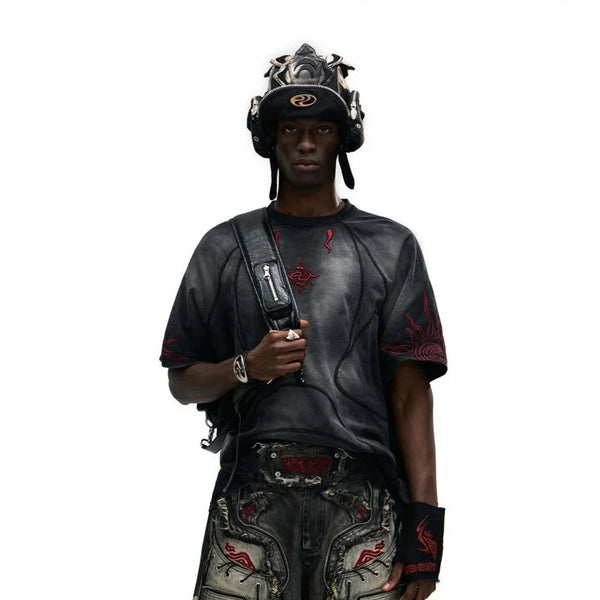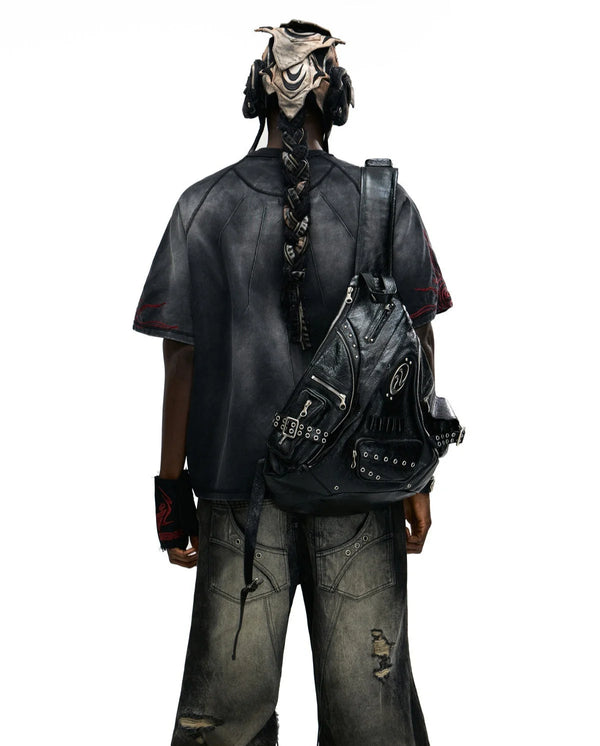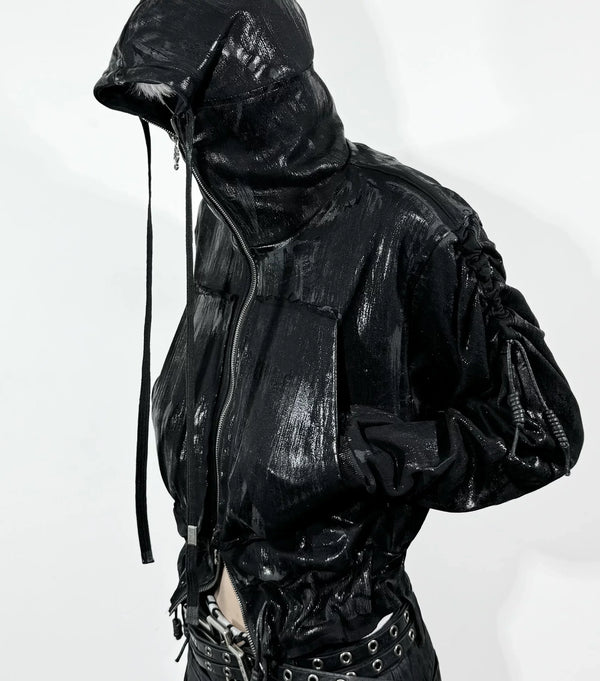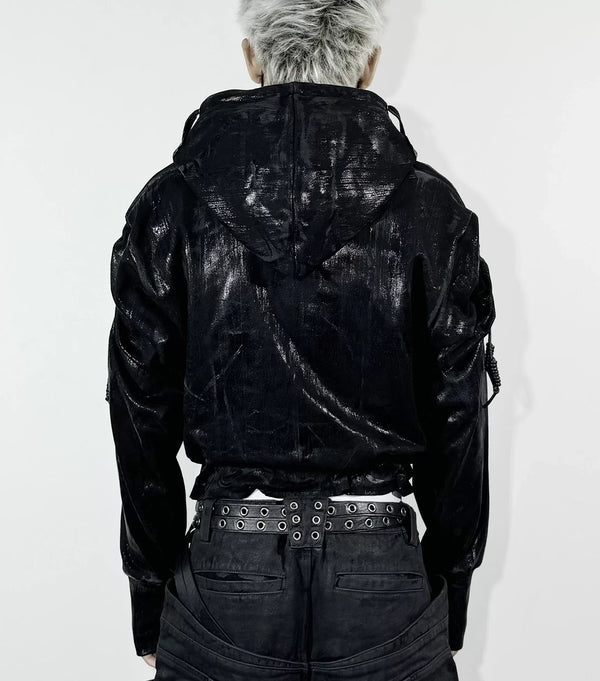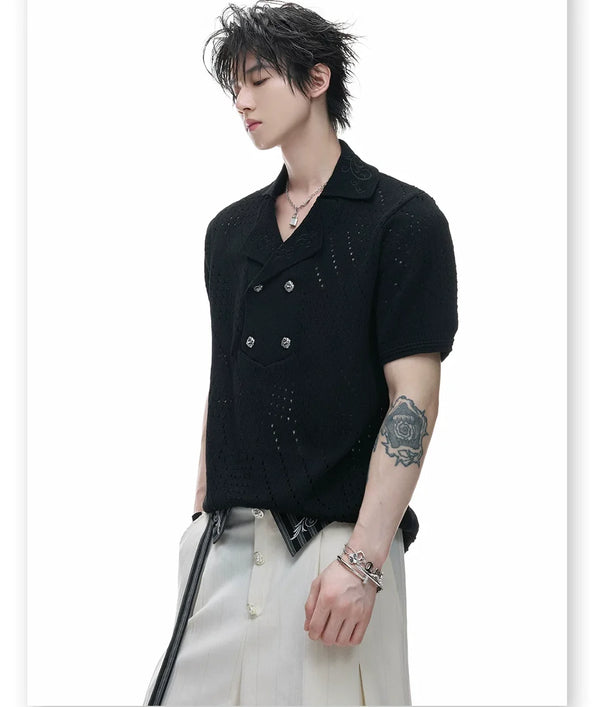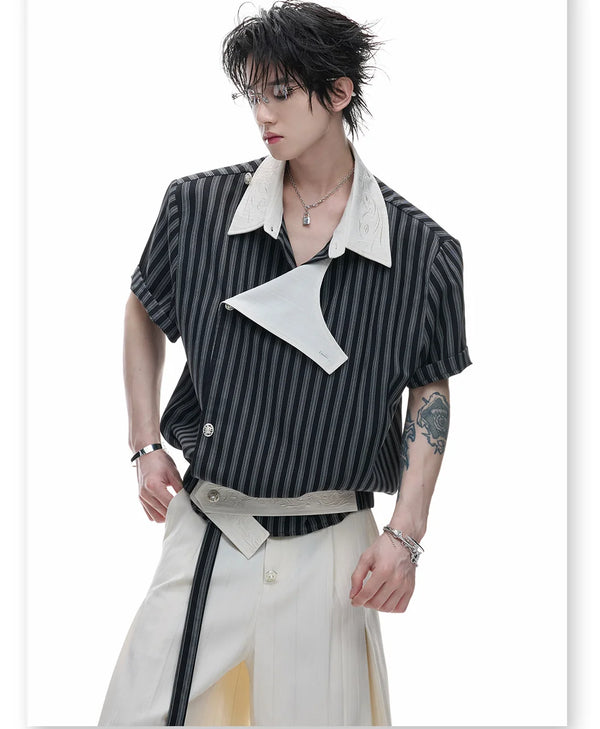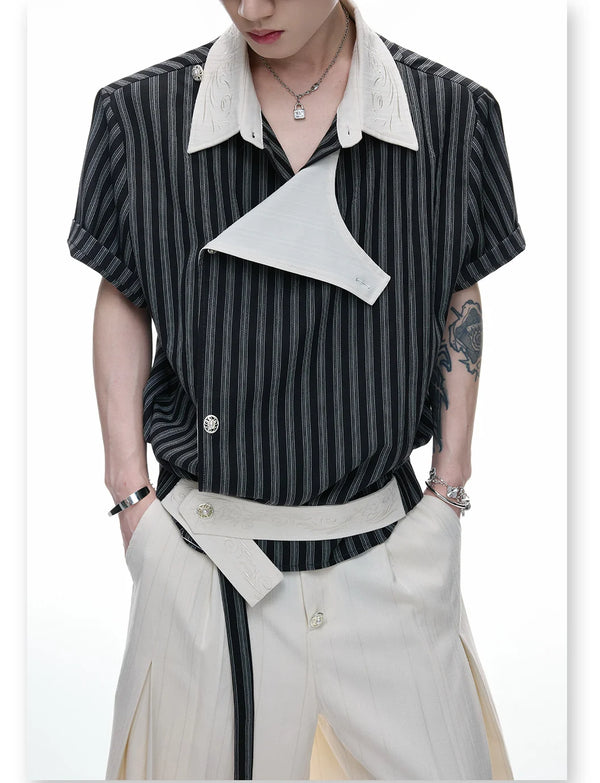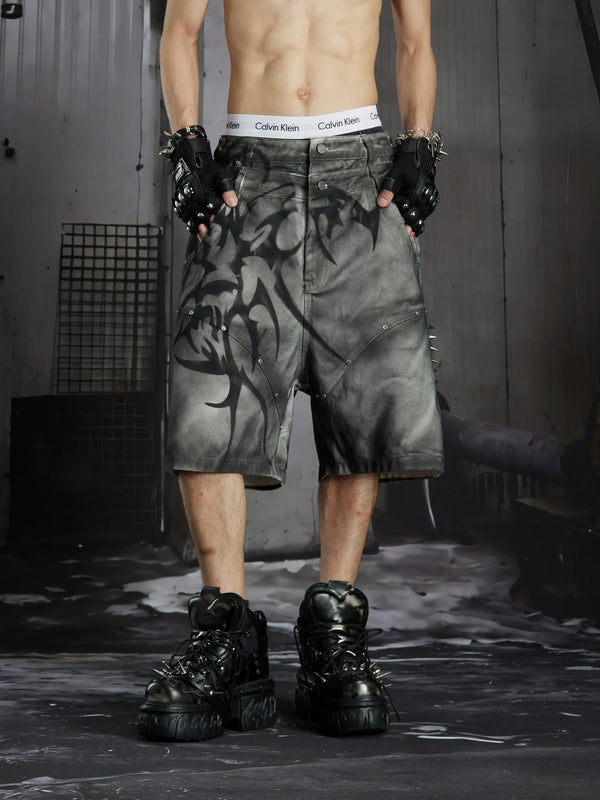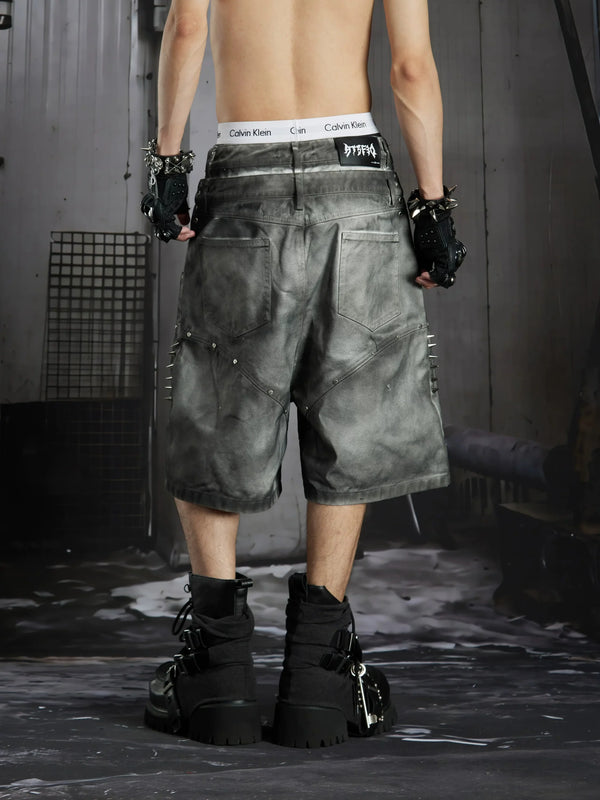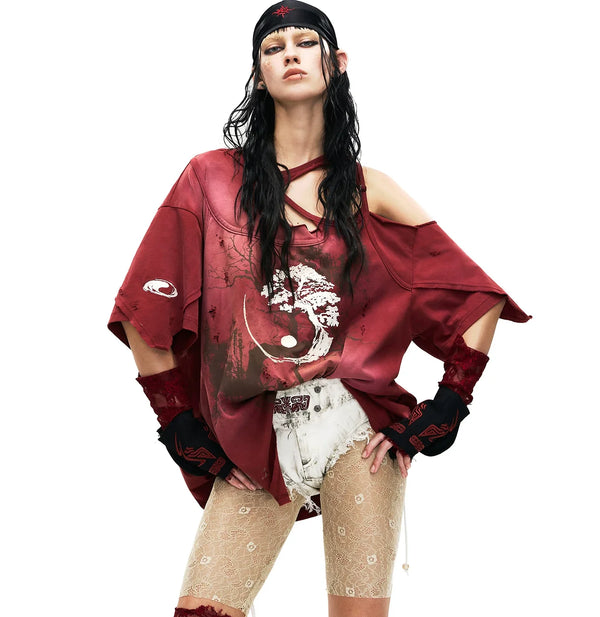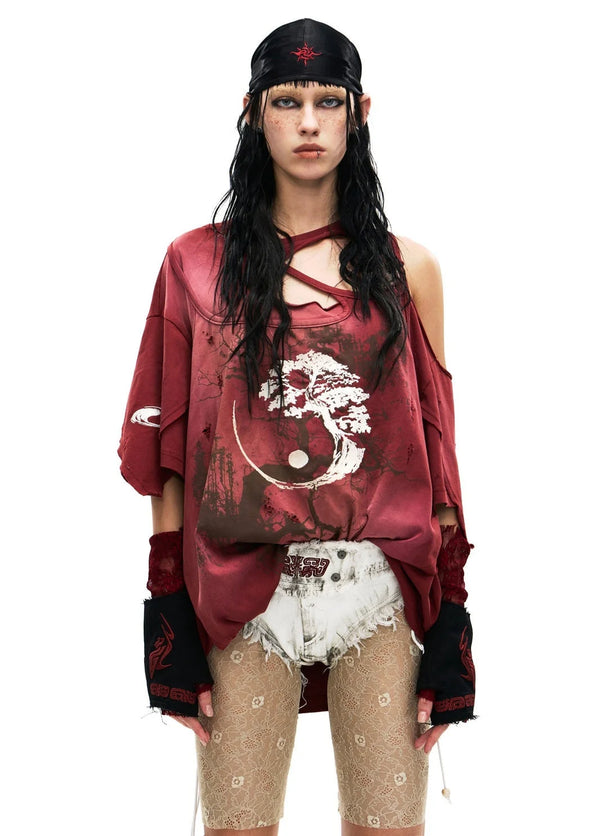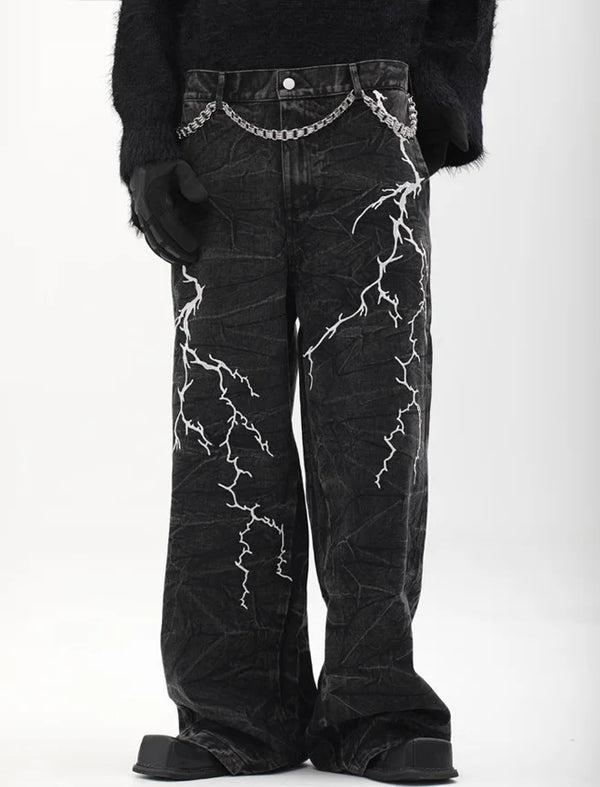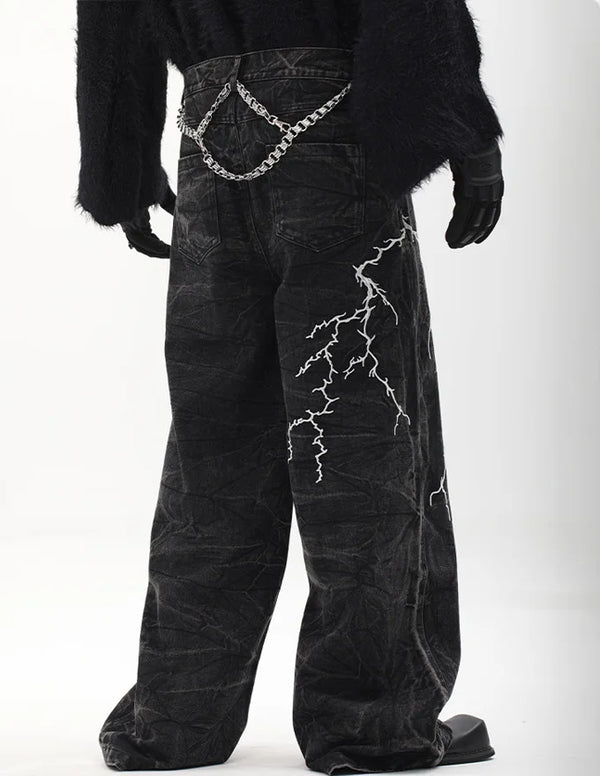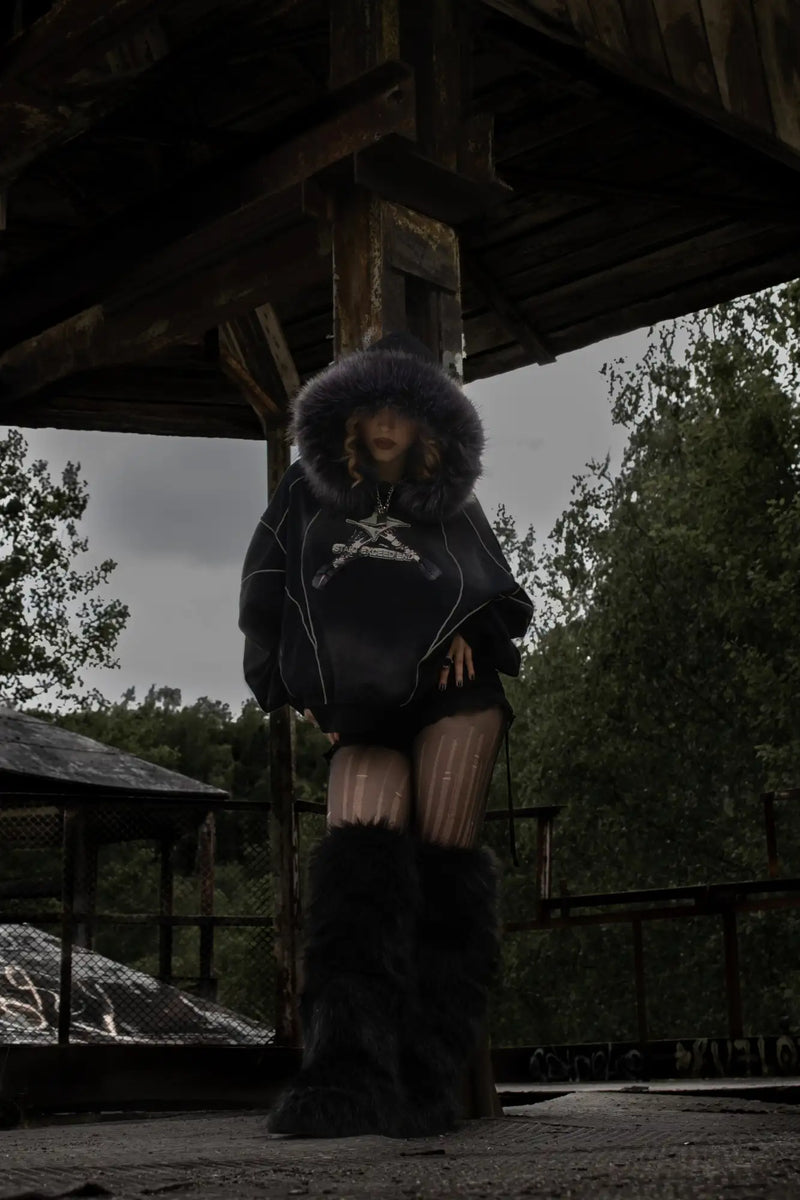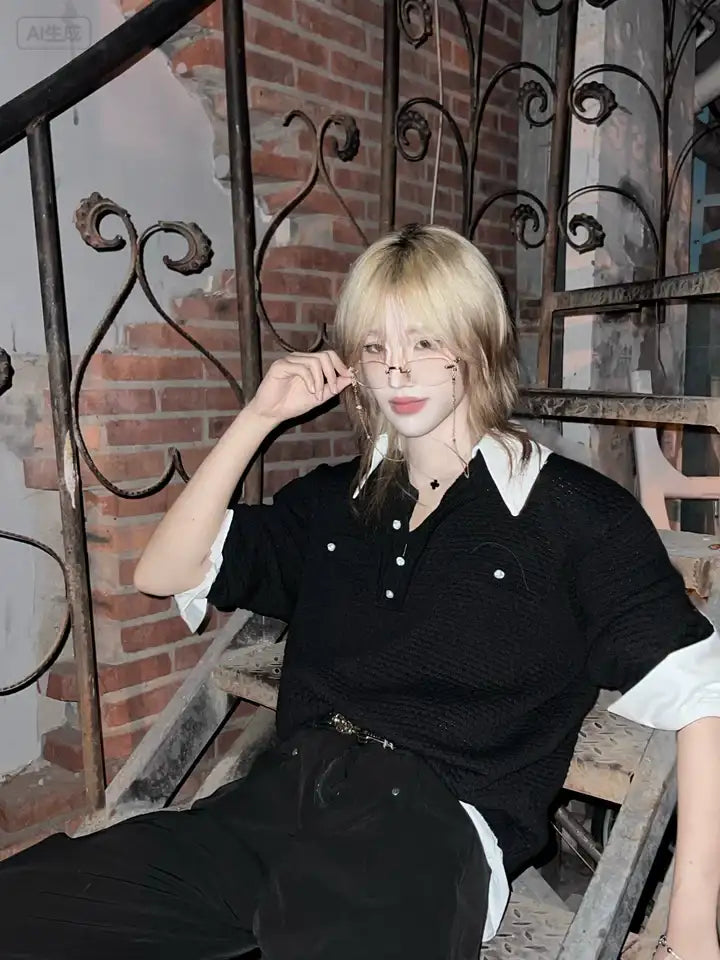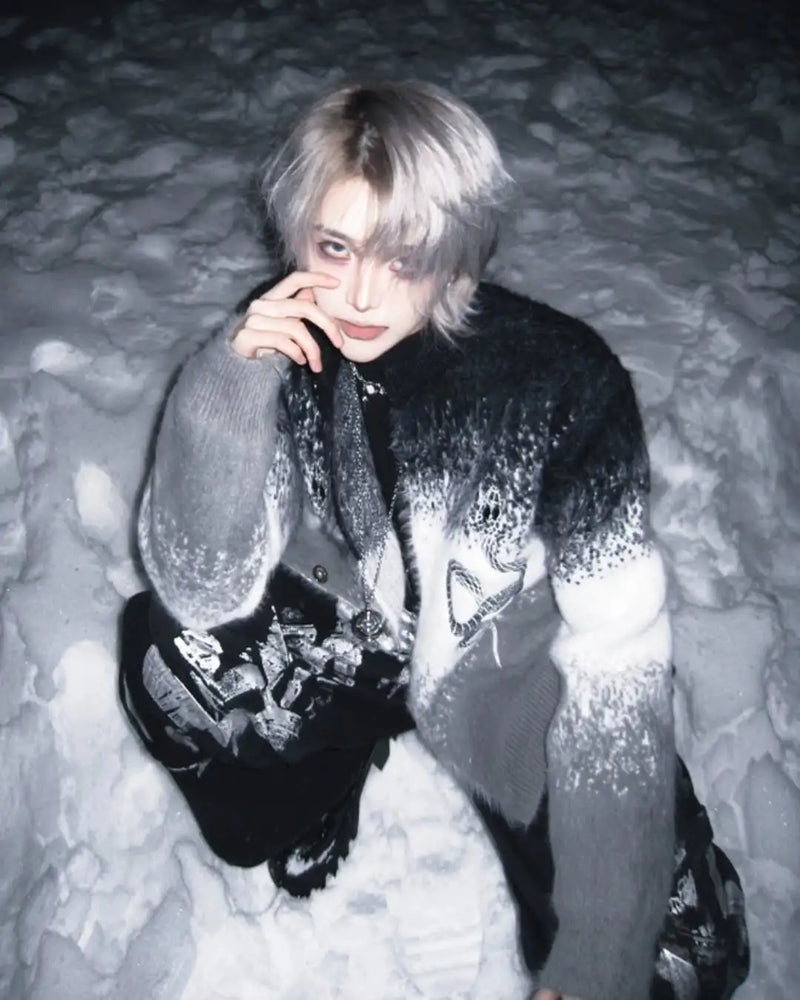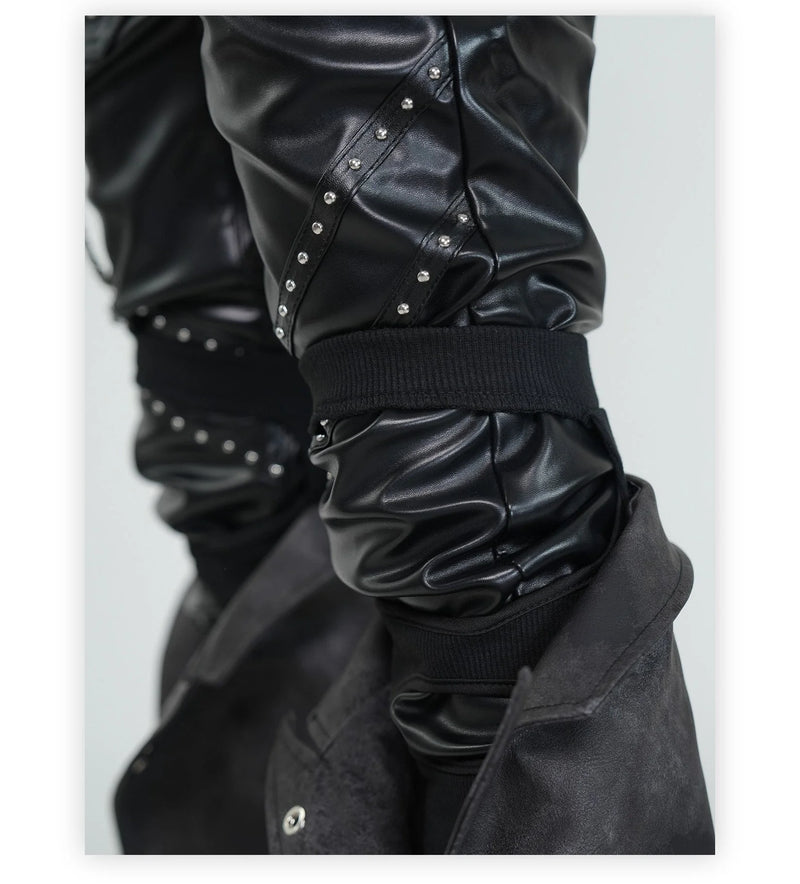
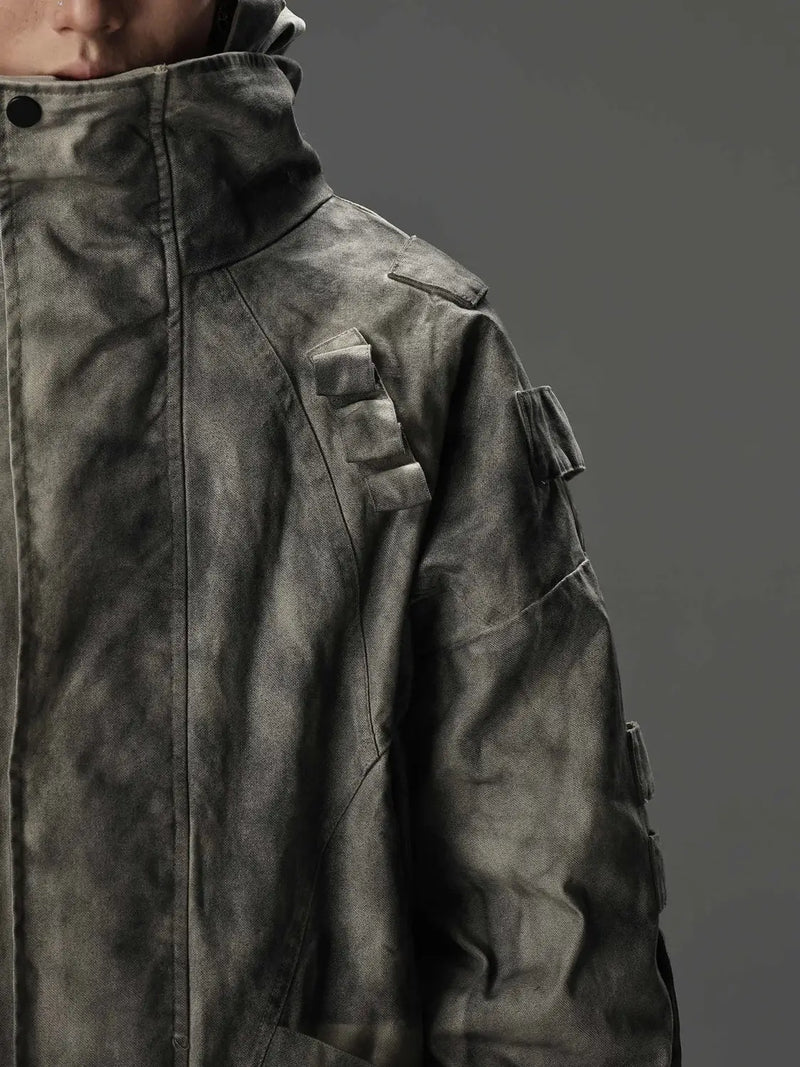
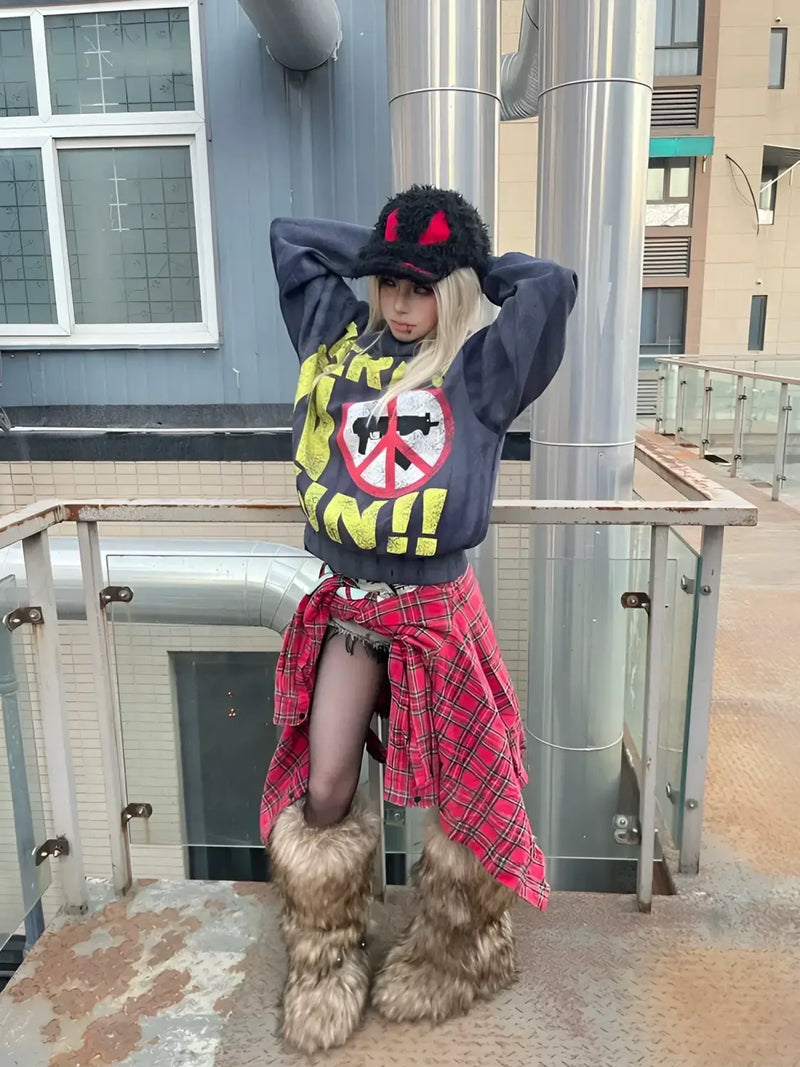

Sunday midday on Takeshita-dori, somewhere in the mid-90s. The street is closed to cars, the sidewalks overflow, and between crêpe stands and record shops stand teenagers who look like they came from different planets. A girl in five layers of neon next to a boy in a slashed Undercover shirt. Nobody stares. That was the point.
Harajuku fashion of the 90s was not a single look but a street lab where Japanese teenagers reinvented themselves every week. The style mixed punk, kawaii, imported streetwear and secondhand into combinations you could buy nowhere else. Whoever understands the roots of this movement also understands our larger Harajuku guide better. This text takes on the decade that started it all.
Definition
What defined Harajuku fashion in the 90s
The term Harajuku describes no style but a place: the district around Harajuku station in Tokyo. What the 90s made of it was a free space where clothing became language. Whoever came here wanted to be seen without having to explain themselves.
Harajuku fashion 90s worked through friction. One part came from punk, one part from the secondhand shop, one part was handmade. The rule was that there was no rule, as long as the result looked clearly intentional. Chance did not count. Every outfit was a decision, often with hours of preparation before Sunday.
That set the scene apart from Western fashion of the same years. In London or New York, street style followed brands. In Harajuku it followed people, and the people changed the concept as soon as it got too well known. These numbers sketch when and how the decade took shape.
1977
Takeshita-dori goes car-free on Sundays
1997
First FRUiTS issue by Shoichi Aoki
6
Substyles from Decora to Visual Kei
Origin
How the Harajuku style emerged in the 90s
The basis was infrastructure. In 1977 Tokyo began closing the streets around Harajuku to cars on Sundays. Takeshita-dori and the area by Yoyogi Park became a Hokoten, a pedestrian paradise. Young people suddenly had a stage without entry fee, without bouncer, without price tag.
In the 80s the Takenoko-zoku used this, dance groups in garish costumes. In the 90s the energy tipped toward the individual. Instead of matching group outfits it was now about the one look nobody else had. Whoever came to Yoyogi Park on Sunday came not to dance but to show.
Add to that an economic backdrop: after the Japanese asset bubble burst in the early 90s, teenagers had less money for luxury but plenty of secondhand shops and time. Exactly this mix of open space, tight budget and urge to invent made Harajuku a lab.
Streetwear side
Ura-Harajuku: the backstreet streetwear of the 90s
While Takeshita-dori was colorful and loud, something more sober happened in the side streets. Ura-Harajuku, literally behind-Harajuku, was the streetwear corner of the district. Here it was less about neon and more about limited T-shirts, box logos and the appeal of the sold-out.
The names that grew big here are known to every streetwear head today. Nigo opened A Bathing Ape in 1993, Jun Takahashi built Undercover, and Hiroshi Fujiwara connected the scene with music and imported skate culture. Their shops were small, the quantities deliberately tiny. Whoever snagged a piece wore it like a membership card.
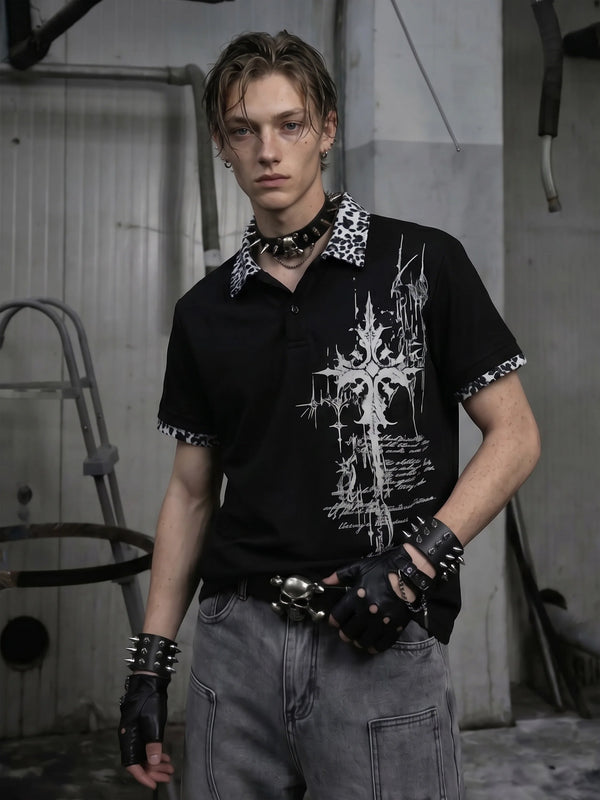
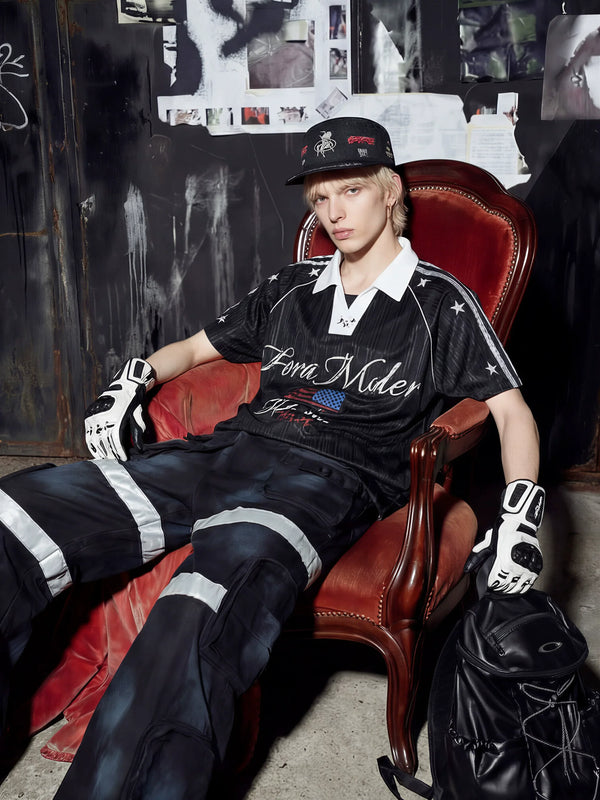
This Ura-Harajuku approach still shapes how streetwear works today: scarcity as value, graphic as statement, community as filter. A clean graphic shirt remains the easiest entry into this side of the decade, and modern cuts quote the silhouette without demanding vintage prices.
Documentation
FRUiTS, Boon and Kera: the magazines of the 90s Harajuku scene
Without the magazines, 90s Harajuku would have stayed a local thing. The photographer Shoichi Aoki started FRUiTS in 1997 and presented real people from the street every month, full-page, with names and details on every piece. No model, no studio, just Sunday in print.
In parallel ran Boon, which covered the streetwear and sneaker side, and Kera, which bundled the punk, goth and Visual Kei currents. Together the three magazines formed an archive that made the scene readable, for Tokyo and soon for the rest of the world.
Exactly this documentary gaze is often missing from today's feed streetwear. The old pages show that a look did not have to be expensive to sit right. It just had to be consistent. Briefly a moving image on how this consistency feels today.
90s energy in motion
@fugastudios These pants ate and left no crumbs walking chaos in denim form #fugastudios #darkfashion #widelegpants Originalton - Fuga Studios
The magazines never explained what was right. They only showed who dared. This attitude is the real legacy of the 90s, and it leads straight to the substyles that sorted the decade.
Substyles
Decora, Fruits and Visual Kei: the substyles of the 90s scene
90s Harajuku was not one style but a shelf full of styles. Some ran in parallel, some blended into one another, and many people switched depending on the week. Whoever wants to understand the scene best sorts it by the archetypes that kept appearing in FRUiTS.
Most fits moved between these poles. A Decora girl could show up in a Urahara shirt the next Sunday. This mobility sets the 90s apart from later, firmer subculture definitions. A style was never a contract but a phase, and the switch itself was part of the game. Whoever wore Decora this week could stand in a Urahara shirt next week without anyone talking of betrayal.
Women
What women wore in Harajuku in the 90s
For many, 90s Harajuku was above all a female space. Young women drove Decora, Fruits and Lolita forward and used clothing to set themselves apart from the narrow expectations of Japanese femininity. Being sweet and loud at once was a statement.
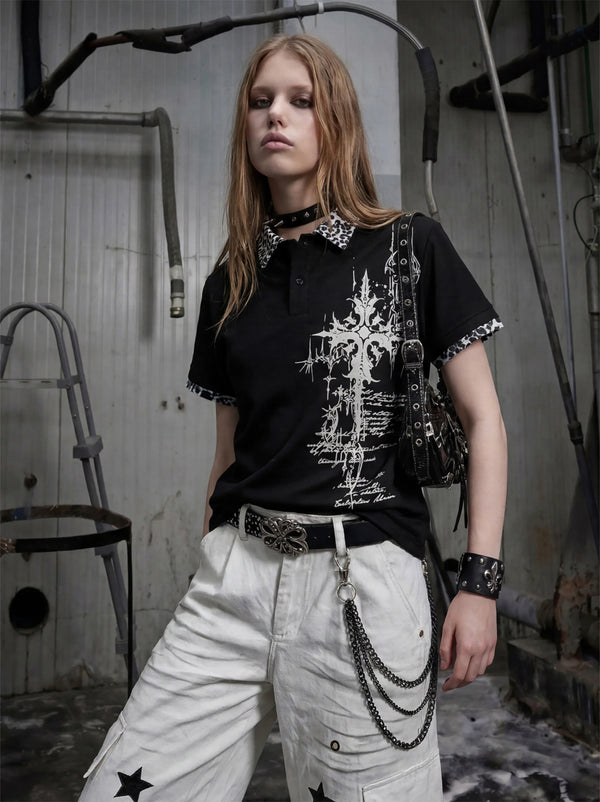
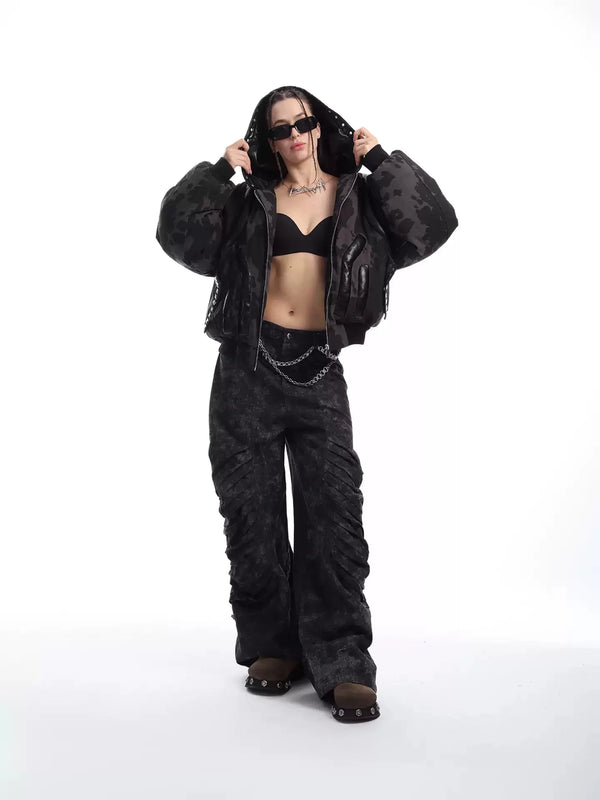
Typical were layered skirts over trousers, knee socks, platform shoes and masses of accessories. The silhouette grew outward, never lying flat, always with volume. Color replaced logos. Whoever had no money for brands bought secondhand and dyed or resewed it.
This layering logic lives on in today's women's streetwear, only dosed more calmly. A voluminous cut, a statement piece, a clear contrast are enough to bring the 90s idea into the now without tipping into costume.
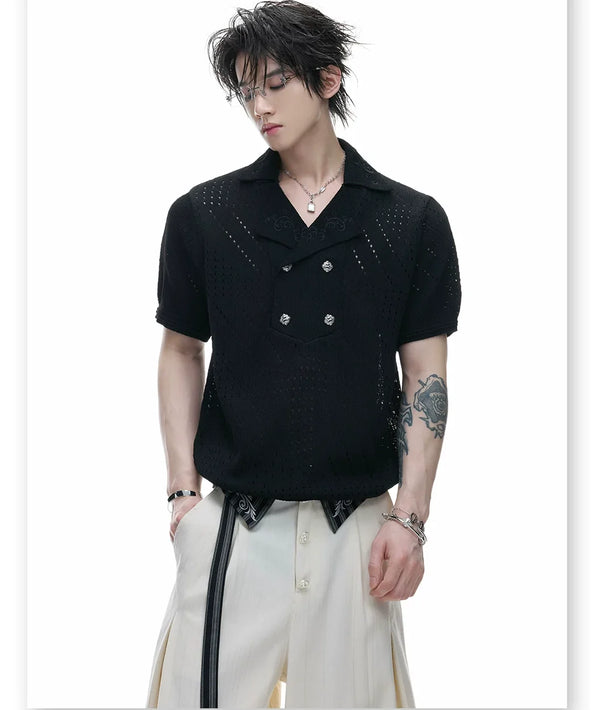
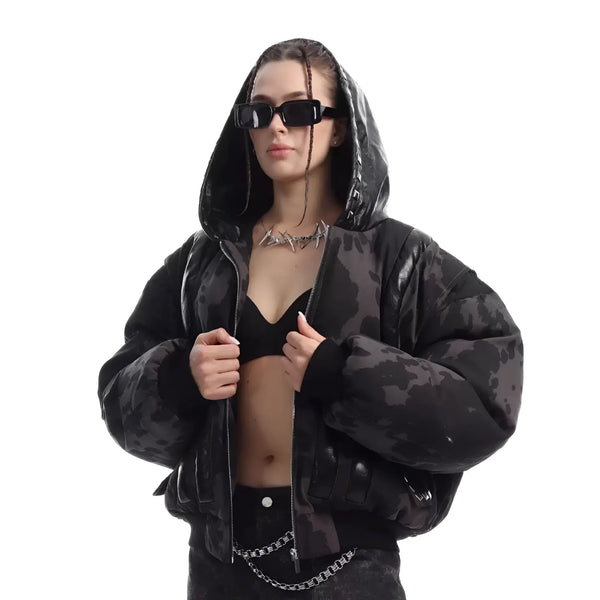
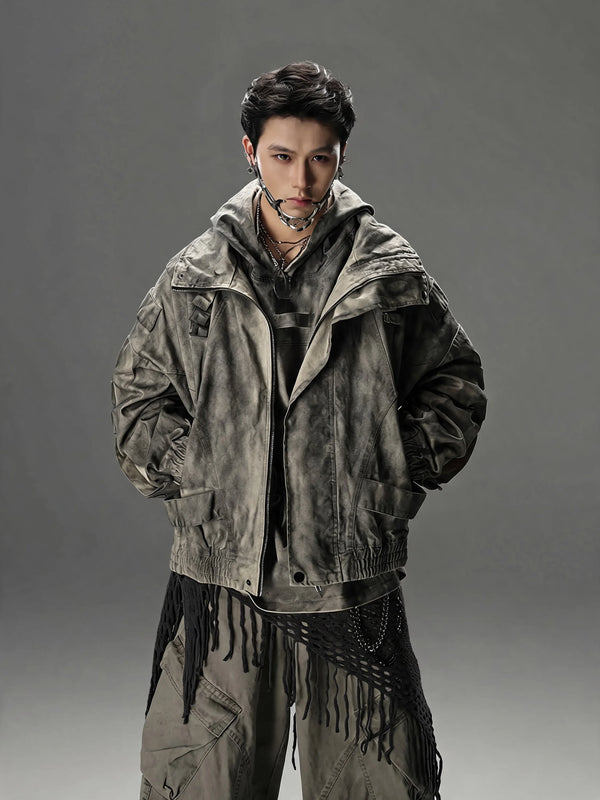
The line between men's and women's Harajuku was more permeable than in the West. Wide cuts, layering and graphics worked for everyone. A jacket was often the piece that lifted a sober fit into the 90s register.
Visual language
The color and layering logic of 90s Harajuku
The fastest way to understand 90s Harajuku runs through the visual language. There were two basic modes. One was maximum color, where every piece fought for attention. The other was the sober graphic corner, where a single right shirt sufficed.
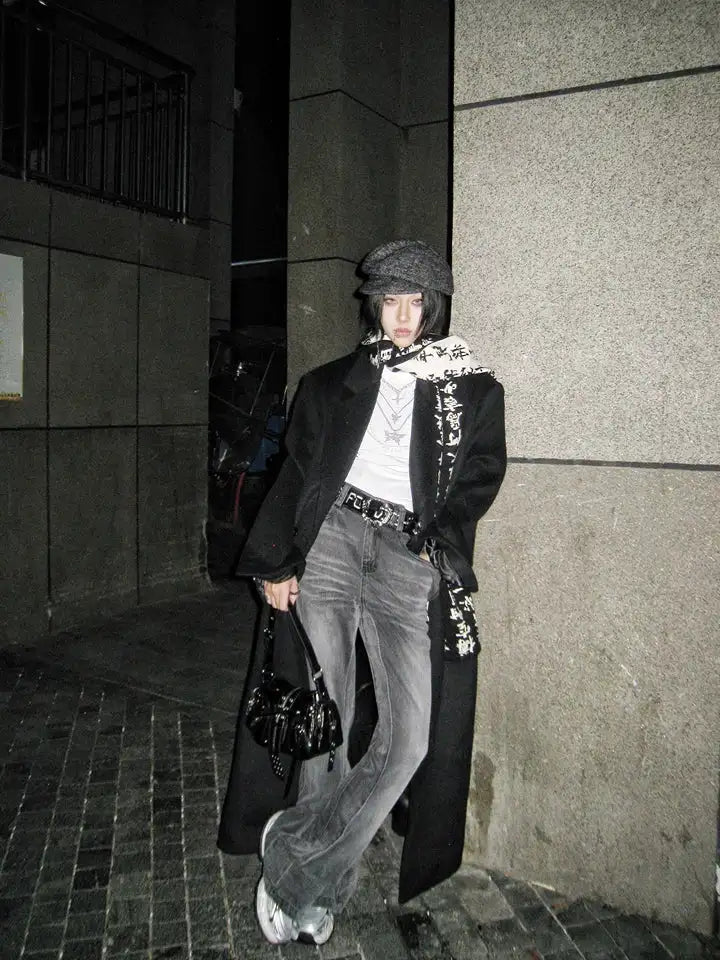
Both shared the same principle: layers. A look emerged not from one act of buying but from stacking pieces until the silhouette was right. Skirts over trousers, shirts over longsleeves, accessories over everything. The body became a canvas, not a coat hanger. Exactly for this reason no photo in FRUiTS looked like the next, although all used the same shops. The order of the layers, the choice of the one loud piece and the courage to overdo it made the difference, not the budget.
Whoever internalizes this logic needs no vintage original. It is enough to stack a few pieces with a clear attitude. The basis for this is almost always the trousers, because they decide the silhouette.
Silhouette
Trousers and silhouettes: the basis of every 90s fit
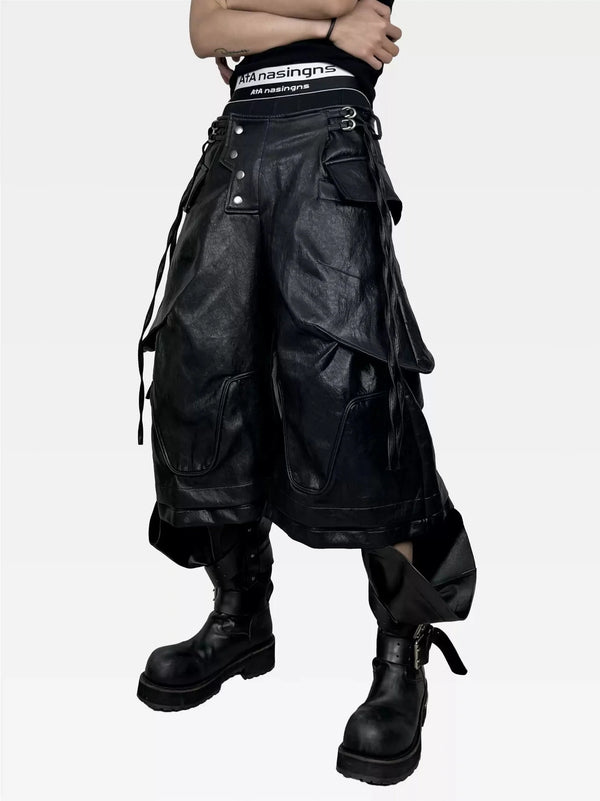
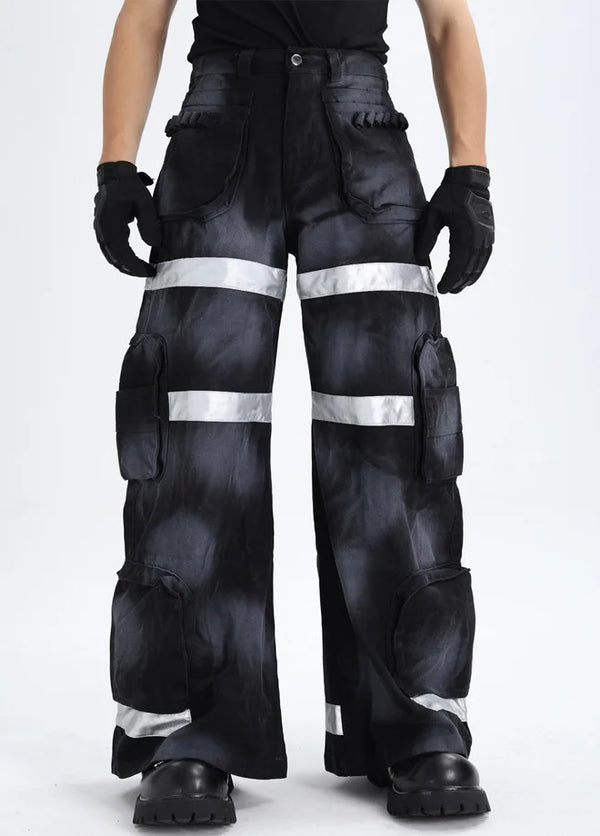
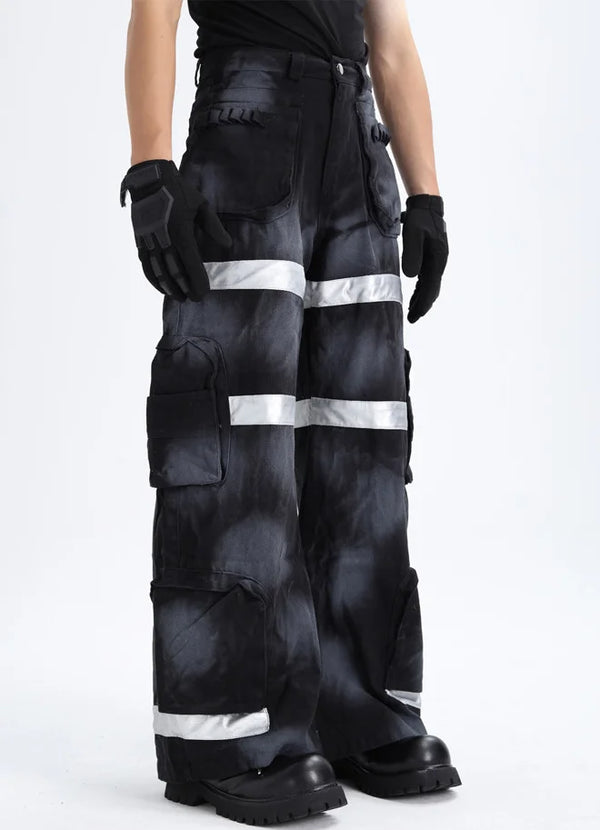
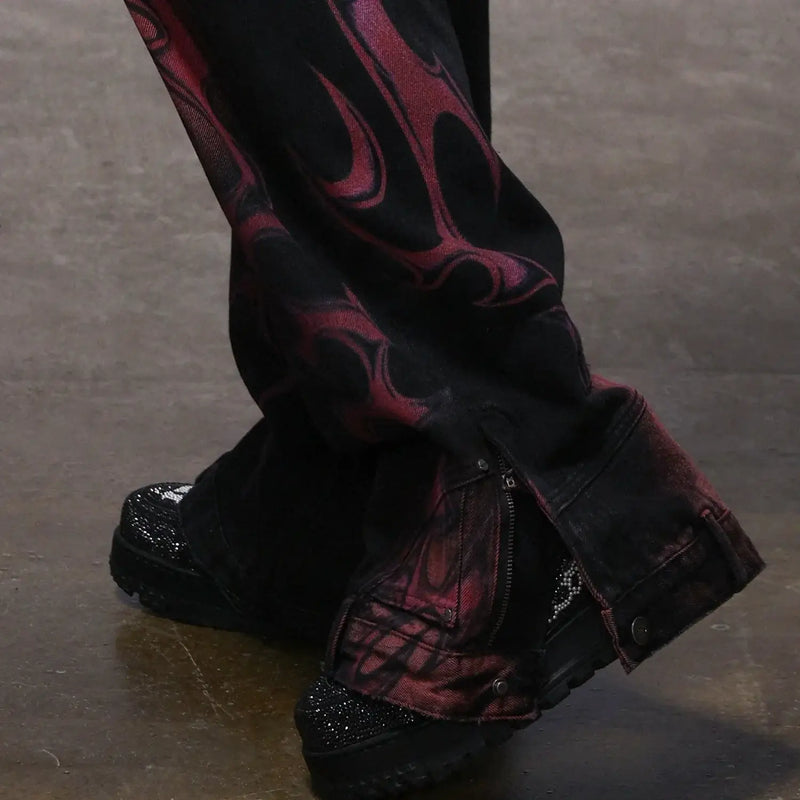
In the 90s the trouser silhouette tipped wide worldwide, and Harajuku picked that up early. Baggy jeans, cargo shapes and wide cuts gave the look its foundation. Over a wide trouser almost any top works, whether loud or sober.
Important was the break from the body emphasis of the 80s. Instead of tight it was now about space. A wide trouser with a low crotch, plus a platform sole, and the proportion was right at once. Women often wore the volume with a skirt on top, men with an oversized shirt.
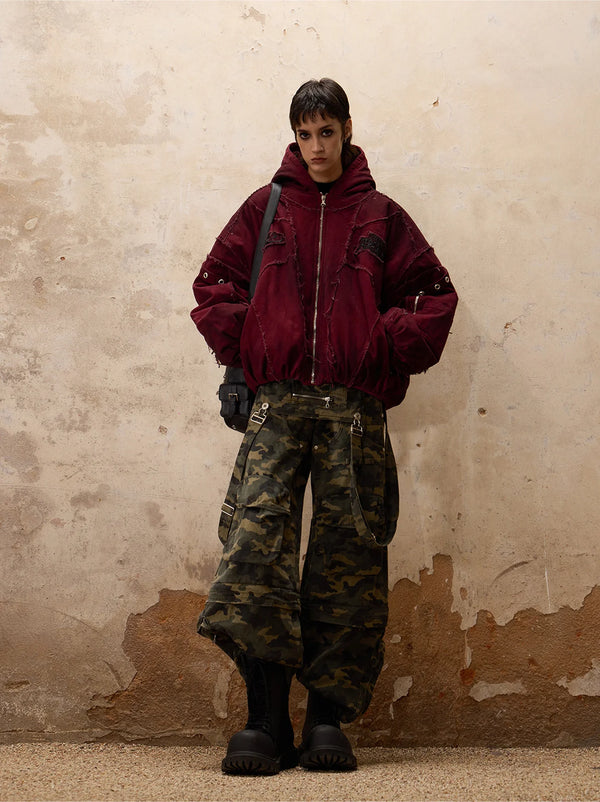
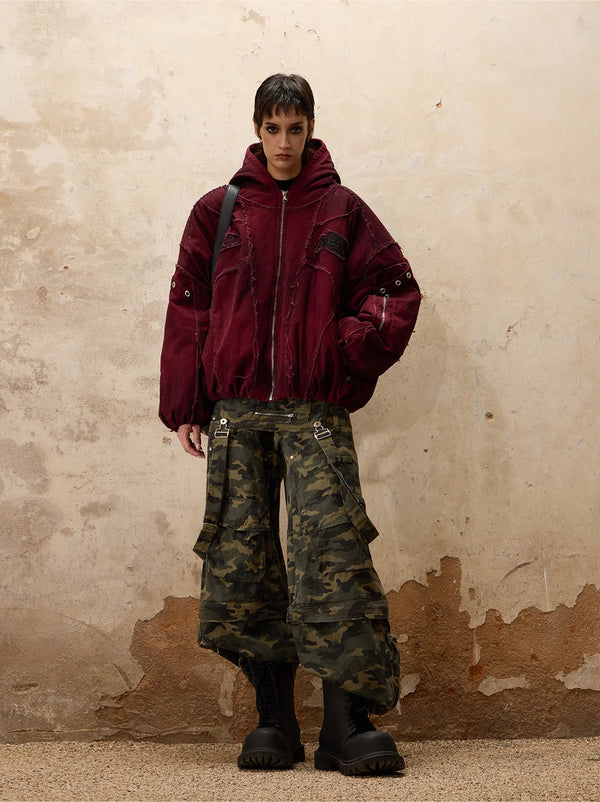
This principle is the easiest 90s lever for today. Whoever keeps the silhouette wide has half the look. The rest is contrast: a graphic piece on top, an accessory that sets the tone. These candidates hit the 90s width without a vintage hunt.
Time context
What fashion was typical for the 90s?
Harajuku did not stand in a vacuum. The global 90s brought grunge, baggy denim, slip dresses and the early sportswear wave. Much of it landed in Tokyo's secondhand shops and was reassembled there. The street filtered what stuck.
Typical of the 90s were large silhouettes, visible brands for some and deliberately brandless secondhand for others. Platform shoes, band shirts, flannel and chunky sneakers belonged to it. Harajuku took these building blocks and turned the volume either all the way up or emphatically down. The difference from the West lay in the handling of origin: in Tokyo, secondhand was no makeshift but raw material. An American college shirt, a British punk trouser and a Japanese handmade piece landed in the same fit, without the mix having to be explained.
Exactly this access to what exists makes the style approachable to this day. You do not have to buy the 90s, you have to combine them. These categories are the fastest way to find the fitting building blocks.
Before it gets to the details, a brief look aside: whoever wants to trace the Japanese streetwear line as a whole finds the larger arc in the next article.
Details
Accessories: where 90s Harajuku got loud
If the trouser was the basis, the accessories were the voice. Here it was decided whether a fit stayed tame or tipped into the scene. Hairclips, chains, belts, pins and plastic jewelry stacked up until the detail itself became the main piece.
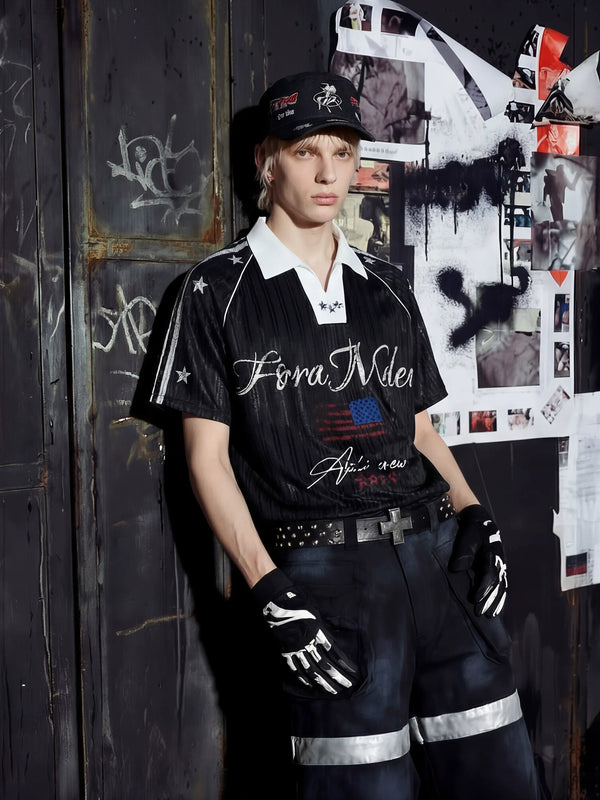
In the Decora camp it was about mass: the more clips and buttons, the better. In the Urahara corner it was the opposite, a single right belt or a cap as marker. Both sides used accessories as the fastest way to individualize a look.
For today this is the cheapest adjusting screw. A base fit plus two or three deliberately placed pieces carries more 90s signal than any expensive single piece. These candidates set exactly such accents.
Practice
How you wear the 90s Harajuku look today
The most common fear with 90s Harajuku is the cosplay impression. It is justified but easy to avoid. The trick lies in the quote instead of the copy. Take one or two clear 90s elements and build the rest of the fit modern and calm around them.
Concretely that means: wide silhouette plus a graphic or colorful statement, plus today's basics. A voluminous look with a single loud piece reads as reference, a look of nothing but loud pieces as disguise. Fewer layers, more intention.
This dosage works in everyday life just as at the event. How a wide fit feels in motion, the next clip shows better than any description.
Wide silhouette in everyday life
@fugastudios POV: You are the final boss and the outfit actually slaps #fugastudios #darkfashion #OOTD Originalton - Fuga Studios
Another look aside before it gets to the typical mistakes: whoever wants to know which brands carry this Japanese line today finds the overview in the linked article.
Mistakes
Common mistakes in 90s Harajuku styling
Most failed 90s fits fail not from missing pieces but from missing edge. Whoever wants everything at once dilutes the signal. These three mistakes appear most often, and all three are easy to avoid.
Whoever avoids these three points has the look under control. The question remains where the scene developed after the decade, because the 90s were only the beginning of a long line.
Development
From the 90s to the 2000s: how Harajuku changed
Around the turn of the millennium the scene tipped. The colorful Fruits look lost dominance, Gyaru and later the smoother 2000s street style moved in. FRUiTS still reported, but the street got more commercial, the shops bigger, the looks more streamlined.
Nevertheless the basic DNA remained: layering, mix-and-match, individuality before brand. What began in the 90s as a radical free space became the template for global streetwear, for Y2K revivals and for every later Harajuku wave. Without the decade the reference would not exist.
That is why the look back is worth it for today's fits too. The 90s deliver the vocabulary that Y2K and modern Japanese streetwear draw from. These pieces bridge the old street lab and what you can wear now.
FAQ
Frequently asked questions about Harajuku fashion of the 90s
The following questions come up most often around 90s Harajuku. Short, clear answers so you can place and wear the style without getting lost in details.
What makes 90s Harajuku different from today's Harajuku?
What fashion was typical for the 90s?
What do I wear to a 90s party?
What did women wear in Harajuku in the 90s?
Which brands came out of the Ura-Harajuku of the 90s?
Can I wear 90s Harajuku without it looking like cosplay?
What role did FRUiTS play for the scene?
In the end 90s Harajuku remains above all an attitude: clothing as decision, not as act of buying. Whoever understands that needs no vintage hunt, only the courage to stack a few pieces with a clear edge.
What do you think?
Tell us on @fuga_studios
About the author
Philipp Fuge — Founder · Berlin
Founder of Fūga Studios. Writes the journal himself. Berlin · Shanghai · Tokyo · Poznań — four cities, one logic.