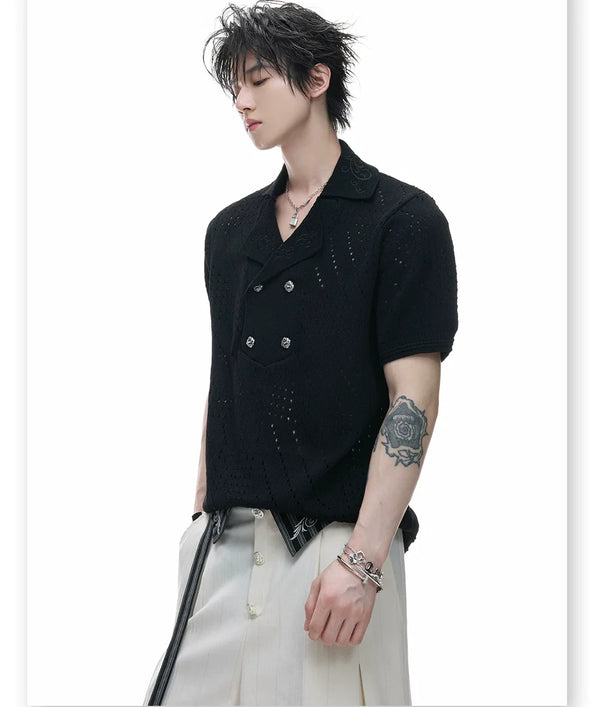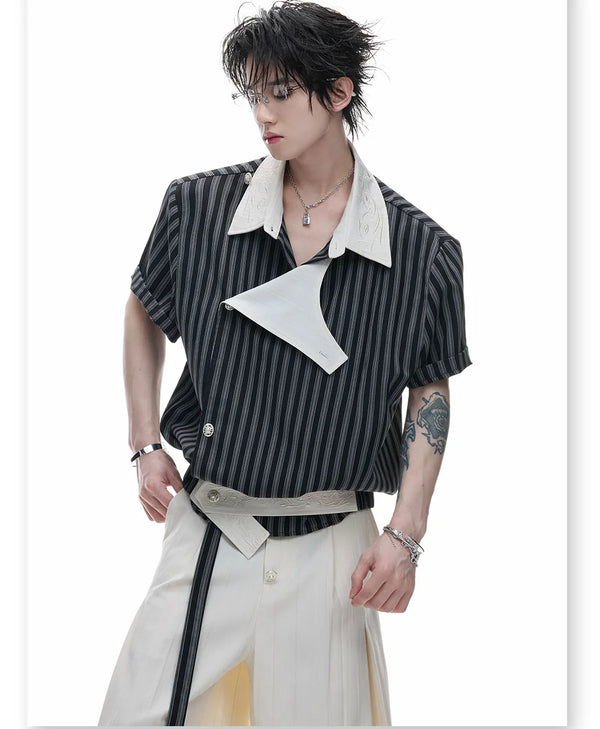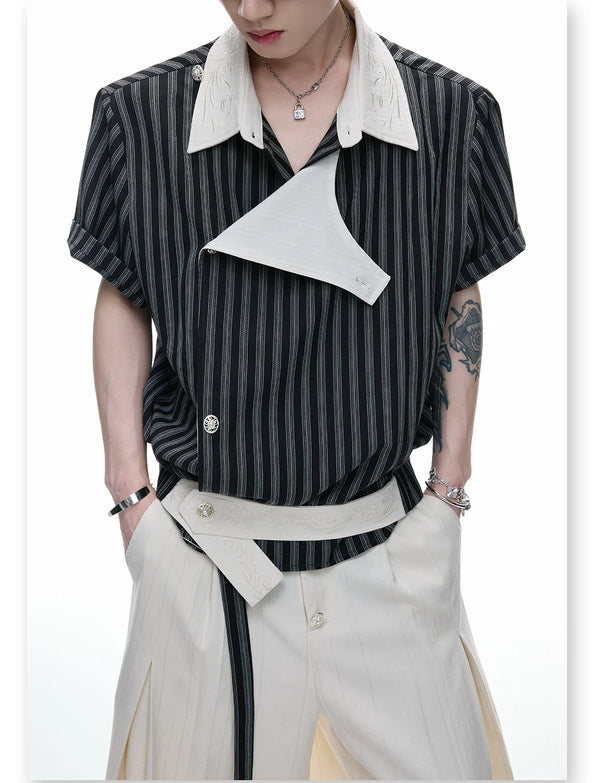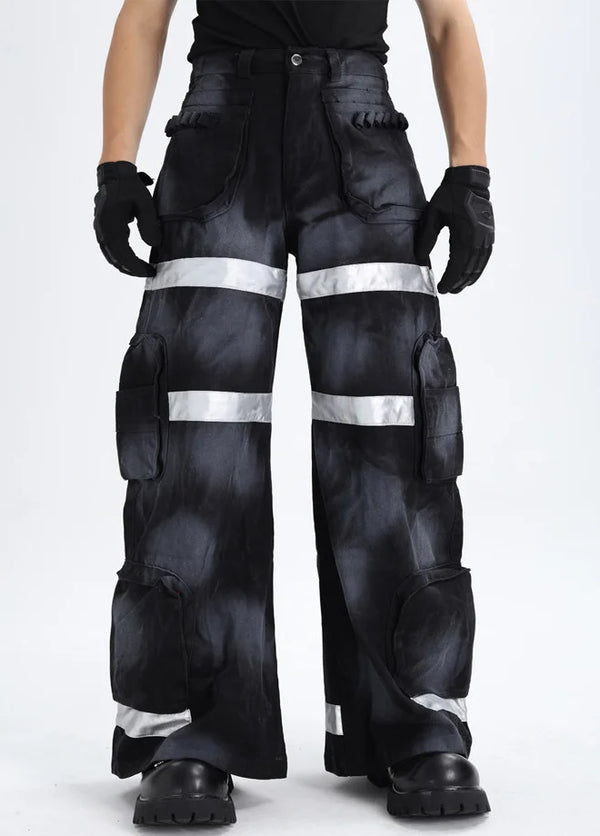
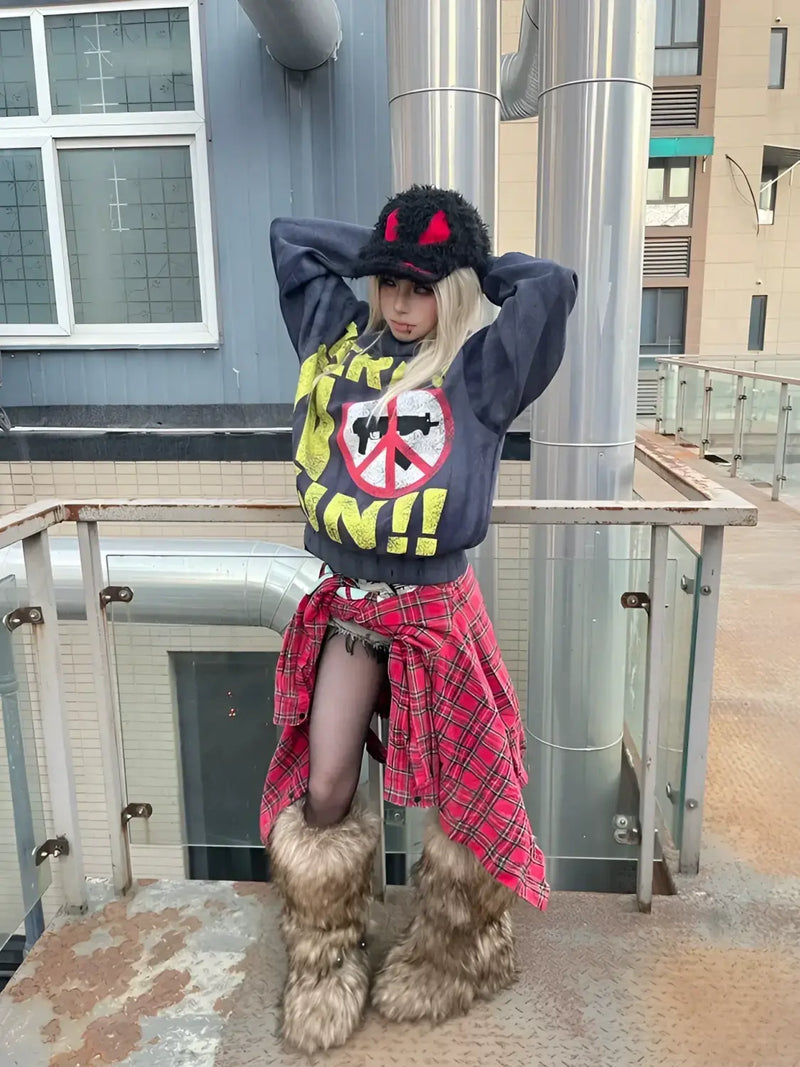
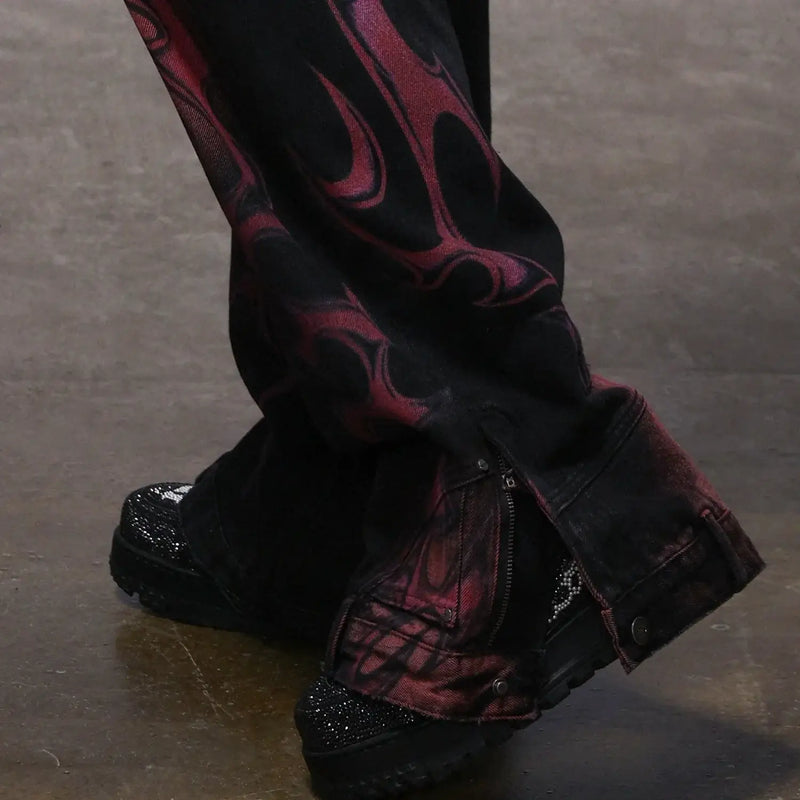
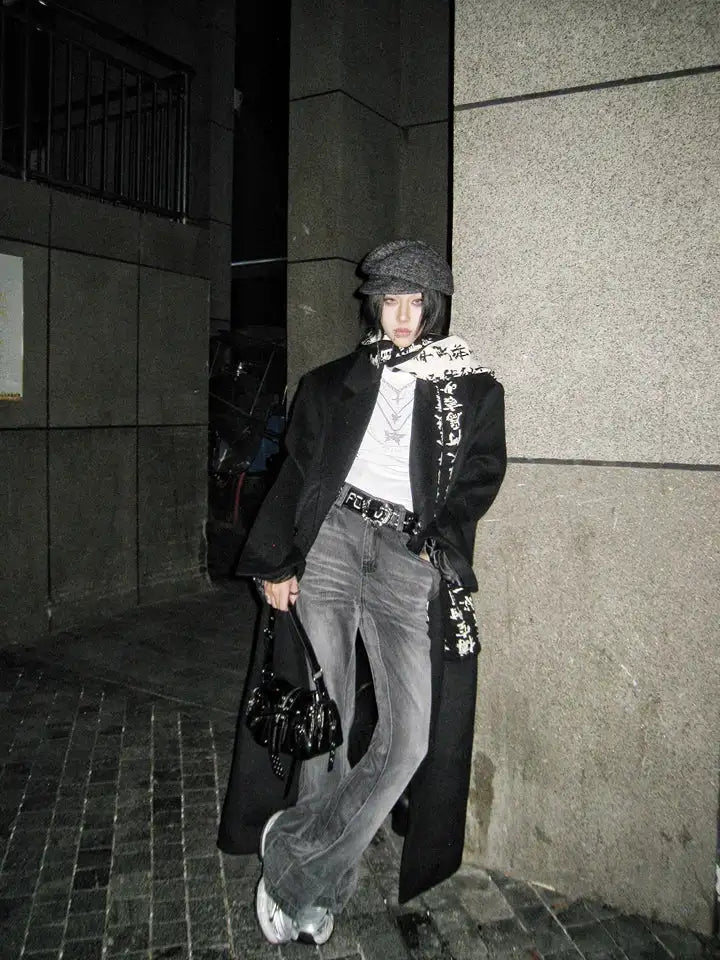

A Saturday at the mall, 2006. Outside the only store with a black front, five people stand with the same fringe and different band shirts. Inside, an album plays that nobody outside knows. Studded belts, sweatbands and buttons lie by the register, plaid trousers with chains hang on the wall. Whoever walks out of here is not wearing fashion. They are wearing an ID, and on the label is a name everyone in the queue recognises.
Emo fashion brands are the labels, shops and band brands that have supplied the emo look with clothing since the 2000s: from mall chains like Hot Topic and Tripp NYC through musician labels like Drop Dead and Atticus to today's alt brands like Killstar and Disturbia. Add basics from Vans, Converse and Dickies. The style itself is explained in our emo fashion guide, here it is about the names behind it.
Before we go through the brands one by one, it is worth looking at why emo in particular hangs on names. Barely any subculture has defined its clothing so consistently through specific shops, bands and labels, and barely any has shown so clearly later that the look works just as well without those labels.
Origin
Emo Fashion Brands: Why The Look Hangs On Brands
Emo started as music, not as fashion. In the 80s and 90s the scene wore whatever hung in the second-hand store: cardigans, faded jeans, band shirts from the show. Brand names played no role, rather the opposite. Anyone wearing a logo looked suspicious. Only when the sound slid into the charts in the early 2000s did a market appear, and with the market came the brands.
The shift happened fast. Bands like My Chemical Romance, Fall Out Boy or Taking Back Sunday were suddenly on music television, and with them a very concrete image moved into bedrooms: narrow black jeans, tight band shirts, studded belts, plaid patterns, a side part covering one eye. This image was copyable. And what is copyable can be sold.
That shifted the question. It used to be which band you listen to. Now it was also where you buy your things. The store became part of belonging, the label a mark of recognition. A shirt from a certain band brand said more than any statement, because it showed that you know the music behind it. It is exactly this logic that still lets emo brands be sorted today: by closeness to the music.
1988
Hot Topic starts in California
3
Waves: mall, band label, alt online
2
Shoe classics: Vans and Converse
The three waves overlap, but each has its own character. The mall shops made the look available. The band labels made it credible. Today's alt brands make it international and orderable online. Anyone who wants to understand which brands emos wear has to know all three.
The answer
Which Brands Do Emos Wear?
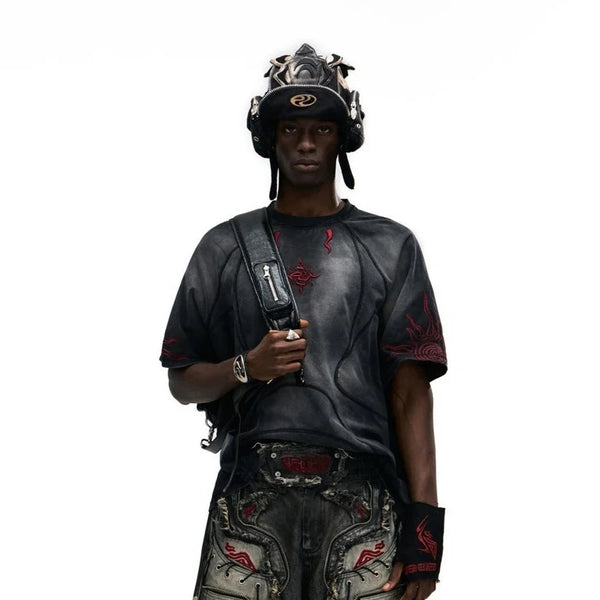
The honest answer: emos wear fewer brands than you think, but the few are chosen very consistently. At the bottom there are almost always Vans or Converse, often completely worn down, sometimes drawn on with a marker. The trousers are narrow black jeans or a pair of Dickies, later also the bondage trousers from Tripp NYC with chains and straps. On top sits a band shirt, bought at the merch stand or at Hot Topic, over it a hoodie with a zip.
Then come the musician labels. Drop Dead, founded by Bring Me the Horizon singer Oli Sykes in Sheffield, stood for colourful, comic-like prints with dark humour. Atticus, the label from Tom DeLonge and Mark Hoppus out of the Blink-182 circle, delivered hoodies and shirts with a clear pop-punk reference. Famous Stars and Straps from drummer Travis Barker brought belt buckles and caps into the scene. Anyone wearing such pieces showed not only taste, but knowledge.
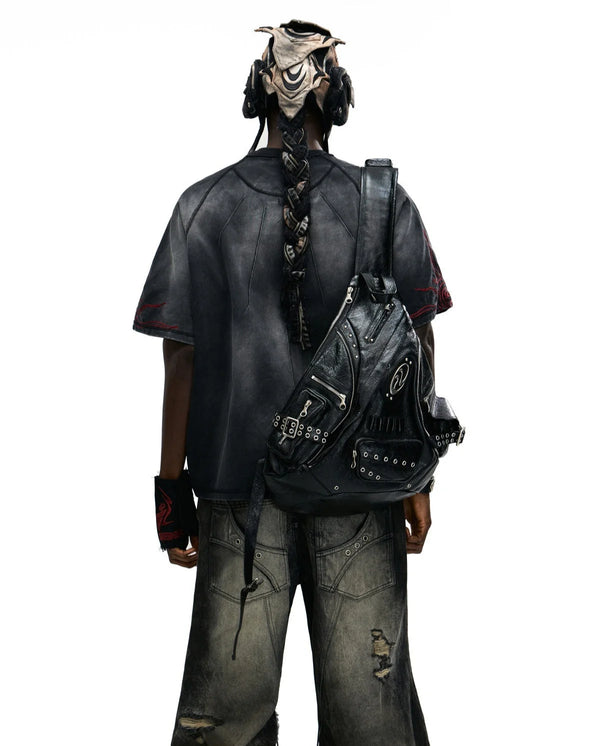
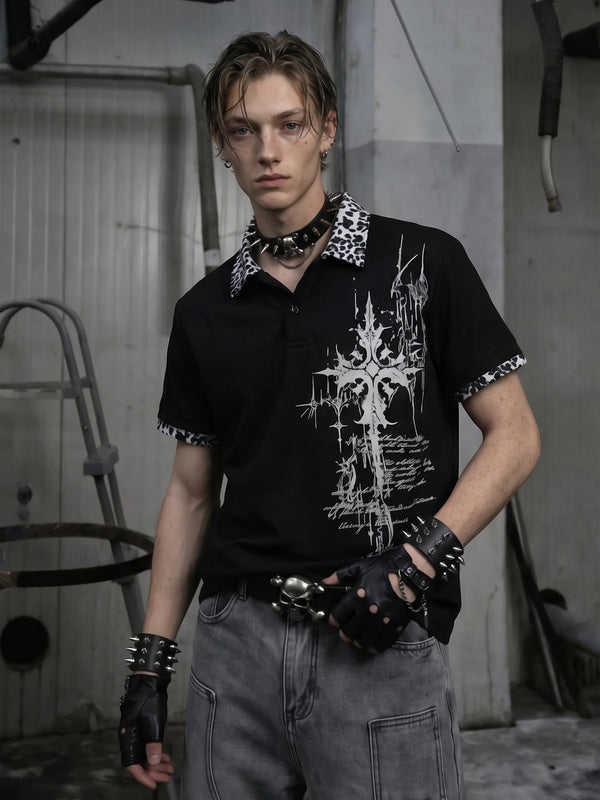
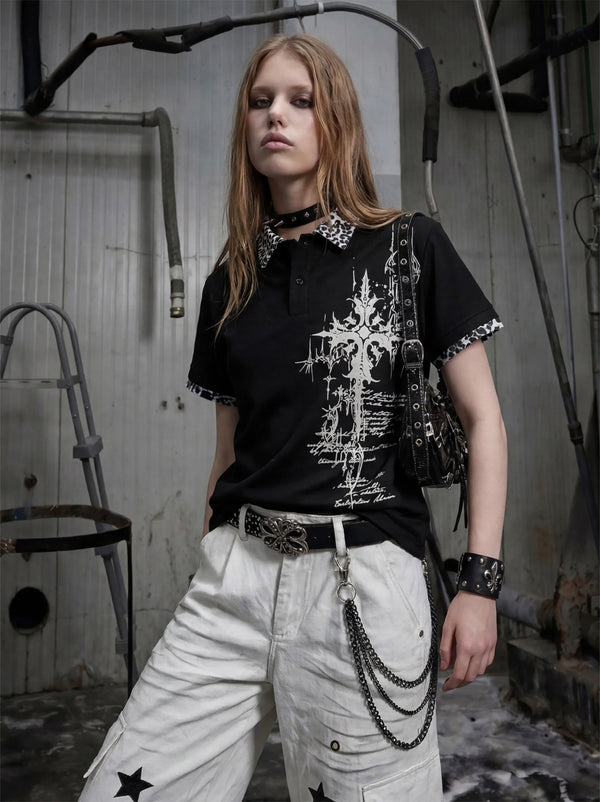
With accessories the brand often did not matter, the form did. Studded belts, sweatbands, buttons on the shoulder bag, chains on the trousers. Many of these pieces came from the same mall shops or from the flea market, and exactly this mix of a few clear labels and a lot of nameless things still makes up the emo look today. The brand was a signal, never an obligation.
The pattern behind it is simple. The closer a brand was to the music, the more credible it counted. The further away, the more it became a mall uniform. This tension runs through the entire history of emo brands, and it explains why some names still command respect today and others only turn up as nostalgia.
The mall era
Emo Fashion Brands Of The 2000s: Hot Topic, Tripp NYC And The Mall
Hot Topic is the name nobody got past in the 2000s. The chain started in California at the end of the 80s and became the destination for everything loud, black and tied to music. Band shirts, buttons, studded belts, striped arm warmers and make-up lay next to each other there. For many teenagers Hot Topic was the first place where emo did not look like a scene secret, but like a shelf.
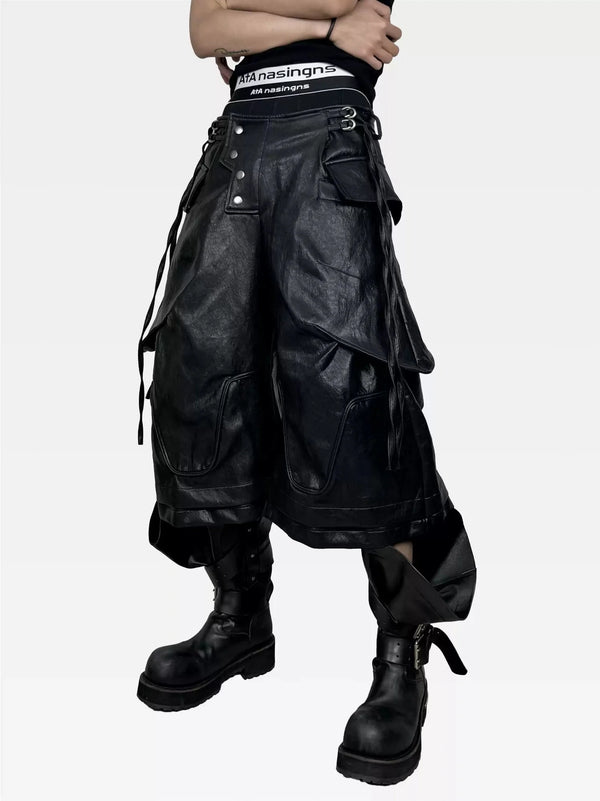
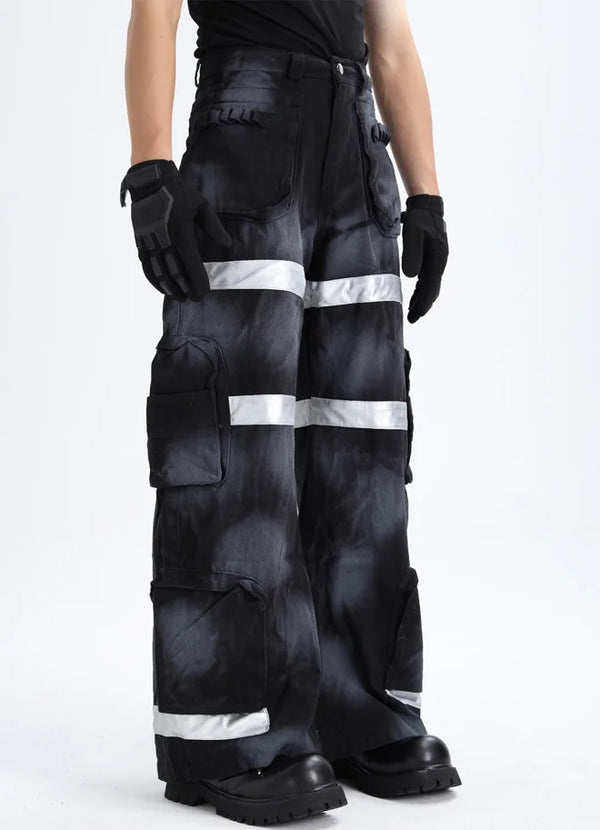
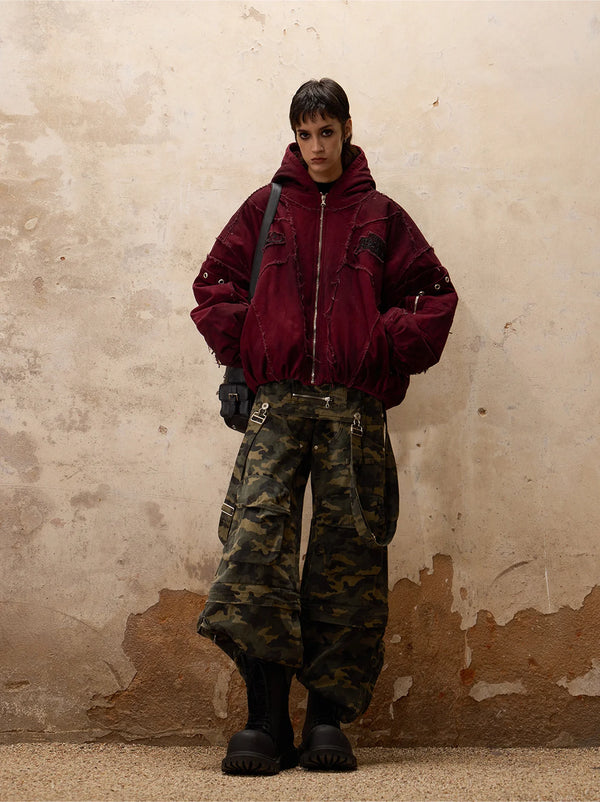
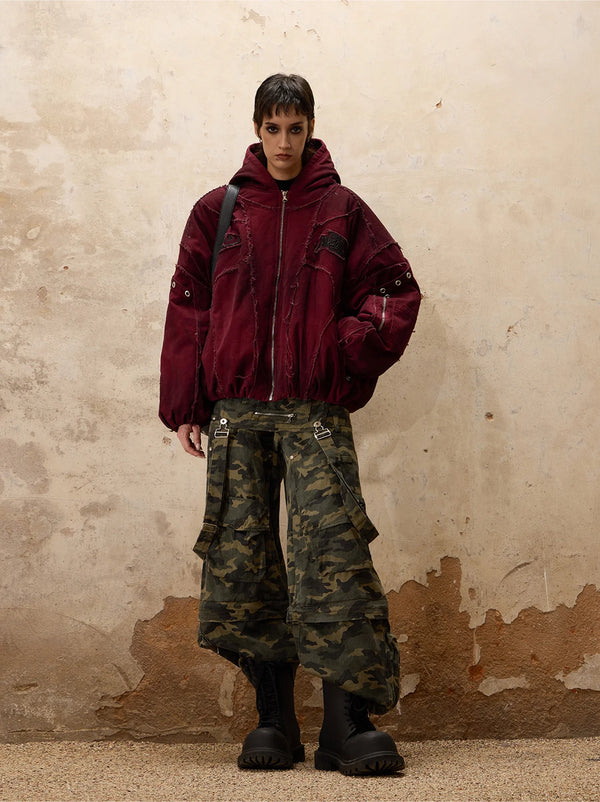
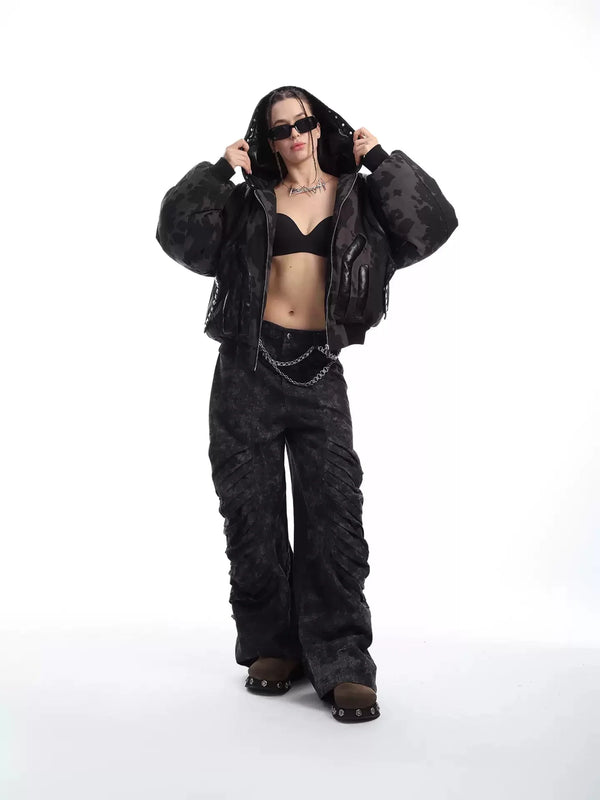
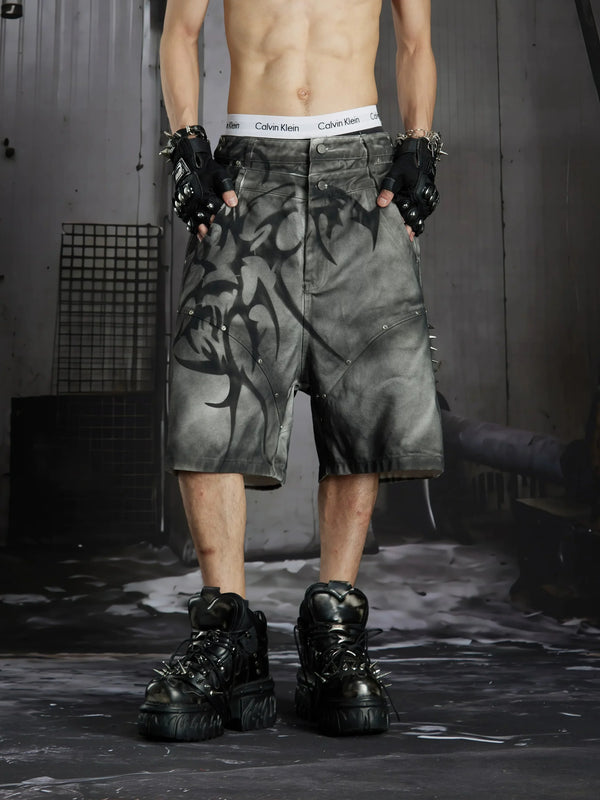
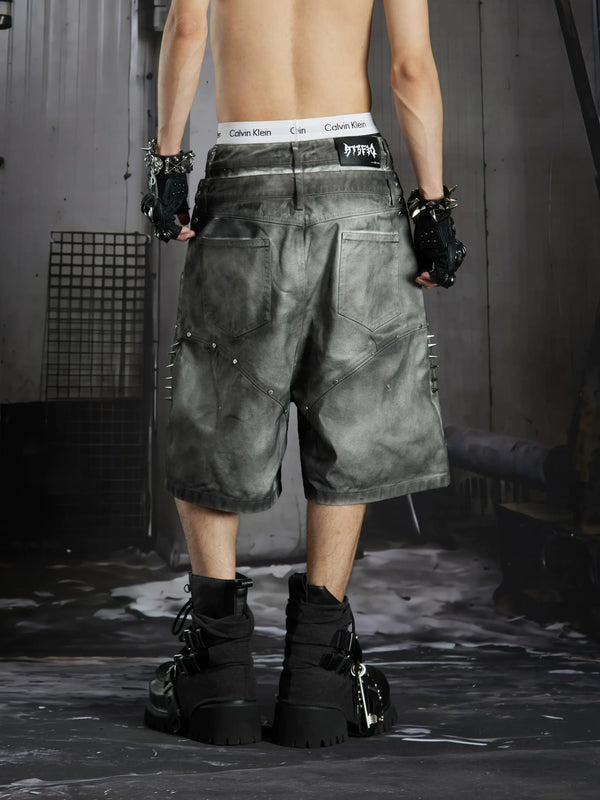
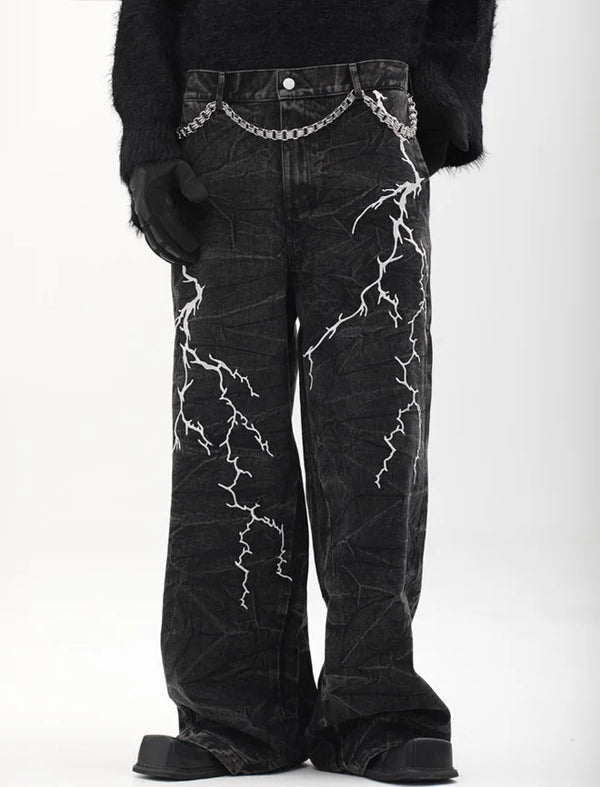
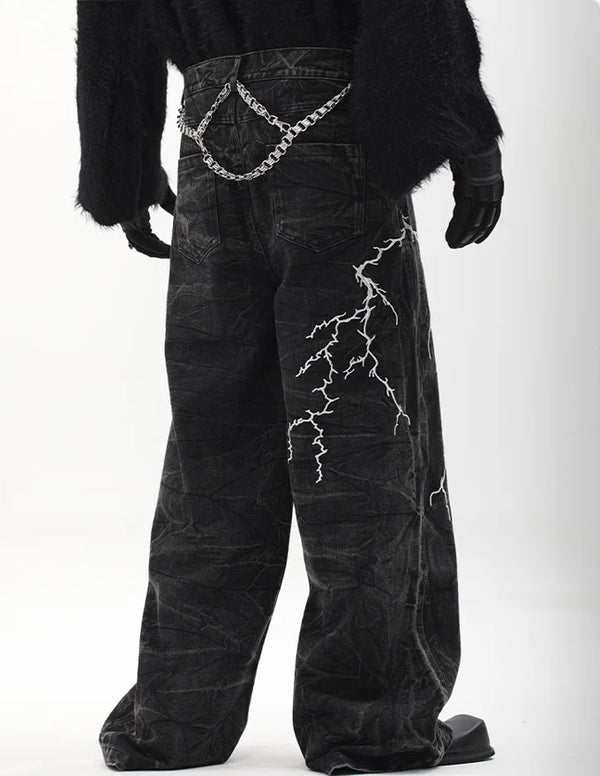
Tripp NYC, a New York label, delivered the second mark of recognition: the trousers. Wide or narrow cuts with straps, D-rings, chains and zips, somewhere between punk and goth. In the emo and scene wave these trousers became the statement piece that instantly made a plain band shirt louder. Anyone wearing a pair of Tripp trousers needed little on top.
Alongside them there was a whole row of smaller names hanging in the same shops. Iron Fist from California went for skulls and comic graphics. Glamour Kills came out of the pop-punk corner and was present at shows. Abbey Dawn, the label from Avril Lavigne, brought plaid, stars and pink into the girls' section. Emily the Strange, actually a comic figure with a black cat, landed on bags, shirts and pencil cases.
What defines this era is its availability. For the first time you could buy emo without knowing a record store or a basement club. That was its success and its problem at once. The look became accessible, but also interchangeable. That is exactly why the scene still separates the shirt from the merch table from the shirt out of the mall, even if both might show the same band.
Anyone who wants to understand how these brands were combined day to day will find the matching outfits in the decade article. The labels here are the suppliers, the outfits there the application.
Out of the music
Band Merch And Musician Labels: Drop Dead, Atticus And Macbeth
The most credible emo brands came straight out of bands. That makes sense, because the scene distrusted everything that smelled of industry. A label a musician had founded themselves, by contrast, felt like an extension of the record. You were not buying fashion, you were supporting someone you listened to anyway.
Drop Dead is the best-known example. Oli Sykes started the label in the mid-2000s in Sheffield, and the prints stood out immediately: garish colours, monsters, cartoon aesthetics, mixed with a deliberately morbid undertone. That fitted perfectly into the scene phase, in which emo became more colourful and louder. Drop Dead showed that emo does not have to be only black, as long as the tone stays dark.
Atticus belonged to the pop-punk side. Tom DeLonge and Mark Hoppus founded the label in the early 2000s, the pieces were more skate than goth: hoodies, shirts, caps with small, precise graphics. DeLonge was also behind Macbeth, a shoe brand that joined skate silhouettes with dark, plain colours. Famous Stars and Straps from Travis Barker completed the trio out of the Blink-182 circle.
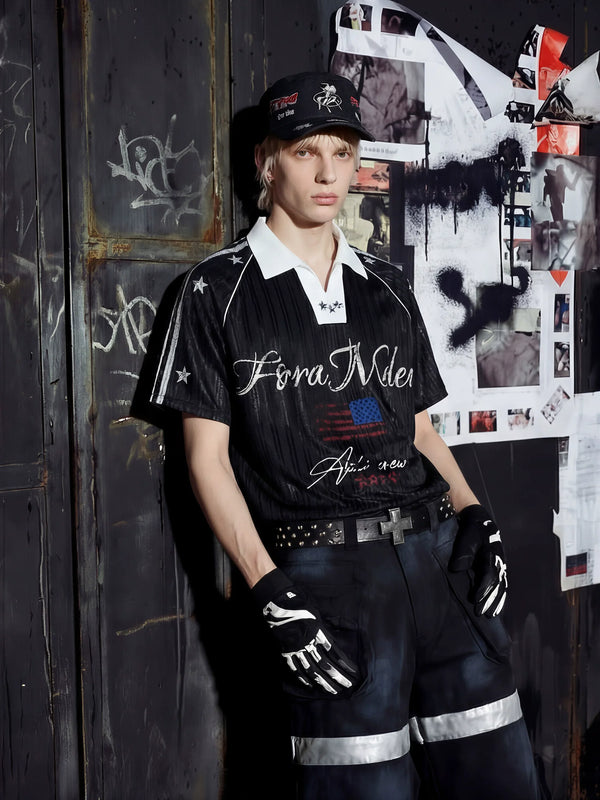
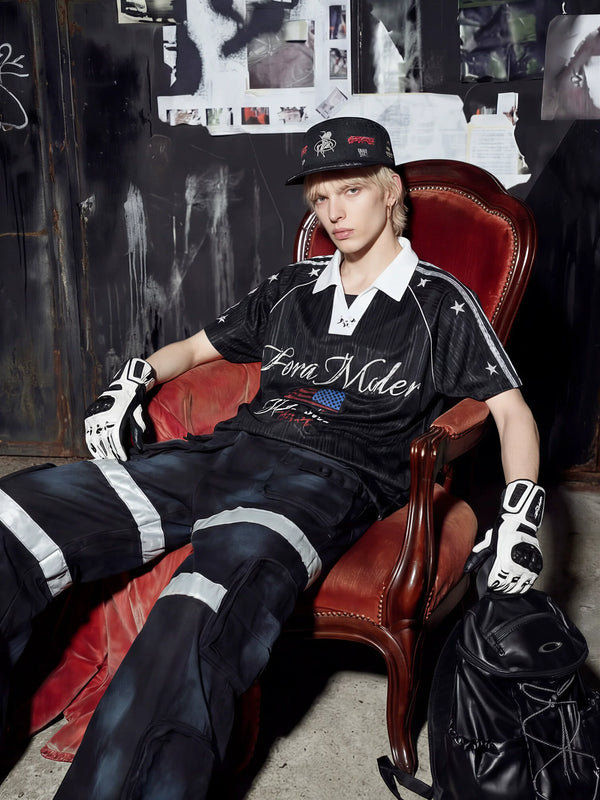
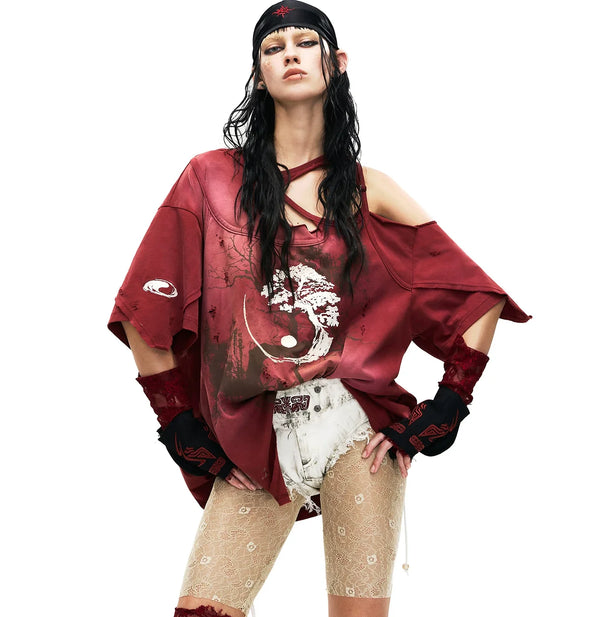
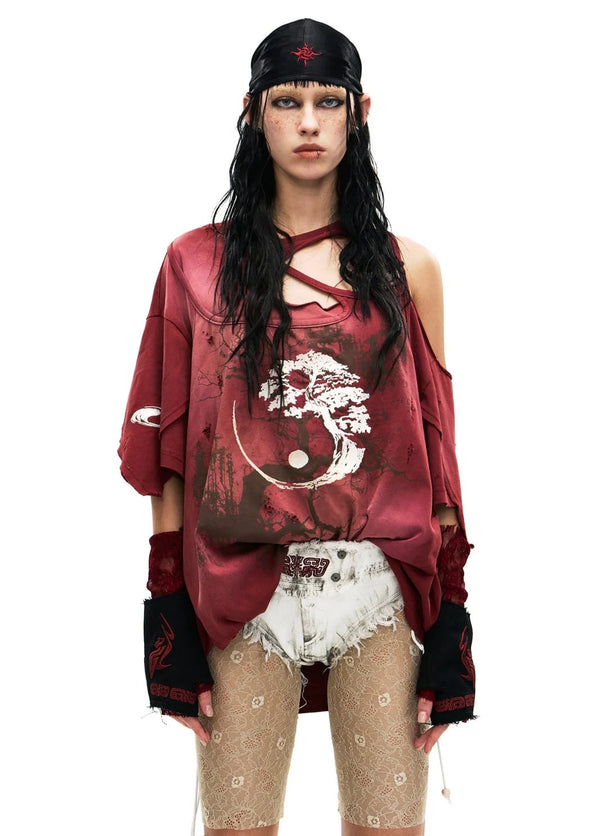
And then there was the thing that is not a brand in the classic sense: band merch. For many emos the shirt from the show was more important than any label. It was proof that you were there. Often it was bought too small so it sat tight, often it was worn until the print cracked. This merch idea is still the core of every honest emo outfit today, and it explains why tops in particular carry the look.
If you cannot find an original band shirt from 2006 today, take a top with the same effect: tight cut, dark, with visible wear or a detail that breaks. The brand is secondary here, the attitude of the piece is not.
The list
Emo Fashion Brands List: The Brands By Category
A pure list of names helps little, because emo brands fulfil very different jobs. Some deliver the trousers, some only the shoe, some the feeling of belonging to the right scene. It makes more sense to sort the emo fashion brands list by role. Then you quickly see which gap in your own wardrobe is filled by which kind of brand.
The list also shows why a good emo look rarely consists of a single brand. An outfit that comes completely from one label quickly looks like it came out of the catalogue. The mix of one statement piece, honest basics and a nameless find is what has always worked in the scene.
In practice that means: invest where the form counts, so with trousers and jacket. Save where wear is part of the look, so with shoes and shirts. And let accessories run without a label, because a studded belt looks just as good after two years of wear with every brand.
Today
Emo Brands Today: Killstar, Disturbia And The New Alt Generation
After the end of the big emo wave around 2010, many of the old names disappeared from view. Some labels were discontinued, others sold or rebuilt. Into the gap pushed alt brands that grew big online and no longer served emo in isolation, but as part of a broader spectrum of Goth, Grunge, Punk and witchy aesthetics.
Killstar from the UK stands for occult motifs, pentagrams and dark basics, more Goth than emo, but with a large overlap in the audience. Disturbia, also British, goes for graphic prints, slogans and a slightly ironic attitude that recalls the Drop Dead era. Punk Rave from China delivers elaborate cuts with buckles, straps and layers that sit closer to the old Tripp logic than to modern fast fashion.
What has changed is the place. Emo brands today no longer hang in a single store at the mall, but in online shops, on social media feeds and in second-hand apps. That makes the scene bigger and more international, but also harder to survey. Anyone who used to know where to go on a Saturday now scrolls through dozens of labels that all look similar.
It is exactly this lack of overview that makes the cut more important than the name. The new generation looks less for the right label than for the right piece: the trousers with the right fall, the top with the right detail. That is exactly where we come in too. Fūga is not an emo brand in the classic sense, but our Gothic and Opium pieces serve the same forms the emo look needs.
Her and him
Women Emo Fashion Brands And Brands For Men
From the beginning emo was one of the most permeable subcultures when it comes to gender. Boys wore eyeliner and tight jeans from the women's section, girls wore band shirts in men's sizes and Converse. Still, there were brands that leaned more to one side. Among the women emo fashion brands of the 2000s, Abbey Dawn, Iron Fist and Emily the Strange stood out: plaid, skulls, stars, striped tights, short skirts with chains.
Today labels like Killstar and Disturbia strongly serve a female audience, with dresses, skirts, corset details and platform shoes from brands like Demonia. For men the look ran and still runs more through skate and band labels: Atticus, Famous Stars and Straps, Dickies, Vans. The difference lies less in the brand than in the cut. The same narrow black trousers work for both.
If you are shopping for yourself, it is worth looking at both sections. Many of the best emo pieces hang on the other side, because the cut there is tighter, wider or longer. That was the case in the 2000s, and it is no different today.
The neighbours
What Do Punks Wear, What Do Goths Wear? The Neighbour Brands
Emo traditionally shares its brands with two neighbours: Punk and Goth. Punks wore Dr. Martens, leather jackets, plaid trousers and band patches, often sewn on themselves. Brands played an even smaller role there than with emo, because do-it-yourself was part of the attitude. Where Punk wore a brand, it was mostly a shoe or a jacket that simply held.
Goths reached more for specialised labels with elaborate cuts, velvet, lace and lacing, later for online alt brands like Killstar or Punk Rave. Platform boots from Demonia and New Rock became fixed quantities. Emo took something from both sides: from Punk the studs and the attitude, from Goth the black and the melancholy. That is exactly why many names turn up in all three scenes.
The overlap between Mall Goth and emo is especially large, because both came out of the same shops. Anyone who wants to understand the Goth side of the same era will find the matching brand map there. For emo, one category from the neighbourhood counts above all: the trousers.
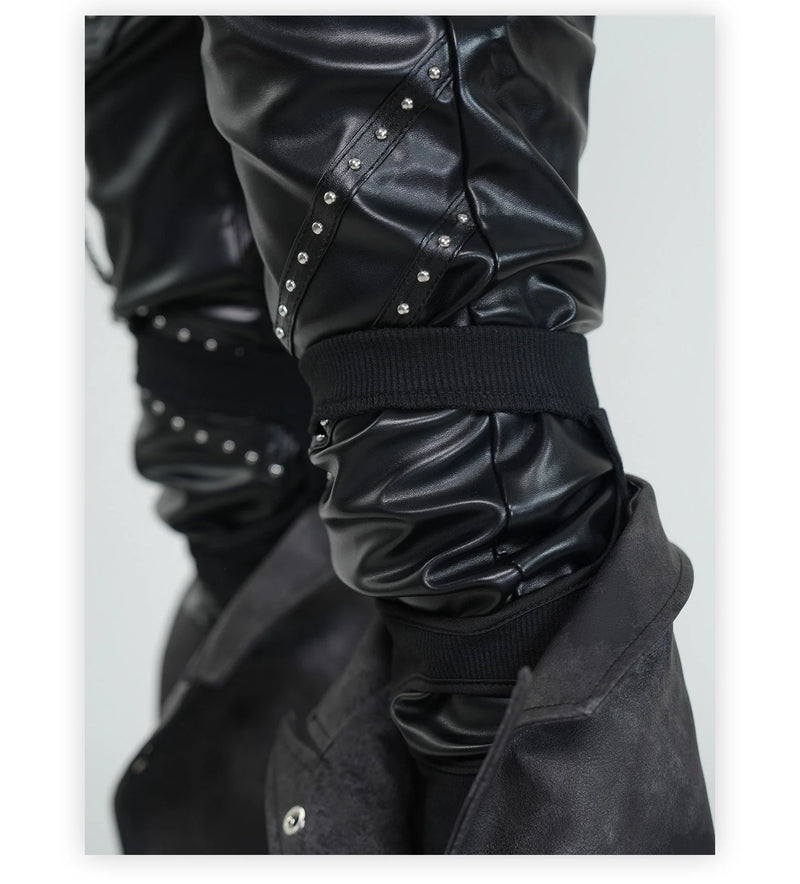
Straps, chains, studs, buckles. What began at Tripp NYC is still the fastest shortcut to the emo or punk look. A single pair of trousers with hardware completely changes a plain shirt, and it works in both narrow and wide form.
Combine such pieces with a quiet top. The trousers speak loudly enough, and exactly this contrast was already the trick behind the best outfits in the mall era.
Shopping
Where Do Emos Buy Their Clothes?
The answer used to be: at the mall shop, at the merch table and at the second-hand store. Today shopping spreads across considerably more places. Band shirts still come best from the show or from the official band shop. Basics like Vans, Converse or Dickies you buy at the normal shoe or workwear retailer. For the actual emo pieces, so trousers with hardware, tight dark tops and jackets, specialised online shops have become the most important route.
Then there are second-hand apps and flea markets, where real pieces from the 2000s turn up. An original Drop Dead shirt or an old pair of Tripp trousers is sometimes cheaper there than a new piece, and it brings the patina along with it. Anyone with patience builds a wardrobe that way which looks like real history instead of a new purchase.
That is perhaps the most important insight for anyone starting today: you do not have to shop at a certain store to belong. You only have to know what form a piece needs to have. With us you will find the emo categories sorted by piece, so that you fill exactly the gap your outfit currently has.
Wherever you start: begin with the piece that makes the biggest difference. Usually that is the trousers or the jacket, because both determine the silhouette more than any shirt.
Budget
Where Can You Buy Emo Clothing Cheaply?
Emo was never an expensive look, and it does not have to be one today either. The cheapest source remains second hand. Narrow black jeans, plaid shirts, hoodies and Converse are available at flea markets and in apps in large quantities, because the 2000s wave produced masses of them. Anyone searching there finds the base for little money.
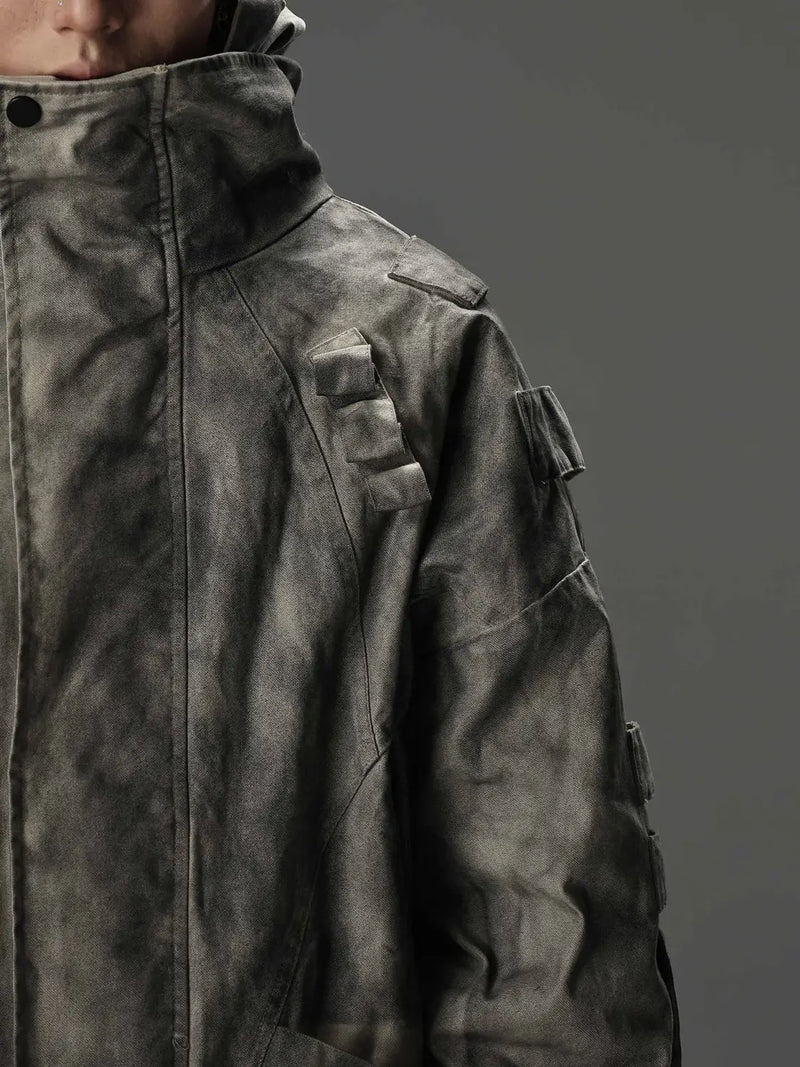
The second saving rule concerns distribution. Buy basics cheap and spend the budget on one or two pieces that define the look. A good jacket or a pair of trousers with hardware you wear for years, a cheap shirt with a printed logo rarely longer than one season. With jackets in particular quality pays off, because they form the top layer and are seen the most.
Caution is advised with extremely cheap online offers that look exactly like known emo brands. Often neither the fabric nor the cut is right, and the piece falls apart after the first wash. Better an honest nameless piece with a good fall than a bad copy with the wrong label.
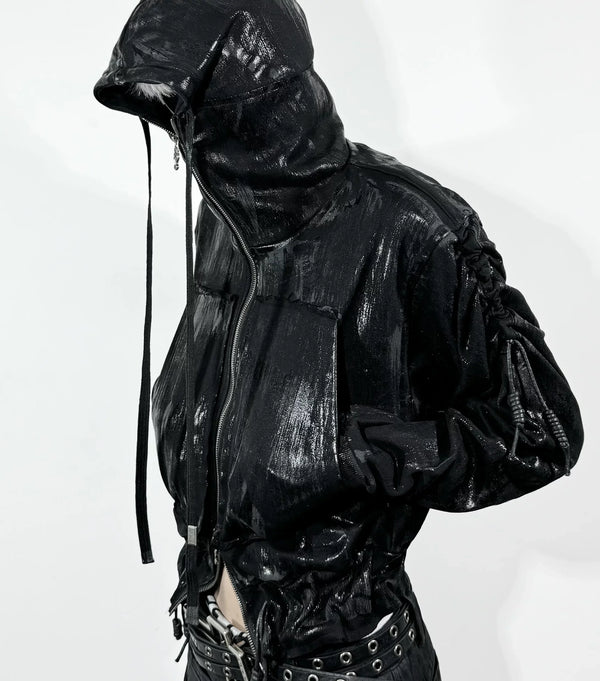
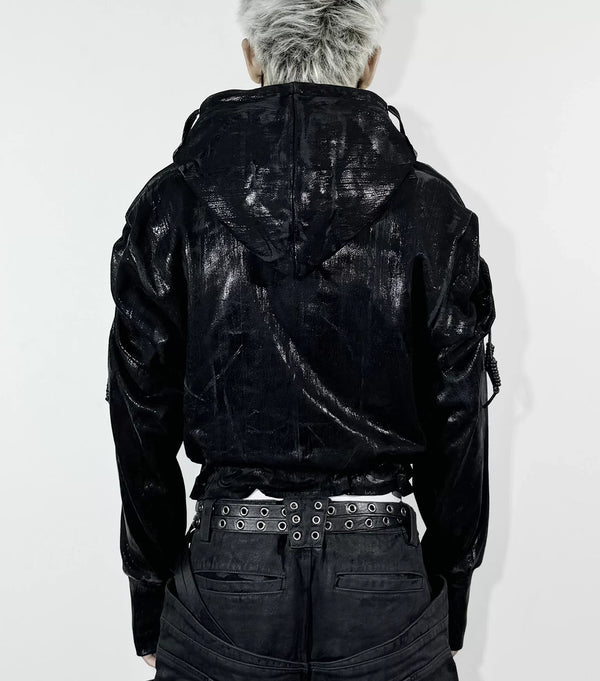
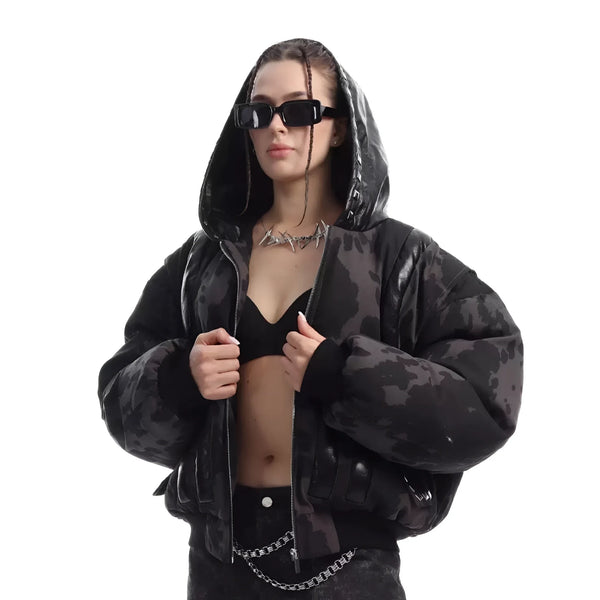
With this logic you build a wardrobe in a few steps that looks like emo without having to buy up every label of the 2000s. The jacket is the piece that stays longest, and that is exactly where a closer look pays off.
A set with a jacket delivers the same dark line on top and bottom in one go. Wear the pieces separately if you want more combinations, or together if the look should read as closed.
Community
Emo Fashion Brands On Reddit: What The Community Recommends
Anyone searching for emo fashion brands on Reddit lands in long threads in alt-fashion forums, and the answers almost always follow the same pattern. First: second hand first. Second: buy band shirts directly from the band. Third: Vans, Converse and Dickies as the base kit. Only after that do the actual label names fall, like Tripp NYC, Killstar, Disturbia or Punk Rave.
What stands out is how often the community warns against too much brand focus. Many write that they found their best pieces without a label, in the thrift store, in the wardrobe of older siblings or resewn themselves. Others stress that known alt brands have become more expensive in recent years and that for the same money you often get better quality from lesser-known labels.
That matches what we know from the history of the scene. Emo has always used brands, but never worshipped them. The scene celebrates the one who makes a lot out of little, not the one who buys out the most expensive store. An honest outfit with one clear statement piece gets more praise in every one of those threads than a complete brand outfit.
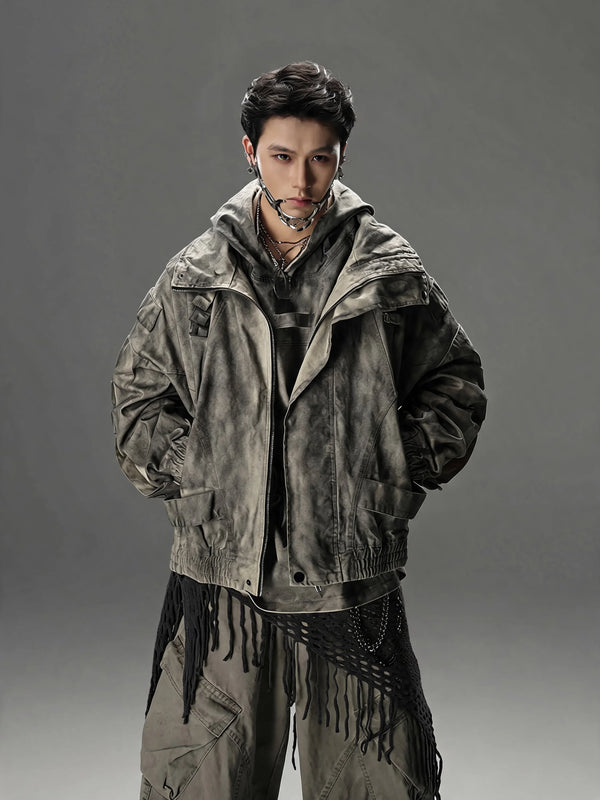
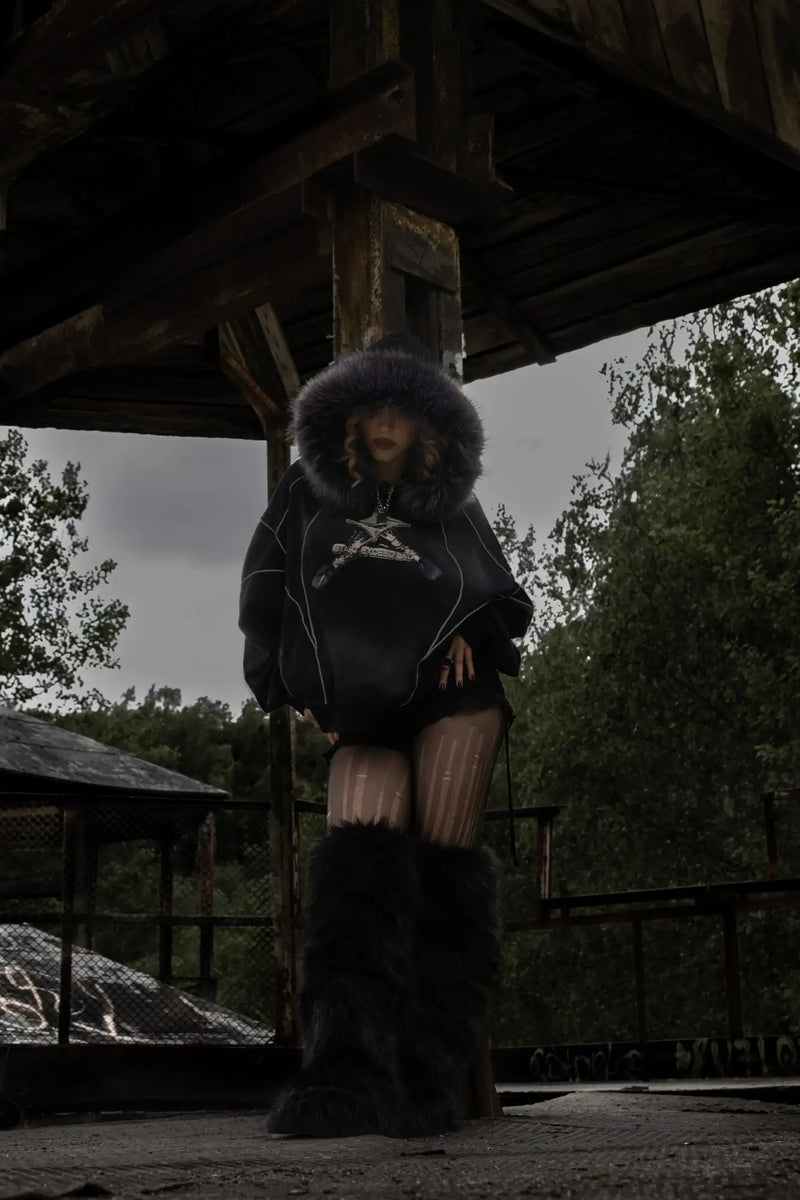
It is exactly this principle the clip shows: no big label, but layers, texture and a clear dark line. Anyone taking the Reddit advice seriously automatically lands at this approach.
Quality
Best Emo Fashion Brands: How To Recognise Good Brands
There is no best emo brand, but there are clear criteria by which you recognise good labels. The fabric has to survive the wearing, because emo clothing is worn long and hard. The cut has to hit the typical silhouette, so tight on top or with a clear line below. And the details, studs, chains, prints, have to sit firmly instead of just being glued on. When buying, the same mistakes keep happening.
The counter-rule is simple: buy forms, not names. A brand is good when its pieces still look better after two years of wear than on the first day. That goes for old labels just as much as for new ones.
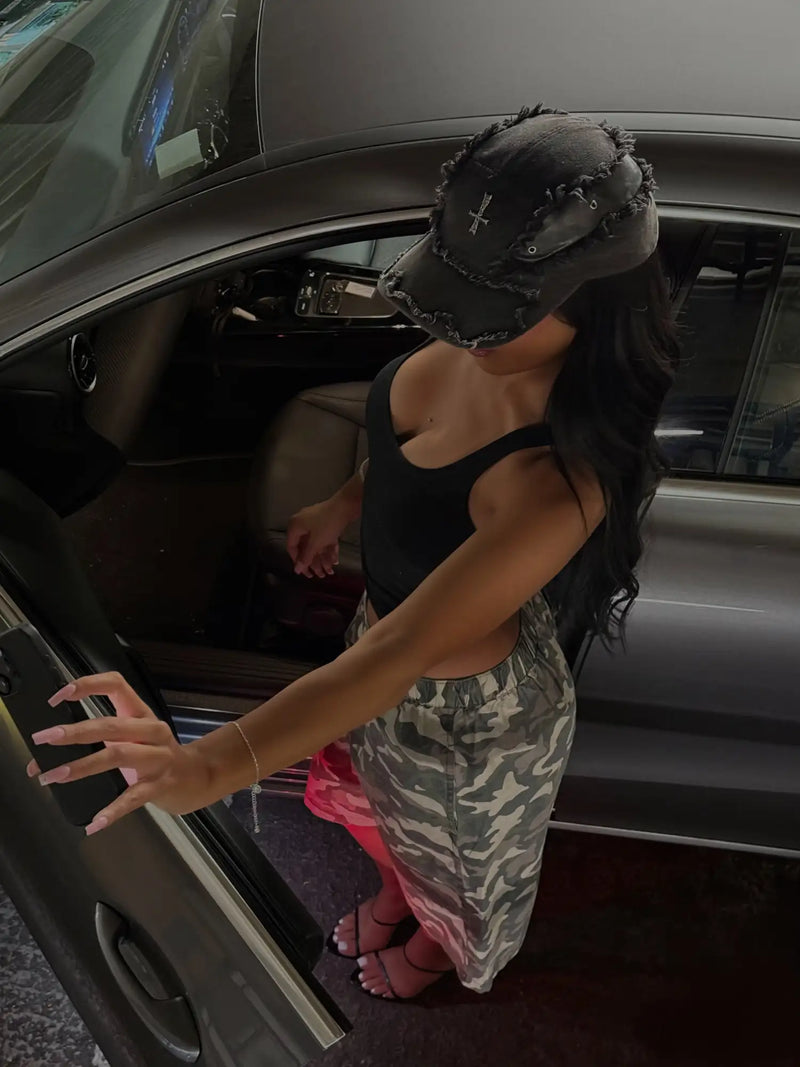
With accessories this principle is easiest to test. A belt with real metal, a cap with firm fabric, a chain that does not tarnish after two weeks. Small parts often decide whether an outfit looks like emo or like a costume.
A single good belt replaces three cheap studded bands. Go for one or two small parts that hold, and let the rest of the outfit stay quiet.
Anyone who wants to understand the emo style from the ground up, from the roots in hardcore to today's revival, will find the whole history in the guide. This article is its brand chapter.
Gen Z
Gen Z And Emo: Which Brands Count Now
For Gen Z emo is not the revival of someone else's youth, but one building block among many. The look mixes with Grunge, Y2K, Goth and Opium, and the brand spectrum is correspondingly broad. Instead of a single mall shop there are hundreds of labels found via social media. The brand that counts right now is often the one that turned up in the last clip.
At the same time Gen Z is considerably more critical when it comes to labels. Sustainability, second hand and the question of whether a brand really understands the scene play a bigger role than with the generation before. A piece has to feel real. That is why old musician labels and real vintage finds are in demand again, while pure mall goods are rather smiled at.
For us that means: we do not sell emo nostalgia, but pieces that translate the same attitude into a dark today. Tight tees with patina, wide or narrow trousers with hardware, jackets as a clear top layer. Limited drops, no restocks. Anyone building an emo look today combines such pieces with Vans, a real band shirt and a find from the flea market. It needs no more than that.
FAQ
Frequent Questions About Emo Fashion Brands
The questions that keep coming up about emo brands we have answered here short and direct, so that you know where you stand at your next purchase.
Is Hot Topic still an emo brand?
What is Drop Dead Clothing?
Do I need branded clothing for the emo look?
Which emo brands come from the UK?
Are Vans and Converse emo brands?
In the end emo brands are less a shopping list than a map. They show where the look comes from and which forms carry it. Anyone who knows these forms can move freely, with or without a label.
What do you think?
Tell us on @fuga_studios
About the author
Philipp Fuge — Founder · Berlin
Founder of Fūga Studios. Writes the journal himself. Berlin · Shanghai · Tokyo · Poznań — four cities, one logic.