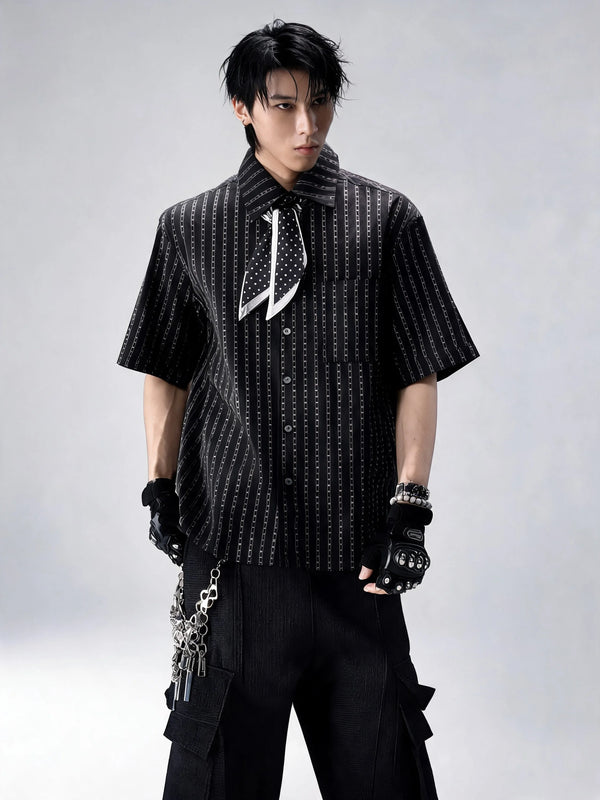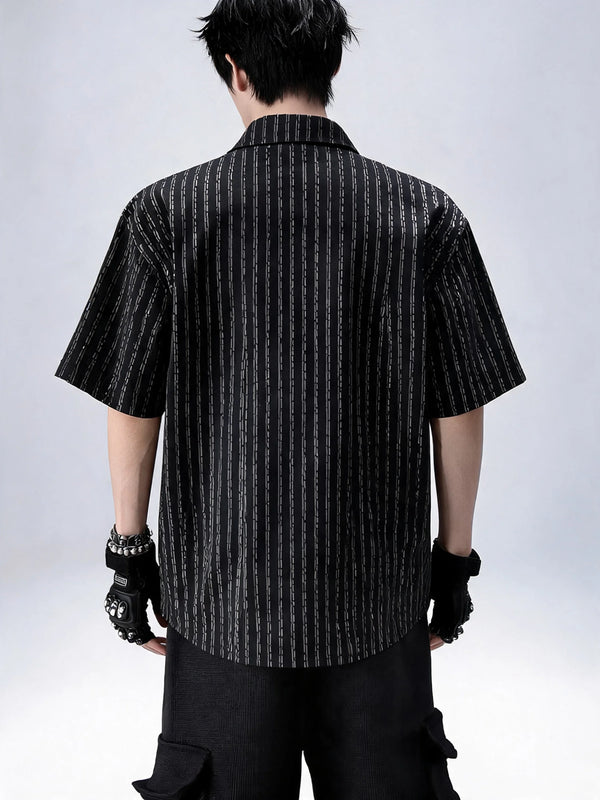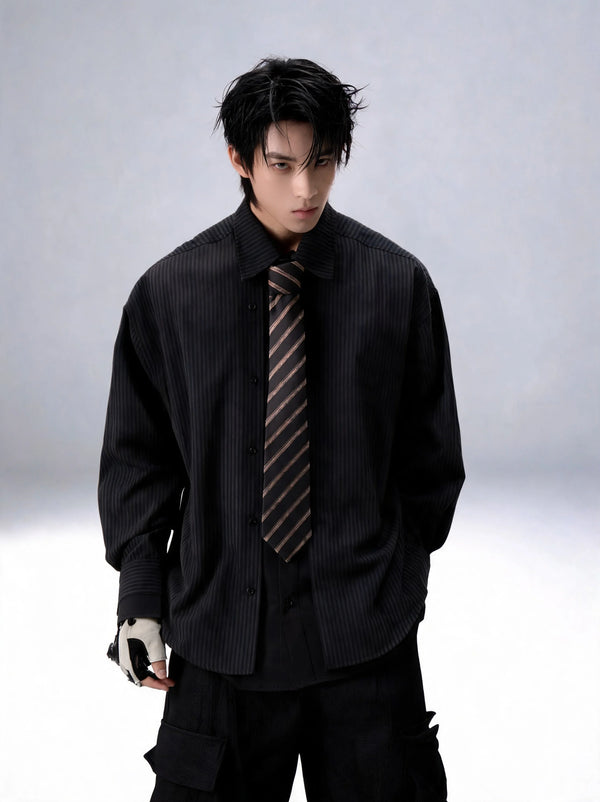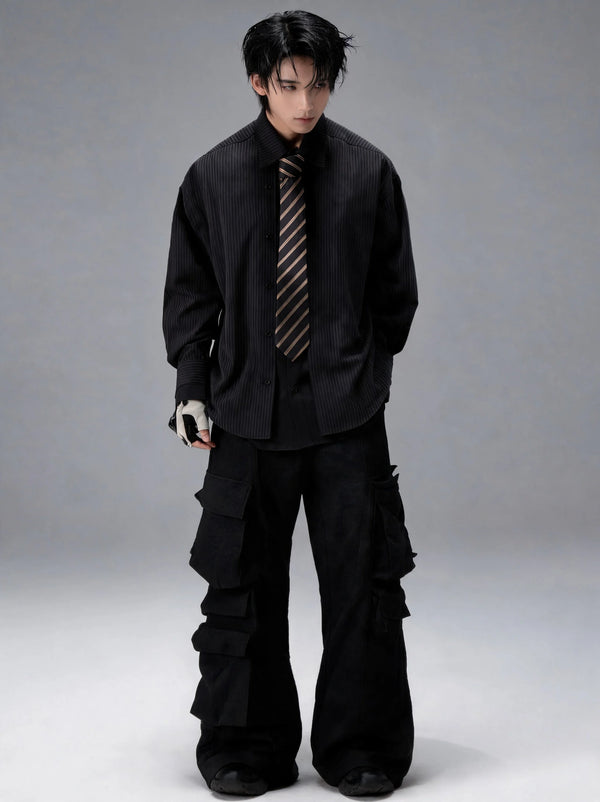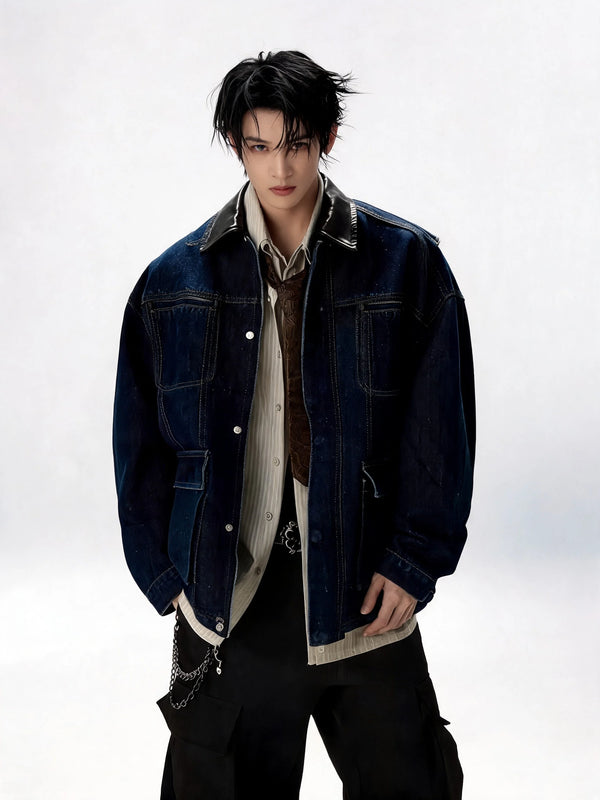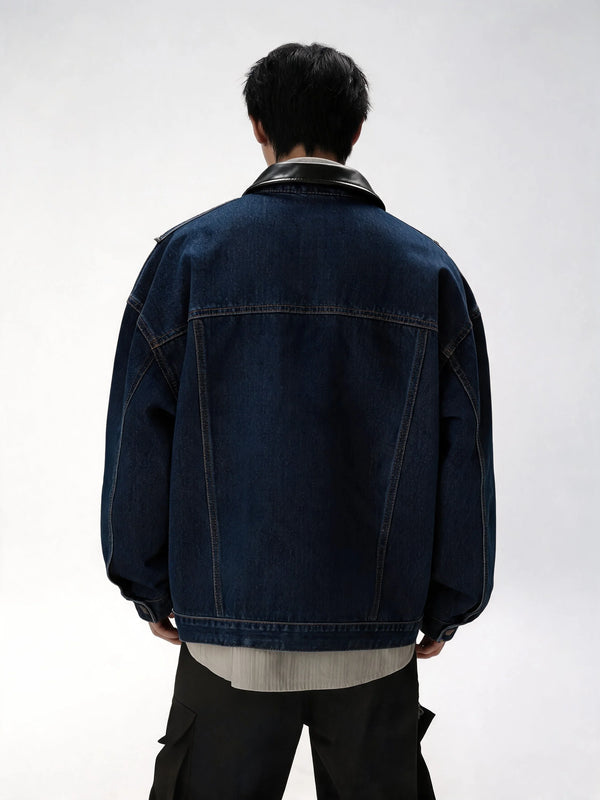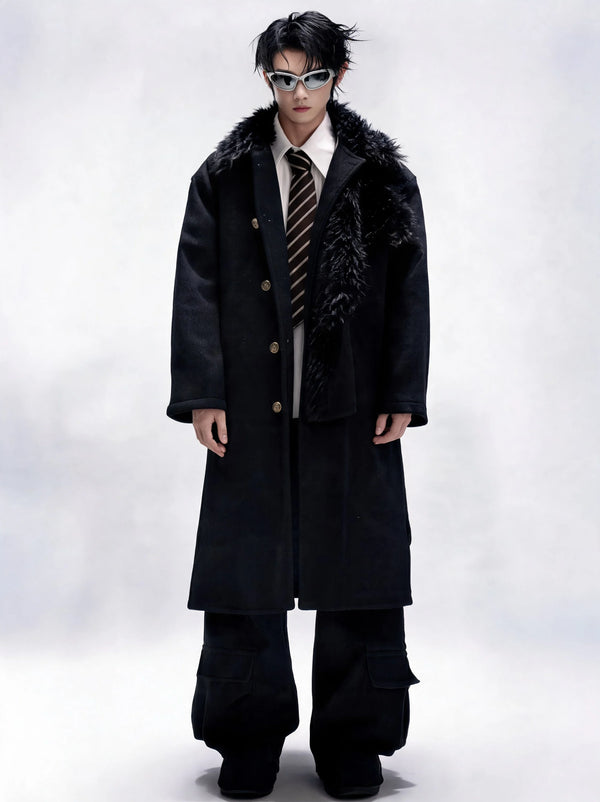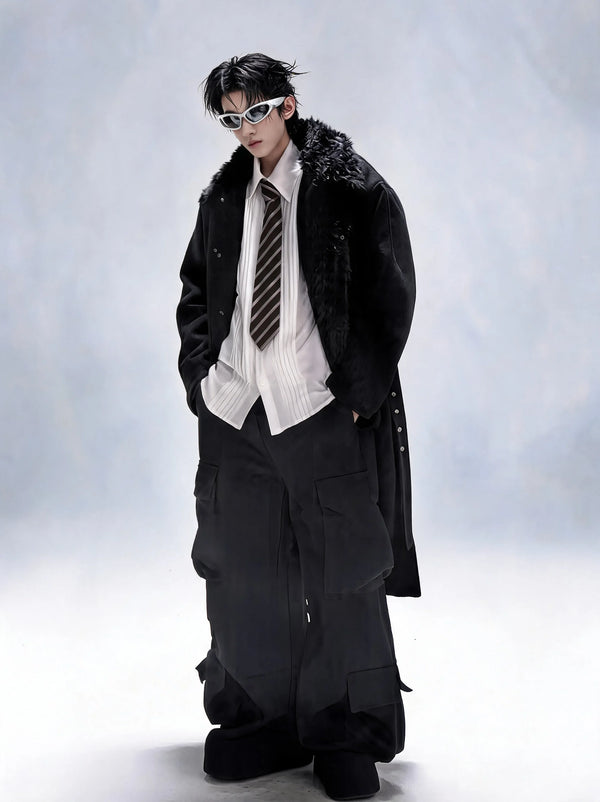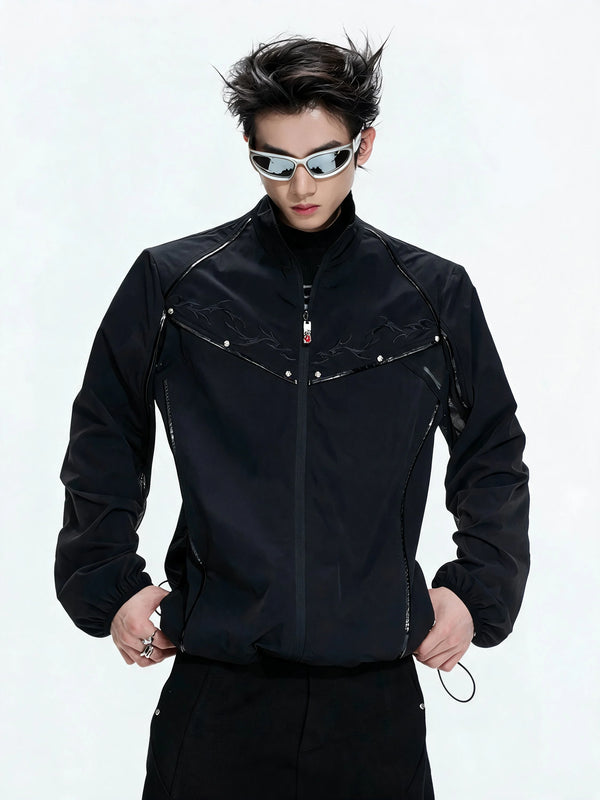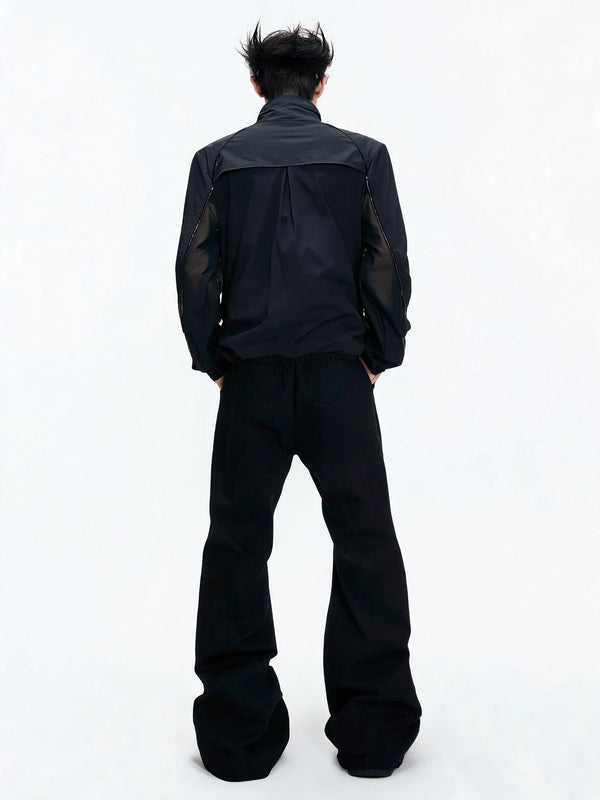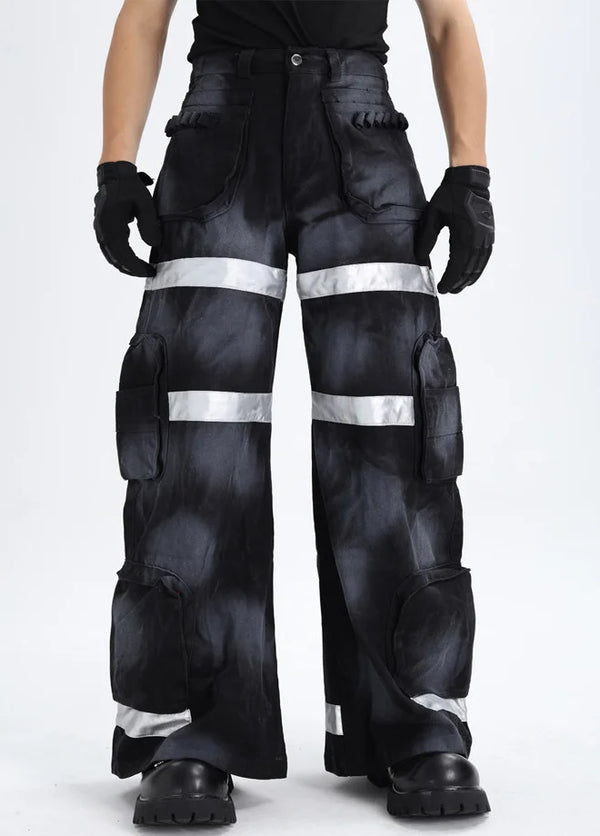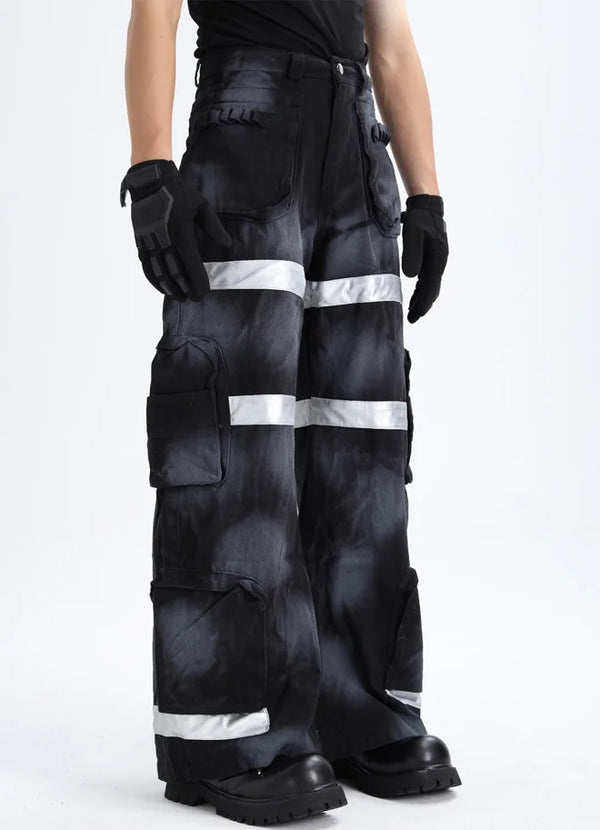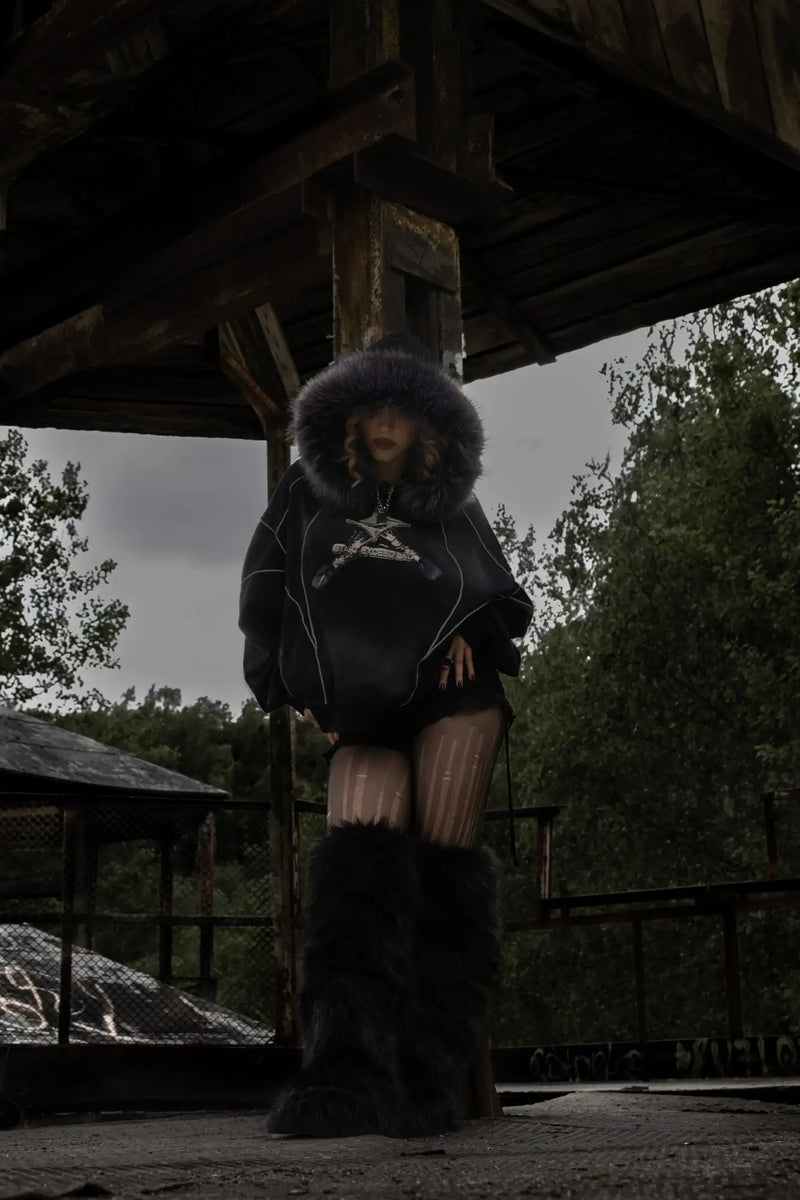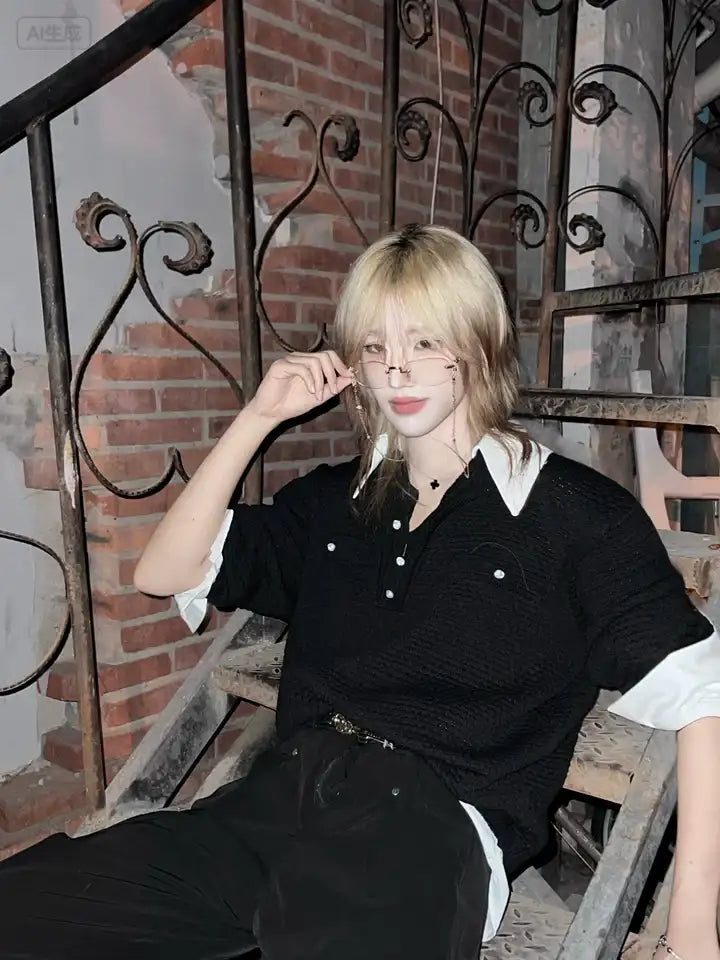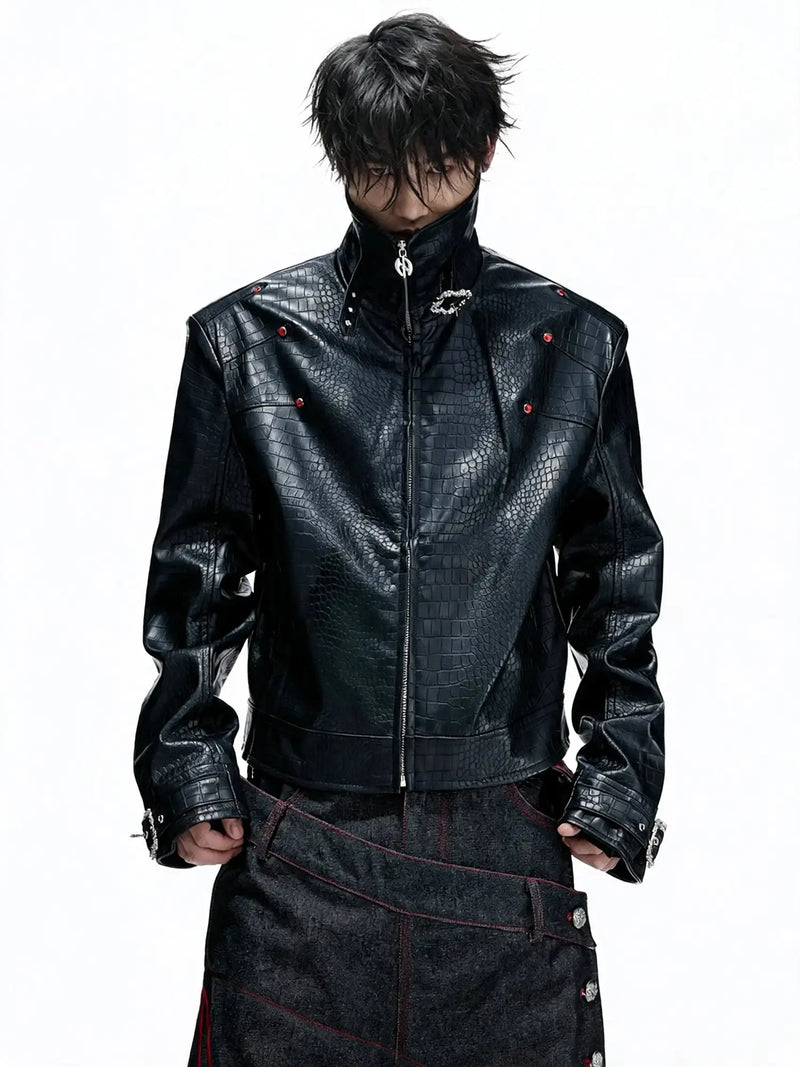
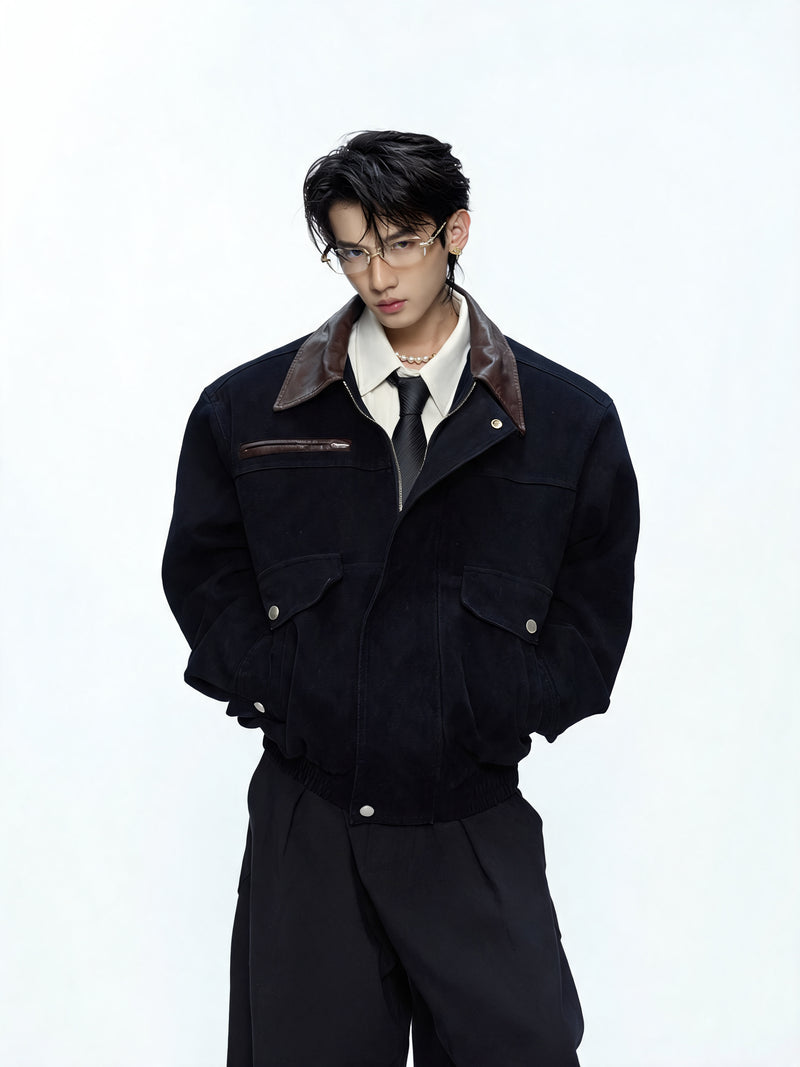
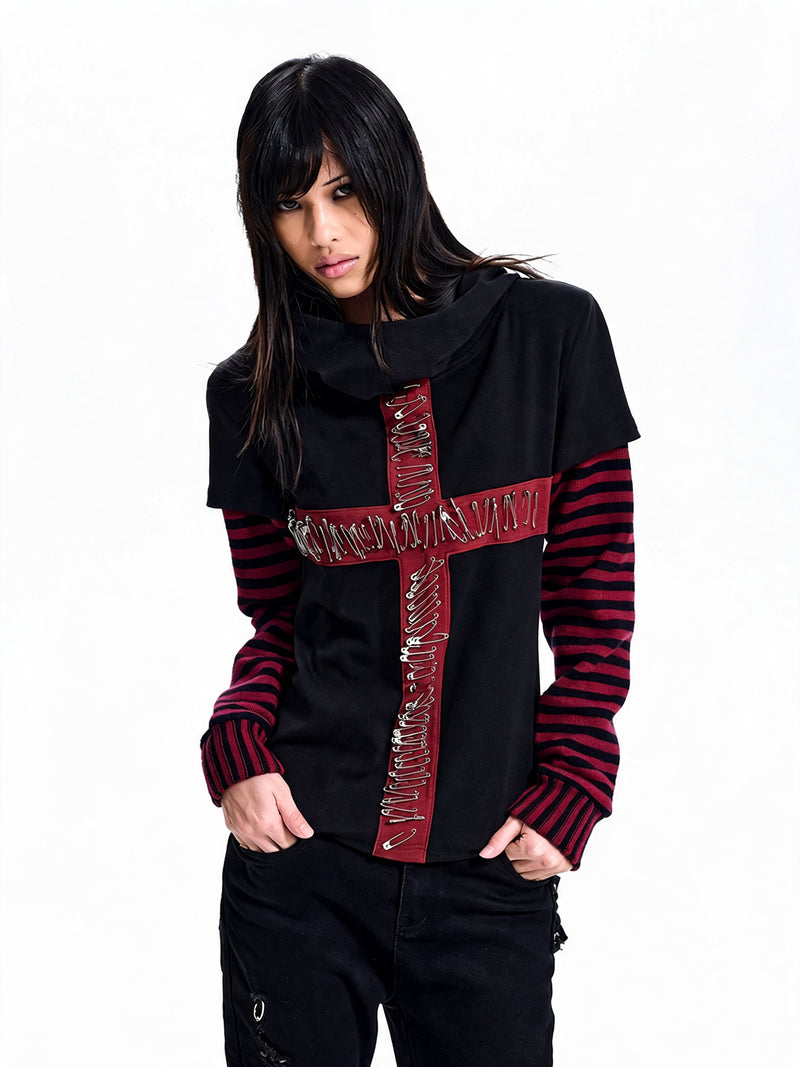
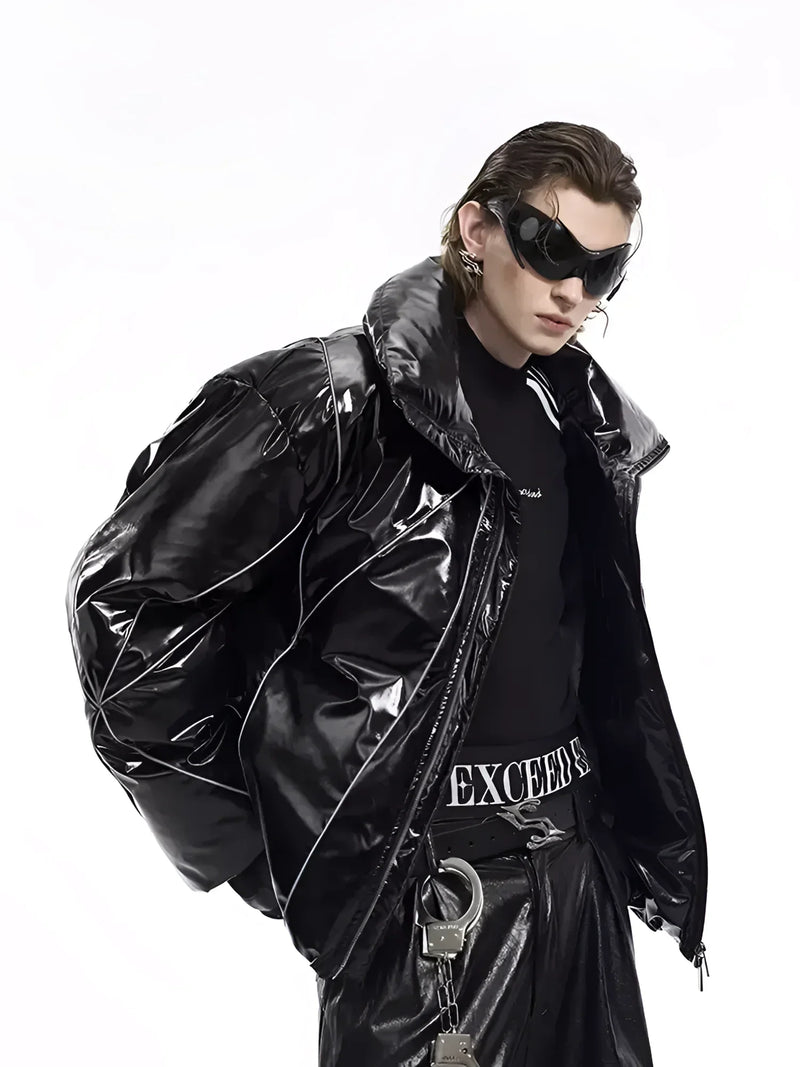
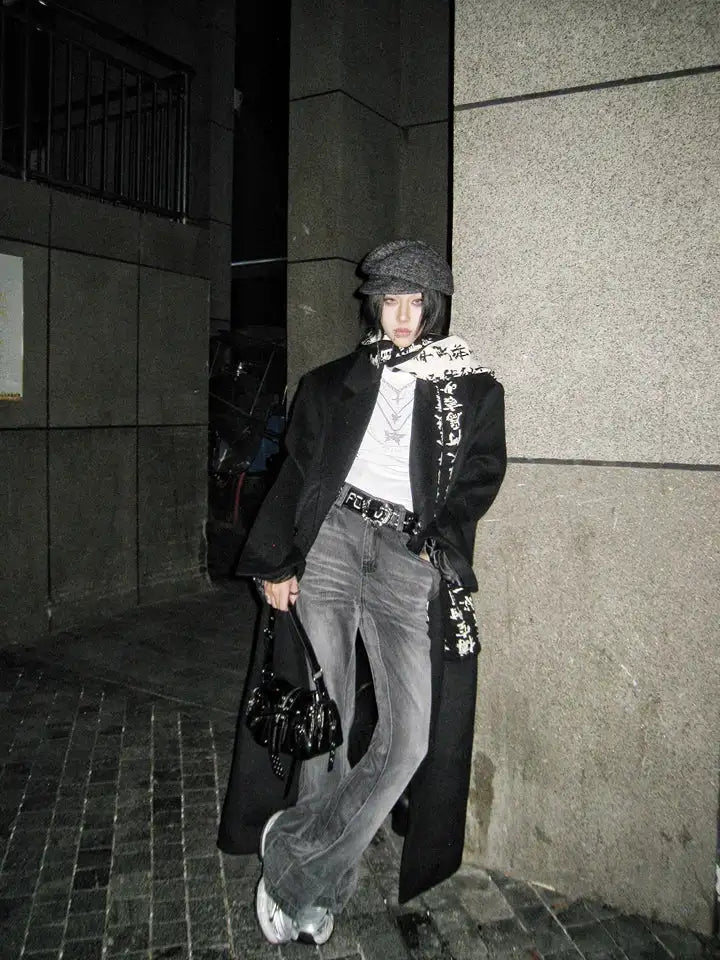

A photo, black and white, somewhere in London in 1977. A skinny kid with spiked-up hair, a leather jacket, a chain with a padlock around his neck. No stylist built that, no brand paid for it. People have been copying this look for almost fifty years anyway, in Kreuzberg, in Tokyo, in every small-town bedroom. That is how an icon works: one person wears something, and afterwards a whole genre looks different.
Punk fashion icons are the musicians and scene figures whose personal style became the template for all of punk fashion: from Sid Vicious, Johnny Rotten and the Ramones through Patti Smith, Siouxsie Sioux and Debbie Harry to pop-punk faces like Avril Lavigne and current names like Willow. You will find the full overview of codes, pieces and attitude in our Punk Fashion Guide. This is about the people behind it, and about which piece shaped each icon.
The map
Punk Fashion Icons: Who Really Shaped the Look
The question of the most famous punk icons has no single right answer, but it has a clear pattern. Almost everyone who shaped the look stood on a stage in New York or London between 1974 and 1979. They had no money, no stylists and no template. What they wore was improvised, and that is exactly why it still reads as real today.
Further generations followed: the hardness of the 80s, the pop-punk of the 2000s, the return of the genre after 2020. Every wave produced its own faces, but all of them quote the first generation. Three years mark the arc.
1974
The Ramones form in Queens
1977
Never Mind the Bollocks is released
2021
Willow brings pop-punk back
Instead of working through twenty names one by one, a split by type helps. Almost every punk icon fits one of five archetypes, and each archetype stands for its own way of using clothing. If you know which type suits you, you also know which pieces you need.
London 1976
Sid Vicious and Johnny Rotten: The Male Punk Fashion Icons from London
When someone asks about male punk fashion icons, these two names almost always come up first. Johnny Rotten, born John Lydon, was reportedly spotted near the shop SEX in 1975 because he wore a Pink Floyd shirt on which he had written “I Hate” with a marker pen. That is all of punk in one garment: a mass-produced item, personally damaged, with a clear attitude.
Rotten then wore what Vivienne Westwood and Malcolm McLaren designed in the shop: checked bondage suits with straps between the legs, slashed muslin shirts, mohair jumpers full of holes. Plus the orange-dyed hair, spiked upright. His look was deliberately uncomfortable, for him and for the people looking at him.
Sid Vicious, bassist of the Sex Pistols from 1977, made something rawer out of it. He wore the black leather jacket like a second skin, tight jeans, heavy boots and the famous chain with a padlock around his neck. Until his early death in 1979 his picture was printed so often that he became the prototype of the punk as such. Many people who have never heard a Sex Pistols song recognise his look instantly.
For today the lesson from both figures is simple: the leather jacket is the foundation, the accessory makes the character. A padlock, a chain, a written-on shirt are enough to call up the line of 1977.
New York 1974
Richard Hell and the Ramones: The Punk Icons from New York
Before London turned punk into an image, New York already had the attitude. From 1974 bands played at CBGB on the Bowery that had no use for rock-star glamour. Richard Hell, first with Television, then with the Heartbreakers and the Voidoids, wore torn shirts held together with safety pins and short, sticking-out hair. Malcolm McLaren saw him in New York and took exactly that image back to London.
The Ramones delivered the opposite of improvisation: a uniform. Four musicians, all in black biker leather jackets, faded and broken jeans, a plain shirt and sneakers. Joey Ramone added round dark sunglasses. This look barely changed over two decades, and that consistency is exactly what made it so strong. The Ramones leather jacket is still the most copied piece in the whole history of punk.
The difference between the two camps is practically useful. Richard Hell stands for the broken, self-repaired piece. The Ramones stand for the perfect repetition of the same outfit. If you are building your own punk look, you can decide on one of the two directions: one-off or uniform. Both are legitimate, both almost always start with a black jacket.
In almost every icon look the jacket is the piece that holds everything together. It can sit over a cut-up shirt like with Hell or over a clean basic like with the Ramones, and it works in both cases.
Against gender
Patti Smith: The Androgynous Punk Icon Without Studs
Patti Smith proves that a punk look needs not a single stud. The cover of her 1975 album Horses, photographed by Robert Mapplethorpe, shows her in a white men's shirt, with a black blazer over her shoulder and a loose, narrow tie. Hair uncombed, gaze direct. The picture became one of the most influential record covers there is.
The break here was not in destruction but in the refusal of gender roles. A woman in men's clothing, without make-up, without any effort to please: in 1975 that was more radical than any safety pin. Patti Smith showed that punk is a question of attitude and not of hardware.
For everyday wear her approach is perhaps the easiest to transfer. A black blazer, a white or black shirt, narrow trousers, and the look reads as punk without looking like fancy dress. If you want to follow the whole development from New York to the present, you will find the timeline in the article on the history.
The other half
Female Punk Fashion Icons of the 70s: Siouxsie Sioux, Debbie Harry, Jordan
The female punk fashion icons of the 70s often built the look more boldly than their male colleagues. Jordan, born Pamela Rooke, worked at the shop SEX on the King's Road and commuted daily from Sussex to London in full kit: high backcombed, bleached hair, graphic eye make-up, transparent fabrics, rubber and leather. She was less a musician than a living shop window, and that is exactly what made her the first real style icon of the London scene.
Siouxsie Sioux came out of the circle of early Sex Pistols fans and founded Siouxsie and the Banshees in 1976. Her trademark was extremely drawn eye make-up, black backcombed hair, mesh and leather. She is the bridge between punk and gothic: many elements that count as goth today she wore first on a punk stage.
Debbie Harry of Blondie brought the counter-proposal from New York. Platinum blonde hair with dark roots, second-hand pieces, short dresses, a leather jacket over them. The designer Stephen Sprouse made stage dresses for her at the end of the 70s. Harry showed that punk is allowed to be glamorous as long as it does not turn well-behaved.
Anyone searching for 70s punk fashion female almost always ends up with these three names. Their common denominator is not a particular piece but the decision to treat their own face and their own body as part of the outfit. Make-up and hair mattered to them as much as any jacket.
Without a rulebook
Poly Styrene, Wendy O. Williams, Joan Jett: Punk Icons Without a Rulebook
Next to the well-known names there is a second row of women who pushed the look even further. They are often forgotten in lists of the top punk icons, although their ideas turn up everywhere today. Each of them contributed an element that is still part of the vocabulary of the scene.
- Poly Styrene: The singer of X-Ray Spex wore garish neon colours, braces on her teeth and cheap synthetics as a comment on consumer society. Her 1977 song Oh Bondage Up Yours! became an anthem.
- Wendy O. Williams: The front woman of the Plasmatics wore a mohawk and sometimes nothing but electrical tape instead of a top. Provocation as a stage programme.
- Joan Jett: First with the Runaways, then solo. Black leather head to toe, a layered cut, kohl. Her look is still the blueprint for rock leather.
- Kathleen Hanna: The voice of the riot grrrl movement with Bikini Kill in the early 90s. Babydoll dresses with combat boots, slogans straight on the skin.
- Gaye Advert: Bassist of the Adverts, leather jacket, darkly ringed eyes. One of the most photographed faces of the London scene of 1977.
What connects these women is a principle that still holds: the look has to belong to you and not to the scene. Poly Styrene was colourful, Joan Jett completely black, and both count as punk. The colour is secondary, the decision is what counts. A clip with a hard silhouette and a dark base shows what this feels like in motion.
@fugastudios POV: The apocalypse is a vibe and you're the main character 🌫️ Wasteland Destroyer Set got that dystopian energy#fugastudios #darkfashion #techwear #dystopian #fyp ♬ Originalton - Fuga Studios
No piece in the video is a copy of a historical outfit, but the logic is the same as with Joan Jett or Sid Vicious: dark base, hard structure, no element that wants to please. That is exactly how you translate icons into the present.
The hardness
Iggy Pop and Joe Strummer: The Hardness Behind the Punk Icons
Iggy Pop counts as the Godfather of Punk, and that before punk proper. With the Stooges he played concerts at the end of the 60s where he often appeared bare-chested, in tight jeans or leather trousers, with a dog collar. His style was the body itself: thin, unprotected, barely dressed. The punks of 1976 took that refusal to compromise over directly.
Joe Strummer of The Clash brought a different kind of hardness. In 1977 the band wore trousers and shirts with paint splatters and stencilled slogans, later military pieces, work trousers and boots. Strummer made punk more political and at the same time more practical: clothing you could go out on the street in, not just on stage. This line between workwear and statement leads straight to today's cargo and utility looks.
On trousers you can still see the influence of both icons. Tight and hard like Iggy or wide and functional like Strummer, both directions work as long as the trousers bring structure and hardware.
Iggy and Strummer stand for a motto that runs through all the icons on this list. It is the best filter for any buying decision in the punk cosmos, and it fits into one sentence.
That sounds paradoxical in an article about role models, but it is the core. If you admire an icon, take over their method and not their wardrobe. The method is: your own decision before someone else's template.
2000s
Pop-Punk Icons: Billie Joe Armstrong, Avril Lavigne, Travis Barker
Around the turn of the millennium punk arrived in the mainstream, and with it a new generation of icons. Avril Lavigne appeared in 2002 with a tank top, a loosely knotted tie, cargo trousers and wristbands. For millions of teenagers that was the first contact with punk fashion at all. Purists mocked her for it, but her look brought more people to the genre than any underground concert.
Billie Joe Armstrong of Green Day set his own image in 2004 with American Idiot: black shirt, red tie, black eyeliner, dyed hair. The look was tighter and darker than the skate punk of the 90s and led straight into the emo neighbourhood. Travis Barker, drummer of Blink-182, stands with tattoos, Dickies shorts and later black leather pieces for the connection between skate, punk and hip-hop aesthetics.
This generation made punk fashion accessible: studded belts, band shirts, checked accessories and Chucks were suddenly in every shopping street. That blunted the edge for a while, but it also established codes that are becoming interesting again today.
Present
Punk Fashion Icons Today: Willow, Machine Gun Kelly, Hayley Williams
After 2020 pop-punk came back unexpectedly, and with it new faces. Machine Gun Kelly switched from rap to pop-punk in 2020 with the album Tickets to My Downfall, produced by Travis Barker. Willow released lately I feel EVERYTHING in 2021 and brought guitar riffs, studs and a shaved head to a generation that had had little to do with punk until then.
Hayley Williams of Paramore connects both eras. Since the mid-2000s she has stood for brightly dyed hair, band shirts and a stage presence that has never treated pop and punk as a contradiction. For many of today's fans she is the most important punk icon of all, even if purists see it differently.
The style of these current icons differs clearly from 1977. Less costume, more mix: a studded piece with wide trousers, a band shirt under a clean jacket, punk accessories with streetwear. This shows most clearly on tops, because here the graphic becomes the actual statement.
If you prefer to enter the look through categories rather than through individual pieces, these are the directions in which our range carries the line of the icons forward. Each category covers one building block from this list, from the jacket to the hardware.
What stands out is that today's icons hardly have a fixed uniform any more. That makes them harder to copy and easier to adapt: you take one element and build the rest yourself.
German track
German Punk Icons: From Nina Hagen to Campino
The German line is usually overlooked in international lists, even though it produced one of the most extreme style figures in the whole scene. Nina Hagen, born in East Berlin in 1955, left the GDR in 1976 and founded the Nina Hagen Band in West Berlin. Her look was pure theatre: garishly made up, wildly backcombed, costume pieces from every direction, plus a voice that switched between opera and scream. Internationally she is often called the mother of punk.
Campino, singer of Die Toten Hosen, founded in Düsseldorf in 1982, stands for the more down-to-earth German approach: leather jacket, jeans, boots, short hair. Less boutique, more pub. This pragmatic style shaped German punk of the 80s, in Kreuzberg around the SO36 as much as in Düsseldorf around the Ratinger Hof.
Between Hagen's theatre and Campino's leather jacket lies the whole range of the German punk look. Both poles still live on in Berlin today, on the street as in the club. The second clip shows what that looks like in a modern outfit: dark layers, hard details, no fancy dress.
@fugastudios POV: You're the final boss and the outfit actually slaps 🔥 Gothic Warrior Denim Set got that main character energy fr#fugastudios #darkfashion #gothicstyle #OOTD #fyp ♬ Originalton - Fuga Studios
The look in the video would not pass in any archive as punk from 1977, and that is intended. The icons wore their present, not the past. That attitude is what transfers, not the outfits of back then.
Behind the scenes
The Designers Behind the Punk Fashion Icons
Many icon looks were not only improvised but had designers in the background. Vivienne Westwood and Malcolm McLaren dressed the Sex Pistols and Jordan. Zandra Rhodes brought safety pins and tears into high fashion in 1977. Stephen Sprouse designed for Debbie Harry and joined punk graphics with pop shine. Later Jean Paul Gaultier and many others quoted the codes on the runway.
The relationship ran in both directions. The designers supplied pieces, the icons gave them the image that made the pieces famous. Without Rotten the bondage suit would have stayed a niche product, without Westwood Rotten would have looked different. If you are interested in the signature of the individual designers, you will find it in our own article.
Practice
Rebuilding the Look of a Punk Icon Without Looking Like Fancy Dress
The most common wish after an article about icons is restyling. That works, but with a clear method. First you decide which archetype suits you: destroyer, uniform, androgyne, art figure or pop heir. Then you choose exactly one signature piece of that icon and build the rest of the outfit dark and reduced around it.
Concretely that means, for example: for Sid Vicious a heavy chain with a pendant with a black jacket and dark jeans is enough. For Patti Smith a black blazer over a white shirt with a loose tie. For the Ramones a leather jacket, broken jeans and a plain shirt. For Siouxsie dark eye make-up and mesh under a black top. For Avril Lavigne a loosely knotted tie with a tank top.
The rule sounds strict, but it is the reason the looks of the icons themselves worked so strongly. Sid Vicious never wore tartan, mohawk and school tie at the same time. Every icon had a clear centre, and the outfit was built around that centre.
What goes wrong
Common Mistakes When Copying Punk Fashion Icons
Precisely because the images of the icons are so well known, they are often taken too literally. The result then reads like a themed party instead of a style of your own. Most missteps follow one of five patterns.
All five mistakes have the same solution: build a dark, structured base and then set one single clear quote. The fastest way there is through accessories, because they carry the sign language of the icons on the smallest surface, from the chain to the bracelet.
Questions
FAQ on Punk Fashion Icons
Finally the questions that come up most often around punk icons, answered briefly. If you want to go deeper into individual people or eras, the references are further up in the article.
Who is the best-known punk icon?
Which women count as punk fashion icons?
Who counts as the Godfather of Punk?
Who are the punk icons of today?
Almost fifty years after the first padlock around a neck, the icons of punk are more present than ever, on shirts, in moodboards, on runways. What remains of them is less a look than a method, and that can be summed up in one sentence.
What do you think?
Tell us on @fuga_studios
About the author
Philipp Fuge — Founder · Berlin
Founder of Fūga Studios. Writes the journal himself. Berlin · Shanghai · Tokyo · Poznań — four cities, one logic.