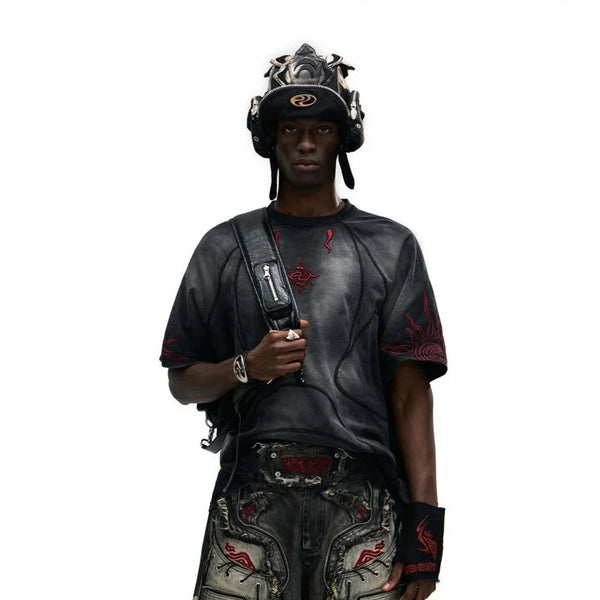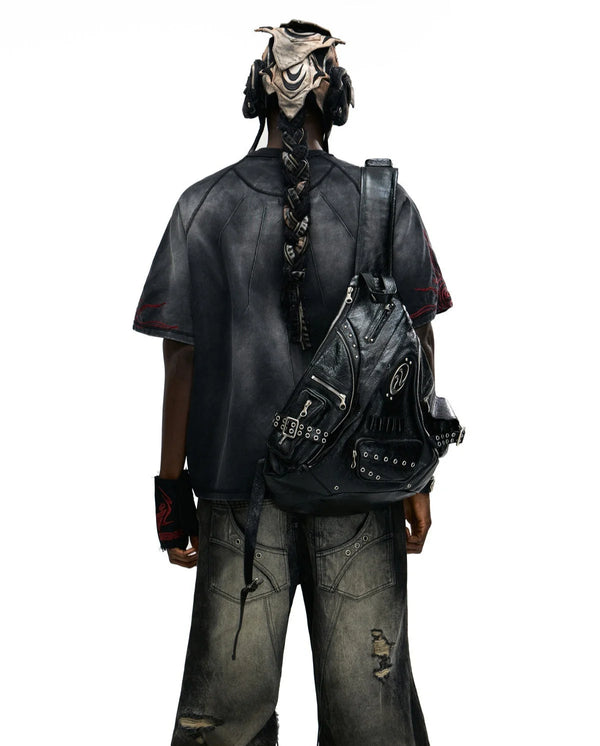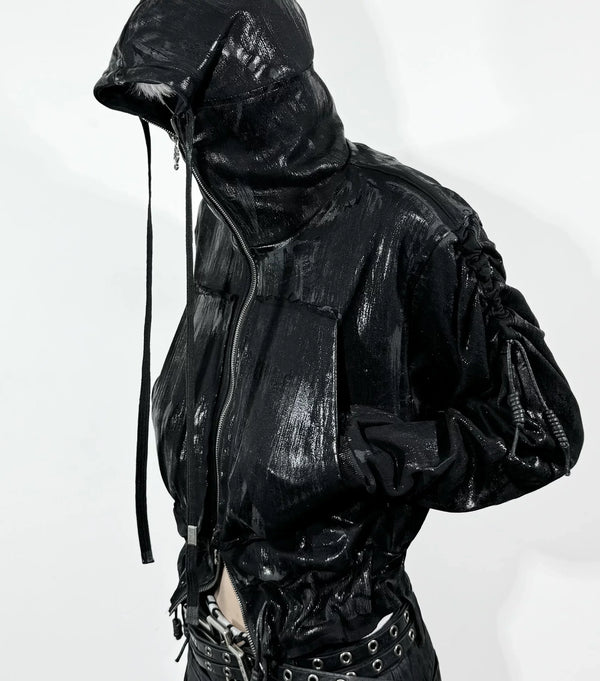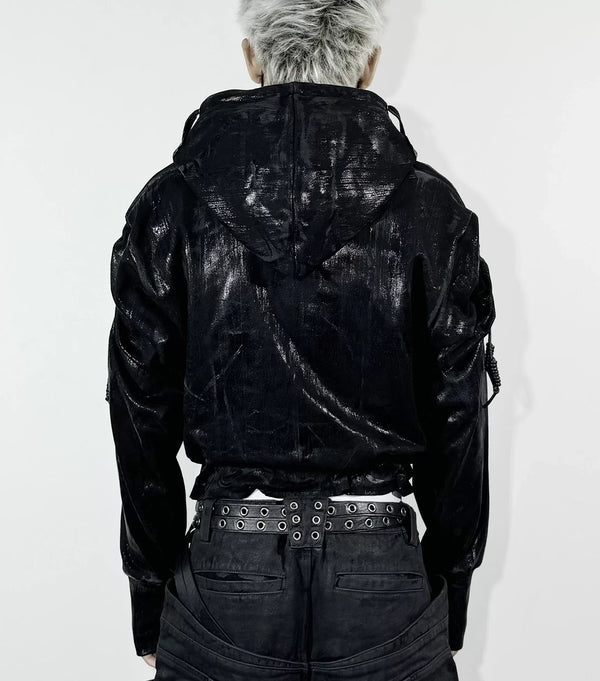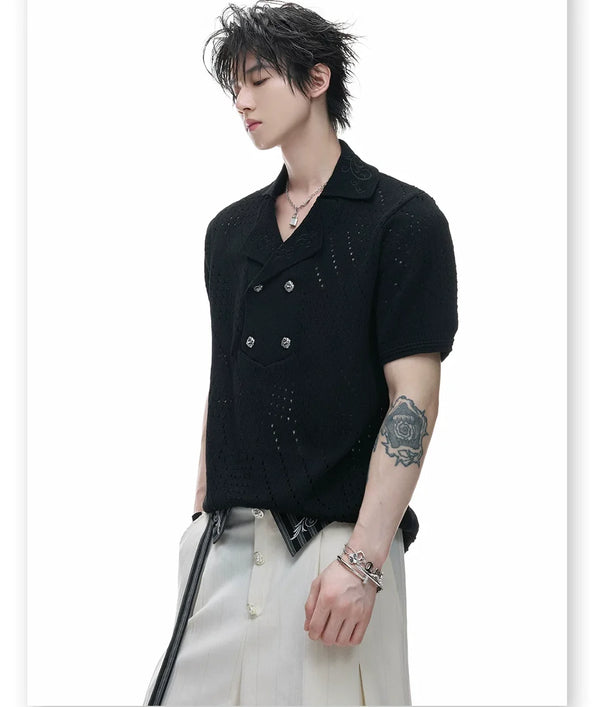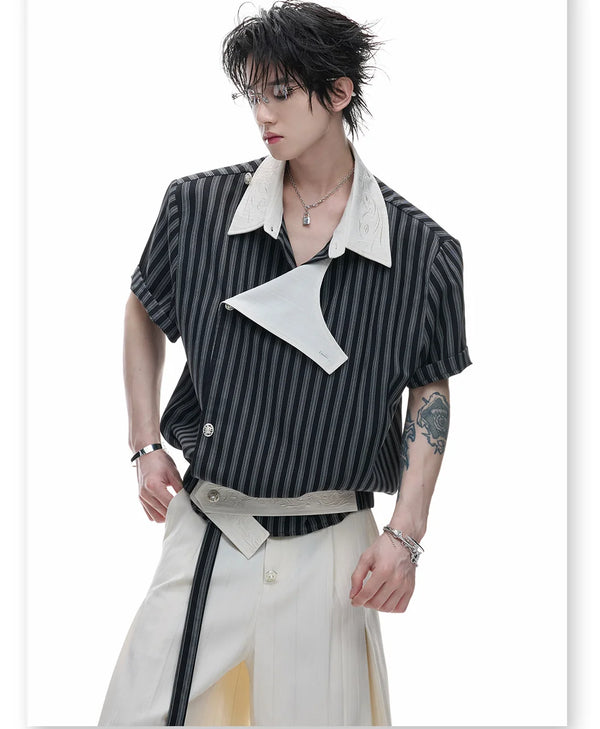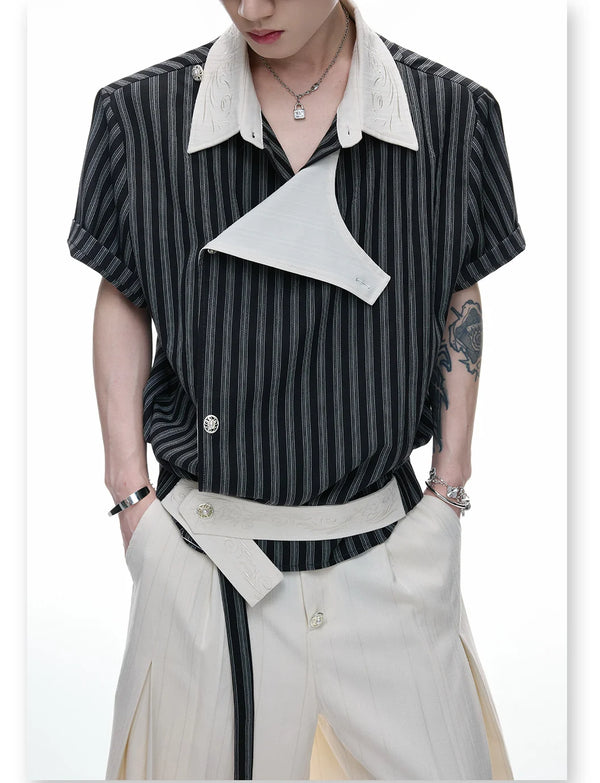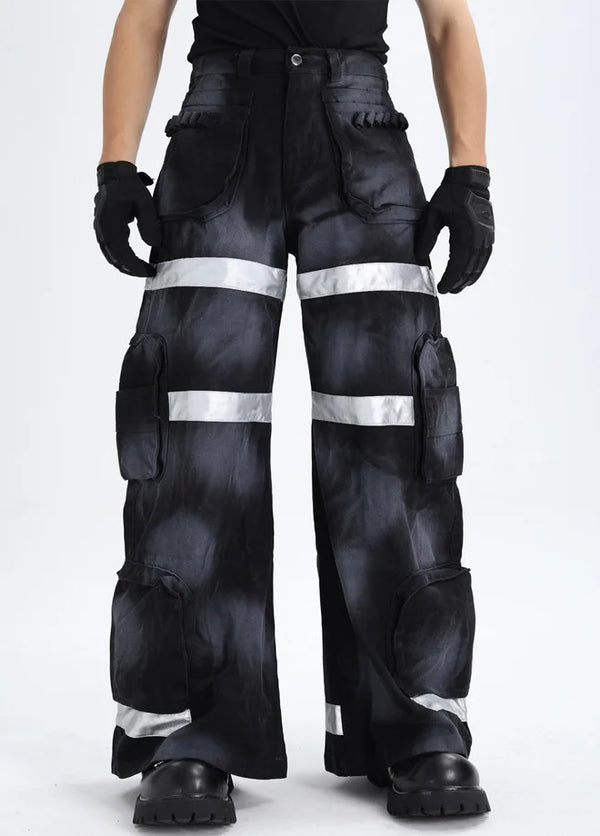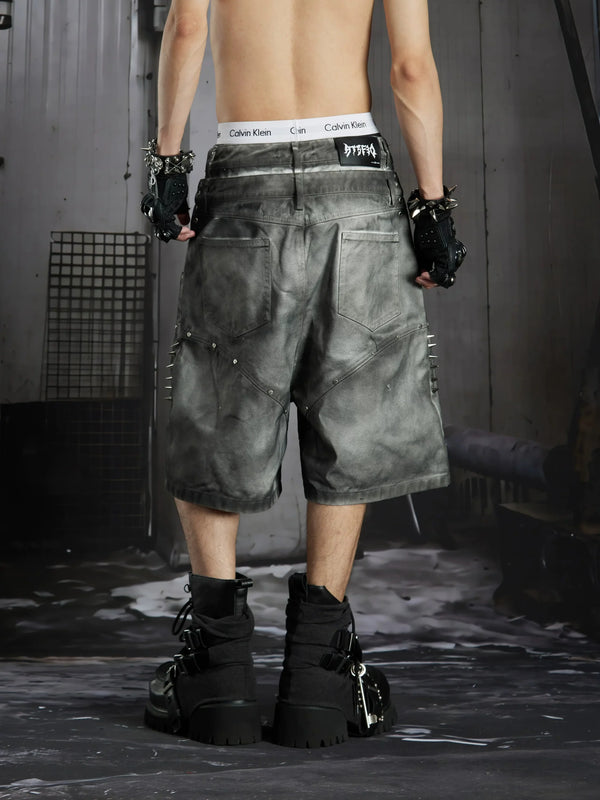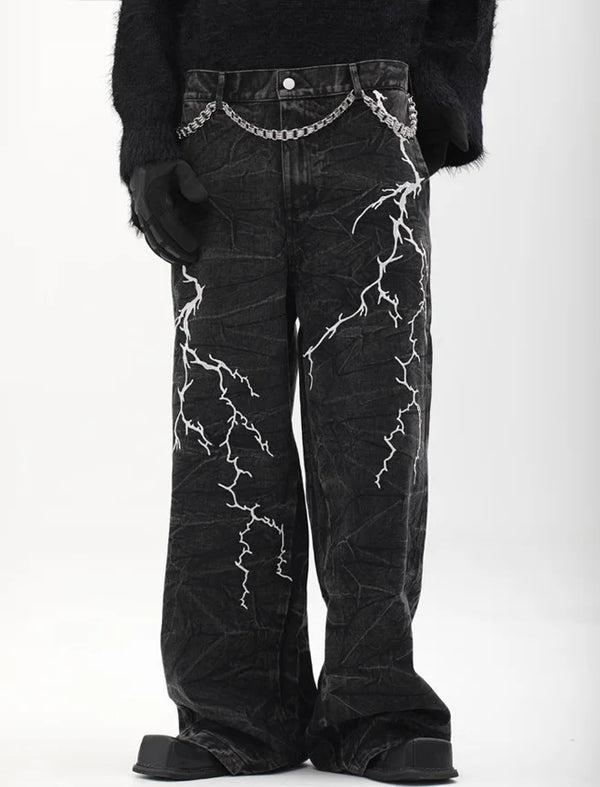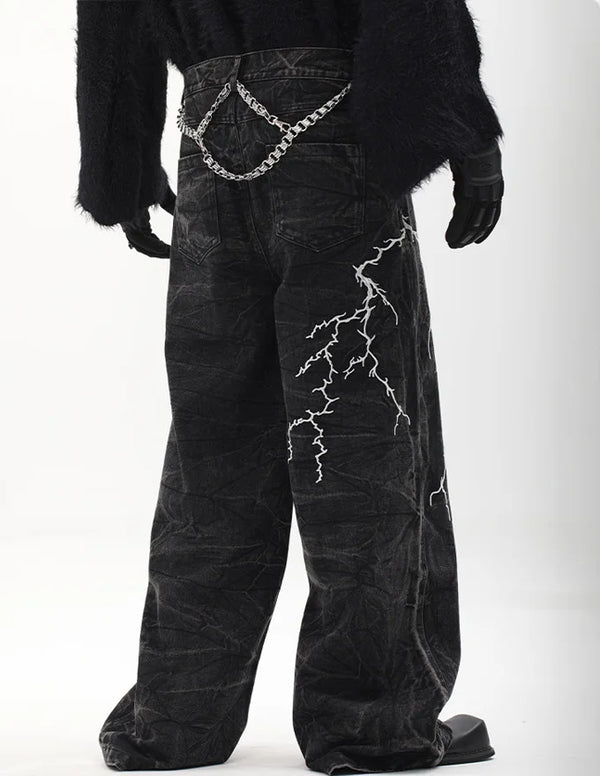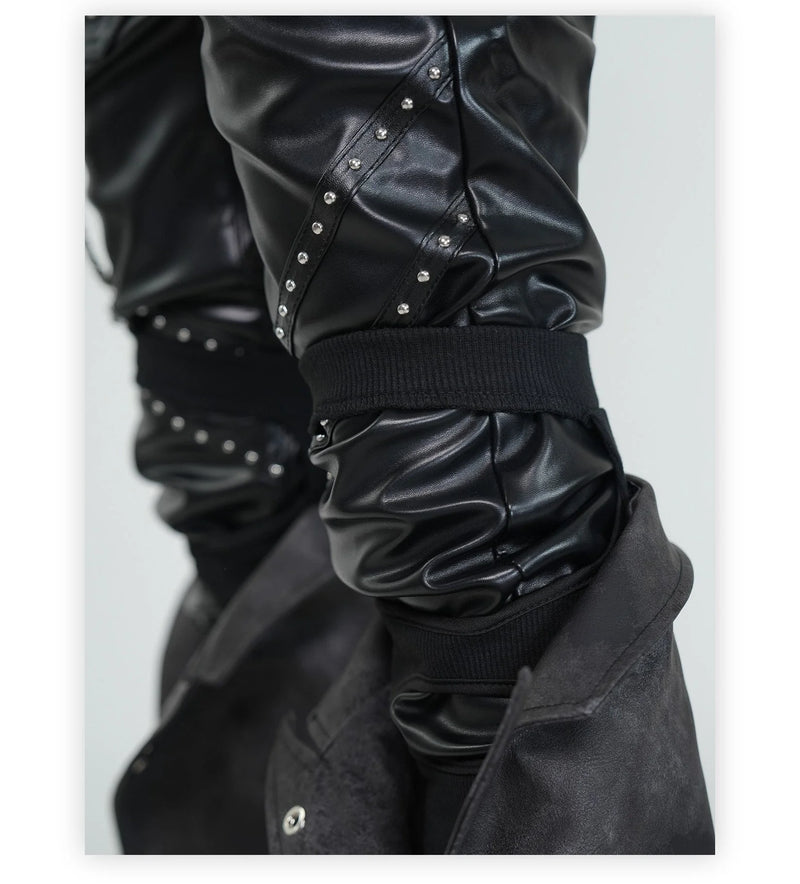
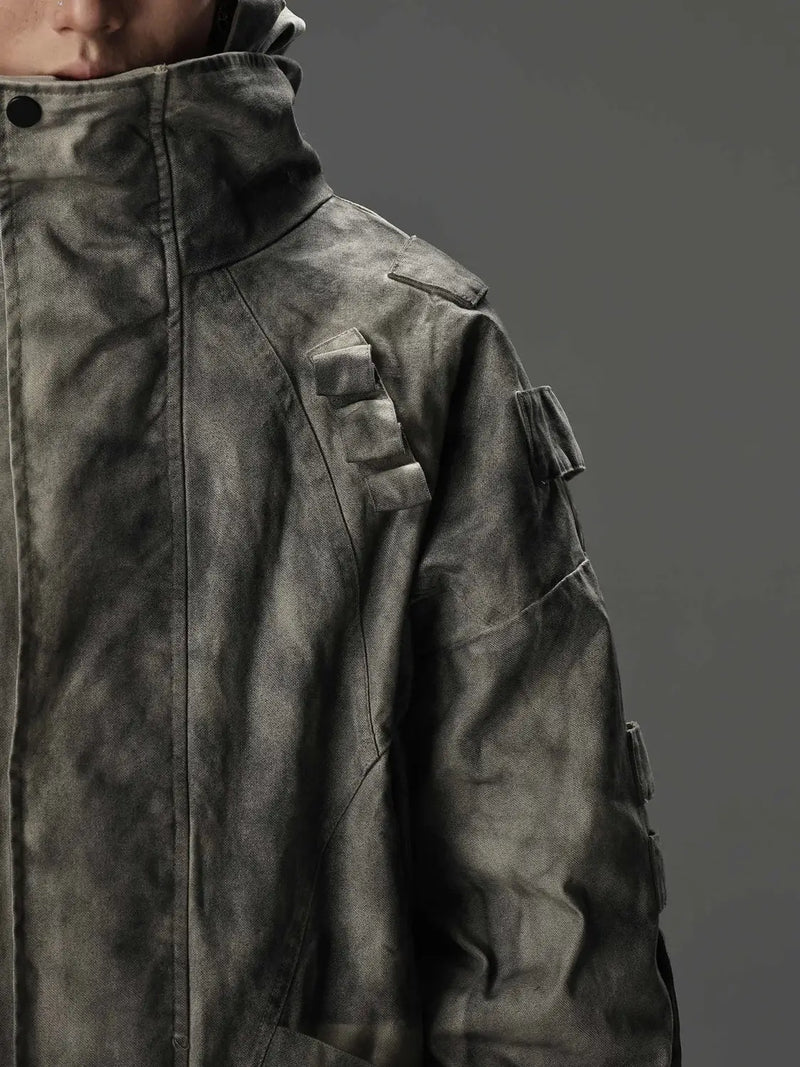

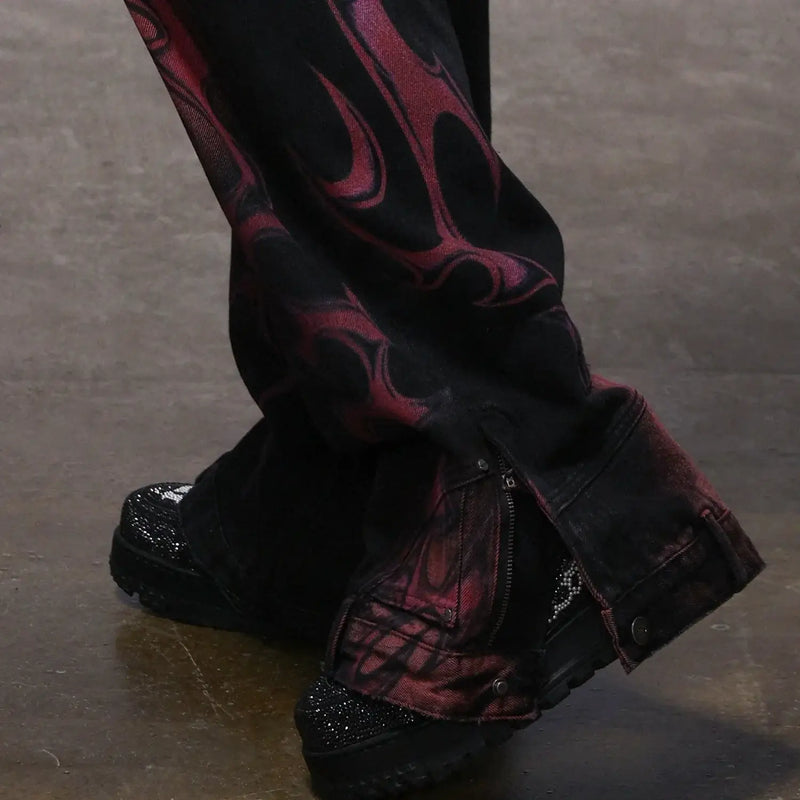
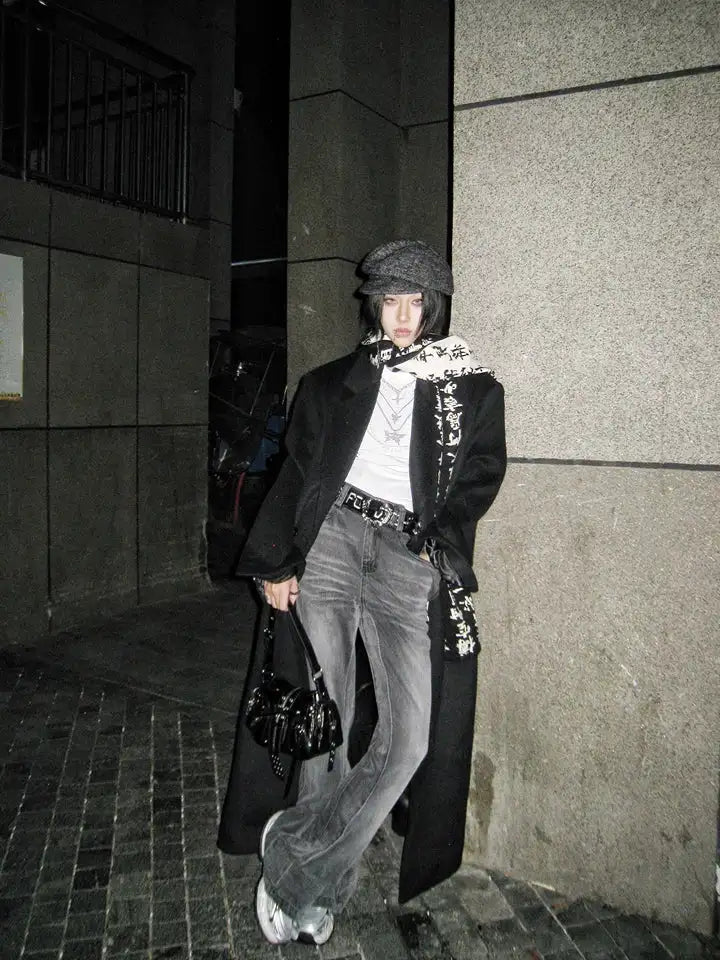

Everyone thinks Kinky Techno Clothing is just „Latex plus combat boots“. They're wrong. A latex top with sneakers guarantees Kinky Techno about as much as a black shirt guarantees a Berghain outfit — which is to say, not at all.
Kinky Techno Clothing is Berlin's floor vocabulary. It grew on the street between Köpenicker and Wriezener, has lived in Tresor and SO36 since the nineties, became a code with the Berghain door from 2004 on — and only got a name through TikTok. Before that it was simply „how you dress in Berlin when you dance Thursday to Monday“.
Anyone who buys Kinky Techno as „dark fetish cosplay“ has mistaken the Berghain door for a Halloween party. This guide clears up what's really behind it: where the vocabulary comes from, what holds it together, how Soft Kink, Hard Kink and Industrial differ, what men and women do differently, which brands write it in Berlin — and the six mistakes that get you turned away at the door.
What it looks like in motion — twelve seconds, compact:
Origin
Where does Kinky Techno Clothing come from — and why Berlin?
The vocabulary comes from three sources, all running at the same time in Berlin. First, the gay leather scene around SchwuZ, Lab.oratory and the old BDSM clubs in the early nineties — leather as a code for belonging, harness as a visible statement, everything functional, nothing for show. Second, Tresor 1991, later Berghain 2004 — techno as a marathon sport, the floor as a physical stress test for every piece of fabric. Third, KitKatClub since 1994 — the mixed scene that puts heteros, queers, fetish heads and tourists on one floor at the same time and filters with its own dress code.
Out of these three streams, from the mid-2000s on, an outfit vocabulary emerged that stood in no fashion magazine. Whoever danced in Berlin knew what worked — whoever came from Munich learned it at the door at the latest. Only with Instagram, later TikTok and the Berghain tourist boom from 2017 did it become a search term: Kinky Techno, Berlin Techno Outfit, Kinky Rave Outfit Herren.
Important: Kinky Techno is not Rave. Rave is open air, colourful, a lot of bare skin in sunlight. Kinky Techno is indoor, 95 percent black or dark, the floor is dimmed, the outfits work at 4 a.m. under a strobe. And Kinky Techno is not fetish cosplay. Whoever turns up at Berghain in a full latex mask looks like a tourist who went to the theatre — the Berlin scene draws a clear line between material vocabulary in everyday life and full staging at KitKat.
Definition
What counts as Kinky Techno Clothing — the five material pillars
Kinky Techno doesn't work through single pieces but through five material pillars. Three of them in the outfit at once, and the look reads. Two of them — and it tips into Goth or streetwear or standard Berlin black.
5
Material pillars
95 %
black or dark
12 h
Minimum wear time
0
visible logos
These four numbers aren't marketing. They're the function test: an outfit that breaks one — a bright accent colour, a latex piece that gives out after three hours of sweat, an off-white print on the back — is no longer Kinky Techno. It's festival lookbook or costume rental.
Concretely, Kinky Techno Clothing includes:
- Leather — real or PU. Trousers, harness, jacket, top. The main surface for Hard Kink. Matte, not glossy. Shine is tourist.
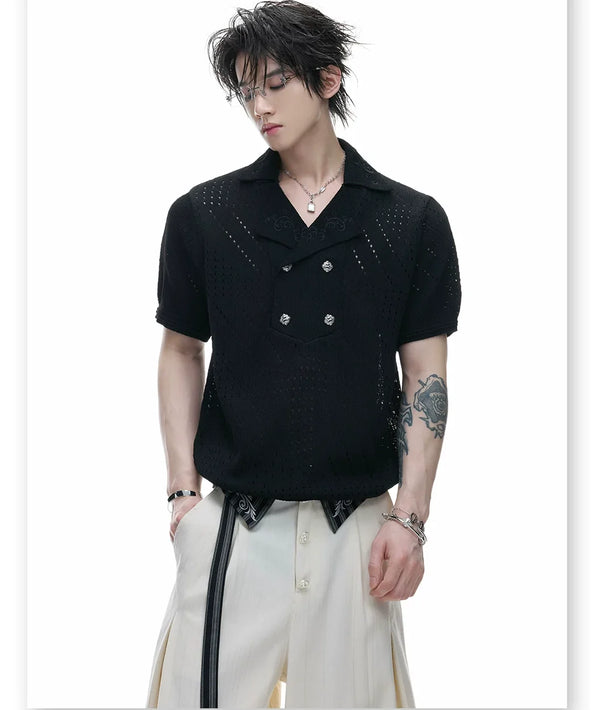
- Mesh — long sleeve, tank, shirt. Breathes, sits tight, skin visible underneath. The standard skin layer for twelve hours on the floor.
- Latex — used as an accent. Latex top over mesh, latex shorts under a leather coat. Full latex is theatre, accented is Kinky Techno.
- Harness hardware — strap harnesses, buckles, carabiners, D-rings. Sits over a shirt or mesh, not on bare skin. Function-coded, not fashion-coded.
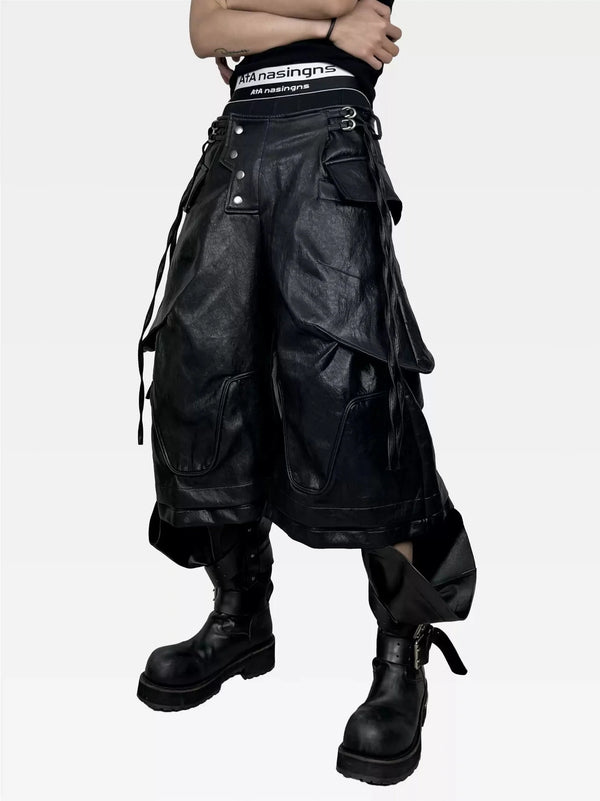
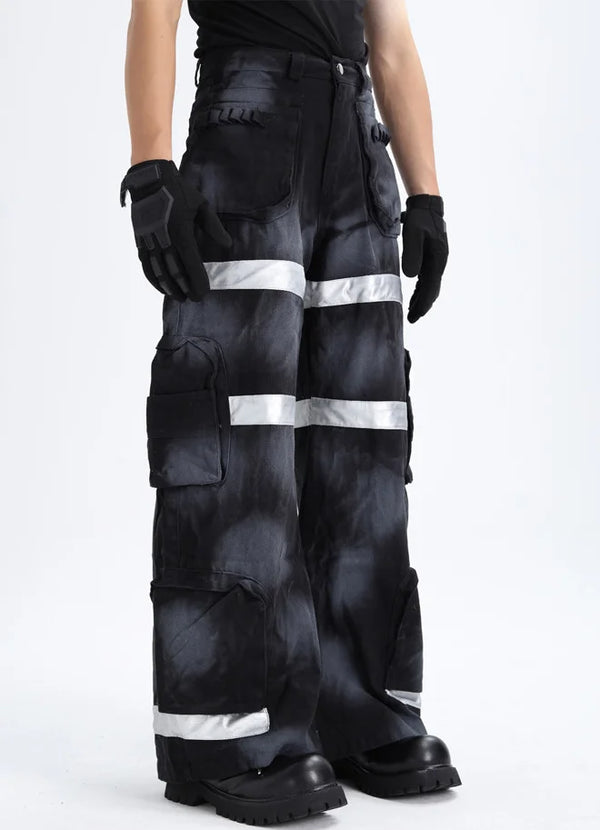
- Distressed denim or cargo — the bottom half when leather gets too hot. Black, wide, wrecked. Sits on the hips, not at the waist.
If you're missing three of these in your outfit, read it honestly: you've got a standard Berlin black outfit, not Kinky Techno. And there's one rule that holds all five together:
Berlin code
Berghain code: what the door actually reads
The Berghain door isn't random. Sven Marquardt reads in three seconds whether you dressed for tonight or for a photo at the entrance. And the filter built into that hits Kinky Techno directly: material, quiet, posture. Not brand, not price, not cosplay depth.
Material means: wear something built for twelve hours on the floor. Mesh instead of a cotton shirt, leather or cargo instead of a slim jean, combat boot instead of sneaker. Whoever shows up with sneakers and a WeSC hoodie doesn't get in — no matter how much make-up or how many chains sit on top.
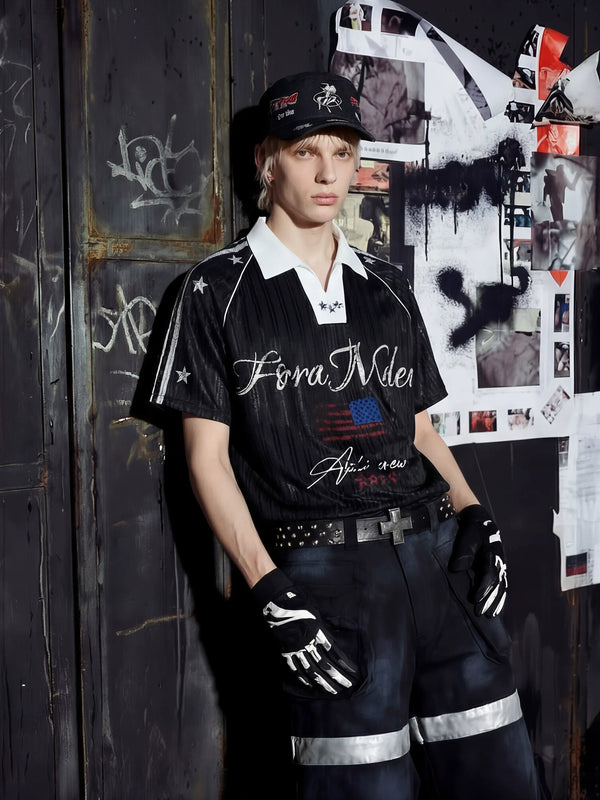
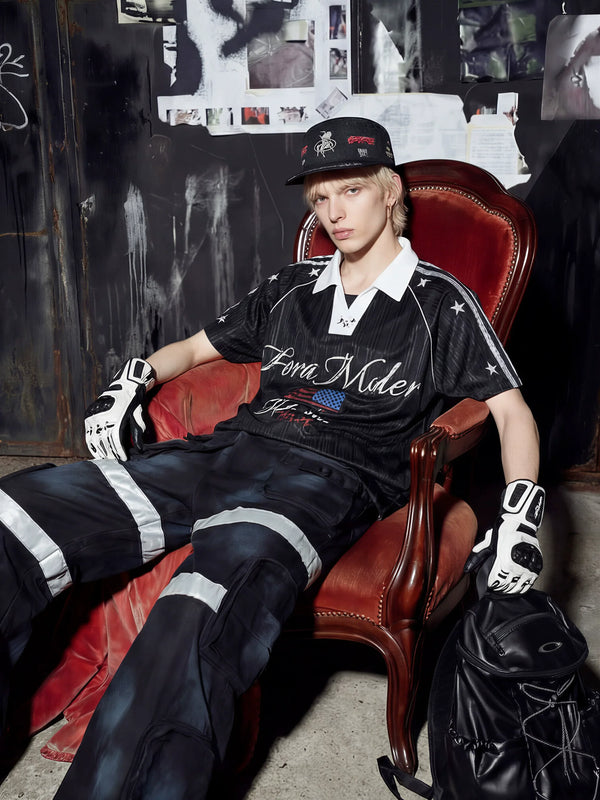
Quiet means: no visible logos, no brand statements, no print that speaks to a label. The outfit talks about construction (visible seam, buckle, mesh structure, leather patina), not about lettering. Even a very expensive designer fabric runs aground if the logo survives.
Posture means: you look like you went out for yourself, not for the door. No nervous posing, no eye contact with the bouncer as performance. Kinky Techno doesn't work as a presentation — it works as a matter of course.
A Berliner from the scene puts it like this:
Whoever stands out at Berghain has lost. You're not meant to be seen — you're meant to belong. That's the difference between outfit and costume.
— Stammgast, Berghain, sinngemäß
And that's exactly the Berlin code: Kinky Techno works when the outfit dissolves into the room. Not as an outfit idea, but as material belonging. Whoever gets that no longer asks „does this work?“ — they know.
Three levels
Soft Kink, Hard Kink, Industrial — the three levels
Kinky Techno isn't one look. It's three that overlap at the edges — but at their core serve different material densities and different crowds. A beginner starts in Soft Kink. A regular usually hangs in Hard Kink or Industrial — rarely both.
Which of the three suits you depends less on taste than on two questions: how much material can you take for twelve hours on the floor, and which door do you want to get through first. If the door for the first time is Berghain, go in Soft Kink. If it's KitKat for the second or third time, Hard Kink sits better.
Women vs men
Women vs men — where it runs differently on the floor
The rules are the same: three material pillars, 95 percent dark, no logos, combat or buckle boot. What differs is the distribution — not the vocabulary. Where men build more material surface up top (leather jacket plus harness plus mesh long sleeve), women wear the skin layer as a shorter, more visible element.
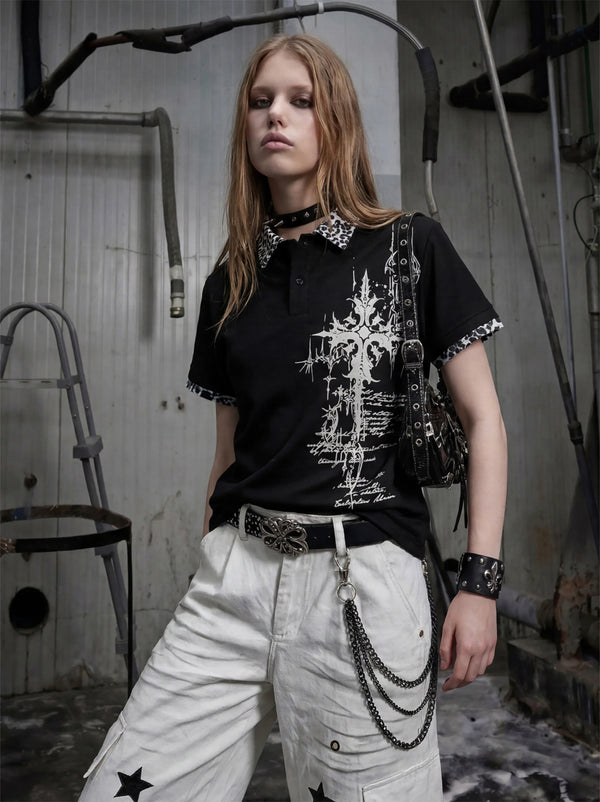
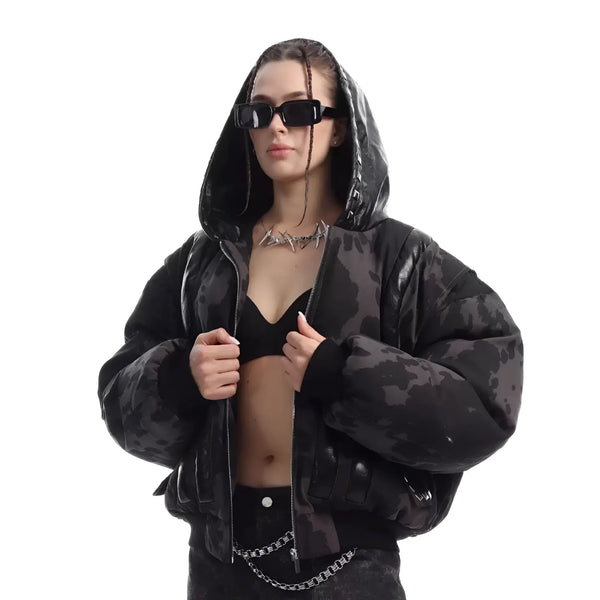
Women's version: the mesh top or crop top becomes the visible main surface, harness sits right over it, leather trousers or leather flare below. Boots go higher — knee-high buckle or stiletto combat. Silver hardware slips more often into a jewellery statement (choker, ring, earring) but stays in code as long as it's no more than two points. Sequin and glitter are out — that belongs in Rave, not in Kinky Techno.
Men's version: the material sits up top in layers. Mesh or tank skin layer, harness visible over it, leather jacket worn open or as a hand layer. Trousers below are cargo or distressed wide leg, rarely slim. Silver hardware stays functional: one ring or one chain, rarely both at once.
Both need the same 95 percent quota and the same material discipline. What varies is the volume of the skin layer — not the floor code.
Brands
Who really writes in the Berlin kink scene — brands & designers
Kinky Techno has no single brand that carries the vocabulary alone. It's a mix of three tiers: Berlin local shops with floor experience, designer labels with techno-coded vocabulary, and fetish material specialists. Whoever reads this once can build looks without touching designer prices at all.
The brands that wrote the Berlin kink vocabulary — sorted by tier:
- RAVEEN — Berlin online shop with its own vision for rave-kink crossover. Mesh, harness detail, combat-boot recommendation. If you live in Berlin, this is often the first stop.
- THE CODE — Berlin kink and clubwear store. Latex, leather, mesh; for Berghain as much as for fully staged KitKat nights.
- mySecretKey — German fetish and clubwear supplier. Wetlook, Gothic crossover, sex-positive cuts for every body format.
- Pole — Berlin bondage and fetish specialist. Suspender belts, garter belts, leather harnesses near couture.
- Ottolinger — Berlin designer duo. Asymmetric cuts, knit with wrecked structure, Berlin fashion-week standard. Where Kinky Techno overlaps onto the designer tier.
- Mugler revival (since Casey Cadwallader, 2018) — latex catsuit vocabulary that works without a theatre context. Body-conscious black, visible seam. Resale is cheaper than you'd think.
- Vetements — distressed black, tactical cut, logo discipline (there is a logo, but usually subtle). Where the Industrial level has its expensive iteration.
- Atsuko Kudo — British latex atelier that supplies Kim Kardashian and Lady Gaga. Custom latex that doesn't tear and actually holds for twelve hours. Investment tier.
- Demonia and Pleaser — platform-boot specialists. Where the combat boot switches to a stiletto boot — women's standard at Hard Kink level.
- Trippen Berlin — matte-black combat boots from Berlin Mitte, German craft quality, they last ten years on the floor. Where Industrial gets its default footwear.
Whoever wants to wear Kinky Techno without paying designer prices searches resale platforms (Vinted, Vestiaire) for these labels or goes straight to DTC brands that translate the vocabulary competently.
Category · outer layer
Outer layer: mesh bomber, leather coat, harness jacket
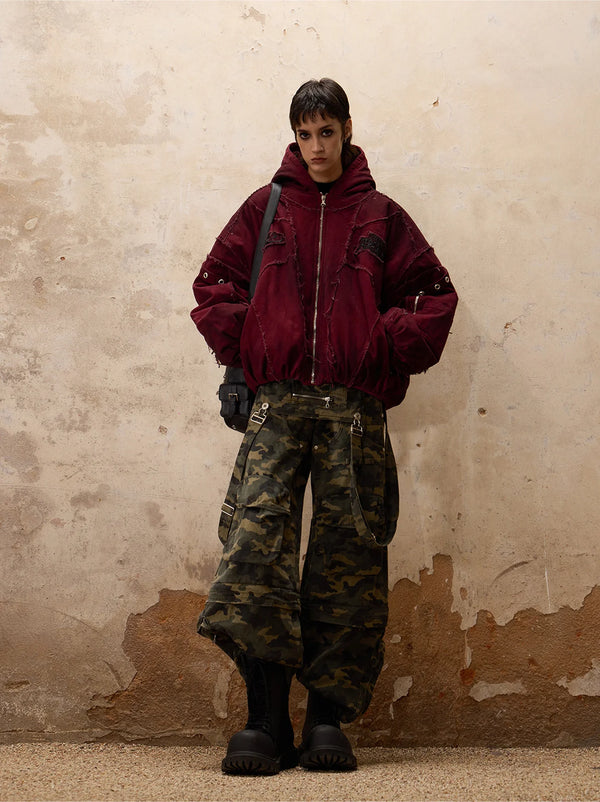
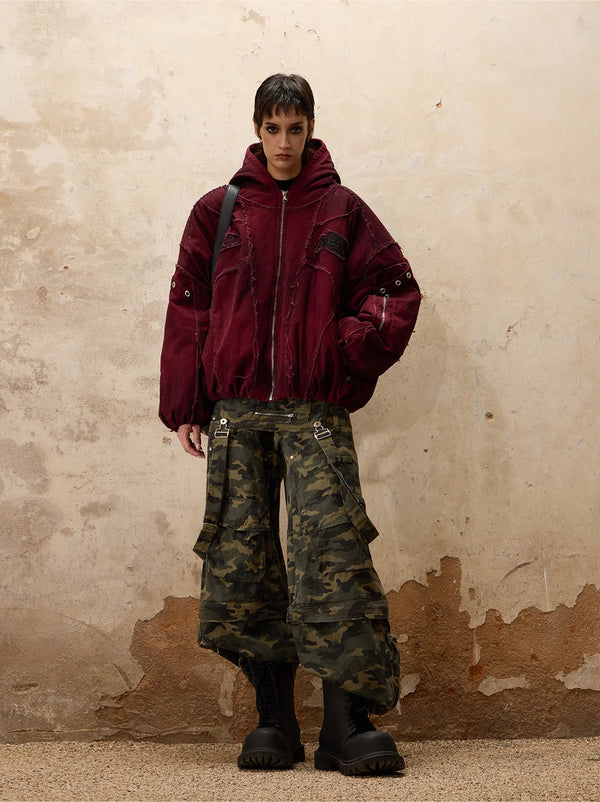
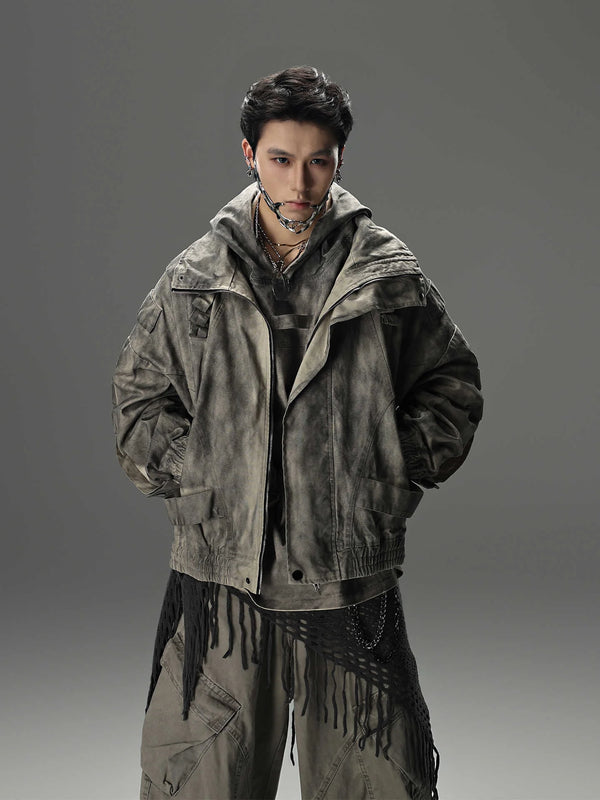
The outer layer is what you wear on the street and in the queue — and the first thing you take off when the floor hits 38 degrees. Three builds work in Kinky Techno: leather jacket (Hard Kink default), tactical or harness jacket (Industrial default), and mesh bomber for warm summer nights or backroom floors.
What doesn't work: glossy polyester, functional hardshell with a visible brand, classic bomber jackets with patches. The outer layer talks matte and heavy — or very sheer (mesh) — never loud.
If you don't have a black leather jacket or a harness jacket in the wardrobe yet, that's your first move. Everything else in the outfit depends on what you put on as layer one.
Category · Bottoms
Trousers: leather flare, harness jean, ruched pants
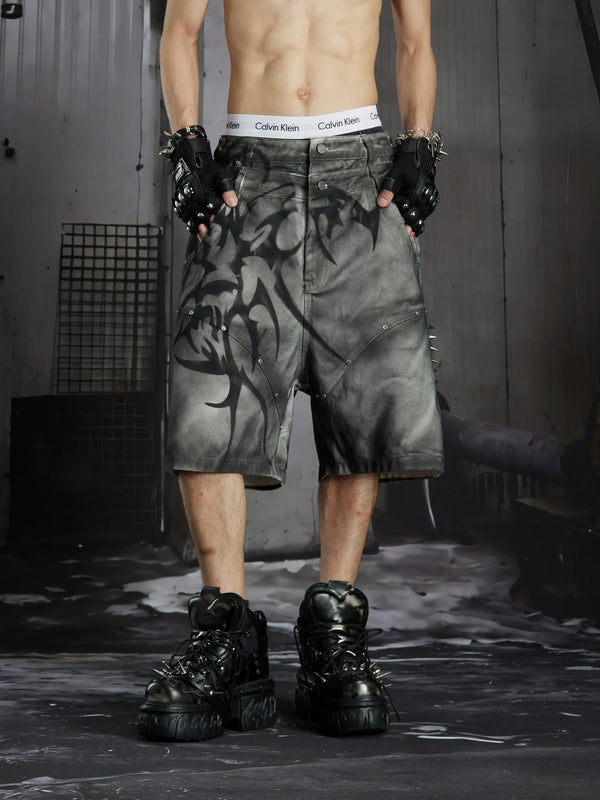
With bottoms it's decided whether the outfit reads Hard Kink, Soft Kink or Industrial. Leather trousers or a leather flare is Hard Kink standard — matte, heavy, sits on the hips, roasts in summer but works eight months a year. Distressed black denim with a harness detail is Soft Kink default. Cargo or ruched pants in matte black is Industrial.
Skinny has been out for ten years — what Berlin still wore in the 2010s (tight slim black jean plus combat boots) has shifted towards volume. The new fit rule: body-close up top, material and drape below. Avoid anything that shines (wash stretch is dead) and anything too tailored (slim cargo without volume reads as workwear, not Kinky Techno).
If you want to build one pair of trousers that suits all three levels, take distressed black denim with a wide leg and an optional harness detail. That's the common denominator between Soft Kink and Industrial.
Category · Skin layer
Skin layer: mesh, harness, tank — what sits directly on the body
The skin layer is the central function point. Here it's decided whether you last after eight hours on the floor or whether you head to the cloakroom at three in the morning. Mesh breathes, sits tight to the body, lets sweat through and still reads as layer vocabulary. Harness sits over mesh or over a plain tank — never on bare skin, that's a KitKat code, not a Berghain code.
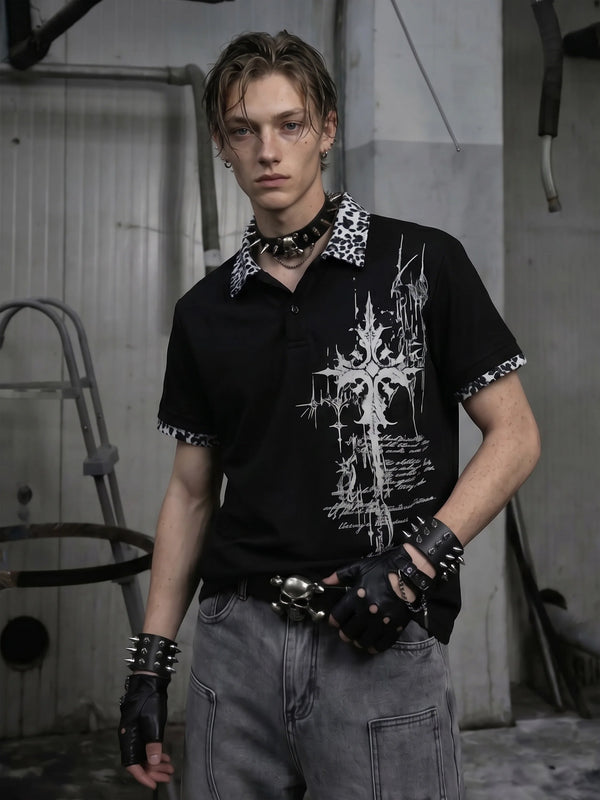
The rule: body-close up top, single colour or with mesh structure, no print. Printed T-shirts (skull print, band logo, graphic) tip the outfit straight into streetwear or Goth. A plain black mesh long sleeve with a harness over it says more „Kinky Techno“ than any skull motif.
If you want to test the mesh look, take a mesh long sleeve under an open-worn leather jacket. That's the easiest way into Soft Kink — without having to put a harness on straight away.
Styling physics
The Berghain layering principle — how you dress for 12 hours on the floor
A Kinky Techno outfit works on exactly one principle: every layer has to be wearable on its own. If you wear a leather jacket plus mesh plus harness in the queue, you also have to be able to work in just mesh plus harness when the main surface gets too warm at three in the morning. Whoever doesn't plan that walks through the cloakroom queue with a rolled-up jacket in hand.
In practice that means: layer one sits alone (mesh long sleeve plus distressed jean is Soft Kink default). Layer two comes visibly over it (harness, vest, body belt). Layer three is the outer shell (leather jacket, coat) — and only comes out for outside and for the entrance.
Whoever comes to Berghain with three layers and doesn't work in one layer hasn't dressed — they've packed themselves.
— Füga Studios
We put the full layering breakdown with photo examples and a step-by-step order in its own article:
But Kinky Techno doesn't stand alone — it overlaps at several edges with other dark floor codes. Industrial techno shares the material heaviness, Rave shares the function duration, dark festival shares the 95 percent quota. Whoever has Kinky Techno down can read these neighbouring codes and mix on purpose.
Here are the four most important neighbours — each with its own guide, if you want to go deeper:
Seasonal
Summer open air vs winter Berghain
In winter, Kinky Techno is easy. Leather jacket, leather trousers or a heavy distressed jean, mesh long sleeve, combat boots, maybe a trench over it for the train there. Six layers if needed, all matte-dark, everything works. The challenge comes in summer, when the outer shell drops away and you land on open-air floors.
Summer Kinky Techno works through what was under the jacket. Mesh becomes the main sight. Leather trousers get replaced by distressed black denim or ruched cargo — full leather at 30 degrees is dead. Harness stays — now sits over mesh instead of over leather. Combat boot maybe switches to a buckle sandal for open air, stays standard in indoor clubs.
The year-round solution also comes as a material set: pieces that adjust their layer density themselves. Convertible sets with detachable sleeves, for example — full jacket for the entrance, vest for the floor, tank for the backroom. This is what it looks like in motion:
What does not work
The 6 most common Kinky Techno mistakes
Kinky Techno has six spots where it reliably tips over — no matter how expensive the individual pieces are. If you avoid only one mistake, make it mistake number one.
Action
How to start in Kinky Techno — the first 4 pieces
You don't need 20 black things to wear Kinky Techno. You need four that will be in 80 percent of the outfits. Everything else builds around them.
In order: a mesh long sleeve or harness shirt (your layer one, the thing that still sits after three hours on the floor). Leather trousers or a leather flare (your biggest investment — lasts eight years if you don't buy cheap). Combat or buckle boots, matte black. A silver chain or a single ring as an optional fifth — but only once the four sit.
Outfits for real
Kinky Techno for real — how it looks on the floor
Before you build your own outfit, look at how others wear it. The three levels from above look different in the Instagram feed than on lookbook photos: tighter, dirtier, less perfect — and that's exactly why they work.
This is the fastest way to check whether Kinky Techno sits on your body type at all — before you spend money.
To close
Kinky Techno is practice — not costume
If you remember one thing from this guide, make it this: Kinky Techno doesn't work through single pieces but through material logic plus floor function. Whoever has the logic down builds a hundred outfits from twelve pieces. Whoever just buys pieces has a full wardrobe without a single outfit that gets through the door.
The whole logic of this guide reduces to one sentence:
The rules have been stable in Berlin since the mid-2000s and will stay that way — as long as Berghain, Tresor and KitKat keep their doors. But you don't have to wait until you know all three levels by heart. Start with the one that suits you best.
And that's the point: Kinky Techno reads in theory like a tight code of rules, but in practice it doesn't feel that way. Once you have the code down, every further outfit is a variation on the same five material pillars — not a new invention.
FAQ
Frequently asked questions about Kinky Techno Clothing
The questions we often get by DM and email — short, clear, no detours.
What is Kinky Techno Clothing anyway?
What do you wear at Berghain — is Kinky Techno really enough?
What's the difference between Kinky Techno and Rave?
What do men wear for Kinky Techno in Berlin?
What do women wear for techno outfits in Berlin?
Where can you buy Kinky Techno clothing in Berlin?
Does Kinky Techno work for larger or broader bodies too?
What do you think?
Tell us on @fuga_studios
About the author
Philipp Fuge — Founder · Berlin
Founder of Fūga Studios. Writes the journal himself. Berlin · Shanghai · Tokyo · Poznań — four cities, one logic.