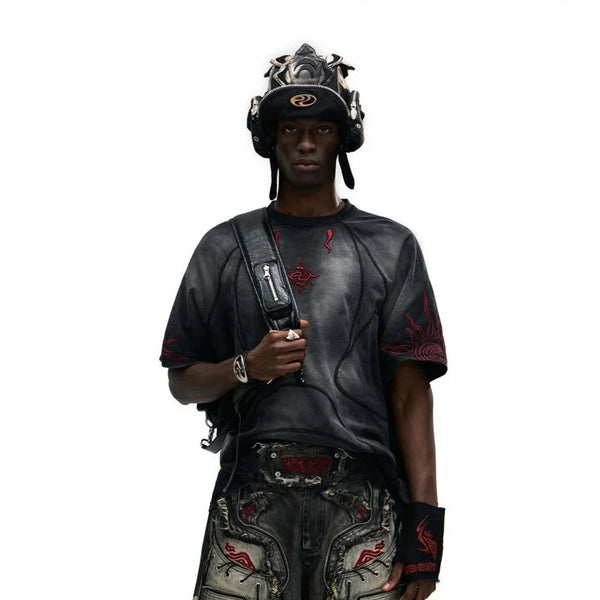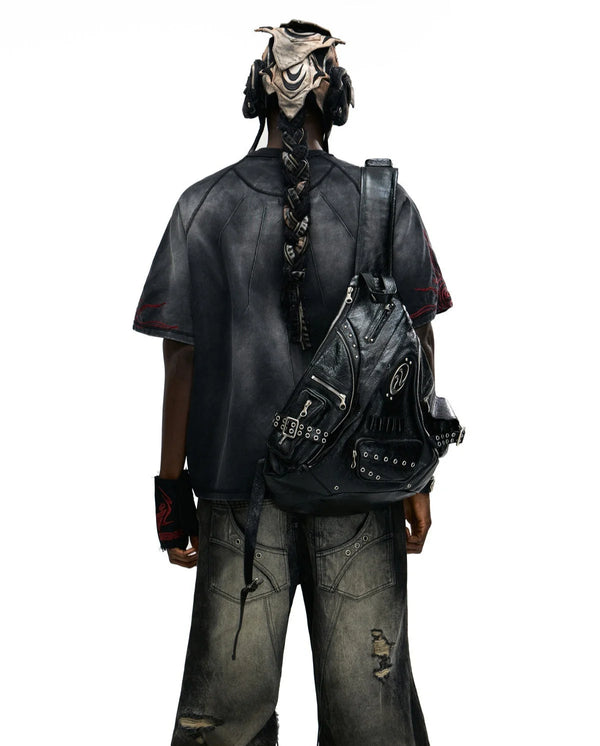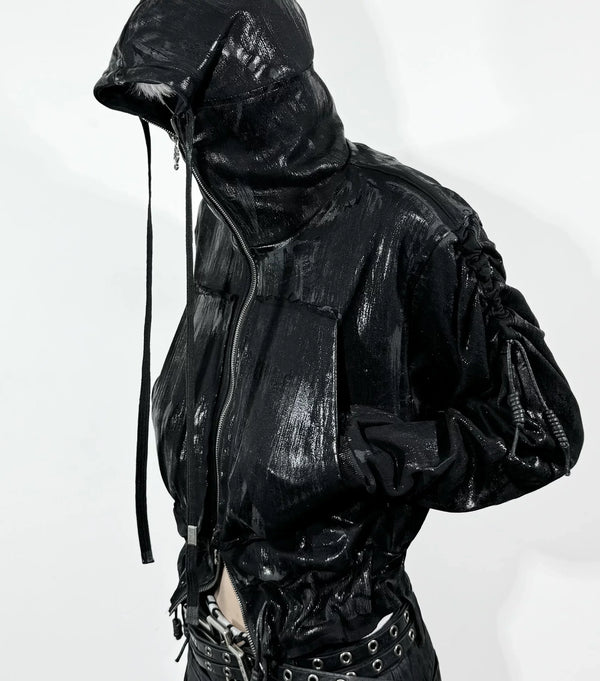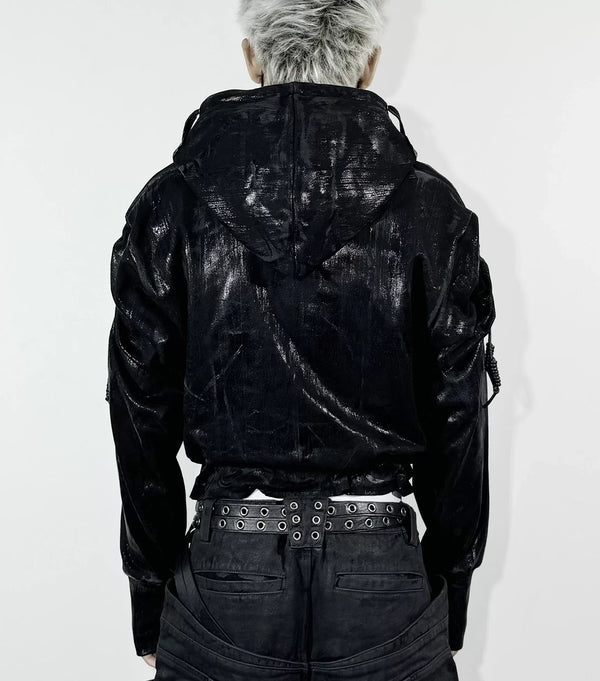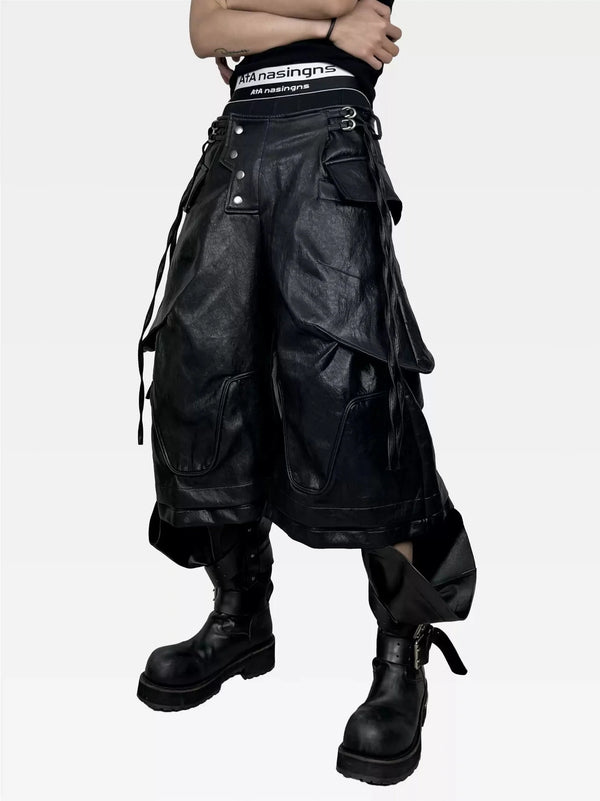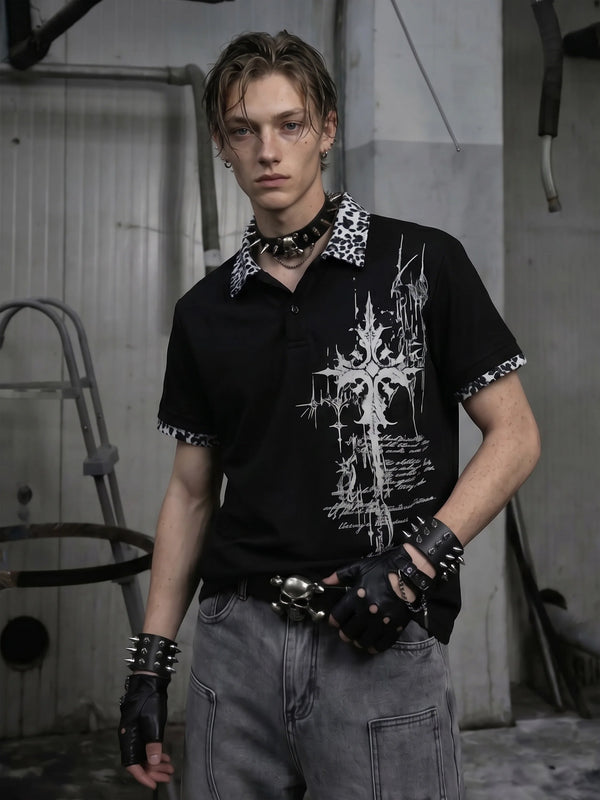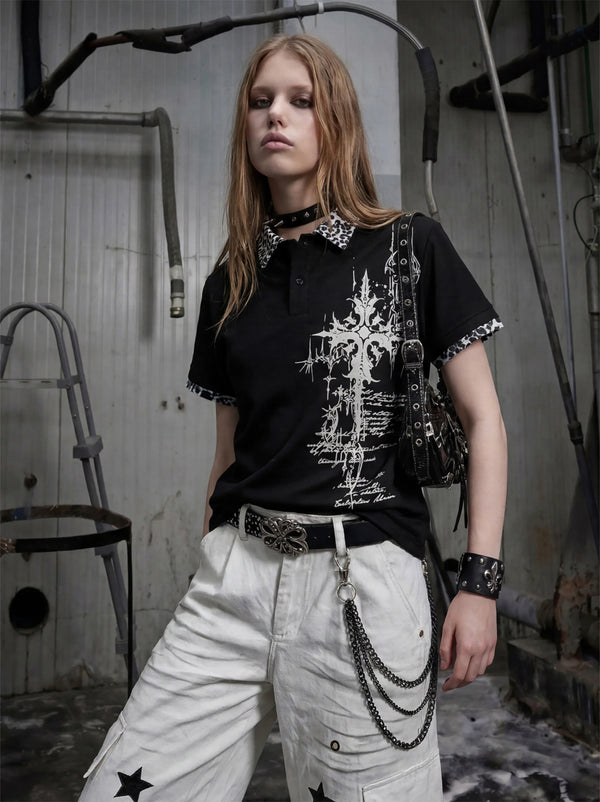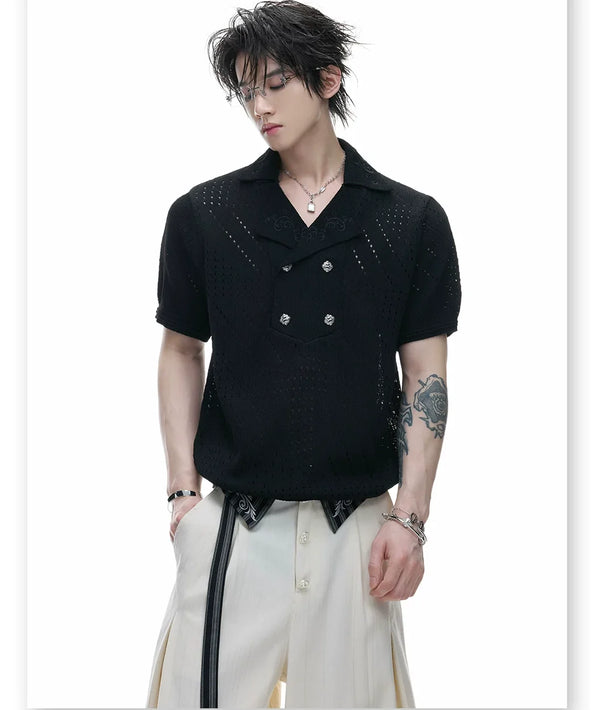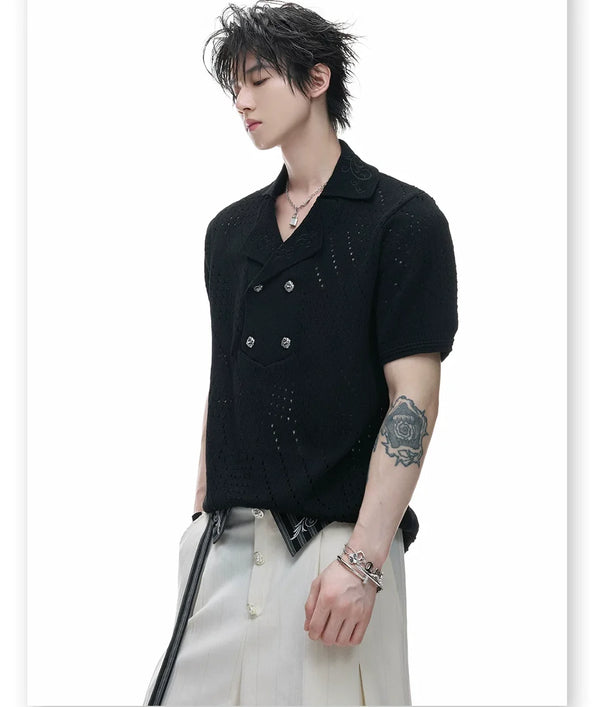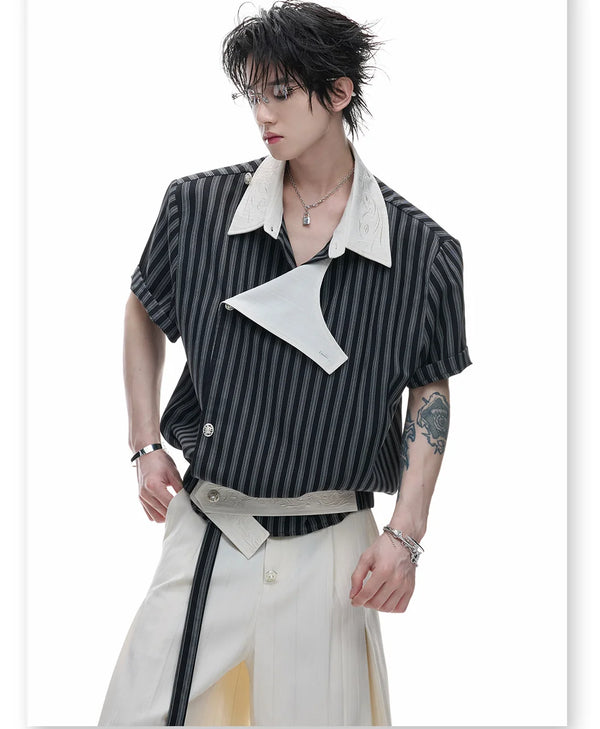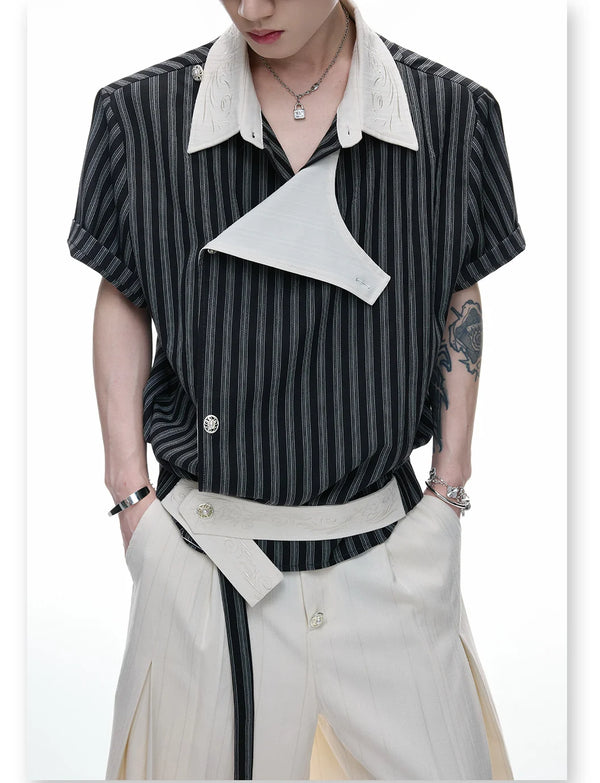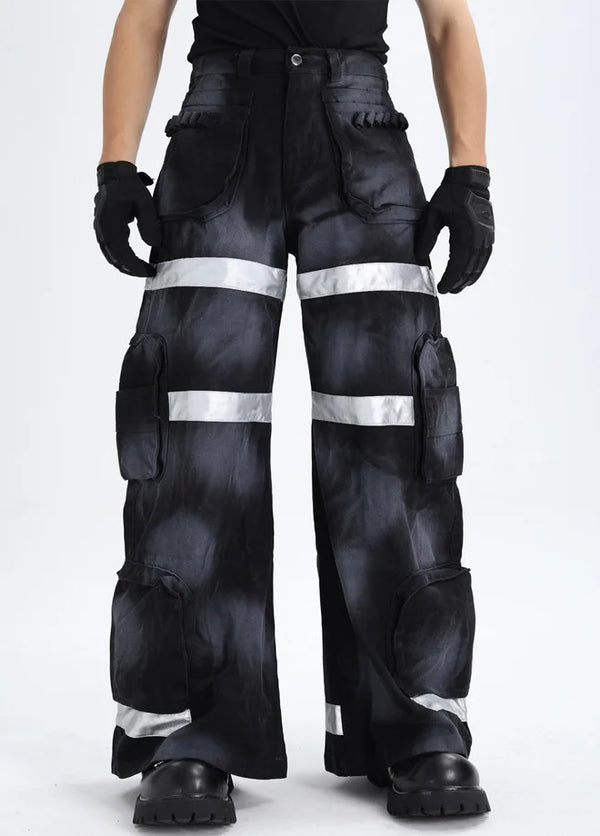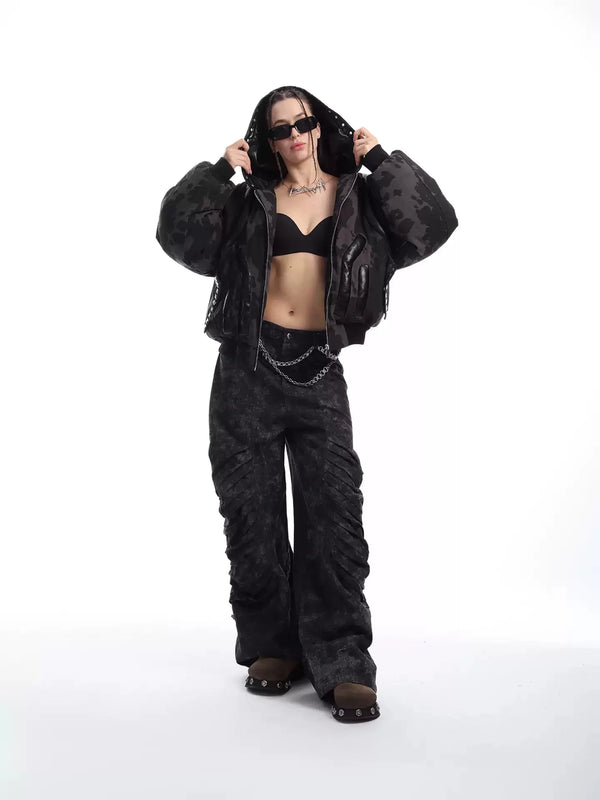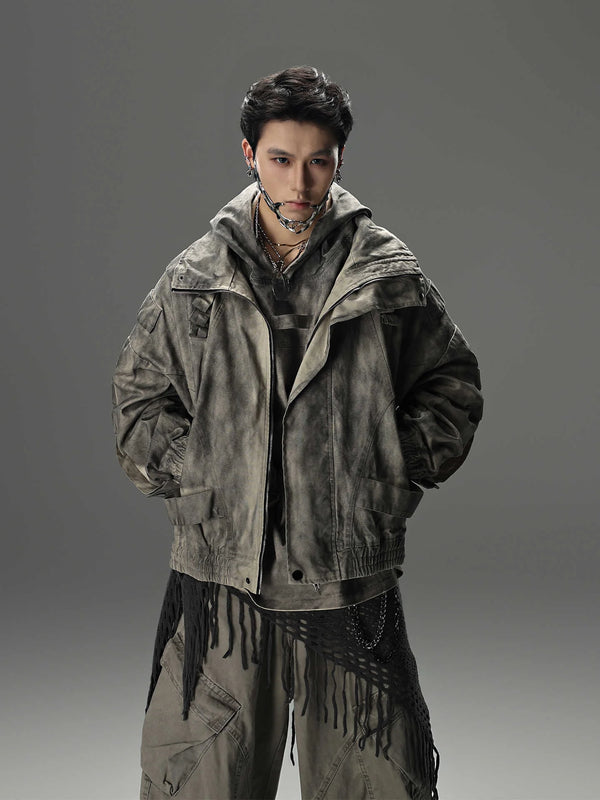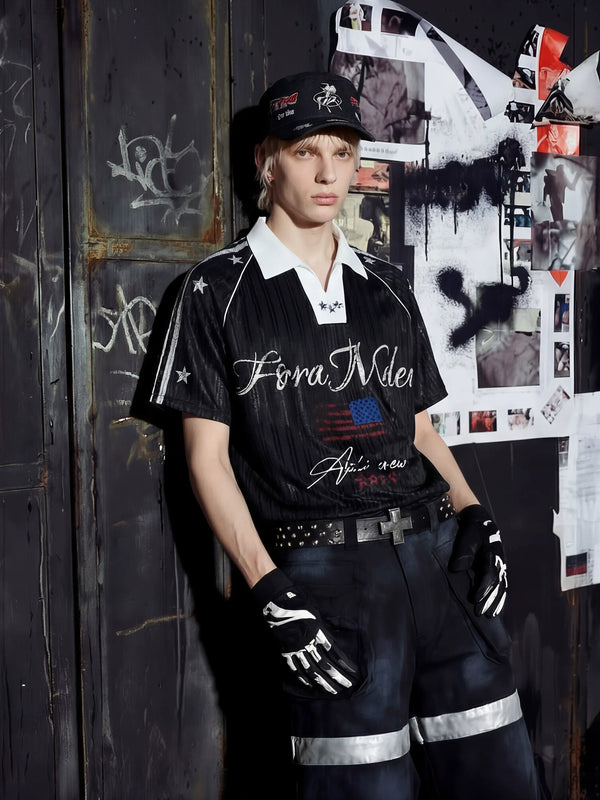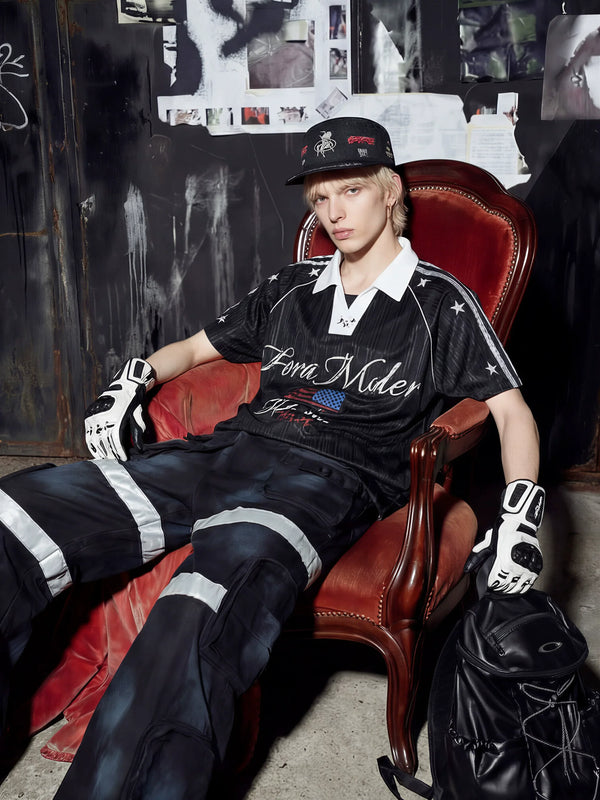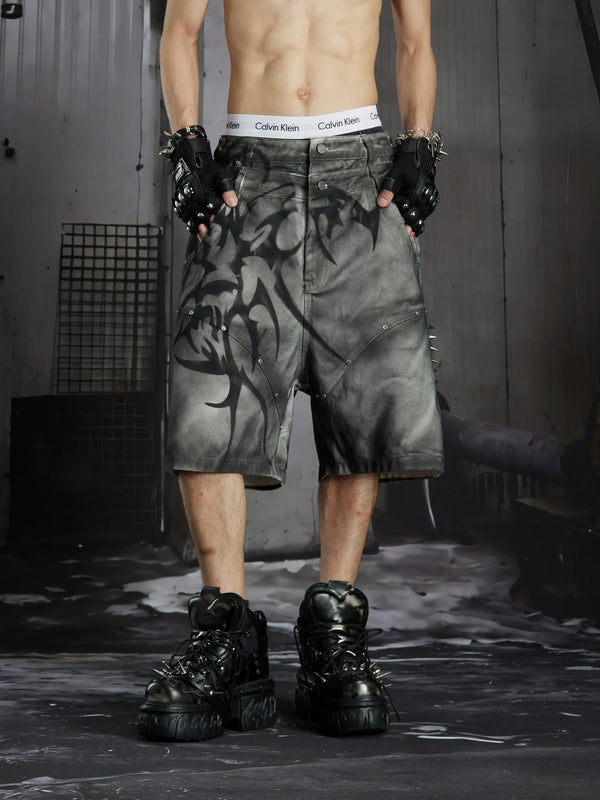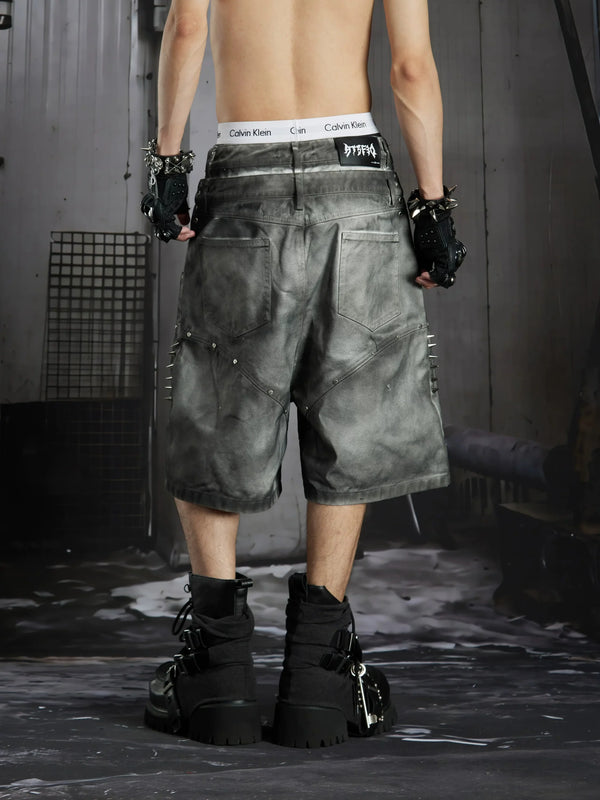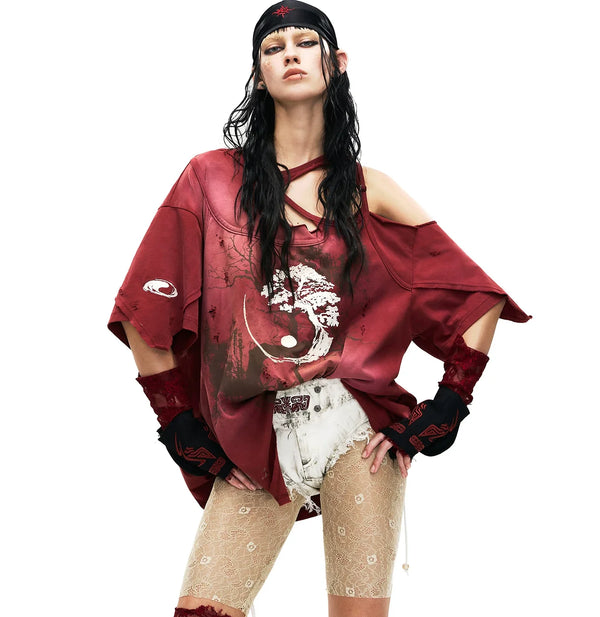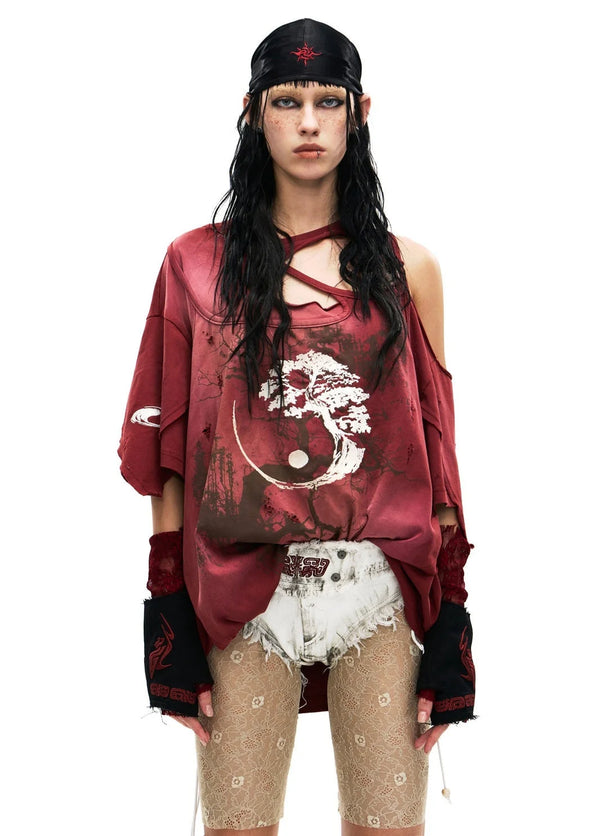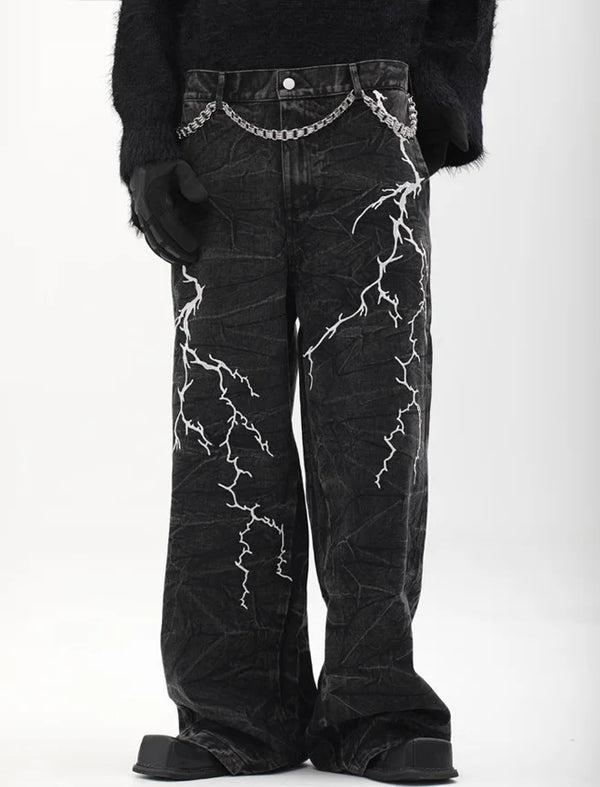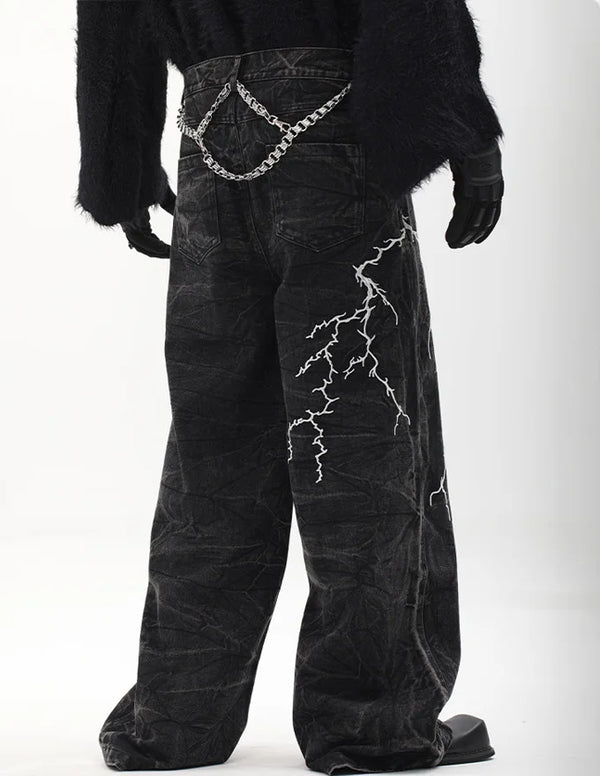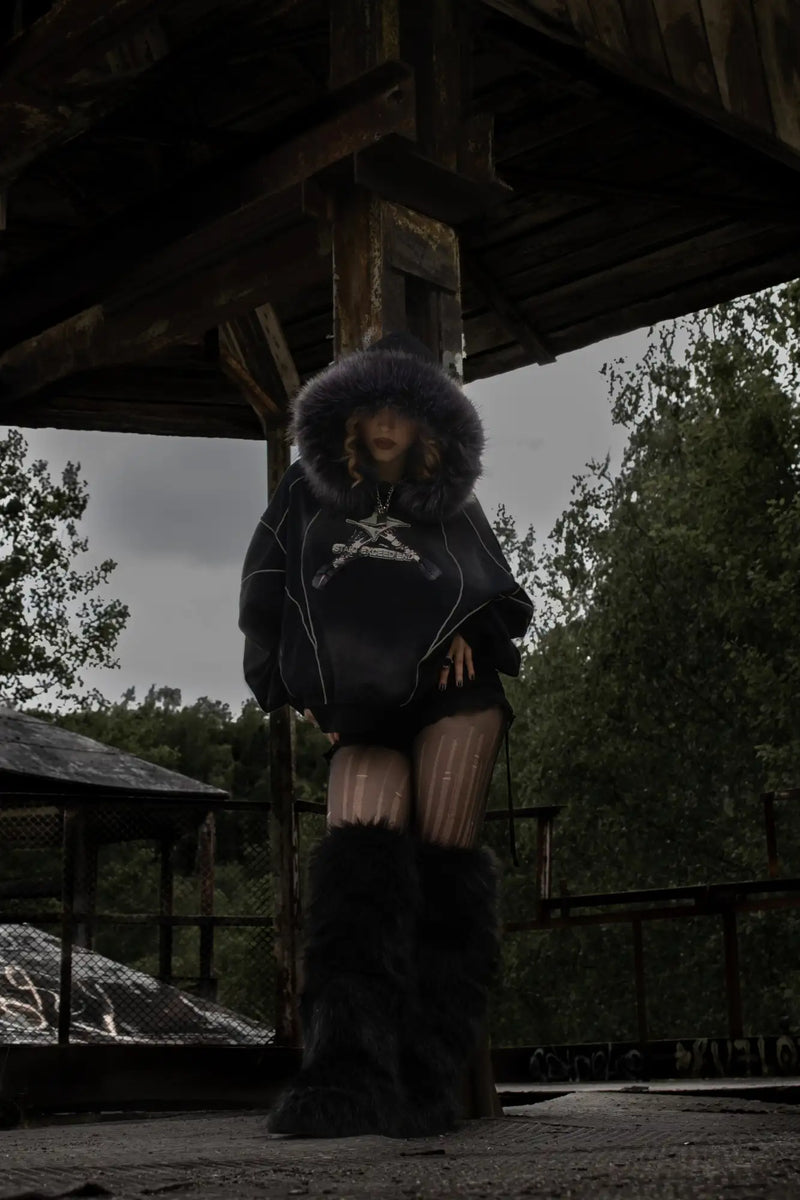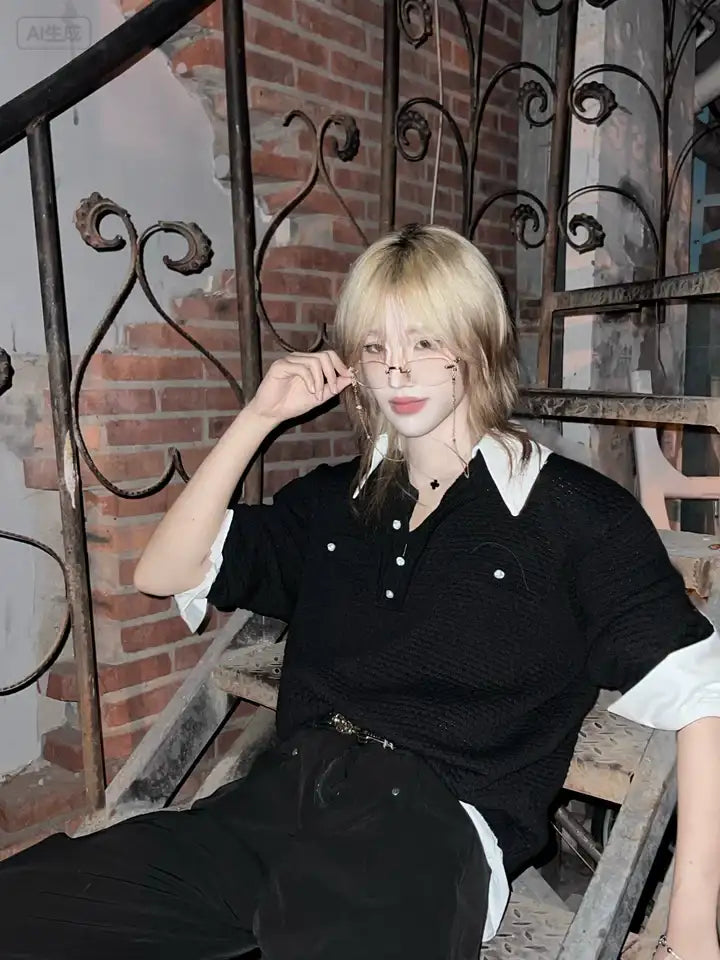

You step off at the station, turn a corner, and suddenly everything is loud: pink shopfronts, crêpe stands, people in outfits that look like they pressed three decades of Tokyo street fashion into a single look. No other place on earth feels like this. Welcome to the spot where fashion isn't worn but negotiated.
The Harajuku Fashion District is the fashion quarter in Tokyo's Shibuya ward where Japan's loudest youth styles have been born since the 1980s. It's not a single shop or a brand but a street ecosystem built on three axes: loud, expensive, quiet. Understand the logic behind it and you can wear the style anywhere. That's exactly what our big guide to Japanese fashion puts into the wider context.
This guide clears up what really defines the Harajuku Fashion District: where it is, which streets have which character, what the quarter is known for, how the style is built, and how to translate it at home without looking like a tourist.
Definition
What is the Harajuku Fashion District?
Harajuku is the name of an area around the station of the same name in southern Tokyo. In fashion terms, though, the word means more than an address: it stands for a street culture in which young people have been experimenting with clothing for decades, without waiting for rules from outside. That makes the Harajuku Fashion District less a shopping centre and more an open stage.
The special thing: here fashion is made from the bottom up. Designers don't dictate what gets worn; teenagers, students and scene people put something together in the morning and land in the feed by evening. Whole subcultures have grown out of this dynamic and later influenced the runways of the world.
The key is the distinction between the place and the style. The quarter is the address, the style is what people there make of it. So you can separate the two: you don't have to live in Tokyo to understand the rules, but it helps enormously to have seen the physical place once, to grasp why the look looks the way it does.
Shibuya-ku
Ward in Tokyo
350 m
Length of Takeshita-Dori
1980er
Birth of the street styles
It's exactly this mix of a concrete place and an open attitude that makes the quarter so hard to copy. The next step is therefore geography: where exactly is all this?
Location
Which ward is Harajuku in?
Harajuku belongs to the Shibuya ward, one of Tokyo's 23 special wards. Access runs via Harajuku station on the Yamanote line, the loop railway that connects almost all of the city's key stops. From here you can reach all three fashion axes of the quarter on foot in a few minutes.
Right next to the station lies the Meiji Shrine with its large forest park, creating a strangely beautiful contrast: on the right the quietest corner of Tokyo, on the left the loudest. This very contrast of calm and sensory overload is part of what makes Harajuku what it is. Understanding the quarter starts with its streets.
Street 1
Takeshita-Dori: the loud artery of the Harajuku Fashion District
Takeshita-Dori is the narrow, roughly 350-metre pedestrian street most people mean when they say "Harajuku". Cheap boutiques, vintage shops, accessory stores and crêpe stands line up here, so densely packed at weekends that you can barely move forward. It's the entry point for anyone who wants to see the look live for the first time.
In price terms, Takeshita-Dori is the most accessible part of the quarter. If you want to put together a first Harajuku look on a small budget, you'll find colourful basics, statement pieces and small stuff that instantly tips a neutral outfit. That's exactly its appeal: it's loud, cheap and without reverence.
Once you're full of the crush, the path leads almost automatically south, into a completely different price range. There, Harajuku grows up.
Street 2
Omotesandō: where the Harajuku Fashion District grows up
Omotesandō is the wide, tree-lined boulevard often described as "Tokyo's Champs-Élysées". Here stand the flagship stores of the big houses in award-winning architecture, with concept stores and cafés in between. If Takeshita-Dori is the loud youth, then Omotesandō is its expensive, quieter adult self.
For fashion, that means: on Omotesandō you see where Harajuku ideas travel once they get money and maturity. The same shapes, the same appetite for standing out, just in better fabrics and cleaner silhouettes. This is the axis where you learn how much structure a wild look can take.
Between these two extremes lies a third street that many tourists miss. It's the real heartbeat of the streetwear scene.
Street 3
Cat Street: the quiet streetwear axis in Tokyo
Cat Street is the car-free lane connecting Harajuku with Shibuya. Without the noise of Takeshita-Dori and without the price tags of Omotesandō, it's the home of serious streetwear: independent labels, skate brands, sneaker stores and cafés where the scene actually hangs out.
If you want to know what Tokyo streetwear really looks like today, this is where you go. The look is more deliberate, quieter and often darker than on Takeshita-Dori: good tops, clean layering ideas and pieces you can wear on a Monday too. This balance of expression and wearability is the core of modern Harajuku style.
Three streets, three temperatures: this very range explains what the quarter is known for worldwide.
Reputation
What is the Harajuku Fashion District known for?
Harajuku is known above all for one thing: permission to dress completely freely. Out of this freedom, subcultures have grown that existed nowhere else. Each has its own rules, colours and codes, and all grew up on the same streets.
The four most formative movements remain the frame of reference to this day for anyone dealing with Harajuku. They explain why the quarter is so often copied and so rarely understood.
When so many movements live in one place, the logical follow-up question arises: is there even a common denominator you could call "Harajuku style"?
The style
What is Harajuku style?
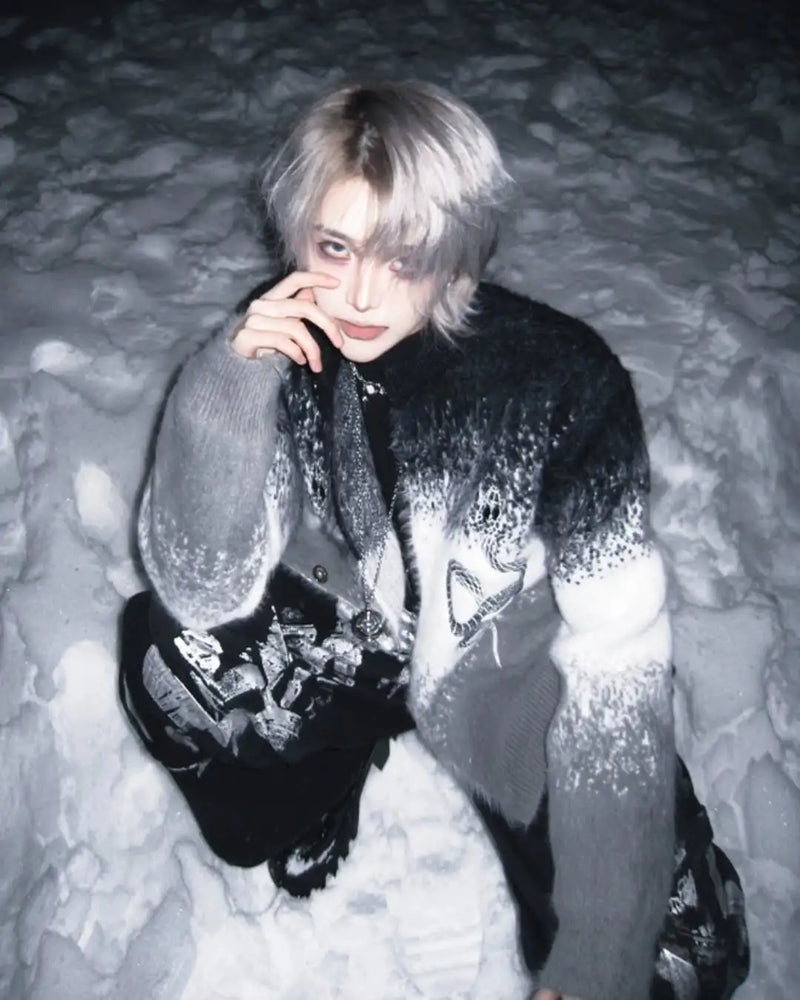
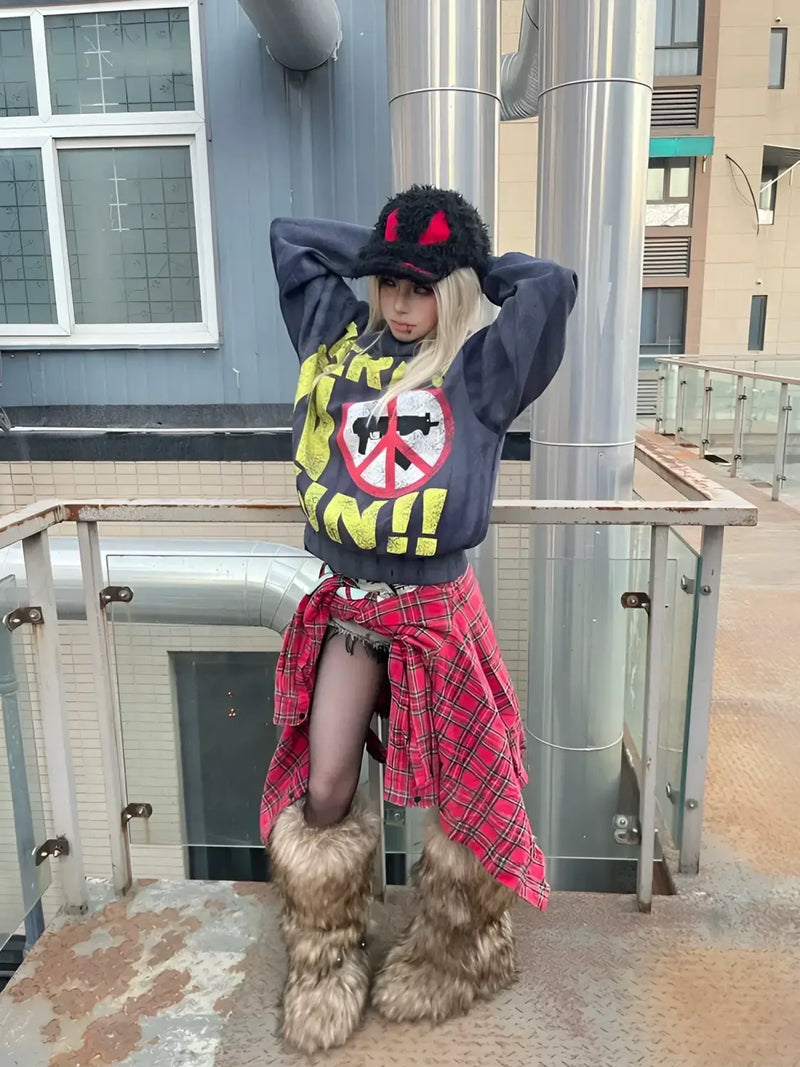
Harajuku style isn't a fixed outfit but a method: mix until something new emerges. Subcultures get crossed, price ranges ignored, eras thrown together. A vintage skirt meets a Y2K shirt, plus sneakers and a pile of accessories that's really too much and works precisely for that reason.
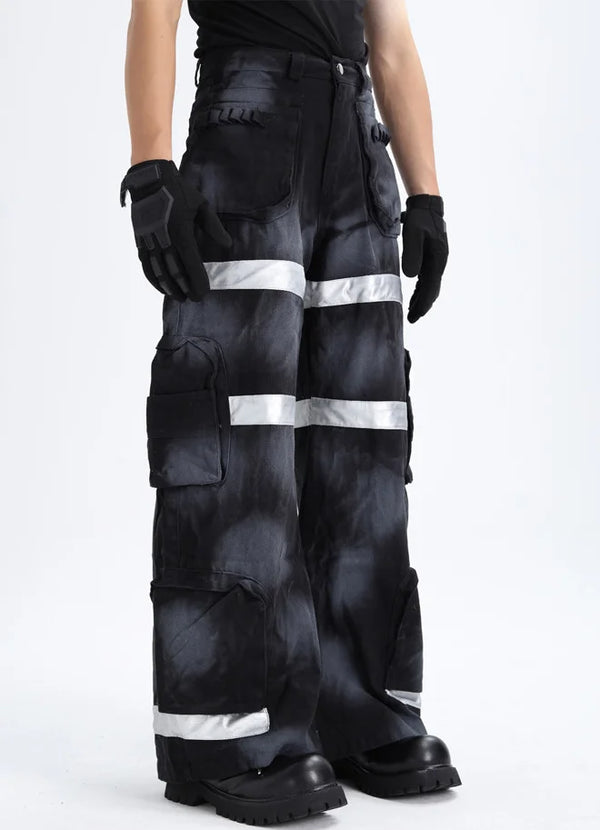
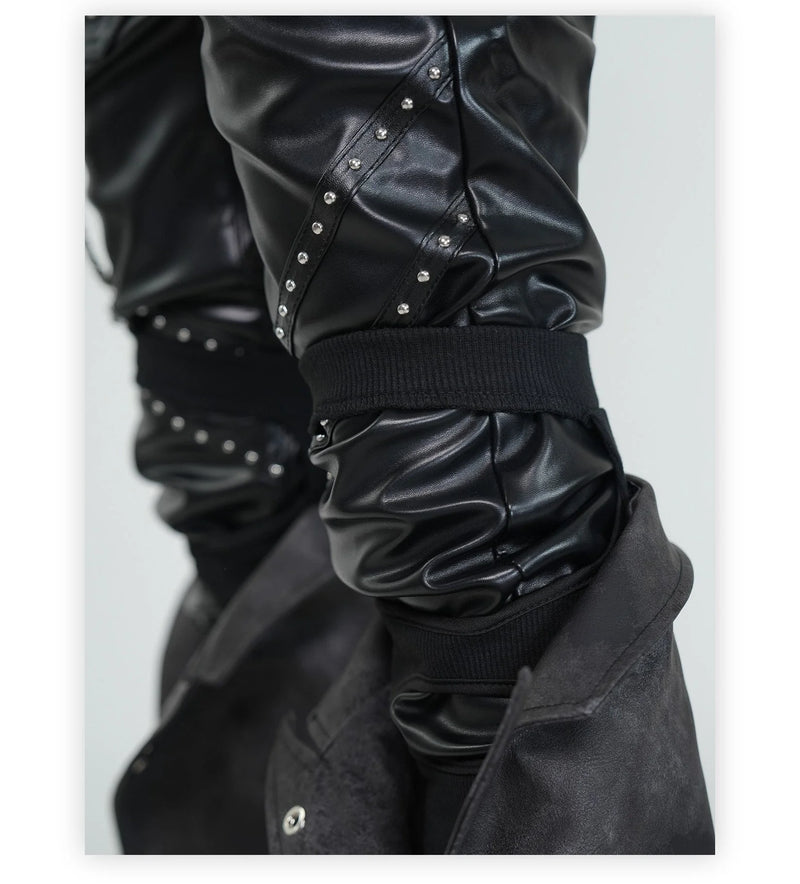
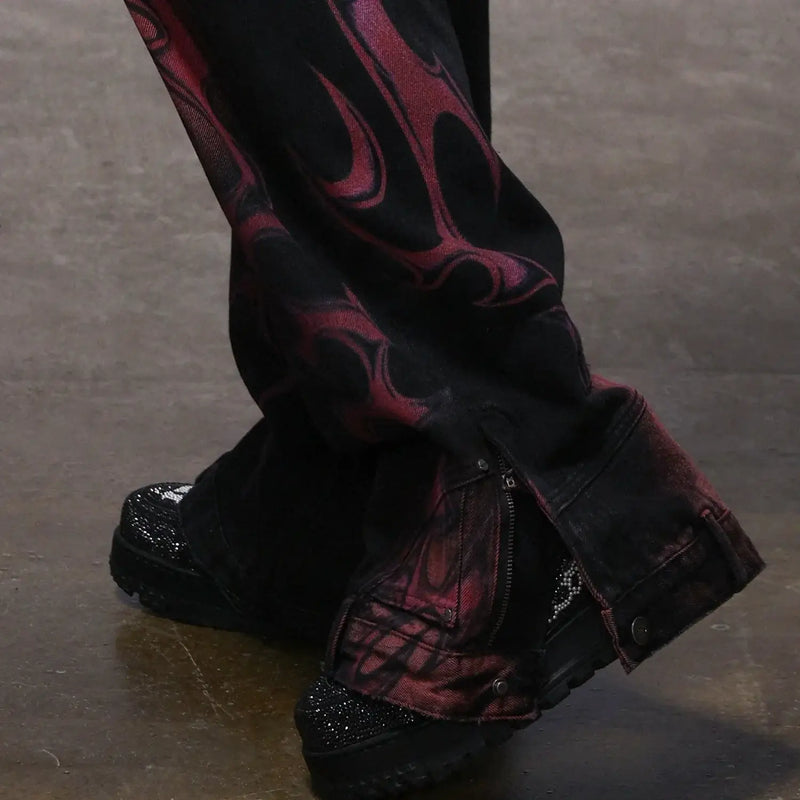
The rule behind it is simple: self-expression beats fit. It's not about looking expensive or correct but unmistakable. A good Harajuku look tells you in a second who the person wants to be. The most important building block often stays the trousers, because they set the silhouette.
Historically, this attitude grew out of the car-free Sundays of the 1980s, when the streets around the station were closed to traffic and young people used the space as an open-air runway. From that came the idea that clothing is a stage and not just protection from the weather. Keep that in mind and you immediately understand why the style stands out so deliberately.
As free as the style sounds, its origin is that clear. A single sentence you keep hearing in Tokyo sums it up best.
This permission also has a commercial side: around the quarter, brands have grown that still shape the look today.
Brands
Harajuku Fashion Brands: what defines the quarter
Over the years, real brands have grown out of the street culture and carried Harajuku's reputation into the world. Some are legends, others small shops with cult status. What they share is that they translated the courage of the street into wearable products.
- A Bathing Ape — the streetwear icon that exported Harajuku's camo and logo language worldwide.
- 6%DOKIDOKI — the Decora temple where the colourful accessory madness became a brand.
- WEGO — the cheap chain for a quick entry into Y2K and vintage looks.
- Independent Labels — the small names of Cat Street that carry the serious, quiet streetwear core.
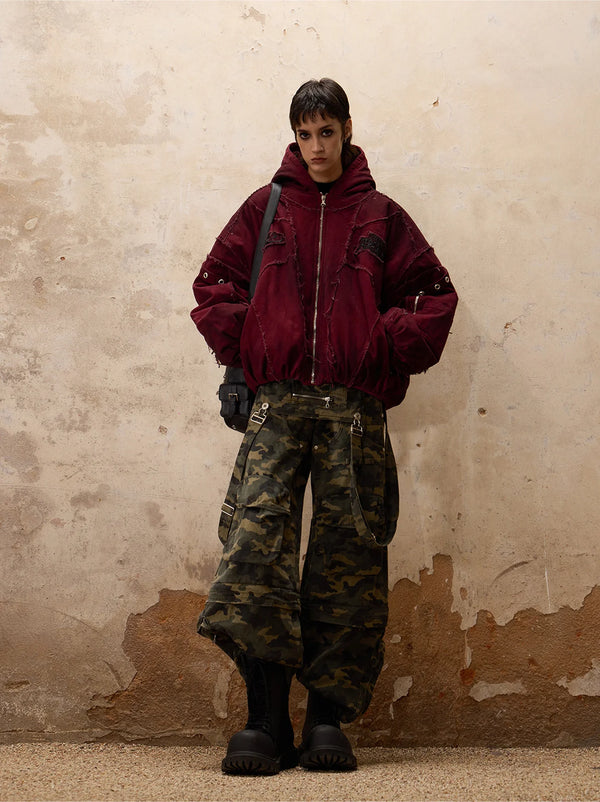
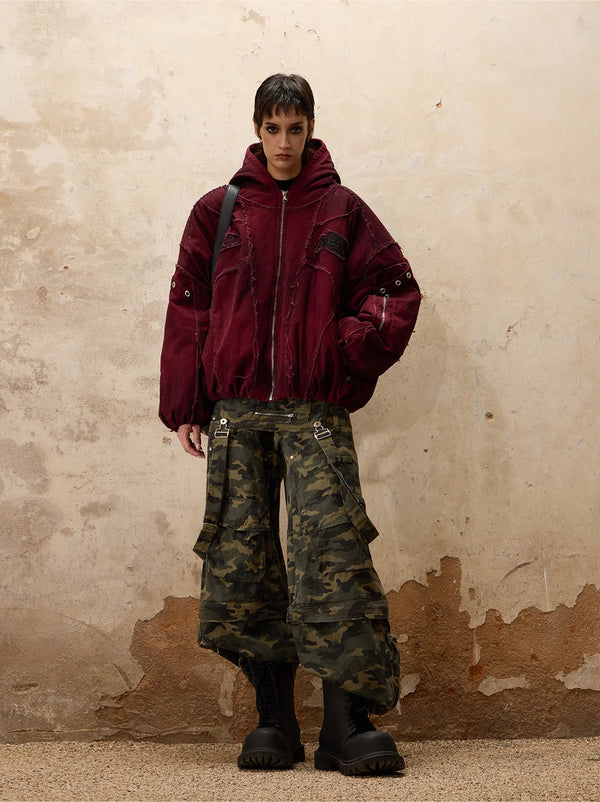
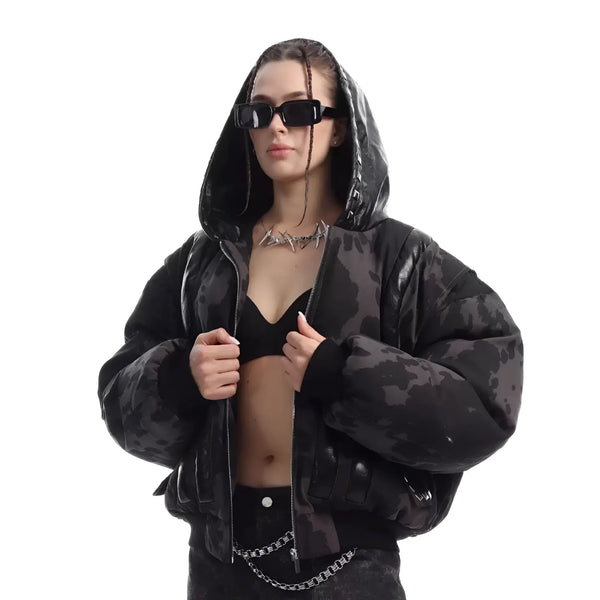
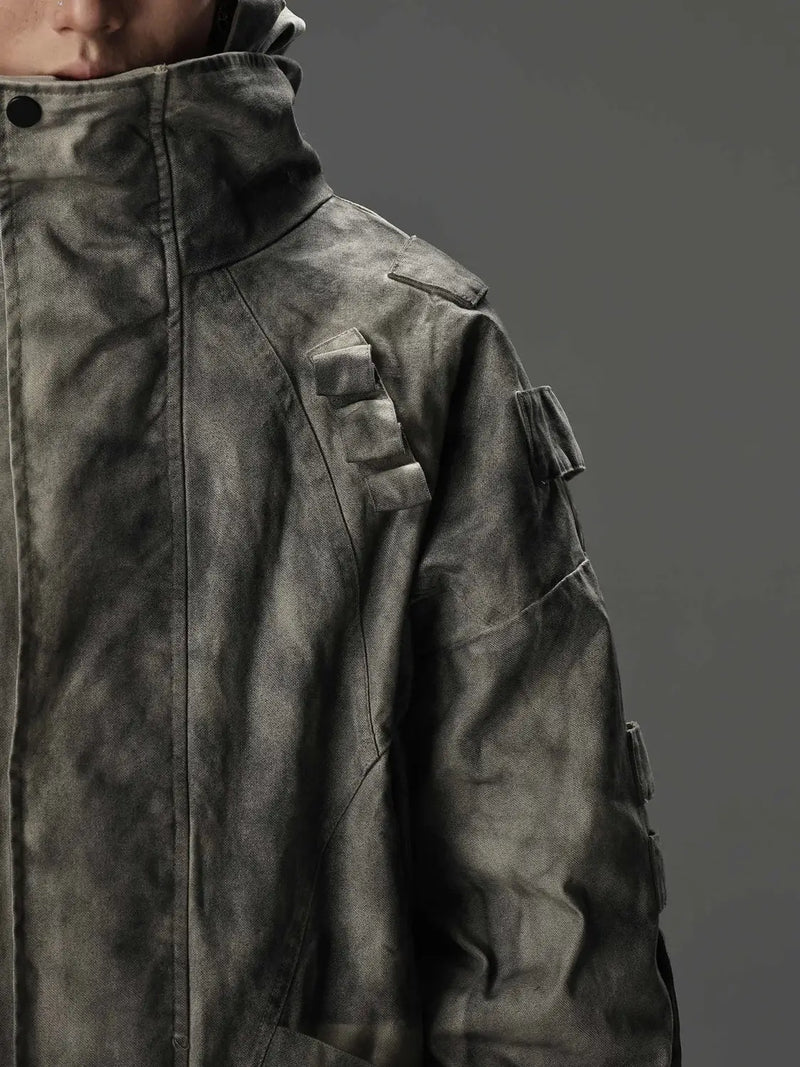
What connects these brands is a taste for pieces that show attitude. It's exactly in this category that it pays to look at robust, expressive jackets that instantly give a look structure.
If you want to go deeper into Japanese street fashion, it's worth a look at the roots of Harajuku streetwear as a whole.
Before we get to wearing it, here's the quick orientation on which corners of the range fit the quarter.
How this feels in real motion is shown better by a short clip from our own feed than by any description.
@fugastudios These pants ate and left no crumbs 🖤 walking chaos in denim form #fugastudios #darkfashion #widelegpants #fyp #distresseddenim ♬ Originalton - Fuga Studios
The good news: for this feeling you don't need a flight to Tokyo. The logic travels with you.
Translation
Wearing Harajuku style at home, without a Tokyo ticket
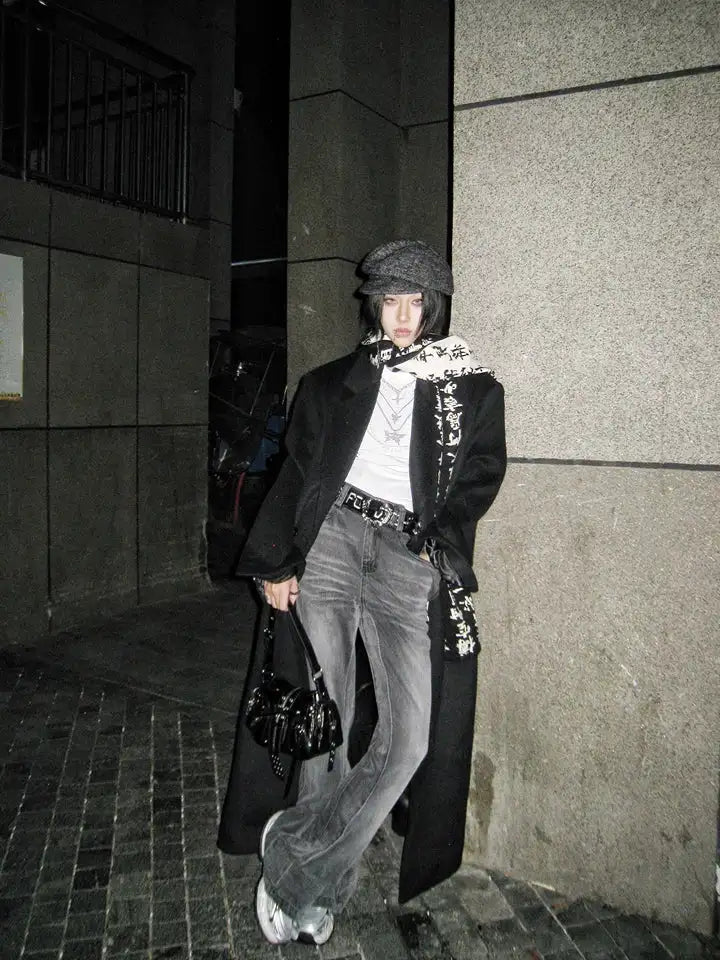
The mistake most beginners make is costuming Harajuku: full Decora, head to toe, all at once. That quickly looks like fancy dress. The trick of the real scene is dosing. A neutral base frame of trousers and top, then one or two loud elements that tip the look.
This is exactly where accessories make the difference. They're the cheapest and fastest way to give a European outfit the Harajuku signature without it looking like carnival. A chain, a cap, one striking detail, and the rest stays quiet.
A practical starting point for everyday life is the eighty-twenty rule: eighty percent of your outfit stays in quiet, wearable tones, twenty percent is allowed to be loud. That way you get the quarter's recognisability without the look making you the talking point at the office, at uni or on the train. This very dosing separates a real Harajuku look from a costume.
To make that work, it helps to know the typical pitfalls that reliably tip a Harajuku look.
Practice
Common mistakes in the Harajuku look
Most failed Harajuku looks don't fail on courage but on control. These four mistakes keep coming up, and they're all avoidable.
Avoid these traps
Four ways to tip the look
-
Everything at once
Five subcultures in one outfit aren't a mix but noise. Two references are enough.
-
No anchor
Without a quiet base frame, the look drifts. A clear silhouette holds everything together.
-
Costume instead of clothing
A perfectly re-staged scene look comes across as fancy dress. Build it into your everyday life.
-
Only expensive
Harajuku was never a question of price. Vintage and small statement pieces beat any logo.
Get around these traps and your head is free for the creative part. For winter there are a few particulars we've written up separately.
Moving images help too in understanding the timing of layering. Here's a second clip showing the darker, quieter side.
@fugastudios POV: You're the final boss and the outfit actually slaps 🔥 Gothic Warrior Denim Set got that main character energy fr#fugastudios #darkfashion #gothicstyle #OOTD #fyp ♬ Originalton - Fuga Studios
That leaves the practical side: weather, season and the question of how to keep the look everyday-proof.
Season
Season, weather and everyday life in the Harajuku look
Harajuku is a year-round style, but the execution changes with the temperature. In summer the look lives on layering illusions and colour, in winter on real layers and material contrast. The mistake would be to simply pull a grey jacket over a colourful look in winter and smother everything.
Better to make the jacket itself the statement. That keeps the silhouette loud, even when only a fraction of the outfit is still visible. That goes for Berlin just as much as Tokyo.
The shoes deserve more attention than you'd think too. In Harajuku, most looks run on comfortable sneakers or platform-heavy boots, because you're on foot a lot in the quarter and still want to show presence. A good shoe lifts an otherwise plain look instantly, while the wrong one can tip even the boldest outfit. So build from the bottom up, not the other way round.
Put all of this together and you basically have your personal starting point into the quarter. Time to build it.
Starting point
Your way into the Harajuku quarter
The best entry is a complete look that speaks for itself: one silhouette, one statement, one accessory. From these three building blocks you can build in any direction, whether you're heading towards Y2K, Gothic or quiet streetwear.
FAQ
Frequently asked questions about the Harajuku Fashion District
Before you book your ticket or put together your first look, here are the questions that come up most often around the Harajuku Fashion District, answered briefly and without detours.
Is Harajuku a fashion district?
What is the Harajuku Fashion District known for?
What is Harajuku style?
Is a visit to Takeshita Street worth it?
How much time should you plan for Harajuku?
Can you wear Harajuku fashion in Europe too?
In the end, the Harajuku Fashion District is less a travel destination than an attitude. Three streets, three temperatures, one shared idea: dress the way you want to be seen.
You don't have to go to Tokyo to live that. You just need the courage to let a quiet base frame get loud.
What do you think?
Tell us on @fuga_studios
About the author
Philipp Fuge — Founder · Berlin
Founder of Fūga Studios. Writes the journal himself. Berlin · Shanghai · Tokyo · Poznań — four cities, one logic.