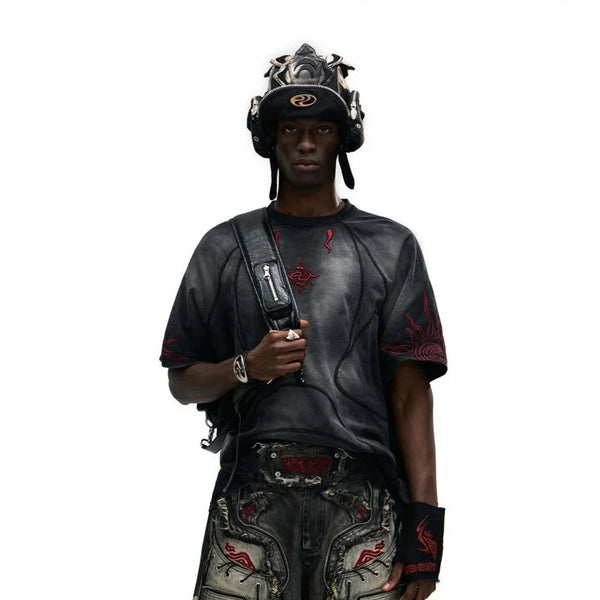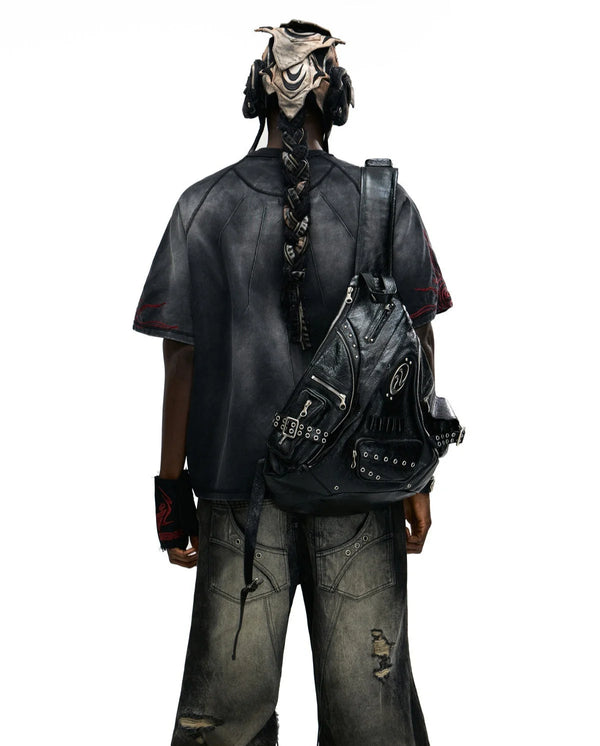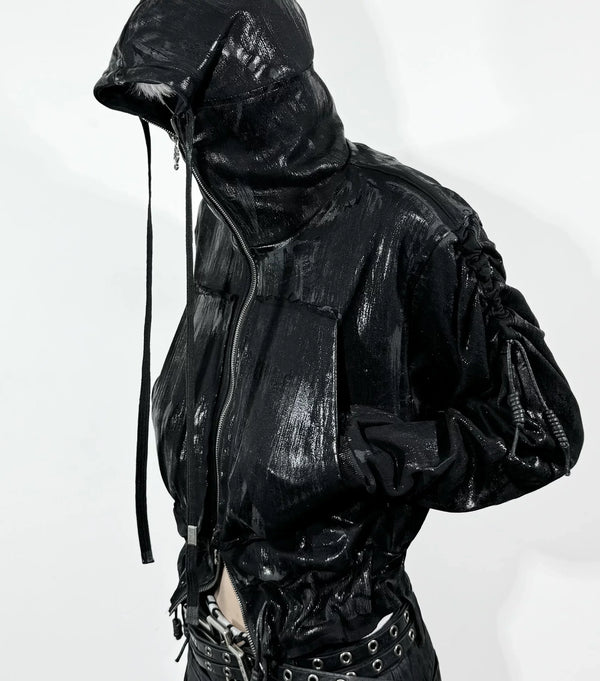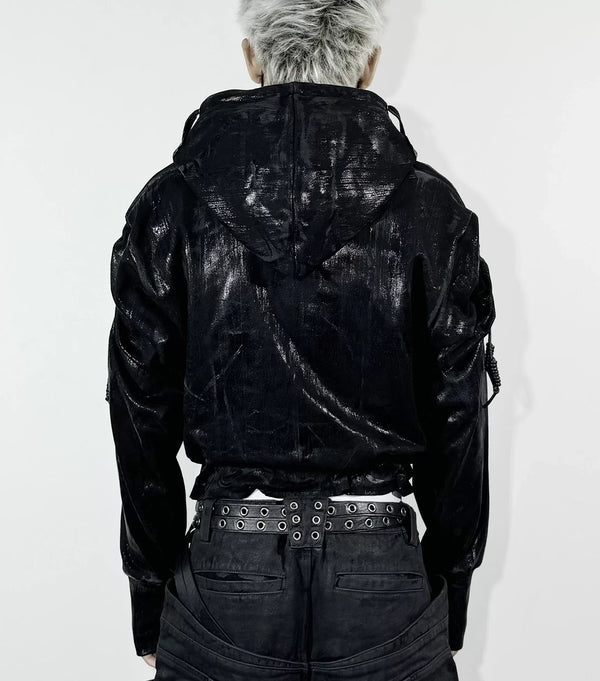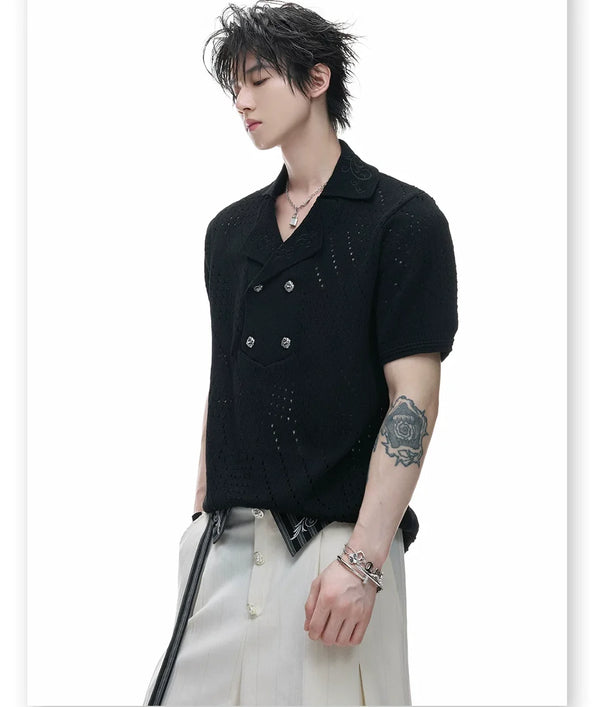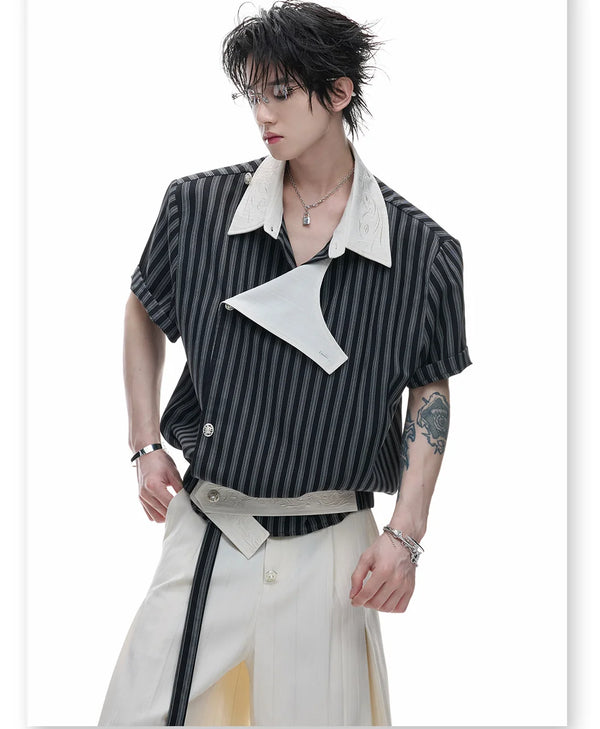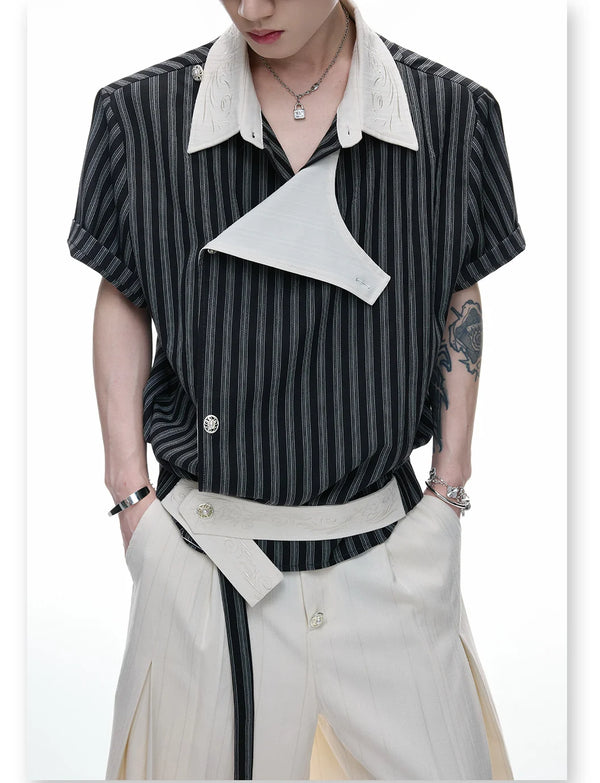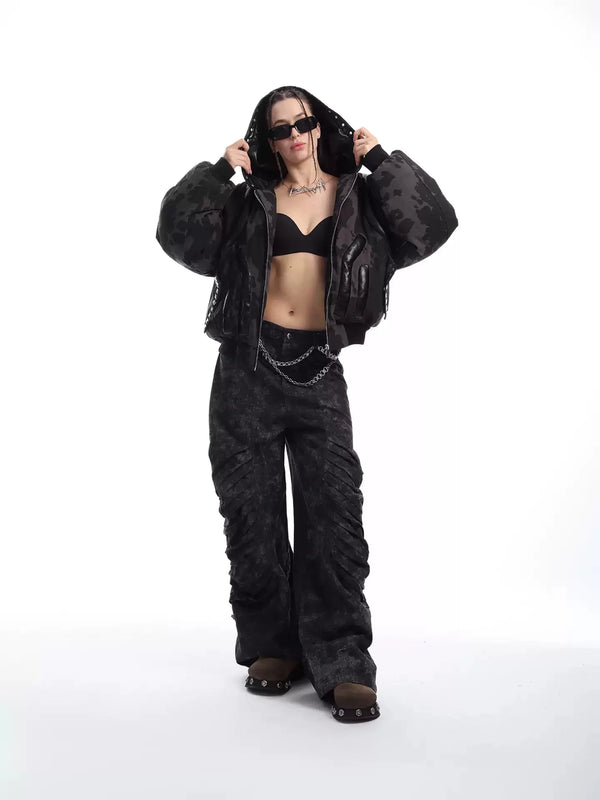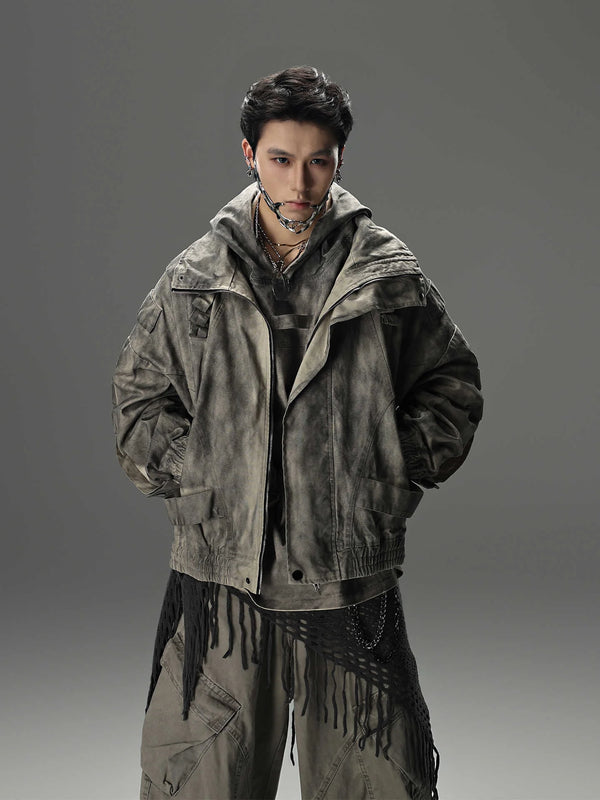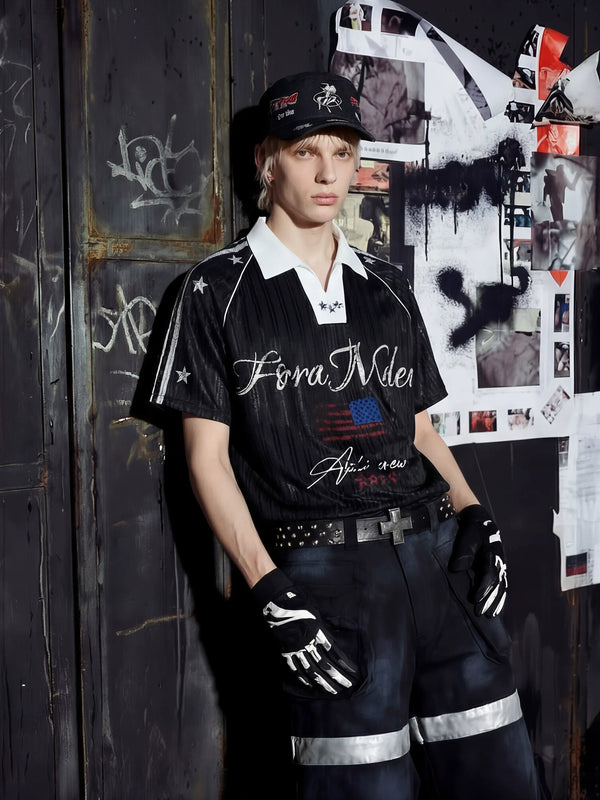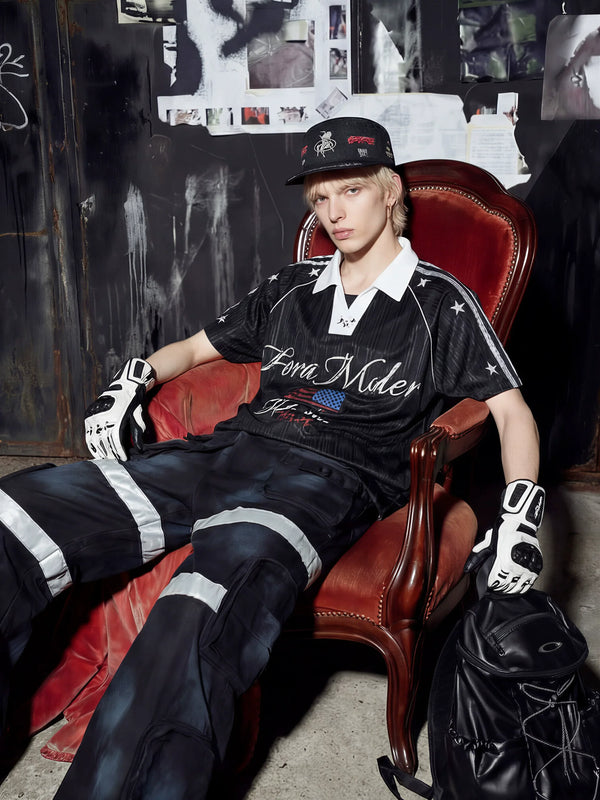
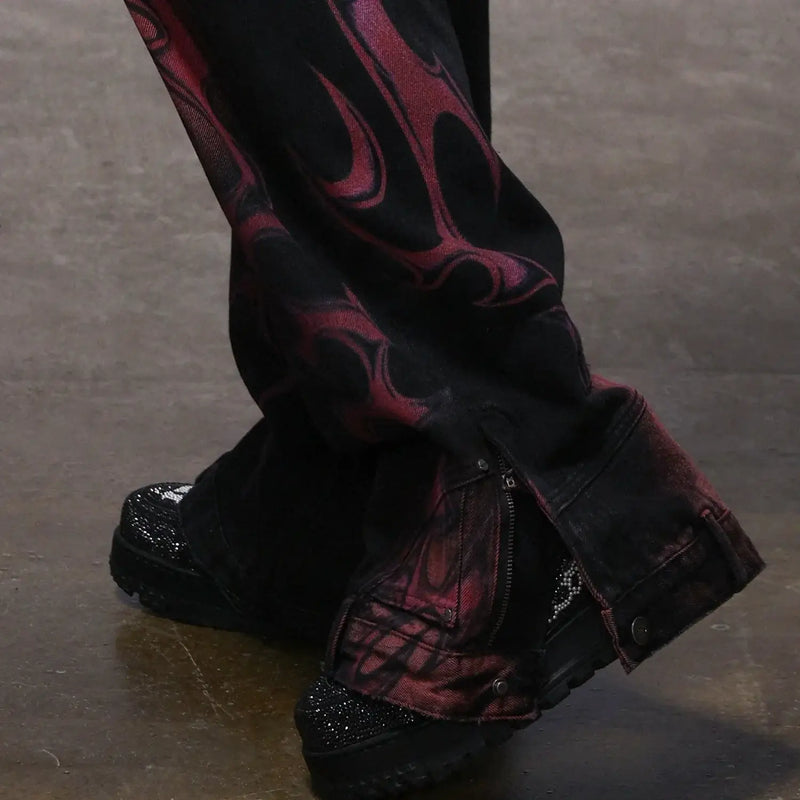
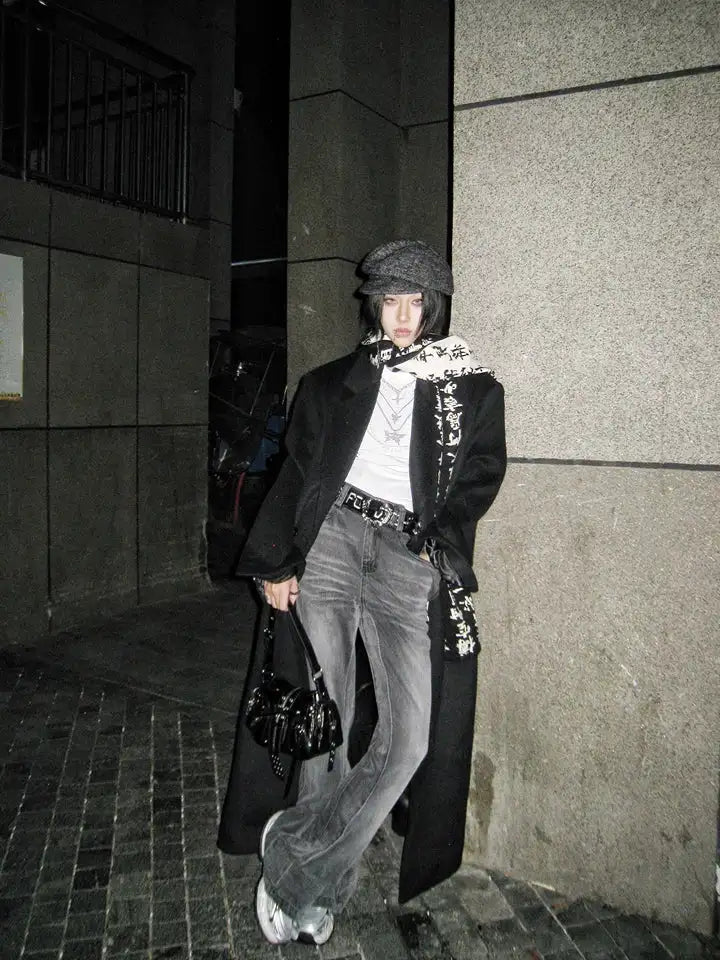

Picture a street in Harajuku: pastel-pink hair clips, a dozen bracelets on each arm, stickers on the face, plush toys on the backpack and socks that deliberately don't match. No detail is left empty, no surface stays quiet. What looks like chaos at first glance follows a clear idea: color isn't decoration, it's the framework of the entire outfit.
Decora Fashion is a Japanese street style from Harajuku that overloads clothing with an extreme amount of colorful accessories. The name comes from "decoration". Instead of one focal point, you wear layer upon layer of clips, chains, stickers and plush — the brighter and the more, the better. It's the loudest, most playful branch of Harajuku fashion.
This guide is part of our larger overview of Japanese Harajuku streetwear. Here we go deep on a single style: what defines Decora, where it comes from, which archetypes exist, how you combine tops, pants, jackets and accessories — and how to make the look wearable without it coming across as a costume.
Definition
What exactly is Decora Fashion?
Decora Fashion describes a way of dressing where the appeal lies not in a single garment but in the sum of countless small pieces. A Decora outfit looks like a person wearing an entire craft store: hair clips in rows, beaded necklaces stacked on top of each other, buttons on every free surface. The clothing itself deliberately steps into the background and becomes a canvas.
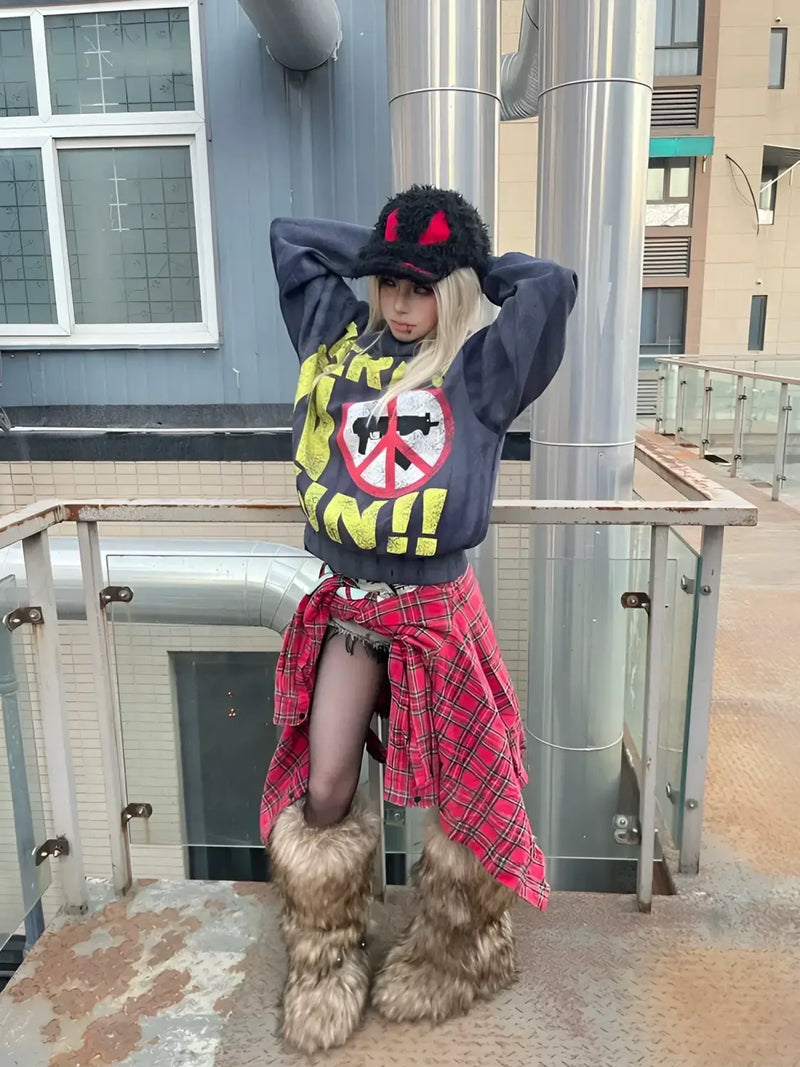
What does Decora look like in practice? The silhouette is usually loose and childlike: short skirts over colorful leggings, wide T-shirts, knee-high socks, sneakers or platform shoes. On top comes the decisive layer — dozens of clips, often repeated in the same two or three pastel tones, plus arm warmers, stickers, plush charms and face decoration made of small stickers or plasters. Repetition is key: one clip is an accident, thirty are a statement.
20–30+
visible accessories per look
1990er
origin in Harajuku
3–6
repeated color tones
The difference from "just a lot of jewelry" lies in intent. Decora isn't piling things on out of insecurity, it's a deliberate aesthetic of abundance. That's exactly why a good Decora outfit reads as cheerful rather than cluttered: it has a color theme, a rhythm and a logic, even if that stays hidden at first glance.
Origin
Decora Kei: the colorful branch of Harajuku fashion
Decora Kei — "kei" means something like style or type — emerged in the late 1990s in the side streets around Harajuku station in Tokyo. The scene was documented above all by the street-style magazine FRUiTS from photographer Shoichi Aoki, which captured young people in their self-assembled looks. Decora was part of a broader explosion of Harajuku sub-styles, but the most colorful of them all.
A defining figure was the musician Tomoe Shinohara, whose playful, overloaded appearance many regard as an early reference point. Unlike expensive designer trends, Decora grew from the bottom up: out of hundred-yen shops, craft beads, Sanrio merch and whatever teenagers could afford. This do-it-yourself attitude remains the core of the style to this day — you don't buy Decora ready-made, you build it yourself.
Over the years Decora has shifted from the pure street scene onto the web. On Instagram, TikTok and Pinterest the style lives on, often reinterpreted by a younger, global generation. The basic rules stayed the same, the vocabulary grew larger.
The principle
The Decora formula: why more is always more
Most fashion styles work through reduction: one statement piece, the rest quiet. Decora flips that completely. Here maximalism is the goal, not the mistake. The formula is: take a simple base, choose two to four lead colors, then layer on as many accessories as you can visibly fit — and then a few more.
To keep this from tipping into randomness, Decora needs two anchors. First a color theme: if pink, mint and yellow are your tones, they show up everywhere, from the clips to the socks. Second, repetition of the same object types — many identical hair clips, many identical bracelets. Quantity creates pattern, and pattern creates order within the chaos.
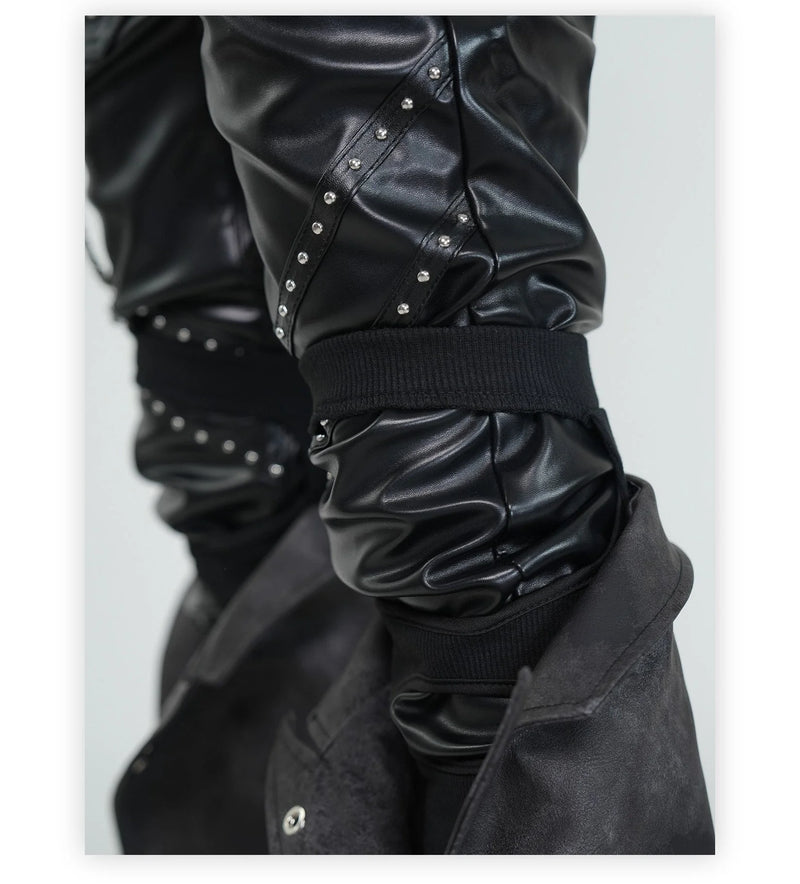
@fugastudios Silver demons walk among us 👁️ Opium Metallic pants eating up the competition fr fr #metallicpants #fashiontiktok #alternativefashion #darkfashion #opiumcore ♬ Originalton - Fuga Studios
That's exactly why Decora is easier to wear than it looks: once your color theme is set, you can add almost anything as long as it fits the palette. The look forgives a lot — it only punishes half-heartedness. A timid Decora outfit looks unfinished; a bold one reads as coherent, no matter how full it is.
Color world
Colors, patterns and prints in Decora style
Pastel is the classic default mood: baby pink, mint, lilac, sky blue, lemon yellow. These tones feel childlike and friendly and form the ground everything else builds on. Then come neon accents, rainbow gradients and glitter that make the look glow. Black barely plays a role in the classic variant — that only changes with the darker offshoots.
When it comes to patterns, the kawaii vocabulary rules: strawberries, stars, hearts, candy, clouds, cartoon characters. Prints are allowed to clash as long as they stay related in color. A polka-dot shirt under a striped cardigan, plus a plaid skirt — in the Decora cosmos that's not a break, it's the plan. The trick is holding the patterns together through a shared color.
Anyone building Decora for the first time is best off starting with a tight palette of three tones and only expanding after that. That keeps the look readable while the quantity grows. Color first, quantity second — that's the order that turns a wild pile into an outfit.
Iterations
The most important Decora archetypes
Decora isn't a single fixed look but a family of related variants. The basic formula — simple base plus decoration overload — stays the same, but palette and mood shift depending on the variant. These four archetypes cover the field best.
These archetypes aren't strict boxes but starting points. Many mix them — a Kuro base outfit with a few neon accents, for example. What matters is that you settle on a base mood before you start layering, so the look has a direction.
Tops
Tops and layering for the Decora look
The top is rarely the star in Decora — it's the stage. Wide T-shirts with cartoon prints, striped long-sleeves, short cardigans to wear open: anything that offers surface for buttons and charms and layers easily. Two to three layers are normal, for example a print shirt over a long-sleeve, with an open cardigan on top.
Choose cuts that sit loosely and allow movement — tight, stiff tops smother the playful character. Graphic prints work better than elaborate fabric details, because the actual detail work comes from the accessories. A calm but colorful top is the perfect base.
With layering the rule is: each layer may bring in its own color from your palette, but none should completely cover the next. Roll up sleeves, leave cardigans open, let the shirt underneath peek through. That creates depth without looking bulky.
Legwear
Pants, skirts and legwear in Decora style
For the lower half you have two paths. The classic Decora route is short skirts or tutus over colorful leggings or striped knee-high socks — that creates a second layer right at the leg and leaves room for leg warmers and eye-catching socks. Alternatively, wide pants work if you want a more modern, street-ready silhouette.
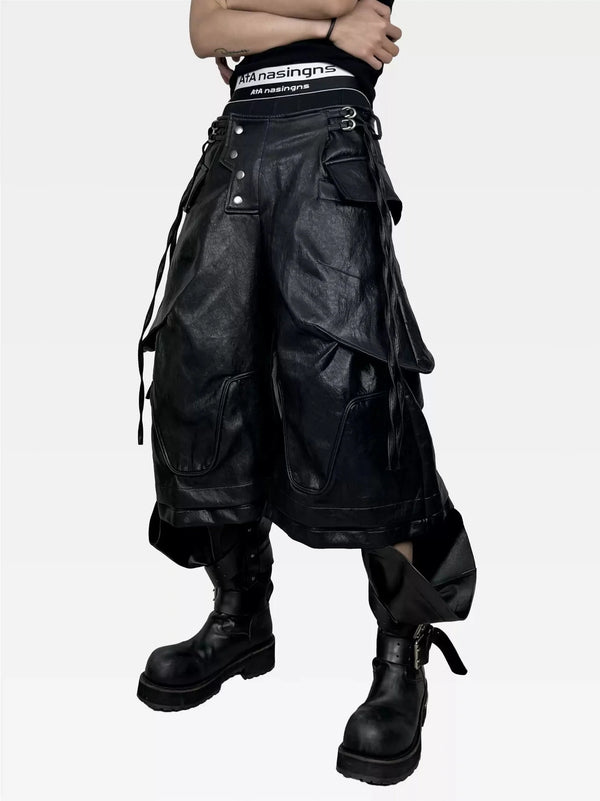
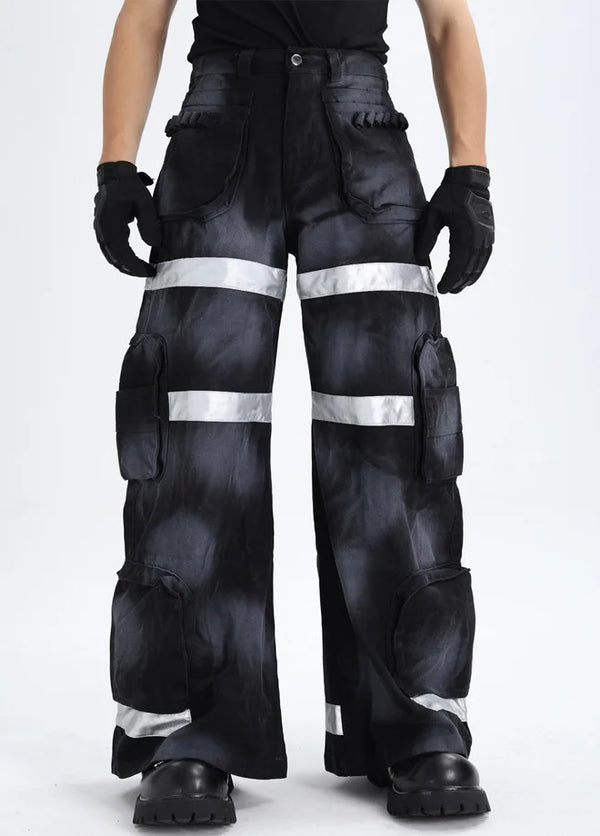
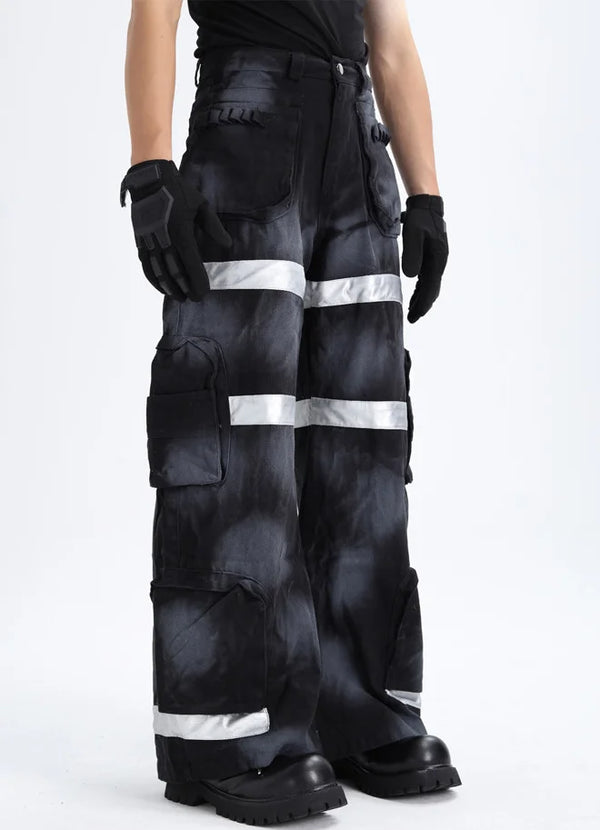
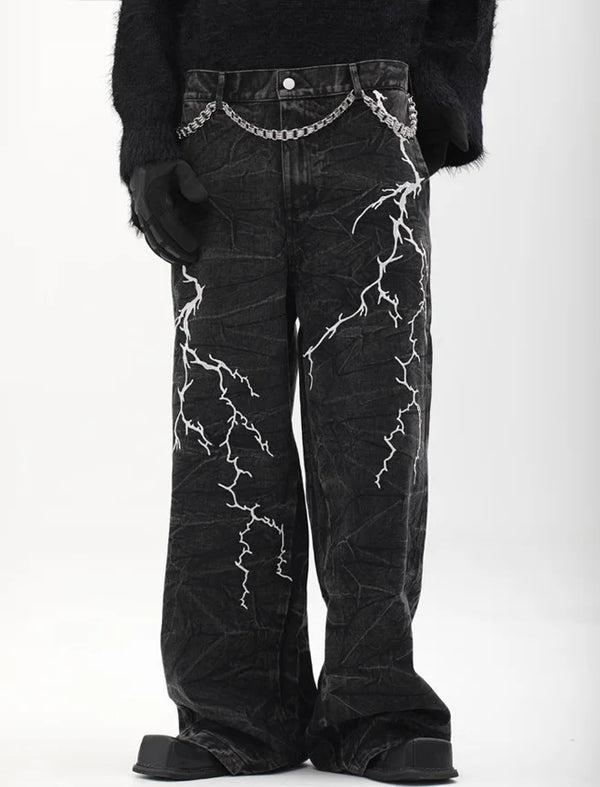
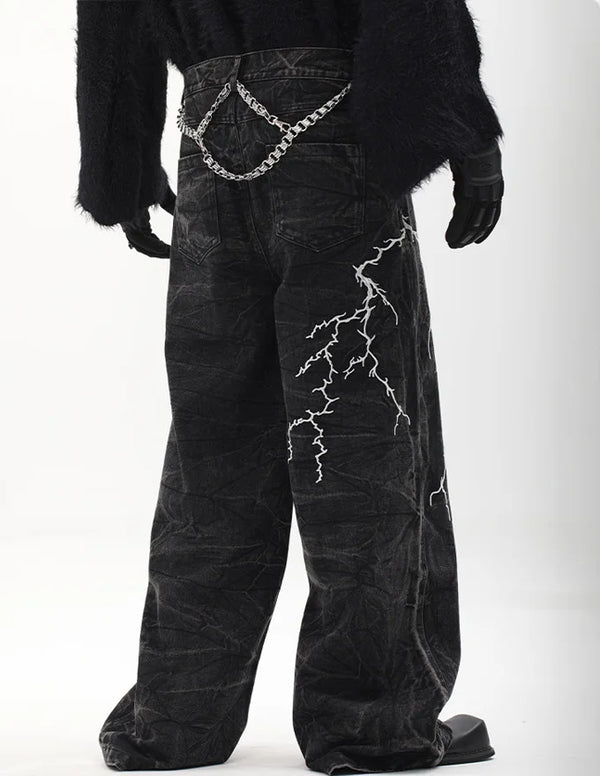
Wide jeans or cargo pants with colorful prints bring the Y2K side of Decora to the front and make the look more everyday-friendly. Contact with the palette stays important: if your lead colors are pink and mint, they should reappear at the leg too, whether through the socks, a print or a belt full of charms.
Whether skirt or pants: keep the base color calm at the bottom and let the action happen through socks, shoes and decoration. That leaves enough room to load the lower half of the outfit with the same density as the upper.
Layering pieces
Jackets and cardigans as layers
Jackets and cardigans are doubly useful in Decora: they keep you warm and provide extra surface for buttons, patches and charms. Short, colorful cardigans are the obvious choice because they can be worn open and keep the layers underneath visible. Fuzzy textures and fur collars add the childlike, soft element on top.
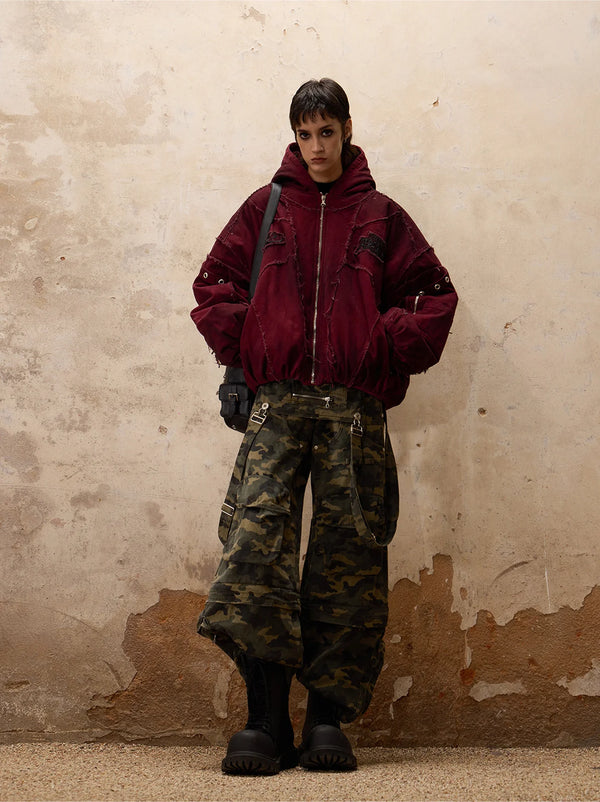
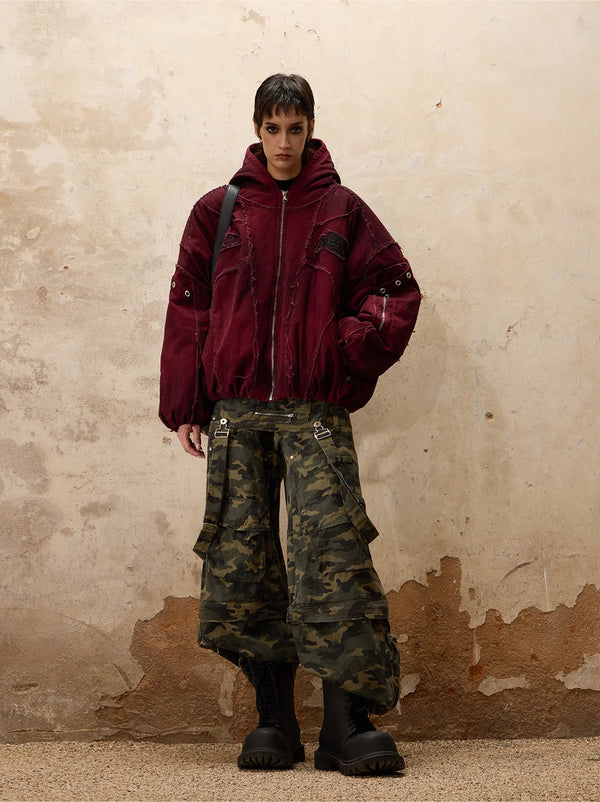
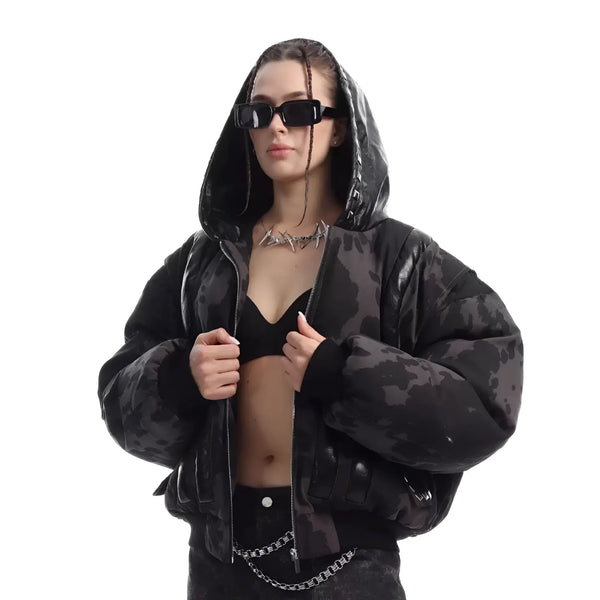
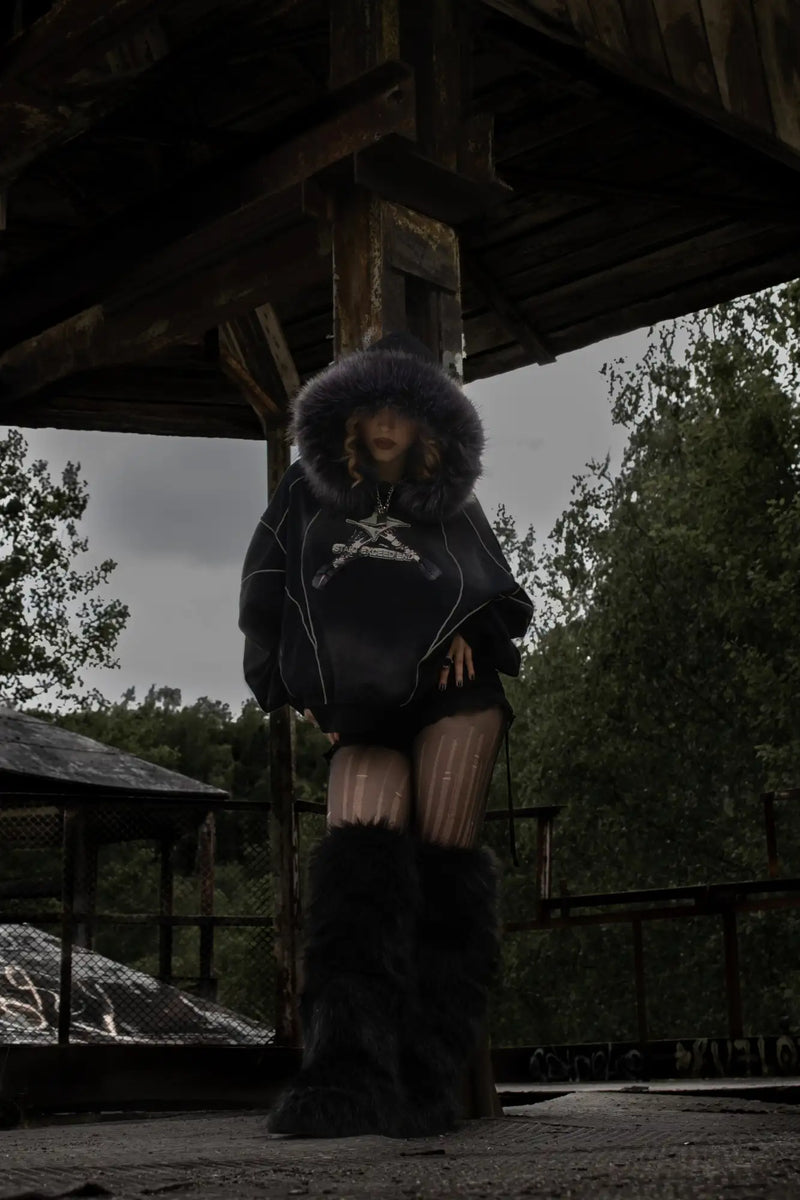
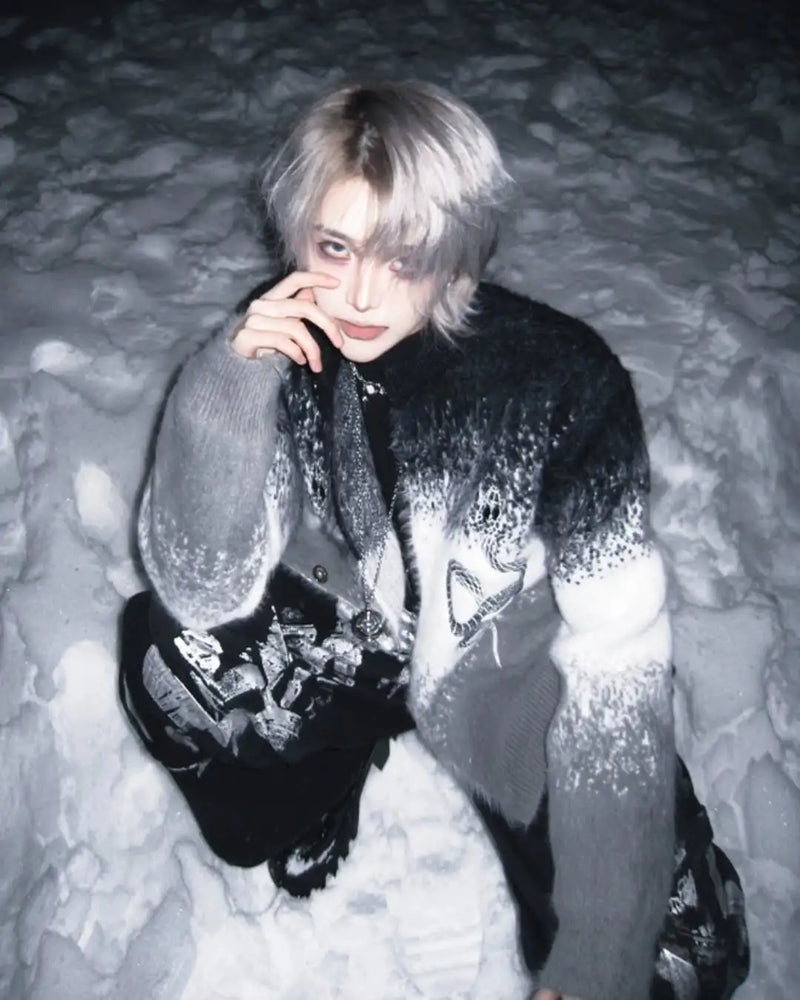
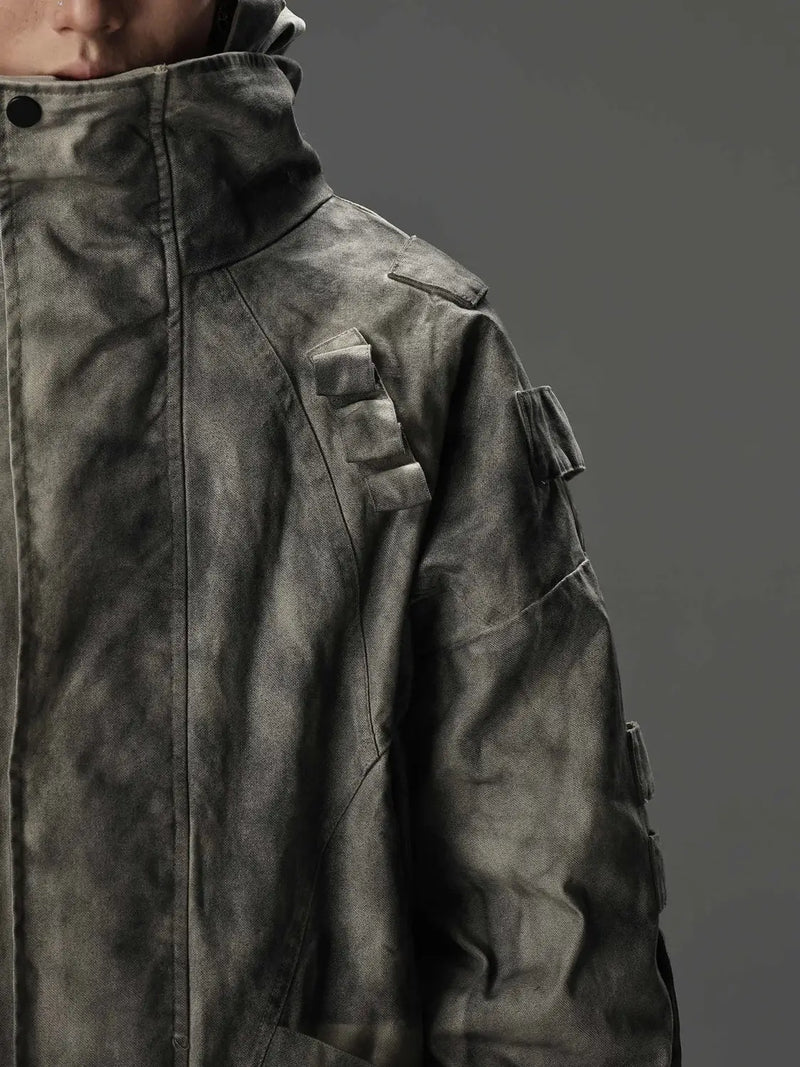
For colder days, puffer jackets or lined layers work too — as long as they play along in color or are set as a deliberate contrast. A black jacket over a pastel-bright outfit can ground the look without killing it, especially in the Dark Decora direction. What's decisive is that the jacket doesn't completely cover the decoration.
A practical trick: pin your buttons and patches to a single favorite jacket instead of spreading them across all your pieces. That way the jacket becomes the wearable centerpiece of your collection and you can vary the rest of the outfit faster.
This idea helps especially at the start: you don't need a budget for designer pieces but an eye for color and the patience to gather many small parts. That's exactly what makes the style so accessible — and so personal.
Core piece
Accessories: the heart of Decora
If one part of Decora is non-negotiable, it's the accessories. They aren't the add-on, they're the actual look. Hair clips in rows, beaded and chain layers around the neck, arm warmers, rings, pins, plush charms, stickers on the face — this is where it's decided whether an outfit is Decora or just colorful.
The classic is dozens of identical hair clips, pinned symmetrically or in rows so they form a pattern. Then come Deco-Den elements: small figures and beads glued onto phone cases or bags. Sunglasses, caps and statement jewelry round out the picture and give the look its typical density.
When building your collection, it pays to shop in color families: better ten clips in your three lead colors than twenty random ones. Caps and sunglasses are the easiest entry pieces here, because they show effect immediately and combine with every outfit.
Once your accessory box is full, getting dressed each day becomes the real fun: you combine from a large stock instead of buying every look anew. This is exactly where the style's do-it-yourself attitude pays off.
These five categories are enough for a first complete look. Start with a calm base, then add layer upon layer — and keep your color theme in mind while the cart grows.
Everyday
Decora for everyday: toned-down versions
Full Decora is a statement not everyone wants to wear every day — and that's completely fine. The style can be dialed down without losing its DNA. A toned version keeps the color theme and a few signature accessories but reduces the quantity to an everyday level. That way you can wear Decora onto the subway in Berlin, Cologne or Vienna too.
In practice that means: one colorful hair-clip row instead of thirty, a few beaded bracelets instead of a whole arm full, a print shirt with plain wide jeans. The look stays recognizably playful but doesn't come across as a stage costume in the work or university day. That's the entry point through which many grow into the full style.
@fugastudios These pants ate and left no crumbs 🖤 walking chaos in denim form #fugastudios #darkfashion #widelegpants #fyp #distresseddenim ♬ Originalton - Fuga Studios
The advantage of an everyday version: you keep collecting pieces and experience without having to fully dress up every morning. Then when a concert, a meet-up or a photo shoot comes up, you simply turn the quantity back up.
Anyone who understands the 2000s roots makes better decisions about color and silhouette. Decora was never isolated — it shared the streets with a whole wave of Japanese sub-styles that still resonate today.
Distinction
Decora vs. Fairy Kei, Gyaru and other J-fashion styles
Decora is often confused with other Japanese sub-styles because they share streets and shops. The clearest neighbor is Fairy Kei: also pastel and playful, but calmer, softer and far less overloaded. Fairy Kei leans on dreamy 80s retro motifs, while Decora goes for sheer quantity and bright repetition.
Gyaru is a completely different field — tanned skin, glamour, elaborate make-up and a more grown-up, glamorous presence. Visual Kei, in turn, comes from the music scene and is theatrically dark. Decora differs from all three through its childlike cheerfulness and uncompromising decoration density. It's the loudest, most playful and least "grown-up" branch of J-fashion.
In practice these boundaries are permeable: many mix elements, for instance Decora accessories with a Fairy Kei base tone. All that matters is that you know which rule you're breaking — then the mix reads as deliberate instead of accidental.
In winter especially the distinction becomes practically relevant, because thicker layers change the decoration layer. How you bring warmth and abundance together without losing the colorful character is shown in detail in the linked guide.
Sources of error
Common mistakes in Decora styling
Decora looks like "just put on everything", but that's exactly where it's vulnerable. The most common mistakes happen not through too much but through missing structure. These five are the typical stumbling blocks.
The good news: every one of these mistakes is easy to fix. Usually a step back, a clear color theme and a few extra pieces in the same tones are enough — and the chaos becomes a look with intent.
Shopping
Where to find Decora fashion and accessories
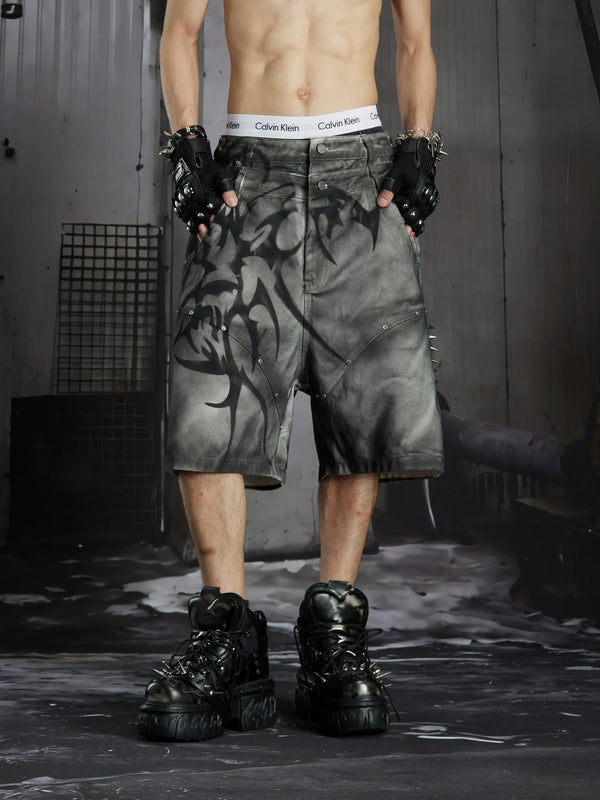
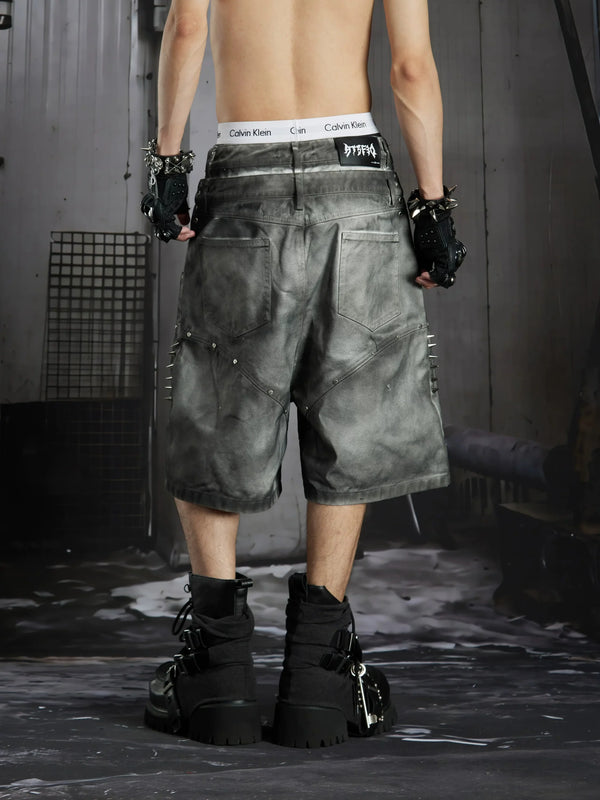
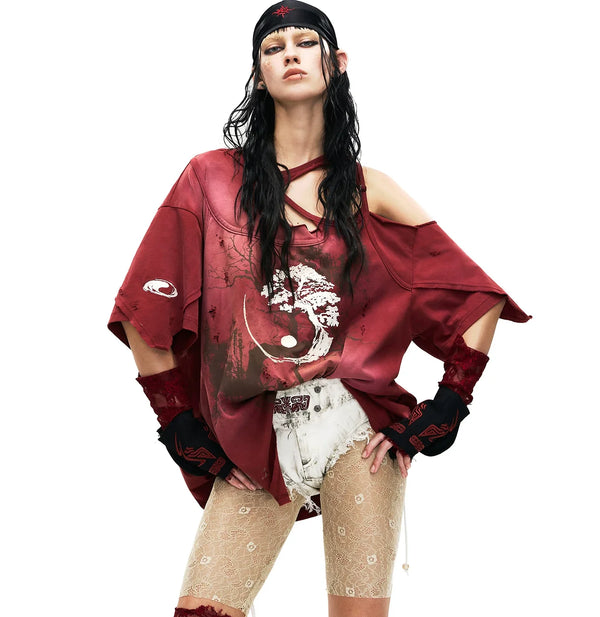
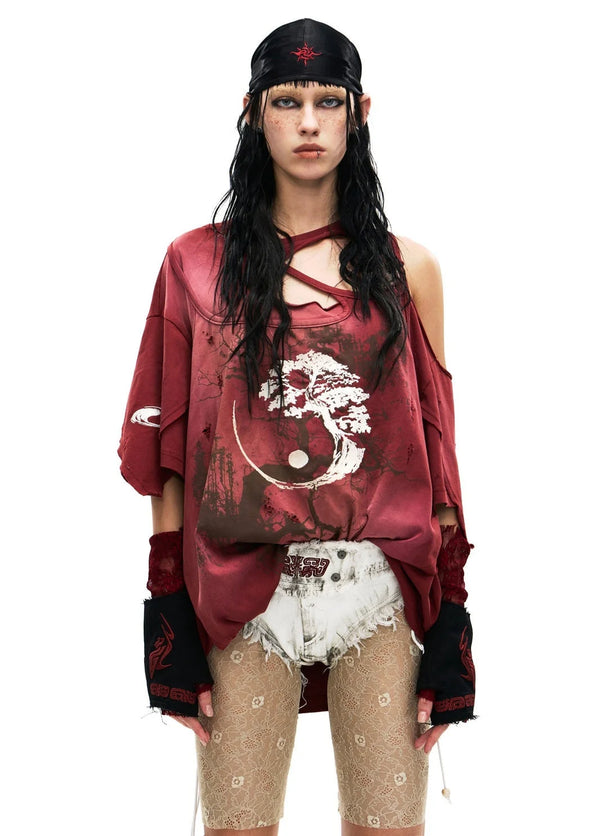
Classic Decora you build from many sources: colorful basics, kawaii accessories, second-hand finds and craft beads. With us you'll find above all the colorful, street-ready side — wide prints, colorful layering pieces and statement accessories that work as a modern Decora base. From there you add the decoration layer piece by piece.
For the start, a few eye-catching base pieces in your lead colors plus accessories that show effect immediately are a good idea. Sunglasses, caps and statement jeans are rewarding entry pieces because they play together better with every further purchase and firm up your palette step by step.
What stays important is the order that carries the whole style: color first, then quantity. Anyone who internalizes this rhythm can shop from almost any source and still put together a coherent Decora outfit.
FAQ
Frequently asked questions about Decora Fashion
The most common questions about the origin, structure and everyday wearability of Decora — answered briefly and practically.
When did Decora fashion become popular?
How many accessories does a real Decora outfit need?
What is the difference between Decora and Dark Decora?
Is Decora the same as Fairy Kei?
Can you wear Decora in everyday life in Germany?
Which colors and patterns belong to Decora?
In the end Decora is less a shopping list than an attitude: take color seriously, celebrate quantity and make the look your own piece by piece. Once you've understood the formula, you wear it at any intensity — from quiet to maximal.
What do you think?
Tell us on @fuga_studios
About the author
Philipp Fuge — Founder · Berlin
Founder of Fūga Studios. Writes the journal himself. Berlin · Shanghai · Tokyo · Poznań — four cities, one logic.