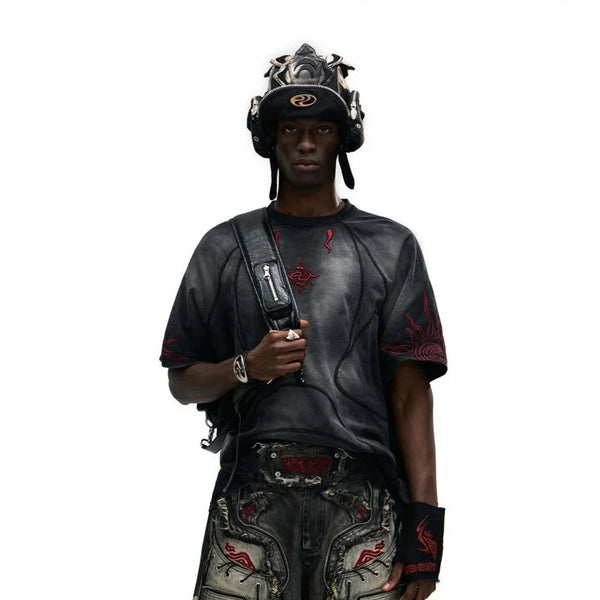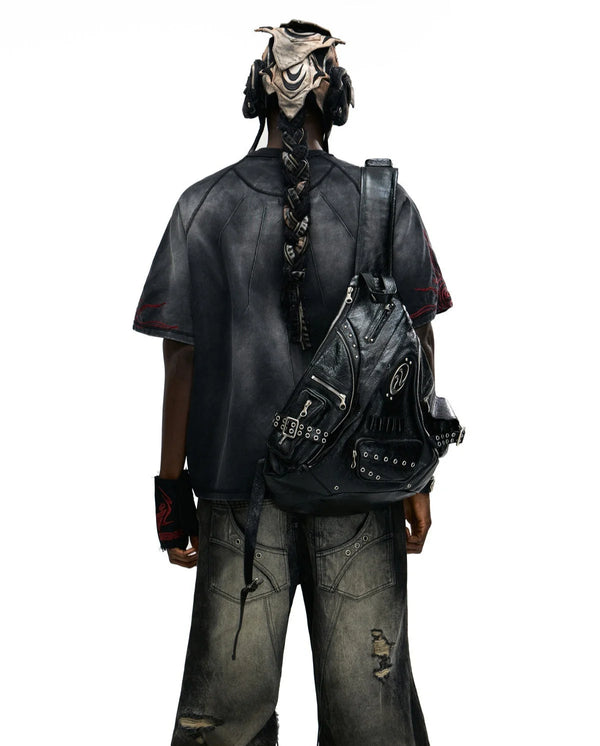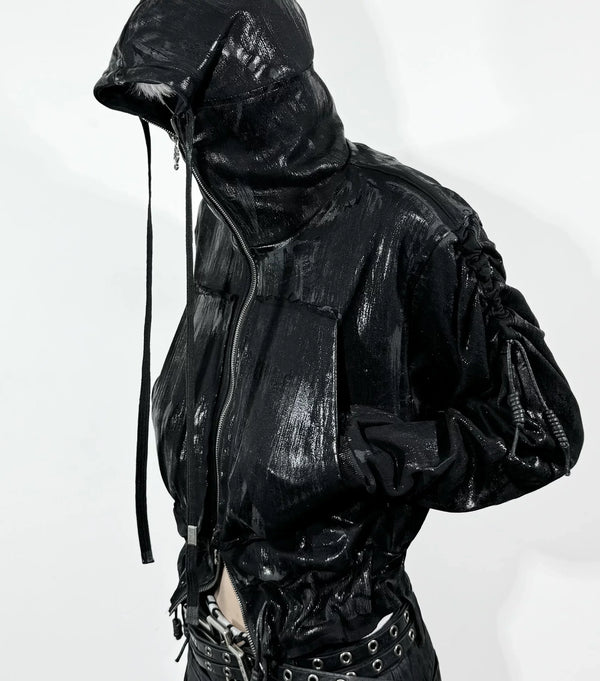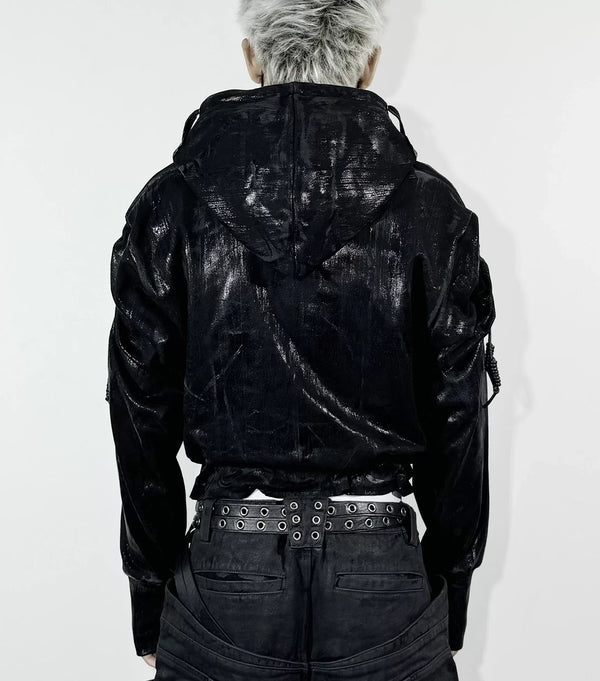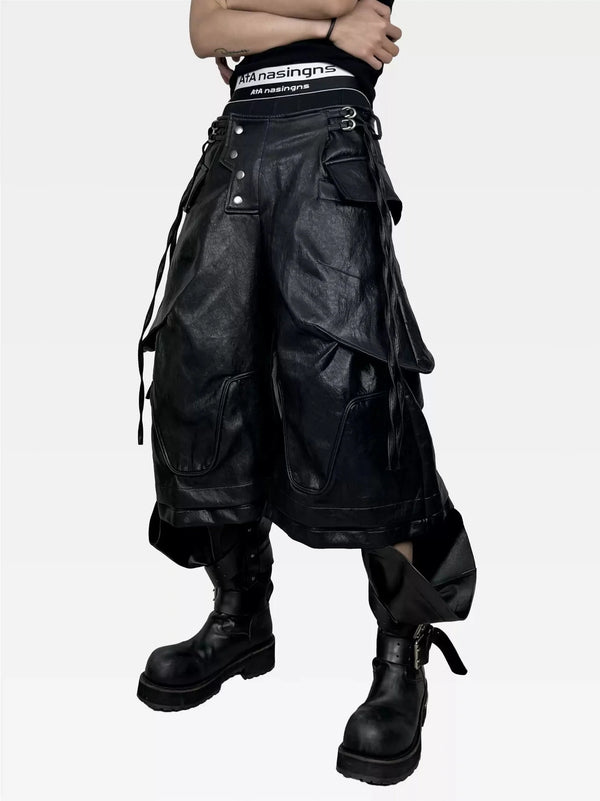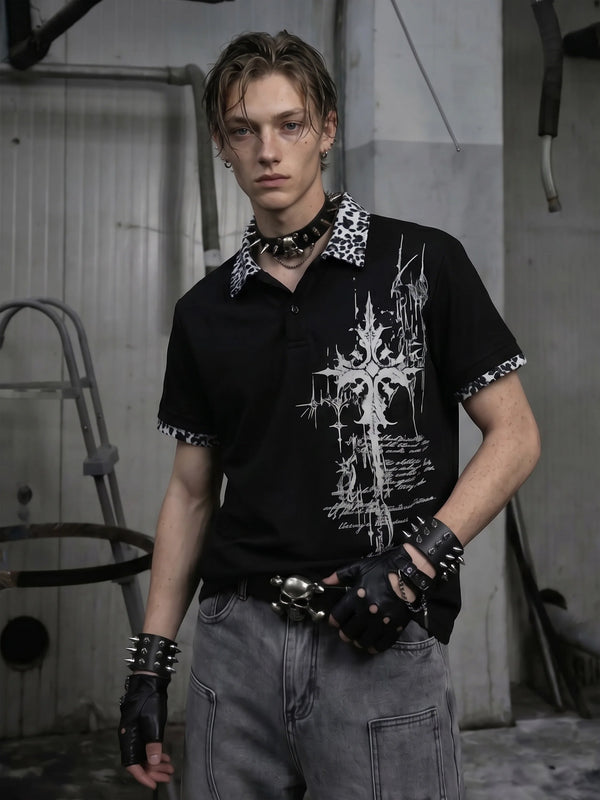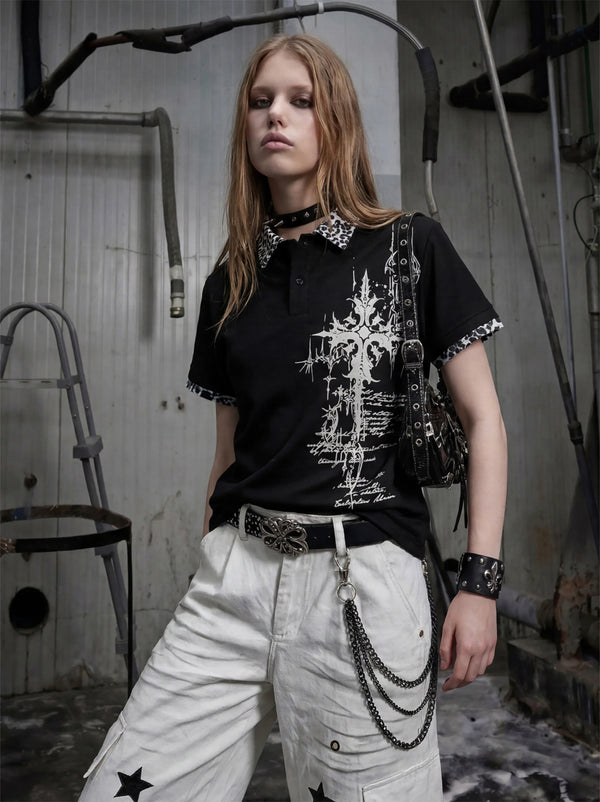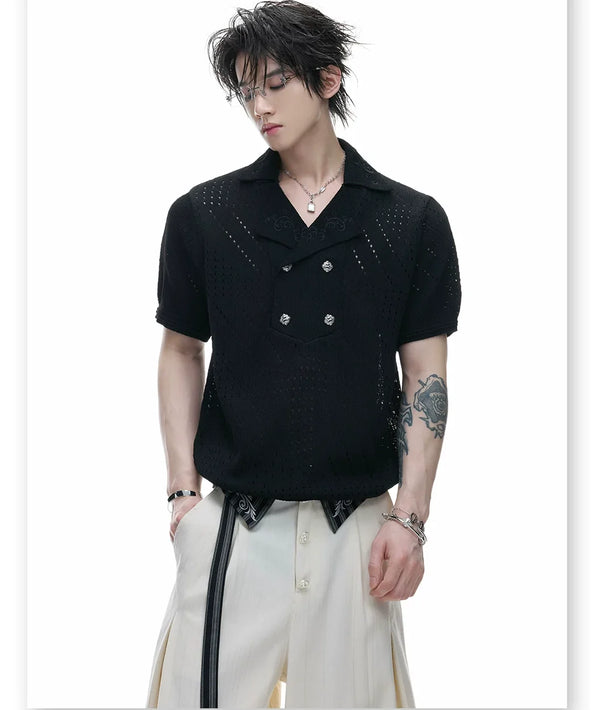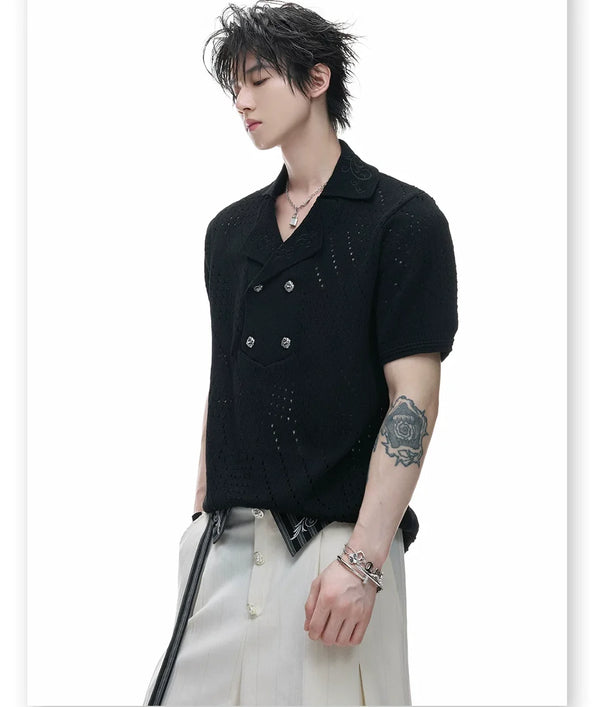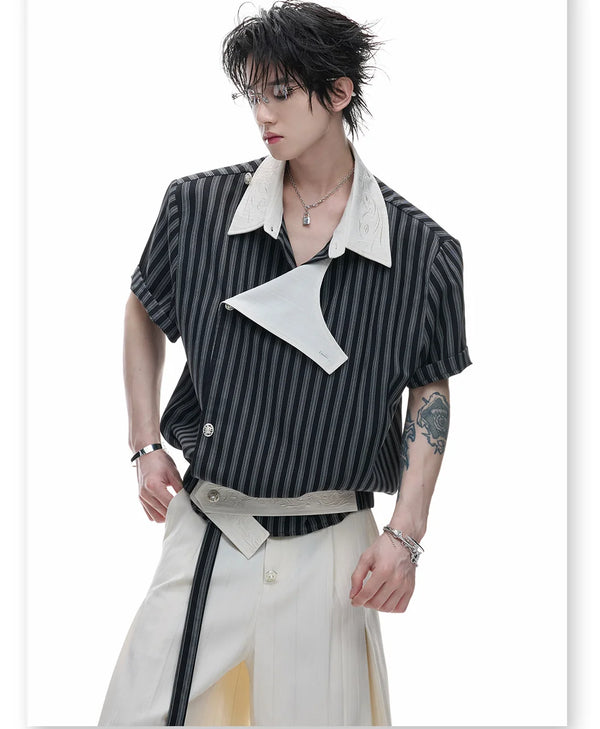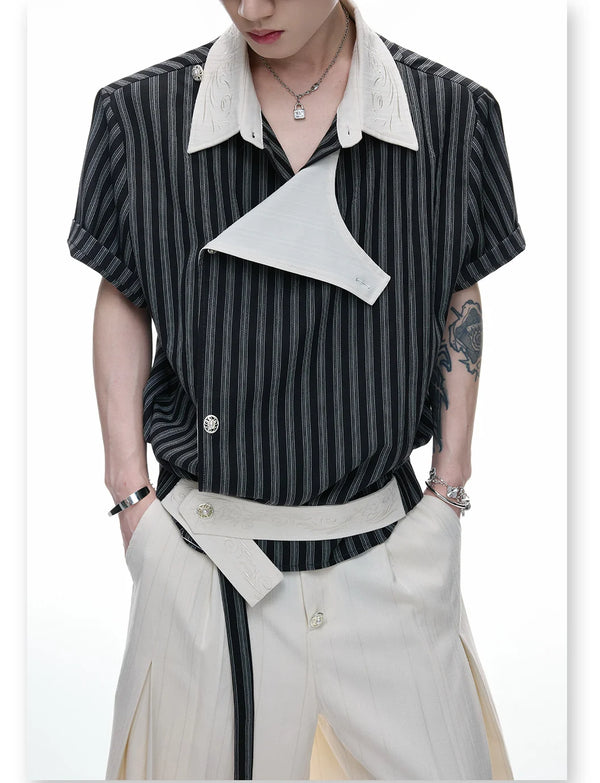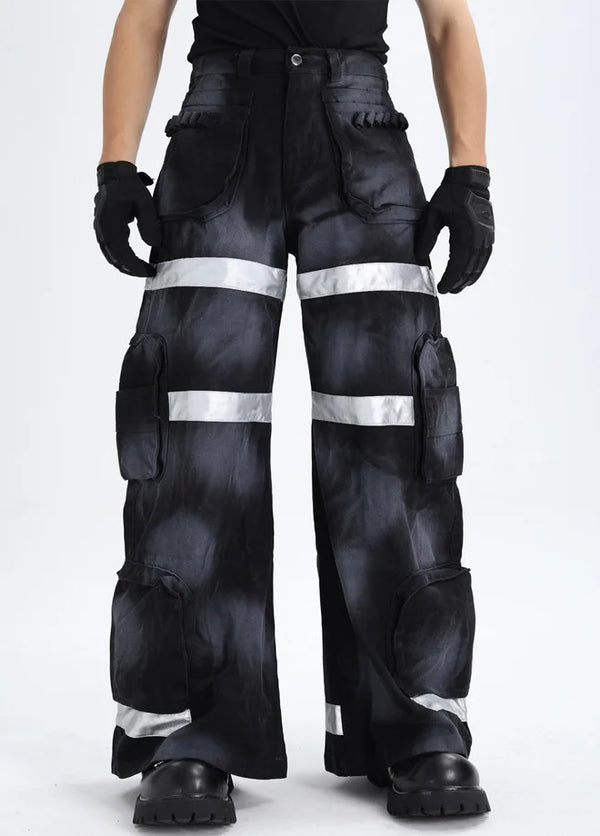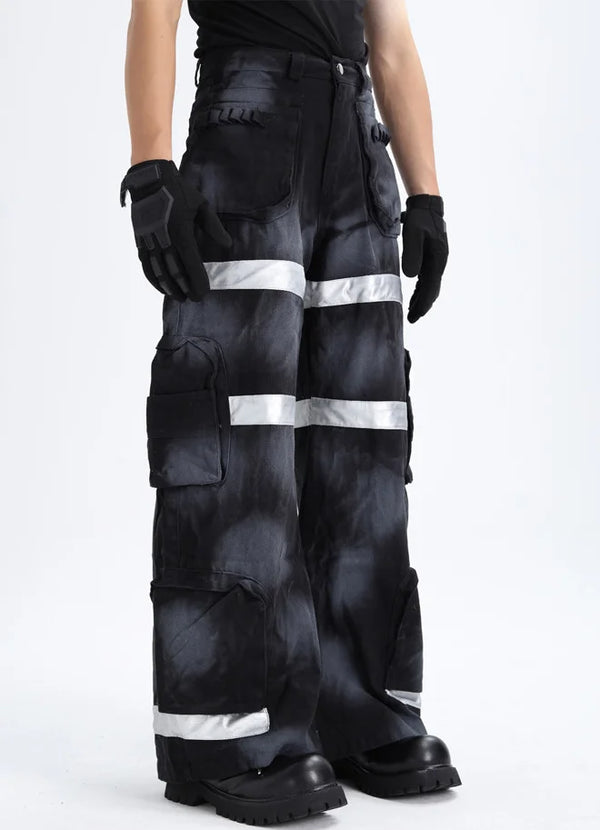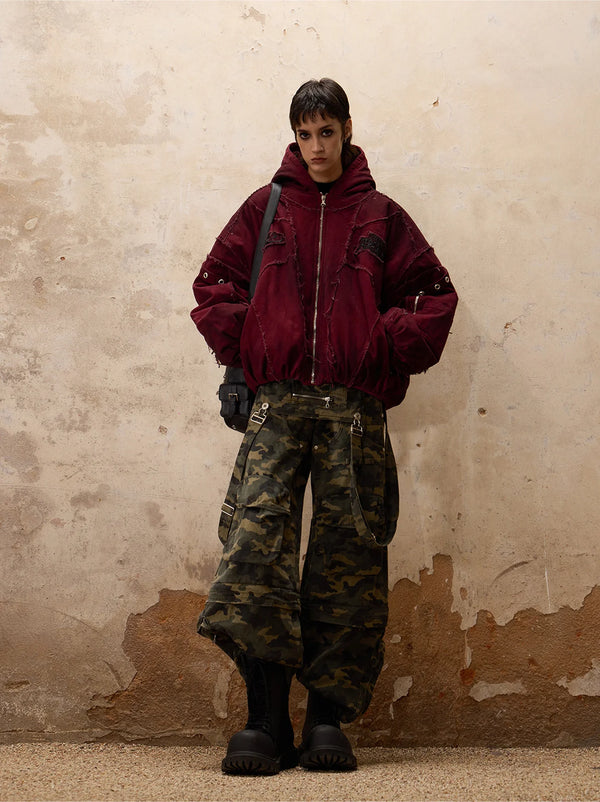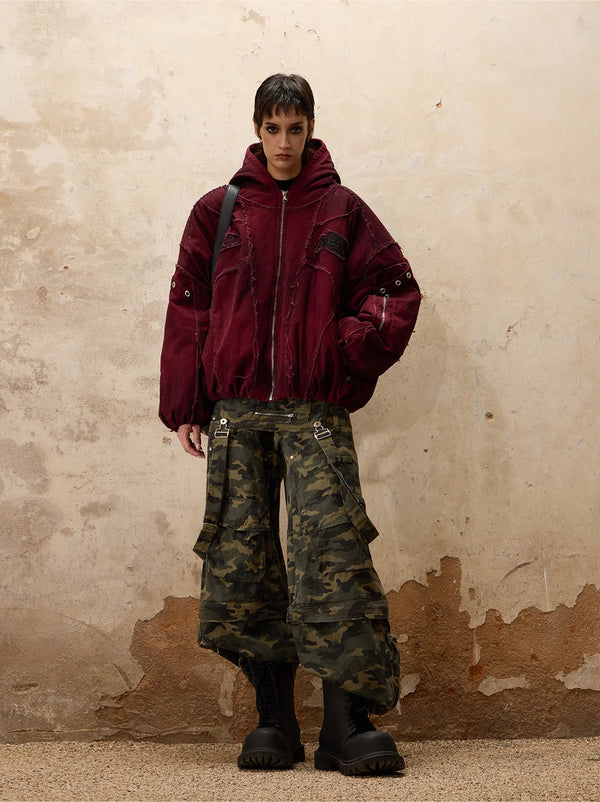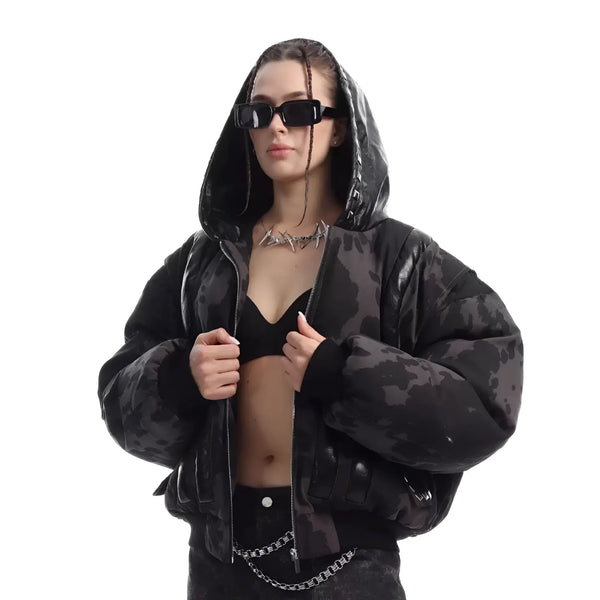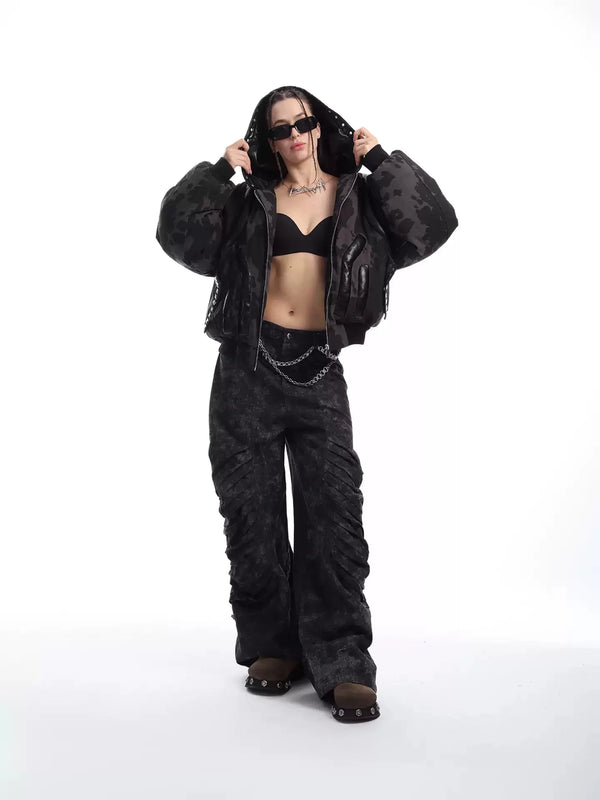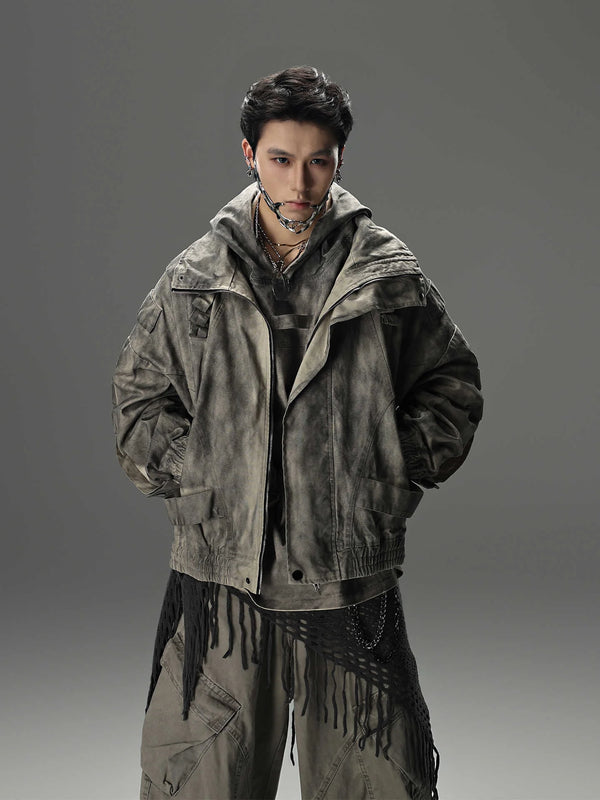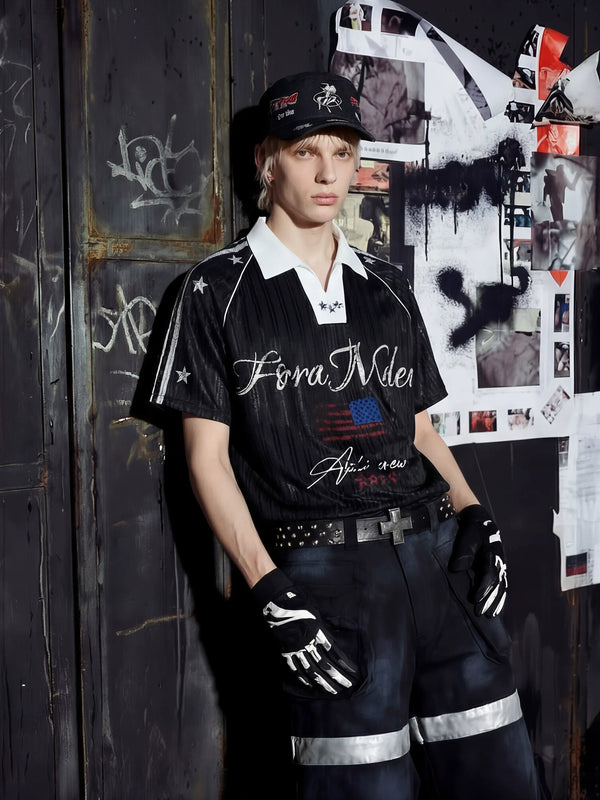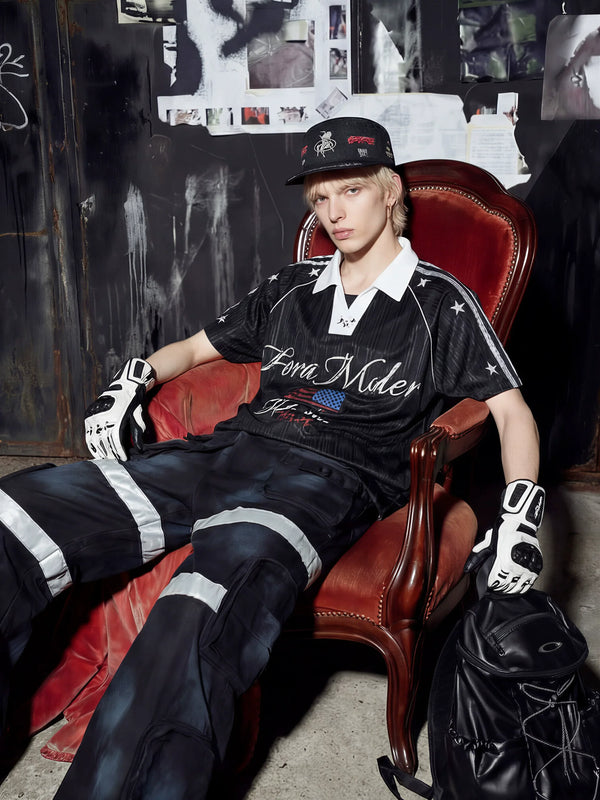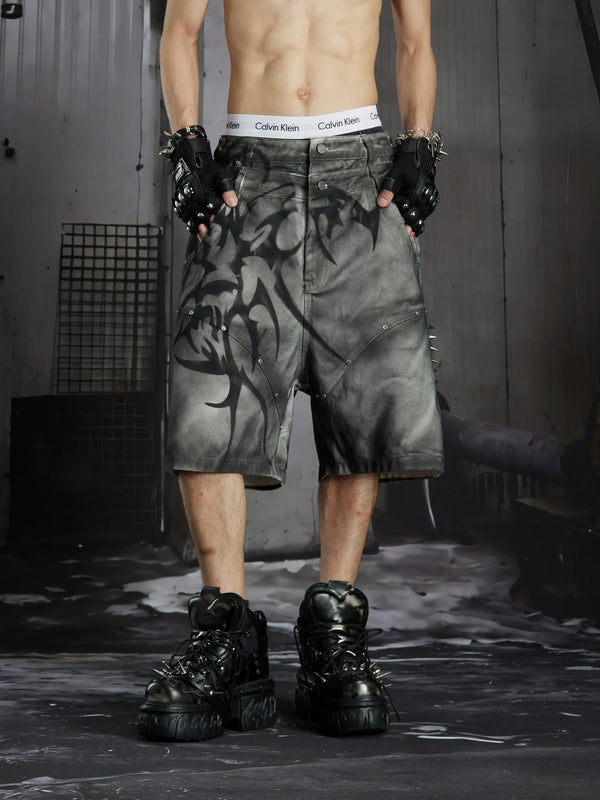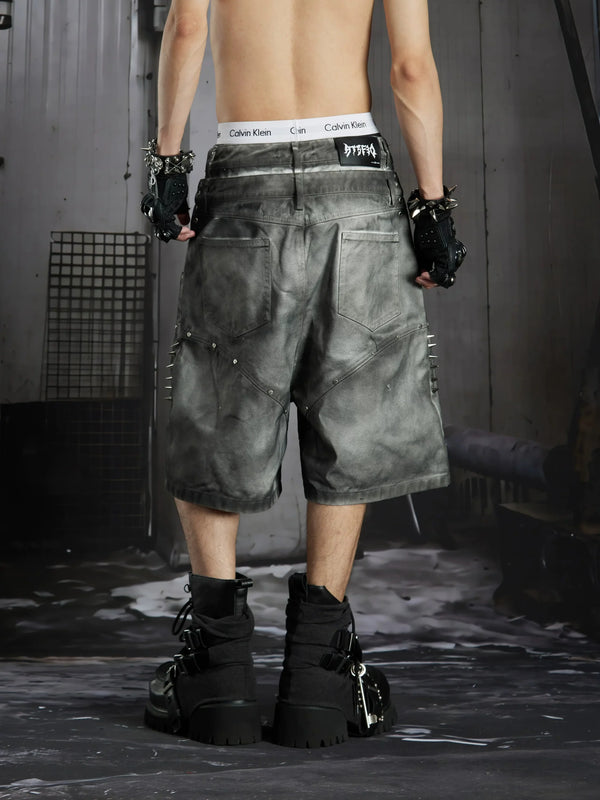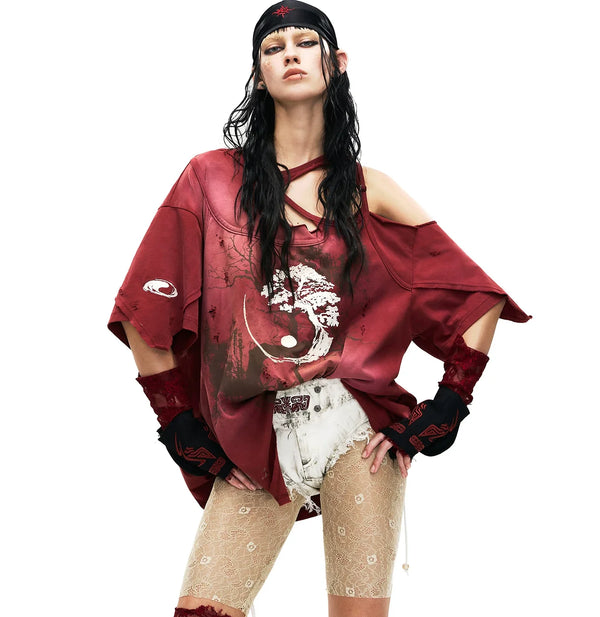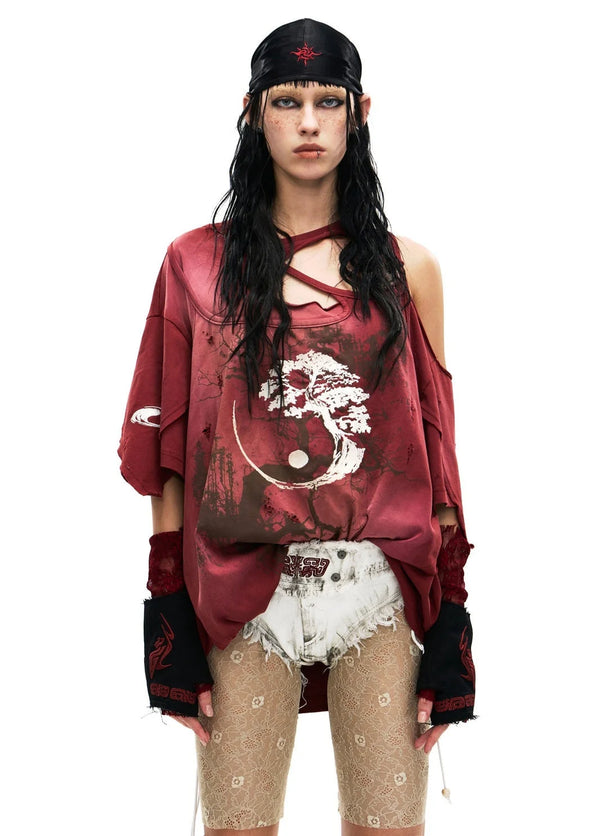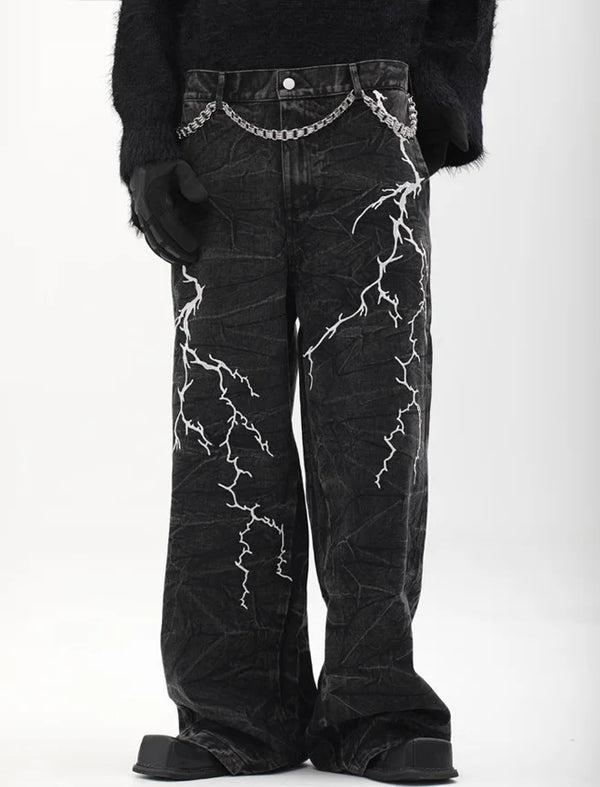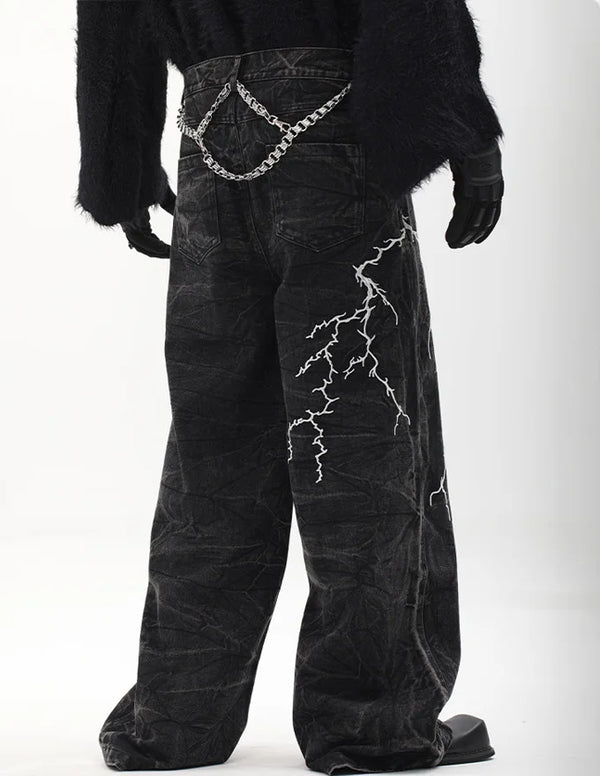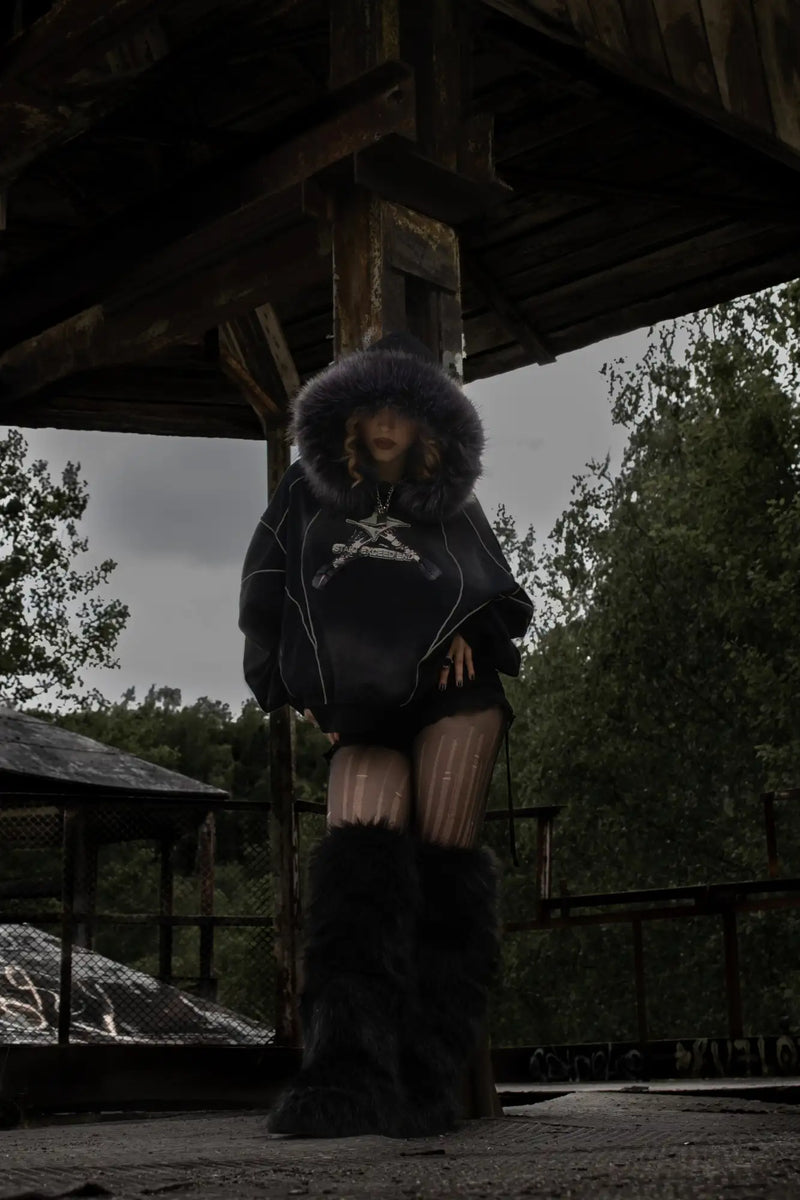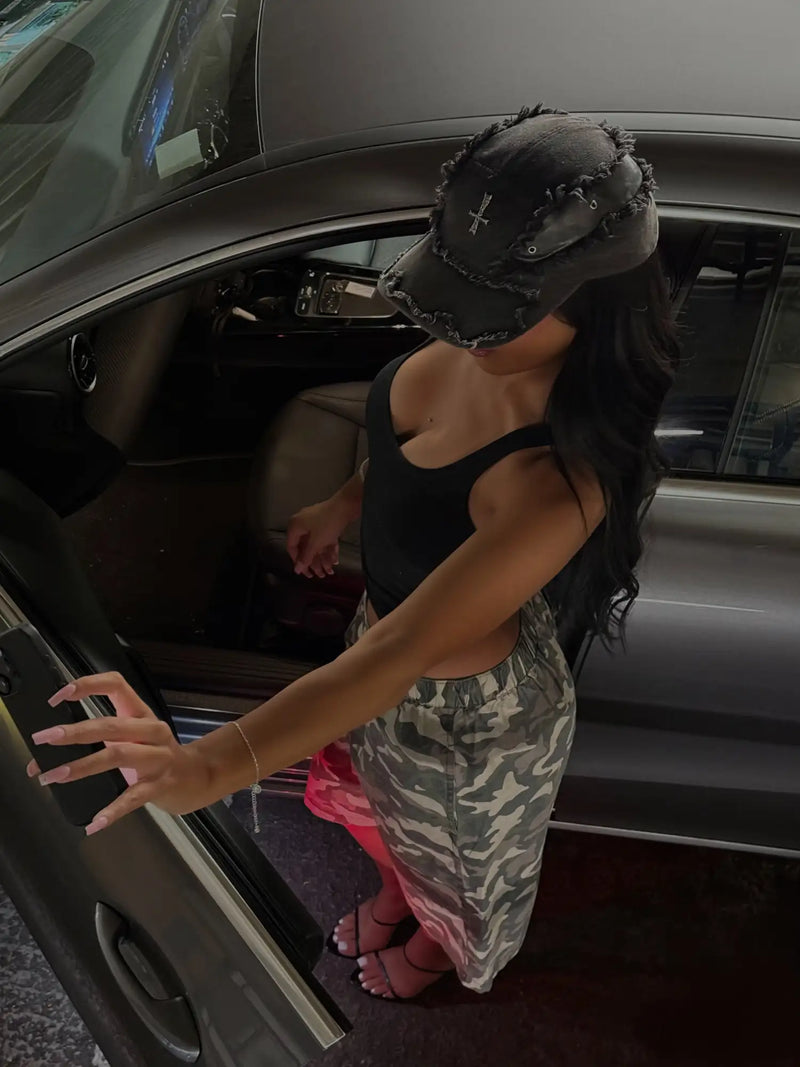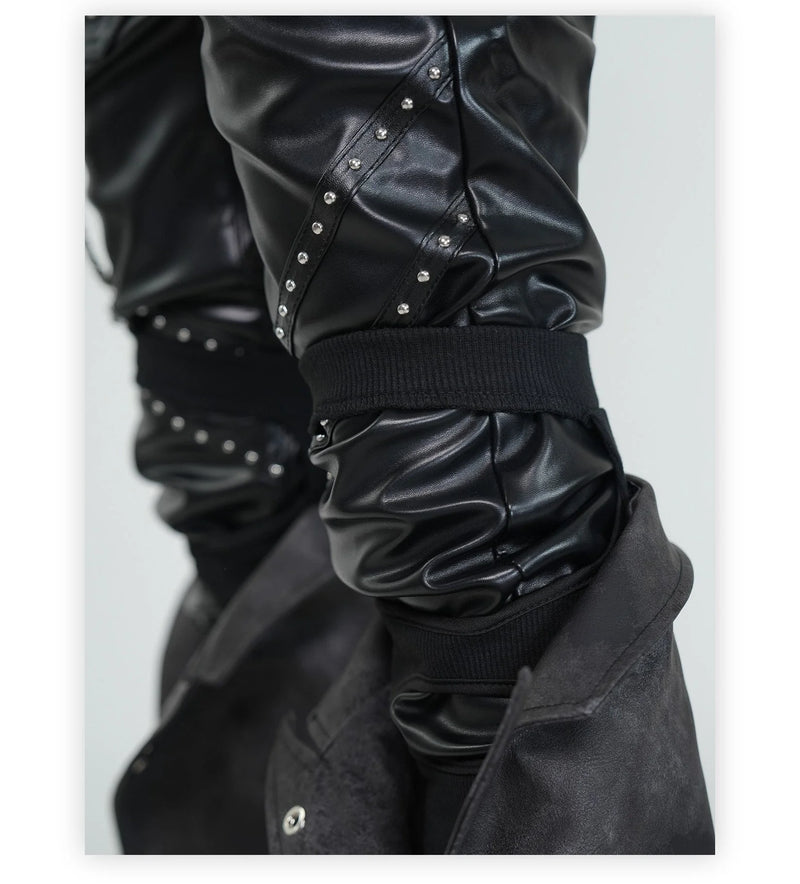
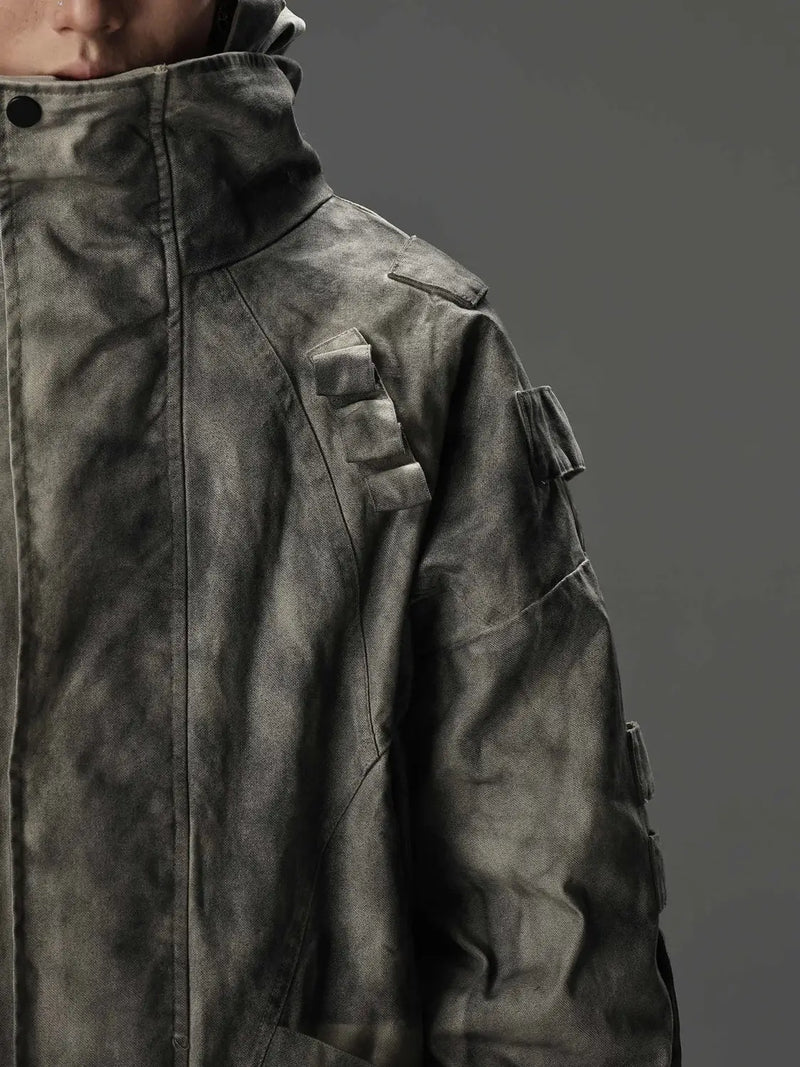
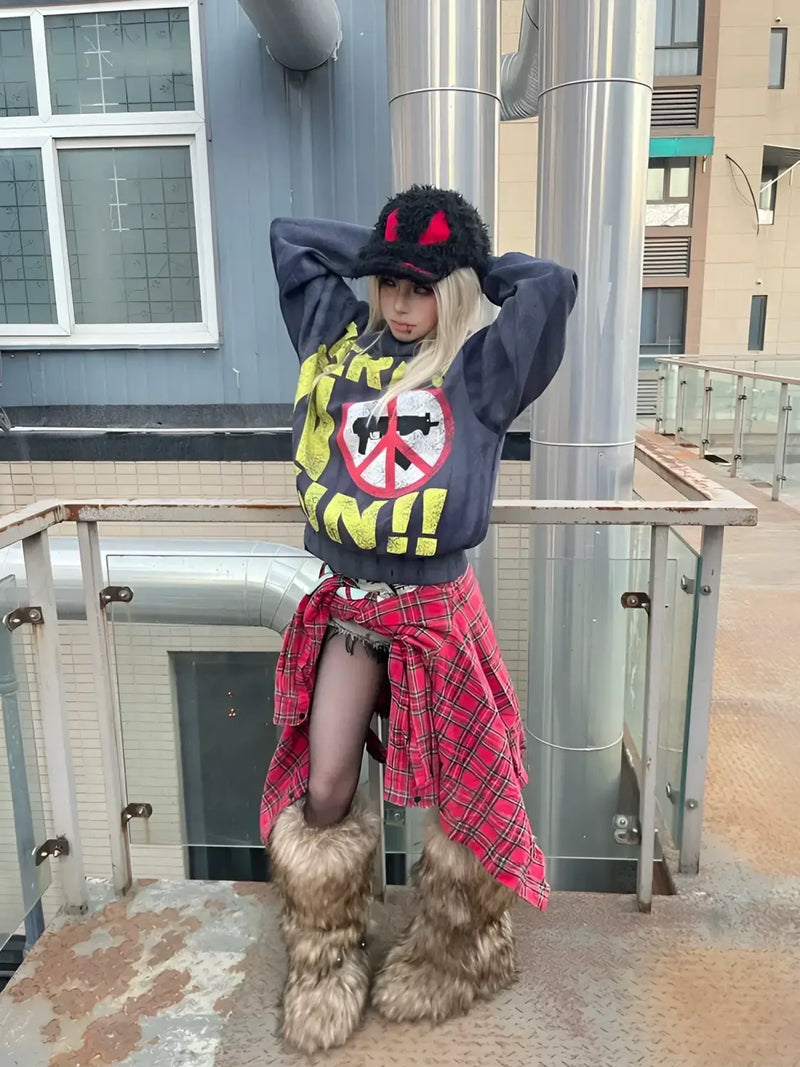
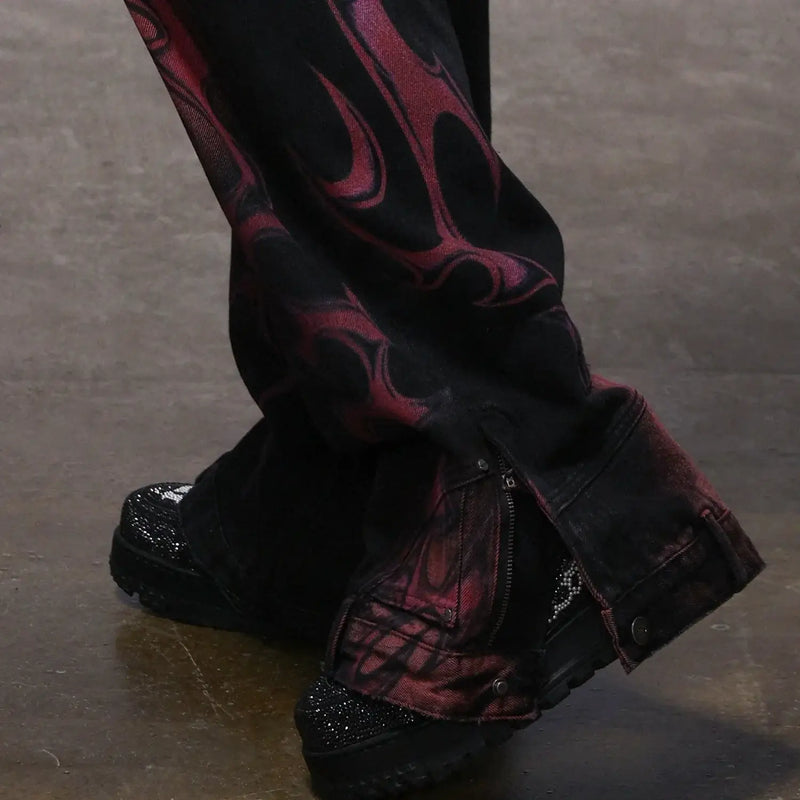
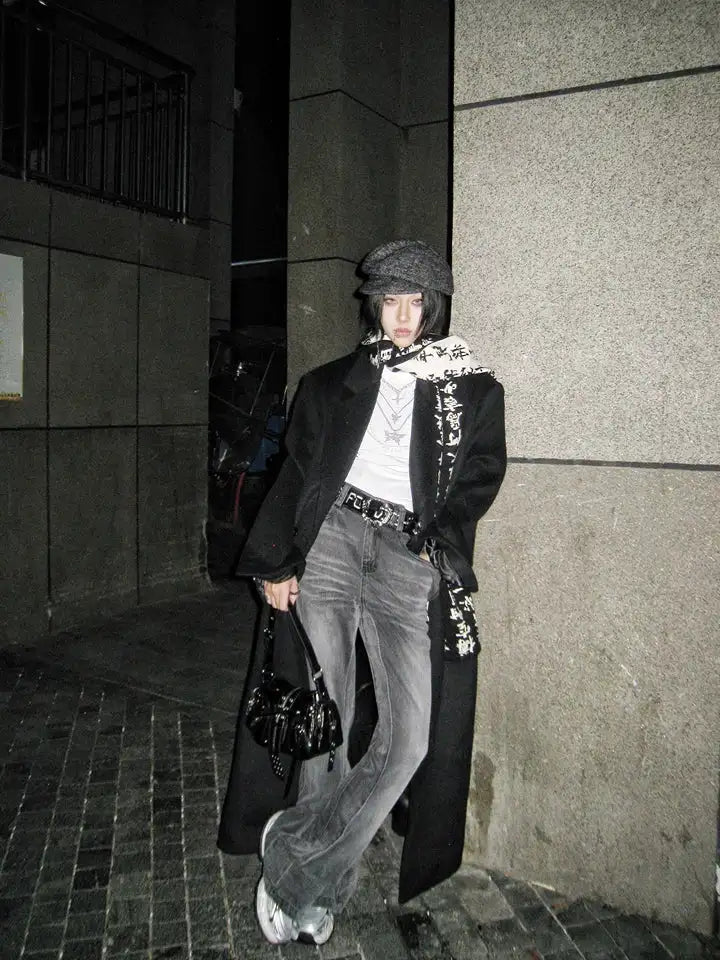

A "two piece outfit" is trousers and a top. A Korean Two Piece outfit is something else. It is a two-part set in identical fabric, identical colour, identical season — worn with a proportion that has been standardised in Seoul for five years and does not work in most European wardrobes.
The set look is the one outfit discipline where Korea has clearly broken away from the rest of global fashion. While Berlin, Paris and LA run on mix logic (one statement jacket plus three random layers), Seongsu-dong, Hongdae and Apgujeong have run the opposite since 2020: one fabric language, carried top to bottom. Matin Kim, Mardi Mercredi and Open YY made it big, K-pop idol airport photos spread it globally, and the drama OOTDs from Squid Game to Crash Landing washed it into European Pinterest.
Read Korean Two Piece as a "matching set at Zara" and you have missed the code. This guide lays out what is behind it: where the set look comes from, which four building blocks count, which five set types Seoul actually wears, which Korean labels set the standard, how the 70/30 rule lifts the outfit, and which six mistakes make the set look collapse.
What a clean-sitting set looks like in 12 seconds — and why the line is non-negotiable:
Origin
Who made the Korean two-piece look big — and since when?
The two-part matching outfit is not a new phenomenon in Korea. The Hanbok (한복), the traditional dress, is two-part from the ground up — top (Jeogori) and skirt (Chima) or trousers (Baji) in coordinated colours. This "two pieces, one story" logic has sat in the Korean understanding of dress for centuries. The modern set wave is the secularised streetwear version of it.
Today's code was shaped by a small group of Seoul labels between 2018 and 2022. Matin Kim, founded in 2020 by Kim Da-in, established the daily-luxury version over Instagram — monochrome sets in cream, stone, charcoal. Mardi Mercredi had a viral moment from 2018 with the daisy-print sweater-plus-cardigan set that popularised the whole segment across Asia. Open YY made the oversize-blazer-plus-wide-leg version the K-pop idol default. In parallel, the airport fashion photos of BTS, Blackpink and NewJeans became the primary distribution machine — an idol airport outfit sighting is more SEO-relevant in Korea in 2024 than any runway show.
What Western fashion mostly sells as a "co-ord set" runs in Korea under 투피스 (tubipiseu — from English "two-piece") or 셋업 (set-up). The vocabulary is different because the logic is different: a set in Seoul is a self-contained outfit, not a building block for three more layers. Break it apart and recombine it and you have destroyed the set — you then have two separate pieces.
Definition
What counts as a Korean Two Piece outfit — and what doesn't?
A Korean Two Piece outfit is a two-part set that passes four tests at once. When all four hold, the outfit reads as Korean. When just one is missing, it tips into "matching set off the fast-fashion bargain table" — visibly the same fabric, but the line does not sit.
2
Pieces (top + bottom)
1
Fabric language carried through
70 / 30
Cohesion / texture break
5
Set types active in the Seoul feed
These four numbers are not decoration, they are the filter. An outfit that breaks one test — top in cotton, bottom in polyester, or top in cream, bottom in off-white, or sneakers with a linen set — no longer reads as a Korean set. It reads as a "European co-ord set". Which in plain terms means: too loose, too mixy, too many-more-than-two-pieces.
Concretely, a Korean Two Piece includes:
- Fabric match — top and bottom in identical material. Linen on linen, knit on knit, twill on twill, nylon on nylon. A fabric switch inside the set breaks the code.
- Colour match — exactly the same colour, not "almost the same". Cream on cream is a set, cream on beige is a mismatch. The eye sees the gap immediately.
- Clean line — nothing under the set, at most a thin inner shirt. No layer stacks, no statement jacket over it, no cross-body bag breaking the fabric.
- Exactly one texture accent — when an extra piece joins (bag, shoe, belt, earring), it brings a different texture than the set. Leather set plus leather bag is dead. Leather set plus matte canvas bag lives.
- Second-skin proportion — either both pieces flowing (linen set, knit set), or both structured (blazer set, tracksuit set). Mixing only works over a deliberate break, not by accident.
What does NOT count as a Korean Two Piece: a hoodie plus sweatpants in different tones, a T-shirt with cargo trousers, a leather jacket over a dress. These are all legitimate outfits — but they do not play in this category. Korean set is defined narrowly, not broadly. That is the whole point.
5 set types
The 5 Korean two-piece sets — cleanly separated in the Seoul feed
Spend a week in the Seoul Instagram algorithm and you see five set archetypes that overlap at the edges but are clearly separated at the core. Office Suit, Knit Coord, Crop High-Waist, Tracksuit Lounge, Linen Summer. Each has its own fabric language, its own occasion and its own shoe logic. Mix them and nothing sits anymore.
Which of the five fits you depends less on taste than on two factors: what you wear the set for and which fabric language you are used to. Office Suit does not work at Berghain, Tracksuit Lounge not at the office. What differs between women and men comes next.
Women vs men
Korean Two Piece for women vs men — where the line really splits
The four building blocks — fabric match, colour match, clean line, one texture accent — apply to every body. What differs is the proportion distribution and the shoe choice. Women’s sets in Seoul tip more often into Crop High-Waist and Knit Coord, men’s sets more often into Office Suit and Tracksuit Lounge. Both wear the same five types, just at different frequencies.
Women’s version: the top is more often cropped — cropped knit, cropped blazer, cropped tank. The waist becomes visible, the hip line opens above it. Shoes are more often Mary Janes, loafers, or flat buckle sandals — rarely chunky sneakers, because those tip the proportion. The bag is small and structured (the Matin-Kim box-bag default), not a tote.
Men’s version: the top is more often looser and sits on the hip — oversize blazer, oversize crewneck, oversize track top. The shoulders drop, not tight. Shoes are more often loafers, Adidas Samba in a matching colour, or New Balance models with a quiet colour language — rarely combat boots, because that pulls into the Berghain code instead of toward Seoul.
Both versions share the same shoe trap: chunky sneakers. Sneakers bring their own fabric language (mesh, foam, rubber) that collides with linen, knit or twill. If you want to wear sneakers with the set, they have to be matte, low-profile and in the set’s colour tone. Otherwise take loafers, Mary Janes or a buckle sandal.
Brands
Korean Two Piece brands — who writes the set standard in Seoul
If you want to know what the set code looks like in 2026, do not look at a runway show. Look at the eight labels with shop windows in Seongsu-dong, Hongdae and Apgujeong-dong right now. They define the vocabulary that later lands in drama OOTDs, idol airport photos and finally the global Pinterest feed.
- Matin Kim — daily-luxury sets in cream, stone, charcoal. Box bag, cropped blazer, wide-leg pants. The monochrome-minimal standard since 2020.
- Mardi Mercredi — marguerite-print cardigan plus skirt set. The 2022 viral moment opened the knit-coord segment across Asia.
- Open YY — oversize blazer sets, K-pop idol default. Sits loose, falls heavy, black-white-cream-sand spectrum.
- Andersson Bell — Seoul/Antwerp hybrid, founded by Doh Tae-keun. Tailoring sets and workwear sets in natural fibres, distributed internationally.
- Ader Error — collective label out of Seoul. Graphic sets and technical coord pieces with inside-joke branding patches.
- Low Classic — minimal women’s set specialist out of Seongsu. Reduced line, high-grade fabrics, one texture accent per look.
- Recto — knit-coord specialist out of Mapo-gu. Cardigan-plus-pants sets in knit variations, the grown-up version of the Mardi-Mercredi code.
- Avandress — cropped suit sets, idol-styling cult favourite. Heavily cropped blazers plus high-waist wide-leg.
What these eight labels share: they sell the set as one coherent piece, not as two separate items that happen to match. On the product pages it is set-up or two-piece, not "blazer (separate purchase) plus matching pants". Buy the top and you almost always buy the bottom too — and vice versa.
If you are ordering in the EU and do not want to spend 800 € per set, these eight brands are the reference frame, not the shopping target. What counts is the logic — fabric match, colour match, clean line. You can hit that under 200 € per set too, once you know what to look for. That is exactly what the four category sections below are about.
Category · Blazer Set
Korean blazer sets — tailoring in the Seoul code
The blazer set is the most formal version and at the same time the one with the most impact per euro. A clean-sitting cream-or-charcoal twill set replaces a whole wardrobe of separate pieces because it works without prep: brunch in Apgujeong, gallery opening in Seongsu, dinner in Hannam. That is why Matin-Kim customers often have three sets in the wardrobe and almost nothing else.
Two cuts work in the Seoul code: cropped blazer plus high-waist wide-leg (the idol-airport version) or long blazer plus straight wide-leg (the daily-luxury version). What does not work: a tight single-breasted suit blazer plus tight suit trousers. That is European suit vocabulary, not a set.
If you do not own a blazer set yet, that is your first move in the Korean two-piece spectrum. Everything else builds around it, because the blazer set is the most demanding line — get that right and you get the other four right too.
Category · Knit Coord
Korean knit coord — the knit-set code out of Mapo-gu
Knit coord is the category where Korea holds the global standard. Cardigan plus skirt in identical wool, crewneck plus wide-leg in identical knit language, vest plus pants in identical cable — these three configurations have surfaced in every Seoul feed since 2022. The soft-romantic of the Mardi-Mercredi marguerite and the grown-up-minimal of Recto are two poles of the same discipline.
What separates knit coord from a randomly matching knit outfit: identical weave (cable on cable, fine-gauge on fine-gauge, bouclé on bouclé), identical colour (not "both creamy", but the same cream), and one texture break — usually a leather belt, a Mary Jane or a patent bag, because knit on knit on knit gets too wadded.
A knit set is also the easiest entry version into the Korean two-piece code, because knit is fault-tolerant. A small fabric drift in tailoring tips the outfit; in knit the fibre volatility absorbs it. If you have never worn a set, start with knit coord.
Category · Crop + High-Waist
Korean Crop + High-Waist sets — the idol-airport default
If you know Blackpink, Aespa or NewJeans airport photos, you know the Crop High-Waist set. It is the set version most copied over the last three years — globally, not just in Korea. The logic: a cropped top (tank, cropped knit, cropped jacket, bra top), a high-waist bottom (wide-leg, mini skirt, cargo skirt), both in the same colour language.
What separates Crop High-Waist from a normal crop outfit is the fabric match. A cropped white tank plus trousers is generic. A cropped white cotton tank plus wide-leg in identical cotton is Korean. The waist is drawn by the fabric transition, not by a belt or a tuck-in. That is cleaner and reads more grown-up — even though the individual crop cut itself is idol-young.
Shoes are the only real trap in this set type. High chunky sneakers destroy the high-waist line. What works: loafers, flat buckle sandals, Mary Janes, or low-profile Adidas/New Balance in the set colour. Otherwise the proportion is lost.
Category · Tracksuit Set
Korean tracksuit sets — the idol-home-content code
Tracksuit sets are the most relaxed set type and at the same time the most common in K-pop home vlogs, idol practice clips and drama lounging scenes. The vocabulary: track top plus matching track pants in nylon, terry or tech-cotton. Adidas Originals three-stripe set, Recto bouclé lounge set, ADER Error technical set — three poles of the same category.
What separates the Korean tracksuit code from the European tracksuit is the fit logic. European: loose, meant for warming up. Korean: dropping at shoulders and hip, but carried through in the fabric language. The set is worn outside — brunch, studio, a walk — not for sport. It is loungewear accepted as daywear, because it falls clean.
Shoes are finally allowed here: matching sneakers in the set colour, Adidas Samba, New Balance 530 or Asics in a quiet colour. Chunky platform sneakers break the line — the sole must not dominate the outfit.
Styling logic
How to really style a Korean set — the 70/30 rule and why it reads "wealthy"
A Korean Two Piece works on exactly one ratio rule: 70 % cohesion, 30 % texture break. 70 % of the visible surface carries the same fabric language — top, bottom, plus one matching accessory point. The remaining 30 % breaks the cohesion deliberately: a bag in a different material, a shoe in a different texture, a jewellery statement in a different language. This exact ratio rule is why Korean sets are read in Western media as "quiet luxury" or "expensive-looking".
Match 100 percent and you look like the set catalogue. Match 50 percent and you look randomly combined. 70/30 is the only ratio that reads as "deliberate" — and "deliberate" is what our eye reads as "expensive".
In practice that means: linen set plus canvas bag (70 % linen, 30 % canvas break). Knit set plus leather Mary Jane (70 % knit, 30 % leather break). Blazer set plus box bag in patent leather (70 % twill, 30 % patent break). Drop the 30 % break and you tip into "uniform look". Push it to 50 % and you no longer have a set.
We laid out the full mechanics with photos and fabric examples in a dedicated article on Korean streetwear brands:
Korean Two Piece does not sit isolated in the Korean streetwear landscape — it overlaps with several neighbouring categories. Colour trends, layering, modern Hangukpae and the affordable segment each have their own set variations. Get the set code down and you can read these neighbouring codes and mix them deliberately.
Seasonal
Korean Two Piece in summer vs winter
In summer the Korean set is easy. Linen on linen, cream or sand, thin Mary Janes or a flat buckle sandal. The set breathes, falls straight, and the Seongsu-cafe-Saturday vibe is built in. Wear a linen set at 30 degrees in Berlin or Milan and for three seconds you look like you just walked out of Hangang Park.
In winter the code gets more demanding. Knit works (cardigan plus wide-leg in identical wool), tweed works (blazer plus mini skirt), wool-twill works (long blazer plus straight wide-leg). What tips: a down jacket over the set. That destroys the line and turns the set back into two randomly matching pieces.
What also holds across the seasons is the shoe logic. In summer flat and matte. In winter a boot with a quiet shaft (knee-high in leather, low Chelsea, or a loafer with a warm sock). Chunky platform shoes are out year-round, because they turn every set into two pieces plus a shoe statement.
What doesn't work
The 6 most common Korean two-piece mistakes — what makes the set look collapse
There are six places where a Korean set reliably tips — no matter how much the individual pieces cost. If you avoid only one mistake, make it mistake number one. That one breaks the outfit more often than all the others combined.
Action
How to start in Korean Two Piece — the first 4 sets
You do not need twelve sets to wear the code. You need four that will be in 80 % of occasions. Everything else builds around them — and comes only once the four sit clean.
In order: a cream or stone blazer set in twill (your biggest investment — it is the most demanding line, lasts five years if you do not buy cheap). A knit cardigan set in cream or charcoal (the entry version, fault-tolerant). A black tracksuit set in matte nylon (the lounge version, worn most often). A linen set in sand or stone for the summer months.
Outfits for real
Korean Two Piece for real — how it looks on the street
Before you build your own set, look at how others wear it — and where it actually lands between idol-airport photo and everyday. The five set types look different in the feed than on the lookbook photo: tighter, more unplanned, often with a not-perfect shoe. That is exactly why they work.
It is the fastest way to check whether a set type sits on your body proportion at all — before you spend money:
In closing
Korean Two Piece is a discipline — not a trend, not a costume set
If you take one thing from this guide, take this: Korean Two Piece does not work over the individual pieces, but over the fabric discipline. Get the discipline down and you build twenty-four outfit occasions with four sets. Buy only individual "set pieces" and you have a full wardrobe without a single outfit that really sits.
The whole logic of this guide reduces to one sentence:
The rules have been stable since 2020 and will stay — as long as Matin Kim, Mardi Mercredi and Open YY set the standard. But you do not have to wait until you know them all by heart. Start with one set, wear it a season, watch where it tips. The code is learned faster on your own outfit than on a Pinterest board.
FAQ
Frequently asked questions about Korean Two Piece outfits
The questions we get most often about Korean set outfits by DM and email — short, clear, no detour.
What does the 3-3-3 rule mean for clothing — and does it fit the Korean set?
What is two-piece clothing called in Korean?
What is Korean clothing called in general?
What does the 70/30 rule say about wardrobe building?
What makes a woman look wealthy — and why does the Korean set carry those signals?
Are there Korean Two Piece sets for men too?
Where can you buy Korean Two Piece sets without paying 500 € per set?
What do you think?
Tell us on @fuga_studios
About the author
Philipp Fuge — Founder · Berlin
Founder of Fūga Studios. Writes the journal himself. Berlin · Shanghai · Tokyo · Poznań — four cities, one logic.