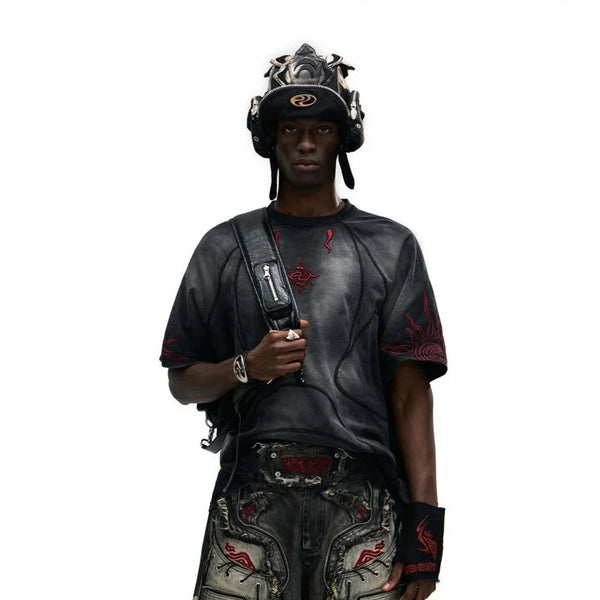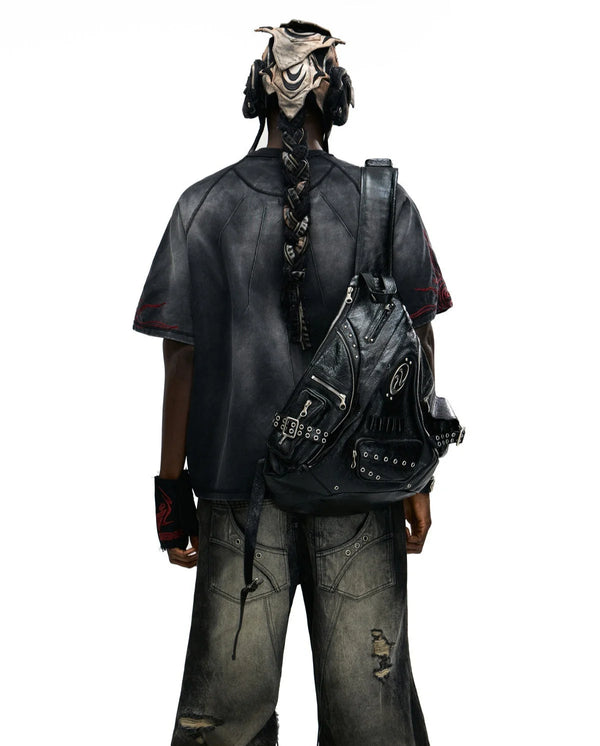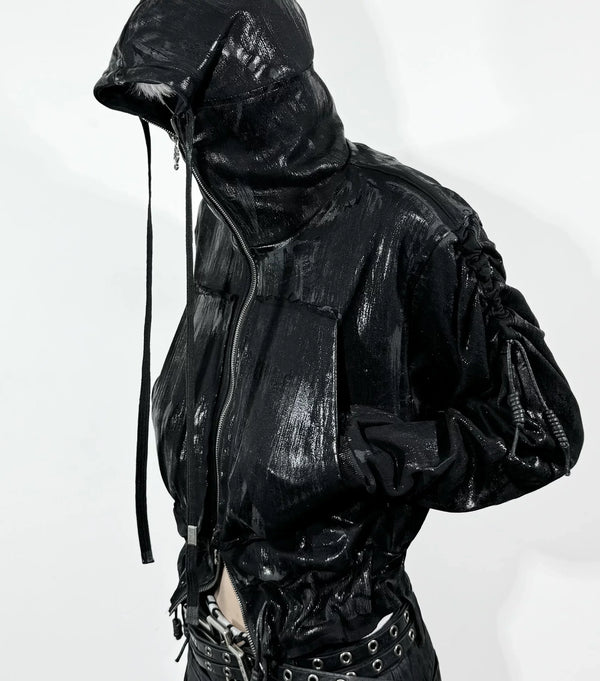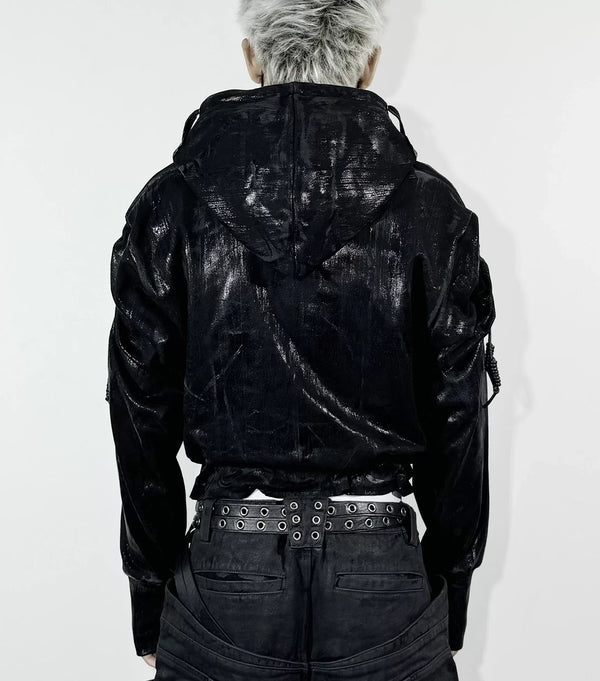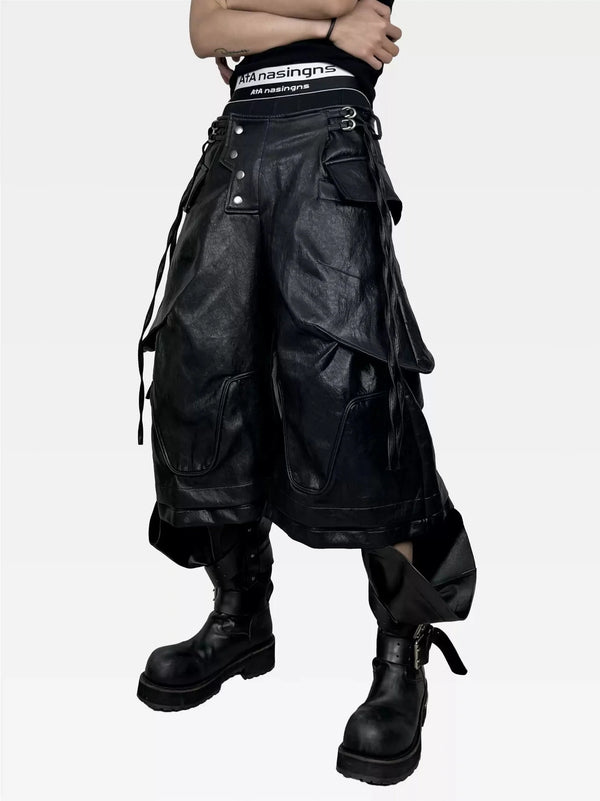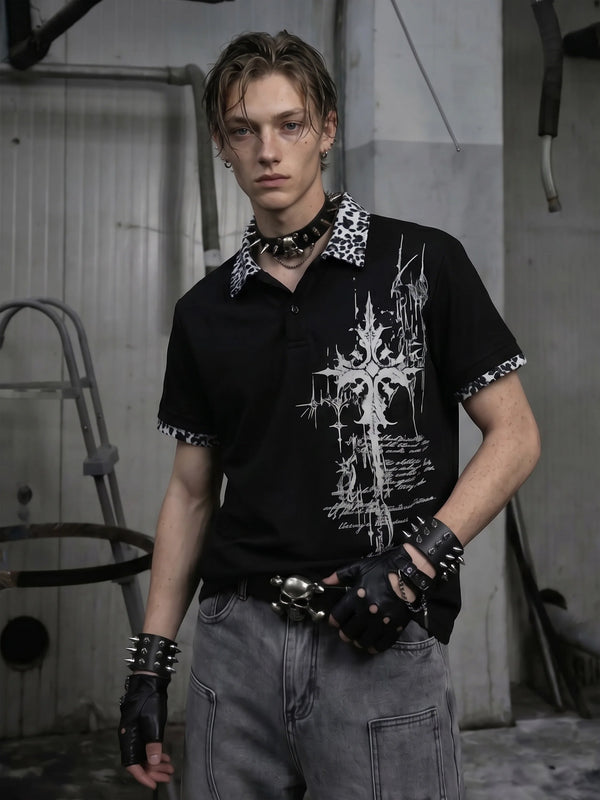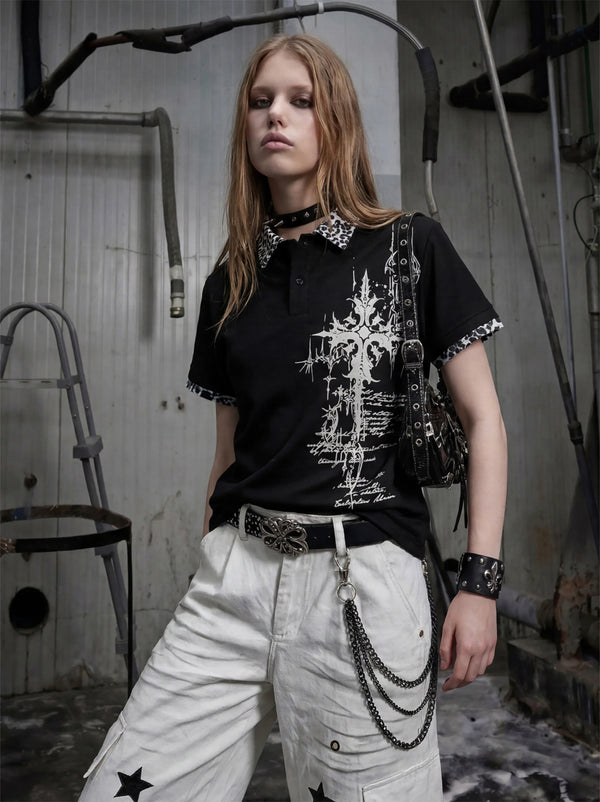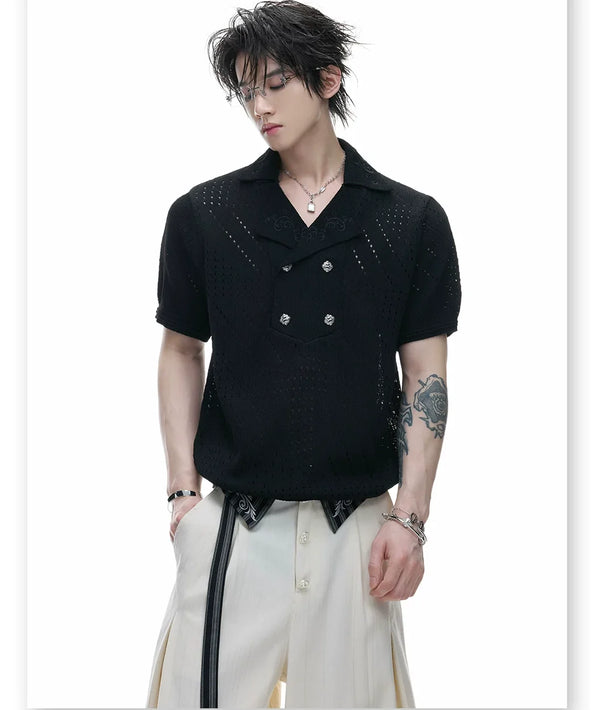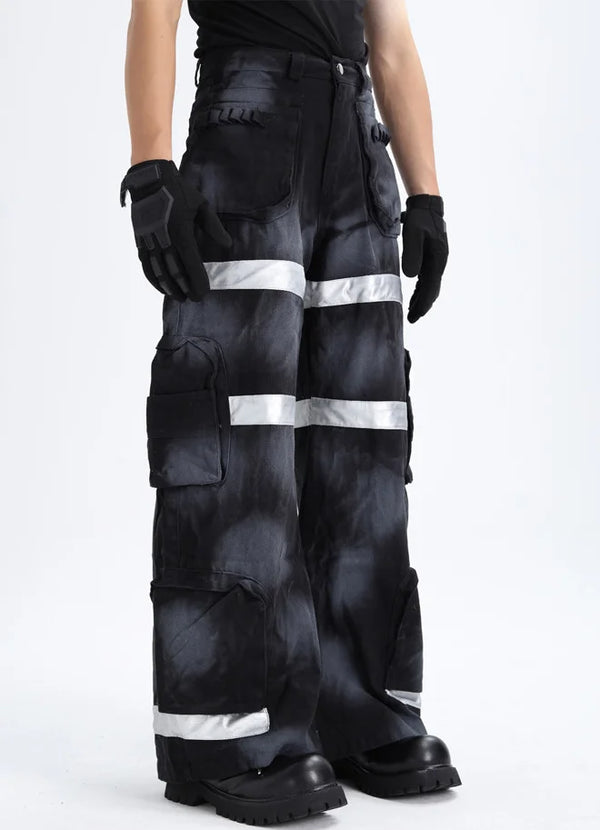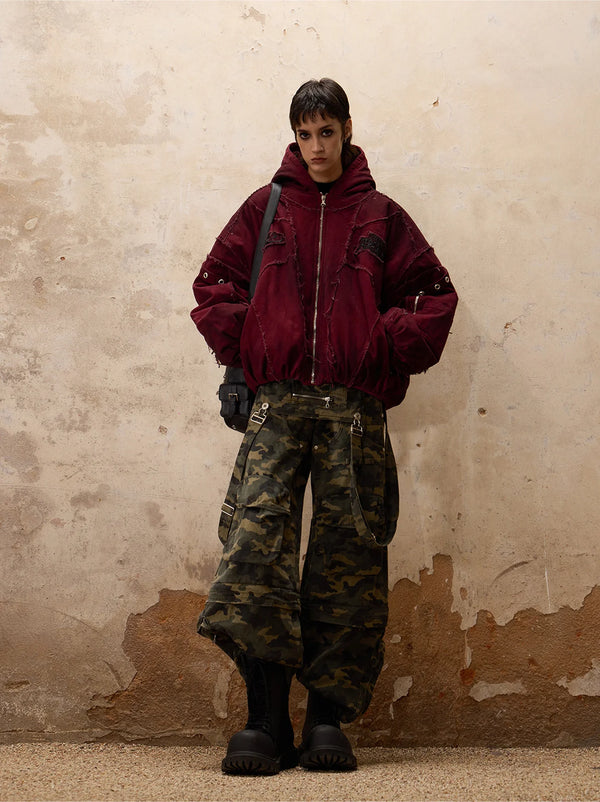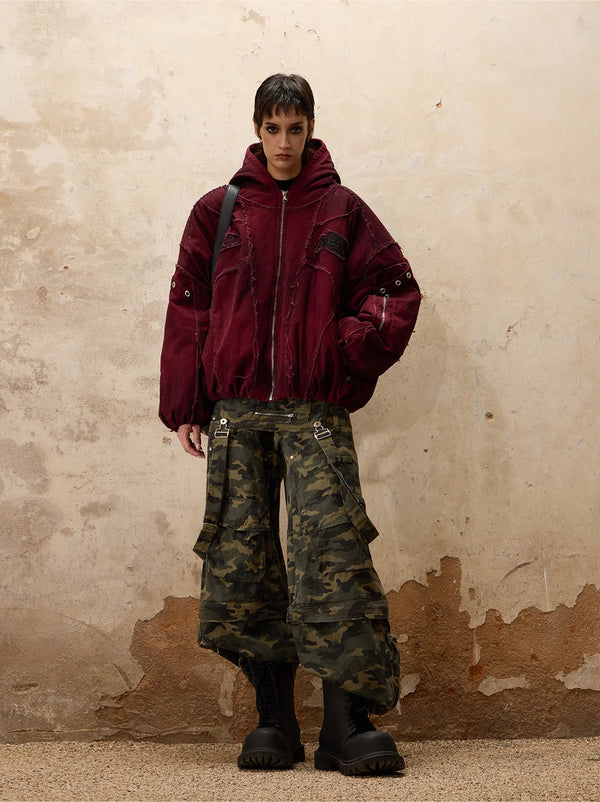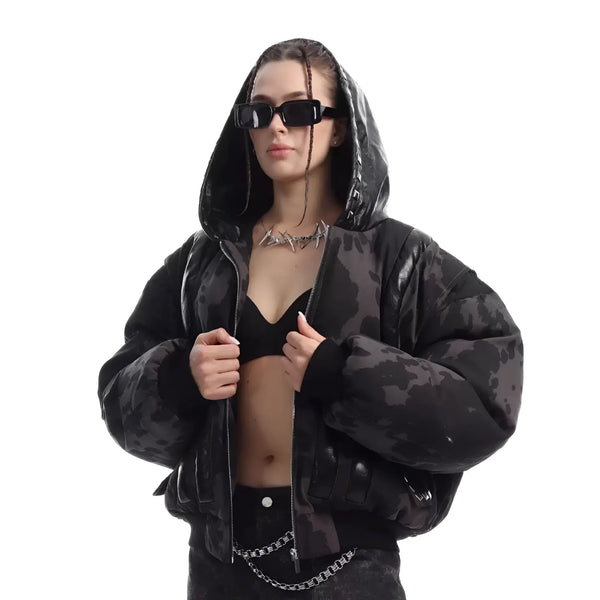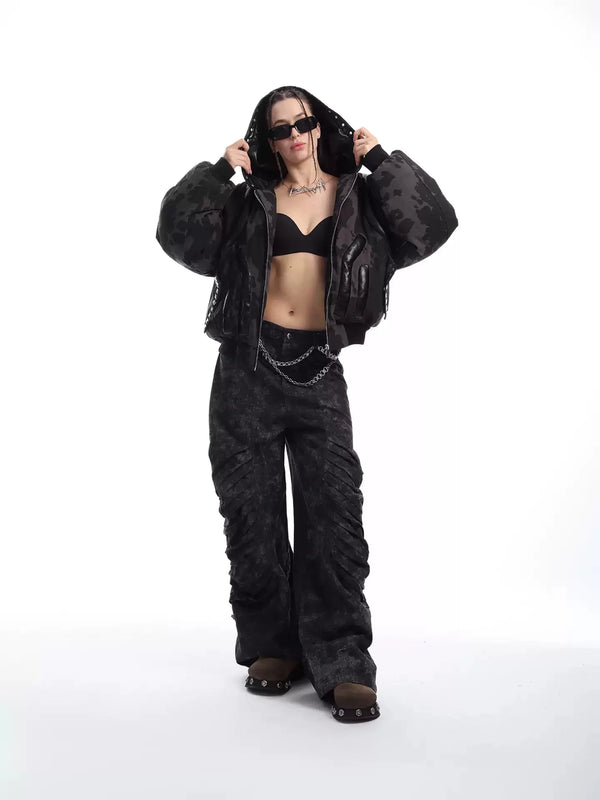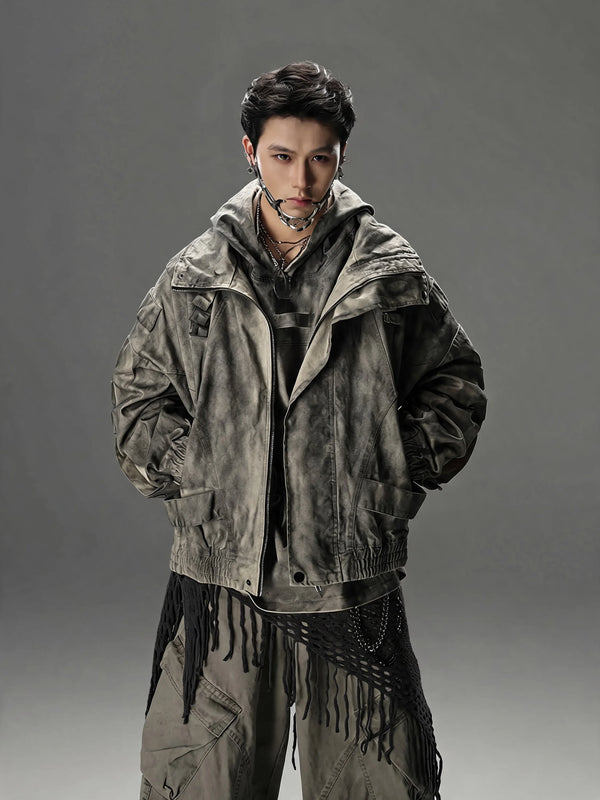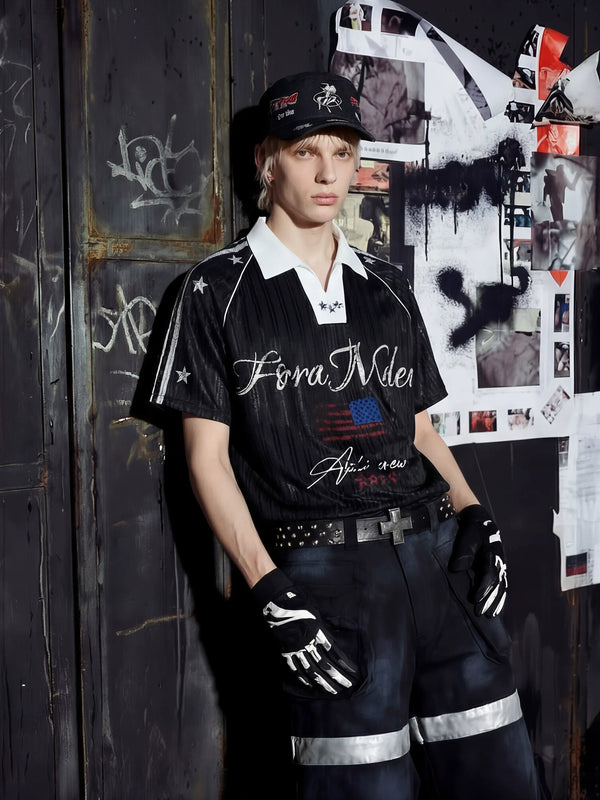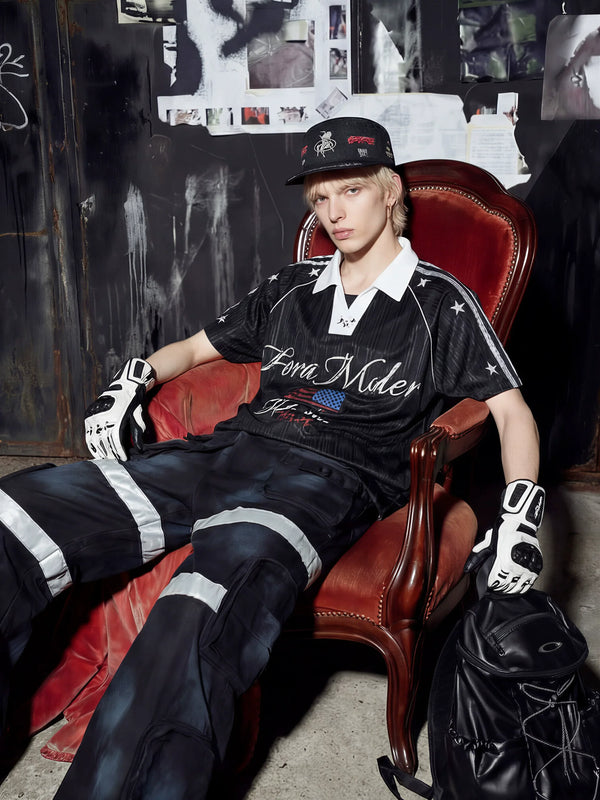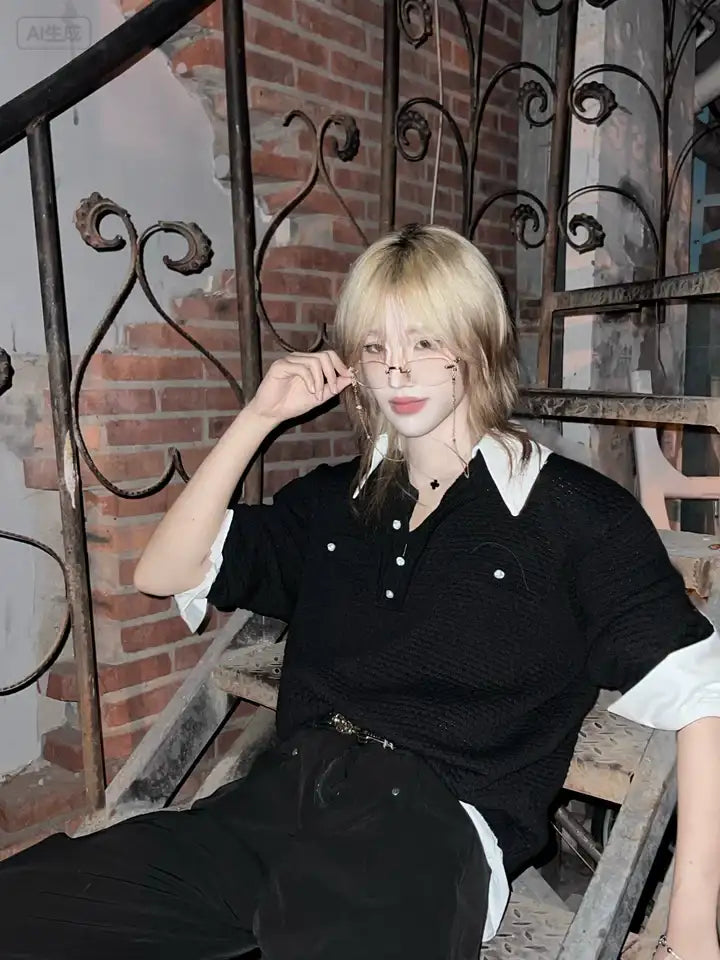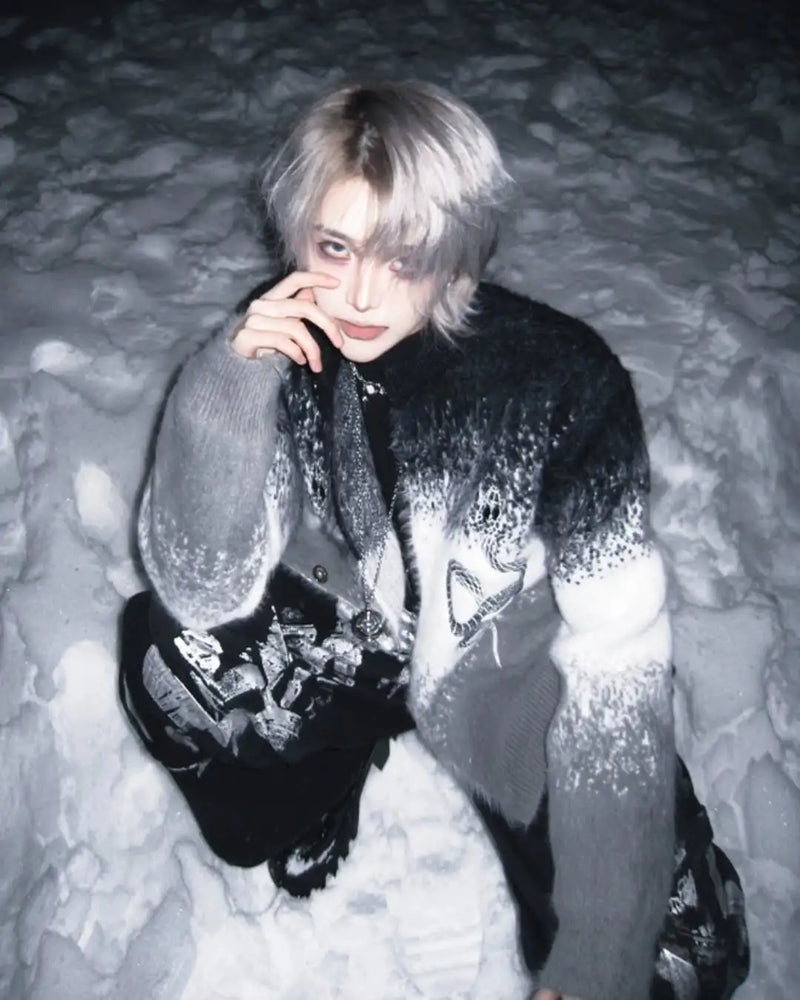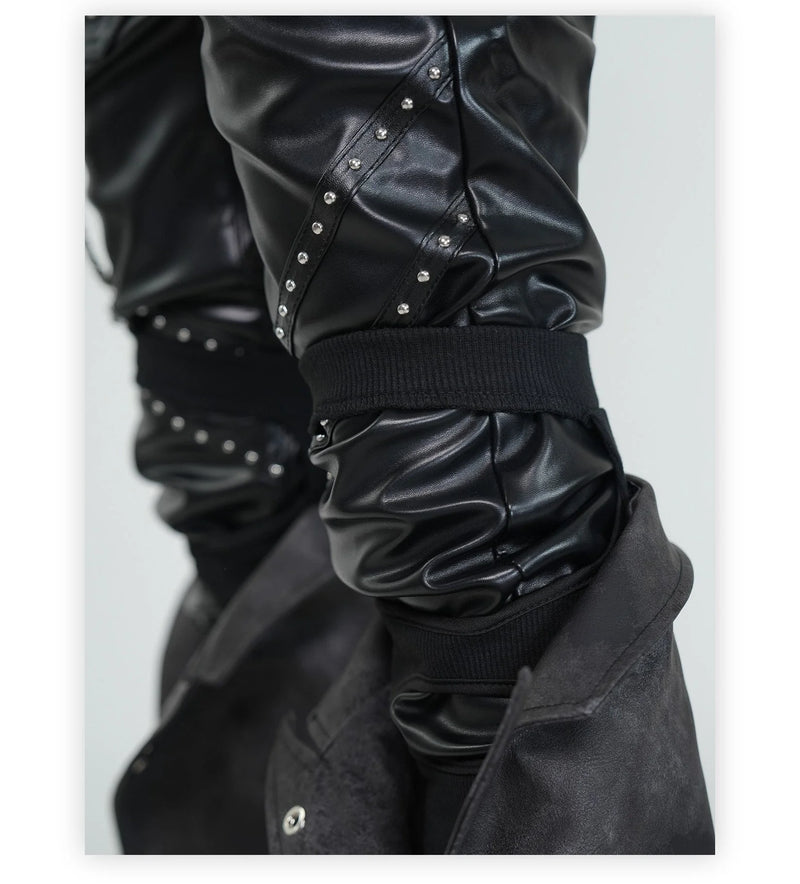
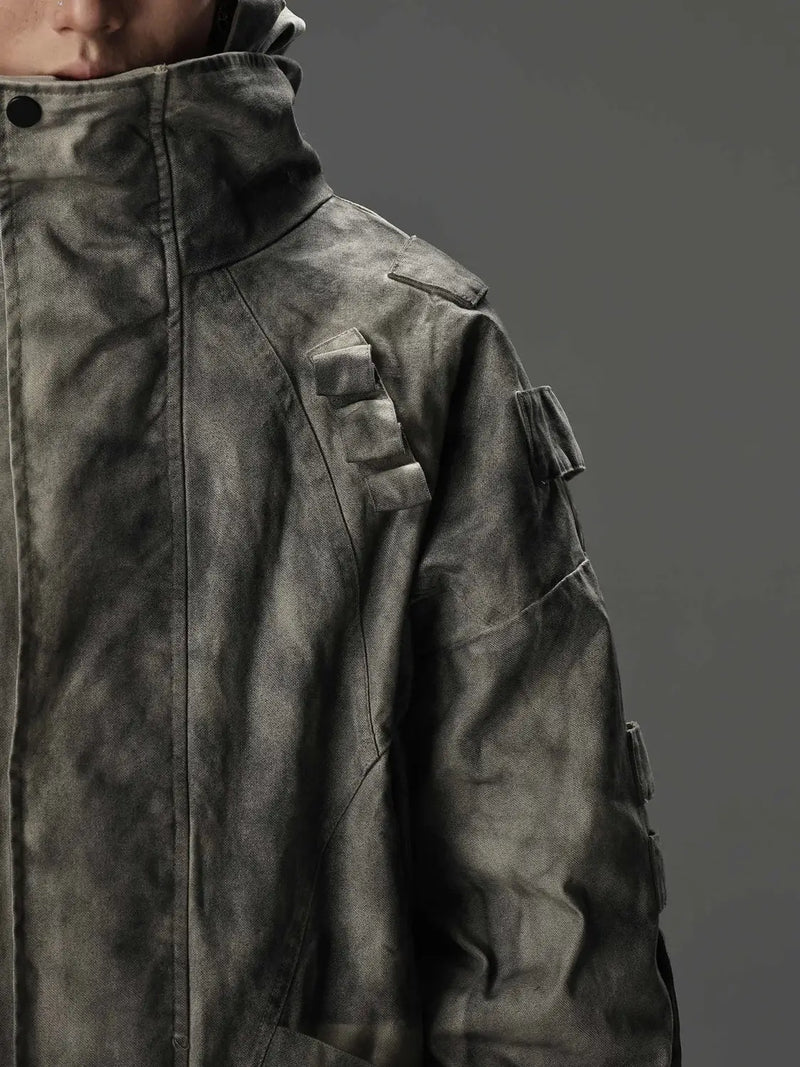
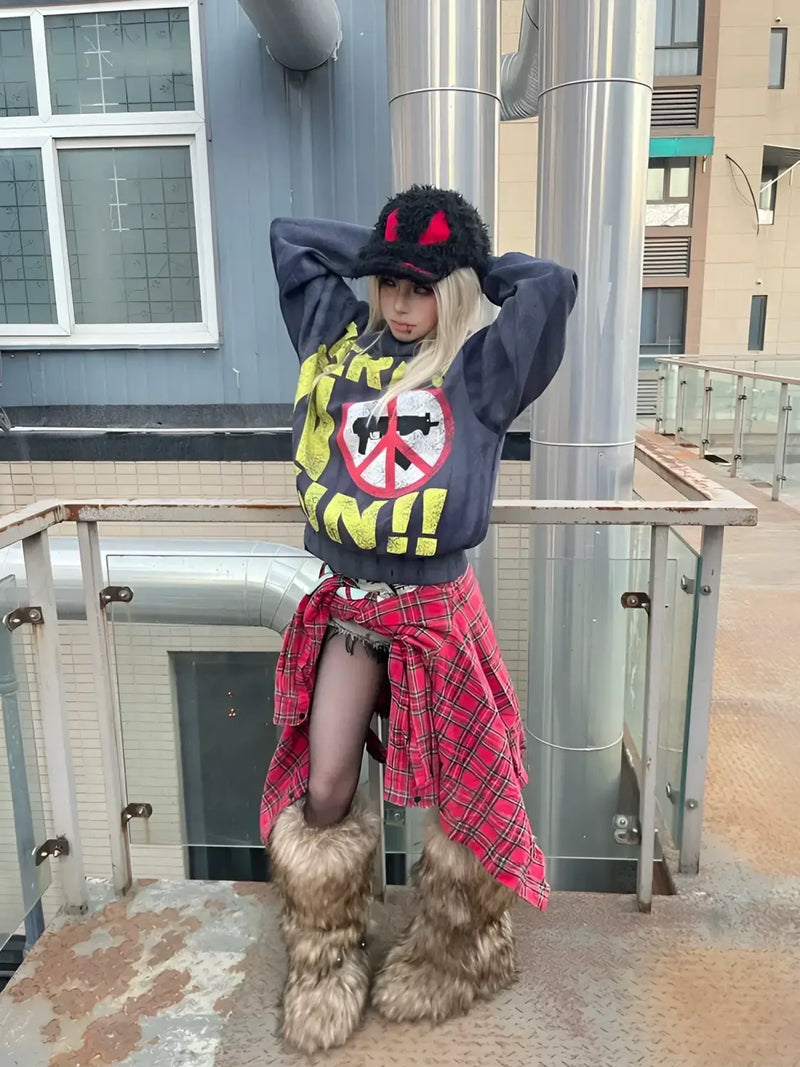
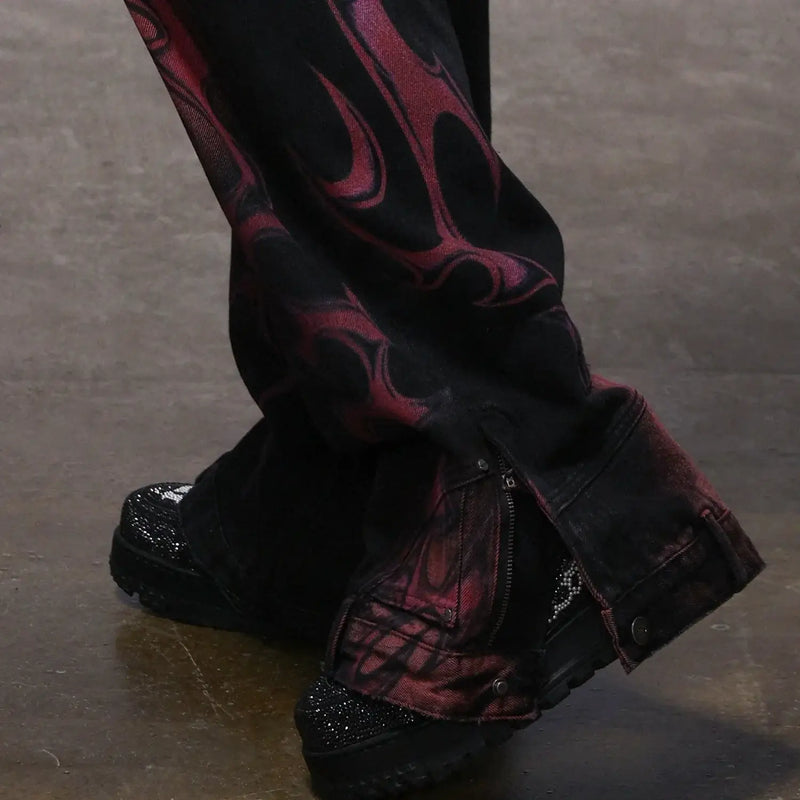
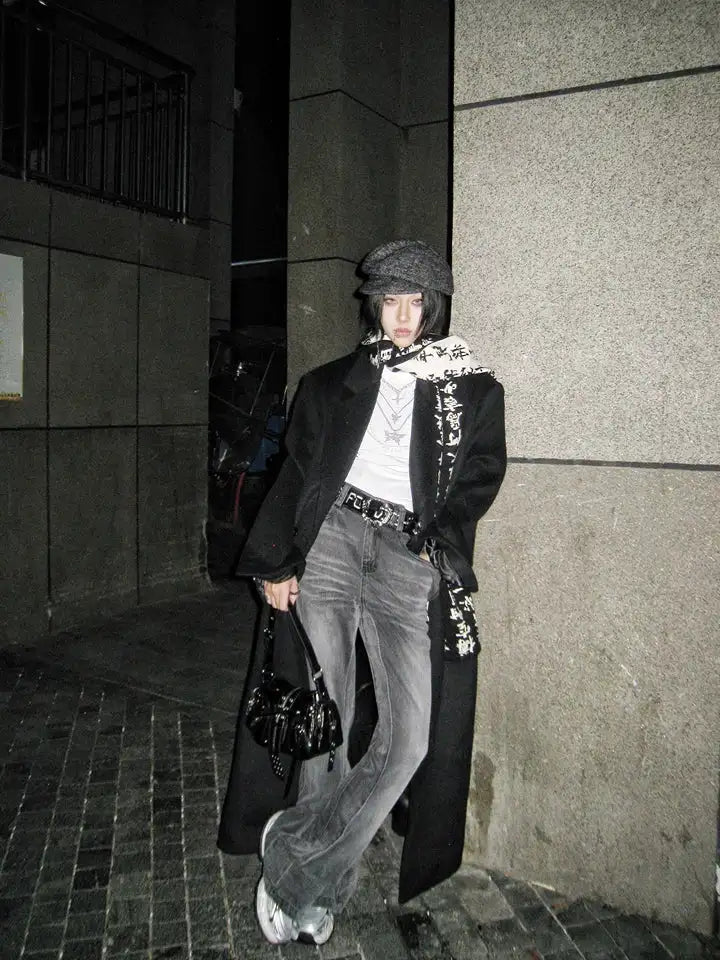

Everyone says Korean Formal Outfits are “just a good suit, but Asian-cut”. That’s the cliché version. The longer answer looks like this: Seoul’s dress code works with its own logic of proportion, its own scale for “formal”, and its own idea of what a suit in the office is even supposed to do.
Korean Formal Wear is not Tom-Ford-Milan with almond eyes. It’s a language of its own that fused in the 2000s from three sources: K-pop stage tailoring, the Gangnam office codes of the Samsung and LG generation, and the Korean leaning toward monochrome palettes. Out of that came a look that holds up to any board meeting in Seoul and is at the same time quoted as inspiration on Instagram.
Anyone selling Korean Formal as “K-drama cosplay” has confused the code with the optics. This guide clears up what really sits behind it: what counts as “formal” in Seoul, how office wear splits for women and men, which Korean labels write this look, how it translates into blazer / trousers / shirt / shoe, and which 6 mistakes instantly expose your outfit as “western dressing”.
What this looks like in a real outfit — compact in 14 seconds, with the shirt that’s currently walking into every meeting room in Seoul:
Definition
What Koreans mean by “formal” — proportion above all
In Milan, “formal” means shoulder construction. In London it means fabric quality. In Seoul it means proportion. Whether an outfit reads as formal or not is decided in Korea almost always on a single question: are the ratios right between shoulder, waist, trouser hem, shoe and jacket length?
The second question is color. A Korean-formal outfit lives in the monochrome palette — charcoal, anthracite, camel, off-white, black, dark brown. Three tones maximum in one outfit. A strong color as an accent — and that counts as loud. A pinstripe is allowed. A check is eyed nervously. A glen check only in the autumn coat, not in the suit.
What is completely absent from the Korean understanding of formal is the “Italian power suit” vocabulary: wide lapels, a tailored cut, double-breasted with gold buttons, polished cap-toe Oxfords. That reads like a costume in Seoul. Instead the Korean cut runs toward “a touch wider than necessary” — shoulder drops, jacket goes to the thumb knuckle, trousers have a 22–26 cm hem, loafer instead of lace-up shoe. The outfit should look as if you didn’t try — even though every centimeter is thought through.
Building blocks
Korean Formal Wear — what really counts
Korean Formal is a system of five fixed building blocks. When all five sit right, the outfit reads as Seoul office. If one is missing, it tips immediately into something else — Italian suit, K-drama cosplay, or worse: confirmation suit.
3
tones max. in the outfit
22-26 cm
trouser hem width
1
hardware line (not two)
0
visible logos
These four numbers are not decoration. They’re the test. An outfit that breaks one quota — four tones instead of three, an 18 cm hem instead of 22, belt buckle plus watch plus cufflinks visible at the same time — is no longer Korean Formal. It’s “western office with Asian influences”. Which in plain terms means: Brooks Brothers with a different photo background.
Concretely, what counts as Korean Formal Wear:
- Monochrome palette — charcoal, anthracite, camel, off-white, deep black, dark brown. No royal blue, no burgundy, no olive green.
- Slightly oversized shoulder — the shoulder seam sits 0.5–1 cm outside your natural shoulder. No wider (that would be K-pop stage).
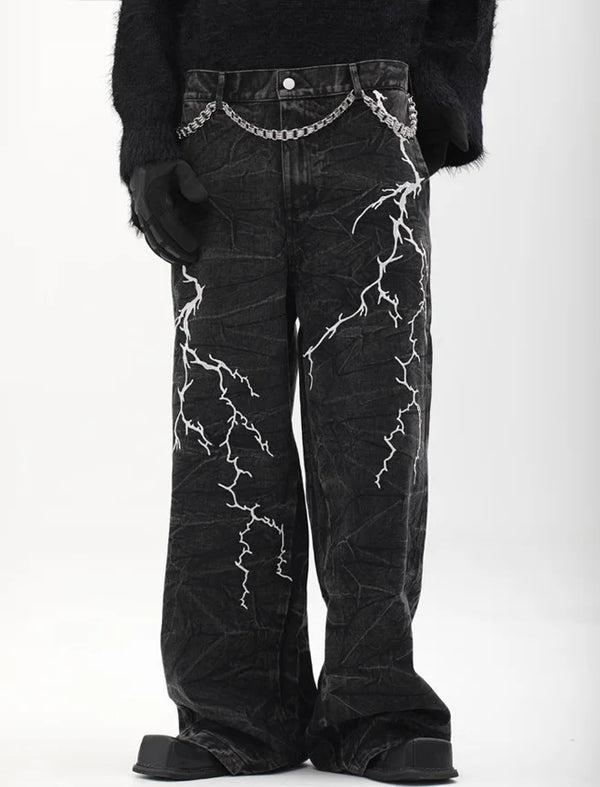
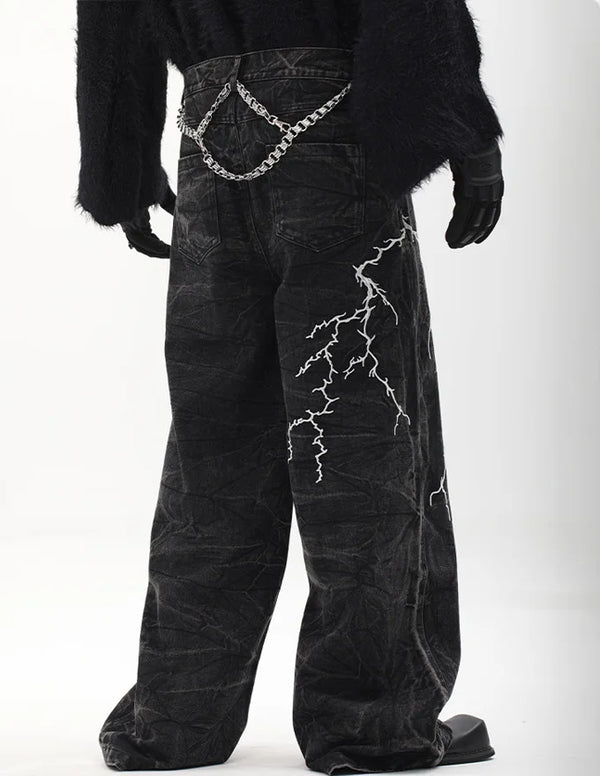
- Wide-leg trousers with a crease — straight fall, 22–26 cm hem, firmly into the shoes. Skinny has been out in Seoul since 2018.
- Shirt or polo close to the skin and always tucked in — sleeve length ends about 1 cm out of the jacket. Half-tuck is western.
- Loafer, derby or Chelsea — no Oxford with cap-toe, no sneaker. Penny loafer with a thin sole is the default.
- One hardware line — either belt buckle OR watch OR tie pin. Never two together.
If you’re missing three of these six points, it’s no longer Korean Formal — it’s inspiration. And there’s one rule that holds all six together:
5 codes
The 5 codes of the Korean formal look
Korean Formal is not one look — it’s five that overlap at the edges. If you lay Seoul’s office districts side by side, you see these five codes cleanly separated. Each with its own formality level, its own fabric language, its own shoe.
Which of the five suits you depends less on taste than on the occasion and on how much attention you want today. How it splits between women and men comes now.
Gender split
Korean Office Wear Female vs Male — where it really runs differently
The rules are the same. Monochrome palette, slightly oversized shoulder, wide-leg below, loafer, one hardware line — applies to every body. What differs is the line. Where the man wears the blazer as the outer layer, on women the same blazer often becomes the main silhouette — over a skin tank, with no shirt underneath.
Korean Office Wear Female (top search-volume tier): wide-leg trousers or pencil-skirt midi, knit-tight top, slightly oversized blazer, pearl detail or a thin gold chain. Shoe: penny loafer with a thin sole, in summer a Mary-Jane flat, in winter a Chelsea boot. The blouse rarely has a print — if at all, then a monochrome stripe or pinstripe. Make-up stays natural, glow not matte. Bag: structured, mid-size, black or off-white.
Korean Formal Wear Male: charcoal or anthracite suit, wide-leg trousers with a crease, shirt white or off-white. Tie only for full formal (wedding, investor pitch) — otherwise a knit polo under the jacket. Shoe: penny loafer, derby, Chelsea boot with a thin sole. A watch is allowed — as the only visible hardware. The pomade hairstyle is the default in Gangnam, the mid-length cut is the default in Hongdae.
Both need the same proportions and the same three-tone rule. What varies is the distribution — not the vocabulary.
Brands
Korean Office Wear Brands — which labels write Seoul’s workwear
Korean Formal has no single template brand like Italian tailoring with Brioni. It’s a composition out of the Korean designer spectrum — what runs in Seoul’s office districts comes from the same eight or nine labels, again and again. Anyone who understands the vocabulary can build the look entirely without these brands.
The labels that wrote the Korean-formal vocabulary — chronologically by influence:
- Wooyoungmi — in Paris and Seoul since 2002. The Korean menswear authority with flowing suits, wide-leg trousers, monochrome palettes. If a Korean-formal outfit looks elegant, it’s Wooyoungmi-adjacent.
- Juun.J — streetwear-meets-tailoring since 1999. Oversize trench, long coat, asymmetric cut. Cartoonishness-free, but dramatic.
- Solid Homme — the Korean old-money standard. Classic suit cut, the best fabrics, zero trend pandering. What has been worn in Seoul’s Gangnam boardrooms since the 90s.
- Andersson Bell — the smart-casual bridge. Knit polo, wide-leg trousers, blazer in a 3-tone block. What a 28-year-old designer in Hongdae wears comes from there.
- ADER error — avant-garde streetwear with an office vibe. Asymmetric shirts, distortion logos. The most K-pop-ready brand on the list.
- Recto — premium casual with a tailoring sensibility. Camel coats, off-white shirts, the “grown-up weekend” vocabulary.
- Eenk — womenswear authority for Office Siren KR. Tailored blazer, knit-tight top, pearl detail. If a woman looks executive in Gangnam, it’s often Eenk.
- Low Classic — minimal-modernist, monochrome. Pencil-skirt midi, wide-leg trousers, off-white blouse. The direct Korean-formal translation for women under 35.
- Avandress — the K-drama favorite designer for wedding-guest outfits. High-formal, monochrome, dramatic without a logo.
- We11done — the streetwear top end that makes office work. Tailored pants, blazer with a small logo patch, loafer-sneaker hybrid.
Anyone who wants to wear Korean Formal without paying designer prices searches the Seoul resale market for these brands or DTC labels that translate this vocabulary competently.
Category · Blazer
Blazer — the most important single piece in the Korean Formal look
The blazer carries the Korean-formal outfit. It’s the largest surface, the most dominant line, the primary bearer of the proportion. This is where it’s decided whether your dark outfit becomes Seoul office or Milan cosplay.
Three blazer types work in Korean Formal: the slightly oversized single-breasted in charcoal or anthracite (Gangnam default), the cropped blazer for women in off-white or camel (Office Siren KR), and the long blazer as a trench hybrid (K-drama romantic lead). Double-breasted comes in if it arrives without visible gold buttons — otherwise it tips into “1980s Wall Street”.
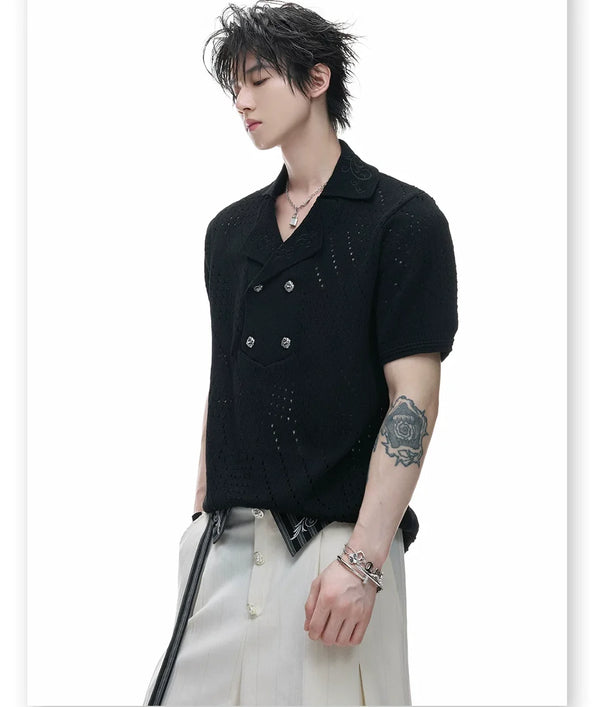
The wide-leg set is the most direct translation of the Korean-formal code — blazer plus matching trousers in one cut, monochrome palette, slightly oversized shoulder. Anyone who needs a board-photo outfit in Gangnam starts here. The single cropped blazer is the Office-Siren-KR level — works with wide-leg trousers underneath or with a pencil-skirt midi.
Category · Trousers
Trousers — wide-leg, crease, no skinny
The trousers are the second most important lever in the Korean-formal outfit. If the blazer defines the line upward, the trousers define the line downward. Wrong trousers under a right blazer is the most common “why does this look like a European office” misstep — even on outfits that otherwise get everything right.
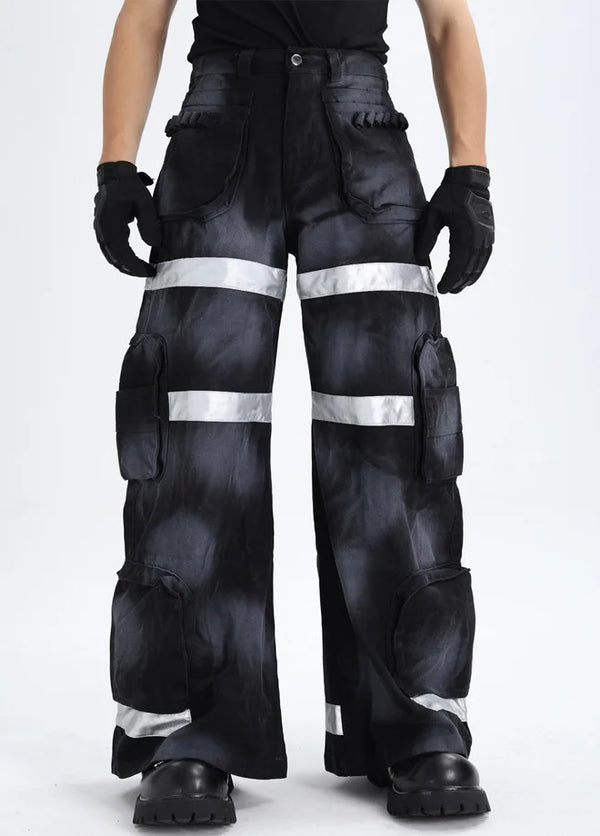
What works: wide-leg with a 22–26 cm hem, high waist, crease. Pinstripe or plain. Fabric: wool blend, twill, in summer a linen blend. What doesn’t work: skinny (Seoul-out since 2018), slim with a shortened hem (in Seoul, confirmation-suit memory), tapered (tips into “Japan streetwear”, where Korean Formal doesn’t want to go).
The plain wide-leg in charcoal is the most-worn office trouser in Gangnam — works with any of the five codes, from full formal to smart casual Itaewon. The pinstripe wide-leg is the level above — worn at full-formal occasions (wedding, investor pitch, wedding-guest outfit), happily as a full suit with a matching jacket.
Category · Tops
Shirt, blouse, polo — the skin-close layer
The top is the third lever. It decides whether the outfit reads as high-formal or office-casual. Shirt plus tie = full formal. Shirt without a tie = office casual. Knit polo under the jacket = K-drama romantic lead. Skin tank under a cropped blazer = Office Siren KR.
What works: a white or off-white shirt in a skin-close fit, sleeve 1 cm out of the jacket, always tucked in. Knit polo in charcoal, anthracite or off-white — finely ribbed or waffle knit, no thick cable knit. What doesn’t work: colorful shirts, patterned shirts (except a discreet stripe or pinstripe), polo with a large logo, shirt open without an undertop.
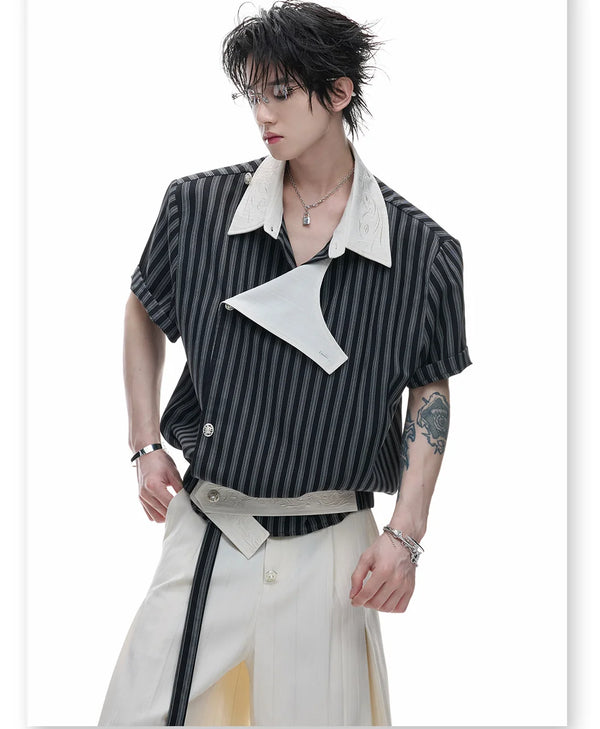
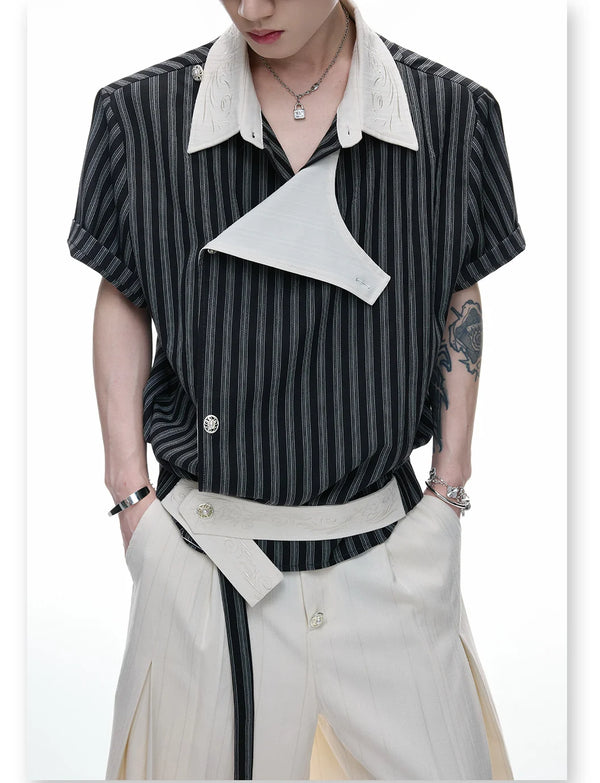
The striped-trim shirt is the office-casual level — collarless or with a soft collar, half-sleeve in summer, always tucked in. The waffle-knit polo is the K-drama-romantic-lead level — under the charcoal blazer, with wide-leg trousers, a loafer with no sock in summer.
Category · Shoes & bag
Shoes & bag — loafer logic, minimal bag
The shoe decides the last 5 percent. Anyone who wears sneakers in a Korean-formal outfit has lost the code — even if the sneaker is black and discreet. Seoul is not a sneaker office district. What works: penny loafer with a thin sole, derby in matte black, Chelsea boot with no tread. Cap-toe Oxford is allowed for full formal — but already reads slightly British, so only at a wedding or investor pitch.
“The sneaker is the friendliest lie in business casual. It makes the outfit more approachable and weakens it in the same breath. In Seoul they say: two options — loafer, or don’t come to the office at all.”
Korean-Formal-Operating-Rule, Gangnam-Office-District
Bag: structured, mid-size, monochrome. Black, off-white or cognac. A backpack is university or Hongdae designer, not Gangnam office. Cross-body is Gen Z, not the board. The Korean-formal bag is a tote or a structured hand-bag, with a single hardware spot (buckle OR a discreet logo plate OR nothing). Dimensions: big enough for a laptop, small enough that it doesn’t stick out over the hip.
If the hardware detail interests you — bag, belt buckle, watch — and how it translates into other Korean style directions, the deep dive into our Korean series is worth it:
Styling deep dive
How to style Korean Formal — the invisible 1-cm rule
Anyone who has stood in a Gangnam office and seen the outfit of the (female or male) board member up close sees one thing that’s on no Pinterest mood board: every centimeter sits right. The shirt cuff ends 1 cm out of the jacket sleeve. The trouser hem lays itself on the loafer exactly once and stops. The jacket length ends at the thumb knuckle — not above, not below.
This precision is the difference between Korean Formal and western business casual. Western suits allow a centimeter of play — Korean ones don’t. If your jacket is two centimeters too long, the outfit reads not “slightly oversized” as planned, but “inherited from dad”. If your trousers are two centimeters too short, the outfit reads not “intentional cropped”, but “grown out of confirmation”.
The invisible 1-cm rule runs through the whole outfit. Cuff 1 cm out of the jacket. Trouser hem once on the shoe, no more. Shirt collar exactly parallel to the shoulder seam. Tie knot up to the top button, not a centimeter of gap. That’s not pedantry — it’s the language of the code.
If the precision is too much for you, there’s a shortcut: buy monochrome in the same color family. Charcoal jacket, charcoal trousers, off-white shirt, black loafer. Three tones, one line, hardware only through the watch. Even if one centimeter sits wrong — the monochrome palette covers a lot.
Formality tiers
Semi-formal vs full formal — where Seoul draws the line
The search for “semi formal korean outfit” carries a certain idea in the US and Europe: a bit looser than a suit, a bit more formal than casual. In Seoul the line is sharper. Full formal means a suit with a matching jacket, shirt plus tie, loafer or derby, watch. Period. Semi-formal means: blazer plus wide-leg trousers in different fabrics, knit polo or shirt without a tie, loafer, one hardware line.
What semi-formal in Seoul absolutely is not: T-shirt under a jacket (tips into “tech bro”), sneaker (tips into “weekend casual”), jeans (tips into “date night”), cardigan instead of blazer (tips into “uncle”). The jacket is the minimum requirement. As soon as the jacket is missing, it’s no longer a Korean-formal outfit — even if all the other pieces sit right.
Casual Korean office wear — the lower level of the semi-formal zone — only works with the knit-polo trick. Knit polo plus wide-leg trousers plus loafer plus jacket = office-ready. Knit polo plus wide-leg trousers plus loafer WITHOUT a jacket = weekend or date, but not office.
Seasonal
Summer vs winter — linen, wool, coat stack
Seoul has four real seasons — summer at 32 °C plus 80% humidity, winter at −10 °C plus wind. Korean Formal therefore has its own fabric scale for each season. Anyone wearing a wool jacket at 32 °C isn’t “classic”, they just haven’t understood the code.
Summer (June–August): linen-blend jacket in off-white or camel, unlined. Wide-leg trousers in linen or light twill. Shirt in cotton, short sleeves are allowed — but only in a half-sleeve cut, not in T-shirt form. Loafer with no sock. Sunglasses as the hardware line, then no watch.
Transition (September–November, March–May): wool-blend jacket in charcoal or anthracite. Wide-leg trousers in wool twill. Shirt plus knit polo underneath as a layer in November and April. Trench coat as the outer layer.
Winter (December–February): camel or charcoal coat over the suit, coat length to mid-calf. Wool-blend jacket with lining. Knit tank or knit polo under the shirt. Chelsea boot or lined derby. Scarf monochrome, wool or cashmere, classically knotted.
Mistakes
The 6 most common mistakes in the Korean Formal look
Anyone who tries Korean Formal without knowing the code mostly makes the same six mistakes. None of them is a matter of taste — all six are proportion or material breaks that make the outfit fall out of Seoul, even if the individual pieces are expensive.
Getting started
How to start in Korean Formal — the first 4 pieces
Anyone who doesn’t want to build Korean Formal from zero but just test the code gets through with four pieces — which together make at least three outfits. That’s the starter wardrobe with which you’re office-ready every weekday in Seoul and can still brunch in Itaewon at the weekend.
If you’re a woman, you replace the trousers with wide-leg or a pencil-skirt midi, the shirt with a skin tank plus a knit-tight top, and buy a cropped blazer plus penny loafer. The four-piece logic is enough for that too. Pearl detail or a thin gold chain as optional jewelry — one hardware line, not two.
Real outfits
Korean Formal for real — Seoul office, K-drama, real outfits
Korean Formal for real is quieter than what Pinterest pulls up. On Instagram what lands is what’s photogenic — cropped blazer with wide-leg, camel coat over a charcoal suit, Office Siren with pearl. In Seoul’s real office buildings, 80% of employees run in the code without anyone noticing. That’s exactly the point: Korean Formal shouldn’t look “special”. It should work.
Anyone who wants to test the code on their own street starts with one code — not all five. Pick Gangnam Executive, wear it for a month. Then switch into Office Casual Seoul. Then into Smart Casual Itaewon. After three months you know what works on your body — and can mix the codes.
Conclusion
Korean Formal is proportion — no logo, no brand cluster
Anyone who has understood Korean Formal sees immediately what separates the western office from the Seoul office. It’s not the fabric. It’s not the price. It’s the line. Shoulder slightly over the seam, wide-leg hem on the loafer, monochrome palette, one hardware line. These four things are the entire code.
FAQ
Frequently asked questions about Korean Formal Outfits
What is Korean Formal Wear?
What is the difference between Korean Formal and an Italian suit?
What do women wear in Korean offices?
Which brands are Korean Office Wear?
What is semi-formal in Korea?
Does Korean Formal work without a tie too?
Are sneakers allowed in a Korean Formal outfit?
What do you think?
Tell us on @fuga_studios
About the author
Philipp Fuge — Founder · Berlin
Founder of Fūga Studios. Writes the journal himself. Berlin · Shanghai · Tokyo · Poznań — four cities, one logic.