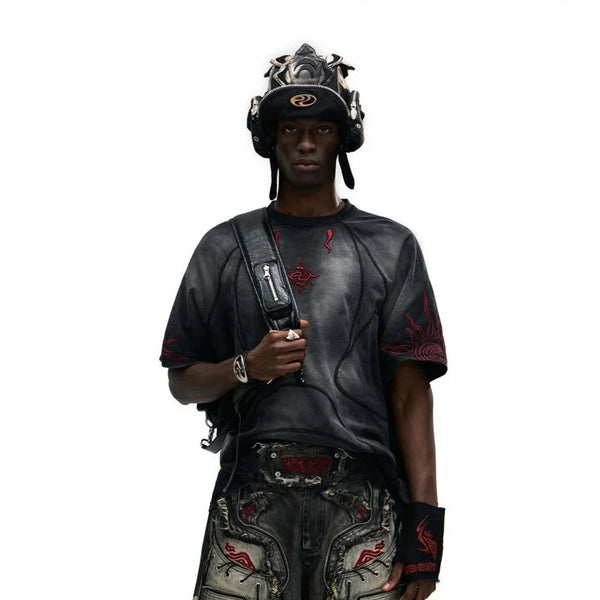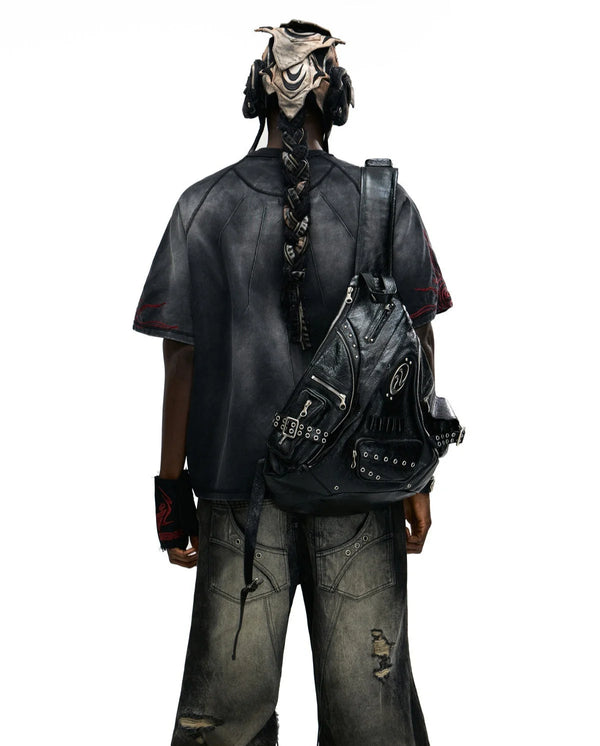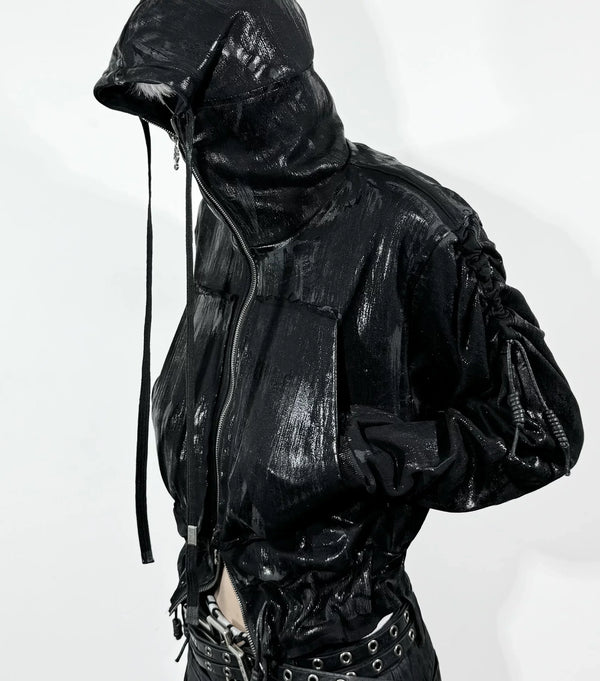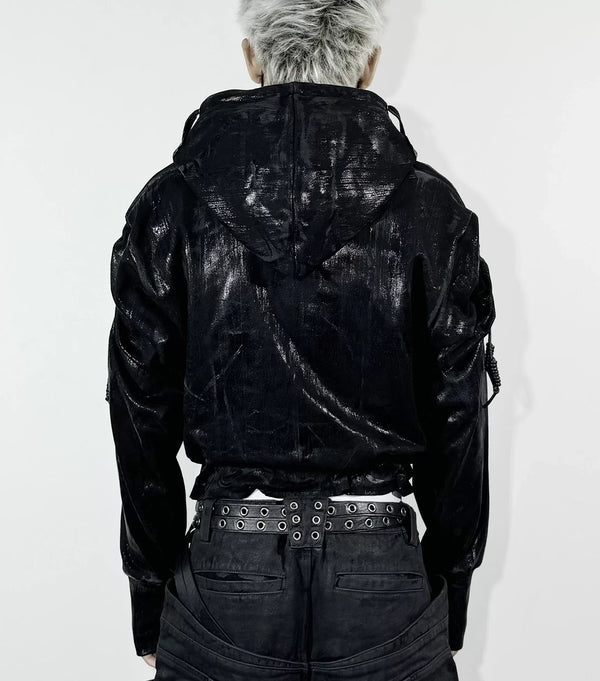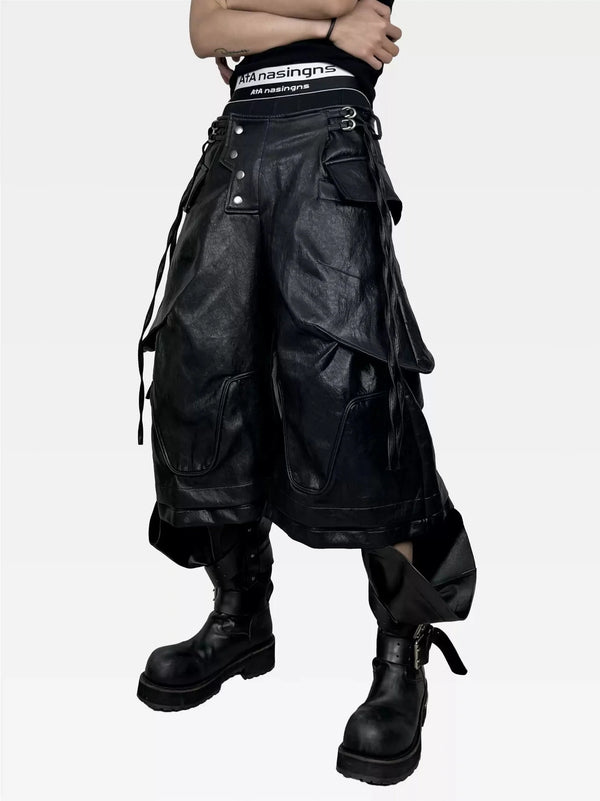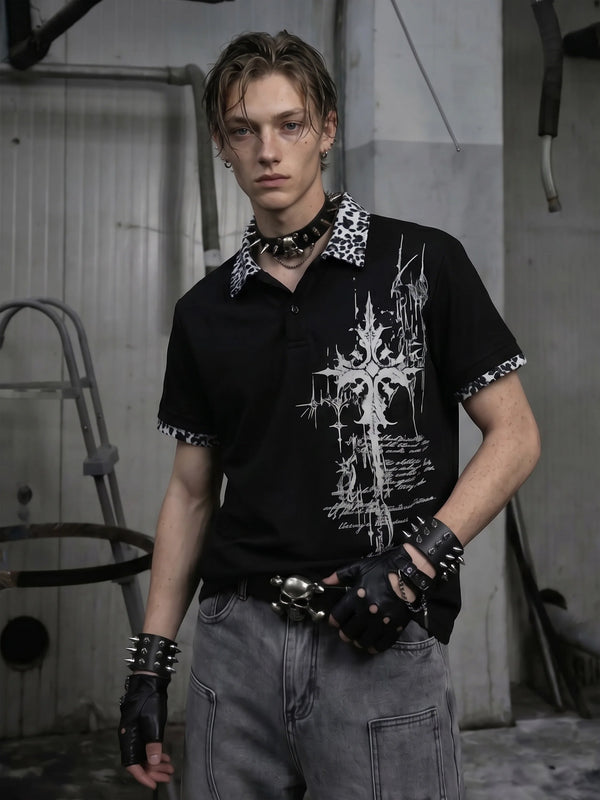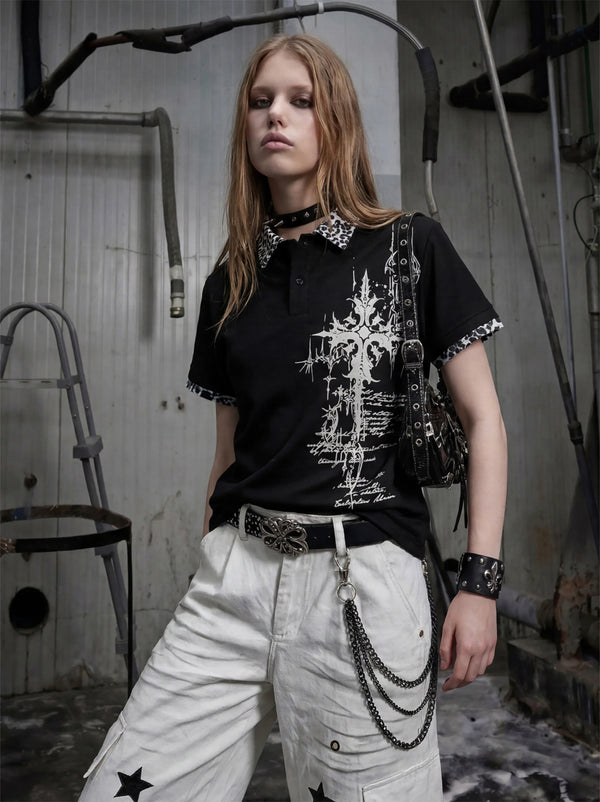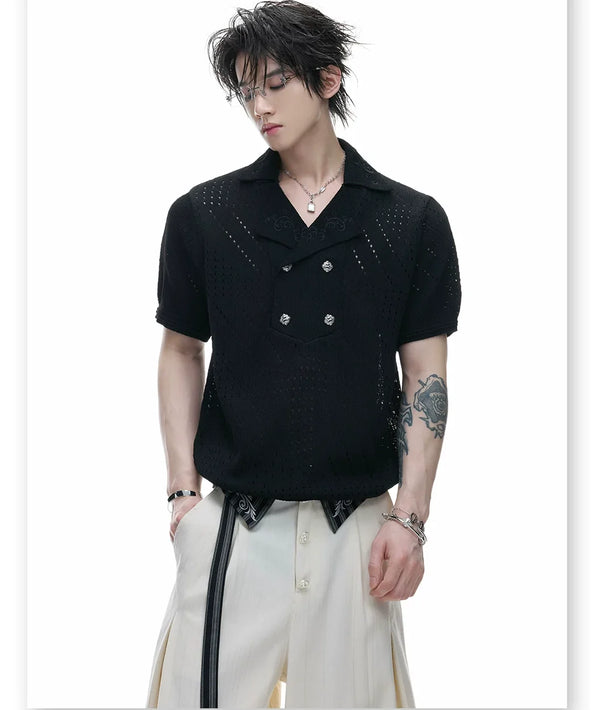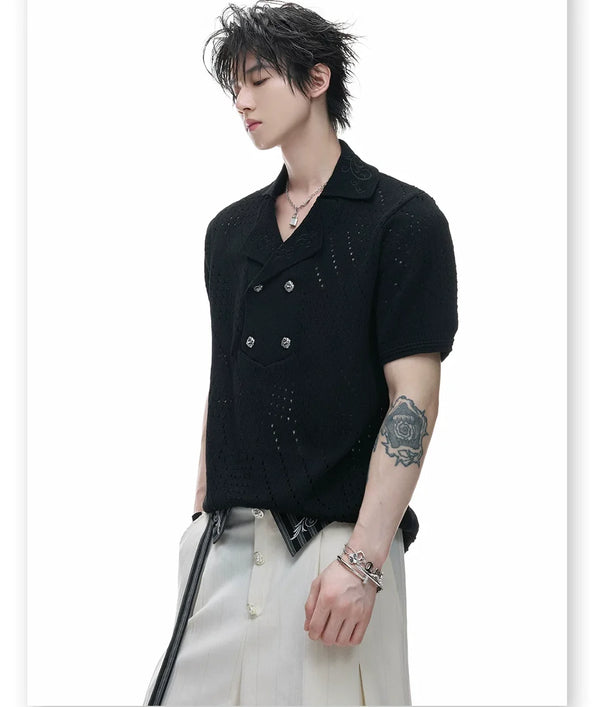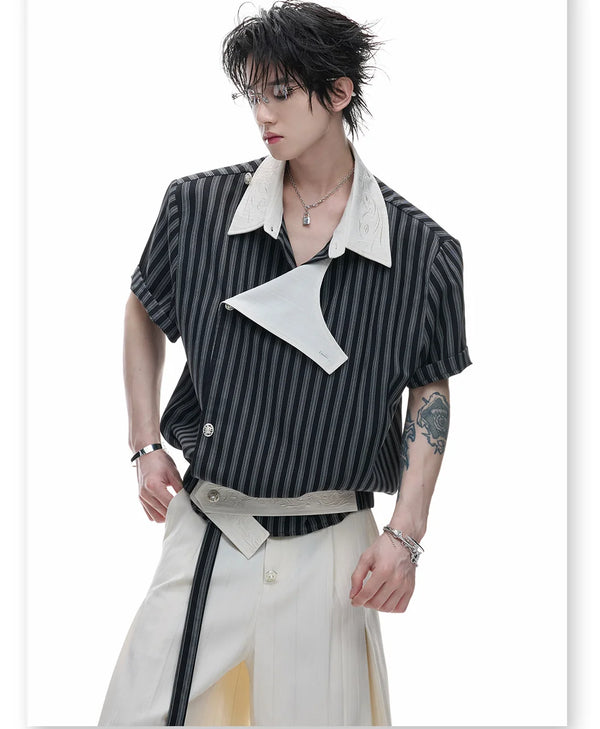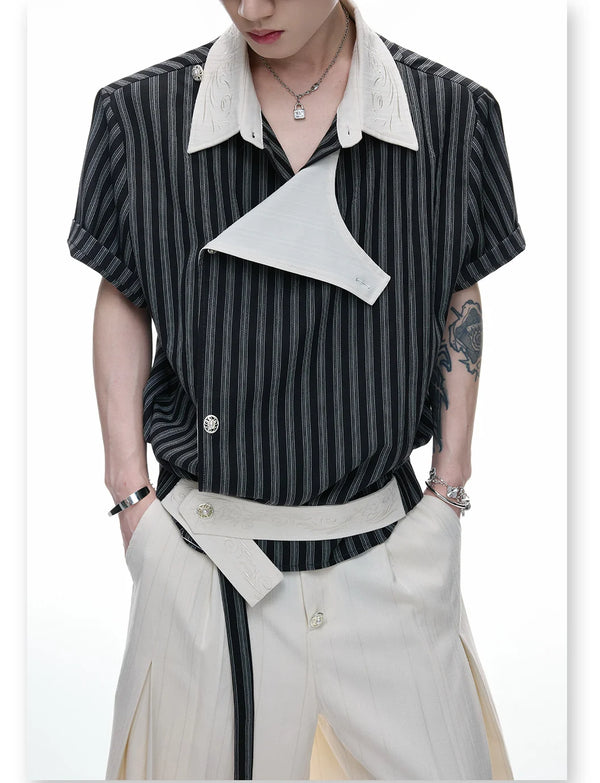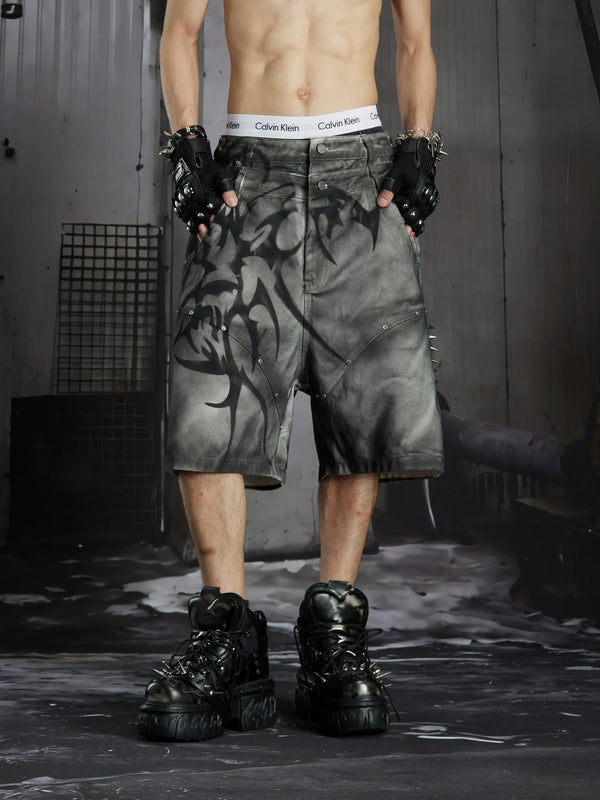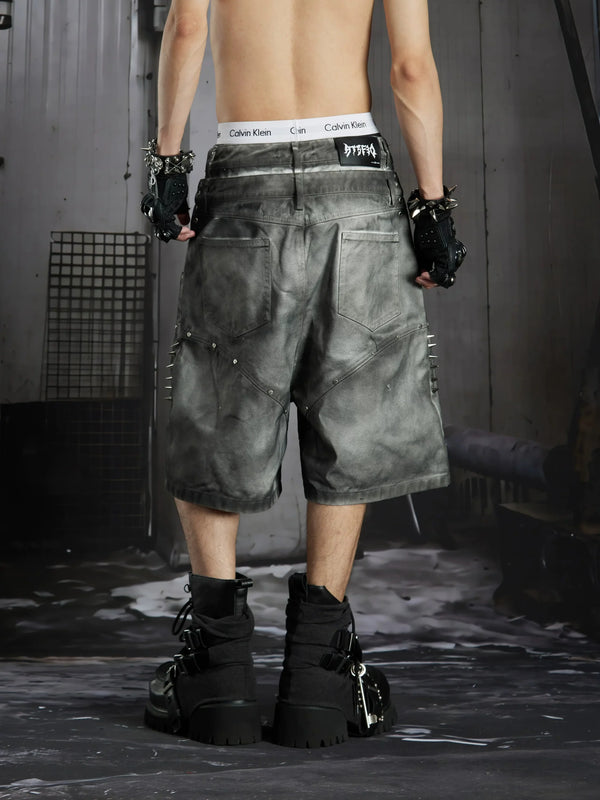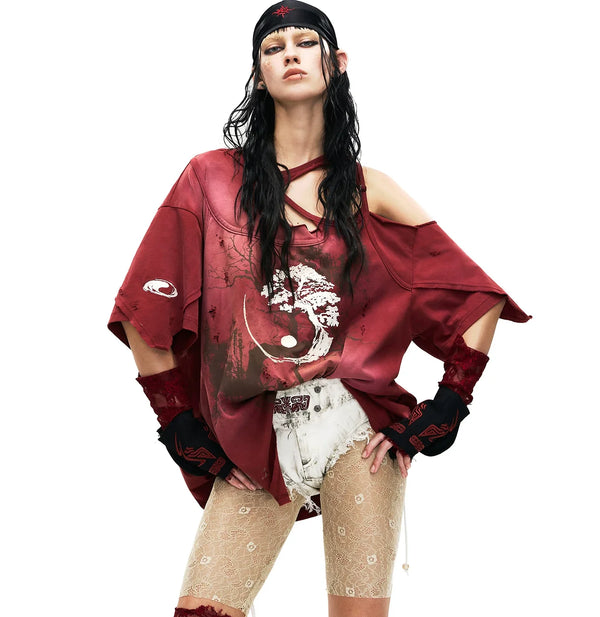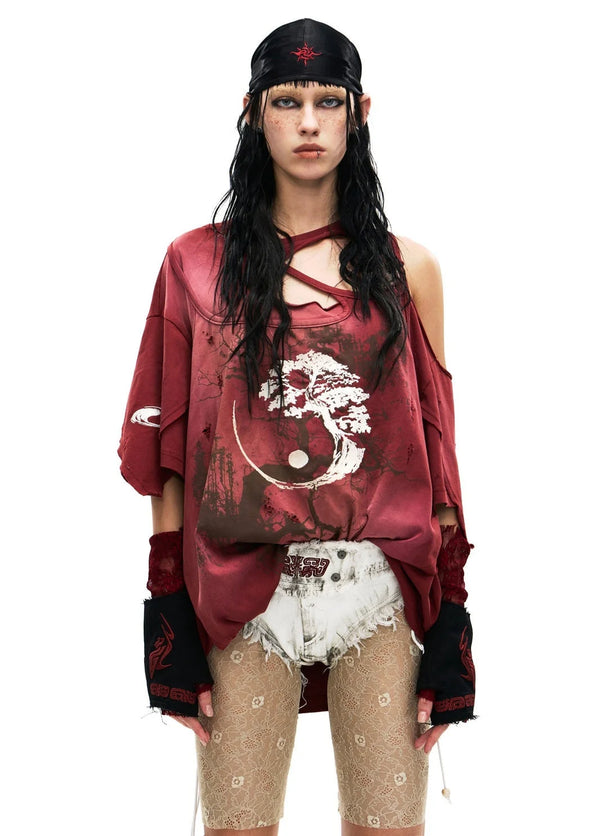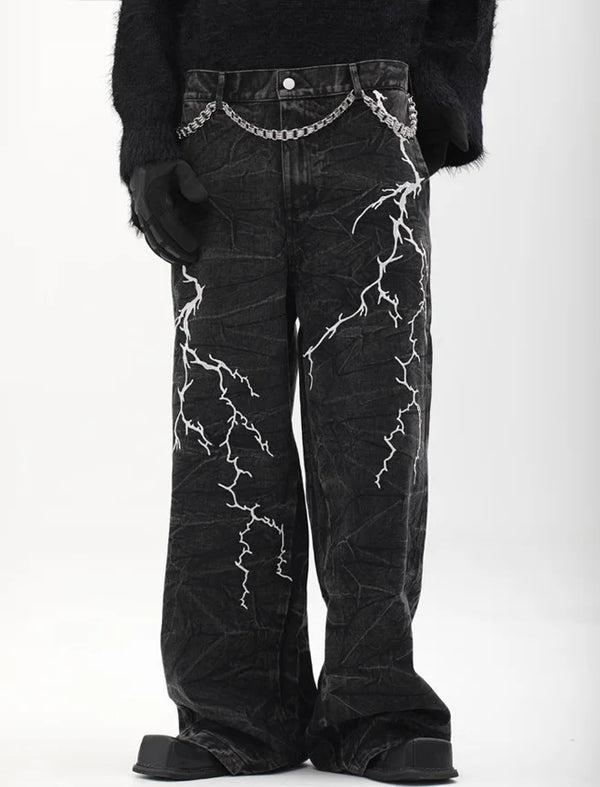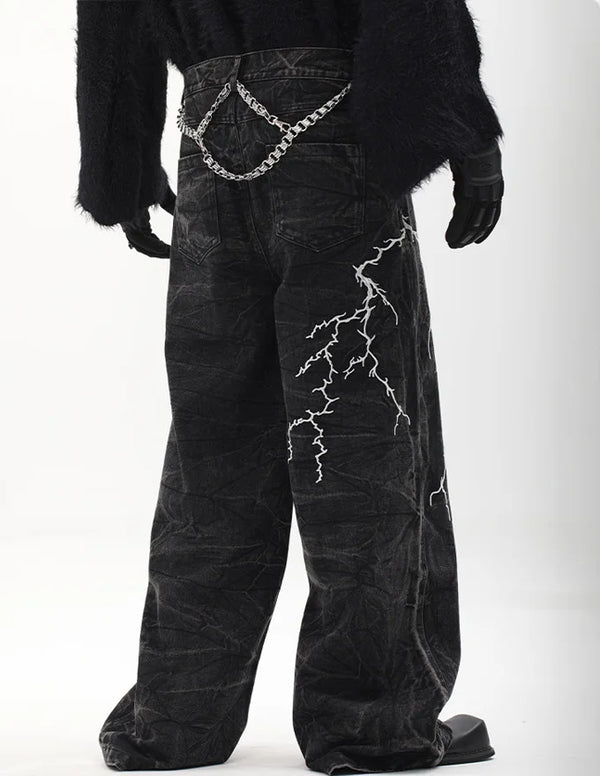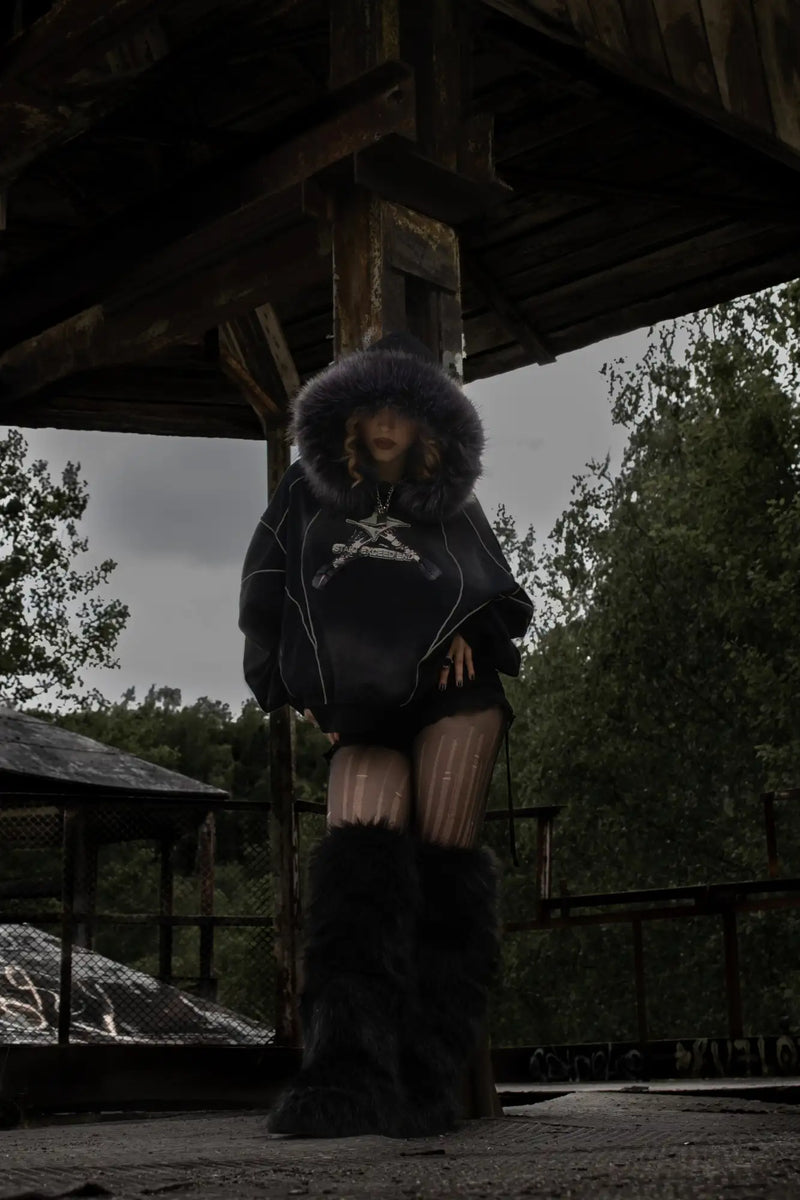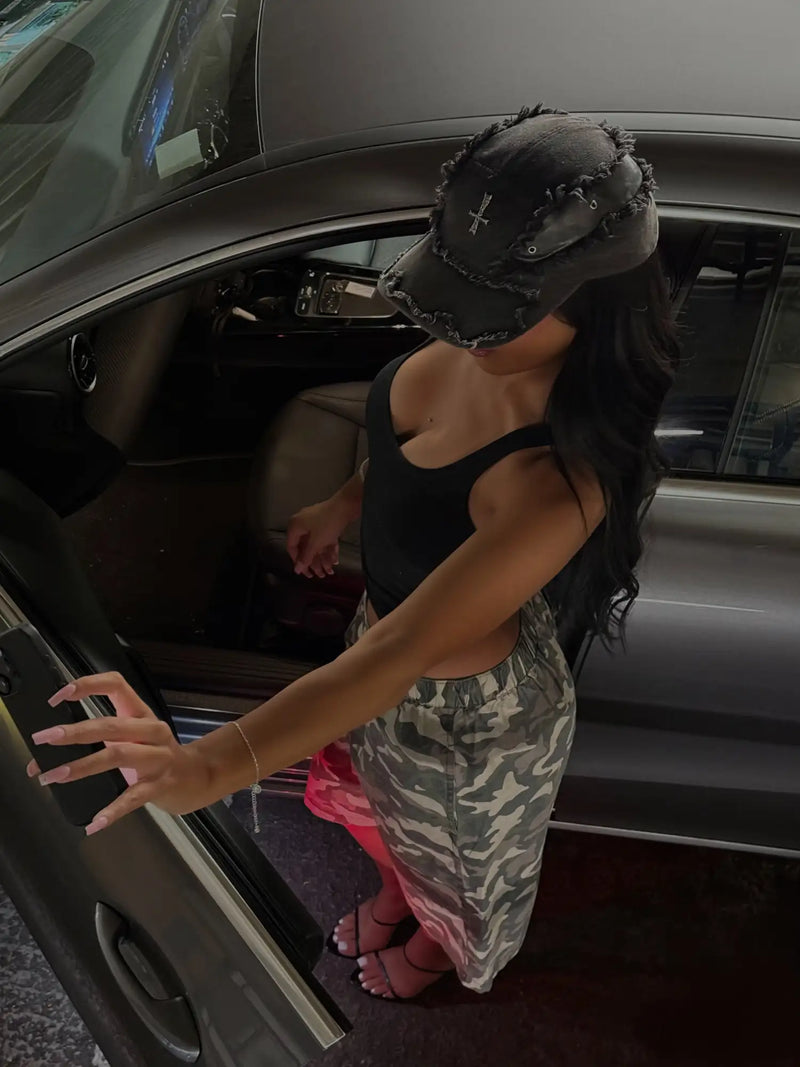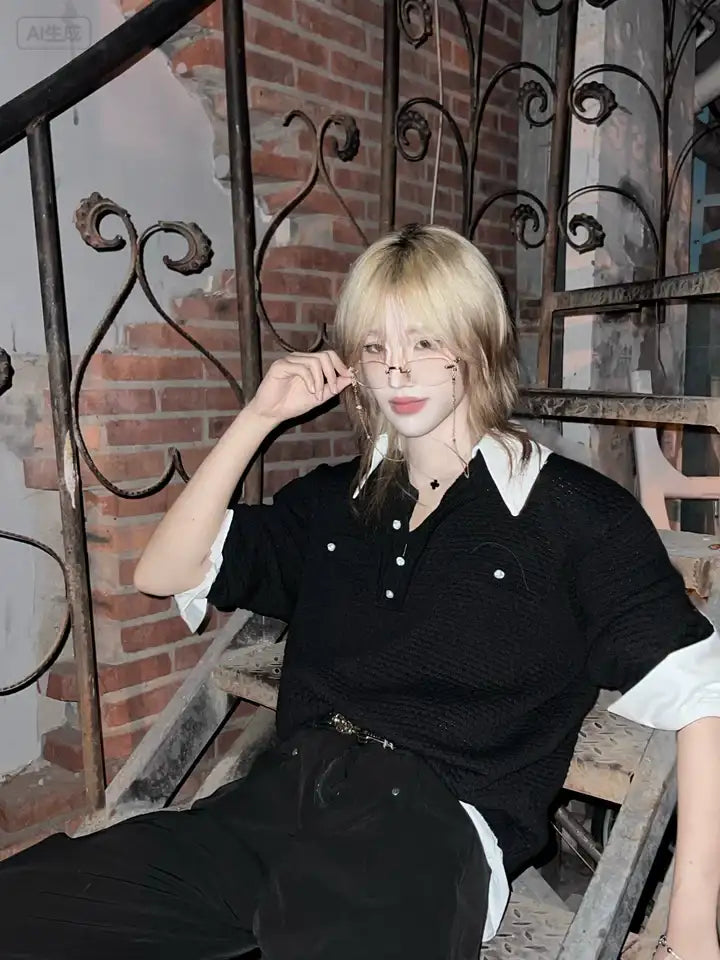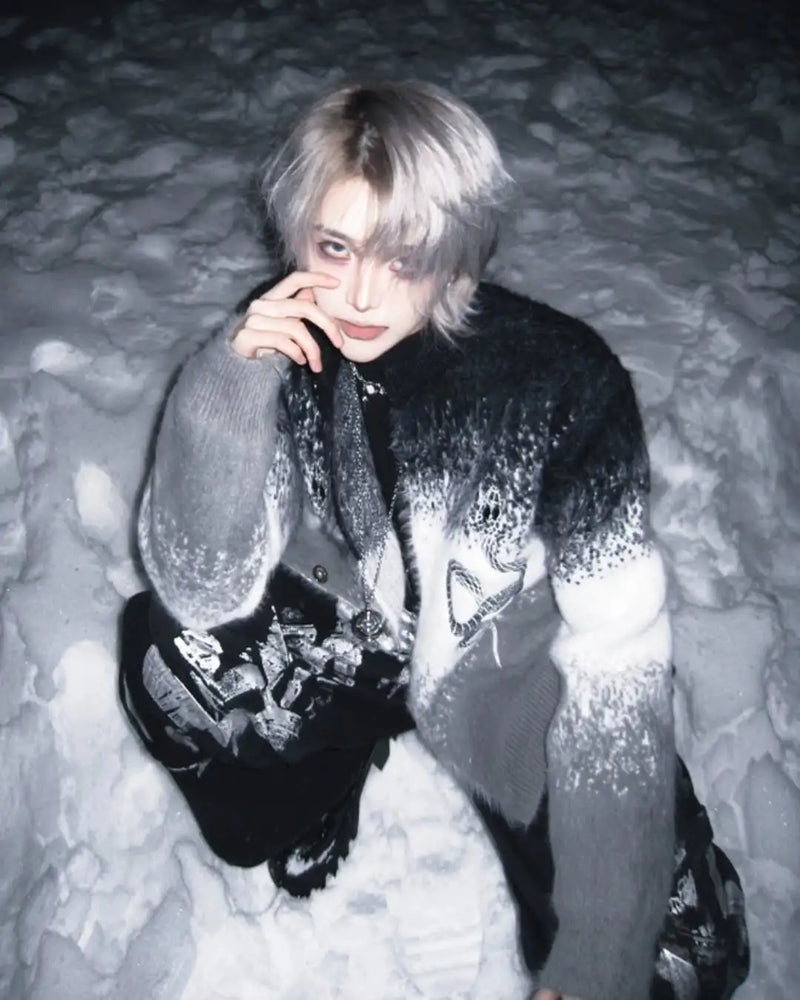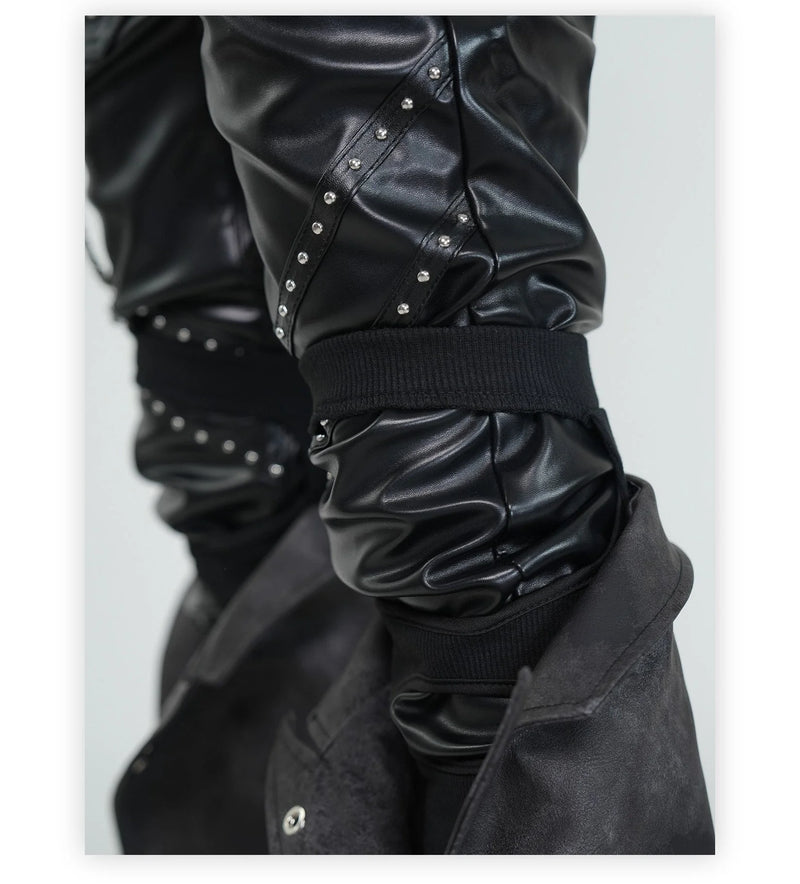
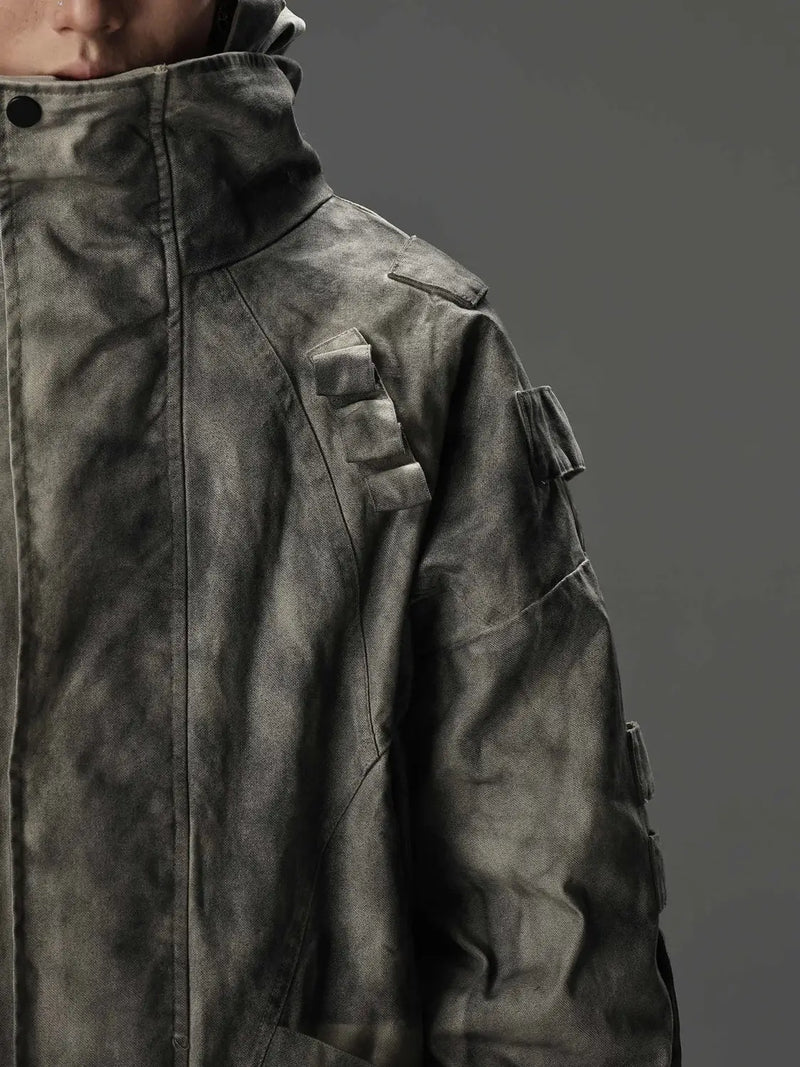
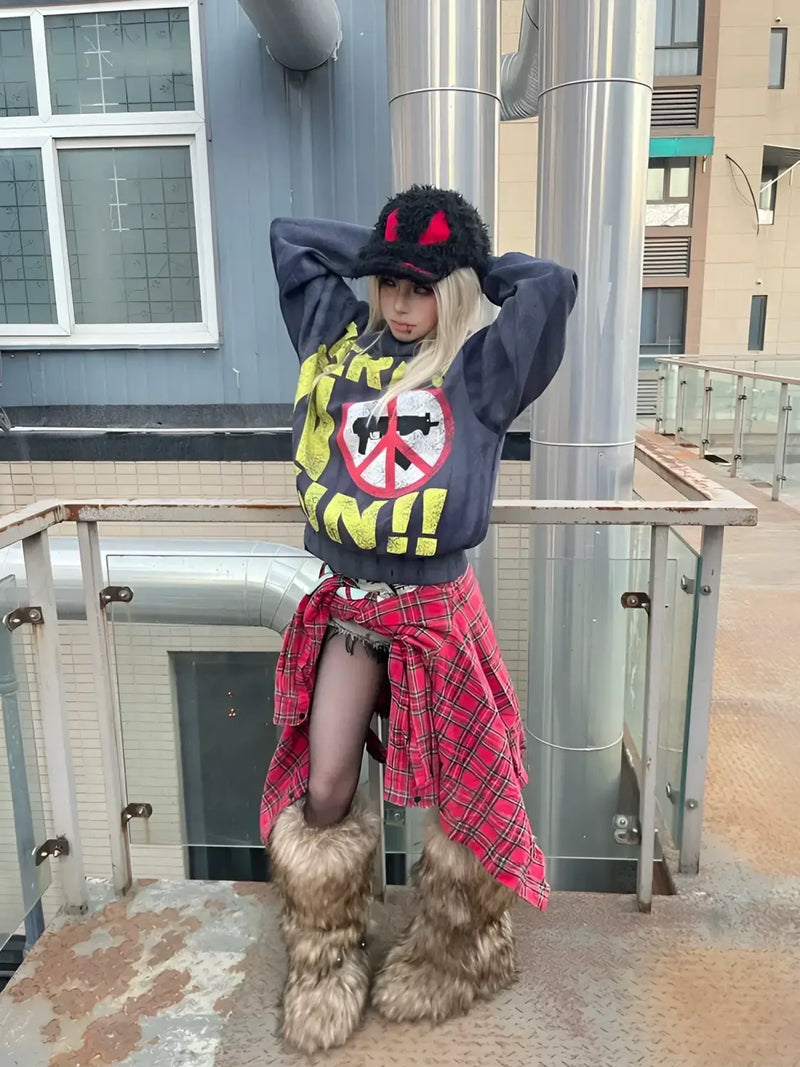
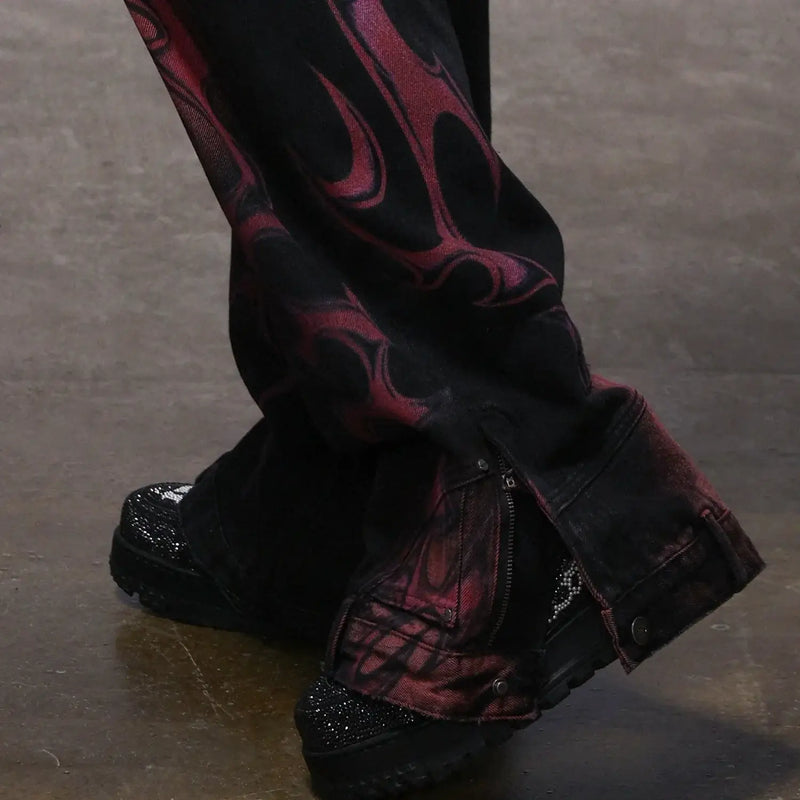
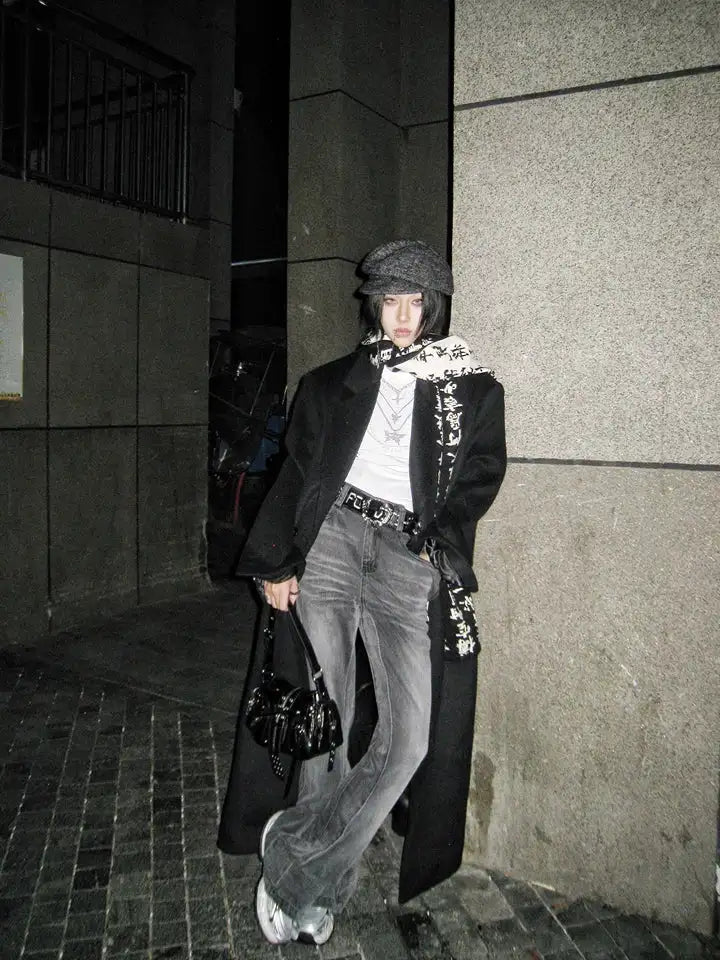

Seoul clubs don't have a dress code pinned to the wall. They have a city-code — and it changes every two subway stops. What gets you into Hongdae lands you right back on the street in Gangnam. What counts as "elevated" in Itaewon reads like a school outfit in Apgujeong.
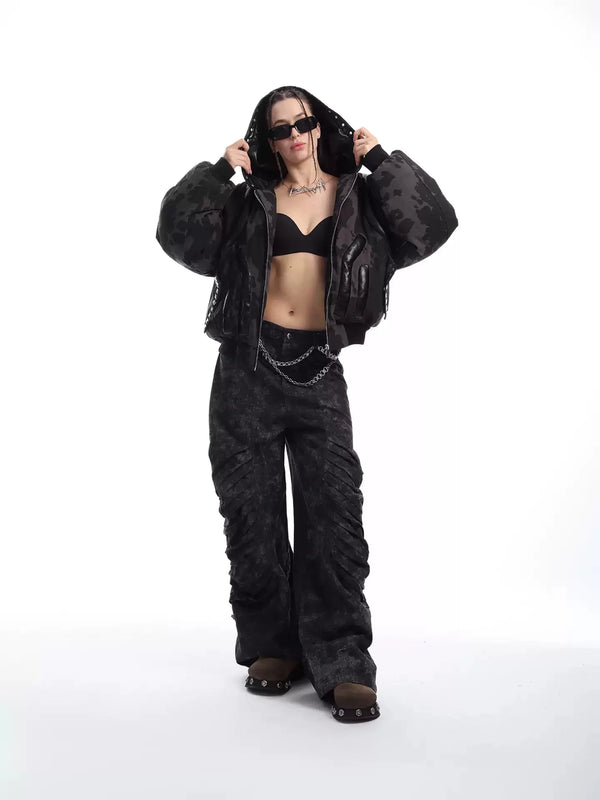
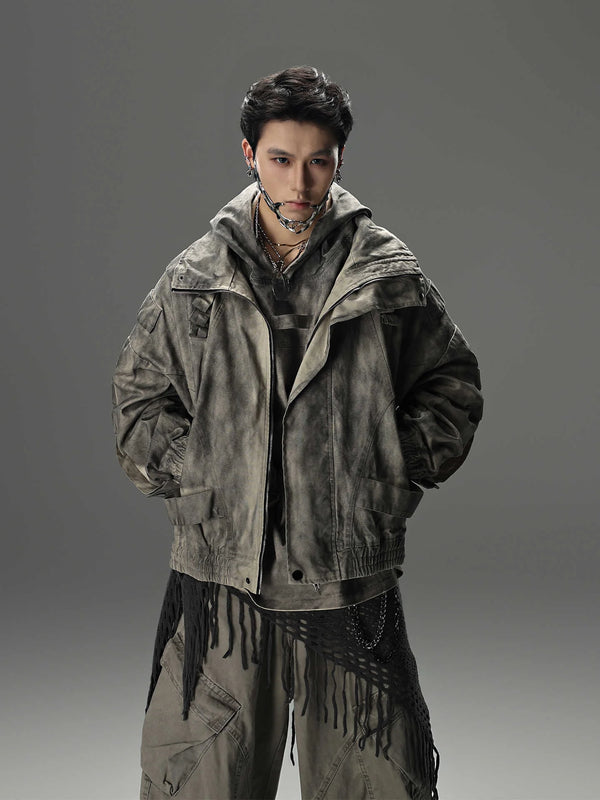
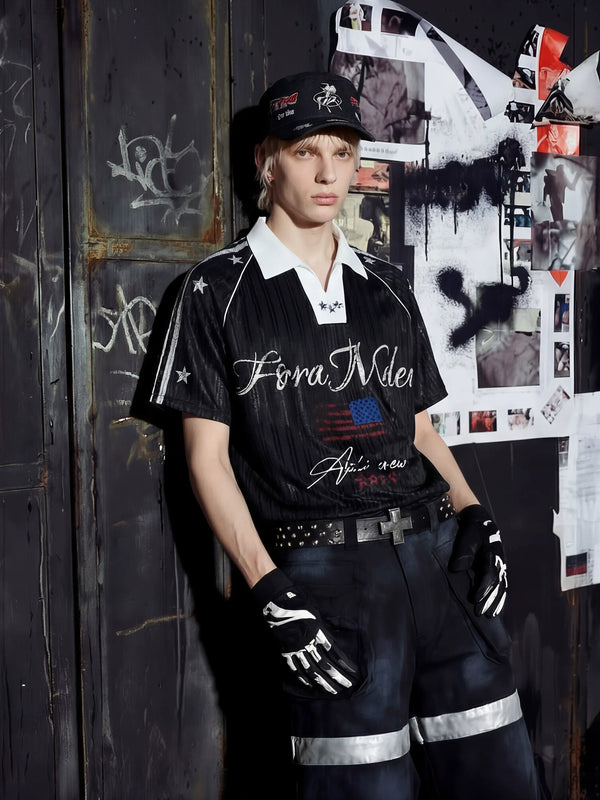
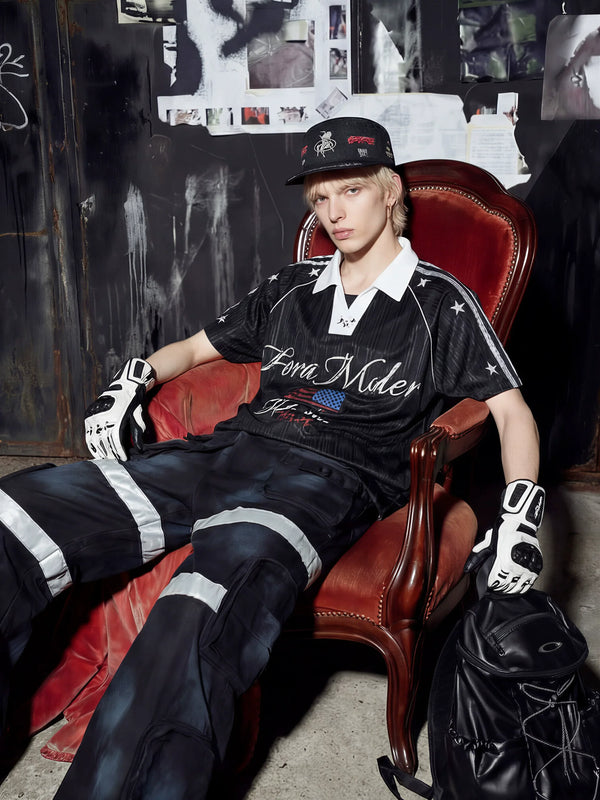
Korean Club Outfits aren't a style — they're four city-codes running side by side, at the same time, in the same city. Hongdae wears distressed Streetwear for the indie crowd. Gangnam wears designer glam for the K-Pop-adjacent crowd. Itaewon mixes international and gives Mesh the lead. Apgujeong leans on luxe tailoring and sends everything under it home.
Read Seoul as "one club scene" and you show up in the wrong outfit at the wrong door. This guide breaks down each of the four codes: what the crowd wears, which brands write the look, how the women's lines and men's lines differ, which tops, pants and shoes get through in which district — and the six mistakes that cost you at every door.
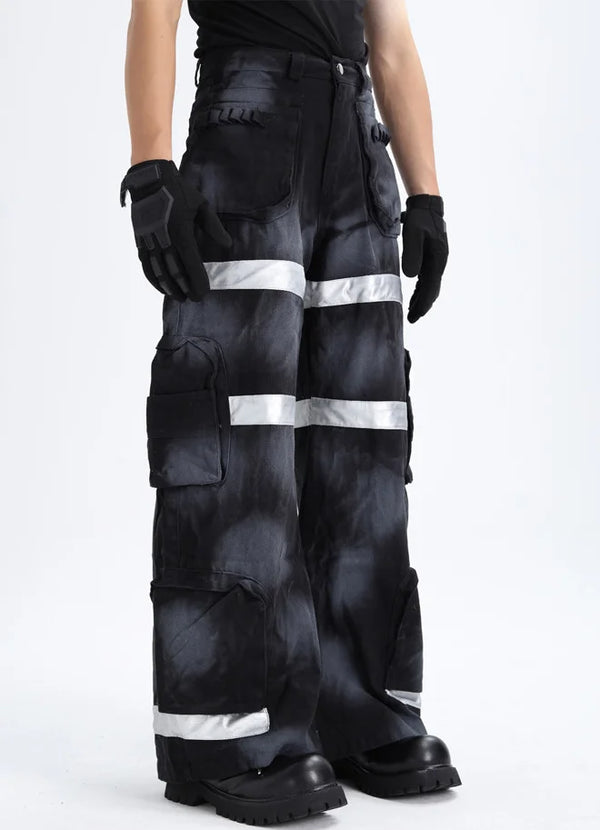
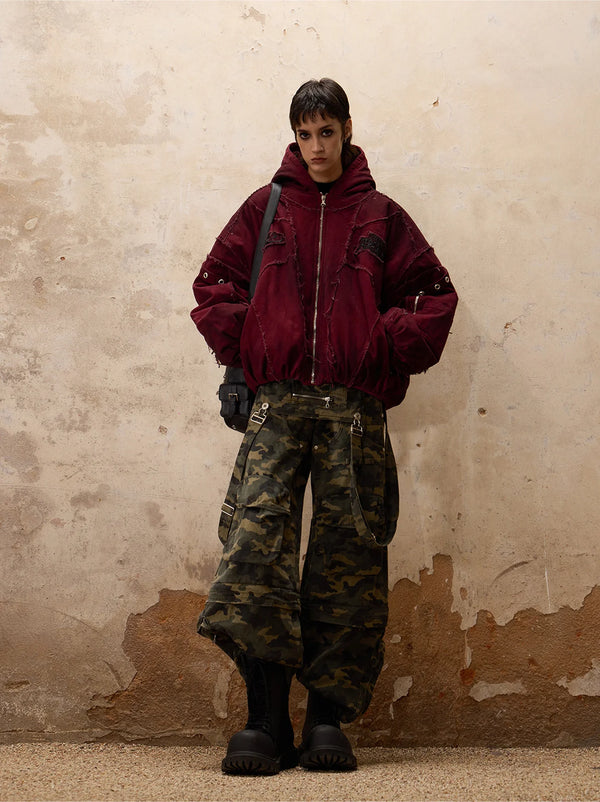
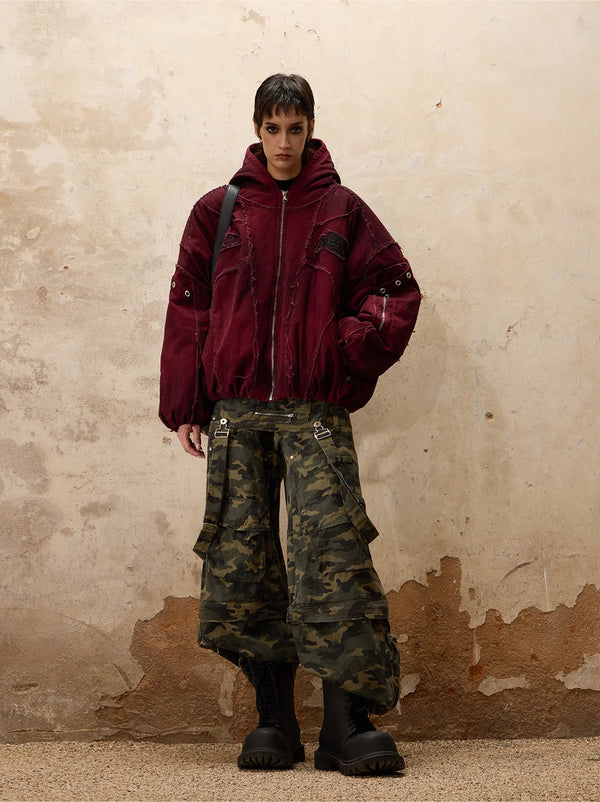
Here's what the Hongdae code looks like in twelve seconds — on one line, no pose:
Origin
Who decides what Seoul wears at night — and why it isn't the designers
The Seoul club code isn't made in show-rooms. It's made at the doors. Every crowd in every district has its own doorman logic, and it's unspoken but brutal. Hongdae lets distressed in and turns suit-wearers away. Apgujeong does the opposite.
The four city-codes hardened between 2014 and 2020. Before 2014, Seoul nightlife was a single scene — mostly Hongdae, mostly student, mostly indie-rock-leaning. With the rise of K-Pop industry clubs in Gangnam (around SM, JYP, HYBE) and the international boom in Itaewon (US bases plus EDM tourism), that one scene split into four clean codes. Apgujeong as the "old-money luxe Cheongdam tier" came even later, from 2018, when Korean luxury houses (Wooyoungmi, Juun.J, Boon the Shop) built their own crowd tier.
What all four share: it's never a logo code like in Tokyo-Shibuya, and never a sneaker code like in Berlin-Friedrichshain. It's silhouette, fabric, and district belonging. Get the silhouette wrong and you stand out instantly — even if every single piece were "correct".
Definition
What counts as a Korean Club Outfit — the four building blocks
A Korean Club Outfit works on four fixed variables. Each of the four city-codes sets these variables differently — but forget one of the four and you're outside the code. Whatever the district, whatever the line.
4
City-codes per night
90 %
black or dark
2
layer maximum
0
sports shoes in Apgujeong
The four variables are: district, silhouette, fabric-weight, shoe type. When all four line up, the outfit reads as Seoul nightlife. When only three line up, it reads as "tourist who gave it a try".
Concretely, every Korean Club Outfit comes down to:
- District logic before style logic — you pick the code by door, not by outfit. Standing at a Gangnam door in a Hongdae crowd line means: not getting in.
- Tight on top or short on top — Mesh, Crop, tank, halterneck. The skin layer carries the whole outfit, because the outer layer is gone twenty minutes into the club.
- Volume or skin on the bottom — Wide-Leg jean plus boot, or mini-skirt plus heel. There's no middle ground — the slim jean has been dead since 2020.
- One silver language — chrome hardware, Mesh detail, eyewear accent. Gold belongs in Apgujeong or stays home.
- Boot over sneaker outside Itaewon — combat, platform, Chelsea, knee-high. Air Force 1 only runs in Itaewon, and only when the rest fits.
- No visible tourist logo — Champion sweatshirt, US college print, EU football jersey tip the outfit straight into Erasmus tier.
Hold all six points and you can run any of the four city-codes with a few variation pieces. Forget three of them and you don't get through the door — the exact cut of the pants is secondary.
City-codes
The 4 city-codes — Hongdae, Gangnam, Itaewon, Apgujeong
Seoul has no central nightlife identity. It has four districts running four codes side by side, with different crowds, different doors, different fabrics. Know all four and you pack the right outfit for any night.
Anyone hitting all four districts in one weekend packs three outfits — not one. Switching crowds multiple times a night doesn't work; the Hongdae crowd can take their line to Apgujeong, but the Apgujeong crowd can't go back to Hongdae.
Gender split
Korean Club Outfits men vs women — where the lines diverge
The city-code is the same for women and men. What differs is the line. Hongdae women wear shorter on top and tighter on the bottom, Hongdae men longer on top and wider on the bottom. Gangnam women go for the mini-dress, Gangnam men for a slim leather jacket plus slim-cropped pant. Itaewon women combine Crop plus Cargo, Itaewon men tank plus Cargo. Apgujeong women wear tailoring with a slit, Apgujeong men a two-piece suit.
Women's version, in general: the skin layer dominates. Crop top, Mesh halter, bralette with a blazer over it, bodysuit. Boots go higher, heels get more present. Jewelry becomes a statement instead of an accent — a heavy chain plus earring plus ring can absolutely work depending on the district.
Men's version, in general: solid, tight, long on top. Long-Sleeve, Mesh-Long-Sleeve, black Henley. Wide-Leg-Cargo or distressed jean on the bottom. Jewelry stays minimal — one chain, no ring stack. Boot or platform; sneaker only in Itaewon, and only when pants and top fit.
What both lines share: 90% dark, silver over gold (except Apgujeong), no tourist print, no US college sweater. And both lines work with the same Korean brands — the pieces are often even identical, just in different cuts of the same drop.
Brands
The brands behind the Seoul-nightlife look
Korean Club Outfits aren't written by US Streetwear labels. They come out of a Korean designer corridor that's been built up since roughly 2015 and has been sharpening ever since. Know the vocabulary and you can spot the four codes in any drop.
The brands that write the Seoul code — sorted by district:
- Andersson Bell — since 2014, the Hongdae default. Distressed knit, oversized knitwear, Mesh detail. When a Hongdae outfit has a label, it's often this one.
- Ader Error — avant-Streetwear, asymmetric cuts, blue-grey palette. Sits between Hongdae and Itaewon — works in both.
- We11done — Y2K-Goth line out of the Constantin-sister family. Leather jackets, hardware layering, distressed. Very Hongdae, occasionally Gangnam.
- Juun.J — avant-tailoring, long coats, falling cut. Apgujeong code, never a sneaker with it.
- Wooyoungmi — Paris-trained Korean tailoring. Pure Apgujeong/Cheongdam DNA. Two-piece suit, slim silhouette, no logo.
- GENTLE MONSTER — the eyewear brand every one of the four codes wears. Black sunglasses even at night aren't a pose, they're code.
- IISE — brothers' brand with a Korean-traditional-meets-Streetwear logic. Works in Hongdae and Itaewon, not in Gangnam.
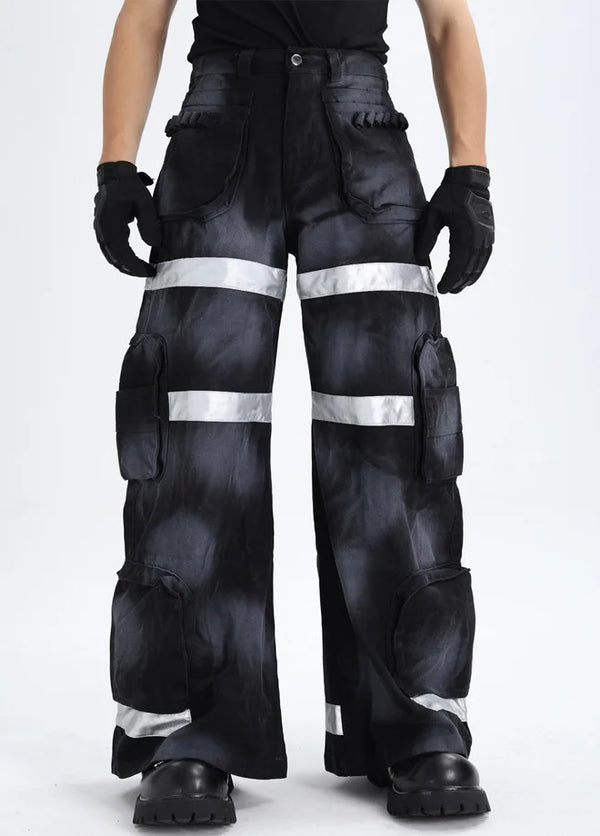
- Postarchive Faction (PAF) — technical outerwear for the Itaewon crowd. Wide-Leg, Cargo, technical fabrics.
- 87mm — Hongdae indie default for knitwear and print tees that don't look like a tourist print.
Want to build this look without designer prices? Hunt the resale market for these brands, or look to Korean DTC labels that translate the vocabulary competently — slim cuts, Mesh detail, distressed textures, a black-based palette.
Category · Skin layer
Tops & Mesh — the skin layer of Seoul clubs
The skin layer carries the Korean Club Outfit, because the outer layer is hanging off the seat twenty minutes into the club. What sits underneath is half the outfit. Hongdae wears Mesh-Long-Sleeve, Gangnam wears halter or mini, Itaewon wears Crop plus Mesh tank, Apgujeong wears tailored vest or tight Henley.
The rule across all four codes: solid, tight, no print. Printed shirts with a US college logo, EDM festival print, or skull graphic tip the outfit straight into tourist tier. A plain black Mesh-Long-Sleeve says more "Seoul nightlife" than any statement print.
If you don't have a Mesh-Long-Sleeve in your closet yet, that's your first piece. Works in Hongdae and Itaewon no problem, in Gangnam under a slim blazer, in Apgujeong less so.
Category · Bottoms
Pants & jeans — Wide-Leg, leather or not at all
Bottoms decide the district. Wide-Leg distressed jean works in Hongdae and Itaewon. Slim leather pant or mini-skirt work in Gangnam. Tailored trouser works in Apgujeong. Cargo pant only works in Itaewon — elsewhere it counts as "escape wear" and breaks through the code.
What tips over across every district: slim jeans since 2020. What Seoul still wore ten years ago (skinny plus sneaker) is today a recognizable Erasmus outfit. Wear slim and you signal that you missed the code. Wide or mini — the middle ground is gone.
Want a pant that works in Hongdae, Itaewon and just barely in Gangnam? Take distressed Wide-Leg black denim. That's the three-of-four-code center point — only Apgujeong needs tailored.
Category · Footwear
Shoes — boots beat sneakers at the door
Shoes are the most common stop point at the door in Seoul clubs. Sneakers only work in Itaewon, and even there only clean — no running sneakers, no beat-up Vans, no slip-ons. In Hongdae it's platform boot or combat boot, in Gangnam it's heel or Chelsea boot with a Cuban heel, in Apgujeong it's only leather boot or loafer.
What works across three of the four codes (except Apgujeong): platform combat boot, knee-high buckle, Cuban-heel Chelsea. All matte black, all with silver hardware accents. What doesn't work: running sneaker, light sneaker, sports shoe with a visible logo.
If you have just one pair of shoes for Seoul nights, take a matte-black platform combat boot with silver hardware. That's the only shoe language that gets through three of the four districts without a discussion.
Styling logic
How to actually style Korean Club Outfits — the Hongdae logic
A Korean Club Outfit works on exactly one detail: the weight ratio between skin layer and volume. 50/50 — it sits. 70/30 in either direction — it tips. Wear Hongdae and you balance a tight Mesh-Long-Sleeve against Wide-Leg-Cargo. Wear Gangnam and you balance a mini-dress against a Cuban heel. Wear Apgujeong and you balance a slim pant against a tailored blazer.
In practice, across all four codes that means: what's tight on top has to be wide on the bottom. What's short on top has to be longer on the bottom. What shows skin on top has to have material on the bottom. Never both tight, never both wide. We've got the full breakdown with more Korean-brand examples here:
But Korean Club Outfits don't stand alone — they overlap at several edges with other Korean style clusters. Korean Streetwear daywear shares 80% of the vocabulary (just without Mesh and without heel), Korean Y2K shares the distressed textures, Korean modest fashion shares the district-code logic. Get one code down and you can read the neighboring codes.
The key neighboring Korean guides — if you want to go deeper:
Seasonal
Summer vs winter clubbing in Seoul
Seoul summer (July/August) is 30 °C plus humidity. The outer layer drops, the skin layer becomes the main view. Mesh tank, Crop, halter, bralette. Leather pant is dead — Wide-Leg distressed jean or a short mini-skirt with boot. The silver rule holds: one chain or one ring, never both.
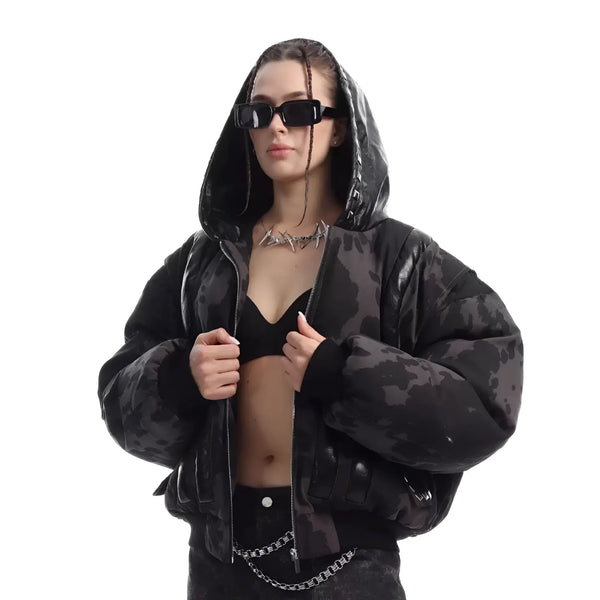
Seoul winter (December to February) is minus 5 °C plus wind. The outer layer becomes the statement — long coat, puffer, or heavy leather jacket. Boot turns into combat or knee-high. Mesh stays in summer; in winter it's plain Long-Sleeve or Henley. Wear Mesh in winter and you signal "doesn't know how cold it is" — which reads as tourist tier at the door.
The year-round solution also comes as hardware: Pieces that adjust their own layer thickness. Convertible puffer with detachable sleeves, for example — winter as a full jacket, spring as a vest, summer as a statement piece over a Mesh tank.
Here's what that looks like in motion:
What doesn't work
The 6 mistakes that cost you at the door
Seoul doormen aren't friendly. They have thirty seconds per person and a code in their head. If your outfit breaks at any of the following six points, you're not in the club. No matter how much money you'd put on the counter.
Action
How to start — the first 4 pieces for Seoul nights
You don't need 20 pieces to run Korean Club Outfits. You need four that'll be in 80% of the outfits. Everything else builds around them, by district and weather.
In order: a Mesh-Long-Sleeve in matte black (your smallest investment, biggest impact — works in three of the four codes). A Wide-Leg distressed jean or leather flares in black (Hongdae/Itaewon/Gangnam-capable). Platform combat boots or Cuban-heel Chelsea in matte black. A slim black blazer or a leather jacket (for door-swapping between districts). A silver chain as an optional fifth — but that comes only once the four fit.
Outfits for real
Korean Club Outfits for real — on Instagram and in the clubs
Before you build your own outfit, look at how it reads on the ground in Seoul. The four city-codes read differently in the feed than in lookbook photos: tighter, sweatier, less perfect — and that's exactly why they work at the door.
This is the fastest way to check whether a code fits your body type before you spend any money.
In closing
Korean Club Outfits are a system — not an outfit set
If you take one thing from this guide, take this: Korean Club Outfits don't work through individual pieces, they work through district codes. Get the four codes down and you build forty outfits from ten pieces. Just "wear Korean" without a district check and you've got a full closet and you're still standing outside.
The whole logic of this guide reduces to one sentence:
The four codes have been stable since 2018 and will stay that way — as long as Hongdae has students and Apgujeong has money. You don't have to wait until you know all four by heart. Start with the district you're most likely to land in, and build an outfit that works exactly there.
And that's the point: Korean Club Outfits read in theory like a corset of rules, but in practice they don't feel that way. Once you've got the code down, every further outfit is a variation on the same building blocks — not a new invention.
FAQ
Frequently asked questions about Korean Club Outfits
What do Koreans wear clubbing?
Is there a dress code for clubs in Hongdae?
What's the dress code for clubbing in Seoul generally?
Is clubbing popular in Korea?
What separates Korean Club Outfits for men from women?
Which brands do Koreans wear in clubs most often?
What do you think?
Tell us on @fuga_studios
About the author
Philipp Fuge — Founder · Berlin
Founder of Fūga Studios. Writes the journal himself. Berlin · Shanghai · Tokyo · Poznań — four cities, one logic.