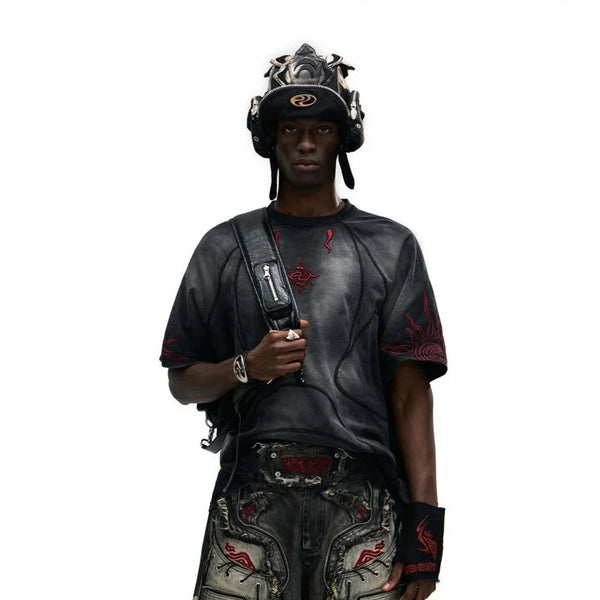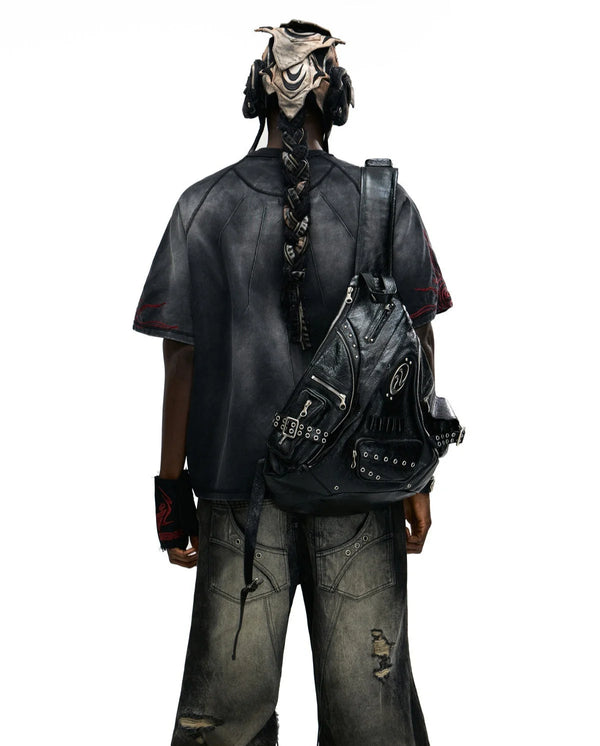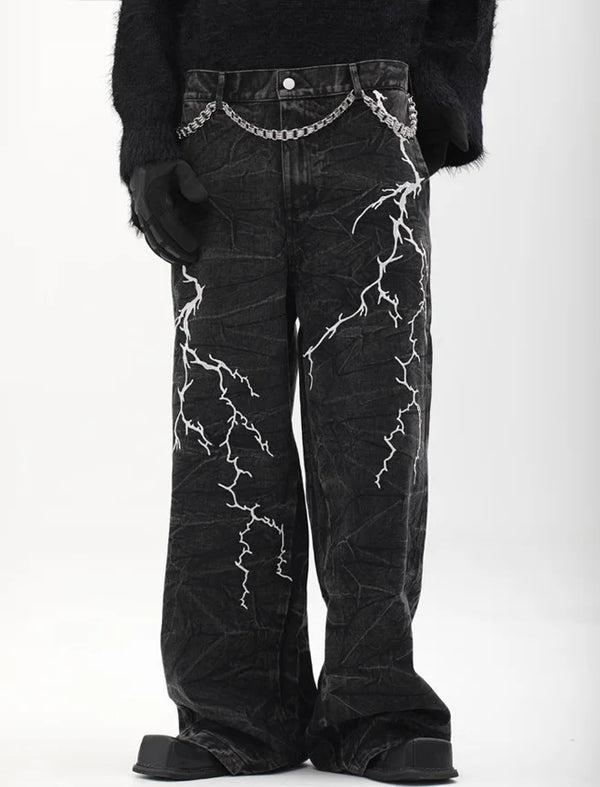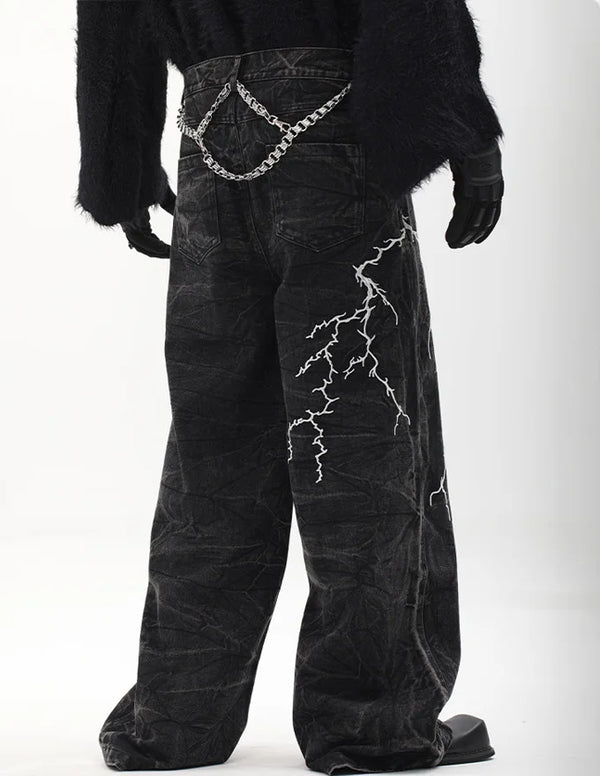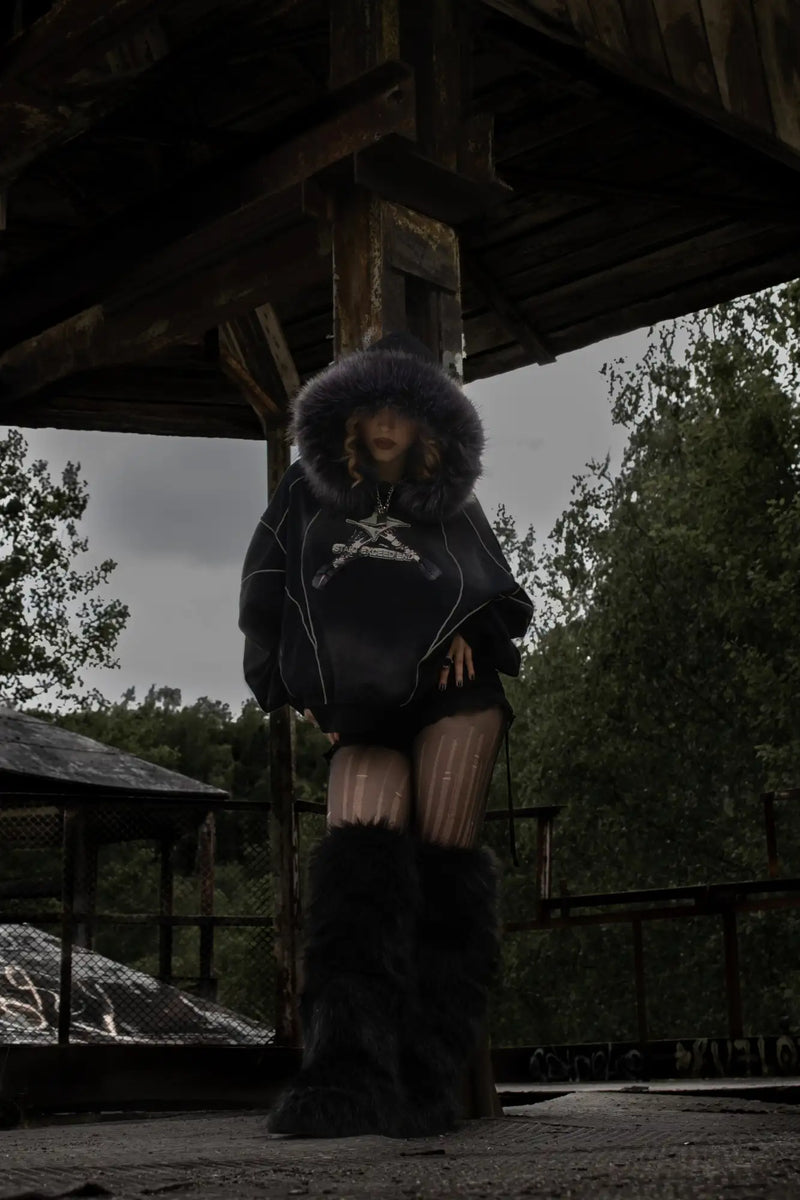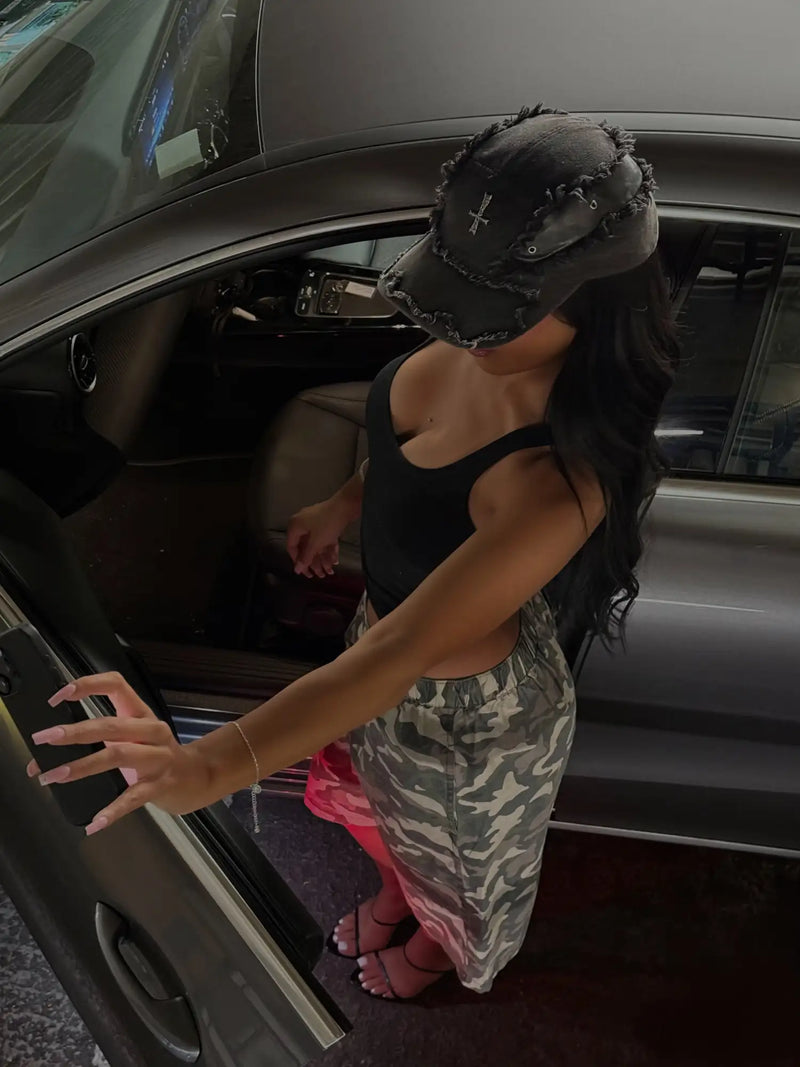
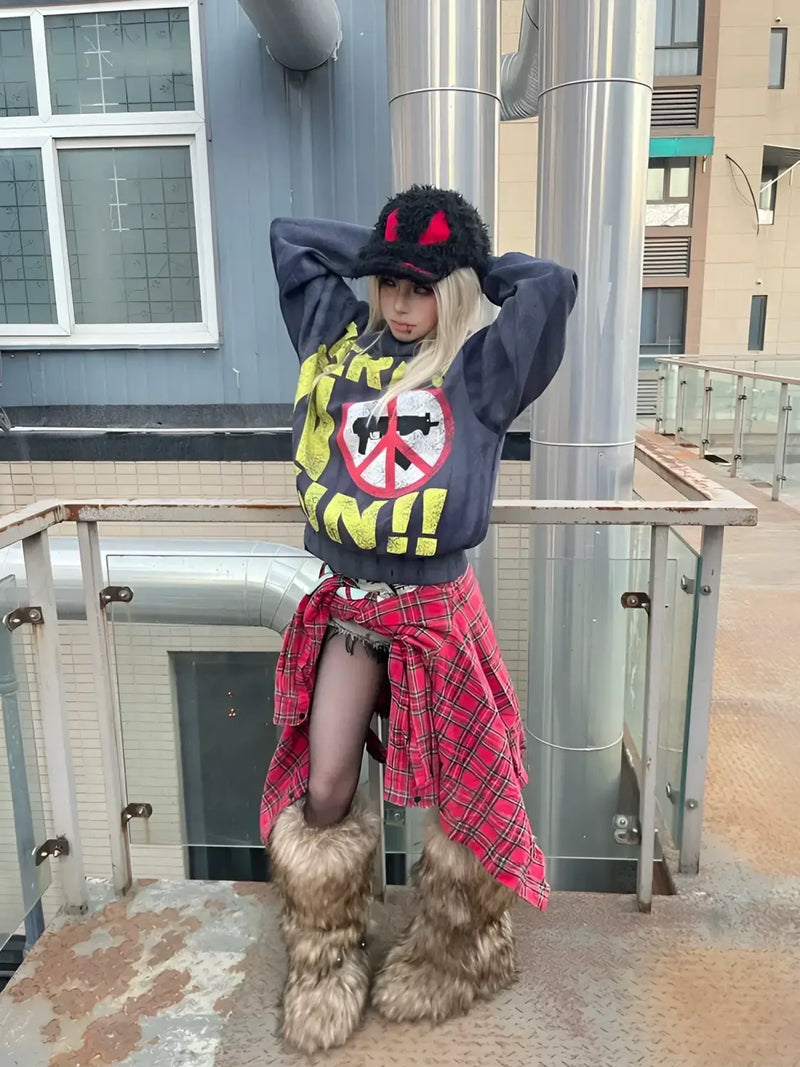
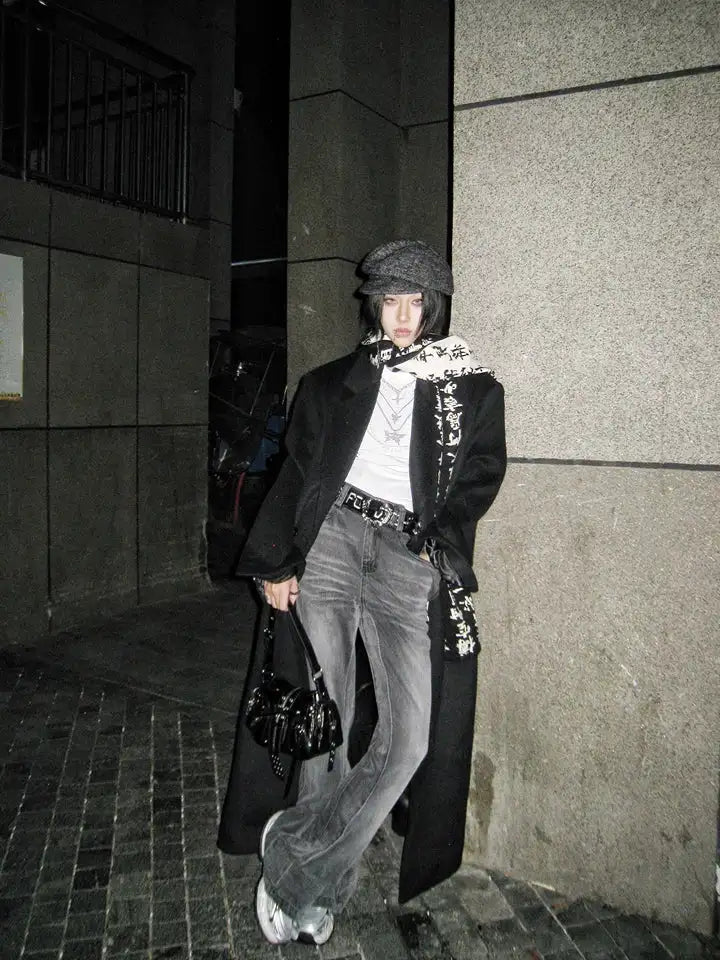

It's Saturday midday on Takeshita Street. A girl in a pastel hoodie stands next to a guy in wide denim, both eating crêpes, neither of them in costume. That's exactly the point most people miss when they think of Tokyo streetwear. The look feels playful, but it's built to be worn, not photographed and taken off again.
Casual Harajuku Style is the everyday version of that scene: the same colour logic, the same joy in contrast, just dimmed down to pieces you actually put on in the morning. If you want to dig deeper into the roots, our pillar on Japanese Harajuku streetwear walks through the whole landscape. This guide stays with the everyday.
We show you what a casual look is made of, which substyles exist, how to combine tops, trousers and layering, and where the typical mistakes lie. No costume, no rules set in stone, just a system you adapt to yourself.
Definition
What casual Harajuku Style really means
Harajuku style is not a single look but a basic attitude: mix what doesn't really belong together and wear it as if it were obvious. Classic Harajuku can be loud, playful and maximal. The casual version takes that principle and translates it into clothes that work in everyday life, in a café, at university, on the train.
What matters is the difference from Japan Style in the wider sense. Japanese fashion ranges from minimalist elegance to avant-garde silhouettes. Harajuku is the colourful, subcultural pole of it. Casual Harajuku then sits one step lower: the energy stays, the volume drops. You recognise it by a single statement piece carried by quiet basics.
The special part: casual Harajuku rewards personality rather than spending power. A well-combined look from a few pieces beats any expensive brand stack here, because it's about contrast and attitude, not logos.
That's exactly why the entry is so low. You don't need a whole new wardrobe, just a few pieces with character and the willingness to combine them boldly. Much of what you already own works as a quiet base. The rest is a question of the order in which you layer the pieces, and a feel for when a look has said enough.
3
Core building blocks per look
1997
FRUiTS magazine starts
1
Statement per outfit
Origin
Where casual Harajuku comes from: from Takeshita Street into everyday life
Harajuku is actually a place, not a fashion word. It's a district around the station of the same name in Tokyo's Shibuya ward. Translated literally the name means roughly old residential quarter, but the meaning that counts today only arrived in the 1990s: this is where a street fashion emerged that refused to stick to any scene.
Photographers like Shoichi Aoki documented these looks from 1997 in FRUiTS magazine. What you saw there was radical self-expression. Young people mixed punk, pastel, vintage and cosplay elements with no regard for rules. That was the loud original version.
The casual movement grew out of the opposite. Not everyone wanted to wear a statement set every day that takes three hours to build. So the colour and contrast logic stayed, but the pieces became more wearable: a graphic top instead of a full costume, wide trousers instead of a petticoat, a kawaii accessory instead of a complete outfit. That's how Harajuku moved from the stage into the wardrobe.
Anyone who takes the scene seriously quickly notices: casual Harajuku is not a step back but a level of maturity. You keep the freedom but lose the effort. That's exactly what makes it interesting for European everyday life.
Fundamentals
The three building blocks: colour, layering, silhouette
Every casual Harajuku look can be broken down into three decisions. Once you master these three, you combine intuitively, without starting from scratch every morning. They're the reason the scene looks so varied and still reads as one family.
- Colour logic. A quiet base plus one or two loud accents. Pastel on black, neon on denim, or a single print that sets the colour.
- Layering. Mesh under a tee, hoodie over a collar, short jacket over a long shirt. Layers create depth without you needing more colour.
- Silhouette. The contrast of top to bottom. Oversized top with slim trousers, or tight on top with wide below. This tension carries the look.
As soon as one building block is missing, the look tips into the arbitrary. Colour alone without silhouette feels random. Silhouette alone without colour feels like ordinary streetwear. Casual Harajuku needs at least two of the three, usually all of them.
Map
Casual Harajuku substyles at a glance
Casual Harajuku is not a monolith. Over the years several directions have split off, all sharing the same basic attitude but sounding different. You don't have to commit. Most people mix two of them, depending on the day and mood.
The big advantage of this variety: you can start small. A single Y2K print shirt with your normal trousers is already an entry. From there you build up, at the pace that suits you.
Tops
Tops for casual Harajuku
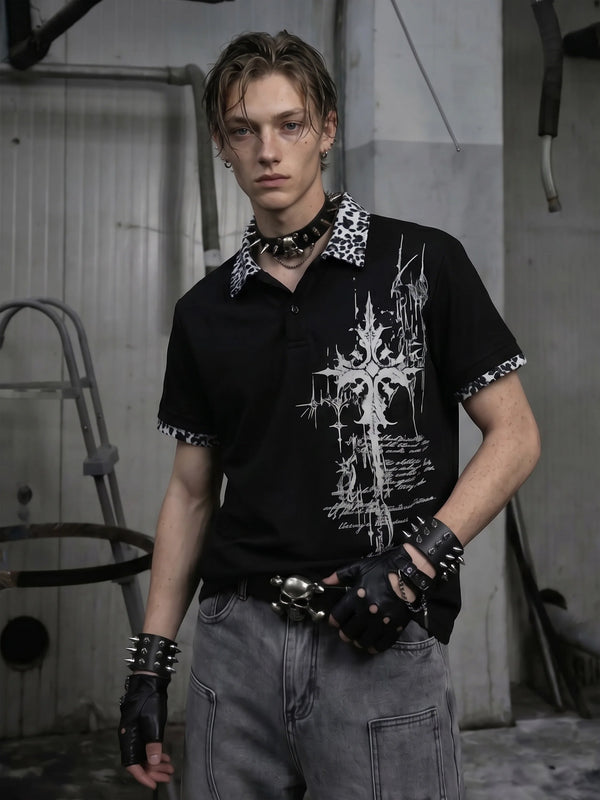
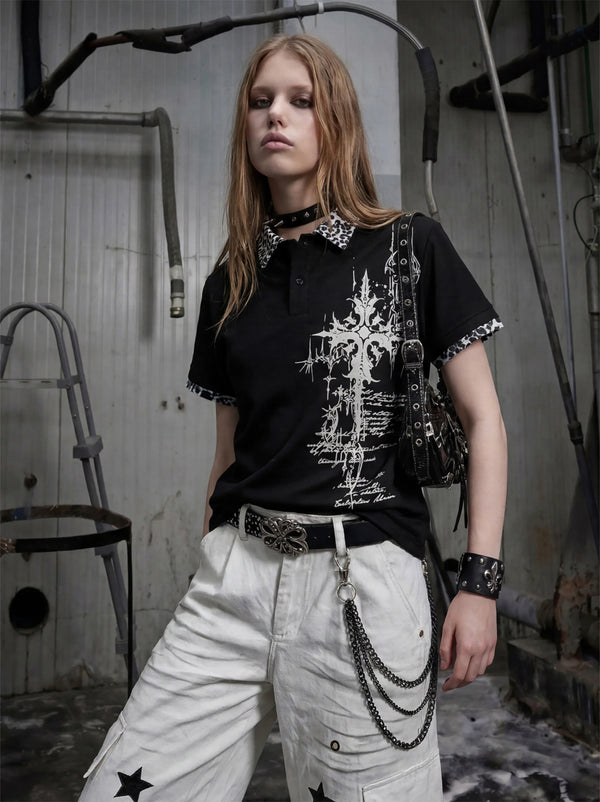
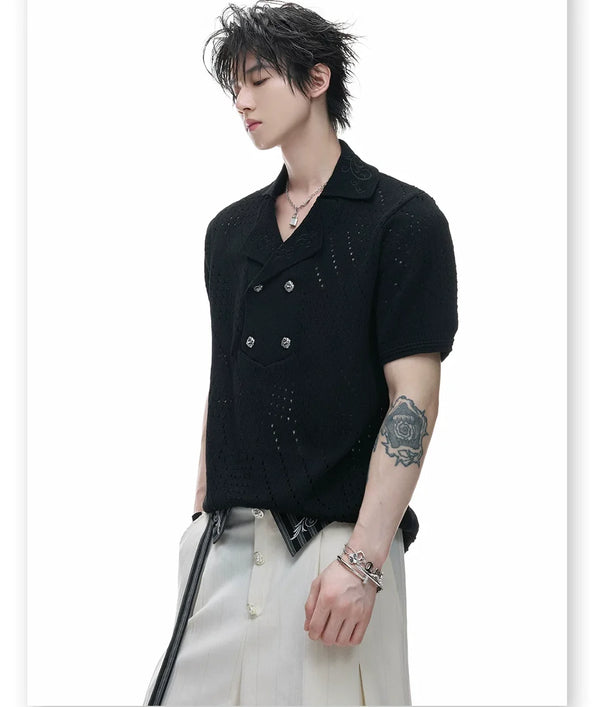
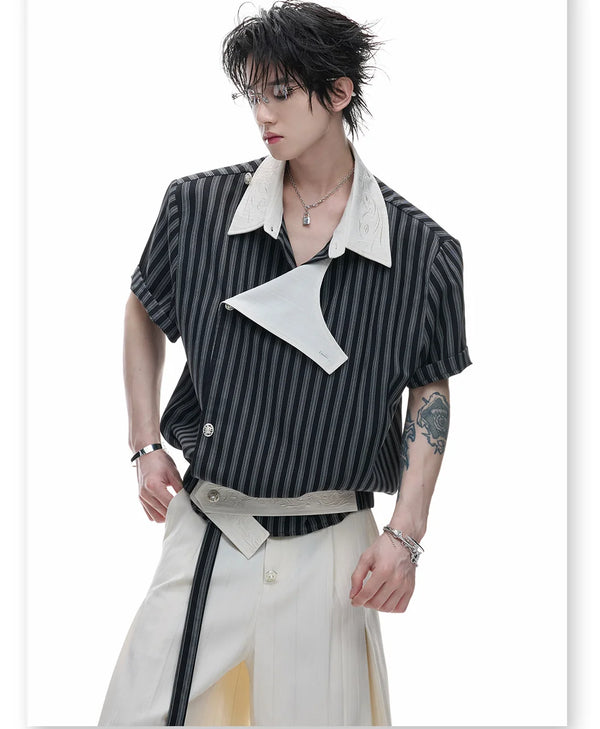
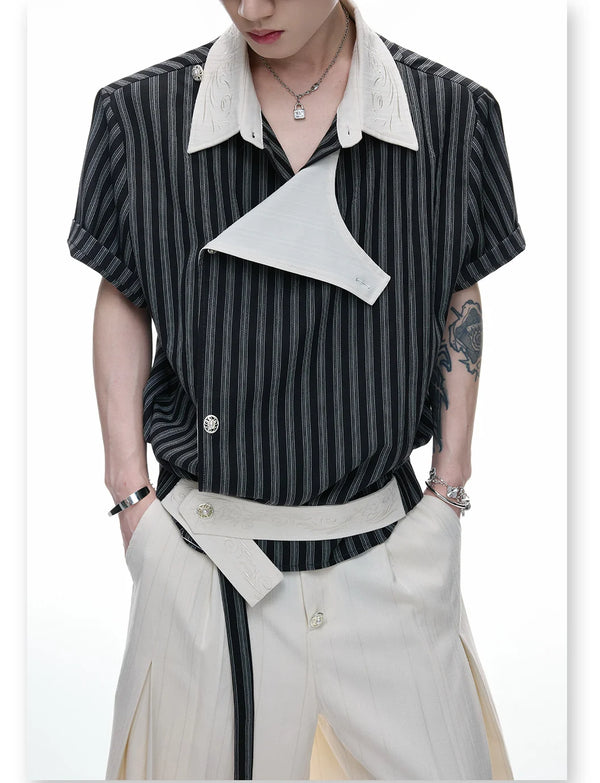
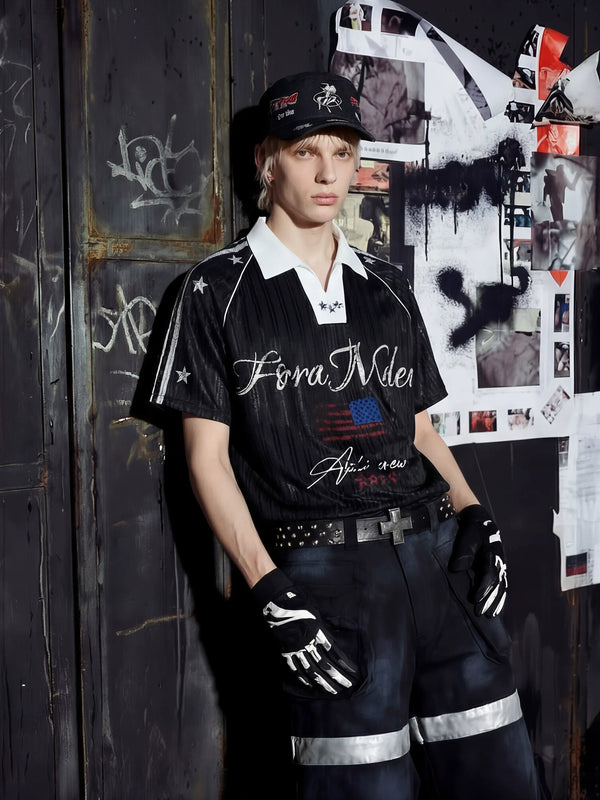
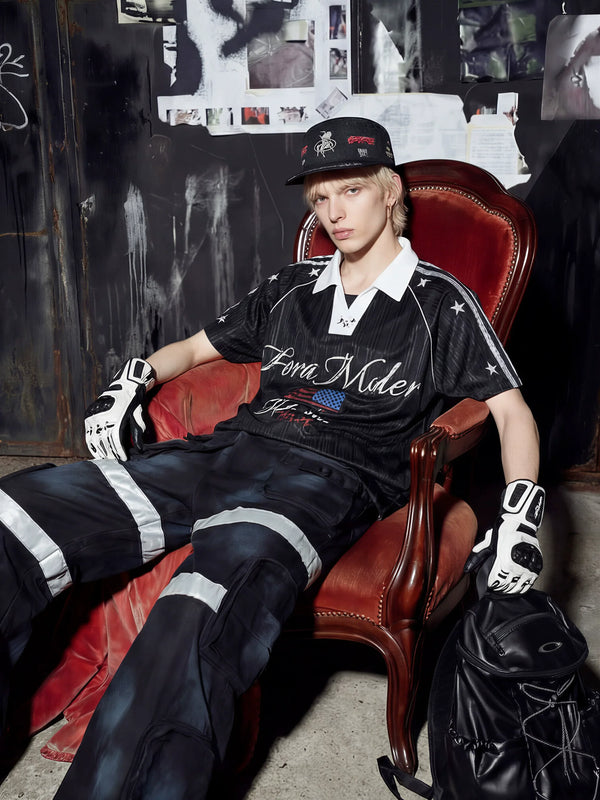
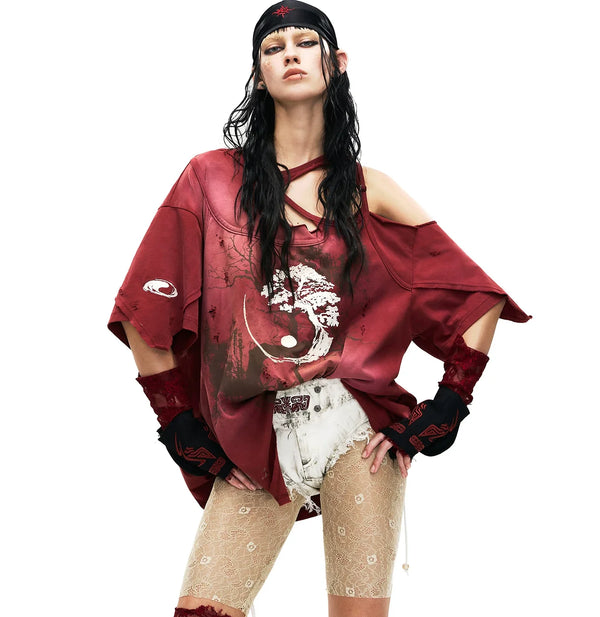
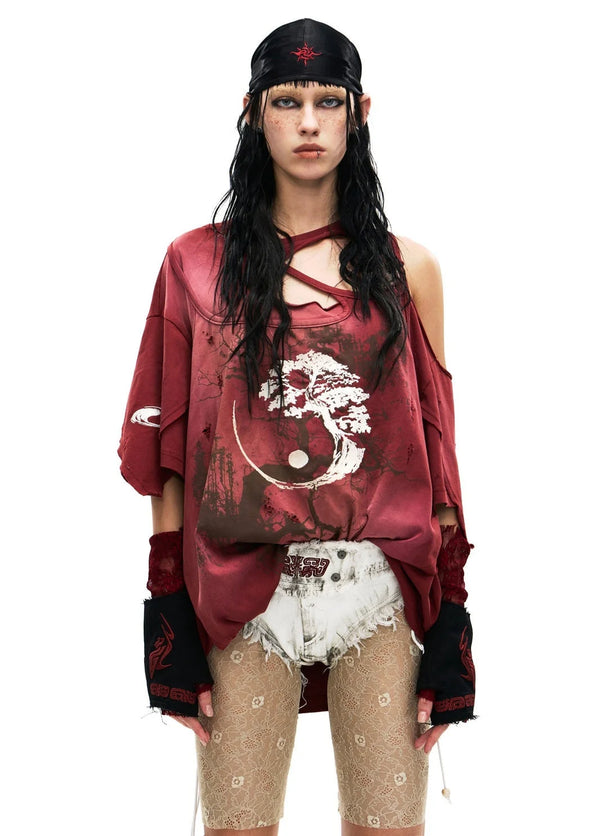
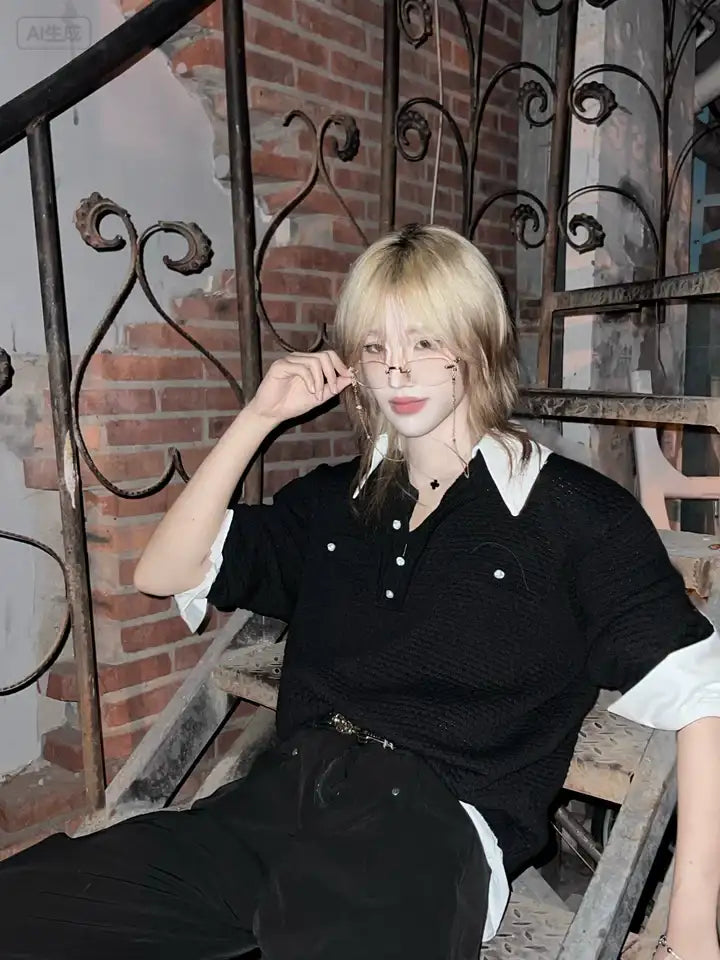
The top is often where the one statement sits. Graphic tees, jersey polos with a contrast collar and long sleeves with a print carry the personality, while the trousers stay quiet. The fit matters: casual Harajuku tops sit loose, with a bit of room at the shoulder and hem.
A good trick is the collar play. A polo with a hard contrast collar brings structure straight away and feels less random than a plain T-shirt. It's easy to layer over later without looking overloaded.
If you're unsure, start with a single eye-catching top over basics you already own. That way you test the energy before you build a whole look around it.
When buying, watch the fabric quality at collar and hem, because that's where you see whether a top holds its shape through the day. A jersey with some structure drapes better than thin cotton and instantly makes even a simple look feel more valuable. Print and colour catch the eye, but it's the fit that decides whether the look reads as worn or as dressed up.
Silhouette below
Trousers and the casual Harajuku silhouette
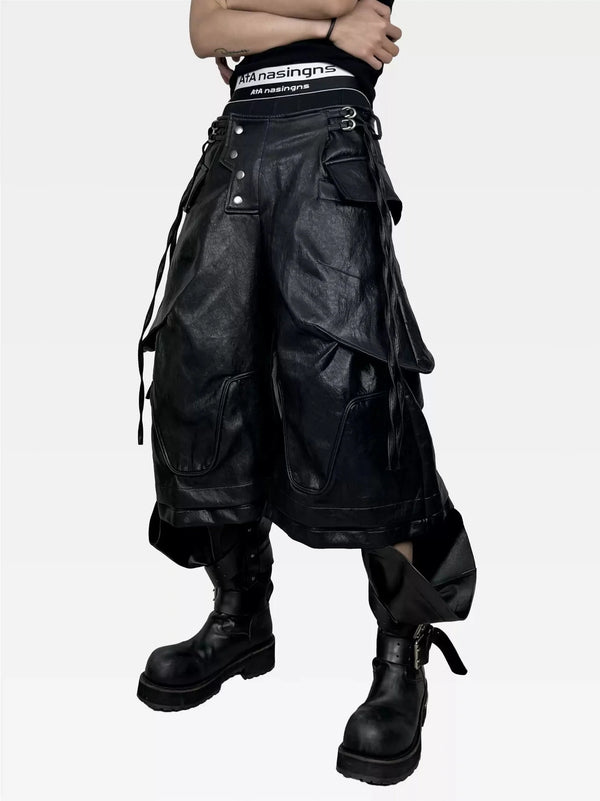
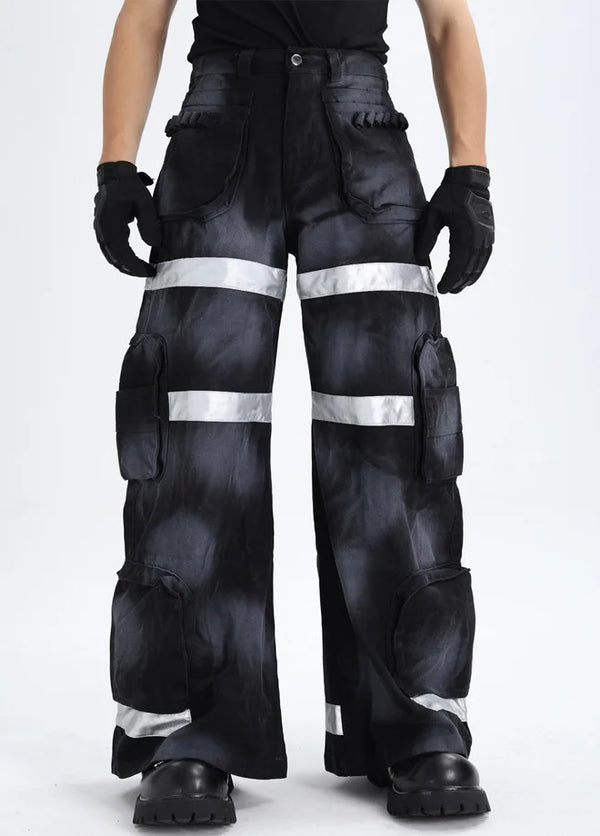
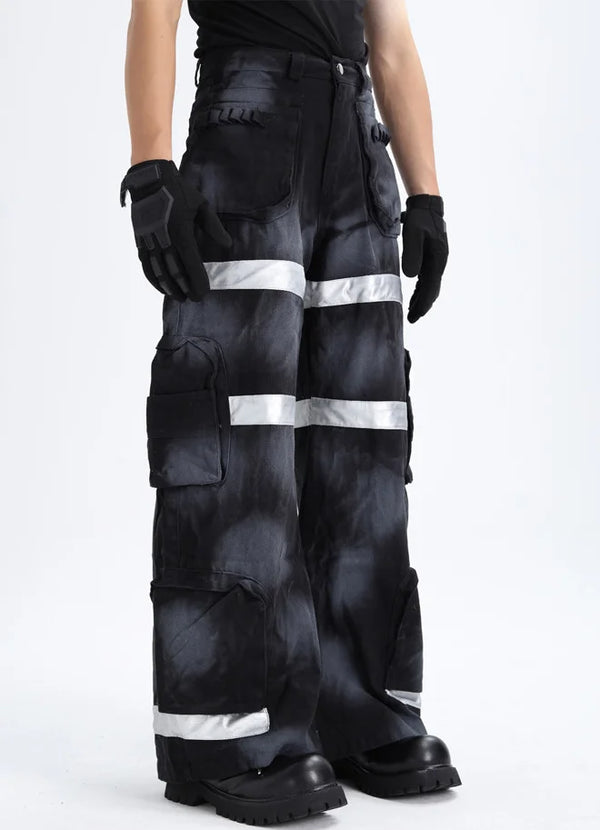
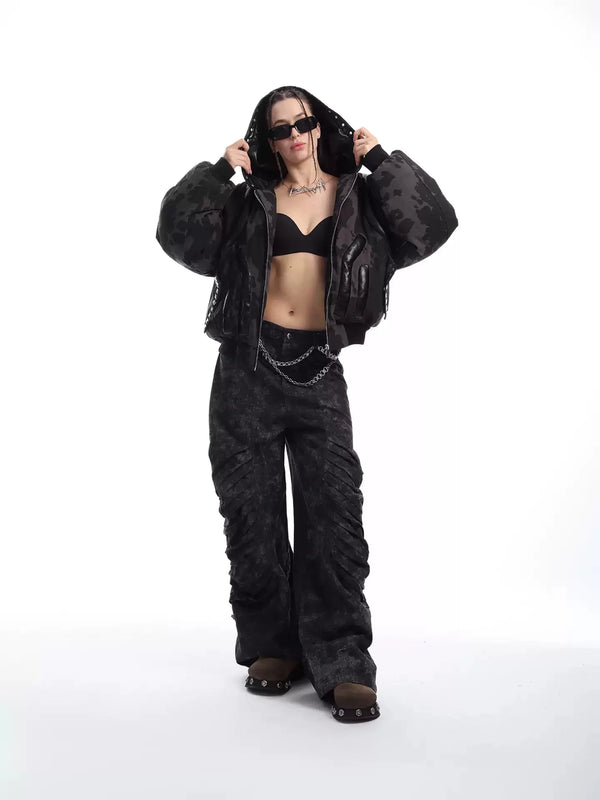
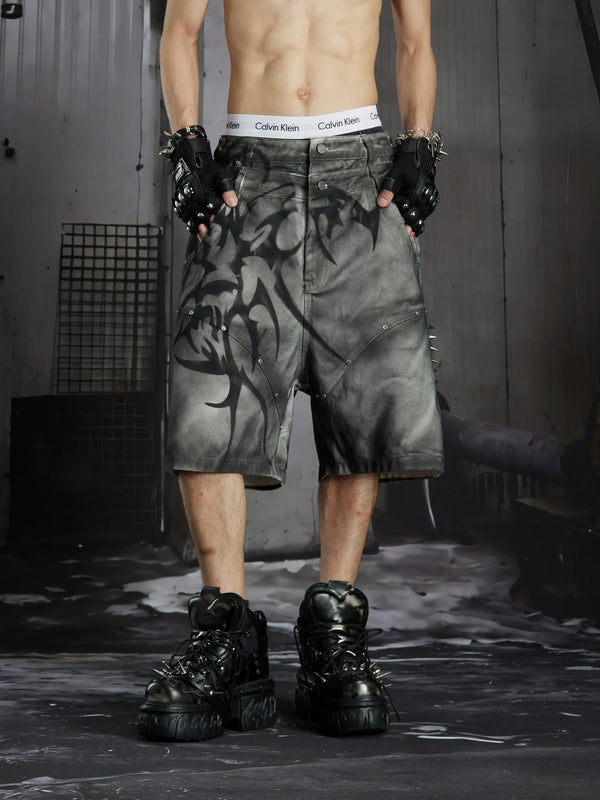
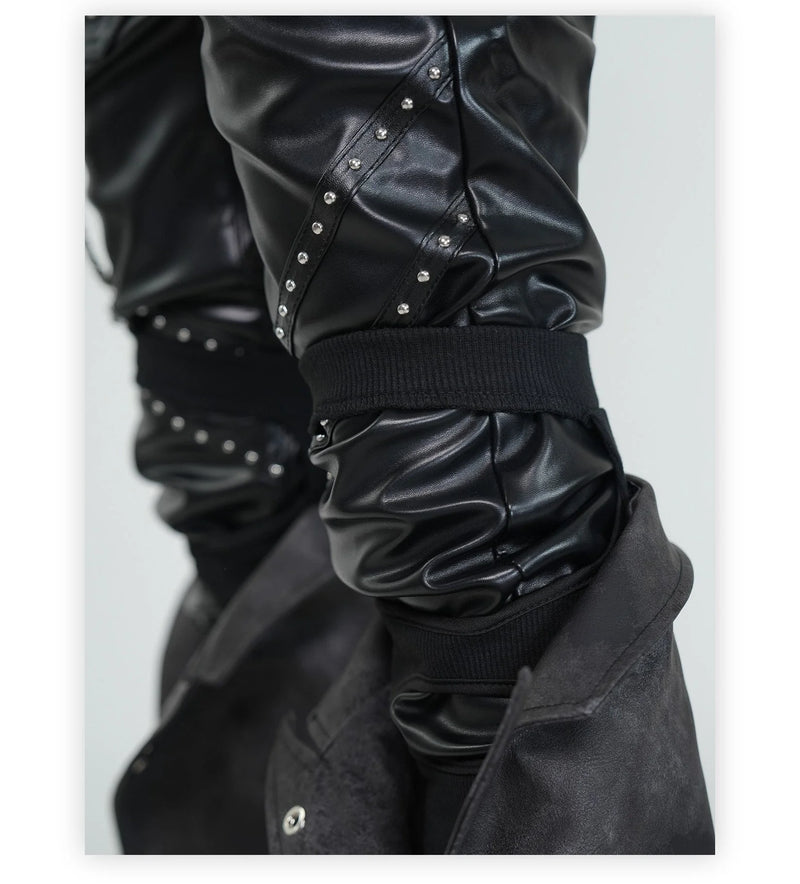
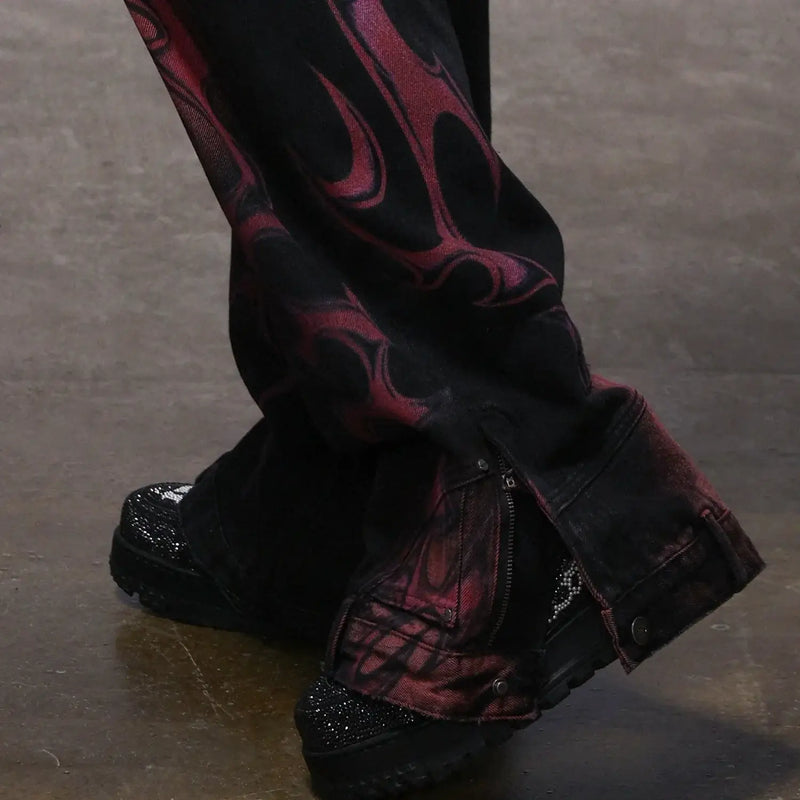
The trousers decide the silhouette, and the silhouette is half the look. Wide legs, deep washes and prints give casual Harajuku its typical tension. If your top is oversized, the trousers can run slimmer. If the top is tight, the trousers go wide. Both tight rarely looks right.
Related searches like Harajuku trousers show what the scene really reaches for: wide-leg jeans with detail, cargo elements or embroidery. The leg should flow, not cling. That's how you get the movement that makes the look come alive.
Watch the movement in the video, then you understand why the fit matters more than the price. A well-draping wide leg carries the whole look, even when there's just a plain shirt on top.
@fugastudios These pants ate and left no crumbs 🖤 walking chaos in denim form #fugastudios #darkfashion #widelegpants #fyp #distresseddenim ♬ Originalton - Fuga Studios
It's exactly this flowing movement that sets casual Harajuku apart from ordinary streetwear. It's not about more pieces, but about pieces that move and speak to each other.
Layers
Layering: jackets and cardigans stacked loosely
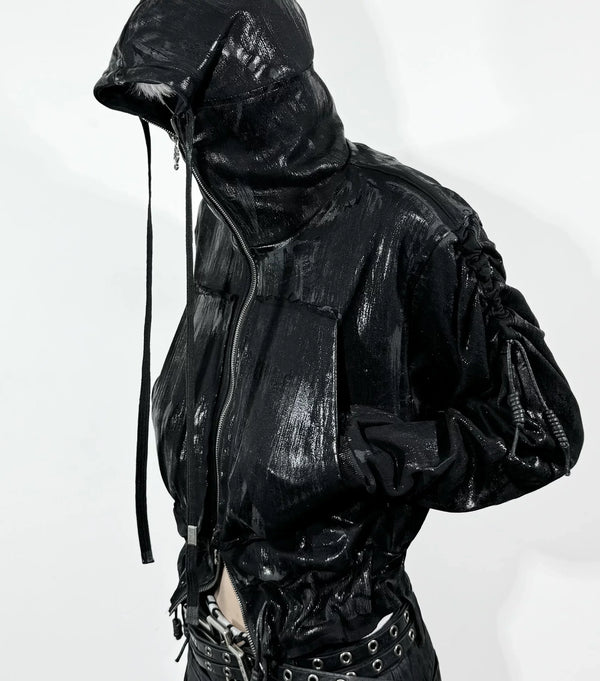
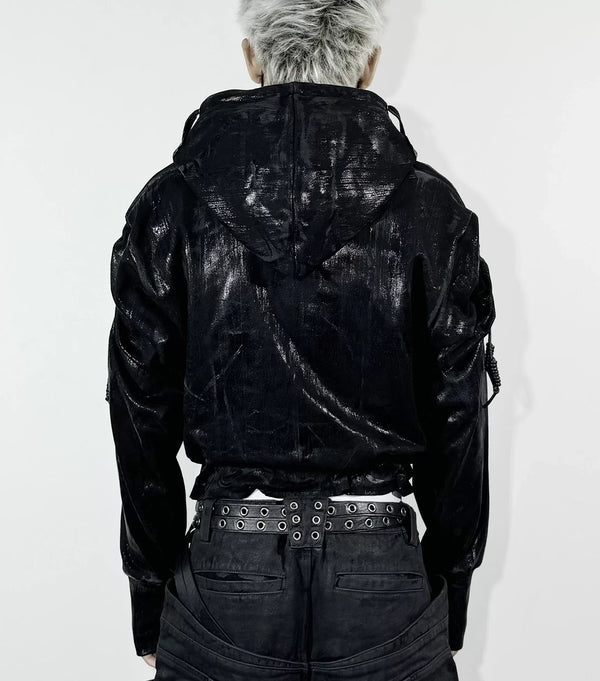
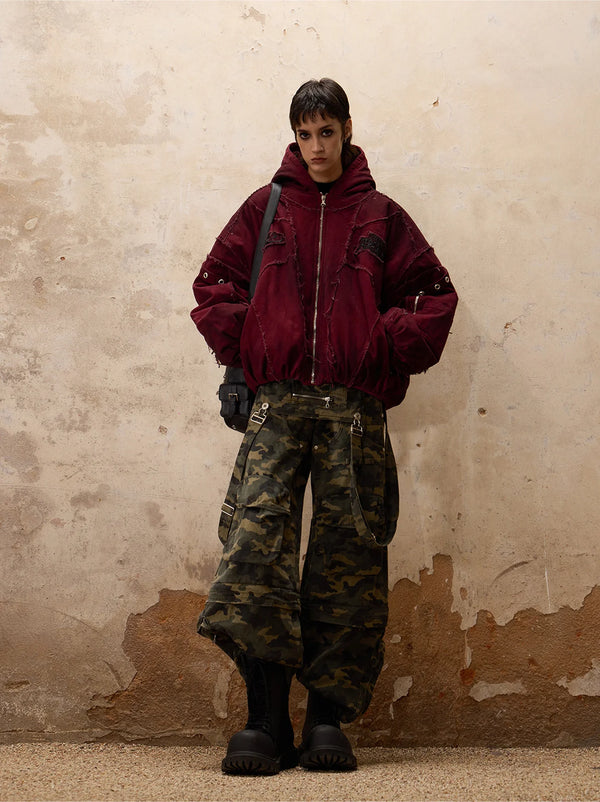
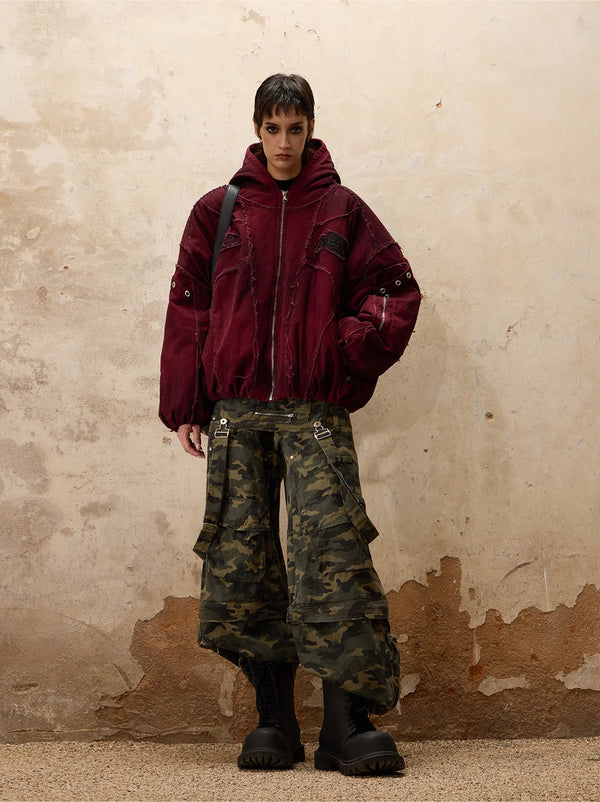
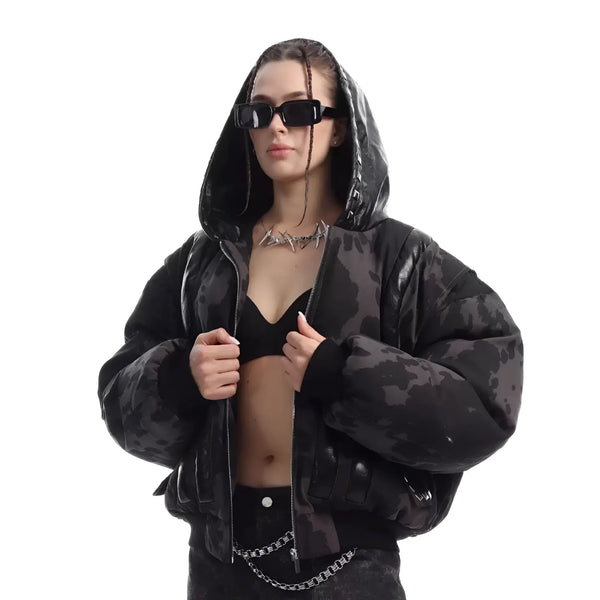
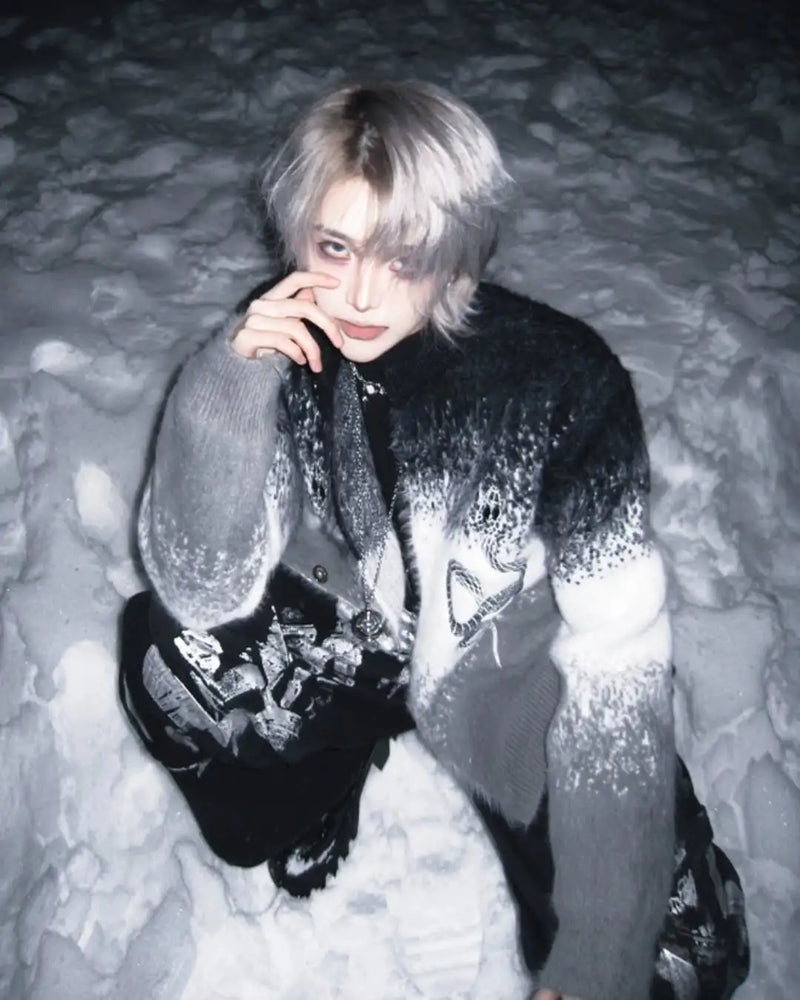
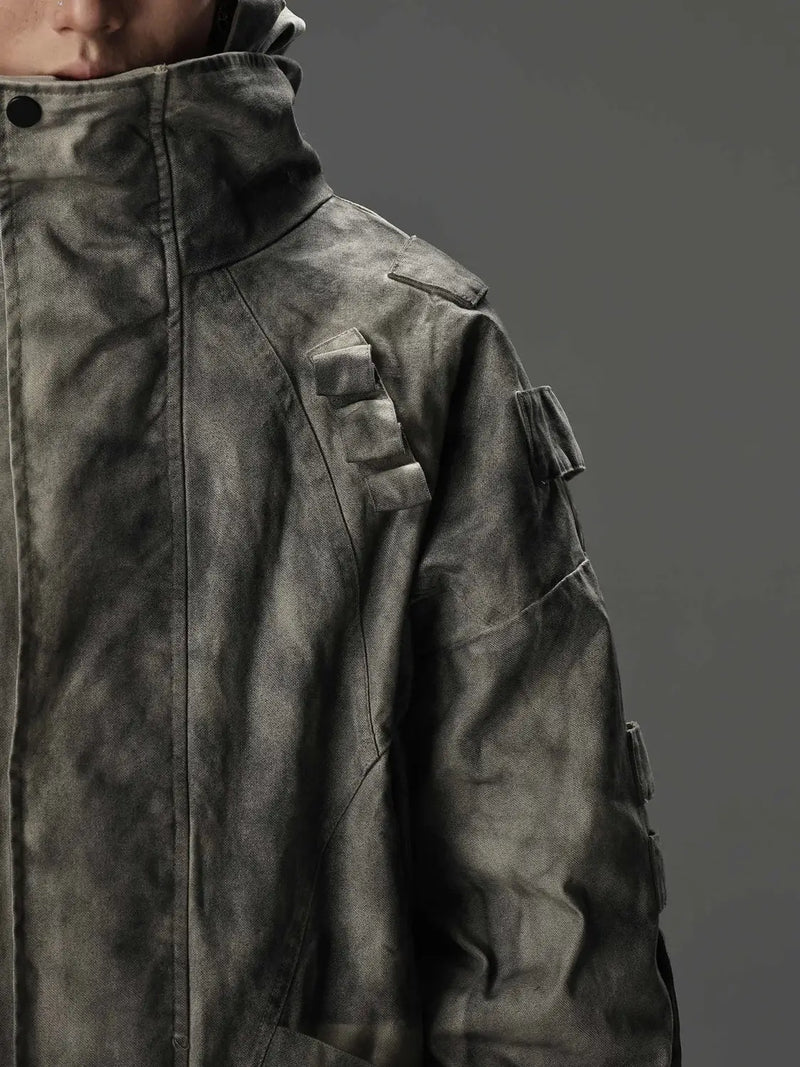
Layering is the secret weapon of casual Harajuku. Instead of adding colour, you add layers. A mesh long sleeve under the tee, an open cardigan over the polo, a short jacket that lets the hem show underneath. Each layer brings depth and turns two simple pieces into a built-up look.
The rule here is contrast in length. Short over long, sheer over opaque, glossy over matt. That way each layer stays visible and the look reads as intention, not chance. In the shift from autumn to winter layering becomes a necessity anyway, which makes casual Harajuku especially practical.
If you're trying layering for the first time, it's best to start with two layers and add a third later. Too many layers at once quickly feels like a costume, and that's exactly what we want to avoid in the casual range.
Men
Casual Harajuku Style for men
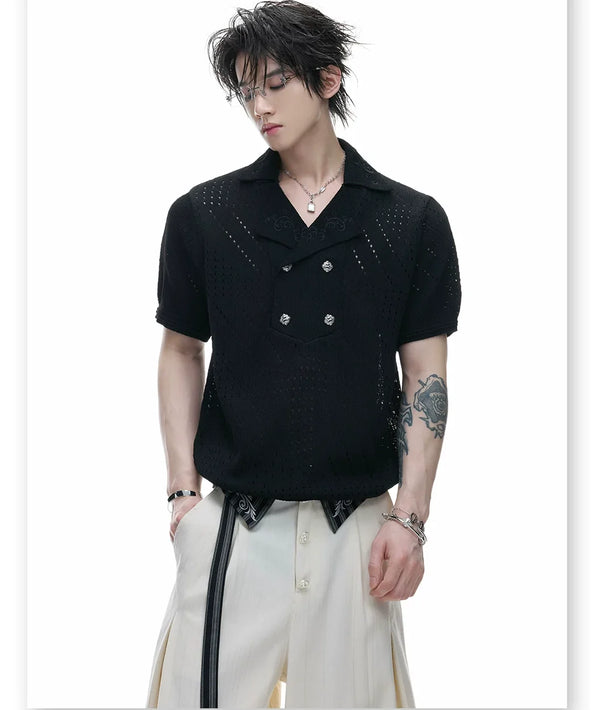
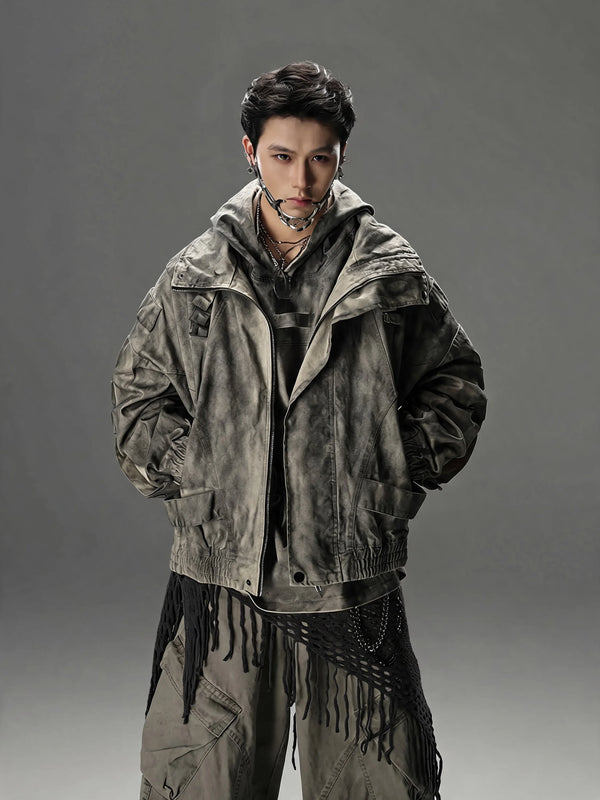
Harajuku Style Men is one of the most common searches around the topic, and the answer is simple: yes, casual Harajuku works for men, and very well at that. The access just usually runs through the silhouette rather than colour. Wide trousers, a graphic layer, a hard accessory, and the male version is done.
Instead of pastel, many men reach for muted tones with a single loud print or a striking collar. That keeps the look wearable and still clearly Harajuku. Anyone who wants more colour adds it through an accessory, not through the base.
The transition from casual Harajuku to Korean streetwear is fluid, especially for men. Anyone who prefers the slimmer, cleaner silhouette finds a connection in both worlds and often mixes them quite naturally.
Summer
Jorts, shorts and summer Harajuku
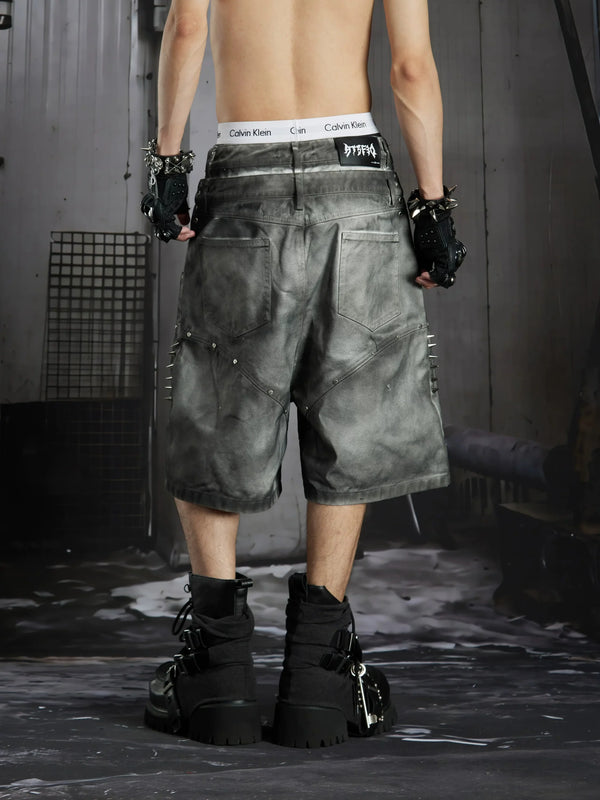
When it gets warm, the silhouette moves downward. Jorts, meaning long denim shorts, and cargo shorts with a raw hem are the summer core of casual Harajuku. They keep the wide, flowing feel of the trousers but free up the leg and keep the look airy.
The trick in summer is not to lose the statement energy. A jort with studs, print or a chain detail takes over the role the trousers had in winter. Add a simple tee, plain sneakers, and the look sits without you sweating.
Summer Harajuku is often the easiest entry, because fewer layers mean fewer sources of error. One strong lower piece plus a quiet top, that's enough for a complete look.
Details
Accessories: the kawaii-punk details
Accessories are not optional in casual Harajuku, they're often the whole trick. A cross-belt, a cap with a detail, a keychain or a choker shift a simple look from normal to unmistakable. They carry the kawaii-punk contrast that defines the scene: something hard next to something playful.
The rule of thumb stays: one clear accessory per look, not five. If your top is already loud, a plain belt holds the look together. If the base is quiet, the accessory can get louder and pull the attention.
Where to start
Casual Harajuku by category
A look is made of three decisions: top, trousers, one detail. These collections cover each of them.
A good accessory is also the cheapest way to change a look. Same trousers, same shirt, a different detail, and the look tells a new story.
Avoid mistakes
Common mistakes in casual Harajuku styling
Most failed looks don't fail from a lack of courage, but from too much of it. Casual Harajuku is a balancing act between statement and everyday, and the typical mistakes tip that balance. Once you know them, you avoid them without much effort.
Notice that all these mistakes share the same root? They arise when a look wants to prove more than it has to. Casual Harajuku is strongest when it feels relaxed.
Practice
Wearing casual Harajuku in European everyday life
Between Tokyo and Berlin lies a cultural difference that shapes the look. In Germany, Austria or Poland a full Harajuku look stands out faster than on Takeshita Street. That's exactly why the casual version works so well here: it keeps the energy without you feeling like you're on a stage.
The key is a European anchor in every look. A pair of plain sneakers, a solid-colour base, then a single loud piece. That way the look reads to outsiders as a considered style, not a costume, and you feel comfortable in it all day.
With a little practice the combination becomes second nature. In the morning you reach instinctively for the right mix, because you've internalised the three building blocks, and the look sits in minutes.
Questions and answers
Common questions about casual Harajuku Style
To finish, the questions that come up most often around casual Harajuku. Answered briefly, so you can get started right away.
What exactly is casual Harajuku Style?
How does casual Harajuku differ from classic Harajuku?
What do men wear in casual Harajuku Style?
How much colour does a casual Harajuku look need?
Is casual Harajuku the same as Japanese streetwear?
In the end, casual Harajuku is less a checklist than a feel for balance. Once you know the three building blocks and set yourself an anchor in everyday life, the rest becomes a playground.
What do you think?
Tell us on @fuga_studios
About the author
Philipp Fuge — Founder · Berlin
Founder of Fūga Studios. Writes the journal himself. Berlin · Shanghai · Tokyo · Poznań — four cities, one logic.