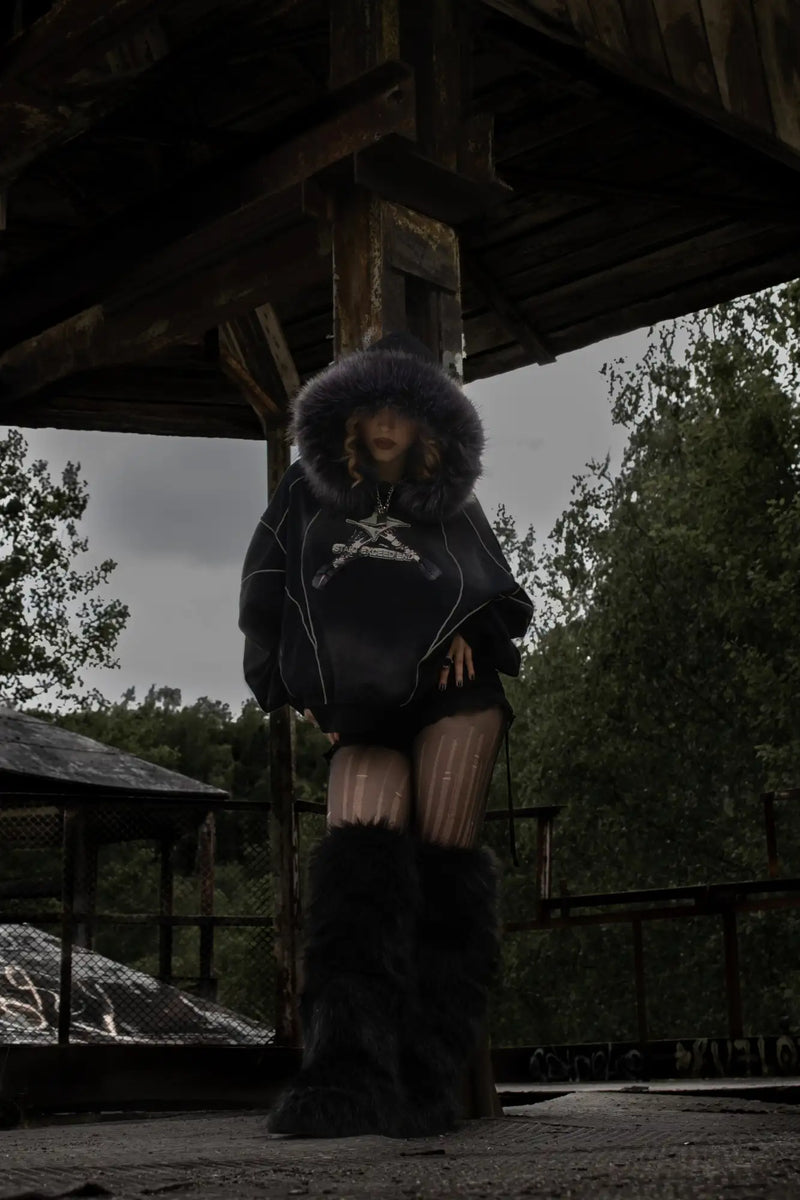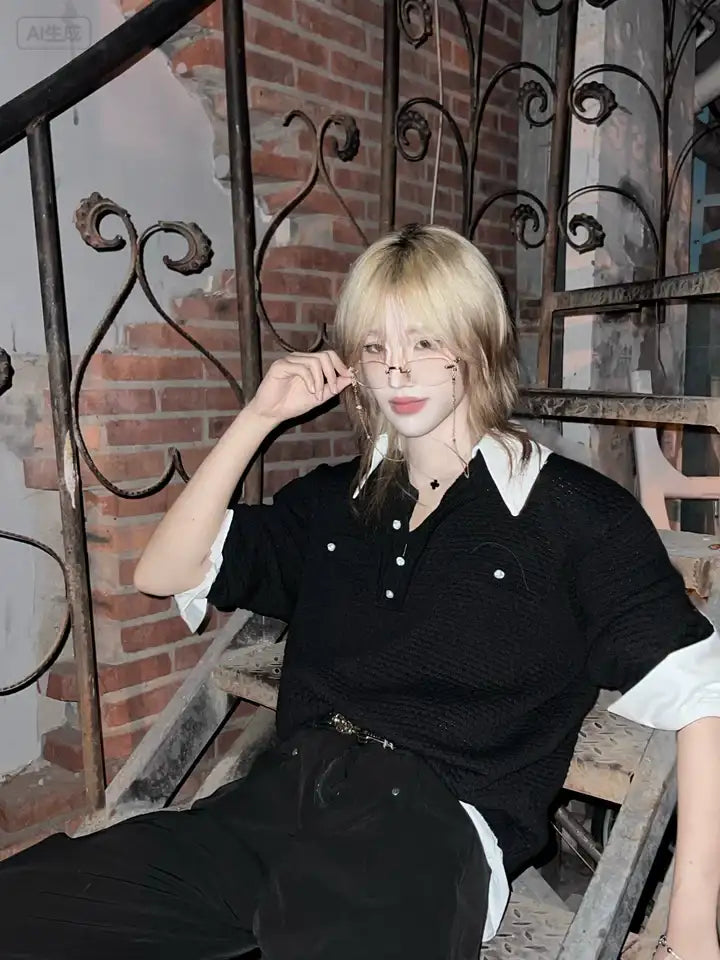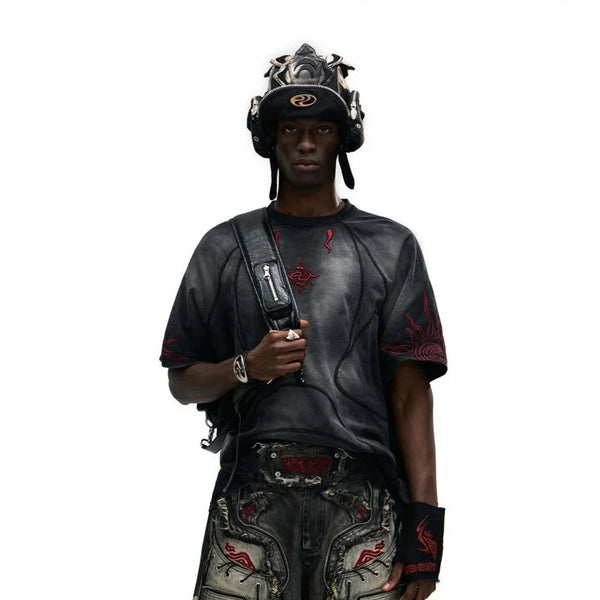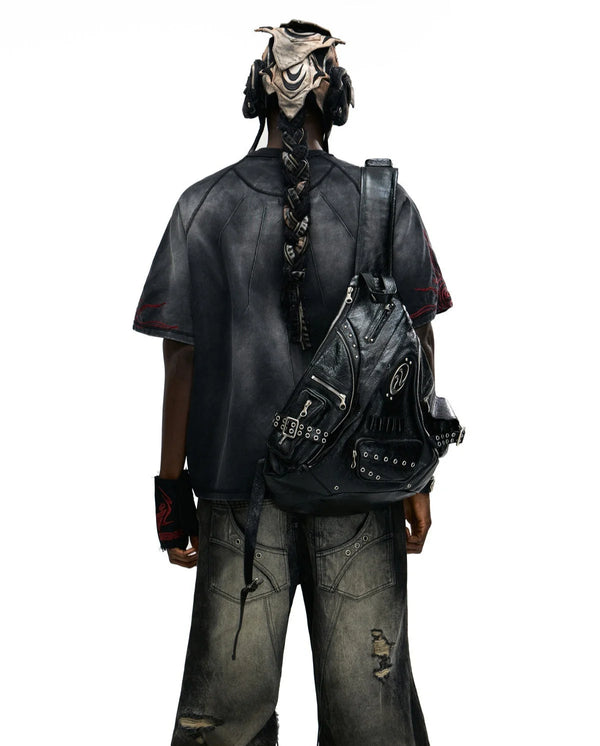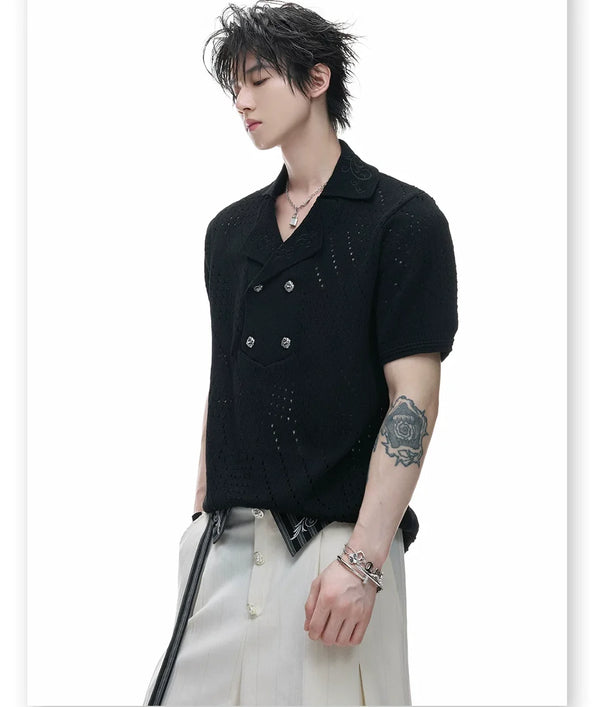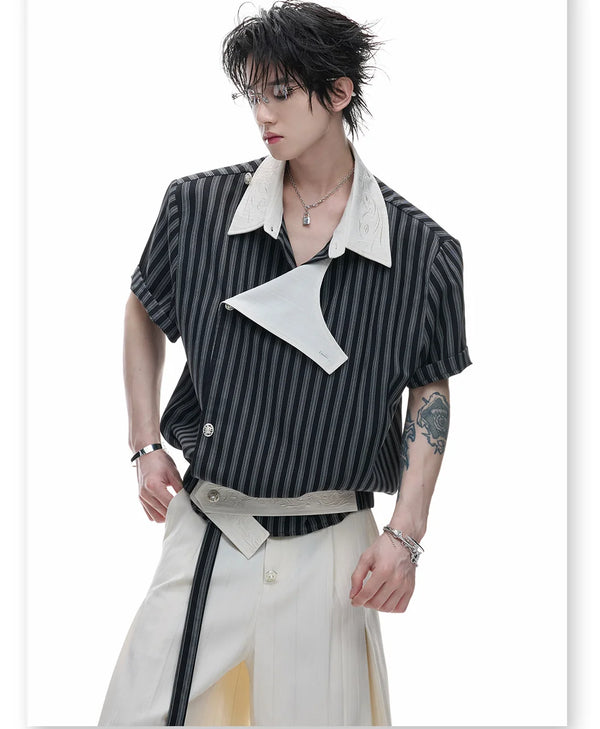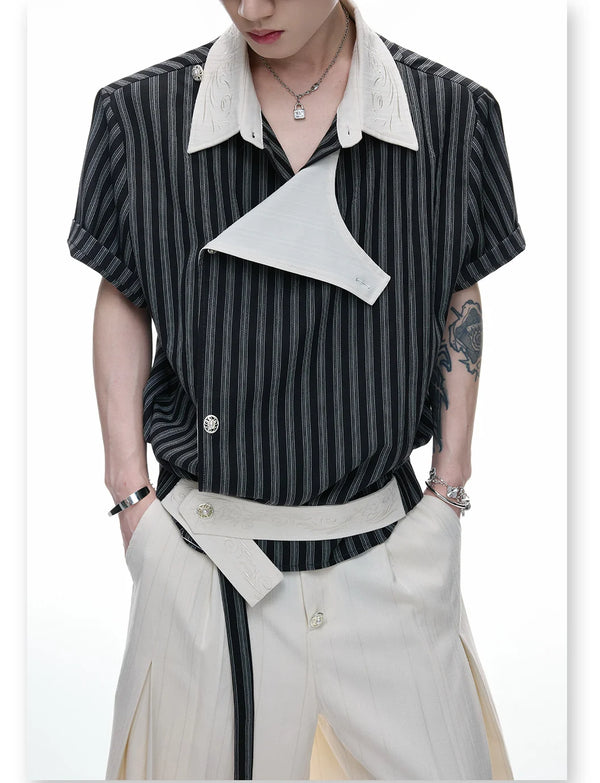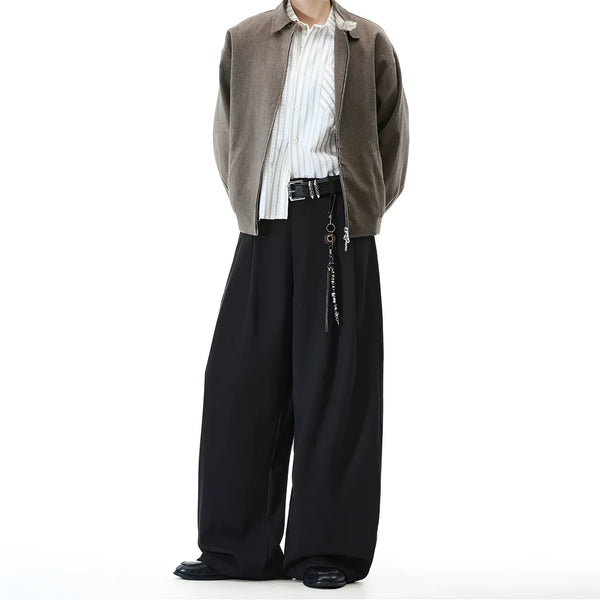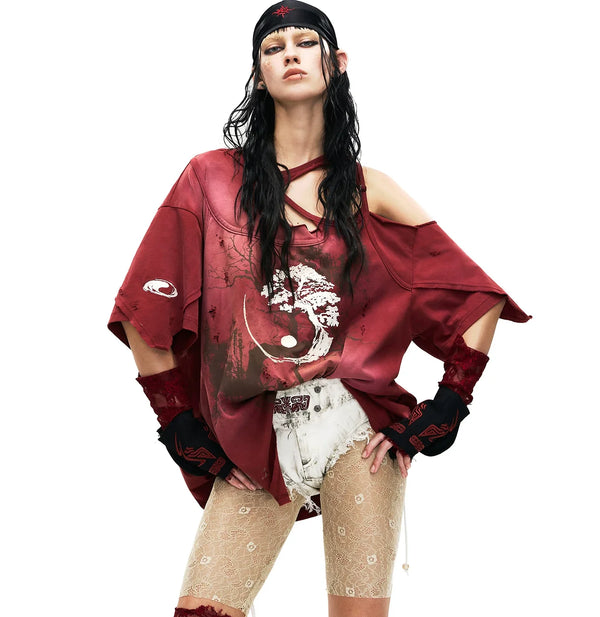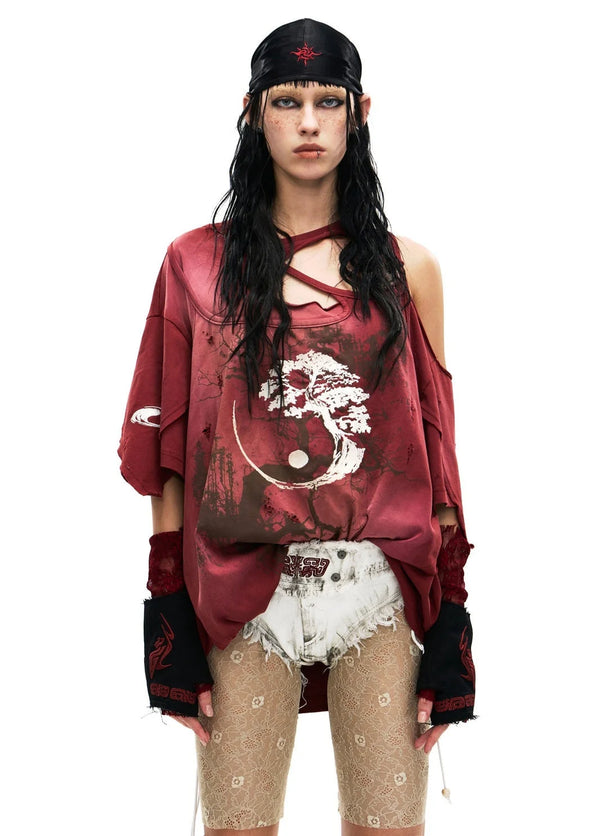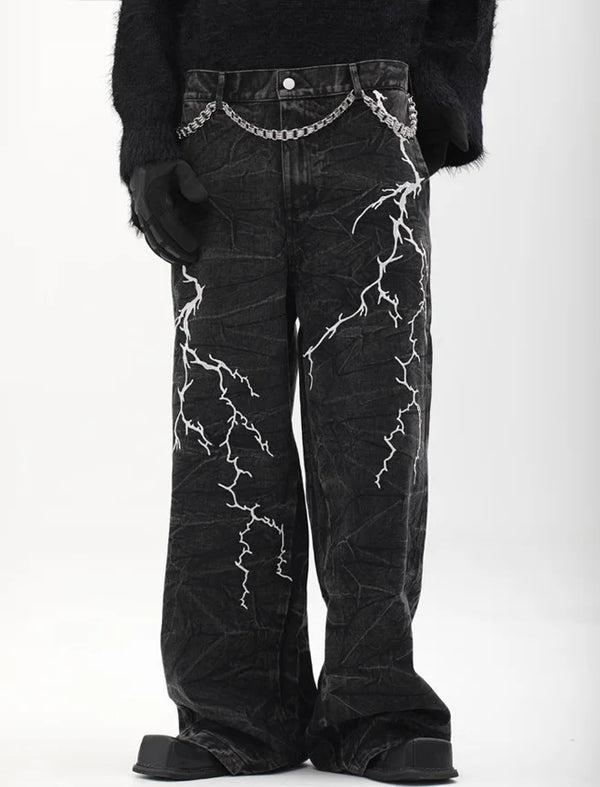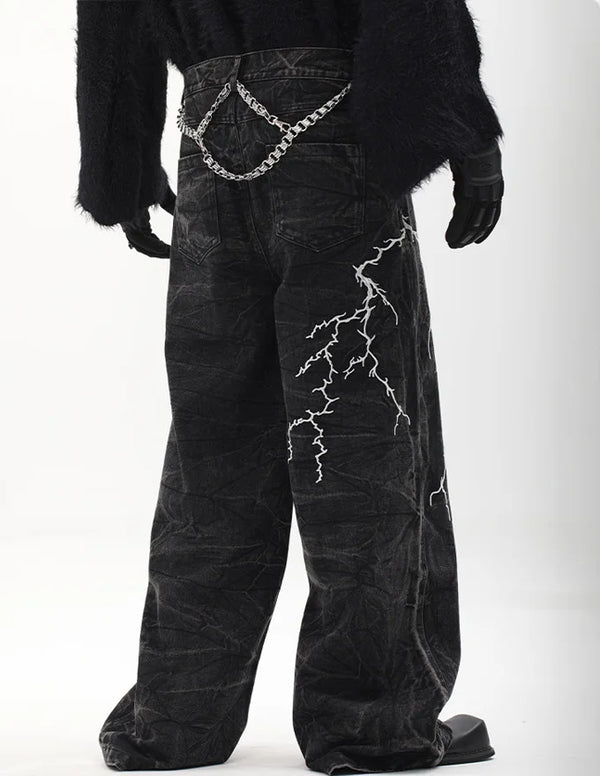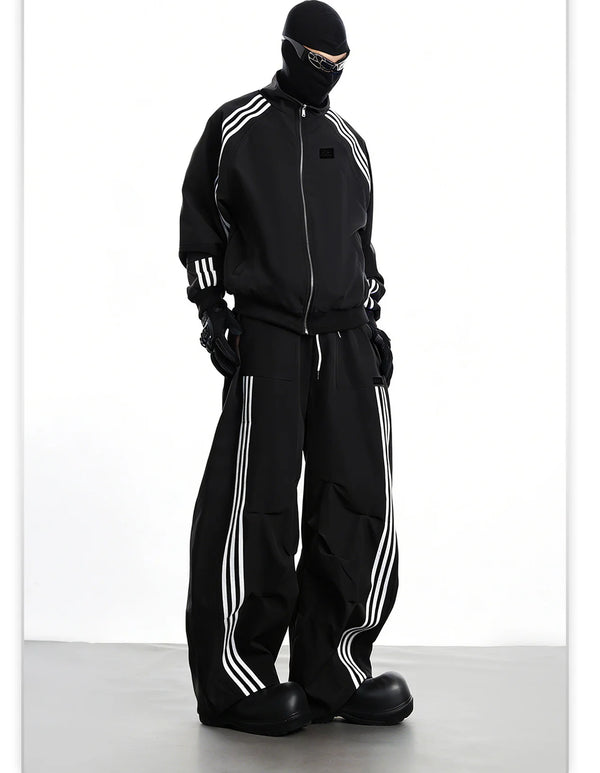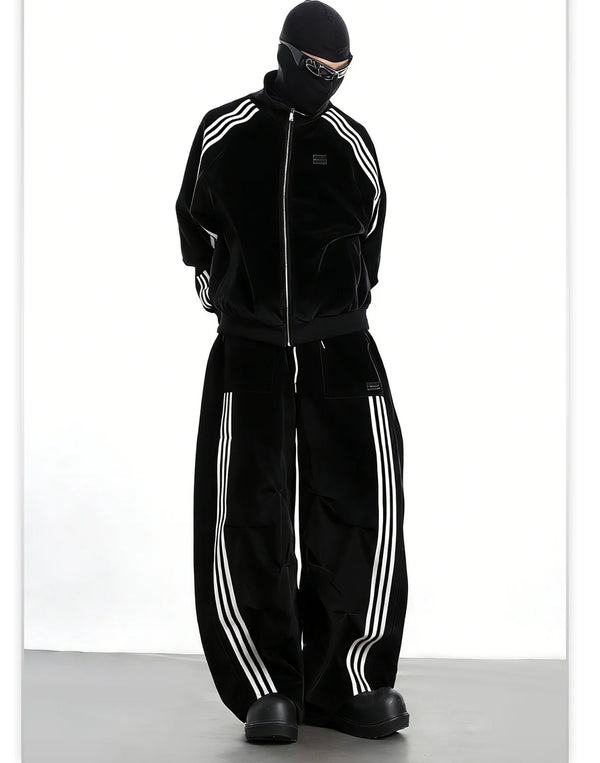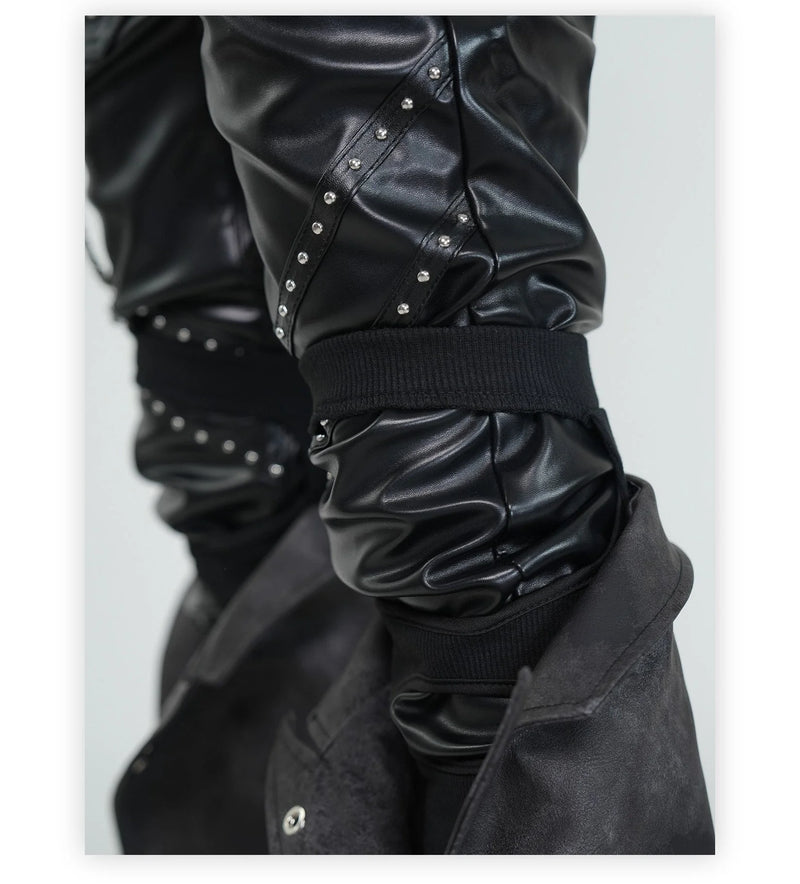
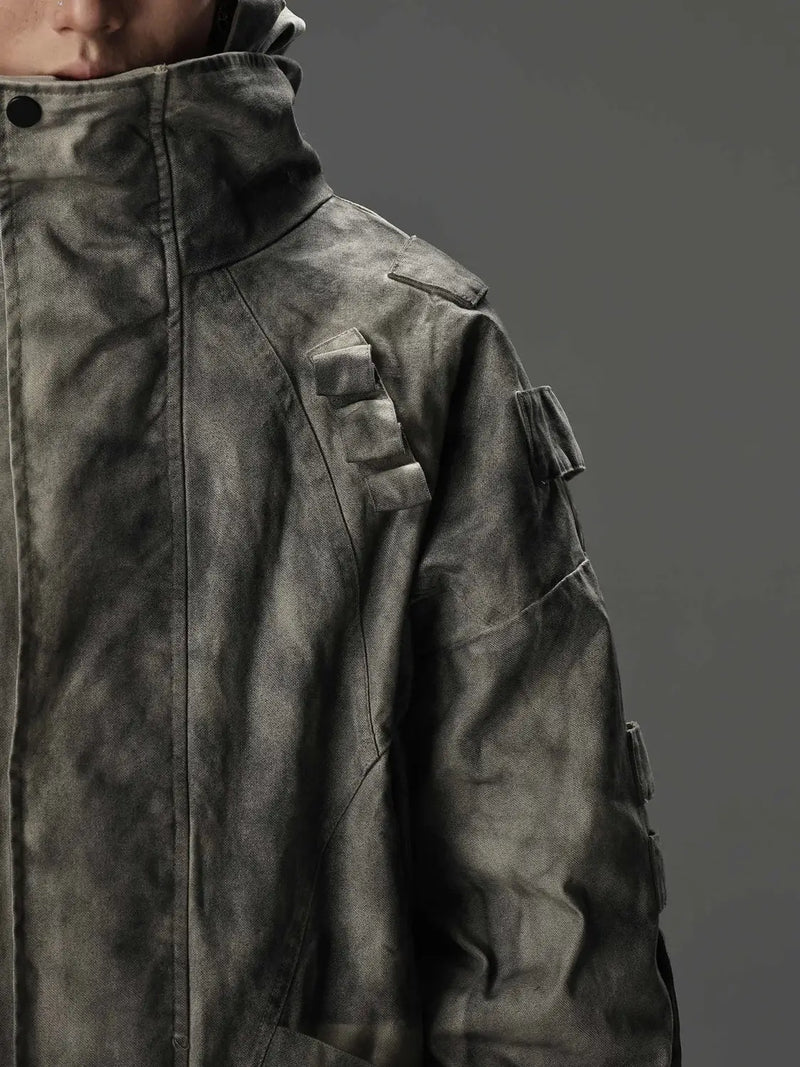


Anime · Harajuku · Origin
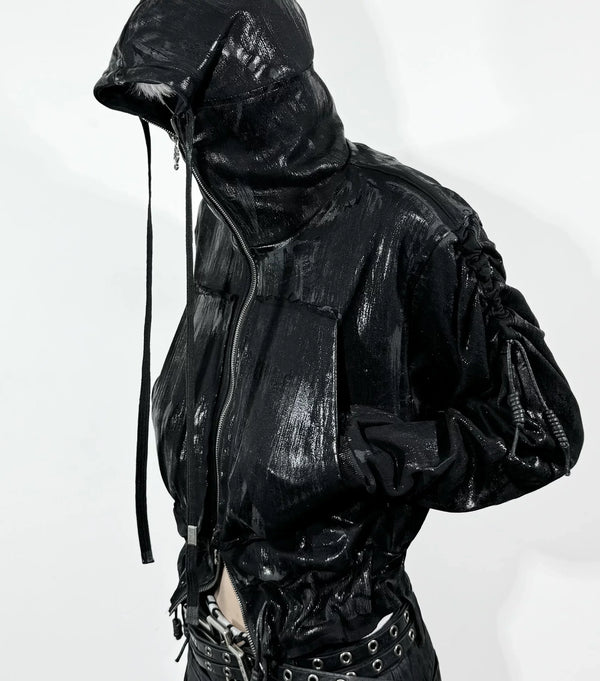
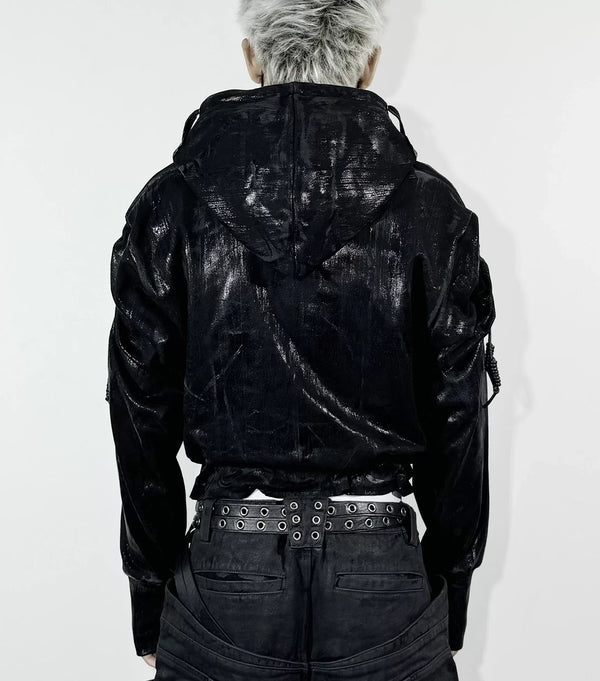
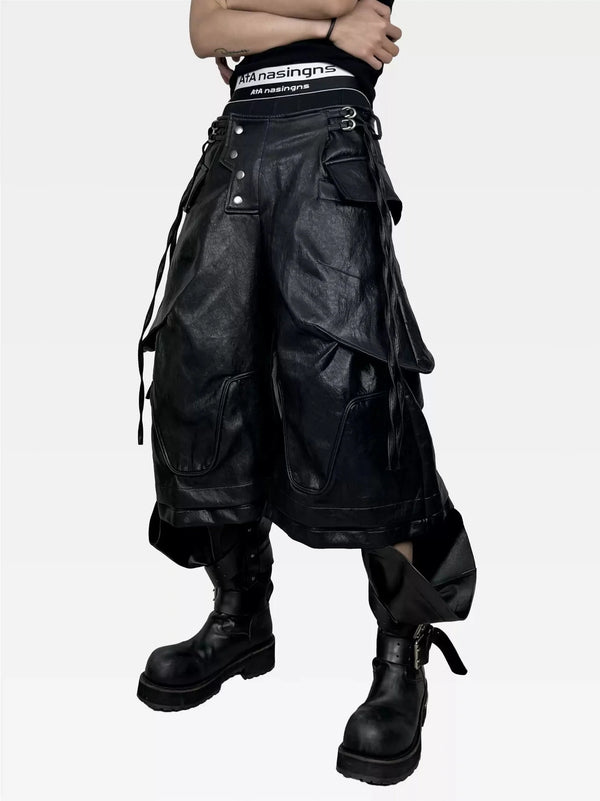
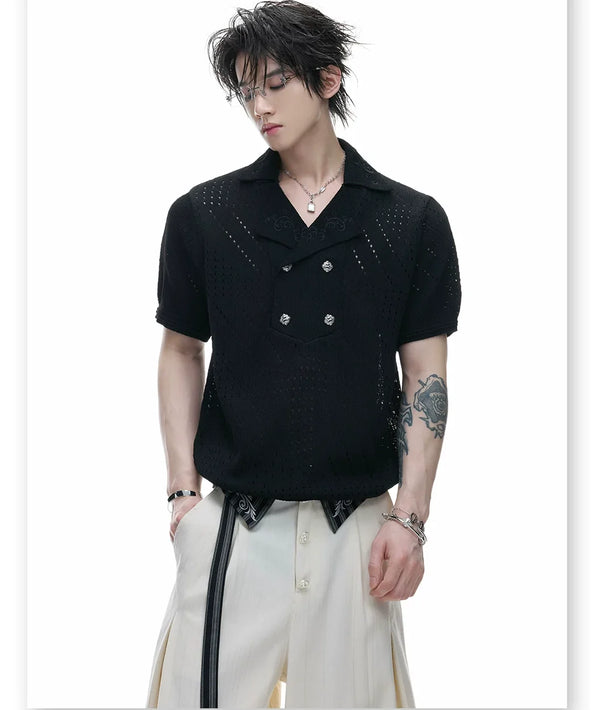
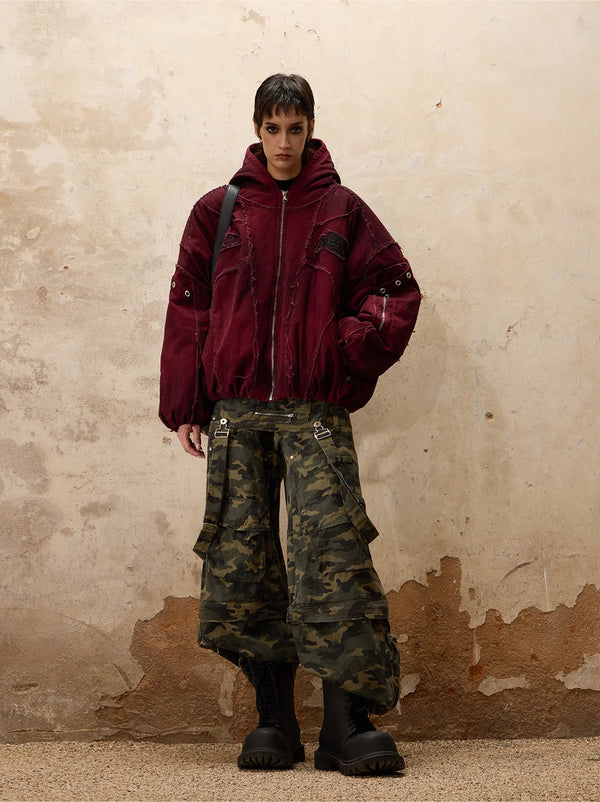
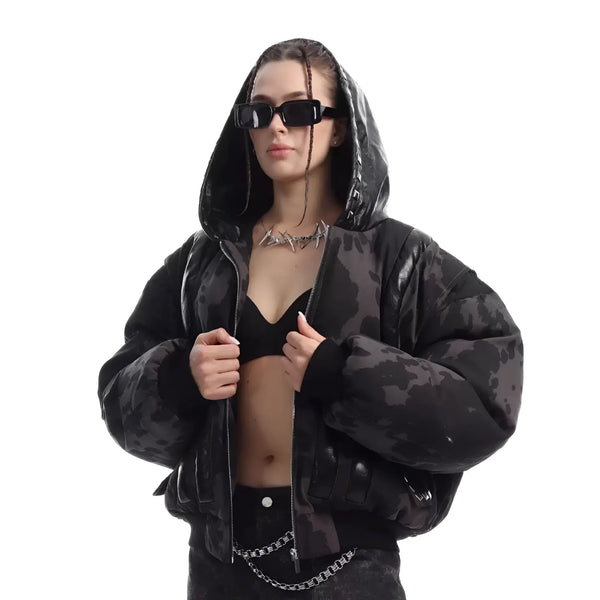
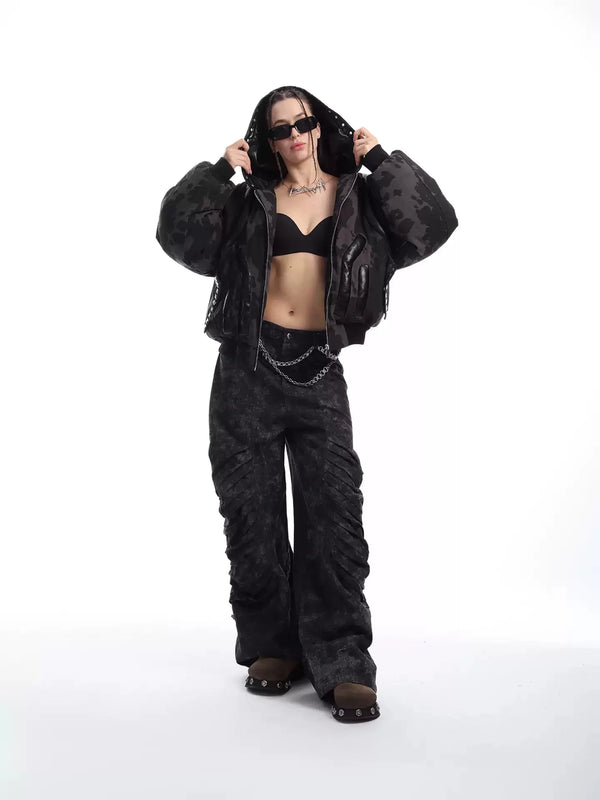
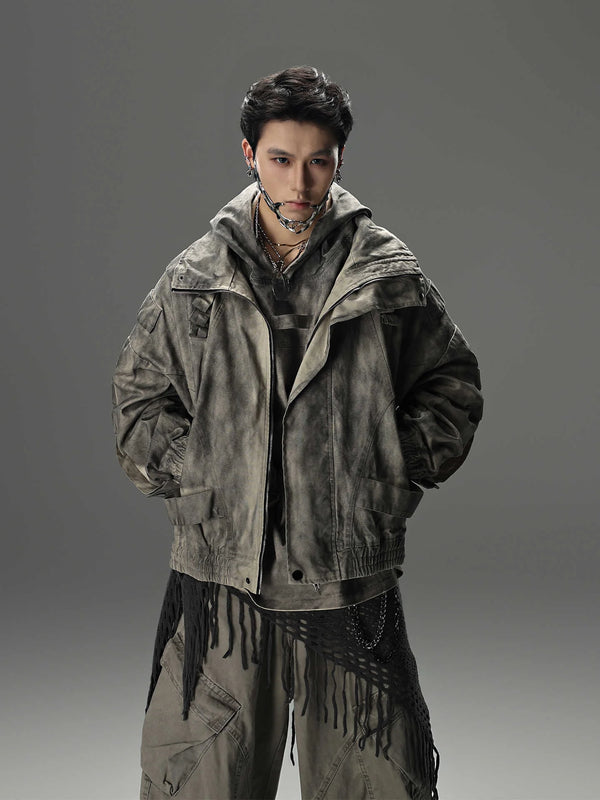
Tokyo's loudest answer to any dress code. Layers, ruptures, no wish for approval.
Most Wanted
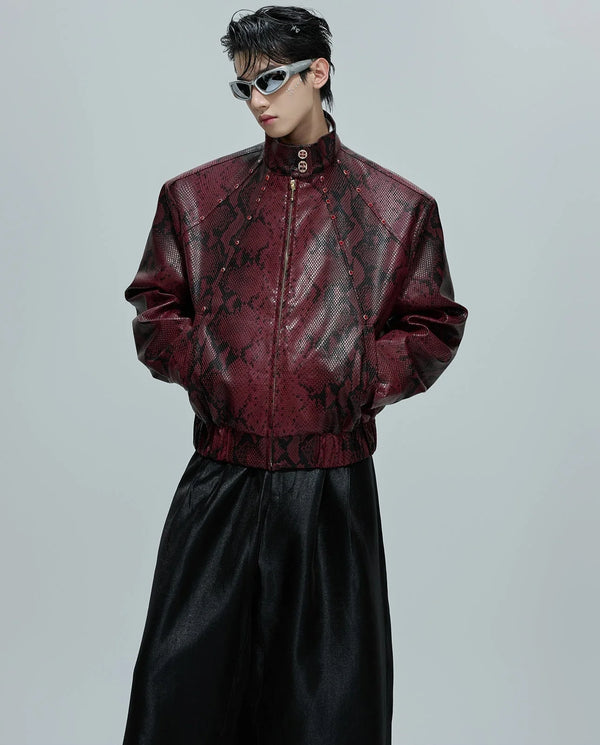

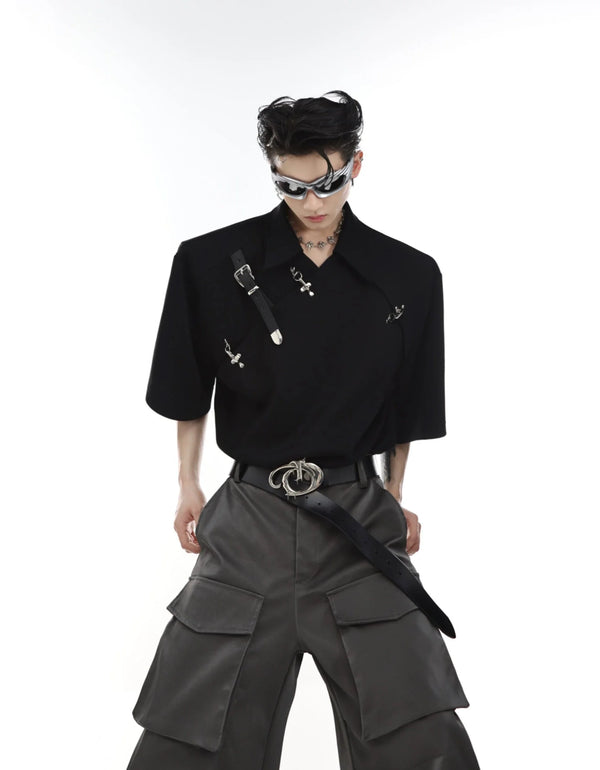

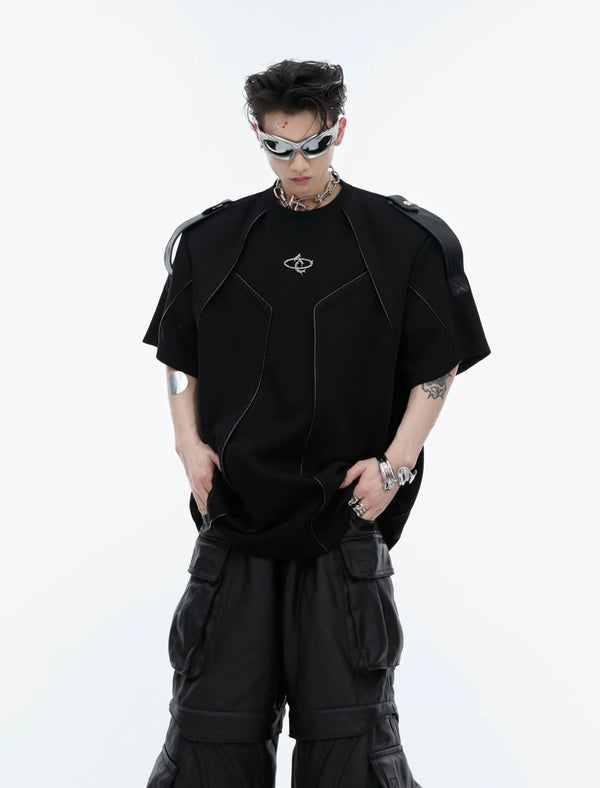

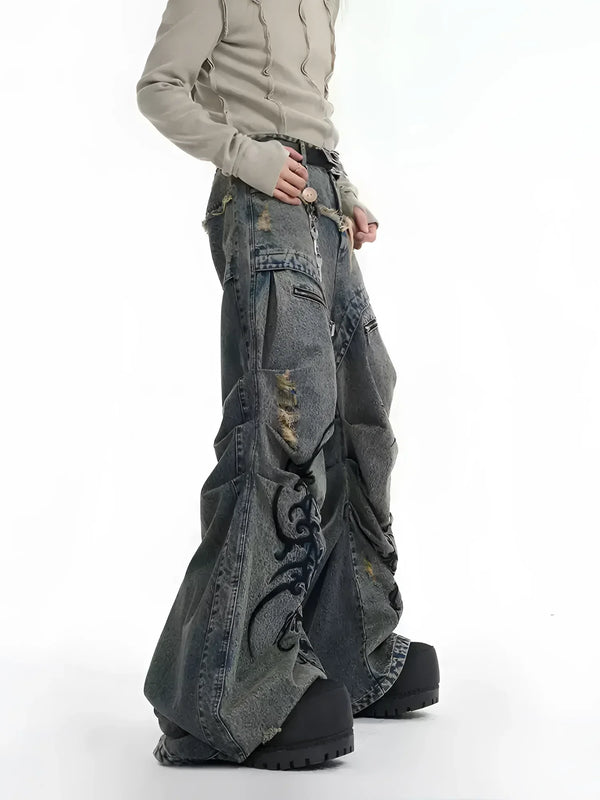
All pieces
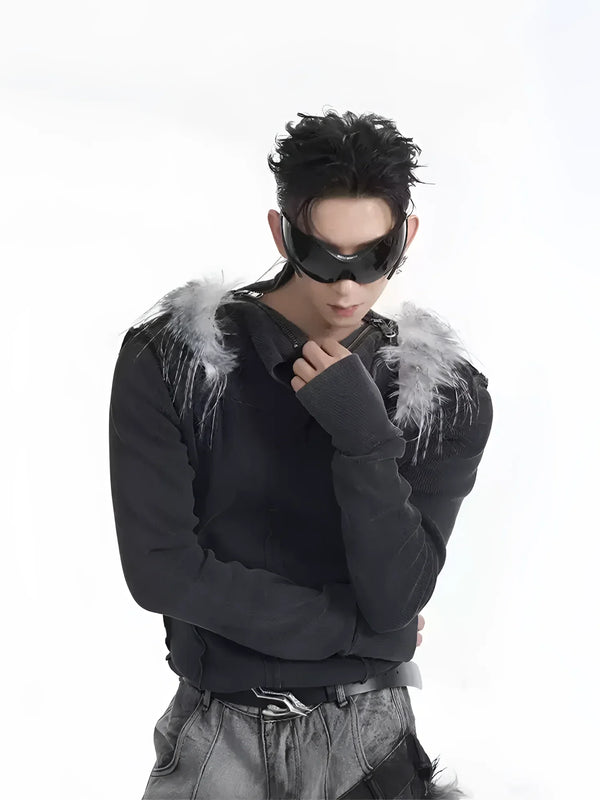

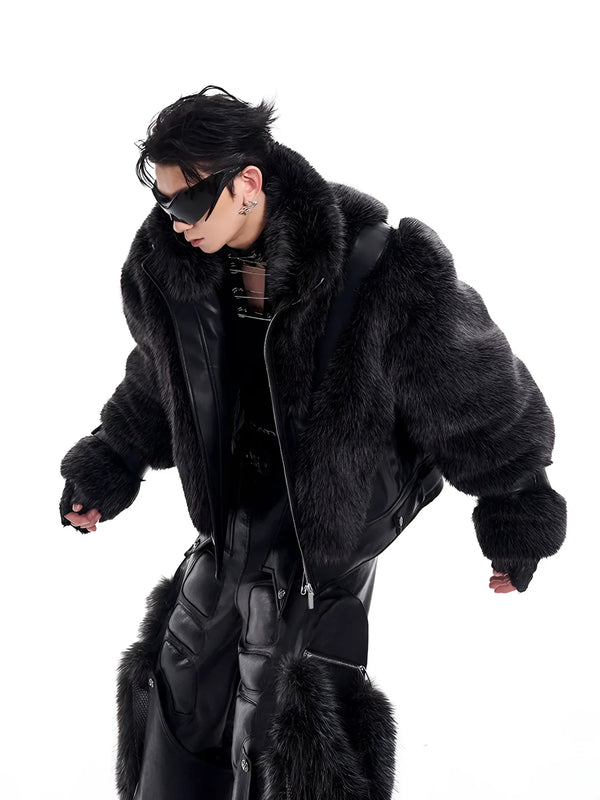

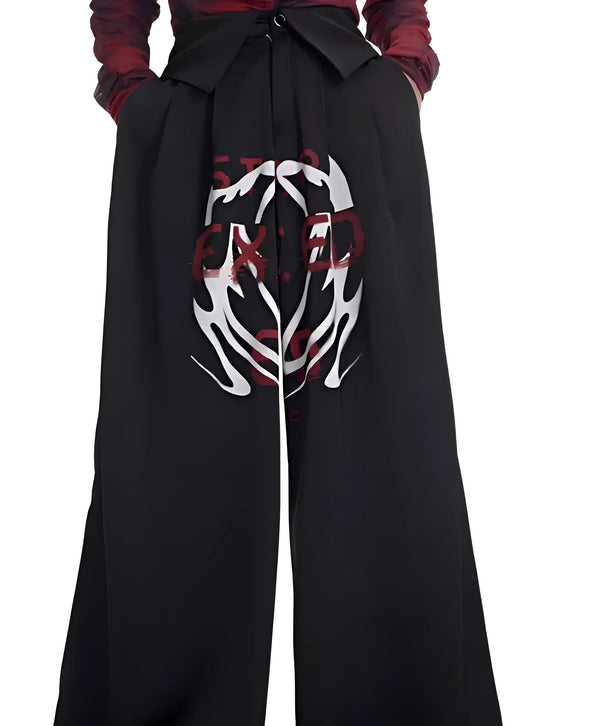


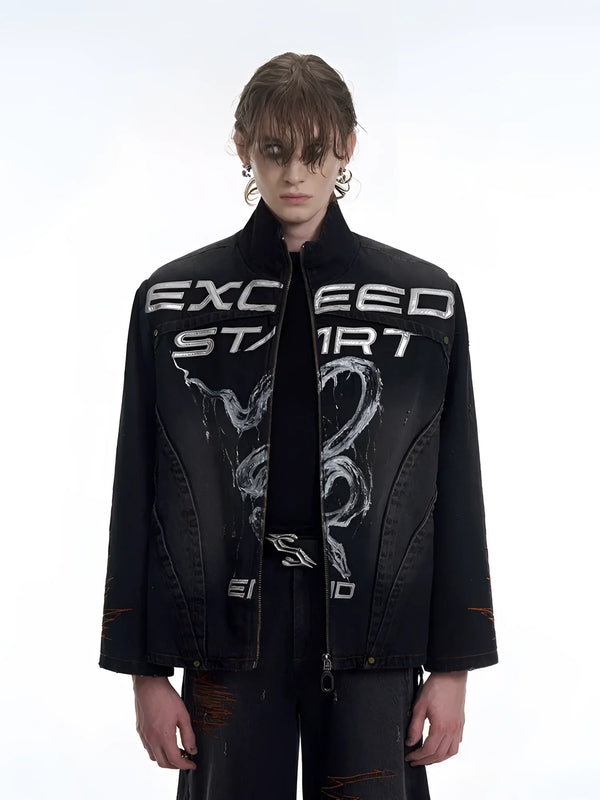

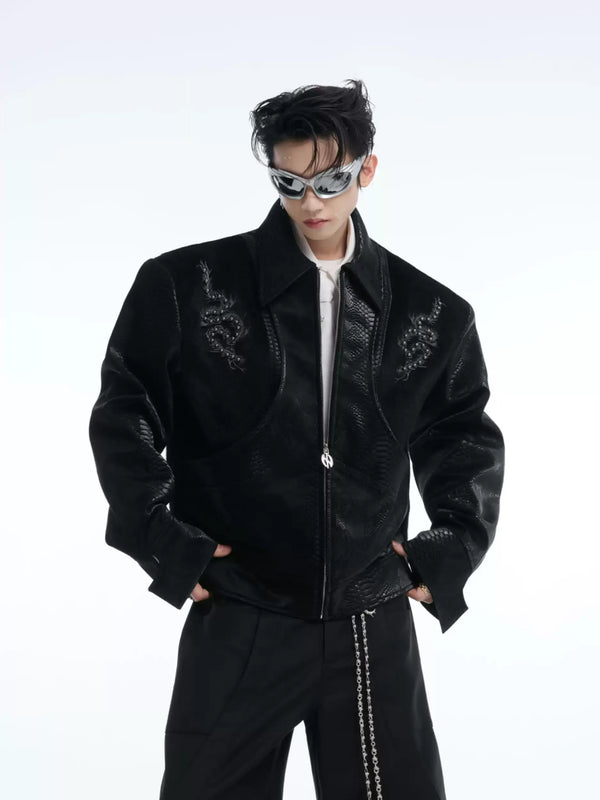






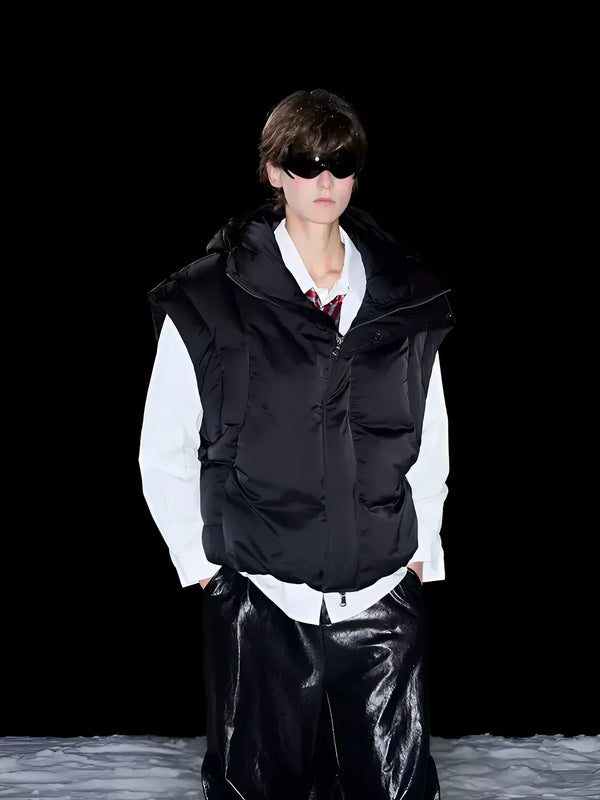
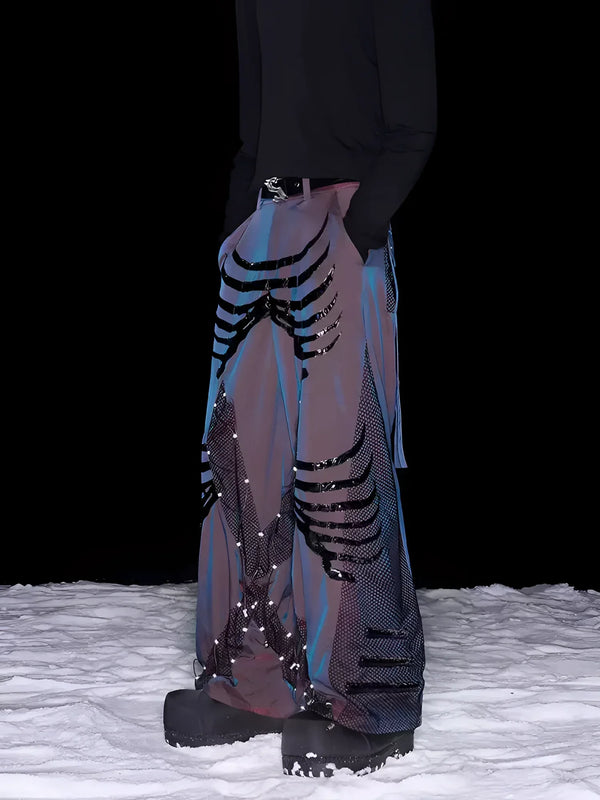


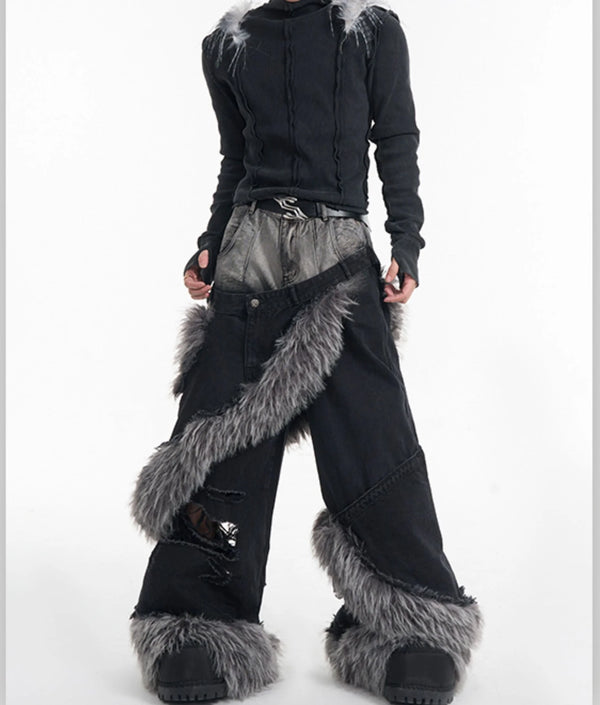

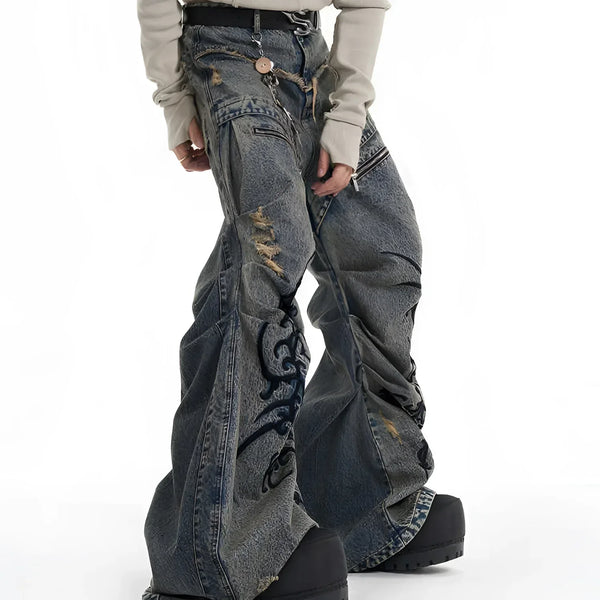
Drop Alerts
Wir melden uns beim nächsten Drop in dieser Niche.
Drin. Wir melden uns beim nächsten Drop.
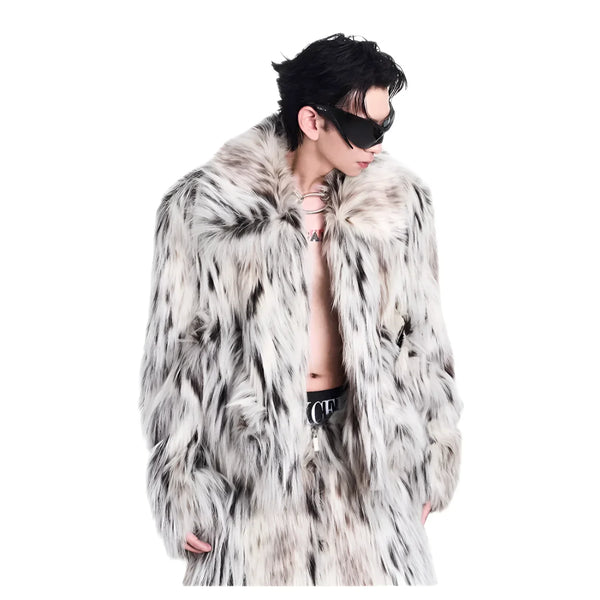

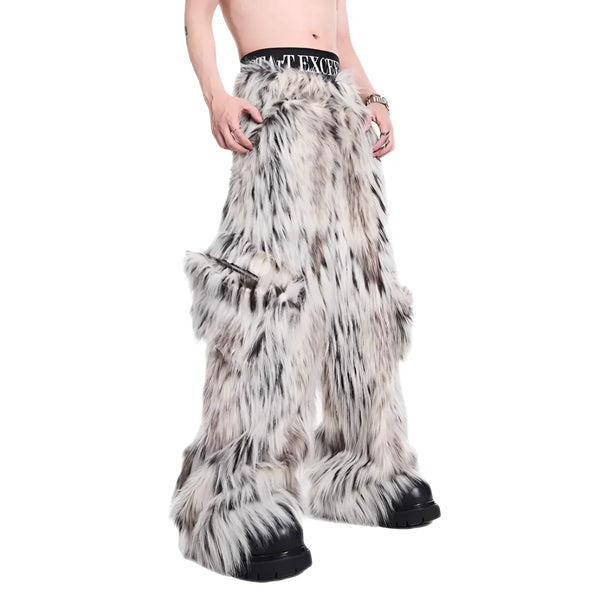

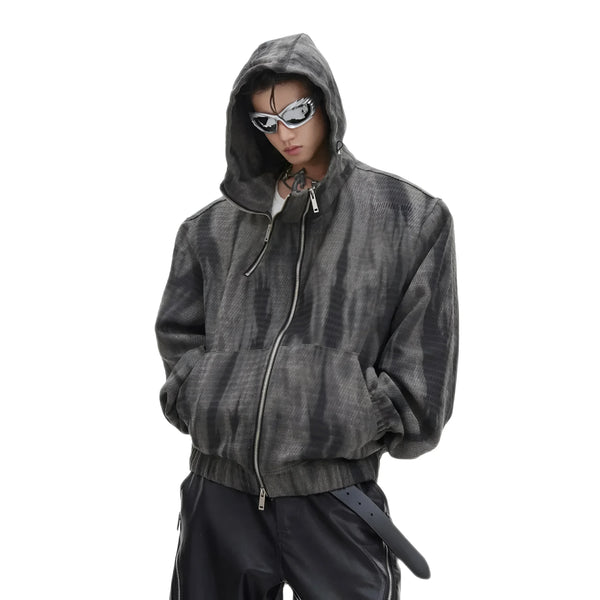
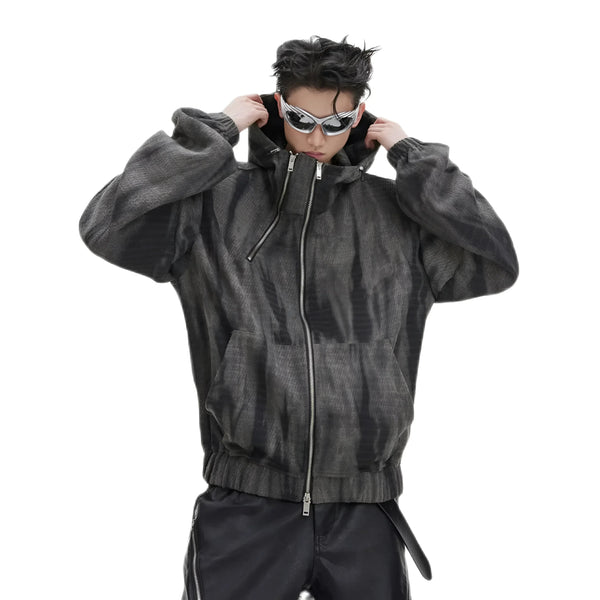
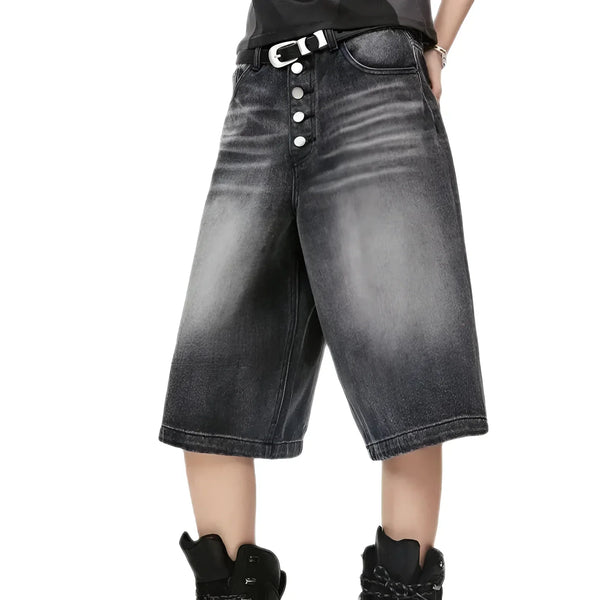

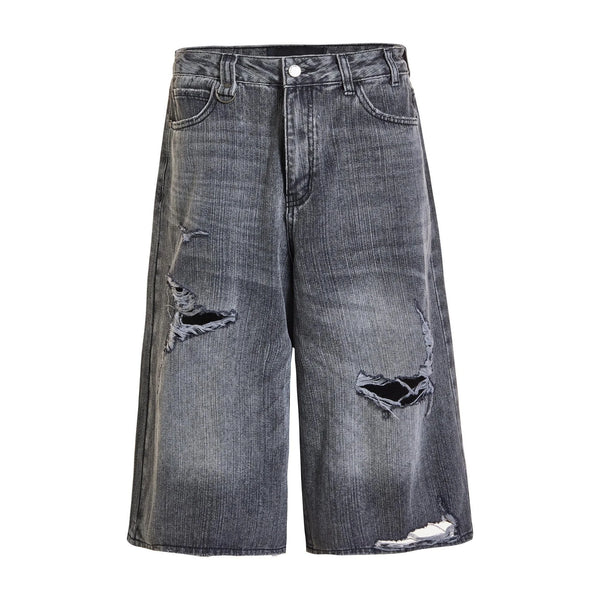
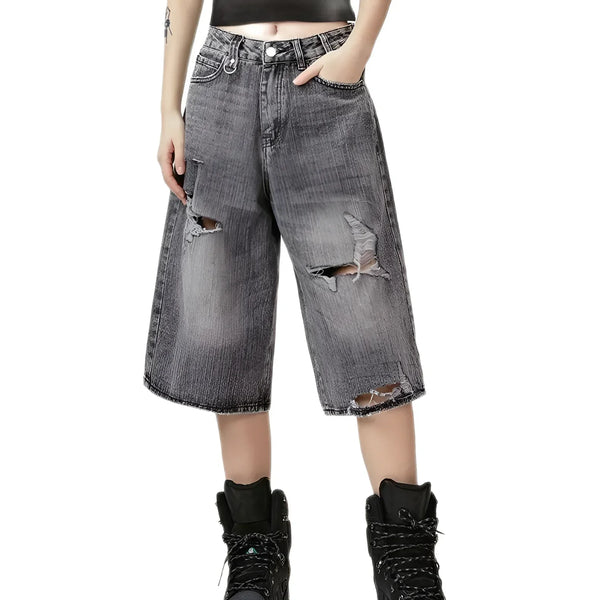
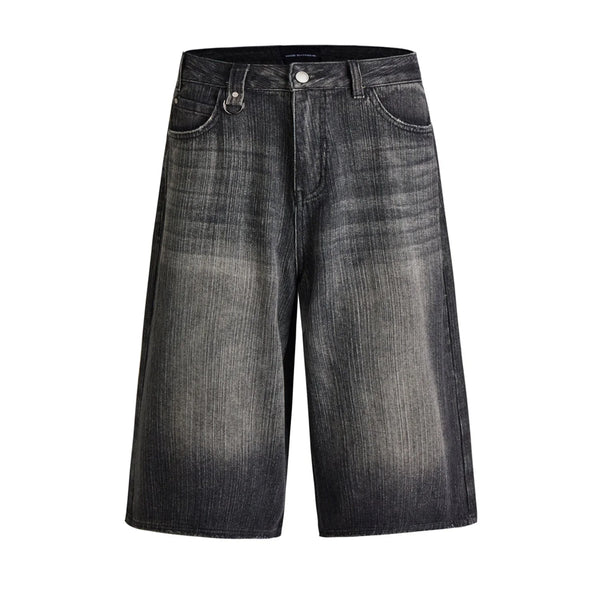
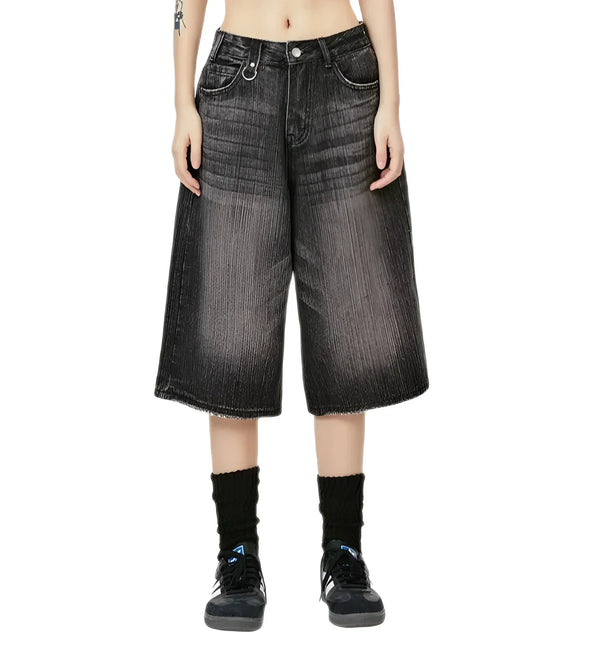
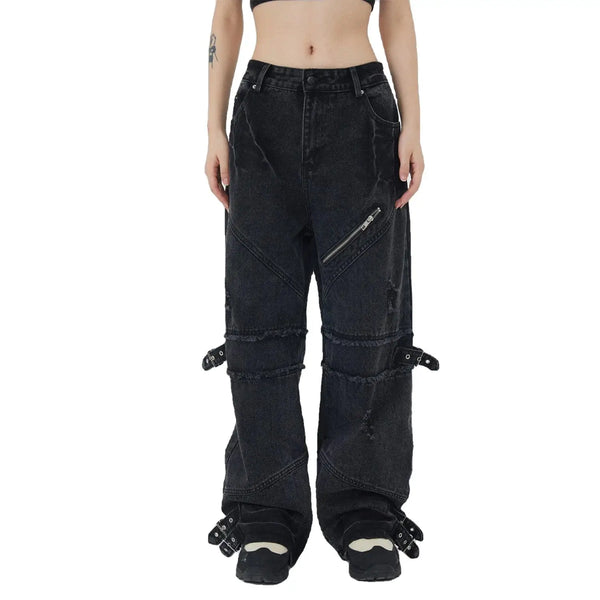

You've seen 70 of 70.
Page 3 / 3
Harajuku streetwear is the essence of experimental Tokyo fashion — a style that fuses kawaii, gothic, punk and vintage elements into unexpected combinations. At Fuga Studios Find Harajuku Streetwear 2026 in all its diversity: oversized silhouettes, statement graphics, layering mix and the balance between cute and rebellious that made Harajuku Japan's most influential subculture.
📖 Briefly explained: Harajuku streetwear at Fuga Studios
Harajuku streetwear combines Japanese fashion subcultures with experimental aesthetics. Typical: Oversized fits, graphic details, layering, kawaii elements (cute design) mixed with gothic or punk. Colors range from pastel to black to bold contrasts. The philosophy: individuality before conformity.
Harajuku Street Fashion is not a single fashion, but an open system in which several Japanese fashion subcultures meet and influence each other. The name comes from the Harajuku district in Shibuya, Tokyo, where experimental fashion has emerged since the 1990s. Unlike mainstream Western streetwear, which is often minimalist and logo-driven, Harajuku is based on layering, playful deconstruction and the mix of opposites: sweet meets evil, nostalgia meets futuristic. The style celebrates individuality and allows for mistakes — true Harajuku fashion has no hard-and-fast rules.
Harajuku became famous for its ability to export trends while remaining independent. Subcultures such as Decora (excessive accessories), Fairy Kei (pastel fantasy), Yume Kawaii (sweet dreams), and sorority looks began in Harajuku and were later adopted worldwide. The neighborhood itself — with its dense concentration of concept stores, vintage shops and independent designers — has become a pilgrimage site for fashion enthusiasts. Today, Harajuku streetwear is synonymous with Japanese fashion innovation and is perceived by Gen Z as a counterpoint to westernized fast fashion.
Explore core categories — from Japanese streetwear tops to unique layering styles.
🎥 Harajuku streetwear on the move
@fugastudios Harajuku Puffer Jacket — the new weapon of your look 🎌✨ #harajukufashion ♬ Original sound - Fuga Studios
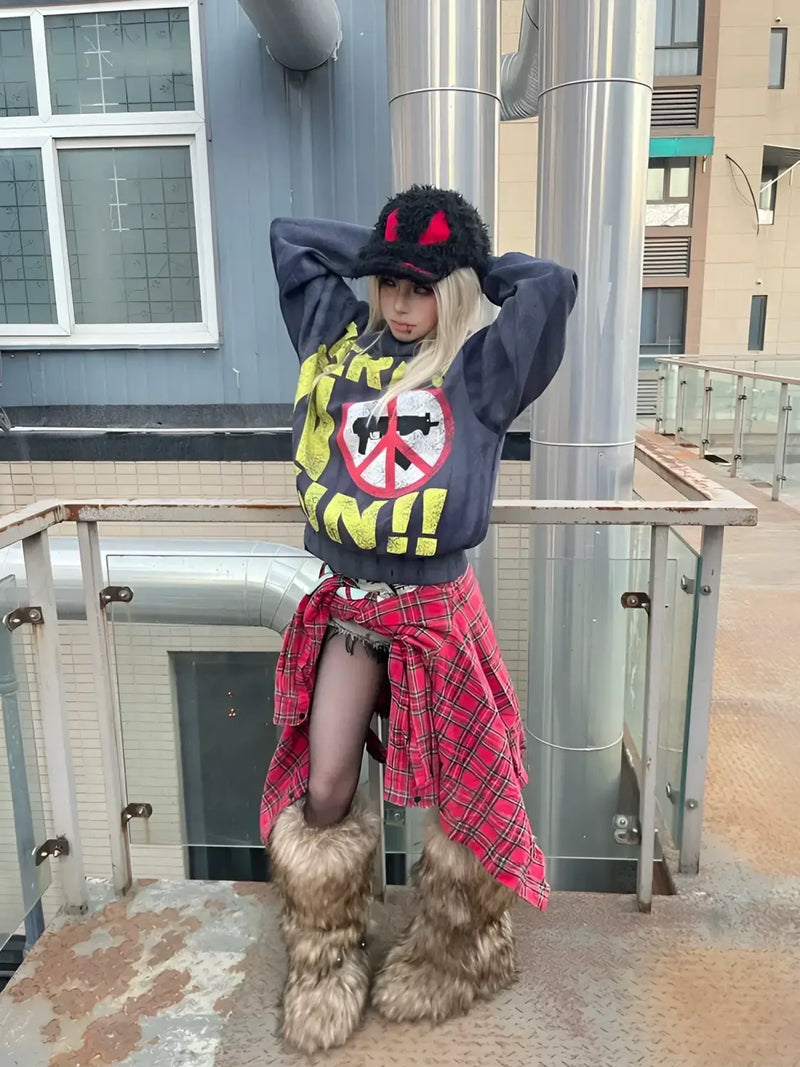
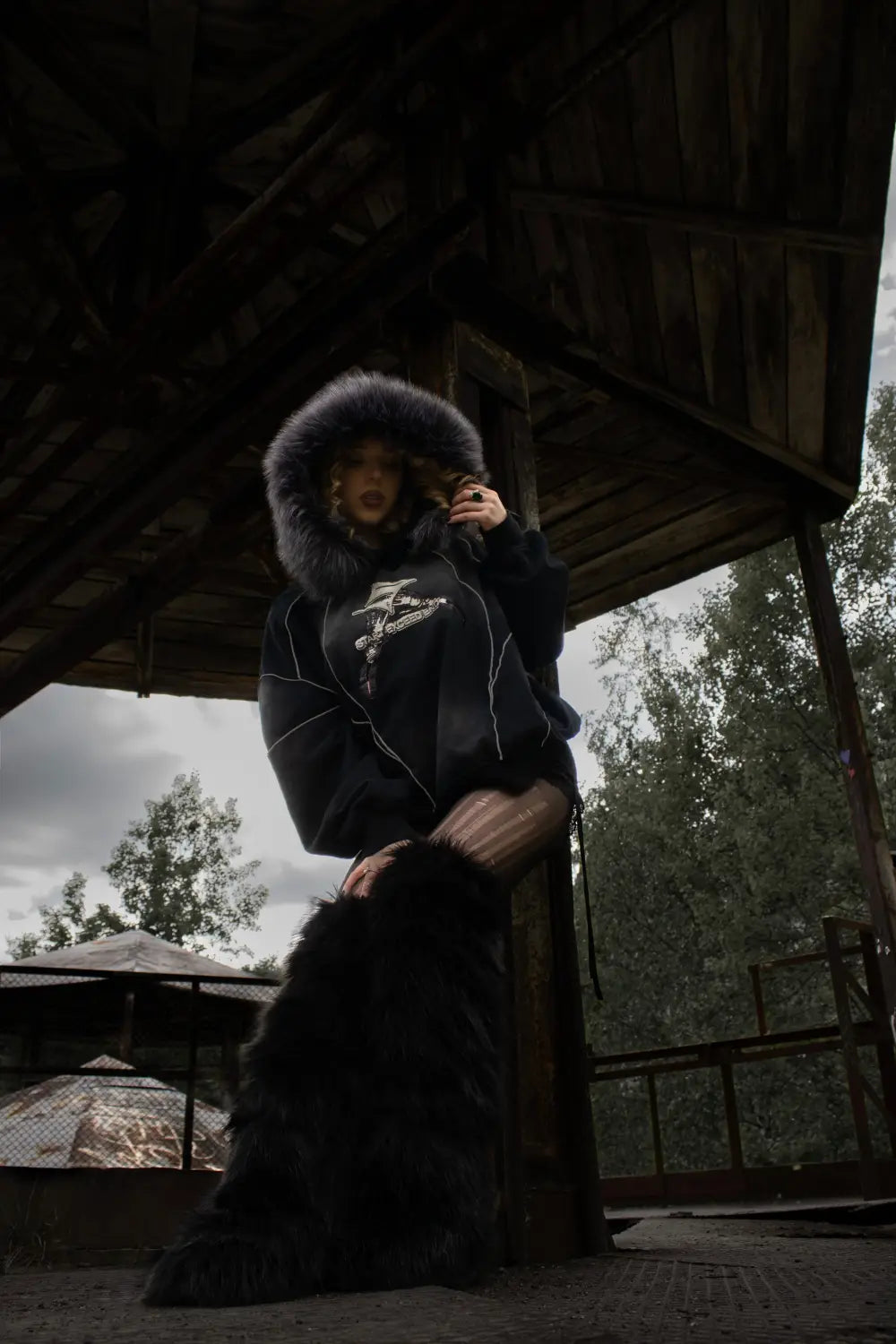
The Harajuku principle works on contrast and layering. A typical combination: matching graphic graphic tee or cute print top as a layer, over which a voluminous jacket (puffer, denim, or vintage), trousers in maxi, wide-leg or cropped cut, plus accessories with character - charms, bags with charm hangers, platform shoes or statement sneakers. The setup creates the typical Harajuku silhouette: deliberately oversized, rich in texture and visually complex.
Harajuku is an umbrella under which numerous sub-styles live. If you like the kawaii element, check out our Japanese streetwear for women on — experimental, colorful and unconventional. For a darker twist, the path leads to Gothic or Opium. If you want to go deeper, you can find it in ours Harajuku Streetwear Guide a complete cultural history and in Harajuku Winter Fashion Guide a seasonal deep dive.
For those who want to go deeper — related Japanese fashion subcultures.
Free shipping from €169 | 14 day return policy
💡 Pro tip
Start with a good base piece — graphic tee or simple hoodie — and then build up layers. Harajuku thrives on contrast, so feel free to mix colors, patterns and textures. The best Harajuku outfit comes when you bring personal elements into the standard mix.
Harajuku is a district in Tokyo that has been home to experimental fashion subcultures since the 1990s. The name became a brand for Japanese fashion innovation itself. While other shopping streets (like Ginza) represent luxury, Harajuku represents anti-conformist aesthetics. The place wasn't named that way to create a label, but because the neighborhood organically became the hotbed of several fashion movements — and the name followed the phenomenon.
The Harajuku district is located in the Shibuya district of Tokyo, around Takeshita Street. This narrow, crowded street is the epicenter of the fashion subculture and attracts thousands of fashion enthusiasts every day. In addition to Takeshita itself, the side streets are filled with independent concept stores, vintage shops and designer pop-ups. The neighborhood isn't geographically homogeneous — Harajuku fashion emerges in different micro-clusters with different focuses: Kawaii in one alley, Punk in the next, Fairy Kei in a third.
Japanese streetwear (especially Harajuku) is based on mix-and-match philosophy, while Western streetwear is often logo-driven and minimalist. Japanese fashion allows and celebrates layers, graphics, colors and visible details. The basic question is different: Western = “Which brand?” Japanese = "What expresses my personality?"
Harajuku (原宿) consists of two kanji: 原 (hara = level/origin) and 宿 (juku = accommodation/place). This is a purely geographical name with no deeper cultural meaning. The association with fashion came later, when the district itself became a symbol of experimental Japanese fashion.
The most important ones: Decora (overloaded kawaii), Fairy Kei (pastel, playful), Yume Kawaii (surreal-cute), Sorority Kei (college-inspired), Konkatsu Kei (meeting-optimized) and Gothloli (gothic + loli fashion). At Fuga you'll find elements of all these subcultures mixed in modern Harajuku pieces.
Harajuku and Japanese streetwear represent authenticity and individuality in a time of fast fashion homogenization. Gen Z values craftsmanship, cultural respect and conscious anti-conformity. Anime and gaming have also brought Japanese aesthetics more into the mainstream, leading to a boom in Japanese fashion.
Our Harajuku collection is in sizes XS until XXL available, depending on the product. Since Japanese fashion is often oversized, we recommend: If you normally S If you wear and like oversized, go for it M. Each product has a detailed size chart with length and width measurements.
Harajuku pieces are often made of high-quality natural materials (cotton, linen) or with fine graphics. Machine wash at 30 degrees with similar colors, no bleach, air dry. For printed pieces: wash inside out to make graphics last longer. Graphic tees should be stored separately to avoid abrasion.
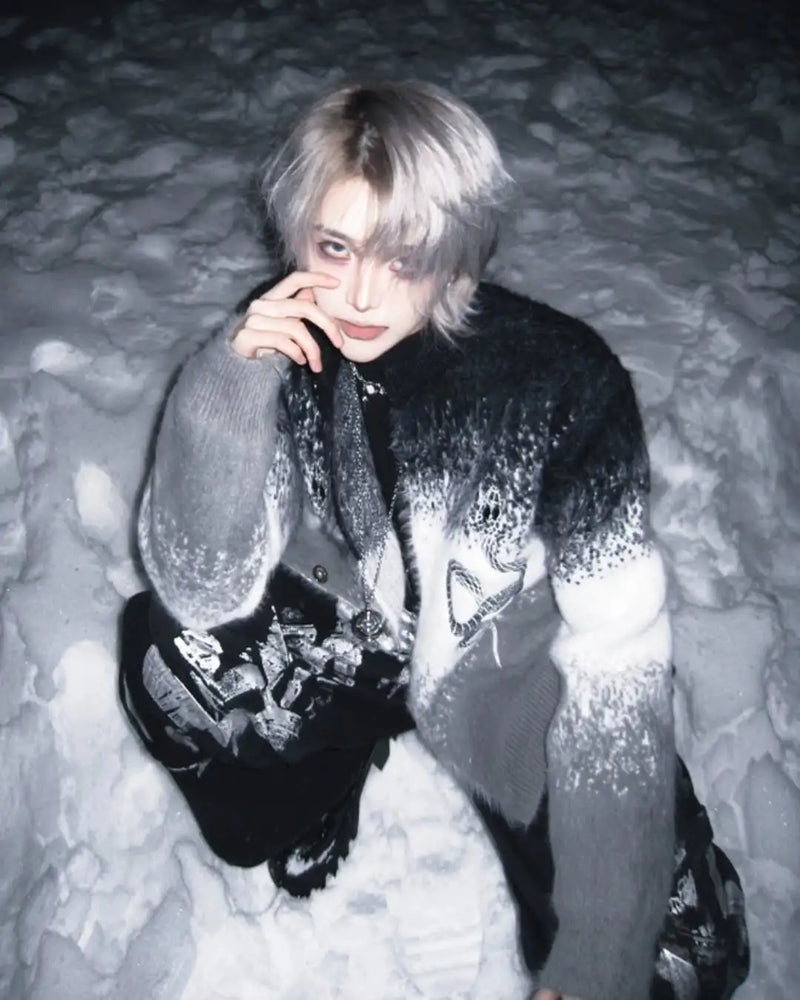
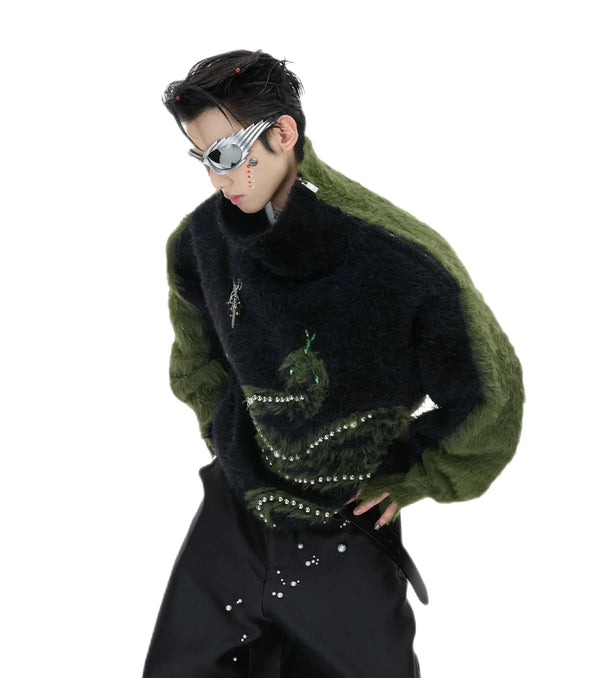
Opium Gradient Snake Cardigan
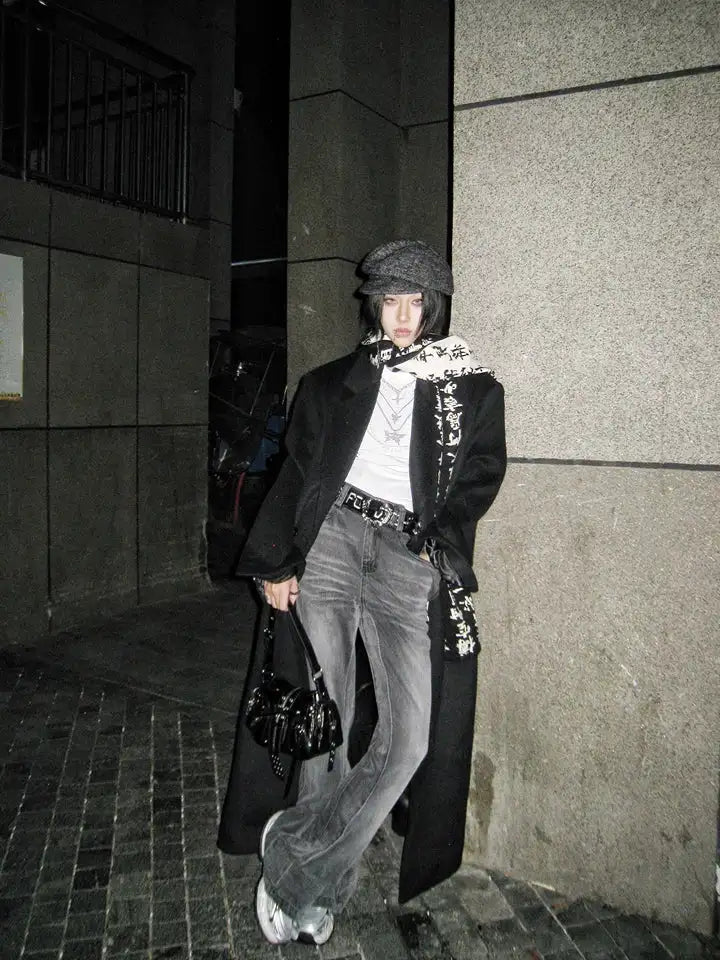
shanghai studio fit check

From Opium · 4 Pieces
All 844 of 84 Pieces

From Businesscore · 4 Pieces
All 224 of 22 Pieces

Niche · 03 / 04
Techwear started here as a translation of Tokyo reduction into fabric. Errolson Hugh, Acronym, GORE-TEX, ergonomic cuts — and parallel to that, Japanese discipline: nothing superfluous, all function.
From Techwear · 4 Pieces
All 104 of 10 Pieces

Niche · 04 / 04
Streetwear is the root — the first designs out of Tokyo 2015 were Anime prints, Japanese characters, Harajuku graphics. Everything else grew from that, but the line keeps running.
From Streetwear · 4 Pieces
All 704 of 70 Pieces
2015 → today
Fūga
風雅
Berlin Plattenbau origins, Asia-inspired. Creative, but never fully fitting into the system. Tokyo 2015 as the starting point — six niche phases since then.
Today: Berlin · Shanghai · Tokyo · Poznań. We know our designers by name. Limited drops, no restocks.
We aren't dropouts. We know the system — went through training, worked, kept building. Both sides hold.
How Fūga evolved
What started as Streetwear in Tokyo has shifted over the years — through different phases, our own and collective.
01
The first designs. Anime prints, Harajuku characters, Tokyo connection.
02
Functional, layered, dark. Tokyo reduction translated into fabric.
03
Heavier, uncompromising, more shadow. Grew up parallel to Techwear.
04
Berghain aesthetic with street cuts. Raw, black, Berlin avant-garde meets Streetwear.
05
Cyberpunk meets the Berghain floor. Reflective, tactical, sound-system ready.
06
Tailored cuts with Streetwear logic. Growing older without going 9-to-5. Stay edgy.
What comes next, we'll write when the time comes.