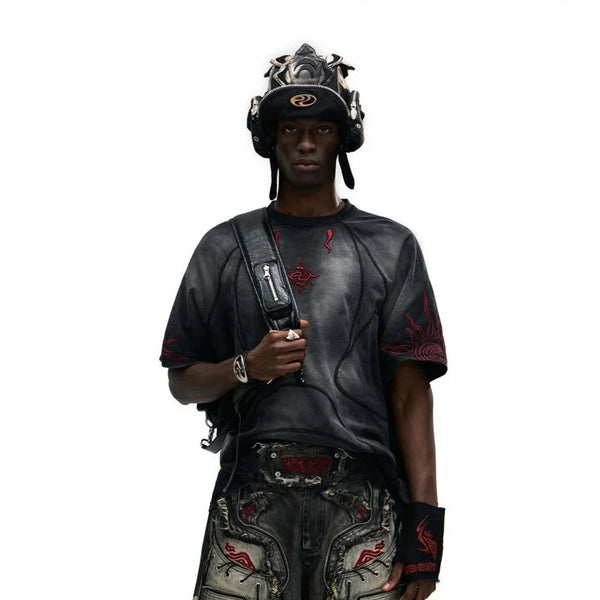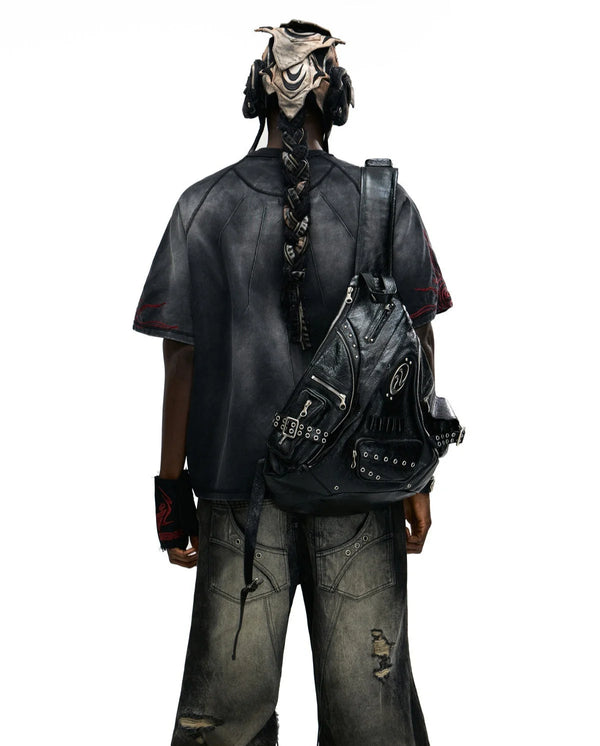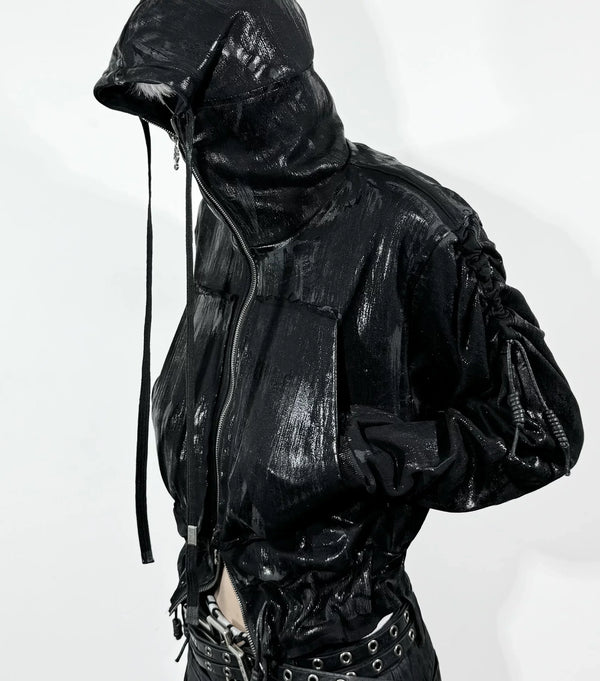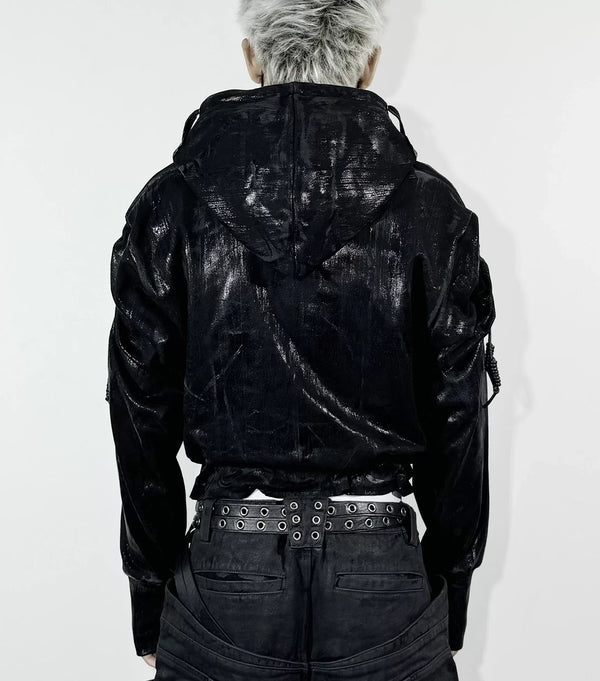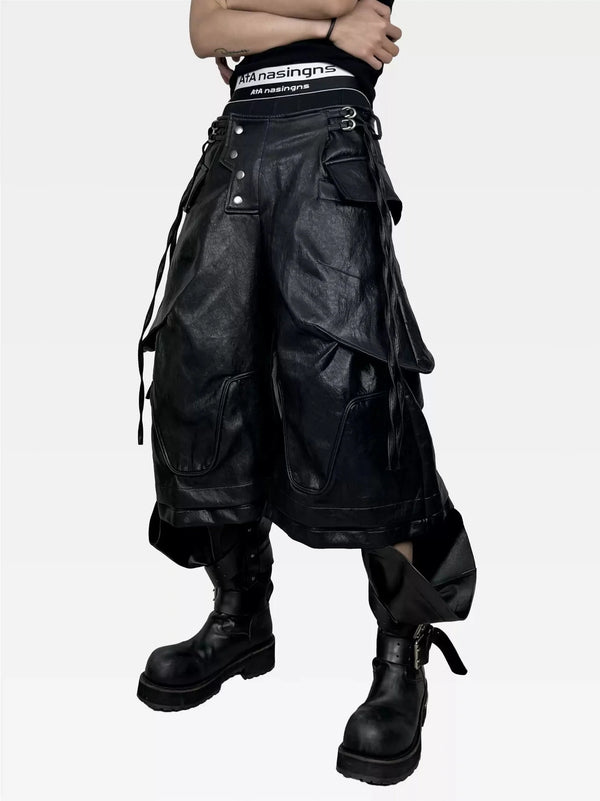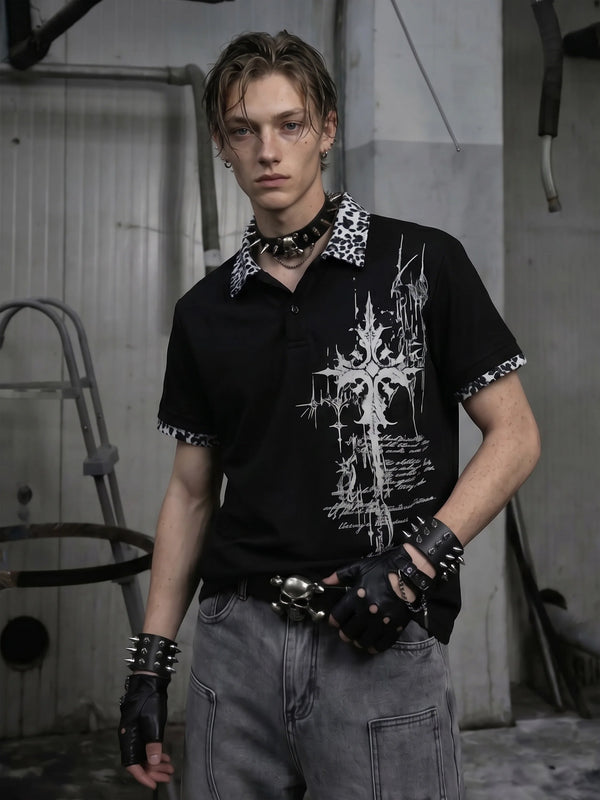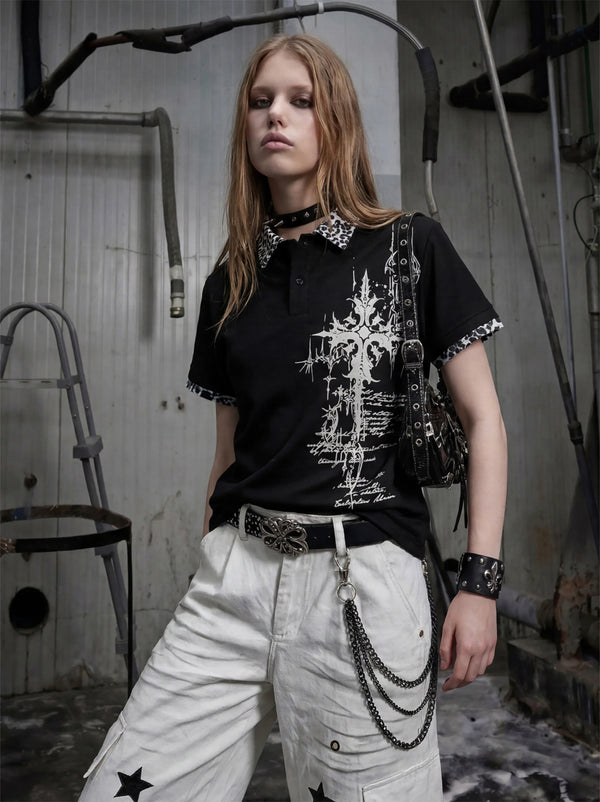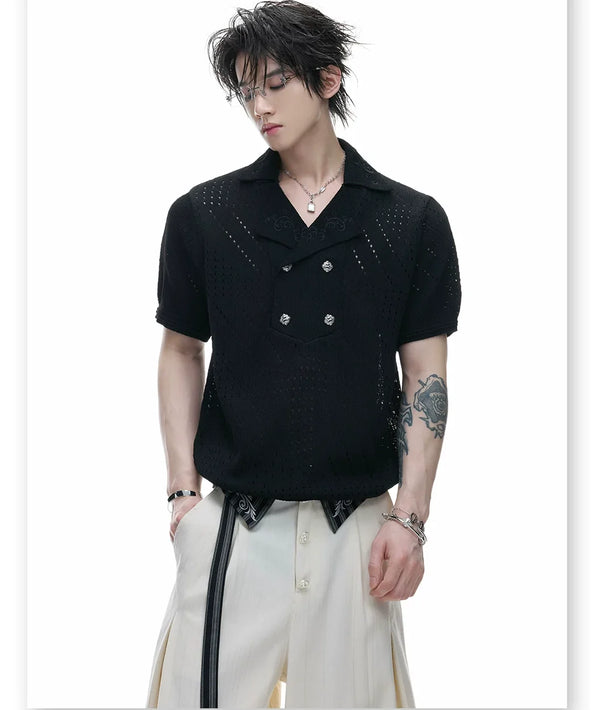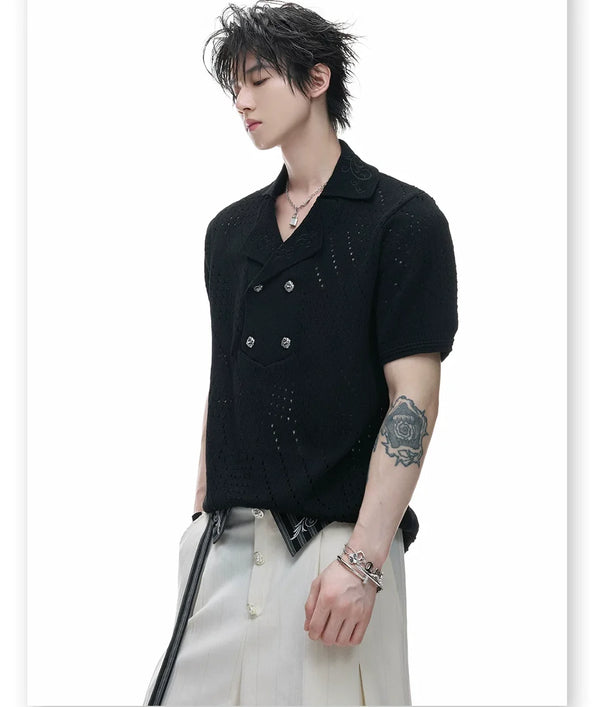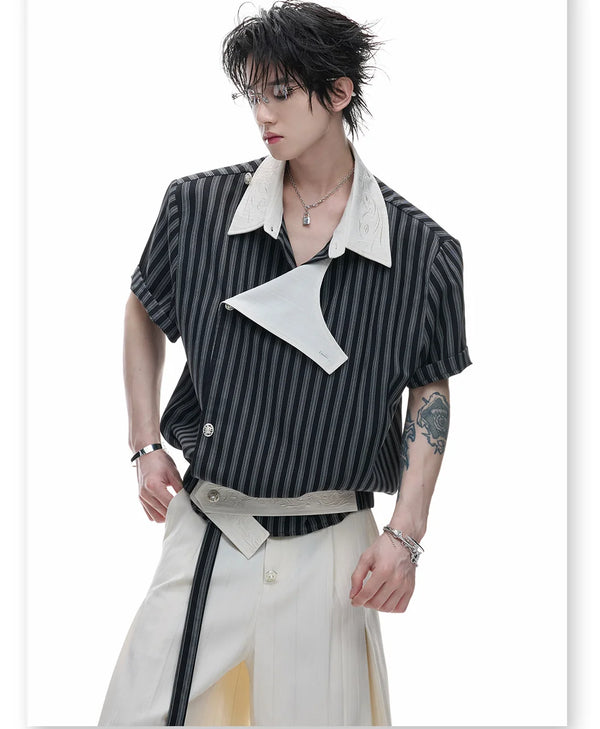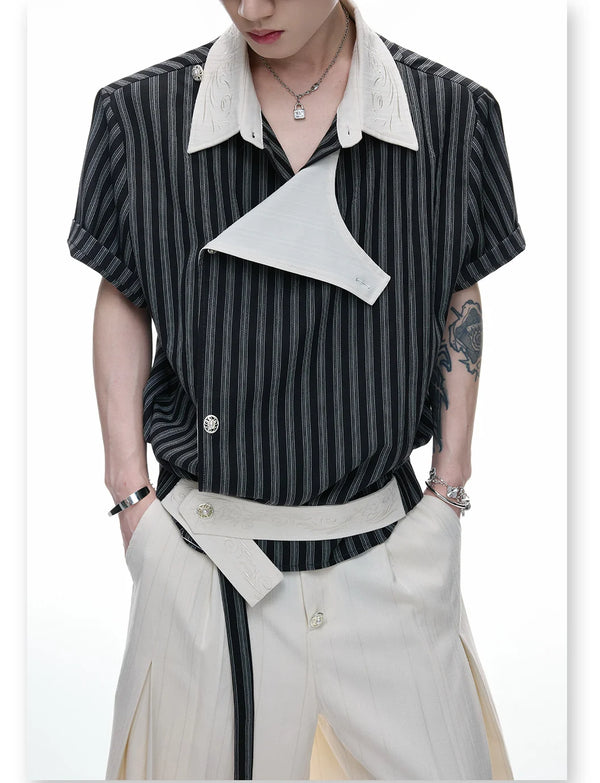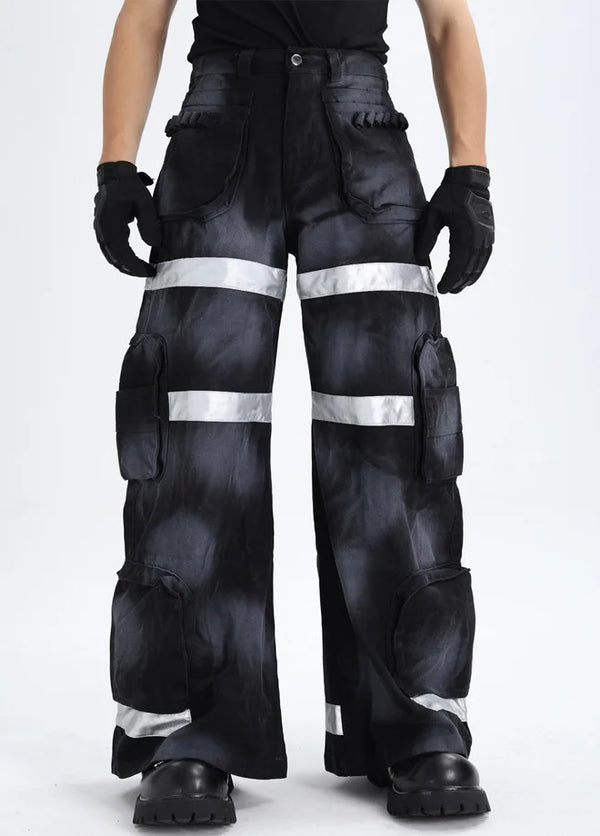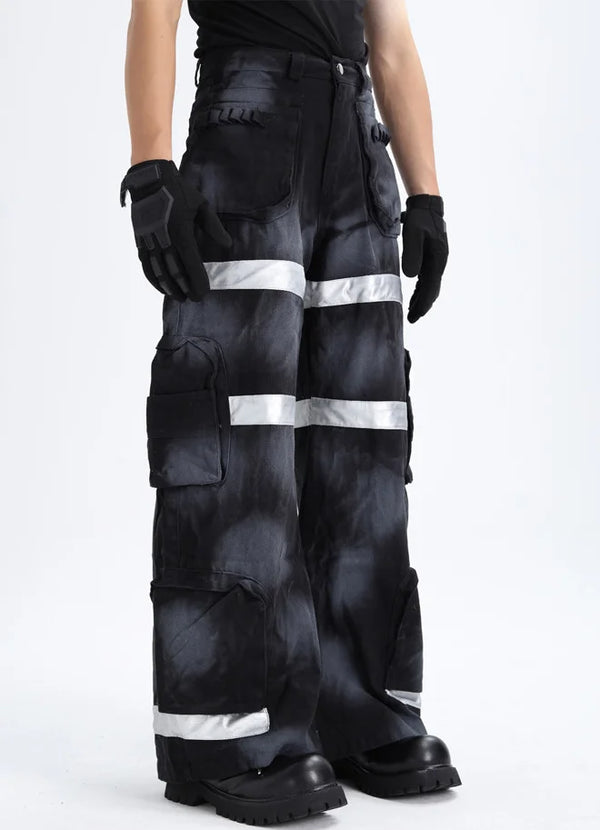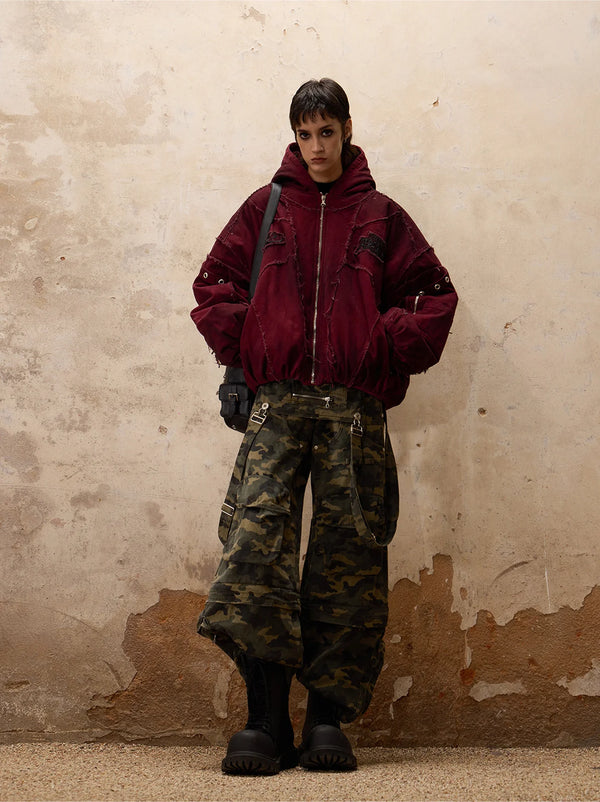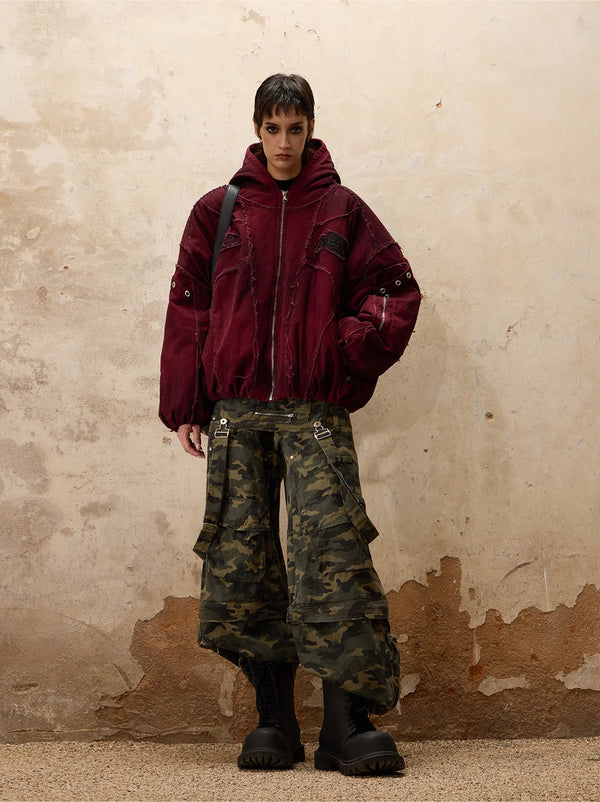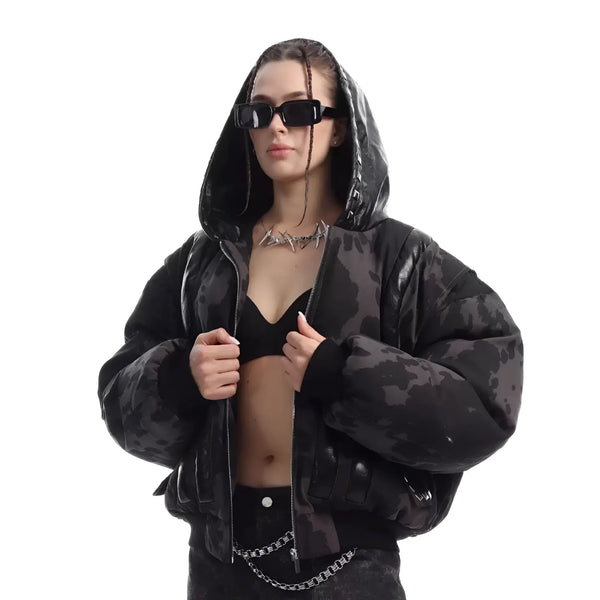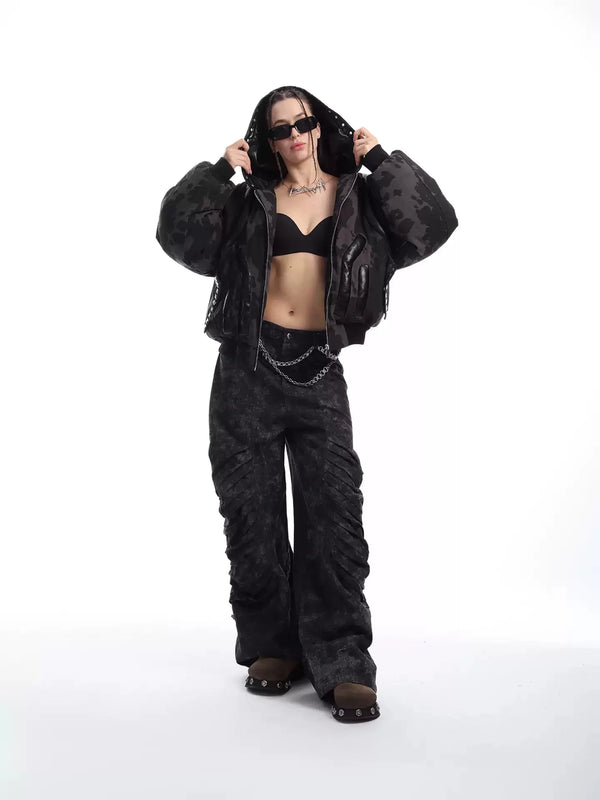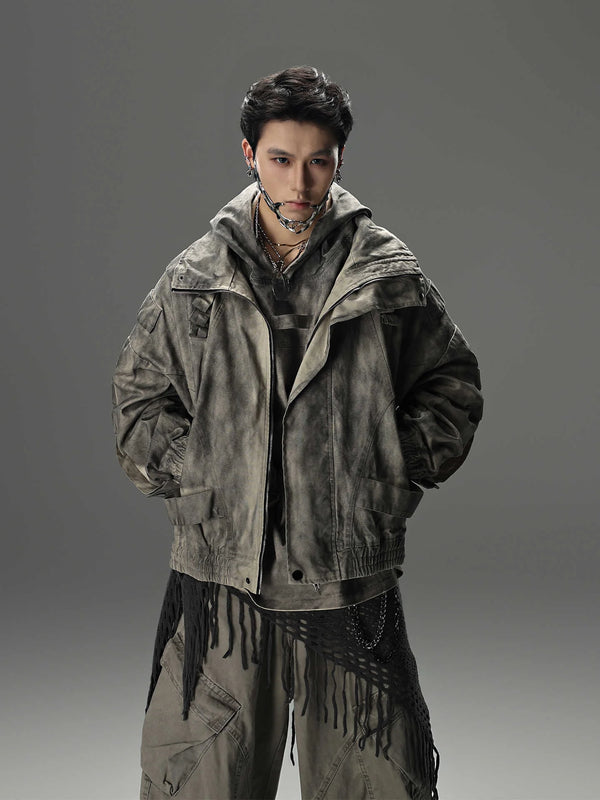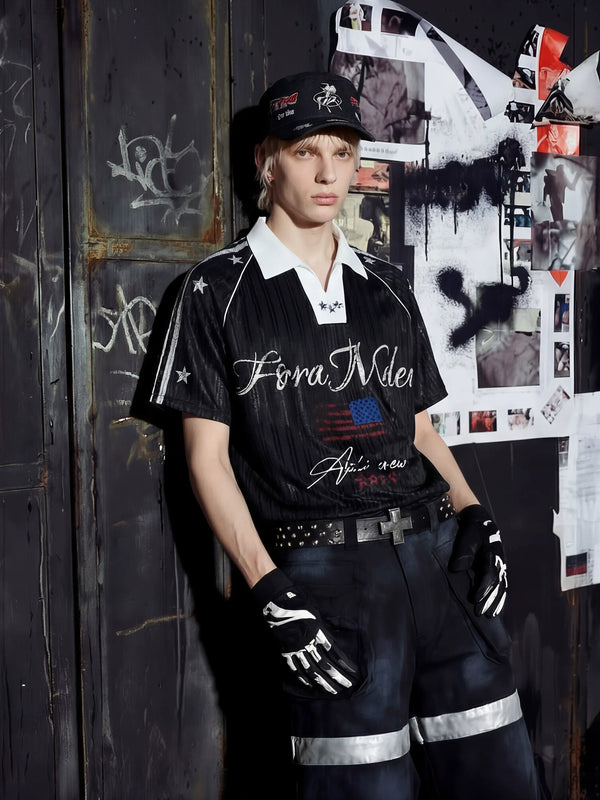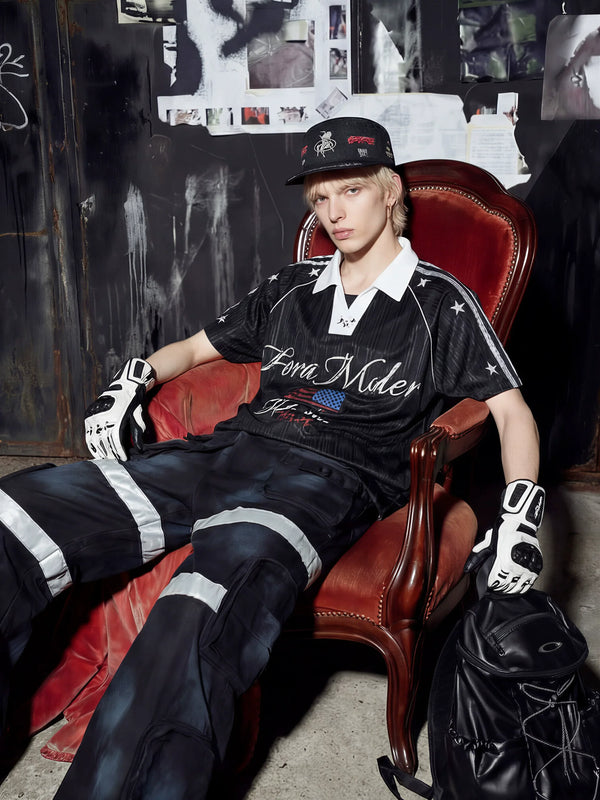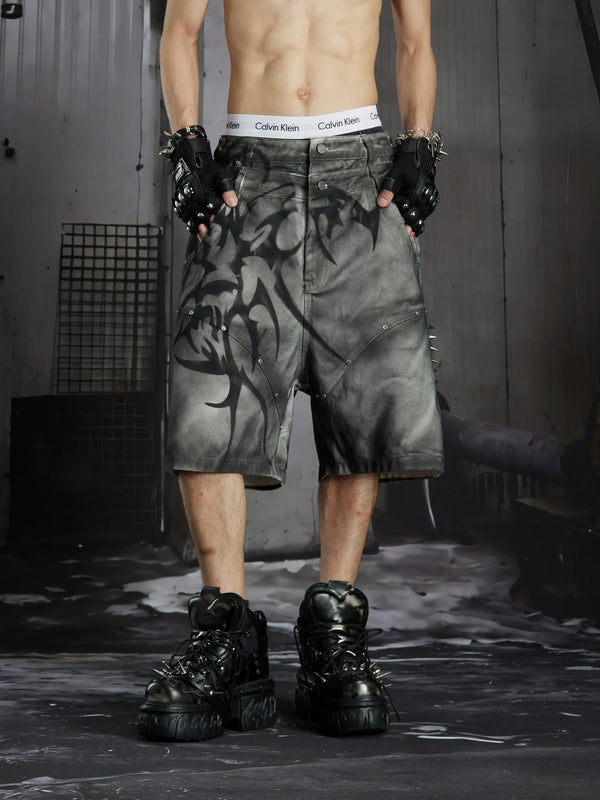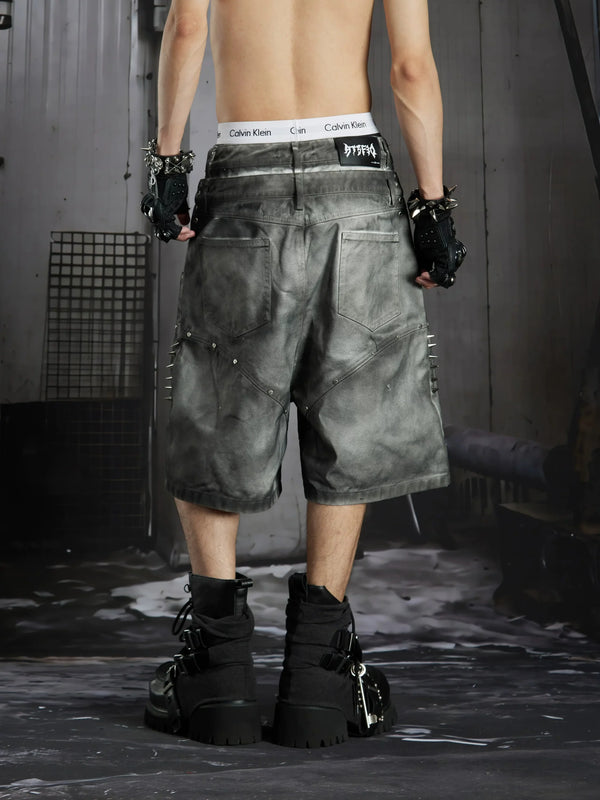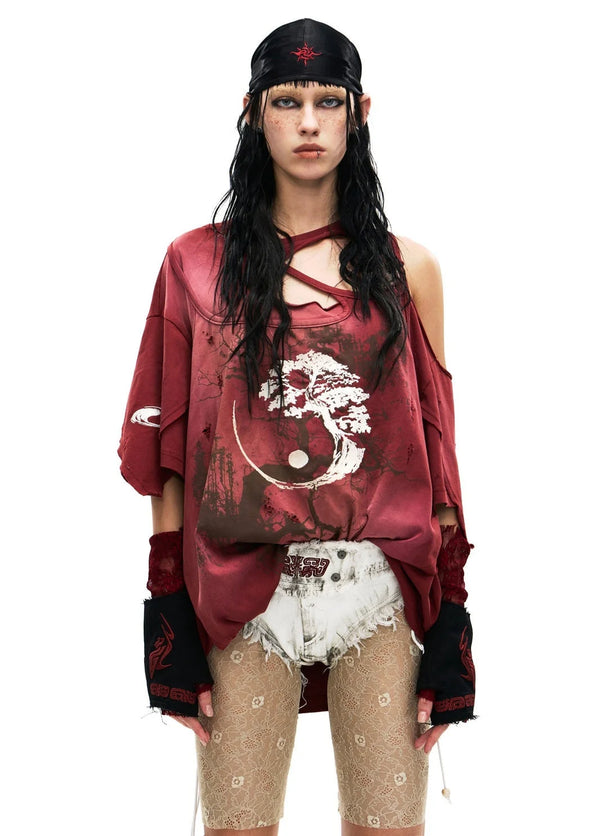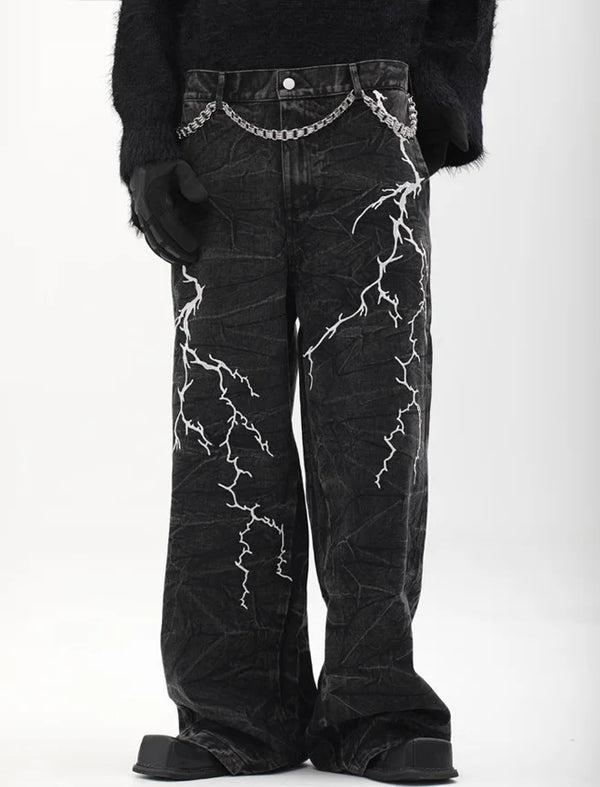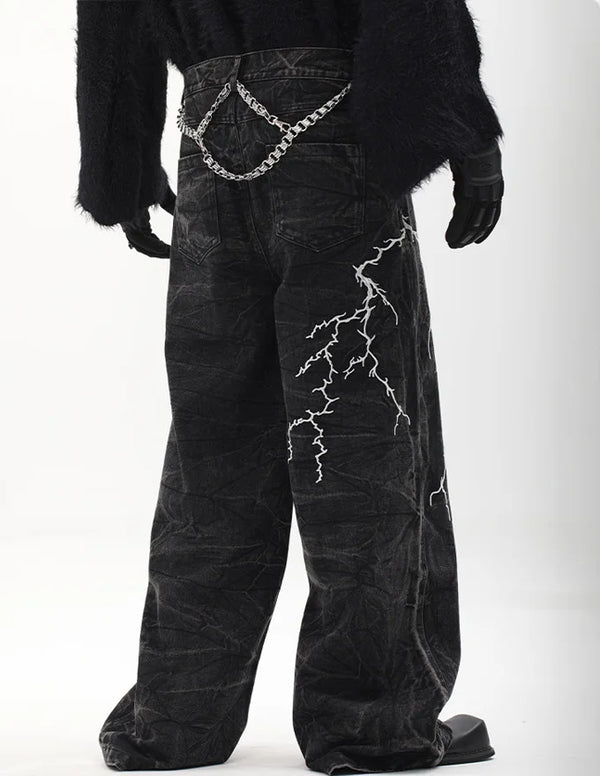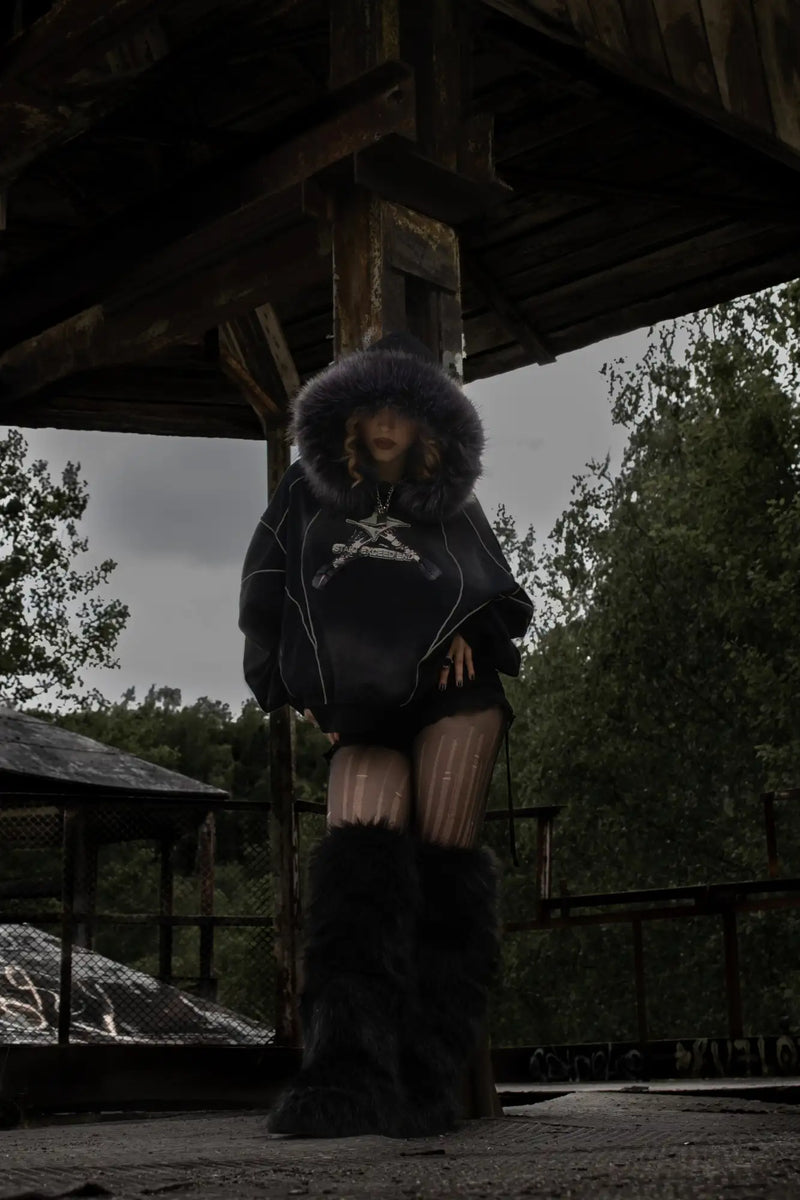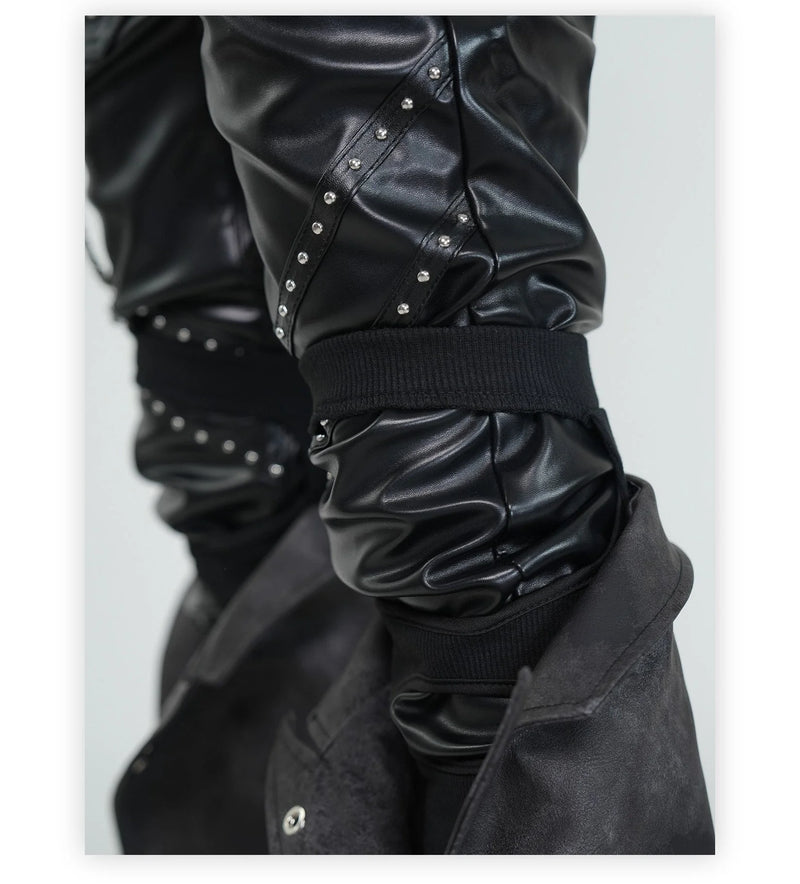
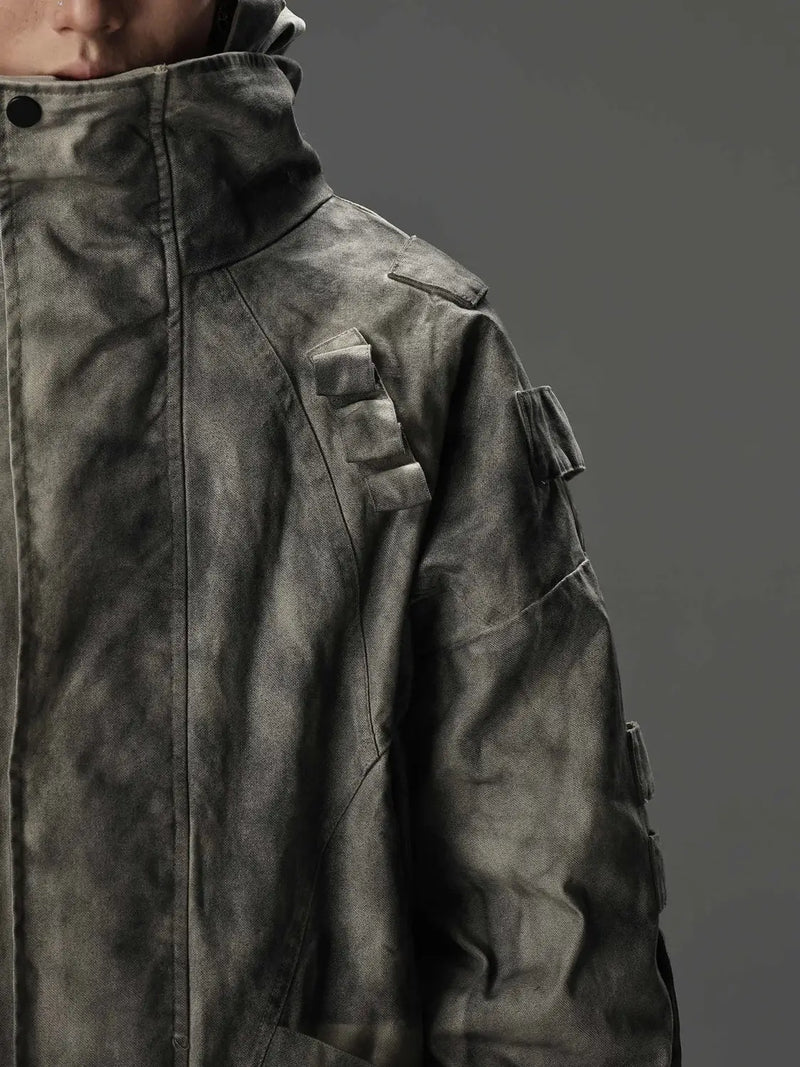

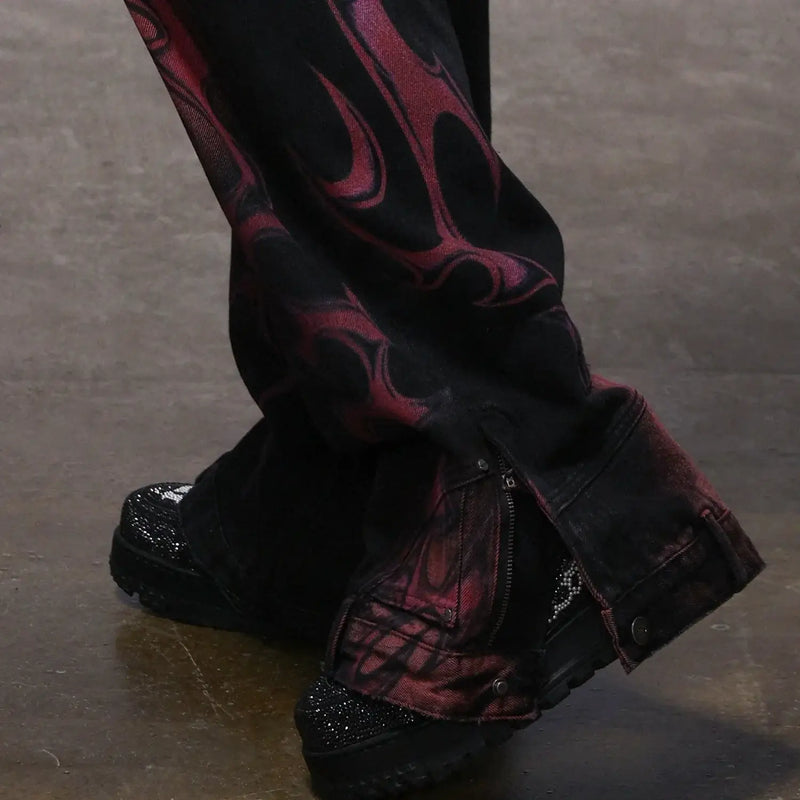
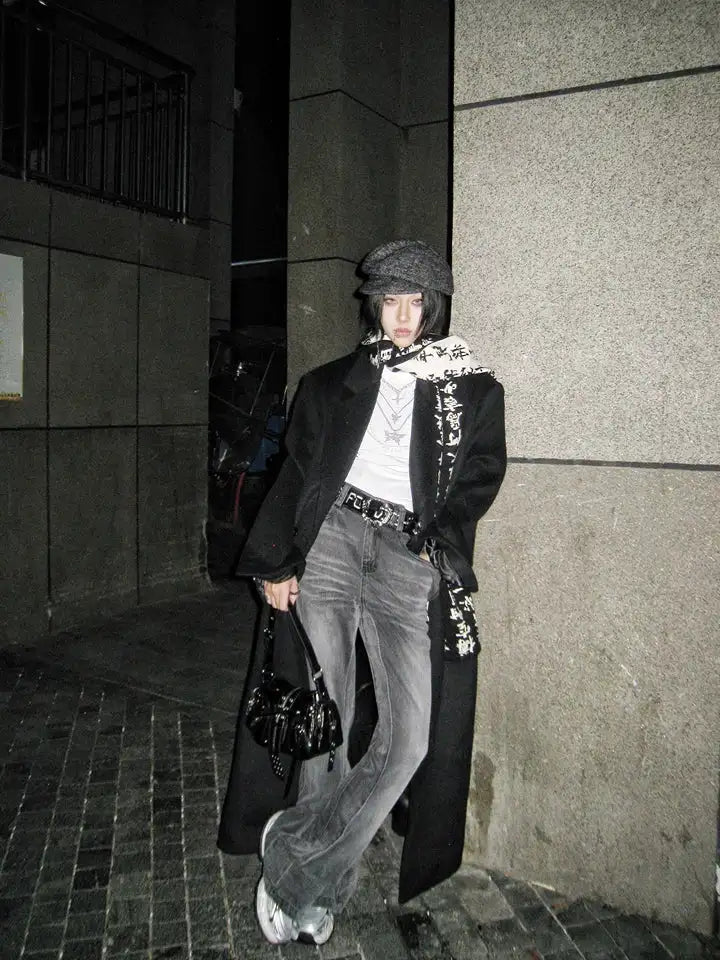

Put two outfits side by side on a Berlin platform. Both black, both cargo, both hoodie. One keeps you dry in the rain. The other looks like it could. Right there, between "can" and "looks like it can," runs the line between Techwear and Warcore.
Techwear was built in 1998 by Errolson Hugh (Acronym, Munich) as function that happens to look like fashion. Membrane, taped seams, modular hardware. Warcore is the younger cousin — emerging from 2018 onward on TikTok and Tumblr, driven by post-apocalypse aesthetics, military surplus pieces, and a taste for the look of function without necessarily buying the function itself.
Mix up the two codes and you either buy a €280 tactical hoodie and stand soaked in the rain — or buy a €600 Acronym membrane piece hoping for a warrior look, and come off looking like an architect instead. This comparison draws the line cleanly: what Techwear is, what Warcore is, where the two overlap, which brands define which side, and how you decide without tipping into costume.
How the difference reads in motion — in 15 seconds:
The core question
Where the difference between Techwear and Warcore really lies
Most explanations online come from the wrong direction. They start with the look ("both black, both tactical") and try to reverse-engineer the difference. That's the look trap. The difference doesn't start with appearance — it starts with intent.
Techwear builds clothing like outdoor sports equipment for the city. Weatherproof, breathable, modular, with hardware-laden construction details that serve a purpose. Warcore builds clothing like a film costume department — the look of a military or post-apocalyptic world, without the pieces needing to be militarily certified.
1998
Techwear birth year (Acronym)
2018
Warcore term rise (TikTok)
3
visual overlap points
2
completely separate intentions
The numbers aren't decoration. They show that Techwear existed two decades before Warcore — as a technical answer to urban rain, not as a fashion reaction to a TikTok trend. Warcore is the younger, look-driven movement. Both have a legitimate reason to exist; they're just not the same thing.
In practice, the difference runs across six dimensions:
- Intent — Techwear builds function that became fashion. Warcore builds fashion that quotes function.
- Material — Techwear: GORE-TEX, eVent, Schoeller, taped seams. Warcore: ripstop cotton, twill, often without a membrane.
- Color palette — Techwear: matte black, charcoal, stealth gray, occasionally tactical khaki. Warcore: black, camo, olive, crimson accents, tactical coyote.
- Hardware — Techwear: cobra buckles, MOLLE loops with real load testing, magnetic closures. Warcore: straps, carabiners, patches — often decorative rather than functional.
- Silhouette — Techwear: narrow-modular, layerable. Warcore: chunkier, wider, often deliberately styled "broken".
- Context — Techwear: Berlin S-Bahn in the rain, Tokyo commuter, architecture-office casual. Warcore: TikTok set, post-apocalypse editorial, festival last day.
When your outfit hits five out of six points on one side, you know which code you're wearing. When it's three and three, you're in a hybrid — which is fine, as long as you know it.
Definition · Techwear
What is Techwear — function first, look second
Techwear is performance sportswear translated into an urban context. The base rule: every piece has to measurably do something a normal streetwear piece doesn't. Waterproof. Breathable. Wind-resistant. Modular, layerable. With construction details that aren't there to look pretty, but to work.
Errolson Hugh defined the vocabulary in 1998 in Munich with Acronym. The logic came from outdoor equipment (Arc'teryx, North Face Summit) and was recombined with the cut of urban daywear. An Acronym membrane jacket stays dry at 20 liters of rain per hour — that's not marketing language, that's a hydrostatic head number that gets certified.
Visually, Techwear reads like this: matte black or stealth gray, high-collar architecture, zippers in unexpected places (underarm ventilation, hip wrap pocket, chest diagonal pocket), hardware in aluminum or POM plastic, sometimes removable sleeves or convertible layers. Logos only discreet, often just as a patch on the inside.
If you want to go deeper into the real Techwear codes (membrane basics, modular layer logic, Japanese vs. German Techwear), you'll find that in our dedicated Techwear guide — see the styling section further down.
Definition · Warcore
What is Warcore — look first, function second
Warcore is a TikTok-born fashion movement that started gaining traction under the hashtag #warcore from 2018 and had its peak between 2021 and 2023. It draws from three sources: military surplus stores, post-apocalypse films (Mad Max, Fallout, The Last of Us), and the visual language of tactical equipment.
The vocabulary: cargo pants with visible straps and carabiners, tactical vests over plain shirts, hooded layers as the main silhouette, boots laced up to the calf. Colors: olive green, khaki, black, coyote tan, crimson as an accent. Sometimes camo — mostly not the real Multicam pattern, but a fashion interpretation of it.
The decisive difference from Techwear: Warcore doesn't have to work. A Warcore outfit can wear a tactical vest that never passed a MOLLE load test — as long as it looks the part. A Warcore cargo can be 100% cotton, no membrane, no stretch — as long as the pockets sit right compositionally.
That's not a weakness. It's a different design language. Warcore is cosplay-adjacent in the sense that it quotes a world (the military one, the post-apocalyptic one) — but within that world it has developed its own, fashion-translated code. Someone wearing Warcore correctly looks like a side character in a dystopian film. That's exactly the goal.
Side by side
Techwear vs Warcore in 6 disciplines — the direct comparison
Instead of laying two abstract definitions side by side, here are six concrete disciplines where the two codes clearly split apart. If you're holding a single piece and don't know which side it's on, run it through these six.
These six disciplines aren't exhaustive, but they cover 90 percent of the pieces you'll find in a normal store or online shop. It only gets complicated where the two codes overlap.
Overlap
The gray zone — where Techwear and Warcore overlap
In three places the codes blur so much that even insiders can no longer separate them cleanly. Cargo pants, hooded layers, monochrome black. Wear any one of these three elements and you automatically tip into an aesthetic overlap — and that's exactly where most mix-ups happen.
Cargo pants are the best example. A black cargo pant with a multi-pocket layout can belong to either code. What makes the difference: fabric (Techwear: stretch nylon, Warcore: ripstop cotton), fit (Techwear: tapered to the hip, Warcore: wider and straighter), pocket function (Techwear: laser-cut, water-repellent, Warcore: applied, often with visible patches).
Hooded layers are the second overlap. Both codes love hoods — but Techwear hoods are often 3D-constructed for helmet compatibility or come with a storm flap over the mouth. Warcore hoods sit deeper in the cut, heavier in fabric, visually closer to a monk's cowl than to functional clothing.
Monochrome black is the third. Both codes have their matte-black wave. The difference reads in the detail: Techwear black tends toward charcoal, very matte, with minimal reflective accents (reflective stitching on the hem). Warcore black runs deeper, often with olive-green or crimson accents as a break.
Brand map · Warcore
Warcore brands — who defines the look
Warcore is younger than Techwear and doesn't have a 25-year brand history. Instead, the code is spread across a mix of military surplus brands, fashion-translated mid-tier labels, and streetwear pioneers who picked up the vocabulary.
- Shadxw — German label, active since 2020. Bridges Warcore and Techwear; often cited as "the entry point into Warcore." Mid-tier pricing (hoodie €90–140).
- Maharishi — London, since 1994. The camo authority of the fashion world. Plants tactical patterns into fashion cuts. Premium pricing (jacket €300–600).
- Carhartt WIP — the workwear crossover. Cargo pants, field jackets, tactical bags. Not 100% Warcore, but a central bridge.
- 1017 ALYX 9SM — Matthew Williams, since 2015. Established the rollercoaster buckle in fashion — hardware as a style signal, not just function.
- Heron Preston — hi-vis and military print references since 2017. Bridges Warcore into streetwear mainstream.
- Real surplus stores — army goods, Bw-Online-Shop, eBay. Original pieces are often cheaper and more authentic than the fashion echo. Risk: poor fit.
- Fūga Studios — our own Warcore capsule with Crimson Tactical, Apocalypse Modular sets, Tactical Commander. Mid-tier pricing.
If you want to build a Warcore fit, the best move is mixing three tiers: a surplus cargo as the base, a mid-tier hoodie for volume, one premium hardware detail (buckle, belt) as the signal. Pure premium often reads as a caricature; pure surplus often reads as a Bundeswehr discharge.
Brand map · Techwear
Techwear brands — who defines the code
Techwear has a longer brand history. The hierarchy here is clearer than with Warcore: there's a pantheon of "heritage brands" that have defined the vocabulary since the late 90s, and beneath them a growing field of Asian DTC labels translating the vocabulary for younger generations.
- Acronym — Errolson Hugh, since 1994/1998 in Munich. The original. Every jacket handmade, prices starting at €1,500 and up. If you know Acronym, you know Techwear.
- Guerrilla Group — Bangkok, since 2009. Translates Acronym vocabulary into more accessible price ranges (jacket €250–500). Required reading for beginners.
- Riot Division — Moscow, since 2010. Rawer, more brutal, with a Slavic architectural influence. Modular layer systems.
- Stone Island Shadow Project — Errolson Hugh has run Shadow Project at Stone Island since 2008. Membrane tech in Italian design language.
- ENFIN LEVÉ — Japan. Narrow, quiet, precise. The Japanese echo of Acronym.
- Y-3 — Yohji Yamamoto x Adidas since 2003. Sporty-architectural. Stands between Techwear and avant-garde streetwear.
- Fūga Studios Techwear capsule — Phantom, Sentinel, Storm, Void-Field. Mid-tier translation of the Acronym vocabulary for €100–300.
Anyone getting into Techwear rarely starts with Acronym. The typical path: first a mid-tier jacket (Guerrilla Group or comparable), a modular cargo, a hood tee — and after 2 to 3 years, once the code fits, an Acronym investment as a long-term statement piece.
The third relative
Where Gorpcore fits in — the third relative
Anyone comparing Techwear and Warcore almost always runs into the topic of Gorpcore. Gorpcore is the third code in the same functionality field — and the brightest, most colorful, most nature-oriented of the three.
Gorpcore is the fashion adaptation of outdoor hiking gear. Trail sneakers, fleece jackets, Patagonia vibes, Arc'teryx membrane pieces worn in an urban context. The term comes from "GORP" (Good Old Raisins and Peanuts) — the trail mix snack of the American hiking scene.
Where the three codes meet: functional materials (GORE-TEX, fleece, eVent), layering logic (layers instead of one thick jacket), modular hardware. Where they split:
Gorpcore isn't dying out, because outdoor brands (Arc'teryx, Salomon, Patagonia) have long since achieved fashion status. If you need the full comparison, you'll find it in our Gorpcore guide (see the "Styling — how to decide" section further down).
Category · Outerwear
Jackets compared — Techwear shell vs Warcore tactical outerwear
The jacket is the largest visual surface in an outfit. It makes the code legible or unrecognizable. In Techwear, the jacket is the membrane carrier — shell, parka, trench, bomber. All in matte architecture, all with functional zipper placement. In Warcore, the jacket is the statement piece — tactical hoodie, modular vest set, apocalypse coat, often with a visible strap layout.
Three jacket types work in Techwear: hard shell jacket (membrane, taped seams), modular parka with removable sleeves, bomber with stealth construction. In Warcore: hooded tactical hoodie, distressed tactical outer set, crimson tactical statement piece, apocalypse modular layer.
If you haven't taken a side yet and both codes interest you, start with the Techwear shell. It works in both worlds (except in the hardest crimson Warcore iteration). A Warcore-specific jacket, on the other hand, costumes you instantly — it doesn't read as Techwear-capable.
Category · Bottoms
Pants compared — tactical cargo, multi-pocket, modular pants
The pants are the underrated code carrier. In both worlds, cargo pants are the dominant silhouette — but in completely different iterations. Techwear cargo has hidden stretch panels, laser-cut pockets, water-repellent coating. Warcore cargo has visible straps, a wider fit, often with a camo insert or crimson accent.
Three pant types work in both codes: multi-pocket cargo, tactical nylon cargo, gradient-finished worker pant. What defines the code: fabric, fit, hardware visibility.
If you're looking for a pant that works in both outfits, go for the matte-black multi-pocket cargo without a visible camo insert. It reads as clean in a Techwear setup as it does in a Warcore one. The moment you add camo, crimson, or obvious tactical patches, you tip toward Warcore.
Decision
Styling — how to decide on a side
Anyone who likes both codes often wants to wear them at the same time. That works — but not arbitrarily. The decision filter: what are you doing on the day you wear the outfit?
If you're headed into the rain and not onto a film set, go Techwear. If you're headed into an editorial shoot and not into a downpour, go Warcore. If you want both, mix 70 to 30 — one dominant code, one subtle break.
Fūga Styling-Logik · Pillar-Note 2026
The 70/30 logic is the only reliable mixing rule. Try 50/50 and you look like fashion cosplay — as if someone spent three hours deciding what they're "saying". Run 70/30, and you have a clear code and an interesting break.
Examples of 70/30: a Techwear outfit (shell, modular cargo, stealth tee) plus a Warcore tactical belt with a visible buckle as the break. Or: a Warcore setup (tactical hoodie, cargo, combat boot) plus an Acronym membrane cap as a functional anchor. If you mean it, you build the mix on purpose — not by accident.
If you want to fully understand the depth of both codes, read the dedicated pillar articles. Here are the neighboring codes most often confused with the Techwear vs Warcore comparison — each with its own guide:
Seasonal
Season — summer Warcore vs winter Techwear
If you like both codes, you can split them across the year. Techwear is in its element in winter — membrane, layering, thick hardshell architecture works exactly when it's cold and wet outside. Warcore shows its strength in summer and in transitional weather — tactical vest, distressed hoodie, cargo shorts.
In practice: winter is Techwear season. Hard shell jacket, modular parka with removable sleeves, membrane trench. The function pays off daily when the rain sweeps over Berlin-Mitte station. Summer is Warcore season. Without a membrane, things get lighter; the tactical look comes through in vest, cargo shorts, hood tee.
This is what the Warcore summer look looks like in motion:
What does not work
The 6 most common mistakes — where Warcore tips into costume and Techwear into architect
Both codes tip over at specific points. Warcore tips into cosplay the moment you quote too much. Techwear tips into "corporate architect" the moment you allow too little character. Six mistakes cover 80 percent of the trip points.
Action
How to start — the 4 pieces for your first outfit
You don't have to commit to one side right away. You can choose your first four pieces so they work in both worlds. Only after that do you turn the code in one direction.
In order: a matte-black membrane shell jacket (your biggest investment, lasts 10 years). A multi-pocket cargo in matte black or tactical charcoal. A hooded mid-layer (tactical hoodie or Techwear hood tee). Combat boots with a membrane sole. These four are the overlap — from here you can build in either direction.
Outfits for real
What it looks like on the street — Techwear & Warcore in real life
Before you build your own setup, look at how others wear it. In the feed, the codes often look different than in lookbook photos — denser, more everyday, less staged. That's exactly where you notice whether a code fits you.
Here's the fastest filter: watch the outfits for a minute. If you're nodding internally at the Techwear looks, that's your side. If the Warcore tactical sets grab you, go there. If it's both, you're in the 70/30 mix.
To close
Techwear or Warcore? The system behind it
If there's one thing to take from this comparison, it's this: the choice between Techwear and Warcore isn't a matter of taste. It's a matter of function. What are you doing when you wear the outfit — commuting, or posing? The code follows from that on its own.
The whole logic of this pillar boils down to one sentence:
You don't have to decide now. The nice thing about the 70/30 logic: you can build out in both directions over years without blowing up your closet. A good membrane shell and a multi-pocket cargo are the bridge — everything else pulls toward wherever your everyday life lands.
FAQ
Frequently asked questions about Techwear vs Warcore
The questions that reach us regularly by DM and email — short, clear, no detour.
What is the difference between Techwear and Warcore?
What is Gorpcore style and how does it fit with Techwear?
Is Techwear dying out?
Is Techwearclub legit?
What is the brand Shadxw and does it belong to Warcore or Techwear?
Can you mix Techwear and Warcore?
Which colors work in Techwear vs Warcore?
What do you think?
Tell us on @fuga_studios
About the author
Philipp Fuge — Founder · Berlin
Founder of Fūga Studios. Writes the journal himself. Berlin · Shanghai · Tokyo · Poznań — four cities, one logic.