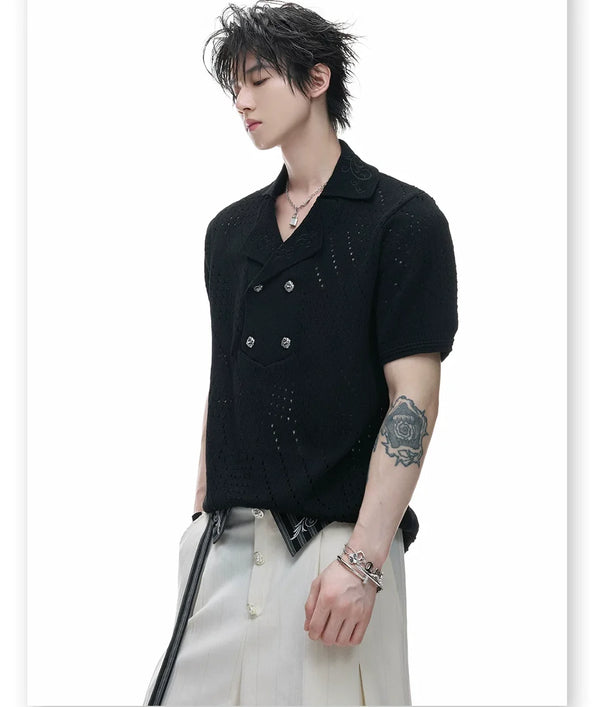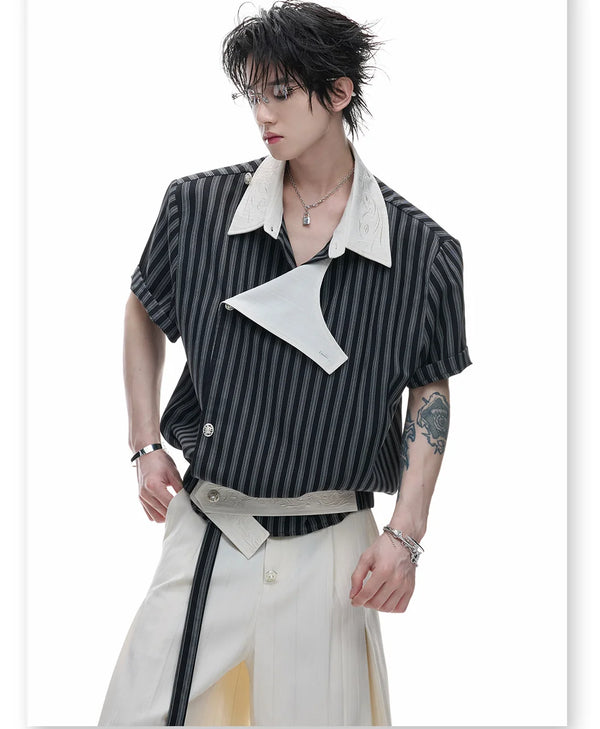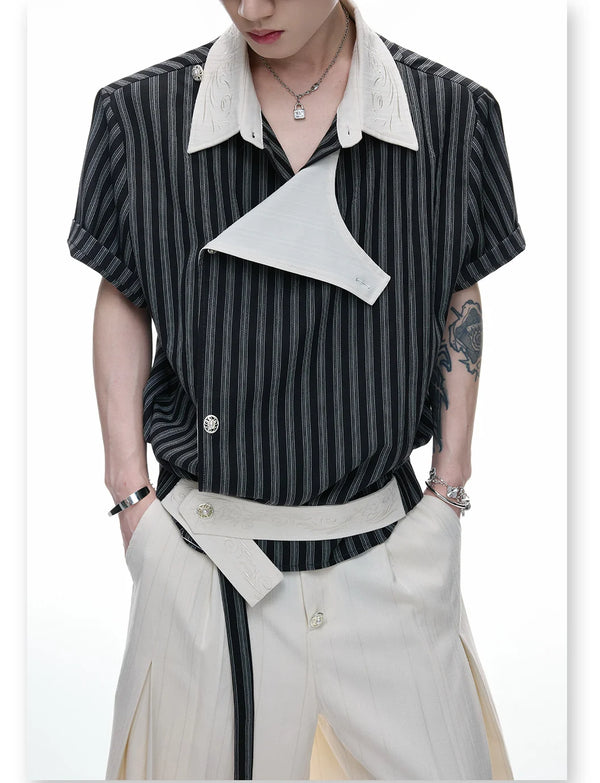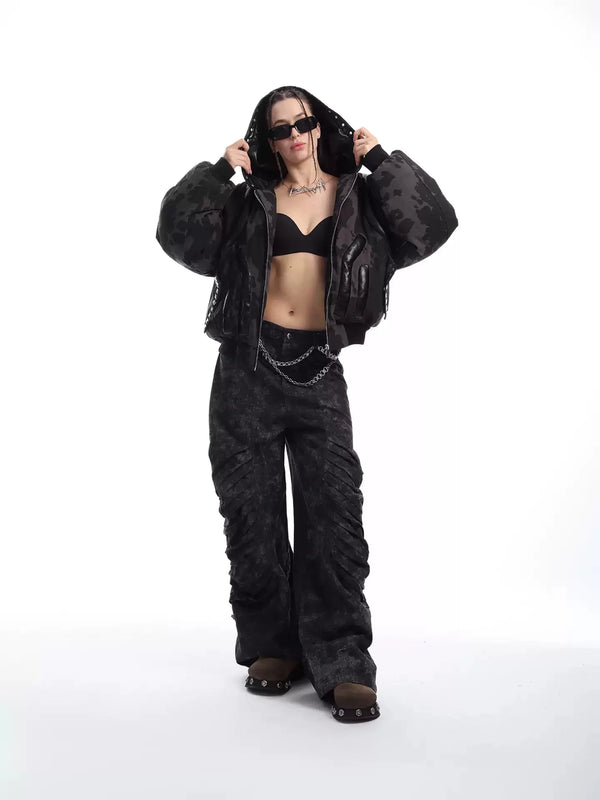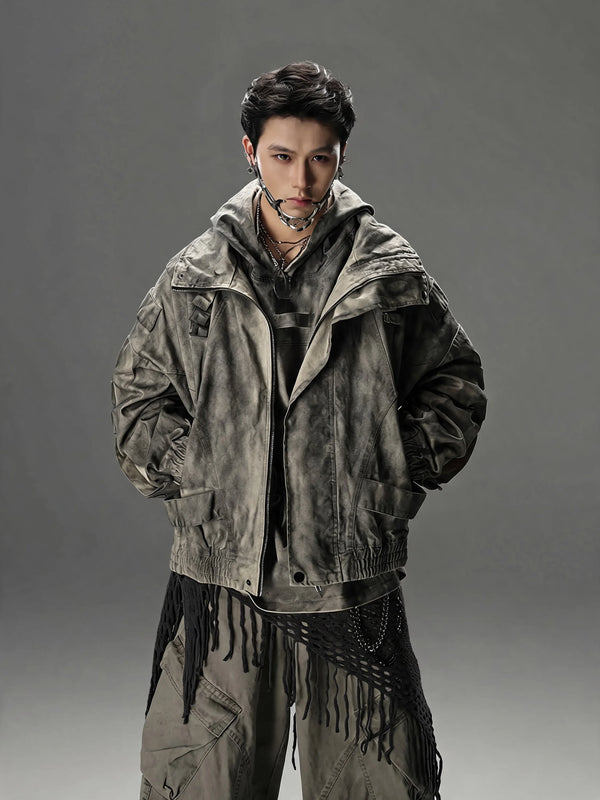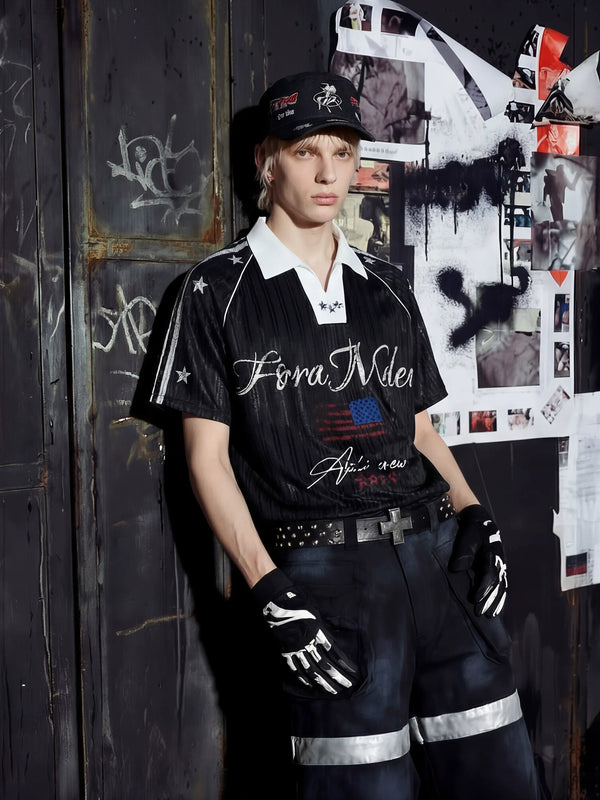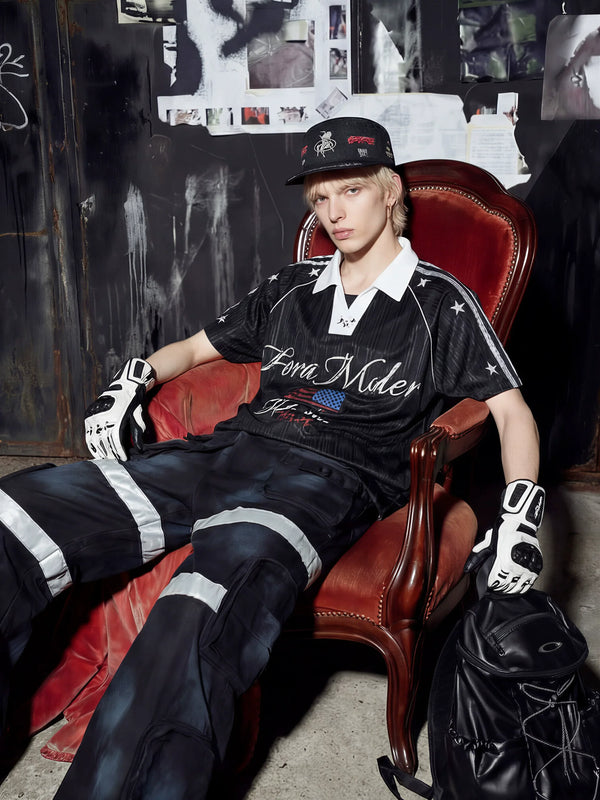

The screenshot has been sitting in the folder for three weeks. A girl on a fire escape in Leipzig, washed-out burgundy cardigan over a baby tee, silver chain, Doc Martens with a worn-through sole. You ran a reverse search, you read through the comments, you checked three shops. Nothing. In the end you land where everyone lands: which brand actually makes exactly that?
Soft grunge brands sort into six categories: alt-fashion houses like Killstar and Disturbia, online alt shops like Minga London, fast-fashion labels with a grunge drawer, vintage and secondhand sources, niche labels from the DIY scene, and Streetwear brands with a soft dark range. Which one works for you is not decided by the name but by whether the brand gets wash, cut and hardware right at the same time. If you need the basics first: the Soft Grunge Fashion Guide explains the style itself, this article explains where it comes from.
Definition
What soft grunge fashion is and what brands make of it
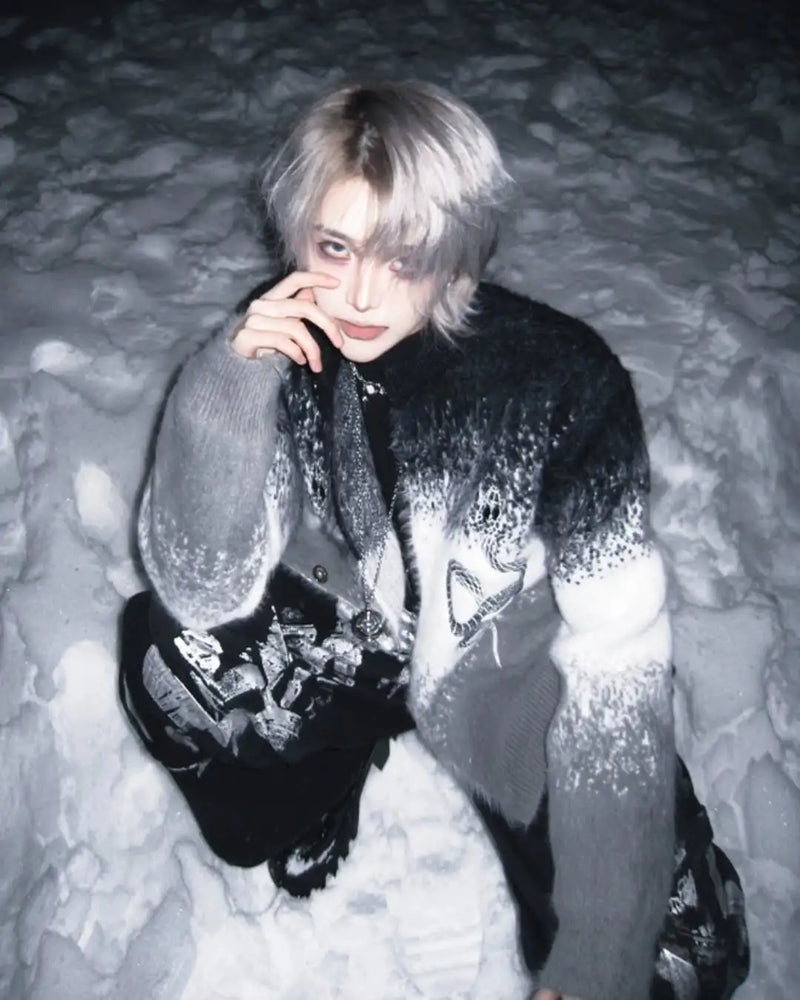
Soft grunge is the defused version of 90s grunge. The original came out of Seattle, was loud, dirty and at its core a rejection of fashion altogether. Soft grunge takes the silhouette and the colours from it, cuts the aggression and replaces it with melancholy. Burgundy instead of blood red. Washed-out black instead of deep black. Knitwear instead of flannel armour.
For brands that means something very concrete: they have to produce clothing that already looks used without looking cheap. That is more expensive and harder than it sounds. A real acid wash, a knit with an irregular structure, a tee with the right degree of fading. Those are production decisions, not design decisions. This is exactly where brands part ways.
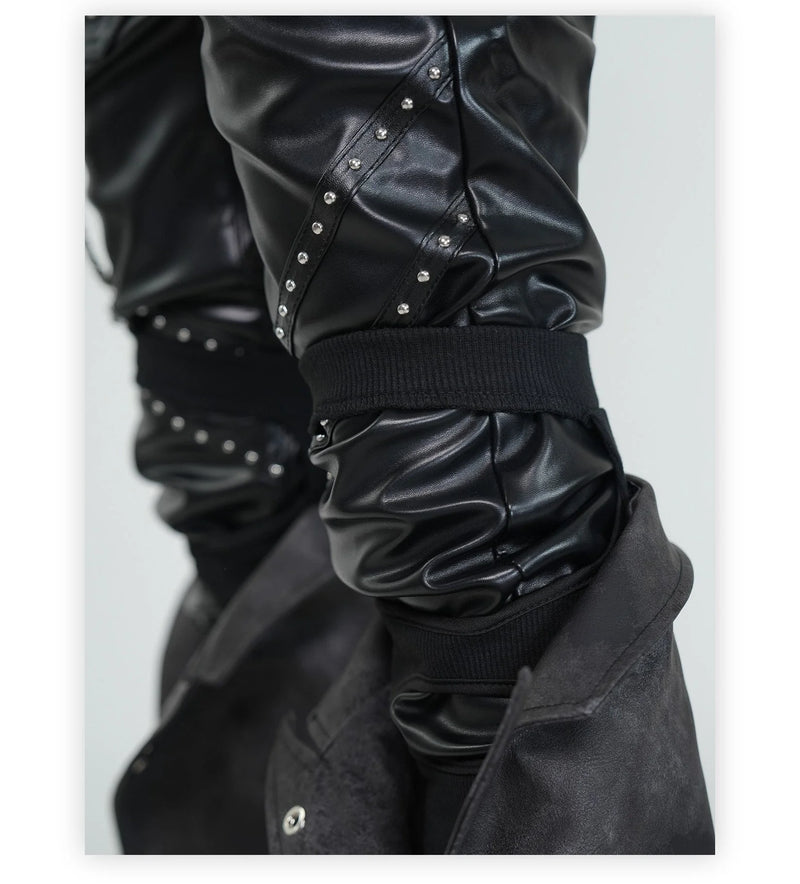
The second factor is hardware. Soft grunge takes silver, but sparingly: one chain, one studded band, one cross. Brands that pour studs across whole surfaces tip over into hard grunge or punk. Brands that leave hardware out entirely end up producing nothing but dark basics.
6
Brand categories in soft grunge
3
Sources for a complete look
2014
Tumblr peak the look comes from
The number in the middle is the most important one. Anyone trying to buy a complete soft grunge look from a single brand gets a set, not an outfit. The style grew historically out of combination: secondhand cardigan over a new tee over vintage jeans. And to this day it looks wrong when everything comes from the same catalogue.
Map
Soft grunge clothing brands: the 6 categories they all fall into
Before any names come up, you need the sorting. Otherwise you buy the same piece three times at three different shops and wonder why the wardrobe is full and still nothing goes together. Every category has a job in the outfit, and no category can take over the job of another.
Most people get stuck in drawers one and two because that is where the search results end. The result is a wardrobe full of prints that looks like a Halloween costume from two metres away. The soft half of the style (knitwear, washed denim, plain tees) comes from drawers four to six.
The names everyone knows
Killstar, Disturbia, Minga London: the alt-fashion houses
Anyone who googles "grunge clothing brands" lands on these three within two clicks. They dominate the search results because they have served the same niche for years and have learned their SEO. That does not make them wrong. It only makes them the starting point, not the answer.
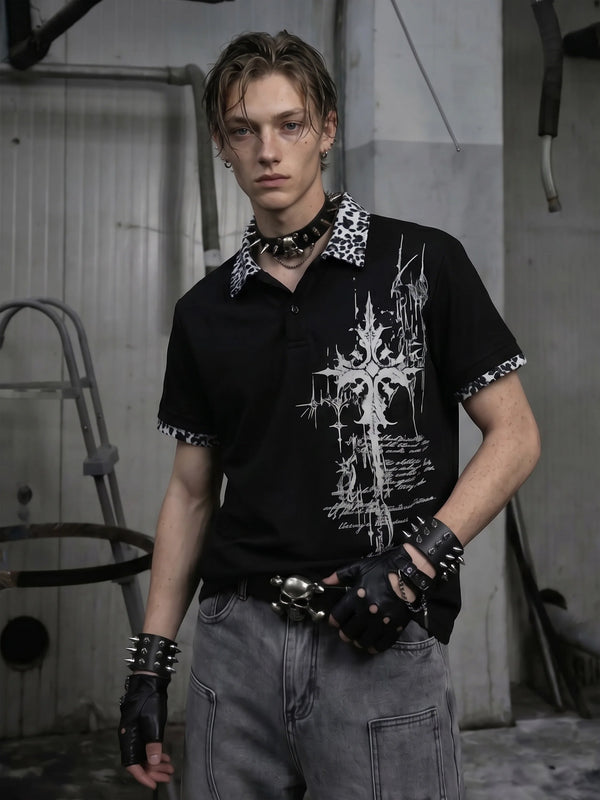
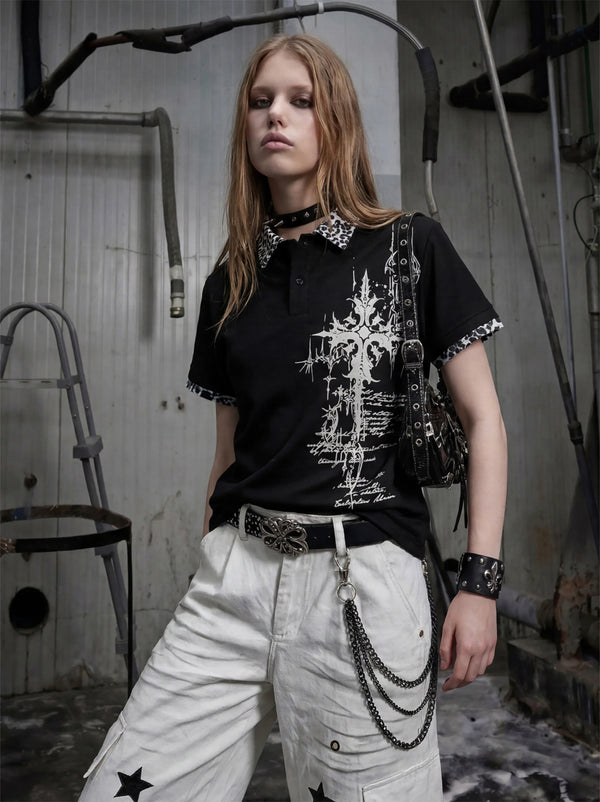
- Killstar: British alt label, strong in the occult print area. Mesh, pentagrams, coffin shapes. For soft grunge you use the plain pieces here: single-colour cardigans, basic longsleeves, occasionally a skirt. The print half of the range pulls you towards Gothic.
- Disturbia: harder graphic language, a lot of black and white, skate influence. Good source for oversized hoodies and cargo cuts. The prints are loud, so one per outfit, never two.
- Minga London: online shop with a very broad alt range. From Y2K baby tees through grungecore flannel to cyber. Accessible on price, quality varies by category. The knitwear and denim pieces are the interesting part.
- Jawbreaker: UK alt classic with punk roots. Strong on dresses and skirts, weaker on the soft basics that soft grunge actually runs on.
All four have the same structural problem for our purposes: they are Gothic brands that take Grunge along. Their strength is the edge: hardware, prints, silhouettes with a statement. But soft grunge needs the opposite 70 percent of the time: quiet, soft, washed-out pieces that can carry the one loud item.
Material question
Which brand has the softest clothes?
The question shows up in every second soft grunge discussion, and the honest answer is unsatisfying: it is not a brand, it is a material. Softness comes from cotton quality, knit density and washing process. Three things the same brand gets right on one product and wrong on the next.
What you check instead: weight in grams per square metre, material mix and wash instructions. A tee under 160 g/m² falls soft and washed out, and that is the soft grunge look. A tee over 220 g/m² stands like a board and belongs to a Streetwear language, not this one. With knitwear the reverse applies: more weight is better, because thin knit loses its shape after three washes.
The second lever is the material mix. Pure cotton gets softer with every wash and is therefore the right choice for tees and hoodies. Acrylic feels soft at purchase and pills after four weeks. A cardigan with a wool content costs more but looks better after two years than on day one, which with this style is literally the goal.
This exact type of top is the mistake most brand lists make: they list the eye-catching pieces and leave out the foundation. Without two or three quiet, soft tops your statement piece has nothing to work against.
Reality
Fast-fashion brands with a soft grunge drawer
Every large chain runs a small grunge corner in autumn: burgundy knitwear, checked shirt, distressed jeans. That is not a conspiracy against the style, just the seasonal calendar. And yes, you can buy there, with two restrictions that make the difference.
First: only take the categories there where fast fashion is structurally good. Those are single-colour basics without a wash: black tees, plain longsleeves, simple cardigans. Second: leave everything there that carries "grunge" in the product name. The printed rip, the fake patch, the pre-made hole at the knee. That is the look of wear without the wear, and you see it immediately.
Where fast fashion really is unbeatable: size availability and returns. If you are still looking for your fit, it is reasonable to test three cuts cheaply and only then invest in an expensive piece. It is just that the whole wardrobe should not end up coming from that source.
Target group
What Gen Z and teenagers actually wear in 2026
The search for the "favourite brand of Gen Z" regularly leads to lists that miss reality, because they confuse revenue figures with relevance. The best-selling brand of an age group is almost never the one that defines its aesthetic. It is the one that supplies the basics.
In the soft grunge world the pattern looks like this: the base comes from large, cheap suppliers or from the secondhand shop. The identity-defining piece (the jacket, the chain, the one pair of trousers) comes from a small label found through TikTok or Instagram. That is why the outfits look coherent even though nobody wears the same brands.
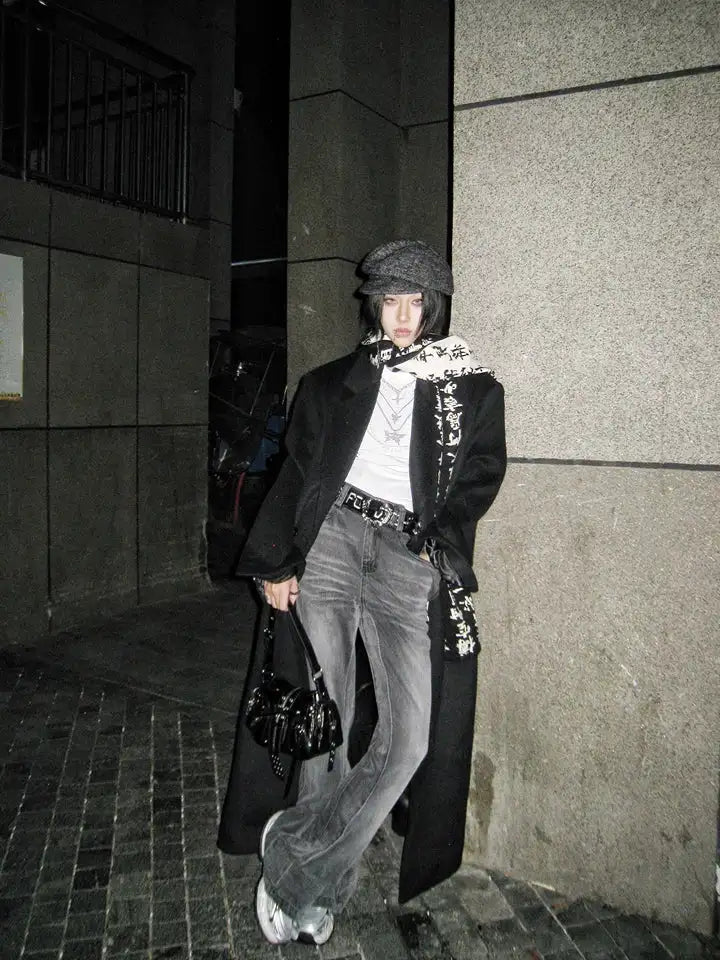
What teenagers actually wear right now changes faster than any list. The structure stays stable: a wide bottom, a quiet top, a statement layer, a silver detail, sturdy shoes. Anyone who can fill those five slots is in the look, no matter which label is sewn in.
That is also why the question about the one right brand never gets a satisfying answer. It is posed wrongly. The better question is: which brand fills which of the five slots most reliably for my body and my budget?
Distinction
Y2K grunge clothing brands vs. soft grunge brands
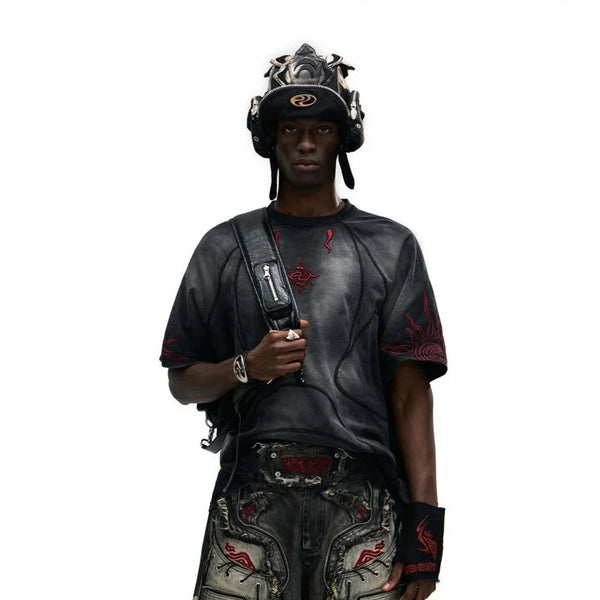
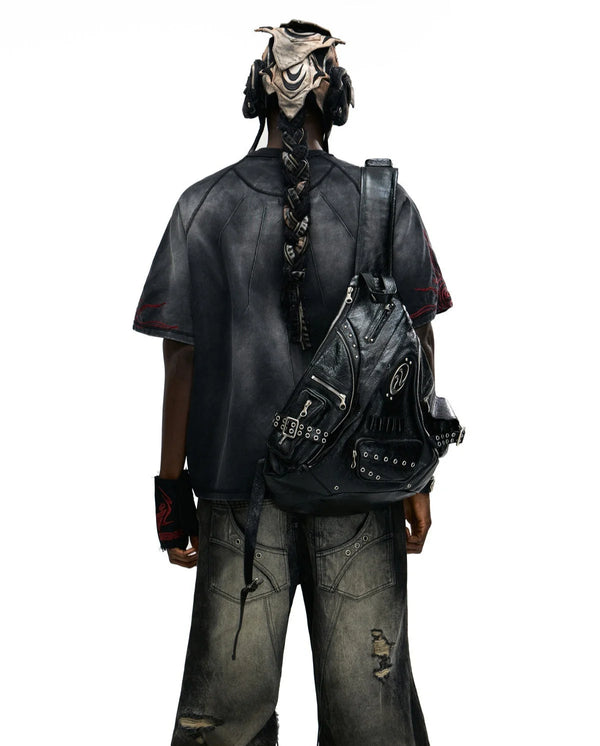
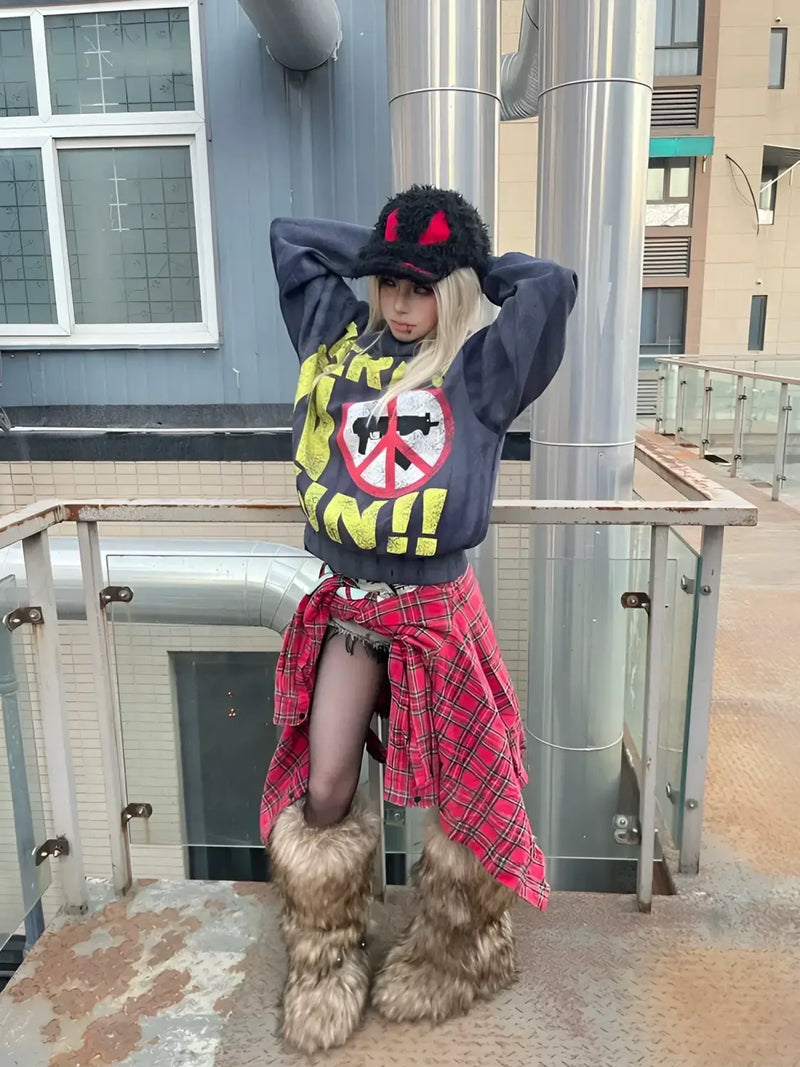
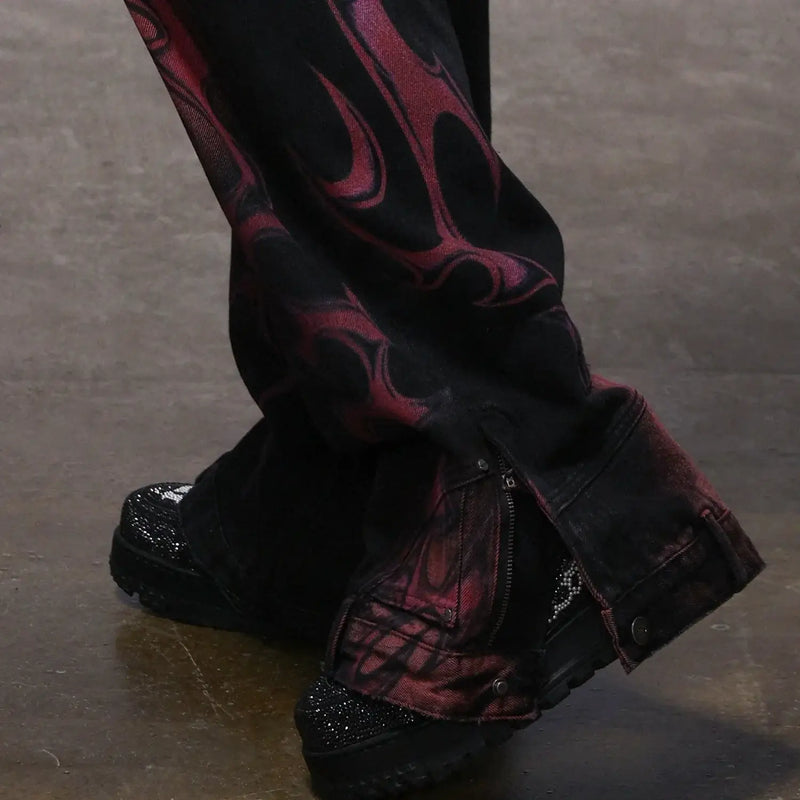
The two search terms overlap heavily but mean different ranges. Y2K Grunge pulls from the early 2000s: low rise, flame and tribal prints, shiny materials, butterflies, plenty of metal. Soft grunge pulls from 2014 Tumblr: burgundy, washed-out black, knitwear, crosses, Doc Martens.
In practice that means: a brand can serve both, but rarely on the same shelf. If a shop carries Y2K graphics and soft grunge knitwear, those are two product lines with different suppliers. Buy per outfit from one of the two worlds, otherwise you get a mixed picture with no direction.
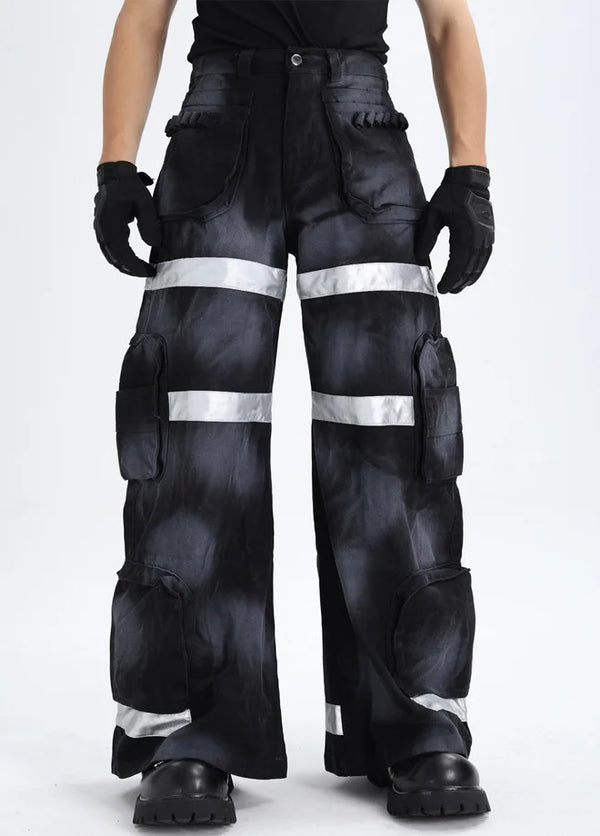
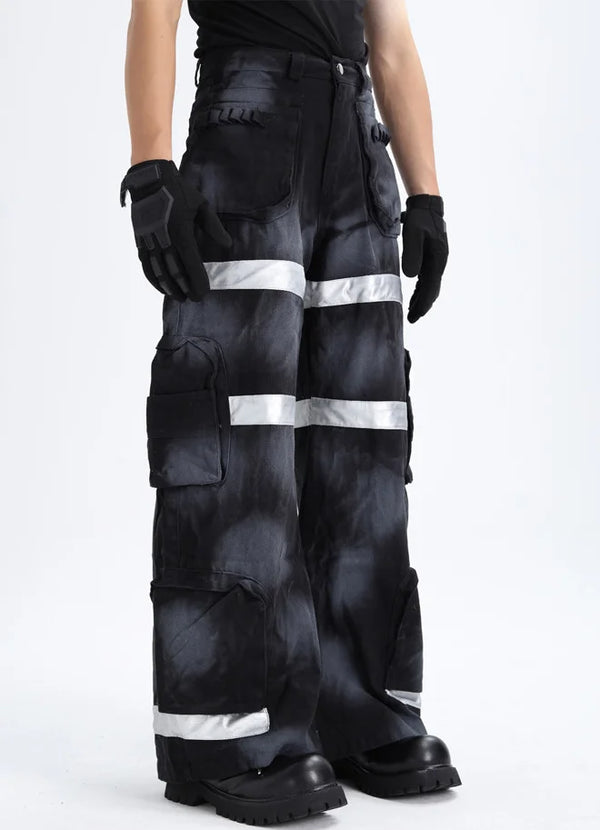
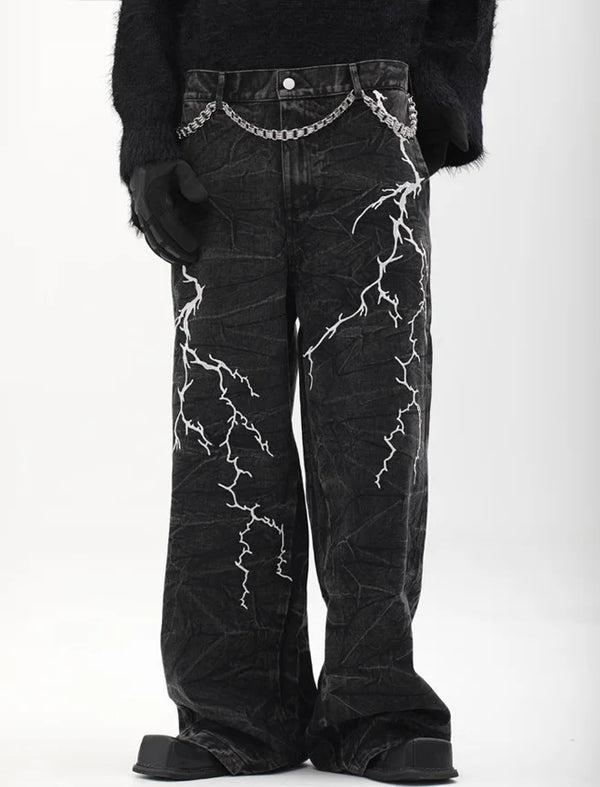
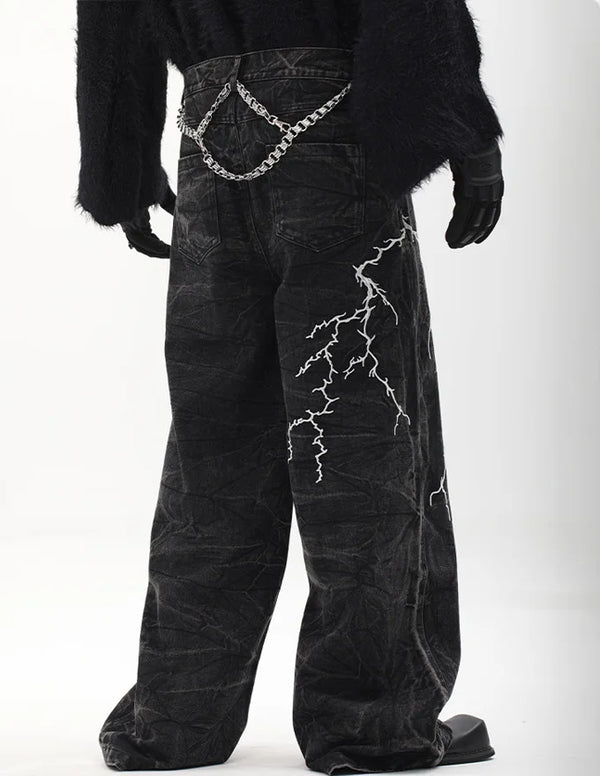
@fugastudios These pants ate and left no crumbs 🖤 walking chaos in denim form #fugastudios #darkfashion #widelegpants #fyp #distresseddenim ♬ Originalton - Fuga Studios
The video shows the transition quite well: the denim is Y2K in its width, but the wash and the restrained choice of top pull it back towards soft grunge. That is exactly the point where it is decided which world a piece lands in.
Germany
Alternative clothing in Germany: where you actually order here
The German market has a specific problem: the big alt-fashion names sit in the UK, and since Brexit customs and import VAT come on top. A cardigan for 45 pounds quickly lands at 70 euros on the invoice, and the return costs you again.
That is why a different route pays off for alternative fashion in Germany: sellers with EU shipping and a clear cost structure, plus the local secondhand scene for the vintage half of the look. Berlin, Leipzig and Cologne have dense secondhand networks where real 90s pieces sit under 20 euros.
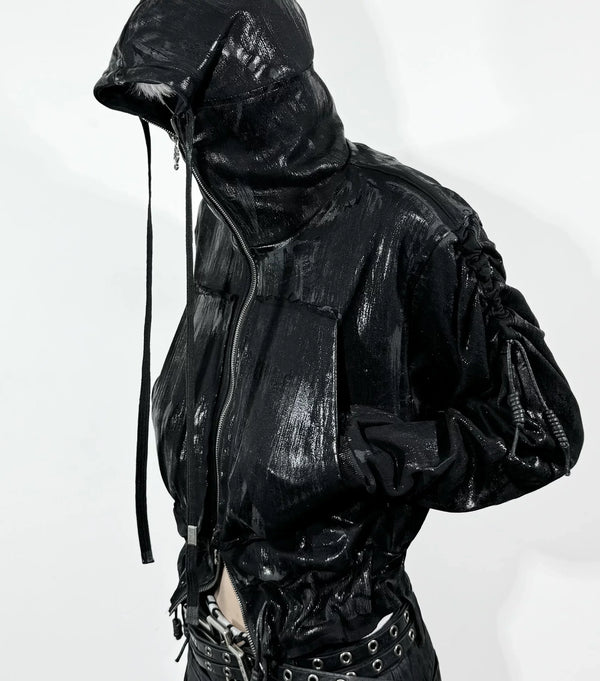
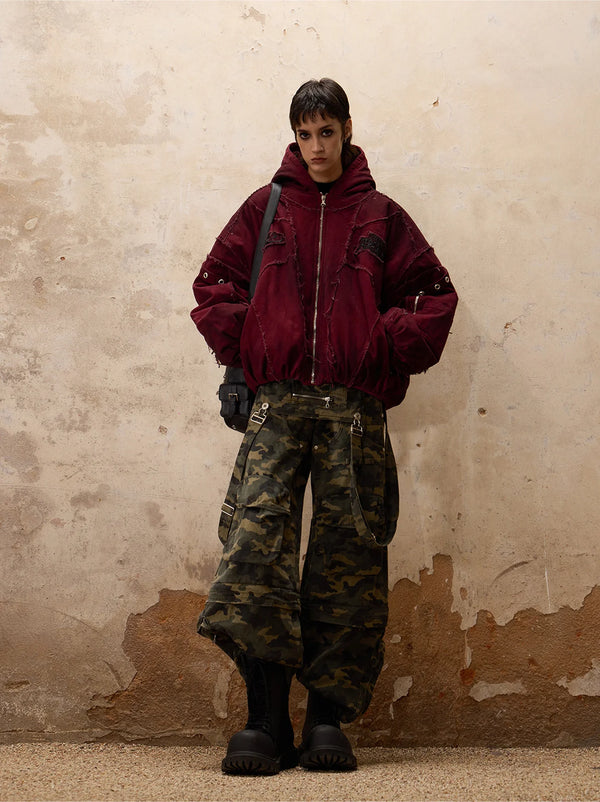
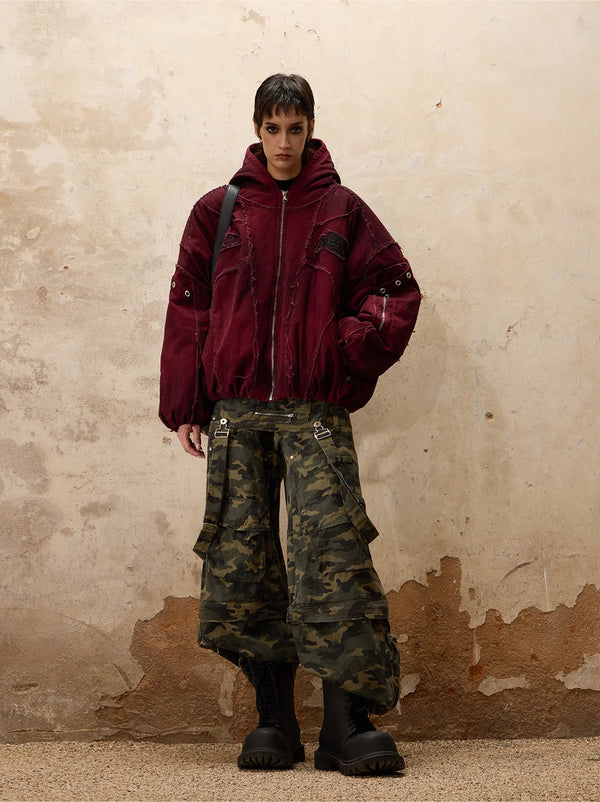
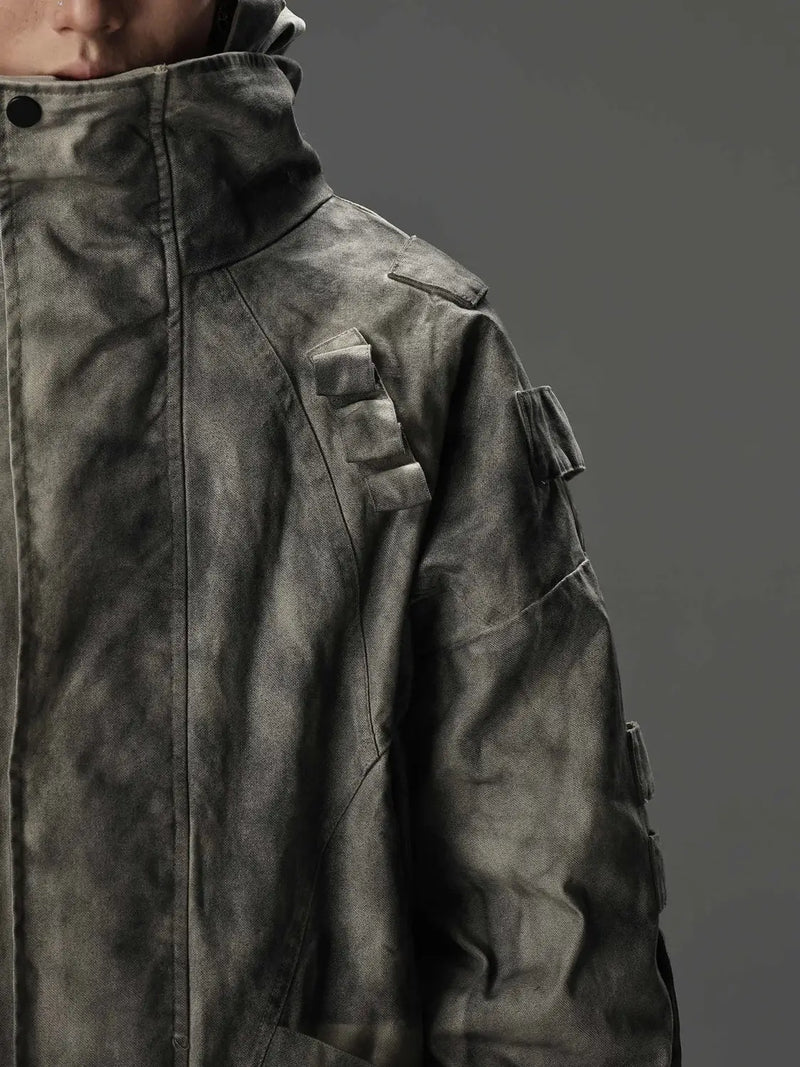
The outfit is decided at the layer. An acid wash jacket over a quiet tee is soft grunge; the same jacket over a print shirt with chains is something else. Keep exactly one piece loud per look and let the others work.
Anyone who shops this way quickly notices that their own collection lists to one side. For most people it is too many tops and too few bottoms, because tops are cheaper and easier to judge online.
Men
Men's grunge clothing brands: what runs differently for men
The range is largely the same, the order is not. On women the volume in soft grunge often sits on top (oversized cardigan, wide knit) and gets narrower below. On men the reverse distribution works better: wide bottom, quiet top, a single dark layer over it.
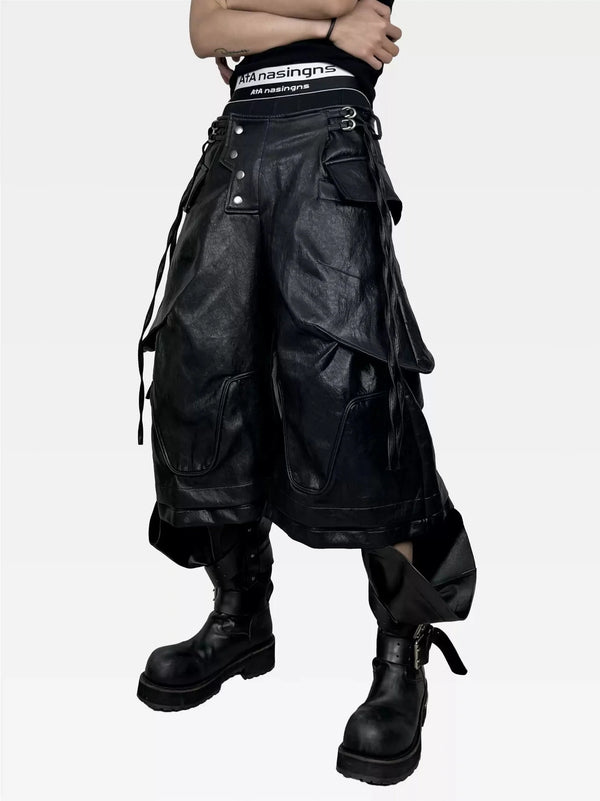
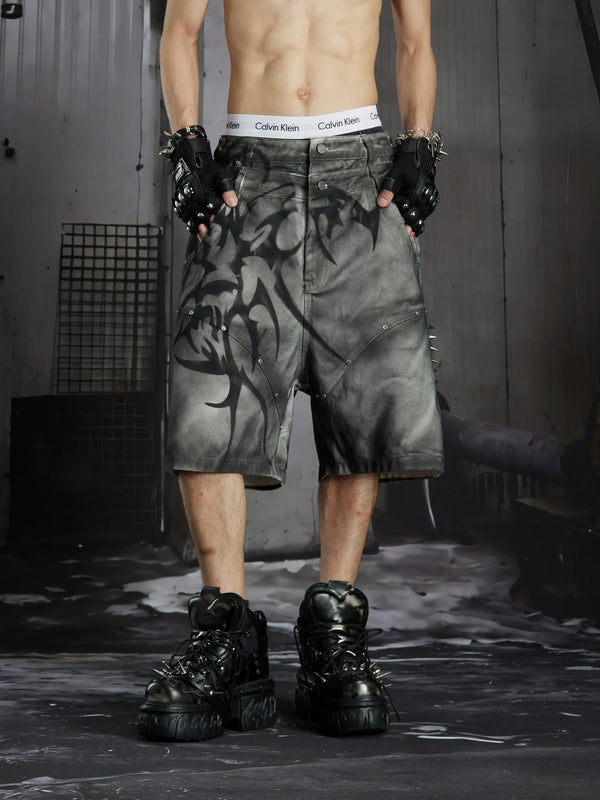
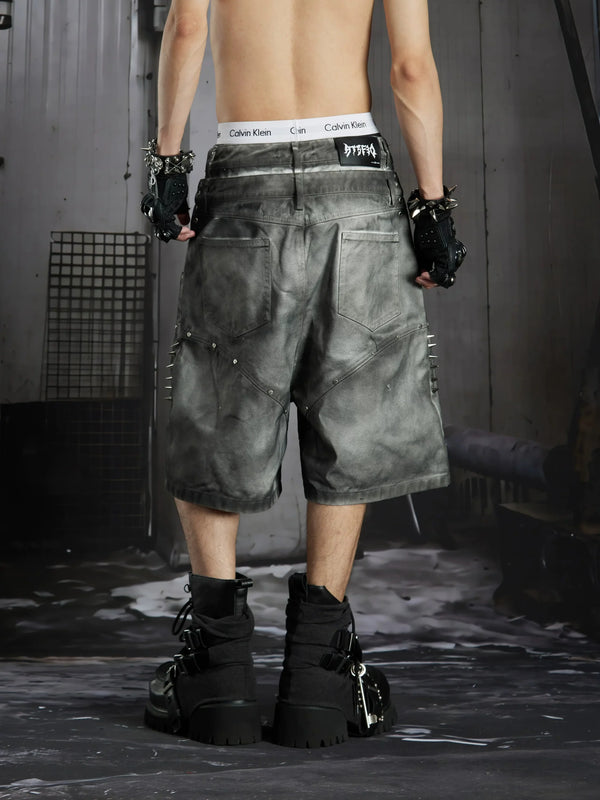
In practice that means a different brand selection. The classic alt-fashion houses are strong on dresses and skirts and weak on men's trousers. For the bottoms it pays to look at brands with Streetwear and denim competence, where wide-leg cuts and washes are core business.
When buying menswear, pay particular attention to the length. A wide-leg cut that ends above the shoe looks like the wrong size; one that rests on the shoe and breaks slightly looks like intent. That is the difference between "bought too big" and the look.
Method
The 3-3-3 rule: building a whole wardrobe with three brands
The 3-3-3 rule is originally a capsule wardrobe method: three tops, three bottoms, three layers or shoes. Out of that you build a surprisingly large number of combinations. For the brand question it translates directly and solves exactly the problem most people fail at.
You pick three sources and give each one a job. Source one supplies the soft base: tees, longsleeves, knitwear. Source two supplies the bottoms: denim and wide trousers with a decent wash. Source three supplies the character: the jacket, the chain, the belt, the cap. Every source gets three pieces, and you buy nothing that does not fit into one of the nine slots.
The effect shows after roughly six weeks. The wardrobe gets smaller, the number of wearable combinations goes up, and the brand question answers itself. By then you know from experience who reliably hits which slot for you.
Test
How to spot a real soft grunge brand
There are four signals you can read off the product photo and the description before you order. They are unspectacular and therefore reliable. Marketing copy lies, product data rarely does.
- Colour card instead of colour names: real soft grunge ranges run on burgundy, mud green, dusty pink, washed-out black and grey. Anyone carrying neon and pure white instead is serving a different world.
- Wash in the product name: terms like washed, acid, stone or vintage-dye show that the brand runs washing processes. That is the expensive part of production.
- Material details visible: cotton content, weight, knit gauge. If those details are missing entirely, it is usually acrylic with a soft handle and a short life.
- Model photos without full kit: if every photo shows a complete costume, the brand is selling looks. If single pieces are combined quietly, it is selling clothes.
The fourth signal is the most important one and gets overlooked most often. A brand that only ever shows its pieces in a complete themed outfit has no confidence in the single item. But that confidence is exactly what you need, because you are combining the piece with things you already own.
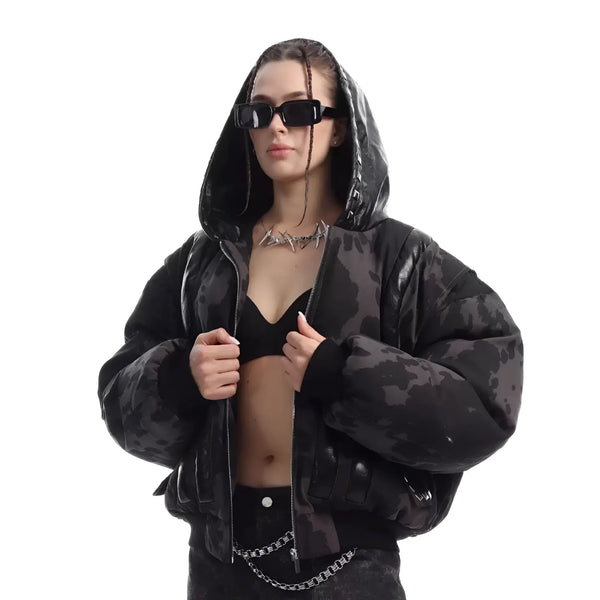
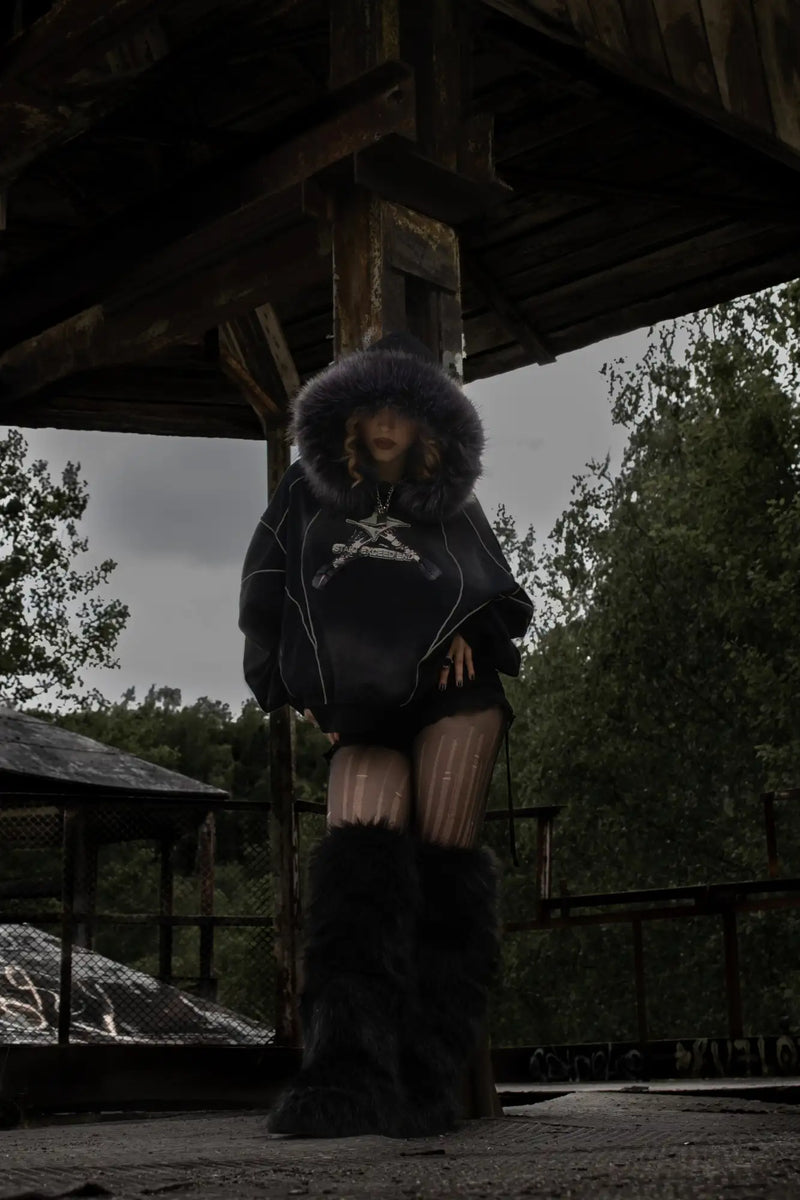
@fugastudios Witness pure darkness in motion. The Opium EXCEED Puffer, for those who command attention 🖤 Shop now at fuga-studios.com #fashiontiktok #darkstyle #blackfashion #FugaStudios #darkwear ♬ Originalton - Fuga Studios
Movement is the most honest test you get online. A fabric that falls and swings as you walk has the right weight. One that moves along stiffly will look stiff on you too, no matter how good the still image looks.
Mistakes
6 mistakes when shopping soft grunge brands
The following six patterns show up in almost every beginner wardrobe. None of them is a matter of taste. They are buying decisions that cannot be repaired later, because the piece simply stays in the wardrobe.
Mistake four is the most expensive one, because it builds up gradually. Next time you order something and already own five similar tops, put it back and buy a pair of trousers instead. The effect on the number of your wearable combinations is immediately noticeable.
Budget
Price and quality: what a soft grunge piece is allowed to cost
Soft grunge is one of the few styles where expensive does not automatically mean better. A 200-euro designer cardigan with perfect construction can look more wrong in this context than a 15-euro find at the flea market, because it lacks the history. Price here is a tool, not a quality marker.
As a guide: with basics (tees, longsleeves) it makes sense to pay little and replace more often. With knitwear and jackets the premium pays off, because material quality becomes directly visible. With accessories it is not the price that decides but whether the metal keeps its colour; cheap silver turns green, and that is the only way a soft grunge detail can really look wrong.
A belt and a cap together are rarely expensive, but they change the effect of a whole outfit. If you have to save on budget, save on the basics and not here. The detail is the part people see first in photos.
Setup
Your soft grunge brand setup for 2026
Let us sum up the practical part. You need one source for soft basics, one for bottoms with a real wash, one for the character layer and ideally a secondhand channel for the pieces that cannot be bought. Four channels, nine to twelve pieces, and the wardrobe stands.
The order counts: start with the bottoms, not with the eye-catching things. Two well-fitting wide trousers with the right wash carry every top you put with them for half a year. The reverse does not work. Five great jackets over badly fitting jeans stay five great jackets over badly fitting jeans.
FAQ
Frequently asked questions about soft grunge brands
These questions come up most often in searches and comments. The answers are kept short. What belongs in more detail is further up in the article.
Is Killstar a soft grunge brand?
Which brand has the softest clothes?
What is Gen Z's favourite brand?
Which brands do teenagers wear in 2026?
How do I recognise a real soft grunge brand?
Is secondhand worth it for soft grunge?
How much should a soft grunge piece cost?
In the end the whole brand question comes down to a very unglamorous insight: the style happens in your wardrobe, not in the shop. Brands supply building blocks, and the good ones supply them in the right wash, in the right colour and with the right amount of metal. Putting them together is on you.
If you start tomorrow, start with the bottoms, keep one piece loud per outfit, and pull from at least three different sources. That is the whole method.
What do you think?
Tell us on @fuga_studios
About the author
Philipp Fuge — Founder · Berlin
Founder of Fūga Studios. Writes the journal himself. Berlin · Shanghai · Tokyo · Poznań — four cities, one logic.