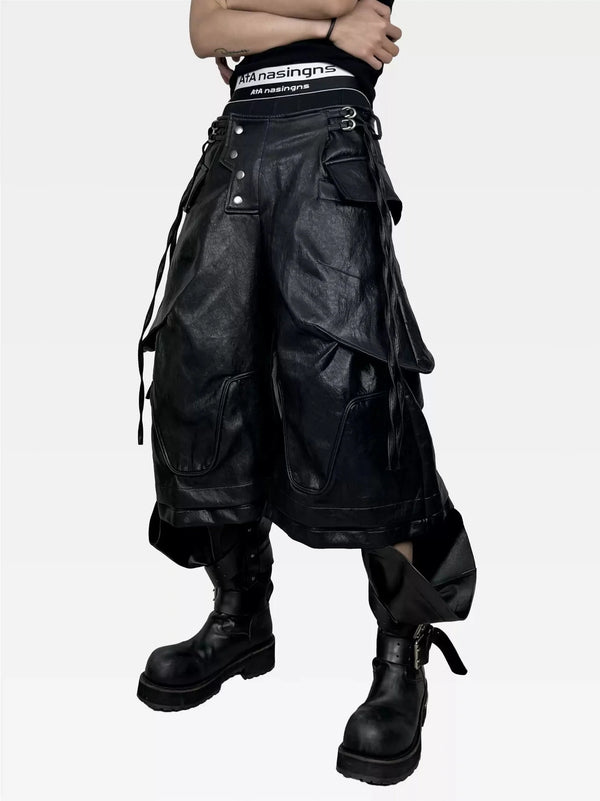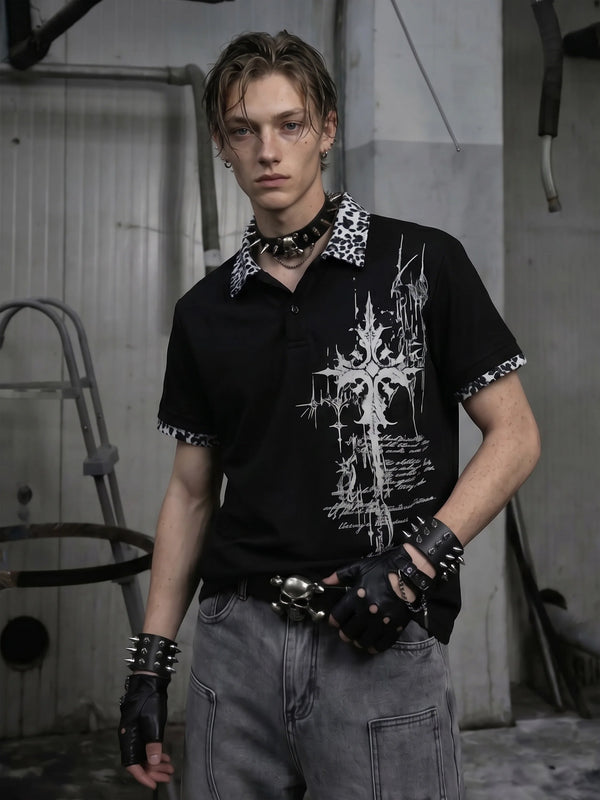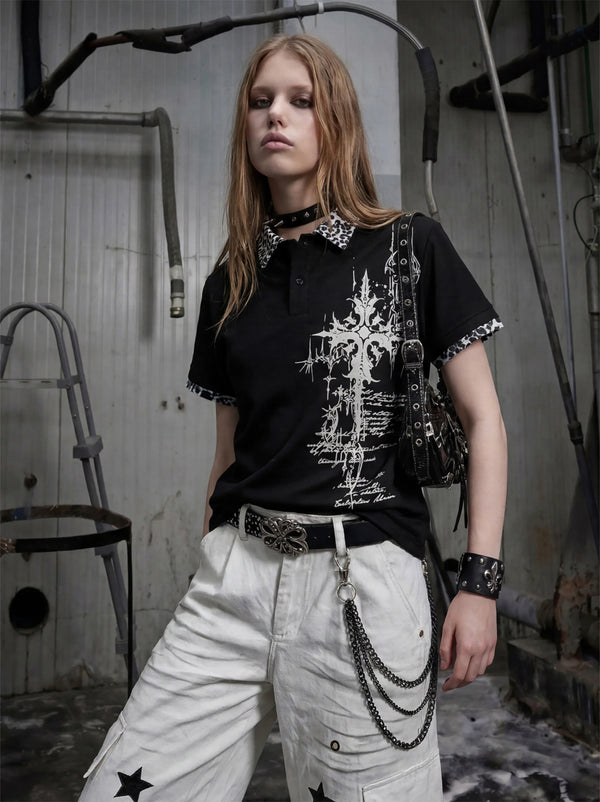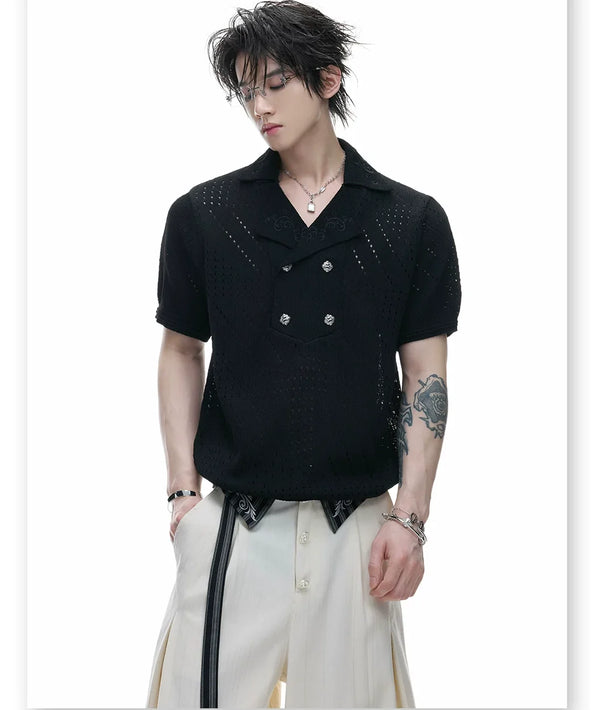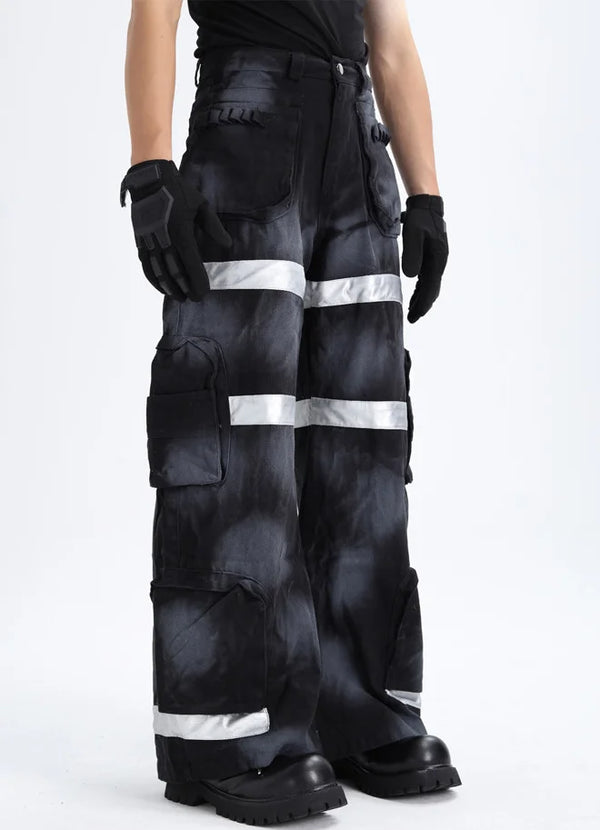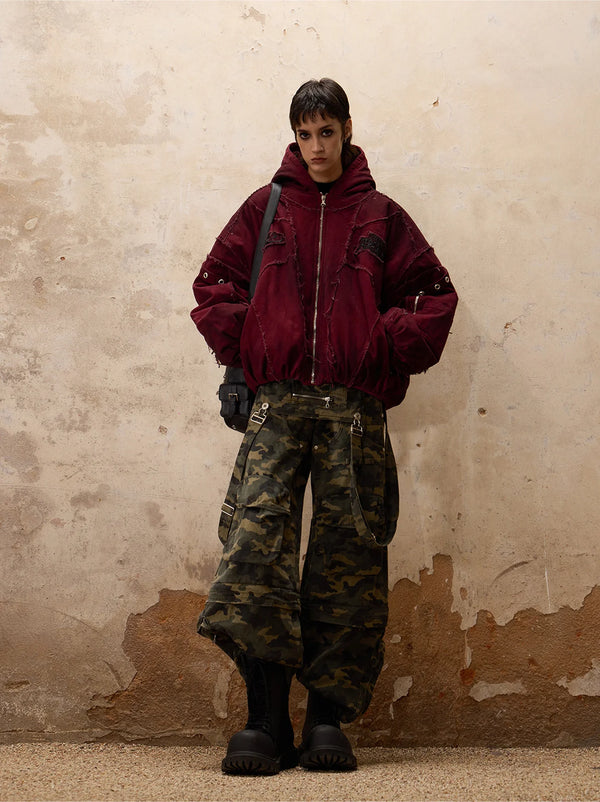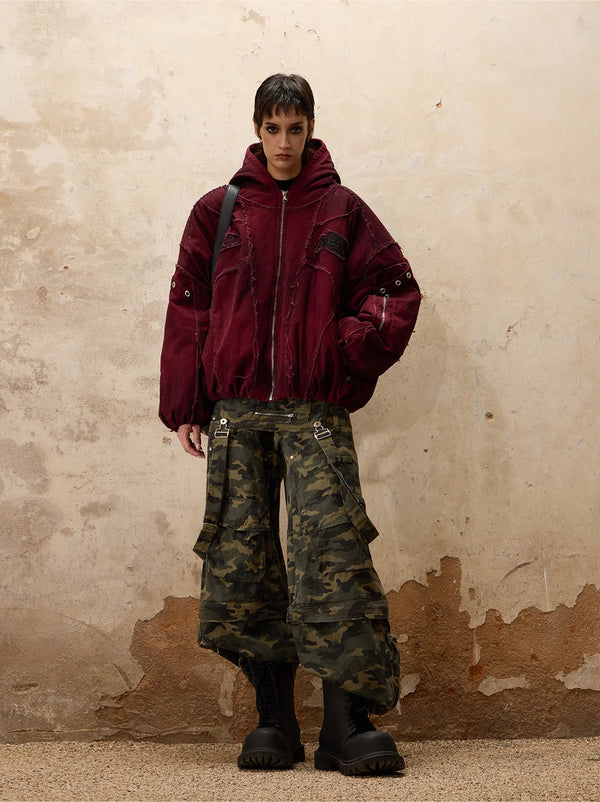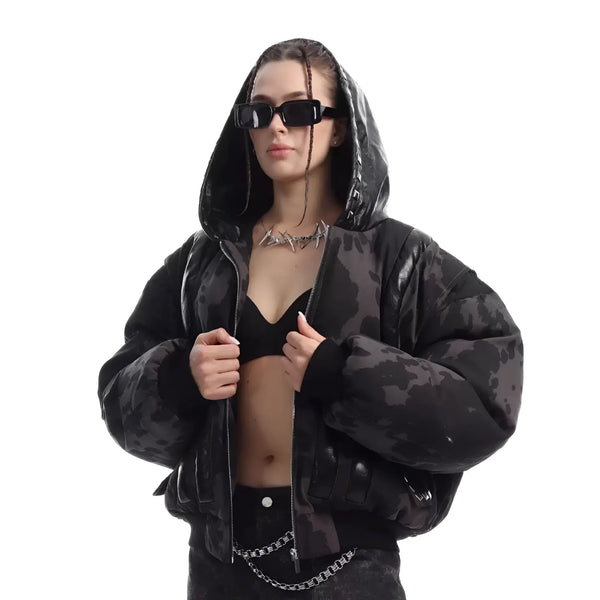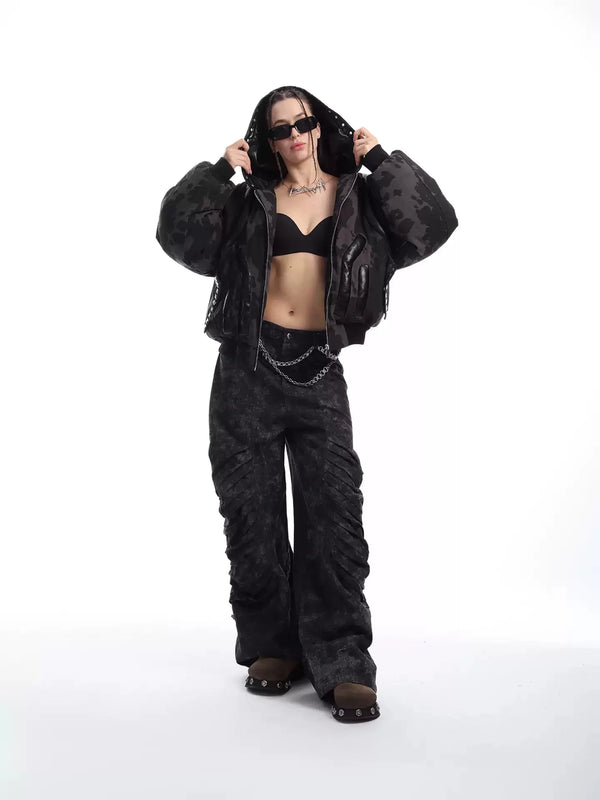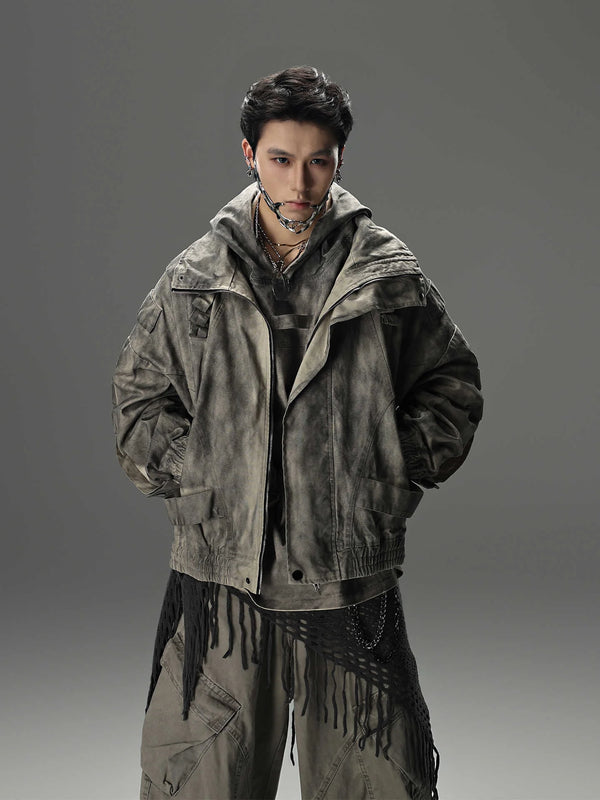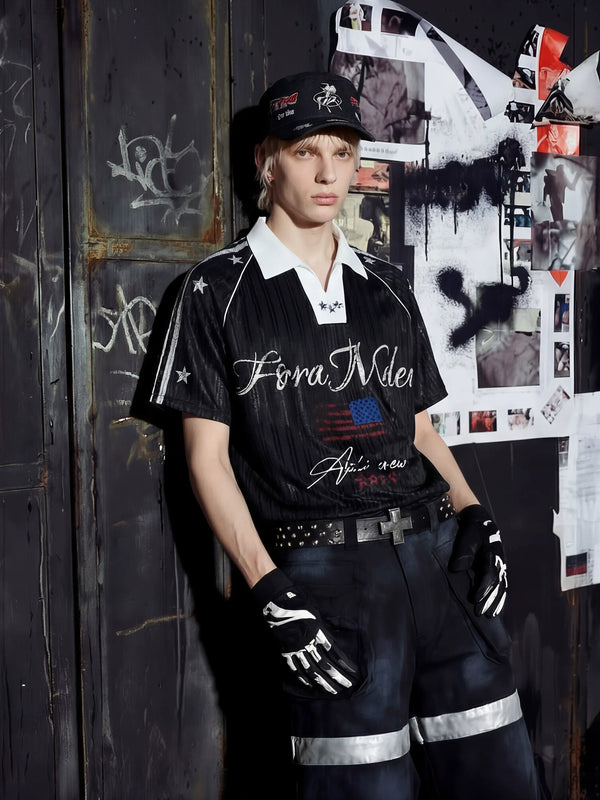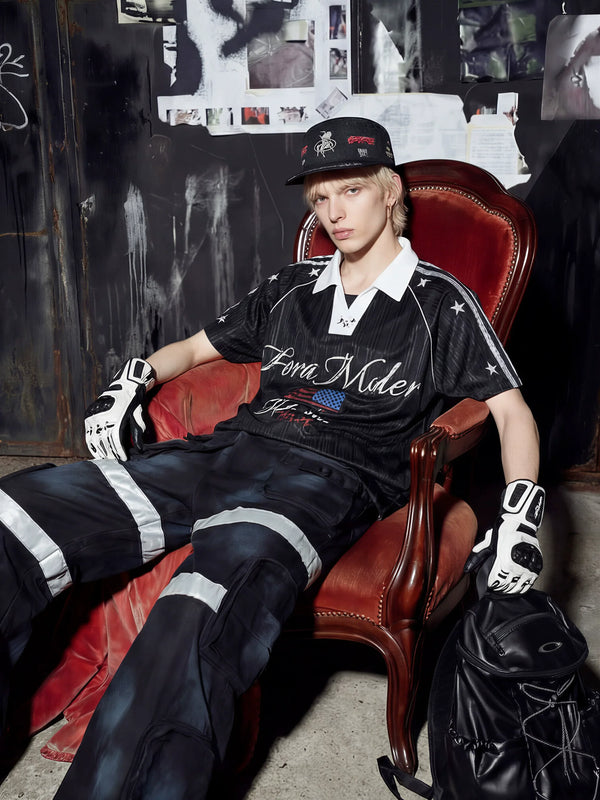
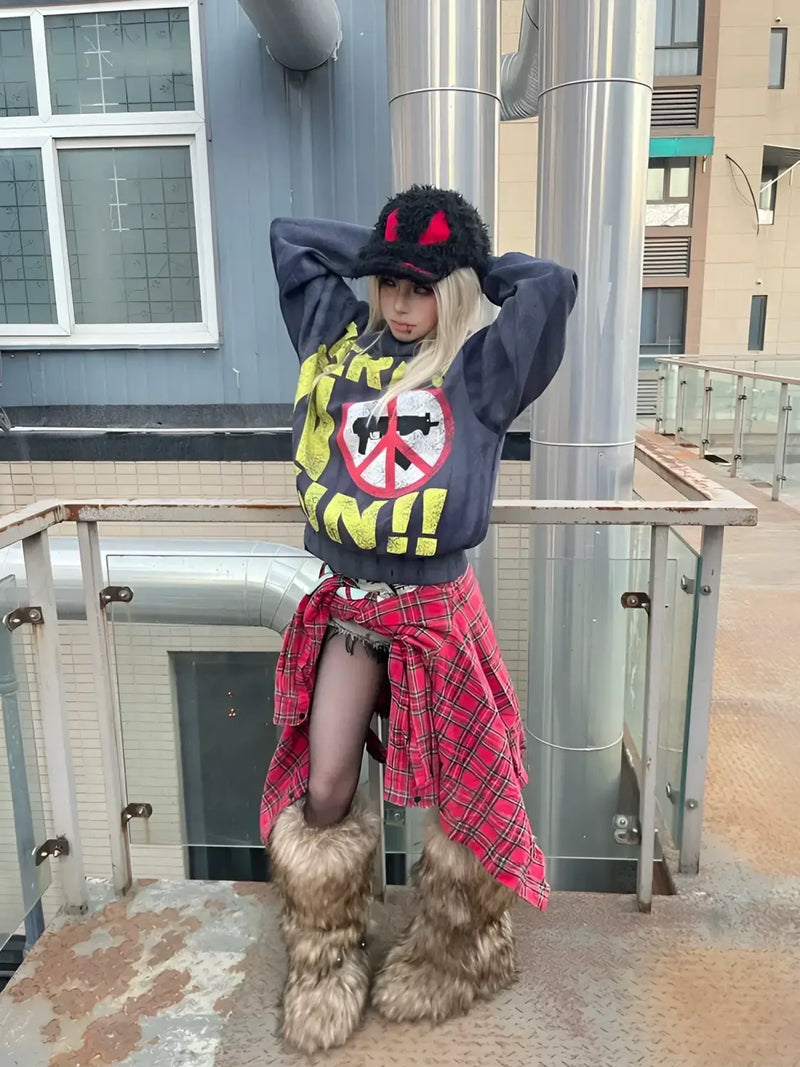
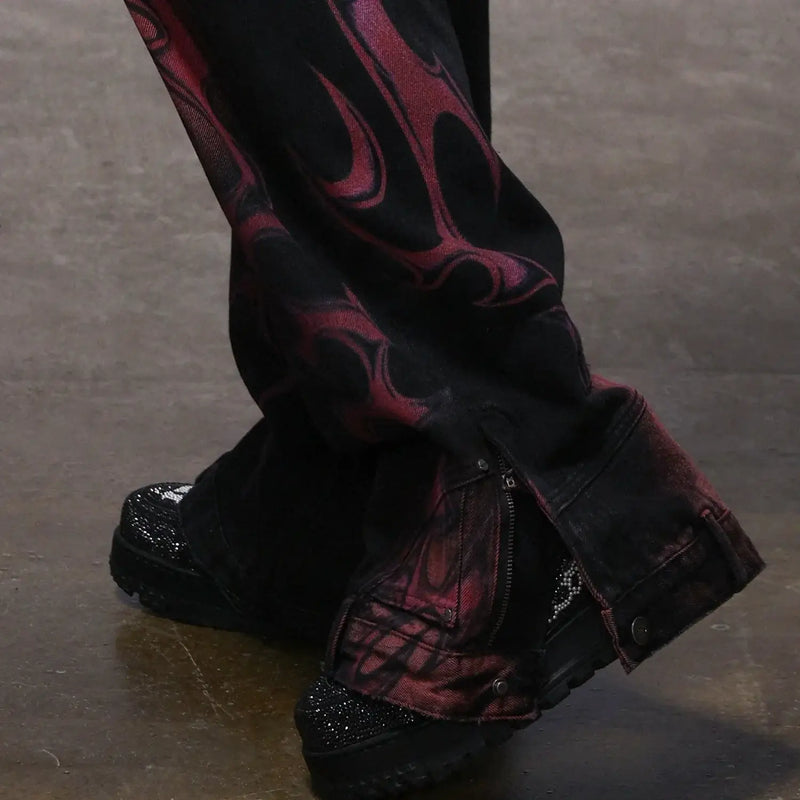
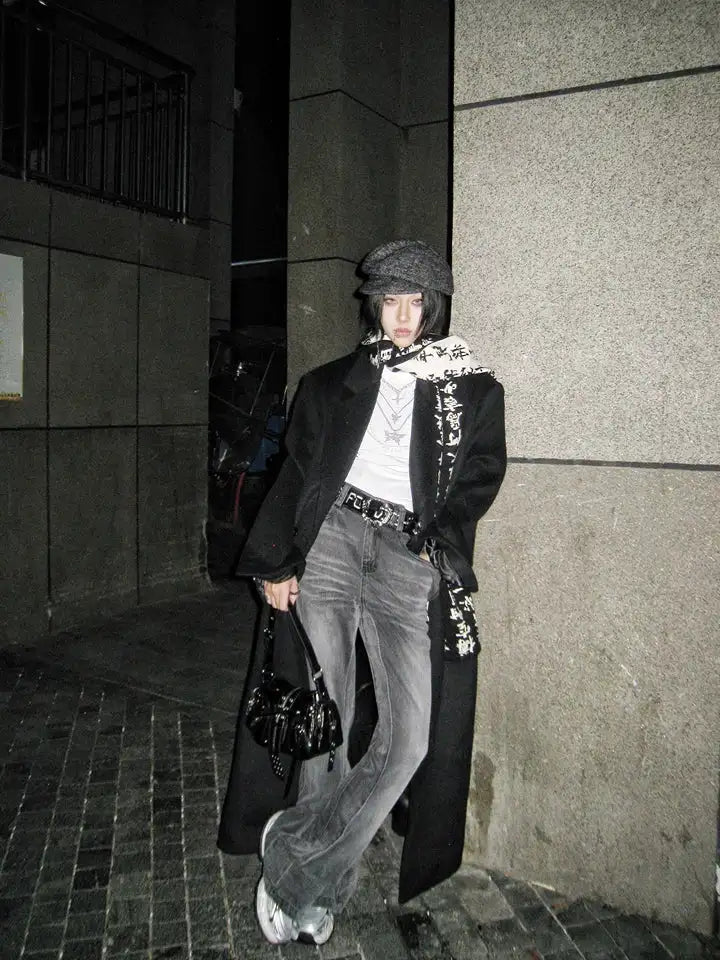

The Nike Dunk Low has been the most unremarkable universal sneaker in streetwear since 2020. That's exactly its problem. Unbox it and you think: "goes with everything." Wear it and you see: goes with almost nothing right. The difference between a clean Dunk outfit and one that looks like the walk home from the gym is six concrete rules — not taste.
The Dunk Low came out in 1985 as a college basketball shoe, lived on in the 2000s as a skate platform, and has been the default choice for everything below Smart Casual since Travis Scott's Lowball in 2020 plus the Panda reset in 2021. In the universe where Air Force 1 and Stan Smith sat undisputed five years ago, the Dunk now lies on top. That has a consequence: everyone has it. To stand out anyway, you build the outfit around it cleanly — or you look like 30 million other wearers.
This guide takes the system apart: where the Dunk comes from, what makes an outfit a Dunk outfit at all, the five archetypes from Skater to Old-Money-Casual, how the women's and men's versions differ, the colorway logic (which Dunk dictates which outfit palette), pant/top/jacket pairings, the sock-game physics, summer-vs-winter care, six mistakes that reliably tip the outfit over, and the four base pieces you start with.
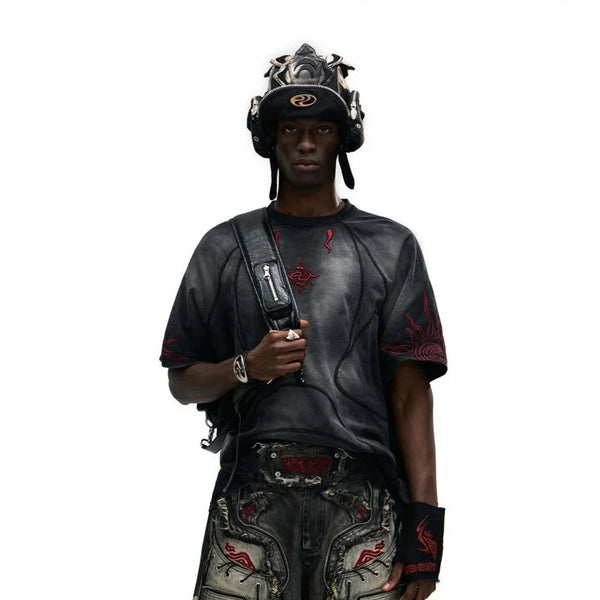
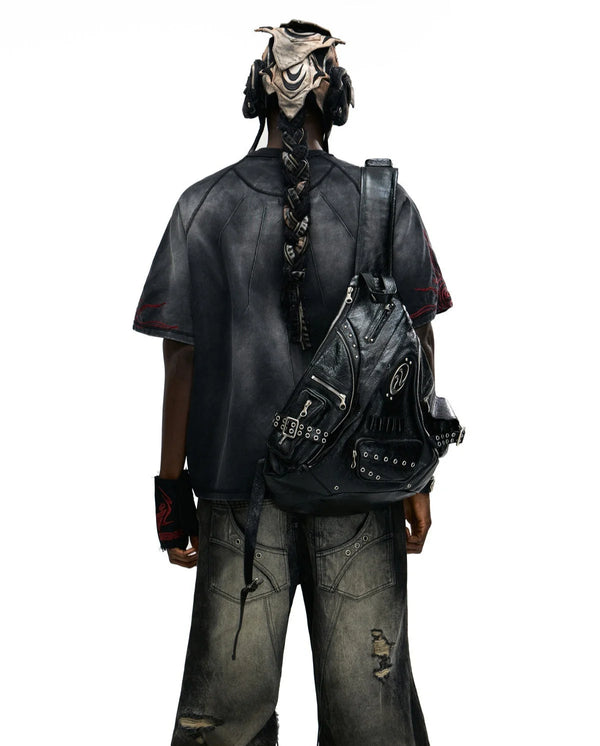
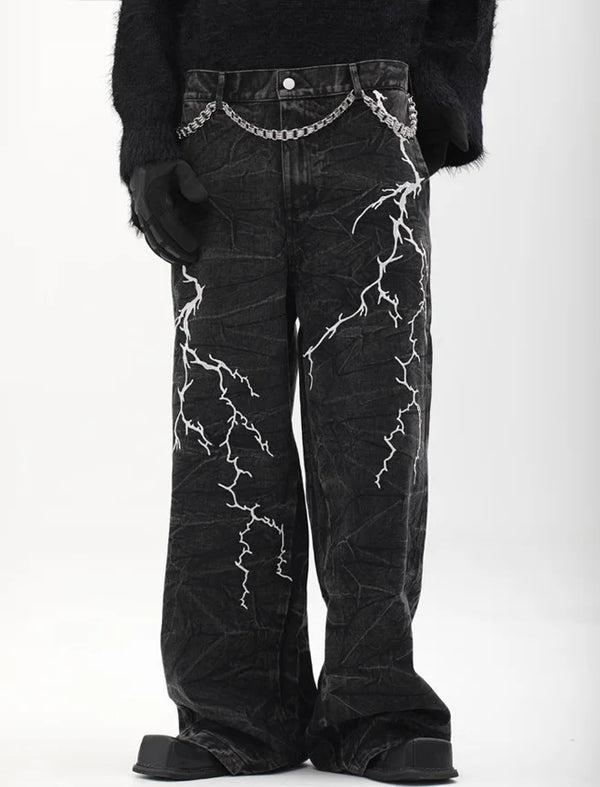
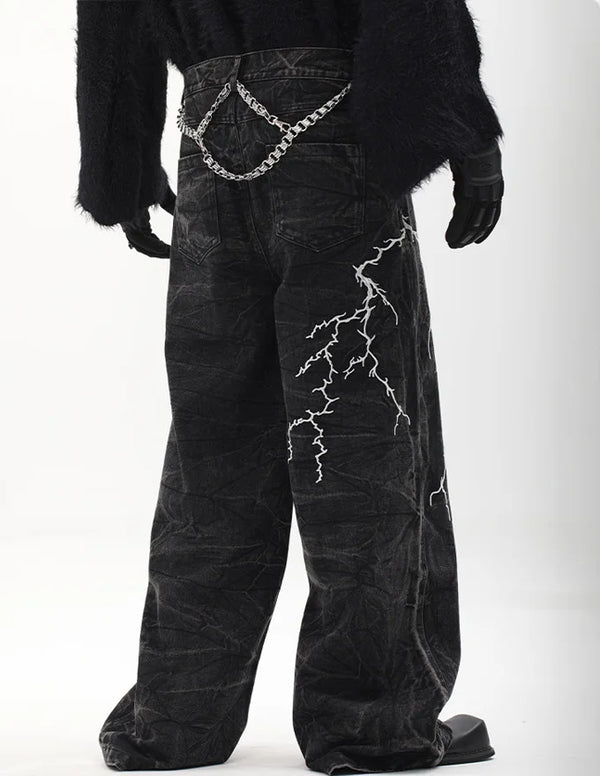
Here's how it looks on the street — outfit test in twelve seconds:
Origin
Who invented the Dunk Low — and why is it called Dunk?
The Nike Dunk was designed in 1985 by Peter Moore — the same designer who made the Air Jordan 1 a year earlier. The brief was banal: a basketball shoe Nike could sell to US college teams in their team colors. The program was called Be True To Your School. Seven colorways, seven schools — Michigan, Kentucky, Iowa, Syracuse, Villanova, St. John's, Georgetown. That's where today's sneaker colorway nicknames come from.
They chose the name Dunk because the shoe was meant primarily for the action at the hoop: a low shaft for more ankle mobility, a thicker sole for cushioning on the jump. The high variant came first, the low as a side production. Both flopped commercially. Nike discontinued the Dunk line in 1990.
The skate scene saved it. In the late 90s, Californian skaters started buying used Dunks — the thick sole cushioned hard-flip landings better than any Vans Sk8-Hi. In 2002 Nike responds with the launch of the SB line: reinforced padding, a Zoom Air unit under the heel, a fatter tongue for protection. From then the Dunk was the skate sneaker — and in parallel, via the Supreme x Nike SB Dunk (2002), the first truly hyped sneaker drop of the internet age.
Today's wave began in 2019 with the Travis Scott Dunk Low Lowball drop, exploded in 2020 with the return of classic college colorways, and crystallized in 2021 with the Panda (Black/White) — the best-selling sneaker of the year. Anyone wearing Dunks today isn't wearing "the Nike sneaker". They're wearing 40 years of code: basketball origin, skate adoption, streetwear resampling.
Definition
What makes a Dunk Low outfit — the 4 building blocks
An outfit with a Dunk Low isn't a fabric calculation, it's a proportion. When four factors sit, the image reads as an intentional streetwear outfit. When one is missing, it looks like a shoe that happens to belong to the rest.
4
Building blocks per outfit
5
Outfit archetypes
2 cm
Hem distance to the sole
1
Outfit color picks up the shoe
These four numbers are the test grid. Break one — tube sock under a skinny jean, hem two centimeters too long, three outfit colors that all have nothing to do with the shoe — and the outfit looks like shoe and clothes were two orders that happened to arrive at the same time.
Concretely, a clean Dunk outfit counts as:
- Top/bottom proportion — either tight on top & wide below (Skater, Y2K) or both moderate (Tech-Casual). Never wide on top & tight below — that's the one combo where the Dunk never works.
- Colorway anchor in the outfit — at least one color of your shoe has to appear elsewhere in the look. A Panda Dunk demands black OR white as a repeat; a University Blue Dunk demands a navy or light-blue accent.
- Pant length just above the tongue — the hem stops 1-2 cm above the sole. Fully covering the toe-box panel turns your Dunk into a loafer imitation.
- Sock game matched to the pant — baggy pants take a visible tube sock (skate logic). Tapered or slim need no-show socks or nothing visible.
- A single statement — either the shoe is the main attraction (Travis Scott, SB Chunky Dunky) and the rest is quiet, or the rest is loud (graphic tee, cargo pant) and the shoe stays neutral (Panda, Triple White). Never both at once.
- Similar material hardness — the Dunk is semi-glossy leather. Combine it with denim, heavy cotton, canvas. Avoid ultra-smooth fabrics (performance polyester, latex) — they reflect differently than the leather and break the image.
Breaking three of these six rules means: your outfit no longer reads as a deliberate Dunk outfit, but as a sneaker with something arbitrary around it. And one rule holds all the others together:
Archetypes
The 5 outfit archetypes — from Skater to Old-Money
The Dunk doesn't exist as "one" look. There are five that work in parallel and overlap at the edges. Which one fits you depends less on taste than on your city, your everyday life and your pant wardrobe. Someone standing in a skate bowl builds differently than someone with a daily standup in a Berlin tech office.
Which archetype fits best depends on the pant wardrobe you already have. If you only own tapered pants, Tech-Casual is your start. If you've got baggy denim, it goes straight into Skater or Y2K. Which differences show up between the women's and men's iterations comes next.
Gender split
Dunk Low outfits women vs men — where the look tips
The rules apply the same. Proportion, colorway anchor, hem length, sock game — that holds for every body. What differs is the pant choice and the top cut. The men's iteration mostly pulls toward skate or streetwear-maximal: loose-fit jean or carpenter, oversize tee, sock visible. The women's iteration tips more often into Y2K revival or Tech-Casual: baggy low-rise, baby tee or cropped hoodie, a mix of no-show and colorful tube socks.
Women's default 2026: low-rise baggy jeans with a hip detail, a short top that shows the navel, a Dunk in a light pastel colorway (Strawberry Milk, Easter Egg, Triple Pink) or classic Panda. The proportion is tight on top, wide below — and the shoe acts as a bright floor point that visually anchors the outfit. Reference looks come via TikTok, Pinterest and Black US influencers like Kennedy Rue, Anaiyah, Telfar-affiliated style accounts.
Men's default 2026: loose carpenter pant or Levi's 568 in mid-wash, oversize plain tee (ideally pigment-dyed), tube socks white and visible, Dunk in a university colorway (UNC, Michigan, Syracuse) or subtle Panda. The pant is no statement, the shoe isn't necessarily one either, the outfit reads through proportion. Reference looks come via skate magazines (Thrasher, Slap) and Toronto/Brooklyn streetwear pages.
What unites both: the outfit needs one clear visual idea. The women's iteration does it via the belly cutout, the men's iteration via the carpenter pocket detail. Try both at once (cropped top + cargo pant with ten pockets + statement sneaker) and you blow up the hierarchy and look like a Pinterest collage.
Colorway logic
Colorway logic — which Dunk dictates which palette
Most Dunk outfits fail on color planning, not on fabrics. Unlike the Air Force 1 (always white) or Vans Old Skool (mostly black-white), the Dunk is designed two-tone — toe box, mid panel, heel, swoosh and tongue can each have their own colors. This logic forces the outfit into a color strategy. Ignore it and you look like a two-tone sneaker with irrelevant clothes attached.
The six colorways that cover 80 percent of all Dunk outfits — and what they demand from the rest of the outfit:
- Panda (Black/White) — the lazy default. Works with almost everything, because black AND white almost always appear as anchors in the outfit. Risk: too safe, because everyone has it. To make something of the Panda, take a statement bottom (cargo, carpenter, distressed wide-leg).
- University Blue / UNC — demands navy or light blue as an echo. Sand-beige cargos kill the blue. Works perfectly with a white tee plus a dark indigo jean — the jean delivers the navy anchor, the sole connects to the shoe.
- Triple White / Photon Dust / Sail — ideal for a lighter summer palette (cream, bone, off-white tee). Dangerous in winter — in rain and wet city the white shoe quickly reads as a tennis trainer, not streetwear.
- SB Chunky Dunky / Travis Scott / Off-White — statement colorway. Needs the outfit around it quiet (plain black tee + black cargo) or a single repeating color accent. A plain outfit is no bug, it's the correct strategy for expensive drops.
- University Red / Chicago — demands black or white as an anchor, never other primary colors. Red plus blue plus yellow is costume tier. Wear the red Dunk with a white tee plus black pants. Period.
- Strawberry Milk / Lemonade / Triple Pink — the Y2K colorways. Work with light-wash denim and creamy tops. Avoid black bottoms — they break the pastel code.
The rule behind all six is the same: the Dunk needs a color echo in the outfit. Without the echo the shoe looks like a foreign body — no matter how clean the outfit is otherwise.
Category · Bottoms
Pants for Dunk Low — baggy, straight or tailored
The pant carries 60 percent of a Dunk outfit's effect. Unlike the AF1, where the round toe box swallows almost any pant shape, the Dunk has a flatter silhouette that demands clearly defined pant lengths. Three pant types work reliably: wide-leg denim or cargo (Skater & streetwear-maximal), tapered straight pant (Tech-Casual & Old-Money), and loose carpenter pant (default for everything in between).
What doesn't work: skinny jeans (make the sole look like a lump), too-short cropped pants (tube-sock wall between hem and sole), and shiny performance polyester (material break against the leather shoe). The pant hem should end 1-2 cm above the tongue — that keeps the toe box visible.
If you buy only one pant for Dunks, take a mid-wash loose-fit jean with about a 22 cm leg opening. It covers three of the five archetypes — Skater, Tech-Casual and Old-Money — and lets the shoe breathe.
Category · Tops
Tops & layers — tee, hoodie, upper pieces
The top carries the second most important role. Four top forms work with Dunk Lows: oversize pigment-dyed tee (skate standard), plain heavyweight tee in a boxy cut (Tech-Casual), zip hoodie or crewneck sweater (streetwear-maximal & Y2K), and occasionally a polo or fine knit (Old-Money iteration).
The only top type that reliably tips is the cheap slim-fit tee with a V-neck. Reads as 2014 slim-fit hipster — and no matter how clean the shoe is, the outfit is dead. Stick to boxy cuts, thicker fabrics (180g+), and neutral colors with at most one brand print, centered or on the chest pocket.
To start, a single heavyweight tee in black or cream is enough — boxy cut, 200-220g fabric, no print. It's the most universal component in the Dunk outfit wardrobe.
Category · Outerwear
Jacket layers — bomber, trucker, coach
Three jacket types are historically tied to the Dunk Low: the denim trucker (via the 2000s skate line), the nylon coach (via the SB drops), and the MA-1 bomber (via hip-hop adoption from 2015). Leather jackets only work in the Y2K iteration with a cropped cut — and even there only with a classic Panda colorway, otherwise two statements collide.
What reliably doesn't work: long winter coats (the ratio tips), technical hardshell jackets (material break), and cropped puffers (overload the upper half). Rule of thumb: the jacket ends between the waistband and mid-thigh — anything longer or shorter makes the Dunk a footnote.
First jacket purchase for a Dunk outfit system: a mid-wash denim trucker. Works across all five archetypes, ages better than any nylon coach, and costs almost nothing in vintage resale.
Styling physics
Sock game & ankle break — the physics of the Dunk silhouette
The Dunk Low has a low shaft. That means: between the pant hem and shoe opening lies a zone of 5-8 centimeters that's either empty (no-show sock), filled with sock (tube sock), or covered by the pant (baggy with a long hem). Which variant you choose decides more about the effect than the shoe itself.
The Dunk isn't the sneaker — it's the sneaker, plus three centimeters of sock, plus the pant that ends exactly there. Take one of the three away and you have a different outfit.
Fūga Studios — Styling-Note
The three clean variants: tube sock white and visible with a baggy pant (skater code, works on any body). No-show sock plus tapered pant that ends just above the tongue (Tech-Casual, the grown-up look). Pant fully over the shoe with a minimal hem break (streetwear-maximal, when the pant is wide enough to emphasize the shoe instead of hiding it).
What reliably breaks: ankle-high sock stubs (too short for tube, too high for no-show — looks like a compromise solution), and mid-calf sock under a slim pant (forces the pant to bulge). The complete hem and sock breakdown with photo examples lives in our minimalist streetwear guide:
The Dunk doesn't stand alone in the streetwear universe. With Y2K denim it shares the baggy logic, with hip-hop tradition it shares sock visibility, with Japanese streetwear it shares the boxy-top preference. Know the Dunk and you can read these neighboring codes and mix them deliberately.
Seasonal
Dunk Low outfit summer vs winter
In summer the Dunk is easy. Shorts or light loose pants, plain tee or tank, no-show sock or white tube sock, done. The challenge is winter — cold city plus rain plus snow kill white soles and drive the pant length down, which covers the toe box.
Winter default for Dunks: a darker colorway (Panda, Pine Green, Brown Suede), a heavy loose pant with a hem 2 cm above the sole (no drag in the snow), tube sock dark or black instead of white, heavyweight hoodie under a trucker or bomber. If you absolutely want to wear the white Triple White in winter, you have a care duty — weekly wiping with a damp cloth and a microfiber brush for the mesh panels.
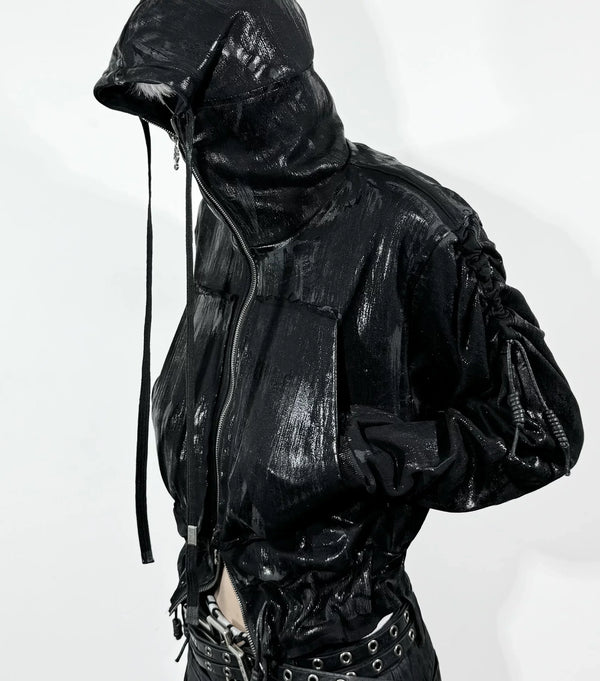
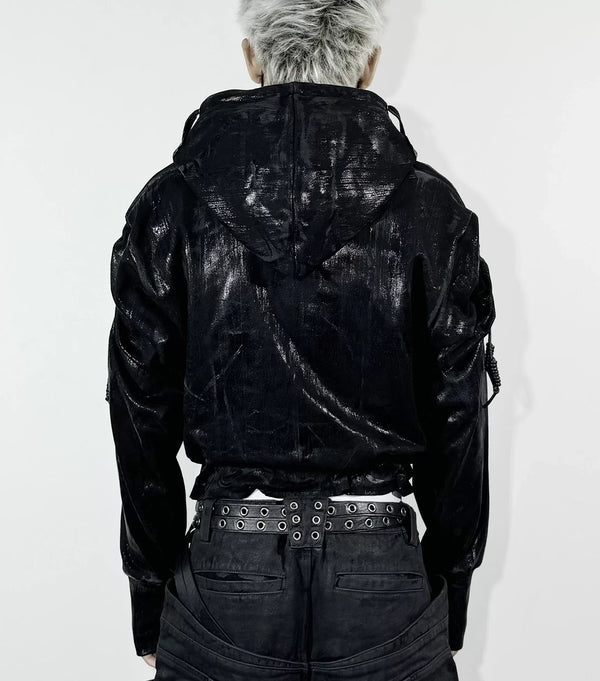
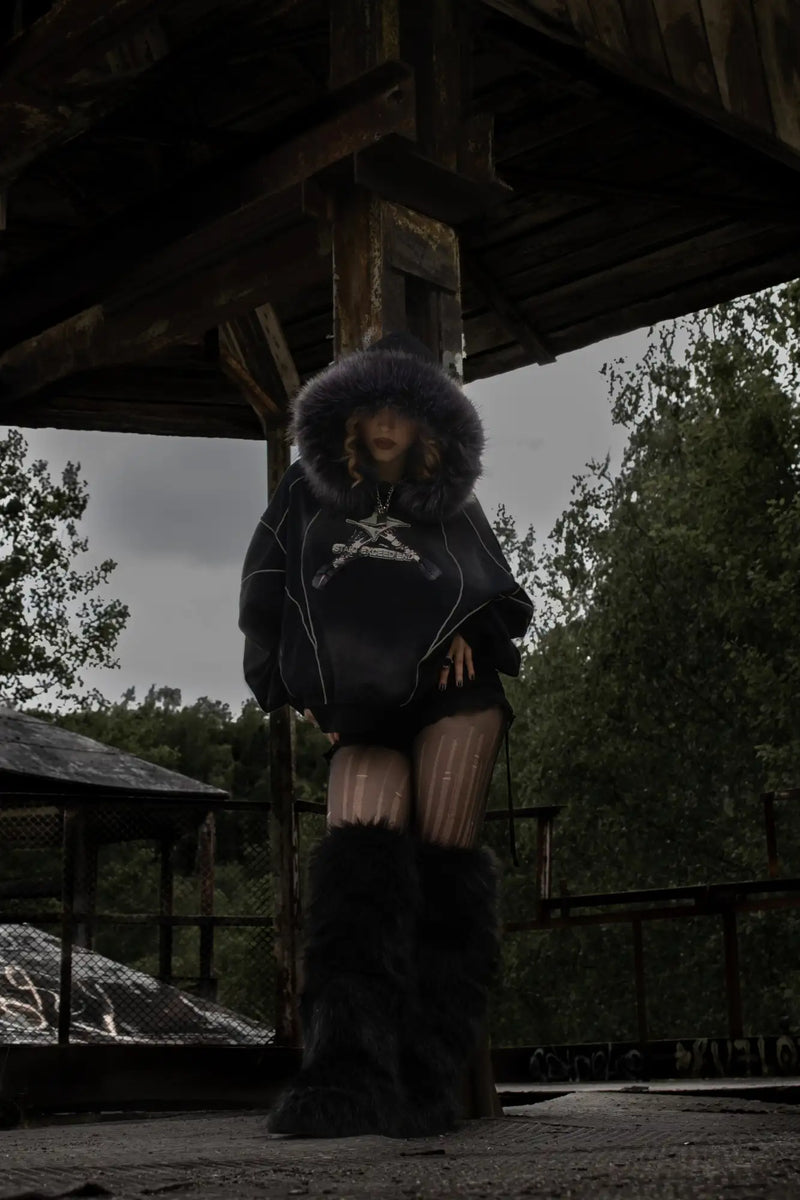
Transitional weather (spring, autumn) is the Dunk high season: carpenter pant or loose jean, long sleeve or thin hoodie, classic colorway, visible tube socks. Here's how it looks on the street:
High vs Low
Nike Dunks High vs Low — when the higher shaft makes sense
The Dunk High has the same footprint as the Low — same sole, same toe-box cut. The difference is the shaft: 3-4 cm higher, with a firm padding cuff over the ankle. That changes the outfit physics completely.
When the High makes sense, instead of the Low:
- Skate-park reality — the original function. If you really skate, you want ankle support. The Low is visually purer, but the High is functionally better.
- Cuffed pants or cropped pant — the High fills the gap between hem and sneaker visually. With a cropped tapered pant a High looks clean, a Low seems lost.
- Y2K iteration with a mini skirt — the high shaft visually replaces the tube sock. Works better with skirt outfits than a Low plus a separate high sock.
- Winter mid-calf look — a High in a dark colorway worn over the pant reads as a hybrid between sneaker and boot. More robust for a wet city.
- When your ankles are thin — the High gives the silhouette floor weight that the Low sometimes lacks.
For 80 percent of outfit situations the Low stays the right choice — it's more versatile, easier to coordinate with the pant hem, and reads more grown-up. The High is a special tool, not a default.
What does not work
The 6 most common Dunk mistakes — what you must NOT do
Six mistakes reliably tip the Dunk outfit over. If you avoid only one, make it the first — the others are repairable, the first turns the whole outfit into Pinterest tier.
Action
How you start — the 4 base pieces for your first outfit
You don't need 15 pieces to build a clean Dunk outfit. You need four that will appear in 80 percent of outfits. Everything else builds around them — seasonal layers, statement tees, alternative colorways.
In order of purchase: a loose-fit jean in mid-wash or black (your biggest effect per euro). A heavyweight plain tee in black or cream (200-220g fabric, boxy cut). A trucker jacket or a thin zip hoodie for transitional weather. A pack of tube socks and a pack of no-show socks (you'll need both depending on the pant).
Outfits for real
Dunk Low outfits for real — how it looks on the street
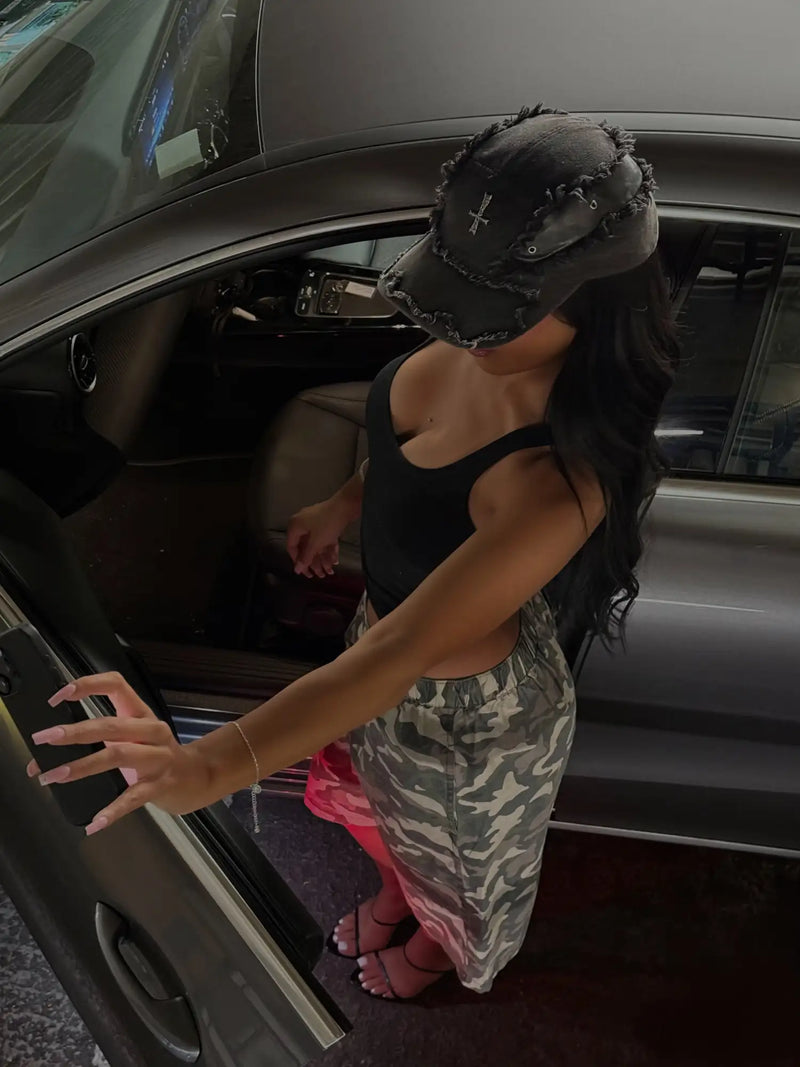
Before you build your own, look at how others wear it. The five archetypes look different in the feed than in lookbook photos — more worn, less staged, sometimes with the hem on the sole. That's exactly where the reality-check line forms between "I can wear it" and "only works on the model".
Fastest way to check whether your planned Dunk iteration sits on your body type and in your city — before you put money into the shoe:
To close
The Dunk is a system — not a trend, not a sneaker collector's item
If you remember one thing from this guide, make it this: the Dunk Low works through rules, not hype. Know the six building blocks and you build 30 outfits with four pieces. Collect sneakers without an outfit system and you have a full closet without a single outfit that sits.
The whole logic of this guide reduces to one sentence:
The rules have been stable since the Travis Scott wave in 2020 — and will stay that way as long as Nike keeps the Dunk in rotation drops. But you don't have to wait until you know all six building blocks by heart. Start with an archetype that fits your existing pant wardrobe. What you don't know, you learn by wearing.
FAQ
Frequently asked questions about Dunk Low outfits
The questions we often get by DM and email — short, clear, no detours.
Which Dunk colorway is the most versatile to start with?
How do I keep my Dunk Low outfit from looking cheap?
Do Dunk Lows work with a suit or smart-casual?
Which socks go with Dunk Lows?
What's the difference between Nike Dunk Low and Nike SB Dunk Low?
Which pant lengths work with Dunks?
Are Dunk Lows still trendy in 2026 or already "over"?
What do you think?
Tell us on @fuga_studios
About the author
Philipp Fuge — Founder · Berlin
Founder of Fūga Studios. Writes the journal himself. Berlin · Shanghai · Tokyo · Poznań — four cities, one logic.