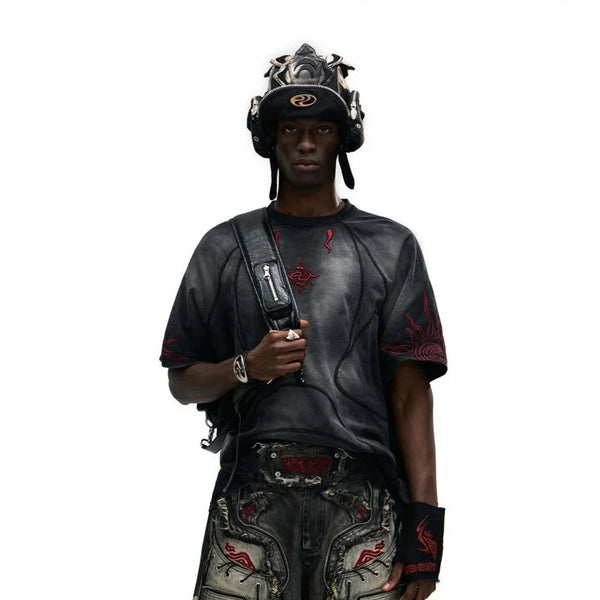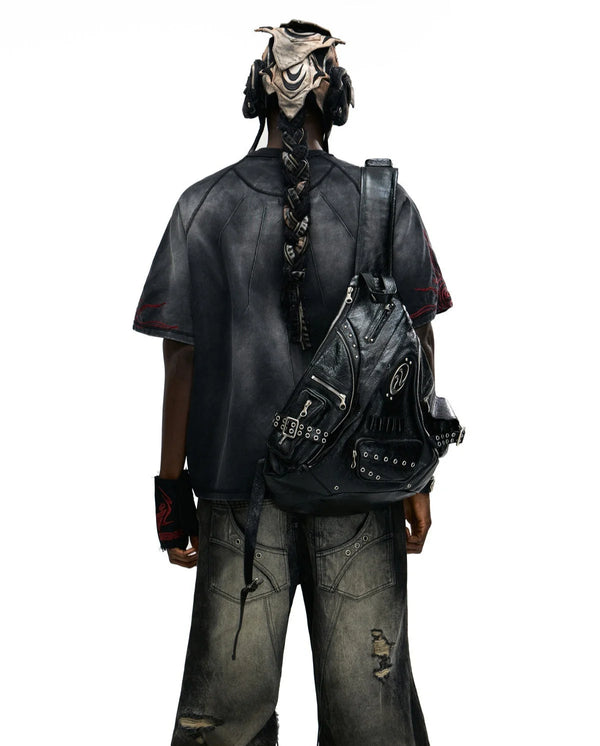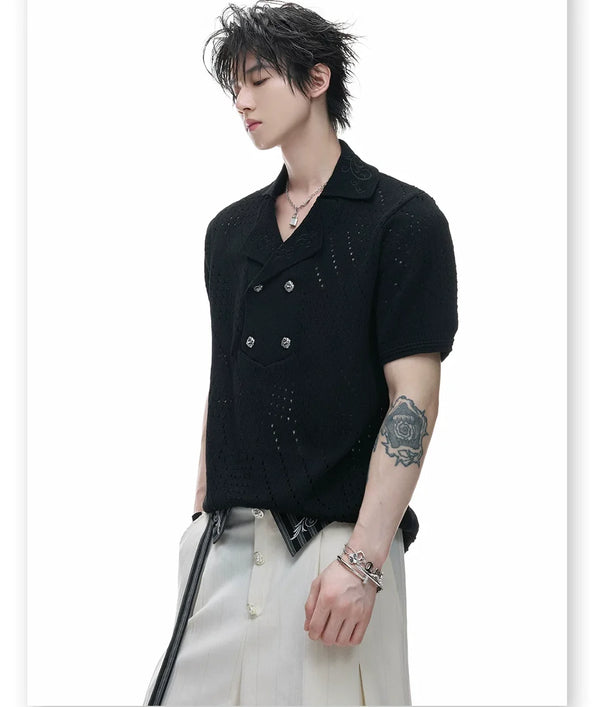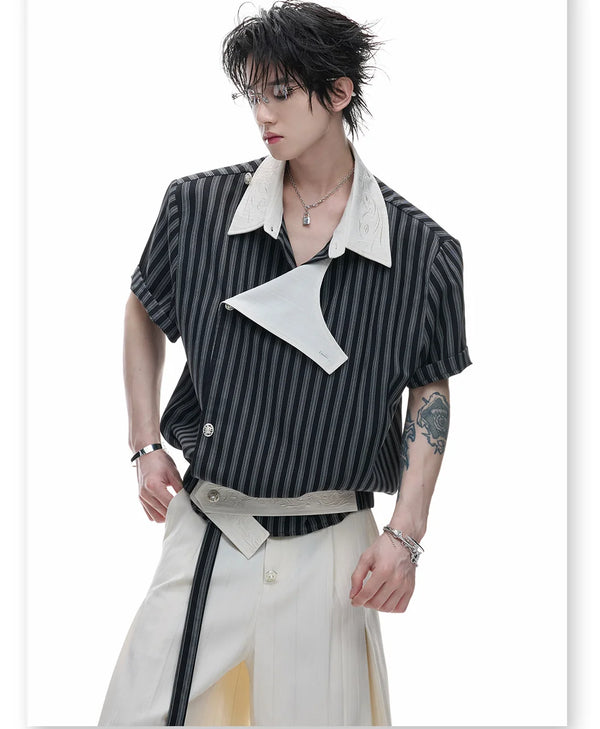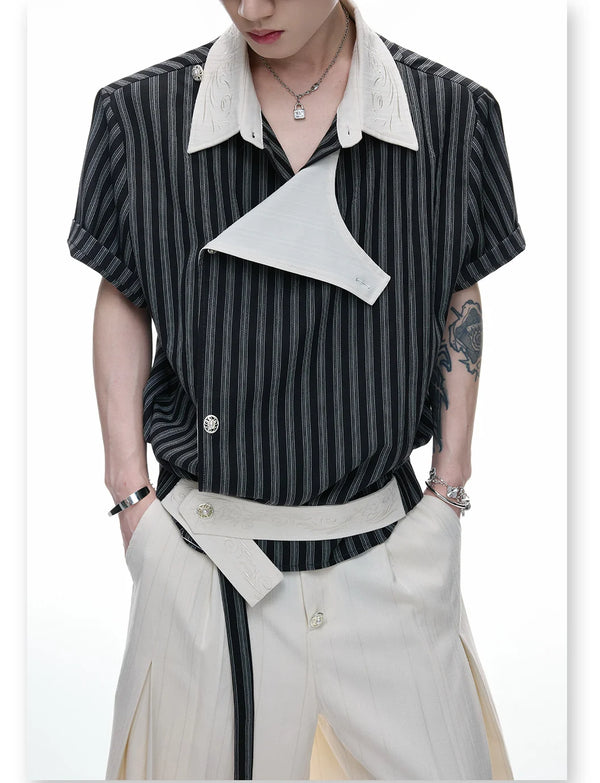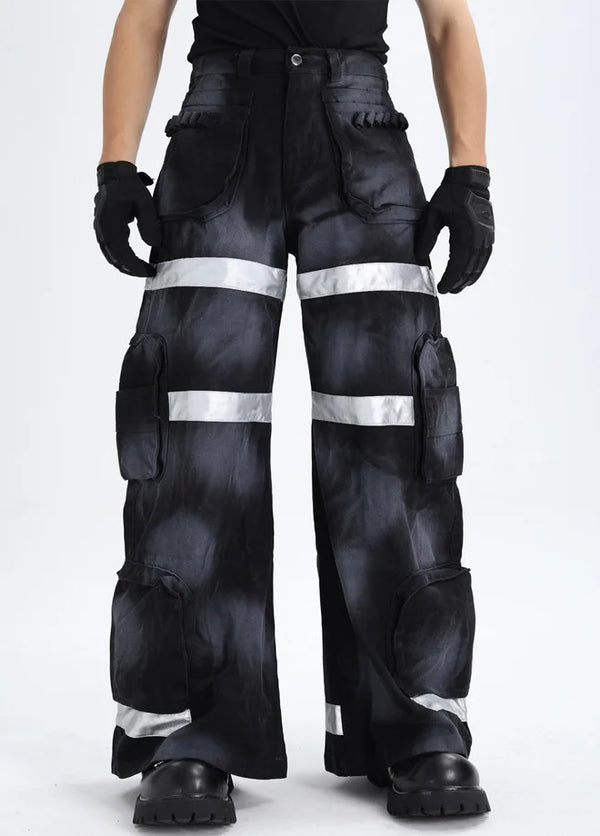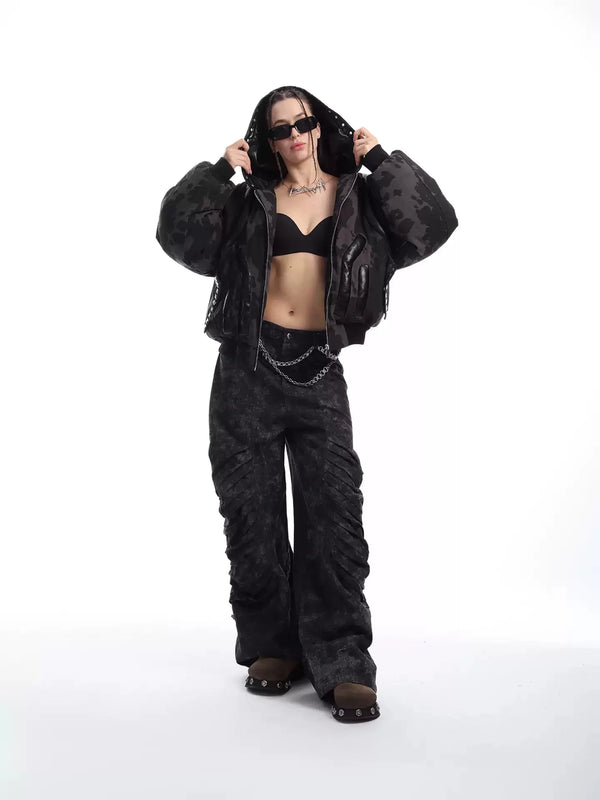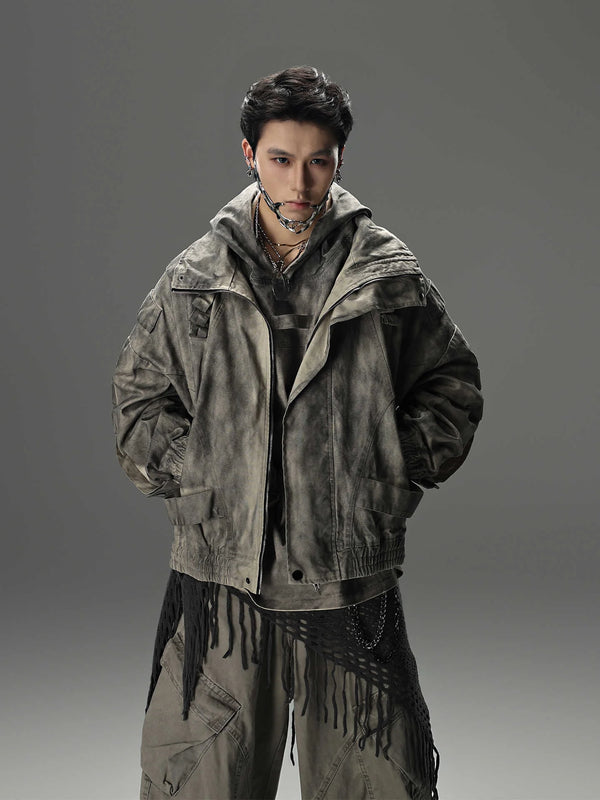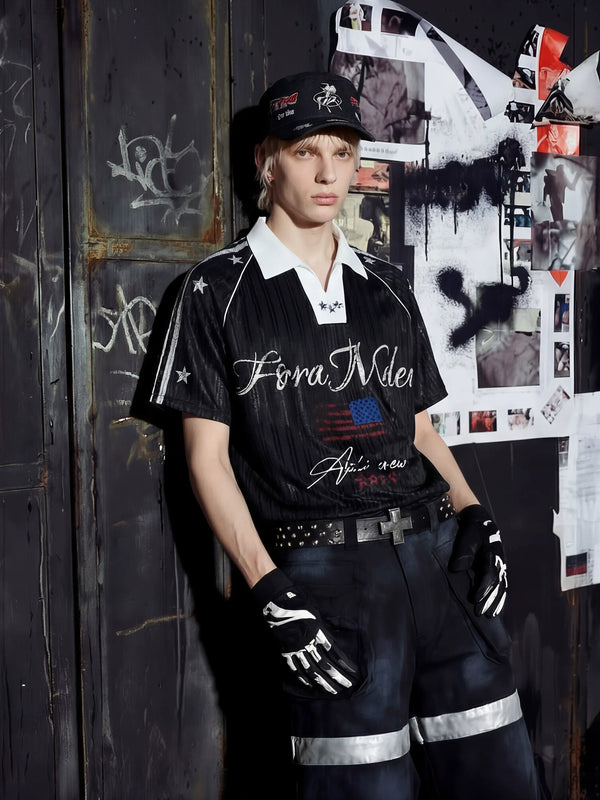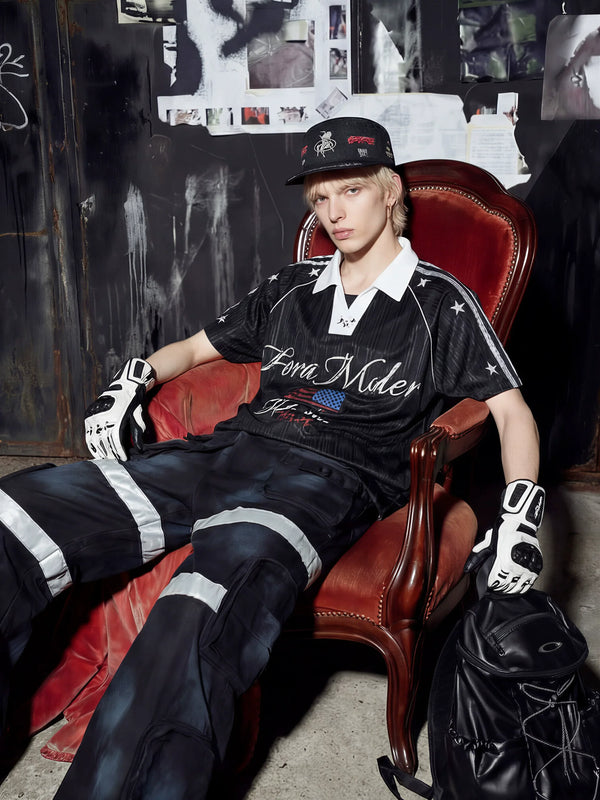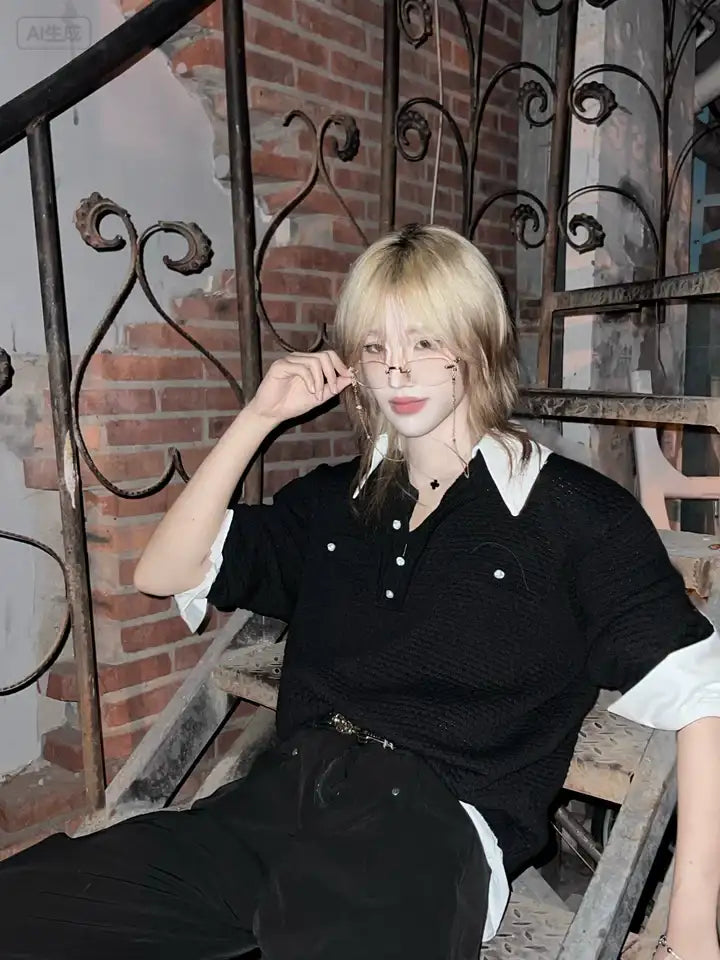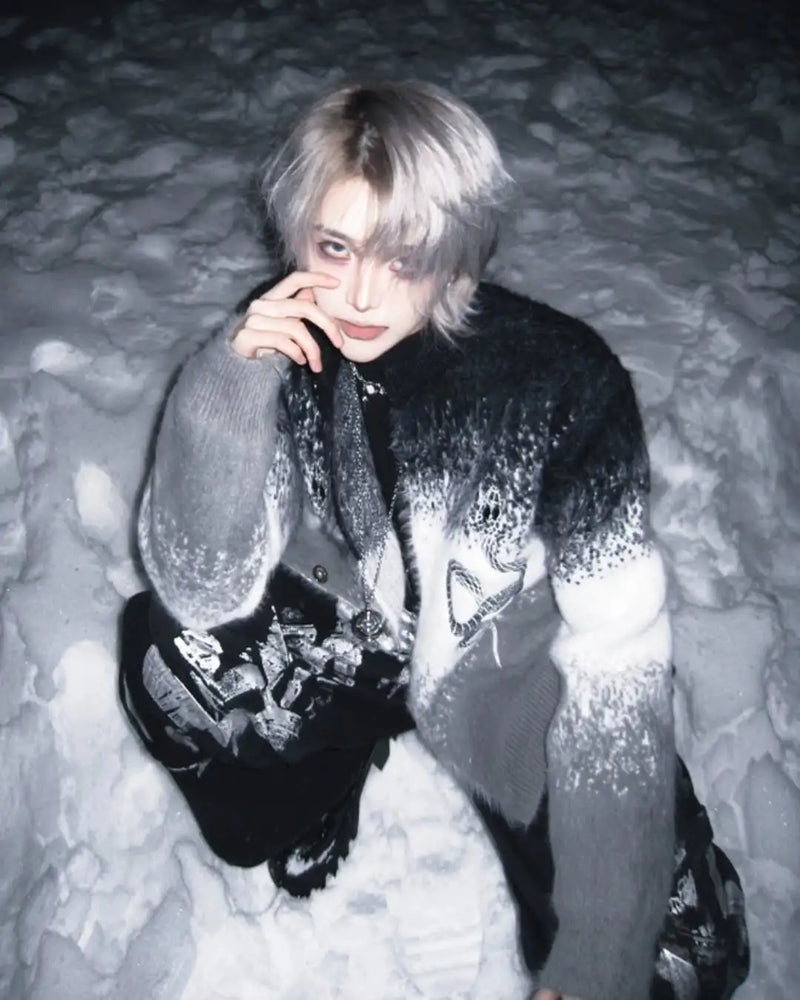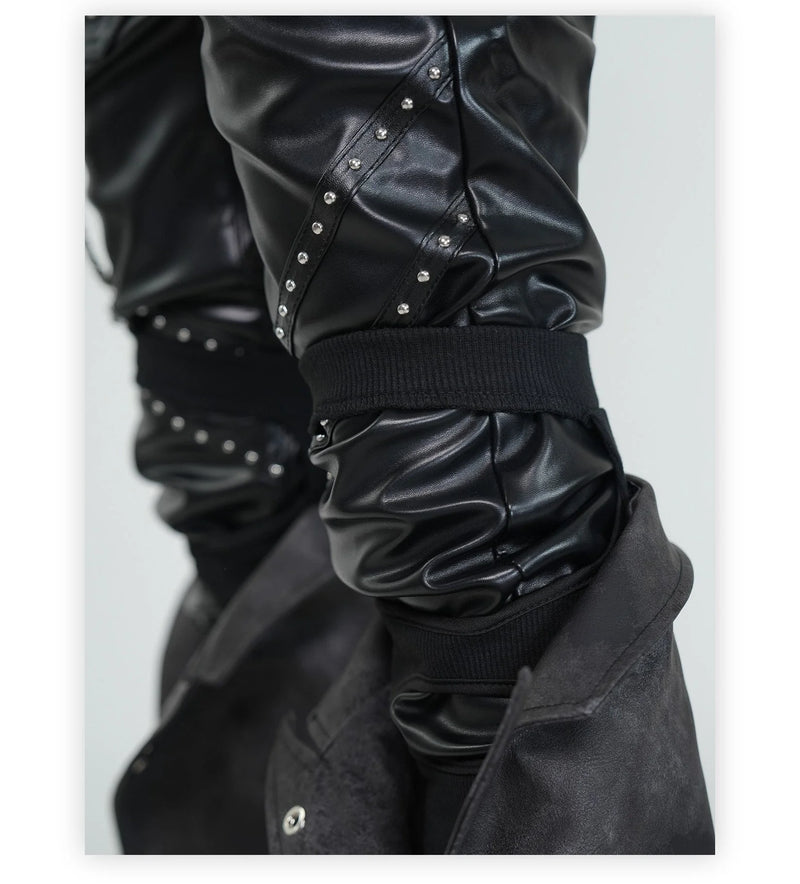
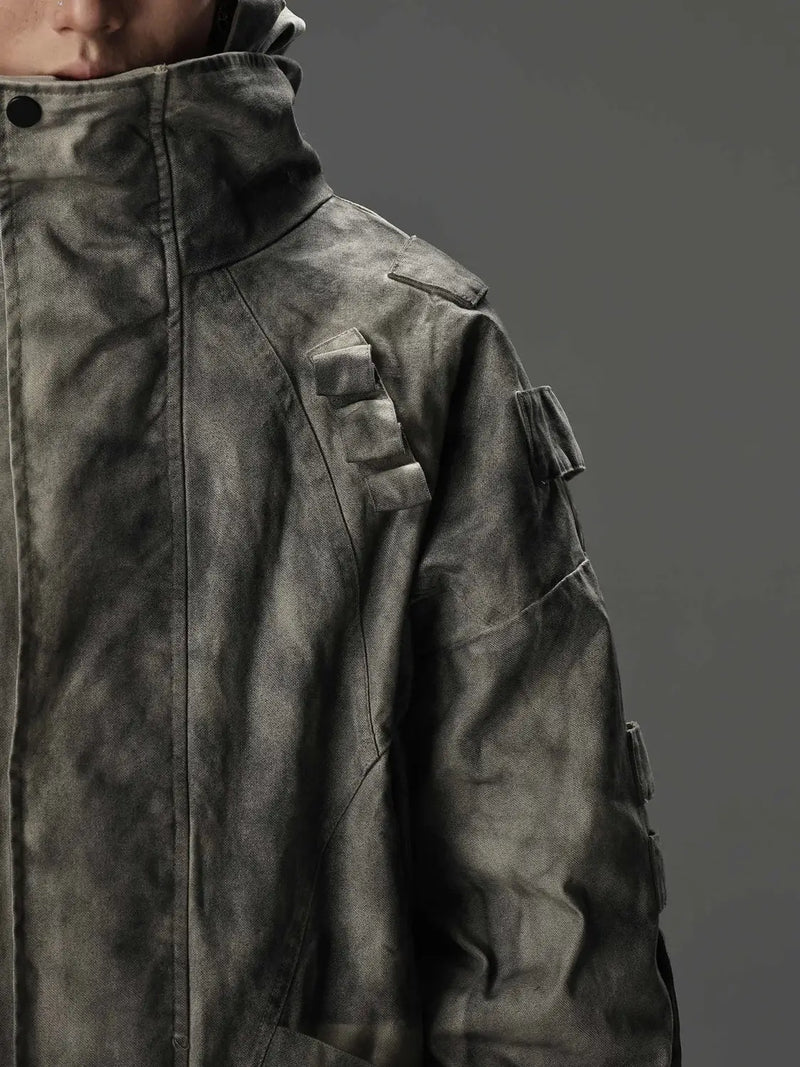

Everyone says minimalist streetwear is “just all black and basic.” They're wrong. A black tee plus black jeans is as minimalist as an empty fridge is healthy — only on the condition that the rest holds up.
Minimalist streetwear is an editing discipline. You build an outfit from five to eight pieces where nothing shouts, nothing is logo'd and every piece carries its job — fabric, cut, tone. That's the exact opposite of “buy fewer things.” It's “buy fewer things that fit better, sit denser and last longer.”
Anyone selling minimalist streetwear as a “basic black uniform” has confused the code with laziness. This guide sorts out what's really behind it: where it started (Helmut Lang, Yohji Yamamoto, COS), which five archetypes carry the discipline, which brands deliver honestly at each price tier, what it translates to in jackets / trousers / tops and which six mistakes expose your outfit as cosplay at first glance.
What this looks like in motion — a cleanly built silhouette in 12 seconds:
Definition
What is minimalist streetwear — and what doesn't count?
Minimalist streetwear is a movement that has been running on two lines at once since the mid-90s: European designer heritage (Helmut Lang, Jil Sander, COS) meets American workwear reduction (Carhartt WIP without the logo, plain sweats, basic tee). What slid into the mainstream in 2020 with Aimé Leon Dore and the anti-logo wave has had the same build beneath the surface for 30 years: no graphic, neutral tone, visible cut.
What you often get wrong here: minimalist doesn't mean plain, doesn't mean cheap and doesn't mean “less effort.” A well-made minimalist outfit has denser fabric, a more precise cut and cleaner seams than a printed streetwear set. You visibly pay more per piece — and buy fewer pieces in return.
3
Tones max per outfit
0
visible logos
5-8
Pieces as a foundation
For something to actually fit the minimalist streetwear code, it has to pass a few filters:
- Neutral tone — black, cream, off-white, charcoal, grey, navy. Olive and stone work as soon as they fit into the same palette.
- No visible brand identification — no print, no lettering, no hardware logo. Carhartt WIP patch off, blank-line from Stüssy on.
- Dense fabric — heavyweight jersey instead of tee-thin, wool content in the knit, twill instead of standard cotton.
- Visible cut — oversized at the shoulder line, dropped shoulder, wide trousers. The fabric should hang, not cling.
- One accent maximum — one seam, one pocket, one button placket. More distracts from the tone.
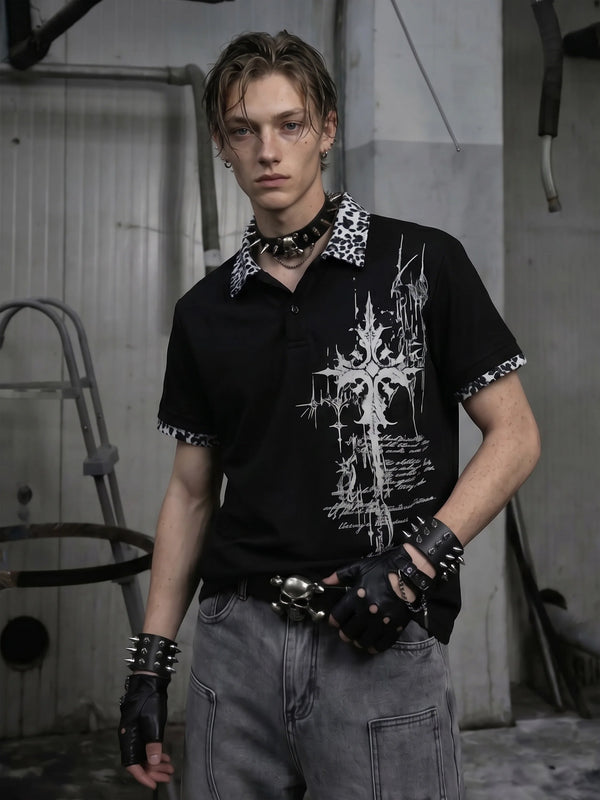
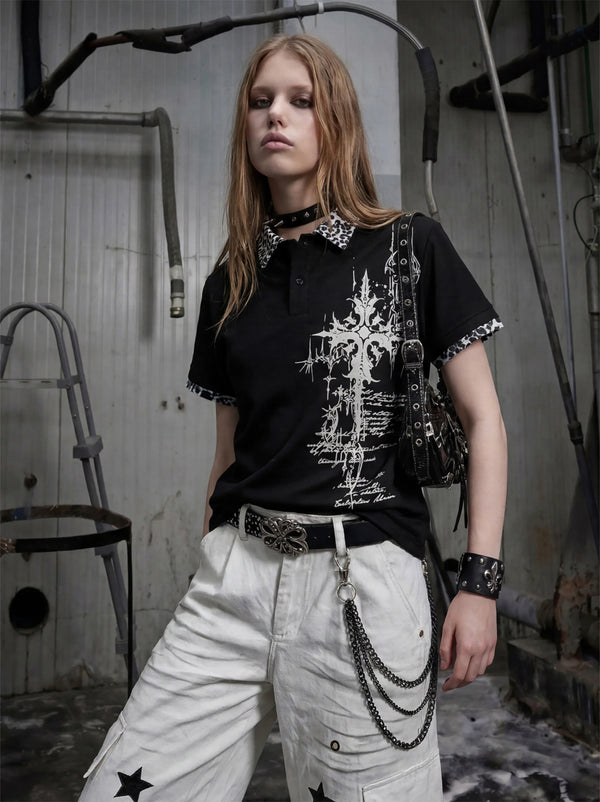
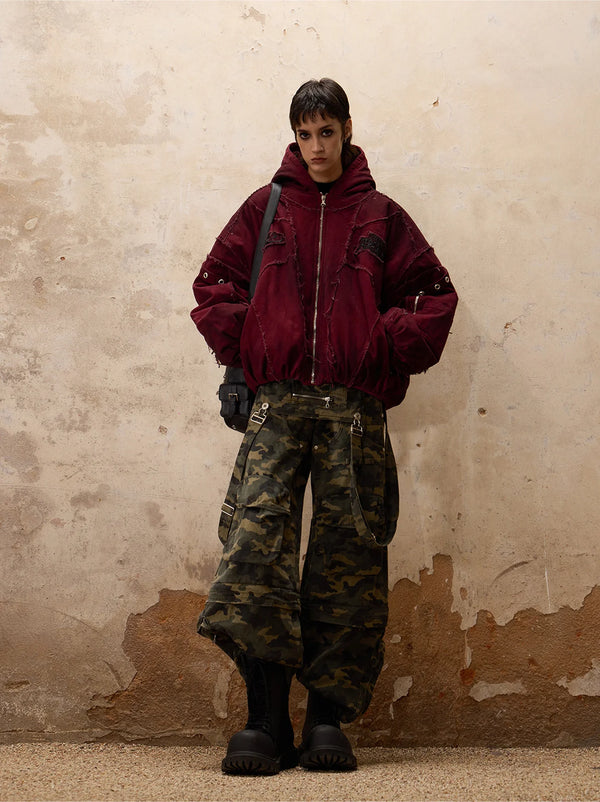
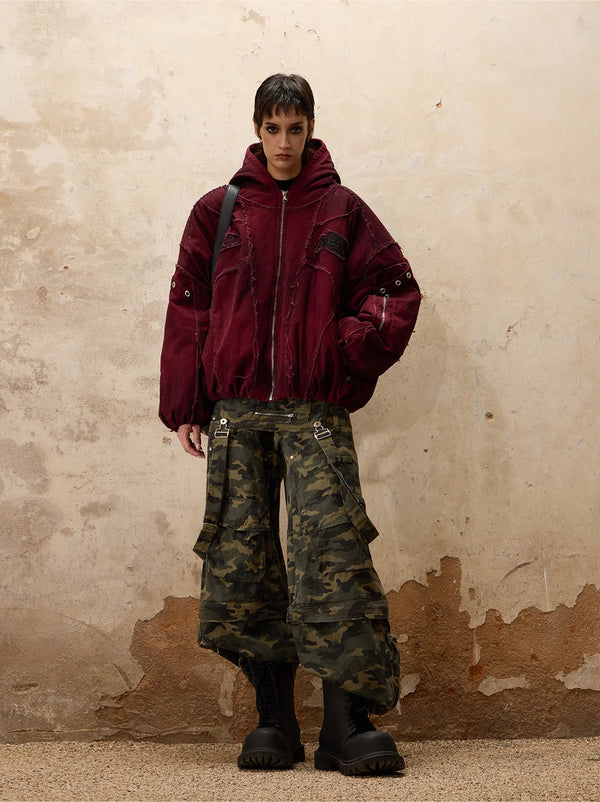
What stays out: graphic tees, logo patches, shiny fabrics, neon accents, skinny fit, camo print, anything that shouts. Even a plain white tee with the wrong cut falls out — minimalist streetwear isn't defined by reducing the number of pieces, but by the care in the individual piece.
Origin
Where it comes from — Helmut Lang, Yohji and the anti-logo wave
The roots are in the 90s, not the 2020s. From 1993, Helmut Lang built cut-driven fashion in Vienna and later New York that had to work without graphics, because the fabric itself carried the statement. Jil Sander pulled the German line from 1985 — precise cut, uncompromising fabric quality, zero decoration. Yohji Yamamoto came out of Tokyo with the counter-concept to European tailoring rigour: the same reduction, but translated through draping fabric and asymmetric cut.
In 1997 COS opens in London and makes European designer logic available for under €100 — that's the first point where minimalism seeps from the luxury segment onto the street. A.P.C. (Paris, founded 1987) and COS were the two brands that shaped “affordable minimalism” in the 2000s — before the term quiet luxury even existed.
The streetwear connection comes later. Aimé Leon Dore is founded in 2014 in New York and mixes Italian tailoring code with US workwear — wool coat over sweatpants, polo over carpenter jeans. Lemaire continues the French language from 2015, now reduced completely to neutral tones. From 2020 the global anti-logo wave runs: Bottega Veneta drops its logo entirely, Phoebe Philo's solo brand in 2023 makes “no visible branding” the statement, stealth-wealth becomes a search term. Minimalist streetwear today is the intersection of all of it: designer heritage, anti-logo current, street pricing.
Sub-types
The 5 archetypes — from stealth-wealth to Japanese-minimal
Minimalist streetwear isn't a single look, but five derivations of the same logic. If you don't see yourself in any of the five, you're looking for the wrong style — the intersection is narrower than it looks. If you see yourself in two, you've understood the system and can switch between them without changing clothes.
Here are the five, sorted by price tier and material density — from the cheapest entry to the most uncompromising luxury end:
Gender split
Women vs men — where the code really runs differently
Material and tonal palette are identical. What differs is proportion and where the volume sits. Whoever transfers that to the body without thinking builds, in every other outfit, an unconsciously feminine look (cropped top, fitted cut) or a masculine one (oversized shoulder, wide-leg). What you do as a man wearing minimalist: buy one size up on top, leave one length too long on the bottom.
For men the foundation is: oversized tee or knit with dropped shoulder, wide-leg or straight-cut trousers on the hip, chunky shoes (Stan Smith in cream, Samba in off-white, Salomon ACS in stone). The shoulder may extend 3–4 cm. The trousers never sit on the waist — always on the hip or below. Reads broader from behind, more upright in front.
For women the foundation is inverse: shorter on top (cropped knit, fitted polo, short shirt), wider on the bottom (wide-leg pants, midi skirt, oversized cargo). The waist stays visible or is marked by a panel. Material may fall softer (cashmere, washed cotton, light wool), but never cling. Chunky shoes work — but aren't mandatory. A ballet flat or loafer in cream works just as well.
Brands
Brands per price tier — from UNIQLO to The Row
The brand question is the one most asked about minimalist streetwear: what do people wear who don't want to shout? Here's an honest list per price tier — from what you can afford on a student job to what rich people wear without you seeing the logo. Both ends belong to the code; they aren't competitors, but different stages of the same discipline.
- Entry tier (€20–€80) — UNIQLO U and UNIQLO Heattech, COS Basics, H&M Studio line, Muji for shirts and trousers, ASKET out of Stockholm for heavyweight T-shirts. Sunspel for British cotton-tee quality. This is where you build the foundation.
- Mid tier (€100–€400) — A.P.C. Paris, Acne Studios, Carhartt WIP (logo off, blank-line on), Stüssy Basics, Lemaire (at the lower end of this tier), Norse Projects, Filippa K, Studio Nicholson, Our Legacy, Document. The tier where most people stay a long time.
- Streetwear bridge (€150–€500) — Aimé Leon Dore, Kith Classics, Fear of God Essentials, REPRESENT blank-line, Stone Island Ghost (the logo-less subset). This is where streetwear gets combined with tailoring.
- Japanese (€300–€2000) — Yohji Yamamoto, Issey Miyake (Homme Plissé for pleated trousers), Auralee for washed fabrics, And Wander at the technical end, Sacai in the cut-experimental range.
- Quiet luxury (€500–€3000+) — Jil Sander, Lemaire at the upper end, The Row (the Olsen twins' brand, the cashmere reference), Loro Piana for wool, Brunello Cucinelli for Italian knits, Hermès Essentials, Bottega Veneta since the logo reset. That's the answer to “which brands do rich people wear”: they wear what you can't recognise from 5 metres.
The answer to “which brands do the top 1% wear” is therefore mostly invisible: Loro Piana, The Row, Cucinelli, Hermès in their base line. You see no logo, and that's exactly the point. Identification runs through fabric density and cut — and only someone wearing the same thing recognises it.
Category · Outerwear
Jackets — the first investment move
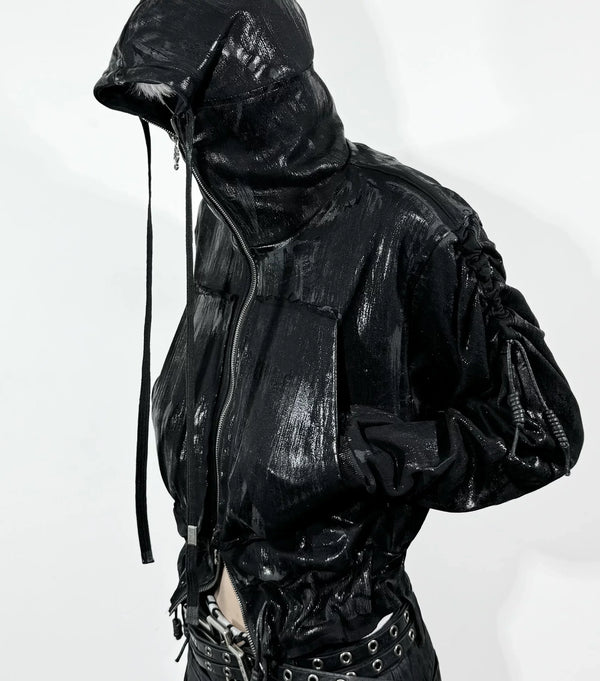
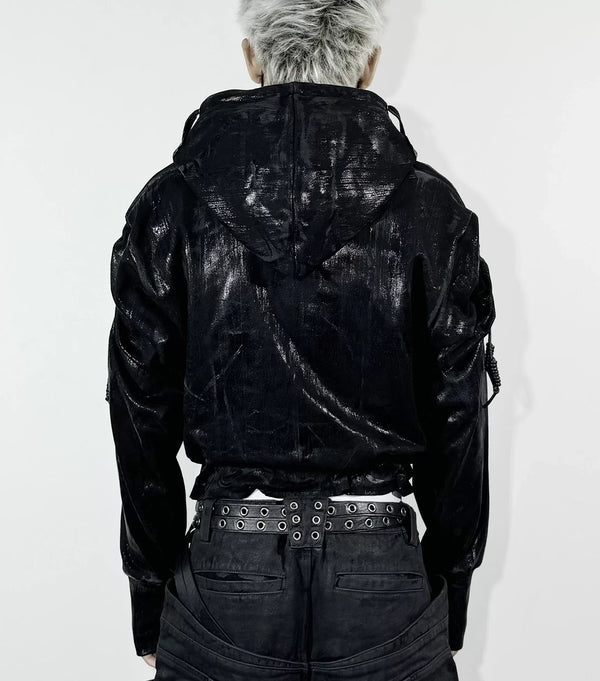
In minimalist streetwear the jacket is what you buy first when you really start. It has the largest surface in the outfit, carries the dominant tone, and decides whether your look becomes a considered statement or an accident. With minimalist streetwear that means: no visible logo, dense fabric, clear cut — bomber, sherpa coat, trench, or long coat.
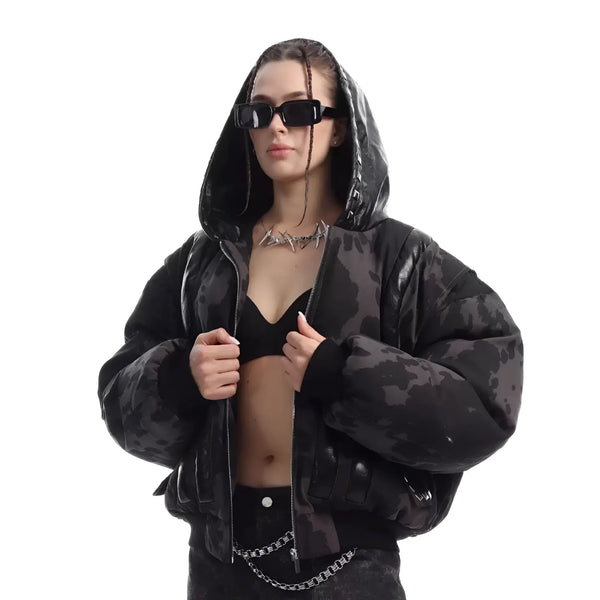
Four jacket types carry the code reliably: matte-black or cream sherpa (warm, monochrome, no pattern), long coat in dense wool or leather imitation (falls out, defines the silhouette), bomber in premium wool or heavy cotton (cropped enough to leave wide-leg trousers room), and trench in cream or stone (classic material, neutral tone, zero print). Puffer works — but only monochrome, without visible logo patches, and in a matte finish.
If you'd buy only one jacket, it would be a sherpa bomber or a long coat in a neutral tone — both last 10 years, pull over any tee, knit or shirt, and are the fastest investment that lifts your outfit overall.
Category · Bottoms
Trousers — where the volume sits
The trousers are the invisible anchor. They sit under the tee, under the knit, under the coat — you rarely see them alone, but they carry the whole silhouette. Skinny cuts have been out since 2019. What works: straight-cut, wide-leg, or slightly oversized — always with volume at the bottom and a fit on the hip, not on the waist.
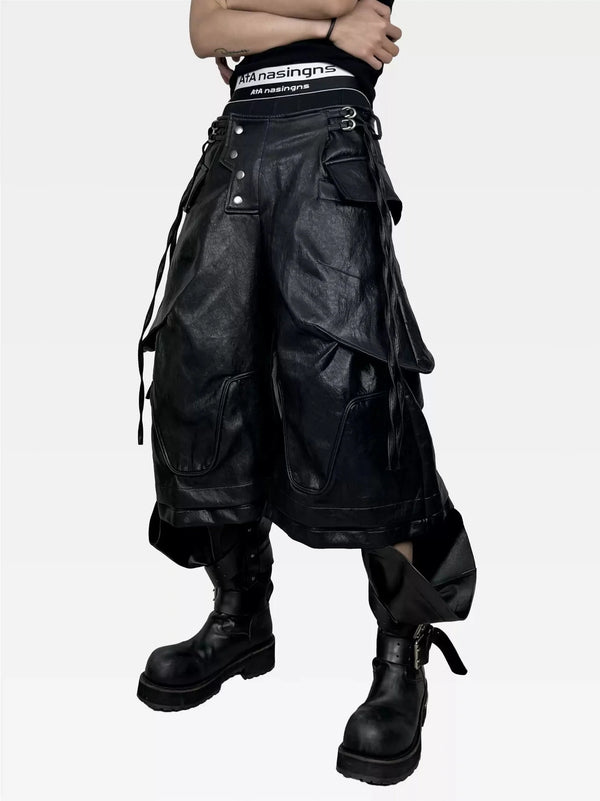
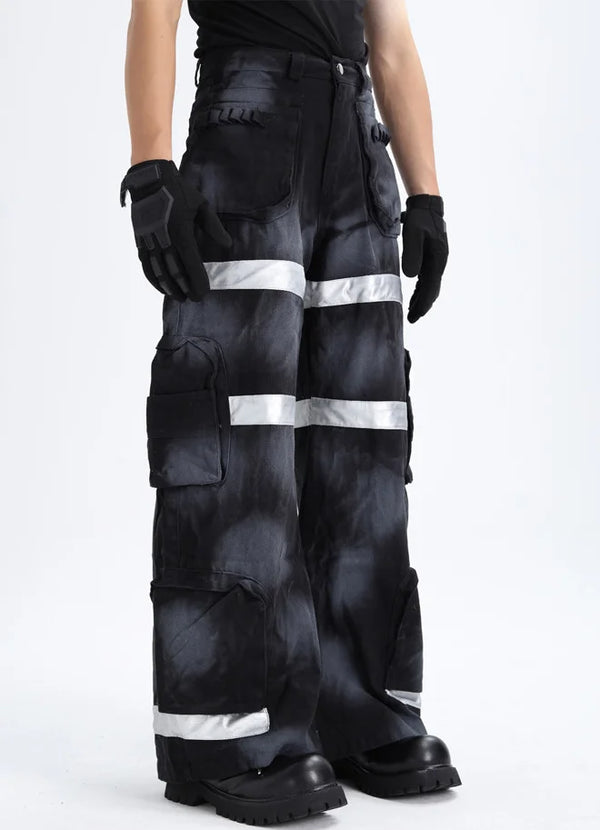
Three trouser types carry minimalist streetwear: wide-leg in dense twill or washed wool (the workhorse — goes with everything), carpenter cut in cotton or denim (with functional pockets, but no branding), and straight-cut trouser in cream or charcoal (for the tailoring reference). Sweatpants work — if the fabric is denser than standard loopback and the cut doesn't sit too close to the body.
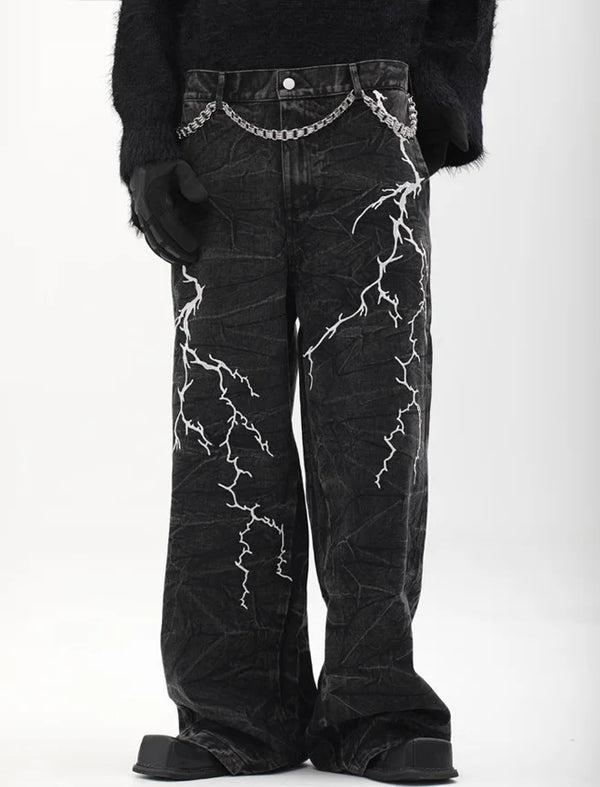
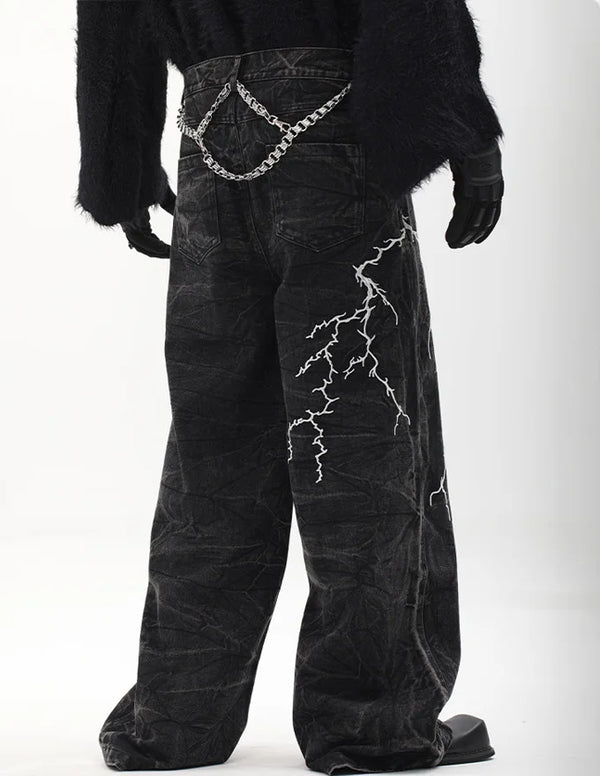
What you want to avoid: skinny fit, stretch content over 5%, washed denim with a distressed wash, anything with a logo on the leg or on the back-pocket label. These details read against the code — the trousers carry the opposite of a statement.
Category · Tops
Tops, knits & hoodies — where the brand isn't
The tee, the knit, the hoodie — three pieces that hang next to each other in the outfit and decide whether the whole thing passes as designer reduction or as “a bit boring.” The trick: fabric density and cut make the difference, not the colour. A heavyweight tee in black from ASKET looks different in the mirror than a thin tee in black from H&M Basic — and the effect kicks in immediately when the shoulder sits.
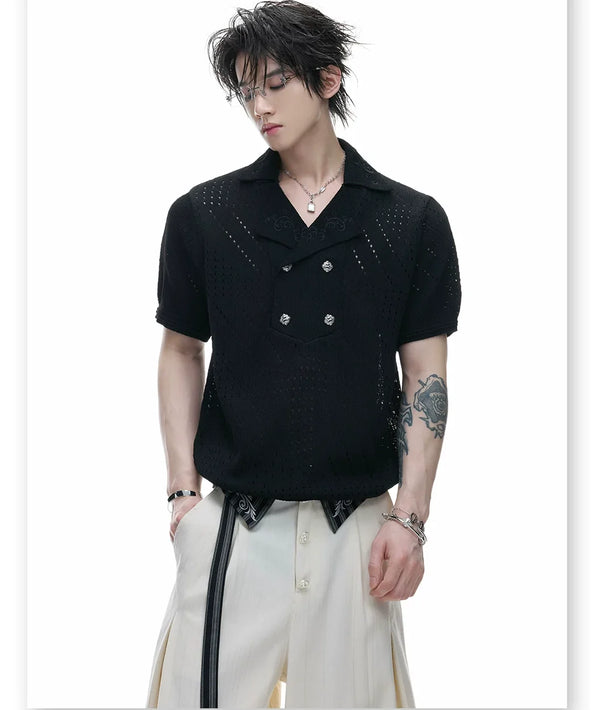
The candidates: heavyweight tee (200 g/m² or heavier), ribbed knit or waffle polo in wool or wool blend, plain long-sleeve with crewneck or mock-neck, zip hoodie in dense loopback (no lettering, no chest pocket). Cardigan in wool blend is optional — works in heritage-basics and stealth-wealth, less so in anti-logo streetwear.
If you want to test this cheaply, buy a UNIQLO U heavyweight crewneck (€20) and a plain zip hoodie in cream or charcoal (Carhartt WIP without the patch, or the Streetwear unisex zip hoodie below). That gets the upper third of the outfit in order — what's above it is outerwear; what's below it is the trousers.
Styling
How to really style minimalist streetwear — material, cut, tone
The three levers that decide minimalist streetwear daily are material, cut and tone. Whoever controls all three at once builds outfits that look different in motion than on the hanger. Whoever controls only one or two has a good day — and a bad one the next.
Material: Mix a maximum of three textures per outfit. Wool, cotton twill, light membrane. Or cashmere, heavyweight jersey, cotton drill. As soon as the fourth texture joins (leather + wool + cotton + sherpa) it gets noisy. Think of textures like tonal layers: too many at once and the outfit whistles.
Cut: One asymmetry is enough. If the top is oversized, the bottom goes straight. If the bottom is wide-leg, the top goes fitted. If the tee has a dropped shoulder, the trouser cut isn't parallel-wide. Symmetrical oversize looks (wide on top, wide on the bottom, chunky shoe) read as “bought too big” instead of a deliberate cut.
Tone: Maximum three tones. Two of them are anchors (usually black and cream, or charcoal and off-white), the third is the accent (stone, navy, olive — never a signal colour). As soon as you pull a fourth tone into the outfit it becomes a variant; from the fifth it's no longer a minimalist look.
“A good minimalist outfit is one in which nothing distracts you, but everything holds you. If after 8 hours you still see the same outfit in the mirror as in the morning — you built it right.”
— Fūga Studios
If you want to go deeper into material density, you'll find the next layer in our Korean streetwear colour trends guide — in summer Seoul uses on average only four colours, and that's exactly the same editing discipline in a different city.
And if you want to translate the code into your own categories, these are the three next steps:
Seasonal
Summer vs winter — same logic, different volume
The editing discipline doesn't change between seasons — it only adjusts how much material you wear at once. Summer is the harder phase, because less fabric means every seam and every cut becomes more visible. In winter the coat hides almost everything; in summer the tee carries alone.
Summer setup: heavyweight tee in cream or black, light wide-leg trousers in linen or washed cotton, low-cut sneakers in off-white (Samba, Stan Smith, Common Projects). One over-layer for the evening — light shell or unlined workwear jacket in cotton twill. That's it. Three tones maximum: cream + charcoal + a stone accent.
Winter setup: heavyweight long-sleeve or ribbed knit under a wool coat or sherpa bomber, wide-leg trousers in wool or dense twill, chunky boot or trail sneaker, scarf in cream or charcoal as an additional layer. Here the outfit only becomes the code through the coat — the lower half alone would still be generic, but the outerwear lifts the whole set.
This is what the transition look looks like in motion — a coat over a heavyweight top, the trousers hanging loose on the hip:
Anti-list
The 6 most common mistakes — what tips the look over
Minimalist streetwear looks easy, but it isn't. Whoever thinks “just basic” builds outfits that work in the mirror and fall apart in the photo. Here are the six points where most people tip over — sorted from the most common to the most subtle.
Action
How to start — the first 5 pieces (UNIQLO tier included)
You don't need 20 black things to wear minimalist streetwear. You need five that will be in 80% of your outfits. Everything else builds around them.
In order: a heavyweight tee in cream or charcoal (UNIQLO U for €20, ASKET for €40, COS for €30 — all three work). A wide-leg trouser in dense twill or washed wool (UNIQLO trouser €60, COS €100, A.P.C. €180). A zip hoodie in dense loopback without a logo (Carhartt WIP blank-line €120, or cheaper via H&M Studio). An outerwear piece as the anchor — sherpa bomber or long coat (€200–€400 as a sensible investment level). A shoe in cream or stone (Stan Smith €100, Samba €110, Salomon ACS €180 for a tech accent).
Outfits for real
Outfits for real — how this looks on the street
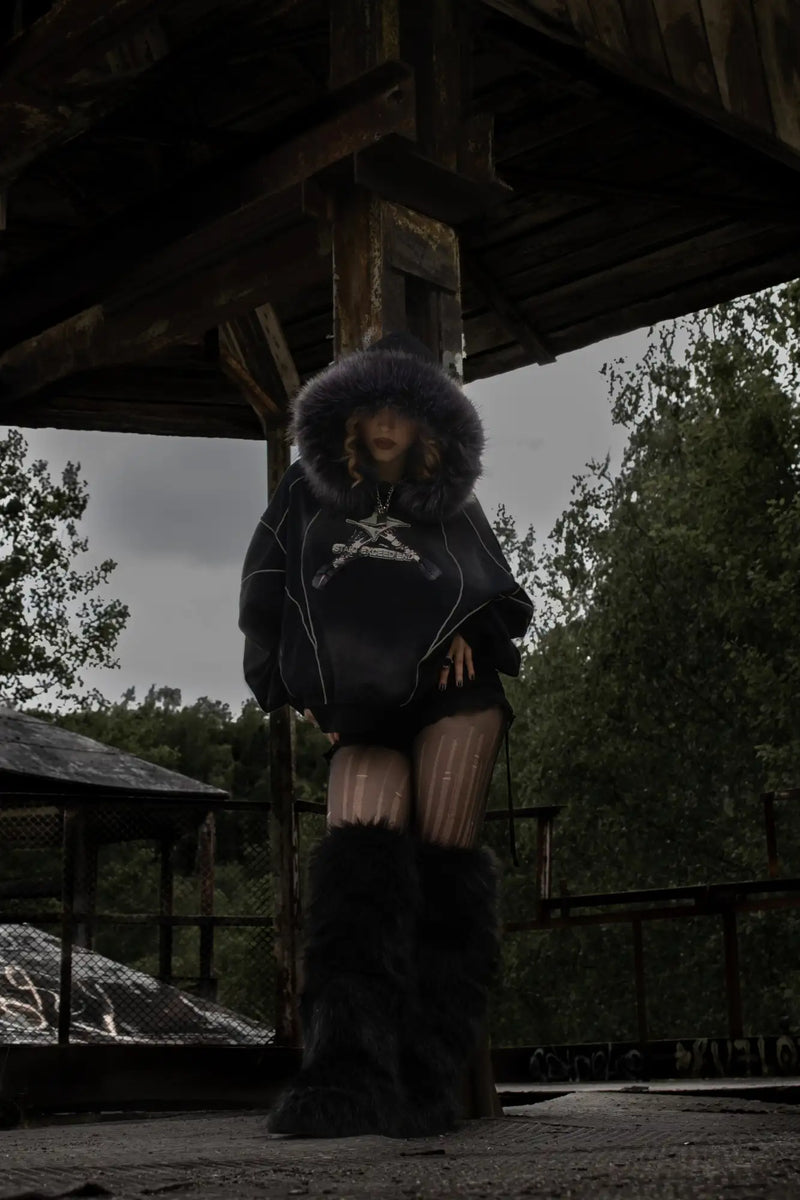
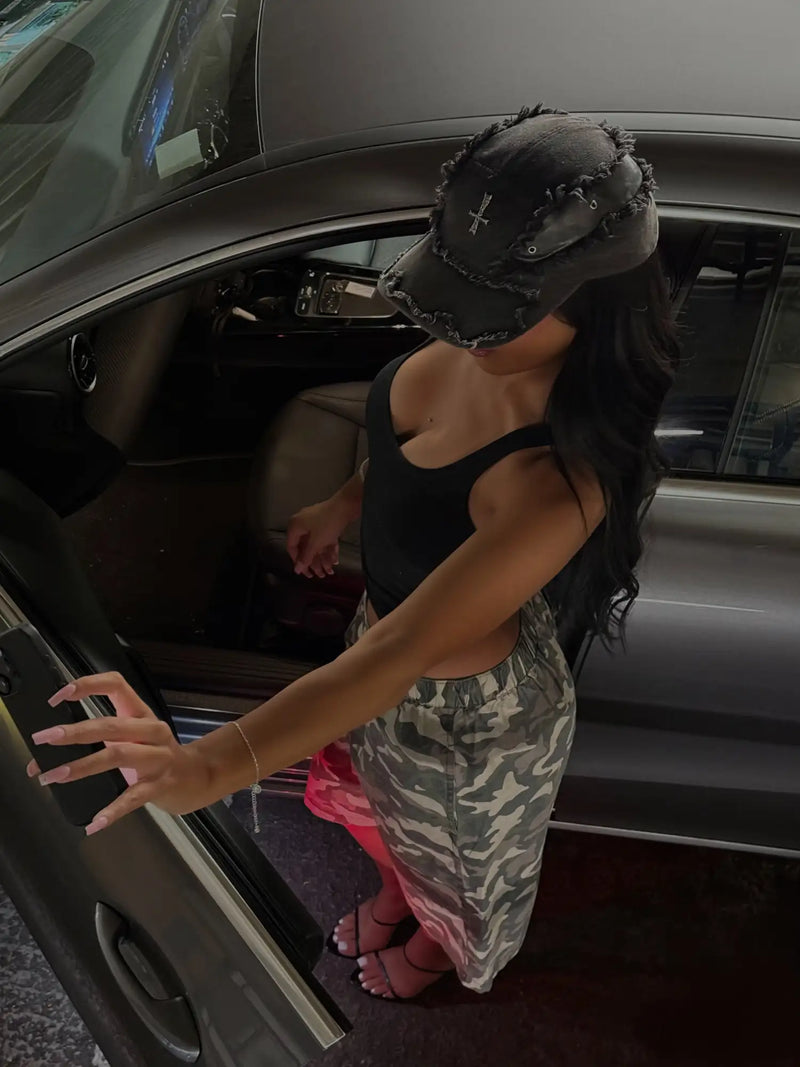
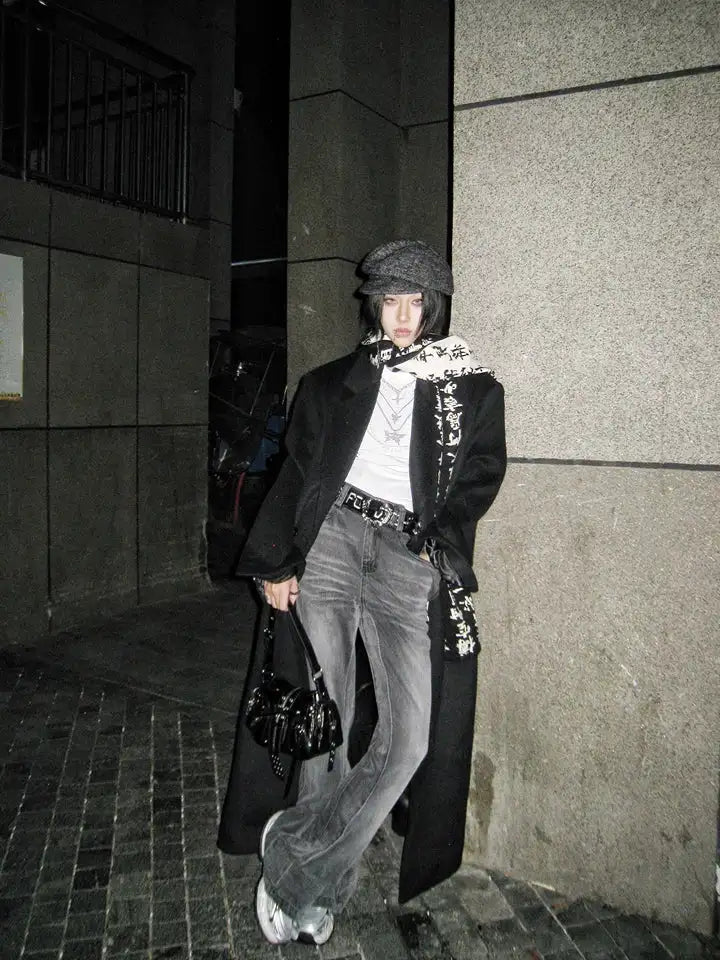
Before you build your own outfit, look at how others wear it. The five archetypes look different in the feed than in lookbook photos — worn-in, less perfect, with layers that blend. Exactly that mix makes the code, and it's the fastest test of whether the discipline works on your body type and in your everyday life.
To close
Minimalist streetwear is an editing discipline — not a trend
If you remember one thing from this guide, let it be this: minimalist streetwear doesn't work through doing without, but through choice. Whoever trains the choice buys with 5 pieces what others attempt with 30 — and looks better in every one of those five. The discipline isn't called “fewer things.” The discipline is called “these five things, every day, always one notch better.”
The whole logic of this guide reduces to one sentence:
The rules have been stable since the 90s. What changes are the brands that carry them — from Helmut Lang via COS and A.P.C. to Aimé Leon Dore and The Row. What doesn't change: material before symbol, cut before print, three tones before five. Whoever's got that down buys differently, packs differently, gets dressed faster in the morning.
And that's the real point: minimalist streetwear sounds like doing without and feels like clarity. Once you wear the code, every further outfit is a variation of the same five building blocks — not a new invention. You save time, save money per year (because you're not re-buying every three months) and after 18 months still look like you do today.
FAQ
Frequently asked questions about minimalist streetwear
What kind of style is streetwear?
What are cool streetwear brands in the minimalist spectrum?
Which brands do rich people wear?
Which brands do the top 1% wear?
Is UNIQLO a minimalist streetwear brand?
Can I start minimalist streetwear cheaply?
Does minimalist streetwear work in Berlin or is it only for a mild climate?
What do you think?
Tell us on @fuga_studios
About the author
Philipp Fuge — Founder · Berlin
Founder of Fūga Studios. Writes the journal himself. Berlin · Shanghai · Tokyo · Poznań — four cities, one logic.