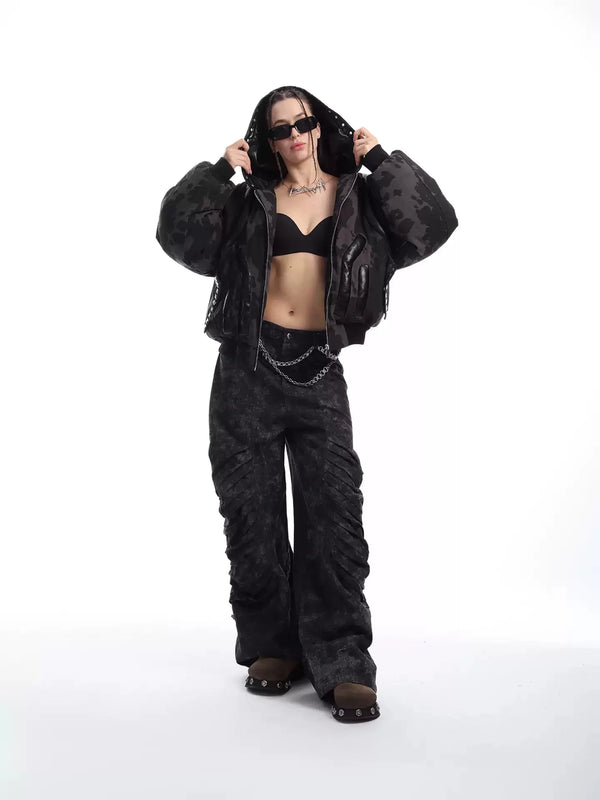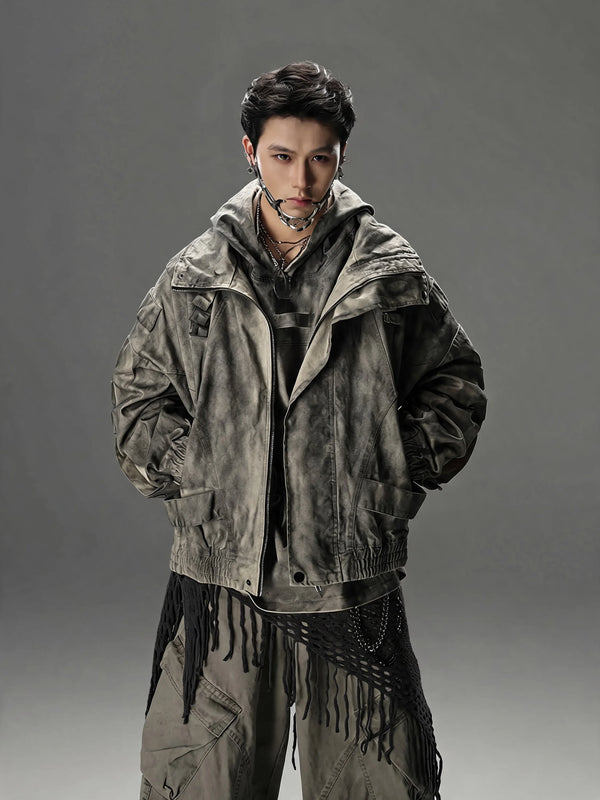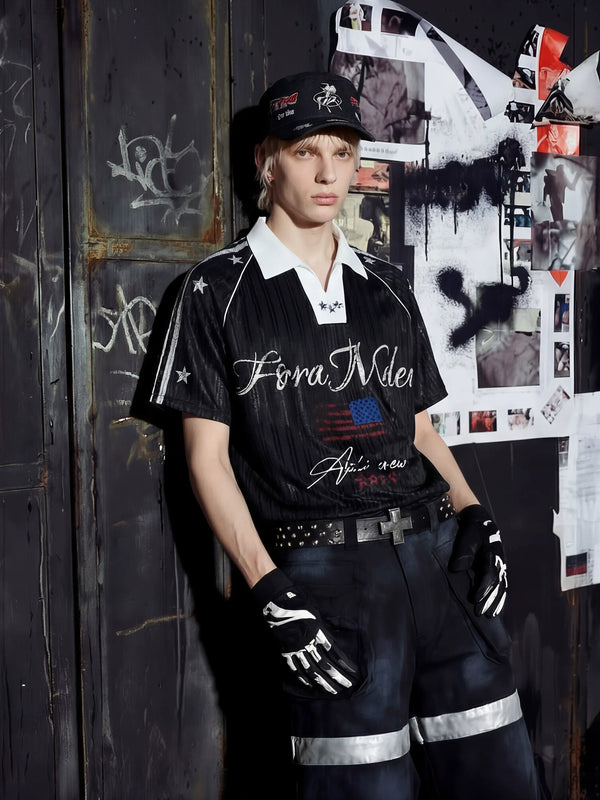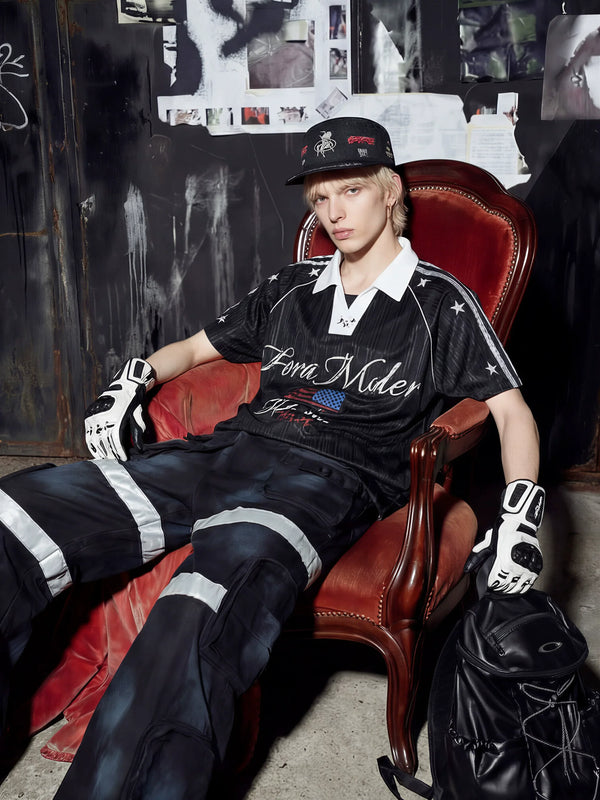

„American Hip Hop Clothes" hasn't been a single look since 1979 — it's five eras, four cities and one anchor that's never up for debate: the sneaker. Shorten the genre to „baggy jeans and a gold chain" and you've crushed 45 years of US rap into a carnival costume.
Hip-hop fashion was born in 1979 in the Bronx, recast its shape every decade, and today it's sorted by region: NYC wears drill-tactical, Atlanta wears trap-oversize, Detroit wears Carhartt-sherpa, LA wears Dickies-and-Chuck-Taylor. Same sound roots, different uniform per ZIP code.
This guide clears up what really counts as „American Hip Hop Clothes" in 2026 — the five eras, the regional uniforms, the brands from the FUBU block to Aimé Leon Dore, the concrete pieces for jackets / pants / tops, the sneaker logic, the hardware language, and above all: which mistakes turn the look into a costume when you build it from Europe.
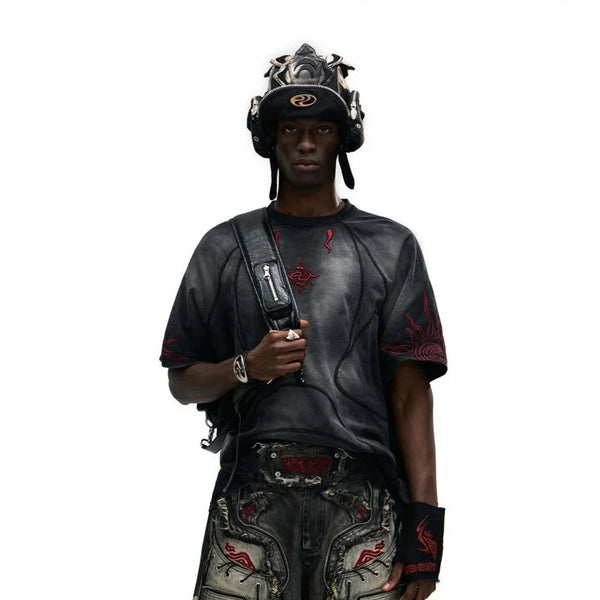
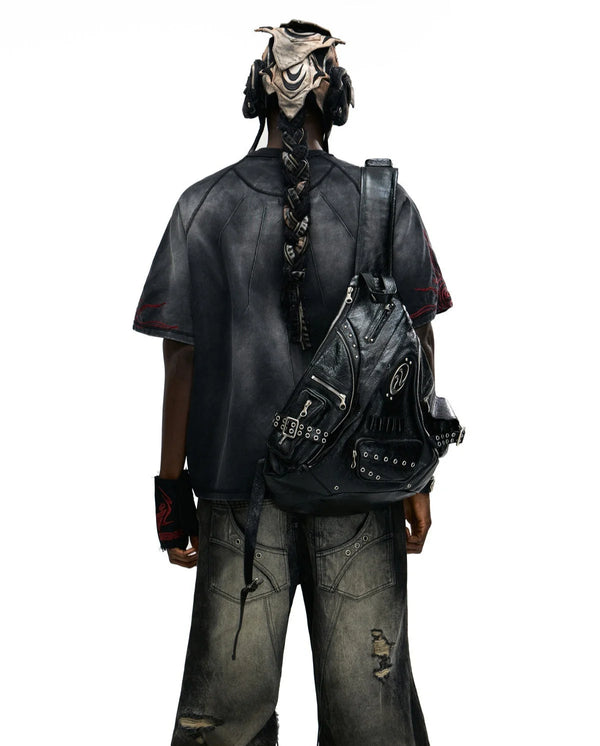
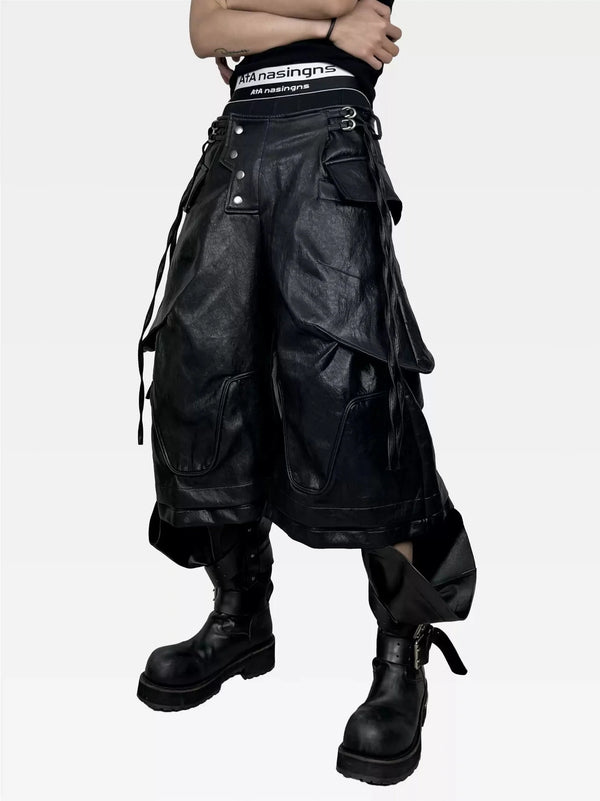
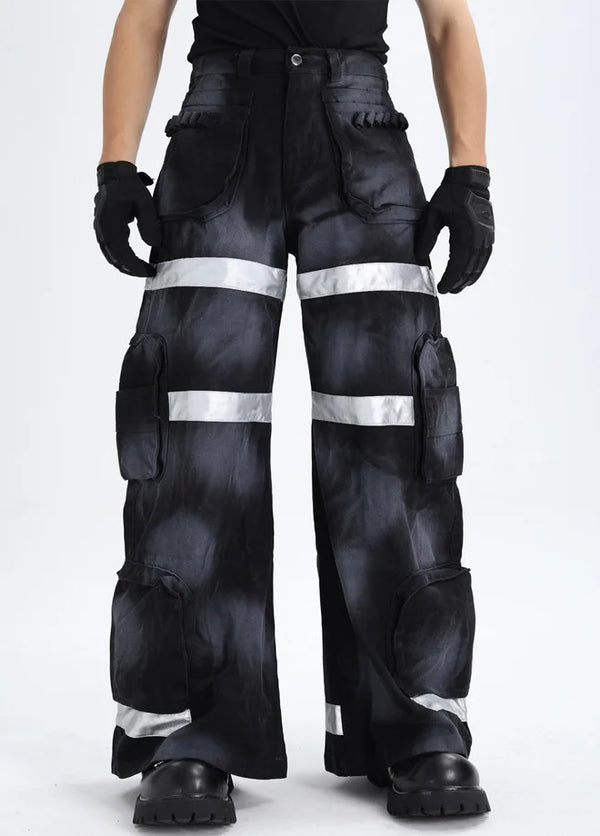
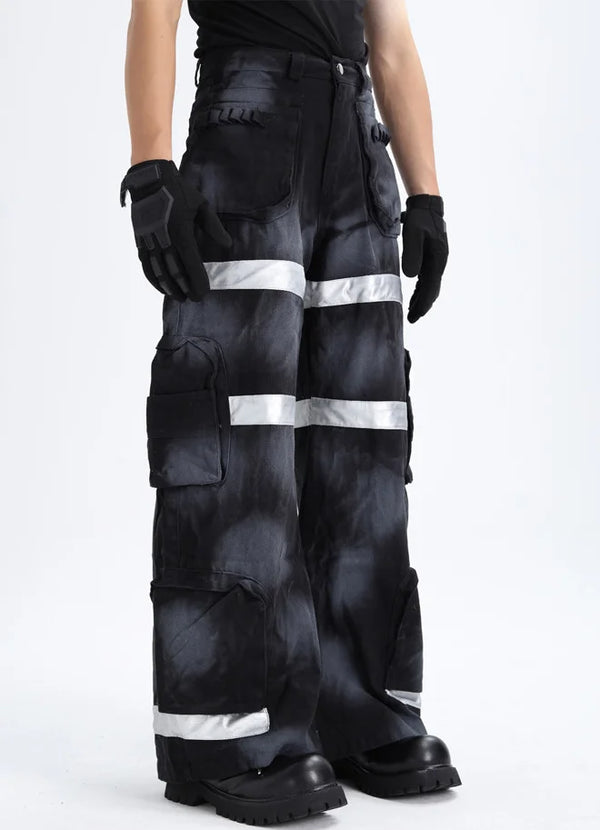
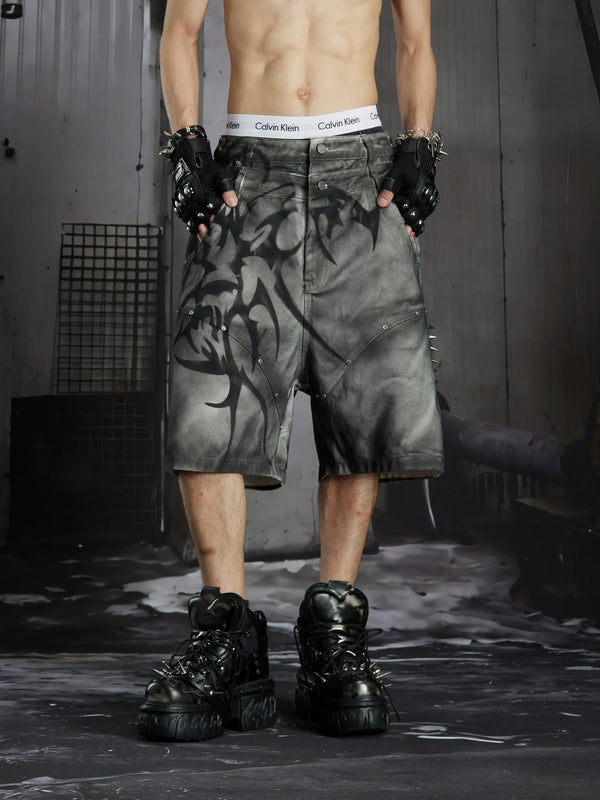
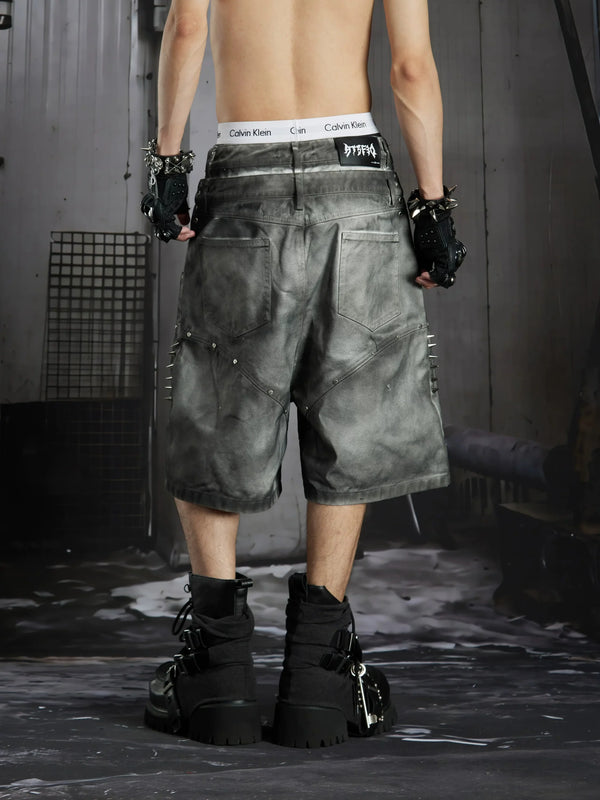
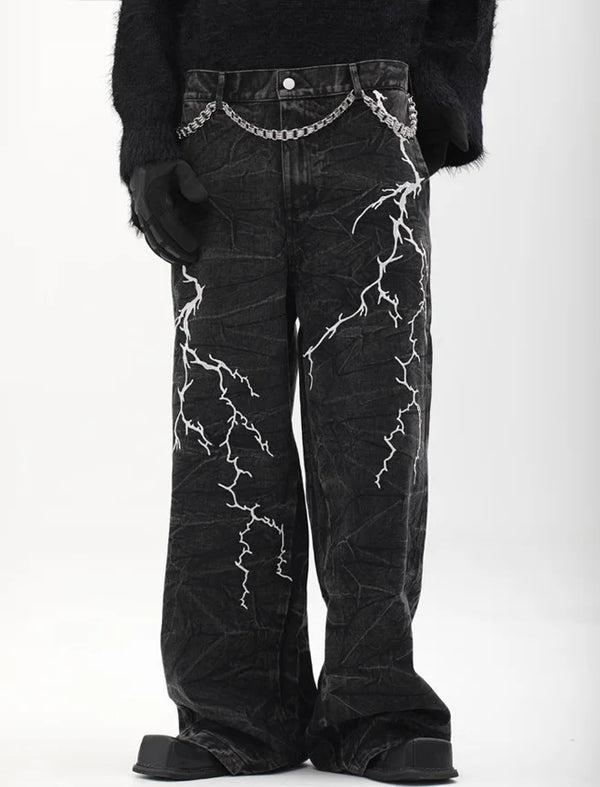
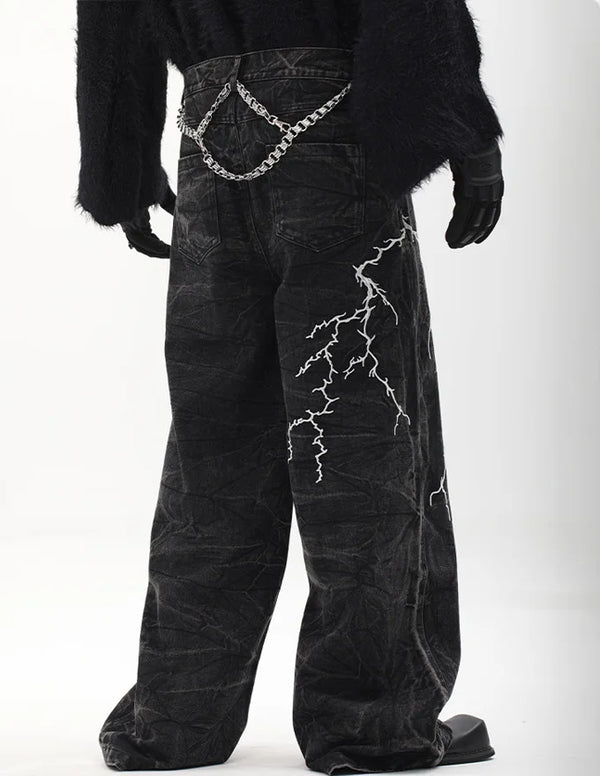
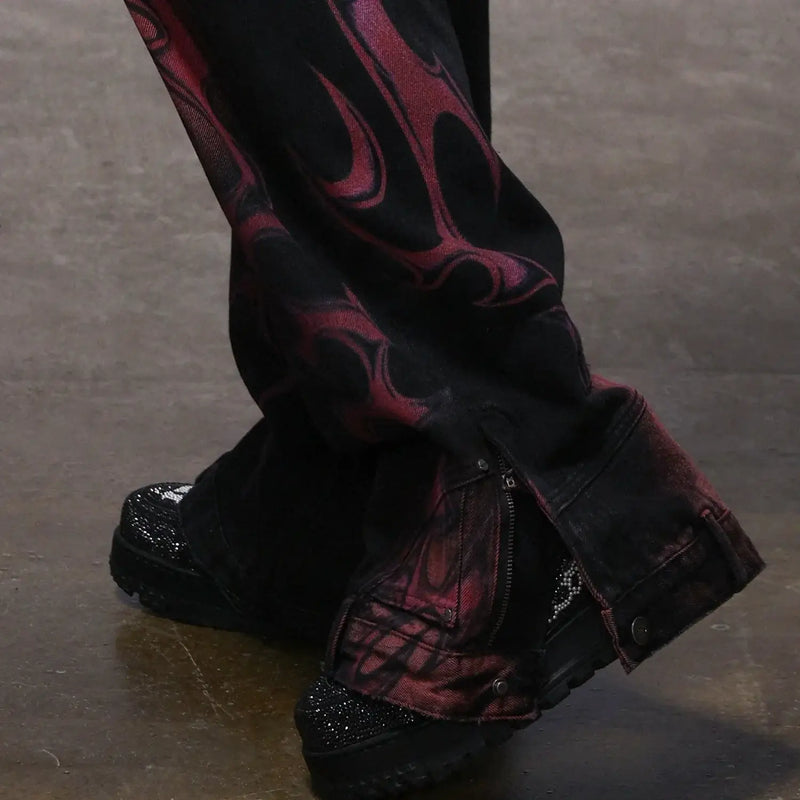
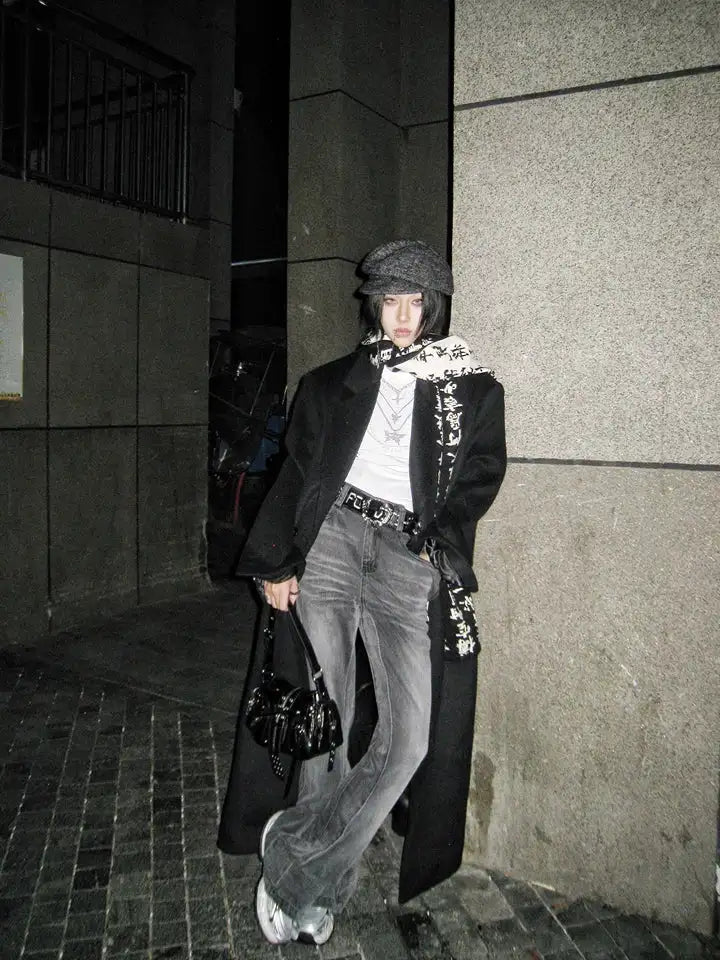
What it looks like when the pants sit right — wide-leg in motion:
The five eras that wrote the code (1979–today)
Hip-hop fashion has never been one look. It's a sequence of looks, each with its own city, its own brand and its own sound. Anyone who wants to dress „classic" today first has to decide which era. An Adidas tracksuit outfit from 1984 reads differently from a Sean John block from 2003 or an NYC drill-tactical from 2024 — and mixing the three side by side doesn't make a „classic", it makes a costume.
Which era you meet on the street depends on the eye. On TikTok phase five dominates, on reseller sites the bling era dominates as a throwback, on vintage markets you find phases one and two. So the next question isn't „which era", it's „which city".
Four cities, four uniforms: NYC, Atlanta, Detroit, LA
In 2026 US hip-hop is no longer one tribe but four. Each city has its own sound logic, its own beat tempo, its own brands and its own pieces that count as standard. Anyone who doesn't know the city codes accidentally mixes Atlanta designer oversize with Detroit Carhartt sherpa — and produces a look that works in none of the four cities.
- New York City — drill-tactical: Carhartt Detroit jacket, baggy cargo, North Face Nuptse, balaclava, Timberland. Pop Smoke and Sheff G set the line; the heritage nod to 90s tactical wear is visible.
- Atlanta — trap-designer-oversize: oversized hoodie, wide-leg denim, designer sneaker, diamond chain, grillz. Future, 21 Savage, Young Thug — material and brand are statement, not cover.
- Detroit — workwear-sherpa: Carhartt sherpa-lined jacket, Dickies, Lions jersey, Cartier Buffs, Air Force 1. Babyface Ray, Veeze, Sada Baby — the coldest city, the warmest outfit.
- Los Angeles — skater crossover: Dickies, flannel, Chuck Taylor, Cortez, Vans Sk8-Hi, Pendleton, white socks. Vince Staples, Tyler the Creator, Kendrick — hip-hop meets surf and skate heritage.
These four uniforms don't mix. NYC never wears Cortez. LA never wears sherpa-Carhartt. Detroit rarely wears a designer hoodie. Atlanta rarely wears flannel. The separation isn't academic — it's audible and visible in every tour outfit.
Hip-hop clothes men: the male silhouette
In 2026 the male hip-hop line isn't defined by a single garment but by a silhouette: loose top line, very wide pants, visible shoe, one hardware element. Four numbers hold the look together.
22"+
Pant leg width at the hem
+2
Tee size above yours
1
Sneaker, visible
1
Hardware statement
These four numbers are the test. 22 inches or more of leg width separates baggy from slim — anyone walking around with 17 inches at the hem is still in the skinny phase. Plus two sizes above your tee size is Atlanta oversize, not XL-by-accident. A visible sneaker means: the pants end on the shoe, they don't stack above it. A hardware statement is a gold chain, a grill, a diamond earring — one, not three.
Concretely, hip-hop clothes for men include:
- Wide-leg or baggy jeans — cut wide from the knee, 22"+ at the hem. Mid-wash or black-wash are the two safe washes.
- Oversized graphic tee or sports jersey — rap tee, NBA jersey, college jersey. Size XL above your base size.
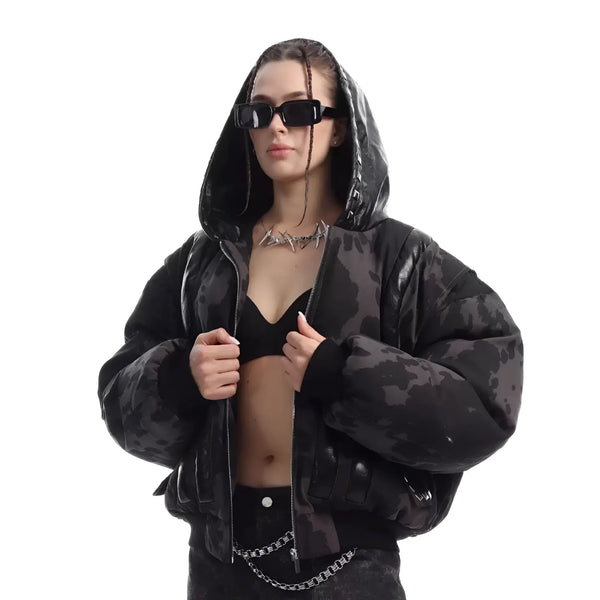
- Carhartt, bomber or letterman jacket — anything with visible heritage. A plain black down jacket doesn't read hip-hop, it reads outdoor.
- Air Force 1, Jordan or Timberland — the non-negotiable anchor. White sock optionally visible.
- One gold chain — Cuban link, rope, Figaro. 18 inches for close to the neck, 24 inches for visible on the tee.
Hip-hop outfit women: the women's line has its own rules
The women's line in US hip-hop isn't „the same pieces, smaller". It has had its own history since Salt-N-Pepa, MC Lyte and Queen Latifah — and since Lil Kim, Foxy Brown and Aaliyah its own silhouette logic that has nothing to do with the male one. In 2026 the women's line runs along two dominant axes: the Y2K return (crop top, low-rise baggy, bandana top, Juicy Couture velour) and the rap-girlfriend logic (oversized tee, bike shorts, sneaker, gold chain).
What the male line announces as „22 inches of leg width" often translates for women into low-rise — meaning the effect of the wide pants comes from the hip height, not just the leg width. Crop top plus wide-leg cargo plus sneaker is the most common women's version of US hip-hop in 2026. The gold chain more often becomes a jewelry statement (layered chains, hoops, Cuban bracelet) and less often a functional detail.
Hip-hop clothes brands: the US label set 1986–today
Google „American Hip Hop Clothes" and you mostly land on brand lists. Most of these lists mix eras uncritically — FUBU next to Supreme, Karl Kani next to Aimé Leon Dore, Cross Colours next to Eric Emanuel. That's not wrong, but it obscures the fact that each label dominated one decade. Sorted by era, the brands become readable instantly.
Golden and bling era heritage (1986–2009):
- FUBU — For Us By Us, Queens, founded 1992. Color-block logo sportswear. Icon piece: the football jersey #05.
- Karl Kani — LA, 1989. Defined baggy jeans as the hip-hop pant. Tupac, Snoop, Aaliyah cover era.
- Cross Colours — LA, 1989. „Clothing without prejudice" — color-block politics. Fresh Prince era identification.
- Sean John, Phat Farm, Roca Wear — NY, 1998–2003. Diddy, Russell Simmons, Jay-Z. Baggy cut as mainstream.
- Mecca, Ecko, Pelle Pelle — mid-2000s block. Throwback jersey logic, visible logos, embroidered patches.
Skinny phase and designer crossover (2010–2017):
- BAPE (via Pharrell), Supreme, Stüssy — streetwear mainstream, logo tee as hip-hop standard.
- Off-White, KidSuper — Virgil Abloh, Colm Dillane. High-fashion translation of the rap code.
- Yeezy — Kanye plus Adidas. Skinny-pants phase and Wave Runner sneaker.
2018–today, the current wave:
- Aimé Leon Dore — Queens, 2014, now mainstream. Bridge between sportswear heritage and soft luxury. Teddy Santis dominates the NYC mid-2020s.
- Denim Tears — Tremaine Emory. Cotton-wreath jeans, politically charged heritage.
- Eric Emanuel — mesh shorts as the 2020s standard. Atlanta trap and LA skate crossover.
- Awake NY, Bricks & Wood, Honor the Gift — indie block. Angelo Baque, Kacey Lynch, LeBron's label. Local subculture over international reach.
- Cactus Plant Flea Market, Stash House, A Cold Wall — designer-indie transition. Travis Scott era codes.
Add the lists together and you have 25+ brands. You don't have to wear them all — and definitely not from several eras at once. Pick one era or one city, stay there, the rest are references.
Jackets: bomber, Carhartt, letterman, puffer
The jacket is the second most important decision after the pants. Four lines dominate: the bomber (classic since the 80s, runs through every era), the Carhartt Detroit jacket (NYC drill standard since 2018), the letterman or varsity jacket (heritage throwback, bling era crossover), and the puffer (winter, primarily Nuptse, Moncler bubble or a generic bubble goose).
A plain black down jacket from the outdoor segment doesn't read hip-hop in 2026. Heritage has to be visible — patches, color-block, embroidered logos, or a clearly recognizable cut (bomber rib cuffs, Carhartt hammer loop, letterman chenille letter).
Baggy jeans, cargos, sweatpants: the pant logic
The pants are the statement. Three lines dominate: baggy or wide-leg denim (standard since 2018), cargo (NYC drill and Atlanta trap in parallel), sweatpants or track pants (Adidas heritage since Run-DMC, continuously valid). Outside the LA skate crossover line, skinny jeans are no longer a hip-hop-typical option in 2026.
Wash question: mid-wash blue and black-wash are the two safe choices. Light-wash with distressing is Y2K crossover, dark-raw is Detroit workwear crossover, both work, but as a deliberate decision. What doesn't work: vintage wash with whiskers at the crotch — that's 2007 bling era, exactly not in revival.
Tops: graphic tee, jersey, hoodie
Three tops cover 90 percent of all US hip-hop outfits. The graphic tee (rap tee, tour merch, college print), the sports jersey (NBA, NFL, MLB — throwback or current), the hoodie (plain or with heritage print). Sizing rule: each of these options is worn at least one size above the base size, often two.
What doesn't work: the body-hugging henley, the slim-fit polo, the fashion T-shirt with a statement print that doesn't come from the rap universe. Hip-hop doesn't read through „interesting cuts on the upper body" — it reads through volume, recognition and sneaker.
Shoes: Air Force 1, Jordan, Timberland — the non-negotiable anchor
The sneaker decides whether the look reads hip-hop or not. Three models have never dropped out of the rotation in the last 25 years — everything else is approximation, seasonal trend or regional crossover option.
- Nike Air Force 1 Low (white-on-white or triple-black) — the absolute default. NYC since 2001, dominant in Detroit, Atlanta standard for daily wear. If you have nothing else, this is right.
- Jordan 1, Jordan 3, Jordan 4, Jordan 11 — heritage sneakers with a color story. Jordan 1 for all-round, Jordan 4 for Detroit workwear crossover, Jordan 11 for throwback era.
- Timberland 6-Inch Premium Boot (wheat or black) — NYC since 1992 without interruption. The drill era defined the wheat Tim as an identity piece.
- Adidas Samba, Gazelle, Forum — the Adidas heritage line. Old-school and 2024 revival crossover. Above all in LA and internationally.
- Converse Chuck Taylor, Nike Cortez, Vans Sk8-Hi — the LA line. Skate and surf crossover, white tube socks visible.
Gold chains, grills, caps: the hardware speaks first
In US hip-hop the jewelry and cap set is never accessory — it's often the first thing that gets read. Four categories carry the hardware language: the gold chain (Cuban link, rope, Figaro), the grill (top-six standard, solid gold or diamond), the cap (snapback, fitted, trucker), and the ring or bracelet as a second statement.
Rule: one main statement per outfit. Wear Cuban link plus grill plus diamond earring plus iced-out watch and you're not running a hip-hop look — you're a Halloween rapper. One gold chain over a white tee plus a cap is enough. More tips quickly into caricature.
Styling logic: from piece to outfit, not to costume
Three pieces side by side don't make an outfit yet. Three pieces from three different eras make a costume. The styling logic in US hip-hop comes down to a single question: is the outfit coherent in era, city and silhouette — or is it just quoting symbols?
An Atlanta trap outfit isn't Sean John throwback plus Carhartt sherpa. One is 2003 Bronx NY, the other is 2020 Detroit. Mix that and you don't have a homage, you have a Tinder profile picture with three contradicting signs.
Lipp Fuge — Gründer, Fūga Studios
Three styling steps that work in every outfit: first the pants (wash and leg width decide the era), then the sneaker (decides the city), then top plus jacket (have to match the chosen city, not the chosen fabric). The jewelry statement comes last — and only one.
Seasonal: summer jersey, winter Carhartt
The hip-hop vocabulary changes over the year. Summer standard 2026: white or pastel oversized tee, mesh shorts or wide-leg denim short, Air Force 1, gold chain over the tee. Winter standard: hoodie plus Carhartt Detroit jacket or sherpa-lined vest, baggy jean, Timberland, beanie. The hardware stays constant, the layer density changes.
The transition season is the most demanding phase: bomber or letterman with wide-leg, AF1 or Jordan, tee with a long-sleeve layer underneath. Wear summer pieces (mesh shorts, jersey tank) in the transition and you read like a late tourist; wear winter pieces (sherpa, puffer) and you've misjudged it.
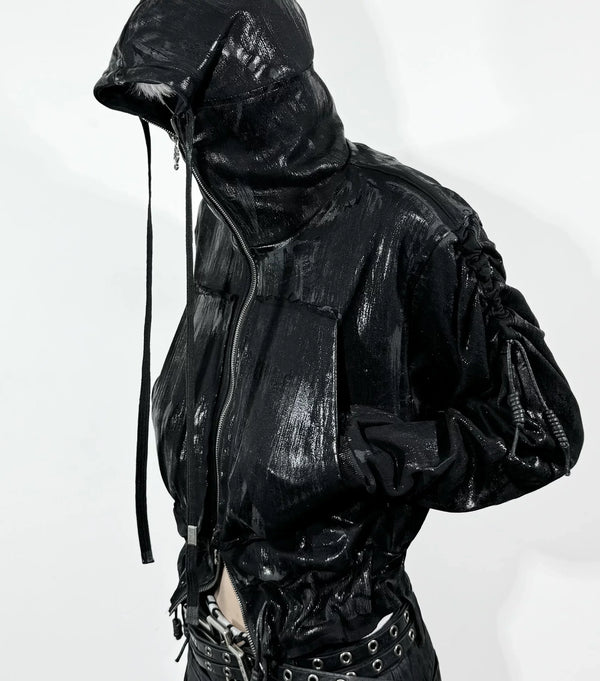
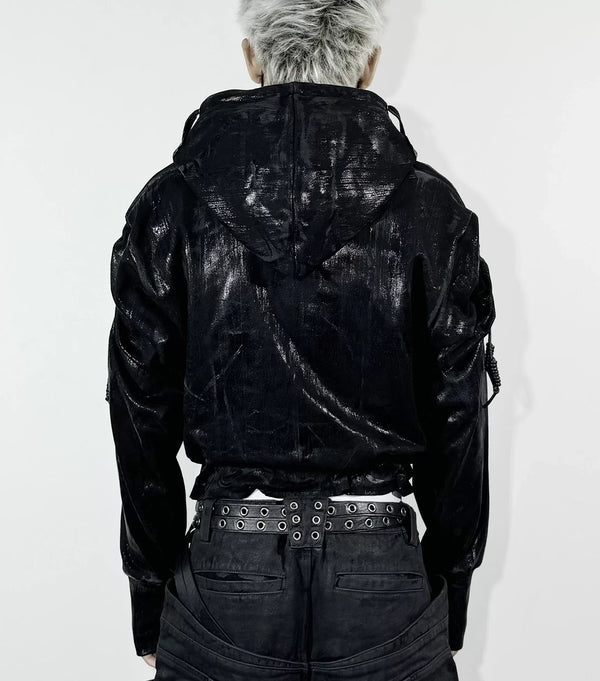
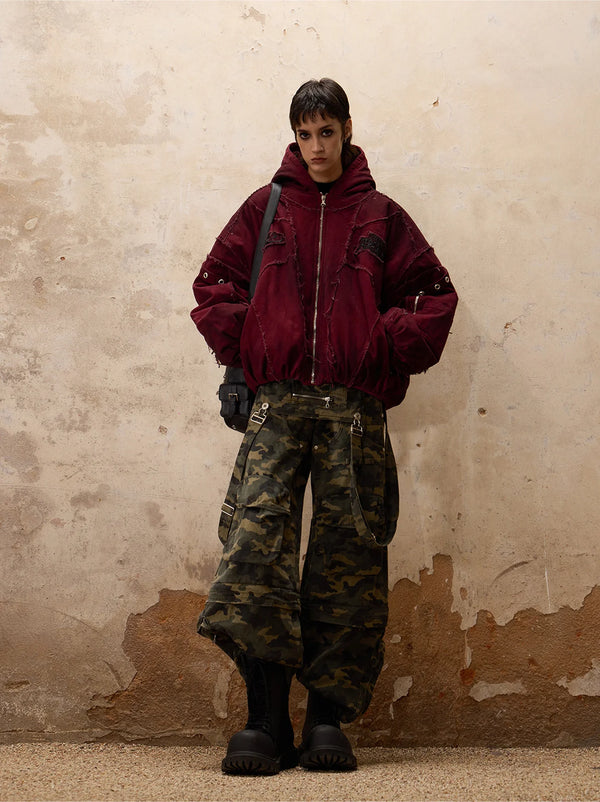
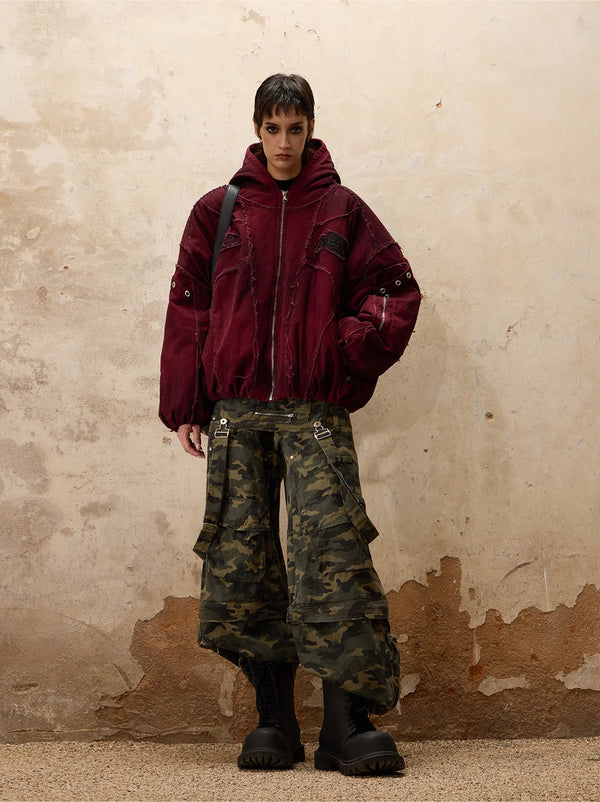
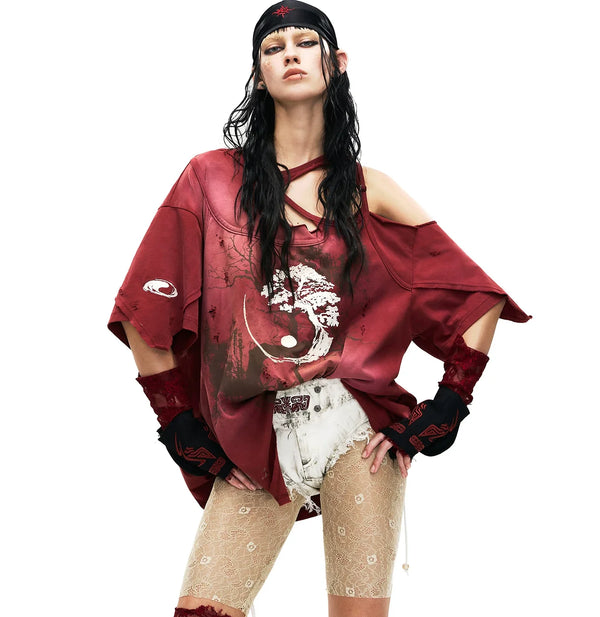
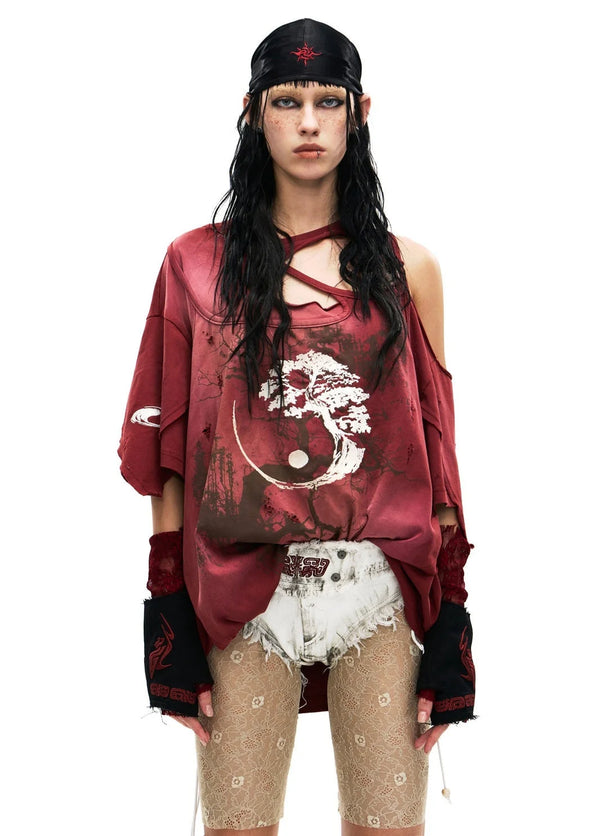
How a layered long-sleeve plus cargo work together:
The most common mistakes with the US hip-hop look from Europe
Anyone who copies the look from Europe falls into the same six traps almost every time. The pieces are often right — the combination and the volume ratio aren't.
First 4 pieces: wardrobe entry for under €250
If you want to test the look without blowing up your closet, you need four pieces: a wide-leg pant, an oversized tee or jersey, a jacket with heritage, and an AF1 or Timberland alternative anchor. With that set you have a working Atlanta or NYC outfit for under €250, plus shoes extra.
Real outfits: how the US code lands in Berlin
The US hip-hop vocabulary never lands in Berlin, Hamburg, Cologne 1:1. The German version works less with gold chain, more with black-wash denim. Less throwback jersey, more plain tee. The translation doesn't happen in the pieces, but in the choice of wash and the visibility of the hardware. What's meant to stand out in Atlanta is often meant to work in Berlin without standing out.
Common questions about American Hip Hop Clothes
What exactly is American Hip Hop Clothing?
What counts as a hip-hop outfit for women in 2026?
Which hip-hop clothing brands are relevant in 2026?
Which pants do you wear in US hip-hop?
Which sneaker is mandatory?
Where do I buy hip-hop clothing in an online shop?
What sets US hip-hop fashion apart from European streetwear?
What do you think?
Tell us on @fuga_studios
About the author
Philipp Fuge — Founder · Berlin
Founder of Fūga Studios. Writes the journal himself. Berlin · Shanghai · Tokyo · Poznań — four cities, one logic.