

London, 1978. A basement club, a strobe light, a woman with backcombed black hair and a face like a death mask. On stage someone screams against the feedback noise in torn fishnets. Nobody called it “Goth” back then. It was simply what happened when punk darkened and turned inward. The clothing came long before the name.
1970s Goth Fashion is the original state of gothic style: black silhouettes, torn fishnet fabrics, leather and thickly smudged kohl, born in the late 1970s out of British post-punk. It had no label yet, no rules, no shop of its own. What counts as Trad Goth today was worn here for the first time — by bands, fans and club-goers who reassembled themselves. In our Gothic Fashion Guide we sort the seven archetypes of today’s scene; this article digs out the one root they all grew from.
To understand the early look, you have to reverse the order: the style did not come first, the circumstances did. In the late 1970s England was broke, its youth unemployed, punk already growing bored with itself. Out of that exhaustion grew something darker, slower, more theatrical. The next sections break down what that state was made of — and how you can wear its parts today without looking like a costume.
The short answer
What 1970s Goth Fashion really was
1970s Goth Fashion was not a dress code but an attitude that happened to translate into clothing. It was about rejection: of the colourful disco era, of optimistic fashion advertising, of the belief that the future would get better. Black was the means, not the end. Whoever walked around like that was saying they were sitting the party out.
In concrete terms that meant: tight black tops, often second-hand or self-dyed, with torn tights, leather jackets from the flea market, a lot of jangling silver crucifixes and a face that looked like it had not slept for three nights. There was no brand selling this. You built it from whatever you found.
1976–79
Emergence window in London
0
Shops that sold the look
95 %
Share of black in the wardrobe
The time frame
Was Goth even a thing in the 1970s?
Yes — but not under the name we use today. The term “Goth” for an audience only surfaced around 1979, and it did not spread widely until the early 1980s. In the 70s the look existed as a fringe of post-punk: fans of a certain kind of band that sounded darker, colder and more melodramatic than the rest.
Historians like to point to two moments. First the Batcave club in London, which only opened in 1982 but gathered the scene that had existed since the late 70s. Second the song “Bela Lugosi’s Dead” by Bauhaus from 1979 — for many the tipping point where post-punk audibly became Goth. The clothing was long there by then. It only needed someone to name it.
The difference between origin and maturity matters. The 70s supplied the raw material: DIY, anger, second-hand, theatricality. The glossy, commercially exploited Goth with velvet, ruffles and studio photos only came over the course of the 80s. Whoever wears “70s Goth” today deliberately reaches back to the rawer, poorer version.
The roots
From Victorian Gothic to post-punk: the deeper roots
The look of the 70s did not come out of nowhere. It borrowed images from the 19th century — Victorian mourning culture, the gravestones, the pale novel heroines of Bram Stoker and Mary Shelley. Black as the colour of mourning, lace as a sign of decay, the crucifix as a drained symbol: all of it lay culturally ready and was recharged by the young scene.
The Victorian fashion of the 1800s contributed concrete shapes: high collars, corset silhouettes, long skirts, heavy fabrics. The 70s youth translated that into the cheap and torn. Instead of real velvet there was dyed cotton, instead of leather gloves cut-off fishnet gloves, instead of graveyard solemnity a good dose of mockery. The seriousness of the source met the sarcasm of punk.
It is exactly this dual nature — historical melancholy plus street DIY — that remains the core of every serious gothic wardrobe to this day. Whoever knows the root shops differently: not by “black” but by texture, contrast and the question of which era is being quoted.
The soundtrack
70s Goth bands: the music that shaped the look
No understanding of 1970s Goth without the bands. The style was a fan style from the start — you dressed like the people on stage because you wanted to belong. Four names carry the early history:
- Siouxsie and the Banshees — Siouxsie Sioux effectively invented the female Goth silhouette: backcombed hair, black eyes, fishnet fabrics, military-strict cuts.
- Bauhaus — “Bela Lugosi’s Dead” (1979) is seen by many as the birth of the sound; Peter Murphy’s gaunt, theatrical stage presence set the male tone.
- Joy Division — cool, grey seriousness instead of colour; the look was less costumed, more post-war bleakness in textile form.
- The Cure — Robert Smith shaped the smeared-lipstick face and the wild hair a little later, the shorthand for Goth to this day.
The decisive point: these musicians were not models with stylists. They wore what they could afford, and the fans copied it from the same cheap sources. That is why 70s Goth never looks polished — the roughness was never intention, it was budget. Today that very roughness is what sets the look apart from tidy fast-fashion black.
The building blocks
The key pieces of a 70s Goth outfit
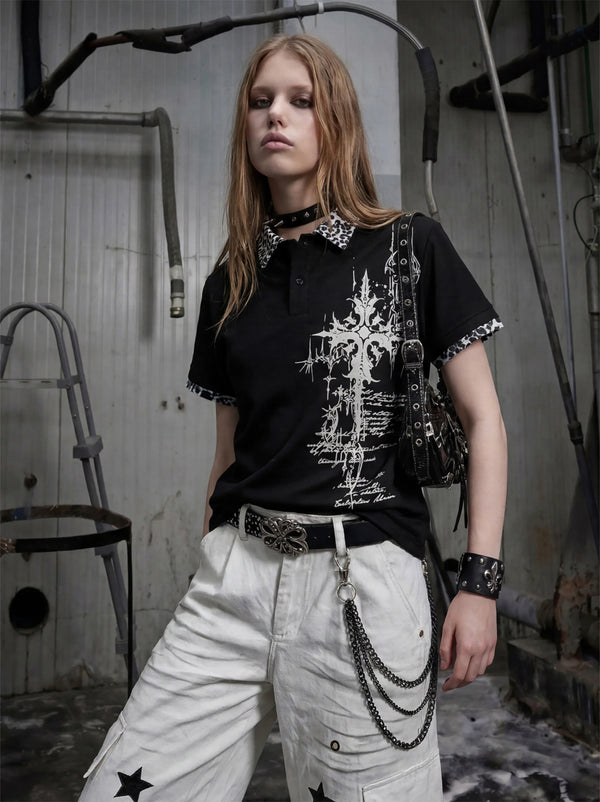
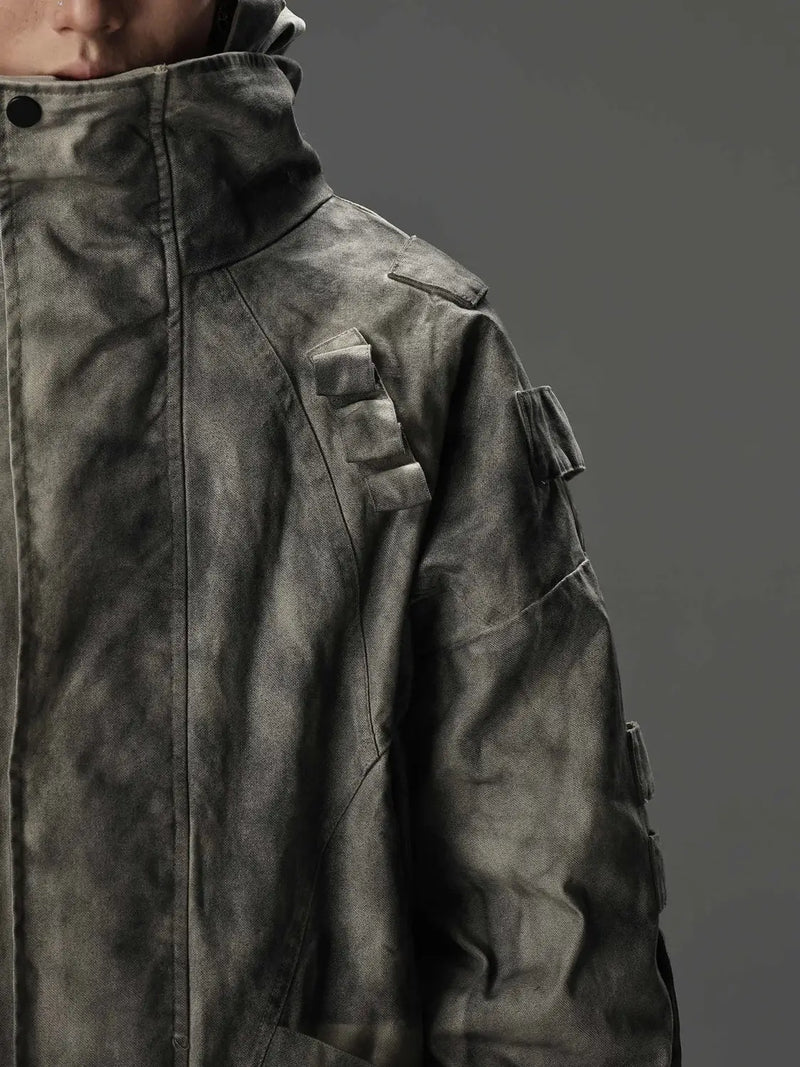
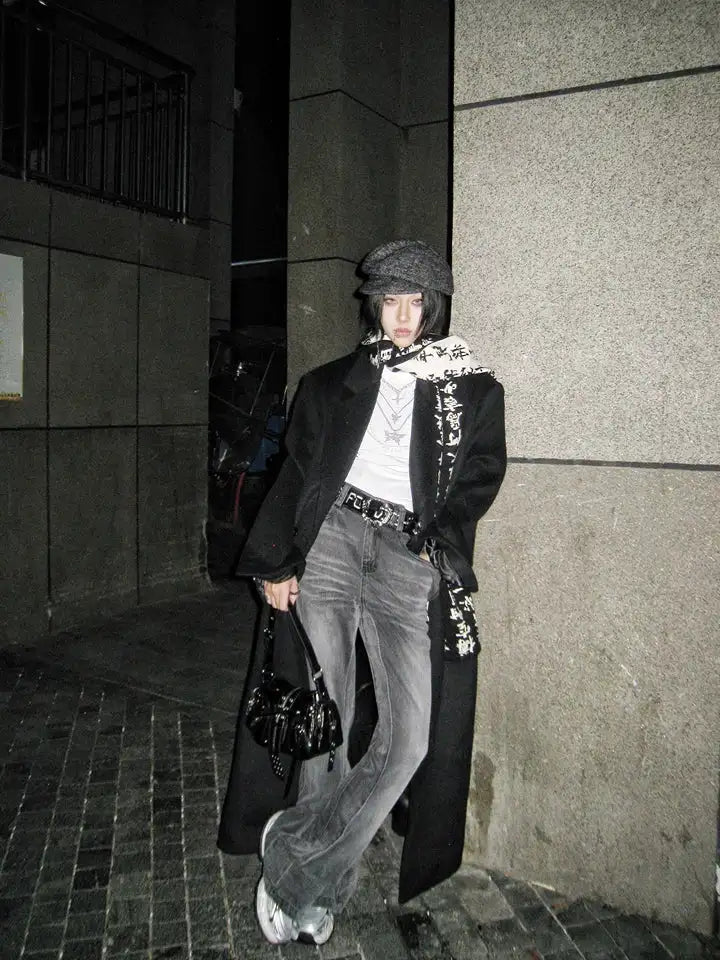
A 70s Goth outfit consists of few, clearly defined pieces. It is not a look that lives off expensive statement pieces but off combination and texture. The base is tight black tops — a ribbed long-sleeve, a washed-out band shirt, a thin turtleneck. On top comes the texture layer: fishnet, torn knit, leather.
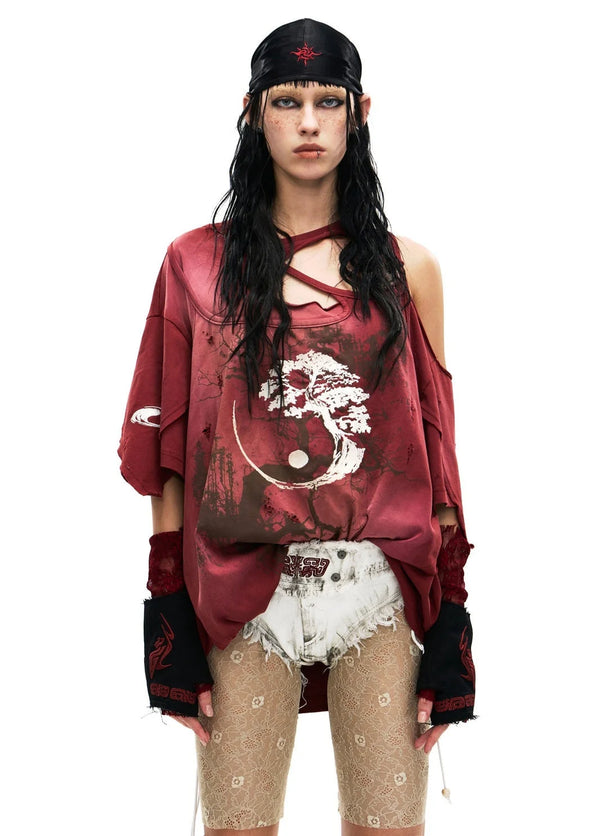
The second rule concerns the break. 70s Goth lives off the contrast between strict and destroyed: a clean black cut next to deliberately damaged fabric. Torn tights under a straight skirt, a frayed shirt under a precise leather jacket. Keep everything tidy and you land at business black; destroy everything and you land at costume. The appeal sits in between.
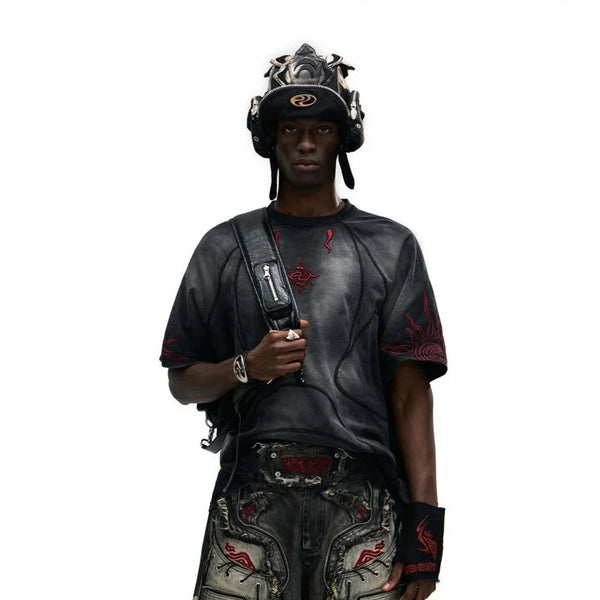
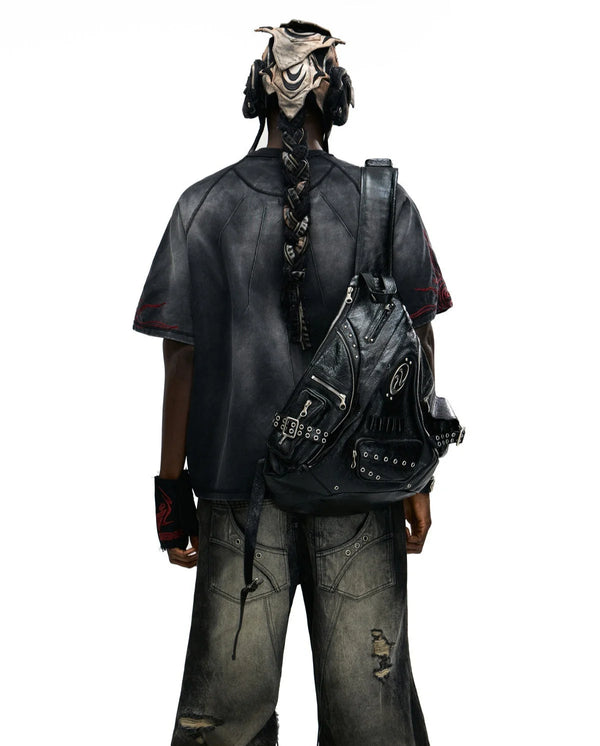
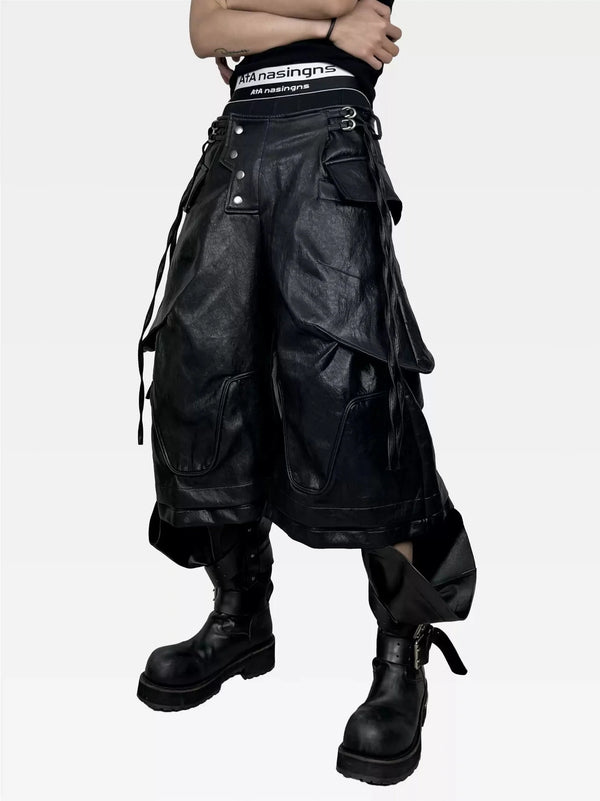
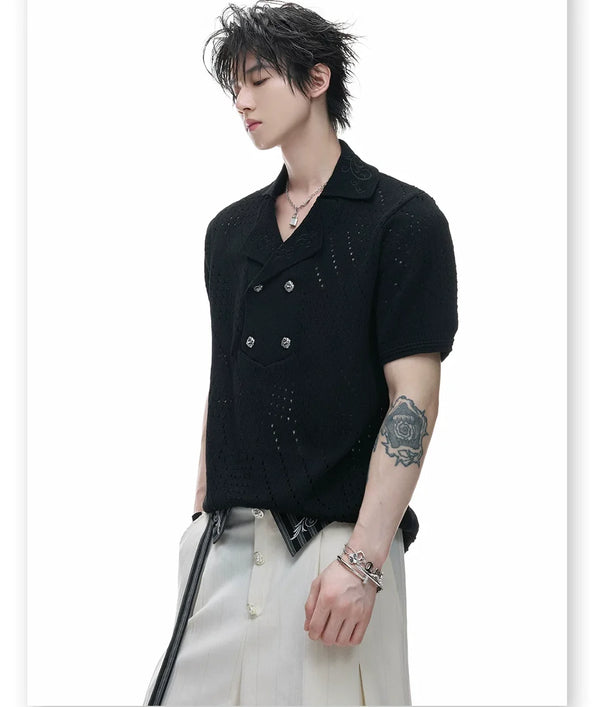
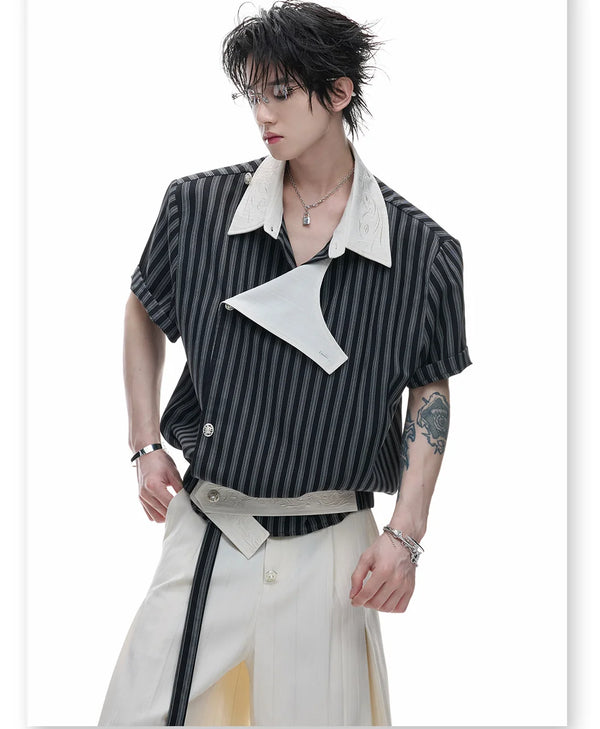
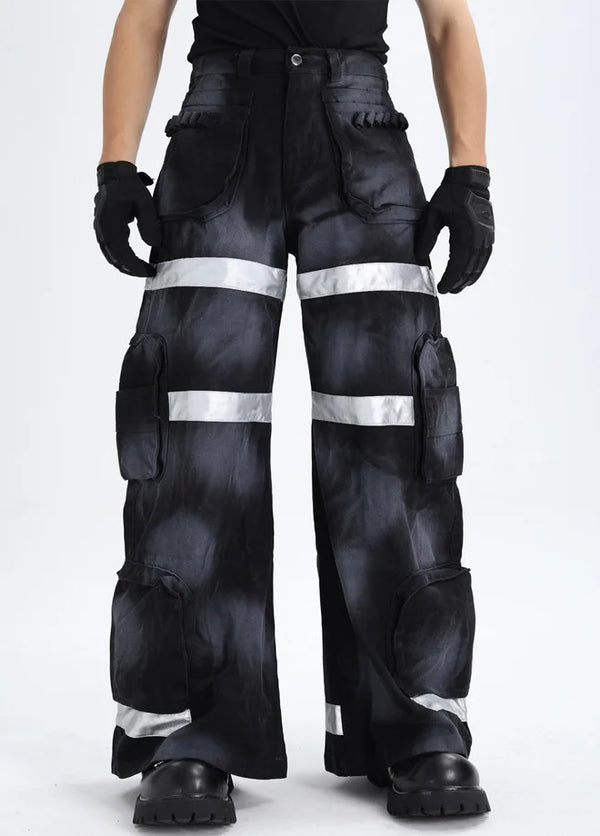
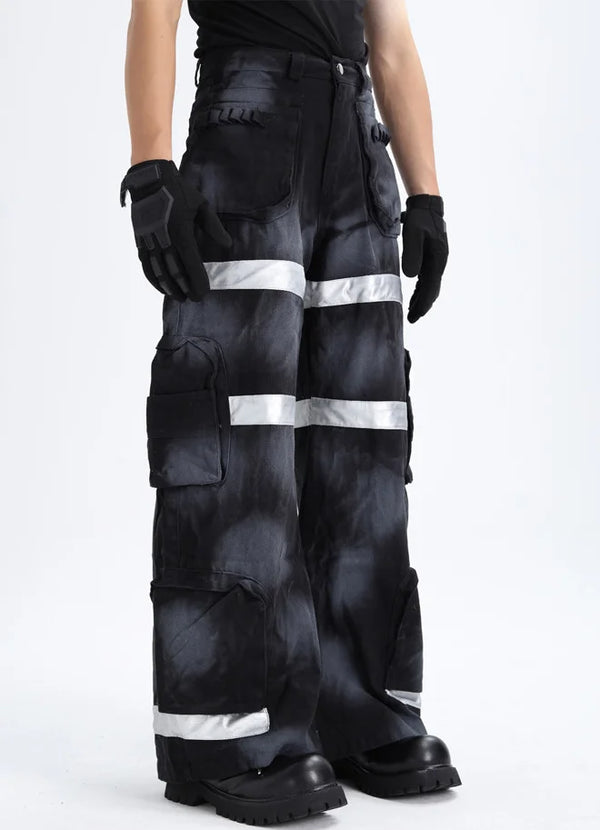
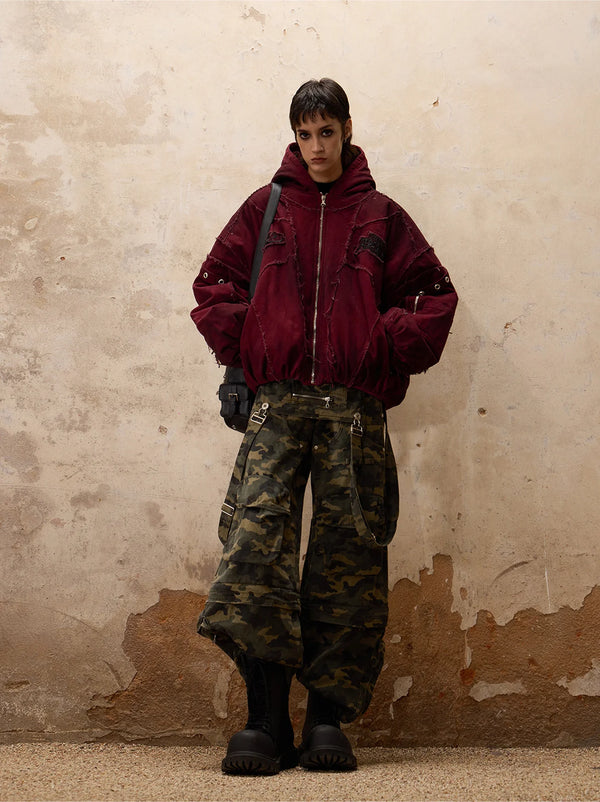
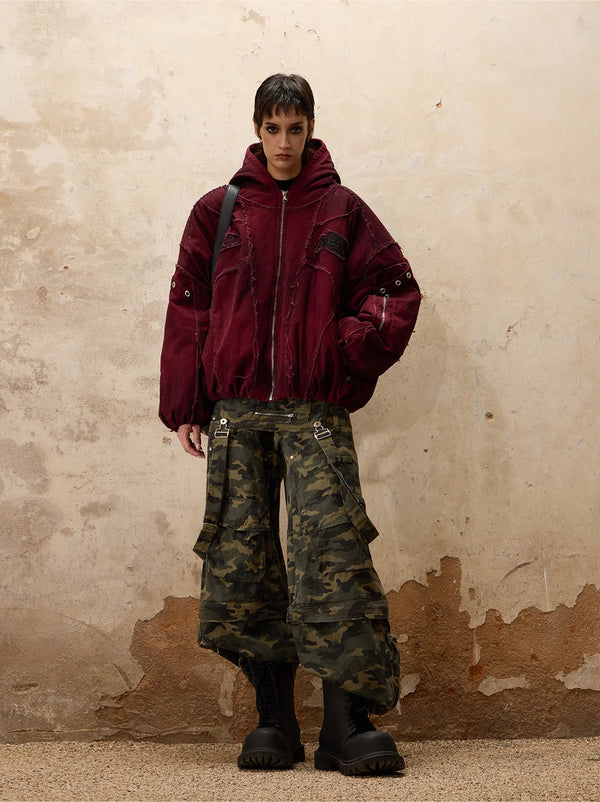
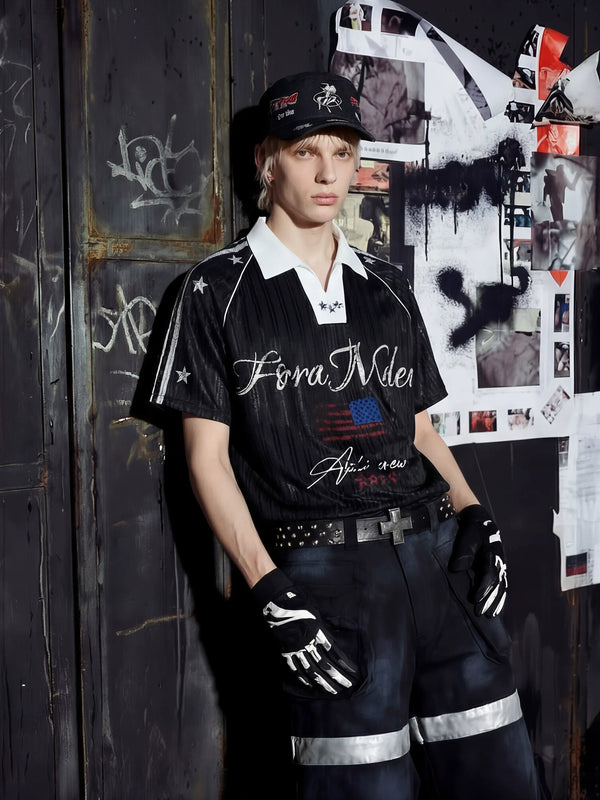
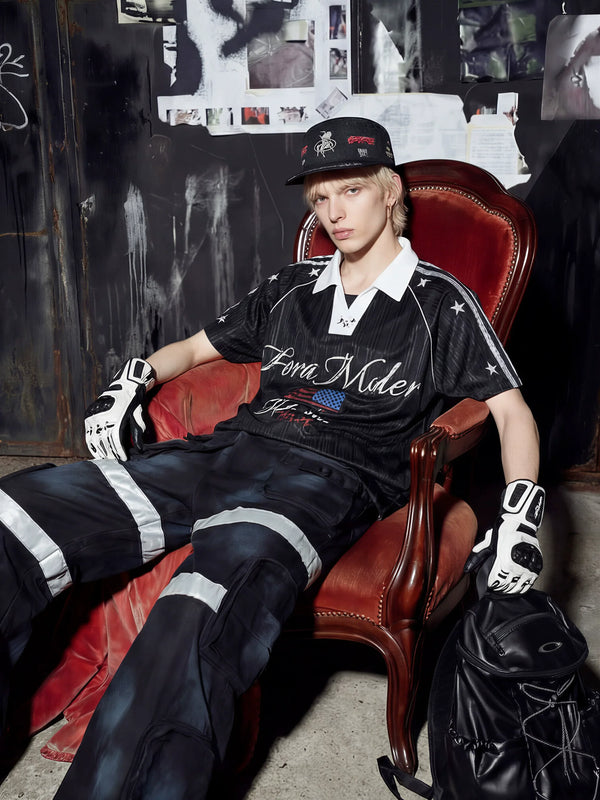
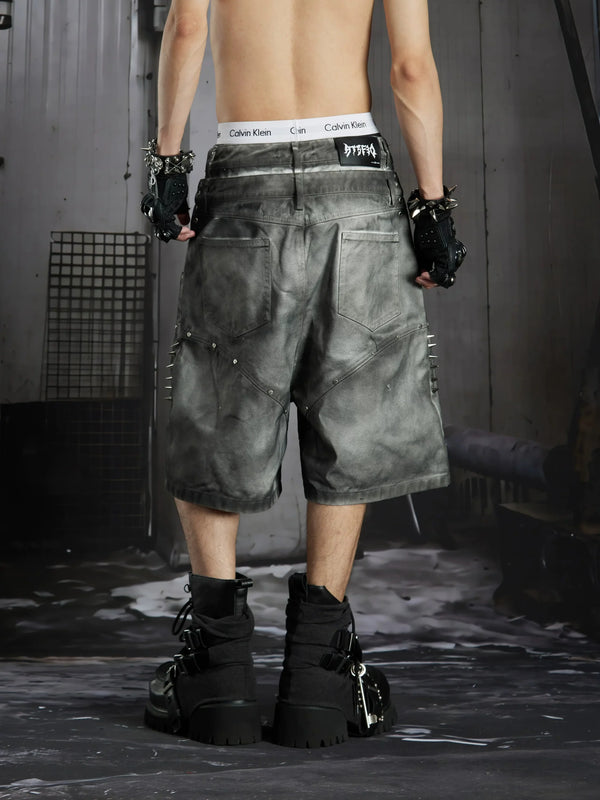
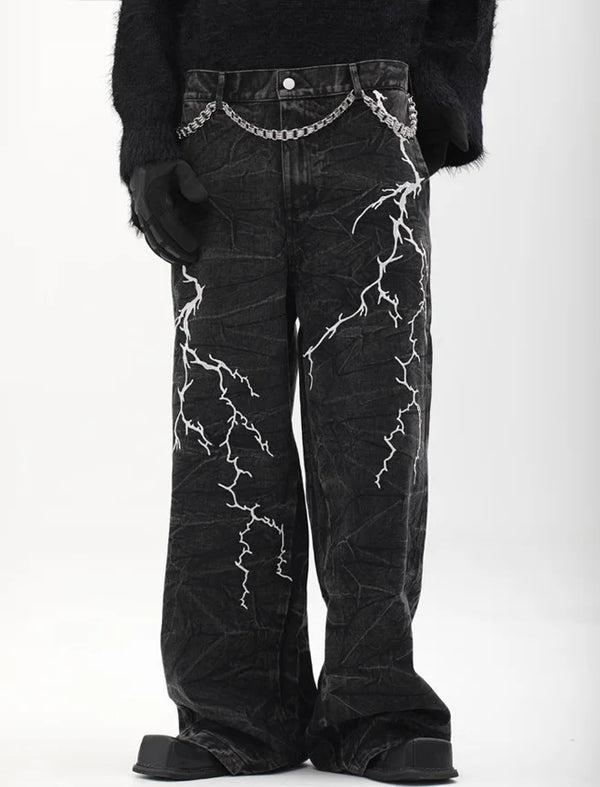
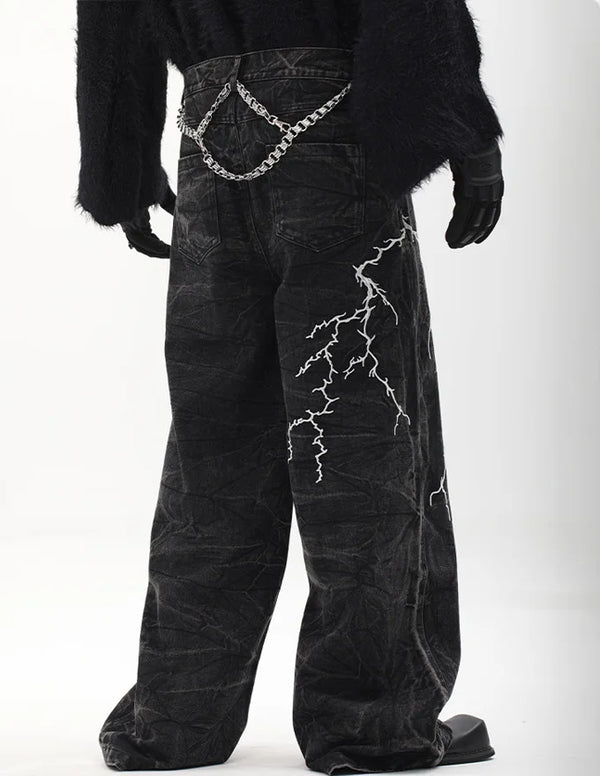
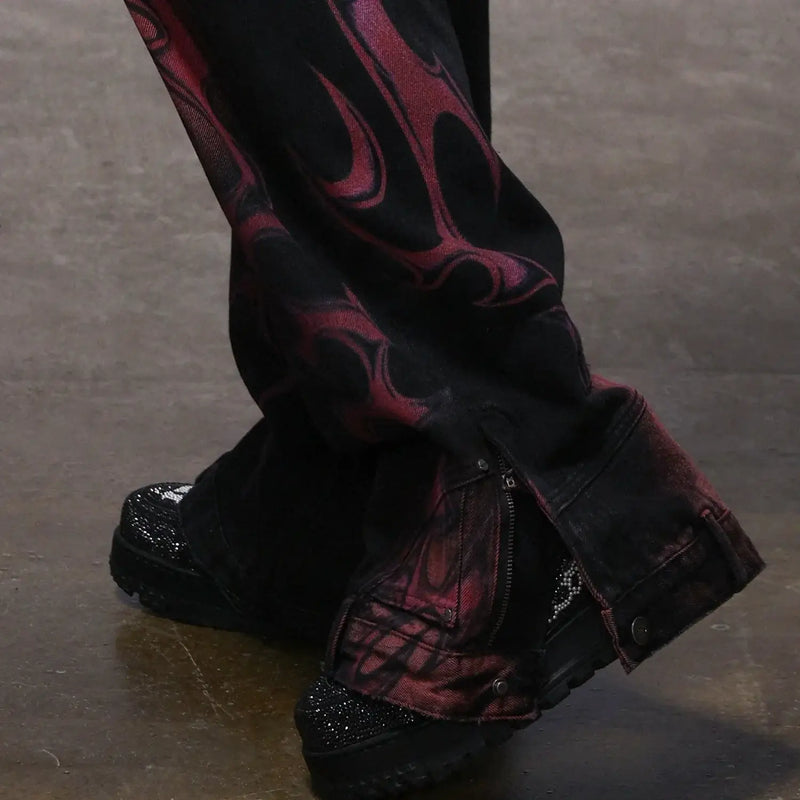
Below, two silhouettes dominate: tight tube shapes or wide, almost trailing pieces. Both in black, both fond of hardware — studs, chains, buckles. Shorts and layering trousers with cross and kanji details hit the early DIY tone because they look assembled rather than bought.
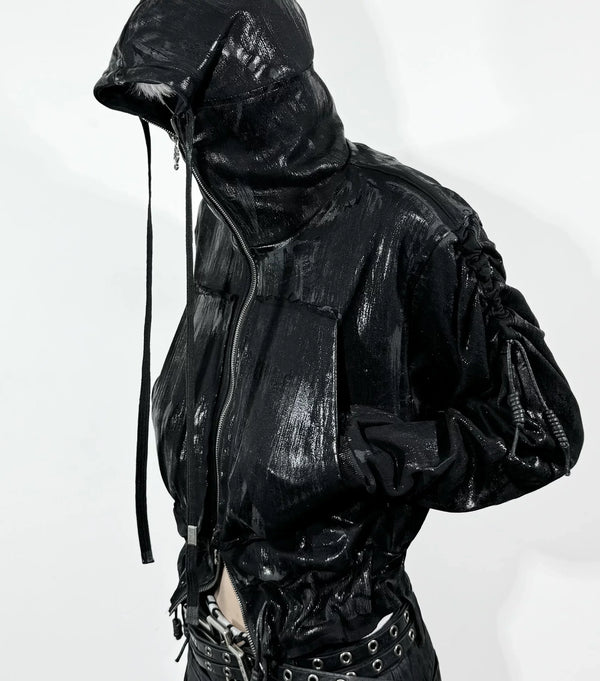
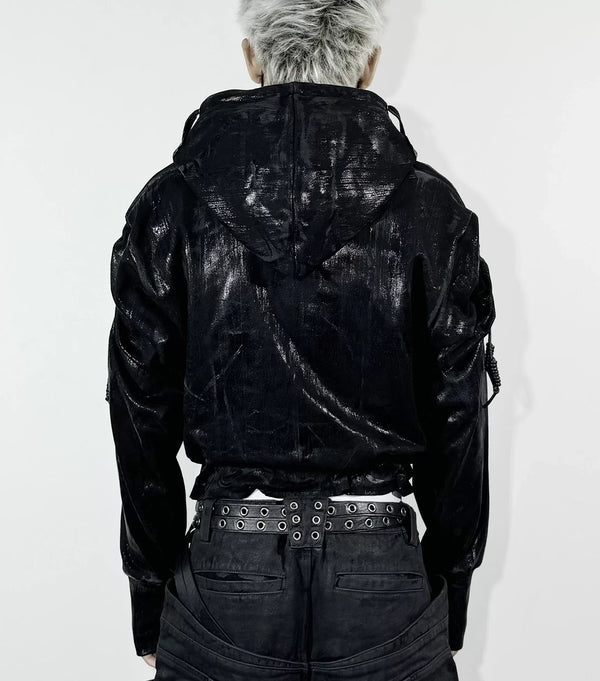
The last building block is the shell: a leather jacket that looks like it has already been through some nights. It is the most expensive piece of the look and the most important, because it holds the soft, torn rest together and gives it structure.
Not just for her
70s Goth for men: not a women-only look
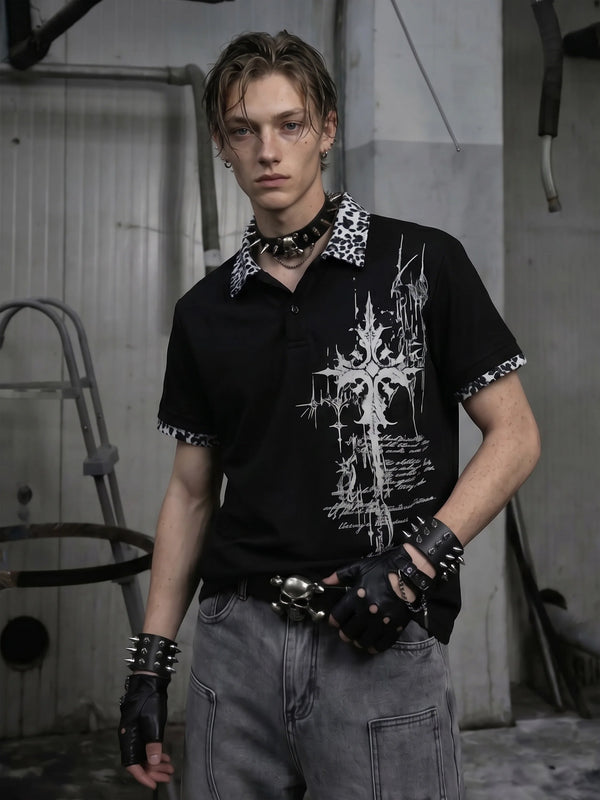
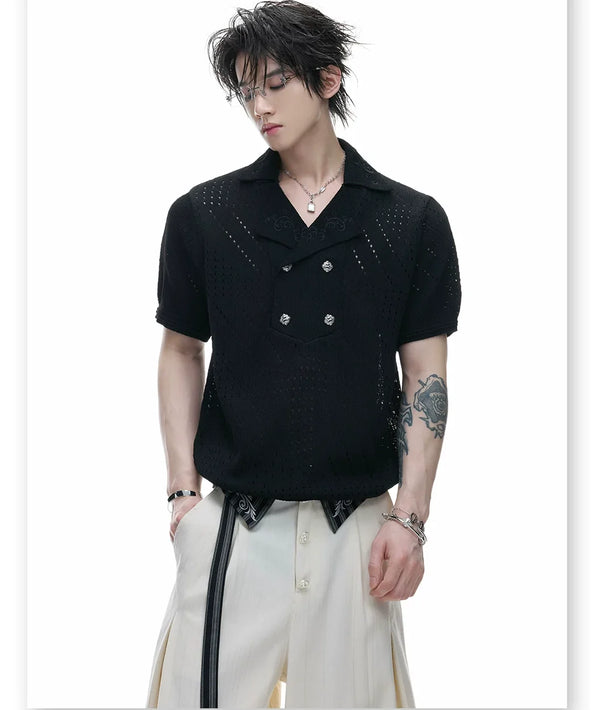
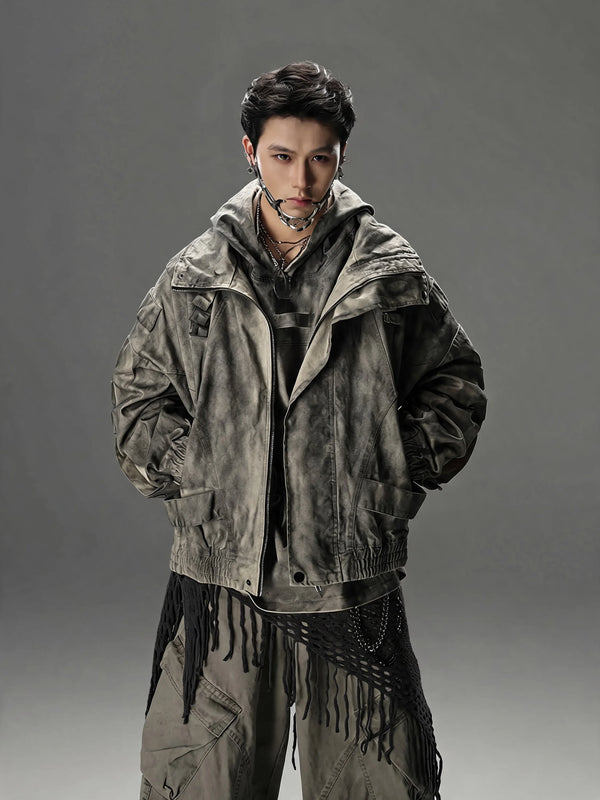
Early Goth was androgynous from the start. Peter Murphy, Robert Smith, half the post-punk stage — men wore kohl, tight black silhouettes and hair that broke every dress code. 70s Goth for men does not mean copying the women’s outfit but pulling the same logic onto a masculine silhouette: slim black tops, a hard jacket, a face that does not apologise.
The mistake most people make is exaggeration. You need no three kilos of silver and no stage makeup for everyday life. A black turtleneck, a well-fitting leather jacket, dark tight trousers and a single striking accessory carry the look without tipping into disguise.
Before we move on to makeup and silhouette — a short look at how this dark silhouette logic feels in motion, not just on paper.
What you see in the clip is exactly the point: the fabric moves, the cut stays strict. This tension between movement and control is what sets 70s Goth apart from plain black-wearing — then as now.
The face
70s Goth makeup: the face of the early scene
Makeup in early Goth was no accessory but half the look. The basic formula is stable to this day: pale skin as the canvas, black eyes as the centre, a mouth in deep red or black as the counterpoint. All deliberately hard, nothing softened. It was meant to look like a mask, not like everyday makeup.
The difference from the later, smoother 80s Goth makeup lies in the blur. In the 70s the kohl was smudged, the edges unclean, the whole thing expressive rather than perfect. Robert Smith’s famous smeared-lipstick look is the purest form of it: deliberately sloppy, because perfection was never the goal.
Important for all genders: early Goth knew no division here. Men smudged the same kohl as women. Whoever hits the look historically correctly treats makeup as a gender-neutral tool, not a female extra.
The hard shell
Leather jacket and hardware: the backbone of the look
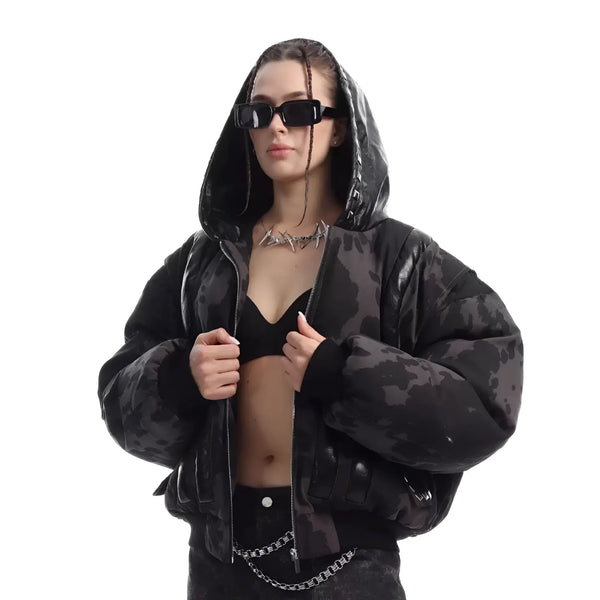
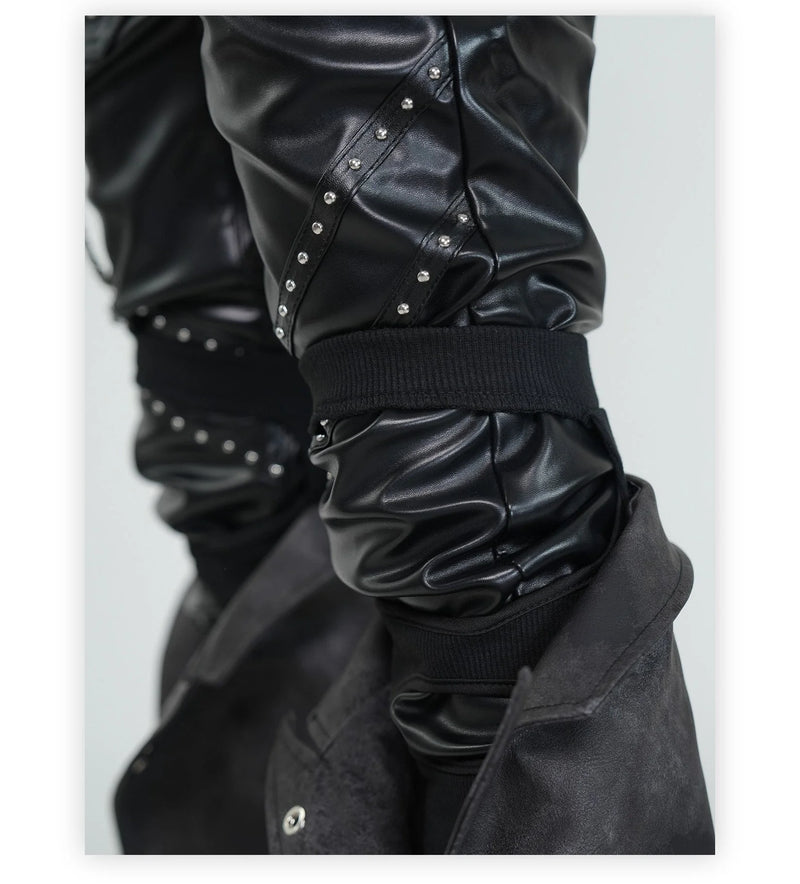
If a single piece carries the 70s Goth look, it is the jacket. Leather or faux leather, ideally worn, with studs or without — it gives the otherwise soft, torn outfit an edge and holds everything together. Without this hard shell the look quickly slides into the diffuse.
Hardware is the second layer: crucifixes, chains, buckles, studs. In the 70s it came from military shops, second-hand boxes and church flea markets — none of it expensive, all of it with history. The mistake would be to tip into the clean and new here. A gleaming, obviously new cross destroys the tone faster than any wrong silhouette.
These four categories are the starting point, not the goal. Whoever really wants to understand the early look should place it in the larger gothic context — the seven archetypes that make up today’s scene all grow from this one root.
Wear it today
How to wear 70s Goth today without looking like a costume
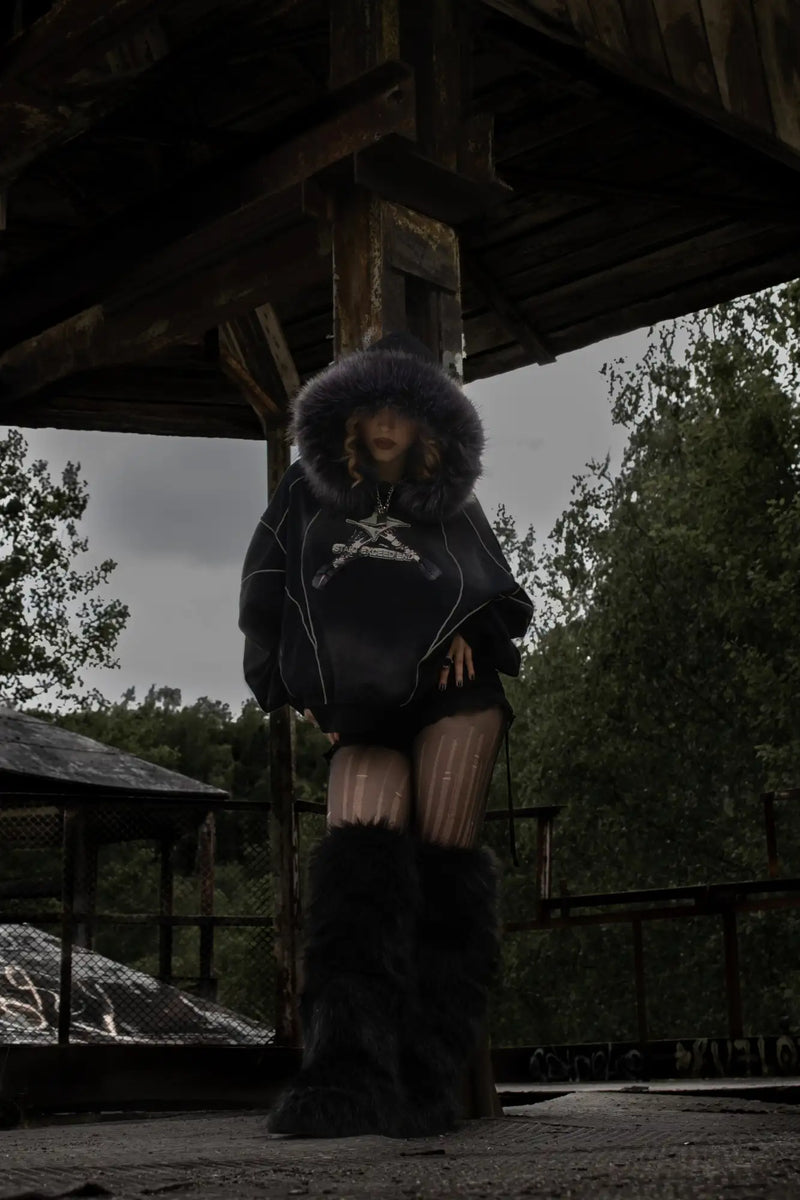
The jump from historical reference to wearable outfit usually fails on one thing: too much at once. Early Goth looked real because it consisted of few pieces worn daily. Whoever piles on fishnet, leather, chains, crosses and stage makeup at the same time today looks like a Halloween reading, not like a person.
The wearable version works through one rule: one statement, the rest calm. Torn fishnet tights plus plain black. Or a hard leather jacket plus a smooth outfit. Or smudged kohl plus reduced clothing. One loud point, everything else quiet — that is how the 70s tone translates into the everyday of 2026.
For the transition from then to now, it is worth looking at the neighbouring aesthetic. 70s Goth grew straight out of punk — and the gothic-punk line lives on in its own brands to this day. Whoever understands the connection mixes more precisely.
A second short clip shows how the hard texture of the look feels in real clothing — close to the DIY tone of the early scene, but wearable.
The thread stays the same as almost fifty years ago: texture beats colour. Everything is black, so the surface decides — matte against gloss, smooth against torn, soft against hard. That is exactly where you hit the 70s tone.
Avoidable slip-ups
Common mistakes with the 70s Goth look
Most failed attempts fail not on missing pieces but on the wrong tone. These five mistakes show up most often when someone wants to hit the early look and lands in costume or generic black instead.
Whoever avoids these five hits the tone almost automatically. Early Goth was never complicated — it was reduced, raw and consistent. That can be learned without owning a single vintage original.
Where to buy
Where to find 70s Goth pieces today
Original pieces from the 70s are rare and expensive — and mostly not necessary. The look always lived off combination, not the label. More important than the authenticity of the single piece is the right tone: matte black, hard texture, a break between strict and destroyed. You build this combination from current pieces just as well as from vintage.
Frequently asked questions
Frequently asked questions about 1970s Goth Fashion
A few questions keep coming up with 70s Goth — from the name question through the role of individual musicians to the peak of the scene. The short answers:
Was Goth already its own style in the 1970s?
Was Ozzy Osbourne a Goth?
When did Goth have its peak?
How does 70s Goth differ from 80s Goth?
Does 70s Goth work for men too?
1970s Goth Fashion is less a finished style than a starting point — the raw, unnamed version of what later became a whole family of dark aesthetics. Whoever knows the root wears every later variant more consciously.
What do you think?
Tell us on @fuga_studios
About the author
Philipp Fuge — Founder · Berlin
Founder of Fūga Studios. Writes the journal himself. Berlin · Shanghai · Tokyo · Poznań — four cities, one logic.