


Drop Alerts
Wir melden uns beim nächsten Drop in dieser Niche.
Drin. Wir melden uns beim nächsten Drop.
Anime · Harajuku · Origin
1 Pieces · last updated 23.05.26


Drop Alerts
Wir melden uns beim nächsten Drop in dieser Niche.
Drin. Wir melden uns beim nächsten Drop.
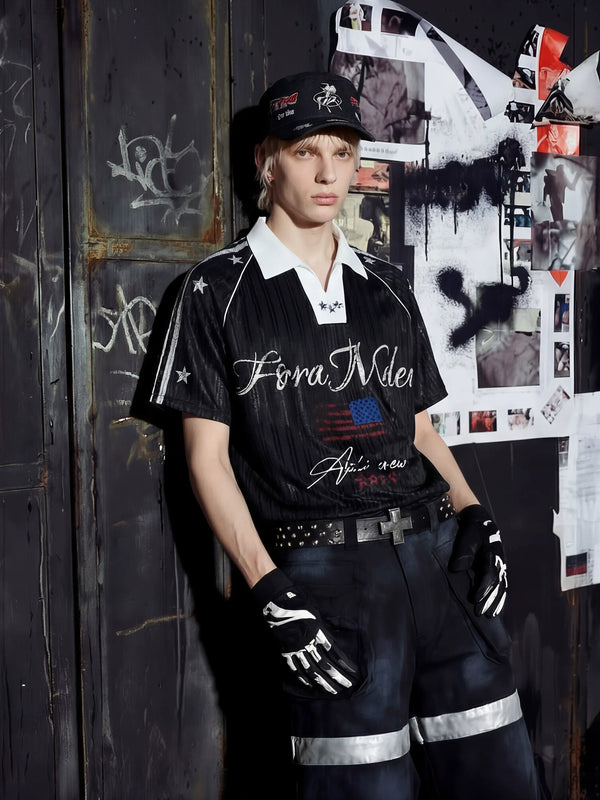
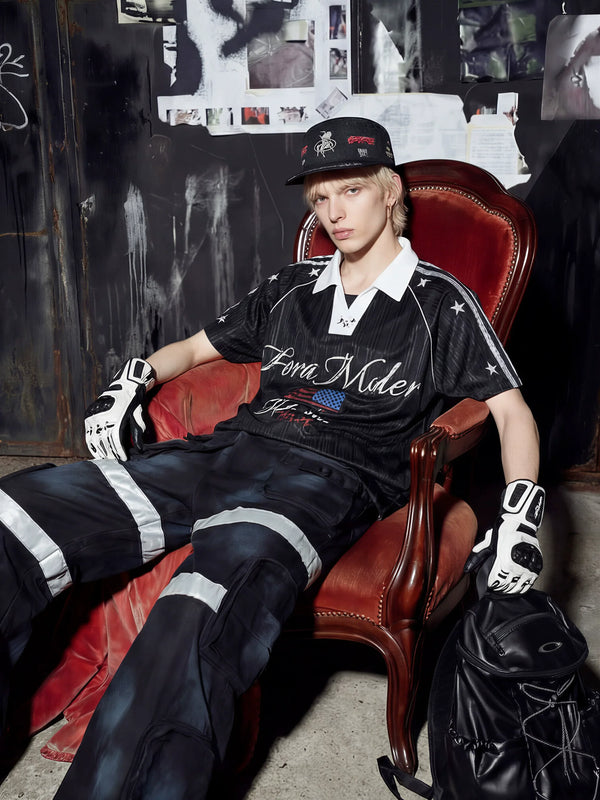
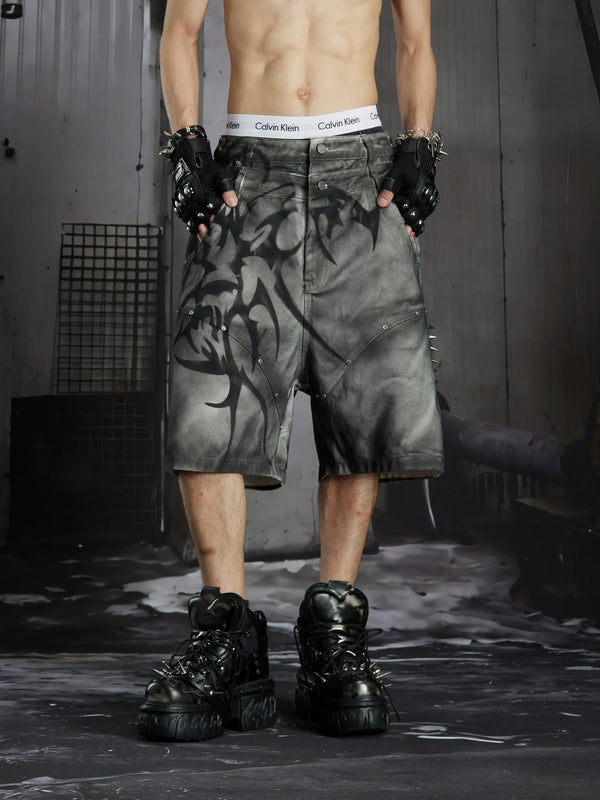
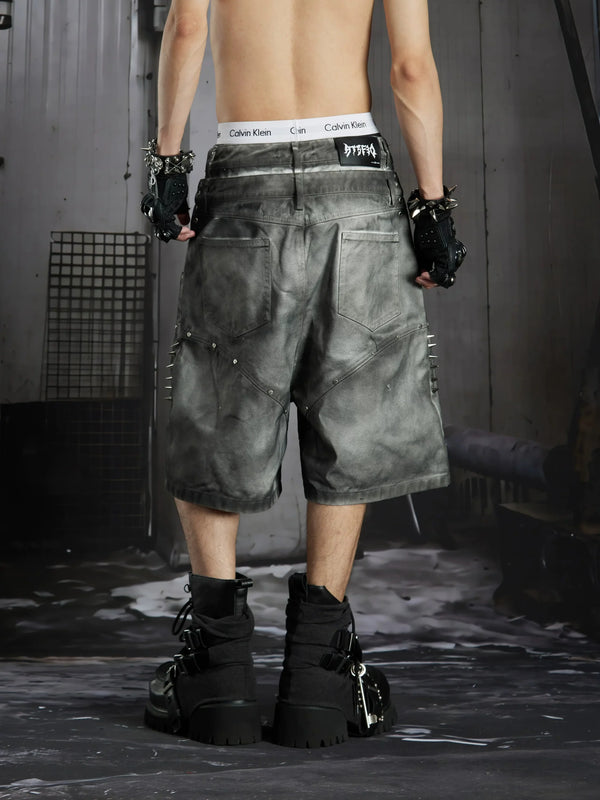
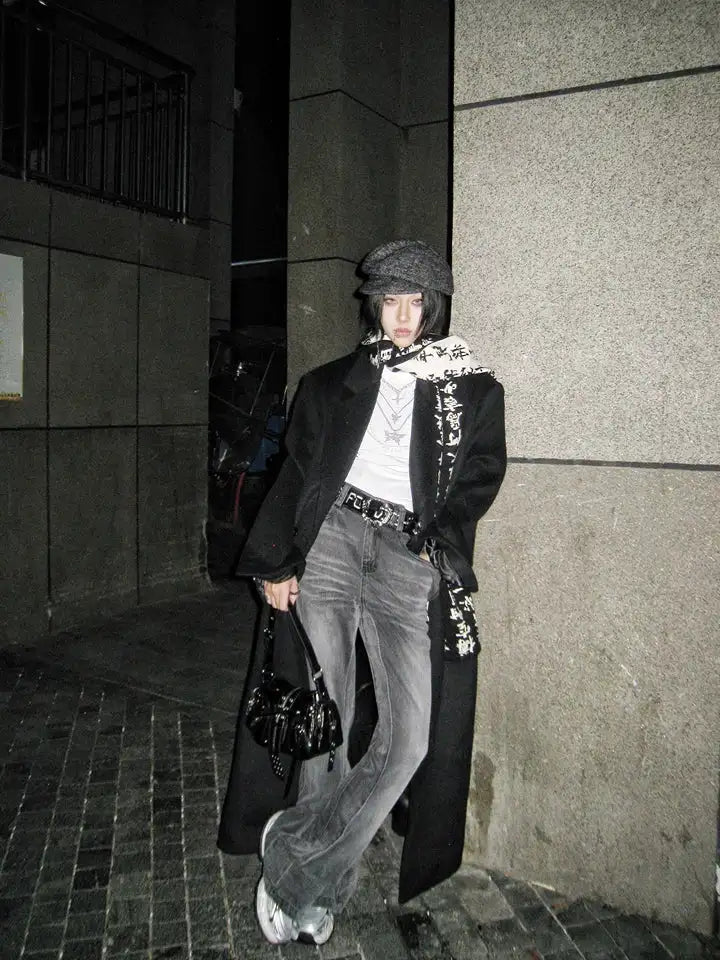
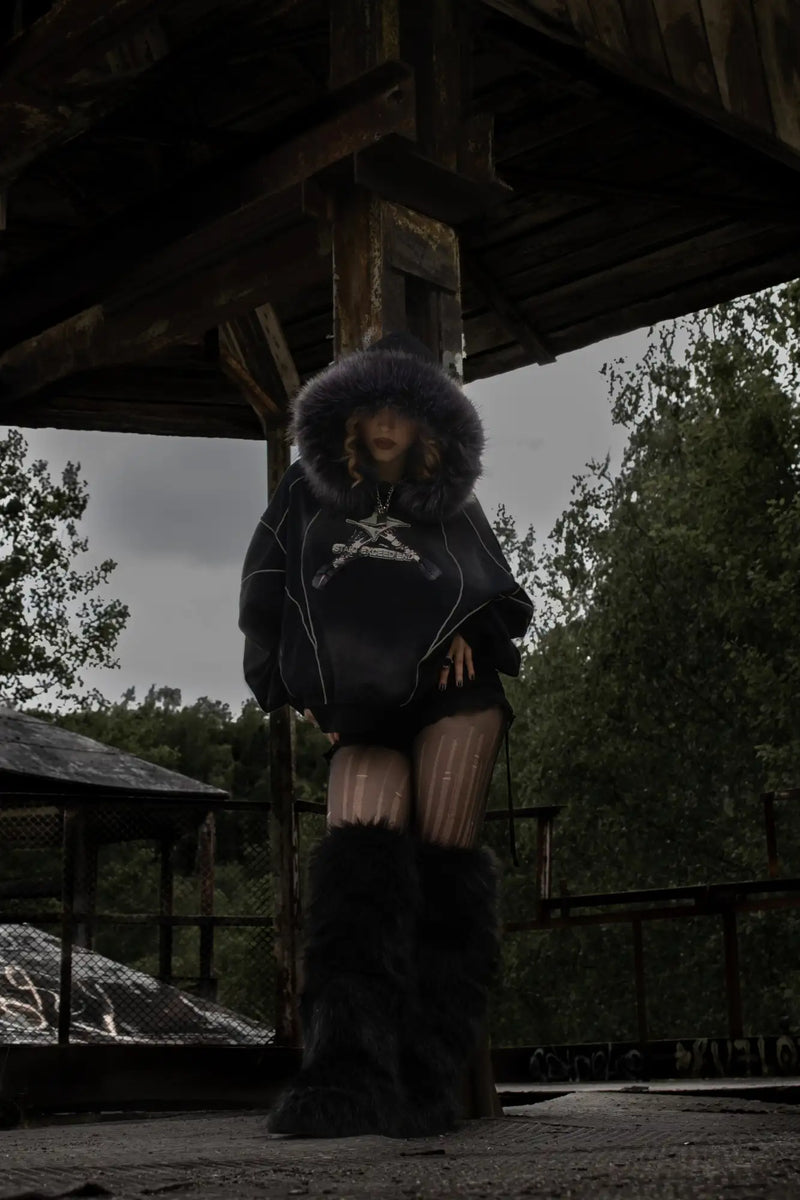
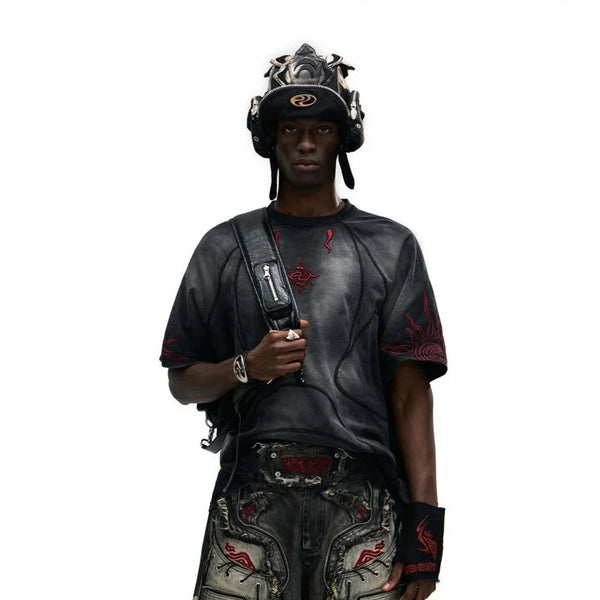
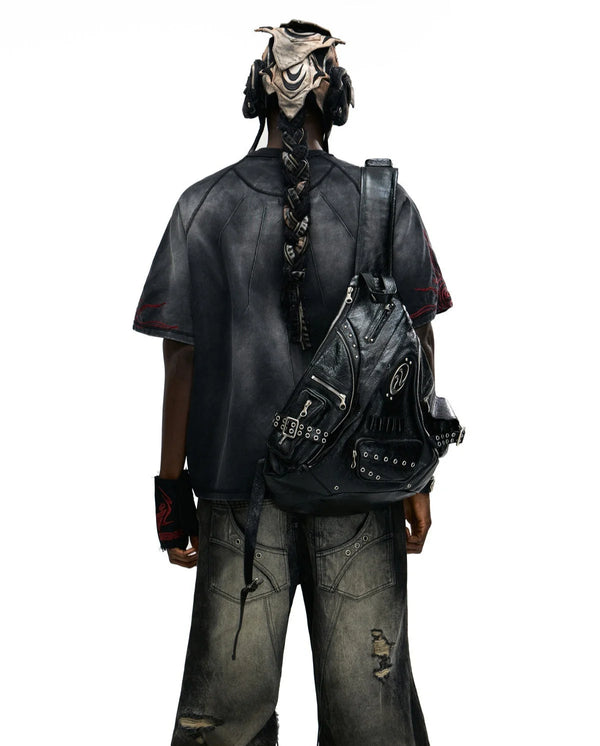
Japanese streetwear accessories are the invisible backbone of an authentic Tokyo look - it's not the big pieces that stand out, but the details that transform an outfit from "good" to "understood". At Fuga Studios you'll find a hand-picked selection of Japanese accessories that have real street energy: harnesses, chain necklaces, statement bags and functional accessories found in Harajuku, techwear and Opiumscene are anchored. Every piece tells a story and works.
📖 Japanese streetwear accessories at a glance
From functional bags to statement jewelry to tactical accessories - Japanese streetwear accessories combine utility with visual presence. Characteristic elements: metal chains, MOLLE systems, buckles, straps, minimalist design with maximum functionality. The color palette ranges from black and silver to ecru and military tones. Origin: Harajuku, Shibuya and Tokyo's underground fashion scene. 2026: An established design vocabulary with serious craft tradition and real subculture heritage.
Japanese streetwear accessories differ fundamentally from Western trends in their functional philosophy and historical depth. A Western accessory is often primarily aesthetic – it should look good and attract attention. A Japanese streetwear accessory is functional first, aesthetic second. A harness isn't just a visual statement - it's actually structured to hold or carry something. A chain isn't just decoration - it's sturdy enough to attach to your backpack and last for years. This mentality comes from the practical Japanese design ethos and tradition of workwear and outdoor functionality. When you buy a Japanese streetwear accessory, you're not just buying looks - you're buying a philosophy and a story that goes deeper than one season.
There are several categories that together make up the ecosystem. The first are Bags and carriers: Cross-body bags, messenger bags, waist bags, all made of technical materials (Cordura, Ballistic Nylon, Canvas) and with functional details such as magnetic closures, cable tie-compatible eyelets or MOLLE strips. These bags are not simple - they are well thought out for durability. The second category are Jewelry and chains: Necklaces, often made of stainless steel or silver, with large chain links and deliberately raw surfaces. These chains are not delicate – they are present, visible and structured. A good chain is an investment, not an impulse purchase. The third category are Harnesses, straps and buckle systems: These are accessories that are worn directly on the body or on clothing - tactical straps that are worn on the waist or over the shoulders, modular buckle systems that are compatible with MOLLE patterns and can be combined with different pieces. The fourth category are Functional details: Keychain pendants, carabiners, D-rings, magnetic clasps - small parts that connect other pieces and hold them together. These details are expensive and high quality - not cheap and fast, but durable and reliable.
Explore bags, jewelry, harnesses and tactical details – from minimalist to statement.
The key to getting the perfect Japanese streetwear look with accessories is the concept of Layering – but not just in clothing, but also in accessories themselves. A chain necklace alone can seem overdone, especially if you have no other tactile basis. Combined with a harness, a cross-body bag and a structured belt, it becomes part of a coherent system where each element supports the other. Most beginners make the common mistake of wearing too many different accessories at once - it looks unintentionally chaotic instead of consciously thought out. Better: Two to three well-chosen, high-quality accessories per outfit. A chain necklace combined with a waist bag – that works. A harness combined with large D-ring pendants and a sturdy belt – that too. When everything is from the same family of materials (e.g. all stainless steel, all black Cordura, all silver metal), the look feels cohesive and intentional rather than random.
Proportions and color coordination are also important. A large harness system works better with loose pants (Harajuku pants, cargo pants) or large tops where it doesn't look too small. A subtle chain necklace works better with tighter or structured tops, where it won't compete with other fabrics and get lost. A large cross-body bag works with almost anything, as long as the color is coordinated and it doesn't fight with other bulky pieces. The rule of thumb: If the top is voluminous, keep the accessories subtle and structured. If the top is tight, you can go statement-making with accessories and use multiple details.
From the minimalist Y2K-Look up to the dark techwear vibe – find your accessory set.
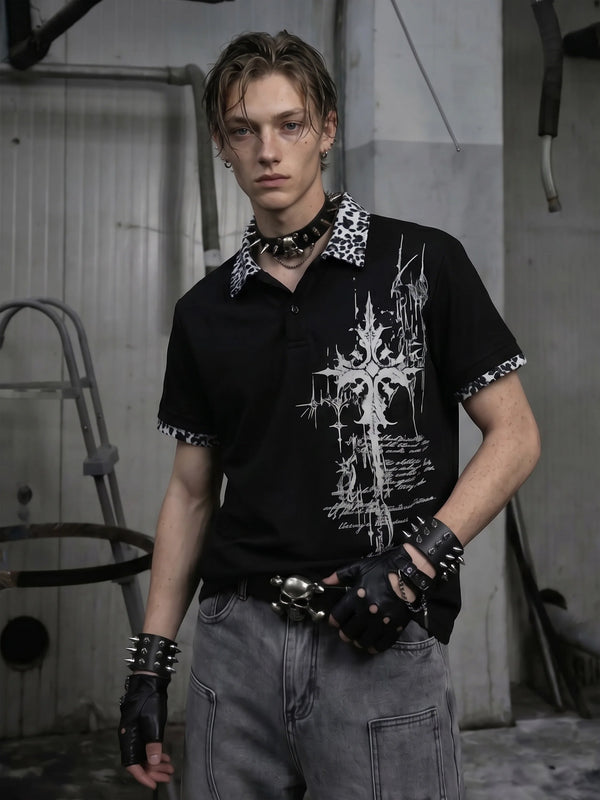
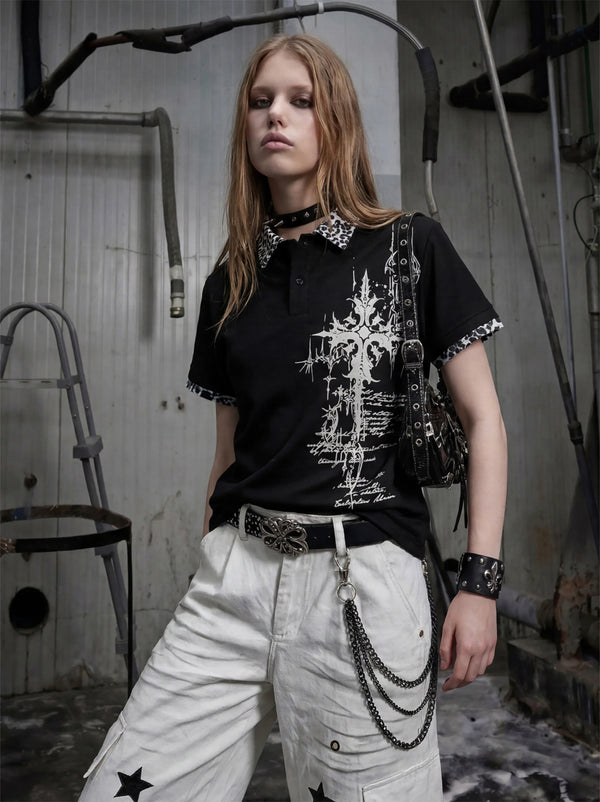
If you're wearing Harajuku pants, pair them with a large cross-body bag - the voluminous pants already carry a lot of visual weight, so keep accessories structured and simple. A chain necklace works well, but choose one with larger, visible chain links (2-3mm at least) - subtle chains will get lost in the outfit and appear lost. Metal color should match your pants - silver with lighter tones, matte black with dark ones. If you're tight OpiumIf you wear pants or dark fashion, several smaller accessories work better - multiple chains layered on top of each other, a structured harness system, several small D-ring pendants on a belt. The contrast between tight and detailed, between smooth fabric and rough metal details - that's interesting and deliberate. When you wear techwear, focus on functional Accessories: Waist bags with MOLLE compatibility, harnesses that visually match the jacket Cordura fabrics, carabiners and D-rings in silver instead of gold or rose gold.
Japanese streetwear accessories aren't cheap, but that's intentional. A high-quality harness from ACRONYM or a chain necklace from Undercover costs €150-€500, but it will accompany your outfit for years or decades. The materials are real stainless steel, robust nylons, magnets that hold. The processing is precise. A cheaply made harness from Amazon will fall apart after two months - a Japanese harness gets better the more you wear it. This is a conscious design philosophy: Buy little, buy well, buy for a long time. This mentality is built into almost every Japanese streetwear accessory. When you start to understand Japanese accessories, you will also understand why Japanese design and craftsmanship are respected worldwide.
Most Japanese streetwear accessories have a deep, often underappreciated connection to Tokyo's underground scene and global subculture heritage. Harnesses weren't invented out of fashion - they come from the riot subculture, the punk movement and the BDSM community in Japan. These origins are not controversial – they are the point. A harness carries a cultural history within it. Chain necklaces have made their way from the punk and biker scenes into mainstream streetwear, but they retain their rebellious energy. MOLLE systems and Cordura bags come from military equipment and outdoor functionality - which explains why they are so well thought out. This story is important to understand because it explains why a Japanese accessory that is so well thought out and durable. It wasn't invented for Instagram or quick trends - it was developed in real contexts with real people, where functionality and durability were necessary. When you wear a Japanese streetwear accessory, you are carrying a part of that history, and that makes a big difference in the authenticity of the look.
💡 Pro tip
Invest in a few high-quality Japanese accessories instead of lots of cheap ones. A real stainless steel chain necklace from ACRONYM or Undercover will last for years and look better than ten cheap chains from Amazon. The best strategy: Look for designers like Yohji Yamamoto, ACRONYM, Undercover, Guerrilla Group - these labels really understand the Japanese accessories philosophy. The color palette should match the rest of your outfit - silver with modern, technical looks, matt black metals with darker aesthetics like Opium or Goth. And: Start with one basic accessory per season, not five at once.
Free shipping from €169 | 14 day return policy
Japanese streetwear accessories are functional first, aesthetic second. They come from real subcultures (Harajuku, underground fashion, punk) and are thought out down to the smallest detail. A Western accessory is often primarily visual; a Japanese accessory is practically built and durable.
Key designers: Yohji Yamamoto, ACRONYM, Undercover, Guerrilla Group, Sorayama, A.P.C., Visvim. These labels understand Japanese design philosophy and subculture depth. Fuga Studios curates pieces from these and similar brands with a focus on authenticity.
The concept is layering – but subtle and intentional. Choose 2-3 high-quality accessories per outfit instead of many different ones. When everything comes from the same material family (e.g. stainless steel or black Cordura), the look appears coherent and well thought out rather than random.
MOLLE (Modular Lightweight Load-carrying Equipment) is a modular system, originally from military equipment. MOLLE-compatible accessories have small loops that allow parts to be hooked together. This is important in techwear and tactical fashion because it offers real flexibility and functionality.
Quality chains from Japanese designers cost between €80-€300, but they last for years and years. They are made of real stainless steel or silver, not cheap brass. For a look you'll wear regularly, it's worth the investment. A good chain is a lifetime piece.
Silver and polished metal work with modern, technical looks. Matt black metals suit darker aesthetics (Opium, Goth, Berghain). Natural wood or copper works with Y2K and vintage-inspired looks. Most important: consistency and intention - don't randomly mix gold tones with silver, it looks messy.
2015 → today
Fūga
風雅
Berlin Plattenbau origins, Asia-inspired. Creative, but never fully fitting into the system. Tokyo 2015 as the starting point — six niche phases since then.
Today: Berlin · Shanghai · Tokyo · Poznań. We know our designers by name. Limited drops, no restocks.
We aren't dropouts. We know the system — went through training, worked, kept building. Both sides hold.
How Fūga evolved
What started as Streetwear in Tokyo has shifted over the years — through different phases, our own and collective.
01
The first designs. Anime prints, Harajuku characters, Tokyo connection.
02
Functional, layered, dark. Tokyo reduction translated into fabric.
03
Heavier, uncompromising, more shadow. Grew up parallel to Techwear.
04
Berghain aesthetic with street cuts. Raw, black, Berlin avant-garde meets Streetwear.
05
Cyberpunk meets the Berghain floor. Reflective, tactical, sound-system ready.
06
Tailored cuts with Streetwear logic. Growing older without going 9-to-5. Stay edgy.
What comes next, we'll write when the time comes.