
Limited drop · Live now
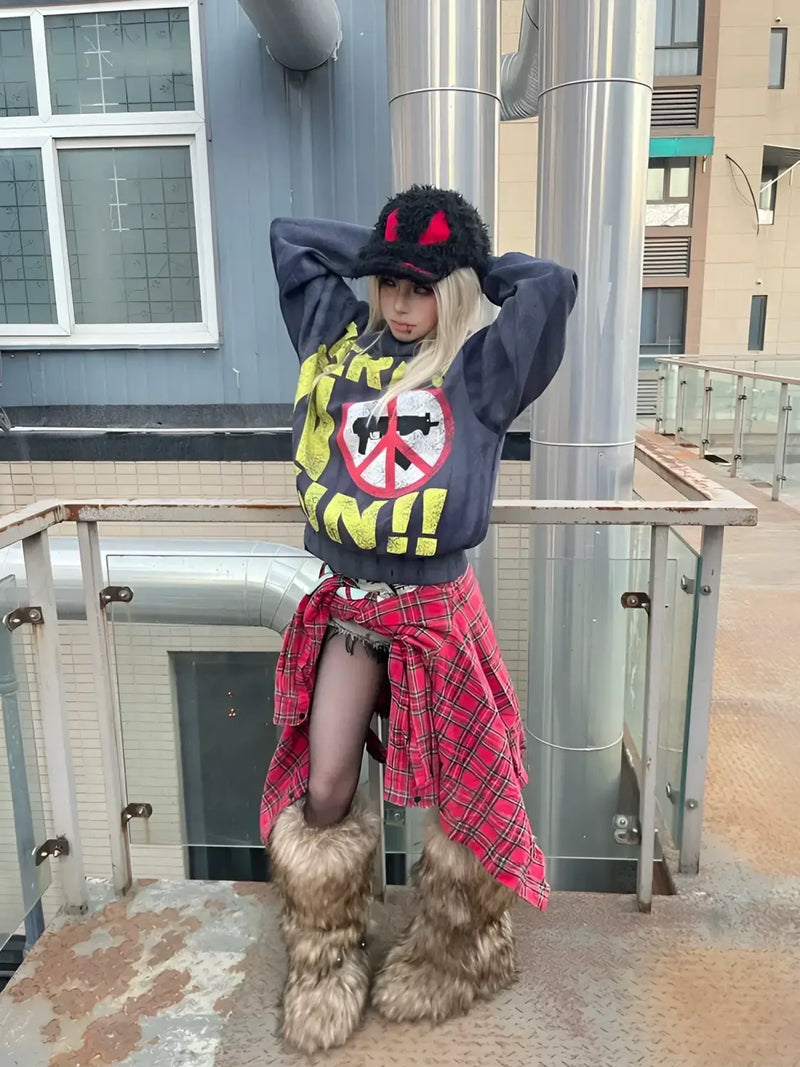
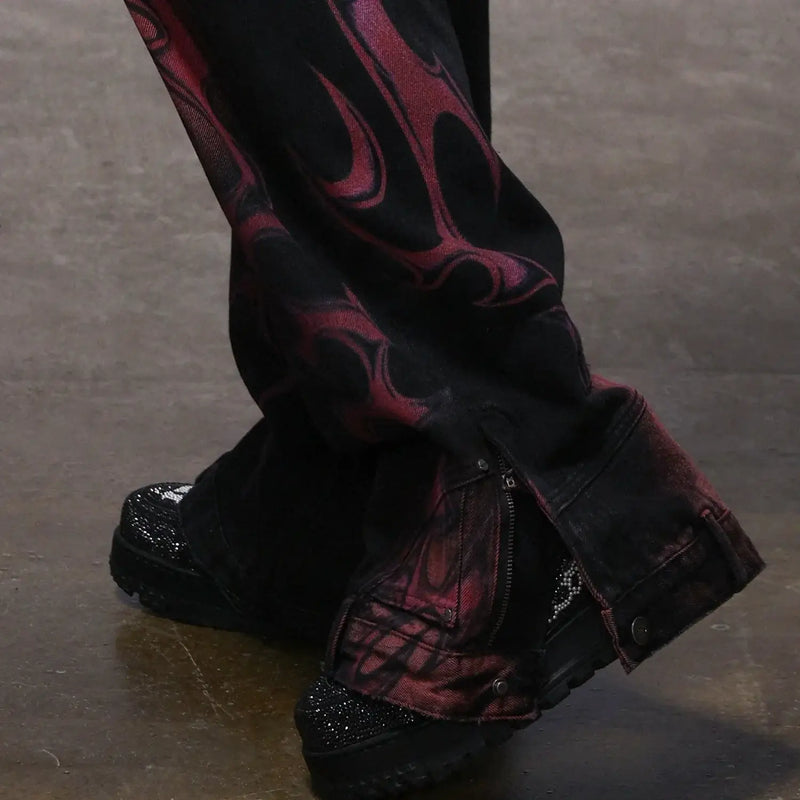
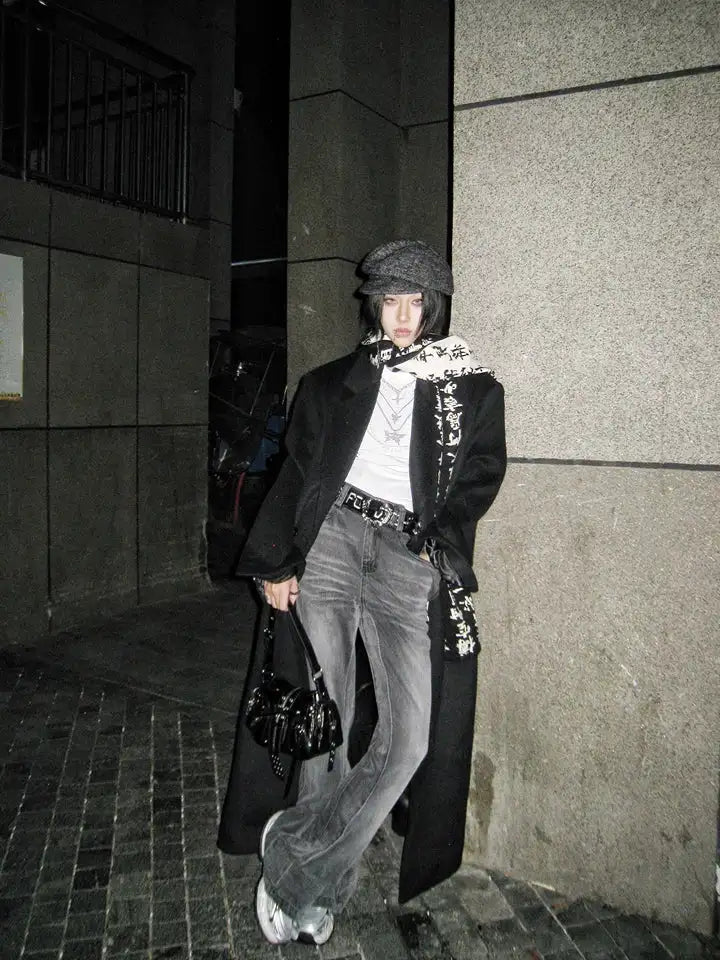
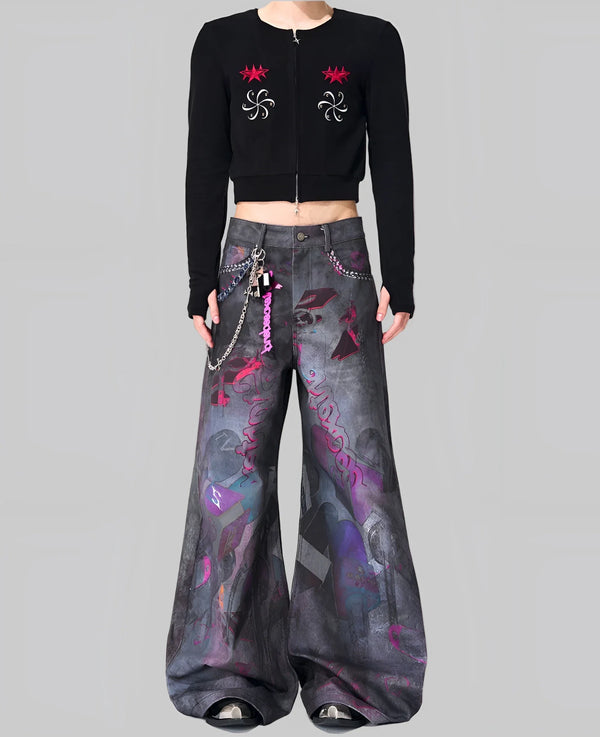
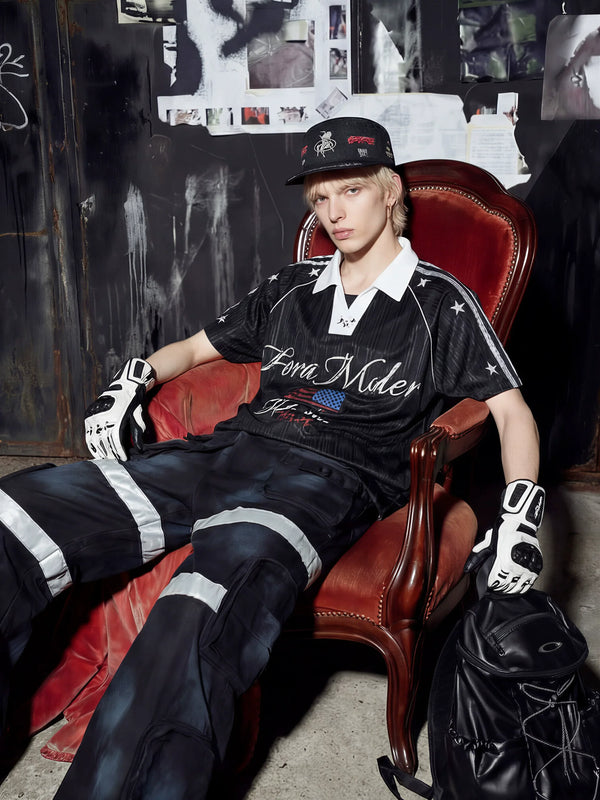
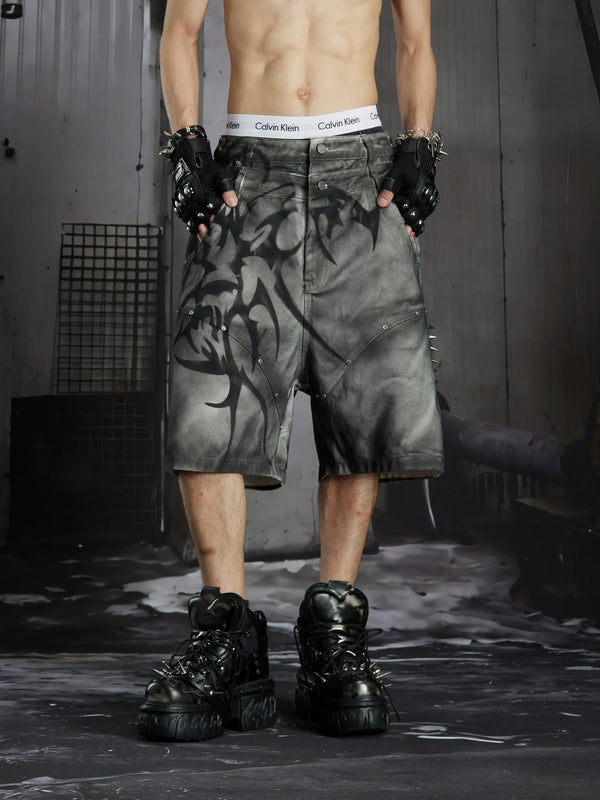
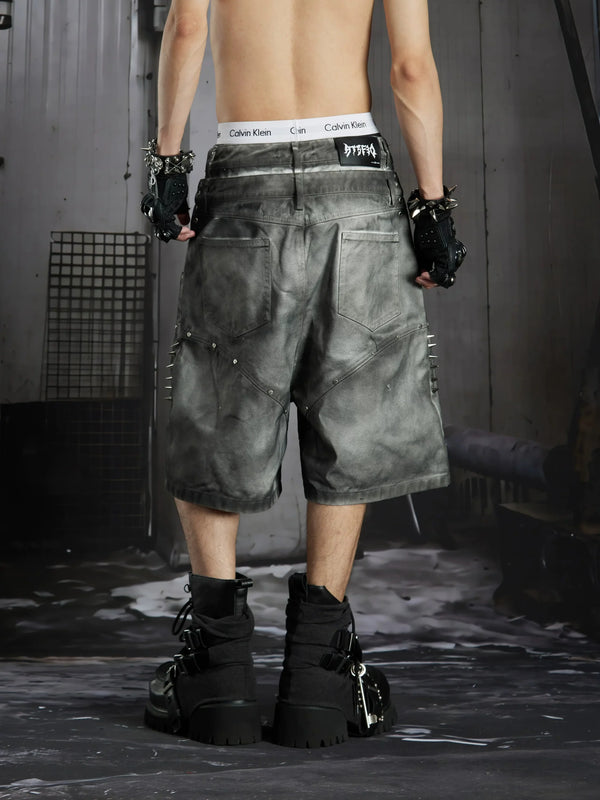
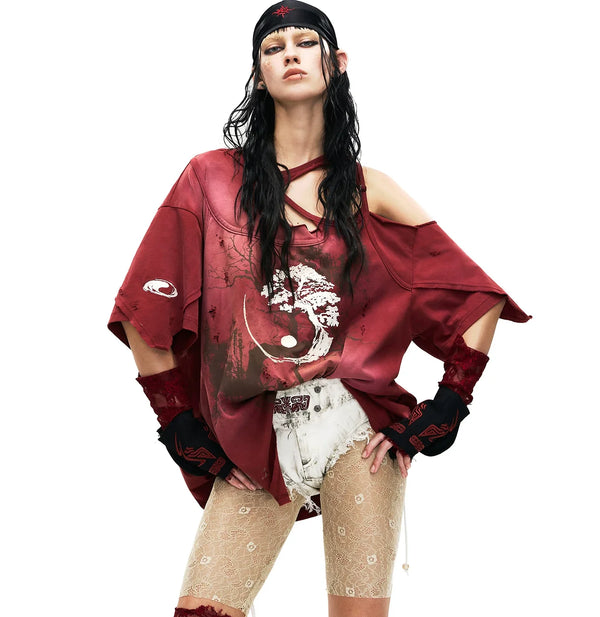
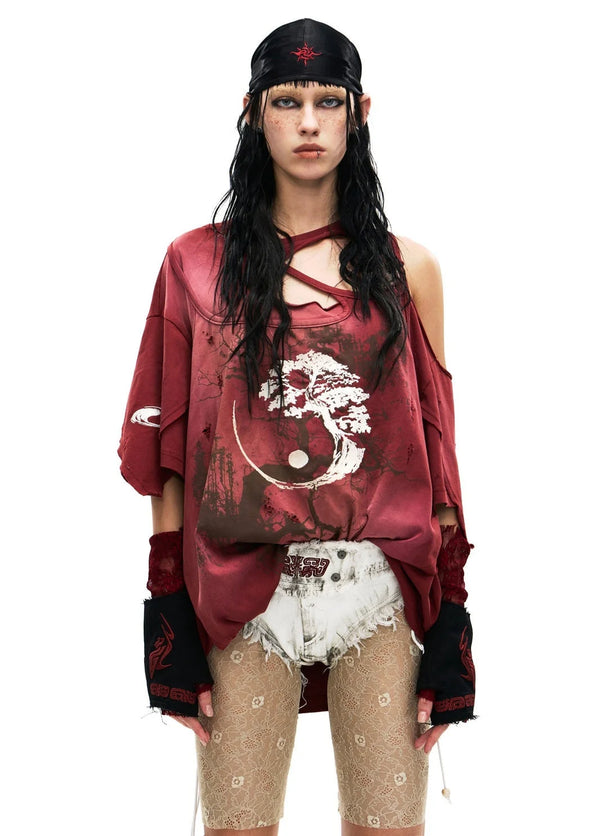
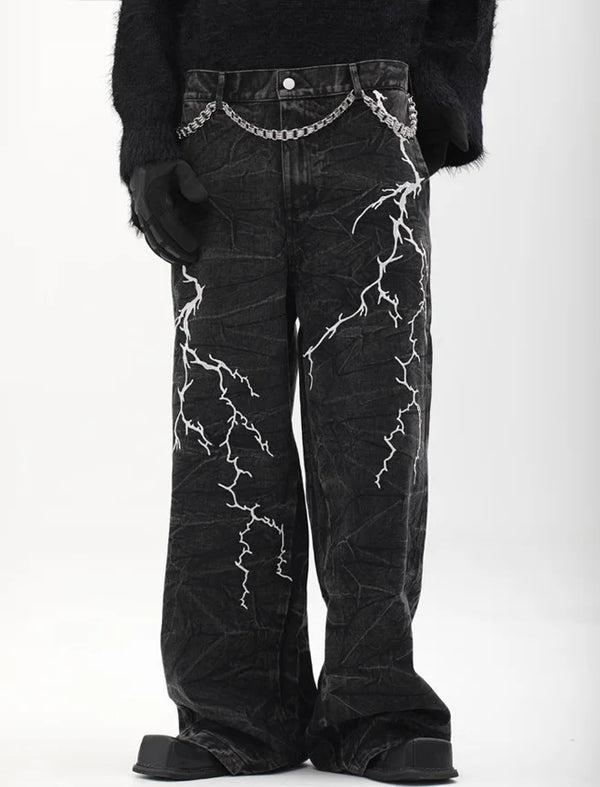
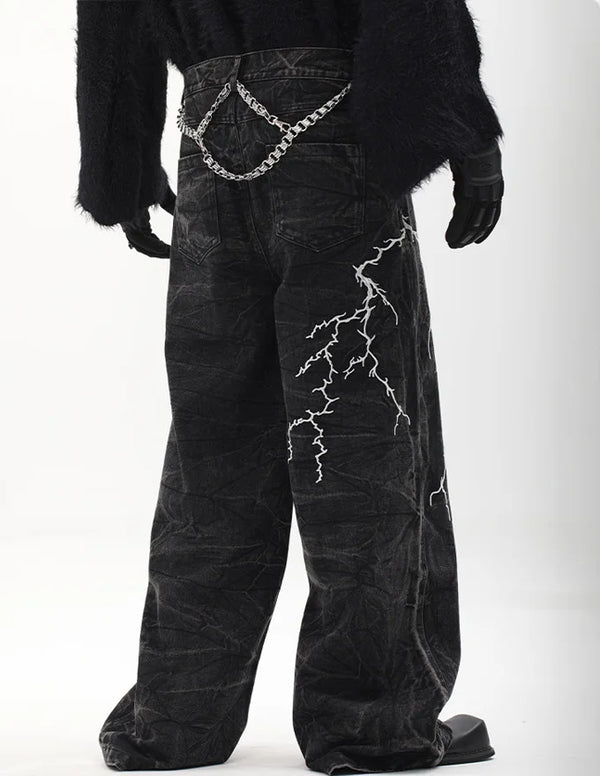
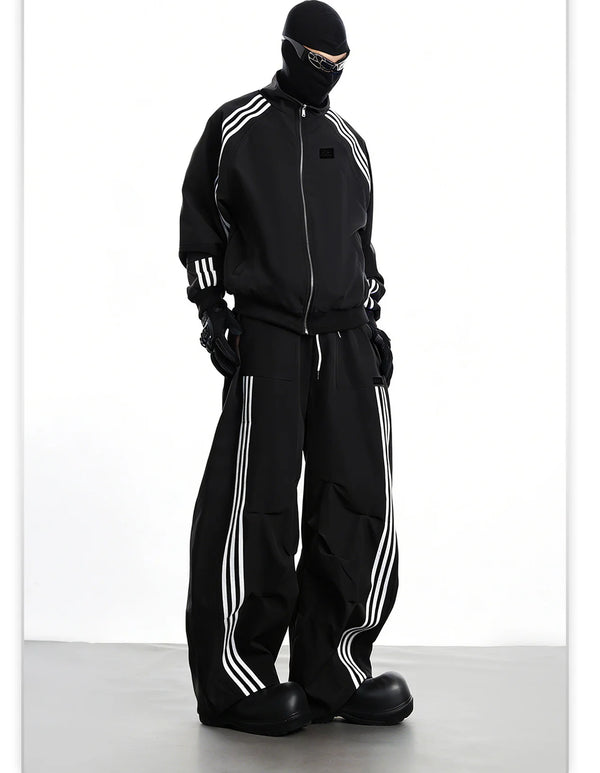
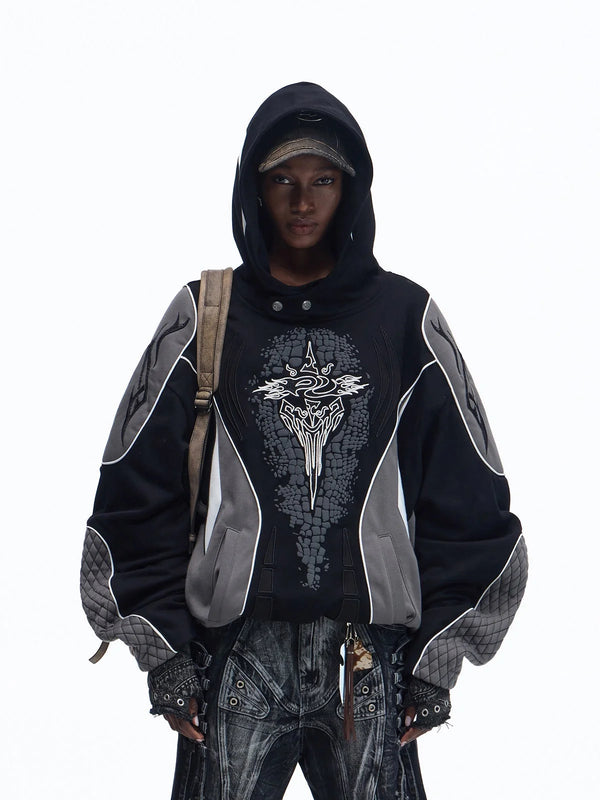
Modern Japanese clothing for men merges Tokyo silhouettes with European street life.
Most Wanted



All pieces
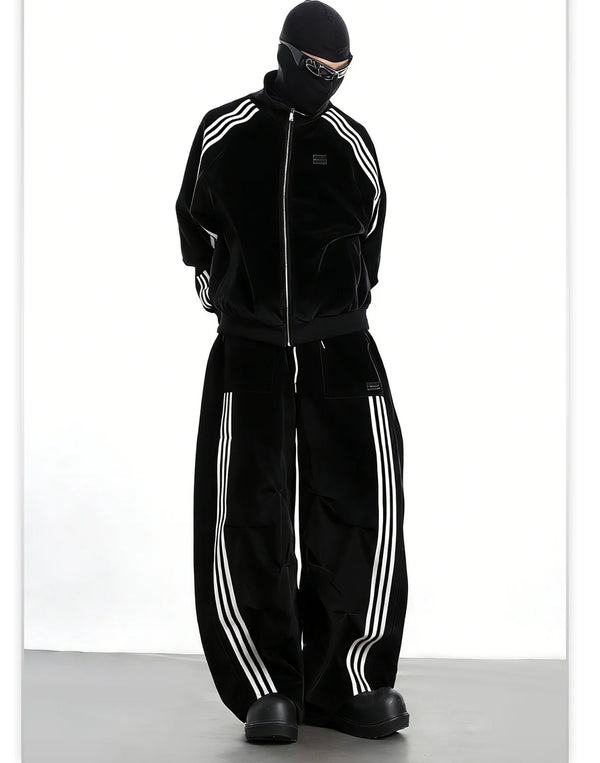


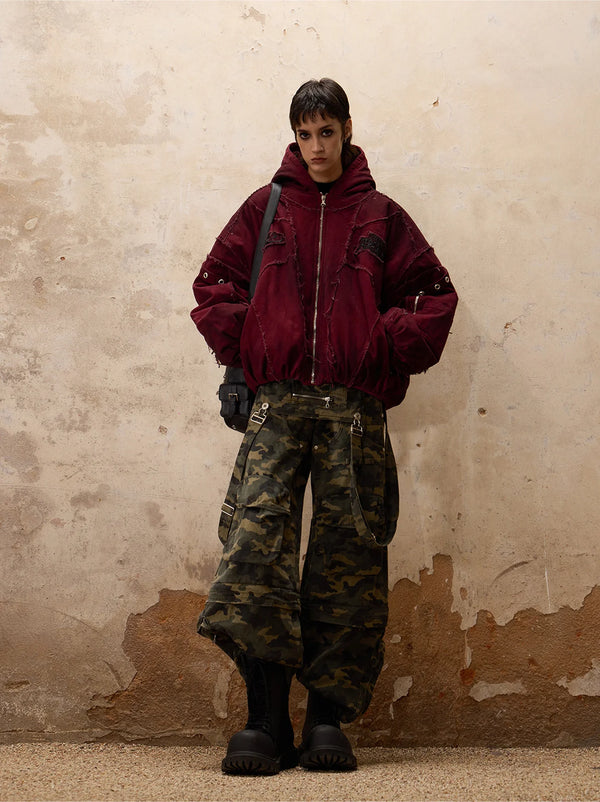
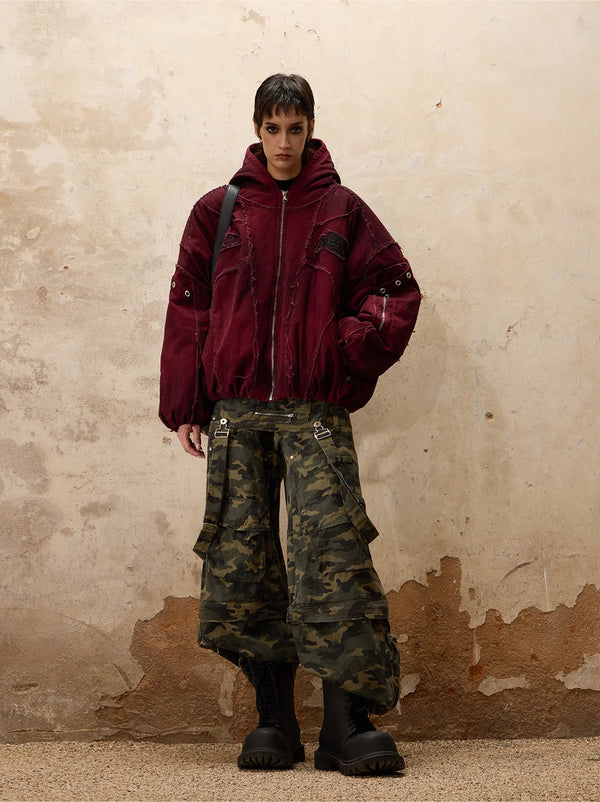
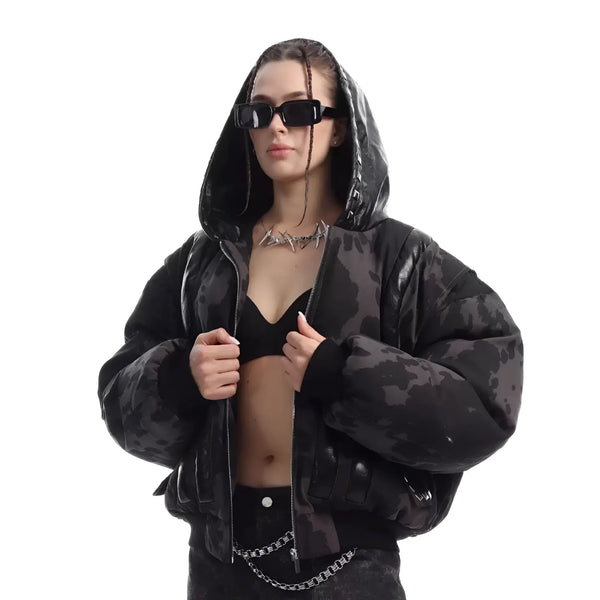
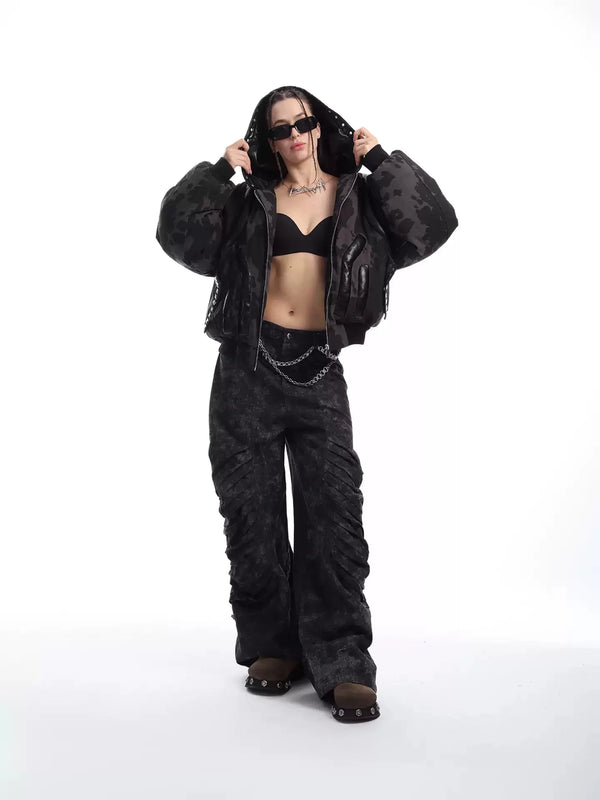
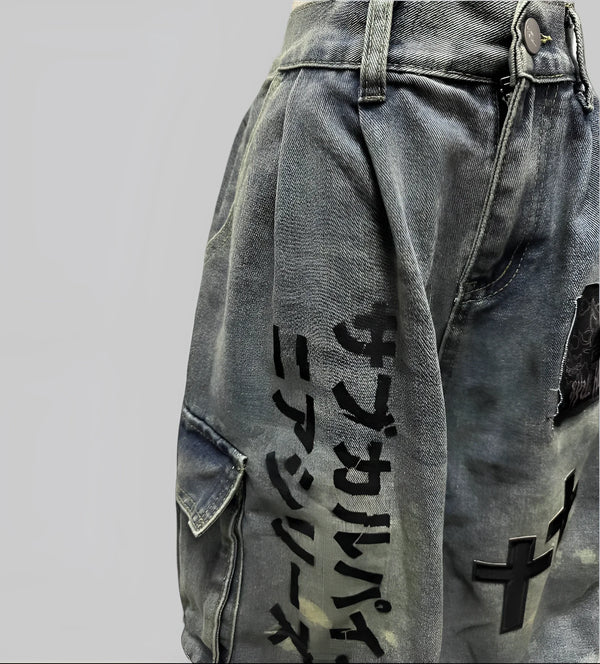

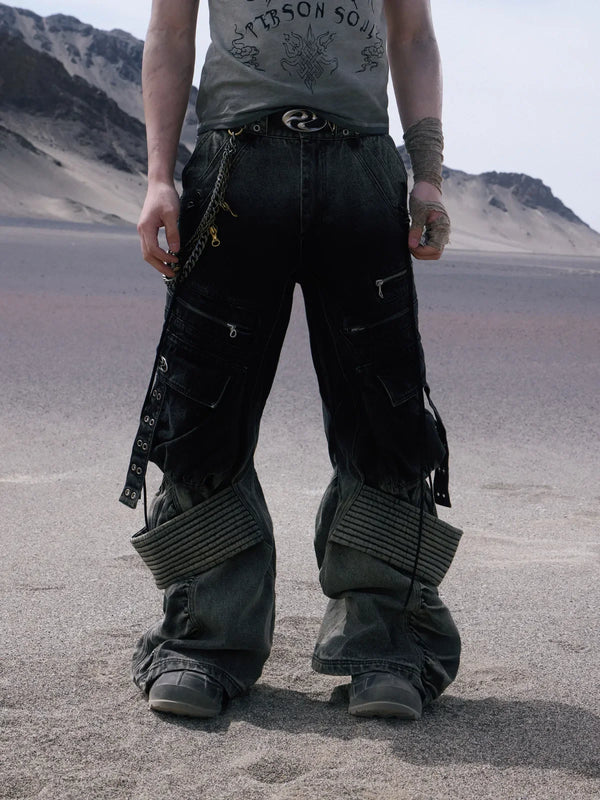

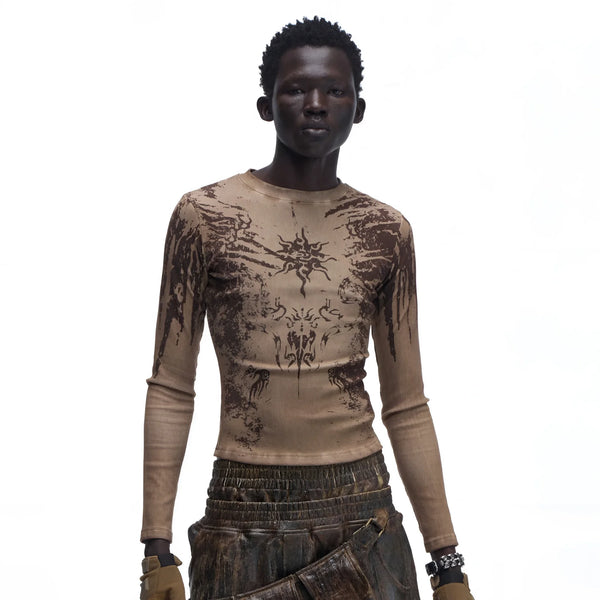


Drop Alerts
We'll let you know when the next drop in this niche lands.
You're in. We'll let you know at the next drop.





Drop Alerts
We'll let you know when the next drop in this niche lands.
You're in. We'll let you know at the next drop.
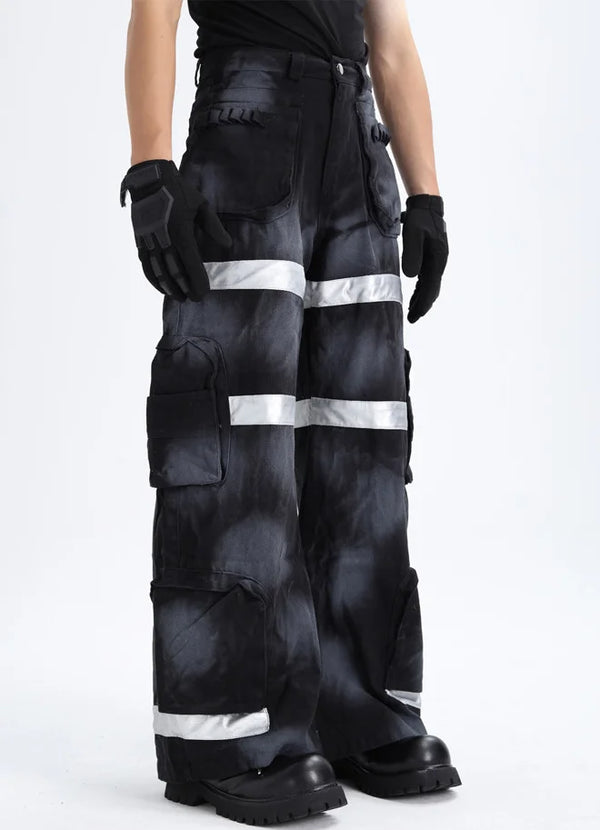
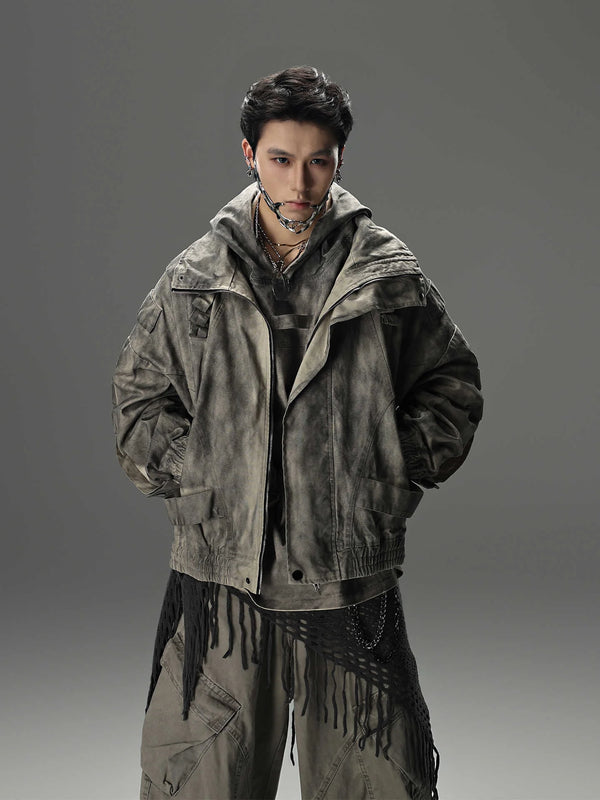
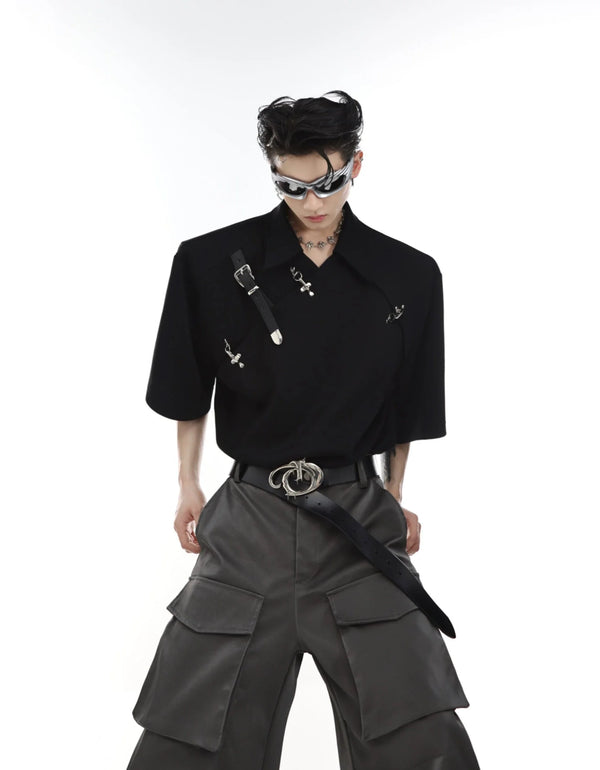
Modern Japanese clothing for men merges Tokyo silhouettes with European street life. Wide cuts, functional details, reduced forms — this is not a costume, this is a stance.
The foundation is proportion. Oversized torso to slim leg, wide pants to short top, asymmetric layers over a clean base. Tokyo streetwear thinks in volume, not fit. Fabrics like ripstop, heavy cotton twill, and technical blends give cuts structure without feeling stiff. Colors stay muted — black, grey, off-white, occasionally olive. For deeper context, check our Japanese Fashion Guide which breaks down the major movements.
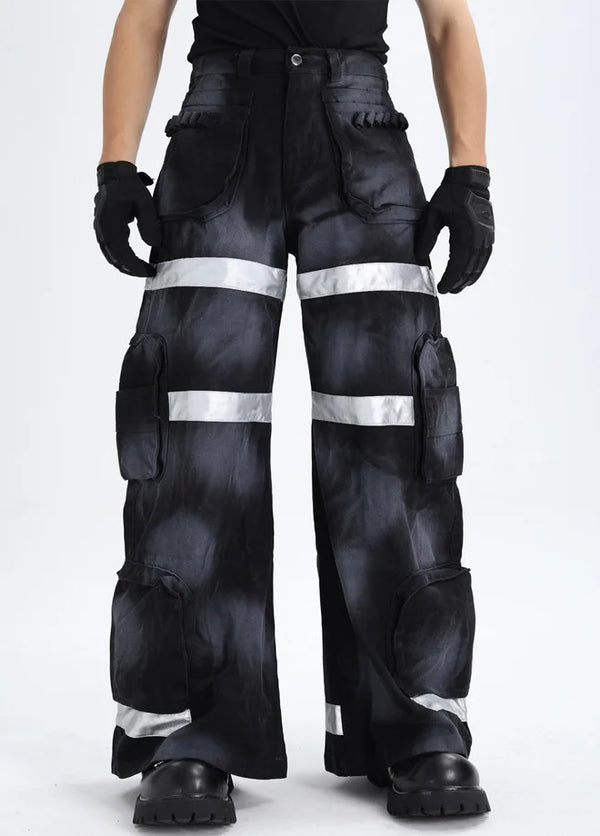
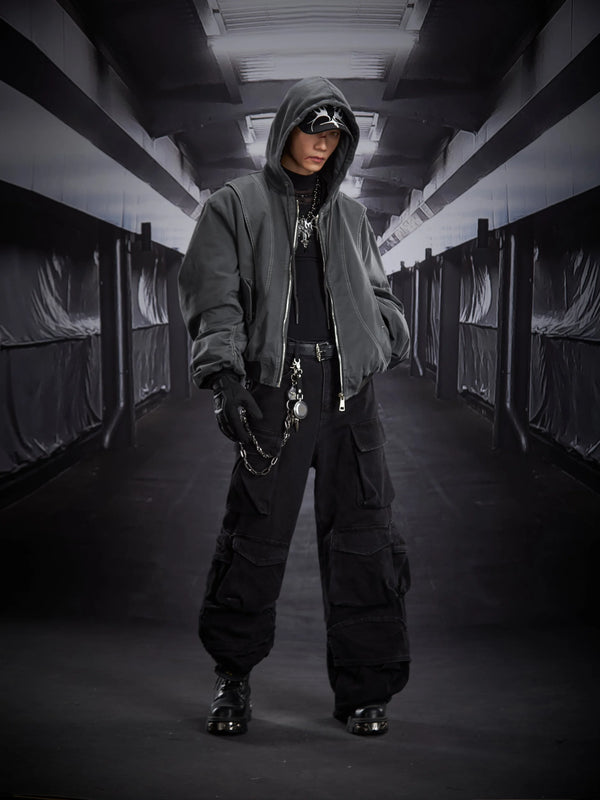
Japanese streetwear works in layers. A Japanese Windbreaker over a plain longsleeve, plus Harajuku Pants with cargo pockets and chunky soles. The rule is simple: one statement piece per outfit, everything else supports it. Accessories stay functional — crossbody bags, utility belts, no decoration without purpose. The result reads in Shibuya the same way it does in Berlin-Kreuzberg.
Techwear prioritizes function and synthetic materials. Japanese streetwear is broader — it includes Harajuku layering, workwear influences, and traditional tailoring. Techwear is a subset, not the whole.
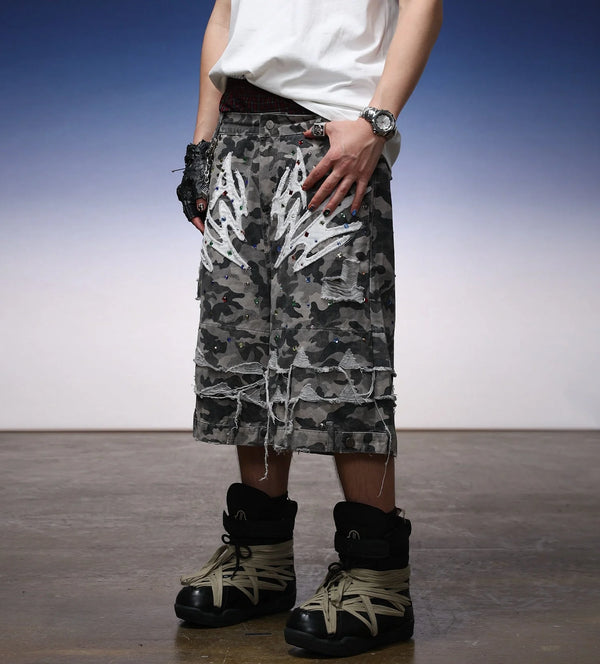
Wide cuts come from Japanese design tradition — Comme des Garçons through Yohji Yamamoto. Proportion over fit. The garment shapes the space around the body instead of tracing it.
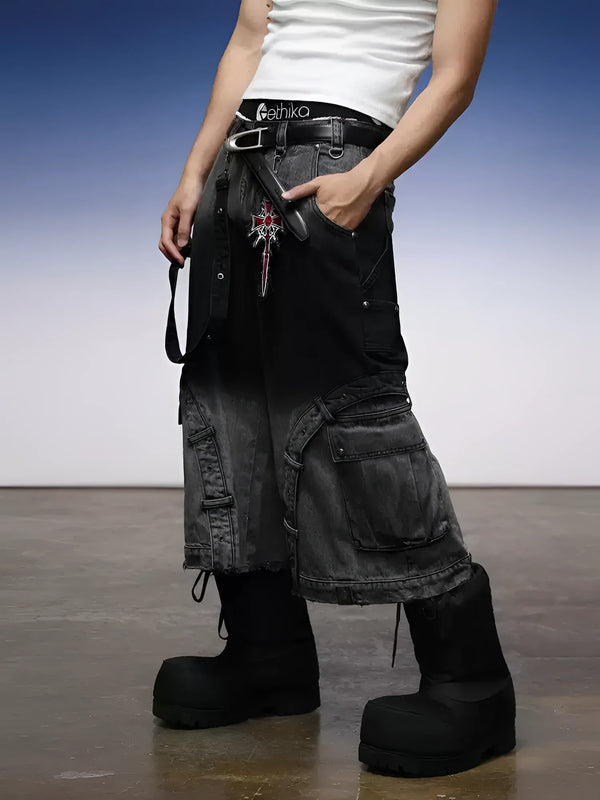
One wide piece is enough. Wide-leg pants with a plain tee, oversized jacket with slim pants. The contrast between volume and reduction carries the look without feeling like dress-up.
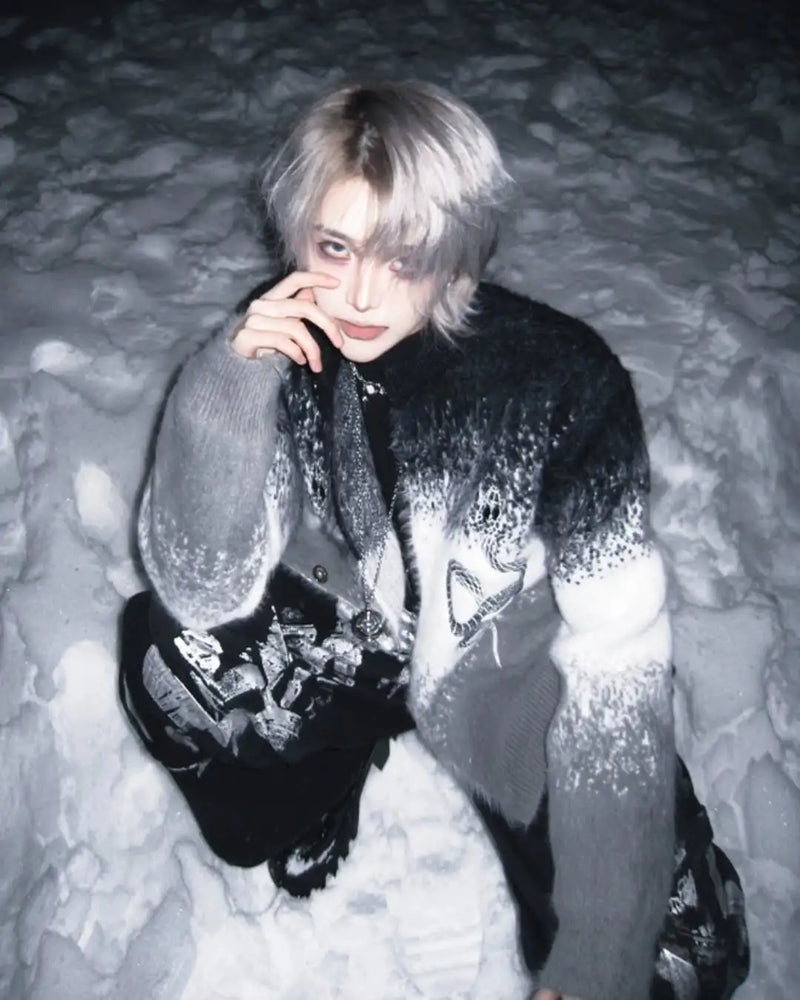
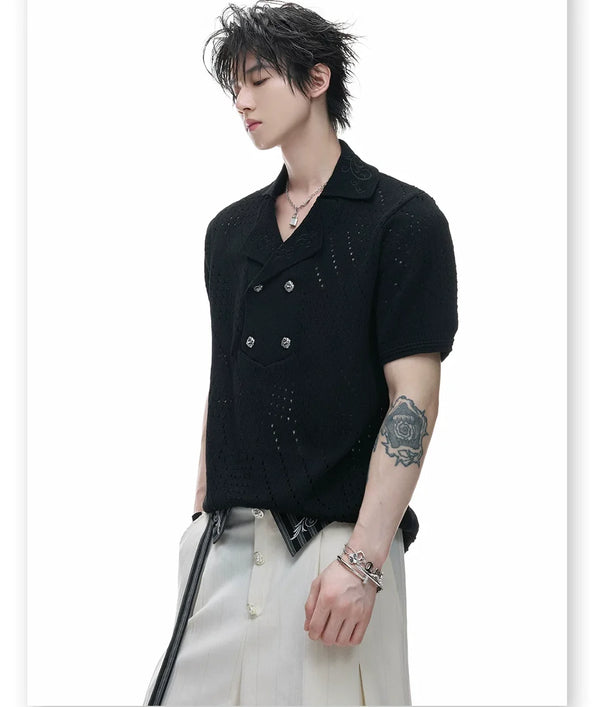
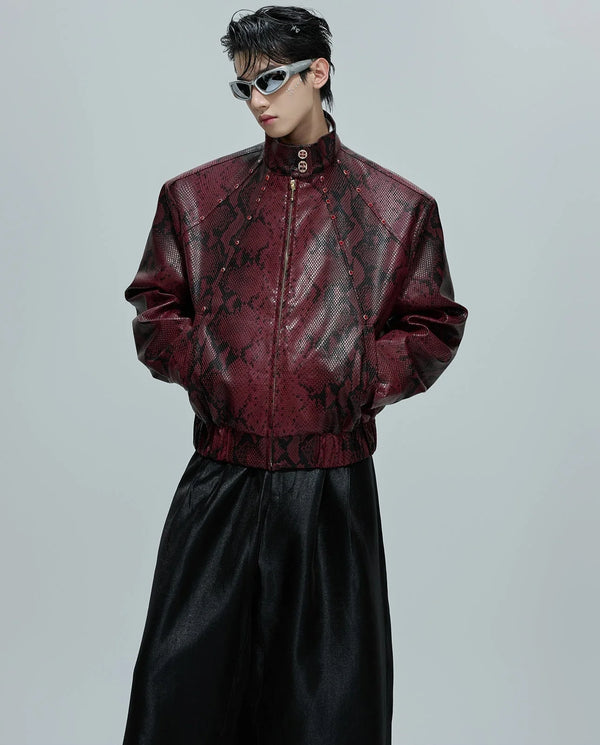
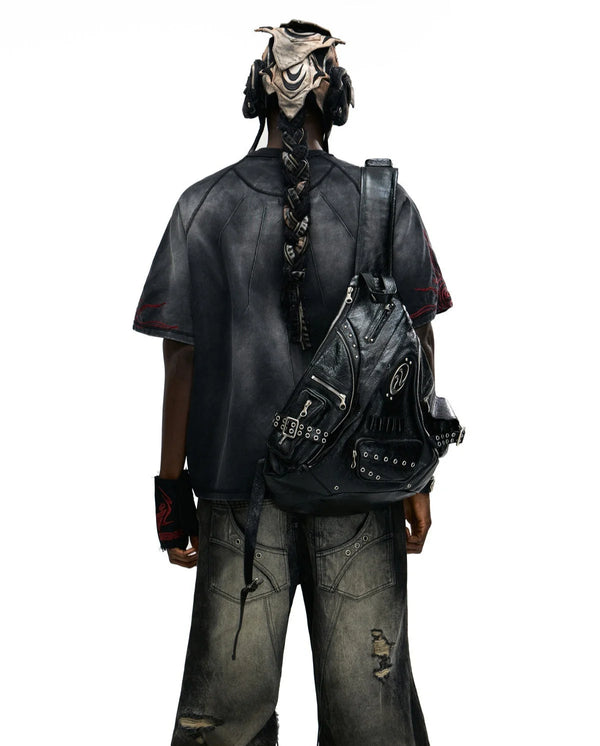
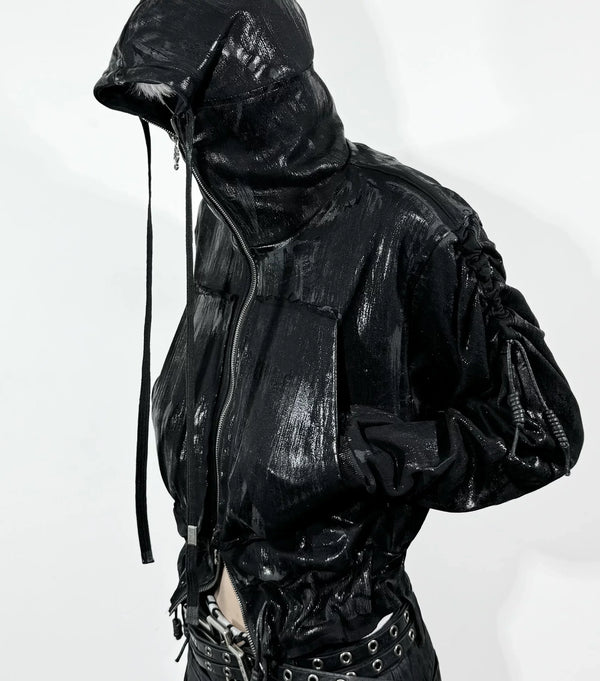
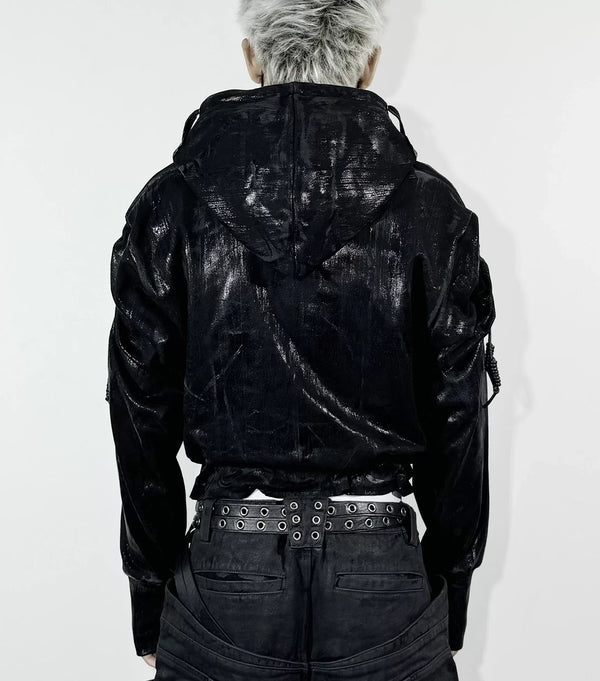
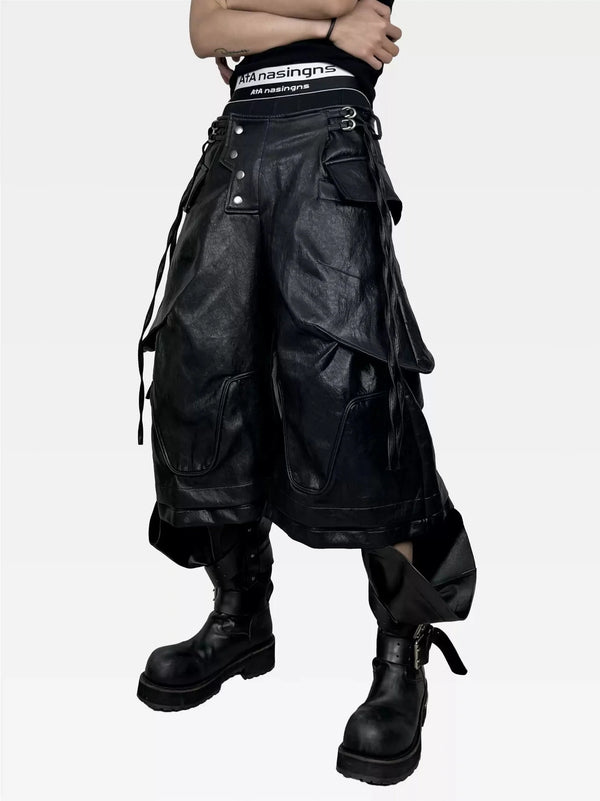
Opium Gradient Snake Cardigan
shanghai studio fit check

From Opium · 4 Pieces
All 84
Drop Alerts
We'll let you know when the next drop in this niche lands.
You're in. We'll let you know at the next drop.

Drop Alerts
We'll let you know when the next drop in this niche lands.
You're in. We'll let you know at the next drop.
4 of 84 Pieces
All 84
From Businesscore · 4 Pieces
All 23
Niche · 03 / 04
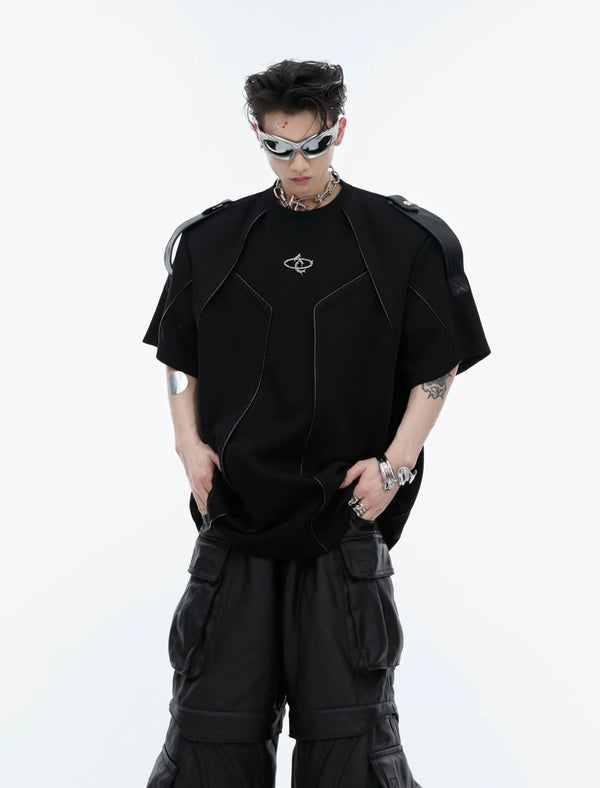
Techwear started here as a translation of Tokyo reduction into fabric. Errolson Hugh, Acronym, GORE-TEX, ergonomic cuts — and parallel to that, Japanese discipline: nothing superfluous, all function.
From Techwear · 4 Pieces
All 104 of 10 Pieces
All 10
Niche · 04 / 04
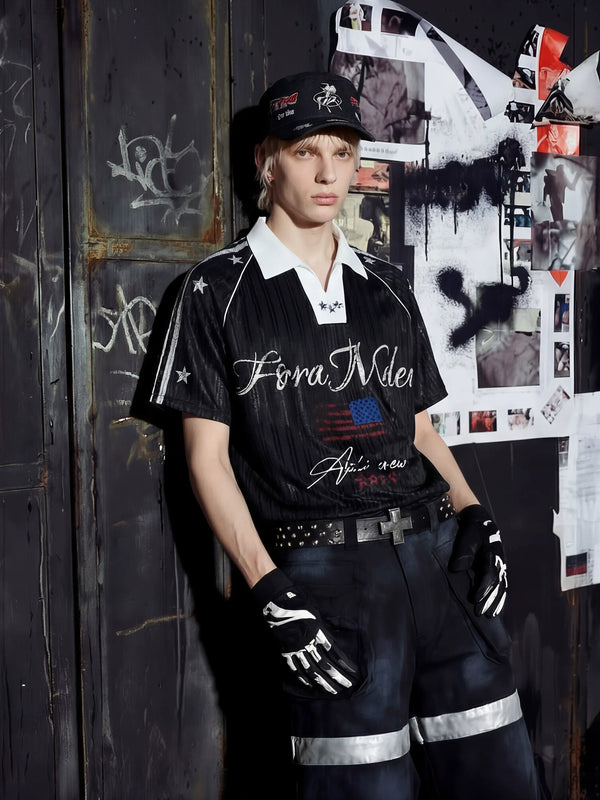
Streetwear is the root — the first designs out of Tokyo 2015 were Anime prints, Japanese characters, Harajuku graphics. Everything else grew from that, but the line keeps running.
From Streetwear · 4 Pieces
All 714 of 71 Pieces
All 712015 → today
Fūga
風雅
Berlin Plattenbau origins, Asia-inspired. Creative, but never fully fitting into the system. Tokyo 2015 as the starting point — six niche phases since then.
Today: Berlin · Shanghai · Tokyo · Poznań. We know our designers by name. Limited drops, no restocks.
We aren't dropouts. We know the system — went through training, worked, kept building. Both sides hold.
How Fūga evolved
What started as Streetwear in Tokyo has shifted over the years — through different phases, our own and collective.
01
The first designs. Anime prints, Harajuku characters, Tokyo connection.
02
Functional, layered, dark. Tokyo reduction translated into fabric.
03
Heavier, uncompromising, more shadow. Grew up parallel to Techwear.
04
Berghain aesthetic with street cuts. Raw, black, Berlin avant-garde meets Streetwear.
05
Cyberpunk meets the Berghain floor. Reflective, tactical, sound-system ready.
06
Tailored cuts with Streetwear logic. Growing older without going 9-to-5. Stay edgy.
What comes next, we'll write when the time comes.